The government is moving towards prevention of the chain of infection 38 Appendix 6: Case study: COVID 19 and public transport in Liberia 44. In addition, all measures taken by government authorities and public transport companies to also ensure the safety of staff and passengers as a further spread of COVID- 19 must be based on comprehensive impact analyses.

In other words, in the event that any passenger using public transport has been infected with COVID-19, the local government and the public transport provider should make efforts to provide comprehensive risk information (e.g. by providing information platforms , based on the QR code, passengers ), track the activity of persons and share any potentially valuable information with the public. It will help detect further cases and ensure passenger confidence in public transport.
In Shenzhen, it is required to reduce the occupancy of public transport vehicles to a maximum of 50 percent. South Korea introduced a "Social Distance" campaign asking people to refrain from social activities and public gathering outdoors. g).
Coordinated Demand Management
Users can use apps to get appointments to enter two of Beijing's busiest subway stations during peak hours. In works via a QR code on users' phones that has a half-hour time slot valid to enter the station.

Shared mobility
Conceptual Framework for Transport Sector
Response to COVID-19 Based on Avoid-Shift-
With the following overview, we want to suggest that the measures taken in the context of the corona crisis are both fair (in terms of social participation, gender equality and generations) and support the objectives of the transformation of transport in the long term. The necessary traffic includes transport of essential deliveries, transport of medical personnel, retail and wholesale workers, strategic infrastructure workers (water, energy, transport, etc.), security personnel, etc. This traffic must be handled according to the highest sanitary standards possible and also adapted to e.g.
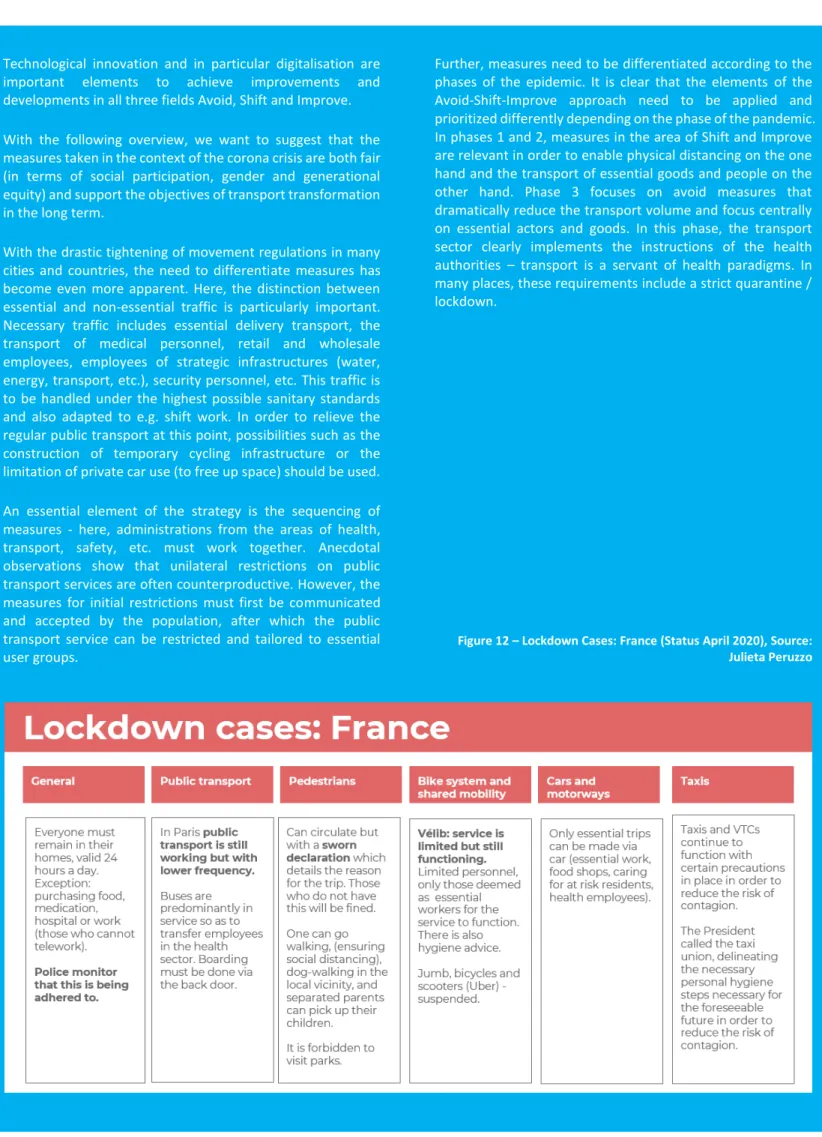
An essential element of the strategy is the sequence of measures - here, administrations from the areas of health, transport, safety, etc. It is clear that the elements of the Avoid-Move-Improve approach must be applied and prioritized differently depending on the phase of the pandemic. In phases 1 and 2, measures in the area of Relocation and Improvement are relevant to enable physical distance on the one hand and the transport of essential goods and people on the other.
At this stage, the transport sector clearly implements the guidelines of health authorities – transport is the servant of health paradigms.
And the winner is…cycling
Pop-up cycle paths have the potential to be transformed into permanent cycling infrastructure and thus contribute to a more equitable use of space in cities. Similar to pop-up bike lanes, cities like Berlin, Oakland, Milan and Paris have implemented concepts to create more space for pedestrians, children playing (and bikes) - generally under the title of open streets. To support this policy, the mayor had to lift an earlier ban on e-bikes in support of deliveries.
Pop-up bike lanes sprang up in New York at the end of March: after the mayor announced that he would close the gap in the 2nd Ave bike lane leading up to the Midtown tunnel. To promote cycling, the city of Vienna/Austria has published a cycling network map to facilitate cycling. As a counterexample, Berlin has kept bike repair shops and bike dealers open during the planned lockdown to support resilient, sustainable mobility.
In New Zealand, the government is supporting cities to install temporary infrastructure such as raised bike lanes and wider sidewalks.
Post-Lockdown
Focusing again on public transport as
Safety of the crew in the vehicle, i.e. drivers and conductors, as well as at depots and terminals and the establishment of passenger confidence in public transport as a safe choice of mobility.
The bill and green stimuli
The bill
Green stimuli
Reduction of (motorized) transport demand (Avoid)
Promotion of compact resource- and space-saving, people-centered accessible and barrier-free and mixed-use oriented cities instead of suburbanization and respective urban sprawl; "fast internet instead of highways". Promoting remote working and learning, leading to the reduction of traffic volumes and congestion, in particular reducing the number of commutes to work by between 20 percent and 40 percent and equalizing traffic.
Promotion of public transport and active mobility (shift)
Improving the quality of transport (Improve)
Early
COVID-19
Illustrative examples showcasing impact on
Initial analysis of mobility trends 2
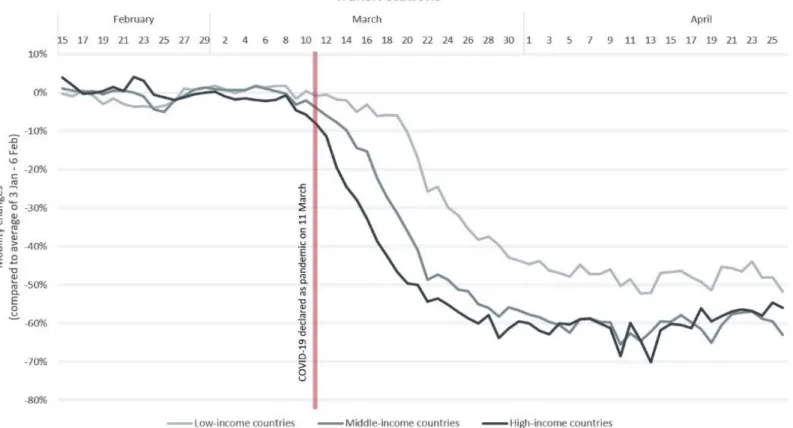
It shows the impact of social distancing campaigns, quarantines and other policy measures to slow the spread of the virus. By grouping the data set by income group, it can be seen that high-income countries have the largest reduction in terms of mobility to transit stations (Figure 18). Apple's Driving, Transit and Walking Dataset shows that interest in modes of transportation has dropped sharply since March.
Mapping the number of deaths per million people due to COVID-19 in each country against the impact of changing transit station mobility (in this case for April 17, 2020) yields clusters that overlap with different regions. Asian countries show great diversity in terms of mobility changes, while European countries show a very large range in the number of deaths for each country. A full analysis of the impact of COVID-19 on mobility and modes of transport is being developed by the SLOCAT Partnership here.
Otherwise, the legacy of the COVID-19 shock will be damaged economies and mobility systems.
Summary
The four phases of
Appearance of virus/import
Containment)
Types of measures that can be implemented
Community contagion
Sustained Transmission
Relaxation
Case study
COVID-19 and Public Transport in Tunisia
The dire situation of public transport is making not only passengers but also transport staff vulnerable to infection. Criticizing the authorities' slow response to the pandemic, a representative of the metro conductors, Rachid, said that all public transport in Tunis must stop operating if they want to protect their staff and passengers. On March 20, he called for a nationwide lockdown through his Facebook post, warning that subway workers would stop working if the government failed to do so.
As the situation with COVID-19 evolved, on March 22, Tunisia finally entered a two-week general quarantine, excluding those working in vital sectors, including security, health, water, electricity and public transport. Prime Minister Elyes Fakhfakh announced that only about 15 percent of Tunisians working in vital sectors will be allowed to work, and military and police officers will be deployed on the streets to monitor people's mobility. It remains to be seen whether public transport will meet the needs of citizens while limiting the spread of the virus.
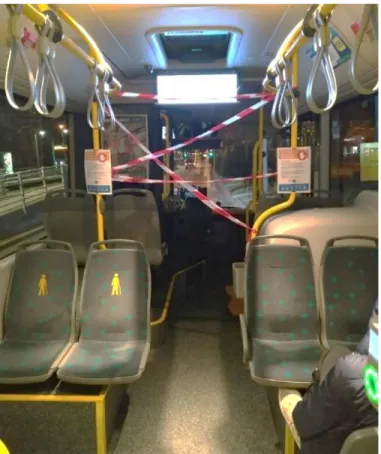
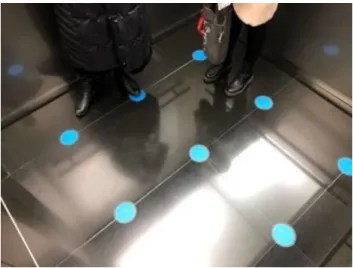
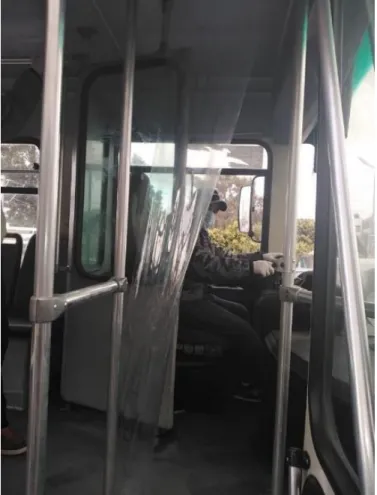
But the picture below, widely shared on social media on the first day of the nationwide collapse, reflects the current challenges and limitations of the public transport sector in Tunisia.
COVID-19 and Public
Transport in Costa Rica
The State, the bus operators and the
Measures by the state
Specific measures in the transport sector
Impacts and measures taken by bus operators
Canatrans) reported 1,500 layoffs in the public transportation sector, as well as 60 percent of part-time employees. In Costa Rica, less than 2 percent of public transportation companies have a fleet of more than a hundred buses. Especially those small and medium-sized enterprises have limited means to offset the impact of the crisis.
It is important to mention that there are no subsidies for public transportation in Costa Rica; the price of the bus ticket covers all expenses to operate the system.
Decision making during the corona crisis
35 On April 22, the National Chamber of Transport. Canatrans) reported 1,500 layoffs in the public transportation sector, as well as 60 percent of part-time employees.
Impacts on the export of agriculture products during the COVID-19 crisis
2] Sources Case Study in Costa Rica
Depth Country Observation
Brazil
Decrease in passenger demand in Brazil puts
General situation as of May 2020
- New rules for use of public transport and adoption of measures to protect
- Decrease of demand for public transport and impact on bus
- Impact on municipal public households
- Need for financial support for public transport as critical infrastructure
- Need for broader discussion of public transport, social inequalities and
Some large cities have recently passed laws with an emergency regime for public transport that allows the public to accept variable and administrative costs (such as fuel and lubricants, according to the kilometers traveled), taxes and the payroll of the system workers. The Minister of Economy emphasized the importance of the support for public transport just after the public health sector. Need for wider discussion of public transport, social inequalities and transport, social inequalities and resilience.
The restrictions to limit the spread of Covid-19 will most likely provoke a huge negative impact on mobility in the cities of Brazil, which already had to deal with challenges such as a falling number of passengers in public transport and an increasing number of car use. Very likely, this trend will continue after the end of the epidemic, as rising unemployment will reduce the demand for public transport from the lower classes, and the share of the middle and upper classes, who may not be seriously affected, will continue to privilege individual transport over mass transport as a measure to prevent infections. While home office may be an option for the middle class with white-collar jobs, the lower class with blue-collar and domestic jobs rely on critical infrastructure such as public transportation.
The increase in infections and deaths in the periphery of urban agglomerations may indicate that social inequality and spatial segregation increase the vulnerability of the lower class, which is also the backbone of public transport and other essential services.
2] Sources Case Study Brazil
Case Study: COVID-
The government moves towards the
Case Study: COVID-
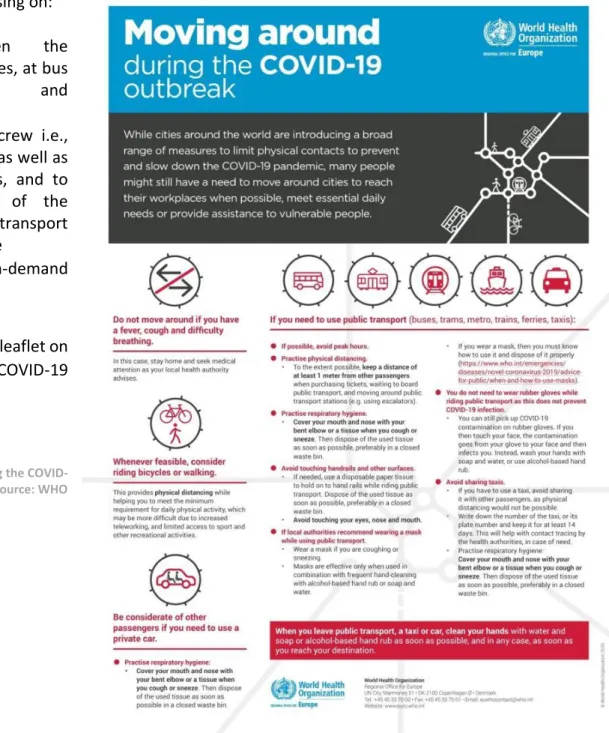
After Liberian health authorities announced a second case of coronavirus infection on March 17, 2020 [the first confirmed case was the day before], the Liberian Ministry of Transportation (MOT) in collaboration with the Liberian National Police (LNP) issued new restrictions on public transportation. List of new measures to be taken by passengers and drivers to curb the spread of the coronavirus. In addition, commercial vehicles can now carry only one passenger in the passenger seat and a maximum of three passengers in the rear seats.
Previously, limousines carried four passengers in the back and one in the front, although drivers for highway trips (eg from Monrovia to Gbaranga) often carried two passengers in the front seat. 3 http://www.rfi.fr/en/africa/20200419-liberia-imposes-60-days-state-of-emergency-to-contain-coronavirus-george-weah-covid-19-lockdown. The Liberia National Police and MOT have emphasized that full enforcement of the above preventive measures will take effect on the same day, March 17, 2020, the statement said.
George Weah announced the state of emergency starting at 23:59 on April 10, allowing residents to leave home "only for essential travel such as reasons for health and food".
Disclaimer