Accepted Manuscript
Nutrition, Obesity and Cachexia in Patients with Heart Failure: A Consensus Statement from the HFSA Scientific Statements Committee
Amanda R. Vest MBBS MPH , Michael Chan MBBS , Anita Deswal MD MPH , Michael M. Givertz MD , Carolyn Lekavich PhD ANP , Terry Lennie PhD RN , Sheldon E. Litwin MD , Lauren Parsly RD LDN , Jo Ellen Rodgers PharmD , Michael W. Rich MD ,
P. Christian Schulze MD PhD , Aaron Slader MS RD LDN , Akshay Desai MD MPH
PII: S1071-9164(18)30917-5
DOI: https://doi.org/10.1016/j.cardfail.2019.03.007 Reference: YJCAF 4299
To appear in: Journal of Cardiac Failure Received date: 22 August 2018
Revised date: 4 March 2019 Accepted date: 8 March 2019
Please cite this article as: Amanda R. Vest MBBS MPH , Michael Chan MBBS , Anita Deswal MD MPH , Michael M. Givertz MD , Carolyn Lekavich PhD ANP , Terry Lennie PhD RN , Sheldon E. Litwin MD , Lauren Parsly RD LDN , Jo Ellen Rodgers PharmD , Michael W. Rich MD , P. Christian Schulze MD PhD , Aaron Slader MS RD LDN , Akshay Desai MD MPH , Nutrition, Obesity and Cachexia in Patients with Heart Failure: A Con- sensus Statement from the HFSA Scientific Statements Committee,Journal of Cardiac Failure(2019), doi:https://doi.org/10.1016/j.cardfail.2019.03.007
This is a PDF file of an unedited manuscript that has been accepted for publication. As a service to our customers we are providing this early version of the manuscript. The manuscript will undergo copyediting, typesetting, and review of the resulting proof before it is published in its final form. Please note that during the production process errors may be discovered which could affect the content, and all legal disclaimers that apply to the journal pertain.
ACCEPTED MANUSCRIPT
Highlights:
Patients with heart failure should be offered at least one session from a RDN, or other
health professional with specialist nutrition knowledge, for nutritional evaluation and education
DASH or Mediterranean dietary patterns both appear reasonable to recommend for normal- weight patients at risk of heart failure or with established heart failure
At least 5-10% weight loss is recommended for patients with heart failure and BMI 35
kg/m2
For patients identified with malnutrition or cachexia, a goal protein intake of at least 1.1 g/kg/day is reasonable
ACCEPTED MANUSCRIPT
Nutrition, Obesity and Cachexia in Patients with Heart Failure: A Consensus Statement from the HFSA Scientific Statements Committee
Amanda R. Vest MBBS MPHa, Michael Chan MBBSb, Anita Deswal MD MPHc, Michael M.
Givertz MDd, Carolyn Lekavich PhD ANPe, Terry Lennie PhD RNf, Sheldon E. Litwin MDg, Lauren Parsly RD LDNh, Jo Ellen Rodgers PharmDi, Michael W. Rich MDj, P. Christian Schulze MD PhDk, Aaron Slader MS RD LDNh, Akshay Desai MD MPHd
Affiliations:
a. Division of Cardiology, Tufts Medical Center, Boston, MA b. Division of Cardiology, University of Alberta, Canada
c. Winters Center for Heart Failure Research, Michael E. DeBakey VA Medical Center and Baylor College of Medicine, Houston, TX
d. Cardiovascular Division, Brigham and Women‟s Hospital and Harvard Medical School, Boston, MA
e. Division of Cardiology, Duke University, NC
f. College of Nursing, University of Kentucky, Lexington, KY
g. Division of Cardiology, Medical University of South Carolina, Charleston, SC h. Frances Stern Nutrition Center, Tufts Medical Center, Boston, MA
i. Division of Pharmacotherapy and Experimental Therapeutics, University of North Carolina, Chapel Hill, NC
j. Cardiovascular Division, Washington University School of Medicine, St Louis, MO
k. Division of Cardiology, Angiology, Pneumology and Intensive Medical Care, University Hospital Jena, Friedrich-Schiller-University Jena, Germany
ACCEPTED MANUSCRIPT
Corresponding author: Amanda R. Vest (writing group chair)
Address: 800 Washington Street, Division of Cardiology, Tufts Medical Center, Boston, MA 02111
Email: [email protected] (also [email protected]) Tel/fax: 617-636-8068 / 617-636-6030
Word count: 6,082 (text and recommendation bullets) / 14,634 (including core tables, figure legends and references)
Funding: No funding was obtained for the development of this Statement Keywords: Heart Failure; Nutrition; Obesity; Cachexia; Metabolism
Contents:
Introduction
Current Heart Failure Dietary Guidelines Dietary Composition and Counseling Obesity
Cachexia and Sarcopenia
Conclusions and Future Research Priorities Tables (1-7)
Figures (1-2)
Supplemental Tables
ACCEPTED MANUSCRIPT
Abstract
Dietary guidance for patients with heart failure (HF) has traditionally focused on sodium and fluid intake restriction, but dietary quality is frequently poor in patients with HF and may contribute to morbidity and mortality. Restrictive dietary counselling can lead to inadequate intake of macronutrients and micronutrients by patients with HF, with the potential for deficiencies of calcium, magnesium, zinc, iron, thiamine, vitamins D, E, K, and folate. Although inadequate intake and low plasma levels of micronutrients have been associated with adverse clinical outcomes, evidence supporting therapeutic repletion is limited. Intravenous iron, thiamine and coenzyme Q10 have the most clinical trial data for supplementation. There is also limited evidence supporting protein intake goals. Obesity is a risk factor for incident HF and weight loss is an established approach for preventing HF, with a role for bariatric surgery in patients with severe obesity. However weight loss for patients with existing HF and obesity is a more controversial topic due to an obesity survival paradox. Dietary interventions and pharmacologic weight loss therapies are under-studied in HF populations. There are also limited data for optimal strategies to identify and address cachexia and sarcopenia in patients with HF, with at least 10-20% of patients with ambulatory systolic HF developing clinically significant wasting. Gaps in our knowledge about nutrition status in patients with HF are outlined in this Statement and strategies to address the most clinically-relevant questions proposed.
ACCEPTED MANUSCRIPT
Abbreviations and Acronyms ACC, American College of Cardiology AHA, American Heart Association AND, Academy of Nutrition and Dietetics
ASPEN, American Society for Parenteral and Enteral Nutrition BMI, body mass index
CASCO, CAchexia SCOre CAD, coronary artery disease CKD, chronic kidney disease CI, confidence interval
CMS, Centers for Medicare and Medicaid Services CONUT, controlling nutritional status
CoQ10, coenzyme Q10
DASH, dietary approaches to stop hypertension DM, diabetes mellitus
DXA, dual-energy X-ray absorptiometry ESC, European Society of Cardiology
ESPEN, European Society for Clinical Nutrition and Metabolism FFM, fat-free mass
GLP-1, glucagon-like peptide-1 HF, heart failure
HFpEF, heart failure with preserved ejection fraction HFrEF, heart failure with reduced ejection fraction HFSA, Heart Failure Society of America
IV, intravenous LV, left ventricle
ACCEPTED MANUSCRIPT
LVEF, left ventricular ejection fraction MNA, Mini-Nutritional Assessment
MUST, Malnutrition Universal Screening Tool
NT-proBNP, N-terminal pro-B-type natriuretic peptide NUTRIC, Nutrition Risk in the Critically Ill
NYHA, New York Heart Association PNI, prognostic nutritional index QoL, quality of life
RDN, registered dietitian nutritionist REE, resting energy expenditure SGA, Subjective Global Assessment
SNAQ, Short Nutritional Assessment Questionnaire VLCD, very low calorie diet
VO2, oxygen consumption
ACCEPTED MANUSCRIPT
Introduction
Lifestyle factors, including changes in dietary patterns, have contributed to rising secular trends in the incidence of diabetes mellitus (DM) and obesity, which in turn contribute to the heightened prevalence of heart failure (HF) in the United States and worldwide.1 Amongst patients with established HF, dietary quality is frequently poor and may amplify morbidity and mortality.
Current HF management guidelines emphasize the role of dietary sodium restriction and address specific micronutrient supplements but offer little additional guidance regarding appropriate dietary composition, or optimal nutritional counseling to improve clinical outcomes.
Although there is some evidence supporting dietary modifications for HF prevention, there have been few rigorous studies of specific nutritional interventions in patients with established disease.
Obesity is acknowledged to have important implications for HF prevention, but few dietary, pharmacologic, or interventional strategies for obesity management have been systematically evaluated in patients with established HF. On the other extreme, cardiac cachexia is associated with increased mortality, but there is little data to guide clinicians in management strategies for this condition. In light of continued clinical uncertainty about the optimal nutritional guidance for HF prevention and management, this HFSA Consensus Statement aims to synthesize the available evidence regarding dietary quality, micronutrient supplementation, and management of obesity or cachexia, provide consensus recommendations for clinical practice, and outline key areas for future investigation.
ACCEPTED MANUSCRIPT
Current Heart Failure Dietary Guidelines and Practice
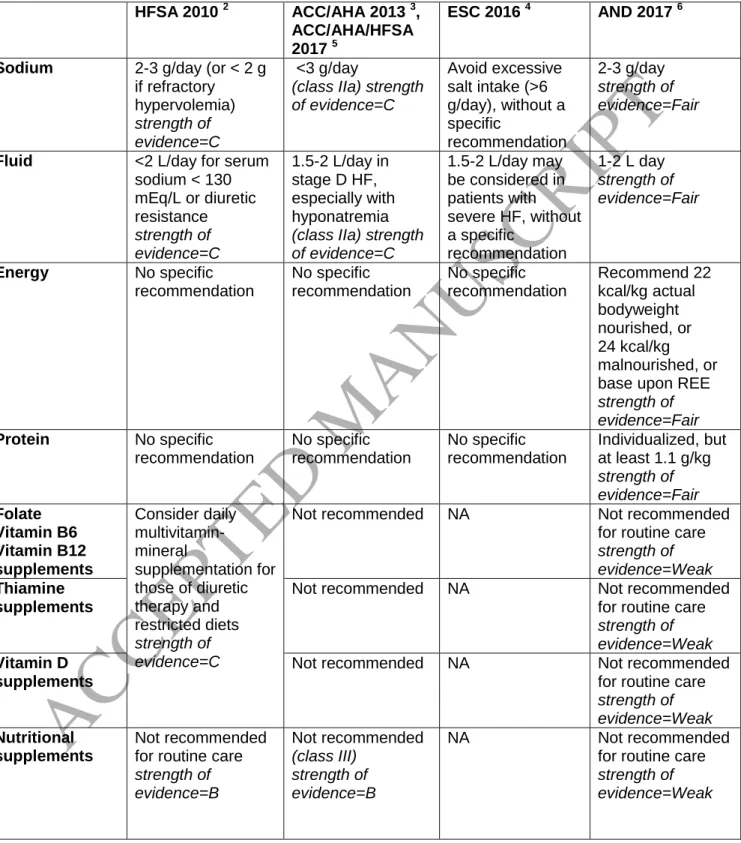
Dietary guidance for patients with HF has traditionally focused on sodium and fluid intake restriction, despite the absence of robust data supporting improved clinical outcomes with these measures. None of the existing HF guidelines offer detailed recommendations for the management of obesity or cardiac cachexia (Table 1). Cardiology society guidelines generally endorse a 2-3 gram/day sodium intake for most patients with HF and < 2 L/day fluid restriction for those with advanced HF and hyponatremia. Despite broad application of these recommendations, they are based on limited scientific evidence (Table 1).2-5 Ongoing randomized clinical trials (including NCT02467296, NCT02012179 and NCT02689635) are anticipated to clarify optimal guidance regarding sodium intake.
Recent guideline updates support intravenous (IV) iron replacement in patients with New York Heart Association (NYHA) class II-III HF and iron deficiency to improve functional status and quality of life (QoL, class IIB recommendation).5 Routine use of nutritional supplements is generally discouraged due to the lack of efficacy data, concerns about supplement purity and regulation, and the potential for pharmacological interactions, though n-3 polyunsaturated fatty acids (PUFAs) receive a weak endorsement.2,5 The 2017 Academy of Nutrition and Dietetics (AND) Heart Failure Evidence-Based Nutritional Practice Guideline offers practice recommendations and highlights the role of the registered dietitian nutritionist (RDN).6
However it is acknowledged that reimbursement often limits access to an RDN in the United States, because the Centers for Medicare and Medicaid Services (CMS) only cover RDN services for patients with type 1 or 2 DM, CKD or a renal transplant within the prior 36 months.
Nutritional consultation may alternatively be accessed by some patients who are eligible for referral to a cardiac rehabilitation program. Therefore it is important that other HF healthcare professionals develop expertise in clinical nutrition to improve patient access to dietary
ACCEPTED MANUSCRIPT
counselling (Figure 1). Using appropriate billing codes to document malnutrition may help support such efforts (Supplemental Table S1).7
Dietary Composition and Counseling
The high reliance on prepared and processed foods in the United States means that sodium restrictions are often achieved by reducing overall food intake. In addition to restricting sodium, patients are often counseled to restrict vitamin K intake if receiving warfarin for anticoagulation, saturated fats if coronary artery disease (CAD) is present, and refined sugars if DM is present.
Thus, restrictive dietary counseling has the potential to result in macronutrient and micronutrient deficiencies and place the patient at risk of malnutrition and cachexia. One small study targeting
<2 g/day sodium intake for a week resulted in a significant reduction in caloric (2,467 ±748 to 1,931 ±388 kcal/day, p=0.016), carbohydrate, calcium, thiamine, and folate intake.8 In contrast, a trial of the Dietary Approaches to Stop Hypertension (DASH) diet for 6 months demonstrated that low sodium diets can be nutritionally adequate for patients with HF with careful nutritional counseling.9
Dietary Strategies in Heart Failure
There are no comprehensive dietary counseling guidelines for patients with HF. However, nutrition professionals generally endorse the eating patterns recommended for patients with DM and chronic kidney disease (CKD) as appropriate for the majority of patients with HF. The American Diabetes Association recommends eating patterns based on DASH, Mediterranean, and plant-based diets.10 The National Kidney Foundation also recommends the DASH diet, with appropriate adjustments for severely decreased renal function (e.g. glomerular filtration rate <25 mL/min per 1.73 m2).11 The DASH diet has the advantages of limiting sodium intake, being rich in plant-based foods and anti-oxidants, and decreasing dietary confusion because it is compatible with comorbid DM or CKD. Small clinical trials in patients with HFpEF show an
ACCEPTED MANUSCRIPT
association between the DASH diet and improved left ventricular (LV) diastolic function, blood pressure, arterial stiffness, markers of oxidative stress, and metabolic profile.12-14 In an observational study of post-menopausal women with HF, higher DASH diet scores were associated with modestly lower mortality,15 and a clinical trial of a home-delivered DASH diet program for 4 weeks after HF hospitalization was associated with a trend towards fewer readmissions.16 Higher reported Mediterranean diet scores were associated with a lower rate of 1-year HF hospitalization for Spanish patients with an acute HF episode, but no difference in mortality.17 Adherence to DASH or other recommended diets is not easily accomplished without counseling and support, which should ideally be provided by RDNs.
Nutritional Inadequacies and Deficiencies in Heart Failure
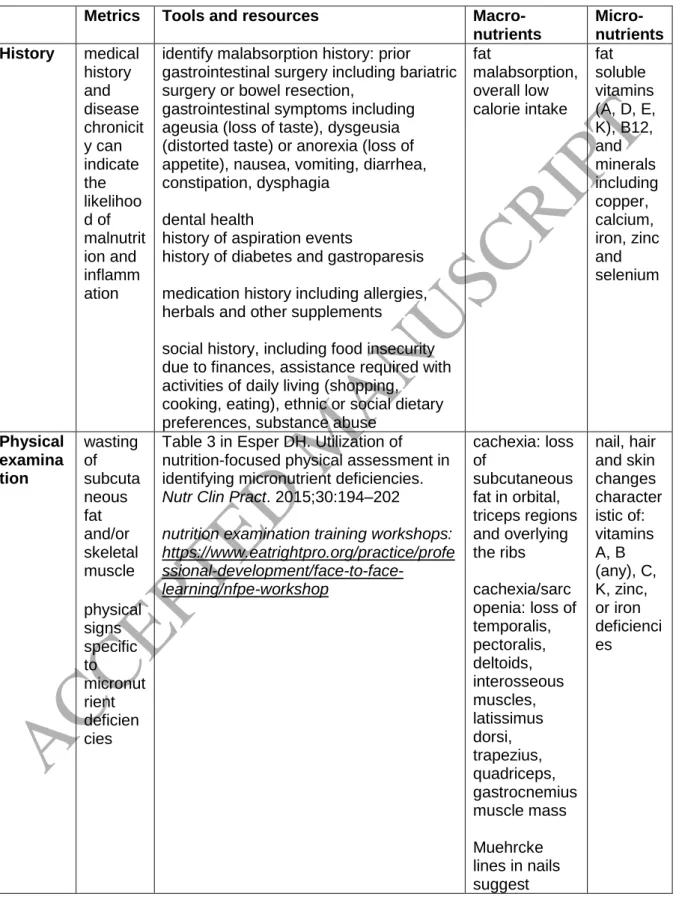
The prevalence of malnutrition in HF is highly dependent upon the diagnostic tool used, ranging from 8% using the prognostic nutritional index (PNI) to 54% using the controlling nutritional status (CONUT) tool in one contemporary community HF cohort.18 There are multiple additional malnutrition screening tools in routine clinical use, including the Short Nutritional Assessment Questionnaire (SNAQ), Malnutrition Universal Screening Tool (MUST), Mini-Nutritional Assessment (MNA), Nutrition Risk in the Critically Ill (NUTRIC) score, and Subjective Global Assessment (SGA). None are validated specifically in HF, but the SNAQ score has some practical advantages (Table 2). Inadequate dietary intake of nutrients should be distinguished from low plasma concentrations, and also from nutrient deficiencies, with the latter requiring a clinical or subclinical disease state. A suggested approach to screening for nutritional inadequacy or deficiency is outlined in Table 2.
Dietary protein intake has been estimated to be adequate for most patients with HF across multiple observational studies based on the current general population protein recommendation of 0.8 g/kg/day. Results from a 57-patient nitrogen balance study in non-obese patients with HF,
ACCEPTED MANUSCRIPT
as compared to 49 controls, suggested a higher protein goal of 1.1 g/kg or greater may be necessary,19 consistent with recommendations from the Academy of Nutrition and Dietetics (AND)6 for patients with any stage of HF, and also PROT-AGE (an international study group on dietary protein needs with aging).20 However this protein goal may not be appropriate for patients with severe CKD and is based on limited evidence. There are also concerns that high dietary protein intake, specifically red meats, may increase the risk of CAD and HF incidence.21,22 However 1.1 g/kg is well below the range of a high-protein diet, and functional status was greater in middle and older-aged Framingham participants with ≥1.2 versus <0.8 g/kg intake.23
A range of inadequate micronutrient intakes have been identified in geographically diverse HF cohorts, including calcium, magnesium, zinc, iron, thiamine, vitamins D, E, K, and folate (Supplemental Table S2)24, although evidence that these cause clinically-relevant deficiencies is currently sparse.25-27 Amongst patients with HF living in the United States (n=246, 67% male, 73% White), 44% of participants with inadequate intake of 7 micronutrients experienced hospitalization or death within 1 year, versus 25% with <7 inadequacies (p=0.0065).27 The association remained significant after adjustment for comorbidities and medications resulting in nearly double the risk of hospitalization or death for patients in the high inadequacies group. Participants were equally likely to have micronutrient inadequacies across each body mass index (BMI) category suggesting patients with HF should be assessed for potential dietary insufficiency regardless of BMI.
Rarely, HF is the result of excess alcohol intake or a trace element deficiency, such as selenium or thiamine (vitamin B1), in which case addressing the underlying etiology would be expected to improve cardiac function. Serum electrolyte abnormalities are common in HF. Close laboratory monitoring is standard practice upon initiation or dose changes of renin-angiotensin-aldosterone
ACCEPTED MANUSCRIPT
system antagonists due to the potential for hyperkalemia, and of loop/thiazide diuretics due to the potential for hypokalemia and hypomagnesemia. Patients with elevated serum potassium should observe a low-potassium diet as part of a multi-component approach that may also include potassium-binding medications. Low potassium or magnesium may be addressed with electrolyte supplementation or by augmenting intake of foods rich in these electrolytes, including avocado, spinach, potatoes, tomatoes, beans and fruits (e.g. bananas) for potassium, and many vegetables and nuts – specifically pumpkin seeds – for magnesium.
Micronutrient Supplementation in Heart Failure
Micronutrient supplementation may either be provided through a whole food approach, or by supplementing single micronutrients. Although clinical trial logistics and finances favor the study of supplementation strategies, provision of a nutritionally complete diet that is rich in commonly- inadequate micronutrients may be expected to have a larger impact on clinical outcomes due to broader anti-oxidant and anti-inflammatory actions. Micronutrient supplementation in HF has been investigated in several small studies, but few large randomized trials (Supplemental Table S3).28
Three supplementation strategies have positive findings in randomized clinical trials and warrant specific attention: iron, thiamine and coenzyme Q10. Intravenous, but not oral, iron supplementation is now an established intervention for correcting iron deficiency (ferritin <100 ng/mL or 100 to 300 ng/mL if transferrin saturation <20%) and improving HF functional status and QoL. Although the clinical trials were conducted in HFrEF, the ACC/AHA/HFSA recommendation for IV iron repletion does not specify an ejection fraction criterion.5 There has been a long-standing concern that high-dose diuretics may encourage thiamine (vitamin B1) deficiency, because of its water solubility and poor reabsorption during renal depletion of hydrogen ions with diuresis, although definitive evidence is lacking.29 In a 9-study meta-
ACCEPTED MANUSCRIPT
analysis, low thiamine levels were more common in patients with HF than controls; some small (less than n=150) observational and randomized studies have suggested an association between thiamine repletion and improved LVEF, although higher quality evidence would be necessary to make any clinical recommendations.29
Coenzyme Q10 (CoQ10) doses ranging 60-300 mg/day have been studied in HF, with some small trials suggesting improvements in NYHA class, LVEF, exercise capacity, QoL and even mortality, although others have been neutral.30 Q-SYMBIO was a randomized controlled trial of CoQ10 300 mg/day in NYHA III-IV HFrEF/HFpEF (n=420), powered to address major clinical endpoints.31 There were no changes in NYHA class, 6-minute walk test or NT-proBNP at 16 weeks. However, the incidence of the primary composite endpoint of major adverse cardiovascular events at 2 years was significantly reduced by CoQ10 supplementation (hazard ratio 0.50, 95% CI 0.32-0.80, p=0.003). Despite these findings, concerns about slow recruitment in this trial that may limit the generalizability of results have tempered enthusiasm for CoQ10 supplementation in clinical practice. Overall there is sparse data on which to make firm recommendations regarding micronutrition supplementation for patients with HF and additional empirical research is required to adequately inform future clinical practice.
Recommendations for Dietary Composition and Counseling:
All patients with HF should be offered at least one evaluation and counseling session as an
outpatient or inpatient from a registered dietitian nutritionist (RDN) or other health professional with specialist nutrition knowledge
Clinical teams should use a consistent malnutrition screening tool (or combination of tools) in their HF population, with simplicity and applicability favoring the SNAQ score, although no score has been proven superior in patients with HF
ACCEPTED MANUSCRIPT
Patients who are identified with malnutrition (or at high risk of malnutrition), cachexia or obesity should have access to RDN consultation
Although data guiding optimal dietary composition is lacking, the DASH diet or the
Mediterranean diet both appear to be reasonable to recommend for normal-weight patients at risk of HF or with established HF
Protein intake should be individualized, but patients with HF should aim for the general
population minimum of 0.8 g protein intake per kg actual body weight per day to prevent cachexia, and at least 1.1 g/kg/day is reasonable if malnutrition or cachexia is present (as per the PROT-AGE and Academy of Nutrition and Dietetics recommendations)
Other than patients who are deficient in iron or other specific micronutrients, there is no clear role for routine micronutrient supplementation as a component HF management
Future trials of nutritional strategies in HF should be randomized, adequately powered, distinguish between HFrEF and HFpEF, of sufficient duration and use clinically relevant HF endpoints
ACCEPTED MANUSCRIPT
Obesity
Obesity and Incident Heart Failure
Large observational studies have established obesity as a key risk factor for incident HF across multiple populations, with a meta-analysis showing a 41% increase in HF per 5-unit increment in BMI and a threshold of risk at 23-24 kg/m2.32 The dose-response relationship between BMI and incident HF appears stronger for heart failure with preserved ejection fraction (HFpEF) than heart failure with reduced ejection ration (HFrEF).33 Conversely, maintenance of normal weight and physical activity during adult life have been associated with lower incident HF.34 Adjusting for obesity-related co-morbidities such as hypertension, DM and low cardiorespiratory fitness, attenuated the association between obesity and HF in some cohorts.33,35,36 Mechanisms linking obesity to HF include inflammation, insulin resistance and hypertension, although obesity has a direct effect on left ventricular (LV) mass independent of blood pressure.37,38 Adipokines and gut hormones may mediate this relationship, with greater metabolic derangements increasing the risk of LV hypertrophy, diastolic dysfunction and HF onset.39
Weight Loss for Heart Failure Prevention
For patients with obesity, a sustained 5-10% weight loss can positively impact atrial fibrillation, insulin resistance and LV hypertrophy and therefore could be expected to prevent HF.40,41 Unfortunately, even when this degree of weight loss is achieved, it is challenging to maintain, particularly in severely obese individuals who stand to benefit the most.42 Food intake rich in whole grains, vegetables and DASH dietary patterns are associated with lower incident HF in observational cohorts,43-45 but in the only large prospective clinical trial evaluating the Mediterranean diet, there was no between-group difference in HF incidence versus a low-fat diet.46 Furthermore these were not weight-loss diets nor obese patient cohorts; there have been no clinical trials specifically examining calorie-restricted diets to attain weight loss for HF prevention. A prospective trial of an intensive lifestyle intervention combining a calorie-restricted
ACCEPTED MANUSCRIPT
diet and exercise program in patients with type 2 DM and BMI ≥25 kg/m2 showed a non- significant trend towards lower incident HF.47 There is not one superior dietary strategy for weight loss efficacy and the most important feature is probably patient adherence;48,49 however a barrier to weight loss maintenance is the reduction in energy expenditure that occurs with dieting, which may be less pronounced when a lower carbohydrate diet is used.42,50,51 Meal replacement programs, for example with high-protein shakes, may help support short- and medium-term weight loss.52 Cardiovascular obesity management guidelines recommend a 1200-1500 kcal/day diet for women or 1500-1800 kcal/day for men without endorsing any specific dietary strategies, but do recommend a personalized approach and professional nutrition counselling.40
Weight loss pharmacotherapy is indicated when lifestyle modifications alone are unsuccessful, with BMI 30 kg/m2 or 27 kg/m2 and one or more obesity-associated comorbidities; if <5%
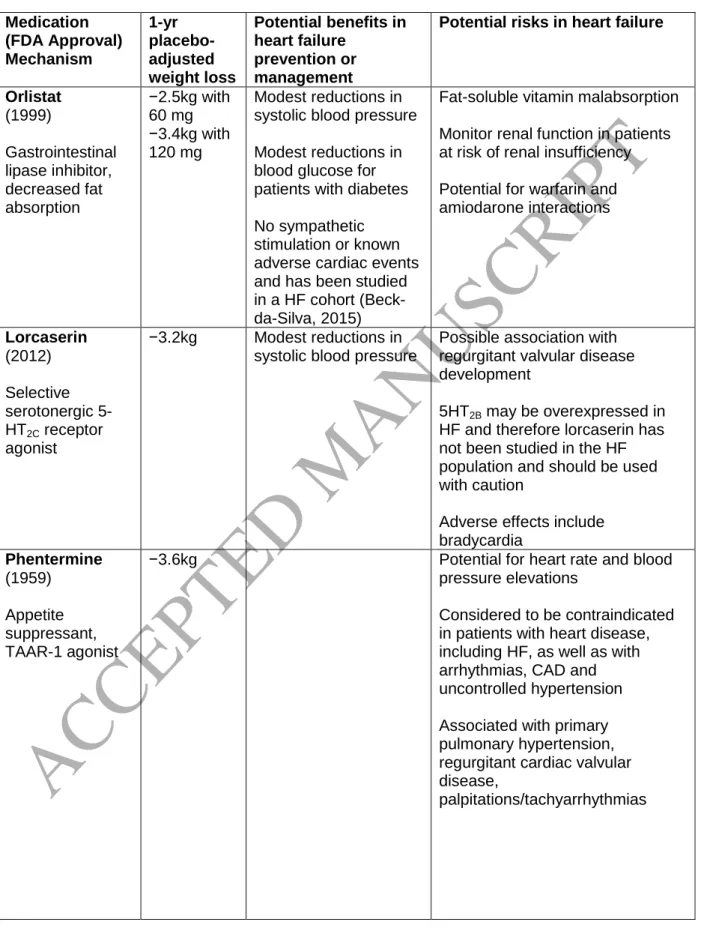
weight loss at 3 months, an alternate therapy should be sought.53 Orlistat and lorcaserin are associated with modest reductions in blood pressures, but also only modest weight reductions, whereas greater weight loss efficacy is seen with the combination medications (Table 3).
Liraglutide is specifically approved for weight loss at the 3mg dose,54 with good efficacy. A reduction in major adverse cardiovascular events was observed in the DM population using 1.8 mg liraglutide, although the HF endpoint was neutral.55 The cardiovascular safety study of naltrexone-bupropion did not report HF outcomes and the lorcaserin safety study showed a neutral outcome for HF at 40 months of follow-up.56
Bariatric surgery has emerged as an effective and durable strategy for achieving large degrees of weight loss,57 in eligible candidates.58 Bariatric surgery is associated with reduced inflammation and metabolic dysfunction, as well as improvements in myocardial structure and function.59-61 Three large retrospective studies have each recently demonstrated that the risk of
ACCEPTED MANUSCRIPT
incident HF is halved at a median of 4 years in patients who pursue surgical weight loss, as opposed to control patients with obesity or participants in a low-calorie diet program.62-64
Recommendations for Obesity in HF Prevention:
Maintenance of normal body weight throughout life through a combination of dietary and
physical activity choices is associated with reduced incident HF and should be actively promoted across the entire lifespan
A target weight loss of at least 5-10% is recommended for individuals with BMI 25 kg/m2
Weight loss diets: No specific diet recommended, but counselling with a RDN is advised; it is
usual to recommend a negative energy balance of 500-750 kcal/day or absolute intake of 1200-1500 kcal/day diet for women and 1500-1800 kcal/day for men, targeting 1-2 lbs loss per week
Weight loss pharmacotherapy: There is currently no data demonstrating HF prevention with weight loss pharmacotherapy for patients with BMI 30 kg/m2 or 27 kg/m2 with 1+ obesity- associated comorbidities, but liraglutide 3 mg daily is an attractive option given the weight loss efficacy and prevention of other cardiovascular events
Weight loss surgery: For patients with BMI ≥40 kg/m2, BMI ≥35 kg/m2 and 1+ obesity-related comorbidities, or BMI ≥30 kg/m2 and type 2 DM with inadequate glycemic control despite optimal medical therapies, bariatric surgery is a reasonable approach to prevent incident HF and cardiovascular mortality
ACCEPTED MANUSCRIPT
Obesity in Patients with Heart Failure
Recent HF clinical trials have typically included at least 50% of patients who are classified as obese by BMI criteria (30 kg/m2).65 However the diagnosis of HF can be challenging in obese individuals and may affect the design and interpretation of weight loss studies. Even without underlying HF, patients with obesity commonly experience exertional dyspnea, orthopnea and lower extremity edema. Both the physical examination and echocardiography may be harder to interpret when obesity is present. Most studies related to obesity and HF rely on BMI to measure adiposity, with the inherent limitation of BMI being unable to distinguish fat mass, lean mass and fluid compartments, or distinguish central versus peripheral obesity.
Patients with obesity have lower levels of circulating natriuretic peptides than normal-weight patients with comparable degrees of HF.66 However there is no consensus regarding the utility of BMI-adjusted BNP or NT-proBNP values. One post-hoc analysis proposed a BNP threshold of 54 pg/mL for patients with BMI 35 kg/m2, versus 110 pg/mL for BMI 25-34.9 kg/m2, and 170 pg/mL for BMI <25 kg/m2, to achieve 90% sensitivity for the diagnosis of HF.67 The prognostic power of NT-proBNP in chronic HF appears consistent between BMI strata.68
Obesity Paradox and Weight Loss in Heart Failure
Unlike the use of weight loss for prevention of HF, the presence of an “obesity survival paradox”
complicates the case for routinely recommending weight loss in established HF. Multiple analyses suggest that, despite being a risk factor for developing HF, higher BMI is associated with more favorable outcomes in patients with established HF.69 A meta-analysis of 14 HF observational studies concluded that an obesity survival paradox was present in both those with HFrEF and HFpEF.70 It has been suggested that the obesity paradox is a statistical aberration due to residual confounding or presentation of patents with obesity at younger ages or with less
ACCEPTED MANUSCRIPT
severe cardiac disease.71,72 It may also partly reflect the adverse effects of unintentional weight loss due to cachexia in the lower BMI groups.
Despite the theoretical concerns related to the obesity survival paradox, there are several potential benefits of weight loss in patients with HF and moderate-to-severe obesity. These include resolution of comorbid conditions or symptom drivers (such as atrial fibrillation, hypertension and obstructive sleep apnea) and reductions in insulin resistance and systemic inflammation. Importantly, weight loss may increase access to heart transplantation or mechanical support in advanced systolic HF, because the International Society of Heart and Lung Transplantation lists BMI >35 kg/m2 as a contraindication to transplantation.73
Weight Loss for Heart Failure Management
Small clinical trials of diet and/or exercise offer some preliminary support for functional capacity improvements with weight loss for patients with HF, although only 2 such studies actually achieved significant weight loss (Table 4). Since weight reduction may confer metabolic and functional benefits, it is reasonable to recommend weight loss for selected patients, especially if young, functionally limited by obesity, and severely obese (e.g. BMI 35 kg/m2). However weight loss may be especially challenging for patients and caregivers already managing chronic HF.
The ability to exercise may be limited due to cardiac symptoms, or financial restrictions associated with poor health, and changes in excess adiposity versus fluid are impossible to discern on the scales.
As above for HF prevention, no specific diet weight loss diet can be recommended, but counselling with a RDN is advised to target 1200-1500 kcal/day for women and 1500-1800 kcal/day for men, aiming at 1-2 lbs loss per week.40 Ketogenic and very-low calorie diets (VLCD) have shown rapid metabolic and weight loss effects in the general population, but would require
ACCEPTED MANUSCRIPT
very close medical supervision in a patient with cardiac disease. Nutritional ketosis is associated with gastrointestinal adverse effects and could provoke a ketoacidosis crisis with comorbid DM;
VLCDs provide 800 kcal/day, but are associated with gallstone formation, hypokalemia and hypomagnesemia, which in the setting of a cardiomyopathy and diuretics could result in arrhythmias. Intermittent fasting has gained some favor as an effective weight loss strategy,74 but the safety and efficacy for patients with HF remains undefined.
Six pharmacologic weight loss agents are currently available in the United States (Table 3),75 but pharmacological weight loss has not been studied in HF, apart from one small study of orlistat. Orlistat is an inhibitor of pancreatic lipase and has demonstrated weight loss efficacy for patients with HF in a pilot trial.76 Despite a good safety profile, the placebo-adjusted weight loss is relatively low compared to other approved medications and gastrointestinal intolerance is common. Many anorectic drugs have theoretical concerns in HF (Supplemental Table S4), although the risks associated with small increases in heart rate for drugs such as phentermine/extended release topiramate (on average 1-2 bpm) may be offset by improvements in blood pressure and glycemia.77
Lorcaserin is a centrally acting selective serotonin receptor agonist (5HT2B receptor) that promotes satiety; 5HT2B may be overexpressed in HF and therefore caution is recommended in this population.78 Despite theoretical concerns, the recent lorcaserin cardiovascular safety study reported no excess of cardiovascular or HF events, compared to placebo, in a population with obesity and cardiovascular disease or risk factors, although NYHA class III-IV HF or LVEF
<20% were exclusion criteria.56 The naltrexone/bupropion cardiovascular safety study only excluded NYHA class IV HF patients, but was terminated prematurely and did not report HF as an outcome.79 Liraglutide has not been studied for weight loss in patients with HF, but in a randomized trial of liraglutide 1.8 mg/day as a therapy for advanced systolic HF, there was a
ACCEPTED MANUSCRIPT
non-significant trend towards more HF hospitalizations and mortality with liraglutide, compared to placebo.80 HF clinicians should also review the full medication list when counseling patients with obesity, because many common drugs promote weight gain (Supplemental Table S5).
Two retrospective studies lend some support for the use of bariatric surgery. An analysis of patients with obesity and LV systolic dysfunction (n=42) who underwent bariatric surgery, compared to a large cohort without known systolic dysfunction (n=2588), demonstrated good weight loss efficacy and comparable safety between groups.81 A retrospective self-controlled administrative database study of patients with HF who underwent bariatric surgery showed reductions in HF-related emergency department visits and hospitalizations in the second year following the procedure, as compared to pre-bariatric surgery.82 In case reports, during an average 20-month follow-up amongst 137 HFrEF bariatric surgery recipients, LV ejection fraction increased from 32% to 42% (weighted means).81 Successful bariatric surgery has also been reported for patients with left ventricular assist device (LVAD) support,83,84 which is an important strategy given that many patients gain weight during long-term LVAD support, but the existing case report literature does not sufficiently delineate the risks versus benefits. Surgical weight loss for patients with HF, with or without LVAD support, should be concentrated in high- volume centers with expertise in both bariatric surgery and HF cardiology. Further prospective studies of surgical and non-surgical obesity management will be essential in guiding future clinical practice.
Recommendations for Obesity in HF Management:
A target weight loss of at least 5-10% is recommended for individuals with BMI 35 kg/m2
using a combination of approaches including physical activity if HF symptoms permit
Weight loss diets: No specific diet recommended, but counselling with a RDN is advised; it is usual to recommend a negative energy balance of 500-750 kcal/day or absolute intake of
ACCEPTED MANUSCRIPT
1200-1500 kcal/day diet for women and 1500-1800 kcal/day for men, targeting 1-2 lbs loss per week
Weight loss pharmacotherapy: For patients with HF and obesity meeting standard
indications, weight loss pharmacotherapies have theoretical benefits, particularly for HFpEF patients, but there is an absence of efficacy and safety data for these drugs in HF and hence they must be used with caution and close monitoring
Weight loss surgery: In select patients with BMI ≥35 kg/m2 and NYHA class II-III HF with or without an LVAD, whose eligibility for cardiac transplantation is dependent upon weight loss, bariatric surgery can be considered within an experienced multi-disciplinary team;
consensus opinion favors laparoscopic sleeve gastrectomy to avoid the multiple surgical anastomoses of Roux-en-Y gastric bypass
Well-designed, randomized controlled trials of weight loss safety and efficacy by intensive lifestyle interventions, pharmacotherapy and bariatric surgery in patients with both HFrEF and HFpEF are urgently needed to define best practice
ACCEPTED MANUSCRIPT
Cachexia and Sarcopenia
Cardiac cachexia, sarcopenia, insulin resistance, low serum cholesterol and low albumin are all predictors of adverse clinical outcomes in HF.85-88 Cachexia is a complex metabolic wasting syndrome characterized by unintentional edema-free weight loss (muscle mass loss, with or without fat mass loss), anorexia, inflammation and abnormal biochemistry.89,90 Sarcopenia is the age-related decline in skeletal muscle mass, function and quality, which can be accelerated by medical comorbidities (Supplemental Table S6).91,92 Both syndromes have been associated with increased mortality, but loss of muscle mass appears to be associated with greater deficits in functional capacity (e.g. as represented by handgrip strength, quadriceps strength, or 6-minute walk) and health-related QoL (represented by EQ-5D), as compared to weight loss alone.93 Sarcopenia is a contributor towards the frailty syndrome, but frailty represents a broader age- related decline in reserve and function across multiple physiologic systems resulting in physical, cognitive and social impairments that increase vulnerability to stressors.
Cachexia and sarcopenia diagnostic criteria specific to HF are poorly defined, but it is estimated that at least 10% of patients with ambulatory systolic HF develop cachexia.94 Sarcopenia prevalence was 20% amongst 200 patients, based on dual X-ray absorptiometry (DXA) body composition criteria,85 and 47% amongst a younger systolic HF cohort.95 Updated sarcopenia guidelines favor the SARC-F questionnaire or gait speed for screening;91,92 diagnostic thresholds based on muscle mass and strength are displayed in Supplemental Table S6. Lower BMI (e.g. 18.5-20 kg/m2) has been associated with higher mortality after LVAD implantation or cardiac transplantation.96
Identification of cardiac cachexia and wasting
The diagnosis of wasting in HF is currently limited by uncertain applicability of cachexia scores developed in cancer populations (e.g. the CAchexia SCOre, CASCO) and limited validation of
ACCEPTED MANUSCRIPT
body composition assessment methods such as DXA in patients with expanded extracellular water (ECW) volume (Supplemental Table S6). Bioelectrical impedance has shown poor agreement with DXA and isotope techniques in HF validation studies and is contraindicated with implantable cardiac devices.97 Computed tomography or magnetic resonance imaging quantification of pectoralis, psoas, or quadriceps muscle mass have more recently been used to assess muscle mass in HF.98,99 Cardiac cachexia is strongly associated with mortality in systolic HF.100 Risk scores incorporating serum albumin and BMI have also shown some prognostic utility in HF,101 although the search is ongoing for optimal biomarkers of cardiac cachexia that enable early diagnosis before substantial weight loss.
Improvements in metabolism with mechanical circulatory support
Patients with end-stage systolic HF exhibit the most marked systemic metabolic and inflammatory derangement, and the highest risk for cachexia. Reversal of low albumin and total cholesterol levels, insulin resistance, skeletal muscle adiponectin resistance and systemic inflammatory activation have all been observed in the months after LVAD implantation.87,102-105 LVAD patients tend to gain weight after device implantation, especially if underweight or normal- weight preoperatively.106 The mechanisms of this metabolic recovery are uncertain, although normalized perfusion to the gut and skeletal muscle, relief of liver congestion, and improvements in dietary quality and physical activity levels could all be contributors.
Metabolomic profiling has associated elevated long-chain acylcarnitines with poor prognosis in HF; this metabolic abnormality reverses after LVAD implantation.107
Interventions to correct cachexia, sarcopenia and malnutrition in heart failure
There are no large randomized trials to investigate whether dietary or pharmacological interventions can correct cachexia or sarcopenia in HF. It is possible that simply augmenting protein-calorie intake, for example by adopting the PROT-AGE protein goals,20 may be
ACCEPTED MANUSCRIPT
insufficient to overcome the wasting process without addressing the abnormal inflammatory and metabolic state driven by HF. However the PICNIC study did establish that focused nutrition consultation after an acute HF admission can improve outcomes for patients with malnutrition.
This clinical trial randomized 120 Spanish patients identified as malnourished by the MNA score to a 6-month intervention consisting of dietary quality optimization, practical recommendations for overcoming poor food intake, and nutritional supplementation when required, versus standard of care.108 The intervention was delivered by a physician and a RDN and involved monthly nutrition outpatient visits. At 12 months, the primary composite endpoint of death or readmission for worsening HF occurred in 27% of the intervention group versus 61% of controls (hazard ratio 0.45, 95% CI 0.19-0.62, p=0.0004). Clinical trials that validate similar malnutrition interventions as the PICNIC study in other HF populations will be necessary to formulate future clinical recommendations.
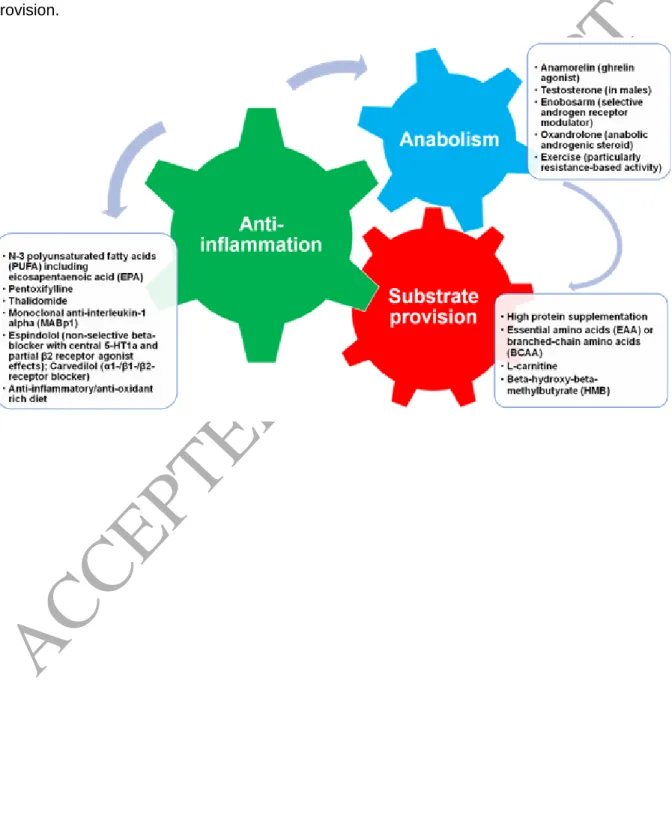
Successful cardiac cachexia therapies will likely be multi-dimensional and include anti- inflammatory and anabolic components, in addition to caloric substrate (Figure 2, Supplemental Table S7). Along these lines, a small clinical trial randomized 31 patients with HFrEF to 1- alanyl-1-glutamine (8 g/day) plus polyunsaturated fatty acid (6.5 g/day) versus placebo for 3 months.109 Fat free mass (FFM) increased (54.4 ±3.2 to 56.1 ±2.5 kg, p=0.04), but skeletal muscle function and potential mechanistic markers remained unchanged. There has been significant interest in the ghrelin agonists as candidates for the reversal of cachexia and sarcopenia. Ghrelin is a gut peptide hormone, which in addition to being the main human hunger signal also has anti-inflammatory and anabolic effects. In patients with cachectic non- small cell lung cancer, the ghrelin agonist anamorelin was associated with small FFM increases over 12 weeks.110 However, the European Medicines Agency declined an application as a cachexia therapy in 2017 due to the clinically marginal effect on FFM and the absence of an impact on handgrip strength or QoL.
ACCEPTED MANUSCRIPT
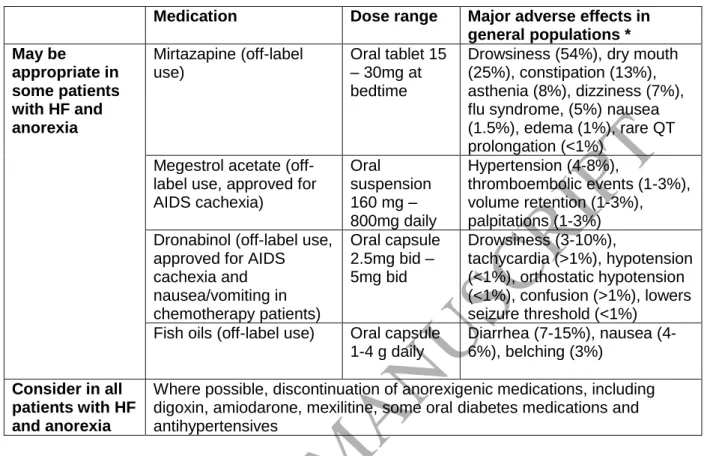
Select appetite stimulants may have a role in addressing the anorexia component of cachexia (Table 5). Structured physical activity may also be a necessary component for sarcopenia reversal, with resistance training being particularly effective and feasible for patients with anaerobic limitations. Resistance exercise performed for 1 hour twice weekly for 12 weeks in 66 subjects – of which 41 had baseline cardiac cachexia – was associated with an 11 kg increase in handgrip strength, although there was no comparator group without exercise.111 A meta- analysis of 240 patients with HF also demonstrated an improvement in lower body muscle strength.112 High-intensity interval training is a more recent approach suggesting benefits.113 The updated „Physical Activity Guidelines for Americans‟ emphasize personalized exercise recommendations that support patients with chronic conditions to maximize their activity levels within the boundaries of symptom limitations.114
Despite the absence of literature to support screening for and treatment of cardiac cachexia, the strong association between cachexia and mortality suggests that it is reasonable to try to address protein-calorie inadequacy in selected patients, and that functional status may be improved with protein intake that exceeds the 0.8 g/kg/day general population recommendation.23 Patients with advanced HF and cachexia or malnutrition (or at high risk of malnutrition) may require particularly aggressive nutritional interventions if hospitalized with cardiogenic shock (so long as this is consistent with the patient‟s goals of care), or if a cardiac surgery is indicated.115,116 Although there is no evidence specific to the HF population, enteral and parenteral nutritional support guidelines for adult critical care and peri-operative patients offer potentially useful guidance (Table 6). Of note, the 2017 European Society for Clinical Nutrition and Metabolism (ESPEN) guidelines minimize fasting before most major surgeries, and instead endorse oral carbohydrate loading.
ACCEPTED MANUSCRIPT
Recommendations for Managing Cardiac Cachexia and Sarcopenia:
It is reasonable for patients with HF to be screened for unintentional weight loss at least annually, due to the strong association between cachexia and adverse clinical outcomes
Until HF-specific diagnostic criteria are developed, it is reasonable to adopt the definition of
cachexia as unintentional edema-free weight loss >7.5% in the prior 6-12 months or BMI
<20 kg/m2, with evidence of sarcopenia, wasting or abnormal biochemistry
Patients who meet cachexia criteria, or who screen in with elevated nutritional risk based on a validated malnutrition screening tool, should receive RDN consultation (Figure 1)
Sarcopenia screening using the 5-item SARC-F questionnaire (score 4), gait speed (0.8
m/s) or handgrip strength (<27 kg in men, <16 kg in women) could be adopted in the inpatient or outpatient HF settings (thresholds as per European Working Group on Sarcopenia in Older People 2 criteria, outlined in Table S6)
Further validation of body composition measurement techniques in HF populations is required
For patients identified with (or at high risk of) malnutrition or cachexia, a goal protein intake
of at least 1.1 g/kg/day is reasonable (as per the PROT-AGE and Academy of Nutrition and Dietetics recommendations)
Patients with cachexia or malnutrition in the setting of critical illness or anticipated cardiac
surgery should be specifically evaluated for enteral or parenteral nutritional support as per guidelines in Table 6; in the absence of prospective data, consensus pre-operative nutritional targets may include albumin 3.0 g/dL, pre-albumin 16 g/dL, BMI 18.5-20 kg/m2, and an iron replete state (e.g. iron saturation 20% and ferritin 300 ng/ml)
ACCEPTED MANUSCRIPT
Mirtazapine, megesterol acetate, dronabinol and n-3 polyunsaturated fatty acids can be
considered for anorectic patients within the limitations of their adverse effect profiles (Table 5)
Clinical trials are required to evaluate the candidate nutritional and pharmacological
interventions for reversal of cachexia and sarcopenia in HFrEF and HFpEF; study endpoints should include physical function and QoL in addition to muscle mass gains
ACCEPTED MANUSCRIPT
Conclusions and Future Research Priorities
Each of the four priority HF nutrition domains – dietary quality, micronutrient supplementation, management of obesity, and management of cardiac cachexia – are poorly informed by the currently available scientific literature. Significant gaps in our basic and translational understanding of the progression from obesity to HF, and HF to cachexia, have hampered the development of effective interventions to disrupt these pathways. Given the public health burden of HF and the accumulated evidence that dietary intake can affect clinical outcomes, nutritional strategies should be a key component of HF clinical investigation moving forwards. The prevalence of obesity in HF continues to increase, and both dietary and surgical interventions for weight loss are yet to be studied in robustly-designed prospective trials. A clinical trial of sleeve gastrectomy in stable HFrEF and HFpEF patients with severe obesity would be particularly informative for clinical practice (Table 7).
On the opposite end of the spectrum, the morbidity and mortality burden attributable to cachexia is also significant and HF-specific prospective trials of candidate cachexia therapies could change the paradigm of care in this high-risk HF subgroup. Future micronutrient and nutraceutical trials in HF must be carefully conducted to provide more robust data than currently exists to confirm whether nutritional interventions improve QoL, functional capacity or survival beyond optimal medical therapy. Nutritional clinical trials should be conducted with the same rigor and attention to bias as drug trials in HF populations to enable these interventions to gain acceptance and support within the cardiology community. In a field with few new pharmacological therapies on the horizon, nutritional interventions hold the potential to significantly improve clinical outcomes for thousands of patients with HF within the coming decade.
ACCEPTED MANUSCRIPT
Tables:
Table 1: Summary of Heart Failure Nutritional Recommendations from Society Guidelines HFSA 2010 2 ACC/AHA 2013 3,
ACC/AHA/HFSA 2017 5
ESC 2016 4 AND 2017 6
Sodium 2-3 g/day (or < 2 g if refractory
hypervolemia) strength of evidence=C
<3 g/day
(class IIa) strength of evidence=C
Avoid excessive salt intake (>6 g/day), without a specific
recommendation
2-3 g/day strength of evidence=Fair
Fluid <2 L/day for serum sodium < 130 mEq/L or diuretic resistance strength of evidence=C
1.5-2 L/day in stage D HF, especially with hyponatremia (class IIa) strength of evidence=C
1.5-2 L/day may be considered in patients with severe HF, without a specific
recommendation
1-2 L day strength of evidence=Fair
Energy No specific recommendation
No specific recommendation
No specific recommendation
Recommend 22 kcal/kg actual bodyweight nourished, or 24 kcal/kg malnourished, or base upon REE strength of evidence=Fair Protein No specific
recommendation
No specific recommendation
No specific recommendation
Individualized, but at least 1.1 g/kg strength of evidence=Fair Folate
Vitamin B6 Vitamin B12 supplements
Consider daily multivitamin- mineral
supplementation for those of diuretic therapy and restricted diets strength of evidence=C
Not recommended NA Not recommended
for routine care strength of evidence=Weak Thiamine
supplements
Not recommended NA Not recommended
for routine care strength of evidence=Weak Vitamin D
supplements
Not recommended NA Not recommended
for routine care strength of evidence=Weak Nutritional
supplements
Not recommended for routine care strength of evidence=B
Not recommended (class III)
strength of evidence=B
NA Not recommended
for routine care strength of evidence=Weak
ACCEPTED MANUSCRIPT
Iron Intravenous iron can be considered for documented deficiency
2017 update:
Intravenous iron reasonable in NYHA class II-III HF and iron deficiency (ferritin
<100 ng/mL or 100 to 300 ng/mL if transferrin saturation <20%) (class IIb) strength of evidence=B
Intravenous ferric carboxymaltose for symptomatic HFrEF patients and iron deficiency (ferritin <100 ng/mL or 100 to 299 ng/mL if transferrin saturation <20%) (class IIa) strength of evidence=A
Not recommended for routine care strength of evidence=Weak
N-3
polyunsaturated fatty acid
supplements
Reasonable as adjuvant therapy for HFrEF NYHA class II-IV strength of evidence=B
Reasonable as adjuvant therapy for HFrEF or HFpEF NYHA class II-IV
(class IIa) strength of evidence=B
May be considered in symptomatic patients (class IIb) strength of evidence=B
Not recommended for routine care strength of evidence=Weak
Coenzyme Q10 NA Not recommended NA Not recommended
for routine care strength of evidence=Weak Cachexia Provide caloric
supplementation;
anabolic steroids are not
recommended strength of evidence=C
No
recommendations;
importance as a component of advanced HF emphasized
No specific recommendations
Provide at least 1.1 g/day protein per kg actual body weight to prevent catabolism strength of evidence=Fair Obesity Provide specific
weight loss diet instructions strength of evidence=B
No specific recommendation
Weight loss may be considered to manage
symptoms if BMI 35-45 kg/m2, without a specific recommendation
Weight loss for stage B and C HF with obesity strength of evidence=Weak
ACC, American College of Cardiology; AHA, American Heart Association; BMI, body mass index;
HFSA, Heart Failure Society of America; AND, Academy of Nutrition and Dietetics; NA, not addressed;
REE, resting energy expenditure; HFpEF, heart failure with preserved ejection fraction; HFrEF, heart failure with reduced ejection fraction
ACCEPTED MANUSCRIPT
Table 2: Suggestions for heart failure clinicians when screening for nutritional inadequacies and deficiencies
Metrics Tools and resources Macro-
nutrients
Micro- nutrients History medical
history and disease chronicit y can indicate the likelihoo d of malnutrit ion and inflamm ation
identify malabsorption history: prior gastrointestinal surgery including bariatric surgery or bowel resection,
gastrointestinal symptoms including ageusia (loss of taste), dysgeusia (distorted taste) or anorexia (loss of appetite), nausea, vomiting, diarrhea, constipation, dysphagia
dental health
history of aspiration events
history of diabetes and gastroparesis medication history including allergies, herbals and other supplements
social history, including food insecurity due to finances, assistance required with activities of daily living (shopping,
cooking, eating), ethnic or social dietary preferences, substance abuse
fat
malabsorption, overall low calorie intake
fat soluble vitamins (A, D, E, K), B12, and minerals including copper, calcium, iron, zinc and selenium
Physical examina tion
wasting of subcuta neous fat and/or skeletal muscle physical signs specific to micronut rient deficien cies
Table 3 in Esper DH. Utilization of nutrition-focused physical assessment in identifying micronutrient deficiencies.
Nutr Clin Pract. 2015;30:194–202
nutrition examination training workshops:
https://www.eatrightpro.org/practice/profe ssional-development/face-to-face-
learning/nfpe-workshop
cachexia: loss of
subcutaneous fat in orbital, triceps regions and overlying the ribs cachexia/sarc openia: loss of temporalis, pectoralis, deltoids, interosseous muscles, latissimus dorsi, trapezius, quadriceps, gastrocnemius muscle mass Muehrcke lines in nails suggest
nail, hair and skin changes character istic of:
vitamins A, B (any), C, K, zinc, or iron deficienci es
ACCEPTED MANUSCRIPT
hypoalbumine mia, alopecia associated with protein deficiency and scaling of scalp with essential fatty acid deficiency Anthrop
ometric data
body mass index:
weight, kg / (height, m)2
calculator:
https://www.nhlbi.nih.gov/health/educatio nal/lose_wt/BMI/bmicalc.htm
use dry weight for patients with volume overload
may reflect inadequate or excessive calorie intake
percent weight change:
((usual weight – current weight) / usual weight) x 100
calculator:
https://www.fitwatch.com/calculator/weig ht-loss-percentage/
review with patient to determine if weight loss is unintentional and whether diuresis contributed
see also Supplemental Table S1 for diagnostic criteria for malnutrition
5, 7.5, 10 or 20%
unintentional weight loss thresholds feature in malnutrition diagnostic criteria Laborato
ry data
screenin g for inflamm ation, prognost ic
markers, markers of iron deficien cy
scores incorporating laboratory data may aid in malnutrition identification:
geriatric nutritional risk index, GNRI – using albumin, weight, height:
http://touchcalc.com/calculators/gnri a simple tool with some data for
prognostic utility in HF cohorts (Kaneko 2015)
controlling nutritional status, CONUT nutrition risk in the critically ill, NUTRIC prognostic nutritional index, PNI less established in HF cohorts Sze S, Pellicori P, Kazmi S, Rigby A, Cleland JGF, Wong K, Clark AL.
Prevalence and Prognostic Significance of Malnutrition Using 3 Scoring Systems Among Outpatients With Heart Failure: A Comparison With Body Mass Index.
JACC Heart Fail. 2018;6:476–486.
albumin and pre-albumin:
these biomarkers have prognostic utility in HF, but although related to nutritional status, but there is insufficient evidence they change in response nutritional interventions C-reactive protein (CRP) or neutrophil- lymphocyte ratio (NLR) for inflammatory
hemoglo bin, % iron saturatio n and ferritin to screen for IV iron eligibility United States Preventat ive Services Task force recomme nds against screenin g for vitamin D deficienc
ACCEPTED MANUSCRIPT
state
assessment
y in asympto matic adults Dietary
assessm ent
nutrition al risk assess ment tools
short nutritional assessment questionnaire, SNAQ:
http://www.fightmalnutrition.eu/wp- content/uploads/2017/04/SNAQ_Engels.j pg
quick screening tool incorporating weight change, appetite and supplementation, unlike MUST and MNA does not incorporate medical diagnoses or inpatient status
malnutrition universal screening tool, MUST:
https://www.bapen.org.uk/screening-and- must/must-calculator
mini nutritional assessment, MNA:
https://www.mna-
elderly.com/mna_forms.html assess
ment of dietary intake
patient dietary intake self-collection and analysis can be performed on a mobile- health application such as MyFitnessPal for food record
predominantly research tools:
inpatient nutrient intake analysis daily food record or diary (typically at least 3-4 days)
food frequency questionnaire
https://sharedresources.fredhutch.org/co ntent/ffq-sample-booklets
24-hour recall
https://epi.grants.cancer.gov/asa24/
consult Institute of Medicine macronutrient (total calories, protein, carbohydrates and fat) and micronutrient reference intakes for adequacy:
http://www.fightmalnutritio n.eu/wp-
content/uploads/2017/04/S NAQ_Engels.jpg
Function al assessm ent
handgrip strength
handgrip thresholds <27 kg males, <16 kg females (European Working Group on Sarcopenia in Older People 2, see Supplemental Table S6)
subjective global assessment, SGA – weight change, intake change, gastrointestinal symptoms, functional status, metabolic demand, physical examination
low handgrip strength is not a direct indicator of nutritional status but may be associated with insufficient calorie/protein intake, or abnormalities of nutrient
absorption/assimilation
This list is not exhaustive, but summarizes the most clinically useful tools for clinicians Recommended resources are in standard type, additional resources in italics
ACCEPTED MANUSCRIPT
Table 3: Weight loss medications and considerations for use in heart failure Medication
(FDA Approval) Mechanism
1-yr placebo- adjusted weight loss
Potential benefits in heart failure
prevention or management
Potential risks in heart failure
Orlistat (1999)
Gastrointestinal lipase inhibitor, decreased fat absorption
−2.5kg with 60 mg
−3.4kg with 120 mg
Modest reductions in systolic blood pressure Modest reductions in blood glucose for patients with diabetes No sympathetic stimulation or known adverse cardiac events and has been studied in a HF cohort (Beck- da-Silva, 2015)
Fat-soluble vitamin malabsorption Monitor renal function in patients at risk of renal insufficiency Potential for warfarin and amiodarone interactions
Lorcaserin (2012) Selective serotonergic 5- HT2C receptor agonist
−3.2kg Modest reductions in systolic blood pressure
Possible association with regurgitant valvular disease development
5HT2B may be overexpressed in HF and therefore lorcaserin has not been studied in the HF population and should be used with caution
Adverse effects include bradycardia
Phentermine (1959) Appetite suppressant, TAAR-1 agonist
−3.6kg Potential for heart rate and blood
pressure elevations
Considered to be contraindicated in patients with heart disease, including HF, as well as with arrhythmias, CAD and uncontrolled hypertension Associated with primary pulmonary hypertension, regurgitant cardiac valvular disease,
palpitations/tachyarrhythmias