The report is based on a comparative analysis of the results of the 19 grants from fragile states and the 55 grants from stable states that had been assessed for Phase 2 funding. The results of grants in fragile states were comparable to the results of the 55 grants implemented in stable states. Most of the grants in fragile states (14 out of 19) were managed by public sector principal recipients (PRs), and these grants performed as well as those managed by non-government PRs.
Together, this makes a list of 46 countries with a combined population of 870 million people, or 14 percent of the world's population, that can be described as fragile states. The countries that need the Global Fund's resources are primarily the low- and middle-income countries with a high burden of disease.
THE GLOBAL FUND AND FRAGILE STATES
11. The mandate of the Global Fund is to mobilize resources on a large scale and to disburse these resources to countries in need so that they can accelerate and intensify the fight against these three diseases of poverty. This focus on low-income status and high disease burden, free from any other policy constraints and conditions, has led the Global Fund to invest large sums of resources in fragile states.
FRAGILE STATES
16. Study looks at the performance of grants in fragile states, based on grants estimated to finance phase 2. Before committing to the extension of funding beyond the first two years, the Global Fund Secretariat critically reviews the grant performance for 18 months to evaluate whether funding is to be approved for phase 2. 17. and grant governance.
The researchers and authors of this study were not part of the Secretariat's Phase 2 decision-making process. 21. The Grant Scorecards rate the overall performance of grants according to one of four categories: A, B1, B2 or C, based on the proportion of program targets achieved and the rate of resource utilization (defined as the proportion of funds disbursed against the expenditure budgets agreed upon at the start of implementation). 23. The limited time available did not allow interviews with Principal Recipients and sub-recipients, Local Fund Agents and representatives of the Country Coordination Mechanisms with in-depth review of all relevant documentation prior to preparation of this report.
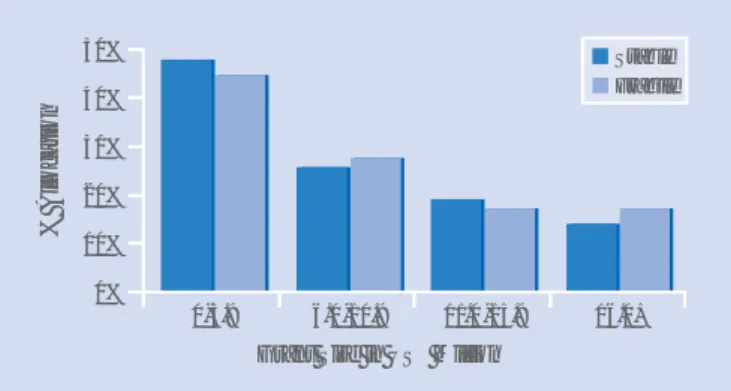
The 123 grants represent a commitment by the Global Fund Board to fund interventions in fragile states of US$1.1 billion over two years, and approval for a ceiling of US$3.0 billion over the five-year life of the grants. These allocations to fragile states account for 35 percent of the total resources provided by the Global Fund in Rounds 1 to 4 (see Figure 1a). 25. Proposals submitted to the Global Fund are country-led, based on gaps in a country's national strategic framework to combat one or more of the three diseases.
26. The study examined whether subsidies to fragile states were different in size from those to stable states.
KEY FINDINGS KEY FINDINGS
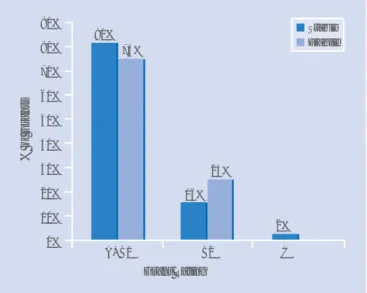
24. In the first four rounds of funding, 123 (41 percent) of the total 316 grants awarded worldwide went to countries identified as fragile states. As shown in Figure 2 below, the study finds that there is no difference in the size of grants relative to unstable countries compared to stable countries. The effectiveness of grants in unstable countries was examined by evaluating the results of the Phase 2 evaluation of 19 grants against the results of 55 grants carried out in stable countries.
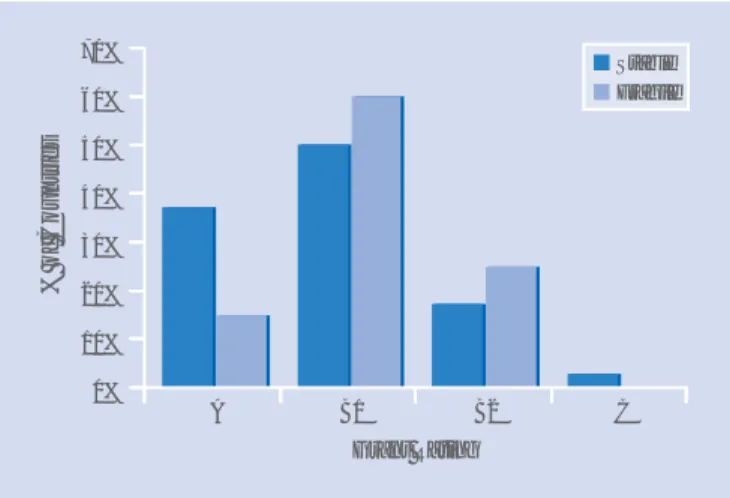
Where subsidies in stable states scored more often in the A category, fragile states scored a higher proportion of their subsidies in category B1 compared to subsidies in stable states. The results show that 75 percent of scholarships in fragile states scored A or B1, compared to 81 percent of scholarships in stable states that scored in the same categories. Principal Recipient of last resort” would more often assume the role of PR in fragile states than in stable states.
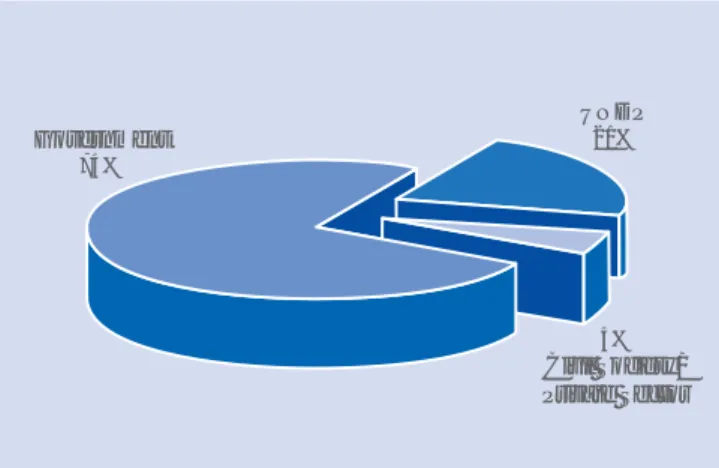
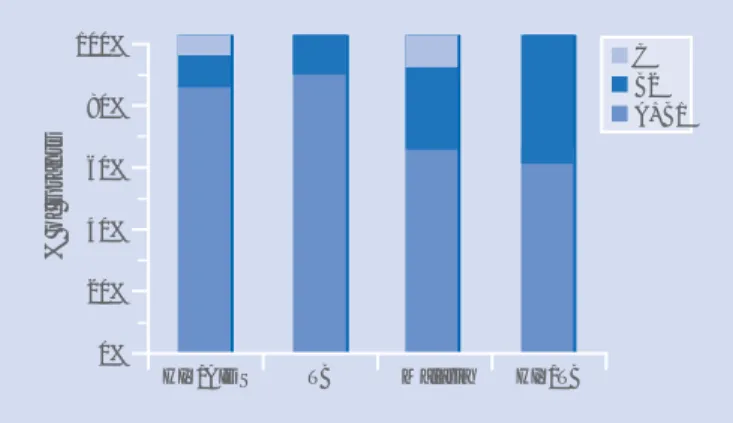
For grants in fragile states, public sector agencies, mainly Ministries of Health, were the predominant PRs, accounting for 74 percent of grants in fragile states (while they account for only 53 percent of PRs in stable states). 33. Another question was whether government agencies in fragile states would perform well as Principal Beneficiaries, as the capacity to manage public resources is one of the determinants of state fragility and a major donor concern. TB grants in fragile states all scored A or B1; no grant with a score of B2 or C (see Figure 5a).
37. Grant implementation in fragile states means navigating the issues that form the core of state fragility.
CONTEXTUAL ISSUES
This part of the study is not yet complete, but some comments are listed below. 38. Well-performing grants were more likely to have a proactive CCM that met regularly with PRs and sub-recipients to review progress. These grants are also evidence of frequent communication with PR and sub-recipients and with the Fund Portfolio Manager at the Global Fund Secretariat.
Field visits by PR and CCM to encourage implementation and verify data, as observed in the Western Pacific malaria grant in many countries, appear to be a critical factor. The PR, in the example of the Western Pacific malaria grant just mentioned, was proactive in collecting data from sub-beneficiaries and undertook numerous field visits, taking a hands-on approach to managing and monitoring the implementation of this grant. 39. Creativity and initiative from both CCM and PR were also important.
For example, in Burundi, CCM and PR implemented a policy whereby Global Fund funds would be used to procure artemisinin-based combination therapy (ACT) for first-line treatment, while funds from other donors, such as the World Bank and UNICEF, would be used to purchase second-line drugs such as quinine. The PR then took the initiative to reallocate the savings generated by the procurement of second-line drugs to the procurement of ACTs and bed nets. The CCM itself decided to expand its composition to include more representatives of civil society, including organizations of people living with these diseases.
At the time of writing this report, there were plans to also expand the representation of bilateral and multilateral agencies.
NAVIGATING STATE FRAGILITY CONTEXTUAL ISSUES
As a tool to better understand these issues, the Grant Score Cards for all 19 grants implemented in fragile states were reviewed for further insight into factors that may have led to the better than expected performance of these grants. Since the signing of their HIV/AIDS grant, several other donors in Burundi have begun to contribute to the government's national strategy. CCM has included these other development partners and has coordinated the efforts of these partners into a coherent national disease strategy and action plan.
The Minister of Public Health, who is the public relations representative, recognized the benefits of a coordinated partnership on HIV/AIDS and set out to promote better coordination between donors and technical partners who also implement the anti-malaria programme.
NAVIGATING STATE FRAGILITY
Most grants in fragile countries have adopted this concept and actively expanded the number of sub-recipients well beyond traditional public sector implementation. In Ethiopia, for example, PR took considerable time to understand the reality of performance-based funding, which led to the importance of timely and accurate reporting being overlooked. 43. Delay in disbursement – both in terms of delay in disbursement by the Global Fund Secretariat to the Public Relations Officer and by the Public Relations Officer to the contractors/sub-recipients – was a major factor in the underperforming grants.
The most common causes of delayed PR payments were related to cumbersome assessments of PR procurement by the Global Fund and delayed procurement of medicines and other health products due to country-level bureaucratic processes. At the PR level, common causes for delayed payouts revolved around reporting issues with sub-recipients. With resources from the Global Fund, the Ministry of Health and its partners aim to ensure that nearly half a million Malian women and children will sleep under insecticide-treated bed nets by the end of the first two years of the grant.
This is mainly due to the Global Fund's mandate which prioritizes the flow of its resources to low-income countries with high disease burden, regardless of government structure, donor history or any other factors. This level of investment is a significant departure from the current practice of the bilateral donor agencies, which have tended to avoid investments in fragile states or to limit those investments to merely short-term humanitarian responses. This is completely unexpected, especially since the majority of the Principal Recipients in these countries are government ministries.
46. The findings suggest that the Global Fund's performance-based funding model is flexible enough to work in fragile states, and that it is building capacity as grants are implemented with input from technical partners.
CONCLUSION CONCLUSION
LIST OF FRAGILE STATES 1
GRANTS ASSESSED FOR PHASE 2 FUNDING THROUGH JULY 2005
Disease Component HIV/AIDS Malaria HIV/AIDS HIV/AIDS Tuberculosis Malaria HIV/AIDS HIV/AIDS Tuberculosis HIV/AIDS HIV/AIDS Malaria Tuberculosis HIV/AIDS Malaria Tuberculosis HIV/AIDS Malaria Tuberculosis. Ministry of Health Ministry of Health Ministry of Health Ministry of Health Ministry of Health Other Ministry Other Ministry Other Ministry UNDP. Berry C, Forder A, Sultan S, and Moreno-Torres M. Approaches for improving social service delivery in difficult environments.
Towards a European consensus on development: The European Commission adopts a proposal for an ambitious development policy. Investing in the Future: The Global Fund in Three Years (2005), Global Fund to Fight AIDS, Tuberculosis and Malaria, Geneva, 2005.