UNIVERSIDADE DE TRÁS-OS-MONTES E ALTO DOURO
OBESITY IN ADOLESCENCE - FROM ETIOLOGICAL
VARIABILITY TO INTERVENTIONAL EFFICACY IN THE
SCHOOL CONTEXT
TESE DE DOUTORAMENTO EM CIÊNCIAS QUÍMICAS E BIOLÓGICAS
José Maria Tallon
Orientadores: Professora Doutora Ana Isabel Novo de Barros (UTAD-Portugal) Professor Doutor Aldo Filipe Matos da Costa (UBI-Portugal) Professor Doutor António José Silva (UTAD-Portugal)
I
Universidade de Trás-os-Montes e Alto Douro
OBESITY IN ADOLESCENCE - FROM ETIOLOGICAL
VARIABILITY TO INTERVENTIONAL EFFICACY IN THE
SCHOOL CONTEXT
José Maria Tallon
Este trabalho foi expressamente elaborado como tese original para efeitos de obtenção do grau de Doutor em Ciências Químicas e Biológicas, de acordo com o disposto no Decreto -Lei n.º 74/2006, de 24 de março, na redação dada pelo Decreto-Lei n.º 115/2013, de 7 de agosto e Regulamento n.º 656/2016 publicado no Diário da República, 2.ª série — N.º 133 — 13 de julho de 2016, realizada sob a orientação científica da Doutora Ana Isabel Amorim Novo de Barros, Professora Auxiliar com Agregação do Departamento de Química da Universidade de Trás-os-Montes e Alto Douro, e dos Doutores Aldo Filipe Matos da Costa, Professor Auxiliar com Agregação do Departamento de Ciências do Desporto da Universidade da Beira Interior, e António José Silva, Professor Catedrárico do Departamento de Ciências do Desporto, Exercício e Saúde da Universidade de Trás-os-Montes e Alto Douro
As doutrinas apresentadas no presente trabalho são da exclusiva responsabilidade do autor.
III
UNIVERSIDADE DE TRÁS-OS-MONTES E ALTO DOURO
OBESITY IN ADOLESCENCE - FROM ETIOLOGICAL
VARIABILITY TO INTERVENTIONAL EFFICACY IN THE
SCHOOL CONTEXT
TESE DE DOUTORAMENTO EM CIÊNCIAS QUÍMICAS E BIOLÓGICAS
José Maria Tallon
Orientadores: Professora Doutora Ana Isabel Novo de Barros (UTAD-Portugal) Professor Doutor Aldo Filipe Matos da Costa (UBI-Portugal) Professor Doutor António José Silva (UTAD-Portugal)
Composição do Júri: Presidente:
• Artur Agostinho de Abreu Sá (Professor Associado - UTAD) Vogais:
• Valdemar Pedrosa Carnide (Professor Catedrático - UTAD)
• Paulo Jorge Mota Pinho Gomes (Professor Catedrático Convidado - UNL)
• Ana Isabel Ramos Novo Amorim Barros (Professora Auxiliar c/agregação - UTAD) • Aldo Filipe Matos da Costa (Professor Auxiliar c/agregação - UBI)
• Sandra Celina Fernandes Fonseca (Professora Auxiliar - UTAD)
• José Paulo Mendes Guimarães de Macedo (Professor Auxiliar - UFP)
V
UNIVERSIDADE DE TRÁS-OS-MONTES E ALTO DOURO
OBESITY IN ADOLESCENCE - FROM ETIOLOGICAL
VARIABILITY TO INTERVENTIONAL EFFICACY IN THE
SCHOOL CONTEXT
TESE DE DOUTORAMENTO EM CIÊNCIAS QUÍMICAS E BIOLÓGICAS
José Maria Tallon
Orientadores: Professora Doutora Ana Isabel Novo de Barros (UTAD-Portugal) Professor Doutor Aldo Filipe Matos da Costa (UBI-Portugal) Professor Doutor António José Silva (UTAD-Portugal)
Funding:
This work is part of the project "Causes4AdolescentObesity - The multifactorial nature of obesity: a preliminary study on the behavioral, physiological and genetic profile of Portuguese adolescents" (POCI-01-0145-FEDER-023813), which is funded by the Fundação para a Ciência e Tecnologia (FCT) and co-funded by the Fundo Europeu de Desenvolvimento Regional (FEDER), through the Programa Operacional Competitividade e Internacionalização (COMPETE2020). This research was also funded by the FCT Grant number UID/AGR/04033/2013 and POCI-01-0145-FEDER-006958 (CITAB-UTAD).
VII
ACKNOWLEDGEMENTS
Agradeço à minha mulher e aos meus filhos, que são a salvaguarda afectiva que me permitiu avançar contra todas as incertezas. Sem o seu apoio esta Tese teria sido muito mais dificil, pela paciência, pelas horas roubadas, pelas sugestões e críticas ao trabalho. Agradeço aos meus filhos a ajuda para chegar até aos seus colegas, ajudando-me a entender melhor a mentalidade dos jovens.
Uma palavra de agradecimento a toda a minha família e às pessoas especiais que sempre me acompanharam e acompanham na minha vida, que nunca questionaram opções e se tornaram essenciais para a minha aprendizagem. Às Escolas Secundárias de Palmela, Tomas Pelayo de Santo Tirso, Dr. Francisco Fernandes Lopes de Olhão, São Lourenço de Portalegre, Santa Maria do Olival de Tomar e Gustavo Eifel em Lisboa, com os seus respectivos Conselhos Directivos, que autorizaram este trabalho, assim como aos professores que tão estusiástica e professionalmente participaram na recolha de dados durante o período lectivo, sem os quais este trabalho não seria possível. À Professora Doutora Ana Barros, ao Professor Doutor Aldo Matos da Costa e ao Professor Doutor António José Silva cuja orientação, sugestões e ajuda para além do espectável foram cruciais para a conclusão deste trabalho.
Uma vez mais aos meus mestres, que ao longo da vida me ensinaram, tanto por aquilo que eram, como pelo que sabiam.
Não posso deixar de agradecer à Dra. Janine Narciso e a Dra. Raquel Saavedra, pela sua grande ajuda na busca das fontes bibliograficas e na redaçao final dos Papers, para adaptá-los as exigências requeridas para poderem ser publicados, e que tanto ajudaram a concretizar este trabalho.
Agradeço a todos os companheiros de trabalho deste doutoramento pela sua colaboração e por alguns se terem tornado verdadeiros amigos.
Incluo também nos meus agradecimentos os conselhos directivos, científicos e de ética da Universidade de Trás-os-Montes e Alto Douro e Universidade da Beira Interior, sem a sua orientaçao e autorização, não seria possível ter concretizado este trabalho.
VIII
Aos meus pacientes que, confiando-me as suas dificuldades com o excesso de peso, por vezes desde o início das suas vidas, me fizeram entender que a alimentação adequada a cada um é um processo muito mais vasto do que apenas somar ou subtrair calorias. Modificar hábitos e comportamentos é muito mais complexo do que intervir pontualmente. Tem de se iniciar a aprendizagem no seio da família e da escola, requerendo a mobilização de competências mais abrangentes e inovadoras por parte do médico e do educador.
IX
Aos meus Pais, que sempre me estimularam a lutar, com princípios e valores, pelos objetivos que determinaram o meu percurso. Gostava tanto que estivessem hoje aqui!
XI
RESUMO
Introdução: A obesidade, que tem revelado um crescimento significativo no último meio século,
é atualmente considerada como uma das maiores pandemias mundiais do século XXI. Esta tendência tem sido igualmente reportada em crianças e adolescentes, abrangendo territórios outrora relativamente imunes a taxas elevadas de sobrepeso ou obesidade. Este diagnóstico reflecte-se inexoravelmente na qualidade de vida da sociedade contemporânea, sendo um factor de risco para o desenvolvimento de diversas comorbilidades, com efeitos na saúde mental e no relacionamento social dos sujeitos. A isso acresce o agravamento continuado dos custos diretos anuais de cuidados de saúde, suportados pelo próprio ou pela sociedade em geral, assim como os custos indiretos explicados pela quebra de produtividade no trabalho e pelo aumento de absentismo. Tais considerações justificam a redobrada atenção que esta problemática tem suscitado junto de organizações internacionais e particularmente junto da comunidade científica, educativa e dos profissionais de saúde, em áreas diversas do conhecimento especializado.
Objectivo: Esta tese explora dois pilares fundamentais no estudo da obesidade na adolescência
- a educação nutricional, que assume um carácter preventivo pela procura de soluções inovadoras para a consciencialização da juventude para alimentação saudável; o fenômeno da variabilidade humana, nomeadamente em variáveis de natureza biológica e comportamental. Foram definidos os seguintes objectivos específicos: (i) sistematizar o conhecimento cientifico mais recente sobre o impacto dos programas de educação nutricional em contexto escolar; (ii) analisar quantitativamente o impacto das intervenções escolares no Índice de Massa Corporal (IMC) dos adolescentes; (iii) avaliar o impacto do uso de uma plataforma interativa digital (Obesidata) para ensinar conteúdos nutricionais básicos a adolescentes; (iv) descrever o perfil antropométrico e o padrão de atividade física de adolescentes portugueses; (v) comparar o consumo energético de adolescentes / adultos jovens portugueses com as suas necessidades energéticas; (vi) determinar a acurácia de quatro equações de predição da taxa metabólica basal comumente usadas.
Métodos: Pesquisas de literatura foram realizadas utilizando as seguintes bases de dados -
Cochrane library, PubMed, Scopus, Science Direct e Web of Science. Os resultados dessa pesquisa foram agrupados por meio de um modelo de efeitos aleatórios com intervalo de confiança de 95%. Foi desenvolvida uma plataforma digital interativa com conteúdo nutricional (“Obesidata”), que foi disponibilizada a 1291 adolescentes durante 2 semanas para estudo autónomo; os adolescentes completaram um questionário de conhecimento antes e
imediatamente após o término da intervenção. Dessa amostra inicial, 946 adolescentes (de 6
escolas portuguesas) foram sujeitos a uma avaliação antropométrica simplificada (peso, estatutura e circunferência da cintura), tendo sido ainda registado o seu nível de atividade física (autorrelatado). 287 adolescentes de ambos os sexos registaram sua ingestão alimentar por pelo menos 3 dias, foram sujeitos a uma avaliação antropométrica simples (peso e estatura) e e as necessidades energéticas foram estimadas usando a equação de Harris-Benedict. A taxa metabólica basal foi mensurada por calorimetria indirecta numa amostra de 156 mulheres (idade:
XII
40,3 ± 10,2 anos), recrutada em contexto clínico. Os valores resultantes foram comparados com os valores preditivos das equações de Harris-Benedict, FAO/WHO/UNU, Schofield e Mifflin-St.
Jeor em todas as categorias de IMC.
Resultados: O uso das tecnologias da informação e comunicação nas estratégias preventivas
de saúde alimentar parece ser uma prática pedagógica válida para fornecer educação nutricional junto dos adolescentes, porém os efeitos parecem ser pouco duradoiros. De mesmo modo, o efeito das intervenções escolares no IMC dos adolescentes parece ser estatisticamente significativo embora de baixa magnitude (s. = -0, 55; P = 0, 4; 95% IC =-0, 92,-0, 17). Após 2 semanas de acesso livre a uma plataforma digital interativa (“Obesidata”), 85,8% dos estudantes aumentaram o seu conhecimento nutricional, sobretudo os estudantes mais jovens (P < 0,001) e com um nível de conhecimento de base mais baixo. O nível de conhecimento nutricional apenas diferiu entre os sexos no início da intervenção (p<0.001). A prevalência global de sobrepeso e obesidade nos adolescentes portugueses avaliados foi de 16,5% e 5,9%, respectivamente. Apenas 38,3% dos participantes reporta um nível de atividade física "moderada", "intensa" ou "muito intensa", manifestamente mais baixa entre o sexo feminino (50,1%; versus 29,2%), mas sem um efeito significativo da variável idade. O consumo energético global de adolescentes/adultos jovens foi significativamente menor do que suas necessidades energéticas teóricas, peso normal, sobrepeso e obesos e em todas as classes escolares (P < 0,05). As equações com maior acurácia de estimação da taxa metabólica basal foram a equação de Mifflin-St. Jeor na categoria de peso normal (41,9%) e a equação de Harris-Benedict na categoria de sobrepeso (55,4%) e obesidade (50,9%).
Conclusões: As intervenções escolares, nomeadamente baseadas em tecnologia, parecem ser
uma ferramenta/estratégia válida de educação nutricional e de estilos de vida saudáveis para adolescentes, embora com efeitos pouco duradoiros e modestos no IMC. O sexo e o conhecimento de base parecem influenciar o processo de aprendizagem, facto que deve ser considerado no desenho de futuras intervenções. Os nossos resultados mostraram ainda que a prevalência do sobrepeso/obesidade nos adolescentes avaliados é relevante (16,5%), sendo que apenas pouco mais de um terço (38%) é fisicamente activo. Concluímos também que, em geral, o consumo energético de adolescentes/adultos jovens parece inferior aos seus requisitos energéticos teóricos. Por último concluímos que a acurácia das equações preditivas da taxa metabólica basal é variavel nas diferentes categorias de IMC, pelo que a sua aplicabilidade individual, em mulheres portuguesas, poderá ser limitada.
XIII
ABSTRACT
Introduction: Obesity, which has shown significant growth over the past half century, is now
considered to be one of the world's largest pandemics of the 21st century. This trend has also
been reported in children and adolescents, covering territories once relatively immune to high rates of overweight or obesity. This diagnosis is inexorably reflected in the quality of life of contemporary society, being a risk factor for the development of various comorbidities, with effects on the mental health and social relationship of the subjects. On top of this is the continued increase in direct annual health care costs, paid by the individual or society in general, as well as the indirect costs explained by the drop in productivity at work and the increase in absenteeism. Such considerations justify the attention that this problem has attracted to international organizations and particularly to the scientific, educational and health professionals community, in diverse areas of specialized knowledge.
Objective: This thesis explores two fundamental pillars in the study of obesity in adolescence -
nutrition education, which plays a preventive role in seeking innovative solutions for youth awareness of healthy eating; the phenomenon of human variability, namely in the biological and behavioral dimension. The following specific objectives were defined: (i) to systematize the latest scientific knowledge on the impact of nutrition education programs in the school context; (ii) to quantitatively analyze the impact of school interventions on adolescents' Body Mass Index (BMI); (iii) evaluate the impact of using an interactive digital platform (Obesidata) to teach basic nutritional content to adolescents; (iv) describe the anthropometric profile and physical activity pattern of Portuguese adolescents; (v) compare the energy consumption of Portuguese adolescents / young adults with their energy needs; (vi) determine the accuracy of four commonly used basal metabolic rate prediction equations.
Methods: Literature searches were performed using the following databases - Cochrane library,
PubMed, Scopus, Science Direct and Web of Science. The results of this research were grouped using a random effects model with a 95% confidence interval. An interactive digital platform with nutritional content (“Obesidata”) was developed, which was made available to 1291 adolescents for 2 weeks for autonomous study; The adolescents completed a knowledge questionnaire before and immediately after the intervention ended. From this initial sample, 946 adolescents (from 6 Portuguese schools) underwent a simplified anthropometric assessment (weight, height and waist circumference), and their level of physical activity (self-reported) was also recorded. 287 adolescents of both sexes recorded their food intake for at least 3 days, underwent a simple anthropometric assessment (weight and height) and their energy requirements were calculated using the Harris-Benedict equation. Basal metabolic rate was measured by indirect calorimetry in a sample of 156 women (age: 40.3 ± 10.2 years) recruited in the clinical setting. The resulting values were compared with the predictive values of the Harris-Benedict, FAO / WHO / UNU, Schofield and Mifflin-St equations. Jeor in all BMI categories.
XIV
Results: The use of information and communication technologies in preventive food health
strategies seems to be a valid pedagogical practice to provide nutrition education to adolescents, but the effects seem to be unsustainable over time. Similarly, the effect of school interventions on adolescent BMI appears to be statistically significant although of low magnitude (s. = -0.55; P = 0.4; 95% CI = -0.92, -0.17). After 2 weeks of open access to an interactive digital platform (“Obesiata”), 85.8% of students increased their nutritional knowledge, especially younger students (P <0.001) and with a lower background level. The level of nutritional knowledge differed only between genders at the beginning of the intervention (p <0.001). The overall prevalence of overweight and obesity in the sample was 16.5% and 5.9%, respectively. Only 38.3% of participants reported a "moderate", "intense" or "very intense" level of physical activity, manifestly lower among females (50.1%; versus 29.2%), with no significant effect of age. The energy intake of adolescents/young adults was significantly lower than their requirements for both genders, adolescents, normal weight, overweight and obese individuals and in all school grades (P < 0.05). At an individual level, the equations with the highest percentage of accurate predictions were the Mifflin-St. Jeor equation in normal weight women (41.9%) and the Harris-Benedict equation in overweight (55.4%) and obese (50.9%) women.
Conclusions: School-based interventions, particularly with technology support, appear to be a
valid tool for nutrition education and healthy lifestyles for adolescents, although with short-term effects and modest impacts on BMI. Gender and background knowledge seem to influence the learning process, which should be considered when designing future interventions. Our results also showed that the prevalence of overweight / obesity in the evaluated adolescents is relevant (16.5%), with only a little over one third (38%) being physically active. We conclude that, in general, the energy intake of adolescents / young adults seems to be lower than their theoretical energy requirements. Finally, we also concluded that the accuracy of the resting metabolic rate prediction equations studied varied by weight status and might have limited applicability for Portuguese women at an individual level.
XV
CONTENTS
ACKNOWLEDGEMENTS ... VII RESUMO ... XI ABSTRACT ... XIII CONTENTS ... XV TABLES INDEX ... XIX FIGURES INDEX... XXI LIST OF SYMBOLS AND ABBREVIATIONS ... XXIIII. CHAPTER I: GENERAL INTRODUCTION AND THESIS OUTLINE ... 1
1.1. INTRODUCTION ... 3
1.1.1. Classification and Etiology of Obesity ... 3
1.1.2. Nutrition and Obesity ... 5
1.1.3. The Genetics of Obesity ... 7
1.1.4. Nutrition Education effectiveness ... 9
1.1.5. Problem definition and objective of this thesis ... 10
1.1.6. Thesis outline ... 14
1.1.7. Funding ... 16
REFERENCES ... 17
II. CHAPTER II: STUDY SAMPLE AND METHODS ... 25
2.1. Sample ... 27
2.2. Procedures ... 28
REFERENCES ... 35
III. CHAPTER III: REVIEW PAPERS ... 39
Paper 1 - Impact of Technology and School-Based Nutrition Education Programs on Nutrition Knowledge and Behavior During Adolescence – A Systematic Review ... 41
ABSTRACT ... 43
3.1.1. INTRODUCTION ... 44
3.1.2. METHODOLOGY ... 45
3.1.3. RESULTS ... 47
3.1.4. DISCUSSION ... 53
3.1.5. CONCLUSIONS AND FUTURE DIRECTIONS ... 56
REFERENCES ... 57
Paper 2 - The effect of school intervention programs on the body mass index of adolescents – a systematic review with meta-analysis ... 61
ABSTRACT ... 63 3.2.1. BACKGROUND ... 64 3.2.2. METHODS ... 65 3.2.1. RESULTS ... 67 3.2.2. DISCUSSION ... 73 3.2.3. CONCLUSION ... 75
XVI
REFERENCES ... 76
IV. CHAPTER IV: ORIGINAL RESEARCH PAPERS ... 81
Paper 3 - Characterization of the anthropometric profile and physical activity levels of Portuguese adolescents ... 83 ABSTRACT ... 85 4.1.1. INTRODUCTION ... 86 4.1.2. METHODS ... 87 4.1.3. RESULTS ... 89 4.1.4. DISCUSSION ... 99 4.1.5. CONCLUSION ... 103 REFERENCES ... 104
Paper 4 - Pilot Evaluation of an Interactive Multimedia Platform to Provide Nutrition Education to Portuguese Adolescents ... 107 ABSTRACT ... 109 4.2.1. INTRODUCTION ... 110 4.2.2. METHODS ... 111 4.2.3. RESULTS ... 114 4.2.4. DISCUSSION ... 116 Key points ... 119 REFERENCES ... 120
Paper 5 - Reported energy intake versus estimated energy requirements of portuguese adolescents and young adults ... 123
ABSTRACT ... 125
4.3.1. INTRODUCTION ... 126
4.3.2. MATERIAL AND METHODS ... 127
4.3.3. RESULTS ... 130
4.3.4. DISCUSSION AND CONCLUSION ... 132
REFERENCES ... 137
Paper 6 - Comparation of predictive equations for resting metabolic rate in Portuguese women ... 141
ABSTRACT ... 143
4.4.1. INTRODUCTION ... 144
4.4.2. MATERIAL AND METHODS ... 145
4.4.3. RESULTS ... 148
4.4.4. DISCUSSION ... 151
4.4.5. CONCLUSIONS ... 155
REFERENCES ... 156
V. CHAPTER IV: OVERALL CONCLUSIONS, LIMITATIONS AND RECOMMENDATIONS .... ... 159
5.1. OVERALL CONCLUSIONS ... 161
XVII
5.1.2. Human variability pillar ... 163
5.2. LIMITATIONS AND RECOMMENDATIONS ... 166
REFERENCES ... 168
APPENDIX ... 169
Appendix 1. Observation of outliers: moderate (light grey) and severe (dark grey) ... 171
XIX
TABLES INDEX
Chapter I.
Table I. 1: Thesis outline ... 15
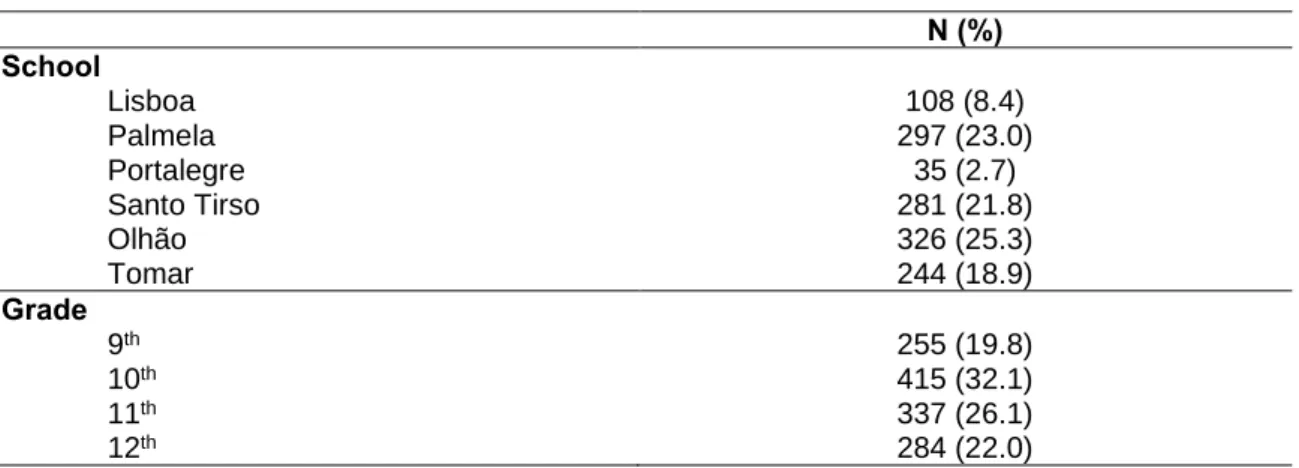
Chapter II. Table II. 1: Distribution of the sample by school and grade. ... 27
Table II. 2: Fast food composed dishes included in Obesidata by brand ... 30
Table II. 3: Multiple-choice question used to evaluate physical activity. ... 31
Table II. 4: Predictive equations used to estimate RMR (kcal/day). ... 32
Chapter III. [Paper 1] Table III.1. 1: Characteristics of the studies included in the review. ... 50
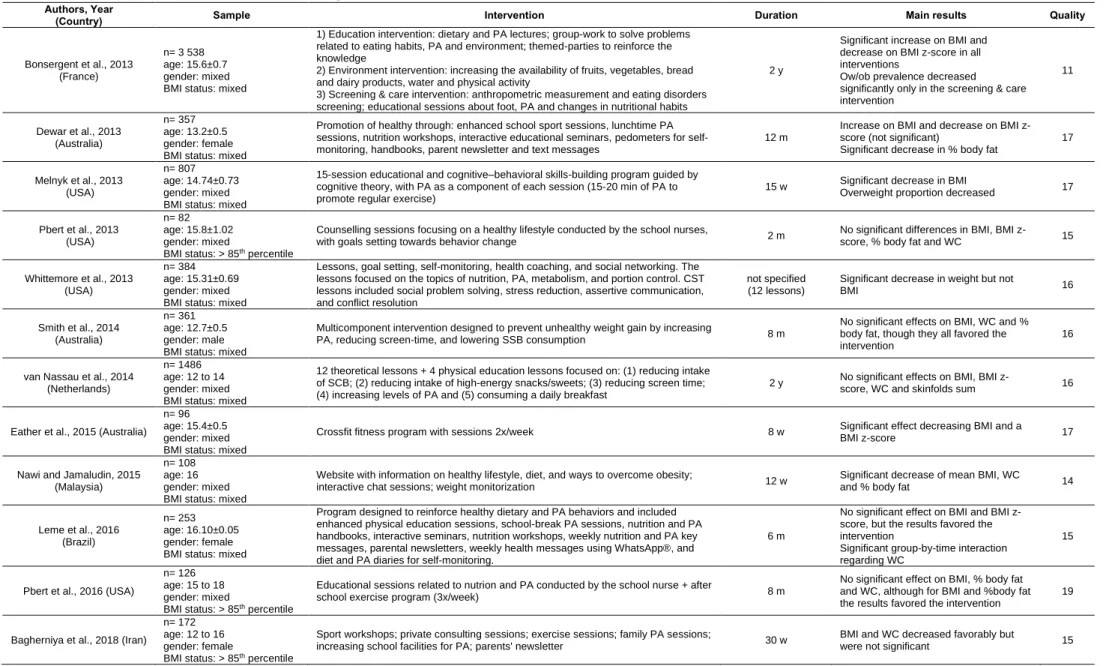
[Paper 2]. Table III.2. 1: Characteristics of studies examining the effect of school-based interventions on BMI. ... 70
Chapter IV. [Paper 3] Table IV.3. 1: Number of students segregated by school and grade. ... 87
Table IV.3. 2: Univariate analysis of the study variables for 946 observations. ... 89
Table IV.3. 3: Univariate analysis of the study variables for 927 observations ... 91
Table IV.3. 4: Linear correlation between variables ... 91
Table IV.3. 5: Factor Loading of the variables being studied for the retained factors ... 92
Table IV.3. 6: Reconstituted variance ... 92
Table IV.3. 7: Gravity centers for the clusters. ... 94
Table IV.3. 8: Gravity centers stratified by class and gender ... 96
Table IV.3. 9: Type of PA segregated by gender ... 98
Table IV.3. 10: Contingency table between age and PA ... 98
Table IV.3. 11: Age classes profiles ... 98
XX
[Paper 4]
Table IV.4. 1: Description of the Sample: Number of Participants and Percentages by Gender,
Grade and School. ... 112
Table IV.4. 2: Results of the Pre-Test and Post-Test Ventilated by School. ... 114 Table IV.4. 3: Knowledge Category Grouped by Students’ Baseline Knowledge. ... 115 Table IV.4. 4: Initial and Post-Intervention Nutrition Knowledge Scores Regarding Gender. .. 115 [Paper 5]
Table IV.5. 1: Harris-Benedict equations used to estimate BMR/RMR (kcal/day). ... 129 Table IV.5. 2: Descriptive characteristics of the sample (n=287) stratified by gender ... 130 Table IV.5. 3: Mean and SD of total EER and REI and stratified by gender. ... 131 Table IV.5. 4: Mean and SD of total EER and REI and stratified by school grade. ... 131 Table IV.5. 5: Mean and SD of EER and REI stratified by age. ... 132 Table IV.5. 6: Mean and SD of EER and REI by BMI category. ... 132 [Paper 6]
Table IV.6. 1: Predictive equations used to estimate RMR (kcal/day). ... 147 Table IV.6. 2: Characteristics of the total sample by BMI category. ... 148 Table IV.6. 3: Comparison of RMR values from IC and the selected prediction equations for
normal weight woman (n=43). ... 149
Table IV.6. 4: Comparison of RMR values from IC and the selected prediction equations for
overweight women (n=56). ... 150
Table IV.6. 5: Comparison of RMR values from IC and the selected prediction equations for obese
women (n=57). ... 151
Chapter V.
Table V. 1: Main conclusions from paper 1, 2 & 4, corresponding to the pillar of Nutrition
Education. ... 161
Table V. 2: Main conclusions from paper 3, 5 & 6, corresponding to the pillar of Human Variability.
XXI
FIGURES INDEX
Chapter I.
Figure I. 1: The multiple consequences of obesity on different dimensions of health ... 4 Chapter III.
[Paper 1]
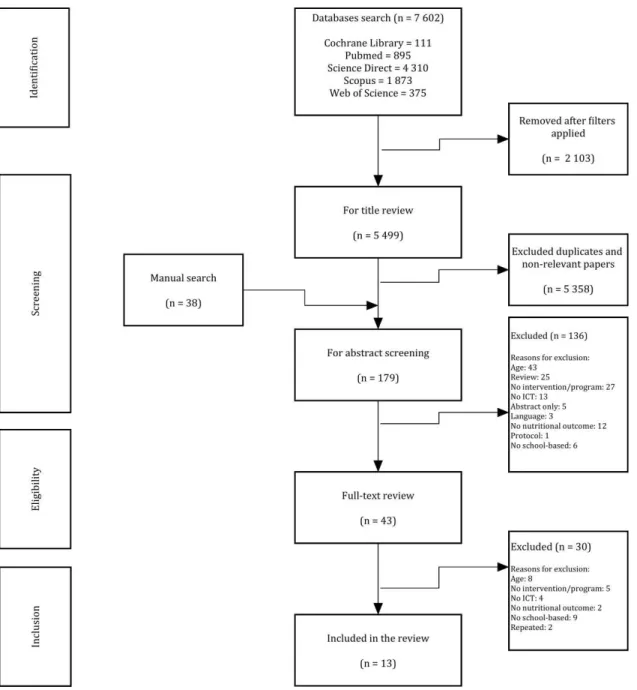
Figure III.1. 1: Flowchart Describing the Selection Process According To PRISMA Guidelines.
... 48
[Paper 2]
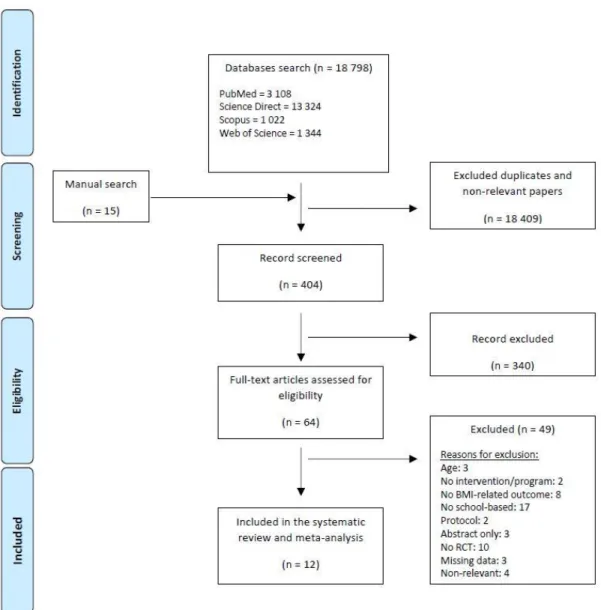
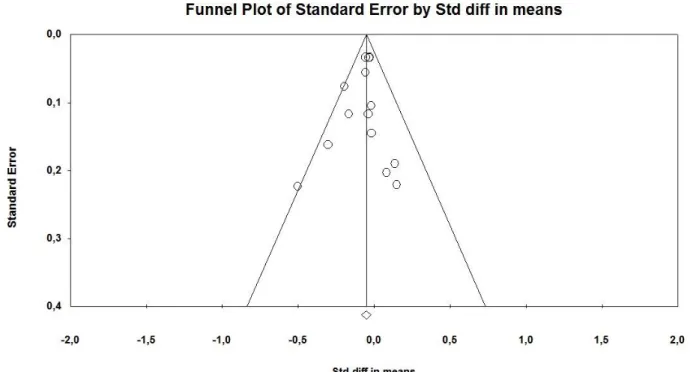
Figure III.2. 1: PRISMA flow diagram of study selection process. ... 68 Figure III.2. 2: Forest plot of standardized mean difference (95%) in change of body mass index.
... 72
Figure III.2. 3: Funnel plot to assess the publication bias of studies... 72 Chapter IV.
[Paper 3]
Figure IV.3. 1: Box Plots of the study variables for 946 observations... 90 Figure IV.3. 2: Correlations circle of the variables associated to firs principal plan. ... 93 Figure IV.3. 3: Dendrogram for class definition ... 94 Figure IV.3. 4: First factorial plane: 6 classes, 7 modalities and age ... 97 [Paper 6]
Figure IV.6. 1: Percentage of accurate predictions of resting energy equations (±10% measured
RMR) across BMI categories. ... 149
Figure IV.6. 2: Absolute mean error between measured RMR and RMR estimated by the selected
XXIII
LIST OF SYMBOLS AND ABBREVIATIONS
BMI: body mass index;SSB: sugar-sweetened beverages;
HDL-C: high-density lipoprotein cholesterol; LDL-C: low-density lipoprotein cholesterol; FTO: fat mass and obesity associated; GWAS: genome-wide association studies; MC4R: melanocortin 4 receptor;
KCTD15: potassium channel tetramerization domain-containing 15; MTCH2: mitochondrial carrier homolog 2;
NEGR1: neuronal growth regulator 1; BDNF: brain-derived neurotrophic factor; PA: Physical Activity;
RMR: resting metabolic rate; WHtR: Waist-to-height ratio;
PCA: Principal Component Analysis; WHO: World Health Organization; IC - Indirect calorimetry.
I.
CHAPTER I:
GENERAL INTRODUCTION AND THESIS OUTLINE
Obesity in adolescence - from etiological variability toChapter I. General introduction and thesis outline
3
1.1.
INTRODUCTION
Obesity has become a major global health challenge (Ng et al., 2014). A recent study, that estimated Body Mass Index (BMI) trends in 200 countries and territories in people 5 years and older, reported that the worldwide number of adult women with obesity increased from 69 million in 1975 to 390 million in 2016, while the number of men with obesity increased from 31 million to 281 million, over the same period. The study also shown that the rising trends in both, children’s and adoles cent’s BMI appear to be leveling off in many high-income countries, albeit at high levels (Abarca-Gómez et al., 2017).
Obesity is associated with higher mortality and it is a risk factor for the development of several comorbid conditions such as diabetes, hypertension and cardiovascular disease (Apovian, 2016; Gadde et al., 2018; Jarolimova et al., 2013). In addition, obesity also has considerable economic consequences. The direct healthcare costs of obesity are high and obese individuals have a 36% increase in annual health-care costs and a 77% increase in medication costs, in comparison with their average weight counterparts (Apovian, 2016). Moreover, obesity has several indirect costs caused by the reduction of productivity and absenteeism due to illness or disability and early premature mortality (Dee et al., 2014).
In this short introduction we will firstly address the classification, etiology and role of genetics and nutrition in obesity. Given that the study of the impact of nutrition education is a research pillar of this thesis, we conclude this general introduction with a brief overview of the main current literature evidence on this subject.
1.1.1. Classification and Etiology of Obesity
Obesity is defined as abnormal or excessive fat accumulation that may impair health (World Health Organization, 2018). It is defined in terms BMI, which constitutes a proxy of body fat (Müller & Geisler, 2017). For adults, a BMI between 25 kg/m2 and 29.9 kg/m2 and a BMI greater than or equal to 30 kg/m2 define overweight and obesity, respectively (World Health Organization, 2018). For children, age and sex-specific BMI cut-off points are used to classify overweight
Obesity in adolescence
4
and obesity (Mullin et al., 2014). According to the location of the adipose tissue deposition, two different types of obesity can be defined: android obesity - in which adipose tissue accumulation around the abdomen predominates; and gynoid obesity - in which adipose tissue accumulation occurs in the femoral region (Clément & Ferré, 2003; Kopelman MD, 2009). Generally, an increase in both the number and the size of adipocytes is observed in obesity (Clément & Ferré, 2003).
The excessive storage of fat that occurs in obesity, eventually leads to the release of excessive fatty acids that provoke lipotoxicity, since lipids and their metabolites create oxidant stress to the endoplasmic reticulum and mitochondria. This will affect both, the adipose and the non-adipose tissue, accounting for obesity’s impact in several organs that drive a range of pathological outcomes including hypertension, type 2 diabetes and an increased risk of cardiovascular disease, that eventually translates in a reduced life expectancy (Mingrone & Castagneto, 2015; Redinger, 2007). The multiple health consequences of obesity are shown in Figure 1.
Figure I. 1: The multiple consequences of obesity on different dimensions of health (Kelishadi et
al., 2014).
Even though substantial advances have been made regarding the development and progression of obesity, our understanding of its etiology is still incomplete
Chapter I. General introduction and thesis outline
5
(Mingrone & Castagneto, 2015). Ross et al. (2016) conducted a review of reviews regarding the causes of obesity in children and adults and concluded that there is no consensus in the literature regarding the specific factors that contribute to obesity. Understanding the etiology of obesity presents a substantial challenge due its complexity and interactions between several factors. Therefore, social ecological models have been proposed for understanding the etiology of obesity, as they are useful in examining a wide range of factors that contribute to a complex health issue (Lytle, 2009).
The conceptual model proposed by Faith and Kral (2006) hypothesizes that genetic and social-environmental factors lead to the development of obesity through their independent influences on food intake and physical activity (PA). These intermediary behavioral variables may induce a positive energy balance that, if sustained over time, will promote obesity.
1.1.2. Nutrition and Obesity
At its most basic level, obesity results from a state of positive energy balance, where energy intake surpasses energy expenditure (Hill et al., 2012). Human evolution has favored an accumulation of genes variants that result in an increased energy deposition as fat, in order to enhance survival to ancestral famine (Hinney et al., 2010). This leaves humans susceptible to an environment that facilitates overconsumption of energy, easy access to a wide variety of inexpensive energy dense foods and increased portion sizes; and promotes a reduction of energy expenditure by reducing PA reduction in jobs requiring physical labor, reduced opportunities for PA and increased time spent in sedentary activities (Hill et al., 2003). Thus, worldwide, a rise of almost 400 kcal per person per day has been reported between 1969/71 and 1999/2001 (Kearney, 2010).
However, not all calories are equal (Gadde et al., 2018) and there has been an ongoing debate about the optimal macronutrient content of the diet in relation to obesity. To date, multiple studies suggest that little difference exist in body weight and health outcomes between diets that differ markedly in macronutrients
Obesity in adolescence
6
composition. However, diet macronutrient composition may affect long-term weight loss (Fleming & Kris-Etherton, 2016).
Regarding specific types of foods, fast food consumption, which is high in fat, energy density and has large portion sizes, has shown a positive association with increased BMI, although the findings are not entirely consistent (Rosenheck, 2008). The health effects of sugar-sweetened beverages (SSB) have also received substantial attention from the scientific and public communities (Imamura et al., 2016). A recent systematic review, that assessed the recent evidence (Luger et al., 2017) regarding the impact of SSB on obesity in both, children and adults concluded that SSB consumption is positively associated with or has an effect on obesity. The review included 26 prospective studies, of which 25 showed a positive association between SSB consumption and weight/BMI and 4 randomized controlled trials, of which 3 showed that SSB consumption had an effect on BMI/BMI z-score (Luger et al., 2017). The association between dairy products intake and obesity remains controversial (Chen et al., 2012; Schwingshackl et al., 2016; Wang et al., 2016).
Overall, it has been difficult to establish clear associations between weight status and the intake of single foods or food groups (Faith & Kral, 2006). Consequently, the association between several characteristics of dietary behavior and obesity have been studied, as they may reflect the joint effect of several foods and nutrients. It has been hypothesized that eating several small meals a day will improve fat loss and help achieve weight maintenance (Qi, 2014). Data to support this hypothesis has been mainly provided by observational research (Wang et al., 2016). However, in 2015 a meta-analysis that evaluated the experimental evidence on meal frequency with respect to changes in fat mass and lean mass in adults reported that eating frequency was positively associated with reductions in fat mass and body fat percentage. It is important to denote, however that after a sensitivity analysis of the data was done, the positive findings were the product of a single study (Qi, 2014). Another eating behavior that is frequently advocated for controlling food intake and therefore body weight is eating rate. A recent meta-analysis found that eating fast is positively associated with excess body weight, with the mean difference in BMI between those individuals who ate faster and those who ate slowly being 1.78 kg/m2 (Ohkuma et al., 2015).
Chapter I. General introduction and thesis outline
7
It also been suggested that deficiency levels of certain micronutrients may be associated with obesity, as micronutrients deficiencies have been observed in obese individuals worldwide (Astrup & Bügel, 2010; García et al., 2009). However, it is not well understood, whether a causal relationship exists, and if so, what is the direction of causality (García et al., 2009).
Results from a Chinese 26-week randomized, double-blinded, placebo-controlled intervention study have shown that in comparison with the placebo group, the group that received a 29-ingredient multivitamin and mineral supplementation had significant reductions in body weight, BMI and fat mass (p < 0.01). While the supplementation of calcium alone (162 mg/day) only improved lipid profiles, with the calcium group having a significantly higher HDL-C (p < 0.01) and a significantly lower LDL-C (p < 0.05) at 26 weeks when compared with the placebo group (Li et al., 2010). However, further well-designed experimental studies are needed to understand the role of micronutrients on obesity.
1.1.3. The Genetics of Obesity
For several decades it has been known that familial factors had an important role in the development of obesity and that the genetic basis was behind much of those factors (Nirmala et al., 2008). However, the major piece in the puzzle of obesity genetics was published in December 1994, when the leptin (a cytokine-like polypeptide produced primarily in the white adipose tissue, that controls food intake trough the activation of hypothalamic receptors (Clément & Ferré, 2003; Harris, 2014) gene was cloned, triggering a revolution in the understanding of the biology of obesity (Bray & York, 1997).
Prominence shifted from the question of whether genetics plays a role in human obesity to which specific genes are responsible (Comuzzie & Allison, 1998). In 2005, according to the 12th Update of Human Obesity Gene Map, 176 human obesity cases due to single-gene mutations in 11 different genes had been identified and 50 loci related to Mendelian syndromes relevant to obesity in humans had been mapped to a genomic region. Additionally, 426 studies reported positive associations between obesity and 127 candidate genes (Rankinen et al., 2006).
Obesity in adolescence
8
Twin studies, alongside family and adoption studies have provided evidence that a moderate to high heritability for BMI exists, however monogenic causes of obesity are rare (Ells et al., 2018). In most people, the genetic mechanisms involved in the predisposition to obesity are polygenetic and more than 100 “polygenes” harbouring genetic variants associated with body weight regulation have been identified. This means that obesity will develop if an individual harbor several polygenic variants that increase body weight. However, the same variants, although at a lower frequency, can also be found in normal weight individuals (Hinney & Giuranna, 2018). A polygenic basis of obesity implies that a specific set of polygenic variants relevant for obesity in one individual will likely differ in another obese individual (Hinney et al., 2010).
Recent progress in the clarification of polygenic predisposition to obesity points to an important role of the central nervous system in body weight regulation (Choquet & Meyre, 2011), as many of the genes located within or near the obesity-associated regions are highly expressed in the central nervous system and appear to be involved in appetite, satiety, energy expenditure and behaviour (Herrera & Lindgren, 2010). The FTO gene—the first genome-wide association studies (GWAS)-identified obesity-susceptibility gene (Loos & Yeo, 2014)—is highly expressed in the hypothalamus, pituitary and adrenal glands that are implicated in body weight and satiety regulation (Kirac et al., 2016). Several polymorphisms in the FTO gene have been associated with obesity in both, children and adults (Peng et al., 2011). A common obesity-risk variant rs9939609 in the FTO gene has been associated with reduced satiety (Wardle et al., 2008) and higher energy intake in adults (Speakman et al., 2008). Another strong obesity candidate gene is the MC4R, which is expressed in neurons in the hypothalamus and is essential for regulation of food intake and energy expenditure (Kirac et al., 2016; Muñoz et al., 2017). The MC4R rs17782313 polymorphism has been widely studied and found to be significantly associated with obesity risk (OR = 1.18, 95% CI = 1.15 - 1.21, p < 0.001) in a systematic review and meta-analysis by Xi et al. (2012). The exact mechanism by which rs17782313 polymorphism may be associated with obesity is still unknown (Khalilitehrani et al., 2015), however this variant has been associated with increased snacking and increased hunger in adults (Stutzmann et al., 2009).
Chapter I. General introduction and thesis outline
9
Contrarywise, a recent systematic review found limited significant evidence regarding the association between higher total energy intake and this polymorphism (Drabsch et al., 2018). Other obesity genes identified by GWAS, such as, KCTD15, MTCH2, NEGR1, BDNF, have also been associated with dietary intake and BMI (Bauer et al., 2009).
1.1.4. Nutrition Education effectiveness
The development of information and communication technologies (ICT) has made us a global information society. Its diffusion into all social aspects, including education, has led us to break old paradigms traditionally established over a century in the field of formal education. ICT have made it possible to easily move between various formal and non-formal educational contexts, blurring the distinction between distance and presence. But integrating ICT and using it as a pedagogical tool implies change, transformation and innovation in pedagogical practices. Thus, the use of ICT in formal education contexts should be accompanied by reflection on new practices of knowledge appropriation, construction and production (Damásio, 2007).
Several interventions using technology to prevent obesity have been tested inside and outside the school environment, and they had a positive influence on healthy behaviors (Damásio, 2007; Di Noia et al., 2008; Hamel & Robbins, 2013; Mauriello et al., 2010). The massive use of computers and smartphones connected to the internet inside and outside the school has allowed a lot of pedagogical possibilities (teaching and learning), with flexible and individual management of the time used with these technologies.
Several studies have been conducted in recent years to analyze the impact of community or school interventions on eating behavior but also on the specific knowledge that adolescents have or retain about nutrition and healthy lifestyles. Interventions range from computer use (Neville et al., 2009), digital feedback (Chamberland et al., 2017; Frenn et al., 2005; Hamel & Robbins, 2013; Long & Stevens, 2004; Maes et al., 2011), digital software (Casazza & Ciccazzo, 2007), web-based learning system (Chung & Fong, 2018; Haerens et al., 2007), and
Obesity in adolescence
10
even text messages (Räihä et al., 2012). In general, studies on this topic show encouraging results on the effectiveness of using ICT in nutritional education and in changing eating habits. The reason may be that adolescents find this approach more attractive than traditional pedagogical strategies (Casazza & Ciccazzo, 2007; Neville et al., 2009; Rees et al., 2010), but also its flexibility of use in different social or school contexts and the fact that it stimulates the search for knowledge.
1.1.5. Problem definition and objective of this thesis
The literature is consistent about the evidence that the adolescent population has a predominance of behaviours and eating habits that are considered lifestyle-related risk factors. In addition, physical inactivity seems to increase during this period, falling far bellow the recommendations of the World Health Organization, which will have lifestyle consequences later on. Adolescent obesity has shown a rising incidence and became, in developed countries, a public health problem. The research problem of this thesis emerges from this assumption, so firmly established in the literature, but also by personal reflection that 30 years of clinical experience in the field of nutrition allows us to. We note that the etiology of obesity is not based solely on habits and socio-environmental factors; genetic factors are also influent, providing a significant phenotypic variability, for example, in the control of appetite and even in energy metabolism at rest and during exercise. Thus, this thesis explores the phenomenon of human variability, particularly of the young Portuguese population, in the biological (physical growth, body composition, resting metabolism) and behavioral (diet patterns, PA) dimensions. Additionally, this thesis also focuses on a huge professional challenge that we have felt in recent years - the awareness of youth for healthy eating - a strategy of obesity prevention that begins in the individual and for the individual. Considering these two fundamental pillars, variability and nutritional education, the present thesis addresses six questions that we will present below.
Regarding the pillar of nutrition education, the first two research questions were theoretical and practical, respectively: (1) What is the most recent evidence of the
Chapter I. General introduction and thesis outline
11
impact of school-based nutrition education programs, using a technology-based approach on adolescents' nutrition-related knowledge and behavior? (2) What is the impact of these interventions on adolescents, considering the body mass index as a simple indicator of nutritional status? We know that some systematic reviews were recently published to examine the impact of technology-based interventions on childhood and adolescent obesity (Ajie & Chapman-Novakofski, 2014; Bech‐Larsen & Grønhøj, 2013; Chen & Wilkosz, 2014); however, to our knowledge no systematic review has evaluated the impact of technology-based interventions in school settings during adolescence, focusing exclusively on nutrition-related outcomes. Studies in the school context seem to suggest that a multi-targeted approach seems to favour the implementation of healthier behaviors, but the protocols used are extremely diverse and unfortunately the results with the adolescent population are scarce.
This methodological diversity also hinders the reproducibility and generalization of results to other contexts, so further investigation is needed. This difficulty led us to the third research question of this thesis: (3) What is the impact of using an interactive educational multimedia platform to teach nutrition contents to Portuguese school-aged adolescents? In the operationalization of this issue, we believe that a proactive approach should be favoured, as a coordinated action to be applied to students at school, together with educational actions of the school itself and assisted occasionally by external agents. Significant learning about the health risks of dietary errors would be essential in a pedagogically appropriate way to the maturity and development level of this target population, their skills and motivations, and by appealing and interesting means. In this way it would be possible to cross the boundaries between formal education and informal education, which, according to (Damásio, 2007), is one of the illustrative elements of the changes that have been operating in the educational field through the adoption of ICT.
In the pillar of variability, we focus mainly on anthropometric, nutritional and behavioral (regarding diet and PA) parameters of Portuguese adolescents. The first research question raised here was epidemiological in scope: (4) What is the anthropometric profile and PA pattern of Portuguese adolescents? Anthropometry is of special importance during adolescence as it allows the
Obesity in adolescence
12
monitoring and assessment of the changes in growth and maturation that occur during this period. Additionally, adolescent anthropometry provides indicators of nutritional status and health risk, being a crucial tool to diagnose obesity (do Amaral e Melo et al., 2017). One can note a worldwide increase in the prevalence of overweight / obesity and therefore different etiologically related diseases, particularly cardiometabolic disorders (WHO | Physical status, 1995). Within the young population, the current values reach the 23.8% in boys and 22.6% in girls in developed countries (Ng et al., 2014). In Portugal, according to the latest studies, the prevalence of overweight and obesity young adolescents reaches 28% (Rito & Breda, 2009), with only 35.6% of youth aged 15-21 years meeting the World Health Organization (WHO) PA recommendations (Lopes et al., 2017). In these young individuals the risk of comorbidities is increased while the quality of life is compromised. Because patterns of behavior established during this period of life are often transferred into adulthood, constant and above all comprehensive monitoring in different socio-economic contexts is essential (Costa et al., 2017). Understanding regional and national trends in physical fitness and obesity are important inputs to identifying successful and less successful strategies.
As we have mentioned, obesity primarily arises from an imbalance between energy intake and expenditure (Omoleke, 2011). Thus, understanding the total energy expenditure (TEE) of individuals is of extreme importance, as it constitutes a practical method to obtain estimates of energy requirements (Krüger et al., 2015; Nhung et al., 2005). Resting metabolic rate (RMR) is the largest component of daily energy expenditure and can range from 50% of the total energy expenditure in physically active individuals and 70% in sedentary individuals (Nhung et al., 2005). Because indirect calorimetry is quite impractical, several equations for prediction of RMR have been developed based on normal subjects using variables such as weight, height, gender, and age (Kim et al., 2015). However, these equations were developed between 1918 (Harris & Benedict, 1918) and 1990 (Mifflin et al., 1990) in subjects with characteristics that possibly differ from current contemporary societies, so their current validity is uncertain. Moreover, during adolescence weight and height change significantly, which induces in a short time a very marked variation in RMR. Fat-free mass accounts
Chapter I. General introduction and thesis outline
13
for 50-80% of an individual variability in RMR (Watson, 2009). Furthermore, when young teenagers are also sports practitioners, their body composition and energy needs are markedly different, thus clinical equations for estimation of RMR do not apply well to most juvenile athletes (Thompson & Manore, 1996). Measuring the RMR by indirect calorimetry and comparing it to the calculated values using published predictive equations will be useful in determining the validity and clinical relevance of these equations (an important issue when it comes to design a weight loss program, allowing for individualized dietary recommendations in order to reach an optimal nutritional status). Thus, two final questions were raised: (5) The energy input reported by Portuguese adolescents to what extent reflects the daily energy recommendations established in the literature? (6) How accurate are the RMR predictive equations, particularly in obese individuals? Taken together, the following specific objectives were defined:
a. to summarize the most recent evidence to assess the impact of school-based nutrition education programs, using a technology-school-based approach on adolescents’ nutrition-related knowledge and behavior;
b. to make a quantitative analysis of the impact of school-based interventions on adolescents’ BMI;
c. to evaluate the impact of using an interactive educational multimedia platform to teach basic nutritional contents to Portuguese school-aged adolescents.
d. to describe Portuguese adolescents’ anthropometric profile (weight, height, BMI and waist-to-height ratio (WHtR), RMR and PA level;
e. to determine the energy intake of Portuguese adolescents/young adults and compare it with their energy requirements by gender, age and BMI category;
f. to determine the accuracy of published RMR prediction equations in normal weight, overweight and obese Portuguese individuals.
Obesity in adolescence
14
1.1.6. Thesis outline
This thesis is organized into five chapters (its contents can be found in detail on page VII-IX).
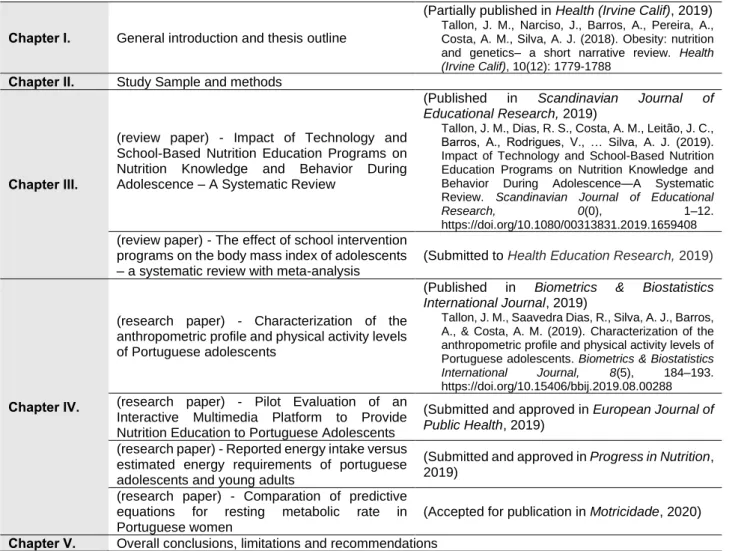
In chapter I, we take a general theoretical approach to the research topic and fit the problem into six main questions and objectives. The first part of this chapter (its theoretical framework) was published as a short review in Health (Irvine Calif) journal (Tallon et al., 2018).
In chapter II we briefly describe the study sample and the main methods of data collection used. It should be noted that this thesis comprises a collection of manuscripts that have been accepted or submitted for publication in peer-reviewed scientific journals (table 1). Thus, in each article we can consult the methodology applied in more detail.
Chapter III and IV include the scientific papers that compose this thesis and embody the answer to the defined research objectives. In order to meet objectives a. and b., two systematic reviews (without and with meta-analysis, respectively) were developed and included in chapter III - a study design category that, according to the widely accepted hierarchy of evidence, provides the most reliable type of evidence: (paper 1) to summarize the most recent evidence on the impact of different nutritional education (school) approaches, using ICT in particular; (paper 2) to quantitatively analyze its impact on adolescents’ BMI. In chapter IV one can find four research studies that fall into the following main categories: one experimental study (paper 3) and three observational studies (paper 4, 5 and 6). In paper 3, attending objective d., we seek to describe Portuguese adolescents' anthropometric profile (weight, height, BMI and waist-to-height ratio (WHtR), RMR and PA level. Paper 4, which meets objective c., is a pilot study designed to evaluate the possibility of using a technological asset to provide nutrition education to Portuguese adolescents. In paper 5, a cross-sectional study that meets objective e., we compared the energy intake of Portuguese adolescents/young adults from six schools across Portugal with their energy requirements by gender, age and Body Mass Index category. In paper 6, also a cross-sectional study now focused on objective f., we assessed the
Chapter I. General introduction and thesis outline
15
accuracy of various predictive equations in normal weight, overweight and obese women that attended a healthcare facility by comparing the predicted RMR with the one measured by indirect calorimetry.
All papers (Chapter III and IV) were written in English and formatted according to the standards requested by each scientific journal; the version of the papers placed here is only slightly changed in their basic formatting to give visual uniformity. Submitted articles may change in their final published version (in that journal or in another one that may be considered) according to the editorial requirements and comments of the respective reviewers.
Chapter V contains the general conclusions, limitations of the thesis as well as questions / suggestions for future research.
Table I. 1: Thesis outline
Chapter I. General introduction and thesis outline
(Partially published in Health (Irvine Calif), 2019)
Tallon, J. M., Narciso, J., Barros, A., Pereira, A., Costa, A. M., Silva, A. J. (2018). Obesity: nutrition and genetics– a short narrative review. Health (Irvine Calif), 10(12): 1779-1788
Chapter II. Study Sample and methods
Chapter III.
(review paper) - Impact of Technology and School-Based Nutrition Education Programs on Nutrition Knowledge and Behavior During Adolescence – A Systematic Review
(Published in Scandinavian Journal of Educational Research, 2019)
Tallon, J. M., Dias, R. S., Costa, A. M., Leitão, J. C., Barros, A., Rodrigues, V., … Silva, A. J. (2019). Impact of Technology and School-Based Nutrition Education Programs on Nutrition Knowledge and Behavior During Adolescence—A Systematic Review. Scandinavian Journal of Educational
Research, 0(0), 1–12.
https://doi.org/10.1080/00313831.2019.1659408
(review paper) - The effect of school intervention programs on the body mass index of adolescents – a systematic review with meta-analysis
(Submitted to Health Education Research, 2019)
Chapter IV.
(research paper) - Characterization of the anthropometric profile and physical activity levels of Portuguese adolescents
(Published in Biometrics & Biostatistics International Journal, 2019)
Tallon, J. M., Saavedra Dias, R., Silva, A. J., Barros, A., & Costa, A. M. (2019). Characterization of the anthropometric profile and physical activity levels of Portuguese adolescents. Biometrics & Biostatistics International Journal, 8(5), 184–193. https://doi.org/10.15406/bbij.2019.08.00288
(research paper) - Pilot Evaluation of an Interactive Multimedia Platform to Provide Nutrition Education to Portuguese Adolescents
(Submitted and approved in European Journal of Public Health, 2019)
(research paper) - Reported energy intake versus estimated energy requirements of portuguese adolescents and young adults
(Submitted and approved in Progress in Nutrition, 2019)
(research paper) - Comparation of predictive equations for resting metabolic rate in Portuguese women
(Accepted for publication in Motricidade, 2020)
Obesity in adolescence
16
1.1.7. Funding
This thesis is part of the project "Causes4AdolescentObesity - The multifactorial nature of obesity: a preliminary study on the behavioral, physiological and genetic profile of Portuguese adolescents" (POCI-01-0145-FEDER-023813), which is funded by the Fundação para a Ciência e Tecnologia (FCT) and co-funded by the Fundo Europeu de Desenvolvimento Regional (FEDER), through the Programa Operacional Competitividade e Internacionalização (COMPETE2020). This research was also funded by the FCT Grant number UID/AGR/04033/2013 and POCI-01-0145-FEDER-006958 (CITAB-UTAD).
Chapter I. General introduction and thesis outline
17
REFERENCES
Abarca-Gómez, L., Abdeen, Z. A., Hamid, Z. A., Abu-Rmeileh, N. M., Acosta-Cazares, B., Acuin, C., Adams, R. J., Aekplakorn, W., Afsana, K., Aguilar-Salinas, C. A., Agyemang, C., Ahmadvand, A., Ahrens, W., Ajlouni, K., Akhtaeva, N., Al-Hazzaa, H. M., Al-Othman, A. R., Al-Raddadi, R., Buhairan, F. A., … Ezzati, M. (2017). Worldwide trends in body-mass index, underweight, overweight, and obesity from 1975 to 2016: A pooled analysis of 2416 population-based measurement studies in 128·9 million children, adolescents, and adults. The Lancet, 390(10113), 2627– 2642. https://doi.org/10.1016/S0140-6736(17)32129-3
Ajie, W. N., & Chapman-Novakofski, K. M. (2014). Impact of computer-mediated, obesity-related nutrition education interventions for adolescents: A systematic review. The Journal of Adolescent Health: Official Publication of the Society for
Adolescent Medicine, 54(6), 631–645.
https://doi.org/10.1016/j.jadohealth.2013.12.019
Apovian, C. M. (2016). Obesity: Definition, comorbidities, causes, and burden. The American Journal of Managed Care, 22(7 Suppl), s176-185.
Astrup, A., & Bügel, S. (2010). Micronutrient deficiency in the aetiology of obesity. International Journal of Obesity (2005), 34(6), 947–948. https://doi.org/10.1038/ijo.2010.81
Bauer, F., Elbers, C. C., Adan, R. A., Loos, R. J., Onland-Moret, N. C., Grobbee, D. E., van Vliet-Ostaptchouk, J. V., Wijmenga, C., & van der Schouw, Y. T. (2009). Obesity genes identified in genome-wide association studies are associated with adiposity measures and potentially with nutrient-specific food preference. The American
Journal of Clinical Nutrition, 90(4), 951–959.
https://doi.org/10.3945/ajcn.2009.27781
Bech‐Larsen, T., & Grønhøj, A. (2013). Promoting healthy eating to children: A text message (SMS) feedback approach. International Journal of Consumer Studies, 37(3), 250–256. https://doi.org/10.1111/j.1470-6431.2012.01133.x
Bray, G. A., & York, D. A. (1997). Clinical review 90: Leptin and clinical medicine: a new piece in the puzzle of obesity. The Journal of Clinical Endocrinology and Metabolism, 82(9), 2771–2776. https://doi.org/10.1210/jcem.82.9.4224
Casazza, K., & Ciccazzo, M. (2007). The method of delivery of nutrition and physical activity information may play a role in eliciting behavior changes in adolescents. Eating Behaviors, 8(1), 73–82. https://doi.org/10.1016/j.eatbeh.2006.01.007
Chamberland, K., Sanchez, M., Panahi, S., Provencher, V., Gagnon, J., & Drapeau, V. (2017). The impact of an innovative web-based school nutrition intervention to increase fruits and vegetables and milk and alternatives in adolescents: A clustered randomized trial. The International Journal of Behavioral Nutrition and Physical Activity, 14(1), 140. https://doi.org/10.1186/s12966-017-0595-7
Chen, J.-L., & Wilkosz, M. E. (2014). Efficacy of technology-based interventions for obesity prevention in adolescents: A systematic review. Adolescent Health, Medicine and Therapeutics, 5, 159–170. https://doi.org/10.2147/AHMT.S39969 Chen, M., Pan, A., Malik, V. S., & Hu, F. B. (2012). Effects of dairy intake on body weight
and fat: A meta-analysis of randomized controlled trials. The American Journal of Clinical Nutrition, 96(4), 735–747. https://doi.org/10.3945/ajcn.112.037119
Obesity in adolescence
18
Choquet, H., & Meyre, D. (2011). Genetics of Obesity: What have we Learned? Current Genomics, 12(3), 169–179. https://doi.org/10.2174/138920211795677895
Chung, L. M. Y., & Fong, S. S. M. (2018). Role of behavioural feedback in nutrition education for enhancing nutrition knowledge and improving nutritional behaviour among adolescents. Asia Pacific Journal of Clinical Nutrition, 27(2), 466–472. https://doi.org/10.6133/apjcn.042017.03
Clément, K., & Ferré, P. (2003). Genetics and the pathophysiology of obesity. Pediatric Research, 53(5), 721–725. https://doi.org/10.1203/01.PDR.0000059753.61905.58 Comuzzie, A. G., & Allison, D. B. (1998). The search for human obesity genes. Science
(New York, N.Y.), 280(5368), 1374–1377.
https://doi.org/10.1126/science.280.5368.1374
Costa, A. M., Costa, M. J., Reis, A. A., Ferreira, S., Martins, J., & Pereira, A. (2017). Secular Trends in Anthropometrics and Physical Fitness of Young Portuguese School-Aged Children. Acta Médica Portuguesa, 30(2), 108–114. https://doi.org/10.20344/amp.7712
Damásio, M. J. (2007a). Tecnologia e educação: As tecnologias da informação e da comunicação e o processo educativo. Vega.
Damásio, M. J. (2007b). Tecnologia e educação: As tecnologias da informação e da comunicação e o processo educativo. Vega.
Dee, A., Kearns, K., O’Neill, C., Sharp, L., Staines, A., O’Dwyer, V., Fitzgerald, S., & Perry, I. J. (2014). The direct and indirect costs of both overweight and obesity: A systematic review. BMC Research Notes, 7, 242. https://doi.org/10.1186/1756-0500-7-242
Di Noia, J., Contento, I. R., & Prochaska, J. O. (2008). Computer-mediated intervention tailored on transtheoretical model stages and processes of change increases fruit and vegetable consumption among urban African-American adolescents. American
Journal of Health Promotion: AJHP, 22(5), 336–341.
https://doi.org/10.4278/ajhp.22.5.336
do Amaral E Melo, G. R., de Carvalho Silva Vargas, F., Dos Santos Chagas, C. M., & Toral, N. (2017). Nutritional interventions for adolescents using information and communication technologies (ICTs): A systematic review. PloS One, 12(9), e0184509. https://doi.org/10.1371/journal.pone.0184509
Drabsch, T., Gatzemeier, J., Pfadenhauer, L., Hauner, H., & Holzapfel, C. (2018). Associations between Single Nucleotide Polymorphisms and Total Energy, Carbohydrate, and Fat Intakes: A Systematic Review. Advances in Nutrition (Bethesda, Md.), 9(4), 425–453. https://doi.org/10.1093/advances/nmy024
Ells, L. J., Demaio, A., & Farpour-Lambert, N. (2018). Diet, genes, and obesity. BMJ (Clinical Research Ed.), 360, k7. https://doi.org/10.1136/bmj.k7
Faith, M. S., & Kral, T. V. E. (2006). Social Environmental and Genetic Influences on Obesity and Obesity-Promoting Behaviors: Fostering Research Integration. National Academies Press (US). https://www.ncbi.nlm.nih.gov/books/NBK19935/
Fleming, J. A., & Kris-Etherton, P. M. (2016). Macronutrient Content of the Diet: What Do We Know About Energy Balance and Weight Maintenance? Current Obesity Reports, 5(2), 208–213. https://doi.org/10.1007/s13679-016-0209-8
Frenn, M., Malin, S., Brown, R. L., Greer, Y., Fox, J., Greer, J., & Smyczek, S. (2005). Changing the tide: An Internet/video exercise and low-fat diet intervention with