Universidade de Lisboa
Faculdade de Farmácia
Synthesis of Glibenclamide co-crystals through grinding methods
Inês Gonçalves Pêcego
Dissertation supervised by Professor João Almeida Lopes and co- supervised by Doctor Mafalda Cruz Sarraguça.
Master in Pharmaceutical Engineering
Universidade de Lisboa
Faculdade de Farmácia
Synthesis of Glibenclamide co-crystals through grinding methods
Inês Gonçalves Pêcego
Dissertation supervised by Professor João Almeida Lopes and co- supervised by Doctor Mafalda Cruz Sarraguça.
Master in Pharmaceutical Engineering
i
Abstract
The pharmaceutical industry has been struggling against problems related with drugs with low solubility as this is a very limiting factor in the development of drug products. Co-crystals are solid forms known for a very long time although they have not been fully explored in their potentialities. Co-crystals can be defined as crystalline homogenous structures composed of two or more compounds, held together by noncovalent bonds, usually hydrogen bonds, and solid at room temperature. These structures can change the physicochemical properties of drugs, like solubility, dissolution rate, stability and particle properties, which could be interesting for the drug development process. It is still difficult to identify the optimal co-crystallization method for each situation and typically this process is evaluated on a case-by-case basis. Reported studies show that the most commonly used method is solvent evaporation. However, the main drawback of solvent evaporation is the scale-up difficulty. Therefore, this work explored milling as an alternative method. This method can more easily be scaled-up. This work is based on the co-crystallization of glibenclamide, a sulfonylurea used in the treatment of non-insulin-dependent diabetes mellitus. Glibenclamide is categorized as a class II drug (low solubility, high permeability) by the Biopharmaceutical Classification System. The formation of co-crystals was attempted with six different co-formers – adenine (ADE), nicotinamide (NICO), malic acid (MAL), mannitol (MAN), p-aminobenzoic acid (PABA) and tromethamine (TRIS). The grinding assisted co-crystallization method was performed on a ball mill. Grinding products were characterized by differential scanning calorimetry and vibrational spectroscopy (near and mid-infrared) and compared with glibenclamide, co-formers and physical mixtures. It was concluded that the most suitable formers for the formation of a glibenclamide co-crystals were MAL, PABA (without solvent) and TRIS.
Key-words: pharmaceutical co-crystals; glibenclamide; ball milling; vibrational spectroscopy; differential scanning calorimetry.
iii
Resumo
A indústria farmacêutica tem ao longo do tempo enfrentado problemas relacionados com a fraca biodisponibilidade de muitos fármacos, nomeadamente os integrantes de formas orais. Muitos destes problemas estão relacionados com a baixa solubilidade ou fraca velocidade de dissolução. A abordagem para minimização de problemas relacionados com estes fatores tem sido muito variada, e estão documentadas várias abordagens físicas e químicas. Neste contexto, a produção de co-cristais, ou co-cristalização, é uma técnica de alteração de estado sólido e tem apresentado resultados vantajosos relativamente à melhoria da solubilidade de fármacos. Os co-cristais são formas sólidas homogéneas compostas por duas ou mais moléculas, contidas numa única estrutura cristalina, sendo sólidos à temperatura ambiente. Tais compostos apresentam uma estequiometria bem definida e estão ligados entre si através de ligações não-covalentes, normalmente pontes de hidrogénio. Existem várias metodologias para produção de co-cristais sendo que as mais utilizadas (p.e., evaporação por solvente) têm desvantagens ao nível da transposição de escala e por isso dificuldade de utilização a uma escala de produção. A opção de produção de co-cristais por moagem tem sido documentada ao longo dos últimos anos embora não seja ainda uma técnica muito utilizada e por isso ainda razoavelmente desconhecida em termos do seu potencial, nomeadamente no que respeita à pureza dos co-cristais obtidos assim como o impacto que as condições de fabrico têm nos co-cristais. Esta tese pretende aumentar o conhecimento na área da produção de co-cristais pela técnica de moagem, nomeadamente aferindo a sua capacidade em produzir co-cristais com caraterísticas de pureza adequadas fazendo a ponte com outros métodos como a evaporação de solvente. A glibenclamida foi o fármaco selecionado como caso de estudo. Está categorizado como um fármaco de classe II pelo Sistema de Classificação Biofarmacêutica, isto é, apresenta baixa solubilidade e elevada permeabilidade. Tal fármaco é uma sulfonilureia utilizada para o tratamento da diabetes mellitus, sendo esta uma doença do foro metabólico, caracterizada por níveis elevados de açúcar no sangue (hiperglicemia), exibindo duas categorias etiopatogénicas: diabetes mellitus tipo 1 ou auto-imune e diabetes mellitus tipo 2 ou não-dependente de insulina. A diabetes mellitus tipo 2 afeta mais de 9% da população mundial, sendo que as opções terapêuticas de primeira-linha incluem a administração de metformina (biguanida), numa fase inicial, à qual se equaciona a simultaneidade com sulfonilureias (por exemplo, glibenclamida) com o agravamento da condição.
iv A produção de co-cristais de glibenclamida nesta tese foi executada através do método de co-cristalização por moagem utilizando um moinho de bolas. O fármaco alvo foi testado em combinação com seis potenciais co-formadores distintos: adenina, nicotinamida, ácido málico, manitol, ácido p-aminobenzóico e trometamina. Os testes foram realizados utilizando 1mmol de fármaco e de potencial co-formador utilizando duas bolas de moagem de 12mm durante 3 horas a uma velocidade de 600 rpm. Os os produtos obtidos foram caracterizados quanto a propriedades de estado sólido por calorimetria diferencial de varrimento e por espectroscopia de infravermelho médio e infravermelho-próximo quanto ao seu perfil químico. Tendo em conta que, em princípio, um co-cristal apresenta características físicas e químicas diferentes dos precursores, todos os produtos obtidos após moagem foram caracterizados em comparação com a glibenclamida, respectivo potencial co-formador e mistura física de ambos. Verificou-se que no caso da nicotinamida e manitol não se obtiveram co-cristais. No sistema envolvendo adenina verificaram-se alterações nos espetros de infravermelho, embora esses resultados não fossem confirmados através de uma alteração visível do perfil de calorimetria térmica. A utilização de ácido p-aminobenzóico revelou também resultados promissores indicados por todas as técnicas analíticas usadas. Os sistemas que sobressaíram por apresentarem resultados bastante conclusivos relativamente à formação de co-cristais nestas condições envolveram os co-formadores ácido málico e trometamina. Os resultados obtidos pelo método de moagem encontram-se em linha com os obtidos por evaporação de solvente descritos na literatura. A utilização de condições de moagem diferentes, nomeadamente no que respeita à velocidade e tipologia das esferas de moagem deverá no futuro ser avaliada consistentemente para que sejam identificadas zonas ótimas de operação para produção de co-cristais, tendo em vista o rendimento e a sua pureza.
v
Acknowledgements
The accomplishment of this master's thesis counted on important supports, to which I will always be grateful.
First, I would like to express my sincere gratitude to my supervisor Professor João Almeida Lopes and co-supervisor Dr. Mafalda Sarraguça, for their guidance, total support, availability and the knowledge transmitted;
To Generis Farmacêutica S.A., for kindly providing the API;
To my parents and brother, for their unconditional support, encouragement, patience and total help in overcoming the obstacles that have arisen;
To my friends Mariana Silva and Joana Gomes, for the support shown, the companionship, strength and, above all, friendship;
To my best friend, Beatriz Forte, a special thank you for all the companionship over the last years, for the great friendship, for never doubting me and making me believe in me in the most difficult times, for teaching me to see life with other eyes but, above all, by the shoulder friend at all times.
Finally, I would like to express my gratitude to all those who, in one way or another, have made it possible to carry out this dissertation.
vi
vii
Contents
Abstract ... i Resumo ... iii Acknowledgements ... v Contents ... vii List of figures ... ixList of tables ... xiii
List of abbreviations ... xv Chapter 1 – Introduction ... 1 1.1 – Drug development ... 1 1.2 – Solid Forms ... 2 1.2.1 – Crystalline solids ... 3 1.2.1.1 – Co-crystals ... 4 1.3 – Co-crystallization techniques ... 7 1.3.1 – Mechanochemical methods ... 8
1.3.1.1 – Neat grinding method ... 8
1.4 – Pharmaceutical co-crystals manufacturing ... 9
1.4.1 – Product development and process monitoring... 9
1.4.2 – Co-crystals continuous manufacturing ... 10
1.5 – Characterization methods ... 11
1.5.1 – Differential scanning calorimetry ... 11
1.5.2 – Powder x-ray diffraction ... 12
1.5.3 – Vibrational spectroscopy ... 12
1.6 – Diabetes mellitus ... 14
1.6.1 – Sulfonylureas ... 15
1.6.1.1 – Glibenclamide ... 16
1.7 – Co-formers ... 18
Chapter 2 – Materials and methods ... 23
2.1 – Materials ... 23
2.2 – Grinding method ... 23
2.3 – Co-crystals production ... 23
2.4 – Characterization Methods ... 24
2.4.1 – Differential scanning calorimetry ... 24
2.4.2 – Near-infrared spectroscopy ... 25
viii
Chapter 3 – Results and discussion ... 27
3.1 – GlibAde system ... 29 3.2 – GlibMal system ... 32 3.3 – GlibMan system ... 35 3.4 – GlibNico system ... 37 3.5 – GlibPaba system ... 39 3.6 – GlibTris system ... 42
3.3 – Summary of the characterization results ... 46
Chapter 4 – Conclusions and future perspectives ... 59
4.1 – Conclusions ... 59
4.2 – Future perspectives ... 59
ix
List of figures
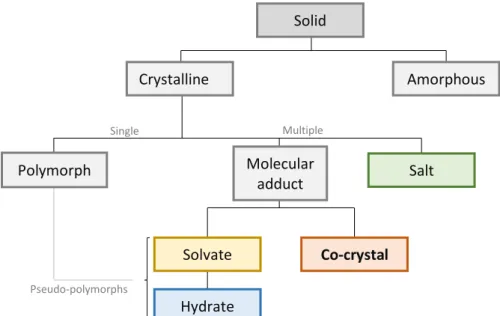
Figure 1. Schematic representation of solid forms. ... 3
Figure 2. Examples of supramolecular synthons: (i) Homosynthon formed between amide dímer; (ii) Heterosynthon formed between carboxylic acid group and amide group. ... 6
Figure 3. Examples of DSCs: (a) DSC in which co-crystallization is possible and (b) DSC in which co-crystallization is not possible. ... 12
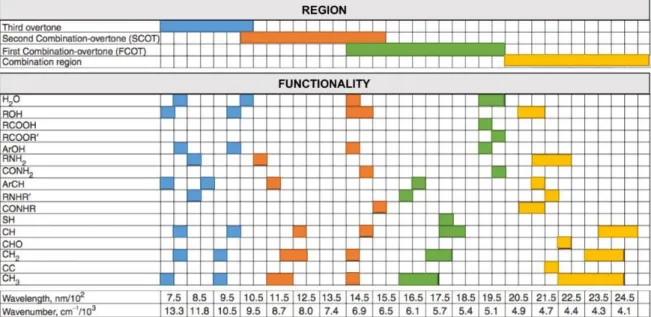
Figure 4. Major absorption bands found on NIR spectra. ... 13
Figure 5. Major absorption bands found on MIR spectra. ... 14
Figure 6. Scheme of sulfonylurea mechanism of action. ... 16
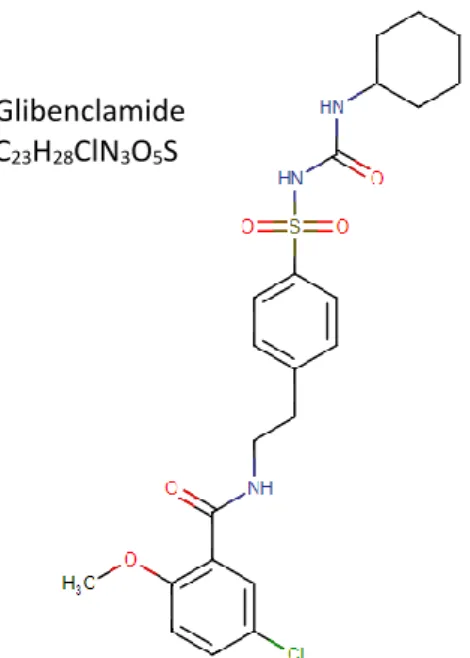
Figure 7. GBL chemical structure and molecular formula. ... 17
Figure 8. PABA molecular structure. ... 19
Figure 9. NICO molecular structure. ... 19
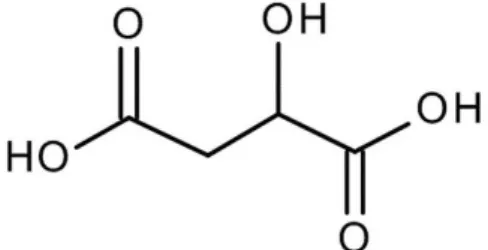
Figure 10. MAL molecular structure. ... 20
Figure 11. ADE molecular structure. ... 20
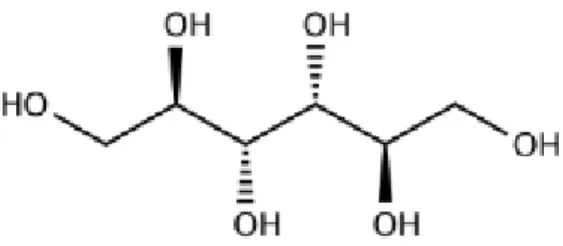
Figure 12. MAN molecular structure. ... 21
Figure 13. TRIS molecular structure. ... 21
Figure 14. Thermograms of the GlibAde system: (a) GlibAde (1:1) without solvent, (b) GlibAde (1:1) Ethanol, (c) GlibAde (1:1) Methanol. ... 30
Figure 15. Spectroscopic characterization: (a) NIR spectra for the pure compound ADE; (b) NIR spectra for the pure compound GBL; (c) NIR spectra for the GlibAde PM; (d) NIR spectra for the GlibAde(1:1) without solvent; (e) NIR spectra for the GlibAde (1:1) Ethanol and (f) NIR spectra for the GlibAde (1:1) Methanol. ... 31
Figure 16. Spectroscopic characterization: (a) MIR spectra for the pure compound ADE; (b) MIR spectra for the pure compound GBL; (c) MIR spectra for the GlibAde PM; (d) MIR spectra for the GlibAde (1:1) without solvent; (e) MIR spectra for the GlibAde (1:1) Ethanol and (f) MIR spectra for the GlibAde (1:1) Methanol. ... 32
Figure 17. Thermograms of the GlibMal system: (a) GlibMal (1:1) without solvent, (b) GlibMal (1:1) Ethanol, (c) GlibMal (1:1) Methanol. ... 33
Figure 18. Spectroscopic characterization: (a) NIR spectra for the pure compound MAL; (b) NIR spectra for the pure compound GBL; (c) NIR spectra for the GlibMal PM; (d) NIR spectra for the GlibMal(1:1) without solvent; (e) NIR spectra for the GlibMal (1:1) Ethanol and (f) NIR spectra for the GlibMal (1:1) Methanol. ... 34
Figure 19. Spectroscopic characterization: (a) MIR spectra for the pure compound MAL; (b) MIR spectra for the pure compound GBL; (c) MIR spectra for the PM GBL:MAL (1:1); (d) MIR spectra for the GBL:MAL (1:1) w/solvent; (e) MIR spectra for the GBL:MAL (1:1) Ethanol and (f) MIR spectra for the GBL:MAL (1:1) Methanol. ... 35
Figure 20. Thermograms of the GlibMan system: (a) GlibMan (1:1) without solvent, (b) GlibMan (1:1) Ethanol, (d) GlibMan (1:1) Methanol. ... 36
Figure 21. Spectroscopic characterization: (a) NIR spectra for the pure compound MAN; (b) NIR spectra for the pure compound GBL; (c) NIR spectra for the GlibMan PM; (d) NIR spectra for the GlibMan(1:1) without solvent; (e) NIR spectra for the GlibMan (1:1) Ethanol and (f) NIR spectra for the GlibMan (1:1) Methanol. ... 36
Figure 22. Spectroscopic characterization: (a) MIR spectra for the pure compound MAN; (b) MIR spectra for the pure compound GBL; (c) MIR spectra for the GlibMan PM; (d) MIR spectra for the GlibMan (1:1) without solvent; (e) MIR spectra for the GlibMan (1:1) Ethanol and (f) MIR spectra for the GlibMan (1:1) Methanol. ... 37
x Figure 23. Thermograms of the GlibNico system: (a) GlibNico (1:1) without solvent, (b) GlibNico (1:1) Ethanol, (d) GlibNico (1:1) Methanol. ... 38 Figure 24. Spectroscopic characterization: (a) NIR spectra for the pure compound NICO; (b) NIR spectra for the pure compound GBL; (c) NIR spectra for the GlibNico PM; (d) NIR spectra for the GlibNico (1:1) without solvent; (e) NIR spectra for the GlibNico (1:1) Ethanol and (f) NIR spectra for the GlibNico (1:1) Methanol... 38 Figure 25. Spectroscopic characterization: (a) MIR spectra for the pure compound NICO; (b) MIR spectra for the pure compound GBL; (c) MIR spectra for the GlibNico PM; (d) MIR spectra for the GlibNico (1:1) without solvent; (e) MIR spectra for the GlibNico (1:1) Ethanol and (f) MIR spectra for the GlibNico (1:1) Methanol. ... 39 Figure 26. Thermograms of the GlibPaba system: (a) GlibPaba (1:1) without solvent, (b) GlibPaba (1:1) Ethanol, (c) GlibPaba (1:1) Methanol. ... 40 Figure 27. Spectroscopic characterization: (a) NIR spectra for the pure compound PABA; (b) NIR spectra for the pure compound GBL; (c) NIR spectra for the GlibPaba PM(1:1); (d) NIR spectra for the GlibPaba (1:1) without solvent; (e) NIR spectra for the GlibPaba (1:1) Ethanol and (f) NIR spectra for the GlibPaba (1:1) Methanol. ... 41 Figure 28. Spectroscopic characterization: (a) MIR spectra for the pure compound PABA; (b) MIR spectra for the pure compound GBL; (c) MIR spectra for the GlibPaba PM (1:1); (d) MIR spectra for the GlibPaba (1:1) without solvent; (e) MIR spectra for the GlibPaba (1:1) Ethanol and (f) MIR spectra for the GlibPaba (1:1) Methanol. ... 42 Figure 29. Thermograms of the GlibTris system: (a) GlibTris (1:1) without solvent, (b) GlibTris (1:1) Ethanol, (d) GlibTris (1:1) Methanol. ... 43 Figure 30. Spectroscopic characterization: (a) NIR spectra for the pure compound TRIS; (b) NIR spectra for the pure compound GBL; (c) NIR spectra for the GlibTris PM; (d) NIR spectra for the GlibTris (1:1) without solvent; (e) NIR spectra for the GlibTris (1:1) Ethanol and (f) NIR spectra for the GlibTris (1:1) Methanol. ... 44 Figure 31. Spectroscopic characterization: (a) MIR spectra for the pure compound TRIS; (b) MIR spectra for the pure compound GBL; (c) MIR spectra for the GlibTris PM; (d) MIR spectra for the GlibTris (1:1) without solvent; (e) MIR spectra for the GlibTris (1:1) Ethanol and (f) MIR spectra for the GlibTris (1:1) Methanol. ... 45 Figure 32. Results obtained for the GlibAde system without solvent using the mathematical model. ... 48 Figure 33. Results obtained for the GlibAde Ethanol system using the mathematical model. ... 49 Figure 34. Results obtained for the GlibAde Methanol system using the mathematical model. ... 49 Figure 35. Results obtained for the GlibMal system without solvent using the mathematical model. ... 50 Figure 36. Results obtained for the GlibMal Ethanol system using the mathematical model. ... 50 Figure 37. Results obtained for the GlibMal Methanol system using the mathematical model. ... 51 Figure 38. Results obtained for the GlibMan system without solvent using the mathematical model. ... 51 Figure 39. Results obtained for the GlibMan Ethanol system using the mathematical model. ... 52 Figure 40. Results obtained for the GlibMan Methanol system using the mathematical model. ... 52
xi Figure 41. Results obtained for the GlibNico system without solvent using the mathematical model. ... 53 Figure 42. Results obtained for the GlibNico Ethanol system using the mathematical model. ... 53 Figure 43. Results obtained for the GlibNico Methanol system using the mathematical model. ... 54 Figure 44. Results obtained for the GlibPaba system without solvent using the mathematical model. ... 54 Figure 45. Results obtained for the GlibPaba Ethanol system using the mathematical model. ... 55 Figure 46. Results obtained for the GlibPaba Methanol system using the mathematical model. ... 55 Figure 47. Results obtained for the GlibTris system without solvent using the mathematical model. ... 56 Figure 48. Results obtained for the GlibTris Ethanol system using the mathematical model. ... 56 Figure 49. Results obtained for the GlibTris Methanol system using the mathematical model. ... 57
xiii
List of tables
Table 1. Stages of drug development and respective activities. ... 1
Table 2. Physicochemical properties of GBL. ... 17
Table 3. Pharmacokinetic parameters of GBL. ... 18
Table 4. Co-crystals systems ratio and respective quantities. ... 23
Table 5. Melting points of all pure compounds. ... 24
Table 6. Transition temperature and enthalpy variation for the pure compounds used in this study. ... 27
Table 7. Transition temperatures and enthalpy variation for the systems under study and respective PM. ... 28
Table 8. Summary of the conclusion from the characterization methods. (YES= differences found; NO= differences not found) ... 47
xv
List of abbreviations
IND – Investigational New Drug
API – Active Pharmaceutical Ingredient FDA – Food and Drug Administration EMA – European Medicines Agency GRAS – Generally Regarded As Safe CSD – Cambridge Structural Database BSM – Basic Structural Motifs
HSP – Hansen Solubility Parameters RED – Relative Energy Difference LAG – Liquid-assisted Grinding HME – Hot Melt Extrusion QbD – Quality by Design
ICH – International Conference on Harmonisation PAT – Process Analytical Technology
PXRD – X-Ray Powder Diffraction DSC – Differential Scanning Calorimetry NIR – Near-Infrared
MIR – Mid-Infrared SU – sulfonylureas GBL – Glibenclamide
BCS – Biopharmaceutics Classification System PABA – p-aminobenzoic acid
NICO – Nicotinamide MAL – Malic Acid ADE – Adenine MAN – Mannitol TRIS – Tromethamine UV – Ultraviolet light
HIV – Human Immunodeficiency Virus HBV – Hepatitis B Virus
CMV – Cytomegalovirus
NSAID - Non-steroidal Anti-inflammatory Drugs PTFE – Polytetrafluoroethylene
ATR – Attenuated Total Reflectance PM – Physical mixture
1
Chapter 1 – Introduction
1.1 – Drug development
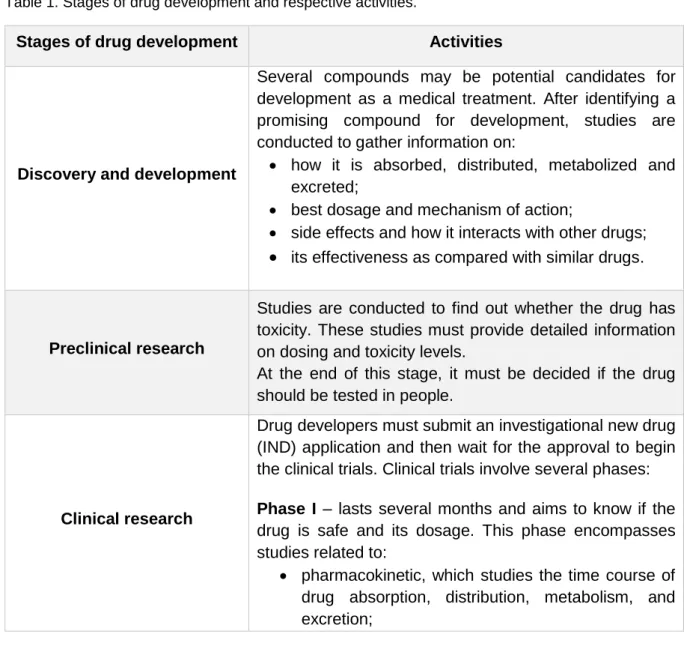
The goal of pharmaceutical development is to design the best drug product possible and corresponding manufacturing process. The information obtained from pharmaceutical development studies provides scientific knowledge to support the establishment of the design space, specifications and manufacturing controls. (1,2) The development of a new medicinal product from a new compound is a complex procedure which involves different disciplines and can be broken down into five distinct stages: discovery and development, preclinical research, clinical research, drug review and post-market drug safety monitoring. Table 1 summarizes the main activities that occur at each stage. (3–6)
Table 1. Stages of drug development and respective activities.
Stages of drug development Activities
Discovery and development
Several compounds may be potential candidates for development as a medical treatment. After identifying a promising compound for development, studies are conducted to gather information on:
• how it is absorbed, distributed, metabolized and excreted;
• best dosage and mechanism of action;
• side effects and how it interacts with other drugs;
•
its effectiveness as compared with similar drugs.Preclinical research
Studies are conducted to find out whether the drug has toxicity. These studies must provide detailed information on dosing and toxicity levels.
At the end of this stage, it must be decided if the drug should be tested in people.
Clinical research
Drug developers must submit an investigational new drug (IND) application and then wait for the approval to begin the clinical trials. Clinical trials involve several phases: Phase I – lasts several months and aims to know if the drug is safe and its dosage. This phase encompasses studies related to:
• pharmacokinetic, which studies the time course of drug absorption, distribution, metabolism, and excretion;
2 • pharmacodynamic, which studies the relationship
between drug concentration at the site of action and the resulting effect, including the time course and intensity of therapeutic and adverse effects;
• pharmacovigilance, which studies the activities relating to the detection, assessment, understanding and prevention of adverse effects or any other drug-related problem;
• tolerability, which represents the degree to which adverse effects can be tolerated by the patient. Phase II - lasts from several months to 2 years and aims to identify side effects and efficacy;
Phase III – lasts from 1 to 4 years and aims to monitoring adverse reactions and its efficacy;
Phase IV – the purpose of this phase is to study the safety and the efficacy of the tested drug.
Drug review
If after preclinical and clinical research, the drug in question presents evidence of being safe and effective, it can be filed an application to market the drug.
Post-market drug safety monitoring
At the time of the market approval, there is not a complete information about the safety of the drug. Therefore, the true picture of a product`s safety evolves over the years that make up a product`s lifetime in the marketplace. So, it is essential to monitoring the drug safety after the market approval.
1.2 – Solid Forms
One paramount procedure during the early stages of drug development is the screening and selection of existing solid state of the drug (or active pharmaceutical ingredient (API)) due to the fact that it may influence the API’s physicochemical, mechanical properties and chemical stability. As solids, APIs can exist in crystalline or amorphous structures. However, the pharmaceutical industry is keener on the crystalline forms due to their characteristics which include superior stability, ease of purification, being their low solubility the major drawback. Amorphous forms have a higher mobility and energy state, which give them a higher solubility, but they have low stability and tend to recrystallize over time. The latter, make amorphous materials less appealing for the pharmaceutical industry. (7–9)
3 As crystalline forms are more attractive to the pharmaceutical industry, a more detailed analysis will be given.
1.2.1 – Crystalline solids
Crystalline solids can exist in the form of polymorphs, solvates/hydrates, salts and co-crystals. (10)
Polymorphs exist when the drug substance crystallizes in different crystal packing arrangements, all of which having the same elemental composition. Physicochemical properties, such as solubility, melting point and crystal shape, vary with the polymorphic form, so it is extremely important to screen polymorphs for pharmaceutical applications. (10–13) Thus, the fact that polymorphs exhibit different characteristics is an advantage for their use. However, the major drawback is that the properties can change in such a way that the compound ceases to be pharmacologically active. (14)
Solvates often called pseudo-polymorphs due to the presence of the solvent molecules in the crystal lattice, are multiple component crystals, where the crystallization solvent is entrapped in the host lattice. These compounds have as a particularity the fact that one of the components is liquid at room temperature. When the liquid component is water, the solvate is called a hydrate. (2,3,5,6) The presence of solvent molecules influences the intermolecular interactions, thereby conferring different physical and chemical properties, such as thermodynamic properties and solubility, from those of the unsolvated form. Due to the solvent molecule, which can be lost during processing, solvates are typically viewed as a problem by the pharmaceutical industry. (14,15)
Solid Crystalline Amorphous Single co Multiple comp Salt Molecular adduct Co-crystal Solvate Hydrate Polymorph Pseudo-polymorphs
4 Most drug molecules on the market are salts and, usually, salts readily undergo crystallization leading to a resulting material which facilitates the subsequent processing. Thus, salt formation has become a widely used technique to increase both the dissolution rate and solubility of pharmaceutical drugs. A salt is a multicomponent system formed by an acid-base reaction between the API and an acidic or basic substance by proton transfer from acid (A) to base (B). (8,16–18) Although salts are widely used, the formation of salts is inadequate for non-ionizable drugs, which is an obvious disadvantage. (15,17) Considering that all mentioned crystalline forms present disadvantages for the pharmaceutical industry, other alternatives might be considered. One of such alternatives may assume the form of co-crystals.
1.2.1.1 – Co-crystals
About 40 to 70% of drugs screened in industrial research have poor solubility and such problem led the pharmaceutical scientists to try to find a solution towards a drug with better solubility, dissolution rate and, hence, bioavailability. Co-crystallization allows to improve the API’s physicochemical properties without changing its structure, thus, API activity remains intact. (12,19–22) The definition of co-crystals is still debated in the scientific literature, as the Food and Drug Administration (FDA) states that “co-crystals are a dissociable multicomponent solid crystalline supramolecular complex which contains two or more components within the same crystal lattice wherein the components are in neutral state and interact via non-ionic interactions” and European Medicines Agency (EMA) states that “co-crystals are in general defined as homogenous crystalline structures made up of two or more components in a definite stoichiometric ratio where the arrangement in the crystal lattice is not based on ion pairing”. Despite this, the scientific community agrees that co-crystals enhance the bioavailability (are more soluble and stable) and do not affect its pharmacological action. In addition to these benefits, it can be introduced through the co-former, additional nutritional and health benefits. Co-crystals are held together by noncovalent interactions, usually hydrogen bonds due to their strength and directionality. Regarding the co-crystal formation, if ΔpKa>3 then salt formation is expected, yet if ΔpKa<1 there will be less than substantial proton transfer resulting in co-crystal formation. In instances where the difference in pKa values is between 1 and 3, the extent of proton transfer is usually not predictable and spectroscopic tools may be needed to probe the extent of ionization and therefore the location in the co-crystal/salt continuum.(12,16,23–25)
Regarding co-crystals development, studies have reported an enhancement in the dissolution rate. For example, GBL and oxalic acid (1:2) system determined an enhancement from 12% to 50% when compared to the pure API and GBL and
5 tromethamine (1:1) system determining an increase from 11% to 29% when compared with the pure drug. (26) Other examples that demonstrate the success of the co-crystal approach in enhancing properties of drugs are regarding the antifungal agent itraconazole, in which co-crystals of itraconazole-malic acid (Sporanox®) show a higher solubility and a faster dissolution rate, carbamazepine: saccharin co-crystals have shown an increasing of the carbamazepine bioavailability, the piracetam: tartaric acid co-crystals showed improved hygroscopic properties. Also, the dissolution rate of exemestane-megestrol and exemestane-maleic acid co-crystals were improved when using the co-crystallisation method. (16,22,23,27,28) Furthermore, in the last years several drugs were studied in order to obtain a co-crystal and the number of studied drugs for this purpose have been increasing, being estimated that the number of studied co-crystals will increase over the next years. (29) The last decade witnessed expedition of co-crystals from bench to successful drug products. Successfully marketed co-crystals products include Suglat® (ipragliflozin-proline), Entresto® (valsartan-sacubitril), Sporanox® (itraconazole-malic acid) and Steglujan® (ertugliflozin-sitagliptin), to prevent hyperglycaemia in type 2 diabetes mellitus. In addition, few combinations are in various stages of clinical trials, such as tramadol hydrochloride−celecoxib and TAK 020-gentisic acid. (27,30–32)
Co-former selection
Design of pharmaceutical co-crystals can be defined as the combination of theoretically and experimentally strategies employed to obtain the best co-crystal product. It is an approach that should be initiated by a drug complete characterization, followed by the selection of co-formers and the co-crystallization method. Considering that one of the aims of co-crystallization is to improve the solubility of the drug, it is necessary to realize the importance of co-former selection, since its solubility will be correlated with the solubility of the co-crystal. (33,34)
One of the main challenges in pharmaceutical co-crystal development is the selection of co-formers that are compatible with the designated drug and do not affect its pharmacological activity. Also, co-formers must be non-toxic and present no adverse side effects, reason why, co-formers should be approved as generally regarded as safe (GRAS). A crystal of an organic compound is the ultimate supermolecule and its assembly is achieved through hydrogen bonds between the individual molecules. In the structure of a crystal, during the regular repetition of crystal patterns, the pattern of interactions can be called a supramolecular synthon. They can be classified as: (24,35) • Supramolecular homosynthons: made up of identical self-complementary functional groups;
6 • Supramolecular heterosynthons: made up of different but complementary functional groups.
"Trial and error" is still a widely used technique to choose co-formers, but in recent years, different approaches have been used using for example the Cambridge structural database (CSD), a repository for small molecule crystal structures. This platform allows the search for ordered, error-free organic crystal structures and incomplete or unreliable structures are filtered out. The remaining structures are exported to another software for further molecular statistical analysis. Thus, distribution models are constructed on parametric and nonparametric correlation coefficients between pairs of descriptors, such as simple atoms and bonds, resulting in the most probable final co-crystal structure. (20– 22,34) This approach can be very efficient when it comes to relatively strong interactions, however, when it comes to comparing the strengths between different types of specific intermolecular interactions, like Van der Walls forces, it may be almost impossible due to the dependence of the energy of interactions on interatomic distances in different types of intermolecular interactions. (36) Moreover, for big molecules, the contribution of dispersion and electrostatic interactions to the total energy of interaction may be comparable to the energy of specific interactions. The only solution towards solving this issue is the application of comparative quantum-chemical calculations, determining the basic structural motifs (BSM) of a crystal. By applying this approach, it is possible to describe the structure of molecular crystals by a directional rhombus from molecule or molecular complex as a crystal-building unit for the three-dimensional structure of the crystal. This way, supramolecular synthons can be divided into four groups: (36,37)
• Local or basic – leading to the formation of molecular complexes; • Primary – responsible for the formation of a BSM of the crystal; • Secondary – providing the packing of BSMs;
• Auxiliary – depending on energies of the interactions between molecules. Another approach includes the evaluation of the Hansen solubility parameters (HSP), which is used to predict the miscibility of a drug with the co-former. Such prediction is based on the premise that materials with similar solubility parameters are
Figure 2. Examples of supramolecular synthons: (i) Homosynthon formed between amide dímer; (ii) Heterosynthon formed between carboxylic acid group and amide group.
( (
7 miscible. Having this in mind, the total cohesive energy is divided into three individual components: dispersion, polar and H-bonding. HSP are used to compare the distance between two molecules (Ra): as smaller the distance is, the more likely the two molecules are to be compatible. Relative energy difference (RED) is given by combining the Ra with the interaction radius with the solvent. With this in mind: (36,37)
• If RED<1, the molecules are alike and will dissolve; • If RED=1, the system will partially dissolve;
• If RED>1, the system will not dissolve.
The above-mentioned methods to assist co-crystals design and co-former selection can be used individually or combined.
In view of the studies already carried out on co-crystals, it is possible to address which co-formers are most used. Carboxylic acids have been studied as a co-former most extensively, which is due to the carboxylic acid moieties are one of the most commonly studied functional groups in crystal engineering. Examples of already studied combinations with carboxylic acid co-formers and APIs are caffeine-oxalic acid, fluoxetine hydrochloride-benzoic acid, itraconazole-malic acid and norfloxacin-maleic acid. Besides carboxylic acids, amides and alcohols are also mostly used as a co-former: ibuprofen-nicotinamide, baicalein-nicotinamide and dexlansoprazole-sorbitol, for example. (28,38–44)
1.3 – Co-crystallization techniques
A co-crystallization technique can be defined as any technique that allows combining two or more molecules, API and co-former in this case, through non-covalent interactions in a crystallization process. The selection of the suitable co-crystallization technique is of utmost importance to ensure appropriate co-crystal/particle properties, such as purity and particle size. To the pharmaceutical industry, it is also important that the co-crystallization technique can be easily scaled-up. (45,46) One possible classification towards co-crystallization techniques is related to the usability of solvent, being classified as solvent-based or solvent-free methods. Solvent-based methods are the most studied on a laboratory scale. (14) Therefore, they are the most common and well understood from a scientifically and technological perspective. Solvent-based methods are mainly used due to their simplicity and the possibility of process monitoring, but the fact that these methods are usually not scalable and the use of large amounts of hazardous solvents are huge disadvantages. On the other hand, solvent-free methods are less studied, but the co-crystals are produced in the absence of solvents, or by using
8 negligible amounts, and the excellent quality and purity, the fast processing times and the high throughputs make these methods a great deal with substantial industrial interest. (46,47)
1.3.1 – Mechanochemical methods
A mechanochemical reaction is a chemical reaction induced by the direct absorption of mechanical energy and the mechanochemical reactive sites are typically generated by methods such as grinding, stretching and shearing. Such methods have become increasingly attractive regarding the production of co-crystals, in particular by milling, since they can be applied to a wide range of compounds and are solvent-free. (14)
1.3.1.1 – Neat grinding method
Neat grinding, solid-state grinding or dry grinding, is based on mixing stoichiometric co-crystal components together in the solid state and grinding them manually by using a mortar and pestle, or mechanically by using a ball mill or vibratory mill. Since manual dry grinding has some problems with reproducibility, mechanical methods should be used to obtain a more efficient co-crystallization. (47) When using a ball mill for neat grinding, the components are loaded into a rotating chamber partially filled with small balls which can be of stainless steel, tungsten carbide or zirconium oxide, for example, and are subsequently mixed. (14) Depending on the driving-force, co-crystallization methods can be classified as thermodynamic or kinetic methods. In this case, neat grinding is considered a kinetic method, which involves non-equilibrium conditions, depending on the system energy and, correspondingly, to reaction duration. (14) Neat grinding has been a rising technique in the co-crystallization field and several studies have been successfully reported. For example piracetam-citric acid and piracetam-tartaric acid co-crystals (48), carbamazepine-nicotinamide co-crystal (49), carbamazepine–saccharin crystal (50), indomethacin-saccharin crystal (51) and ethenzamide-saccharin co-crystal (52).
Although mechanochemical methods are still less common, they offer advantages such as being environmentally friendly due to the absence of solvents and can be performed at room temperature. Despite the many advantages, a huge drawback with this solvent-free method, with no heating stage involved, is related with the energy required for the co-crystallization of compounds, often not enough. (47) Therefore, in some cases, the use of a small quantity of solvent can accelerate the process because the solvent acts as a catalyst increasing the kinetics of the process known as
liquid-9 assisted grinding (LAG). The systems piracetam-citric acid and piracetam-tartaric acid were used to compare LAG and neat grinding to produce co-crystals and it was concluded that both systems produced co-crystals through both methods, however, the LAG method produced co-crystals faster. (48) This fact can be explained by the increase in the possibility of molecular collisions and the increase in degrees of orientation and conformational freedom, leading to a kinetic improvement. It is not clear why LAG is more efficient compared with neat grinding, but this method provides other benefits over dry grinding, such as product crystallinity, ability to control polymorph formation and higher yield. (48,53)
1.4 – Pharmaceutical co-crystals manufacturing
Several co-crystallization techniques were described in the literature, however, not all of them can be considered for industrial purposes due to scale-up limitations. Scaling-up a method from laboratory scale to industrial production is a process that cannot compromise the product quality nor its characteristics. Regarding the techniques used in the pharmaceutical industry, spray drying is widely used for particle engineering and it is a technique easy to scale up to produce co-crystals. Despite being a technique relatively easy to scale up, further studies on how this technique can be used to produce co-crystals are still needed. A relatively new technique, spray congealing, is another technique that can be used for co-crystals production in industrial scale. However, because it is a fairly recent technique, more studies are needed to better understand this technique. Hot melt extrusion (HME) is a broadly studied technique in the co-crystals field and it is a promising technique for the industrial production of co-crystals. HME is a relatively simple technique and the reported studies have shown that it produces co-crystals with good quality. (14,54–56)
1.4.1 – Product development and process monitoring
Quality of the final product is extremely important for the pharmaceutical industry and, nowadays, the concept of quality control is overcome by embedding the product quality from the beginning of its development, through design strategies. Product development can be approached in various ways and the applicant can either choose an empirical approach or a systematic approach, or even a combination of both. Quality-by-design (QbD) appears as a systematic approach and it is defined as “a systematic approach to development that begins with predefined objectives and emphasizes product and process understanding and process control, based on sound science and quality risk management” by the International Conference on Harmonisation (ICH).
10 Moreover, QbD is found in optimization and understanding of how the design of a product and its manufacturing process can affect the final product quality. (2,14,57–59) Due to the necessity of building the quality into the product, a deep control and understanding of the manufacturing process are needed. Thus, process analytical technology (PAT) can provide the tools to deepen the knowledge of the manufacturing process. The ICH defines PAT as “a system for designing, analysing, and controlling manufacturing through timely measurements of critical quality and performance attributes of raw and in-process materials and in-processes with the goal of ensuring final product quality”, being PAT recommend by FDA and EMA. PAT is boosted to assist QbD implementation by reducing risks to regulatory and quality concerning while improving efficiency. (2,57–59) QbD concepts and PAT tools have already been used to design and monitor co-crystallization techniques. However, due to their simplicity and the possibility of easily integrate PAT tools, most of the monitored techniques were solvent-based techniques. PAT tools increase process understanding while monitoring co-crystallization processes and can aid the scale-up process. So, to achieve co-crystals with desired quality, real-time monitoring can be an added value allowing process optimization at all stages to be accomplished. (2,14,60)
1.4.2 – Co-crystals continuous manufacturing
Currently, most industrial co-crystallization manufacturing processes adopted the batch processing mode. However, batch production encompasses disadvantages, such as multiple sequential steps and interruptions, which is not favourable for scale-up, consumption of raw materials and requirement of extensive validation. So, continuous manufacturing emerged as an alternative to batch mode, also in the co-crystallization field. Continuous manufacturing has many advantages when compared to the batch mode because it is simple to scale-up and allows a more automated way of manufacturing. (14,61,62) Carbamazepine - trans-cinnamic acid co-crystals, (61) and carbamazepine-nicotinamide co-crystals were produced in lab-scale in continuous mode by spray-drying (62). Vertex Pharmaceuticals has already adopted continuous manufacturing to produce Orkambi® (lumacaftor-ivacaftor), a drug product to target cystic fibrosis. (23,61) In the pharmaceutical industry, continuous manufacturing is still recent and its use for co-crystallization processes is very scarce. Despite that, the interest in shifting from batch manufacturing to continuous is markedly increasing. (14,64,65)
11
1.5 – Characterization methods
It is essential in co-crystallization studies to confirm phase transformation and to characterize co-crystal product(s). Thus, it is of paramount importance to apply the appropriate characterization methods to select the most promising co-crystal candidates. Regarding the characterization techniques, powder x-ray diffraction (PXRD), differential scanning calorimetry (DSC) and vibrational spectroscopy are the most used. (22,66,67) PXRD is a technique that detects changes in the crystal lattice, providing fundamental structural information about a co-crystal formation. This technique is mainly used since different crystalline phases show distinctly different PXRD patterns. Regarding the DSC technique, it is based on the heating of binary physical mixtures of the complex drug- co-former and the fact that it is not a time-consuming technique makes DSC a widely used approach for co-crystal detection. Both near- and mid-infrared spectroscopy methods are broadly used for co-crystallization detection regarding vibrational spectroscopy. Near-infrared spectroscopy (NIR) can give physical and chemical information, however mid-infrared spectroscopy (MIR) is a technique that gives more information because it provides information on the molecular structure. (68–70)
1.5.1 – Differential scanning calorimetry
Differential scanning calorimetry (DSC) is a thermoanalytical technique that has been reported as a simple and rapid approach towards co-crystal screening. DSC is based on the heating of the two potential co-crystal components, beyond the eutectic point.(14,68) The use of this technique assumes that the melting point of the co-crystal differs from that of forming components, which is confirmed with the fact that in more than 50% of the cases, co-crystals showed a lower melting point compared with both components. When analysing a DSC scan, co-crystallization is considered possible if an endothermic peak associated with the eutectic melting is followed by an exothermic peak, corresponding to the co-crystal formation (Fig. 3a). Co-crystallization is considered not possible when an endothermic peak representing the eutectic melting is present together with further peaks revealing melt or degradation points of the individual compounds (Fig. 3b). (68,71)
12 It was reported how DSC can be important regarding co-former selection because from selecting a co-former with a melting point greater or lesser than the API, it is possible to raise or lower the melting point of the co-crystal. A reported article, in which a drug was studied with several co-formers, has shown that the melting point of the final drug depends on the chosen co-former. (72)
1.5.2 – Powder x-ray diffraction
Powder x-ray diffraction (PXRD) is a paramount technique for the study of crystalline solid-state materials since this technique detects changes in the crystal lattice. This technique allows to verify whether there are new links between API and co-former through the existence of new peaks in the PXRD pattern. In the case of new links, it is required to determine together with other techniques if the formation of a co-crystal actually occurred. (69,70) Although this technique is widely used to verify the formation of co-crystal, a disadvantage is the long measurement times. (69,70)
1.5.3 – Vibrational spectroscopy
Vibrational spectroscopic methods, such as near-infrared (NIR) and mid-infrared (MIR) spectroscopy are two important techniques for co-crystals characterization. The NIR spectral region is defined from 780 to 2500nm, which comprises combination and overtone bands, the strongest being of OH, CH, NH and SH groups, and it is usually measured in the reflectance mode on powder samples. Due to the fact that this technique has a low energy, no pre-treatment is needed for the sample because the signal will never be saturated. NIR is a powerful technique giving information of physical (e.g. particle size through scattering) and chemical properties and regarding co-crystal characterization, the spectrum of the sample is usually compared to the physical mixture spectrum. In the case of new vibrational bands, it may indicate the formation of new links Figure 3. Examples of DSCs: (a) DSC in which crystallization is possible and (b) DSC in which co-crystallization is not possible.
13 between the API and co-former, i.e., a co-crystal might have been formed. The implantation of NIRs as a PAT tool for the on-line monitoring of co-crystallization was already studied and reported (22) and the fact that NIR can be successfully used as a PAT tool is very appealing to the pharmaceutical industry. (70) In Figure 4, the correlation chart used for the NIR spectra results interpretation is displayed.(29)
MIR spectral region is defined from 2500 to 25000nm and the vibrational transitions occur at distinct wavelengths, which depends on the molecular structure of the compound. This technique has been widely applied in a pharmaceutical setting and in the last decade, it has been used to characterize co-crystals because if there is a new vibration if there is a new existing vibration it may indicate that the co-crystal was formed. One major advantage of this technique in the pharmaceutical field is that samples can be measured in different states, i.e., liquid, solid or gas. (14,74) In Figure 5 the correlation chart used for the MIR spectra results interpretation is displayed. (29)
14 Although both techniques highlight different co-crystal characteristics, for a detailed characterization it is necessary to use several techniques at the same time and, thus obtaining more information about the newly formed product.
1.6 – Diabetes mellitus
Diabetes mellitus is defined as a group of metabolic diseases characterized by increased blood glucose levels (hyperglycaemia), mainly caused by a deficient insulin action on target tissues. Diabetes mellitus typical symptoms involve polyuria, polydipsia, weight loss, polyphagia and blurred vision. (29,75–77) Diabetes mellitus can be categorized in two different etiopathogenetic categories: (29,75,76)
• Diabetes mellitus type 1: an autoimmune disease, which represents approximately 10% of the total diagnosed diabetic population;
• Diabetes mellitus type 2: non-insulin-dependent, which represents 90% of the total diagnosed diabetic population.
Diabetes mellitus type 2 is caused either by a mechanism of insulin, which is triggered by an insensitivity of glucose-utilizing tissues to insulin due to a progressive loss of ꞵ-cell function (which primary function is to store and release insulin) in the pancreas or by a relative impairment in the insulin secretion process. Its incidence has been increasing worldwide due to environmental factors, unhealthy eating habits, sedentary lifestyle and stress. As a result, Diabetes mellitus type 2 is considered one of the biggest epidemic diseases of the twenty-first century. (29,75,78–80) The treatment for Diabetes mellitus type 2 is divided in two ways: a lifestyle management and drug therapy. For drug therapy treatment, there are several main drugs prescribed: (79,81– 83)
15 • Sulfonylureas (glipizide, glibenclamide, gliclazide, glimepiride) improve glucose homeostasis by stimulating insulin secretion on b-cells;
• Biguanides (metformin) decrease hepatic glucose production;
• Alpha-glucosidase inhibitors (acarbose, voglibose, miglitol) decrease carbohydrate absorption.
Besides these therapies, there are also incretin-based therapies composed of glucagon-like peptide-1 analogues or receptor agonists, dipeptidyl-peptidase-4 inhibitors, thiazolidinediones, and newest classes such as sodium-glucose cotransporter-2 inhibitors. (82,83)
1.6.1 – Sulfonylureas
Sulfonylureas (SU) hypoglycemic activity was discovered during the Second World War when an SU derivate p-amino benzene sulfonamide-isopropyl thiodiazole was tested as a typhoid fever treatment. The patients who received that treatment suffered from convulsion and coma, which are only reversed by glucose administration. (84–86) SU are classified into two different generation, according to their appearance:
• First generation such as acetohexamide, tolbutamide, chlorpropamide and tolazamide;
• Second generation such as glibenclamide, gliclazide, glimepiride and glipizide. Regarding both generations, they are mostly differentiated by the potency of their correspondent agents, being the second generation of SU more potent than the first. Noninsulin-dependent diabetes mellitus treatment using SU is restricted to the second-generation agents because the first-second-generation agents marked toxicity combined with long half-lives and high protein bounding, but low albumin affinity, increase the risk of drug interactions. (87,88) In comparison with other antidiabetic drugs, SU display fast onset of action and generics availability reduces its cost. On the other hand, SU disadvantages include weight gain and increased risk of hypoglycaemic, mainly glibenclamide (GBL).
Mechanism of action
SU are insulin secretagogues, acting by stimulating insulin release from ꞵ-cells of the pancreas to the plasma, leading that the effectiveness of this drug depends on the presence of residual pancreatic-ꞵ-cells. SU mechanism of action involves the binding, and respective blockage, of the sulfonylurea type 1 receptor subunit (SUR1) of the ATP-sensitive potassium channels (K(ATP)) on the pancreatic-ꞵ-cells plasma membrane. The formed complex, SU-SUR1(K(ATP)) prevents the inward current flow of potassium ions
16 (K+) within the ꞵ-cell and induces calcium ions (Ca2+) influx through voltage-sensitive
calcium channels, which trigger the exocytosis of insulin. (84,89)
After the aforementioned mechanism, SU increase insulin secretion, which takes place as insulin granules are translocated to the ꞵ-cells membrane. Later, in the second phase, the mechanism only happens if ꞵ-cell function is preserved, involving the progressive formation of new insulin granules. The risk of severe hypoglycaemia is a serious disadvantage, which occurs due to the independence of the mechanism to blood glucose levels. (84,89)
Figure 6. Scheme of sulfonylurea mechanism of action. 1.6.1.1 – Glibenclamide
Glibenclamide (GBL) or glyburide is a sulphonamide urea derivate with antihyperglycemic activity, which belongs to the sulfonylureas antidiabetic pharmaceutical class of compounds. As a solid, GBL appears as a white or an almost white crystalline powder, which is insoluble in water (4mg/L at 27ºC), leading to poor dissolution rate and subsequent decrease of its gastrointestinal absorption, slightly soluble in alcohol and freely soluble in dichloromethane. GBL chemical structure and formula are represented in Figure 7. (26,89–91)
17 In Table 2, physicochemical properties of GBL are displayed. From these parameters, GBL is considered insoluble in water and from the pKa value it is possible to state that the absorption occurs in stomach and initial duodenum portion. (89,89,91) Table 2. Physicochemical properties of GBL.
API Water solubility
(mg/L) BCS class pKa logP
Melting point (°C) Glibenclamide 4.0 II 4.32 (strongest acidic) -1.2 (strongest basic) 4.70 169
About GBL pharmacodynamics, it lowers blood glucose acutely by stimulating the release of insulin from the pancreas. On type 2 patients with chronic administration, the blood glucose lowering effect persists despite a gradual decline in the insulin secretory response to the drug. In addition to its blood glucose lowering actions, GBL produces a mild diuresis by enhancement of renal free water clearance. Pharmacokinetics parameters are displayed in Table 3. (89)
Glibenclamide C23H28ClN3O5S
18 Table 3. Pharmacokinetic parameters of GBL.
GBL is a Biopharmaceutics Classification System (BCS) class II compound, i.e., low solubility and high permeability, making it a case of interest for studies related to the solubility and dissolution enhancement. So, for dissolution enhancement, particle size and morphology modifications are the most selected methods, including solid dispersion formulations, micronization and nanomization. Solid dispersion formulations between GBL and hypromellose, microcrystalline cellulose, polyethylene glycol and other polymers have been published extensively in the last decade regarding the improvement of dissolution rate. Furthermore, regarding particle size control, nanomization of GBL determined, approximately, 10 times higher drug release percentage. However, solid dispersion formulations and particle size reduction are limited to a set of APIs because they can result in decreased dissolution rate on ageing, caused by moisture absorption or phase separation, and in drug degradation. (92–97)
1.7 – Co-formers
In this work six different co-formers were tested for co-crystallization of GBL: p-aminobenzoic (PABA), nicotinamide (NICO), malic acid (MAL), adenine (ADE), D-mannitol (MAN) and tromethamine (TRIS). Such co-formers for GBL co-crystals were selected according to ongoing research works developed at the LAQV/REQUIMTE, Departamento de Ciências Químicas, Faculdade de Farmácia, Universidade do Porto, Portugal in collaboration with a second research group from Brazil (Centro de Ciências Sociais, Saúde e Tecnologia, Universidade Federal do Maranhão, Imperatriz, MA, Brazil). (29,98,99)
PABA or p-aminobenzoic acid (Figure 8) is an aminobenzoic acid isomer, which combined with pteridine and glutamic acid, forms folic acid and is a vitamin B complex
Pharmacokinetic parameter
Bioavailability 1
Absorption
Significant absorption within 1 hour; Peak plasma levels are reached in 2 to 4 hours.
Half-life
1.4-1.8 hours (unchanged drug); 10 hours (metabolites included) Volume of distribution
Steady state Vd=0.125 L/kg
Vd during elimination phase=0.155 L/kg
Clearance
78 ml/hr/kg in healthy adults. It may be substantially decreased in those with severe renal impairment.
19 member. When PABA is exposed to light, absorbs ultraviolet (UV) light and emits excess energy via a photochemical reaction, causing damage to DNA and consequently skin cancer. Such DNA defects lead to the withdrawal from the market of sunscreen formulations containing PABA. (100,101)
PABA may also increase oxygen uptake, enhancing monoamine oxidase activity to promote degradation of serotonin, revealing antifibrotic properties. As a solid, this substance appears as a white powder, slightly soluble in water and freely soluble in alcohol. (90,100,101)Regarding co-crystals studies, PABA has been successfully tested in systems with furosemide, hydrochlorothiazide, carbamazepine, acemetacin, niclosamide, ketoconazole and nitrofurantoin. (60,102–107)
Nicotinamide or NICO (Figure 9) is the active form of vitamin B3 (3-pyridine carboxamide) and a component of the coenzyme nicotinamide adenine dinucleotide (NAD), which as many pharmacological actions and therapeutic uses. (108–110)
After oral administration, NICO is readily absorbed from the gastrointestinal tract and is widely distributed to the body tissues after metabolic conversion into N-methyl nicotinamide, 2- pyridone and 4-pyridone derivatives. NICO is primarily used for the prevention of deficiency in vitamin B3, which is characterized by skin lesion with hyperpigmentation and hyperkeratinisation, diarrhoea, abdominal pain, glossitis, stomatitis, loss of appetite, headache, lethargy and mental and neurological disturbances. As an API, NICO can also be used as a vasodilator, anti-hyperlipidaemia agent it can be useful in the treatment of mild-to-moderate inflammatory acne. (90,108–
Figure 8. PABA molecular structure.
20 110). NICO appears as a white crystalline powder or colourless crystals and it is freely soluble in water and in dehydrated alcohol. Regarding the co-crystals, NICO has successfully been tested in systems with furosemide, aceclofenac, theophylline, indomethacin, carbamazepine, naproxen, fenofibrate and gliclazide (90,98,111–117)
Malic acid or MAL (Figure 10) is an organic dicarboxylic acid, and when on its ionized form it`s malate, which is an intermediate of the citric acid (TCA) cycle along with fumarate. MAL has been used in trials studying the treatment of xerostomia, depression and hypertension. In the pharmaceutical formulation, malic acid s used as an acidifier, flavour and as an alternative to citric acid in effervescent powders. MAL is typically used with benzoic acid and salicylic acid for desloughing of ulcers, burns and wounds, and with arginine in preparations for the treatment of liver disorders. (90,118,119)
Regarding co-crystals studies, MAL has successfully been tested in systems with itraconazole, sulfamethoxazole and caffeine. (40,120,121)
Adenine or ADE (Figure 11) is one of the components of adenine nucleotides that form nucleic acids and it is also a constituent of many coenzymes. ADE has been used to manage white blood cell disorders and alcoholism and it is known to prevent loss of cell viability of red cells during long-time storage. (90,122,123)
As an API, ADE derivates have significant antiviral and cytostatic activity. So, several ADE derivates have been marketed for the treatment of human immunodeficiency virus (HIV), hepatitis B virus (HBV), Cytomegalovirus (CMV) and other virus-infected diseases. (124,125)As a solid, ADE appears as a white powder, very slightly soluble in water and in alcohol. This substance dissolves in dilute mineral acids and in dilute solutions of alkali hydroxides. (90) Regarding co-crystals studies, ADE has
Figure 10. MAL molecular structure.
21 been successfully tested in systems with fumaric acid, furosemide, succinic acid, fumaric acid and maleic acid. (22,126,127)
D-Mannitol or MAN (Figure 12) is an alcohol and a sugar, which can be used to treat oliguria associated with kidney failure or other manifestations of inadequate renal function. MAN is commonly used to increase urine production, being part of the diuretics. (128–130)
MAN can also be used to treat or prevent medical conditions that are caused by an increase in body fluids/water, being used to open the blood-brain barrier, which allows anticancer medicines to enter the brain and treat brain tumours. MAN is frequently given along with other diuretics, such as furosemide and chlorothiazide, and/or IV fluid replacement. (131) As a solid, MAN appears as a white or almost white crystalline powder and it is freely soluble in water and very slightly soluble in alcohol. (90)
Tromethamine or TRIS (Figure 13) is an organic amine proton acceptor and it has several uses in the pharmaceutical industry. TRIS, as an API, can be administered as an analgesic, anti-inflammatory and antipyretic, belonging to the pyrrolo-pyrrole group on non-steroidal anti-inflammatory drugs (NSAID). (90,132,133)
As an NSAID member, TRIS can inhibit both cyclooxygenase-1 and -2 cascade mechanisms, blocking the production of prostaglandins. TRIS can also be used in the treatment of metabolic acidosis due to its alkalinizing effect and acts as a weak osmotic diuretic, which makes it suitable to administrate during cardiac arrest and cardiac bypass surgery. (90,132,133) As a solid, TRIS appears as a white or an almost white crystalline powder and it is freely soluble in water, sparingly soluble in alcohol and very slightly soluble in ethyl acetate. Regarding co-crystals, TRIS has been used in systems with glibenclamide and gliclazide. (90,134,135)
Figure 12. MAN molecular structure.
23
Chapter 2 – Materials and methods
2.1 – Materials
GBL was provided by Generis Farmacêutica S.A.. PABA (>99.5% purity) was acquired from Sigma-Aldrich (St. Louis, MO, USA). NICO (>99.5% purity) was acquired from Sigma–Aldrich (St. Louis, Missouri). MAL (>99.5% purity) was acquired from Merck (Germany). ADE (>99.0% purity) was acquired from Sigma-Aldrich (USA). MAN (>99.0% purity) was acquired from Riedel-de-Haën (Germany). TRIS (≥99% purity) was acquired from Sigma-Aldrich (St. Louis, MO, USA). Methanol was acquired from Sigma-Aldrich® (≥99,8% purity) and ethanol from Carlo Erba, DasitGroup®.
2.2 – Grinding method
The co-crystallization experiments were performed in a planetary ball mill PM 100 from Retsch® with a grinding jar of 50ml, maximum speed of 600rpm and the
stainless-steel grinding balls were also acquired from Retsch® with a diameter of 12mm. (136,137)
In each experiment, it was placed 1gr of powder (API and respective co-former) and, approximately, 800 mg of powder was recovered after grinding due to the adherence to the jar walls.
2.3 – Co-crystals production
In this work, several experiments where performed by co-crystallizing GBL with the six different co-formers (PABA, MAN, ADE, NICO, MAL and TRIS) using a ball mill. GBL co-crystals were synthetized through grinding using a ball mill with no-solvent involved but also with ethanol and methanol. GBLco-crystallization was testedwith PABA, MAN, ADE, NICO, MAL and TRIS. Equimolar quantities of API and co-former (1:1) were used. The grinding jar was filled with the grinding balls and with both components and then milled for 3 hours with a speed of 600rpm, the maximum allowed by the equipment. When using ethanol and methanol to the GBL co-crystallization, two drops were added to the grinding jar. In Table 4all co-crystals systems ratio and respective quantities are displayed.
Table 4. Co-crystals systems ratio and respective quantities. Co-crystal
test Ratio GBL PABA MAL MAN TRIS NICO ADE Ethanol Methanol
GlibPaba 1:1 500mg 137mg - - - -
GlibPaba 1:1 500mg 137mg - - - 2 drops -
24
2.4 – Characterization Methods
GBL, co-formers and products obtained by ball milling were characterized by NIR, MIR and DSC.
2.4.1 – Differential scanning calorimetry
The thermograms were obtained with a differential scanning calorimeter (TA instruments, Q200, USA) purged with nitrogen. For the analysis, approximately 3 mg were placed in aluminium non-hermetic crucibles and then heated at a rate of 10°C/min from 0ºC to 200ºC (except the GlibAde systems which were heated from 0ºC to 400ºC). Table 5. Melting points of all pure compounds.
Pure compounds Melting Point (ºC)
Glibenclamide 173 Adenine 360 Malic acid 134 Nicotinamide 129 p-aminobenzoic acid 189 Tromethamine 172 Mannitol 167 GlibMal 1:1 500mg - 134mg - - - - GlibMal 1:1 500mg - 134mg - - - - 2 drops - GlibMal 1:1 500mg - 134mg - - - 2 drops GlibMan 1:1 500mg - - 182mg - - - - - GlibMan 1:1 500mg - - 182mg - - - 2 drops - GlibMan 1:1 500mg - - 182mg - - - - 2 drops GlibTris 1:1 500mg - - - 121mg - - - - GlibTris 1:1 500mg - - - 121mg - - 2 drops - GlibTris 1:1 500mg - - - 121mg - - - 2 drops GlibNico 1:1 500mg - - - - 122mg - - - GlibNico 1:1 500mg - - - - 122mg - 2 drops - GlibNico 1:1 500mg - - - - 122mg - - 2 drops GlibAde 1:1 500mg - - - 135mg - - GlibAde 1:1 500mg - - - 135mg 2 drops - GlibAde 1:1 500mg - - - 135mg - 2 drops
25 2.4.2 – Near-infrared spectroscopy
To characterize the obtained systems a Fourier-transform near-infrared analyser (FTLA2000, ABB, Québec, Canada) was used and it was equipped with an InGaAs detector. The measurements of the samples were made in diffuse reflectance mode using a powder sampling accessory with a 2 cm diameter window. The background was obtained with a reflectance certified material (polytetrafluoroethylene, PTFE). Spectra were acquired with a resolution of 8 cm-1 and stored as the average of 64 scans in the
range between 10.000 and 4.000 cm-1. For each sample, three spectral replicates were
taken.
2.4.3 – Mid-infrared spectroscopy
A Fourier-transform infrared analyser FT-IR Spectrometer Frontier™ (PerkinElmer Inc., MA, USA) equipped with an attenuated total reflectance (ATR) accessory was used (single relfection diamond crystal). Each spectrum was acquired with a resolution of 4 cm-1 as the average of 32 scans in the range between 4.000 cm-1 and 600 cm-1. For each