Rutin restores adenosine deaminase activity in serum and the liver and improves
biochemical parameters in streptozotocin-induced diabetic rats
CHIELLE, E.O.1,3*; BONFANTI, G.2; DE BONA, K.S.2; CARGNELUTTI, L.O.1; BITENCOURT, P.E.R.1; DA SILVA, P.S.1; CAMPOS, M.M.A.1; MORETTO, M.B.1,2
1Universidade Federal de Santa Maria (UFSM) - Programa de Pós-Graduacção em Ciências Farmacêuticas, Departamento de Análises Clínicas e Toxicológicas, Centro de Ciências da Saúde, 97105-900 – Santa Maria, RS, Brasil. 2Universidade Federal de Santa Maria (UFSM) - Programa de Pós-Graduação em Farmacologia, Centro de Ciências da Saúde – UFSM – Santa Maria, RS, Brasil. 3Universidade do Oeste de Santa Catarina (UNOESC) - Centro de Ciências da Saúde, 89900-000 – São Miguel do Oeste, SC, Brasil. *Autor para correspondência: [email protected]
Recebido para publicação em 01/10/2015 Aceito para publicação em 18/01/2016
ABSTRACT: denosine deaminase (ADA) is a critical control point in the regulation of adenosine
levels. This study aimed to investigate the effects of a polyphenolic flavonoid, rutin, on the activity of ADA in serum, the cerebral cortex, liver, kidney, and biochemical parameters in diabetic rats.
The animals were divided into four groups (n=6) for the following treatments: control; diabetic
(streptozotocin 55 mg/kg); diabetic with rutin (100 mg/kg/day); diabetic with glibenclamide (10 mg/kg/day). After 30 days, ADA activity and biochemical parameters were analyzed. The ADA activity in the serum was significantly elevated in the diabetic group compared to the control
group (p<0.01). The treatment with rutin prevented the increase in ADA activity in the
STZ-induced rats when compared to control group. Our data showed that rutin reduced glucose, LDL levels, and hepatic enzymes in comparison with the control group. These results demonstrate
that the increase of ADA activity observed in diabetic rats may be an important indicator of the immunopathogenesis of hyperglycemic disorders and suggest that rutin is important for
regulating the enzymatic activities associated with immune, hyperglycemic, and inflammatory
response in diabetes mellitus.
Keywords: rutin; adenosine deaminase activity; streptozotocin; Wistar rats; diabetes.
RESUMO: Rutina restaura a atividade da Adenosina desaminase no soro e no fígado e melhora os parâmetros bioquímicos em ratos diabéticos induzidos por estreptozotocina. A Adenosina desaminase (ADA) representa um ponto de controle crítico na regulação dos níveis
de adenosina. A rutina, um flavonóide polifenólico presente em muitas plantas, foi testado para verificar a sua influência na atividade da ADA no soro, córtex cerebral, fígado rim e parâmetros bioquímicos em ratos diabéticos. Os animais foram divididos em quatro grupos cada grupo
com 6 animais), tal como: controle; diabética (estreptozotocina 55 mg/kg); diabética + rutina (100 mg/kg/dia); diabético + glibenclamida (10 mg/kg/dia). Após 30 dias foram analisadas a atividade da ADA sérica e tecidual e parâmetros bioquímicos. A atividade de ADA no soro foi significativamente elevada no grupo diabético quando comparado ao grupo controle (p<0,01). O tratamento com Rutina preveniu o aumento na atividade da ADA nos ratos diabéticos, quando comparado com o grupo controle. Os resultados mostraram que a rutina reduziu a glicose, os níveis de LDL e as enzimas hepáticas, em comparação com o grupo controle. Estes resultados
mostram que o aumento da atividade da ADA observado em ratos diabéticos pode ser um
indicador importante da imuno-patogênese de perturbações hiperglicêmicas e sugerem que a Rutina é importante na regulação das atividades enzimáticas associadas com a resposta imunitária, hiperglicêmica e inflamatória no Diabetes mellitus.
Palavras-chave: Rutina; Atividade da adenosina-desaminase; Streptozotocin; Ratos Wistar; Diabetes.
INTRODUCTION
Diabetes mellitus (DM) is one of the most common chronic diseases worldwide. It has been estimated that the prevalence of DM will increase from 275 million adults in 2010 to 439 million by 2030. DM causes morbidity and mortality in the developed
world, particularly vascular complications such as
atherothrombosis in the coronary vessels and failure
of various organs (Shaw et al.,2010).
Adenosine is a potent endogenous anti-inflammatory and immunosuppressive molecule
that is released from cells into the extracellular space at sites of inflammation and tissue injury (Németh et al., 2007). One key enzyme that has
an important biological role in the metabolism of
purine nucleosides is Adenosine deaminase (ADA),
which catalyzes irreversible hydrolytic deamination
of adenosine into inosine (Uz et al., 2005). ADA is
essential for the proliferation and differentiation of
lymphoid cells (Bota et al., 2001) downregulating
the biologic effects of adenosine in situ and playing a
key role in normal immune function (Hong-Jun et al., 2011). Recently, we observed that the ADA activity was higher in hyperglycemia conditions (Fredholm, 2007; De Bona et al., 2010). However, the potential
contribution of ADA activity in the development of
diabetic condition has not been fully clarified. In recent years, studies evidenced that a
high consumption of plant-based foods such as fruit
and vegetables are associated with a significantly lower risk of DM complications (Chua, 2013). Among these substances, the natural flavonoid, Rutin, a pharmacologically active phytochemical, encountered in food sources such as onions, grapes, wheat serraceno, red beans, apples, tomatoes, red wine and black tea (Hollman et al., 1996). In fact, recent studies have shown antitumor, anti-inflammatory, antidiarrhoeal, antimutagenic,
immunomodulatory and hepatoprotective activities
of Rutin (Schwedhelm et al., 2003).
In this context, regarding that the significant
properties and the intensifying use of natural
flavonoids in the control of hyperglycemia and the
few studies about the important enzyme of the
adenosine metabolism, ADA, in diabetic rats, the objective of the present study was to evaluate the effect of rutin on the ADA activity in serum, cerebral cortex, liver and kidney of diabetic of rats induced by streptozotocin (STZ). In addition, the serum
biochemical parameters were evaluated.
MATERIALS AND METHODS
Chemicals
The Streptozotocin was procured from
Sigma Chemicals Co (St. Louis, MO, USA) and
adenosine from Merck, Darmstadt, Germany. The rutin (C27H30O16 3H2O) and glibenclamide
(C23H28CLN3O5S) were obtained from DEG Importação
de Produtos Químicos LTDA, São Paulo – SP –
Brasil. All other chemicals were of analytical grade and obtained from standard commercial suppliers.
Experimental Animals
Male Wistar rats weighing between 270 and 330g were obtained from the animal house of Federal University of Santa Maria (UFSM). They were grouped and housed in poly-acrylic cages and maintained under standard laboratory conditions
(temperature 25 ± 2°C, relative humidity 60-70% and 12-h light-dark cycles). Animals were fed with
commercial rat pellet feed (Presence Nutrição
Animal, São Paulo, Brazil) and water, ad libitum.
Experiments were carried out according to NIH
guidelines and all procedures were approved by the
Ethics of animal research at the Federal University of Santa Maria, under protocol number
0049.0243.000-08. All efforts were made to minimize the number of animals used and their suffering.
Induction of diabetes
Diabetes was induced by a single
intra-peritoneal injection of STZ (55 mg/kg), made up with 0.1M sodium-citrate buffer (pH 4.5) (Kamalakkannan & Prince, 2006). The age- matched control rats
received an equivalent amount of the
sodium-citrate buffer. After STZ-induction, the animals received 5% of glucose instead of water for 24 h
after diabetes induction in order to reduce death
due to hypoglycemic shock. Blood samples were
collected from the tail vein 48 hr after STZ induction and glucose levels were measured with a portable
glucometer (ADVANTAGE, Boehringer Mannheim, MO, USA). Only animals with fasting glycaemia over 250mg/dL were considered diabetic and used for the
present study.
Experimental design
The animals were divided into four groups
(6 rats per group). Group 1 (C): Control rats received 0.9% saline; Group 2 (STZ): Diabetic rats received 0.9% saline; Group 3 (STZ + Rut): Diabetic rats received Rutin (100mg/kg/b.w./d); Group 4 (STZ + Gli): Diabetic rats received glibenclamide (10 mg/ Kg/b.w./d), as a standard hypoglycaemic agent. The choice of this dose of Rutin and Glibenclamide
were made on the basis of previous studies of
Kamalakkannan & Prince (2006) and were given once daily by gavage. Afterwards of 30 days, the
rats were anaesthetized with pentobarbital (35 mg/
separated into cerebral cortex and samples of the liver and kidney were rapidly dissected, weighed,
washed with saline and stored in formalin. The tissues were homogenized in 50 mM phosphate
buffer pH 7.0 for 4 minutes, centrifuged at 14000xg
for 30 minutes and the supernatant was collected for the further studies. A group of control healthy rats
received only Rutin and glibenclamide. However, no significant differences were observed in these
groups compared with control group on the analyzed
parameters, then, these groups were not included
in this study.
Laboratory analysis
Serum was separated by centrifugation at 2000 rpm for 10 min for the measures of
serum glucose, Alanine Aminotransferase (ALT) and g-glutamyltransferase activity (g-GT), total cholesterol, High-Density Lipoprotein (HDL-c), triglycerides, creatinine by commercial kits (Labtest Diagnostic, MG, Brazil). Low-density Lipoprotein (LDL-c) was estimated indirectly using Fridewald’s formula (Fridewald et al., 1972).ADA activities in serum and tissues were determined according
to Giusti & Galanti, (1984) based on the direct production of ammonia when ADA acts in excess of adenosine. The results were expressed in U/L and in U/mg protein for serum and tissue, respectively.
The tissue protein content was determined according
to Peterson, (1977), using bovine serum albumin as standard. Glucose levels were checked at the onset
and end of treatment.
Statistical analysis
All the grouped data were analyzed by
one-way analysis of variance followed by Duncan’s
Multiple Range Test (DMRT) using Statistica 6.0
software. Also, was used t test when appropriate.
Normality of parameters was carefully checked
before analysis of variance. The values are mean
± standard error of mean (S.E.M). p values ≤ 0.05
were considered as significant.
RESULTS
As expected, blood glucose onset was
significantly elevated (p<0.001) in all groups diabetics rats when compared with control rats. In
the end of the treatment, glucose concentration of
the animals of the diabetic control group remained increased levels. The diabetic animals that received
Rutin or glibenclamide had reduction of 20,5% and 28,94%, respectively, in the glucose levels when
compared with onset treatment (p<0.05) (Figure 1).
We observed a significant increase in the
ADA activity in serum in the diabetic group when compared to the control group (p<0.01) as shown
in Table 1. Rutin reduced significant the values in
serum for values close to control (p<0.01), even
more than glibenclamide. Moreover, no difference in ADA activity was observed in the cerebral cortex, kidney and liver of the groups analyzed (Table 1).
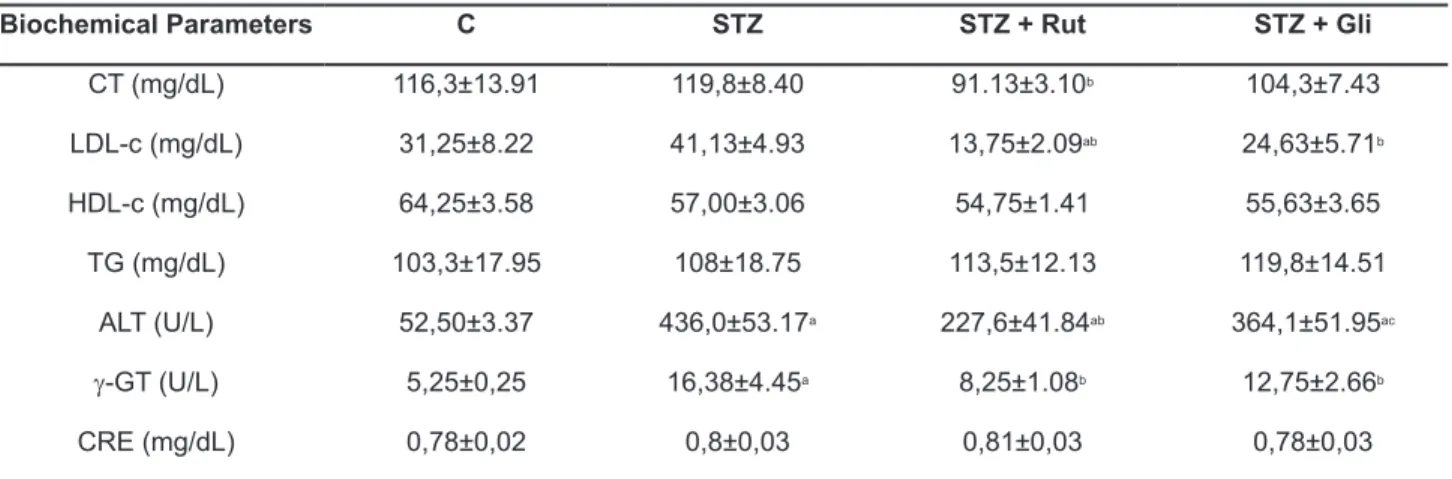
Table 2 shows that total cholesterol and
LDL-c levels in serum of the diabetic rats treated with Rutin were significantly lower than in the diabetic
FIGURE 1.Changes in serum glucose levels (mg/dL) in onset and end treatment. Onset and End glucose of
diabetic rats and treated with Rutin and Glibenclamide for 30 days. (means ± S.E.M., n=6).
C: Control rats received 0.9% saline;
STZ: Diabetic rats;
STZ + Rut: Diabetic rats received Rutin (100mg/kg/b.w./d);
STZ + GLI: Diabetic rats received glibenclamide (10mg/Kg/b.w./d). a Different from the Onset STZ+ Rut (Paired t-test, p<0.001);
b Different from the Onset STZ+ Gli (Paired t-test p< 0.05);
c Different from the C Onset (Anova followed by Duncan’s test, p<0.001);
rats (p<0.05 and p<0.01, respectively). These
values were even more significantly reduced when compared to diabetic rats treated with glibenclamide, the diabetic rats treated with Rutin had an LDL-C
better than the control (p<0.01). HDL-c and
triglyceride concentrations remained unchanged. The treatment with Rutin showed a significant reduction (p<0.05) of ALT and g-GT activities when
compared to the diabetic rats. Serum concentrations of creatinine unchanged in the diabetic groups analyzed.
DISCUSSION
Hyperglycaemia is the main cause a series
of biochemical events and STZ-induced diabetes in
rats is a well-characterized experimental model for
type 1 diabetes due to its ability to selectively destroy pancreatic islet of β-cells leading insulin deficiency
(Azkudelski, 2012). In the present study, although the ADA activity in the cerebral cortex, liver and kidney of diabetic rats were not altered, it was found that hyperglycaemia caused significant increased in
the activity of ADA in serum in comparison with the control group. ADA is an important enzyme and a rise in the activity of this enzyme may lead to increased
adenosine deamination, causing a reduction in
the levels of this nucleoside in the circulation.
Consequently, this situation may produce a favorable
scenario for the development of vascular diseases in diabetic state since adenosine has an important role in the prevention of platelet aggregation and
atherothrombotic complications (Schmatz et al.,
2013).
The treatment with Rutin prevented the increase in the ADA activity in serum of diabetic rats after 30 days of treatment (Table 1). Presented data suggest that the possible increasing of the
ADA C STZ STZ + Rut STZ + Gli
Serum 3,36 ± 0,45 8,23 ± 0,63a 2,70 ± 0,39b 4,62 ± 0,35bc
Cerebral Cortex 4,85 ± 0,77 5,41 ± 0,75 4,42 ± 1,25 4,45 ± 0,69
Kidney 49,72 ± 5,95 48,59 ± 4,41 47,26 ± 5,24 45,02 ± 3,86
Liver 14,60 ± 0,35 14,65 ± 1,36 14,85 ± 0,82 14,29 ± 1,05
TABLE 1. ADA activity in serum (U/L), cerebral cortex, kidney and liver (U/mg protein) in normal and diabetic
rats. Data from the experiments were analyzed by one-way analysis of variance (ANOVA) followed by the Duncan test to determine differences between groups (means ± S.E.M., n=6). C: Control rats received 0.9% saline; STZ: Diabetic rats; STZ + Rut: Diabetic rats received Rutin (100mg/kg/b.w./d); STZ + Gli: Diabetic rats received glibenclamide (10mg/Kg/b.w./d). a p<0,01 different of the C; b p<0,05 different of the STZ; c p<0,01
different of the STZ + Rut.
TABLE 2. Biochemical profile in normal and diabetics rats. Data from the experiments were analyzed by one-way analysis of variance (ANOVA) followed by the Duncan test to determine differences between groups (means ±
S.E.M., n=6). C: Control rats received 0.9% saline; STZ: Diabetic rats; STZ + Rut: Diabetic rats received Rutin (100mg/kg/b.w./d); STZ + Gli: Diabetic rats received glibenclamide (10mg/Kg/b.w./d). CT: Cholesterol Total; LDL-c: LDL-cholesterol; HDL-c: HDL-cholesterol; TG: Triacylglycerols; AST: Aspartate Aminotransferase; ALT: Alanine Aminotransferase; g-GT: Gamma Glutamyltransferase; CRE: Creatinine. a p<0,01 different of the C; b
p<0,05 different of the STZ; c p<0,01 different of the STZ + Rut.
Biochemical Parameters C STZ STZ + Rut STZ + Gli
CT (mg/dL) 116,3±13.91 119,8±8.40 91.13±3.10b 104,3±7.43
LDL-c (mg/dL) 31,25±8.22 41,13±4.93 13,75±2.09ab 24,63±5.71b
HDL-c (mg/dL) 64,25±3.58 57,00±3.06 54,75±1.41 55,63±3.65
TG (mg/dL) 103,3±17.95 108±18.75 113,5±12.13 119,8±14.51
ALT (U/L) 52,50±3.37 436,0±53.17a 227,6±41.84ab 364,1±51.95ac
g-GT (U/L) 5,25±0,25 16,38±4.45a 8,25±1.08b 12,75±2.66b
concentration of adenosine in the extracellular
medium and suggests an interaction between Rutin and the purinergic system. These results are similar
to those found in studies with other antioxidants
polyphenols that also prevented the rise in ADA
activity (Szudelski, 2012; De Bona et al., 2014). In fact, the decrease of the ADA activity by Rutin
treatment may contribute for the adenosine level
control, which may act as an endogenous activator of the cellular antioxidant defense system (De Bona et al., 2013) and of inflammatory responses and protection of tissues from injuries (Sarkhail et al.,
2007).
An important aspect to be discussed in our study is that the prevention of increase of the total cholesterol by Rutin that can be associated
with the hypolipidemic property exhibit by this polyphenol. In fact, Rutin significantly decreased the total cholesterol and LDL-c, a highly atherogenic molecule, although without to affect HDL-c and
triglycerides of the diabetic group. Other studies have shown that Rutin displays a potential to prevent the formation of atherosclerosis and coronary heart
diseases, which are severe clinical complications of diabetes (Nigdikar et al., 1998). All these events can lead to enhance local and systemic inflammations. Then, these events associated with the potential
decrease of ADA activity in serum and therefore increased vascular of adenosine could suggest that Rutin plays an important role in prevention
of atherosclerosis in diabetes, especially when considering the antioxidant activity of the flavonoid. Also, this property can to contribute to reduce the
hepatic enzymes activity observed in the diabetic
rats (Fernandes et al., 2010). These results are in
accordance with other studies that have showed the
hypoglycemic effects (Gandhi et al., 2011), and our findings showed the significant reduction of glucose the 20.5% end of the treatment with Rutin.
In conclusion, the results obtained in the
present study demonstrate an increase in ADA activity in serum from diabetic rats indicating that purinergic
system is altered in the diabetic state. Furthermore,
Rutin prevented the increase in ADA activity demonstrating that this compound may modulate of purinergic responses to pathophysiological events
and may consequently improve oxidative stress and inflammatory dysfunctions associated to diabetic
state.
ACKNOWLEDGMENTS
The authors wish the Federal University of Santa Maria (UFSM) and University of West of
Santa Catarina (UNOESC), SC, Brazil, for support
in this study. M. B.Moretto is recipient of the
Conselho Nacional de Desenvolvimento Científico e Tecnológico, research fellowship(CNPq-Pq
303245/2014-0).
REFERENCES
Bota A. et al. Production and certification of an enzyme
reference material for adenosine deaminase 1 (BCR
647). Clinical Chimica Acta. V.306, p.79–89, 2001.
Chua L.S. A review on plant-based Rutin extraction
methods and its pharmacological activities. Journal Ethnopharmacology. v.12 n.150(3), p.805-17, 2013.
De Bona K.S. et al. Butyrylcholinesterase and
γ-glutamyltransferase activities and oxidative stress markers are altered in metabolic syndrome, but are not
affected by body mass index.Inflammation. v.36, n.6,
p.1539-47, 2013.
De Bona K.S. et al. Syzygium cumini Extract Decrease
Adenosine Deaminase, 5’Nucleotidase Activities and
Oxidative Damage in Platelets of Diabetic Patients. Cell
Physiology Biochemistry. 26, 729-738; 2010.
De Bona K.S. et al. Syzygium cumini is more effective
in preventing the increase of erythrocytic ADA activity than phenolic compounds under hyperglycemic conditions in vitro. Journal Physiology Biochemistry.
Jun;70(2):321-30, 2014.
Fernandes A.A. et al. Influence of Rutin treatment on
biochemical alterations in experimental diabetes.
Biomedicine Pharmacotherapy. 64(3):214-9, 2010.
Fredholm B.B. Adenosine, an endogenous distress signal,
modulates tissue damage and repair. Review. Cell Death Differentiaton. 14,1315–1323, 2007.
Fridewald W.T. et al. Estimation of concentration low-density lipoprotein in plasma, without use od preparative
ultracentrifuge. Clin chem. 18, 499-502, 1972.
Gandhi G.R. et al. Solanum torvum Swartz. fruit
containing phenolic compounds shows antidiabetic and
antioxidanteffects in streptozotocin induced diabetic rats.
Food Chemical and Toxicology. 49(11):2725-33, 2011.
Giusti G. et al. Colorimetric method. In: Bergmeyer,
H.U, Verlag Chemie, Weinheim. (Ed.). Methods of
Enzymatic Analysis. 315–323, 1984.
Hollman P.C.H. et al. Analysis and health effects of
favonoids. Food Chemistry, Amsterdam. 57; 1; 43-46, 1996.
Hong-Jun X. et al. Downregulation of the adenosine a2b
receptor by RNA interference inhibits hepatocellular carcinoma cell growth. International Scholarly Research
Network; ISRN Oncology.1-7, 2011.
Kamalakkannan N. et al. Antihyperglycaemic and antioxidant effect of Rutin, a polyphenolic flavonoid,
in streptozotocin-induced diabetic wistar rats. Basic and Clinical Pharmacology and Toxicology. 98,
97-103, 2006.
Németh Z.H, et al. Adenosine receptor activation
ameliorates type 1 diabetes. The Journal of the Federation of American Societies for Experimental Biology. 21, 2379–2388, 2007.
Nigdikar S.V. et al. Consumption of red wine polyphenols
reduces the susceptibility of low-density lipoproteins to
Nutrition. 68, 258–265, 1998.
Peterson G.L. A simplifications of the protein assay method of Lowry et al. whigh is more gererally applicable.
Analytical Biochemistry. 83, 346-356, 1977.
Sarkhail P. et al. Antidiabetic effect of Phlomisanisodonta: Effects on hepatic cells lipidperoxidation and antioxidant
enzymes in experimental diabetes. Pharmacology
Research. 56, 261–266, 2007.
Schmatz, R. et al. Moderate Red Wine and Grape Juice Consumption Modulates the Hydrolysis of
the Adenine Nucleotides and Decreases Platelet Aggregation in Streptozotocin-Induced Diabetic Rats. Cell Biochemistry Biophysics. 65:129–143, 2013.
Shaw JE. et al. Global estimates of the prevalence of
diabetes for 2010 and 2030. Diabetes Research and Clinical Practice. 87, 4–14, 2010.
Schwedhelm E. et al. Clinical pharmacokinetics of antioxidants and their impact on systemic oxidative
stress. Clinical Pharmacokinet. 42, 437–459, 2003.
Szkudelski T. Streptozotocin–nicotinamide-induced diabetes in the rat. Characteristics of the experimental
model. Experimental Biology and Medicine. 238,
5481-5490, 2012.
Uz E. et al. The activities of purine catabolizing enzymes and the level of nitric oxide in rat kidneys subjected to methotrexate: protective effect of caffeic acid phenethyl
ester. Molecular and Cellular Biochemistry. 277,