UNIVERSIDADE DE LISBOA
Faculdade de Medicina Veterinária
EFFECT OF PARITY AND SUTURE TYPE ON THE REPRODUCTIVE PERFORMANCE OF BEEF COWS SUBMITTED TO CAESAREAN SECTION
FRANCISCA DA COSTA FREITAS MARTINS
CONSTITUTION OF THE JURY: Professor George Thomas Stilwell Professor José Ricardo Dias Bexiga Doutor João Nestor das Chagas e Silva
SUPERVISOR:
Professor Geert Opsomer
CO-SUPERVISOR:
Doutor João Nestor das Chagas e Silva
2014 LISBOA
UNIVERSIDADE DE LISBOA
Faculdade de Medicina Veterinária
EFFECT OF PARITY AND SUTURE TYPE ON THE REPRODUCTIVE PERFORMANCE OF BEEF COWS SUBMITTED TO CAESAREAN SECTION
FRANCISCA DA COSTA FREITAS MARTINS
MASTER THESIS IN VETERINARY MEDICINE
CONSTITUTION OF THE JURY: Professor George Thomas Stilwell Professor José Ricardo Dias Bexiga Doutor João Nestor das Chagas e Silva
SUPERVISOR:
Professor Geert Opsomer
CO-SUPERVISOR:
Doutor João Nestor das Chagas e Silva
2014 LISBOA
i
À minha avó Ni To my grandmother Ni
iii
Acknowledgments
To my Supervisor, Professor Geert Opsomer, I would like to thank the support and advices during all this work and the experience that provided me in Belgium. Thank you for all the explanations and all the contacts that made this study possible.
To my Co-supervisor, Doutor João Nestor, for the effort, patience and availability that always showed since the beginning and for all the help when there was something not so well. Thank you for all the extra work and for all the opportunities that contributed to a better formation since I started to accompany you.
To Doutor Rui Silva, I would like to thank all the knowledge and experience transmitted that I am sure made me not only a better veterinary surgeon, but also a better person.
To all the clinical staff either from the Ghent University Hospital, as from the Vettotal - Serviços Veterinários, Lda., I would like to thank the help, the patience and all the transmitted knowledge.
To Professor Leen Vandaele, I would like to thank the study proposal, for providing the data and for the results discussion, while receiving me so well. To Piet Van Laere and to the Institute for Agricultural and Fisheries Research (ILVO). Without all of them this project would not be possible.
To Professor Júlio Osório, from Universidade do Algarve, Faculdade de Ciências e Tecnologia, and Professor Magda Fontes and Professor Rui Bessa, from Universidade de Lisboa, Faculdade de Medicina Veterinária, that helped me with the statistical analysis of the study.
To my mother, Maria de Belém, not only as a mother, but also as a Professor, who helped me to know how to do a Master Thesis, corrected it over and over again and discuss all the results with me.
To my family, Diogo and my friends and colleagues, who accompanied me throughout my training and who were undoubtedly essential to come here. Thank you!
To all that contributed to the realization of my Master Thesis, who helped me during this period and have not been explicitly mentioned in these acknowledgments, I let here my gratitude.
v
Resumo
O efeito do número de partos e diferentes fios de sutura no desempenho reprodutivo de vacas de carne submetidas a cesariana
Na produção de bovinos, um bom desempenho reprodutivo é essencial para a eficiência da exploração. No caso das vacadas de carne, o vitelo é o principal produto. Assim, a máxima eficiência reprodutiva é fundamental para a rentabilidade da exploração.
Num elevado número de explorações de bovinos a reprodução não segue um plano ideal, limitando a sua própria economia. Assim, o objetivo deste trabalho foi compreender a influência da cesariana no desempenho reprodutivo das vacadas, avaliando o intervalo entre partos, o tempo de cobrição e a taxa de refugo em diferentes idades da fêmea e utilizando fios de sutura distintos.
Após a análise retrospectiva de 119 cesarianas realizadas numa única exploração, concluiu-se que o número de cesarianas e a utilização de Monodox® ou Monosyn® para a sutura uterina e Surgicryl® ou Safil® para suturar o peritoneu, músculos e pele, não apresentaram uma influência significativa (p > 0.05) no intervalo entre partos, tempo de cobrição e taxa de refugo. No entanto, deve ser enfatizado que a continuação da recolha de dados permitiria não só a obtenção de resultados mais próximos da realidade, como uma melhor avaliação das variáveis. Adicionalmente, o estudo de outros fatores seria benéfico, já que os parâmetros agora estudados, apenas explicam uma pequena parte da variação encontrada.
Palavras-chave: bovinos de carne; desempenho reprodutivo; distócia; cesariana; número de partos; fio de sutura.
vii
Abstract
Effect of parity and suture type on the reproductive performance of beef cows submitted to caesarean section
In cattle production a good reproductive performance is essential to the herd's efficiency. In beef herds, the calf is the major product and so maximum reproductive efficiency is paramount in determining the herd's profitability.
In a large number of cattle farms, reproduction is not optimal, which may have an important negative effect on the herd's economy. Therefore, the main goal of this work is to understand the influence of the caesarean section in the reproductive performance, specifically in the calving interval, breeding interval and culling rate, at different dam's ages and using different suture materials.
After the retrospective analysis of 119 caesarean sections realized in a single farm, it was concluded that the number of caesarean sections and the use of Monodox® or Monosyn® for the uterus and Surgicryl® or Safil® for the peritoneum, muscles and skin, do not have a significant influence (p > 0.05) on the calving interval, breeding interval and culling rate. However, it should be emphasized that more data is needed to obtain results closer to reality and to allow for a better variables' evaluation. Furthermore, the study of other factors would be beneficial, since the parameters studied only explain a small part of the variation found.
Key words: beef cattle; reproductive performance; dystocia; caesarean section; parity; suture materials.
viii
Index
I. Training activities' report ... 1
1. Training activities' in the Bovine Erasmus in Belgium ... 2
2. Training activities' at Vettotal - Serviços Veterinários, Lda. ... 5
II. Introduction ... 7
III. Literature review ... 8
1. Breeding goals in beef cattle ... 8
2. Reproductive Health Programs for Beef Herds: the measurement of reproductive efficiency ... 9
2.1. The age at first calving ... 10
2.2. The calving interval and calving index ... 12
2.3. The calving to conception interval and days open ... 12
2.3.1. The postpartum period in beef cattle ... 13
2.3.2. Major factors affecting the postpartum in beef cattle: the calf and the body condition ... 17
2.4. The percentage of cows cycling during the first 21 days of the breeding season ... 19
2.5. The first service conception rate and percentage of pregnant cows ... 20
2.5.1. Fertilization failure and embryonic losses ... 20
2.5.2. First service conception rate and percentage of pregnant cows: breeding goals .... 22
2.6. The productive life and culling rate ... 23
2.7. Calf analysis ... 25
2.7.1. Calf mortality ... 25
2.7.2. The percent calf crop weaned ... 26
3. General considerations about dystocia ... 27
3.1. Causes, incidence and consequences ... 27
3.2. The treatment of a dystocia case ... 32
3.2.1. The mutation of abnormal presentation, position and posture ... 35
3.2.2. Delivery by extraction ... 36
3.2.3. The caesarean section ... 40
3.2.3. The fetotomy ... 45
4. The dystocia as a cause of decreased reproductive performance ... 46
IV. The influence of the caesarean section in the reproductive performance of Belgian Blue Cattle ... 51
1. Introduction ... 51
2. Materials and methods ... 52
2.1. Data ... 52
2.1.1. The Institute for Agricultural and Fisheries Research (ILVO), Department Animal ... 52
2.1.2. Sample characterization ... 56
2.2. Methods ... 57
2.2.1. Measures of reproductive performance ... 57
2.2.2. Statistical analysis ... 58 2.3. Results ... 59 2.3.1. Calving interval ... 59 2.3.2. Breeding interval ... 63 2.3.3. Culling rate ... 66 3. Discussion ... 69 3.1. Calving interval ... 69 3.2. Breeding interval ... 71 3.3. Culling rate ... 75
ix
IV. Conclusion ... 77 V. Bibliography ... 78
x
Figures index
Figure 1: The causes of dystocia (Noakes et al., 2009) ... 29
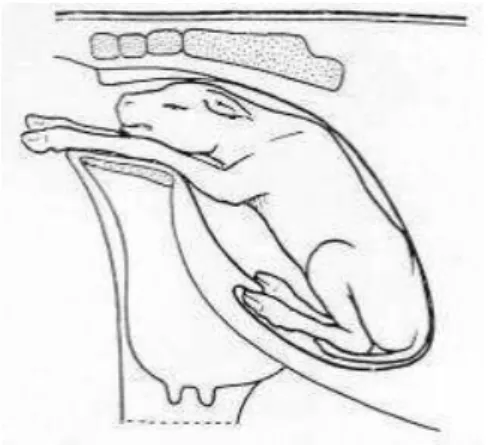
Figure 2: The foetal eutocic disposition (Meijer, 2005) ... 33
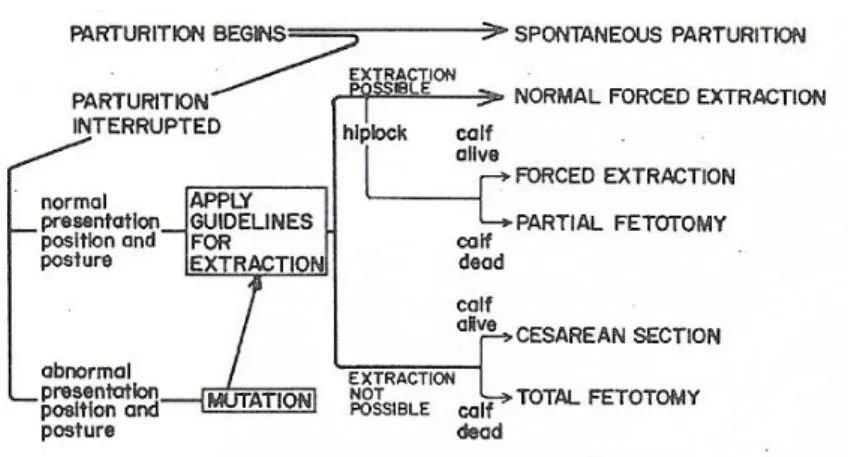
Figure 3: Flow pattern for parturition (Schuijt & Ball, 1980) ... 34
Figure 4: Anterior view of the pelvis of the cow: the 5 diameters from the anterior view (adapted from Hanzen, 2009). ... 36
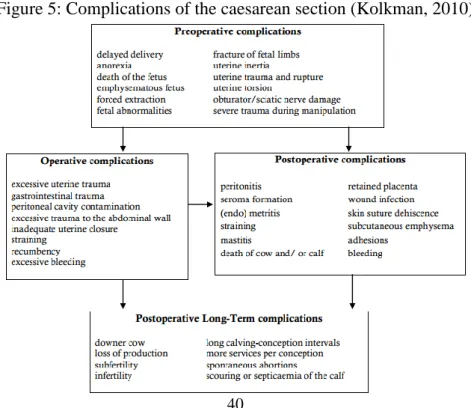
Figure 5: Complications of the caesarean section (Kolkman, 2010) ... 40
Figure 6: Location of the Institute for Agricultural and Fisheries Research, Department Animal ... 53
Figure 7: Grass growth rate in Belgium (Hubrecht & Willems, 2010) ... 53
Graphics index Graphic 1: Cases distribution in the Bovine Erasmus in Belgium ... 1
Graphic 2: Cases distribution in Vettotal - Serviços Veterinários, Lda. ... 2
Graphic 3: Evolution of the annual temperature in Belgium (Uccle station, 1981-2010) [adapted from Institut Royal Météorologique (n.d.)] ... 54
Graphic 4: Medium annual precipitation in Belgium (Uccle station, 1981-2010) [adapted from Institut Royal Météorologique (n.d.)] ... 54
Graphic 5: Calving distribution in the double-muscled Belgian Blue cattle at ILVO (1989-2013) ... 55
Graphic 6: The calving interval distribution (n=86, DM-BB, ILVO) ... 59
Graphic 7: The mean calving interval by number of caesarean sections and suture group (n=86, DM-BB, ILVO) ... 60
Graphic 8: The mean calving interval per caesarean section group (n=86, DM-BB, ILVO) .. 61
Graphic 9: Breeding interval distribution (n=85, DM-BB, ILVO) ... 63
Graphic 10: The breeding interval distribution after the first calving (n=44, DM-BB, ILVO) 64 Graphic 11: The cows breeding interval distribution (n=41, DM-BB, ILVO) ... 64
Graphic 12: The mean breeding interval by number of caesarean sections and group of suture (n=85, DM-BB, ILVO) ... 65
Graphic 13: Culling rate analysis per number of caesarean sections and suture group (n=33, DM-BB, ILVO) ... 67
Graphic 14: Culling rate analysis per number of caesarean section (n=33, DM-BB, ILVO) .. 68
Tables index Table 1: The replacement heifer breeding efficiency (Morrow, 1980; Rice, 1986) ... 10
Table 2: The adult cow breeding efficiency (Morrow, 1980; Rice, 1986) ... 10
Table 3: Calf survival (Rice, 1986) ... 10
Table 4: The culling rate (Morrow, 1980) ... 10
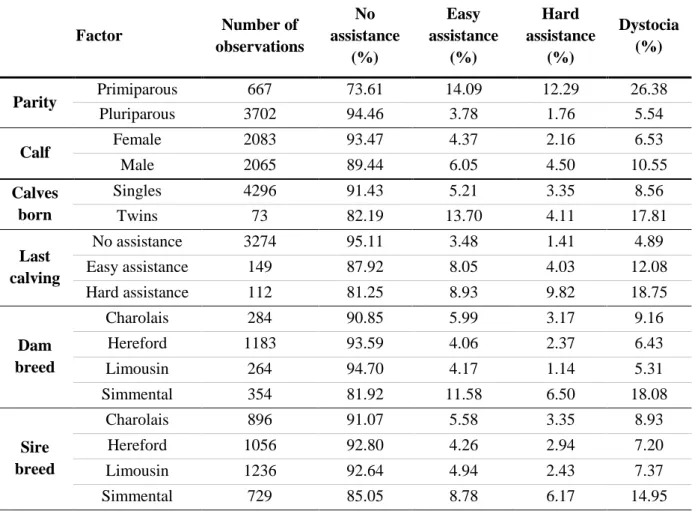
Table 5: Influence of dam, sire and calf factors potentially associated with dystocia (Adapted from McDermott et al., 1992) ... 30
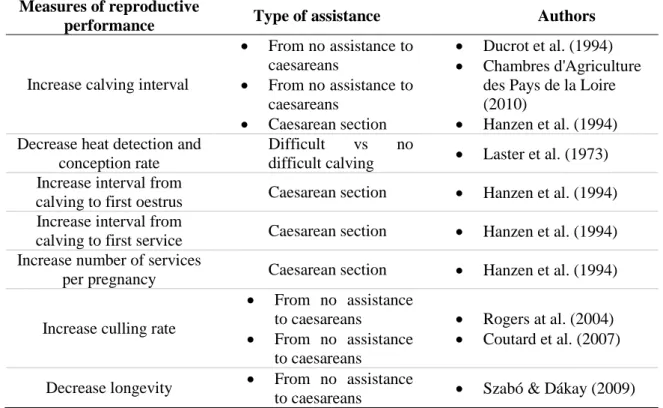
Table 6 The dystocia as a cause of reproductive performance: summary table ... 50
Table 7: Distribution of the 119 caesarean sections studied ... 57
Table 8: The effect of the caesarean section number and suture group on the calving interval: the Kruskal-Wallis test results (n=86, DM-BB, ILVO) ... 61
Table 9: The effect of the caesarean section number and suture group on the calving interval: the two-way ANOVA test results (n=86, DM-BB, ILVO) ... 62
Table 10: The effect of the caesarean section number and suture group on the calving interval: the ANCOVA test results(n=86, DM-BB, ILVO) ... 62
xi
Table 11: The effect of the caesarean section number and suture group on the breeding interval: Kruskal-Wallis test results (n=85, DM-BB, ILVO) ... 65 Table 12: The effect of the caesarean section number and suture group on the breeding interval: ANOVA test results (n=85, DM-BB, ILVO) ... 66 Table 13: Analysis of the culling rate: Kruskal-Wallis test results (n=33, DM-BB, ILVO) ... 68
xii
List of abbreviations
€ ... Euro AI ...Artificial Insemination ANCOVA ... Analysis of covariance ANOVA ... Analysis of variance CS ... Caesarean section DM-BB ... Double-muscled Belgian Blue DNA ... Deoxyribonucleic acid FSH ... Follicle-Stimulating Hormone GnRH ... Gonadotropin-releasing hormone ILVO ... Institute for Agricultural and Fisheries Research Kg ... Kilogram LH ... Luteinizing hormone mh ... Muscular hypertrophy p ... Significance value PGF2α ... Prostaglandin F2α R2 ... Determination coefficient σg ... Genetic standard deviation
1 25.4% 19.5% 23.7% 26.6% 3.0% 1.8%
Reproduction and Obstetrics Internal Medicine
Surgery Ambulatory clinic
Pathology Herd Health
I. Training activities' report
After five years of university courses, the students have to perform a training period. In our case, this stage was fulfilled at the Faculty of Veterinary Medicine, Ghent University, Belgium, and Vettotal - Serviços Veterinários, Lda., Portugal. From September 09th to December 09th 2013, the student was in Belgium to realize the Bovine Erasmus. This program consists in a 12 weeks period, with day and night shifts, to perform a rotation for all the departments from the large animals' clinic. Consulting the graphic below (Graphic 1) it is possible to understand that the departments where the student spent more time were Ambulatory Clinic (26.6%), Reproduction and Obstetrics (25.4%) and Surgery (23.7%), which contrast with Pathology (3.0%) and Herd Health (1.8%).
Graphic 1: Cases distribution in the Bovine Erasmus in Belgium
After that, from January 06th to April 25th 2014, the student accompanied the veterinary surgeon Rui Silva, DVM, from the Vettotal - Serviços Veterinários, Lda. During this period of ambulatory clinic, it was possible to observe various aspects of Veterinary Medicine in beef and dairy cattle. In this case, the most part of the casuistry focus on Reproduction and Obstetrics (41.9%) (graphic 2); these results are surely dependent on the training period - Belo, Belo, Felício and Martins (2013) in a 8 years study that included 19 768 calvings showed that in this geographic area 66% of the calvings occur between January and May. More specifically, the authors observed that 48% of the calvings occur in February, March and April. Belo et al. (2013) explained that the calving concentration during this period, in the cases where there is a permanent presence of the reproductive males, indicates that the alimentary regimen is really dependent of the natural pasture availability, permitting the calf suckling and body condition recuperation to the next reproductive season.
2 41.9% 20.8% 0.8% 23.2% 0.5% 12.9%
Reproduction and Obstetrics Internal Medicine
Surgery Neonatology
Pathology Herd Health
.
1. Training activities' in the Bovine Erasmus in Belgium
As mentioned before, the training period in Belgium consisted in a 12-week program with 820 hours during which the student had the possibility to realize different activities in all the departments from the large animals' clinic. The shifts are divided in day (from 8am until 5pm) and night (from 5pm until 8am), except for one week in the Reproduction and Obstetrics department where the students have a day and night shift (from Monday 8am to Monday 8am). Excluding the Pathology clinic, the Ambulatory clinic day shift and the Operation shift that works from Monday to Friday, all the others include shifts in the weekend.
During this training period, the student performed one week in day shift and one week in day and night shift in the Reproduction and Obstetrics department. The first activity in the morning was the stabled animals' physical examination, in which the student participated. During the shift it was important to monitor some Belgian Blue Beef Cattle to control the signs of labour in order to know when to perform the elective caesarean section. Therefore, it was possible to assist some of these surgeries, including the preparation of the cow and the surgical theatre, and to practice neonatal management that included administration of colostrum, feeding and prophylactic measures. There was also the possibility to perform a suturing technique of the uterus with a single modified Cushing suture pattern.
The reproductive control of the faculty's experimental station mares is also realized in this department. Therefore, the student had the possibility to practice some reproductive examinations by transrectal palpation and ultrasonography and to observe embryo collections from mares. As an interesting case, it was possible to follow, by the same methods, an ovarian
Graphic 2: Cases distribution in Vettotal - Serviços Veterinários, Lda.
3
mass in a heifer. Concerning the stallions it was possible to observe some semen collections and understand its evaluation and preparation for freezing and storage.
In the Internal Medicine department the student had to perform one day shift week and one night shift week. As in the Reproduction and Obstetrics department, the stabled animals' physical examination was realized. During the clinic, the student participated in some medical appointments helping with the physical examination and collaborating in additional diagnostic tests such as endoscopies and electrocardiograms. In this area it was possible to assist the follow up of the first donkey with a pacemaker.
In the Internal Medicine hospital work the student realized physical examinations, fed the animals and administered drugs in the various routes of bovines and horses and walked the horses. It was also necessary to take and analyse blood samples and control fluid therapy, procedures that were intensively realized during the equine atypical myopathy outbreak that occurred in Belgium in 2013. In the cases' discussions the gastrointestinal problems in cattle were approached.
The surgery rotation consisted of two weeks during the day (one in operation shift) and one week during the night. In this department the student had the possibility to assist to various surgeries in bovines and horses. To perform the surgery it was necessary to prepare the operating theatre and to help in the anaesthesia (induction, control during the surgery and recovery). In the operation shift it was furthermore possible to participate as an assistant surgeon in some surgeries that included a cow's laparotomy and calf's laparotomy. In this department the student realized the practical exercise that allowed the students, in groups of 3 persons, to perform a cecum resection; and gave support in the surgical placing of a venous catheter in pigs for a human medicine experiment.
In the hospitalization of the Surgery department the student realized physical examinations, fed the animals, administered drugs in the various routes and walked the horses. Furthermore, there was the opportunity to participate in a case discussion about spastic paresis.
In the Surgery department also exists a component of lameness that permitted the student to assist some procedures that included specific physical examination and additional diagnostic tests as radiology and ultrasonography.
In the Ambulatory clinic the student realized two weeks in day shift and one week in night shift. In this department the students go to the farms in the faculty cars. Therefore, the student participated in some medical appointments in beef and dairy cattle, helping with the physical examination, additional diagnostic tests, like transrectal examination, and drugs administration. The claw trimming was also done in multiple farms and so there was the chance to see some hoof diseases. As a consequence, on this department, the case discussion
4
was about sole ulcer. As an interesting case, the student observed the slaughter of a steer with a broken leg according to legal procedures, after which the animal was transported to the slaughterhouse. There was also the opportunity to participate in a practical exercise about caesarean sections, which was a complement to surgeries that were realized in the farms also during these weeks.
In the Pathology department the students have the opportunity to perform necropsies in ruminants, horses and small animals. Therefore, during one week shift, there was the possibility to realize the necropsy technique in adult cattle, calves and sheep, while analysing all the body departments and taking samples. By the end of the day the various cases were always discussed.
The Herd Health department works by periodic visits to farms where the veterinary surgeon guides the farmer to help him in multiple areas. Thus, the student performed three visits participating in different activities that include reproductive control, dehorning and nutritional advise.
Concerning the reproductive control, the students that participate on the visit, after the transrectal examination and ultrasonography of some selected cows and with the information performed by the veterinary surgeon, examine the data of the record-keeping system. The purpose is to evaluate the fertility status of the herd, where the students use the recommendations of De Kruif and Akabwal (1978). According to these authors, the fertility level of a herd is determined by three parameters: first service conception rate, number of services per conception and interval from parturition to conception. Although it is mentioned that these parameters can be influenced by many factors, the fertility level, or status, of a herd can be expressed numerically using a Fertility Status (F.S.) formula proposed by De Kruif (1975)1 that is cited on this article:
F First s r i on tion rat
r o s r i s r on tion nt r al ro al ing to on tion 2
Thus, the student collected the data, analysed it using the formula above and examined the results in order to conclude the reproductive health of the herds.
5
2. Training activities' at Vettotal - Serviços Veterinários, Lda.
The training period in Portugal consisted in the accompaniment of the practicioner Rui Silva, DVM, from the Vettotal - Serviços Veterinários Lda., in his daily ambulatory clinic, where the student realized a total of 1 100 hours. During this time, 692 cases were observed, being 90.9% of beef and dairy cattle. The other species include swine (16 cases), sheep (16 cases), goats (12 cases), equidae (11 cases) and dogs (8 cases).
As it was shown above (Graphic 2), the Reproduction and Obstetrics cases represented 41.9% of the casuistry, which correspond to 264 cases. In this area, deserves special emphasis the 131 calving that include 15 caesarean sections and 2 fetotomy. During these procedures the student had the opportunity to learn and realize the approach to an obstetric case, including vaginal examination. When vaginal delivery was performed, the student helped the veterinary surgeon to do traction with the application, in most part of the cases, of a calf puller. In the caesarean sections, the student acted as an assistant, providing the instruments and suturing material and helping to pull out the calf. In both cases, when necessary, the student realized procedures for calf resuscitation. Other cases in this department included uterine torsions where it was possible to observe a resolution by foetus rotation per vaginam in contrast with "rolling" correction in another case; and several cases of uterine prolapses with the opportunity to perform a Bunher suture technique. There was also the possibility to participate in a workshop about embryo transfer where procedures, involvement and applications and advantages and disadvantages of the technique were discussed.
During this period 23 reproductive controls were performed through the use of the transrectal manual examination and/or ultrasonography. Therefore, the student had the opportunity to practice the transrectal manual examinations technique and to learn some references about ultrasonography, which include evaluation of the ovarian and uterine structures, anatomy of the embryo, gestation length, viability and sex determination. Moreover, in these visits the veterinary surgeon also evaluated other parameters that reflect the health of the herd, such as the food, faeces and body condition score.
With respect to bulls, 23 breeding soundness evaluations were performed, where the student had the possibility to participate in the animals' physical examination, semen collection and evaluation. In this area there was not just the opportunity to improve the knowledge about the principles of the male's reproductive system and the physiology that is behind the breeding soundness evaluations, but also to exercise the sperm evaluation. It was possible to observe a case of a rare middle piece defect.
The Neonatology area had also a great representation during this period, representing 23.2% of total cases with 82.9% cases corresponding to calf diarrhoea. In this area the student had
6
the possibility to perform the physical examination to evaluate the calf health, to identify possible agents involved and to understand the principles of the therapy. According to Martins (2011) that studied the calf scours in Odemira council (n=33), the most prevalent agent is Cryptosporidium spp. (66.7%), which can occur in simple (73% of the simple infections) and mixed infections. This prevalence is explained not only by the high frequency of the agent, but also by the edaphoclimatic conditions that occur in this area. The same author mentioned that the mixed infections represented 48.5% of the cases and tended to involve Coronavirus or Rotavirus.
The Internal Medicine cases' corresponded to 20.8% of the total casuistry. In this department, there was the opportunity to perform the physical examination, help in the realization of some additional diagnostic tests and understand the diagnosis and consequent therapy. The most prevalent were the gastrointestinal tract problems (n=39), followed by locomotor system (n=25), that include claw trimming, and respiratory system (n=23). Here it is important to emphasize the interstitial atypical pneumonia as acute bovine pulmonary oedema and emphysema that occur in consequence to the change from dry, sparse forages to lush green pastures. This disease is caused by the conversion of L-tryptophan ingested in the lush forages to a pneumotoxic compound, the 3-methylindole (Smith, 2009). Other cases included urinary problems (n=10) where it was observed not only cronical renal failure and cistitis in adult cattle, but also leptospirosis in calves. The cases of leptospirosis occurred as an outbreak during the training period as a consequence of the climatic conditions.
As shown in Graphic 2, the Surgery department represents 0.8% of the total cases. In this area, the student had the possibility to participate as an assistant in some surgeries, helping to create a sterilized area and, during the surgery, providing the instruments and suturing material. There was the opportunity to assist a case of a left-side displacement of the abomasum.
The Pathology department represents 0.5% of total cases. This percentage includes not only euthanized animals but also the necropsies realized. In this area it was possible to practice the necropsy technique, being of special relevance the case of a calf with heart failure.
The Herd Health department corresponded to 12.9% of all the casuistry. Here it is included the annual sanitary interventions in the bovine, caprine and ovine herds, vaccinations and dewormings. Therefore, the student participated in data organization, blood sampling and vaccination and other products administration.
7
II. Introduction
In cattle production, beef or milk, a good reproductive performance is essential to the herd's efficiency. In beef herds' case, the calf is the major product and so the maximum reproductive efficiency is paramount in determining profitability (Ball & Peters, 2004).
In a large number of cattle farms, reproduction is not optimal, which may have an important negative effect on the herd's economy (De Kruif, 1978). Therefore, it is essential to understand the factors that influence reproductive performance and how they can be manipulated to achieve the main goals.
Factors of genetic or environmental nature affect the reproductive performance, including the parity or age of the dam and the occurrence of dystocia (Short, Bellows, Staigmiller, Berardinelli & Custer, 1990; MacGregor & Casey, 1999; Carolino, Gama & Carolino, 2000). According to Carolino et al. (2000) the age of the dam has a quadratic effect in the calving interval, being greater in heifers and in cows with more than 8 years old. In what concerns to caesarean section, Hanzen, Laurent and Ward (1994) showed its effect on reproductive performance, including an increased interval from calving to first oestrus, number of services per pregnancy and days open.
According to Kolkman (2010) in the double muscled Belgian Blue breed 90% to 95% calves are born by caesarean section. So, the main goal of this work was to understand the influence of this procedure in the reproductive performance, specifically in the calving interval, breeding interval and culling rate, at different ages of the dam and using different suture materials.
8
III. Literature review
1. Breeding goals in beef cattle
Animal breeding is part of the production (long-term) strategic planning and is aimed at changing the genetic merit of animals in coming generations so that they will produce the desired products more efficiently (relative to the present generation) under future economic, natural and social circumstances (Groen et al., 1997).
Phillips (2010) explained that the breeding objectives in beef cattle take into account various parameters. The feed utilization efficiency is very important in beef cattle production systems, as this parameter factor about 80% of variable costs. Thus, the author mentioned that improving the efficiency of beef cattle production is usually directed to the reduction of feed conversion ratio. Another relevant objective is the carcass traits. In fact, it is possible to select for the inclusion of carcass weight, which has a good heritability, and eye muscle area, rib or rump fat, all with moderate heritability. A genetic mutation occurs in the Belgian Blue and Piedmontese breeds, which increases the rate of muscle growth by interfering with the regulator myostatin. It is important to notice, as Phillips (2010) clarified, that in Belgian Blue cattle, this trait is associated with difficult calving in pure-breed animals and the increase cost of care during calving may be financially justified by increased growth rate potential, but the practice arouses concerns for the cows' welfare. Another aspect referred by the author is the reproductive traits, since the low reproductive rate of many beef cows encourages breeders to include this characteristic in breeding programmes. Finally, Phillips (2010) mentioned that, apart from the characteristics focused on the productive potential, there are some breeders that include on their goals the environment and welfare, structural traits related to cattle form and function and economic traits, on the latter case just to increase profit per animal rather than for specific traits.
In cattle production, good reproductive performance is essential for efficient management and production as a whole, although specific reproductive targets may depend to some extent on local conditions and on individual farm systems and goals (Ball & Peters, 2004). Azzam, Kinder and Nielsen (1990) explained that beef cattle are traditionally mated during breeding seasons of defined length and at the time of the year that will optimize subsequent calf survival and growth under constraints imposed by feed costs. The same authors remarked that timing of breeding season is also influenced by marketing alternatives for the calves.
Reproductive efficiency can be described as a measure of the cow's ability to become pregnant and produce viable offspring (Ball & Peters, 2004); and the results from Aby, Vangen, Sehested and Aass (2010) showed that fertility and other reproduction traits are the
9
most important to consider in the semi-intensive beef cattle production systems with a basic relative economic value of 75.02%. In fact, several authors emphasized the importance of a good reproductive efficiency. Ball and Peters (2004) referred the analysis from the Meat and Livestock Commission. According to this data, the difference between a conception rate at first service from 75% to 40%, at a growth rate of kg/day and a sal ri o 28€/kg, means a difference o 29€ per head. Amer, Lowman and Simm (1996) also analyzed this parameter, referring that one percent increase in the conception rate at first postpartum oestrus can lead to a difference between 0 3€ to 0 90€ per cow.
Koots and Gibson (1998) studied the reproductive traits demonstrating the estimated economic value of the input traits in a pure breeding or rotational crossing system and in a dam line. The values were in euros € per genetic standard d iation σg) per cow to give a better indication of the relative potential for economic change considering the genetic selection. Therefore, they concluded that in the first system the bigger economic value is the percentage of calf survival with a difference of 21.91 € σg-1 cow-1, while the cow fertility is the second one with an influence of 8 39 € σg-1 cow-1. In the dam line, the cow fertility is the parameter that assumes the biggest value with 23 9 € σg-1 cow-1 followed by the percentage of calf survival that costs 22 63 € σg-1 cow-1. These results are in line with what was found by Aby et al. (2010) who stated that the most important trait in the group of fertility and other reproductive traits it is the stillbirth (70.79%).
Therefore, taking into account the aforementioned, the maximum efficiency is most often achieved when replacement heifers calve by 24 months of age without any complications and deliver a live calf every 12 months thereafter until reaching the economically optimal time for culling (Gates, 2013). For seasonal grazing herds, however, it is particularly important to maintain tight calving distributions less than 12 weeks to minimize labour costs, to ensure that changes in pasture quality coincide with changes in the nutritional demands of lactating animals, and to produce more uniform calf groups for fattening, with higher weight and age at sale (Ball & Peters, 2004; Gates, 2013).
2. Reproductive Health Programs for Beef Herds: the measurement of reproductive efficiency
In order to maximize efficiency, and specifically reproductive efficiency, in a dairy or beef herd, the farmer should (1) develop a series of targets, (2) manage the herd and individual cows to best achieve those targets efficiently and (3) evaluate performance on a regular, ongoing basis, in order to correct problems before they have a too serious impact on the attainment of the targets (Ball & Peters, 2004). It is then an important point to understand
10
reproductive health management. The breeding goals will be discussed during this chapter and tables 1 to 4 show the values proposed by Morrow (1980) (for dairy cattle) and Rice (1986) (for beef cattle).
2.1. The age at first calving
The age at first calving is a combined measure of the time taken to raise replacement heifers to breeding maturity, the success in getting heifers pregnant in a timely fashion, and the ability of heifers to deliver a viable calf, being considered that the replacement heifers should calve by 24 months (Morrow, 1980; Gates, 2013). Nevertheless, the Chambres d'Agriculture des Pays de la Loire (2010) mentioned that in beef cattle it is possible to adapt the grow rate to the age at first calving so it occur at 24 months, 30 months or 36 months. The first calving at 24 months is not usually observed in this region. In fact, however it is a possibility to increase de productivity, it requires enough weight (60% of the mature weight) at the breeding season so the heifers are cycling and therefore can be bred and enough weight at calving (80% Table 2: The adult cow breeding efficiency
(Morrow, 1980; Rice, 1986) Table 1: The replacement heifer breeding
efficiency (Morrow, 1980; Rice, 1986)
11
of the mature weight) to minimize the dystocia incidence. In what concerns to the 30 months age at first calving, it is usually privileged when there are two breeding seasons, increasing the economic efficiency of the productive system (in comparison with the 36 months) with a small impact in the zootechnical performances and moderate growth rates, while decreasing the dystocia risk. The 36 months age at first calving takes advantage of the compensatory growth, being that the animals can calve with 90% of their mature weight.
A primary determinant of pregnancy success in the first breeding season of a heifer is the time at which puberty occurs relative to the start of its first breeding season. The effect of calving distribution on beef cattle progeny performance was studied by Funston, Musgrave, Meyer and Larson (2012), who conclude that the heifer birth weight was lightest (P < 0.01) for heifers born in the first period as well as the birth to weaning average daily gain (P = 0.10). However, weaning weight decreased (P = 0.03) with advancing calving period (217kg, 212kg, and 195kg, respectively, for first, second, and third 21-day period) and the pre-breeding weight was greatest (P < 0.01) for calves born in the first period (294kg, 290kg, and 274kg, respectively, for first, second, and third 21-day period). Thus, the percentage of heifers cycling at the beginning of the breeding season decreased (P < 0.01) with advancing calving date (70%, 58% and 39%, respectively) and 45-day pregnancy rates were lower (P = 0.02) for heifers born in the third calving period (90%, 86% and 78%, respectively).
The first breeding season affects th h i r’s ability to rebreed in ulterior years and remain in the herd as well as the productive life (Day & Nogueira, 2013). Rice (1986) mentioned that heifers that calve late in the first year always tend to calve late in subsequent years or have a greater tendency not to get pregnant. Cushman, Kill, Funston, Mousel and Perry (2013) analyzed data from the United States Meat Animal Research Centre and concluded that heifers that calved with their first calf during the first 21-day period of the calving season had increased longevity (P < 0.01) compared with heifers that calved in the second 21-day period, or later. The average longevity for the heifers that calved in the first, second, or third period was 8.2 ± 0.3 years, 7.6 ± 0.5 years and 7.2 ± 0.1 years, respectively.
Therefore, Rice (1986) indicates that to start a breeding program integration, an heifer should have 65% of its mature weight at 13 to 15 months of age, at the beginning of its breeding season, expecting an 85% to 90% of those to be cycling. Furthermore, the replacement heifers should be bred during a 42-day breeding season, starting 21 days before the cows. Thus, it is expected a high reproductive performance on this class, with a goal of 85% heifers cycling and bred on first 21-days and 95% by the end of 42-days. In addition, 85% heifers bred should become pregnant after the 42-days (Rice, 1986).
12
2.2. The calving interval and calving index
After breeding, conception and delivery, it is important, as mentioned above, that the female calves every 12 months, until reaching the economically optimal time for culling, which is measured taking into account the calving interval and the productive lifetime.
According to Noakes, Parkinson and England (2009), it is possible to define calving interval and calving index. The calving interval is the interval (in days) between successive calvings for the same cow, which, according to Gates (2013), reflects the time taken for animals to return to oestrus, to be successfully re-bred after calving and to deliver a viable calf; the calving index is the mean calving interval of all the cows in a herd at a specific point in time, calculated retrospectively from their most recent calving date.
Noakes et al. (2009) clarified that the calving interval and calving index are measurements that have been traditionally used as a measure of fertility, since they indicate how closely the individual cow or herd approximates to the accepted optimum of 365 days. A more realistic goal of 380 days has been suggested by Morrow (1980).
Several researchers (Youngquist & Threlfall, 2007; Noakes et al., 2009) demonstrated inadequacies of the calving interval, because this parameter introduces bias by excluding populations (culled cows, first-la tation ani als, ani als r gnant t not y t al d, “do not r d” ows and r q ir s two ons ti al ing dat s F rth r or , on a h rd al lation basis, events from as much as two years before still enter into the current calculation, and it is a historical value calculated retrospectively. In what concerns to the calving index, this value does not take into account the fertility of heifers and can give an overoptimistic assessment of fertility when many of the cows that fail to become pregnant are culled (Noakes et al., 2009).
2.3. The calving to conception interval and days open
After a gestation period of approximately 280 days, cows have to establish a pregnancy within 85 days to achieve the goal already proposed of 365 days between successive calvings. Noakes et al. (2009) defined this parameter as the calving to conception interval, which is the number of days from calving to the service that result in pregnancy (effective service). However, the authors mentioned that this is influenced by two factors: how soon after calving the cows are re-bred and how readily they become pregnant when they have been served. So, the calving to conception interval can be defined as the sum of the mean calving to first service interval and the mean first service to conception interval. In the records analysis for reproductive Herd Health programs, Morrow (1980) mentioned that the interval from calving to first oestrus should be less than 60 days and the mean number of services per pregnancy should be less than 2. In beef cattle, Rice (1986) referred that the producer expect the cow to
13
be pregnant by 90 days or less after calving, but 60 to 80 days of postpartum rest are necessary for 80% beef cows start cycling.
The days open is defined as the interval, in days, from calving to subsequent effective service date from those cows that conceive, and from calving to culling or death for cows that did not conceived. Numerically, this value will always be greater than the mean calving to conception interval unless all the cows that are served conceive, in which case it would be the same (Noakes et al., 2009). Therefore, Morrow (1980) referred that the breeding goal should be less than 100 days open.
Noakes et al. (2009) defined that the factors that influence the calving to first service, and then to conception, are the breeding policy of the farm, the failure to detect oestrus in cows having resumed normal cyclical activity and the delayed return to cyclical activity, which is going to be subsequently approached.
2.3.1. The postpartum period in beef cattle
Parturition is followed by a period, about three weeks in cows, when conception is not possible because uterine involution is still going on. Although oestrus and ovulation can occur during this time, if fertilization happens and the embryo reaches the uterus, the placentation and sustaining embryo developing would be virtually impossible. Furthermore, the period of no fertility is followed by two to three weeks when fertility is possible, but not optimal (Kiracofe, 1980; Noakes, 1986).
There are four main areas of activity during the postpartum period, which include: the uterine involution; the structure of the endometrium and deeper layers; the bacterial contamination; and the ovarian function (Noakes et al., 2009).
In the polyoestrous species, such as the cow, it is important that this period progress normally since the practice under most systems of husbandry is to breed the animals fairly soon after they give birth. Thus, Noakes et al. (2009) emphasized that any extension may have a detrimental effect on the reproductive performance of the individual animal concerned. In fact, Senger (2003) also reinforced that the shorter the interval between pregnancies, the more offspring are produced and the more efficient the meat production becomes.
The definition of puerperium is controversial among authors. According to Senger (2003) the puerperium begins immediately after parturition and lasts until reproductive function is restored so that another pregnancy can occur. Noakes et al. (2009) defined the puerperium as the period after the completion of parturition, including the third stage of labour, when the genital system is returning to its normal non-pregnant state. In contrast, Youngquist and Threlfall (2007) referred the puerperium as the involution of the previously gravid uterus.
14
As mentioned before, during this period, there is a reduction in the size of the genital tract that occurs in a decreasing logarithmic scale, the greatest change being observed during the first few days after calving. Uterine contractions continue for several days, although decreasing in regularity, frequency, amplitude and duration (Noakes et al., 2009). The time that is needed to observe a complete uterine involution varies according to the authors. Noakes et al. (2009) cited three studies in beef cattle that reported a range between 37.7 to 56 days, while Senger (2003) pointed 30 days. Yavas and Walton (2000) referred a length of time from 28 to 42 days in suckled beef cows, but explained that uterine involution is influenced by several factors, suckling being an example of an element that positively affects this process. In fact, the tactile stimuli to the inguinal area of the cow by the calf during attempted suckling, in addition to tactile stimulation of the teats per se, induce release of oxytocin. This hormone generates “ ilk j tion” and sti lat s rostaglandin F2α (PGF2α) release from the uterine endometrium.
The purpose of the uterine contractions that occur during this period is threefold (Senger, 2003): promote the discharge of fluids and tissue debris from the uterus; compress the uterine vasculature and help to minimize the possibility of haemorrhage; and reduce the overall size of the uterus. Therefore, involution occurs as a shrinkage and atrophy of the tubular genital tract, especially the uterus, thus reversing the hypertrophy that occurs in response to pregnancy stimulus (Noakes et al., 2009).
Caruncular repair requires vasoconstriction, necrosis and sloughing of tissues followed by growth of surface epithelium. After separation of the foetal cotyledon from the maternal caruncle (within 8 to 12 hours after delivery of the neonate) vasoconstriction takes place in the stalk of the maternal caruncle. Necrosis of the caruncular tissue follows with a sloughing of the caruncular mass, leaving necrotic tissue in the lochial fluid inside the uterus (Senger, 2003).
Although the placenta in cow is considered to be non-deciduous, it is well recognised that during the first 7 to 10 days after calving there is usually a noticeable loss of fluid and tissue debris. The lochia discharge is derived from the remains of foetal fluid, blood from ruptured umbilical vessels and shreds of foetal membranes, but mainly from the sloughed surfaces of uterine caruncles. This fluid is usually characterized by a yellowish brown or reddish brown colour, without an unpleasant odour, with a volume that varies greatly from individual to individual. The greatest flow of lochia occurs during the first 2 to 3 days; by day 8 it is reduced, and by days 14 to 18 postpartum it has virtually disappeared (Noakes et al., 2009). After the decidual tissue of the caruncle has sloughed into the uterine lumen, it begins to undergo repair and is eventually covered again with endometrial epithelium (Senger, 2003).
15
The re-epithelialisation of the caruncle is complete from 25 days onwards, although the stage at which complete healing occurs is variable (Noakes et al., 2009). At the same time, the intercaruncular surfaces also undergo repair, which is generally complete by the 8th day postpartum (Senger, 2003; Noakes et al., 2009).
At calving, and immediately postpartum, the vulva is relaxed and the cervix is dilated thus allowing bacteria to gain entry into the vagina, and thereafter the uterus (Noakes et al., 2009). Furthermore, generally, parturition occurs in a non-sterile environment, which results in the reproductive tract bacterial contamination, especially the uterus, as inevitable sequel of parturition (Senger, 2003).
Foldi et al. (2006) referred that a wide variety of bacteria can be isolated from almost all cows during the first 10 to 14 postpartum days. These authors elucidated that bacterial presence in the uterus is usual at this time and can be detected in more than 90% of the cows, regardless of disease signs. Escherichia coli and Trueperella pyogenes are the most prevalent bacteria isolated from the uterine lumen of cattle with uterine disease, followed by a range of anaerobic bacteria such as Prevotella species, Fusobacterium necrophorum and Fusobacterium nucleatum (Sheldon, Cronin, Goetze, Donofrio & Schuberth, 2009).
Despite uterine contamination, several studies referred that the percentage of uteri from which bacteria are isolated decreases with time (Noakes et al., 2009). In dairy cattle, Sheldon et al. (2009) showed that after 30 days, almost 80% of the animals had uterine bacteria and at day 60 approximately 30%. Nevertheless, Elliot, McMahon, Gier and Marion (1968) 2 demonstrated that the percentage of animals with uterine contamination decreased from 93% within 15 days of calving to 78% between day 16 to 30 and to 50% between day 31 and 45; only 9% of the animals presented uterine contamination on day 60 (Noakes et al., 2009). This reduction in the uterine contamination is explained by a rapid involution of the uterus and cervix and discharge of uterine content, that promote a physical expulsion of the bacteria, and mobilization of natural host defences, including mucus, antibodies and phagocytic cells. In fact, the main mechanism involved in the elimination of the bacteria is phagocythosis by migrating leucocytes (Azawi, 2008). Therefore, in most of the cases, early return to cyclical activity is probably important since the estrogens-dominated uterus is more resistant to infection (Noakes et al., 2009).
In some instances, high numbers of bacteria can overwhelm the natural defence mechanisms resulting in postpartum uterine infection. Senger (2003) explained that conditions that predispose the uterus to infection are: retained foetal membranes, dystocia and delayed lochial
2 Elliot, L., McMahon, K., Gier, H. & Marion, G. (1968). Uterus of the cow after parturition: bacterial content, American Journal of
16
expulsion, which prolong the uterine involution and the postpartum period and, accordingly, delay subsequent pregnancy.
Except during the last month, anovulatory follicular waves occur periodically during pregnancy, with the emergence of follicles up to a maximum of 6 mm in diameter. However, because of the prolonged period of inhibition, due to the continuous negative feedback effect of progesterone secreted by the corpus luteum and placenta, the pituitary is refractory (Noakes et al., 2009). Therefore, the lack of ovulation of dominant follicles during the postpartum period is associated with infrequent luteinizing hormone (LH) pulses, with major factors as maternal bond/calf presence, suckling and low level of nutrition being implicated in the prolonged suppression of LH pulses in the absence of progesterone (Yavas & Walton, 2000; Crowe, 2008). So, the postpartum anoestrous can be defined as a transition period during which the functional hypothalamic-pituitary-ovarian-uterine axis recovers from the previous pregnancy (Yavas & Walton, 2000).
During late gestation, the hypothalamic-pituitary axis is under the negative feedback of the placental and ovarian steroids, which results in accumulation of Follicle-Stimulating Hormone (FSH) in the anterior pituitary, suppression of FSH release, depletion of anterior pituitary LH stores and suppression of ovarian follicular activity (Yavas & Walton, 2000). After parturition, and as consequence of the foetal-placental unit removal and by the corpus luteum regression, there is almost immediate resumption of recurrent transient increases in FSH concentrations (within 3 to 5 days of parturition) that occur at 7 to 10 days intervals (Yavas & Walton, 2000; Crowe, 2008). The first of these stimulates the first postpartum follicular wave that generally produces a dominant follicle by 7 to 10 days postpartum (Crowe, 2008).
The first follicular wave's dominant follicle fate is dependent on its ability to secrete sufficient estradiol to induce a gonadotrophin surge (Crowe, 2008). However, the ability of the pituitary to release LH is much slower. Due to depletion of anterior pituitary LH storage during late gestation, anterior pituitary LH content is reduced by 95% at parturition (Yavas & Walton, 2000). Thus, the major driver for ovulation of a dominant follicle during the post-partum period is the LH pulse frequency (Crowe, 2008). Ovulation will occur only if the dominant follicle produces enough estradiol to stimulate adequate LH secretion in the form of one pulse per hour (Crowe, 2008).
In suckler beef cows, the first dominant follicle generally does not ovulate, but rather undergoes atresia. In fact, the first postpartum dominant follicle to ovulate is generally from wave 3.2 ± 0.2 (≈30 days). This first ovulation can be generally characterized as silent and followed by a short cycle, usually containing just one follicle wave (Crowe, 2008). The
17
absence of the oestrus signs demonstration can be justified by the requirement of the Central Nervous Systems to prior exposure to progesterone to elicit behavioural signs (Noakes et al., 2009). A short cycle can happen in 78% of suckler beef cattle and it is due to a premature release of PGF2α, which results in premature luteolisys (Yavas & Walton, 2000; Crowe, 2008). Thus, the corpus luteum regresses prematurely at approximately days 8 to 10 of the cycle, with the second ovulation occurring approximately 9 to 11 days after the first ovulation. This second ovulation is generally associated with the expression of oestrus and a normal length luteal phase (Crowe, 2008).
2.3.2. Major factors affecting the postpartum in beef cattle: the calf and the body condition
As mentioned before, the major factors that affect the length of the postpartum are the low level of nutrition, maternal bond/calf presence and suckling, which lead to a prolonged suppression of LH pulses in the absence of progesterone.
Relationships between body energy reserves and weight loss (before and after parturition) and the duration of the postpartum anoestrus have been established. In fact, energy intake and body energy stores influence concentrations of energy substrates and metabolic hormones in cattle blood (Wettemann, Lents, Ciccioli, White & Rubio, 2003).
The influence of the nutrition in the postpartum anoestrus is mediated by potential metabolic signals that include glucose, insulin and Insulin-Like Grow Factor-I (IGF-I) (Wettenann et al., 2003).
According to Pineda and Dooley (2003) there are receptors for insulin in the brain, pituitary gland and ovarian tissue. Experiments showed that this hormone stimulates release of Gonadotropin-releasing hormone (GnRH) from hypothalamic fragments in vitro when glucose is available and also that it stimulates the steroid production by ovarian cells. The hypothalamus, unlike other areas in the Central Nervous System, expresses an insulin-dependent glucose transporter. During nutritionally induced anoestrus, cows become resistant to insulin and entry of glucose into hypothalamic cells may be reduced (Pineda & Dooley, 2003).
The IGF-I is mostly produced by the liver and has effects on many cell types to regulate carbohydrate, fat and protein metabolism. During feed restriction, concentrations of IGF-I in cattle blood are decreased, which affect its action in the potentiation of FSH on granulosa cells of ovarian follicles and LH on thecal cells of ovarian follicles and luteal cells (Pineda & Dooley, 2003).
18
Several studies cited by Wettemann et al. (2003) about the nutrition and postpartum endocrine function concluded that the body energy reserves at calving is the most important factor that influences the interval from parturition to the first oestrus and ovulation in beef cows. Actually, since postpartum cows have to be in good body condition at resumption of cyclicity, and since body condition postpartum score is a reflection of nutritional status prepartum, Yavas and Walton (2000) noted that postpartum reproduction is more affected by the energy intake before than after calving. However, about the postpartum nutrient intake, the studies are controversial. Yavas and Walton (2000) stated that reducing energy intake after parturition through the first 30 days postpartum or increasing energy intake after parturition through first ovulation postpartum did not affect postpartum interval. Nevertheless, Ciccioli et al. (2003), in a study with primiparous beef cows, demonstrated that postpartum nutrient intake can modulate the duration of the postpartum anestrous interval. The authors showed that this period was shorter for cows allotted to diet for gains of 0.90 kg/day (P < 0.01; 100 ± 8 days) than of 0.45 kg/day (P < 0.01; 120 ± 8 days) and justified the lack of consistency among studies with several variables like the amount of energy intake, duration of feeding period, body condition score at calving and age of cows. Although, even if thin cows gain great amounts of weight after calving, ovulation occurs later than for cows that calve in good body condition and maintain body weight (Wettemann et al., 2003).
Decreased pulsatile secretion of GnRH is the major cause of reduced pulsatile secretion of LH and extended postpartum anovulatory intervals in beef cows (Wettemann et al., 2003). Crowe (2008) mentioned that for beef cows in poor body condition there are typically 10.6 ± 1.2 wa s o olli lar growth or o lation o rs ≈70–100 days).Adequate nutrient intake results in increased concentrations of insulin and IGF-I in plasma and increased body fat reserves. If fat stores are sufficient (body condition score greater than 5/9) and nutrient intake is not adequate, mobilization of fat can occur and alter plasma concentrations of these products. The studies cited inWettemann et al. (2003) referred that the stable concentrations of insulin and IGF-I in plasma of primiparous cows during the 7 weeks before the first postpartum oestrus indicate that immediate changes in these constituents may not stimulate the first postpartum ovulation. These hormones could be metabolic signals by which nutrient intake and body fat stores regulate ovulation, but have a delayed effect, a permissive role, and/or the effect could be mediated by alterations in binding proteins or specific receptors, so that absolute changes in hormones concentrations may not be necessary for the response to occur.
After the replenishment of LH stores between days 15 and 30 postpartum, the absence of LH pulses is dependent of suckling, which suppresses pulsatile LH release by inhibiting GnRH
19
discharges from the hypothalamus (Yavas & Walton, 2000). Álvarez-Rodriguez, Revilla and Sanz (2009) summarized that the essential component of the prolonged postpartum anoestrus induced by suckling in beef cows is the maternal-offspring bond, while independent of the neurosensory pathways within the teat or the udder. The same authors referred that olfaction and vision are equally effective in allowing the calf identification by its dam. Studies with ovariectomy and estradiol implants in postpartum cows indicated that the suppressive effect of suckling on pulsatile LH release is modulated by ovarian estrogens which is explained by the increased sensitivity of the hypothalamic GnRH pulse-generator to the negative feedback effect of ovarian estradiol- 7β via release of endogenous opioid peptides from the hypothalamus. This results in suppression of pulsatile release of LH, failure of ovulation, and prolonged postpartum anoestrus (Yavas & Walton, 2000).
As the postpartum interval increases, the GnRH pulse-generator becomes less sensitive to suckling stimulus, which results in increase pulsatility of LH, preovulatory gonadotropin surges and ovulation.Yavas and Walton (2000) mentioned that in suckled beef cows, medium follicles are present by day 5 to 7 postpartum, and their numbers and size increase with time. Dominant follicles are detectable by day 10 to 21 postpartum; however, most of these dominant follicles fail to ovulate. In fact, in suckled beef cows, the pulsatile LH release recovers around day 25 to 32 postpartum and cows resume to cycling between days 29 and 67 (Yavas & Walton, 2000).
Summarizing, it is important to understand that the interval from calving to conception greatly influences profitability of beef production. According to Rice (1986), the farmer expects that the cows become pregnant by 90 days or less after calving. However, as explained by Wettemann et al. (2003), inadequate body fat stores at calving and reduced postpartum nutrient intake increase the interval from calving until ovulation. Furthermore, suckling suppresses ovulation during the early postpartum period in cows with moderate body fat stores, and the suppression is longer in thin cows. Restricted suckling or early weaning of calves can be used to improve reproductive efficiency in very thin cows (Wettemann et al., 2003).
2.4. The percentage of cows cycling during the first 21 days of the breeding season
As explained above, the calf is the major product in the beef herds' case (Ball & Peters, 2004) and several studies were undertaken to investigate the effects of the calves' birth group in their future performance.
One of the first research about this subject was performed by Lesmeister, Burfening and Blackwell (1973) and concluded that calves born in earlier groups grew significantly faster
20
from birth to weaning (average daily gain from 0.80 kg/day to 0.75 kg/day, P < 0.05) and weighed more at weaning than calves born in later groups (weaning weight from 210 kg to 160 kg, P < 0.01). Some years later, MacGregor and Casey (2000) studied five calving groups and obtained the same results. Although the calf birth weight was 32.81±0.33 kg on the first calving period compared to 40.49±0.30 kg on the fifth one (P < 0.01), the weaning weight decrease from 239.89±1.78 kg to 211.93±1.57 kg (P < 0.01), respectively. For the authors, this difference is explained by the fact that early born calves had higher pre-weaning average daily gains (P < 0.01), and are older at weaning than calves born later (P < 0.01).
Furthermore, Funston et al. (2012) described that calves born in the first 21 days of the calving season had greater carcass weights, marbling scores and yield grades than later born calves.
Other advantages reported on the majority of calves born early in the calving season were discussed by Ball and Peters (2004). These authors referred that calf disease and mortality are likely to be reduced if there is only small variation in calf ages and the age and weight of calves are higher at sale. Furthermore, all cows at the similar stage of the production cycle can be regarded as a single unit rather than as individuals and feed can be rationed more precisely. Therefore, the percentage of cows cycling during the first 21 days of breeding season is an important and easy criteria to measure in beef artificial insemination herds with, according to Rice (1986), a goal of 90%. However, the author remembered that although this parameter has equal economic importance in herds using natural service, the oestrus observations is less accurate and therefore unreliable in measuring oestrus activity.
2.5. The first service conception rate and percentage of pregnant cows
It has long been recognized that, although a cow that seems to have an apparently structurally and functionally normal reproductive system is inseminated or served at the correct time with fertile semen, it may fail to become pregnant. This is partially explained by fertilization failure and embryonic losses (Noakes et al., 2009).
2.5.1. Fertilization failure and embryonic losses
An ovulatory surge of LH coincident with onset of oestrus (day 0) initiates events, which culminate in ovulation about 30 hours later. With maturation of the corpus luteum, concentrations of progesterone in peripheral blood are maximum in mid-diestrus (days 8-14), and, in cyclic females, luteolysis is induced by pulsatile release of PGF2α from endometrial epithelium during late diestrus (days 15-16) (Bazer, Spencer & Ott, 1997). Experiments based on daily progesterone measurements, following insemination and embryo removal at various
21
stages after artificial insemination, suggested that embryonic death at the time of corpus luteum maintenance delayed luteolysis and extended interestrus interval (Humblot, 2001). The maternal recognition of pregnancy in r inants is diat d y th int r ron τ (tau), which is produced by the mononuclear cells of the embryonic trophectoderm (Bazer et al., 1997). This protein binds to the endometrium and inhibits oxytocin receptor synthesis by endometrial cells so that oxyto in annot sti lat PGF2α synth sis ng r, 2003). Thus, int r ron τ x rts a ara rin , antil t olity t on th ndo tri to inhi it ndo trial production of luteolityc pulses of PGF2α (Bazer et al., 1997).
r tion o int r ron τ is axi al tw n pregnancy days 16 and 19, but can be detected from day 12 until at least day 38 of pregnancy (Bazer et al., 1997). Humblot (2001) suggested that luteolysis and return to oestrus prior to day 24 might be linked with early embryonic death; but, if the corpus luteum is maintained and return to oestrus is delayed beyond day 24, it could point to embryonic losses occurring after day 16 of gestation.
In order to properly standardize bovine reproductive terms, Hubbert (1972) established that the embryonic period of gestation extends from conception to the end of the differentiation stage, at approximately 42 days of gestation, and that the foetal period extends from gestation day 42 to the delivery of the calf. Thus, Humblot (2001) defined that losses of pregnancy prior to day 24 indicate early embryonic losses, and those between days 24 and 42-50 indicate late embryonic losses. Pregnancy losses detected after day 50 characterize foetal losses. According to Diskin and Morris (2008) for heifers, beef and moderate yielding dairy cows, it appears that fertilization rate generally lies between 90% and 100%. Additionally, studies in heifers suggest fertilization rate averages 88%, with a range from 75% to 100%. In lactating beef cows it was reported fertilization rate averages 75%, with a range from 60% to 100%, while in non-lactating beef cows rate that value averages 98.6%, with a range from 94% to 100% (Santos, Thatcher, Chebel, Cerri & Galvão, 2004).
Concerning embryonic loss, Bishop (1964) mentioned a variable incidence from 15 to 60% according to the material source examined. More recently, Humblot (2001) referred studies with beef breeds with non-fertilization or early embryonic mortality between 33% to 39% and late embryonic mortality between 6.6% and 14%. In beef heifers, Diskin and Sreenan (1980) indicated an embryo survival rate of 58% at day 42 and Dunne, Diskin and Sreenan (2000) mentioned that it is generally accepted that in this group the embryo loss accounts for a 29% to 39% after fertilization, referring that it mostly occur between days 8 and 16 after insemination. It is important to emphasize that late embryo loss, while numerically much smaller than early embryo loss, causes serious economic losses to producers because it is often too late to re-breed those females (Diskin & Morris, 2008).