i UNIVERSIDADE DE LISBOA
FACULDADE DE CIÊNCIAS
DEPARTAMENTO DE BIOLOGIA VEGETAL
Novel Screening Platforms Construction for
Detection of New Marine Microbial Bioactive
Compounds
Gabriela Alexandra Rodrigues Simões
Mestrado em Biologia Molecular e Genética
Dissertação orientada por:
Professora Doutora Helena Vieira
i
Agradecimentos
Este foi um ano cheio de experiências, aprendizagem e momentos stressantes. E como diz o provérbio “A união faz a força”. Assim, nesta secção, quero deixar o meu enorme agradecimento a todas as pessoas que contribuíram, direta e indiretamente, para a concretização e conclusão de mais uma etapa da minha vida.
Em primeiro lugar, quero deixar um enorme agradecimento à minha orientadora Doutora Helena Vieira cuja orientação, assistência e incentivo foram cruciais para a materialização desta dissertação de mestrado.
Um agradecimento mais do que especial aos meus pais, Tina e Gabriel. Não há palavras para vos agradecer tudo o que fizeram por mim. Um obrigada cheio de carinho e amor!
Um reconhecimento muito especial ao meu irmão, Joel, que passou os últimos meses da tese a perguntar-me “Então, Gabi quando é que entregas essa tese?”. “Já está, Joel!”.
Aos meus amigos de sempre, Andreia Guilherme, Andreia Carvalho, Cristiana Vieira e Miguel Oliveira, os meus mais sinceros agradecimentos. Vocês foram, sem dúvida, imprescindíveis para a conclusão e realização desta etapa. Obrigada pela paciência e pela amizade.
À Filipa Antunes, chefe do laboratório, um especial agradecimento por me ter recebido bem e pela ajuda prestada.
Aos meus colegas do mestrado e do laboratório obrigada pela companhia. A todos, os meus mais sinceros agradecimentos.
ii
Abstract
Most life on Earth exists within the oceans that hold a great deal of biodiversity. Marine organisms show a wide bioactive diversity, with more than 1000 new compounds being discovered each year. Microorganisms, despite being deeply exploited in terrestrial environments, are still a relatively minor source of marine-based commercial compounds compared to other marine organisms. One way to maximize the chemical diversity available from marine sources, and their commercial potential, is to focus on microorganisms, as they are easier to collect and reproduce. Marine microorganisms can sense, adapt and respond to their environment quickly and can compete for defence and survival in extreme habitats, like deep sea hydrothermal vents, by producing exclusive secondary metabolites. The major goal of this thesis work was to develop assay platforms to screen bioactive compounds with antimicrobial and antioxidant potential from marine sources. As screening material a 227 marine microbial extracts library was used. Five screening assays were developed and validated for anti-microbial bioactivity screening against different strains, namely Enterococcus sp. (VanA+), Klebsiella oxytoca, Salmonella enteritidis, Salmonella typhimurium and Shigella sp. Out of these, two failed to be fully validated, the Enterococcus faecalis and Staphylococcus aureus. From the initial 1135 marine extracts tested, 69 hits were found to inhibit the growth of specific pathogenic bacteria. In parallel, two antioxidant assays were set-up, validated and implemented in the lab to evaluate antioxidant properties of the marine compounds. The DPPH assay was optimized and validated through DPPH scavenger activity measurements and hit LSWA081 was found to be over 100% better than the current gold standard. To increase the biological significance, a SOD1 screening platform was also implemented from a pre-existing SOD1 mutant yeast strain. A primary SOD1 screening assay was performed and 8 new target specific hits identified, that still remain to be validated in a secondary dose-response secondary screening. The majority of the identified hits, both antimicrobial and antioxidant are derived from Menez Gwen hydrothermal vent, a very harsh acidic and very high temperature deep sea habitat. The work performed in this thesis can be the basis of novel marine natural products and bioactives development programmes with relevance to a variety of industries.
Keywords:
marine microbial; bioactivity; antimicrobial screening; antioxidant screening; commercial valueiii
Resumo
Uma parte considerável da biodiversidade da Terra está presente em ecossistemas marinhos. Esta elevada e única biodiversidade marinha tem sido reconhecida como uma importante fonte de variabilidade química, estimando-se que anualmente são descobertos cerca de 1000 compostos de origem marinha. No entanto, o seu conhecimento científico e exploração comercial é ainda reduzido. Uma acumulação de dados científicos que comprovam os benefícios destes compostos marinhos nos mais variados sectores, desde os biocombustíveis, biomateriais, cosmética, alimentação funcional, têxtil, aplicações industriais para além da farmacêutica, tem conduzido a um aumento significativo dos esforços para investigar e isolar mais bioativos presentes nesta biodiversidade marinha. Dentro desta, os microrganismos marinhos têm sido alvo recente de uma maior atenção. Os microrganismos são já amplamente explorados em ambientes terrestres, mas ainda representam uma pequena parte dos compostos de origem marinha em comparação com outros organismos marinhos, como é o caso das macroalgas ou esponjas. A sua fácil manipulação e baixo impacto que a sua produção poderá ter no ecossistema são vistos como vantagens na exploração destes microrganismos. Uma outra forma de maximizar a diversidade química disponível de origem marinha, e seu potencial comercial, passa por estudar os microrganismos que habitam ambientes com condições de sobrevivência extremas, como fontes hidrotermais e oceano profundo. Nestes habitats, os microrganismos marinhos têm de possuir habilidades únicas, que lhes permitem adaptarem-se e responder ao seu ambiente de uma forma rápida, produzindo metabolitos secundários exclusivos que permitem a sua sobrevivência, defesa e competição. Estes metabolitos secundários são definidos como “armas bioquímicas” necessárias para competir, sobreviver e defenderem-se contra predadores e presas, sendo aceite pela comunidade científica que organismos que habitam as fontes hidrotermais deverão apresentar metabolitos secundários exclusivos. O principal objetivo desta tese foi desenvolver e implementar várias plataformas de rastreio rápido para identificar compostos bioativos com potencial antimicrobiano e antioxidante. A avaliação da qualidade global dos ensaios antimicrobianos e do ensaio da SOD1 para antioxidantes foi realizada utilizando o fator Z-prime, onde um ensaio excelente apresenta valores superiores a 0,5. Como fonte de potenciais bioativos foi utilizada uma biblioteca única de 227 extratos de microrganismos marinhos. Estes microrganismos foram isolados de 4 fontes hidrotermais: Menez Gwen, Rainbow, Monte Saldanha e Lucky Strike.
A atividade antimicrobiana de compostos marinhos pode ser detetada através da observação da inibição de crescimento de vários microrganismos-teste na presença destes extratos naturais. Atualmente, existem diversos métodos usados para detetar bioatividade antimicrobiana, sendo que o ensaio de rastreio rápido antimicrobiano selecionado foi o método de diluição, onde o crescimento microbiano é observado através de sucessivas medições de densidade ótica. Sete estipes bacterianas foram selecionadas, tendo em conta uma listagem de bactérias cuja a descoberta de antibióticos é assumida como crucial, publicada pela World Health Organization, e a listagem de bactérias existentes no laboratório. Ao todo das 7 bactérias selecionadas, cinco ensaios de rastreio rápido foram primariamente desenvolvidos e validados para identificar bioatividade antimicrobiana contra diferentes estirpes, nomeadamente: Enterococcus sp. (VanA +), Klebsiella oxytoca, Salmonella enteritidis, Salmonella typhimurium e Shigella sp. Estas sete bactérias foram submetidas a um rastreio primário, de onde resultaram 155 bioativos positivos. Estes primeiros bioativos positivos foram sujeitos a um rastreio secundário, onde se testou várias concentrações para um efeito dose-resposta, tendo sido identificados um total de 61 extratos bioativos positivos capazes de inibir 5 das 7 espécies de bactéria selecionadas: Enterococcus sp. (VanA+), Klebsiella oxytoca, Salmonella typhimurium e Salmonella enteritidis. Estes bioativos positivos reconfirmados serão no futuro submetidos a mais estudos, nomeadamente para elucidação da sua estrutura, e a técnicas de dereplicação para despistar compostos já conhecidos. No
iv entanto, duas plataformas para rastreio antimicrobiano não foram totalmente validadas para HTS, a plataforma para Enterococcus faecalis e para Staphylococcus aureus, uma vez que os valores de Z’ foram inferiores ou iguais a zero durante o decorrer da experiência.
Paralelamente, dois ensaios antioxidantes foram preparados, validados e implementados em laboratório para avaliar as propriedades antioxidantes dos compostos marinhos em estudo. As reações oxidativas podem envolver a produção de radicais livres, que podem desenvolver reações em cadeia perigosas e como tal há necessidade permanente de novos, e mais sustentáveis compostos bioativos antioxidantes.
O teste do DPPH (1,1-difenil-2-picrilhidrazil) foi otimizado e validado para a atividade antioxidante, através de medidas de atividade do DPPH scavenger. Este teste simples e rápido é baseado na inibição da acumulação de produtos oxidados, uma vez que a geração de radicais livres é inibida pela adição de antioxidantes e captura de radicais livres. O DPPH é um radical livre estável devido à deslocalização do eletrão sobresselente sobre a molécula como um todo e não pode dimerizar. Assim, evitando a sua agregação, é possível usá-lo para medir a atividade de scavenger de radicais livres de um composto, sendo que este radical na presença de um antioxidante captura o electrão livre. Foram identificados 30 extratos bioativos positivos que apresentam uma atividade scavenger superior a 80 %, sendo que o extrato LSWA081 se destacou por ter uma taxa de DPPH scavenger acima de 100%, superando inclusive um dos melhores antioxidantes conhecidos, o ácido ascórbico. Este composto foi coletado da fonte hidrotermal Lucky Strike. Cerca de 63 % destes poderosos DPPH scavengers foram extraídos, no entanto, de microrganismos isolados de Menez Gwen.
Para aumentar o significado biológico do rastreio de antioxidantes, foi também implementada uma plataforma para identificar extratos que consigam substituir a função da enzima SOD1, usando uma estirpe de levedura mutante de SOD1 pré-existente. Este gene codifica uma enzima que converte aniões superóxido em H2O2 e oxigénio, protegendo assim as células contra danos oxidativos. A levedura é um organismo modelo, adequado para programas de descoberta de bioatividade para aplicações antioxidantes, devido ao seu alto grau de conservação de processos biológicos e sua facilidade para manipulação genética, tempos de geração curtos, adaptabilidade genética e escalabilidade. Inicialmente, testes de validação foram realizados para avaliar a viabilidade do uso da Sacharomyces cerevisae sod1Δ:: URA3 como uma plataforma de rastreio rápido. Assim, foi realizada uma avaliação do crescimento em meio líquido suplementado com H2O2 e ácido ascórbico para caracterizar a estirpe de Saccharomyces cerevisae mutante. Foi observado que a levedura mutante na presença de H2O2, um indutor de stress, apresenta um retardamento no crescimento em comparação com a estirpe selvagem. Também no âmbito da caracterização das estirpes, procedeu-se à amplificação do gene SOD1 por PCR que confirmou que o gene SOD1 está presente na linhagem selvagem, correspondente a 609 pb, e não na estirpe sod1Δ :: URA3, como esperado. O fator Z 'foi calculado em cada ponto do tempo para a curva de crescimento da levedura inoculada, sendo que o fator Z considerado para a seleção do momento do ensaio no qual os resultados podem ser confiáveis e analisados corresponde a 24 horas desde o início do ensaio, onde o fator Z’ é de 0,60. Depois da validação do ensaio, foi realizado um primeiro ensaio de rastreio rápido, onde 8 bioativos positivos foram identificados. Estes terão de ser submetidos a um rastreio secundário posterior para serem revalidados em estudos dose-resposta, evitando, assim, possíveis falsos positivos. A maioria dos extratos identificados como bioativos positivos, tanto antimicrobianos como antioxidantes, tiveram origem na fonte hidrotermal Menez Gwen, um habitat marinho profundo muito ácido e de temperatura muito alta. É importante mencionar que alguns bioativos positivos apresentam tanto bioatividade antimicrobiana, como antioxidante e, portanto, são extratos microbianos marinhas com potencial elevado valor comercial que poderá valer a pena explorar no futuro. Os compostos MGBA001 e MGMS166O2 destacam-se por serem bioativos positivos para as
v três plataformas de rastreio rápido desenvolvidas. O MGBA001, apesar de ter uma baixa atividade antioxidante no ensaio SOD1, possui uma excelente atividade do DPPH (> 80%) e possui propriedades antimicrobianas contra as bactérias gram-positivas, Enterococcus sp. (VanA +) e Staphylococcus aureus. O trabalho realizado nesta tese pode ser a base de novos produtos naturais marinhos e programas de desenvolvimento de bioativos com relevância para uma variedade de indústrias, que incluem medicina e cosmética.
Palavras-Chave:
microrganismos marinhos; bioatividade; rastreio de antimicrobianos; rastreio de antioxidantes; valor comercialvi
Table of contents
AGRADECIMENTOS ... I ABSTRACT ... II KEYWORDS ... II RESUMO... III PALAVRAS-CHAVE ... V LIST OF FIGURES ... VIII LIST OF TABLES ... IX LIST OF EQUATIONS ... X LIST OF ABBREVIATIONS AND ACRONYMS ... XICHAPTER 1. INTRODUCTION ... 1
1.1. THE MARINE HIDDEN BIODIVERSITY AS A HOT SPOT FOR NOVEL COMPOUNDS ... 1
1.2. SEARCHING FOR INNOVATIVE BIOACTIVE COMPOUNDS ... 2
1.3. ROUTE TO AN HTS ASSAY DESIGN ... 4
1.4. ANTIMICROBIAL SCREENINGS ... 4
1.5. ANTIOXIDANT SCREENINGS ... 5
1.6. MAJOR APPLICATIONS AND DEVELOPMENT PATHS ... 7
1.7. MAIN GOAL AND SPECIFIC OBJECTIVES OF THIS THESIS ... 8
CHAPTER 2. MATERIAL AND METHODS ... 9
2.1.1. REAGENTS ... 9
2.1.2.1. BACTERIAL STRAINS ... 9
2.1.2.2. YEAST STRAINS ... 9
2.1.3. PLASMID ... 9
2.2. METHODS ... 10
2.2.1. CELLS MEDIA, GROWTH AND STORAGE ... 10
2.2.1.1. BACTERIAL STRAINS AND GROWTH ... 10
2.2.1.2. YEAST MEDIA AND GROWTH ... 10
2.2.2. MOLECULAR BIOLOGY METHODS ... 10
2.2.2.1. DNA EXTRACTION ... 10
2.2.2.1.1. GENOMIC DNA EXTRACTION... 10
2.2.2.2. PLASMID DNA EXTRACTION ... 11
2.2.2.3. QUANTIFICATION OF DNA CONCENTRATION ... 11
2.2.2.4. AGAROSE GEL ELECTROPHORESIS AND DNA GEL EXTRACTION AND PURIFICATION ... 11
2.2.2.5. POLYMERASE CHAIN REACTION (PCR) ... 11
2.2.2.6. RESTRICTION DIGESTION ... 11
2.2.2.7. COMPETENT DH5-Α E. COLI CELLS ... 12
2.2.2.8. INTRODUCTION OF PLASMID DNA INTO E. COLI ... 12
2.2.3. CHARACTERIZATION OF YEAST STRAINS ... 12
2.2.3.1. YEAST GROWTH ANALYSIS ... 12
2.2.3.2. CONFIRMATION OF SOD1 DELETION ... 12
2.2.4. BIOACTIVITY SCREENINGS... 13
2.2.4.1. PHARMABUG MARINE MICROBIAL COLLECTION ... 13
2.2.4.2. ANTIMICROBIAL SCREENING ... 14
2.2.4.2.1. PRIMARY SCREENING ... 14
2.2.4.2.2. SECONDARY SCREENING ... 15
2.2.4.3. ANTIOXIDANTS SCREENINGS ... 15
vii
2.2.4.3.2. SOD1 ASSAY ... 15
2.2.4.4. DATA ANALYSIS ... 16
CHAPTER 3. RESULTS AND DISCUSSION ... 17
3.1. STUDY COLLECTION ANALYSIS ... 17
3.2. ANTIMICROBIAL ASSAY ... 18
3.2.1. SET UP AND QUALITY ASSESSMENT OF THE ASSAY ... 18
3.2.2. SCREENING FOR ANTIMICROBIAL POTENCY ... 19
3.3. DPPH TEST ... 22
3.3.1. SET UP AND OPTIMIZATION OF THE DPPH ASSAY ... 22
3.3.2. SCREENING FOR ANTIOXIDANT POTENCY ... 23
3.4. SOD1 ASSAY ... 24
3.4.1. CHARACTERIZATION OF YEAST STRAINS ... 25
3.4.2. THE YEAST STRAIN SOD1Δ::URA3 WAS SUITABLE FOR DRUG DISCOVERY SCREENINGS ... 26
3.4.3. SCREENING FOR ANTIOXIDANT POTENCY OF VARIOUS BIOACTIVE COMPOUNDS ... 27
CHAPTER 4. CONCLUSION AND FUTURE WORK ... 29
CHAPTER 5. BIBLIOGRAPHY ... 30
viii
List of Figures
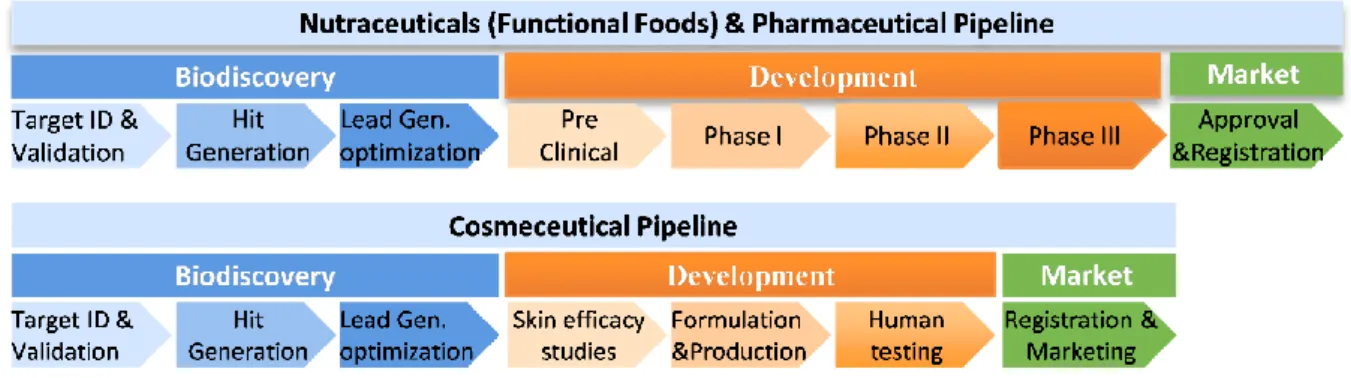
Figure 1.1 - Nutraceutical, pharmaceutical and cosmeceutical discovery and development
process phases ... 3
Figure 1.2 - Generation and metabolism of reactive oxygen species ... 7
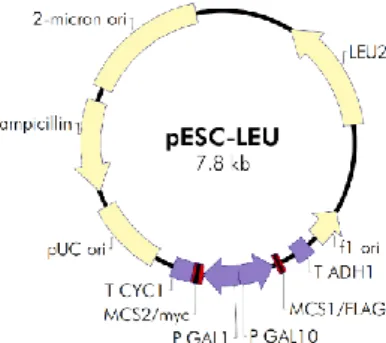
Figure 2.1 - Map of the pESC-LEU vector... 10
Figure 3.1 – Distribution of the extracts by hydrothermal vent ... 17
Figure 3.2 - Total types of samples collected distribution... 17
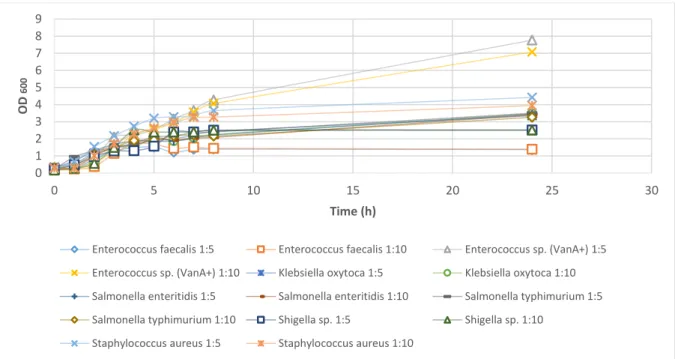
Figure 3.3 – Monitorization of the growth of Staphylococcus aureus for 24 hours, using two different dillutions 1:5 and 1:10 ... 18
Figure 3.4 - Natural Extracts flow chart ... 20
Figure 3.5 – Distribution of the antimicrobial hits by hydrothermal vent and by type of sample ... 21
Figure 3.6 - DPPH molecule as a free radical and as a nonradical – reduced form ... 22
Figure 3.7 - DPPH percentation versus acid ascorbic concentration during different incubation times ... 22
Figure 3.8 – Distribution of hydrothermal vents sources and distribution of DPPH reduction percentages ... 23
Figure 3.9 – Distribution of extracts with a DPPH reduction between 50 – 80 % and above 80 % by hydrothermal vents source ... 23
Figure 3.10 – Types of sample collected with DPPH reduction above 80 % distribution .. 24
Figure 3.11 - Yeast strains were tested for peroxide hydrogen, a stress inducer, (H2O2 1mM) and ascorbic acid (AA; 5 mM) sensitivity ... 25
Figure 3.12: Agarose gel electrophoresis of PCR results with SOD1 primers and NS1/NS4 primers and digestion of SOD1 amplicon ... 26
ix
List of Tables
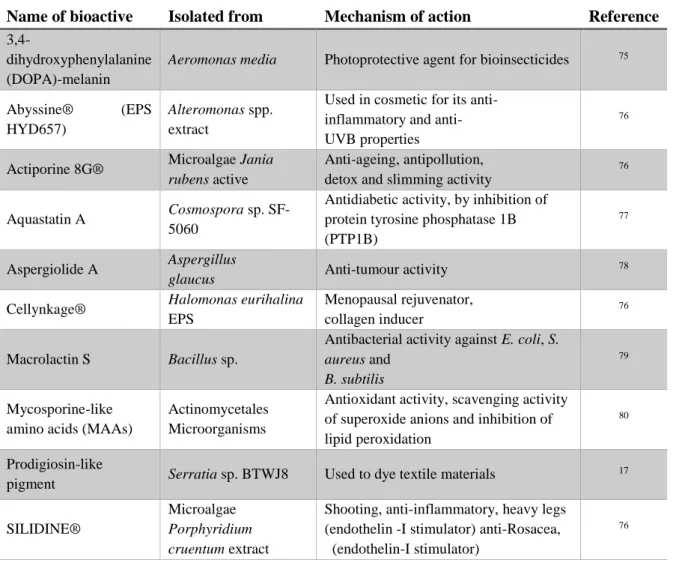
Table 1.1 – Some examples of applications of marine microbial bioactives... 8
Table 2.1 - Yeast strains used in this study ... 9
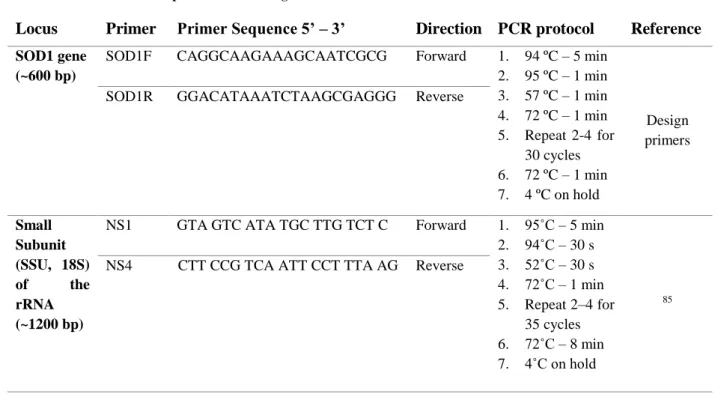
Table 2.2 - Primer and PCR protocols of SOD1 gene and small subunit of rRNA ... 13
Table 2.3 – Characteristics of the hydrothermal vents ... 14
Table 2.4 - Hit classification of primary antimicrobial screening ... 15
Table 3.1 - Growth inhibitory concentrations of the bacterial strains used in the antimicrobial assay ... 18
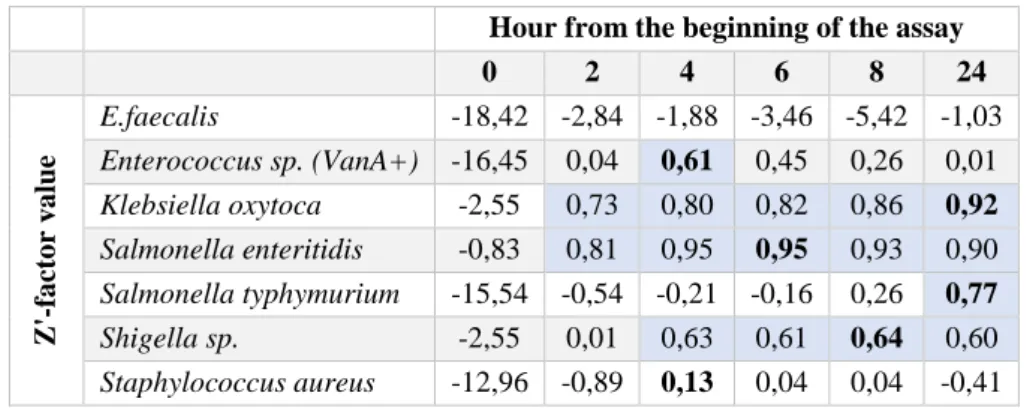
Table 3.2 - Z’-factor values for all antimicrobial assays ... 19
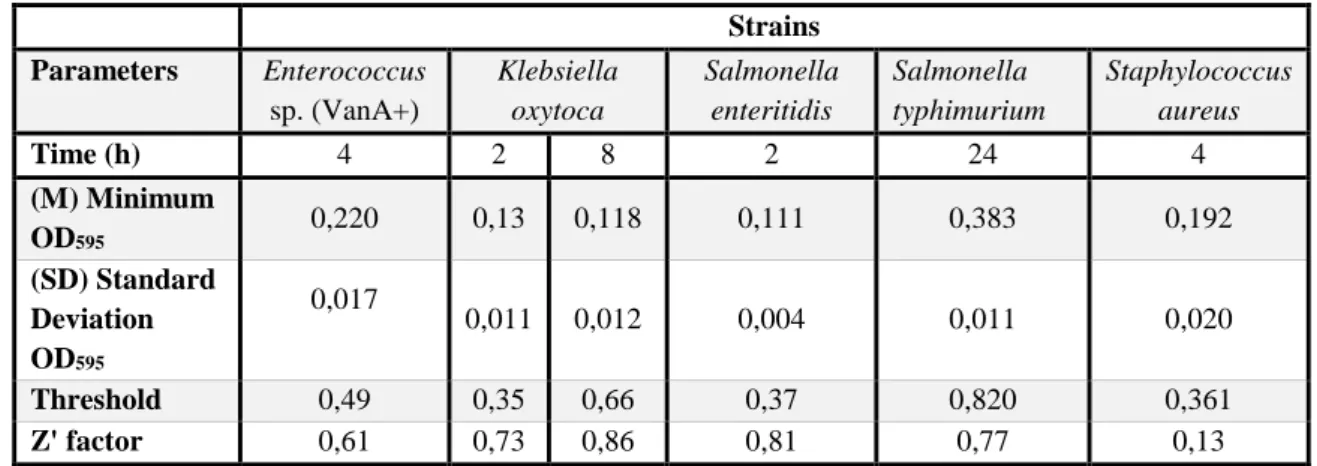
Table 3.3 - Parameters used for hit determination in the secondary antimicrobial screening .... 20
Table 3.4 - Doubling time (h) of yeast strains ... 25
Table 3.5 - Z’ factor values at all time-points of the yeast sod1Δ::URA3 ... 27
Table 3.6 - Parameters used for hit determination in the primary screening with sod1Δ drug discovery platform ... 27
Table 3.7 - Marine bacterial strain information about the hit ... 28
Table 3.8 - Hit marine microbial extracts activity summary ... 29
Table 6.1 - Ranking of hits obtained after the secondary antimicrobial screening against ... 36
Table 6.2 - Ranking of hits obtained after the secondary antimicrobial screening against Salmonella enteritidis ... 37
Table 6.3 - Ranking of hits obtained after the secondary antimicrobial screening against Salmonella typhimurium ... 37
Table 6.4 - - Ranking of hits obtained after the secondary antimicrobial screening against Klebsiella oxytoca ... 37
Table 6.5 - Ranking of hits obtained after the secondary antimicrobial screening against Staphylococcus aureus ... 38
x
List of Equations
Equation 2.1 - Equation used to calculate the minimal threshold (OD595) for determination
of marine microbial hits in the secondary antimicrobial assay ... 15 Equation 2.2 - Formula to calculate the inhibition rate (%) of the microbial growth ... 15 Equation 2.3 - Formula to calculate the DPPH reduction rate ... 15 Equation 2.4 - Equation used to calculate the minimal threshold (OD595) for determination
of marine microbial hits in the antioxidant discovery assay using sod1Δ yeast strain ... 16 Equation 2.5- Formula to calculate the recovery rate (RR) of the yeast ... 16 Equation 2.6 - Z prime factor (Z’) equation applied in the antimicrobial and SOD1 assay ... 16
xi
List of Abbreviations and Acronyms
ALS Amyotrophic lateral sclerosis BHI Brain-heart infusion
DMSO Dimethyl sulfoxide DNA Deoxyribonucleic acid dNTP Deoxynucleotide
dNTP Deoxyribonucleotide triphosphate DPPH 2,2-diphenyl-1-picrylhydrazyl EDTA Ethylenediamine tetraacetic acid FDA Food and Drug Administration FRAP Ferric Reducing Ability of Plasma HTS High Throughput Screening LB Luria-Miller
LDL Low-density lipoprotein Leu Leucine
LEU2 Leucine locus LiAc Lithium acetate LPO Lipid peroxidation MAR Mid-Atlantic Ridge Min Minute
NDA New Drug Application OD600 Optical density at 600 nm ON Overnight
PCR Polymerase chain reaction ROS Reactive oxygen species ROS Reactive oxygen species Rpm Rotations per minute SC Synthetic Complete
SOD1 superoxide dismutase 1 yeast gene sod1Δ Yeast strain carrying a deletion of SOD1 ORF
TBE Tris/Borate/EDTA
TLC Thin-layer-chromatography Ura Uracil
URA3 Uracil locus UV Ultraviolet light
WHO World Health Organization Z’ factor Z prime factor
1
Chapter 1. Introduction
1.1.The Marine hidden biodiversity as a hot spot for novel compounds
An enormous proportion of all life on Earth exists within the oceans1. Currently described marine species represent only 15% of all presently known species2 and it is predicted that around 32% still remains to be discovered just in Europe’ seas3. Even though biodiversity within marine ecosystems is only partly explored, it has been clearly identified to be an enormous source of innovation. The study of marine organisms increased significantly the amount of known natural products, with around 25 000 compounds of marine origin known4 to date and, since 2008, more than 1 000 newly compounds are discovered each year5, These data makes it clear that the marine environment is becoming a top spot of bioactive compounds. Searching in oceans for new sources of such innovative compounds may therefore open fresh perspectives in bioactive discovery6 and subsequently an urge to find new and better ways to explore those compounds is constantly growing.
Marine bioactives have been known to be safer, cheaper, and less toxic7. In addition, Kong et al8 showed that marine natural products are superior to the terrestrial in terms of chemical novelty as they are exclusively used by marine organism, rendering them unique survival skills needed in those extreme environments. Others have pointed an higher incidence of significant bioactivity in marine sources when compared with terrestrial organisms9. A great number of current drugs and other substances have their grounds in marine environment. Cytarabine, an anticancer agent, and vidarabine, an antiviral agent, for example, are one of the first synthetic marine derived drugs developed from extracts isolated from a Caribbean sponge Cryptotethya crypta, approved by the FDA in the 1970’s10. One of the latest addition to the pharmaceutical market from the marine environment is Eribulin mesylate, which gained FDA approval in November 2010 for metastatic breast cancer11. Many other marine or marine-derived drugs are currently in clinical trials12.
It is noteworthy that marine sources have demonstrated tremendous abilities as producers of pharmacological compounds, but other valuable bioactivities with other useful applications can also be found in marine environment. For example, in the food field, marine substances are being added to nutritional enrichment of regular food products13. Proteins from marine sources are being used in food products due to their film foaming capacity and gel forming ability14. In the cosmetic field, anti-aging, photo protective and anti-wrinkle marine microbial derived molecules were also discovered and developed15. Many more application examples exist, ranging from household products (like enzymes as laundry detergent additives16), textile applications (with alternatives to synthetic dyes17), agriculture applications (as antimicrobial for silkworm disease18) or even in civil construction (marine shells as a replacer of cement19) or in biomaterials (dental implants from chitosan20 or bioplastics). Another great application of marine bioactivity is biofuels since algae biomass is already used to generate biodiesel, bioethanol, biogas, biohydrogen, and other biofuels21.
Marine-based compounds currently known were isolated from a great variety of organisms that range from microorganisms, such as bacteria, to macroorganisms, such as fish. Microorganisms, despite being deeply exploited in terrestrial environments22, are still a relatively minor source of marine-based compounds compared to other marine organisms23.One way to maximize the chemical diversity available from marine sources, and their commercial potential, is to target microorganisms (as they are easier to collect and more suitable as to ecosystem impact) in new extreme habitats. Deep-sea hydrothermal vents are an example of extreme marine environment which are known to be an oasis of life and of unique biodiversity. These microorganisms live in a biologically competitive environment, characterized by physical extremes of temperatures (from 3ºC up to 400 ºC) and pressure, a complete absence of light and chemical variety, pH and temperature gradients. Marine microorganisms have
2 single abilities, which allow them to sense, adapt and respond to their environment quickly and can compete for defence and survival by producing exclusive secondary metabolites24. By definition, secondary metabolites are “compounds that are not involved in primary metabolism, but have a secondary role in the life of the producing organism”, such as defensive chemicals6. Studies defined these metabolites as “chemical weapons” used to inhibit physical processes in preys, predators or other competitors, to survive in the marine habitat. Hence, it’s only intuitive to argument that vent microorganisms must produce even more exclusive secondary metabolites to survive in these extreme habitats. So, in 2002, during the Portuguese research mission SEAHMA-I, five MAR (Mid Atlantic Ridge) sites along the Azores archipelago (Menez Gwen, Lucky Strike, Mount Saldanha, Rainbow and Menez Hom) were sourced and samples were collected. A series of microorganisms were isolated and propagated in the lab and extracts produced using different growth conditions. This library is a potential source of novel chemical bioactives and is currently screened for several market applications. This thesis work focused on a subset of a collection of extracts from these samples and developing assays to determine their bioactivity potential in anti-microbial and anti-oxidant applications. Previous work25 by the group leader team has already confirmed bioactivity within this collection but much more possibilities exist yet.
1.2.Searching for innovative bioactive compounds
Searching for bioactives is a routine work for many labs and companies. According to Hu et al. (2015)5, the most common bioactivity searched for is anti-cancer with more than 50 % of compounds found, followed by antibacterial compounds. Others like antioxidants, anti-inflammatory or unique and single targeted bioactivities are also on the radar. These type of bioactives have several commercial applications and their development path is different. Still, the initial phases of bioactive discovery are quite common across different types of applications.
The bioactive discovery process starts with a clinical and/ or commercial need that leads to the identification of a target26. Hughes et al. (2011)26 defined target as a “range of biological entities such as proteins, genes and RNA with a specific role of interest”. Once identified, the target is submitted to several validation techniques, and its role in the desired end need is established. After this process, the target can be used as a model against which to find new bioactives. At this stage a screening of a library of compounds with biochemical or cell-based assays is performed. The purpose of this stage is to find a hit, “a compound which has the desired activity in a compound screen”26. These hit compounds are then submitted to an optimization stage, to be evaluated in terms of potency, cytotoxicity and selectivity until a “lead compound” is selected for the development phase26. This stage is vital to anticipate possible side effects and, subsequently, to avoid costly downstream failures. The current drug discovery and development process is essentially divided into two phases: drug discovery and clinical drug development27 (Figure 1.1). The initial drug discovery stage follows the same steps as described above and it is common to most market applications. The clinical stages include animal and human testing and these latter stages are very different in relation to other non-pharmaceutical applications.
Once a candidate compound meets all the desired criteria, it can proceed to the next development phases and from this phase onwards, specific methodologies are needed depending on to the market application. In the pharmaceutical and nutraceutical pipelines, the clinical phases are sequentially ordered to test safety in humans, first in a small non-patient and healthy group (Phase I), then in larger groups of patients (Phase II and III). When clinical phase trials are completed, a large set of data relating to safety, toxicity windows, efficacy levels and dosages, among others, are compiled in a New Drug Application (NDA) report, which is submitted to regulatory agencies23.
3 On the other hand, the cosmeceutical development phase is shorter, with less costly and lower time-consuming too. Efficacy and safety trials are performed using cell-based and 3D printed skin models, since animal testing is abolished in most countries. Once a cosmeceutical is considered safe follows testing in a small group of healthy humans for a short period of time to evaluate the performance and efficacy of the product under study. Finally, the product formulation is registered by the owner and introduced in the market23.
The search for bioactivity can be highly costing and time consuming28, thus screening methods have evolved towards High Throughput Screening (HTS). High throughput screening (HTS) is a new “faster” bioactive-discovery approach, that can help the industries reduce the final costs in the bioactive development phase29. The main goal of the HTS technique is to accelerate bioactive discovery by screening large compound libraries in a shorter period with the highest possible content of information. It involves several steps such as target identification, reagent preparation, compound management, assay development and high-throughput library screening as well as data analysis. The pathway for bioactive discovery from natural sources faces several challenges, starting with the access to the marine environment followed by efficient screenings of the promising natural products, which are often isolated in very small amounts6. Sampling in difficult accessible spots can be a hardback, but the development of new sophisticated equipment, as remotely operated vehicles (ROVs) has been a great help30. However, this new technology is very expensive and only a small number of laboratories have access to it31. Another avenue researchers are tackling to increase success rates is to increasingly focus on microorganisms, since only a small sample is needed initially, and propagation is possible and more sustainable. Regarding supply there is also the challenge of manufacturing enough quantities to ensure a sustainable supply32. Total chemical synthesis633 and microbial fermentation34, as well molecular biology tools35 are potential solutions being deployed and developed to solve the supply problem. Still a major challenge persists as most of the marine microbes are still hard to cultivate in the laboratory due to the difficulty in reproducing deep ocean characteristics.
Finally, one additional limitation of bioactivity discovery is the repeated discovery of known compounds due to the existing assay methods, leading to a need to increase the availability of novel techniques to maximize the discovery of new compounds36.
Figure 1.1 - Nutraceutical, pharmaceutical and cosmeceutical discovery and development process phases. Source: Grand Challenges in Marine Biotechnology, 2018
4
1.3.Route to an HTS assay design
Compound screening can be laborious and time consuming, therefore in the recent years many developments have been made in order to foster, facilitate and obtain more information with less cost. High throughput screening is defined by the number of compounds tested to be in the range of 10 000 to 100 000 per day37. Several criteria must be considered to take a simple screening assay to the next level as a High Throughput Screening (HTS) assay, independently of the assay format. The factors to be considered are the following26,38:
i. Pharmacological relevance: prior to screening campaigns, the assay should be validated. When available, known ligands with activity at the target under study can be tested, in order to demonstrate if the assay is capable to identify compounds with the desired bioactivity;
ii. Reproducibility of the assay: the assay must be reproducible across assay plates, screening days and the entire drug discovery program;
iii. Assay costs: screening format (96, 384 or 1536-well microplates), reagents and assay volumes should be optimized in order to minimize the costs of the assay, maintaining the good quality of the assay;
iv. Assay quality: assay robustness can be determined by Z prime (Z’) factor, which is a dimensionless parameter that considers the signal window and the variance that exists around such window;
v. Effect of compounds in the assay: chemical libraries are usually stored in dimethyl sulphoxide (DMSO), which is known to be toxic to cells at a certain concentration, therefore, the assay validation must be performed taking into account the solvent of the compounds as well the final concentration of the solvent in the assay. This factor can aid to identify false negative and positive compounds, and, therefore, to reduce further costs; if, for instance, the aim is to find an inhibitory action, without this solvent test, it’s not possible to access if it’s the solvent that is responsible by the inhibition or if it’s the test compound.
Although an HTS assay comprises the screening of a large number of compounds per day 37, a simpler assay with less compounds tested should be performed in order to advent a transformation to a high-screening assay and check the criteria mentioned above. Hence, a validation of a non-HTS assay should be also performed based on its Z prime factor39.
A screening assay should be divided into two stages: the primary and secondary screening. In the primary screening, a rapid screening is performed to narrow a compounds library to a number of compounds where it is most possible to get a hit. At this stage, the screenings are often performed using a single replica to diminish the costs. In the secondary screening, a dose-response assay and a triplicate replica are performed. To the hits identified in the primary screening, a confirmatory dose-response secondary screening is performed aiming to eliminate false positives and to define which hits were the best candidates for further studies and/or move on to a pre-clinical/development stage.
In this study we have applied the concept of HTS to all our screens and, whenever possible, performed primary and secondary screens.
1.4.Antimicrobial Screenings
Antibiotics or antimicrobial agents are “substances of biological, semi-synthetic or synthetic origin that inhibit the growth or kill bacteria” (ISO 20776-1:2006.).
5 Since Alexander Fleming and the discover of penicillin40, the search for other similar antimicrobial compounds in nature proceeded, both in terrestrial41 and marine42 environments. However, the development of antibiotics has been followed by the emergence of bacterial strains resistant to such antibiotics43. Antibiotic resistance has an impact not only on healthcare, but it also has an important economic impact36, making the development of new antibiotics a top priority. In February 2017, the World Health Organization (WHO) published a list of bacteria for which new antibiotics are urgently needed, to help in prioritizing the research and development of new and effective antibiotics. The list underline Enterobacteriaceae family pathogens (as Klebsiella, Enterococcus and Shigella genus) and Staphylococcus aureus as critical pathogens44. This list helps guiding research related to new antibiotic by allowing research to target just some specific bacterial strains with medical needs.
Antimicrobial activity of natural compounds can be detected by observing the growth response of various microorganisms to natural extracts samples that are placed in contact with them. Currently, there are several methods for antimicrobial discovery being performed and it is a continuously evolving field23. For a long time, the platform that delivered the majority of antibiotic to medicine was the Waksman platform. This consists on the screening of microorganisms from soil by growth in different culture media followed by bioactivity assays to identify the compounds that inhibit the growth of specific bacteria45. However, after sometime this platform started to return old known compounds, which reduced the efficiency and adaptations of this screening platform arised42,46. Maes et. al (2006)47 classified the antimicrobial test methods into three main groups: diffusion, dilution and bio-autographic methods. In the diffusion method, filter paper discs containing the test compound at a known concentration are brought in contact with an inoculated medium and the diameter of the inhibition growth zone around the compound is used as measure of antibacterial activity. In the dilution methods, test compounds are mixed with a medium that has previously been inoculated with the test organism, and microbial growth can be measured by turbidity (optical density) or redox-indicators. At last, bio-autography methods measure antimicrobial activity on a chromatogram47, where the most con is the limitation to microorganisms that easily grow on thin-layer-chromatographic (TLC) plate. Today, target specific screens are more widely used.
In this thesis work, the chosen anti-microbial screening assay was the dilution method with microbial growth followed by the optical density measurements. Primary and secondary screenings were performed.
1.5.Antioxidant Screenings
Oxidation is a chemical reaction that transfers hydrogen or an electron from a substance to an oxidising agent, and this type of reaction can generate free radicals (also called reactive oxygen species or ROS). ROS include superoxide anion (O2.-), hydrogen peroxide (H2O2), hydroxyl radical (HO.), hypochlorite (OCl-) and peroxynitrite (ONOO-) 48. Imbalance of free radicals can cause structural and functional changes in biomolecules (DNA, lipids, proteins). In humans, it can lead to a great number of pathologies, chronic diseases such as cardiovascular diseases, cancer, diabetics and aging, and some degenerative diseases as Parkinson’s and Alzheimer’s disease49 or Amyotrophic Lateral Sclerosis (ALS)50. Antioxidants are compounds capable of helping the organism own defences against free radicals damage. The organism itself has its own mechanisms to fight ROS, by producing own endogenous antioxidants. Enzymes, such as catalases, glutathione peroxidases, superoxide dismutases (SOD), or nonenzymic compounds, such as uric acid or metallothionein are known examples. Insufficient levels of endogenous antioxidants can cause oxidative stress, an imbalance between oxidants and antioxidants resulting in cellular damage. Moreover, when these endogenous mechanisms fail to ensure the protection of the organism against ROS, a need for exogenous antioxidants arises. Exogenous antioxidants51 can
6 be synthetic compounds, as butylhydroxyanisole but can also be found in natural sources, as vitamin C found in citrus fruits.
Besides the medical application, antioxidants have many other applications such as cosmetics or food related applications. ROS molecules can damage the human skin, leading to skin disorders52 and premature aging of the skin53 and antioxidants can help protect the skin against these effects54. There are some synthetic commercial antioxidants in the market being used to help protect the skin against oxidation, but there are some health hazards associated to them55, hence the search for natural antioxidants can be a safer alternative in the cosmetic field. Oxidation can also arise in foods during harvesting, processing and storage, giving rise to the development of unpleasant flavours56, loss of essential fatty acids, fat-soluble vitamins and other bioactives, and formation of potentially toxic compounds, consequently making the lipid or lipid-containing foods inappropriate for consumption57. As in cosmetic, the use of some synthetic antioxidants in conservation of food are considered harmful and have been limited. Thus, nowadays there are substantial need for natural antioxidants applied in this industry58–61.
There are several methods used to find antioxidant property in unknown bioactive samples. The most popular strategy to determine the antioxidant activity of a certain compound in vitro is to directly measure the ability to scavenge specific free radicals. The DPPH test is a rapid, simple (not involving many steps and reagents) and less expensive method in comparison to other methods62, which makes this one of the most widely chosen methods to study the antioxidant activity of natural compounds and therefore one of the selected assays to be used under this study.
However, the immediate translation of the antioxidant results from these type of in vitro biochemical assays towards applications in humans can be dubious and unpredictable, Thus, cell- or organisms-based models for screening antioxidants have been more recently considered a better choice over in vitro testing. In these, biological models, such as yeast, can succeed to the preliminary, but not necessarily dispensable due to cost constraints, in vitro chemical tests in the assessment of natural antioxidants compounds63. In in vivo methods, the samples that are to be tested are usually administrated to either living cell culture or testing animals (as mice, rats) with a specific dosage. These can include methods as lipid peroxidation (LPO) assay64, the most used in vivo assay, and LDL assay65. Other assays, with specific unique targets can also be devised.
SOD1 is an antioxidant gene and its absence can be used to test antioxidant activity, as described in literature66–68. The superoxide dismutases (SODs) are the first and most important line of antioxidant enzyme defence system against ROS in a cell. This enzymatic complex is responsible for metabolizing superoxide radicals into oxygen and H2O2, which is further converted to water by catalase, peroxiredoxins and glutathione peroxidases69, as shown in Figure 1.2. There are three mainly distinct isoforms of SOD identified in mammals: SOD1, SOD2 and SOD3. SOD1 is the major intracellular SOD, mainly localized in cytosol70 with a smaller fraction in the intermembrane space of mitochondria. This enzyme binds to molecules of copper and zinc to break down toxic and charged oxygen molecules called superoxide radicals71. The most commonly studied connections between SOD1 and human diseases proposes a relation between SOD1 mutations and a neurogenerative disease called amyotrophic lateral sclerosis (ALS) 72.
SOD1 is highly conserved across all eukaryotic phyla and is present in all cells and tissues, where it is believed to act as a first line of defence against toxicity of superoxide anion radicals73. Saccharomyces cerevisiae is a unicellular eukaryotic organism widely used as a model for cellular and molecular biology research, since it’s easily cultured and divide quickly in a short generation time of a matter of hours63. Saccharomyces cerevisiae is, therefore, considered to be an optimal model to study stress responses
7 because of the following factors: i) budding yeast genome presents a high degree of homology with the human genome; ii) there are many proteins that show an elevated functional homology with specific human proteins; iii) it is a system whose genetic manipulation is reasonably easy and cheaper than other higher eukaryotic models; iv) having an haploid state facilitates the study of multiple processes, especially to study gene function –a single copy of the genome, being impossible to mask the effect of mutations; v) is one of the few eukaryotic organisms with a most complete database74.
Figure 1.2 - Generation and metabolism of reactive oxygen species. Source: Fukai and Ushio-Fukai, 201163
1.6.Major applications and development paths
There is a continual need for new bioactives agents, with application in many different market sectors, from material sciences to industrial applications, ranging from cosmetics, nutraceutical and especially pharmaceutical applications, namely to treat a large variety of diseases for which there are no effective therapies. The answer to these needs can be in unique marine environments, and most likely in microorganisms, as they can survive in such severe conditions and can more easily guarantee a sustainable collection and manufacturing of such bioactives.
Marine microorganisms constitute a new promising source of a unique and diverse bioactivity. Some of the currently known applications of marine microorganisms derived bioactives are shown in Table 1.1.
8 Table 1.1 – Some examples of applications of marine microbial bioactives
1.7.Main goal and specific objectives of this thesis
The major goal of this thesis work was to develop assay platforms to screen bioactive compounds with antimicrobial and antioxidant potential from marine sources.
Specifically, this work aims to:
i. Develop assay platforms to screen antimicrobial and antioxidant bioactivity, exploring microbial, biochemistry and molecular biology tools;
ii. Validate the newly implemented platforms and protocols of each screening assay;
iii. Screen a large collection of marine natural extracts from the Portuguese ocean and hydrothermal vents;
iv. For positive hits extracts, further development was designed targeting dose-response studies with various bioactive concentrations to study their efficacy and toxicity;
v. Statistical analysis and hit prioritization for subsequently commercial prioritization development.
Name of bioactive Isolated from Mechanism of action Reference
3,4-dihydroxyphenylalanine (DOPA)-melanin
Aeromonas media Photoprotective agent for bioinsecticides 75
Abyssine® (EPS
HYD657)
Alteromonas spp. extract
Used in cosmetic for its anti-inflammatory and anti- UVB properties
76
Actiporine 8G® Microalgae Jania rubens active
Anti-ageing, antipollution, detox and slimming activity
76
Aquastatin A Cosmospora sp. SF-5060
Antidiabetic activity, by inhibition of protein tyrosine phosphatase 1B (PTP1B)
77
Aspergiolide A Aspergillus
glaucus Anti-tumour activity
78
Cellynkage® Halomonas eurihalina EPS
Menopausal rejuvenator, collagen inducer
76
Macrolactin S Bacillus sp.
Antibacterial activity against E. coli, S. aureus and
B. subtilis
79
Mycosporine-like amino acids (MAAs)
Actinomycetales Microorganisms
Antioxidant activity, scavenging activity of superoxide anions and inhibition of lipid peroxidation
80
Prodigiosin-like
pigment Serratia sp. BTWJ8 Used to dye textile materials
17
SILIDINE®
Microalgae Porphyridium cruentum extract
Shooting, anti-inflammatory, heavy legs (endothelin -I stimulator) anti-Rosacea, (endothelin-I stimulator)
9
Chapter 2. Material and Methods
The following sections list the items necessary for performing all experiments in the scope of this work.
2.1. Material
2.1.1. Reagents
Concerning molecular biology procedures, the reagents used were acquired to several suppliers. The Taq DNA Polymerase, dNTPs, PCR buffer, O´Gene Ruler 1 Kb DNA ladder,1 kb plus DNA ladder, Ultrapure agarose and 5x TBE (Tris/Borate/EDTA) were obtained from Invitrogen Life Technologies, ThermoFisher Scientific, Waltham, MA, USA. The loading buffer was purchased from Takara, Kusatsu, Japan. For the SOD1 assay, the ascorbic acid was acquired from Merck Millipore, Billerica, MA, USA. Restriction enzyme Hind III and the respective buffer were purchased from New England Biolabs (NEB), Ipswich, MA, USA.
For microbiology procedures (bacterial and yeast cultures), brain-heart infusion (BHI) medium, yeast extract, bacteriological agar type E were purchased from Biokar Diagnostics, France. Bacto yeast nitrogen base without amino acids and Luria-Miller (LB) medium were purchased from Sigma-Aldrich, St. Louis, MO, USA. D-Glucose anhydrous was acquired from Merck Millipore, Billerica, MA, USA. For biochemical procedures, the compound 2,2-diphenyl-1-picrylhydrazyl (DPPH) was acquired from Sigma-Aldrich (St, Louis, MO, USA) and the methanol was acquired from Carlo Erba, Chaussée du Vexin, France.
2.1.2. Cells
2.1.2.1.Bacterial Strains
Microorganisms were obtained from the culture collections of the Microbiology & Biotechnology group of Biosystems and Integrative Sciences Institute (M&B-BioISI). The microorganisms used are: Escherichia coli ATCC 25923, Salmonella typhimurium ATCC 14028, Staphylococcus aureus ATCC 25923, Enterococcus faecalis DSMZ 20376T, Enterococcus sp. (vanA+), Klebsiella oxytoca, Shigella sp., and Salmonella enteritidis.
2.1.2.2.Yeast Strains
The yeast strains used are described in Table 2.1 and were generously provided by Dr. Lisete Fernandes (Faculty of Sciences, University of Lisbon). The Δsod1 single null mutant81 was made by the one-step gene disruption procedure described previously82.
Table 2.1 - Yeast strains used in this study
Yeast Strain Genotype Reference
EG103 (DBY746) MATα leu2-3, 112 his3Δ1 trp1-289 ura3-52 GAL+ 81
EG118 EG103 with sod1Δ:: URA3 81
2.1.3. Plasmid
The yeast high-copy bi-directional expression episomal plasmid pESC-LEU (Stratagene, La Jolla, CA, USA). This plasmid contains two promoters, GAL1 and GAL10, in opposing directions, and the
10 auxotrophic selection market LEU2. Culture media for yeast strains transformed with this plasmid lacks, therefore, the amino acid leucine.
2.2.Methods
2.2.1. Cells media, growth and storage
2.2.1.1.Bacterial Strains and growth
Bacterial cells were grown in BHI. Bacterial cells were routinely cultivated at the optimal growth temperature of 37ºC for 16-18h (overnight, ON). For liquid cultures, agitation at 160 rpm was used. For growth in solid media, agar was added to the media (15 g/l). For long-term storage, bacterial strains were cryopreserved with glycerol (15% final concentration) and kept at -20 ºC and -80ºC.
2.2.1.2.Yeast media and growth
Yeast strains were cultured in Synthetic Complete (SC) media (6,7 g/l Bacto-yeast nitrogen base without amino acids; 20 g/l glucose; 2 g/l drop out mix). S. cerevisae ΔSOD1 colonies were isolated on SC media minus uracil. Yeast cells were routinely cultivated at the optimal growth temperature of 28ºC for 2-3 days. For liquid cultures, agitation at 220 rpm was used. For growth in solid media, agar was added to the media (20 g/l). For long term storage, yeast strains were cryopreserved with glycerol (15% final concentration) and kept at -20 ºC and -80 ºC.
2.2.2. Molecular biology methods
The molecular cloning of SOD1 gene of S. cerevisae was initiated to revert sod1Δ:: URA3 yeast and some steps are described below.
2.2.2.1.DNA extraction
2.2.2.1.1. Genomic DNA extraction
Yeast DNA was isolated by GES Method adapted from Pitcher et al. 198983. Several colonies of yeast cells were resuspended in lysis buffer (50 mM Tris; 250 mM NaCl; 50 mM EDTA; 0,3 % SDS; pH8,0). A volume correspondent to 100 µl of microspheres was added and then vortex with maxim velocity for 2 minutes. The suspension was incubated at 65 ºC for 30 minutes, and then agitated by vortexing with maximal velocity for 2 minutes. After that, 250 µl of GES reagent (5 mM Guanidium Thiocyanate; 100 mM EDTA pH 8,0; 0,5% v/v Sarcosil) were added to the mixture, then shake by inversion and cooled on ice for 10 minutes. Subsequently, an aliquot of 250 µl of cold 10 mM NH4Ac was added and cooled on ice for another 10 minutes. The mixture was added with 1 ml chloroform/ isoamyl alcohol (24:1), mixed by inversion and then centrifuged (maximal velocity, 10 min). The supernatant (the upper layer of fluid) was decanted into a new tube, added and mixed with one half amount of isopropanol and DNA. The DNA pellet was washed with 70% ethanol and centrifuged. The supernatant was discarded and, after air drying it was dissolved in 100 µL of Tris-EDTA (TE) buffer.
11
2.2.2.2.Plasmid DNA extraction
The plasmid DNA extraction was performed using JetStar 2.0 Plasmid Purification MiniPrep Kit (Genomed, USA), following recommended guidelines. This kit allows the DNA extraction by gravity flow. The DNA was dissolved in a suitable TE buffer (10 mM Tris; 1mM EDTA; pH 8).
2.2.2.3.Quantification of DNA concentration
Quantification of DNA was performed by fluorometry using the Nanodrop Spectrophotometer ND-1000 (Thermo Fisher Scientific, Waltham, MA, USA), using1 µl of the DNA sample, following manufacturer's instructions. Quantification of DNA thought analysis of agarose gel lanes with adequate agar concentration loads was performed using also ImageJ software.
2.2.2.4.Agarose gel electrophoresis and DNA gel extraction and purification
Routine analysis of DNA was performed using agarose gels (0.7% - 1.5% w/v, depending on application) cast with 1x TBE (Tris/Borate/EDTA) buffer. Electrophoresis was performed using mini or medium EasyCast horizontal apparatus (OWL Separation system, Thermo Fisher Scientific, Waltham, MA, USA) at a constant voltage of 70 V-90 V (depending on the gel concentration and size of the gel) until the desired separation was achieved. Agarose gel was stained in an 0,5 µg/ml ethidium bromide solution. DNA fragments size was estimated by including in each DNA electrophoresis 5 μl of O´Gene Ruler 1 Kb DNA ladder and/or Invitrogen 1 Kb plus DNA ladder. DNA was visualised using the Uvitec image acquisition system (UVItec Cambridge, Cambridge, UK). Excision of DNA fragments of the desired size from the agarose gels was routinely performed on an UVIvue transilluminator (UVItec Cambridge, Cambridge, UK) with the help of a blade. DNA extraction and purification from low-melt agarose gels in 1x TBE was performed with Freeze 'N Squeeze DNA gel extraction spin columns (Bio-Rad Laboratories, Berkeley, California, USA), following manufacturer's instructions.2.2.2.5.Polymerase Chain Reaction (PCR)
PCR was used for amplification of DNA from a variety of sources.For routine use, Taq DNA polymerase was used. Synthetic oligonucleotides (primers) were resuspended in sterile MilliQ H2O at the final concentration of 50 μM. Typical PCR reactions contained 50-100 ng of template DNA, 0.2 mM of each dNTP, 0.5 μM of each primer, 1x PCR reaction buffer (as supplied by the manufacturer) and 0.5 units of Taq DNA polymerase per 50 μl reaction. Since the reaction buffer did not contain magnesium chloride, it was added usually to a final concentration of 0.2 mM. A negative control (PCR reaction without DNA) was routinely performed for each PCR mix.
Reactions were performed using a T Gradient (Biometra, Germany) and UNO II (Biometra, Germany) thermocycler. Typical cycling conditions consisted of 94ºC denaturation step for 10 min, followed by 35 cycles of denaturation at 94ºC for 30 secs, annealing for 40 sec, with temperatures depending on the pair of primers melting temperature, and extension at 68ºC for high fidelity polymerases or 72ºC, for routine use polymerase, for 60-90 sec (depending on the size of the amplicon). A final extension step of 72ºC for 10 min was included. Successful amplification was confirmed via agarose DNA electrophoresis.
2.2.2.6.Restriction digestion
Single restriction digestion reactions were performed using HindIII according with the manufacturer's instructions. Successful digestion of DNA was confirmed via agarose DNA electrophoresis relative to undigested DNA.
12
2.2.2.7.Competent DH5-α E. coli cells
Chemically competent E. coli were generated by treatment with calcium chloride, using standard protocol in Sambrook and Russel 84. A 100 ml starter culture of cells DH5-α was grown in LB media at 37 ºC, 180 rpm agitation for 3 hours, until it reached an optical density at 600 nm (OD600) inferior to 0.4. The starter culture was divided in two ice-cold 50 ml Falcon tubes. Cells were cooled on ice for 10 min and pelleted at 2700 g for 10 min at 4 ºC. The supernatant was removed, and the pellet gently resuspended in 30 ml of ice-cold MgCl2-CaCl2 solution (80 mM MgCl2; 20 mM CaCl2). Cells were pelleted by centrifugation at 2700 g for 10 min at 4 ºC and gently resuspended in 2 ml of ice-cold 0.1M CaCl2 for each 50 ml of the starter culture. To storage the cells, 140 µl of DMSO were first added to each 4 ml of resuspended cells and the suspension were cooled on ice for 15 min. More 140 µl of DMSO were added to the suspension and aliquots of 50 µl, 100 µl and 200 µl were dispensed into pre-chilled and sterile microcentrifuge tubes and snap-frozen in dry-ice prior to storage at -80 ºC. When needed the frozen tubes should first be thawed by holding the tubes with the palm of the hand and when the cells are unfrozen, they should be storage in ice for 10 min before using it.
2.2.2.8.Transformation of E. coli
For transformation of E. coli, frozen 100 µl of competent E. coli were thawed with the hand and then keep it on ice. 5 µl of DNA solution (pESC-leu) was added to 100 µl of competent E. coli cells in ice-cold microcentrifuge tubes, and cells were incubated on ice for 15 min. Cells were heat shocked for 45 sec in a 42 ºC water bath and then cooled on ice for 2 min. Cells were recovered by incubation in 900 µl of Super Optimal broth with Catabolite repression (SOC) medium, at 37 ºC, 225 rpm agitation, for 1 h. Cells were plated onto selective LB media plates with 100 µg/ml ampicillin. Positive colonies were observed after overnight incubation at 37 ºC. To determine the transformation efficiency, pUC19 control DNA was used. Protocol described at MCLAB – Molecular Cloning Laboratories (www.mclab.com).
2.2.3. Characterization of yeast strains
To confirm the genotype of the sod1 yeast strains, microbiology and molecular biology techniques were performed.
2.2.3.1.Yeast growth analysis
Prior to the screening, a liquid growth evaluation assay was performed to confirm the phenotype of the yeast strains and to choose the best starting OD600 to perform future bioactive discovery screenings. The growth of yeast strain sod1Δ::URA3 versus the WT strain (DBY746), was evaluated in culture media containing or not uracil and supplemented, or not, with peroxide hydrogen, a stress inducer, (H2O2 1mM), and ascorbic acid (AA; 5 mM).
Yeast strains were pre-inoculated on liquid SC media, lacking the uracil amino acid, depending on the strain. Cultures were incubated at 28ºC with agitation (220 rpm). Yeast OD600 was monitored using an WPA UV 1101 Spectrophotometer (OD measure single cuvette). After ON growth, yeasts were inoculated at a starting OD600 0.1 in SC-URA media, and SC+URA, respectively, and incubated at 30 ºC or 37ºC in 96-well plates (200 μl final volume). Yeast cells were grown in a LiCONiC STX40 Automated Incubator (Perkin Elmer, Waltham, MA, USA) and growth was manually monitorized by measuring OD595 using a Victor 3V microplate reader (Perkin Elmer, Waltham, MA, USA).
2.2.3.2.Confirmation of SOD1 deletion
For genetic confirmation of yeast strains, standard PCR reactions were used to amplify the coding sequences of interest, SOD1 gene, with appropriate primers (Table 2.3). To evaluate the quality of the extracted genomic DNA, a PCR amplification of the internal control gene, Small Subunit of Ribosomal RNA (SSU), was performed, using specific primers. For each pair of primers, a PCR negative control without gDNA was performed.
13 Table 2.2 - Primer and PCR protocols of SOD1 gene and small subunit of rRNA
Locus Primer Primer Sequence 5’ – 3’ Direction PCR protocol Reference
SOD1 gene (~600 bp)
SOD1F CAGGCAAGAAAGCAATCGCG Forward 1. 94 ºC – 5 min 2. 95 ºC – 1 min 3. 57 ºC – 1 min 4. 72 ºC – 1 min 5. Repeat 2-4 for 30 cycles 6. 72 ºC – 1 min 7. 4 ºC on hold Design primers
SOD1R GGACATAAATCTAAGCGAGGG Reverse
Small Subunit (SSU, 18S) of the rRNA (~1200 bp)
NS1 GTA GTC ATA TGC TTG TCT C Forward 1. 95˚C – 5 min 2. 94˚C – 30 s 3. 52˚C – 30 s 4. 72˚C – 1 min 5. Repeat 2–4 for 35 cycles 6. 72˚C – 8 min 7. 4˚C on hold 85 NS4 CTT CCG TCA ATT CCT TTA AG Reverse
2.2.4. Bioactivity Screenings
2.2.4.1.PharmaBug marine microbial collection
The extracts used in this study are part of a marine bacteria collection, named PharmaBUG. The samples of this collection were isolated from four hydrothermal fields in the Mid-Atlantic Ridge (MAR) north of the Azores archipelago, within the Portuguese Continental Shelf and under Portuguese Jurisdiction. The five hydrothermal fields are called (1) Menez Gwen, that is characterized by small chimneys that result from calcium sulphate precipitation, with temperatures that can reach 265-281 ºC and with pH values between 4.2 and 4.8; (2) Rainbow, has the higher hydrothermal activity, localizes 2300 meters deep and also has black smoker type chimneys, expelling fluids at 360 ºC that are rich in H2, CH4 and metals such as copper and zinc; (3) Lucky Strike, one of the biggest hydrothermal fields known, localizing 1550 to 3000 meters deep and can reach 333 ºC; and (4) Monte Saldanha, is a 2200 meters deep vent, characterized by low temperature and high levels of methane, where the fluids expelled are rich in metal oxides and sulphates. After isolation, bacterial isolates were grown in a commercial culturing media (0.5% peptone (w/v), 0.3% meat extract (w/v)) supplemented with 3% sea salts) and their biomass production optimized for potential scale up.
The selected isolates were adapted to controlled laboratory growth conditions and both aqueous and organic extracts present a 25 mg/ml final concentration.
14 Table 2.3 – Characteristics of the hydrothermal vents. Mbsl – meters below sea level. ND – not defined
Hydrothermal vent Depth (mbsl) Maximum temperature (º C)
pH Constituents Type of samples
collected Menez Gwen
840 - 865 281 4,2 –
4,8
Small chimneys that result from calcium sulphate
Precipitation
Water, sediments, small animals, rocks and chimney samples
Rainbow 2270 - 2320 362 2,8 Enriched concentrations of H2, CH4, Fe, and chloride
Water, small animals and chimney samples
Lucky Strike 1600 - 1740 333 3,8 – 4,5 Fluids depleted in sulfides but enriched in methane
Sediments, Small animals and chimney samples Monte Saldanha 2300 7 - 9 ND Deposits on serpentinized peridotite and gabbro
Water and sediments
2.2.4.2.Antimicrobial Screening
2.2.4.2.1. Selection of bacteria
Starting from the WHO list of critical pathogens cited previously44, of multidrug resistant bacteria, including carbapenems and 3rd generation cephalosporines, and the ones available in our laboratory, seven bacterial strains were selected. The WHO list is organized in a priority scale: priority 1 (critical), priority 2 (high) and priority 3 (medium), based on how deadly the infections they cause are, the treatment duration, the frequency of the resistance in the community, the tenderness to spread between humans and animals, and other criteria, but special urgency of the need for new antibiotics. The Enterococcus faecalis, Enterococcus sp. vancomycin resistant (VanA+) and Klebsiella oxytoca were chosen since they belong to the Enterobacteriaceae family, included in the priority 1 list. The Staphylococcus aureus, Salmonella typhimurium and Salmonella enteritidis are included in priority 2 group. And finally, Shigella sp. was chosen in representation of priority 3 group.
2.2.4.2.2. Primary screening
Marine microbial extracts bioactivity against known bacterial pathogens was tested by using broth method as described below. The chosen microorganisms to screen were: Salmonella typhimurium ATCC 14028, Staphylococcus aureus ATCC 25923, Enterococcus faecalis DSMZ 20376T, Enterococcus sp. (vanA+), Klebsiella oxytoca, Shigella sp., and Salmonella enteritidis.
An overnight (ON) 30 ml culture from each bacterial strain was grown until it reached an optical density at 600 nm (OD600) of ≥ 1. The organic and aqueous extracts of the marine derived library were then screened in 96-well assays, using 20 µl of bacterial culture and the appropriate dosage of marine extract in a final volume of 200 µl. Organic extracts (OE) and aqueous extracts (AE) were tested at a concentration of 0,5 mg/ml and 0,25 mg/ml, respectively for the primary screening. Negative control corresponds to ON culture plus media, without extract. The antibacterial activity was determined by measuring the Optical Density (OD) at 595nm of the assay plates at 0h, 2h, 4h, 6h, 8h and 24 hours after the beginning of the experiment. Positive control corresponds to a concentration of antibiotic capable of inhibiting the bacterial growth plus ON culture plus media. All the assays were made with a proportion of ON culture/media of 1:10. Positive hits were selected using the criteria shown in Table 2.5.