Miguel António Pires de Matos
Development of oral tablets
containing Nicorandil
Dissertação do 2º Ciclo de Estudos conducente ao grau de
Mestre em Tecnologia Farmacêutica
Trabalho realizado sob a orientação do
Professor Doutor Domingos Ferreira e
The partial reproduction of this thesis is authorized for research purposes only, by written declaration of the author, to which is committed.
Acknowledgments
Agradeço aos meus orientadores Professor Doutor Domingos Ferreira e Professor Doutor Sérgio Simões toda a ajuda e apoio prestados.
Um muito obrigado ao Professor Doutor Paulo Costa pela disponibilidade, comentários e ajuda.
Este trabalho contou com a colaboração da Bluepharma, Indústria Farmacêutica S.A. que disponibilizou as suas instalações, equipamentos e recursos para a execução do trabalho experimental.
Deixo um reconhecimento sentido pela colaboração, ajuda e sobretudo paciência, aos meus colegas, Alice Urbano, José Miguel, Patrícia Silva, Paulo Antunes e Sílvia Vicente.
Agradeço, de forma especial, à Cláudia Silva, pela amizade.
Para a minha família, pelo apoio de toda a vida e para os meus Amigos, por sempre me terem incentivado a continuar.
Abstract
The development of any drug product is always guided by the goal of designing a product which complies with defined specifications at release and that is able to maintain its physic-chemical properties and stability within acceptable limits during its shelf-life. Therefore, the compliance with the principles of Quality, Safety and Efficacy depends on a meticulous and planned pharmaceutical development work.
The present work focused on the formulation of a stable Nicorandil oral tablet dosage form, through a careful evaluation and choice of the Drug Substance, the excipients and selection of an optimized manufacturing process.
Critical factors affecting Nicorandil stability were discussed and evaluated under a risk management strategy considering their importance to the stability of the drug product.
Selection of excipients was done through a DS/excipients compatibility studies and single and total impurities were quantified by HPLC analytical technique, to select those who showed better chemical stability.
Development of the formulation aimed to produce 10mg Nicorandil tablets, by direct compression of a homogeneous powder mixture and was conducted along four trials.
Finished product pharmaceutical performance and chemical stability after a three months short term stability study, in ICH conditions, was evaluated and compared with a reference drug product.
Statistical evaluation of the multiple parameters suggests that, in this period, there are no significant differences between test and reference, either in pharmaceutical performance or chemical stability.
Resumo
O desenvolvimento de qualquer medicamento deve ser orientado para a obtenção de um produto que cumpra com as especificações definidas à data do fabrico e que mantenha as suas propriedades físico-químicas e de estabilidade dentro de limites aceitáveis durante o seu ciclo de vida. Por isso o cumprimento dos princípios de Qualidade, Segurança e Eficácia depende de um meticuloso planeamento do desenvolvimento farmacêutico.
O trabalho apresentado teve como objetivo o desenvolvimento de uma formulação estável de comprimidos de Nicorandil, através de uma criteriosa caraterização da substância ativa, de uma escolha fundamentada de excipientes e de um processo otimizado de fabrico.
Os fatores críticos que afetam a estabilidade do Nicorandil foram discutidos e avaliados no âmbito de uma análise de risco, considerando a sua relevância para a estabilidade do produto acabado.
A seleção de excipientes foi feita recorrendo a estudos de compatibilidade destes com a substância ativa, usando a quantificação das impurezas individuais e totais recorrendo à técnica analítica de HPLC, para selecionar os que indiciavam melhor compatibilidade.
O desenvolvimento da formulação teve como objetivo a produção de comprimidos contendo 10mg de Nicorandil, por compressão direta de uma mistura de pós homogénea e é constituído por 4 etapas.
A avaliação dos comprimidos incidiu sobre o desempenho farmacêutico e sobre a estabilidade química após um estudo de estabilidade abreviado de 3 meses em condições ICH. Os resultados desta avaliação foram comparados com um produto de referência.
A avaliação estatística dos dados gerados sugere que, neste período de tempo, não existem diferenças significativas entre o produto teste e o de referência, quer a nível de desempenho farmacêutico, quer a nível da estabilidade.
Index
Acknowledgments _____________________________________________________ iii
Abstract _____________________________________________________________ vii
Resumo ______________________________________________________________ ix
Index _________________________________________________________________ xi
Index of figures _______________________________________________________ xiii
Index of tables ________________________________________________________ xv
Acronyms___________________________________________________________ xvii
Introduction ___________________________________________________________ 1
1. Theory and review of the literature _________________________________ 3 2. DS / Excipients compatibility _____________________________________ 11 3. Risk Management _____________________________________________ 13 4. Nicorandil ___________________________________________________ 15 5. Reference Product ____________________________________________ 22 6. Patent landscape _____________________________________________ 23
Aims of the Study _____________________________________________________ 27
1. General aims _________________________________________________ 29 2. Specific Aims _________________________________________________ 29
Materials and Methods _________________________________________________ 31
1. Materials ____________________________________________________ 33 2. Methods ____________________________________________________ 35
Results and Discussion ________________________________________________ 47
1. Pre-formulation studies _________________________________________ 49 2. Formulation development _______________________________________ 83 3. Discussion __________________________________________________ 109
Conclusions_________________________________________________________ 125
Index of figures
Figure 1. Nicorandil organic groups ... 17
Figure 2. Crystalline packing view of Nicorandil ... 17
Figure 3. Nicorandil main degradation products ... 18
Figure 4. Hydrolysis reaction of Nicorandil ... 19
Figure 5. Hydrolysis of Nicorandil and Nitrate formation ... 19
Figure 6. Intermediate compound formation ... 19
Figure 7. Degradation reactions sequence from intermediate compound ... 20
Figure 8. Nicorandil dimer ... 20
Figure 9. Nicorandil polymerization reaction ... 20
Figure 10. Primary packaging material of Nicorandil 10mg reference product ... 22
Figure 11. Clustering evaluation parameters ... 36
Figure 12. Solubility classification according to Ph. Eur. ... 37
Figure 13. Nicorandil UV spectra in different pH ... 39
Figure 14. Bulk appearance of Nicorandil ... 50
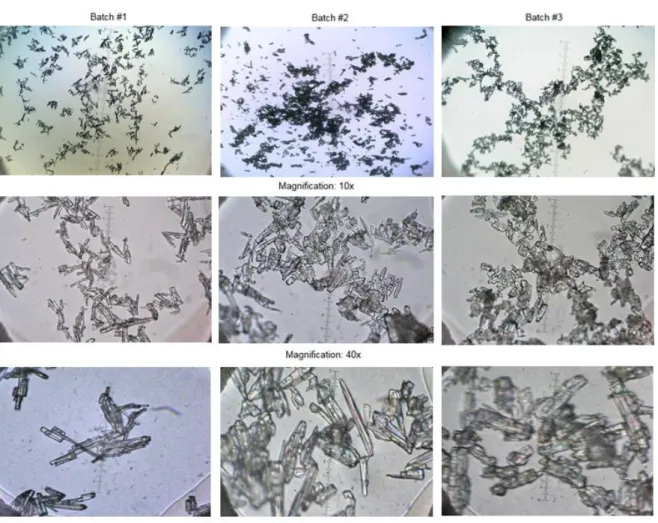
Figure 15. Nicorandil optical microscopy. Batches #1 and #2 ... 51
Figure 16. Nicorandil optical microscopy. Batch #3 ... 51
Figure 17. Nicorandil flow pattern ... 53
Figure 18. Known impurities chromatogram ... 56
Figure 19. Nicorandil PXRD diffractogram ... 57
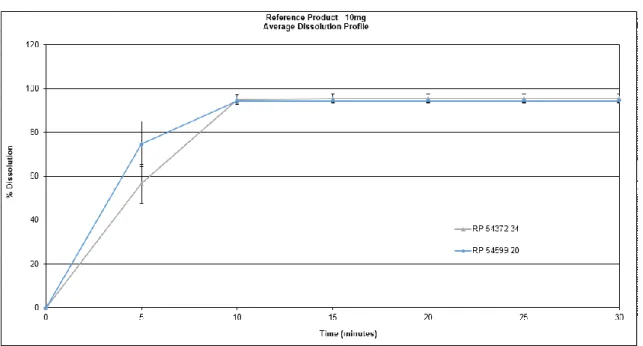
Figure 20. RP 10mg average dissolution profile ... 62
Figure 21. Nicorandil degradation chromatogram (condition 5) ... 68
Figure 22. Nicorandil degradation chromatogram (conditon 6) ... 68
Figure 23. Nicorandil difractogram of sievied and milled samples ... 70
Figure 24. Compatibility of Nicorandil in composite mixtures ... 77
Figure 25. Influence of SSG amounts on tablet hardness ... 88
Figure 26. Trial #1. Disintegration times vs SSG amounts ... 90
Figure 27. Trial #1. Dissolution tests of formulations #1, #3 and #5 ... 90
Figure 28. Trial #2. Dissolution profiles of tablets from mixtures 1, 2 and 3 ... 95
Figure 35. Trial #4. Mixture sampling diagram ... 106
Figure 36. Trial #4. 64N and 26N tablets and RP dissolution profile ... 108
Figure 37. Average dissolution profiles of 30N tablets vs RP ... 113
Figure 38. Average dissolution profiles of 60N tablets vs RP ... 114
Figure 39. Box plot of dissolution results at 10min 30N and 60N vs RP ... 115
Figure 40. Box plot of dissolution results at 15min 30N and 60N vs RP ... 116
Figure 41. Box plot of dissolution results at 30min 30N and 60N vs RP ... 117
Figure 42. Dendogram using Average Linkage Between Groups ... 122
Figure 43. Two cluster analysis summary ... 122
Figure 44. Cluster analysis predictor importance ... 123
Index of tables
Table 1. Risk ranking system ... 14
Table 2. Critical Drug Substance attributes assessement ... 21
Table 3. Qualitative and quantitative composition of Reference Product ... 22
Table 4. List of patents selected for evaluation ... 23
Table 5. Examples of Nicorandil formulations described on patents ... 24
Table 6. Target Product Profile proposal for the finished product ... 29
Table 7. List of excipients used during development ... 34
Table 8. Equipment used ... 35
Table 9. Nicorandil sink conditions assessment ... 38
Table 10. Apparent density results of Nicorandil ... 52
Table 11. Flowability results of Nicorandil. ... 53
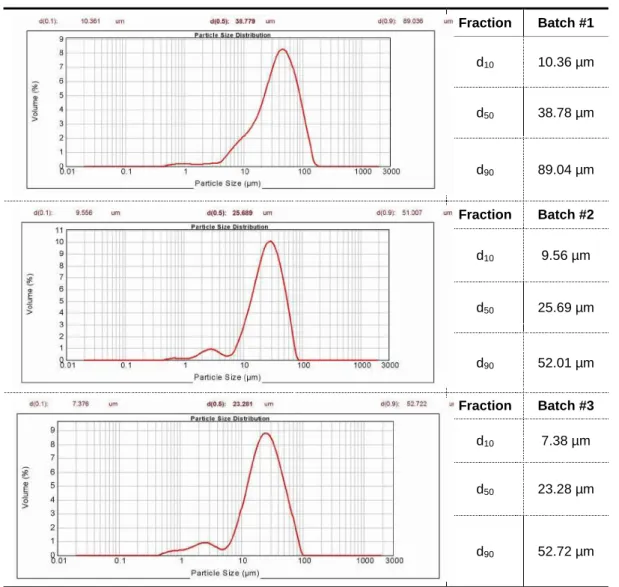
Table 12. PSD results of Nicorandil by laser diffraction ... 54
Table 13. Nicorandil particle size distribution ... 55
Table 14. Assay and impurities results of Nicorandil ... 55
Table 15. Summary of risk assessment related to DS attributes ... 58
Table 16. Risk assessment rationale on Drug Substance attributes ... 59
Table 17. RP characterization results ... 61
Table 18. Reference Product assay and impurity results ... 62
Table 19. Excipients considered to be used in a Nicorandil formulation ... 63
Table 20. Degradation conditions of Nicorandil ... 67
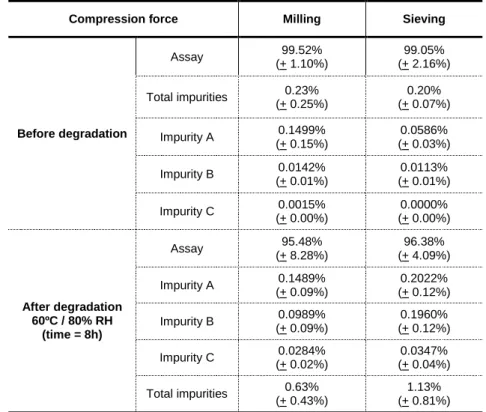
Table 21. Effect of milling and sieving on the impurity profile of Nicorandil ... 70
Table 22. Assay and impurity results after compaction test ... 72
Table 23. Binary mixtures of Nicorandil with disintegrants ... 73
Table 24. Binary mixtures of Nicorandil with glidants ... 74
Table 25. Binary mixtures of Nicorandil with starch and diluents ... 75
Table 26. Evaluation of lubricants ... 75
Table 27. Composition of the multi component mixtures of Nicorandil ... 76
Table 28. Degradation plan of compatibility study with mixtures ... 77
Table 35. Trial #1. Quantitative composition of test mixtures ... 86
Table 36. Trial #1. Compression tests results ... 87
Table 37. Trial #1. Tablet characterization results ... 89
Table 38. Trial #2. Quantitative composition of test mixtures ... 92
Table 39. Trial #2. Mixture flowability and mixture characterization results ... 93
Table 40. Trial #2. Blend homogeneity ... 93
Table 41. Trial #2. 10mg tablets characterization results ... 94
Table 42. Trial #3. Qualitative composition ... 96
Table 43. Trial #3. Process summary table ... 97
Table 44. Trial #3. Mixture characterization results ... 100
Table 45. Trial #3. Mixture homogeneity results ... 102
Table 46. Trial #3. Tablets characterization results ... 102
Table 47. Manufacturing parameters to be tested on trial #4 ... 103
Table 48. Trial #4. Quantitative composition ... 104
Table 49. Trial #4. Mixture homogeneity results ... 106
Table 50. Trial #4. Tablets characterisation results ... 107
Table 51. Trial #4. Uniformity of dosage unit ... 108
Table 52. Final risk assessment on DS attributes ... 110
Table 53. Final risk assessment on excipients attributes ... 111
Table 54. Final risk assessment on manufacturing process ... 112
Table 55. 10min dissolution Tukey HSD results ... 115
Table 56. 15min dissolution Tukey HSD results ... 116
Table 57. 30min dissolution Tukey HSD results ... 117
Table 58. Tests performed during stability study ... 118
Table 59. Summary of stability results of test formulation (30N) ... 119
Table 60. Summary of stability results of test formulation (60N) ... 120
Acronyms
API - Active pharmaceutical ingredient aw - Water activity
cGMP - Current Good Manufacturing Practices CPP - Critical Process Parameter CQA - Critical Quality Attributes
CU - Content Uniformity DS Drug Substance FDA - Food and Drug Administration FTIR - Fourier Transformate Infra Red
GIT - Gastrointestinal tract
ICH - International Conference on Harmonization KF Karl Fischer (total water determination)
N Newton NA - Not applicable ND - Not detected NIR - Near-infrared NMT Not more than Ph. Eur. - European Pharmacopoeia
QTPP - Quality Target Product Profile RH - Relative humidity RSD Relative Standard Deviation SSG - Sodium starch glycolate
Tg - Glass transition temperature TPP - Target Product Profile
udl - Under detection limit USP - United States Pharmacopeia Water (u.p.) - Ultra pure water
Introduction
1. Theory and review of the literature
Solid oral dosage forms and especially tablets for oral administration, are the most common pharmaceutical dosage form (1). Virtually ubiquitous, oral tablets, despite its apparent simplicity, demand a careful research and development process until being launched into market. Tablets, as well as any drug product, go through a design process until it assumes its final shape. This design process is called pharmaceutical development.
The purpose of the pharmaceutical development is to demonstrate, through the compilation of scientific evidences, that the achievement of a specific formulation of the dosage form, composed by the drug substance (DS) and specific excipients and its manufacturing processes, robust and suitable for the intended use (2).
The information and knowledge gained from pharmaceutical development studies include a variable number of test formulations with different compositions and manufacturing process trials using different process parameters. All of this data provide scientific knowledge to support the establishment of the design space, specifications, and manufacturing controls. Concerning the pharmaceutical development, two major sequential stages have an important role in drug development: pre-formulation, where the DS is studied and tested and the formulation, where the dosage forms is defined.
1.1. Pre-formulation and formulation
The development of any drug product requires an extensive chemical and physical characterization of the DS and excipients, which is the basis to set a proper strategy for the development process (3). The purpose of pre-formulation and formulation is to gather knowledge on the DS, excipients, manufacturing process and finished drug product to demonstrate the desired pharmaceutical performance, has predictable therapeutic response and stability of the final drug product throughout its life cycle. In other words, it means it has to demonstrate the necessary quality, safety and efficacy properties and still be able to be manufactured at an industrial scale.
Pre-formulation is the first stage where the DS properties are investigated and where those which can have an impact on the formulation design are identified and studied, such as: crystallinity, solubility, chemical and physical stability and polymorphism
physically compatible with the DS. This issue is of utmost importance since it is directly related to the stability and quality of the final drug product (5, 6).
1.2. Stability of drug products
DS and drug product stability is an issue of major importance since it is a well-recognized cause of poor drug product quality, safety and efficacy (7-9).
A drug product can only remain in market while its quality profile comply with pharmacopoeial standards and manufacturer specifications, which have been previously approved by regulatory agencies. These specifications allow the establishment of the shelf-life period (10).
Stability of drug products is directly related to patient safety. It is mandatory to present enough evidences of drug product stability to regulatory authorities to achieve market authorization. On the other hand, stability of the drug product is also related to economic success.
Ultimately, instability of DS and drug products will cause many adverse reactions on patients due to the presence of degradation products and/or low efficacy, due to loss of potency. From the regulatory point of view, patient safety is the reason why DS and drug product stability are highly regulated through international standards and guidelines which helps to guarantee the necessary quality standards of the DS and drug product prior to market entry.
By last, if a drug product with stability issues enters market it will most likely be subject to product recalls, bad publicity, low expiry date and high costs, either direct or indirect, to pharmaceutical companies.
Eventually, every single drug product will chemically and physically change along its lifecycle, since chemical and physical interactions are unavoidable. Therefore, developing a drug product must take into consideration strategies to guarantee product stability and compliance with specifications as long as possible.
A drug product is a complex system formed by molecules of DS and excipients. These molecules have specific structures and organic groups that will dictate the physical and chemical properties of the raw materials that they originate but also the properties of the finished drug product.
These interactions are also influenced by external factors such as temperature, humidity, light or oxygen, manufacturing process, packaging material and transport and storage conditions.
The main consequence associated with drug product stability is the increased level of toxicity that degradation products bring to the patients and therefore pharmaceutical
Introduction
companies are bound to perform and report stability studies on their drug products (8, 9, 11). These stability studies are performed initially during the pharmaceutical development stage but also along the product life time, while it remains on market.
The initial stabilities studies will serve to propose an expiry date, or in other words to define the time during which the drug product complies with its critical quality attributes and is within the defined specifications. On the other hand, follow up stability studies and long term studies will serve to monitor and support the previously defined expire date.
When addressing the stability of drug products it is necessary to specify that this can be chemical, physical and microbiological stability (9).
Chemical stability is of major importance and can be evaluated and quantified through analytical procedures using different techniques. Identity, assay and impurity levels are mandatory parameters to be evaluated, since these parameters are the ones that can change under several factors, as already mentioned, but also due to interactions between DS (if more than one are present in the drug product) and between DS and excipients.
Many chemical reactions are promoted due to catalysts substances present in the excipients, water molecules or micro-environmental pH. These chemical reactions can cause DS degradation, through mechanisms such as hydrolysis, oxidation, reduction, decarboxylation, ring cleavage, polymerization, polymorphic changes and photolysis, only to mention a few common examples (9). All of these potential degradation pathways lead to the appearance of degradation products related to a potential increase in product toxicity. This is why it is also necessary to achieve an adequate knowledge of the degradation process and to identify the degradation products formed (11).
Other factors that influence the chemical stability are, for example, temperature, light, oxygen and excipients present on the formulation of the drug product, among others. Mechanical strengths like pressure/compaction forces, milling and grinding may also affect chemical as well as physical stability of the DS and drug products (9).
Physical stability is related to the physical properties of the DS and excipients or alterations on these along drug product shelf life. Physical stability is related to drug product properties that affect its efficacy, such as solubility, dissolution, disintegration, resistance to crushing, friability, water content, polymorphic changes and
term stability study to ensure that proper limits, defined by compendial specifications, are respected.
International guidelines are the standard information source to properly conduct a stability study which is essential to demonstrate that a product remains within allowed impurity levels. It is generally accepted by regulatory agencies a decrease up to 95% of the labelled DS amount during shelf life of a drug product, although, shelf life is mainly dictated by the level of degradation products (13). The International Conference on Harmonization, through its impurity guidelines (10, 14), specifies the reporting, identification, and qualification thresholds for impurities in drug products. A limit between 0.1% - 1% of total and single degradation products is usually the interval in which the identification or qualification is mandatory (13).
The stability assessment of drug products can be done using several strategies. Since it is not practical to perform an on-going (or long term) stability evaluation during product development, it became necessary to speed up testing times through accelerated stability studies in standardized conditions. These studies are often carried out both on the DS and drug products at temperatures from 25ºC up to 40°C, under relative humidity conditions from 60% to 75% (15, 16) and during a defined period of time. These type of studies are also known as isothermal stress testing (IST) (17).
ICH long term, intermediate and accelerated conditions for these studies are defined in international guidelines and are 25ºC/60%RH, 30ºC/65%RH and 40ºC/75%RH (16).
Although the prediction of shelf life can be based on studies under accelerated conditions, data at the recommended storage temperature are generally required to support the actual shelf life of marketed products and to confirm the results of the accelerated stability process (16), however, the use of statistics applied to the real time data should allow extension of shelf-life (18). A simple extrapolation can be done to predict shelf-life by considering that the shelf life determined at 40°C/75%RH is about one-fourth of that at room temperature.
1.2.1. Solid state stability
Solid state reactions are more complex and take longer than reactions which take place in solution state because in the solid state there are less number of molecular contacts between drug and excipient molecules and there are also multiple phase reactions which makes reactions in the solid state more difficult to interpret (19).
These type of reactions can also be studied through the increase of temperature and humidity. Higher values of these two factors accelerate the speed at which degradation reactions take place, which on its turn increase the amount of degradation
Introduction
products. Such strategy allows the quantification of these products on shorter time, which otherwise would take unpractical time to appear. The purpose of these studies is to have an indication of stability through data extrapolation, assuming that the degradation mechanism at higher temperatures and relative humidity levels is the same as that at 25°C.
1.2.2. Temperature
Isothermal stress testing or degradation of samples at constant higher temperatures is kind of stress condition commonly used for compatibility studies (13, 20). It is based on the assumption that the kinetics of degradation reactions follows Arrhenius kinetics, which states the reaction rate dependence on temperature (13). However, this need not to be the case and a non-linear Arrhenius plot may be an indication of change of degradation mechanism as the temperature is increased.
Extrapolation of shelf life is based on the assumption that a solid-state reaction follows Arrhenius kinetics and that an activation energy determined at higher temperatures can be used to calculate the rate and shelf life at room temperature. The assumption is valid if the reaction at higher temperatures also occurs at room temperature and follows the same degradation pathway and no irrelevant degradation products are formed meanwhile (18).
A shift in the primary degradation processes is often indicated by the appearance of additional impurity peaks in the HPLC analysis or changes in the retention factor (Rf) values that are an indication of interaction or decomposition. Some authors state that if no interaction is observed at 50 to 60ºC, especially in the presence of moisture and air, none can be expected at lower temperatures (21).
Therefore, usually more than one stressed condition is chosen to determine if the degradation reactions observed at elevated temperatures might be the ones which have such high activation energies that they occur only under pharmaceutically irrelevant conditions.
1.2.3. Water Content and Hygroscopicity
Moisture present in dosage forms may come from several sources: bulk active pharmaceutical ingredient (API), excipients, manufacturing processes and environmental
Its small size, low weight, low density, high dielectric constant and ability to form hydrogen bonds make it a perfect plasticizer, or in other words, a molecular mobility increaser.
The presence of water, or moisture, in a solid can promote reactions like hydrolysis and also increases solid state reactions rates due to its plasticizing properties (12) providing the molecular mobility required for reactions to occur between the two solid components (9, 12).
Interaction with water happens at the surface of solids (adsorption) or when water penetrates a solid structure (absorption). These interactions with solids depend on the affinity of the solid for water, the temperature, air relative humidity and the area of the solid exposed (12, 19).
Since water molecules are mobile and are rapidly attracted to charged areas with polar groups they will reduce the hydrogen bonds present, increasing the free volume by a dilution effect, decreasing viscosity and the Glass Transition Temperature (Tg), which is, as mentioned before, correlated to chemical reactivity. Water behaves as a reactant in the chemical reactions but also as a reaction media by adsorbing at the surface of the DS which causes its solubilisation and degradation.
To evaluate the effect of water with a solid it is common to incorporate it directly in a sample of DS or a combination of the DS and one or more excipients (preparation of a slurry or suspension) or through a closed system with controlled relative humidity (climate chambers, for example) (5).
Each of these methods has advantages and disadvantages. While the slurry experiments provides useful information for simulation and rapid assessment of aqueous sensitivity of the DS, they often do not simulate conditions in solid dosage forms, which could be important to interpret data retrospectively or during investigational compatibility studies (5).
Moreover, the same amount of water in the air results in lower relative humidity at elevated temperatures. In contrast, incubation of samples under controlled humidity conditions ensures consistent maintenance of equilibrium moisture levels in the solid system, thus enabling investigation of degradation reactions where water acts as a medium or only to increase the molecular mobility of reacting species.
In addition, storage of samples in constant humidity chambers (e.g., open-dish) can lead to increased induction times, thereby increasing the complexity of reaction kinetics as compared to water added as a slurry.
The presence of water in raw materials can happen in two distinct ways. Water may be chemically bound or unbound. In the first case water is not available to interact
Introduction
chemically. On the second case, however, water is available to react with other organic groups.
Total moisture content is normally given by analytical techniques that do not distinguish between bound or unbound water, like Karl-Fischer test, for example.
Unbound water, on the other hand can be determined by the water activity parameter or equilibrium relative humidity, which shows only the water that is free to interact.
Water present in a crystal structure as a hydrate is held in place by hydrogen bonds and is not normally available for reaction, although, imperfections on the crystal lattice structure may also be naturally present or being caused by external factors and, in these areas of disorder, high rates of reactivity can be found. These imperfection or damaged areas of the crystal lattice represent amorphous regions which have higher free energy and as such have increased reactivity, especially when water concentrates on them.
So it is also important to keep in mind that all solid state reactions also have a solution state reaction component. In molecules of DS or excipients that have some crystallization water (chemically bound water molecules incorporated in the crystal structure), mechanical processes such as grinding release these water molecules which become available to participate in degradation reactions, in other words, hydrolysis involve adsorbed water rather than chemically bound water.
Excipients that preferentially bind to water equilibrate more slowly to higher levels of mobile water and consequently show greater chemical compatibility with a moisture-sensitive drug (22).
Some strategies to protect moisture sensitive products involve the control of environmental conditions inside manufacturing areas, film coating with moisture barrier products, selection of excipients that minimize contact with moisture and the selection of adequate packaging material with the ability to act as a barrier to moisture.
Not all packaging materials are adequate to protect moisture-sensitive DS (e.g. Nicorandil). Water can still reach the drug product inside its primary packaging material by vapour transmission through the polymeric films, hence the need to consider the final primary packaging material since the early stage of the pharmaceutical development.
Mechanical stress is often an unavoidable part of drug product manufacturing process, e.g., milling, grinding or sieving. These mechanical stresses may lead to the formation of amorphous pockets of drug or crystal defects in the crystalline drug molecule or to the increase of the intimacy and surface area of contact between the drug and the excipients in the mixture. Thus, mechanical stresses may lead to increased rates of degradation reactions (25).
In amorphous solids or in amorphous regions of a crystalline solid, the net effect of water sorption is to lower the glass transition temperature (Tg), having a plasticizing effect in the material, promoting an increased molecular mobility and therefore inducing a higher chemical reactivity. The accelerated degradation rates are associated with the significantly lower activation energy for reaction in the amorphous state when compared to the crystalline state. Simulation of mechanical stresses in compatibility studies is often recommended when dealing with sensitive DS.
The two major factors that need to be addressed on a Nicorandil formulation are the integrity of its crystalline structure and excipients moisture level. Typically, DS in the form of crystalline solids are more stable because they are in their form thermodynamically more stable, they have lower ground state free energy and consequently require higher energy of activation for the reaction to occur, which in practical terms means that degradation reactions take longer to evolve.
While crystals are characterized by an organized molecular structure, the amorphous state does not have any type of molecular organization. Consequently, the amorphous state generally exhibit higher chemical instability, faster dissolution rate and greater hygroscopicity, which makes them more likely to degrade.
When crystalline solids are processed under mechanical or thermal stress, such as milling or compaction, total or partial loss of crystallinity might happen with the consequent increased instability.
Most solid state instabilities preferentially occur and start in the disordered non-crystalline region of the solid. One key process in the amorphous state reactivity is the motion of molecules over a timescale, above or below its glass transition temperature (Tg).
Motion is usually described as function of temperature, viscosity and molecular size and can take place in seconds, at and above Tg or months to years, bellow Tg. This is especially important because, molecules must collide with enough energy for reactions to take place and in the crystalline structure that mobility is less than in the amorphous state.
Introduction
When crystalline solids are processed by mechanical means, there is a higher probability that fractures in the crystalline structure can happen, which create disordered regions where enhanced molecular mobility will occur.
It is, therefore, crucial to keep the crystal structure of Nicorandil as intact as possible which is a major challenge since its particles and crystal structure are easily damaged by mechanical stress.
2. DS / Excipients compatibility
Excipients should not be regarded as inert materials. In fact, the choice of the excipients to include in a formulation must be justified (6, 20).
An excipient is any substance other than active drug substance which has been appropriately evaluated for safety and is included in a drug delivery system to protect, support or enhance stability, or enhance any other attribute of the overall safety and effectiveness of the drug product during storage or use (26, 27). In the last decades, excipient manufacturers became increasingly aware of the demands of pharmaceutical industry to ensure that the patients are provided with a drug product compliant with the intended dosage consistent and safely (28) which is intimately related to eh choice of excipients.
The technological evolution of today’s excipients, allow pharmaceutical companies many options to choose from, when developing a drug product of high quality, effective and safe helping to place on the market. The choice of excipients is of utmost importance to formulation scientists and this choice will dictate the future quality attributes of the drug product (20).
Excipients and their concentration in a formulation are selected based not only on their functionality, but also on the compatibility between the drug substance and excipients. The choice of excipients for the compatibility study should be done considering factors such as the DS nature and its impurities, excipients and their impurities, degradation mechanisms and process conditions of the drug product.
Incompatibilities will be visible in the form of changes in physical, chemical, microbiological or therapeutic properties of the dosage form, caused by undesirable drug substance interaction with one or more components of a formulation or even changes in the excipients. The most common indications of incompatibility are alterations in the
The rationale behind excipients choice and concentration should be based on compatibility studies which are conducted to predict the potential incompatibility of the drug and the excipients in the final dosage form. When developing a drug product with a low stability DS strategies to mitigate such instability can be adopted.
A typical drug product development starts with some early pre-formulation studies to characterize the candidate drug and to determine which properties will be relevant during the development of the drug product.
Pre-formulation data from solubility, stressed stability, excipient compatibility, and other pre-formulation studies may influence the selection of the formulation dosage form and excipients. The results may also influence the choice of manufacturing process. The pre-formulation data should also help to identify the critical material attributes and critical process parameters for each process step.
Thus, methodical, carefully planned and executed compatibility studies can lead to savings in terms of resources and time delays associated with stability issues arising during late stage product development. The results from these studies can also be useful in determining the causes of stability issues if they happen at later stages in development.
Design of compatibility studies involves the use of mixtures of DS with one or more excipients.
These mixtures may be incubated at different stress conditions in the form of physical mixtures per se or after compaction. Often water is added in these systems to evaluate its role in accelerating drug–excipient interactions.
The role of excipients in drug stability is widely known (9) and these effects can be the stabilisation or destabilization of formulations. Excipients can interact in formulations either playing as reactants or as catalysts. Additionally they can also provide moisture or change the microenvironment of pH. Excipients can be a source of moisture in a tablet matrix due to its high water content although it is often difficult to interpret the effect of moisture source from an excipient. A typical example is the effect of colloidal silica that can entrap water turning it unavailable to react but at the same time has been described as a degradation promoter in some drugs due to increased hydrolysis rate (9).
The surface acidity can also be a factor that promotes increased degradation. This is caused by the carboxylic groups on the solid surface, for example. Microcrystalline cellulose is an example of an excipient that shows both higher acidity and high moisture level.
Thus, compatibility studies involving grinding and compaction are helpful for moisture sensitive and low melting compounds, and also for DSs for which milling is envisaged for particle size reduction. Presence of water often accelerates degradation
Introduction
kinetics. In addition, sorbed moisture can accelerate isomerisation and/or crystallization processes.
One of the important goals of pre-formulation compatibility testing is to determine the feasibility of processing conditions, such as wet granulation and the moisture resistance need for packages.
The selection of accelerated environmental storage conditions for compatibility testing is based on the nature of the API, and the expected stresses during the storage of the finished dosage form. These include storage at elevated temperatures, higher humidity, and exposure to UV irradiation, peroxides, etc. While the International Council on Harmonization (ICH) and the regulatory authorities provide guidelines on the selection of accelerated storage conditions for the finished dosage form for confirmatory stability studies based on the target label storage requirements, the selection of accelerated conditions for compatibility studies is at the formulator’s discretion.
Prior to the start of the work a general literature review of Nicorandil was done. Topics searched were related to chemistry, degradation and impurities, pharmacological information, analytical information and formulation.
3. Risk Management
A risk management methodology is briefly addressed in this work. Regarding the risk methodology implemented and according to ICH Q9 Quality Risk Management (30), risk is defined as “the combination of the probability of occurrence of harm and the
severity of that harm”. During pharmaceutical products development, risk is present at
different levels, areas and depends on many factors.
Quality risk management is a tool that ensures high quality standards of the drug product throughout its lifecycle since it increases product knowledge that allows the profiling of the risk at different stages of the development. Such strategies allow the identification and control of potential quality issues that can arise during development, manufacturing and commercialization of the drug product.
This process is called risk assessment and consists of the identification and classification of hazards and the analysis and evaluation of risks associated with exposure to those hazards.
Table 1. Risk ranking system
Low Broadly acceptable risk. No further investigation is needed. Medium Risk is acceptable. Further investigation may be needed to reduce the risk.
High Risk is unacceptable. Further investigation is needed to reduce the risk.
The risk assessment tool links material attributes and critical process parameters (CPP) to drug product Critical Quality Attributes (CQA’s) to correlate and evaluate the potential impact that each parameter will have on them. CQA’s are physical, chemical, biological or microbiological properties that should be within an appropriate limit, range or distribution, to ensure the desired product quality. CQAs are generally associated with the drug substance, excipients, intermediates (in-process materials) and drug product (2). Additionally, (CPP) are process parameter whose variability has an impact on a critical quality attribute and therefore should be monitored or controlled to ensure the process produces the desired quality.
Risk assessment is typically performed early in the pharmaceutical development process and is updated during development when materials, process and product knowledge is obtained.
Despite being a useful tool that helps to support scientifically strong product dossiers to regulatory authorities it is not always appropriate or necessary to use a formal risk management process. The use of informal risk management processes (using empirical tools and/or internal procedures) can also be considered acceptable.
Prior to the start of the development process it was necessary to define the target profile so that a risk assessment and risk management strategies could be defined (31).
Generally, a Target Product Profile (TPP), defines the product attributes and it is often expressed primarily in clinical terms, but should also include the pharmaceutical, technical, regulatory and commercial/marketing attributes required of the product. The TPP is based on the ideal product characteristics, which are considered to be desirable.
For the product development process the Quality Target Product Profile (30) (QTPP) was selected based on the reference product characteristics, as it relates to the quality, safety and efficacy, as well as on the DS characteristics. QTPP is a prospective summary of the quality characteristics of a drug product that ideally will be achieved to ensure the desired quality, taking into account safety and efficacy of the drug product.
For the purpose of this work, the potential critical quality attributes (CQAs) were evaluated considering the DS, excipients and drug product characteristics that can have an impact on drug product quality. Once identified it was possible to evaluated and control these characteristics.
Introduction
Additionally, product and process design should be stated as early as possible, while identifying critical parameters and process monitoring and control helps to correctly guide product development.
The selection of an adequate manufacturing process was based on all the information gathered and supported by a risk assessment used during all stages of the development to identify potential high risk formulation and process parameters so that a control strategy could be implemented.
Based on the development layout a range of formulation and process variables were defined as robustness limits inside which variations are accepted without compromising quality safety and efficacy of the drug product.
These CQA are considered priorities in the risk assessment evaluation. For this product, assay, degradation products, dissolution, content uniformity (CU), water content and hardness of tablets are identified as CQA’s that have the potential to be impacted by the formulation and/or process variables can influence product stability.
Quality attributes that are not considered critical, such as tablets physical attributes, will be evaluated according to compendial standards and reference product characteristics.
4. Nicorandil
4.1. Background
Nicorandil is a DS produced for the first time in 1984 by Chugai Pharmaceutical Co®. Ltd. Japan (32), company that still owns the marketing rights for Nicorandil. Chugai Pharmaceutical has licensed its production to companies such as Merck® and Sanofi-Aventis® under the names of Dancor®, Ikorel® and Sigmart®, among other brand names. Nicorandil market sales represent several millions of euros in the last 5 to 10 years in Japan and across 11 countries throughout Asia and Europe.
Nicorandil became a widely used anti-angina therapeutic agent since its launch in Japan in 1984 and in Europe in 1994. Ever since and after years of clinical experience worldwide, the safety record of Nicorandil continues to give physicians a reliable source of solutions to treat this major patient group (33) increasing the importance of this DS in the treatment of cardiovascular diseases due to the minimum effects on the dynamics of
Nicorandil is a nitrate derivative of nicotinamide (nicotinamide ester) that has a dual mechanism of pharmacological action (38) and belongs to a group of medicines called vasodilators.
Nicorandil widens the coronary blood vessels to increase the blood supply to the heart hence relieving angina effects. This effect is caused by its nitrate group which promotes venous relaxation through stimulation of guanylate cyclase (39).
Another effect of Nicorandil is the widening of systemic blood vessels. This means that the total pumping effort of the heart is reduced (40). This effect is done through the opening of potassium channels caused by the nicotinamide ring (41). The combined action improves coronary blood flow to post-stenotic regions, reduces preload and after load and improves the oxygen balance in the myocardium.
This characteristically pharmacological action makes Nicorandil suitable for the prevention and long term treatment of chronic stable angina pectoris and reduction of the risk of acute coronary syndromes in patients with chronic stable angina.
The common initial oral dose is 10mg twice daily, increased as necessary to a maximum of 30mg twice daily. Bioavailability is about 75% to 80%. Nicorandil is rapidly and well absorbed from the gastro intestinal tract but food can decrease the rate of absorption. First-pass metabolism is not significant and Nicorandil molecule is only slightly bound to plasma proteins.
Maximum plasma concentrations are achieved in 30 to 60 minutes after intake and are directly related to the dosage intake. Metabolism occurs mainly by de-nitration of the molecule through its side chain. A second degradation mechanism occurs through production of N-(2-hydroxyethyl)-nicotinamide eventually forming nicotinic acid.
Further metabolisation of these products leads to the formation of water and vitamin B complex substances. Less than 20% of an administered dose is excreted in the urine as metabolites. Less than 2% of the dose is excreted via the biliary route and 10% of the dose can be found in plasma but is rapidly eliminated. The main phase of elimination has a half-life of about 1 hour.
4.2. Reaction and Degradation Mechanisms
Nicorandil molecule represents a challenge for the formulation scientist due to its properties which are dictated by its tridimensional molecular structure (42), crystalline lattice and composition in organic groups, which turns it in a stable molecule when unprocessed (43) but highly unstable once it is processed and included in a drug product formulation (44, 45).
Introduction
Nicorandil molecule, as highlighted on Figure 1, has four organic groups: a pyridine ring (#1), an amide group (#2), a secondary amine group (#3) and a nitrate group (#4).
Figure 1. Nicorandil organic groups
The molecular structure of Nicorandil does not present chiral carbon atoms or isomerism and according to current knowledge it has no known polymorphs.
Nicorandil molecule adopts a folded conformation, which is stabilized by intramolecular Van der Walls contacts between the carbonyl group oxygen atom and the nitrogen atom in the nitro group. Intermolecular hydrogen bonds and short contacts are observed (42).
Besides the molecular folded conformation, Nicorandil is arranged in a crystalline pattern so that the Nitrogen atoms of the pyridine rings are close together with the atoms of C-CH2ONO2 neighboring group, at a distance 0.3367 nm, less than the sum of the van
der Waals radii of C and N (0.3484 nm) (42). Plot atoms approaching Nitrogen and Carbon atoms can be regarded as the reaction center.
This molecular structure and conformation, as illustrated in Figure 2 (adapted from reference 32), determines its major degradation pathway and the presence of substituents strongly influences its reactivity.
Nicorandil, as a nitrate ester, mainly decomposes through a hydrolysis reaction which starts in the nitro ester bond (46). Besides this, the electron withdrawing functional group close to the ester bond which makes it a candidate for nucleophilic attack by hydroxide ions. This explains its strong degradation in presence of water or high relative humidity environments.
Since amide bonds (also present in Nicorandil molecule) are less susceptible to hydrolysis than ester bonds (because the carbonyl carbon of the amide bond is less electrophilic due to the double bond of the Carbon-Nitrogen) and the leaving group, (an amine) is a poor leaving group, the first cleavage, occurs in the ester bond, releasing this way, the nitrate ion.
These degradation reactions in aqueous solution follows a first order kinetic reaction either in alkaline or acid environment although it is faster in alkaline pH originating an intermediate product with an UV absorption spectra near 335nm (47). There are several known degradation products identified (Figure 3).
Introduction
The hydrolysis reaction of Nicorandil starts by the formation of an intermediate molecule (3-(4,5-dihydro-2-oxazolyl) pyridine)) (48) (Figure 4).
Figure 4. Hydrolysis reaction of Nicorandil
This reaction has been further elucidated (47) and explains the formation of the Nitrate ion (Figure 5).
Figure 5. Hydrolysis of Nicorandil and Nitrate formation
Along with the formation of the intermediate molecule (II), the nitrate ion is also formed. This reaction evolves into the formation of one of the major degradation products, N-(2-hydroxyethyl) nicotinamide, when the intermediate compound reacts with water (Figure 6).
From this intermediate compound (III) nicotinic acid (V) and N-(2-hydroxyethyl) nicotinamide (IV) are formed, depending on conditions (47) (Figure 7).
Figure 7. Degradation reactions sequence from intermediate compound
Besides these known degradation impurities, Nicorandil has been described in a research paper as a molecule that participates in solid state quaternization polymerization reactions (49).
The proposed structure for the dimer formed through this reaction is shown on Figure 8.
Figure 8. Nicorandil dimer
Further polymerization is possible through the additional bonds between Nicorandil molecules, forming additional degradation products. Nicorandil molecules can form dimers, trimers and tetramers, which have been described as degradation products in British Pharmacopoeia (2014) Nicorandil tablets monograph (revised).
The polymerization reaction forms polymeric compounds between 40ºC and 70ºC which are soluble in water and insoluble in organic solvents.
The general polymerization reaction is shown on Figure 9 (adapted from reference 34).
Introduction
It has been described that this degradation is not as strong in acidic environments as it is in alkaline environments (41, 43, 46, 50), probably due to the low pKa of Nicorandil.
Another factor that is associated with increased degradation is the damage induced on the crystal lattice of Nicorandil. Such damage can be induced by common operations associated with the manufacture of solid dosage forms such as milling, grinding or tableting.
The disruption of the crystalline conformation is linked with a change in the free energy at the surface of the crystalline structure (surface energy) which means that more energy is available to participate or initiate degradation reactions (9, 51, 52).
4.3. Critical Drug Substance attributes
Considering the previous information and bibliographic search, DS attributes were selected and discussed regarding their critic level (Table 2).
Table 2. Critical Drug Substance attributes assessement
DS attributes Justification Is it a CQA?
Particle size distribution
Particle size distribution is a critical attribute since it can negatively influence
blend homogeneity, solubility, dissolution and content uniformity of tablets. Yes Hygroscopicity
Hygroscopicity is a property related to product stability since Nicorandil is sensitive to high moisture levels. Hygroscopic materials adsorb moisture from the
environment into the formulation increasing the water molecules amounts available for reaction. Since Nicorandil is not hygroscopic this parameter is not
considered a CQA.
No Solubility
Nicorandil is referred in manufacturer’s CoA as sparingly soluble. Solubility is a critical attribute since it can negatively affect dissolution and assay, therefore this
parameter must be evaluated.
Yes Water content
Water content is a critical attribute since high levels of water on the components and drug product might induce higher degradation rates. Since Nicorandil
presents low water content this parameter is not a CQA.
No Chemical stability
Nicorandil is an unstable molecule when processed and blended with other substances. Formulation development must be designed considering the factors
that can promote degradation of Nicorandil.
Yes Flowability Flow properties of the components of a formulation obtained by direct
compression are always critical attributes and require further testing. Yes Polymorphism Nicorandil has no known polymorphs, therefore this parameter is not considered
5. Reference Product
The reference drug product (RP) marketed is an uncoated, white, round, with faceted edges, weighing approximately 100mg and 200mg oral tablet with a label indication of 10mg and 20mg of Nicorandi, respectively.
According to the public literature (53) the qualitative and quantitative formulation of the RP is described in Table 3.
Table 3. Qualitative and quantitative composition of Reference Product
Qualitative formulation Quantitative formulation
Nicorandil 10% Mannitol 76% Corn starch 1% Croscarmellose sodium 5% Stearic acid 8%
Nicorandil RP has a shelf life of 18 months when stored in a dry place below 25ºC and each blister strip should be used within 30 days of opening. Primary packaging is composed of hard tempered aluminium foil/ (Polyamide/aluminium/PVC) blister strips containing 10 tablets. Each tablet inside the blister is linked to a round disk with a desiccant agent (silica gel) placed on one side of the blister, as can be seen on Figure 10.
Figure 10. Primary packaging material of Nicorandil 10mg reference product
This type of design allows the control of moisture inside each blister pocket although once one tablet is removed all other will be exposed to air due to the communication channels linking each pocket. A detailed physical and chemical characterization of the RP is described in the pre-formulation section.
Introduction
6. Patent landscape
The pharmaceutical industry is prolific in generating intellectual property. The protection of such intellectual property is done through patents. A patent is an exclusive right granted for an invention (intellectual property) and lasts generally for a period of twenty years. Patents are territorial rights and only applicable in the country or groups of countries in which a patent has been filled or granted in accordance with the law of that country or according to the patent treaty established between groups of countries (54). Patents can be issued, for example, over DS, drug products or manufacturing processes. Patents are a valuable source of information not only to avoid infringement of third parties intellectual property but also because it describes previous work which is helpful to guide alternative, novelty approaches to formulate a drug product.
With the purpose to collect support information to the present work on Nicorandil formulations and stability, a patent search was conducted and the selected documents studied are described on Table 4.
Table 4. List of patents selected for evaluation
Office Number Title Date
USPTO 4,200,640 Nitric Esther of N-(2-hydroxyethyl) Nicotinamide
and Pharmaceutical Use. 29 Apr 1980 USPTO 4,803,213 Method For Production of Stable
Nicorandil Preparation. 07 Feb 1989 USPTO 4,822,808 Method For Production of Stable
Nicorandil Preparation. 18 Apr 1989 EPO 0 574 221 B1 Pharmaceutical Stable
Formulations of Nicorandil. 15 Dec 1993 EPO 1 001 773 B1
Oral Solid Pharmaceutical Compositions Containing Nicorandil For a Modulated Release and the
Process for their Preparation.
06 Feb 2002
Nicorandil synthesis is disclosed in patent USPTO 4,200,640. Additionally, this patent also proposes a few formulations for solid oral dosage forms containing Nicorandil to support that this compound can be formulated into different pharmaceutical formulations.
Table 5. Examples of Nicorandil formulations described on patents
Sublingual tablet (5mm diameter) Tablet for internal use (7mm diameter)
Nicorandil 10% Nicorandil 10% Lactose 39% Lactose 44.5% Mannitol 50% Corn starch 20% Magnesium stearate 0.6% Crystalline cellulose 25% Magnesium stearate 0.5% Total 50mg Total 100mg Hard capsules, 250mg (capsule number 3) Granules (1mm granules)
Nicorandil 10% Nicorandil 10mg Lactose 88% Lactose 12710mg Magnesium stearate 2% Corn starch paste 280mg
Total 200mg Total (per wrapper) 1000mg
Specific advantageous use of excipients are described in other patens such as patent USPO 4,803,213 (also published as EPO 0 185 347 B1). In this patent the use of organic dibasic acids, namely, fumaric acid, oxalic acid, tartaric acid among others, are associated with increased stability of Nicorandil molecule, mainly against hydrolysis. The use of micronized sugar such as mannitol, lactose, glucose, maltose among others is also referred as a strategy to protect against compression forces.
Stability improvement of Nicorandil, through the use of specific excipients and the recognition of the lack of stability of Nicorandil when exposed to humidity or compression forces are described in other patents such as Patent number 4,822,808 (USPO) (also published as EPO 0 230 932 B1). Besides the excipients mentioned in other patents the use of aliphatic saturated acids like lauric acid, miristic acid, stearic acid, among others, are also described as having stabilizing effect on Nicorandil.
The instability of Nicorandil when compressed and the establishment of a direct relationship between higher compression forces and the decrease of assay is common to patents listed on Table 4. The protection of Nicorandil crystals against deformation and destruction has become in this way the purpose of the patents.
Additionally, moisture is identified as a source for Nicorandil degradation and it is mentioned the relative stability of unprocessed Nicorandil against the instability of the same when exposed to even low relative humidity conditions. This has been addressed again on patent USPO 5,580,576 also published as EPO 0 574 221 A1 which specifies that the instability can happen even in the presence of low level moisture at room temperature and that three main factors are identified as degradation promoters: increased moisture level, increased temperature and storage time. Details are disclosed
Introduction
regarding degradation, which is said to be progressive and caused by the hydrolysis of the ester bond that links to the nitrate group. This cleavage releases nitric acid that immediately decomposes into the nitrate molecule and N-(2-hydroyethyl)-nicotinamide.
Patent EPO 1 001 773 B1 proposes the use of glyceride of a saturated fatty acid with more than 18 carbon atoms, which has a protective action against crystalline structure deformation under compression forces. This component is specified as glyceryl behenate. Despite being a patent which also aims to describe a release modification formulation it describes the immediate release quantitative composition of the reference product.
Aims of the Study
1. General aims
The main purposes of this work were to develop a stable oral tablet containing Nicorandil and to study the effect of formulation variables and manufacturing process on the stability of the finished product.
2. Specific Aims
The specific aims are defined by the drug product quality target product profile (TPP) (Table 6). These specific aims are based on the profile characteristics of the drug product available on market worldwide. Some of the parameters were considered Critical Quality Attributes taking into account the influence that they could have on the stability of the DS.
Table 6. Target Product Profile proposal for the finished product
Parameter TPP Justification Is it a
CQA?
Dosage form and
route of administration Oral tablet
Same dosage form and
route of administration as RP. No Dosage design Immediate release Equivalent type of DS release as the RP. No Dosage strength 10mg Same strength as RP. No
Assay 100% w/w label claim
Assay affects safety and efficacy. Formulation and process variables can affect assay therefore this is
considered a CQA of the drug product.
Yes Impurity level
Total impurities on the drug product to be quantified after a 3 month stability study and at least comparable to the RP in the same conditions. Known impurities: NMT 0.5%
Unknown impurities: NMT 0.2%
Degradation products affects safety and efficacy. Formulation and process variables can affect the formation of degradation products, therefore this is
considered a CQA of the drug product. Limits defined are based on international guidelines (10) and consider the maximum daily dose intake of
Nicorandil.
Yes
Dissolution Very fast dissolution profile (Q +5%) > 85%, 15min.
Dissolution is critical to ensure therapeutic effect. Formulation and process variables can affect dissolution performance, therefore, considering the immediate release target profile this is considered a
CQA of the drug product.
Yes Water content As low as possible
Water content can affect degradation rate and hence stability of the drug product, therefore this is
considered a CQA of the drug product.
Table 6. Target Product Profile proposal for the finished product (cont.)
Parameter Target proposal Justification Is it a CQA?
Tablet shape Round, biconvex
Size and shape are not critical attributes.
Tablets dimensions chosen are similar to the RP. No Tablet
dimensions 7 mm Score and
embossing None
Score and embossing are not critical attributes. Tablet divisibility is possible in the 10mg strength although such purpose falls outside
the scope of this work.
No Colour and
appearance White
Color and appearance are not critical attributes although they are a long term stability indicator of physical incompatibilities and
should be evaluated.
No Weight 100mg
Tablet weight can affect safety and efficacy since it is related to the uniformity of dosage unit. Weight is similar to the 10mg strenght tablet of the RP. Since it is a compendial routine test for tablets it is not considered a critical attribute for the scope of this
work but must be neverthless evaluated.
No Friability NMT 1.0% w/w
Compendial routine test for tablets. Since tablet hardness is a critical quality attribute, friability must be monitored to avoid loss of
structural integrity of tablets during handling and transport. Requires close monitoring.
No Disintegration
Tablets should disintegrate in more
than 20s and less than 10 minutes
Compendial routine test for tablets. Disintegration time has an impact on dissolution profile and hence on efficacy and bioequivalence of the drug product. Requires close monitoring.
Materials and Methods
1. Materials
1.1. Reagents
All reagents used were of Analytical Purpose (AP) grade or HPLC grade. The method of preparation is the following:
Mobile phase A for HPLC analysis: prepared with Water (u.p.):THF:TEA:TFA
(989:3:5:3, v/v). Also used as a solvent for the preparation of samples for HPLC analysis.
Mobile phase B for HPLC analysis: prepared with Water (u.p.):THF:TEA:TFA
(979:8:5:8, v/v).
THF: tetrahydrofuran; TEA: triethylamine; TFA: trifluoroacetic acid. (all from Merck®)
HCl 0,1N: Served as dissolution media and was prepared by diluting 8.28mℓ of
fuming HCL 37% per 1 liter of water R1. Confirmation of pH was done using a calibrated pH meter.
0.05 M Phosphate buffer solution pH 4.5: Used as buffer solution in dissolution
media and solubility testing. Prepared according to Ph. Eur. 4.4.3 by dissolving 6.80g of potassium dihydrogen phosphate R (Merck®) in 1000.0 mℓ of water R. The pH of the solution is 4.5.
Phosphate buffer solution pH 7.0 R1: Used as buffer solution in dissolution media
and solubility testing. Prepared according to Ph. Eur. 4.4.3 by mixing 250mℓ of 0.2M potassium dihydrogen phosphate R (Merck®) and 148.2 mℓ of an 8 g/l solution of sodium hydroxide R (Merck®). Adjust the pH if necessary. Dilute to 1000 mℓ with water R.
1.2. Excipients
Excipients that were used during pre-formulation and formulation studies are listed in Table 7. These are identified by their chemical name, brand names and supplier.