João Rodrigo Santos Graça Fernandes
Moreno
Licenciatura em ciências de Engenharia do Ambiente
Effects of different aeration rate and
oxygen concentrations on nitrogen
removal of old waste in lab-scale
simulated bioreactors landfill
Dissertação para obtenção do Grau de Mestre em Engenharia do Ambiente, perfil Engenharia de Sistemas Ambientais
Orientador: Prof. Doutora Ana Isabel Espinha da Silveira,
Professor Auxiliar, Faculdade de Ciências e
Tecnologia
–
Universidade Nova de Lisboa
Co-orientador:
Prof. Doutor Roberto Raga, Professor
Auxiliar, DICEA
–
Università degli
Studi di Padova
Júri:
Presidente: Prof. Doutora Maria da Graça Madeira Martinho Arguente: Prof. Doutora Ana Cristina Ferreira da Cunha Queda
Vogal: Prof. Doutora Ana Isabel Espinha da Silveira
II
Effects of different aeration rate and oxygen concentrations on nitrogen removal of old waste in lab-scale simulated bioreactors landfill
COPYRIGTH © 2017: João Rodrigo Santos Graça Fernandes Moreno, Faculdade de Ciências e Tecnologia da Universidade Nova de Lisboa.
A Faculdade de Ciências e Tecnologia e a Universidade Nova de Lisboa têm o direito, perpétuo e sem limites geográficos, de arquivar e publicar esta dissertação através de exemplares impressos reproduzidos em papel ou de forma digital, ou por qualquer outro meio conhecido ou que venha a ser inventado, e de a divulgar através de repositórios científicos e de admitir a sua cópia e distribuição com objectivos educacionais ou de investigação, não comerciais, desde que seja dado crédito ao autor e editor.
IV
Para quem sempre apoia, colabora e motiva a concretização dos objetivos de vida dos
seus filhos, a minha MÃE.
VI
Acknowledgments
The development of this research project had the involvement of a group of people that played a fundamental role in making this work possible. For that reason, firstly I would like to express my gratitude to professors Roberto Raga and Ana Silveira for the coordination, advices and for the opportunity of doing my dissertation work in the University of Padova, Italy. Special thanks to professor Raga for the support and suggestions on the scientific critical evaluation throughout the whole experiment and for his friendly reception in Padova.
Special thanks should be given to all people of LISA (Laboratorio di Ingegneria Sanitaria Ambientale) for the technical support, friendship and great working environmental conditions, specially to Dr. Annalisa Sandon for the explanations and advices of the laboratory procedure methods and Michele Albertini for the crucial collaboration on the project.
I would also like to thank to the friendships created during my six months of stay in Padova for the good moments and new challenging life experiences.
I would also like to express my gratitude to my great friends Carlota, Hugo, Vitória, Veríssimo, and Raton for the support and motivation on this new experience in my life, particularly to Raton for the English revision of the thesis.
I would like to thank to people of FCT for the share of knowledge, good moments during my academic period, and for making me a better professional, specially to Stilwell, Straga and Mantex for the good friendship over the several challenges during these years.
Special thanks should be also given to my lovely family for the love, advices and collaboration over the time course of my stay in Italy. Special thanks to André for the help on the English revision of the thesis, and to my mother, Maria João, for the tireless support and encouragement of pursuing my life goals.
VIII
Resumo
A aplicação de arejamento in situ em aterros biorreatores é um método potencial para reduzir as emissões presentes e potenciais, provenientes dos resíduos, através da aceleração da redução de concentração de azoto amoniacal e matéria orgânica biodegradável no aterro sanitário.
Neste estudo, foram realizados testes à escala laboratorial de forma a investigar alternativas que apresentem melhores desempenhos na estabilização de resíduos e emissões de poluentes, com especial foco nos compostos de azoto, em relação às condições de re-deposição atuais dos resíduos sólidos urbanos provenientes do antigo aterro sanitário de Legnago. Em acréscimo, foi também estudada a viabilidade do uso da concentração de oxigénio no gás de saída como parâmetro de dimensionamento e operação da tecnologia de arejamento in situ.
Diferentes fluxos de ar foram estabelecidos e ajustados ao longo do tempo com o objetivo de criar diferentes concentrações de oxigénio no gás de saída em cinco aterros aeróbios simulados. Um biorreator de controlo foi operado em condições anaeróbias de forma a simular as condições atuais de re-deposição dos resíduos.
O biorreator anaeróbio apresentou os níveis de emissão de poluentes nos lixiviados mais elevados, com maiores concentrações de CQO, COT e azoto amoniacal. Melhores alternativas, em termos de remoção de azoto, foram obtidas com a simulação de aterros sanitários aeróbios.
Os resultados demonstraram que a concentração de oxigénio no gás de saída é um parâmetro de dimensionamento e operação mais apropriado do que o próprio fluxo de ar de forma a ajustar a intensidade de arejamento necessária para alcançar o melhor desempenho possível de aterros aeróbios. O melhor desempenho de eficiência de arejamento, em termos de remoção de azoto amoniacal no lixiviado em relação à quantidade de oxigénio fornecida, foi alcançado pelo reator alimentado com o segundo menor fluxo de ar e com um valor médio de 1.3% de oxigénio no gás de saída.
X
Abstract
The application of in situ aeration in bioreactor landfill is a potential method to reduce the actual emissions and the emission potential from the waste material. This is achieved by accelerating the reduction of ammonia nitrogen concentration and biodegradable organic mass matter in the landfill body.
In this study, lab-scale tests were carried out to investigate alternatives that can achieve better performances of waste stabilization and pollutants emissions, with particular focus on nitrogen compounds, regarding the current re-disposal conditions of municipal solid waste from the old Landfill of Legnago. In addition, the viability of using the oxygen concentration in the outlet gas as a dimensioning and operational parameter of in situ aeration technology was also studied.
Different air flow rates were established and adjusted over time, with the aim of creating different oxygen concentrations in the outlet gas on five simulated landfill bioreactors. One control bioreactor was operated under anaerobic conditions in order to simulate the current conditions of the waste disposal.
The anaerobic bioreactor landfill showed the highest level of leachate emissions, with the highest concentrations of COD, TOC and ammonium nitrogen. Better alternatives, in terms of nitrogen removal, were obtained by simulated aerobic bioreactors landfill.
The results showed that oxygen concentration in the outlet gas is a more proper dimensioning and operational parameter than aeration flow rate itself in order to adjust the intensity of aeration required to reach the best performance of aerobic bioreactor landfills. The best performance of aeration efficiency, in terms of ammonium nitrogen removal in the leachate regarding the amount of oxygen supplied, was obtained by the bioreactor provided with the second lowest air flow rate and with an average value of 1.3% of oxygen in the outlet gas.
XII
Table of contents
1 Introduction ... 1
1.1 Objectives and scope of the research ... 2
1.2 Dissertation organization ... 3
2 Municipal Solid Waste Landfill ... 5
2.1 Leachate pollutants composition ... 5
2.2 Degradation process ... 6
3 Bioreactor landfill ... 9
3.1 Anaerobic Bioreactor Landfills ... 10
3.2 Aerobic Bioreactor Landfills ... 11
3.3 Anaerobic-Aerobic (Hybrid) Bioreactor Landfills ... 13
3.4 Facultative Bioreactor Landfills ... 14
4 Nitrogen transformation and removal processes in bioreactor landfills ... 15
4.1 Ammonification ... 15
4.2 Ammonium Flushing, Sorption and Volatilization ... 16
4.3 Nitrification ... 17
4.4 Denitrification ... 18
4.4.1 Heterotrophic Denitrification ... 18
4.4.2 Autotrophic Denitrification ... 19
4.5 Anammox ... 19
5 Aerobic Bioreactor Landfill – research updates ... 21
5.1 Influence of aeration: lab-scale experiments ... 21
5.2 Oxygen concentrations in the outlet gas ... 24
6 Material and Methods ... 27
6.1 Waste Samples ... 27
6.2 Equipment ... 28
6.3 Experimental operation ... 29
6.4 Analytical methods ... 30
6.4.1 Leachate ... 30
6.4.2 Solid fraction ... 31
7 Results and Discussion ... 33
7.1 Waste characterization ... 33
XIII
7.1.2 Initial solid fraction analyses ... 34
7.2 Gas composition ... 36
7.2.1 Off-gas characterization ... 36
7.2.2 Oxygen utilization rate ... 39
7.3 Leachate dissolved organic matter... 40
7.4 Leachate pH and Alkalinity ... 43
7.5 Nitrogen removal ... 45
7.5.1 Ammonium nitrogen and TKN in the leachate ... 45
7.5.2 Nitrogen transformation and removal processes ... 47
7.5.3 Ammonium nitrogen removal and oxygen concentrations ... 50
7.5.4 Final solid analysis ... 51
7.6 Chlorides and sulphates in the leachate ... 52
8 Conclusions and further developments ... 55
XIV
List of figures
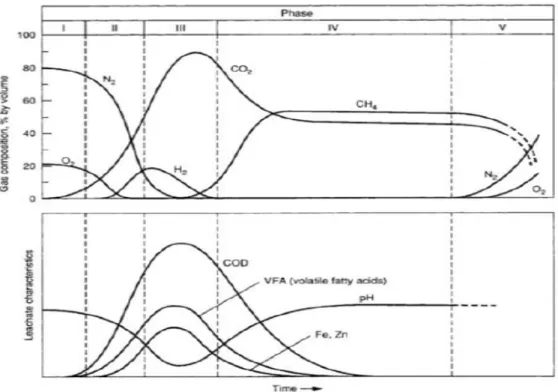
Figure 2.1 - General trends in landfill gas and leachate development (Tamru, 2015). ... 7
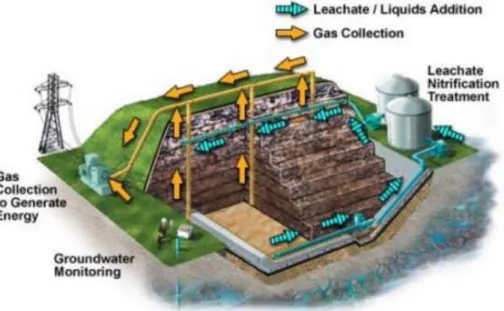
Figure 3.1 - Design and operation features in anaerobic bioreactor landfill (Waste Management, 2004). ... 10
Figure 3.2 - Design and operation features in aerobic landfill bioreactor (Waste Management, 2004).11 Figure 3.3 - Design and operation features in hybrid bioreactor landfill (Waste Management, 2004). . 13
Figure 3.4 - Design and operation features in facultative bioreactor landfill (Waste Management, 2004). ... 14
Figure 4.1 - Schematic illustration of the nitrogen cycle (Brandstätter et al., 2015b). ... 15
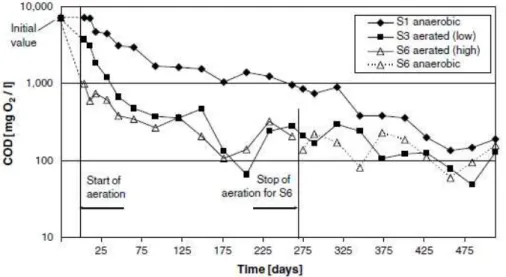
Figure 5.1 - COD concentrations in the leachate (Prantl et al., 2006). ... 21
Figure 5.2 – NH4 + -N and NO3 --N concentrations in the leachate (Prantl et al., 2006). ... 22
Figure 5.3 - Leachate COD concentrations (Erses et al., 2008). ... 23
Figure 5.4 - Leachate TKN and ammonia nitrogen concentrations (Erses et al., 2008). ... 23
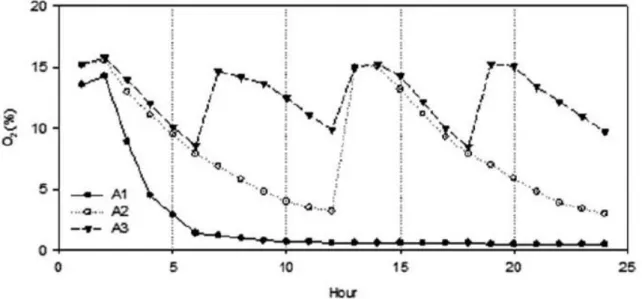
Figure 5.5 - Change of O2 composition of A1, A2, and A3 during operation at day 45 (Ko et al., 2016). ... 25
Figure 6.1 - Waste samples extraction, Legnago Landfill. ... 27
Figure 6.2 - Draught of aerobic reactors (left) and anaerobic reactor (right). ... 28
Figure 6.3 - Landfill bioreactors columns during the experiment. ... 29
Figure 7.1 - Outlet gas composition for CO2 in the bioreactors. ... 36
Figure 7.2 - Outlet gas composition for CH4 in the bioreactors. ... 37
Figure 7.3 - Outlet gas composition for O2 in the bioreactors. ... 38
Figure 7.4 - O2 supplied and uptake into the bioreactors during the aeration period. ... 39
Figure 7.5 – TOC concentration evolution in the leachate. ... 40
Figure 7.6 – COD concentration evolution in the leachate. ... 41
Figure 7.7 - BOD5 concentration evolution in the leachate. ... 42
Figure 7.8 – pH evolution in the leachate. ... 43
Figure 7.9 – Alkalinity concentration evolution in the leachate. ... 44
Figure 7.10 - TKN concentration evolution in the leachate. ... 45
XV
Figure 7.12 – Nitrites concentration evolution in the leachate. ... 47
Figure 7.13 – Nitrates concentration evolution in the leachate. ... 48
Figure 7.14 - Chlorides concentration evolution in the leachate. ... 53
XVI
List of tables
Table 6.1 - List of methods for the analysis on leachate samples ... 31
Table 6.2 - List of methods for analysis on solid samples ... 31
Table 7.1 - Results of composition analysis of waste samples ... 33
Table 7.2 - Weights and composition of the waste loaded in each column ... 34
Table 7.3 - Results from initial physical and chemical solid fraction analyses ... 34
Table 7.4 - Ammonium nitrogen removal aeration effiency at the 55th dayof aeration ... 50
XVIII
Glossary
MSW Municipal Solid Waste
TOC Total Organic Carbon
COD Chemical Oxygen Demand
BOD Biochemical Oxygen Demand
RI4 Respiration Index for four days
TKN Total Kjeldahl Nitrogen
TS Total Solids
VS Volatile Solids
DM Dry Matter
N-NH+4 Ammonium nitrogen
N-NO−3 Nitrate nitrogen
N-NO−2 Nitrite nitrogen
NH3 Ammonia
N2 Nitrogen gas
N2O Nitrous Oxide
SO24− Sulphate
Cl− Chloride
O2 Oxygen
CO2 Carbon dioxide
1
1 Introduction
For its most economical and simple means, landfill is the dominant method for the waste disposal and management on a global scale (Lou et al., 2015; Sun et al., 2017). In Europe, there are an estimated 150 000-500 000 active and closed landfills (Mönkäre et al., 2017). However, due to continuous landfill gas and leachate long-term emissions from the deposited refuse, municipal solid waste (MSW) landfill are source of air, soil, and water pollution and it still poses a risk to human and the environment that lasts decades to centuries after landfill closure (Brandstätter et al., 2015a; Sun et al., 2017).
Nitrogen emissions from MSW landfills take place predominantly via leachate, where they pose a long-term major concern in conventional landfills in the form of ammonium (Nikolaou et al., 2010; Brandstätter et al., 2015b). Under anaerobic conditions in traditional landfills, this pollutant has been indicated by the scientific community as the key parameter that will determine when landfill post closure monitoring may end (Raga and Cossu, 2013).
For this purpose, the question arises of how to exert a positive influence on the emissions behavior of MSW deposits in such a way that a controlled and accelerated pollutant reduction will be achieved.
In this respect, the application of in situ aeration in bioreactor landfill is a potential method to reduce both the actual emissions and the emission potential of the waste material by means of accelerating the reduction of the concentration of ammonia nitrogen and biodegradable organic mass matter in the landfill body. This application can be considered for the innovative management during the aftercare phase of traditional landfills, as a remediation tool for old landfill or as a pretreatment before landfill mining (Prantl et al., 2006; Ritzkowski et al., 2006; Raga and Cossu, 2013).
2
1.1
Objectives and scope of the research
In 2001 the University of Padua made some investigations about the quality of waste, leachate and biogas in the old MSW landfill of Legnago (Province of Verona, Italy). The landfill was made on the old Tartaro river bed and its first part was built without artificial impermeable bottom liner and leachate collection. Thus, considering the geological situation of the area and the characteristics of the landfill barrier system, the risk of groundwater pollution is very high.
According to the studies performed, Municipality of Legnago decided to remediate the old landfill by means of the in situ aeration technology, followed by waste excavation and re-disposal in the new operating anaerobic sector of the landfill, allowing the best removal of leachate accumulated at the bottom, reducing further contamination risk.
The objective of this study is to assess if there are better performances alternatives to the current re-disposal method in anaerobic sectors in terms of waste stabilization and pollutants emissions, with particular focus on nitrogen removal. Additionally, studying the feasibility of using oxygen concentration in the outlet gas as a dimensioning and operational parameter of in situ aeration technology was also investigated. Therefore, different aeration flow rates were established and adjusted over time with the aim of creating different oxygen concentrations in the outlet gas on five lab-scale simulated landfill bioreactors. One control bioreactor was operated under anaerobic conditions in order to compare and simulate the current conditions of the waste in the new sector of the landfill of Legnago.
3
1.2
Dissertation organization
This document is divided in eight chapters:
Chapter 1: Introduction: The first chapter describes the landfill and waste management general problems and its relevance. This section also establishes the scope, objectives and expected contribution of this dissertation.
Chapter 2: Municipal Solid Waste Landfill: In this chapter, the main priorities, environmental risks and general requirements of operating a landfill are described as well as the general evolution trend of landfill leachate and gas composition observed over the time course of municipal solid waste degradation process in conventional landfill.
Chapter 3: Bioreactor Landfill: This chapter describes the main features, technologies and processes available to operate a landfill as a bioreactor landfill. A comparison between different types of bioreactors landfill is established, where a description of each one advantages and disadvantages is performed.
Chapter 4: Nitrogen transformation and removal processes in bioreactor landfills: In this chapter, a review of the nitrogen transformation and removal pathways that can possibly occur in a bioreactor landfill according to different conditions is performed.
Chapter 5: Aerobic Bioreactor Landfill - research updates: This section describes related experiments done and its main results and conclusions as well as relevant studies in order to improve and understand the effects of different aeration rate and off-gas oxygen concentration in waste decomposition and leachate production and treatment.
Chapter 6: Materials and Methods: In this chapter, the analytical methods and equipment used during the experiment are described as well as experimental operations performed throughout the whole period of the research.
Chapter 7: Results and Discussion: This section shows the results obtained from the analytical methods performed over the time course of the experiment. Values of solid, leachate and off-gas determinations are described and several parameters are discussed and compared in order to achieve the objectives of this study.
5
2 Municipal Solid Waste Landfill
Today, a major environmental, economical and social problem worldwide exists in Municipal Solid Waste (MSW) management, mainly because the waste volume is growing faster than the world’s population (Renou et al., 2002). According to EPA (2009), landfill is defined as “a waste disposal site used for the controlled deposit of solid waste onto or into land”. Although waste management is following new trends as recycling and compost processes, the sanitary method of landfilling for the ultimate disposal of solid waste material continues to be widely accepted and used due to its economic advantages (Sun et al., 2017).
A fundamental concern often associated with conventional MSW landfills is that they remain biologically active for many decades (Brandstätter et al., 2015a). Once a landfill has reached its design capacity, a final cover must be installed. The site owner is then required to monitor and maintain a closed landfill for what is referred to as the postclosure monitoring period. Postclosure monitoring includes leachate collection and treatment, groundwater monitoring, inspection of the final cover and maintenance as required, and monitoring to ensure that methane is not migrating off-site. The monitoring will be discontinued after landfill stabilization (Barlaz et al., 2002). According to Walsh
and O’Leary (2002), “complete stabilization is when the waste material no longer breaks down into byproducts that are released into the environment”.
2.1
Leachate pollutants composition
The risk of groundwater pollution is probably the most severe environmental impact from landfills because historically most landfills were built without engineered liners and leachate collection systems. More recently, regulations in many countries have required the installation of liners and leachate collection systems as well as a plan for leachate treatment (Kjeldsen et al., 2002).
Leachates are defined as the aqueous effluent produced as a consequence of rainwater percolation through wastes, biochemical processes in waste’s cells and the inherent water content of wastes themselves (Renou et al., 2008). Stricter environmental requirements are continuously imposed regarding ground and surface waters; the treatment of landfill leachate becomes a major environmental concern. According to Christensen et al. (1994), landfill leachate contains pollutants that can be categorized into four groups:
1. Dissolved organic matter, quantified as Chemical Oxygen Demand (COD) or Total Organic Carbon (TOC), volatile fatty acids and more refractory compounds such as fulvic-like and humic-like compounds;
2. Inorganic macro components: calcium (Ca2+), magnesium (Mg2+), sodium (Na+), potassium (K+), ammonium (NH4
+
), iron (Fe2+), manganese (Mn2+), chloride (Cl-), sulphate (SO4
2-), and hydrogen carbonate (HCO3
6 3. Heavy metals: cadmium (Cd2+), chromium (Cr3+), copper (Cu2+), lead (Pb2+), nickel (Ni2+), and
zinc (Zn2+);
4. Xenobiotics organic compunds (XOCs), falling from household and industrial chemicals; the concentration of each of them is less than 1 mg/L; they are represented by different aromatic hydrocarbons, phenols, Cl-aliphatic hydrocarbons, pesticides, medicines.
The removal of organic material based on COD, biochemical oxygen demand (BOD) and ammonium from leachate is the usual prerequisite before discharging the leachates into natural waters (Renou et al., 2008). The concentrations of these components may typically be up to a factor 1000 to 5000 higher than concentrations found in groundwater (Kjeldsen et al., 2002). However, the quality of landfill leachate is affected by many factors: age, precipitation, seasonal weather variation, waste type and composition (depending on the standard of living of the surrounding population). In particular, the composition of landfill leachates varies greatly depending on the age of the landfill (Baig et al., 1999). In this respect, young acidogenic landfill leachate is commonly characterized by high BOD (4000– 13000 mg/L) and COD (30000–60000 mg/L) concentrations, and moderately high strength of ammonium nitrogen (500–2000 mg/L) (Yao, 2017).
High nitrogen concentrations in leachate lead to eutrophication and decrease of DO (dissolved oxygen) level in receiving watercourse (Parker, 1975). Inevitably, cost effective and environmentally sustainable treatment solutions should be considered as a priority for nitrogen removal from leachate for the protection of sensitive water bodies from eutrophication.
2.2
Degradation process
Biodegradation of MSW in a landfill occurs in chronological phase until it changes to the simplest fraction of leachate characteristics and landfill gases. Throughout this period an increasing understanding of the complex series of chemical and biological reactions that initiates with the burial of refuse in a landfill has been developed (Kjeldsen et al., 2002). According to Farquhar and Rovers (1973), biodegradations of MSW which produce liquid and gases occur in a landfill through five or more sub-phases. Figure 2.1 shows the gas and leachate composition as refuses decomposes in anaerobic degradation processes. The rate and characteristics of leachate produced and biogas generated from a landfill vary from one phase to another, and reflect the microbial mediated processes taking place inside the landfill. The phases experienced by degrading wastes are described below (Farquhar and Rovers, 1973; Kjeldsen et al., 2002; Tamru, 2015):
Phase I: Aerobic phase: This phase is associated with initial placement of solid waste and accumulation of moisture within landfills; oxygen present in the void spaces of the freshly buried refuse is rapidly consumed, resulting in the production of CO2 and maybe an increase in waste
7 not typically at field capacity and an acclimation period is observed until sufficient moisture develops and supports an active microbial community.
Phase II: Transition phase: In the transition phase, the field capacity is sometimes exceeded, and a transformation from an aerobic to anaerobic environment occurs, as evidenced by the depletion of oxygen trapped in the refuse; by the end of this phase, measurable concentrations of chemical oxygen demand (COD) and volatile fatty acids (VFA) can be detected in the leachate.
Phase III: Anaerobic acid phase: The continuous hydrolysis (solubilization) of solid waste, followed by the microbial conversion of biodegradable organic content results in the production of intermediate VFA at high concentrations throughout this phase; a decrease in pH values is often observed and viable biomass growth associated with the acid formers (acidogenic bacteria), and rapid consumption of substrate and nutrients are the predominant features of this phase.
Phase IV: Methane fermentation phase: During phase IV, intermediate acids are consumed by methanogenic bacteria and converted into CH4 and CO2; the pH value is elevated, being controlled by
the bicarbonate buffering system, and consequently supports the growth of methanogenic bacteria; heavy metals are removed by complexation and precipitation.
Phase V: Maturation phase: During the final state of landfill stabilization, nutrients and available substrate become limiting, and the biological activity shifts to relative dormancy; gas production drops dramatically and leachate strength stays steady at much lower concentrations; reappearance of oxygen and oxidized species may be observed slowly; however, the slow degradation of resistant organic fractions may continue with the production of humiclike substances.
9
3 Bioreactor landfill
An essential goal in waste management worldwide is to create sustainable landfill with respect of the potential of terminating expensive perpetual landfill aftercare. Thus, recently, the focus of solid waste management has change from landfill thought as storage and containment systems to a landfill as a complex biological system capable of managing solid waste in a more proactive manner (Berge et al., 2005; Ritzkowski and Stegmann, 2012).
A bioreactor landfill is defined as a sanitary engineered landfill, which enhanced microbiological activity is promoted with the purpose to decompose and stabilize the incoming organic fraction of the municipal solid waste within a period of 5 to 10 years of implementation (Thampan and Chandel, 2015).
Leachate recirculation is considered to be an essential part of this technology due to the optimum moisture content maintenance necessary in the landfill body in order to improve leachate quality, enhancement of gas production rate and reduction of the time required for waste stabilization. At times, insufficient leachate is available and it is necessary to supplement with other liquids such as groundwater, storm water, wastewater, or surface water (Erses et al., 2008; Thampan and Chandel, 2015). Bioreactor systems’ efficiency can also be increased with other factors such as pH adjustment, nutrient addition, waste pre-disposal and post-disposal conditioning and temperature control (Thampan and Chandel, 2015).
Because there is no degradation pathway for ammonia nitrogen in anaerobic environments, this pollutant tends to accumulate in both conventional landfill and bioreactor landfill systems. Due to moisture addition and/or leachate recirculation, ammonification rate is increased resulting in accumulation of higher levels of ammonia nitrogen in bioreactor landfills, even after the organic fraction of the waste is degraded. Thus, although the organic strength (i.e., chemical oxygen demand [COD] and biochemical oxygen demand [BOD]) of the leachate is significantly reduced in bioreactor landfills, ammonia nitrogen remains an issue (Barlaz et al., 2002; Berge et al., 2005).
10
3.1
Anaerobic Bioreactor Landfills
According to Berge et al. (2005), anaerobic bioreactor landfills are those in which moisture addition is practiced and sources of liquid addition may include groundwater, storm water, infiltrating rainfall, or leachate.
A sketch of an anaerobic bioreactor landfill is illustrated in Figure 3.1. Leachate produced by the MSW is collected, stored and reinjected back into the landfill, redistributing nutrients and bacteria through the MSW mass and consequently promoting in situ anaerobic biological degradation. Additionally, moisture content adjustment results in enhanced methane production, which has been repeatedly demonstrated in several laboratory and field-scale studies. The total volume of gas produced also increases, as organics in the leachate are recycled and then biodegraded within the landfill. The majority of gas production may be confined to a few years, earlier in the life of the landfill, than traditionally occurs in conventional landfills. As the parameters are fitted for wet landfills, the time for 99% of the methane to be produced may decrease by almost 14-fold. Thus, anaerobic bioreactor allows more efficient landfill gas (LFG) capture and therefore the collection and use of CH4 for energy
may be more economical (Reinhart and Townsend, 1997; Berge et al., 2005; Erses et al., 2008).
Figure 3.1 - Design and operation features in anaerobic bioreactor landfill (Waste Management, 2004).
Although anaerobic bioreactor landfills are more effective at degrading the solid waste than conventional landfill, when compared to other types of bioreactor landfills, anaerobic system tend to have lower temperatures, slower degradation rates and may increase the potential risks to human health and the environment (Merz and Stone, 1970; Erses et al., 2008).
11 pollutant is continually returned to the landfill, where there is no degradation pathway for it in anaerobic environments (Raga and Cossu, 2013).
In anaerobic bioreactor the air is not added, therefore when compared to other bioreactor landfill types, the advantage of the anaerobic system is related to the operational costs which are less than what would be incurred aerobically (Berge et al., 2005; Thampan and Chandel, 2015).
3.2
Aerobic Bioreactor Landfills
A new perspective on landfilling solid waste is the aerobic landfill technology as shown in Figure 3.2. In an aerobic bioreactor leachate is also recirculated into the landfill in a controlled manner. Air is injected into the waste mass, using vertical or horizontal wells, to promote aerobic activity and accelerate waste stabilization (EPA, 2017).
Adding air to landfills has been evaluated over the last few years to enhance degradation processes in landfills, as aerobic processes tend to degrade organic compounds typically found in municipal solid waste in shorter time periods than anaerobic degradation processes (Berge et al., 2005; Erses et al., 2008).
The addition of air stops methane production, which is desirable in areas where the collection of this is not feasible. However, volatile acid and methane production may still occur in anaerobic pockets within the landfill. Methane is a potent greenhouse gas; thus, if it cannot be efficiently controlled and collected in anaerobic landfills, its production can be a local environmental concern (Berge et al., 2005).
12 Under aerobic conditions, the ambient redox potential reverts from strongly negative to positive, which will affect metal speciation and movement and degradation of organic compounds. For example, aerobic conditions will limit fermentation reactions, which produce large amounts of acids and significantly reduce the pH, affecting solubility and sorption properties of organic and metal contaminants. Therefore, aerobic conditions reduce ex-situ leachate treatment required (Rittmann and McCarty, 2001).
Aerobic processes benefit many of the nitrogen transformation/removal process, including nitrification and ammonia air stripping or volatilization. Air stripping and volatilization may be favored in aerobic bioreactor landfills because of higher pH levels and temperatures that are inherent in an aerobic environment. The additional gas flow associated with air injection may also induce greater masses of ammonia nitrogen removal (Berge et al., 2005).
The aerobic process generates a considerable amount of heat, leading to elevated in situ temperatures as high as 66ºC (Merz and Stone, 1970). The elevated temperatures increase evaporation, which results in a significant loss of leachate. As a consequence, there is less leachate to manage. Additionally, the combination of the high temperatures and presence of air may create a fire potential. However, by minimizing methane production and ensuring proper moisture contents, fire potential is decreased (Berge et al., 2005).
Other advantage related with aerobic bioreactors is the reduction of odors often associated with anaerobic systems, such as from hydrogen sulfide and volatile acids. Aerobic processes do have some odor associated with them; however, it is an earthy smell (Berge et al., 2005; Erses et al., 2008).
From a technical point of view there are various aeration technologies and operation concepts, which have been reviewed by Ritzkowski and Stegmann (2012). According to this review, concepts range from high and low pressure aeration to semi aerobic applications, involving either continuous or intermittent air supply. Low pressure aeration can be further divided into active aeration with off-gas extraction, passive aeration (air venting) and energy self-sufficient long-term aeration.
13
3.3
Anaerobic-Aerobic (Hybrid) Bioreactor Landfills
Among the different types of landfill bioreactors, hybrid bioreactor landfill technology as illustrated in Figure 3.3 is of great promise. Hybrid bioreactor landfill is designed to accelerate waste degradation by combining attributes of the aerobic and anaerobic bioreactors. In this system the uppermost lift or layer of waste is aerated, while the lift immediately below it receives liquids. Landfill gas is extracted from each lift below the lift receiving liquids. Horizontal wells that are installed in each lift during landfill construction are used convey the air, liquids, and landfill gas (Waste Management, 2004; Berge et al., 2005; Xu et al., 2014).
The objective of the sequential aerobic-anaerobic treatment is to cause the rapid biodegradation of food and other easily degradable waste in the aerobic stage in order to reduce the production of organic acids in the anaerobic stage resulting in the earlier onset of methanogenesis. There are some components in both the waste and the leachate that are recalcitrant in anaerobic conditions but degradable in aerobic environments, such as lignin and aromatic compounds. Utilizing one of these hybrid techniques may allow for the leachate and/or waste to be treated more completely. Also, operating a bioreactor landfill as a hybrid system may serve to combine several nitrogen transformation and removal processes, such as nitrification and denitrification, potentially resulting in complete in situ removal of nitrogen from landfills (Berge et al., 2005; Xu et al., 2014).
Figure 3.3 - Design and operation features in hybrid bioreactor landfill (Waste Management, 2004).
14
3.4
Facultative Bioreactor Landfills
A sketch of a facultative system is illustrated in Figure 3.4. It combines conventional anaerobic degradation with a mechanism for controlling the high ammonia concentrations that may develop when liquids are added to the landfill. In this system leachate containing elevated levels of ammonia is treated using the biological process of nitrification. The nitrification process converts the ammonia in the leachate to nitrate. The treated leachate is then added to the landfill. Here certain microorganisms including the facultative bacteria can use the nitrate in the absence of oxygen for respiration. This process, called denitrification, can result in the production of nitrogen gas (N2), which effectively
removes nitrogen from the system (Berge et al., 2005).
Figure 3.4 - Design and operation features in facultative bioreactor landfill (Waste Management, 2004).
15
4 Nitrogen transformation and removal processes in bioreactor landfills
There are several ammonia nitrogen removal methods which often include complex sequences of physical, chemical, and/or biological processes, including chemical precipitation, nanofiltration, air stripping, and biological nitrification/denitrification via various reactor configurations. Thus, understanding the possible different nitrogen transformations is important when considering potential leachate management alternatives (Burton and Watson-Craik, 2002; Berge et al., 2005). Figure 4.1 illustrates the potential nitrogen transformation and/or removal pathways that may occur in bioreactor landfills according to the nitrogen cycle.
Figure 4.1 - Schematic illustration of the nitrogen cycle (Brandstätter et al., 2015b).
4.1
Ammonification
Ammonia is released from the waste mainly by decomposition of proteins. Heterotrophic bacteria are responsible for the conversion of organic nitrogen to ammonia nitrogen in a process termed ammonification. This is a two-step process consisting of the enzymatic hydrolysis of proteins by aerobic and anaerobic microorganisms releasing amino acids and the subsequent fermentation of the acids to carbon dioxide, ammonia nitrogen, and volatile fatty acids (Kjeldsen et al., 2002; Berge et al., 2005; Brandstätter et al., 2015b).
16
4.2
Ammonium Flushing, Sorption and Volatilization
The volume of water passed through the landfill, the nitrogen content of the waste, and the ammonia nitrogen concentration in the bulk liquid control the mass of ammonia nitrogen that can be leached from the waste. Addition of large amounts of water is required in order to reduce ammonia nitrogen concentrations by washouts and dilution to acceptable levels within a landfill (Berge et al., 2005).
Flushing results in the removal of ammonia nitrogen from landfills by large volumes of water. However, with this method leachate must be treated externally and when operating the landfill as bioreactor, leachate recirculation is performed, and therefore ammonia nitrogen is continually reintroduced to the landfill while additional ammonia is solubilized into the leachate (Berge et al., 2005).
Ammonium is known to sorb onto various inorganic and organic compounds. Thus, due to the high ammonium concentrations present, sorption of ammonia nitrogen to waste may be significant because sorption of ammonium to the waste will allow for temporary storage of ammonium prior to it being used in other processes, such as nitrification and volatilization, and may also result in the slow dissolution of ammonium over time (Heavey, 2003).
Sorption processes depends on pH, temperature, ammonium concentration, and ionic strength of the bulk liquid. Also, ammonia is only sorb to waste particles when it is in form of ammonium (NH+4). This
way, a common procedure used to extract sorbed ammonium from particles involves the addition of a sodium or potassium sulphate solution (Berge et al., 2005).
When free ammonia is present in the waste body volatilization may occur. The majority of the ammonia nitrogen present in solution is in the form of free ammonia gas at pH levels above 10.5 to 11.5. Due to the temperature dependence of the acid dissociation constant, as temperature increases, more of the ammonia is converted to free ammonia gas (Berge et al., 2005). According to Tiquia and Tam (2000), at temperatures above 40ºC and at pH levels of 7 and above, the majority of nitrogen removed from compost is via volatilization.
17
4.3
Nitrification
The two-step process in which ammonia nitrogen/ammonium is microbially oxidized to nitrite and nitrate is called nitrification (Berge et al., 2005). Nitrosomonas and Nitrobacter are the bacteria responsible for the biological nitrification process. Both of these groups are classed as autotrophic organisms. In the first step of nitrification, Nitrosomonas can oxidize ammonia to nitrite, but it cannot complete the oxidation to nitrate. The stoichiometric reaction for oxidation of ammonium to nitrite by Nitrosomonas is (Parker, 1975):
NH+4 + 1.5 O2 2H +
+ H2O + NO2- (1)
The second step reaction for oxidation of nitrite to nitrate by Nitrobacter is (Parker, 1975):
NO2- + 0.5 O2 NO3- (2)
These autotrophic organisms are distinguished from heterotrophic bacteria because inorganic carbon (carbon dioxide) is used for synthesis rather than organic carbon. Some heterotrophic microorganisms are able to nitrify; however their specific nitrifying rates are considered three to four orders of magnitude lower than that of autotrophs (Berge et al., 2005). Nitrification process results in the consumption of alkalinity as nitrous acid is formed (Berge et al., 2005). According to Parker (1975), 7.14 mg of alkalinity as CaCO3 is destroyed per mg of ammonia nitrogen oxidized.
The first step is often the limiting step but since complete nitrification is a sequential reaction, treatment processes must be designed to provide an environment suitable to the growth of both groups of nitrifying bacteria (Parker, 1975).
Because oxygen is a required element for nitrification, in landfills in which air is purposely added, nitrification can be a significant nitrogen removal pathway. On the other hand, it is an almost nonexistent process in conventional landfills and anaerobic bioreactor landfills (Berge et al., 2005). Temperature, heterotrophic bacteria competition, and potentially pH inhibition are also limiting factors of nitrification. According to Merz and Stone (1970), when air is added to landfills, in situ temperatures generally increase, often as high as 55 to 66ºC and may result in oxygen limitation (dissolved oxygen concentration declines with temperature increase) and thus reduce nitrification rates. Additionally, in areas within the landfill containing large amounts of organic carbon, oxygen may become limiting to nitrifiers due to competition with heterotrophic bacteria. At last, because nitrification destroys alkalinity, there may not be sufficient alkalinity present to buffer pH changes that would result from nitrification of high ammonia nitrogen leachates (Parker, 1975).
18
4.4
Denitrification
The conversion of nitrate nitrogen to a gaseous nitrogen species is the biological process termed as denitrification. Nitrogen gas is the primarily gaseous product but also may be nitrous oxide or nitric oxide formed (Parker, 1975).
A broad range of bacteria can accomplish denitrification, including Psuedomonas, Micrococcus, Archromobacter and Bacillus. The groups of denitrifiers are more robust than nitrifiers; However they require a sufficient organic carbon source for high nitrate removal rates (Parker, 1975, Berge et al., 2005).
Generally, the process has been termed as anaerobic denitrification. However, denitrification may also occur in portions of aerobic bioreactor landfill that air does not reach (Berge et al., 2005). Thus, the term anoxic denitrification is preferred, since it describes the environmental conditions of the absence of oxygen, without implying the nature of the biochemical pathways (Parker, 1975).
When air is added to landfills, biological processes such as nitrification traditionally found and expected only in landfill cover soils may now occur within the waste mass. Additionally, recirculating nitrified leachate allows for denitrification processes to occur in anoxic areas found in both anaerobic and aerobic bioreactor landfills (Berge et al., 2005).
4.4.1
Heterotrophic Denitrification
As shown in the following reactions, denitrification is an anoxic process that reduces nitrate to nitrite, nitric oxide, nitrous oxide, and finally nitrogen gas (Berge et al., 2005):
NO3- + 2e- + 2H+ NO2- + H2O (3)
NO2- + e- + 2H+ NO + H2O (4)
2NO + 2e- + 2H+ N2O + H2O (5)
N2O + 2e
+ 2H+ N2 + H2O (6)
A potential advantage of this type of denitrification is related with the simultaneous carbon and nitrate removal without oxygen required. Denitrification also recovers the alkalinity consumed during nitrification. According to Parker (1975), bicarbonate is produced and carbonic acid concentration is reduced whenever nitrate or nitrite is denitrified to nitrogen gas. The stoichiometric quantity of alkalinity produced is 3.57 mg alkalinity as CaCO3 produced per mg of nitrate or nitrite reduced to
19
4.4.2
Autotrophic Denitrification
Autotrophic denitrification may occur in environments with low organic carbon source and the presence of inorganic sulfur material, used as electron donor according to the reaction (Berge et al., 2005; Berge et al., 2006):
2NO3- + 1.25 HS- + 0.75 H+ N2 + 1.25 SO2-4 + H2O (7)
During the autotrophic denitrification the nitrate decrease is usually coupled with an increase in sulphate concentration. Autotrophic denitrification may especially occur in older landfills or older portions of landfills where the carbon to nitrogen ratio may be low. In these situations, the nitrate removal via autotrophic denitrification is favored over heterotrophic denitrification (Koenig, 1996).
Autotrophic denitrification is advantageous, as it converts nitrate to nitrogen gas (N2) in the absence of
an organic carbon source and can utilize inorganic sulfur compounds (Berge et al., 2005).
4.5
Anammox
A process termed anammox (ANaerobic AMMonium OXidation) is the biological oxidation of ammonia nitrogen under anaerobic conditions. Bacteria capable of anammox use ammonium as the electron donor and nitrite as the electron acceptor according to the reaction (Berge et al., 2005):
NH+4 + 1.26 NO2- + 0.085 CO2 + 0.02 H +
N2 + 0.017 H +
+ 0.24 NO3- + 1.95 H2O (8)
21
5 Aerobic Bioreactor Landfill
–
research updates
In order to improve and understand the effects of different aeration rate and off-gas oxygen concentration in the waste decomposition and leachate production and treatment, several lab-scale and field-scale studies have been done. The following section describes related experiments and its main results and conclusions.
5.1
Influence of aeration: lab-scale experiments
Prantl et al., (2006) conducted a study where lab-scale investigations with column tests have been carried out. Gas proof columns (diameter: 20 cm; height: 65 cm) made of acrylic glass were filled with 10 - 15 kg waste material (dry mass) from an old landfill and operated under controlled temperature conditions (35ºC) in a climate chamber. The influences of water and different aeration intensities on biological degradation processes were investigated. Column S1 was operated as anaerobic bioreactor and two bioreactors S3 and S6 were operated with an aeration rate of 0.5 and 1 L/h, respectively. At day 270 of the experiment column S6 was established under anaerobic conditions. The runtime of the research was 513 days. Leachate recirculation was done (0.30 L/week).
The study’s results of COD concentrations in the leachate are shown in Figure 5.1. The aerated waste
is characterized by a rapid reduction of the COD to 350 mg O2/L within 2 months of aeration, whereas
the strongest decrease occurs in the first week. In this first phase, the influence of the aeration rate is obvious (S3 vs. S6). The anaerobic operated column shows a decrease in the COD, due to leaching processes and anaerobic degradation, although much slower. However, after 500 days, both the COD in the leachate of the anaerobic as well as of the aerated columns show similar concentrations. These results indicate a strong initial aeration effect, but after reaching a low level, the further COD reduction is rather caused by chemical-physical leaching processes.
22 The results of ammonium nitrogen and nitrates nitrogen concentrations in the leachate are shown in Figure 5.2. Under anaerobic conditions, NH+4-N concentrations remain high over a long period of time.
In contrast, ammonia nitrogen clearly declines within 2 months of aeration and remains at a very low level (<1.0 mg/L). The influence of the aeration rate is obvious in this phase (S3 vs. S6). Moreover, the stop of aeration after 270 days in column S6 causes a slight increase in ammonium concentrations, indicating that there is still a pool of degradable nitrogen in the waste. However, compared to the initial value and to the anaerobic control, these concentrations are low (<40 mg/L).
Nitrate (NO3-) as a product of nitrification was measured in the leachate of the aerated waste up to 10
mg/L in the starting phase and up to 100 mg/L later on, indicating two possible processes: The existence of anaerobic zones within the waste in the first months, leading to denitrification and the formation of elementary nitrogen, related to ammonia stripping via the gas phase. The subsequent increase of NO3
--N indicates a decline of denitrification processes, as well as a possible increase of nitrification.
Figure 5.2 – NH+4-N and NO3--N concentrations in the leachate (Prantl et al., 2006).
The initial total nitrogen content of the solid samples were low and the changes were less significant compared to the ones regarding the TOC. Nevertheless, compared to the anaerobic column a slight decrease due to aeration could be pointed out.
23 Leachate COD concentrations results of the experiment for aerobic and anaerobic reactors are presented in Figure 5.3. The results of the study confirmed those of previous studies and indicated that approximately 90% of COD removal was complete by days 72 and 462 for aerobic and anaerobic reactors, respectively.
Figure 5.3 - Leachate COD concentrations (Erses et al., 2008).
The TKN and ammonia nitrogen concentrations findings of Erses et al. (2008) for aerobic and anaerobic reactors are given in Figure 5.4. TKN and ammonia-nitrogen concentrations in the leachate of the aerobic reactor indicated the same decreasing trend. Initial TKN and ammonia nitrogen concentrations were measured as 620 and 399 mg/L, respectively. TKN concentration decreased to 140 mg/L on day 108 and 42 mg/L on day 178 and stayed constant throughout the study. NH3-N
concentrations, on the other hand, decreased to 132 mg/L on day 116 and 14 mg/L on day 175 and continued to decline slightly until reaching to 5 mg/L at the end. The recirculation practice in the anaerobic reactor reintroduces ammonia to the system, keeping its value almost constant throughout experiment.
24 Similar results related to the influence of aeration on the degradation and stabilization of the waste material on lab-scale experiments are reported also by Cossu et al. (2003), Bilgili et al. (2006), Shao et al. (2008), Nikolaou et al. (2010), Slezak et al. (2010), He et al. (2011), Kim et al. (2011), Raga and Cossu (2013), and Nag et al. (2016), which experienced even much greater organic removal efficiency, faster stabilization and no ammonia accumulation in aerated reactors compared to the anaerobic ones.
5.2
Oxygen concentrations in the outlet gas
Several pilot and full-scale aerobic landfill studies were performed with a wide range of aeration rates and different results were obtained. According to the study of Prantl et al. (2006) above mentioned, the leachate quality of the simulated landfill with higher aeration (0.001 L/min.kgDM) was slightly better than those with lower aeration rate (0.0006 L/min.kgDM). Slezak et al. (2010) showed there were no significant differences among leachate qualities of bioreactors aerated with the flow rate range (continuous aeration) of 0.003 - 0.017 L/min.kg waste. The air flow rates at field scale reported in the literature also show different orders of magnitude. Hrad et al. (2013) used for a Landfill in Austria an in situ aeration system with a flow rate ranging from 0.00004 to 0.00006 L/min.kgDM, while Raga and Cossu (2014) used rates of 0.0002 L/min.kgDM.
There is no general consensus in the literature on the optimum aeration rate for aerobic landfills because the effect of MSW aeration depends on not only the quantity of aeration but also other factors, including MSW composition and conditions (organic content, moisture level, MSW age, temperature, etc.), the conditions of air (temperature and humidity), air distribution and off-gas collection systems (air injection technologies and off-gas collection systems), and moisture distribution system (Ko et al., 2016).
Due to the wide range of aeration rates suggested for the solid waste in the literature, a few studies aim to define other bioreactor landfill operational parameters in order to better standardize the management. According to Bilgili et al. (2006), an airflow that provides an outlet CO2 concentration of
about 15% is sufficient for aerobic decomposition of solid waste. Cossu et al. (2016) studying biogas enhancement selected aeration rate and time adjusting it with the aim of monitoring specific chemical parameters capable of guaranteeing optimal conditions for methanogenic bacteria growth, setting an airflow which allowed O2% > 1-2% in the outlet gas, while Ritzkowski et al. (2006) adjusted the air flow
in time according to the trend of the oxygen uptake rate during the duration of the test. Other experiments studied oxygen concentration evolution trend in the outlet gas for landfill aeration.
25 frequencies (one, two, and four times per day). The bioreactors were constructed using 20-cm-diameter polyacrylic plastic pipe with a total height of 100 cm. Each bioreactor was initially packed with a total of 13.2 kg synthesized MSW. The three hybrid bioreactors A1, A2 and A3 were operated with an aeration frequency of 2, 4 and 8 h/day, respectively, with aeration flow rate of 30 L/h and having variation of oxygen concentrations in the outlet gas of approximately 2-17%, 4-17%, and 8-17%, respectively, at day 45 as shown in Figure 5.5. Leachate recirculation was done (500 mL/day).
Figure 5.5 - Change of O2 composition of A1, A2, and A3 during operation at day 45 (Ko et al., 2016).
The results of the experiment showed that 99% BOD5 removal was achieved in A1, A2 and A3 at 284,
216 and 160 days, respectively. The BOD5/COD ratios of A1, A2, and A3 at the completion of the
experiment reached 0.15, 0.12, and 0.09, respectively. In the anaerobic reactor, COD and BOD5 did
not change much compared with the initial concentrations and BOD5/COD ratio fluctuated around 0.7
during the experiment;
In the experiment, NH3-N in leachate started to decrease around days 250, 100, and 50 in aerated
bioreactors A1, A2, and A3, respectively. Time required for 95% NH3-N removal in A2 and A3 were
190 and 142 days, respectively. Until the end of the experiment, NH3-N removal in A1 had not
achieved 95% yet. The NO3
--N concentration in the anaerobic bioreactor was maintained at around 12mg/L during the experiment. The NO3
--N concentration of A1, A2, and A3 increased to around 25, 30 and 40 mg/L, respectively. The concentrations of NO2
--N in leachate of all bioreactors were minimal over the period of time.
The conclusions of this experiment reported that concentrations of NH3-N with frequent aeration
26 Considering the cost of aeration MSW landfill, it was suggested to use low daily aeration frequency (less oxygen concentration in the outlet gas) if the landfill operator would target to remove organic carbon concentration and total nitrogen in the leachate. Performance-specific aeration approach was proposed: high aeration frequency for targeting fast nitrogen removal and low frequency for carbon removal.
27
6 Material and Methods
6.1
Waste Samples
Waste samples were collected by excavating at 10 m depth in the old MSW landfill of Legnago, Province of Verona, Italy (Figure 6.1) and brought to LISA (Laboratorio di Ingegneria Sanitaria Ambientale). The landfill of Legnago was made on the old Tartaro river bed and its first part was closed in 1990. It was built without artificial impermeable bottom liner where this barrier was
composed by fine soil deposits of the old river bed. There wasn’t leachate collection system. Bearing
in mind the geological situation of the area and the characteristics of the landfill barrier system, the risk of groundwater pollution is very high (Cestaro et al., 2006).
Figure 6.1 - Waste samples extraction, Legnago Landfill.
Mesh size sieves with 100, 50 and 20 mm were used in order to perform grain size distribution analysis on the excavated samples. Waste composition analyses were carried out considering the following categories: plastic, paper, wood, textile, metals, inerts (glass and stone), aggregates and fines (i.e. under sieve fraction, 0 - 20 mm).
Six reactors filled with approximately 30 years old waste samples collected from the landfill body were set up for the experiment. Before placing the material into the respective landfill simulation reactor, the so assembled waste samples were pooled and thoroughly mixed with shovels in order to ensure the best homogeneity inside the reactors. The placement of the waste samples in all reactors was performed with precision weighs following and recreating the initial waste composition.
28
6.2
Equipment
Six column reactors used for the experiment were made of Plexiglas, having an internal height of 106 cm and a diameter of 24 cm. Columns C1, C2, C3, C4 and C5 were set as an aerobic reactors and column C0 as anaerobic reactor. A general scheme of aerobic and anaerobic reactors is shown in Figure 6.2. Three valves are located in the upper part of the columns in order to provide air introduction (in case of aerobic reactor), off-gas sampling, and water introduction and leachate recirculation. One valve is located in the lower part of the columns for leachate extraction.
Figure 6.2 - Draught of aerobic reactors (left) and anaerobic reactor (right).
A leachate circular plastic pipe distributor uniformly perforated was installed in each column in order to let the drops spread all over the waste top layer ensuring the best moisture homogeneity inside the waste body avoiding preferential paths formation, while a 2 L leachate collection tank was installed at the bottom. A 10 cm thick gravel layer was used at the bottom as a drainage layer in order to avoid fines or other particles to block the valve. Recirculation in anaerobic column was done by means of peristaltic pump Heidolph PUMPDRIVE 5001.
29
6.3
Experimental operation
Before filling the columns, and after a preliminary cleaning, the body of the column has been checked and sealed with attention in order to avoid any leachate leak or air infiltration; old valves and components were replaced with new ones and all the junctions were sealed applying spreading silicone. Silicone has also been applied on very thin cracks found along the body of some of the columns.
After filling the six reactors with the waste samples, tap water was added and recirculated until waste field capacity was reached. In order to guarantee enough leachate for sampling and recirculation, an addition amount of tap water was added. Final landfill bioreactors columns set up is shown in Figure 6.3. Room temperature was fixed at 30ºC.
Figure 6.3 - Landfill bioreactors columns during the experiment.
Anaerobic environments were set in all the reactors until the day 44 with the aim of establishing the same starting conditions of aeration, with no oxygen in the outlet gas. At the start of aeration all reactors were aerated, except column C0 (maintained under anaerobic conditions). At the beginning of the aeration period, columns were operated under identical aeration condition (1 L/h) for two weeks in order to assess the oxygen consumption and its concentration in the outlet gas of the bioreactors in aerobic conditions and consequently choose different airflow rates with the purpose of creating different oxygen concentrations in the outlet gas on each column.
30 During the anaerobic period all the reactors remained sealed in anaerobic conditions, leaving the accumulated leachate on the bottom with no recirculation in order to ensure oxygen depletion. During the aeration phase of the experiment, 2.5 L/day of leachate recirculation per reactor was performed. This rate allows the recirculation of all processed water in the columns once a day. In reactors C1, C2, C3, C4, and C5 leachate recirculation of 0.5 L was executed manually five times a day: at 10h30, 11h30, 12h30, 15h00, and 16h00. In column C0 peristaltic pump with a rate of 10 rpm (i.e. 1.25 L/h) was switched on for 1h two times a day: at 10h30 and 15h00. Leachate recirculation in all columns was performed every day, except weekends and holydays.
Leachate samples (250 mL) were collected weekly for analyses (pH, alkalinity, TOC, COD, BOD,
N-NH+4, N-NO−3, N-NO−2, SO24−, Cl−) and the same amount of tap water was replaced in the reactors.
Outlet gas monitoring of CO2, CH4, and O2 volume percentage was performed once every morning in
all aerobic reactors before the first leachate recirculation in order to have steadier values and performed approximately once a week in anaerobic bioreactor before leachate recirculation as well. Off-gas monitoring was performed every day, except weekends and holidays.
6.4
Analytical methods
In order to compare the effect of aeration and the oxygen concentrations in the outlet gas on both waste stabilization and on nitrogen evolution in aerated bioreactors respectively to the anaerobic one, leachate monitoring were carried out throughout the entire experiment; and solid fraction analyses were performed at the beginning and at the end of the experiment. Italian standard methods were used for analytical methods on leachate and solid samples.
6.4.1
Leachate
31 Table 6.1 - List of methods for the analysis on leachate samples.
Parameter Method description
pH IRSA-CNR 29/2003, VOL 1, N.2060
Alkalinity IRSA-CNR 29/2003, VOL 1, N.2030
COD IRSA-CNR 29/2003, VOL 2, N.5130
BOD5 IRSA-CNR 29/2003, VOL 2, N.5120
TKN IRSA-CNR 29/2003, VOL 2, N.5030
N-NH+4 IRSA-CNR 29/2003, VOL 2, N.4030
N-NO−3 IRSA-CNR 29/2003, VOL 2, N.4040, A1
N-NO−2 IRSA-CNR 29/2003, VOL 2, N.4050
TOC IRSA-CNR 29/2003, VOL 2, N.5040
Cl− IRSA-CNR 29/2003, VOL 2, N.4090, B
SO24− IRSA-CNR 29/2003, VOL 2, N.4140, B
6.4.2
Solid fraction
Laboratorial determinations on the waste samples were performed at the beginning and at the end of the experiment. The samples categories were shredded manually to smaller sizer in order to perform Total Solids (TS) and Volatile Solids (VS) determinations. The methods used for analysis on solid samples are shown in Table 6.2.
Table 6.2 - List of methods for analysis on solid samples.
Parameter Method description
TS and VS IRSA-CNR Q 64/84, VOL 2, N.2
TKN IRSA-CNR Q 64/85, VOL 3, N.8, mod.
Tests of TS and VS were performed in triplicate on each category, except for metals and inerts (assumed as 100%TS and 0%VS) and results obtained as mean values. Respiration Index (RI4) was
determined by means of Sapromat respirometer. Analyses of TKN and RI4 were determined on the