i
VOTER TURNOUT IN PORTUGAL:
A GEOGRAPHICAL PERSPECTIVE
Liliana Alexandra Silvério Raposo Guerreiro da Câmara Manoel
Dissertation presented as partial requirement for obtaining
the Master’s degree in Statistics and Information
ii
NOVA Information Management School
Instituto Superior de Estatística e Gestão de Informação
Universidade Nova de LisboaVOTER TURNOUT IN PORTUGAL:
A GEOGRAPHICAL PERSPECTIVE
Liliana Alexandra Silvério Raposo Guerreiro da Câmara Manoel
Dissertation presented as partial requirement for obtaining the Master’s degree in Statistics and Information Management, with a specialization in Information Analysis and Management. Advisor: Pedro da Costa Brito Cabral, PhD Co‐supervisor: Ana Cristina Marinho da Costa, PhDAugust 2019
ii
DEDICATION (OPTIONAL)
iii
ACKNOWLEDGEMENTS
To my supervisors, Professor Ana Cristina Costa and Professor Pedro Cabral, for all the support, patience and knowledge. Without them, this would be impossible.
iv
ABSTRACT
The decline of voter turnout in Portugal has been confirmed in the last legislative election of 2015. This fact, together with the unquestionable democratic value associated with the act of voting, leads to the discussion of the issue and emphasizes the need for additional investigation concerning the portuguese context. Particularly, it is crucial to identify the characteristics of citizens who vote, to better understand the phenomenon and think about solutions.
This work aims to identify the most significant sociodemographic variables in explaining voter turnout in continental Portugal and describe the relationship between those variables and voter turnout, including the geographical variation existing across the municipalities.
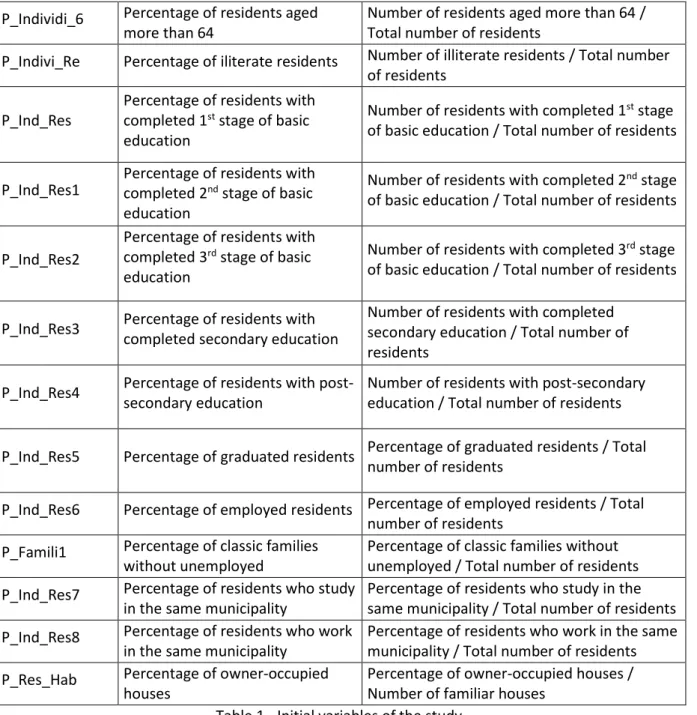
Data related to sociodemographic variables are provided from population census 2011, and turnout results concerns the legislative election of the same year. The chosen variables have been addressed in literature, both in meta-analyses studies and in country level empirical investigation.
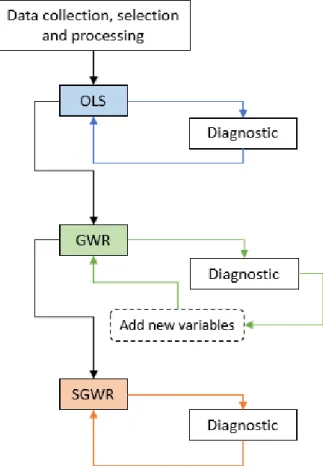
The analysis starts with the conventional Ordinary Least Squares (OLS), and continue with more spatially sensitive methods, namely Geographically Weighted Regression (GWR) and its semiparametric extension (SGWR). The final method, SGWR, enables the investigation of local variations in turnout values, simultaneously considering that its relationship with some variables might not vary over space.
Results show that turnout is a complex process, influenced by a set of sociodemographic variables. While some variables affect turnout differently over the country (percentage of family cores with children aged less than 15, and percentage of owner-occupied houses), others affect it uniformly (percentage of graduated residents, percentage of classic families, and distance to Lisbon or Oporto – the nearest). This highlights the use of a semiparametric approach to better understand turnout and for further research on voting issues.
KEYWORDS
Portugal; voter turnout; sociodemographic variables; semiparametric geographically weighted regression (SGWR); spatial variability.
v
INDEX
1.
Introduction ... 1
1.1.
Background ... 1
1.2.
Study relevance ... 4
1.3.
Study objectives... 5
2.
Literature review ... 6
2.1.
Results of empirical work around the world ... 6
2.1.1.
Sociodemographic variables... 6
2.1.2.
Institutional variables ... 14
2.1.3.
Political variables ... 17
2.2.
Studies concerning the portuguese context ... 18
2.2.1.
Sociodemographic variables... 18
2.2.2.
Political and institutional variables ... 21
3.
Methodology ... 23
3.1.
Data ... 24
3.2.
Analysis ... 26
3.2.1.
Ordinary Least Squares... 26
3.2.2.
Geographically Weighted Regression ... 27
3.2.3.
Semiparametric Geographically Weighted Regression ... 27
4.
Results... 29
4.1.
OLS and variables selection ... 29
4.2.
GWR ... 30
4.3.
SGWR ... 32
5.
Conclusion ... 40
5.1.
Discussion and limitations ... 40
5.2.
Recommendations for future works ... 43
vi
LIST OF FIGURES
Figure 1 - Overview of the methodological framework. ... 23
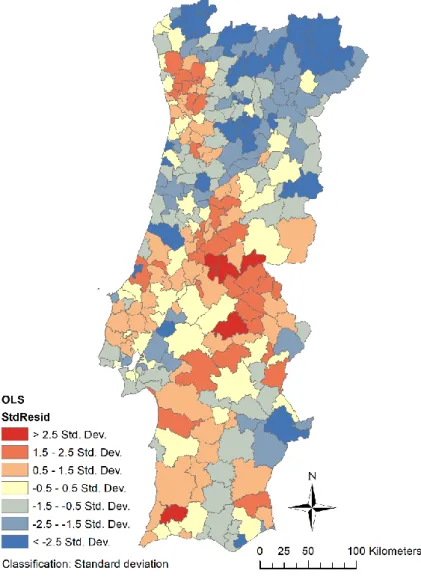
Figure 2 - OLS standard residuals. ... 30
Figure 3 - Model GWR 1 standard residuals. ... 32
Figure 4 - Model SGWR 4 standard residuals. ... 34
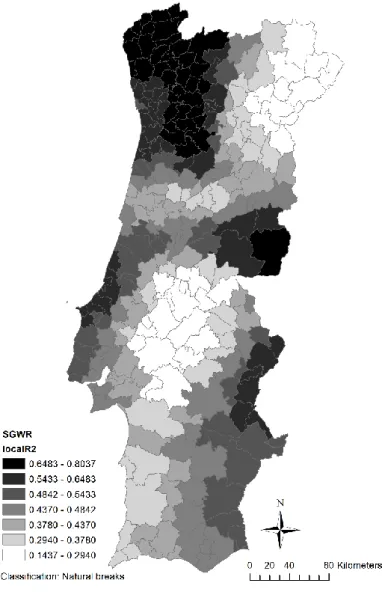
Figure 5 - Model SGWR 4 local R
2. ... 35
Figure 6 - Model SGWR 4 local coefficient estimates of variable «percentage of family cores
with children aged less than 15 (P_Nucle_F1)». ... 36
Figure 7 - Model SGWR 4 local standard errors of variable «percentage of family cores with
children aged less than 15 (P_Nucle_F1)». ... 37
Figure 8 - Model SGWR 4 local coefficient estimates of variable «percentage of
owner-occupied houses (P_Res_Hab)». ... 38
Figure 9 - Model SGWR 4 local standard errors of variable «percentage of owner-occupied
houses (P_Res_Hab)». ... 39
vii
LIST OF TABLES
Table 1 - Initial variables of the study. ... 25
Table 2 - OLS results. ... 29
Table 3 - OLS diagnostics. ... 29
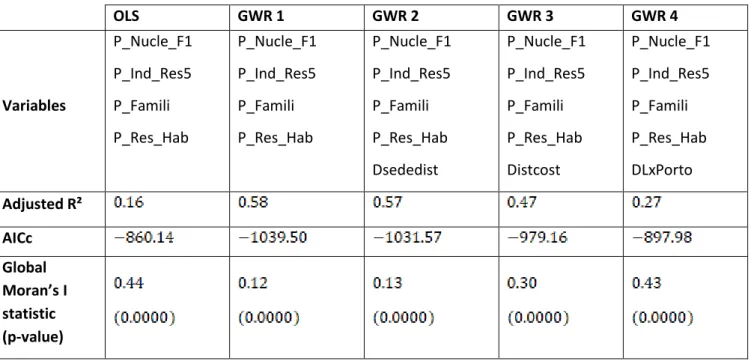
Table 4 - Comparison of OLS and GWR models. ... 31
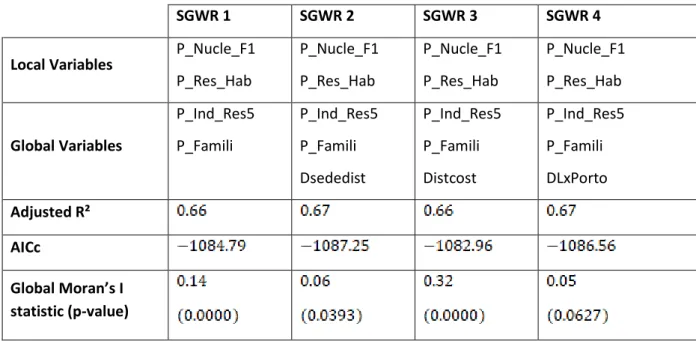
Table 5 - Comparison of SGWR models results. ... 33
viii
LIST OF ABBREVIATIONS AND ACRONYMS
AICc Corrected Akaike Information Criterion
GWR Geographically Weighted Regression
OLS Ordinary Least Squares
SGWR Semiparametric Geographically Weighted Regression
1
1. INTRODUCTION
Voter turnout is a fundamental issue in any democracy (Douglas, 2013; M. N. Franklin, 2004; Ribeiro, Borba, & da Silva, 2015) and, although it is not the only form of political participation, its importance is undeniable (Aldrich, 1993; Fornos, Power, & Garand, 2004).
There have been a number of studies focusing on the causal determinants of voting behavior (Finkel, 1985; Geys, 2006; Ribeiro et al., 2015), concerning consolidated democracies but also newly democratic regimes (Fornos et al., 2004). Accordingly, it is important to identify, in Portugal, factors that influence voting.
1.1. B
ACKGROUNDVoter turnout is the total number of eligible voters who participate in an election. This is strongly related with other usual concept, the electoral absenteeism – the difference between the number of eligible voters and the number of participants1. According to the Constitution of the Portuguese
Republic, every citizen older than eighteen years is eligible to vote, except in the cases identified by general law2. Voter registration is an automatic process since 2008 and, although voting is a civic
duty, it is not mandatory.
The act of voting is directly related with the concept of democracy (Kostadinova & Power, 2007) and provides the opportunity of political equality between citizens (Freire & Magalhães, 2002). Voting strongly influences society, since political power is assigned through it (Freire & Magalhães, 2002) and, in that sense, levels of turnout can provide information about the state of democracy (Franklin, 2004; Freire & Magalhães, 2002).
Voter turnout varies across countries (Blais, 2006; Gallego, 2010; Jackman & Miller, 1995) and over time (Blais, 2006). Empirical studies on this issue have revealed a set of variables that are related to voting and that are not necessarily common to all countries (Cancela & Geys, 2016; Geys, 2006). Consensual is the fact that turnout has declined in most democracies in the last decades (Freire & Magalhães, 2002; Gray & Caul, 2000; Hooghe & Kern, 2017), being Portugal no exception. The results of the legislative and presidential elections in 1999 and 2001, respectively, brought to light the issue, increasing the critical thinking and the debate (Freire & Magalhães, 2002).
Voting is not yet well understood by politics scholars, despite its relevance (Aldrich, 1993). This author states that turnout is affected not only by election specific variables, but also by attitudinal and demographic variables, therefore it is difficult to explain who votes in an absolute way. In fact, as Feddersen (2004) notices, in large elections, the probability that an individual vote might change the election outcome is very small, which easily would explain why people do not vote when facing a
1 Usually, in media and literature, voter turnout and absenteeism are expressed as percentages.
2According to Lei n.º 14/79, from 16th of May, the following are not granted active electoral capacity: a)
Individuals judicially disabled due to a sentence imposed by a court of law; b) Individuals clearly and publicly known as mentally ill even where they are not judicially disabled, if they are committed in a psychiatric institution or if they are declared as such by a board of two doctors; c) Individuals who have been deprived of their political rights by a formal judicial decision.
2 little obstacle. However, he also notices that other people make an effort to participate, which allows for build or reinforce an individual political attitude (Finkel, 1985).
Investigating persistence in voting turnout, Denny and Doyle (2009) try to understand the extent to which it is driven by habit, concluding that an individual who voted in the previous election is more likely to vote in the current election. Also, Plutzer (2002) focuses in habit forming, presenting a theory for the evolution of voter’s political behavior. His analysis includes parental influence on initial turnout and growth, as well as the impact of life events on turnout growth.
Studies developed in several countries have been relating voter turnout to socioeconomic, political and institutional variables. Focusing on the effects of these sets of variables, Geys (2006) and Cancela and Geys (2016) review and assess empirical work where the dependent variable is voter turnout (or absenteeism). Blais (2006) also reviews studies in the field in order to verify which statements about the causes of cross-national variations in turnout are supported by empirical evidence. Despite the dominant view is that cross-national variations in turnout can be explained mostly by institutional factors (such as compulsory voting and rules designed to facilitate voting), Blais (2006) says that the understanding of the impact of institutions on turnout is unsteady and is conditioned by the presence of other factors, particularly those that differ from one election to another. In accordance, Hooghe and Kern (2017) state that institutional variables are not enough to explain the curve of the decline on turnout levels. Blais (2006) emphasizes the need to explore socioeconomic variables to achieve a better understanding of voter turnout. To understand if the variables explored among the industrialized democracies are relevant to countries with emergent democracies, Fornos et al. (2004) and Ribeiro et al. (2015) analyze voter turnout in Latin America. Referring to the period between 1980 and 2000, the first authors find that political and institutional variables are more relevant than socioeconomic variables. More recently, using data from 2009, the latter conclude that both types of variables affect voter turnout in Latin America.
From the set of variables presented by literature, education, age, gender, marital status, home ownership and economic measures have been largely studied. Focusing on the impact of education, Gallego (2010) compares the level of unequal participation in advanced industrialized democracies, verifying that inequalities are present in countries where education and voting are strongly related. Plutzer (2002) emphasizes education attainment when considering changeable characteristics of individuals’ life. He concludes that education has a significant effect on turnout and that this contribute extends and cumulates over individuals’ lifetime. As demonstrates Huckfeldt and Sprague (1992), individuals with higher education attainment are more likely to vote, among the ones lying outside the boundaries of conventional party involvement. Yet considering the universe of independent voters, those who are informed are more likely to decide an election, since abstention by uninformed occurs at a level that balances out the votes of partisans (Feddersen & Pesendorfer, 1996).
Schlozman, Burns, and Verba (1994) analyze gender differences concerning to several kinds of civic activity, concluding that men are in general more active in politics than women. Going further, they find gender inequalities in the resources that facilitate participation (time, money and civic skills), which reflect men and women’s roles and experiences in family, workplace and society. The traditional gender gap, characterized by women being more conservative than men and less likely to participate in politics, is also examined by Inglehart and Norris (2000). Comparing sixty countries
3 around the world, the authors concludes that women’s electoral behavior have been changing and explore the role of structural and attitudinal factors behind this change.
The relationship between age and turnout has been emphasized through a life cycle explanation, which relates low youth turnout with the presence of personal worries specific of this life period. Hence, in this scenario, participation increases with growth and the adoption of typical adult roles (Highton & Wolfinger, 2001). An opposite explanation concerning age, commonly named generational effect, considers that low turnout is a permanent characteristic of a whole generation that does not change with experience and integration (Blais, Gidengil, Nevitte, & Nadeau, 2004; Lyons & Alexander, 2000; Wass, 2007).
Marriage and home ownership influence individuals participation in elections (Plutzer, 2002). Some studies identify positive influences of both factors (Denny & Doyle, 2009; Squire, Wolfinger, & Glass, 1987), since homeowners are more likely to feel connected to their community and, on the other hand, married people can share with the spouse the time and energy learning bureaucratic issues related to voting. Other studies present negative contributions of marriage (Highton & Wolfinger, 2001; Stoker & Jennings, 1995) and home ownership (Highton & Wolfinger, 2001) to voter turnout. Studies that focus on economic variables, with respect to electoral participation, use objective measures, such as unemployment rates, but also employs subjective perceptions of the economic situation, both inside and outside the country. Voter’s response is influenced either by voter’s personal economic expectations (Sanders, 2005), or by the opinions of those that live among (Pattie, Johnston, Schipper, & Potts, 2015). Whatever the opinion about economic performance is, economic indicators explain much of the variance in government support, which can be related to its changeable nature (Lewis-Beck & Stegmaier, 2000).
Concerning portuguese context, some of the mentioned socioeconomic variables have also been identified, namely age (Freire & Magalhães, 2002; Magalhães, 2008), education (Freire & Magalhães, 2002; Magalhães, 2008; Montargil, 1995) and economic measures (Freire & Lobo, 2005; Freire & Santana-Pereira, 2012; Gunther & Montero, 2001).
Voter’s contexts can help explaining turnout (Gallego, 2010), since the relation between socioeconomic status and absenteeism varies between countries (Nevitte, Blais, Gidengil, & Nadeau, 2009). To some extent, the same idea can be thought to local contexts considering a single country. Most recently, voter’s local contexts have been considered in the analysis of electoral participation, showing that political behavior is unevenly distributed across space (Cho & Gimpel, 2009; Kavanagh, Sinnott, Fotheringham, & Charlton, 2006; Mansley & Demšar, 2015; Mota, 2019; Pattie et al., 2015; Taiwo & Ahmed, 2015).
Kavanagh et al. (2006) analyze the influence of variables such as social class, education level and gender in election turnout using ordinary least squares (OLS), but the proposed models prove to be ineffective, pointing out the limitations of this technique when the relationships between variables varies across space. Going further, a technique that considers this variation was applied, improving results – geographically weighted regression (GWR). Also, in Nigeria, using GWR, it was possible to identify best predictors of voter apathy in presidential elections between 1999 and 2011 (Taiwo & Ahmed, 2015), showing that this can be a useful tool to understand voting behavior. This idea is yet defended by Mansley and Demšar (2015) when analyzing turnout of a London’s local election.
4 Fotheringham, Brunsdon, and Charlton (2002) discuss GWR’s utility, suggesting that sometimes in social sciences the measurement of a relationship depends on where the measurement is taken, so a global model can misrepresent reality. GWR attempts to capture this local variation, emphasizing differences across space. Given the expected variation of turnout between countries or within a single country, GWR seems to be suitable to the study of the phenomenon.
One extension of GWR is semiparametric weighted regression (SGWR), which includes both varying and fixed coefficients (Fotheringham et al., 2002; Nakaya, Fotheringham, Charlton, & Brunsdon, 2009). Combining spatial stationarity and nonstationarity in the same model leads sometimes to a better model fit (Zhao et al., 2016), since the existence of some fixed coefficients can reduce the complexity of local relationships (Nakaya, 2015).
1.2. S
TUDY RELEVANCELow levels of voter turnout are an actual problem in Portugal. In the first legislative election, in 1976, the percentage of voters was 83.3%, while this percentage was 55.9% in the last election, in October 2015 (PORDATA, 2015).
Before 1974, during the dictatorship, the role of elections was to confirm the continuity of the ruling party, giving to the international community the impression that Portugal was a democracy. After forty-one years, the April’s Revolution, in 1974, enabled citizens to elect the deputies who would write down the Constitution of the Portuguese Republic. In that election, occurred on April 1975, participated 91.5% of voters (PORDATA, 2015). One year passed, the Constituent Assembly finished his work, with the approval of the Constitution, and the first legislative election took place.
Kostelka (2017) explains voter decline in new democracies, saying that it occurs in countries where the democratization process was driven by the opposition. The founding elections are highly mobilizing and after that turnout tends to decrease progressively, until it reaches the standard level. Analyzing the results of all legislative elections (total of fifteen), it is a disturbing fact that, excepting for three cases, the percentage of voter turnout has always decreased, and that the lowest values of electoral participation were reached in the last three legislative elections.
The declining of turnout is usually considered to be unwelcome for democracy, because it is associated with a bad perceived state of the nation by citizens (M. N. Franklin, 2004). Freire and Magalhães (2002) say that it can indicate state stability and trust in people that apply to elections, but it also can indicate a lack of agreement between citizens’ preferences and the available options. In the latter case, citizens are questioning the system itself and the political parties.
In Portugal, there is a general lack of interest concerning political issues (Canas, 2004). Attitudes related to political interest, identification to and reliance in political parties have been considered when trying to explain electoral participation in our country (Freire & Magalhães, 2002). According to these authors, in the presence of variables that measure political engagement, these are the main reasons that contribute the most to explain electoral participation. However, according to Jalali (2003), studies about portuguese electoral behavior are still disperse and disorganized, despite Portugal being a consolidated democracy, with an experience comparable with countries as Italy, Germany or France. This makes hard the comparison with other different countries, and it is a barrier to understand the factors related to absenteeism.
5 From Web of Science and ScienceDirect, with different keywords combinations (turnout, voting, electoral absenteeism, political absenteeism, political participation), the number of results including the term «Portugal» or «portuguese» is low (it varies between 0 and 30), whatever the terms are included in the title, abstract or author-specified keywords. Similarly, using the Open Access Portuguese Scientific Repository and the Nova University of Lisbon Repository, results include essentially sociological and political works using a qualitative methodology, which suggest that this issue has not been sufficiently addressed using quantitative methods in Portugal.
It seems quite evident that more research on the topic is needed within portuguese context. Understanding what influences this phenomenon gives the possibility of discussing it from an informed point of view and think about solutions based on evidence.
1.3. S
TUDY OBJECTIVESLooking at the lower levels of voter turnout in Portugal and thinking that voting is the foundational concept of a democratic structure (Douglas, 2013), it is important to understand the reasons behind absenteeism.
This work seeks to identify the most significant variables in explaining voter turnout in continental Portugal, within a group of objective variables measured in all country. Particularly, the study’s objective includes finding out if the relationship between turnout and those variables varies across Portuguese regions.
It can even be said that, through this objective, a national contribution can be achieved: people can support their opinion about political participation in results that are real and rethink about institutional factors that can contribute to change the actual scenario, such as compulsory voting and voting facilitating conditions.
To achieve the study’s objective, the following specific objectives are defined:
i) Identify sociodemographic variables that can be related to voter turnout in continental Portugal; ii) Apply regression methods (OLS, GWR and SGWR) to study the relationship between those
variables and voter turnout;
iii) Describe how the relationship between sociodemographic variables and voter turnout varies across the country.
6
2. LITERATURE REVIEW
This chapter reviews the results of the empirical studies dedicated to voter turnout, focusing in the relationship between turnout and a set of variables, both indivual’s characteristics and political and institutional factors. Particular attention is given to the studies regarding the portuguese context.
2.1. R
ESULTS OF EMPIRICAL WORK AROUND THE WORLD2.1.1. Sociodemographic variables
Sociodemographic variables are important to understand voting behavior, however they have not been studied as deeply as they should (Blais, 2006). In the existing studies, different conclusions concerning the way sociodemographic variables influence turnout have been reached (Nevitte et al., 2009), which suggest that they are context depend and affected by the presence of other factors (Gallego, 2010).
▪ Population size and population concentration
Geys (2006) uses meta-analytic research procedures to assess the relationship between voter turnout and a number of explanatory variables identified in literature, through statistical analysis of the results of previous empirical studies. According to Geys (2006), the inclusion of the variable «population size» in some studies is related with the probability of someone’s vote to be decisive to change the result of the election. Therefore, it is expected that, in some way, in larger communities, levels of voter turnout to be smaller. The author verifies that in a sample of 83 studies only 28 includes a measure of population size. Considering both the individual tests and the overall results of the studies, the author concludes that population size has negative effect on turnout, as hypothesized.
Referring to «population concentration» or «urbanization», Geys (2006) analyzes the results of 25 studies. The underlying hypothesis is that population concentration reduces turnout, since it promotes more fragile relationships between people living in the same area and reduces social responsibility and engagement. The results do not support the initial idea, suggesting that the effect of population concentration in turnout is weak.
Cancela and Geys (2016) extend the meta-analysis of Geys (2006) adding 120 recently published studies to the initial sample. Considering the same variables, the authors focus on the changes detected to the previous results of Geys (2006). Also, the authors distinguish determinants of voter turnout in national and local elections. The authors’ findings are in accordance with the previous study of Geys (2006): while population size has a significant negative effect in turnout at both levels of election, there is no evidence regarding the influence of population concentration. Contrary, Mansley and Demšar (2015) find that population density exhibits a positive relationship with turnout in global regression, and mostly positive in local regression. The authors use sociodemographic census data to explain 2012 London mayoral election trough GWR and find local variations in electoral process.
Fornos et al. (2004) starts from the following hypothesis: since urbanization is often view as a national indicator of development, it is expected that urbanization increases turnout. They argue
7 that, in urban areas, citizens are more exposed to information and have greater mobility, two factors that are usually associated with greater participation.
Based on results of previous research, Fornos et al. (2004) estimate models that explain variation in turnout due to institutional, socioeconomic and political variables, in Latin America countries from 1980 to 2000. In these models, the units of analysis are individual elections, which provides a total of 85 cases for parliamentary and 70 cases for presidential elections. Hence, for a given country and a given year, turnout is modeled as a function of independent variables measured at the time of each election. For socioeconomic variables, including urbanization, the coefficients are not statistically significant, thus Fornos et al. (2004) conclude that the relationship between socioeconomic environment and turnout in Latin America is fragile. The results for combined models, including institutional, socioeconomic and political process variables, show, once more, that socioeconomic variable are not significant predictors of turnout, both in legislative and presidential elections. Also based on the idea that urbanization facilitates the spread of information, this variable is included in the study of Kostadinova and Power (2007), which analyses the impact of several variables in turnout in Latin America and Eastern European Transitional Democracies from 1978 to 2003. Similarly to the study of Fornos et al. (2004), elections are the units of analysis, and the conclusions concerning urbanization agree with the ones from those authors: the estimated coefficients are not statistically significant, both considering all countries in the same regression and two separated regressions, one for each region. Although the nonsignificant result, Kostadinova and Power (2007) notice that there is a negative association between urbanization and electoral participation in Eastern Europe, which can be due to the ability of Communist successor parties to mobilize voters in rural areas.
▪ Population stability and homeownership
As reported by Geys (2006), to estimate the impact of population stability on turnout, empirical studies have used one of the following measures: population mobility (the percentage of the population that has moved), population growth (the difference between number of births and number of deaths) and homeownership (the percentage of owner-occupiers in the community). The analysis of the 24 studies that include one of these measures shows that, in general, there is a positive and statistically significant relationship between stability and turnout. The same conclusion is reached by Cancela and Geys (2016), when they expand the sample used by Geys (2006) with the studies published between 2002 and 2015.
Squire et al. (1987) notice that residential mobility depresses turnout, when they analyze the results of the general election in United States, in 1980. For these authors, the turnout decrease that occurred in that election is, in some way, a consequence of the low turnout of those who had moved. For movers (those who moved within two years of election day), the requirement of a new registration is the main barrier to voting. To measure the effect of variables such as mobility, education and age on turnout, Squire et al. (1987) employ a probit analysis, since the dependent variable is dichotomous. They use two data sources: the 1980 NES, which is the standard source on voting behavior that includes questions about political attitudes, interest and behavior; and the CPS, which is a supplement of the Census Bureau that includes all the relevant demographic questions found ins NES, but is based on a bigger sample. Examining the relationship between mobility and turnout, the authors conclude that only 48% of people who had lived 2 years or less in the same
8 place voted. Turnout is higher for people who had stayed 3 or more years in the same place, increasing as the number of years living in the same place increases, and it stabilizes when people live in the same place for more than 10 years – among these, 72% of people voted in the general election. Home ownership has a strong positive impact on turnout, which can be related, according to the authors, with the feeling of belonging to the community. The conclusions of Denny and Doyle (2009) referring to mobility agree with the results of Squire et al. (1987). Using data from birth to middle age, and applying different models, the authors start to find that a higher residential mobility is associated with a lower probability of voting between the ages of 23 and 33. However, the impact of residential mobility between the ages of 23 and 33 is not significant when the model includes turnout in the previous election, which suggest the importance of persistence in voting behavior. After confirm the impact of mobility on turnout, Squire et al. (1987) investigate if people with different characteristics respond the same way to the experience of mobility. Results show that mobility accentuates the impact of education and political interest on turnout. That is, the lower the level of education and political interest, the lower the turnout among recent movers. An increment in education level tends to increase the likelihood of voting, being people that have a college degree less affected by mobility than those who have not. As residential stability increases, these relationships become weaker. Concerning age, the effect of mobility in turnout is the same for all age groups – for those who recently moved, the probability of voting decreases approximately the same percentage points for younger and older people. Considering life events, although home ownership and marriage positively influences turnout, this influence is not strongly reinforced by mobility. In the case of home ownership, both renters and homeowners are affected by mobility in an identical degree and, in the case of marriage, the situation is similar.
The study of Plutzer (2002), which focuses in habit forming concerning political behavior, examines some life transitions that can occur between high school and first eligible election: attending college, being married, being a parent and moving across states. Again, the conclusion is that moving across is a statistically significant variable, with a negative impact on initial turnout. However, it does not achieve significance predicting turnout growth. Plutzer (2002) also examines events of the life cycle occurring after the first election that can help explaining turnout growth and concludes that home ownership is not a significant predictor. In the same direction, Highton and Wolfinger (2001) show that residential stability positively influences turnout, employing demographic data from the Current Population Surveys in United States. The voting rate is eleven percentage points higher for people who live in the same house for three or more years, compared to those who have moved within a year of election day. Going further and analyzing the transitions that are associated with young adulthood, the authors conclude that there is a low effect of home ownership for those living away from their parents, compared to the effect that is observed for older citizens.
Using data from 2002 general election in Ireland and from population census of the same year, Kavanagh et al. (2006) apply OLS technique to determine the degree of association between turnout and a number of demographic, socioeconomic and cultural factors. The correlation analysis suggests that residential mobility influences turnout, since there is a negative correlation between turnout and the percentage of people living at a different address the year before the general election. The correlation analysis also suggests that housing tenure is a significant predictor: correlation is negative when the house is rented, both for private and local authority, and is positive when there is owner occupancy, since no mortgage is associated. The study of Johnston et al. (2001) confirms the
9 existence of a relationship between housing tenure and turnout. When they analyze the influence of neighborhood context on party choice at the 1997 general election in England and Wales, Johnston et al. (2001) find that respondents with distinct housing tenures respond differently: the larger the percentage of households who are local authority tenants in a neighborhood, the higher the Labour vote or abstaining, rather than Conservative vote.
Kavanagh et al. (2006) run four different regression models, including variables such as social class, unemployment, homeownership, percentage of males and percentage of the electorate aged 65 year and over. The authors conclude that all models, at varying degrees, are inefficient (the most robust one explains 56% of the variance in turnout) and suggest the existence of other variables not included in census. Moreover, they advert to the existence of local differences that OLS regression is not able to capture, since this method assumes that the relationship between variables does not change across space. Using GWR, a technique that accounts for the local variation, all the models previously tested perform better, with the most robust model explaining 72% of the variance. Kavanagh et al. (2006) illustrate this technique for the simplest model, including a single explanatory variable, social deprivation. They find an inverse relationship between social deprivation and general election turnout in some areas of the map, but a positive relationship in other areas and even regions where the relationship is weak and insignificant. The authors say that the relationship between turnout and variables such as class, education level and education also vary significantly across Ireland, which confirms the convenience of using GWR.
▪ Marriage and children
Marital status can influence the levels of participation, through changes in the circumstances in which people live or as a consequence of changes in their social networks. Particularly, marriage usually carries a number of changes in daily life, employment, and residence, but also represents an opportunity to learn from and influence each other (Stoker & Jennings, 1995).
Squire et al. (1987) say that marriage positively influence turnout, since the effort to learn registration procedures and time spent to solve related questions can be made by only one spouse, although both couple members benefit. Denny and Doyle (2008) agree that being married increases the probability of voting, since married people have a clearer perception of their action impact on community. In the opposite side, the results of Highton and Wolfinger (2001) suggest that turnout of married couples is between one and two percentage points below that of singles, and the results of Stoker and Jennings (1995) show that the entry into marriage decreases one’s likelihood of political involvement. Despite this result, Stoker and Jennings (1995) say that generalizations should not be done, and that it is important to consider a life-cycle dynamic regarding the influence of marriage in political participation – the effects of marriage are linked to its duration. Based on data provided from a national study developed with high school students and their parents, collected in 1965, 1973 and 1982, and including questions about the respondents’ political participation, Stoker and Jennings (1995) reach a broader conclusion: marriage increases the probability that participation decisions are made together. The idea of the contagious effect of marriage is also referred by Timpone (1998), which says that married couples tend to vote or abstain together.
Denny & Doyle (2009) obtain distinct results about marriage’s influence, depending on if it concerns people’s first election or subsequent elections. Applying probit regressions to estimate turnout in the 1987 and 1997 British general election, the authors find that being married and having children
10 exerts a significant positive influence on turnout, both for models that include lagged turnout and the ones that do not. When estimating turnout in people’s first election (the 1979 general election), they find that being married has little influence on the probability of voting and that having children has a significant but negative impact.
Plutzer (2002) verifies that marriage and having children have no significant effect on initial turnout, neither in predicting turnout growth. However, some years after, when people are older, marriage has a substantial positive impact on turnout growth. Even for those who were married at the time of the first election and divorced after that, the growth rates are higher than for those who have never been married. According to Plutzer (2002), some years after the first election, having toddler or scholl-age children at home can have different effects on turnout growth. Since very young children need much time and energy, the effect on turnout is expected to be negative; otherwise, scholl-age children get parents engaged in community, which can increase political interest and knowledge and, therefore, influence turnout positively. The two measures used by Plutzer (2002) referring to the presence of toddler and scholl-age children do not achieve statistical significance, being the two estimates negative and similar in magnitude. Considering this similarity, the author replaces them by a single measure indicating the presence of children, which is significant on predicting turnout growth, negatively influencing it.
▪ Education
Education is closely related to political participation (Gallego, 2010), since more educated people tend to be more informed and critical, seeing voting as a possibility of change (Feddersen & Pesendorfer, 1996). People with a low educational level faces more difficulties in understanding political questions, so they are more dependent on the guides given by parties and groups (Gallego, 2009). Associated with the costs, those difficulties can help explaining low voting rates of people poorly educated, a common characteristic of the three countries studied by Gallego (2009) – Sweden, Norway and Germany. Also, the studies of Lyons and Alexander (2000) and of Blais et al. (2004) concerning the United States and Canada, respectively, show that voting rates are low among citizens with low levels of educational attainment. On the other hand, among political activities, voting is the more understandable, so it is the one that can easily engage people with few resources (Gallego, 2010).
A simple factor that influences voting is registration, being education the most important factor in the registration decision (Timpone, 1998). Nonetheless, Timpone (1998) notices that, in the universe of registered people, education does not distinguish those who vote from the ones who do not. Feddersen and Pesendorfer (1996) demonstrate that information level, which can be related to education, influence participation and vote choice. Less informed voters tend to abstain, delegating responsibility to more informed voters. The study of Highton and Wolfinger (2001) also emphasizes the importance of information, particularly the one given by school communities. Leaving school is associated with a decreasing in turnout, which suggest an easier access to political information when people is attending school. Compared to non-students, the turnout of full-time and part-time college students is over 17 percentage points higher and 11 percentage points higher, respectively. Yet, Huckfeldt and Sprague (1992) conclude that individuals with a higher education attainment are more likely to vote, despite the education level of the community. These authors emphasize also the impact of the social structure for independent voters, saying that those who live in a community
11 where educational level is higher are more likely to vote, regardless of their own educational levels. The effect of college attendance is highlighted by Plutzer (2002), who concludes that having attended college contributes to boost initial turnout. However, the effect of education in subsequent elections exceed the effect of college attendance on first election. In sum, education effect cumulates over lifetime and is independent of factors as holding a professional position or having a high income. To analyze the impact on education on turnout, Denny and Doyle (2008) use two measures: the age at which the person left full-time education, and a variable that indicates if the person stay in school after the minimum school leaving age of 16. Data are provided from the 1958 National Child Development Study (NCDS), a longitudinal study of people living in Great Britain who were born in a specific date. Applying a model containing only educational and demographic explanatory variables, Denny and Doyle (2008) show that education influences turnout in a non-linear way. Remaining in school after the minimum school leaving age increases turnout by 3 percentage points, and each additional year of attendance increases the probability of voting by 0.3 percentage points. Adding to the previous model personality and cognitive ability measures reduces the coefficients of educational measures, while the remaining variables do not change much. According to the authors, this adjustment suggests that educational attainment should not be considered detached from other measures, at the risk of being misunderstood and, consequently, lead to inappropriate decisions. Further, given the significant impact that cognitive ability estimated at age 11 has on voter turnout, decisions intending to increase participation should concentrate on improving ability to read and interpret information, rather than on improving general educational attainment.
A different example that educational attainment should not be analyzed disregarding other measures is found in the study of Kavanagh et al. (2006) about general election in Ireland. Here, correlations between turnout and socioeconomic and demographic variables suggest that turnout increases in situations of educational disadvantage, and even the existence of an association between lower turnout and third level education. This association is confirmed by a multivariate regression, that is, third level education is negatively associated with turnout. However, Kavanagh et al. (2006) emphasizes that OLS technique seems to be ineffective in analyzing a relationship that varies significantly across space.
Based on the idea that inequalities in turnout are a consequence of the relationship between education and voting, Gallego (2010) creates a measure of inequality to be estimated and compared across advanced industrial democracies. Countries where education and voting are strongly related, exhibit large inequalities in turnout. For example, in countries such as the USA, the Czech Republic and Germany, the turnout rate is greater for those who have a high education level than for those who are poorly educated. On the other hand, countries where this relationship is not significant, do not exhibit inequalities in turnout, since people with distinct education levels have the same probability of voting. The impact of education on voting is stronger in preferential systems, in countries where registration is voluntary and when there is a high number of electoral parties. Hence, inequalities in turnout can be affected by contextual factors, since these can depress or encourage the propensity to vote in a heterogeneous way. It is the case of cognitive abilities required in the act of voting, which contribute to the gap in the turnout rates of different groups.
12 ▪ Political knowledge and interest
Analyzing data from eighteen Latin American countries, Ribeiro et al. (2015) conclude that the probability of voting is 20% higher for those who are interested in politics.
Since political interest and knowledge can positively influence turnout, Plutzer (2002) includes in his model two measures of psychological engagement in politics: a composite item of expressed interest in politics and the frequency of both newspaper and newsmagazine readership, and a political knowledge scale administered to students’ parents. Both have significant effect on initial turnout, but it does not remain throughout lifetime.
Denny and Doyle (2008) suggest that the relationship between political interest and voter turnout may not be causal, since these variables are correlated. In fact, when excluding political interest from the models that they had created to explain turnout (containing educational and demographic variables, but also personality and cognitive ability measures), the authors obtain more plausible results.
▪ Age
When talking about turnout decline, authors have given emphasis to age (Gallego, 2009). The idea that people get involved with social phenomenon and become more participative, as they grow (Highton & Wolfinger, 2001) has been recently complemented with the possibility of a generational effect (Wass, 2007).
Timpone (1998) studies the relationship between age and turnout, using a two-step approach: first, analyzing the procedure of registration; then, examining voting among the ones that are registered. He finds that age has a large influence in distinguishing registrants than non-registrants, being only overcome by education. Also, age has impact on turnout when considering only registered people. The author finds that the relationship between age and voting is nonlinear, but only if registered and non-registered people, are considered together in the same model. Hence, he concludes that the nonlinear relationship is driven by the probability of going to the pools among registrants.
Through a secondary analysis of survey data from nine presidential election in United States, Strate, Parrish, Elder, and Coit (1989) also analyze the effects of age in voting participation, arguing that, to understand political participation, some factors related to age must be considered into the analysis. So, the effect of age on voting can be indirectly explained by variables such as community attachment and civic competence. The authors conclude that a stronger community attachment, which tends to develop as people grow older, has a high impact on turnout. Moreover, civic competence increases with age and has the greatest impact on turnout, between all the variables considered. This connection between age and other variables, namely education, can be found in the study of Gallego (2009), concerning electoral participation over the last four decades in Norway, Sweden and Germany. Turnout decline is higher among young and poorly educated citizens in Norway and Sweden, but in Germany the effect of age is weaker. In this country, highly educated citizens tend to vote, even if they are young.
Investigating the finnish parliamentary elections between 1975 and 2003, Wass (2007) verifies the effect of a generational effect, since different values for the mean turnout are found when analyzing five generations of voters. The study of Lyons and Alexander (2000), using data from american
13 presidential elections between 1952 and 1996, also shows a clear generational effect in turnout decrease: considering the twentieth century, the generation born before 1932 voted at a higher level than the generation born after. In the case of the finnish parliamentary elections, along with this generational effect, participation is related with age, both for older and younger generations (Wass, 2007), which is in accordance with the earlier studies. Among the youngest generations, turnout rises with age; for the oldest generations, turnout remains stable during the middle age and then decreases. The idea that turnout is higher for older citizens can also be found in the studies of Kavanagh et al. (2006) about general elections in Ireland, and of Ribeiro et al. (2015), about Latin American countries. In accordance, Romero and Fox (2016) conclude that young adults have voted at lower rates than other citizens, when examine turnout across California’s counties.
▪ Gender
The relationship between gender and turnout is not consensual: some studies identify a positive correlation between turnout and the percentage of males living in an electoral division (Kavanagh et al., 2006), while others conclude that being male deceases the probability of voting (Denny & Doyle, 2009). In the study of Denny and Doyle (2009), adding lagging turnout to individual characteristics, gender differences were not found concerning persistence in turnout.
Ribeiro et al. (2015) conclude that gender is not significant when explaining turnout in Latin-America countries. Instead, in Nigeria, differences in turnout across the country can be associated to the variations in the male population (Taiwo & Ahmed, 2015).
Using data from a survey in United States, Schlozman et al. (1994) conclude that, considering the overall political activity, men are more active than women. Looking at specific issues, there are no gender differences in voting or attending a protest. However, statistically significant differences are found when analyzing membership or contributions to political organizations. Regarding the resources that can facilitate political participation (time, money and civic skills), the authors find gender differences, since women and men have distinct family, work and community experiences. Timpone (1998) observe that men and women behave differently, concerning electoral participation. After a moving, the main obstacle for women is registration, however, after overcoming this, the probability of voting is higher for women than for men.
▪ Economic factors
The impact of the economy on turnout has fairly been studied, and different results can been found (Blais, 2006). Several studies show that economic perceptions, as well as objective indicators, such as unemployment and inflation, can influence voters’ decisions (Freire & Lobo, 2005; Lewis-Beck & Stegmaier, 2000; Sanders, 2000).
For example, in Canada, government support is higher if citizens have the perception that the incumbent party can deal with economic issues (Clarke, Scotto, & Kornberg, 2011). More, British voters do not need to have a precise knowledge about economic facts to have an opinion about government’s performance regarding economy (Sanders, 2000). According to the study of Sanders (2000) , whatever the economic knowledge is, voters recognize the impact of economy in their lives, so they can decide to support or punish the party in government when they come to vote. In a different study, where forecasting models are built to predict party support levels concerning the
14 2005 general election on United Kingdom, Sanders (2005) suggest that personal economic expectations can influence voting. Referring to Greece, Nezi (2012) confirms that individual evaluations about the economy are associated with support or punishment to the incumbent party. In a period of crisis, which is the case of the 2009 election, Greek citizens tend to punish the party in government (Nezi, 2012), even though their economic perceptions are not completely accurate. In fact, in a study including Greece, Spain and Portugal, Freire and Lobo (2005) observe that, although economic perceptions do not always correspond to objective economic indicators, they can influence voting behavior.
Focusing on the countries where a major number of studies concerning economic voting have been carried out – United States, France, Britain and Denmark – Lewis-Beck and Stegmaier (2000) conclude that economic factors influence the government support. Besides the objective indicators, there is an economic subjective perception that occurs at the individual level and that is based on multiple factors and experiences. Even the variations between geographical units, regarding economic conditions, can influence the individual probability of voting (Bartle, Birch, & Skirmuntt, 2017). These authors show that higher variations between geographical areas decreases the probability of voting, whereas economic heterogeneity within geographical areas increases that probability. When considering the two effects together, the overall impact is negative, meaning that the differences between units overcome the similarities within units.
Differently from the authors that find some impact of economic factors on turnout, Fornos et al. (2004) concludes that socioeconomic variables, such as per capita gross intern product (GDP), have a small effect on turnout, being the phenomenon largely influenced by institutional and political variables in Latin American countries. Kostadinova & Power (2007) confirm the conclusion of Fornos et al. (2004) for Latin American countries, but find a positive significant effect of GDP on voter turnout in Eastern Europe. More recently, also regarding Latin American countries, Ribeiro et al. (2015) find that voter apathy is positively related with GDP, which suggests that a more comfortable economic situation reduces the relevance of the voting as a changing mechanism, and shows that the impact of the economy changes over time, space and circumstances. In Nigeria, voter apathy is positively related with GDP (Taiwo & Ahmed, 2015). Using GWR analysis, the authors verify that turnout is lower in the more economically powerful states and that voter apathy is higher when unemployment rates are lower, both results suggesting that economic development may negatively influence turnout. On the other hand, higher unemployment levels can be associated with lower turnout, according to the conclusions of Mansley and Demšar (2015), when examining London mayoral election trough GWR.
Cancela and Geys (2016) confirm that, overall, economic inequality has been the object of growing analysis, but conclude that its explanatory power concerning turnout appears to be limited.
2.1.2. Institutional variables
The electoral procedures settled in each country can influence voter turnout (Geys, 2006; Jackman, 1987; Jackman & Miller, 1995). The studies of Jackman (1987) and Jackman and Miller (1995), based on industrialized democracies, highlight the impact of institutional factors and represent the baseline for other studies, since the models used can explain up to seventy-five percent of cross-national variation in turnout (Jackman, 1987; Jackman & Miller, 1995).
15 Although the general perception that institutional variables can explain turnout in a consistent way, its impact depends on the presence of other factors and needs to be explored (Blais, 2006). In accordance, Endersby and Krieckhaus (2008) confirm the importance of institutional factors, but also show its conditional nature. Finally, Dettrey and Schwindt-Bayer (2009), studying presidential democracies, conclude that institutional variables should be considered when analyzing turnout, together with political context and socioeconomic environment, since none of them can give an exhaustive understanding on their own.
▪ Electoral system
Electoral system might be related with voting (Blais, 2006; Geys, 2006; Ladner & Milner, 1999), being proportional systems pointed out as the ones that boost political participation (Jackman, 1987; Ladner & Milner, 1999; Lijphart, 1997).
Lijphart (1997), reviewing theoretical arguments and empirical studies concerning levels of voter turnout in several countries, states that proportional systems increase participation between 9 and 12 percentage points, and that proportional representation can be a solution for inequality of citizens’ representation. Similarly, Geys (2006) concludes that more proportional systems are associated with higher turnout rates, a conclusion also reached by Cancela and Geys (2016) on their extended meta-analysis. This can be related with the potential impact that each vote can have in a proportional system (Ladner & Milner, 1999), contrary to a disproportional one, where parties need to accumulate a high number of votes to guaranty representation and, therefore, voting is discouraged (Jackman, 1987).
While studies restricted to industrial democracies (Jackman & Miller, 1995; Jackman, 1987) or post-communist Europe countries (Kostadinova, 2003) corroborate the idea that proportional representation increases turnout, results concerning Latin America countries have not found consistent results. Kostadinova & Power (2007) states that disproportionality is an important predictor but, on the other hand, Fornos, Power, & Garand (2004) conclude that disproportionality has little effect on turnout. Endersby & Krieckhaus (2008) extend the analyses to all democratic elections, for national parliaments from 1972 to 2000. They find that the relationship between electoral systems and voter turnout depends on the way turnout is measured: if only registered voters are considered, electoral system has a small or negligible effect on turnout; however, if all voting age people are considered, proportional systems increases turnout between five and six percentage points in several countries. The authors also find that turnout decreases as countries become less democratic, and that the decline is higher for those with proportional systems.
▪ Compulsory voting
Approximately twenty-nine states have adopted compulsory voting, including a quarter of democracies across the world (Birch & Lodge, 2015). Compulsory voting laws are expected to increase turnout (Blais, 2006; Cancela & Geys, 2016; Geys, 2006; Jackman, 1987), but there is no uniformity concerning penalties to those who don’t vote, which can explain the lack of people’s compliance (Jackman & Miller, 1995).
Gray & Caul (2000), referring to consolidate democracies, conclude that turnout is significantly higher where compulsory voting laws exist, conclusion that is extended to Latin America countries by
16 Ribeiro et al. (2015). In accordance, Fornos et al. (2004) find that some institutional variables, including compulsory voting, have significant positive effects on voter turnout in Latin America. The authors combine, in a single model, institutional, socioeconomic and political variables, and test it for legislative and presidential elections from 1980 to 2000. In both cases – legislative and presidential elections – they find that turnout is higher in countries with mandatory voting, especially if there are sanctions associated. Kostadinova & Power (2007), comparing Latin America countries with compulsory voting and Europe post-Communist countries, conclude that participation in founding elections is lower in Latin America. However, although it remains lower in subsequent elections, the difference tends to diminish over time, which suggest the positive effect of compulsory voting. Birch & Lodge (2015) propose that vote should be mandatory to all citizens in the first elections for which they are eligible. The authors consider that this can help to increase turnout rates, since it would lead politicians to come closer of young people, still contributing to their engagement in political issues.
▪ Voting age and Registration requirements
Since political participation increases with individuals’ growth (Highton & Wolfinger, 2001), it is expected that voting age influences turnout.
Using data from more than 300 democratic elections held in 91 different countries, between 1972 and 1995, Blais and Dobrzynska (1998) find that changing the voting age from twenty-one to eighteen produces a five points decline in turnout. Also, Franklin (2004), states that lowering the voting age has produced a turnout decline in most democracies. However, this conclusion is not in accordance with the study of Endersby and Krieckhaus (2008). The authors include minimum voting age in their models, considering both the percentage of registered voters and the percentage of voting age population, and find that that variable is not significant.
Election laws, particularly registration requirements, varies over time and across countries (Blais, 2006) and its existence may difficult or facilitate voting, influencing turnout rates (Geys, 2006). Geys (2006) says that rigid registration procedures contribute to decrease turnout, whereas automatic registration, existence of an «election day registration» and the absence of literacy and poll taxes have the contrary effect. In line with these results, Cancela and Geys (2016) add that the relation between voter registration procedures and turnout is stronger in national elections than in the local ones.
Concerning the effect of rules that facilitate voting, Blais (2006) considers that the knowledge is not extensive enough. Moreover, the author emphasizes the need of more accurate measures to understand which rules facilitate voting and how easy it is to apply them.
▪ Concurrent elections
Analyzing twenty-two studies that estimate the effect of concurrent elections in turnout, Geys (2006) verifies that it is statistically significant. Moreover, in 12 of the cases, turnout significantly increases, which can be related to the presence of more information and attention given to the issue, creating an aware and motivated electorate. The relation between concurrent elections and voter turnout is confirmed in the study of Cancela and Geys (2016), where it is also stated that the explanatory power of concurrent elections is higher in local elections.
17 Fornos et al. (2004) also suggest that concurrent elections intensify levels of information and political events. Their investigation, confined to Latin America’s countries, enhances the influence of this institutional variable, stating that concurrent elections generate higher levels of turnout in both presidential and legislative elections. Accordingly, Kostadinova and Power (2007) find that the impact of holding presidential elections in the same day that legislative elections occur is stronger in Latin America than in Eastern Europe, although it is statistically significant in both regions when separated regressions analyses are considered.
2.1.3. Political variables
One of the traditional approaches to explain differences in turnout across countries focus on the political process (Fornos et al., 2004; Kostadinova & Power, 2007). Aspects such as the closeness of elections are related with people’s perception that they can take part of the public and political life (Fornos et al., 2004; Geys, 2006).
▪ Electoral competition
Turnout can be affected by closeness (Blais, 2006), since people’s perception about the potential utility of their vote increases (Aldrich, 1993; Cancela & Geys, 2016; Geys, 2006). The results of Franklin (2004), when examined turnout in advanced industrial democracies, agree with the idea that narrow margins of victory increase participation.
Nevertheless, the results of Fornos et al. (2004) regarding Latin America suggest that closeness or electoral competition – measured as the difference in the vote share of the first placed party and the second placed party – does not have a systematic effect on turnout. Using the same measure, Kostadinova & Power (2007) find that it does not capture any effects of closeness on voter participation. These authors suggest that the differences in results, compared with the ones obtained for advanced industrial democracies, can be related with the fact that in established democracies patterns of party competition are clearly defined, being voters able to recognize distances between parties. That would not be the case in transitional democracies, where party systems are fragmented and not so easy to understand to citizens. In accordance, they find that multipartyism decreases turnout in Eastern Europe: when the number of parties rises by one, the percentage of voters reduce 2.4 percentage points.
▪ Multipartyism
The idea that multipartyism is inversely related to voter turnout is suggest by Jackman (1987), which emphasizes the unpredictability of coalition formation and, hence, citizens’ perception that their vote will not directly influence the choice of the government. Jackman and Miller (1995) evaluate this relationship in twenty-two democracies, including Greece, Portugal, and Spain and find the expected sign for all coefficient estimates, meaning that multipartyism decreases turnout.
Geys (2006) adverts that the effect of multypartyism or political fragmentation on turnout is not consensual. Reviewing twenty-two studies that test this effect, where seventy-five coefficient estimates are provided, the author notices that the results are clearly inconclusive. However, the non-consensual scenario described by Geys (2006) seems to be replaced by the idea that political fragmentation has, overall, little explanatory power concerning turnout (Cancela & Geys, 2016). For