MOBILE APPLICATIONS AS AN INFLUENCER TOOL IN
THE DECISION-MAKING PROCESS OF WINE
PURCHASING – APP DECO VINHOS
Mariana Barbosa Valdez Dias
Project submitted as partial requirement for the conferral of Master in Management
Supervisor:
Prof. Miguel Lage, Assistant Professor, ISCTE Business School, Department of Marketing, Operation and Management
ACKNOWLEDGEMENTS
I would like to acknowledge all those persons that supported me throughout this journey and helped me.
To my supervisor, Professor Miguel Lage, who agreed to receive me and my thesis project. Thank you for your commitment and support during the development of this work. His contribution has been precious.
From Deco Proteste, to Eduardo Ribeiro, João Moura, Miguel Botelho, Sofia Mendonça and Susana Nunes, who contribute with valuable knowledge and information. Their opinion and perspectives added value to the project.
To my family and friends, thank you for your support and for what you missed while I was writing this thesis.
To André, thank you for being always by my side. Thank you all.
Influencer tool in the decision-making process - App Deco Vinhos INDEX ABSTRACT ... III EXECUTIVE SUMMARY ... V INTRODUCTION ... 1 1. LITERATURE REVIEW ... 3
1.1 Digitalisation: a digital transformation of society, business and consumer ... 3
1.1.1 Mobile Web ... 4
1.1.2 Mobile Applications ... 5
1.1.3 Wine Applications ... 7
1.2 Decision-making process of purchasing ... 7
1.2.1 Individual decision making ... 8
1.2.2 Decision-making process of wine purchasing ... 12
1.2.3 Influence in the decision-making process ... 14
1.2.4 Opinion Leadership ... 15
1.2.5 Price and Product Comparison Tools ... 15
1.2.6 User Reviews and Power of Recommendation ... 16
1.3 Wine ... 17
1.3.1 Wine Sector ... 17
1.3.2 Wine as a social pattern involvement – Drinking wine as a cultural behaviour ... 18
2. CONCEPTUAL REFERENCE FRAMEWORK ... 20
3. METHODOLOGY ... 21
3.1 Secondary Data ... 21
3.2 In-depth interviews ... 21
3.3 Competitive Intelligence Analysis ... 23
4. DATA ANALYSIS AND INSIGHTS ... 24
4.1 App Deco Vinhos Analysis ... 24
4.1.1 Objectives ... 25
4.1.2 Competitive positioning and target ... 26
4.2 User Expectations ... 28
4.3 Key-Informants Suggestions ... 30
4.4 Competitive Intelligence Analysis ... 32
4.4.1 Porter’s Five Forces Analysis ... 33
4.4.2 Key Success Factors ... 35
4.4.3 Competitor Analysis ... 36
4.4.4 Internal Analysis ... 37
4.4.5 SWOT Analysis ... 42
5. PROPOSAL OF IMPLEMENTATION PLAN ... 44
6. CONCLUSIONS ... 50
7. REFERENCES ... 52
Influencer tool in the decision-making process - App Deco Vinhos INDEX OF FIGURES
Figure 1 – Levels of abstraction in drink categories Source: Adapted from Solomon ... 10
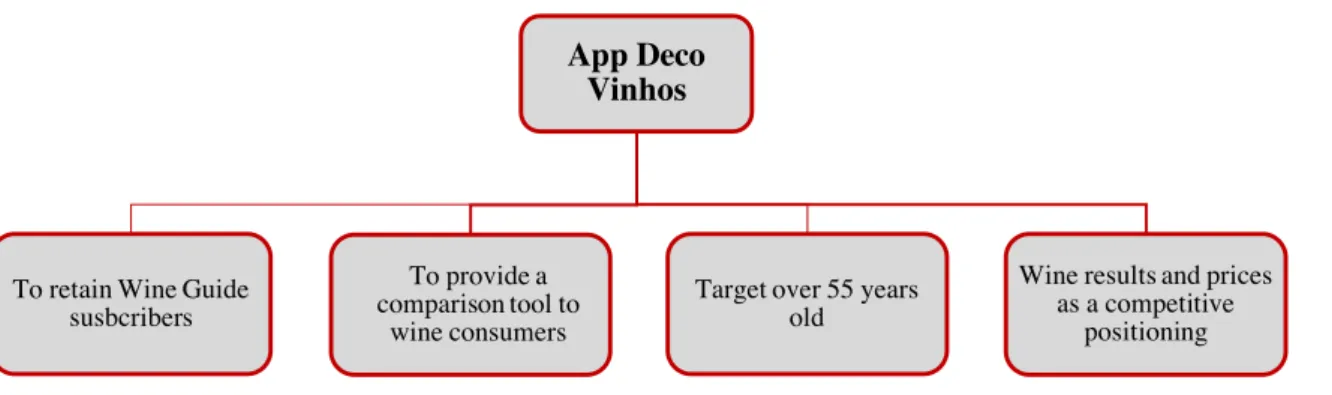
Figure 2 – Concept Map of App Deco Vinhos objectives, target and competitive positioning ... 24
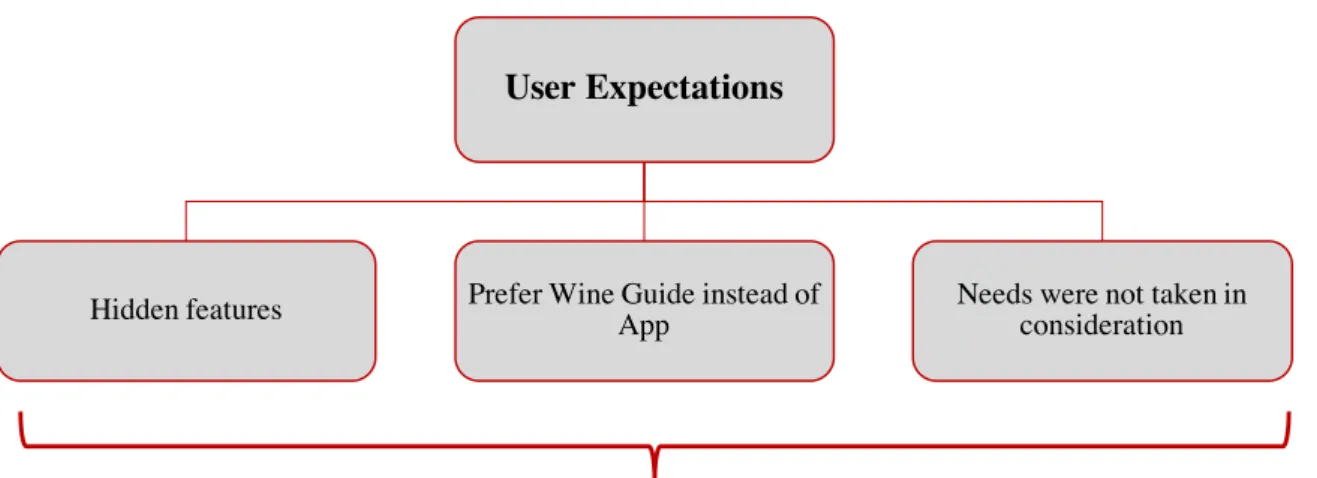
Figure 3 – Concept Map of User Expectations ... 28
Figure 4 - Concept Map of Key-Informant Suggestions ... 30
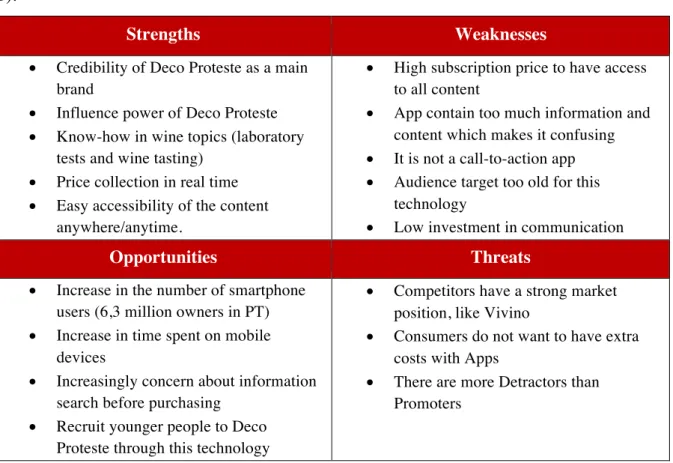
Figure 5 – SWOT Analysis ... 43
Figure 6 - Main conclusions from the Research Study according to subscribers’ involvement with the Wine Guide and App ... 58
Figure 7 - Recommendations for the Wine Guide and App ... 59
INDEX OF TABLES Table 1 - Conceptual Reference Framework of Literature Review main issues ... 20
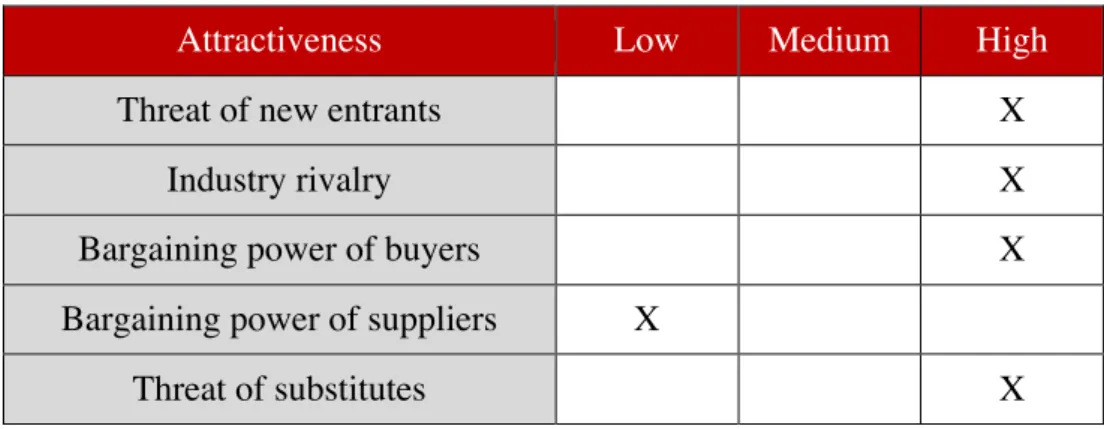
Table 2 -Summary table of Porter’s Five Forces analysis ... 35
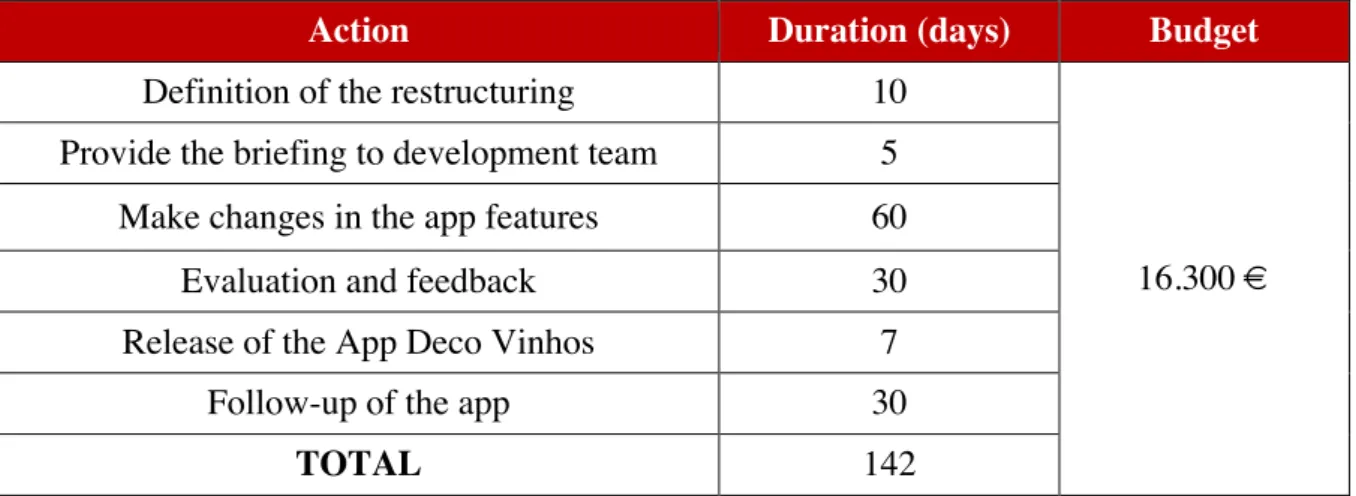
Table 3 - Implementation plan 1 ... 46
Table 4 - Implementation plan 2 ... 47
Table 5 - Implementation plan 3 ... 48
Table 6 - Implementation plan 4 ... 48
Influencer tool in the decision-making process - App Deco Vinhos ABSTRACT
The master project aimed to gather knowledge about the decision-making process and mobile applications (app) as a comparison tool, to propose a strategy to a restructuring proposal to app Deco Vinhos, by Deco Proteste.
This application is associated with Wine Guide in paper format which, itself, is intended to a elder target and less able audience to resort to mobile applications in the decision-making process of wine purchasing.
Therefore, it was necessary to find a strategy which revealed the application potential to a possible target.
The project started with the collection and analysis of the available literature on the topics of digitalisation and mobile applications, decision-making process and comparison tools as influencers, and mobile wine applications market.
An external analysis has been done, along with an analysis of the mobile application market and an internal analysis of the app. To sustain the results and to consolidate the restructuring proposal, were made interviews to key-informants who were involved in the app development. The project expectation is to present restructuring proposal focused on three main areas: at the product level, subscription model and communication plan, to meet the target’s needs, and this way increase the number of users.
Key-Words: Mobile Application, Decision-making process; Comparison tools. JEL: M31
RESUMO
O projeto de mestrado teve como objetivo reunir conhecimento sobre o processo de tomada de decisão e as aplicações (app) mobile como ferramentas de comparação, de forma a propor uma estratégia de restruturação para a app Deco Vinhos, da Deco Proteste.
Esta aplicação está associada ao Guia de Vinhos em formato de papel que, por si só, se destina a um público mais envelhecido e com menos capacidades para recorrer a aplicações mobile no processo de tomada de decisão da compra de vinhos.
Influencer tool in the decision-making process - App Deco Vinhos Deste modo, era necessário encontrar uma estratégia que desse a conhecer as potencialidades da aplicação a um possível público.
O projeto iniciou-se com a recolha e análise da literatura disponível relativa aos temas digitalização e aplicações mobile, processo de tomada de decisão e ferramentas de comparação como influenciadoras e mercado das aplicações mobile de vinho.
Também foi realizada uma análise da envolvente, do mercado das aplicações mobile e uma análise interna da aplicação. De forma a sustentar os resultados e consolidar a proposta de restruturação, foram elaboradas entrevistas a informantes chave que estiveram envolvidos no desenvolvimento da app.
A expectativa do projeto é apresentar uma estratégia de restruturação focada em três áreas: a nível do produto, modelo de subscrição e plano de comunicação, de forma irem de encontro às necessidades do público alvo e, assim aumentar o número de utilizadores.
Palavras-Chave: Aplicação Mobile, Processo de tomada de decisão; Ferramentas de comparação.
Influencer tool in the decision-making process - App Deco Vinhos EXECUTIVE SUMMARY
App Deco Vinhos is a software that allows the user to access a several contents about wine as a description about the wine about characteristics, prices and point of sale. It is also possible to know where is the shop with more competitive prices near the user through geolocation service that triggers the mobile device. A year after its launched, the objectives of the app were not achieved in terms of number of users and a team was gathered to solve this problem and improve the app Deco Vinhos.
This way, the master project aims to propose a strategy to a restructuring proposal to app Deco Vinhos, which fits with the target that makes use of this type of technology in their purchase process. The main objectives are: to study the decision-making process and digitalisation subjects; to understand in which way the app can influence the decision-making process; to analyse and comprehend the mobile wine application market and concretely the app Deco Vinhos competitive positioning, and to develop a realistic strategy to improve the app.
To accomplish these objectives, the project started with gathering knowledge about the decision-making process and mobile applications (app) as a comparison tools, then a collection and analysis of the available literature on the topics of digitalisation and mobile applications, decision-making process and comparison tools as influencers, and wine sector.
It has also been studied the results of the Usability Test and the Satisfaction Tests to understand the user’s feedback about the app. In-depth interviews have been done to key-informants from Deco Proteste that were involved in the app development to comprehend several aspects of the app performance. Lastly, has been conducted a competitive intelligence analysis to pursue updated information on the overall market, the specific industry, its competitors and its consumers.
The main conclusions perceived from the information collected were the Wine Guide and the App, although they are part of the same subscription, the products have different targets, so this is the main problem for the lack of app users. The Wine Guide target is elder people and less able to follow the digital trends.
From the several sources mentioned before allowed to develop and sustain a proposal strategy focused on three fields: product, subscription model, and communication plan. A set of actions under this three fields will be proposed to improve the app, increasing the number of users by meeting the target’s needs.
Influencer tool in the decision-making process - App Deco Vinhos INTRODUCTION
Problem definition
The advances in technology are determining significant changes in many aspects of our lives, so is essential for business learning how to consumers think and gather efforts to embrace these digital services. Furthermore, the increase of information aggregation and price comparison tools allow consumers to make faster and better choices regarding all the real-time information they have access through mobile.
Mobile has become the most used channel to access, not only digital media but also information in general. The number of smartphones has increased in Portugal and, consequently, the use of mobile applications has also increased. Specifically, the mobile wine applications, have changed the way consumers make purchase decisions offering wine consumers the ability to learn more about wine, discover new wines, record their own tasting notes and have access to the prices, anytime and anywhere. The wine market is very complex in its purchase decision due to the heterogeneity of the products and their attributes in the moment of purchasing. The price and comparison tools are beneficial in this decision-making process since they are essential instruments to provide information in a transparent way so that they can compare several ranges of products.
To follow the market trends, and as a way to offer a new product to the Wine Guide subscribers, Deco Proteste launched an App, Deco Vinhos, in October 2015, promoted by a communication campaign. App Deco Vinhos allows the user to access a several contents about wine as a description about the wine about characteristics, prices and point of sale. It is also possible to know where is the shop with more competitive prices near the user through geolocation service that triggers the mobile device.
One year later, a follow-up of the app was requested, and the results showed the objectives of the app regarding the number of downloads and the number of users was not achieved. The conversation rate from Wine Guide to the App was low. One of the main reasons is because app’s usage profile is different from the guide’s target. One year after, only 30% of wine guide subscribers knew the app, and only 6% used it. A team of people was gathered to evaluate this problem and propose solutions. As a collaborator of Deco Proteste, from July to December 2016, I was part of that team. With this Master Thesis, it is intended to propose a restructure of the App Deco Vinhos that allows achieving an increase in its notoriety and the number of users, in a second release.
Influencer tool in the decision-making process - App Deco Vinhos The project objectives
With the present research, it is intended to develop an academic study, an In-Company Project format, whose objective is to outline a proposal for a new model of the restructuring of the app Deco Vinhos.
The master project would be considered successful if accomplishes the following objectives: • To study the decision-making process and digitalisation subjects
• To understand in which way the app can influence the decision-making process • To analyse and comprehend the mobile wine application market and concretely the
app Deco Vinhos competitive positioning
Influencer tool in the decision-making process - App Deco Vinhos 1. LITERATURE REVIEW
1.1 Digitalisation: a digital transformation of society, business and consumer
According to Gartner IT Glossary (Gartner Group, 2016),“digitalisation is the use of digital technologies to change a business model and provide new revenue and value-producing opportunities”. Marco Cigaina (2016), Service Innovation Program Manager of SAP, further adds that digitalisation has the aim of engaging people to address their particular needs through technology in the business.
The advances in digital technology are determining significant and unprecedented changes in many aspects of our social and economic lives (Corrocher & Ordanini, 2002). Nowadays, one of the most critical issues is the digitalisation of society.
The emerging phenomena like connectivity, platforms, algorithmic power1, and big data2 have been the most transformative power in the history of technology. This evolution has been leading to great opportunities, but also to significant challenges. It means, the vast amount of data by devices as well users and their behaviour, creates compelling opportunities for innovative services and products. On the other hand, it also raises important issues regarding integrity and safety due to the tracking of citizens and customers. Regarding this, it is crucial to take opportunities and handle the threat of this digitalisation process to have a sustainable and safe digital society that is capable of innovating and competing (Larsson, 2016).
Digitalisation is progressively essential for the economy and society as a whole. According to Marco Cigaina (2016), several recent studies present “that companies that are more mature in their adoption of digital computing technologies have better performance in revenue, profitability, and market capitalisation”. Furthermore, there is a critical implication of entire industries might be disrupted due to other industry boundaries are getting digitaly blurred by other sectors.
Nevertheless, in a connected world of nowadays, it is essential for businesses learning how consumers think and to gather efforts to embrace these digital services (Mitchell, 2013). As an example, it is possible to perceive this technological advancement in mobiles devices and the growth of wireless connections in the way that consumers shop (Wong et al., 2012). Currently, products are gradually examined, compared, purchased and paid for on the Internet and through
1 Algorithmic power: The power of having a formula for solving a problem. 2
Big Data: It is high-volume, high-velocity and/or high-variety information assets that demand cost-effective, innovative forms of information processing that enable enhanced insight, decision making, and process
Influencer tool in the decision-making process - App Deco Vinhos mobile services. Consumption-related information is disseminated and discussed on blogs and forums, in which consumers self-organised themselves on social networking sites, and take active roles in production methods through crowd surfing and other technologies (Molesworth & Denegri-Knott, 2012) (Lehdonvirta & Ernkvist, 2011). To the process of finding and sharing information, it is called digital collaboration. The use of technology allows us to, not only discover, produce and market information but also to bring all these resources together to effortlessly share the ideas already synthesised, being more than just a way to socialise. Furthermore, the use of social media also has changed the way that customers interact with companies. Technology has become a fundamental part of everybody’s daily life and is pushing the front line of business towards the consumer (Cigaina, 2016).
Riss argues that digitalisation took customer-centricity to the next level. Nowadays, consumers make faster and better choices due to the vast amount of information they gather. This information led them to get better integrated and more convenient solutions (Cigaina, 2016). The increase of information aggregation and price comparison contributed to this phenomenon. Consumers nowadays have real-time mobile access to data. For example, the consumer has "real-time access to competitive pricing information simply by scanning a product barcode into their mobile phone and reading this information through an application such as Red Laser. In this way price transparency is increasing as consumers can compare the prices of products on the move", giving them power (Ernst & Young LLP, 2011).
Nevertheless, this digital change also faces challenges. Nowadays due to the share of information, consumers trust each other more than they trust corporations and/or brands [83% of consumers trust peer recommendations versus 63% who trust traditional advertisements on TV (Nielsen, 2015)]. Thus, brands are losing the information monopoly, so companies need to be conscious of the need to achieve collaborative and cross-channel engagement with their customers. However, it is crucial to pay attention and improve this lack of communication, not just to the customers, but also to suppliers and employees (Ernst & Young LLP, 2011).
1.1.1 Mobile Web
Mobile web refers to the usage of browser-based Internet services from handheld mobile devices, like smartphones, through a mobile or other wireless network. Nowadays, mobile is the only media channel that is growing, representing 65% of digital media time, while the desktop is becoming a "secondary touch point" for an growing number of digital users (Lella
Influencer tool in the decision-making process - App Deco Vinhos & Lipsman, 2016). This means that companies must increase their presence in this channel to follow the consumer trends.
Mobile internet has changed our lives. According to Marktest (2017), the number of smartphones’ owners is still increasing in Portugal. The Marktest’s study also refers that there are around 6000 thousand users of smartphones, which correspond to a 68% of cellphone’ users in Portugal, with more than ten years old. The smartphone penetration has increased 89% since April 2013. In Portugal, the use of smartphone exceeded the use of feature phone in October 2014. Mobile allows people to access information everywhere (space) and anytime (mobility). Mobile services have become more popular, and people can use it virtually anywhere, and it is crucial to attract them in some way.
According to Marktest (2017), in March 2017, 59% of the audited traffic was generated by desktop or laptops, and the mobile equipment generated 41% of the traffic. Among these devices, accesses by smartphone represented 35% of monthly consumption, while tablets accounted for 6% of page views. Compared to the same homologous period of the last year, smartphones had the highest increased (11%), and desktops/laptops have lost 12 percentage points.
Concerning usage to shopping, according to Nielsen (2016), 52% of the Portuguese inquirers referred that use a mobile connected device to look up product information when shopping, while also 52% said that use a mobile connected device to compare prices when shopping being these two reasons the ones which have more dominance when shopping.
It is essential to have in mind that customers are not motivated by attributes, but rather by the benefits of those attributes bring to them (Liang & Wen-Hung, 2004). It is also important to realise that different customers attach different value components of perceived value to these benefits. So, the strategies adopted should follow this consumer’ motivation.
1.1.2 Mobile Applications
Mobile applications operate outside of mobile web browser and are available through application distribution platforms, which are typically managed by the owner of the mobile operating system, such as App Store, Google Play and Windows Phone Store.
Mobile purchasing applications are thought to be future of the online consumer buying experience (Chang, 2015). However, before deciding whether a brand needs a mobile app or
Influencer tool in the decision-making process - App Deco Vinhos not, it is crucial to understand the numerous mobile opportunities available for brands to connect with consumers whenever and wherever they use it.
According to Bellman et al. (2011), there is a high level of user engagement and the positive impact that this engagement has on user's attitude toward the sponsoring brand, which reflects a reason to marketers have a high interest in mobile applications. The use of mobiles apps can have a positive, persuasive impact for a brand through increasing interest in the brand and the brand's category product.
The global market has experienced a remarkable increase in the number of smartphone users. Moreover, consequently, this growth has led to an increase in the number of apps that consumers use on their phones. The developer population has also boomed. The Apple App
Store claims close 2 million of the apps while Google Play has over 2.2 million apps, according
to comScore report (Lella & Lipsman, 2016). Moreover, this number is expected to increase even more in the near future. Apps have been gaining popularity in the business world. The usage of mobile apps is generating many revenues for enterprises. The Global Mobile Report (ComScore, 2017) predicts over 268 billion mobile downloads will generate an income of $77 billion in 2017. In 2014, the estimated global mobile app revenue $35 billion, $45 billion in 2015, and $58 billion in 2016. The report mentioned previously shows that “people spend 43% of their mobile app time on games, 26% on social networking, 10% on entertainment, 10% on utilities, 2% on news and productivity, 1% on health fitness and lifestyle, and 5% on others”. However, aggregator apps are likely to move in the vanguard. These apps put together content from multiple online sources and compile it into “one easy-to-follow interface”. The app Deco
Vinhos can be considered an app that aggregates content from several brand wines and several
stores. These types of apps are a perfect tool for those who do not have the time or desire to visit a vast number or have several apps on their smartphones, becoming convenient and improving the shopping experience.
The Global Mobile Report (2017) also indicates that people between 18 and 24 years of age use more mobile apps than any other group. They are followed closely by 25 to 34 years, 35 to 44 years, 45 to 54 years, and then over 55 years, respectively. The implication is that businesses that use mobile applications will target the middle generation more than the younger and older generations.
According to Ericsson Mobility Report (2017), that illustrates the tremendous evolution of mobile technology, the total traffic in mobile networks increased by 70% between the first
Influencer tool in the decision-making process - App Deco Vinhos quarter of 2016 and the first quarter of 2017. Mobile subscriptions are increasing at around 4% per year, reaching 7.6 billion in the first quarter of 2017. Mobile broadband (wireless Internet access usually through a portable modem) subscriptions are also growing by around 25% year-on-year. Currently, the total number of mobile broadband subscriptions is around 4.6 billion. It is expected to reach 9 billion mobile subscriptions, 8.3 billion mobile broadband subscriptions and 6.2 billion unique mobile subscribers in 2022. Mobile data traffic also continues to grow. Although the mobile web browsing traffic continues to decline, the traffic in apps is growing.
1.1.3 Wine Applications
Technology has changed the way consumers make purchase decisions, and so do the wine industry. Wine apps continue to expand offering wine lovers the ability to learn more about wine, to purchase wine directly, to discover new wines, and to record their own tasting notes of wines they have tried (Higgins, McGarry Wolf, & Wolf, 2014). According to founder and CEO of Vivino, Heini Zachariassen (2017), the numbers are astonishing. Wines worth more than 40 million Dollars have been sold through the mobile application, with around 425 million labels scanned, 72 million ratings and about 12 million bottles of wine rated since he launched the app. However, the wine industry worth $300 billion and online part is still very insignificant, not only the e-commerce but also in terms of price comparison tools.
According to Lecat and Pelet (2011), wine apps with QR code reader may be “relevant for younger wine consumers that are making purchases out of convenience, who do not have a significant amount of wine knowledge and are more likely to be engaged electronically when compared to the more traditional wine purchaser”. It means that technology must be useful and must fulfil an unmet need in their daily routine.
Nevertheless, it is predicted that apps into the wine purchase decision is dependent on both the ease of use and the perceived usefulness of the technology (Pérez, Sánchez, Carnicer, & Jiménez, 2004).
1.2 Decision-making process of purchasing
A consumer purchase is a response to a problem, and some purchase decisions are more critical than others due to the different amount of effort that we put on them. Sometimes this
decision-Influencer tool in the decision-making process - App Deco Vinhos making process is almost automatic based on very little information but, on the other hand, it also can take some time. It gets even more time-consuming and complicated with so many options from which to choose. One of the most significant problems for modern consumers is to have too many options, rather than have few options (Solomon, 2009). For example, we can face this problem in the sector of wine. According to Mick, Broniarczyk and Haidt (2004), this is called consumer hyperchoice, which is a condition where a large number of available options forces us to make repeated choices that may drain mental energy while decreasing our abilities to make a smart choice.
Regarding a rational perspective, we integrate as much information as possible to examine each alternative and make a satisfactory decision carefully. This point of view incorporates the economics of information approach that assumes that consumers gather as much data as the need to make an informed decision, as long as the process of gathering it is not too onerous or time-consuming (Hauser, Urban, & Weinberg, 1993).
1.2.1 Individual decision making
Solomon (2009) says that there are five steps in the decision-making process: (1) problem recognition, (2) information search, (3) evaluation of alternatives, (4) product choice, and (5) its outcomes. However, consumers do not always follow this these decision-making process steps in our purchases. One example is the momentum purchase that occurs when the initial purchase provides a psychological impulse that enhances the purchase of a second, unrelated product (Dhar, Huber, & Khan, 2007).
According to Solomon (2009), the first step of the decision-making process starts with the (1) problem recognition when we see a significant difference between our current state of affairs and some state. To get at that desired (ideal) state from the starting point, we need to solve a problem which may differ regarding measure and complexity. Bruner and Pomazal (1988) claim that a problem can arise in one of two ways: need recognition or opportunity recognition. Need recognition could happen whenever the quality of an actual state decreases. It could happen, for example, whenever a person runs out of a product or buys a wrong product that doesn’t satisfy their needs or even when she realises she has a new need or desire. On the other hand, need recognition often occurs when we are exposed to different or better-quality products. The opportunity recognition takes place when we move our ideal state upward. For example, when a person craves a newer, flashier car.
Influencer tool in the decision-making process - App Deco Vinhos The second step of the decision-making process is the (2) information search. According to Strebel, Erdem and Swait (2004) “is the process by which we survey the environment for appropriate data to make a reasonable decision”. Due to the nature of the information search, it might be a prepurchase search – search the marketplace for an accurate information - or an
ongoing search – desire to be up to date on what is happening in the marketplace just for fun.
The information sources could be internal or external. Whenever the information comes from us (our memory has knowledge about products), it is called internal search. However, sometimes we need more than just our knowledge of products, so we need to obtain information through external sources like advertisements, friends or experts, for example (Solomon, 2009). The information search could whether be a result of a direct learning in which we have already search for information on a previous occasion or an incidental learning which is a more passive way of acquiring information. The product may not interest us today, but we could be exposed to advertising, sales promotion or any other way to catch our attention (G. Punj, 1987).
Nevertheless, consumers do not always search rationally before making choices. The amount of information that we search for most products is unexpectedly small. According to Gobb and Hoyer (1985) “lower-income shoppers, who have more to lose by making a bad purchase, search less before buying that more affluent people do”.
Additionally, consumers also want to try new things, so they switch between brands, even if their current brand satisfies their needs. This process is named variety seeking (Ratner, Kahn, & Kahneman, 1999) and it is considered a way to stimulation or to reduce boredom through craving new alternatives and usually occurs when consumers are in a good mood. According to Inman (2001), “in the case of food and beverages, variety seeking can occur as a result of sensory-specific satiety”.
Regarding the amount of information search, it increases with the importance of the purchase, the needed of learning or with the facility of obtaining the information (G. N. Punj & Staelin, 1983). Bettman and Park (1980) say that having previous knowledge about the product is related to the amount of information that we search. "Product experts and novices use very different procedures during decision-making. So, search tends to be greatest among those consumers who are moderately knowledgeable about the product.”
The inverted-U relationship between knowledge and external search effort can explain that the type of search people with varying levels of expertise differs. Experts have a better sense of which information is relevant for the purchase – selective search – but, on the other hand,
Influencer tool in the decision-making process - App Deco Vinhos novices are more likely to rely on the opinion of other people and on “unfunctional attributes” like price and packaging.
Following the information search step of the decision-making process, the consumer must (3) evaluate the alternatives. In some cases, the consumer has several options to choose. Therefore, the consumer must decide which criteria is relevant to its choice, how he narrow the alternatives to a fair number of options and at the end which product he will choose. The consideration set is the group of alternatives that the consumer takes into account. It means the alternatives the consumer knows and consider. To process the information, consumers evaluate products based on what they previously know about a particular product or other similar ones. Consumers cognitively represent this information in a knowledge structure, which is “a set of beliefs and the way we organise these beliefs in our minds” (Alba & Hutchinson, 1987). According to Rosch and Lloyd (1978), we represent a product in a cognitive structure at one of three levels. Cognitive categories are organised into taxonomies that are based on class inclusion and degree of generality, in three levels of categorisation: superordinate level, basic
level and subordinate level. The superordinate categories are found at the top, and they show a
high degree of generality and give a very abstract information. These categories include basic level categories. The basic level category is typically the most useful to classify products because we tend to group the items together that have more in common with each other creating a range of alternatives. Finally, the subordinate level categories show a low degree of generality and a low degree of class inclusion. These categories often include individual brands and specific features.
Figure 1 –Levels of abstraction in drink categories Source: Adapted from Solomon
Once we consider the several and most relevant options in a category, we have to choose one, either through a straightforward and quick strategy or a more prolonged process that takes more
Drink
Alcoholic
Wine Beer Vodka
Non alcoholic
Influencer tool in the decision-making process - App Deco Vinhos attention. For this, we use evaluative criteria which are the dimensions that consumer uses to judge the merits of competing options. It can be several criteria, ranging from functional attributes to experimental ones, and they can have different weight in the decision process, especially when products differ more from another, rather when the alternatives are similar. “Determinant attributes are the features we actually use to differentiate among our choices” (Solomon, 2009).
One wealthy source of information is the Internet, where is easy to access to different information about a product or brand in seconds. However, due to the amount of information,
cybermediary is useful to organise and filter the information so that intermediaries can identify
and evaluate alternatives more efficiently (Porter, 1985). Cybermediaries can be present by different forms such: directories and portals such Yahoo!; website evaluators; and forums, fan clubs and groups for discussions.
Intelligent agents are sophisticated software programs that use collaborative filtering technologies to learn from past user behaviour to recommend new purchases.
However, we do not always put such effort into our decisions. We used to resort to heuristics, which are “mental rules-of-thumb [assumptions] that lead to a speedy decision” (Baron, Byrne, & Suls, 1989) to simplify and rush our choices. Choosing a well-known brand name because of its name is a powerful heuristic. Inertia is one of the causes why so many consumers always choose the same brand because they buy it for habit and require less effort. On the other hand, brand loyalty is also a reason why consumers repeat the same purchases several times due to the bond that he creates with the brand, like a passion.
Solomon (2009) argues that after evaluating the alternatives, it is time to make the (4) final choice of the product. We use different rules to choose among competing products depending on the complexity and importance of choice. Either we can use simple heuristics, or we can search carefully among several alternatives. Depending on the effort of thinking that we put on the decision we can describe them as compensatory or noncompensatory rules.
• Noncompensatory decision rules – when we think that another attribute can compensate a low standing attribute. It means that we eliminate all the options that do not meet our basic standards.
o The Lexicographic Rule: When using this rule, the consumer selects the brand that is the best on the most essential attribute.
Influencer tool in the decision-making process - App Deco Vinhos o The Elimination-by-Aspects Rule: The consumer also evaluates brands on the
most important attribute
o The Conjunctive Rule: This rule processes by brands. The decision maker establishes cutoffs for each attribute, and the brand is chosen if it meets all the cutoffs. If it fails one of the cutoffs, the consumer will reject it.
• Compensatory decision rules – On the opposite of noncompensatory rules, this one gives a product a chance to make up for shortcomings. Consumers tend to be more involved with the purchase and put more effort on it.
o Simple Additive Rule: Consumers chooses the alternative that has the most favourable attributes. Some of them may be not so important as others.
o Weight Additive Rule: It is more complicated than Simple Additive Rule because it also takes into account the relative “importance of positively rated attributes, essentially multiplying brand ratings by importance weights”. The app Deco Vinhos, in the decision-making process, could be useful in tow steps: in the information search and the evaluation of the alternatives. In the first one because the app provides information about a broader range of wine, such the quality and the prices practiced in several points of sales. The app also intervenes in the evaluation of the alternatives because it gives a ranking of the wines helping the consumers evaluating all the products available more efficiently.
1.2.2 Decision-making process of wine purchasing
The wine market is a very complex market in its purchase decision due to the heterogeneity of the products and their attributes, and also due to the difficulty in identifying these attributes in the moment of purchasing. Furthermore, the process of choosing wines faces some complexity due to the asymmetry of information existing (L. Lockshin & Hall, 2003).
Trying to overcome this problem, the consumer uses his constructions of life experience, knowledge (objective and subjective) and several external information sources. Nevertheless, (Lai, 1991) says that this information is influenced by the occasion of purchase and argues that the occasion influences the range of brands to analyse, the depth of purchase, the type of information collected, and the budget.
On the other hand, Ehrenberg (1988) says the brand itself is the most critical issue in the decision-making. According to these authors, although the trend is to present even more brand
Influencer tool in the decision-making process - App Deco Vinhos names, especially in The New World3, several factors influence the purchasing. Some of these factors are the region, sub-region and country of origin, year of harvest, type of vine variety, producer or trader, winemaker and vineyard.
According to Gluckman (1990), the wine decision-making process has been changed to a more complex situation, involving the evaluation of attributes related to the product during the purchase. Furthermore, this author refers that the attributes can be the colour of the wine, the type of vine varieties, the price, the region, the prizes awarded, the brand, the packaging and the taste. Also, some of these attributes may interfere in the decision process, although they seem to have a superficial influence.
Lockshin and Hall (2003) define as extrinsic attributes the price, brand, packaging and shelf location, which can be modified without changing the quality of the product. The intrinsic attributes are directly related to the product, such as the grapes variety, alcohol content and wine’s style.
However, until the bottle is opened and the wine is tasted, it is not possible to know the quality of the wine. Before this moment, the consumer must make a decision using the extrinsic attributes that are often used as heuristics cues to evaluate the quality of the wines, since the consumer does not have information about the quality of the product (Speed, 1998).
For this reason, the intrinsic quality of the wine is an attribute that is difficult to define and to communicate. The sensory analysis is subjective and difficult to measure. Moreover, the consumption occasion, like other circumstances, can influence the quality level. All these factors influence the decision-making process due to the complexity and the risk (Oczkowski, 2001).
The wine quality must be understood in perspective of perceived quality, which includes both the intrinsic and extrinsic attributes of the wine. According to Lockshin and Rhodus (1993), perceptions of its quality are based on the combined evaluation of intrinsic attributes, such as the grape variety, alcohol content, wine style, winemaker, and extrinsic attributes, such as price, bottle, labels and brand.
The level of consumers’ knowledge and involvement with the product are also important factors to consider understanding the decision process of buying wine. In fact, they count to different intensities in the evaluation of the considered attributes.
Influencer tool in the decision-making process - App Deco Vinhos Consumers, who have a high degree of involvement with the product use more complex data collection system than low-involvement consumers. The latter use simple strategies to reduce risk, such as choice of previously experienced or known brands, the recommendation of friends and wine journalists, advices of retail sales associates and bottle labels analysis (Barber, Almanza, & Donavan, 2006).
Knowing the criteria and understanding the evaluation process made by consumers is therefore very important for producers to develop strategies for market orientation.
1.2.3 Influence in the decision-making process
As humans, we are social animals, and we all belong to groups which lead us to try to please others to fit in the group. This motivation to adopt the same behaviour is also reflected in consumer behaviours (Solomon, 2009).
A reference group is “an actual or imaginary individual or group conceived of having significant relevance upon an individual's evaluations, aspirations, or behaviour" (Park & Lessig, 1977) and can influence in three ways: informational, utilitarian, and value-expressive. However, these reference groups do not have the same influence for all types of products and consumption actions. The influence power may differ considering two dimensions: whether we will consume it privately or in public and whether if it is a luxury or necessity. As a rule, these reference groups have more influence in luxury purchasing that are visible to others. This behaviour is explained by the social power - “the capacity to alter the actions in others” (Gergen, 1985)- have on consumers. According to Solomon (2009), the social power can be distinguished in several classifications:
• Referent power: Try to imitate a person or a group that admires by copying the referent’s behaviour.
• Information power: People with information power are able to influence consumer opinion just because she knows something other would like to know and they assume she has access to the “truth”.
• Legitimate power: Sometimes we give power by social agreements, like authority we give to some uniforms such police officers.
• Expert power: This power is given by the knowledge that a person or group have about a given area.
Influencer tool in the decision-making process - App Deco Vinhos • Reward power: An individual or group has reward power when has the means to
provide positive reinforcement.
• Coercive Power: It happens when a person has the ability to influence other by a social or physical intimidation.
Deco Proteste is considered a reference group with information and expert power since they influence to transmit trustable knowledge and have know-how about the products to provide reliable information about them. In particular, app Deco Vinhos has both powers regarding wine purchasing decision.
1.2.4 Opinion Leadership
An opinion leader is someone who has in-depth knowledge about a product and whose advice others seriously. This person is usually able to influence other’s attitudes and behaviours so they are considered valuable information sources (Rogers, 1983). Besides the expert power due to their competences, they also have knowledge power since they are capable of prescreening, evaluate, and synthesise the product information (Menzel, 1981). Opinion leaders are not only socially active and highly interconnected in their communities (Venkatraman, 1989), but they also have their offices in the communities’ groups/clubs so they can stand out socially and be the owner of legitimate power. Opinion leaders also have referent power since they tend to be similar to the consumer regarding values and beliefs. Opinion leaders use to be the first ones buying the products so that way the risk can be reduced for the consumers. They also are considered more credible because they not focus on the positive aspects of the product but also in the negative ones.
Due to all the previous reasons mentioned before opinion leaders can assume a particular impact on group members’ attitudes and behaviour. However, it was difficult to find a generalised opinion leader that his opinion is credible in a vast range categories of purchases. Usually, opinion leaders are monomorphic, which means they are experts in a specific and limited field (Merton, 1957).
1.2.5 Price and Product Comparison Tools
Price Comparing Tool (PCT) is designated as the digital content developed to be used by consumers principally to compare products and services online (ACER, 2015). These tools are
Influencer tool in the decision-making process - App Deco Vinhos considered essential instruments to provide information to consumers in a clear and transparent way.
On the other hand, Comparison Shopping Engines (CSE) give e-commerce merchants the opportunity to attract new consumers, increase sales, and go face-to-face against the competition. These tools, in response to a shopper’s search request, collect product information, including pricing, from participating retailers and the display that collective information on a single results page. This allows sellers to put their products in front of very interest buyers, even though comparison shopping engine website owners do not offer the products themselves, they may receive a commission if their efforts help turn a profit for an online store. For the consumer, the advantage is that they can compare merchandise prices without having to perform extensive searches themselves. According to Andrew Meola (2016), almost 40% of worldwide e-commerce traffic in January 2016 came from comparison search engines, while 35% came from direct search through the retailer’s site. This search can be organic (all listings of any search query) or paid (promoted listings and ads on search results pages).
Nevertheless, it is essential to consider that, while the online sales are growing, 90% of consumer purchases are still made at a retail store. ROBO – Research Online, Buy Offline, is a consumer behaviour where they resort to search engines, blog posts, reviews, and others to help them in the decision-making process. Once they search relevant information online and qualify their purchase decisions, they go to a store to make the purchase. Usually, consumers use ROBO for major purchases (Forbes Corporate Communications, 2016).
1.2.6 User Reviews and Power of Recommendation
While consumers have always had the power to make their own purchase decisions, now they also have gained the power to influence what others buy, mostly empowered by social networks and digital devices (Perkins & Fenech, 2014).
Besides information about the products and prices in Comparison Search Engines, the user reviews have a high power in the purchasing decision. Even though user reviews have huge differences regarding thoroughness and comprehensibility, they have a powerful effect on the behaviour of the audience. According to a survey by BrightLocal (2014), 88% of consumers trust online reviews as much as personal recommendation, and it is important to consider the online reviews are posted by total strangers.
Influencer tool in the decision-making process - App Deco Vinhos Consumers have become not only critics but also creators since the digital revolution has given additional power to the consumer. Besides all information available and a vast range of choices, the decision-making is becoming more complex. Nevertheless, consumers have found ways to deal with the available choices through social media and comparison search engines to notify their decisions and exert their power. This has led consumers to look for inspiration by searching for other people social media profiles instead of being inspired by brands through the traditional methods of advertising. Consider the post-purchase, consumers not only want to share their point of view but also want to be involved in the product development (Perkins & Fenech, 2014).
The challenge for the business is to respond and meet the consumers’ expectations and find a way to engage with them. For this, business needs to understand their behaviours and be more transparent in the relationship with consumers.
1.3 Wine
The wine production has always been a tradition in Portugal (see Annex A – Wine History in Portugal), represented significant marks along our History. The wine sector is significant, not only, due to its economic value that creates, but also due to the role, it plays socially and regarding conservation of the environment. This connection and the tradition have influenced since very years ago the way Portuguese people percepts the wine and the way people consume it. For this reason, it is important to describe some marks of wine sector history to explain how wine it is part of the Portuguese culture.
1.3.1 Wine Sector
Portugal is a wine-producing southwestern European country that has one of the world's highest per capita alcohol intakes, which is mainly characterised by a daily wine consumption during meals (Marques-Vidal & Dias, 2005). According to OIV – International Organisation of Vine and Wine (2017), Portugal leads the world ranking in wine consumption with an average of 54 litres per capita, followed by France (51.8 litres per capita) and Italy (41.5 litres per capita). In the ranking of production, Portugal appears in the 11th place, with 6 million hectoliters. On export, Portugal appears in the 9th place in volume and 10th in value, with 2.8 million hectoliters and 734 million euros in 2016, respectively.
Influencer tool in the decision-making process - App Deco Vinhos Regarding trends and determinants of alcohol consumption in the current Portuguese population, there is insufficient information. In a cross-sectional studies conducted by Pedro Marques-Vidal and Carlos Matias Dias (2005), “among drinkers, the most frequently consumed alcoholic beverage was wine, followed by beer, whiskey, and Port wine” but this pattern of alcohol consumption is changing: “the prevalence of drinkers is decreasing, and young generations are shifting from wine to beer and spirits”.
Brunner and Siegrist (2011), argued that there is a trade-off in the determinants regarding consumption and spending: “Consumers who pay more attention to bargains drink more wine but pay less for it. Consumers who tend to drink to make themselves feel comfortable consume more at a lower price per bottle. Older respondents also consume more and spend less on wine. Finally, consumers who drink wine for an intellectual challenge consume less and spend more.”
1.3.2 Wine as a social pattern involvement – Drinking wine as a cultural behaviour
Drinking culture refers to the customs and practices associated with the consumption of alcoholic beverages. Although alcoholic beverages and social attitudes toward drinking vary around the world, the wine has evolved as part of our life, culture and diet since a very long time. As a symbol of European life, the role of wine has evolved, shifting from an important source of nutrition to a culture complement of food and social life compatible with a healthy lifestyle. Most European cultures consider wine a refined choice, a view which is consistent with moderate consumption.
When we are trying to understand the relation between alcohol and human behaviour there are, not only several sociocultural variants but also physiological and psychological variants to study. Individuals learn ways of drinking and ways of thinking about drinking as they learn about other things – it is an aspect of culture mostly determined by the drinking we observe. According to Caroline Ritchie study (2007) about United Kingdom wine consumer, wine consumption is part of the lifestyle of most consumers. This way the consumption of wine is integrated into the culture of many individuals and became less elitist and more accessible to everyone, in general.
Lifestyles are associated with values and how to achieve them, expressed in several ways, including wine consumption. This is considered a way to segment the consumers according to their consumption behaviours, which depend not only on the product itself but also on the
Influencer tool in the decision-making process - App Deco Vinhos consumption situation (Bruwer & Li, 2007). Based on these indicators, the authors (Bruwer & Li, 2007) developed a tool to measure (Wine Related Lifestyles – WRL) the lifestyles related with wine in the Australian market. They defined five dimensions of connection between wine and values, such (1) Wine Consumption, (2) Ways of Buying, (3) Quality/Attributes, (4)
Consumption Rituals and (5) Consequences of Wine Consumption. The study resulted in 5
segments of wine consumers:
• Consumers oriented to social pleasure, which drink wine for fun and pleasure, particularly in bars but also at home to relax;
• Consumers oriented to appearance/fashion that drink wine to fit with their image of a wine drinker;
• Wine remarkable enthusiasts that enjoy rituals related to wine and want to be seen as someone who appreciates wine;
• Intentionally discrete premium consumer, who is not concerned about image and drinks socially, usually not in bars;
• Primary wine consumer, with little involvement with wine that drinks occasionally. Nevertheless, contrary to the inherent culture of wine, many countries are facing unappropriated trends regarding alcohol misuse, primarily related to excessive consumption, known as binge drinking. Despite differences in consumption across the world, studies show that moderate consumption remains the norm, only a minority of people make improper use of wine, a high-quality drink.
However, the occurrence of alcohol-related problems is not directly related to average per capita consumption. Per example, countries such Ireland and Iceland which have low average consumption often record relatively high rates of alcohol-related social and psychiatric problems, while countries such France and Italy which have much higher levels of consumption, score low on most indices of problem drinking (Social Issues Research Centre, 2000).
Recognizing the health risks and adverse social and economic consequences of the unappropriated use of alcoholic beverages, and the fact that responsible wine consumption patterns are entirely compatible with a healthy lifestyle, the wine culture must require responsible and moderate consumption.
Influencer tool in the decision-making process - App Deco Vinhos 2. CONCEPTUAL REFERENCE FRAMEWORK
The following table presents the principal issues studied in the literature review which relevance they have to the project.
KEY-QUESTIONS RELEVANCE TO THE PROJECT
D IG ITA LI S A TI O N
Digitalisation has created powerful opportunities for innovative services and products (Larsson, 2016)
Deco Proteste must continue to follow the digitalisation trends, as perceived with the launch of app Deco Vinhos.
The number of apps that consumers use on their smartphones has increased in a significant way in the last years (Gartner)
Deco Proteste should consider the changes in consumer behaviour. Mobile wine apps have changed the way
consumers make purchase decisions, giving much information anytime and anywhere they need. (Higgins, McGarry Wolf, & Wolf, 2014)
Deco Proteste must take advantage of this opportunity and offer an app that adds value to the purchase wine decision. D EC IS ION -M A K IN G P R O C ES S
The decision-making process has five steps: problem recognition, information search, evaluation of the alternatives, product choice and outcomes. (Solomon, 2009)
App Deco Vinhos might influence the decision-making process in two steps: information search and evaluation the alternatives.
The decision-making process of wine purchasing is influenced by the occasion of purchase, which consequently, influences the brands to analyse, depth of purchase, type of information collected and budget. (Lai, 1991)
Since several factors influence consumers at the moment of purchase, it is important to give them information about them, such as brand, quality results and price. The level of consumers’ knowledge and
involvement with the product are important factors to consider understanding the decision process of buying wine (Barber, Almanza & Donavan, 2006)
It is important to segment the several information available about wine to the different products offered by Deco Proteste, like the Guide and the App.
An opinion leader is someone who has in-depth knowledge about a product and whose advice others seriously. (Rogers, 1983)
Deco Proteste must take advantage of its notoriety as a credible institution that provides reliable information.
Price and Product Comparison Tools are digital content and applications developed to be used by consumers primarily to compare products and services online, providing information in a clear and easy way. (ACER, 2015)
Price and Product Comparison Tools are the competitive advantage of Deco Proteste. App Deco Vinhos must reinforce this advantage in the wine field. WI N E S EC TO
R Portugal leads the world ranking in wine consumption with an average of 54 litres per capita (OIV, 2017)
App Deco Vinhos has a vast range of potential users, so it is crucial to fulfilling their needs in the decision-making process.
Table 1 - Conceptual Reference Framework of Literature Review main issues Source: Self-produced
Influencer tool in the decision-making process - App Deco Vinhos 3. METHODOLOGY
In this Master Project is intended to diagnose the app Deco Vinhos, as well as to elaborate a proposal for restructuring to promote and improvement of its performance and acceptance by the wine consumers in their decision-making process of wine purchasing.
To sustain the theoretical part of this project, a literature review has been conducted to gather the information derived from several data such as academic papers, books, reports, websites and other regarding the digital transformation of the society, mobile web, mobile applications, the decision-making process of purchasing and the wine market.
3.1 Secondary Data
In first place were collected secondary data, which is data already existent that helps to have a better understanding of the subject. A Usability Test report was studied to understand and evaluate the usability and to obtain feedback about specific features. This test used a sample of five users with the following profile: regular buyers of wines (at least once a week); they did not work in the Web Design, Usability and/or User Experience areas and they were familiar with using smartphones. In this Master Project, the study of this Usability Test is crucial to understand the users’ feedback about app usability.
Also, was also studied the Satisfaction Surveys made to Wine Guide subscribers about their satisfaction and opinion of Wine Guide and app Deco Vinhos. These types studies are regularly made in Deco Proteste, not only to the Wine products but also to all products that have publications or online comparators. For this Master Project, it is essential to perceive the subscriber's satisfaction regarding the app Deco Vinhos, to understand the crucial points that need improvements and what they value in the app.
3.2 In-depth interviews
Secondly was conducted an exploratory research to provide insights and an understanding of the problem. This type of research is usually used when it is necessary to define the problem more precisely and identify relevant and alternative courses of action or even gain additional insights for developing an approach. It consisted of personal in-depth interviews with key-informants whit an expertise in the APP Deco Vinhos, and these type of feedback add quality and direct advice about how to manage the mobile application. The applied method to acquire
Influencer tool in the decision-making process - App Deco Vinhos information results was from semi-structured interviews. It means, although defined questions were pre-established, there was an open space for introducing some other questions regarding the interview flow. Primarily, key-informants were asked permission to record the interviews and informed that their answers were to be used for a subsequent study. All responded positively and thereby, all interviews followed the script order. The interview began with a brief introduction to the topic and an explanation of the reasons that lead to the study. The structure of the following interview see different open questions divided into six topics:
(1) Aim of App Deco Vinhos and relation with Wine Guide; (2) Deco Proteste as an influencer in the decision-making process;
(3) App Deco Vinhos positioning – company, customers and competitors; (4) Main goals and performance measure;
(5) User’s feedback;
(6) The suggestion of ways to improve.
First of all, a previously contact was made by e-mail to understand the availability and the ability to contribute to this work. Four interviews were conducted through the six topics mentioned before. Regarding the involvement of each interviewee with the app, was given different focus to the different topics. Afterwards, all interviews were transcribed and translated.
Concluding, the primary data (information that is collected accurately for the research project) was collected by the mentioned in-depth interviews through a direct approach where the purpose is disclosed to the respondents. Therefore, was used a qualitative research to provides insights and understanding of the problem set.
Key-informants
This sample of four interviewees enables an in-depth analysis of the collected information, which would not have been possible if handling a broader sample. Being a qualitative analysis, the focus relates to the development of a specific problem, describing the current App Deco
Vinhos situation and uncover possible improvements.
It has been chosen four employees that have been working with app Deco Vinhos in several aspects. Eduardo Ribeiro, from the User Experience team, who participated in the development process of the app, more focused on the user experience and analysed a test made to the user of the app according to its acceptability and usability. Miguel Botelho, art director, who gave his expertise regarding user interface design. Sofia Mendonça, project officer who has been
Influencer tool in the decision-making process - App Deco Vinhos working with wine projects and specifically with App Deco Vinhos, in the quality strand. Susana Nunes, market analyst, who works with the wine in terms of market research and price analysis. João Moura, from the Marketing team, although we could not be available to be present in this interview, he provided several materials about the communication plan.
This diversification provides an overall of the app Deco Vinhos and its situation over time, from its development proposal to the current situation, and next steps.
3.3 Competitive Intelligence Analysis
A Competitive Intelligence Analysis is a process of understanding and learning a company undergoes regarding its industry. This analysis differs from the competitive analysis because the last one is a strategic technique used by a company to evaluate the strengths and weaknesses of its competitors. Competitive Intelligence is a high-level strategy implemented by a company where it pursues updated information on the overall market, the specific industry, the competitors and the consumers. All of these to achieve a competitive advantage over the other industry operators. Competitive Intelligence Analysis is similar to a benchmark since it could be used as a point of reference for evaluating performance from the experience of the other companies in the industry, to improve its own strategy and operations.
In this Master Project, as a competitive intelligence analysis has been conducted through several techniques: the transactional environment was analysed looking at the structure of the industry and the dynamics of the attractiveness of the market through Porter’s 5 Forces methodology. It analyses the influence of the buyers, suppliers, new competitors, substitutes and rivalry between competitors. A competitor analysis was also performed since it is crucial to understand how the players are behaviour in the market. An internal analysis about the app
Deco Vinhos was also completed using several information sources. To summary, a SWOT
analysis was used to contextualise the competitive scenario and its level of impact on positioning, strategy and performance, indicating the strengths, weaknesses, opportunities and threats.
Finally, the results are gathered to obtain the most precise scenario possible to improve the necessary adjustments to the mobile application. The secondary data and the in-depth interviews supported the following topics in the next subject of data analysis: 4.1- App Deco
Vinho Analysis; 4.2 - User Expectations and 4.3 – Key-informant suggestions. The competitive
Influencer tool in the decision-making process - App Deco Vinhos 4. DATA ANALYSIS AND INSIGHTS
4.1 App Deco Vinhos Analysis
Figure 2 – Concept Map of App Deco Vinhos objectives, target and competitive positioning Source: Self-produced
The first product of the wine line launched was the Wine Guide in 2004. Since its launch, Deco Proteste tried to introduce a new thing every year and offer it to the Wine Guide subscribers. They want it to become a product line with several items/services. First, was launched the product selector, the online comparator in Deco Proteste website. Besides that, partnerships were negotiated, discount vouchers were given to the subscribers, among others. These offers were forming the base package of the Wine Guide. Through the satisfaction inquiries that are regularly made regarding the Wine products line, was accurate that Wine Guide Subscribers would like to have the results of the wine tests in their phone, always available when they need it, especially at the moment of the shopping, in supermarkets and wine stores. Some years ago, were introduced in the Wine Guide a leaflet with a summary of the results of wine that could be easily carried in the pocket. However, most of the times the leaflet were forgotten and subscribers did not take in the purchasing moment, or the shopping process did not even was planned. For them, having access to the results of wine tests at the moment of purchasing would be very helpful and useful. Besides this, the new technologies have emerged, and although the wine results were available at the Deco Proteste website, and they could have access through the mobile phone, this was not so intuitive to use. So, the team started to think more simply to provide the results in a similar way to the online comparator. On the other hand, Deco Proteste also wanted to follow the technology trends and consumer’s behaviour, trying to facilitate the access to the wine results at the point of sale.
App Deco Vinhos
To retain Wine Guide susbcribers
To provide a comparison tool to
wine consumers
Target over 55 years old
Wine results and prices as a competitive
Influencer tool in the decision-making process - App Deco Vinhos Another feature of the mobile app is to be able to have prices regularly updated. Unlike de annual Wine Guide, the app is updated around four times per year. The app contains more tested wines that the guide in paper format because it also has the two other collections (sparkling wine and rosé wine). Comparing with the Wine Guide, the app has a feature of geo-referencing that detects where the consumer is and indicates him the stores near to him, at what price do they sell the wines. The app also recognises the labels and bar codes to have access to wine results, through Augmented Reality. In addition to all the practical character of research, the application features such: search for wine, rankings by price/brand/quality, a separator with several categories, among others.
4.1.1 Objectives
The main objective of the app is to retain the Wine Guide subscribers.
“The main objective was to retain the subscribers of the Wine Guide, offering a new product” Sofia Mendonça, Project Officer Also, is to gain notoriety among wine consumers and increase the number of subscribers. To achieve this goal and to get to know the app and all its content, the app was freely accessed to everyone during the first months. This was a way to foresee some contents that are available to every subscriber.
With this app, Deco Proteste also aims to provide a comparison tool to wine consumers, to help them in the wine purchasing through easy access to their smartphones.
Regarding its performance and goals measure, regarding downloads, the objective was achieved in the month of release. Nevertheless, after the first times, the downloads did not convert into new subscribers, or even in regular use from the previous subscribers because users did not use the app and then they uninstalled it. One year after the first release, there is no longer the same download rate that they got at the beginning when the app was launched, it turns much lower. This Master Project has the aim to change these facts and increase the performance of the app, raising the number of users.