ADJUSTMENT TO AGING AND SUBJECTIVE WELL-BEING IN AN OLDER CROSS-NATIONAL COMMUNITY-DWELLING SAMPLE
Sofia Caetano de Almeida Freifrau von Humboldt Dachröden
Dissertação orientada por Professora Doutora Isabel Leal ISPA - Instituto Universitário
Tese submetida como requisito parcial para obtenção do grau de
Doutoramento em Psicologia Área de especialidade Psicologia da Saúde
Tese apresentada para cumprimento dos requisitos necessários à obtenção do grau de Doutor em Psicologia, na área de especialização de Psicologia da Saúde, realizada sob a orientação da Prof. Doutora Isabel Leal e apresentada no ISPA - Instituto Universitário no ano de 2013.
O presente trabalho foi financiado pela Fundação para a Ciência e Tecnologia (SFRH/BD/44544/2008).
“At eighteen it was already too late in my life.”
ACKNOWLEDGEMENTS
I would like to express my appreciation to all that contributed to the final presentation of this work.
First and foremost, I would like to thank to the Portuguese Foundation for Science and Technology for the grant SFRH/BD/44544/2008 that allowed the development of this research.
My very special thank you to all the participants that accepted the invitation to be part of this study and to the health care professionals of lifelong learning centres’ and local community centres that helped me bridging with their members, without them, this study would never have been possible.
I am deeply grateful to Professora Isabel Leal, who in a distant 2005 listened to some words of a very incipient research intention and believed enough in what she listened to accept becoming my supervisor through all my post-graduation studies. She has inspired me and encouraged me to carry on through these years. She has given me a thrilling challenge and the unconditional support to pursue my goals, and most of all, to mature and grow as a person.
I am also very grateful to João Maroco for the sharing of his deep knowledge related to the sometimes very intertwined scientific endeavors, for his immense patience and availability and for enticing me through new ways. Most of all, for helping me succeed over my Adamastor and to pass the Good Hope Cape.
My special words of gratitude go to Filipa Pimenta for her amazing sense of respect and for helping me in some of my mind-boggling hours, most of all, for her availability, positive attitude, reassurance and patience, through all the thesis.
I would like to thank to Raquel Oliveira, who always had a word of encouragement and who was always there for me and helped with the editing and language polishing of this thesis.
A very special word to Georgeta Niculescu and Ian Carty, for their inconditional positive regard and for helping making this project come true.
I am also very grateful to my research and PhD colleagues, who have taken some time to discuss and enrich my work. Their presence was very important in a process that is often
felt as tremendously solitaire. Particularly valuable were the informal chats and the meetings at the Research Unit of Psychology and Health (UIPES), R&D. The UIPES has provided me with a very stimulating environment in what concerns the extraordinary quality of its members, and that experience will leave marks beyond this thesis.
I would also like to thank Professor Raúl Guimarães Lopes for all his wisdom and deep support to me and to my career.
Some special words of gratitude go to my friends who have always been a major source of support when things would get a bit discouraging.
A very special word of thanks goes to my family, who has been supportive over the years and always gave me the freedom to grow to be me and never raised an eyebrow when I disappeared from the face of the Earth and plunged for weeks into my work.
I am deeply grateful to Andreia, for making this enriching journey with me. The last word goes for Elias, for everything that he is.
Palavras-chave:
Ajustamento ao envelhecimento; envelhecer bem; idosos; bem-estar subjectivo
Keywords:
Adjustment to aging; aging well; older adults; subjective well-being
PsycINFO Classification Categories and Codes:
2800 Developmental Psychology 2860 Gerontology
3360 Health Psychology & Medicine
RESUMO
Objectivos: O presente trabalho teve como objectivos conceptualizar o ajustamento ao envelhecimento (AaE), e construir um modelo estrutural para as variáveis predictoras do AaE e do bem-estar subjectivo (BES) na adultícia avançada.
Método: Este trabalho compreendeu três etapas: a revisão sistemática da literatura; o estudo exploratório qualitativo; e o estudo quantitativo. Na revisão sistemática para o AaE e o BES na idade avançada, uma extensa pesquisa foi realizada, utilizando bases de dados relevantes. Na etapa qualitativa exploratória, um total de 253 participantes foram entrevistados acerca do seu AaE e a sua idade subjectiva. Adicionalmente foram analisadas 154 entrevistas acerca da percepção de espiritualidade dos idosos, no contexto do AaE. Na etapa quantitativa, uma amostra de 1291 idosos, com idades entre 75 e 102 anos, não institucionalizados e de diferentes nacionalidades participaram neste estudo. Os participantes preencheram a escala proposta e os instrumentos validados respeitantes ao AaE, BES e ao sentido interno de coerência.
Resultados: Na revisão sistemática do AaE, foram seleccionados 13 artigos a partir de um total de 1291, enquanto no BES, 14 artigos foram seleccionados a partir de 616 artigos. Estes preencheram os critérios de inclusão e englobaram um total de 18.253 participantes no total, em ambas as revisões. Os resultados do estudo qualitativo revelaram que "sentido existencial", foi a resposta de AaE mais frequente. O conceito 'ajustamento e idade' foi explicado por um modelo distinto para cada nacionalidade envolvida. A espiritualidade foi elucidada por um modelo com três factores. Os resultados obtidos pelo estudo quantitativo indicaram uma escala de AaE de cinco factores e 22 itens factores, com boas propriedades psicométricas (em termos de propriedades de distribuição, pesos factoriais estatisticamente significativos, validade factorial, convergente, discriminante, de critério e externa, e fiabilidade). Cinco factores foram apurados para a escala AaE: (a) sentido de propósito e ambições; (b) zest e espiritualidade; (c) corpo e saúde; (d) aging in place e estabilidade; e (e) suporte social. Adicionalmente, os resultados indicaram que a espiritualidade foi a variável predictora mais forte em ambos os modelos estruturais do AaE e do BES.
Conclusões: Os resultados apresentados no estudo qualitativo enfatizaram a necessidade de um entendimento profundo das percepções do AaE e da idade subjectiva, de um modelo para o ‘ajustamento e idade’, destacando a pertinência da espiritualidade para o AaE. Os resultados do estudo quantitativo evidenciaram a escala de AaE como um instrumento trans-cultural, originalmente desenvolvido, com validade e fiabilidade e com aplicação na pesquisa e prática clínica na área da saúde. Finalmente, esta investigação destacou a necessidade de explorar as variáveis predictoras do AaE e BES, em especial a espiritualidade. Investigações futuras e abordagens clínicas com esta faixa etária deverão integrar o AaE e o BES como constructos multi-dimensionais pertinentes em diferentes contextos culturais para a promoção de um envelhecimento adequado, num contexto salutogénico de saúde.
ABSTRACT
Objectives: The present research intended to conceptualize adjustment to aging (AtA) and to build a structural model for AtA and subjective well-being’s (SWB) predictors, respectively in late adulthood.
Methods: This research comprised three stages of work: a systematic literature review; an exploratory qualitative study; and a cross-sectional quantitative study. Concerning the systematic review for AtA and SWB in old age, an extensive search was conducted using relevant databases. Regarding the exploratory qualitative study, a total of 253 participants were initially interviewed about their AtA and subjective age. Additionally, 154 interviews were analyzed concerning older adults’ perceptions of spirituality, within AtA. Furthermore, a cross-national older community-dwelling sample of 1291 older adults, aged between 75 and 102 years participated in this study. These participants filled in the proposed scale and validated instruments to assess AtA, SWB and sense of coherence.
Results: Regarding AtA, 13 articles from 1,291 records, whilst as to SWB, 14 articles from 616 records, met the inclusion criteria, with a total of 18,253 participants in total for both reviews. Findings from the initial qualitative study showed that ‘existential meaning’ was the most prevalent AtA response. ‘Adjustment and age’ was explained by two cross-nationally distinct models. Moreover, ‘spirituality’ was explained by a three-factor model. The results from the quantitative study indicated that the 22-item 5-factor AtA scale showed good psychometric properties (in terms of distributional properties, statistical significant factor weights, factorial, convergent, discriminant criterion and external related validities, and reliability). Five factors were selected for the AtA Scale: (a) sense of purpose and ambitions (b) zest and spirituality; (c) body and health; (d) aging in place and stability; and (e) social support. Additionally, findings showed that spirituality was the strongest predictor in both structural models of AtA and SWB.
Conclusions: The findings presented in the qualitative study emphasized the need for a better understanding of the perceptions of older adults’ AtA and subjective age and of an ‘adjustment and age’ overall model. Additionally, the outcomes highlighted the potential of spirituality to AtA. Results from the quantitative study evidenced AtA Scale as a new, reliable and valid cross-cultural instrument for research and clinical practice in health care. Finally, this research highlighted the need for deepening the predictors for ATA and SWB, in particular spirituality. Future research should address AtA and SWB, as being pertinent cross-national and multi-dimensional constructs for promoting aging well in later life, within a salutogenic context for health.
TABLE OF CONTENTS
Table of Contents ………... i
Tables by Paper.………... v
Figures by Paper………... viii
Table of Appendices…...………... x
GENERAL INTRODUCTION……….………... 1
General Introduction………..……...…………...…… 2
1.Aims of the Present Research………...…………...…… 2
2. Dissertation Structure………..………..……….……… 4
3. Methods’ Overview…………..………..……….………. 6
4. Adjustment to the Process of Aging ………...………... 9
2.1. Age and Aging …..….………....………..……..…...……….. 9
2.2. Aging Well……….……..………..………....……...…..………. 12
2.3. Spirituality in Old Age………….…………..………..….…………. 14
2.4. Adjustment to Aging………..…………...…...…...…..… 16
5. Subjective Well-Being in Late Adulthood….……… 18
References………..……….………..……… 21
PART I – ADJUSTMENT TO AGING AND SUBJECTIVE WELL-BEING IN OLD AGE: BACKGROUND………. 36
Paper 1. Adjustment to aging in late adulthood: A systematic review………..… 37
1. Abstract………...……...……….. 38 2. Introduction…...…….………. 39 3. Aim………...…………..………... 40 4. Methods……… 41 5. Results……..…...………...……….………... 43 6. Discussion…..…….………...………... 47 7. Conclusions………....….……….. 50 8. Acknowledgements………..…..……….. 50 9. References………….…...………... 52
Paper 2. What influences older adults’ subjective well-being? A systematic review……….... 56 1. Abstract………....……...……… 57 2. Introduction……….….………... 58 3. Methods…...………....…………..…..………... 60 4. Results……..…...……….………... 61 5. Discussion…..…….……….…………..………... 67 6. Conclusions……….…..……….……..………. 70 7. Acknowledgements……….. 71 8. References………..……….………..……….... 72
PART II – ADJUSTMENT TO THE PROCESS OF AGING: EXPLORATORY CROSS-NATIONAL QUALITATIVE STUDIES………...… 77
Paper 3. Beyond age and adjustment: A cross-national qualitative study of older adults’ perceptions ………..……….………. 78
1. Abstract……….………..………...………... 79 2. Introduction………...………….……….. 80 3. Methods………...……..………... 82 4. Results………...………..………... 85 5. Discussion………….………...………...…….…….… 89 6. Acknowledgements………...……….……..… 93 7. References……..…….…...……...….……….. 94
Paper 4. Analyzing adjustment to aging and subjective age from Angolan and Portuguese community-dwelling older adults’ perspectives ...…...….….………. 101
1. Abstract…….………..………... 102
2. Introduction………….……....………. 103
3. Materials and Methods………...………... 105
4. Results………….………... 109
5. Discussion………... 115
6. Acknowledgements……….. 118
Paper 5. Does spirituality really matter? – A study on the potential of
spirituality to older adults’ adjustment to aging…...……… 126
1. Abstract……….……..…………..…………..………... 127 2. Introduction…………..……...……….…..………...………... 128 3. Methods..……….………..………... 130 4. Results…………...……….………... 134 5. Discussion………….…..……..………... 139 6. Acknowledgements………..………… 142 7. References………..………..………... 143
PART III – ADJUSTMENT TO AGING AND SUBJECTIVE WELL-BEING IN LATE ADULTHOOD: CROSS-SECTIONAL QUANTITATIVE STUDIES……….. 149
Paper 6.Assessing adjustment to aging: A validation study for the Adjustment to Aging Scale (AtAS)………..…………...………. 150
1. Abstract………...…….……….……... 151
2. Introduction………...………..……… 152
3. Design and Methods………... 154
4. Results…………...………..…... 160
5. Discussion………….………..…………...………... 166
6. Acknowledgements……….. 169
7. References….…….………...……….………... 170
Paper 7. What predicts older adults’ adjustment to aging in later life? The impact of sense of coherence, subjective well-being and socio-demographic, lifestyle and health-related factor…….………..……….. 177
1. Abstract…….…….………... 178 2. Introduction………...…..………. 179 3. Methods………..………... 180 4. Results…………...………..………... 185 5. Discussion………….………...………. 186 6. Acknowledgements……….. 190 7. References………....…...……….. 191
Paper 8. What influences subjective well-being among older adults? The role of
sense of coherence, socio-demographic, lifestyle and health-related factors...… 197
Abstract………..………... 198
Introduction…………..………...……….………. 199
Materials and Methods………..………... 200
Results…………...……….……….…….…………... 203 Discussion…………..…………..………..………. 205 Acknowledgements………..………….. 209 References……...……….……...…..………...………... 210 GENERAL DISCUSSION………...………....……...… 216 General Discussion………... 217 References………...……….………….………. 231
TABLES BY PAPER
Paper 1. Adjustment to aging in late adulthood: A systematic review
Table 1. Characteristics of the empirical studies..………..……... 44
Paper 2. What influences older adults’ subjective well-being? A systematic review
Table 1. Characteristics of the included studies …..………... 63
Paper 3. Beyond age and adjustment: A cross-national qualitative study of older adults’ perceptions
Table 1. Distribution of the study’s participants according to
socio-demographic and health-related characteristics………....…….. 83 Table 2. Emergent categories resulting from content analysis of the pre-mmimmcategory ‘indicators of AtA’………..…... 85 Table 3. Emergent categories resulting from content analysis of the pre-mmmimcategory ‘subjective age’………... 87 Table 4. Chi-Square test for the cross-national differences among the
mmiiim three groups of participants………...………... 89
Paper 4. Analyzing adjustment to aging and subjective age from Angolan and Portuguese community-dwelling older adults’ perspectives
Table 1. Distribution of the study’s participants according to socio-mmmimdemographic and health-related characteristic……... 106 Table 2. Emergent categories resulting from content analysis of the pre-mmmimcategories ‘subjective age’ and ‘indicators of AtA’………..…... 112 Table 3. Three-dimensional representation for ‘subjective age’ and mmmim‘indicators of AtA’ for Angolan older adults: factor loadings for each mmmimdimension, mean loadings and % inertia (variance) explained…... 114 Table 4. Three-dimensional representation for ‘subjective age’ and mmmim‘indicators of AtA’ for Portuguese older adults: factor loadings for each mmmimdimension, mean loadings and % inertia (variance) explained……... 115
Paper 5. Does spirituality really matter? – A study on the potential of spirituality to older adults’ adjustment to aging
Table 1. Distribution of the study’s participants according to mmmimsociodemographic and health-related characteristics…………...……... 131 Table 2. Emergent categories resulting from content analysis of the pre-mmmimcategory ‘indicators of AtA’………..………... 137 Table 3. Emergent categories resulting from content analysis of the pre-mmmimcategory ‘spirituality’……….………... 138 Table 4. Three-dimensional representation for the ‘spirituality’: factor mmmimloadings for each dimension, mean loadings and % inertia (variance) mmmimexplained ………...………... 139
Paper 6. Assessing adjustment to aging: A validation study for the Adjustment to Aging Scale (AtAS)
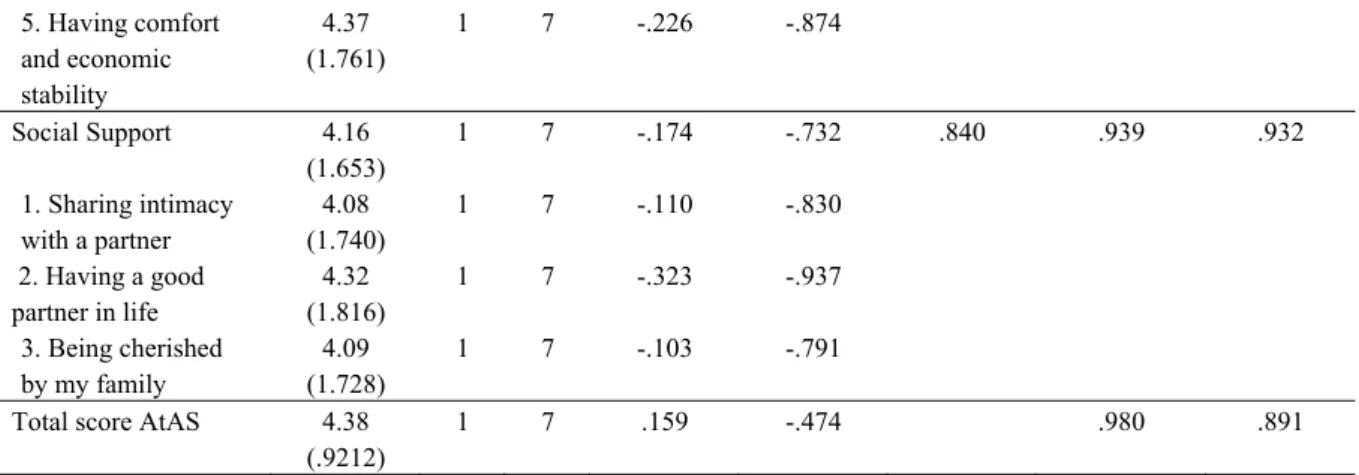
Table 1. Distribution of the study’s participants according to socio-mmmiiiidemographic and health-related characteristics………..……... 156 Table 2. Mean and standard deviation, minimum and maximum values, mmmm skewness, kurtosis, average variance extracted and internal consistency... 161 Table 3. Range of items’ loadings, variance explained and eigenvalue for
mmmn each factor………..………... 163
iiiiiiiiiijiTable 4. Bivariate associations for the AtAS, PANAS, SwLS and OtLQ’
iiiiiiiiiiiisubscales………. 166
Paper 7. What predicts older adults’ adjustment to aging in later life? The impact of sense of coherence, subjective well-being and socio-demographic, lifestyle and health-related factors
Table 1. Characterization of participants according to socio-demographic, mmmimlifestyle and health-related variables….………... 181 Table 2. Significant structural weights of the independent variables (sense mmmimof coherence, subjective well-being, socio-demographic, lifestyle and mmmimhealth-related characteristics) regarding adjustment to
Paper 8. What influences subjective well-being among older adults? The role of sense of coherence, socio-demographic, lifestyle and health-related factors
Table 1. Characterization of participants according to socio-mimmmdemographic, health and lifestyle variables……….….…... 200 Table 2. Significant structural weights of the independent variables (sense mmimmof coherence, socio-demographic, health- and lifestyle characteristics) mmimmregarding subjective well-being………... 205
FIGURES BY PAPER
Paper 1. Adjustment to aging in late adulthood: A systematic review
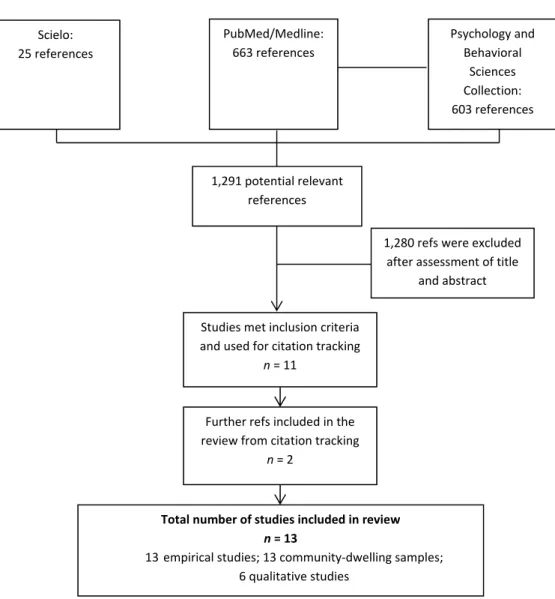
Figure 1. Overview of literature search and retrieval………... 42
Paper 2. What influences older adults’ subjective well-being? A systematic review
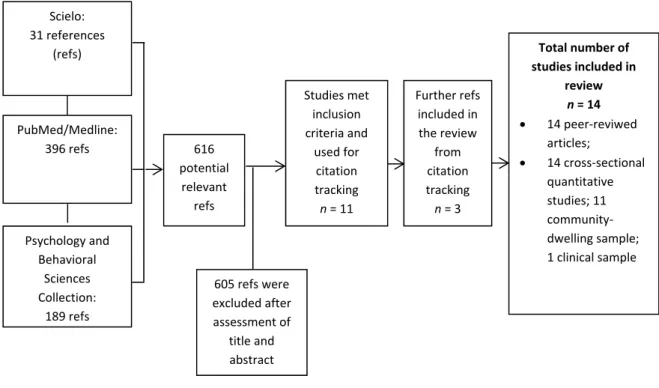
Figure 1. Overview of literature search and retrieval………... 61
Paper 4. Analyzing adjustment to aging and subjective age from Angolan and Portuguese community-dwelling older adults’ perspectives
Figure 1. Design of the study development: Data collection, data analysis, mmmiiisocio-demographic and health-related questionnaire and semi-structured mimmiiinterview guide………..………... 108
Paper 5. Does spirituality really matter? – A study on the potential of spirituality to older adult’s adjustment to aging
Figure 1. Data collection, data analysis, semi-structured interview guide mmiimmand categories obtained from content analysis………... 133
Paper 6. Assessing adjustment to aging: A validation study for the Adjustment to Aging Scale (AtAS)
Figure 1. Multi-group analysis for the four nationalities comprising the m.mmmsample (Angolans, Brazilian, English and Portuguese)……….
165
Paper 7. What predicts older adults’ adjustment to aging in later life? The impact of sense of coherence, subjective well-being and socio-demographic, lifestyle and health-related factors
Figure 1. Structural model for adjustment to aging: Its relation with sense mmiiiimof coherence, subjective well-being, socio-demographic, lifestyle and mmiimiihealth-related variables………... 185
of sense of coherence, socio-demographic, lifestyle and health-related factors Figure 1. Structural model for subjective well-being: Its relation with mmimmsense of coherence, socio-demographic, lifestyle and health-related
TABLE OF APPENDICES
Appendix A. Research schedule
Appendix B. Informed consent and study’s questionnaires and instruments Appendix C. Interviews’ contents and emergent categories subsequent to content analysis
Appendix D. Analysis of the instruments’ psychometric properties
Appendix E. Portuguese Foundation for Science and Technology’s (FCT) grant approval
Appendix F. Publications’ acceptance e-mails Appendix G. Statistical outputs (CD-Rom)
General Introduction
1. Aims of the Present Research
This research intends to answer the following two main research questions: How to conceptualize older adults’ adjustment to aging (AtA)? and what predicts AtA and subjective well-being (SWB) in late adulthood?
In order to answer these research questions, this study intends to address eight specific objectives.
Firstly, we aim at exploring the state of the art of AtA, in late adulthood. To accomplish this, a systematic literature review will be conducted using relevant databases, to specifically deepen the construct of AtA.
Secondly, it is our objective to explore the SWB’s predictors in old age. For this purpose, a systematic literature review will also be performed using pertinent databases to specifically address variables which influence older adults’ SWB.
Thirdly and because the perspectives of age and aging can vary across different populations, we intend to explore the self-perceptions of AtA and SA in a cross-national sample of older community-dwelling adults. Furthermore, bearing in mind that each culture also has unique characteristics, it is reasonable to expect distinctiveness concerning these concepts.
This will be followed by the exploration of older adults’ perceived AtA and age, it is our fourth aim to examine the potential explanatory mechanisms of a cross-national comparative model for ‘adjustment and age’. We found no previous research for an overall model that joins the concepts of AtA and subjective age (SA).
In the context of a broad approach to AtA and upon the most recent research concerning the pertinence of studying spirituality in late adulthood, it is our fifth aim to assess older adults’ perceptions of spirituality within AtA. To date and to our best knowledge, no research has focused on the potential of spirituality to AtA in an older cross-national population. Instead of applying traditional definitions and measurement models, we assert that the use of qualitative methodologies such as in-depth interviews subjected to content analysis provide opportunities for exploration of the multi-dimensional context of AtA. Because elements constituting self-perceptions of aging and age are considered personal, an approach that explores AtA from the perspective of older adults may yield more accurate information about this construct.
Thereafter, and also subsequent to the investigation of older adults’ perceptions, it is our sixth aim to develop and validate a scale to measure AtA (and, hence, build an instrument that accurately assesses the degree of AtA, specifically for older adults), since, to our best knowledge, a valid and reliable evaluation of AtA has been absent from the literature on older adults and aging well.
Subsequently, and using the scale previously developed in the context of this study, it is our seventh objective to build a structural model that explores the impact of sense of coherence (SOC), SWB and socio-demographic, lifestyle and health-related factors’, simultaneously, on older adults’ ATA.
Because SWB is distinct from AtA and its predictors numerous, and still insufficiently explored in late adulthood, simultaneously, our last aim is to build a structural model of older adults’ SWB, encompassing SOC, socio-demographic, lifestyle and health-related variables.
Finally, with these research questions, which will be reflected in the subsequent eight studies, we intend to significantly contribute for the understanding of the constructs of AtA and SWB, in late adulthood.
In sum, the pertinence of this research is to provide original data on the conceptualization of AtA and on the prediction of AtA and SWB, in a cross-national older population, given the multi-dimensional and the multi-cultural context of aging and the relevance of these concepts, as becoming a significant means for improving aging well and longevity, in an ageing world. In this way, the present research provides a pertinent research basis for the deepening of the potential of AtA and SWB in health promotion and clinical practice among older populations.
2. Dissertation Structure
Hence, given the aims above, the general structure of this dissertation will be now introduced, by outlining the main contents of each section and articulating them with the overall rationale of the research.
This dissertation was written in an article format, comprising eight original papers, which were divided into three parts.
A General Introduction is set to identify the main theoretical references taken on board by the research. It starts with the introduction of the aims of this, followed by the presentation of the dissertation structure and the methods’ overview. This section then moves onto a general approach of the global aging of the population, aging well and spirituality in old age and the discussion about the construct of AtA and SWB, its multi-dimensionality, meaning and potential predictors in late adulthood. These constructs will be extensively deepened in two systematic literature reviews, presented in Part I of the dissertation. Overall, this first part of this study introduces the objectives of the dissertation, the dissertation structure, the methods’ overview and the core theoretical references of this research.
Because this dissertation was written in an article format, parts I, II and III were organized on the basis of original research papers, each one representing the eight specific objectives of the overall study.
The first part presents the AtA and SWB state of the art; the second part encompasses the AtA exploratory qualitative study; and the third part includes the AtA and SWB quantitative cross-sectional study.
The first part intends to specifically and systematically review the construct of AtA and older adults’ predictors of SWB in late adulthood. It includes two papers. The first paper is a systematic literature review for AtA in old age, which is pertinent for the construct exploration, for the construction of the Adjustment to Aging Scale (AtAS) and to build the structural model of AtA’ predictors. The second paper comprises a systematic literature review for SWB which is relevant for exploring the structural model of SWB’s predictors in old age.
The second part, concerning the AtA exploratory qualitative study integrates three papers, being: (a) the first paper, a qualitative descriptive study of older adults’ perceptions of AtA and SA; (b) the second paper, an exploratory qualitative study for a cross-national comparative model for ‘adjustment and aging’; and (c) the third paper, a qualitative study of
older adults’ perceptions of spirituality within AtA. In detail, the first paper explores the perceptions of AtA and SA in a cross-national sample of Angolan, Portuguese and Romanian older adults. The second paper examines the indicators of AtA and SA reported by Angolan and Portuguese older adults and compares an ‘adjustment and age’ overall model for both nationalities. The third paper analyzes the indicators of AtA and examines the potential explanatory mechanisms of a model for spirituality for Portuguese and German older adults.
The third part of this dissertation regards the AtA and SWB cross-sectional quantitative studies and incorporates three papers: (a) the AtAS construction and validation for older adults; (b) the structural model of AtA’s predictors; and (c) the structural model of SWB’s predictors, all of these performed with a cross-national community-dwelling older population. The first paper presents the AtAS that was developed, its psychometric properties and its validity study. The second paper comprises the structural model that explores the impact of SOC, SWB and socio-demographic, lifestyle and health-related factors, simultaneously, on older adults’ ATA. Finally, the third paper explores the role of SOC, socio-demographic, lifestyle and health-related factors in predicting older adults’ SWB.
The last section of this dissertation, General Discussion, attempts to discuss the main findings put forward along the dissertation in the eight original papers, introduces the main limitations and strengths of this investigation and summarizes the main conclusions of the study. The general structure of this dissertation is presented in Figure 1.
Figure 1.
General structure of the dissertation State of the Art General Discussion Part III Part I General Quantitative study Qualitative study General Introduction Part II Paper 2 Paper 5 Paper 8 Paper 4 Paper 7 Paper 6 Paper 3 Paper 1
3. Methods’ Overview
Considering that this multi-phase research is composed by eight original papers, distinct methods are involved in the three parts of this study. These will now be introduced.
The first part presents the AtA and SWB state of the art, hence it comprises two systematic literature reviews (see Paper 1 and Paper 2). In Paper 1, a computerized literature search was carried out and PubMed/Medline, Psychology and Behavioral Sciences Collection and Scielo databases were searched from 1980 to 2012. Studies must have comprised AtA in old age and the authors interpreted this topic broadly because the aim of this review is to cover the multi-dimensionality of AtA in late adulthood. All the references which met the inclusion criteria were critically appraised. Finally, discrepancies were resolved through discussion and a high agreement rate was obtained between the researchers.
In Paper 2, a broad comprehensive computerized literature search was carried out and
PubMed/Medline, Psychology and Behavioral Sciences Collection and Scielo databases were
searched from 2001 to 2012. Studies must have mentioned variables that influenced SWB as comprising cognitive and affective facets. The references which met the inclusion criteria were critically appraised and the final summary review of each paper was agreed by both researchers.
The second part of the present research encompasses the AtA exploratory qualitative study and integrates three cross-national qualitative studys (see Papers 3, 4 and 5). In the third paper, 151 older adults aged between 75-101 years (M = 84.6; SD = 6.91) from Portugal, Romania and Angola were purposefully interviewed and questioned about their perceived AtA and SA. Data was subjected to content analysis, until the point of theoretical saturation was reached. An independent analysis of the interviews was performed by a jury of two psychologists and a final group co-resolution regarding the categories was made.
In the following paper, semi-interviews with 102 community-dwelling older adults aged between 75-99 years (M = 80.5; SD = 5.76) were performed, focusing on their perspectives of AtA and SA. The sampling was performed purposefully, in order to allow data for comparing two different cultural groups (Angolan and Portuguese). Data was subjected to content analysis, until the point of theoretical saturation was reached. The correlational structure and latent constructs of indicators of AtA and SA were analyzed by a Multiple Correspondence Analysis (MCA). An independent analysis of the interviews was performed by a jury of two psychologists and a final consensus was obtained.
In the fifth paper, semi-structured interviews were performed, addressing one core area: indicators of AtA. Complete data were available for 154 older adults (German and Portuguese), aged between 75-103 years (M = 86.6; SD = 6.98). Data were subjected to content analysis, until the point of theoretical saturation was reached. An independent analysis of the interviews was performed by a jury of two psychologists and a final group co-resolution regarding the categories was made. Representation of the associations and latent constructs were analyzed by a MCA.
The third part of this research includes the AtA and SWB quantitative cross-sectional study and incorporates three cross-national quantitative studies; with participants representing four different nationalities (Angolan, Brazilian, English and Portuguese) (see Papers 6, 7 and 8). In paper 6, complete data was available for 1,291 older community-dwelling adults, aged between 75-102 years (M = 83.9; SD = 6.68). Four valid and reliable instruments were included: a) our proposed AtAS; b) the Positive and Negative Affect Schedule (PANAS) (Watson, Clark, & Tellegen, 1988); c) the Satisfaction with Life Scale (SwLS) (Diener, Emmons, Larsen, & Griffin, 1985); and d) the Orientation to Life Questionnaire (OtLQ) (Antonovsky, 1993). Exploratory and confirmatory factor analyses were performed for dimension reduction and exploration of the factorial structure of AtAS. To assess the psychometric qualities of this scale, construct-related, content and criterion validity, external validity, reliability and distributional properties were evaluated for the AtAS.
In the following paper, a community-dwelling sample of 1270 older adults aged between 75 and 102 years (M = 83.8; SD = 6.66) was included. Four instruments (AtAS, PANAS, SwLS and OtLQ), which presented good psychometric properties, were used in this study. Structural equation modeling was employed to explore a structural model of the self-reported AtA, encompassing all variables. A two-step approach was used to evaluate the structural model. The factor’s measurement model was evaluated to demonstrate an acceptable fit and the structural model, encompassing the independent (AtA) and the independent variables (sex, age, professional and marital status, education, household, adult children, family‘s annual income, living setting and self-reported spirituality,perceived health, recent disease, medication and leisure, SOC and SWB) was adjusted. Lastly, the significances of the structural trajectories were evaluated.
Lastly, in Paper 8, a cross-national community sample of 1258 older adults aged between 75-102 years (M = 83.9; SD = 6.67) was assessed regarding SWB, SOC and socio-demographic (age, gender, marital status, household, professional status, educational level,
family‘s annual income, social support, living setting and self-reported spirituality), lifestyle and health-related characteristics (leisure, physical activity, recent disease, perceived health and medication). Three instruments (PANAS, SwLS and OtLQ), which presented good psychometric properties were used in this study. Structural equation modeling was employed to investigate a structural model of the self-reported SWB, comprising the above variables. A two-step approach was used to evaluate the structural model. The factor’s measurement model was evaluated to demonstrate an acceptable fit and the structural model, encompassing the independent (SWB) and the independent variables cited above, was adjusted and the significances of the structural trajectories were evaluated.
All the stages of this investigation are presented in the research schedule (see Appendix A). Regarding the present multi-phase research, informed consent was received from all the participants of this research (see Appendix B). The American Psychological Association‘s standards on the ethical treatment of participants were followed and all participants met the eligibility criteria. Data was subjected to content analysis (see Appendix C). One measure of cognitive functioning, the Mini-Mental State Examination (MMSE) and a demographics questionnaire, assessing participants’ socio-demographic, lifestyle and health-related information were used in all the studies composing this research. All instruments included in this research, presented good psychometric properties. These are shown in Appendix B and were analyzed in previous literature (Antonovsky, 1993; Diener et al., 1985; Watson, Clark, & Tellegen, 1988). Additionally, psychometric properties of these instruments were evaluated with our sample of older adults and showed to be good, prior to their inclusion in our research (see Appendix D). All data were analyzed using SPSS for Windows (version 19.0; SPSS, An IBM company., Chicago, IL) and Analysis of Moment Structures (AMOS) software for Windows (version 20.0; SPSS, An IBM company., Chicago, IL). The Research Unit in Psychology and Health’s coordination from ISPA - Instituto Universitário and the Portuguese Foundation for Science and Technology (FCT) approved all the studies composing this research (see Appendix E). All papers comprised in this research were submitted to peer-reviewed indexed journals and acceptance letters for Papers 3, 4 and 5 are shown in Appendix F. Finally, all statistical outputs resulting from this research are presented in Appendix G.
4. Adjustment to the Process of Aging
4.1. Age and Aging
Perhaps one of the most remarkable demographic developments in modern times is the progressive demographic aging of the older population itself. In virtually all countries, the oldest old segment – the oldest-old (85+ years) and centenarians (100+ years), in particular, is growing faster than its younger segment. The number of people over the age of 60 is projected to reach one billion by 2020 and almost two billion by 2050, representing 22% of the world’s population. The proportion of individuals aged 80 or over is projected to rise from 1% to 4% of the global population between today and 2050 (Gavrilov & Heuveline, 2003; United Nations, 2009).
Countries from Europe and North America have the oldest populations in the world, thus placing research into the effects and implications of an aging population in a unique position (Fernández-Ballesteros, 2007). Alongside its incipient decline in numbers, the second strand to Europe’s demographic weakness is the shrinking share of young people and growing share of older people in its population (Immerfall & Therborn, 2011). In fact, the ratio of older people to total population is higher in Europe than on any other continent: for EUR25, by 2050 (as of 2005) the population aged 65 and over will have a 68% increase (133 million by 2050; 29% of total population), as for the USA, the estimates show that people aged 65 and over will be 20% of the total population by 2050. Conversely, little attention has been paid to older adults in developing countries, in part because of the fact that older people still make up a relatively small fraction of the total population. However, demographic projections suggest a figure of 20% by 2025 for some of these countries, with a population that is 25% of the world population (Bagchi, 2005).
The point to be made here is that, as the population ages, there will be increased demands on the health system and increased expectations of older people to have control of how and where they live their lives (World Health Organization, 2011). As individuals live longer, the quality of that longer life becomes a central issue for both personal and social well-being (Kinsella & Velkoff, 2001). Likewise, due to this growing number, new approaches focused on aging well, should be developed for the elderly (Aurelia & Baldazzi, 2002).
Considering that self-perception of aging is defined as a personal evaluation of one’s own aging, national, cultural and ethnical differences may influence the process of aging
(Barak, 2009; Löckenhoff et al., 2009; Torres, 2003). In particular, in westernized societies, autonomy and independence are emphasized, whereas Eastern societies regard individuals as closely connected and interdependent (Ingersoll-Dayton, Saengtienchai, Kespichayawattana, & Aungsuroch, 2004). Moreover, an international comparison study is pertinent to uncover the distinctiveness of older adults’ experiences and self-reports concerning the multi-dimensional and cross-cultural context of age and the aging process. In fact, sociocultural factors play a crucial role in affecting the way in which individuals see themselves as changing in later life (Westerhof, Whitbourne, & Freeman, 2011). Furthermore, because the aging of the population is becoming a pressing reality for both developing and developed countries, gerontologists need to expand their horizons of interest to include a multi-dimensional and multi-cultural approach (Löckenhoff et al., 2009; Torres, 2003, von Humboldt, Leal, & Pimenta, 2012a).
Levinson (1978) initially wrote about the seasons of men's lives, taking us to the sexagenarian years. Later, Erikson, Erikson, and Kivnick (1986) wrote about the octogenarian decade. The term ‘old age’ defines not only an individual’s appearance, but often refers to a loss of power, role and position. Loss of full possession of the faculties and a proneness to physical diseases causes an individual to become more dependent on others, a fact that requires consideration when deciding on the manner in which the elderly are approached (Corner, Brittain, & Bond, 2007; Sixma, Van Campen, Kerssens, & Peters, 2000). There are as well alterations in identity and roles, decision-making and choice, which come with retirement (Luborsky & LeBlanc, 2003) and that require consideration when deciding on the manner in which older adults are approached. Yet, being old also means belonging to an age group with specific socio-cognitive-emotional dimensions. In fact, as adults experience their older years many aspects of life (social, financial, physical, and employment) change (Corner, Brittain, & Bond, 2007).
Despite the fact that chronological age is the basic dimension along which physical and psychological outcomes are described and investigated among older adults, a growing body of research has considered that SA, or how young or old individuals experience themselves to be, is an important marker of development (Barak, 2009; Montepare, 2009). Contrasting with the chronological age, the SA is a multi-dimensional construct that indicates how old a person feels and into which age group a person categorizes him or herself (Barrett, 2003; Barrett, 2005; Kastenbaum, Derbin, Sabatini, & Am, 1972; Kaufman & Elder, 2003; Knoll, Rieckmann, Scholz, & Schwarzer, 2004). Thus, SA is understood as a concept that
reflects cultural and personal meanings that a person relates to his or her age (Kleinspehn-Ammerlahn, Kotter-Grühn, & Smith, 2008).
The perception of SA or how older adults see themselves, and their age can become a significant challenge to their notions of identity and congruence (Kleinspehn-Ammerlahn, Kotter-Grühn, & Smith, 2008). Additionally, Laslett (1989) suggested that awareness of SA often occurs in later life. Moreover, the interpersonal interactions that occur in such a scenario may facilitate positive well-being and also contribute to improved health (Baltes & Smith, 2003).
Perceived age reflects a dynamic and time-linked process, i.e., aging and derives from a process of anchoring and adjusting personal age perceptions that guide the age that individuals across the lifespan perceive themselves to be (Kleinspehn-Ammerlahn, Kotter-Grühn, & Smith, 2008). Moreover, success in fulfilling developmental challenges may yield a more positive perceived age (Ward, 2010). Furthermore, when representing age, Coupland, Coupland, Giles, and Henwood (1991) identified two major processes through which older adults make age identities salient: age-related characteristics (e.g., age-related category/role references and experiences) and temporal framing (e.g., adding time-past perspective to present events and association of the self with the past).
Overall, Western cultures have been said to celebrate youth and to devalue old age (Palmore, 2001; Pasupathi & Löckenhoff, 2002). This has also been found to be reflected in expressions of SA while from middle age onwards adults have been shown to resist their chronological age and report a discrepancy between their actual age and SA (Westerhof & Barrett, 2005). In fact, researchers consistently found that the majority of older adults report a youthful SA, i.e., a tendency to perceive themselves as younger than they actually are (Gana, Alaphilippe, & Bailly, 2004; Montepare & Lachman, 1989; Rubin & Berntsen, 2006). Moreover, studies investigating the determinants of successful aging have found that preserving a younger SA, or youthful bias (Gana, Alaphilippe, & Bailly, 2004) promotes important well-being indicators, such as satisfaction with life (SwL) (Gana, Alaphilippe, & Bailly; Kleinspehn-Ammerlahn, Kotter-Grühn, & Smith, 2008; Westerhof & Barrett, 2005) and age identity, memory, subjective health and self-efficacy (Levy, 2003; Stephan, Caudroit, & Chalabaev, 2011). This is consistent with studies showing that older individuals’ own evaluation of their age is a better predictor of psychological functioning than an objective count of chronological years (Montepare, 2009; Schafer & Shippee, 2010).
Additionally, self-perception of aging is defined as a personal evaluation of one’s own aging (Moser, Spagnoli, & Santos-Eggimann, 2011). Positive self-perceptions of aging are viewed as indicators of successful aging, age identity, and self-regulation processes, which can serve to sustain levels of social activity and engagement, enhance resilience, self-esteem and well-being, and boost biophysiological functioning (Baltes & Smith, 2003; Kleinspehn-Ammerlahn, Kotter-Grühn, & Smith, 2008; Sneed & Whitbourne, 2005).
4.2. Aging Well
In past decades, research on aging has tended to focus on the prediction of negative outcomes such as morbidity, mortality, disability and dependence (Boult, Kane, Louis, Boult, & McCaffrey, 1994) or was developed with samples limited to frail individuals (Wolinsky, Stump, Callahan, & Johnson, 1996). Aging is often seen as a process that makes the person less attractive, less intelligent, more asexual and less useful (Hamarat, Thompson, Steele, Matheny, & Simons, 2002). Research findings on the oldest and young old demonstrated that the third and fourth age entailed a level of bio-cultural incompleteness, vulnerability and unpredictability (Baltes & Smith, 2003).
Yet, and despite the high prevalence of negative age-related changes, older people generally are satisfied with their aging (Gana, Alaphilippe, & Bailly, 2004; Rubin & Berntsen, 2006). Elderly people often experience senior years as a period of introspection and self-acceptance that bring more congruence about their internal and external age (Vaillant & Mukamal, 2001). These individuals also show consistently pragmatism about their physical reality and aging, and higher self-esteem (Clarke, 2001). Noticeably, a different view of old age has found expression in aging well (Franklin & Tate, 2009; Vaillant & Mukamal, 2001).
Aging well involves the flexible use of adaptive strategies, to optimize personal functioning and well-being within the constraints of personal competence and resources (Baltes & Baltes, 1990). As Fernández-Ballesteros (2010) pointed out, this concept is called differently by different authors: ‘healthy’ (World Health Organization, 1990), ‘successful’ (Rowe & Kahn, 1997; Baltes & Baltes, 1990), ‘active’ (World Health Organization, 2002), ‘optimal’ (Palmore, 2001), ‘conscious’ (Moody, 2003), ‘vital’ (Erikson, Erikson, & Kivnick, 1986), ‘productive’ (Kalache & Gatti, 2003), ‘positive’ (Gergen & Gergen, 2006) or simply ‘aging well’ (Fries, 1989).
Compression of morbidity is not an option for many older adults, so many instead accept decline when it comes and compensate and adjust to, through selective optimization with compensation (Baltes & Baltes, 1990; Moody, 2009), that is, with losses in functional capacity, many older adults seek new ways of accomplishing things that have become difficult, just as when they were younger, and may also narrow the scope of the capabilities they seek to maintain and optimize to those they find most useful. This prominent model of adult development, selective optimization with compensation (Baltes & Baltes, 1990) maintains that successful aging entails selective investment in goals and environments, and in drawing on accumulated expertise to optimize performance in selected domains to compensate for inevitable limitations. Alternatively, socio-emotional selectivity theory, a life-span theory of motivation, argues that shorter time horizons become an increasingly important source of motivation, leading to the prioritization of emotional goals (Carstensen, 2006).
Some authors used a biopsychosocial model, primarily framed by psychosocial or biomedical perspectives (Bowling, 2007; Kahana & Kahana, 1996). Psychosocial approaches and definitions include constituents of life satisfaction, morale, adjustment, quality of life, and social functioning (Kuh, 2007), whereas biomedical approaches emphasize physical and cognitive functioning in their definitions (Ford et al., 2000; Park, Gutchess, Meade, & Stine-Morrow, 2007). Baltes and Baltes (1990) listed the following characteristics as possible components of this model: length of life, biological health, mental health, cognitive efficiency, social competence and productivity, personal control, and life satisfaction. Another example is Rowe and Kahn’s (1997) tripartite definition: low probability of disease and disease-related disability, high cognitive and physical functional capacity, and active engagement with life. Similarly, in a 12-year study of Manitoba elderly, successful aging was defined as being independent in mobility, cognitively intact, and not receiving nursing home or home care services (Roos & Havens, 1991).
Furthermore, biological and cognitive health, social competence, personal control, self-esteem, positive self-perceptions of aging, productivity, active engagement with life, personal and spiritual beliefs are some of the most relevant contributors for aging well (Baltes & Baltes, 1990; Barrett, 2005; Ford et al., 2000; Kim & Moen, 2002; Vaillant & Mukamal, 2001; von Humboldt, Leal, & Pimenta, 2012a, von Humboldt, Leal, & Pimenta, 2012b).
Williamson (2005) emphasized the active role of older adults in determining the trajectory of their own aging via the selection of new activities and roles. Furthermore, significant social support in old age may be in large part a result of the same earlier good
associated with social loneliness are generally associated with poor health and the loss of significant others (Cacioppo, Hughes, Waite, Hawkley, & Thisted, 2006).
The seven protective factors that distinguish the happy-well from the sad-sick older adults are under at least some personal control. Examples of personal control could be: control over weight, exercise, education, and abuse of cigarettes and alcohol. With hard work and/or therapy, one’s relationship with their spouse and coping styles can be modified. Such attitudes are akin to those that would be predicted from hypotheses that associate aging well with active engagement with life (Rowe & Kahn, 1987). Conversely, the life span theory (e.g., Baltes & Smith, 2003) and recent evidence about decline in SwL during old age (Gerstorf, Ram, Röcke, Lindenberger, & Smith, 2008; Mroczek & Spiro, 2005) suggest that there may be limits to aging well in very old age.
Additionally, three possible explanations come to mind for this “stability despite loss paradox” (Kunzmann, Little, & Smith, 2000) or “satisfaction paradox” (Walker, 2005). First, this phenomenon can perhaps be explained by the ability of older individuals to adapt to worsening conditions. Second, older individuals may be comparing themselves primarily with individuals in their own age cohort (Kapteyn, Wansbeek, & Buyze, 1980) who are worse off. Related to this latter explanation is the following possibility: happy people may live longer (Danner, Snowdown, & Friesen, 2001).
In brief, losses in later life may be profound, but many older adults cope well and thrive, sustaining personal meaning with satisfaction wisdom and creativity (Moody, 2009). Aging well greatly depends on the capability to find joy and happiness in satisfying personal interests and pursuits, human relationships, and creative mental activities (Luborsky & LeBlanc, 2003).
4.3. Spirituality in Old Age
A good quality of life incorporates several dimensions, among them, spirituality, physical and psychological health, and an adequate level of independence (World Health Organization, 1997). Spirituality is a broad term encompassing multiple domains of meaning that may diverge among various cultural, national, and religious groups (Nakasone, 2005; Takahashi & Ide, 2003); consequently, a deeper understanding of the aging process can benefit from the inclusion of a cross-cultural diverse approach of spirituality (Cohen, Thomas, & Williamson, 2008).
Furthermore, diverse definitions have been suggested for the concept of spirituality. It can be defined as a source of strength, enabling a sense of purpose, connection, sense of value and meaning in life, facilitating peace with oneself, a feeling of security, inner strength, searching, coping, hoping, relationship, and connectedness (Narayanasamy, 2001). Moreover, it is a multi-dimensional construct defined by non-tradition-centered beliefs, sense of connectedness with a sacred other and involvement in practices, such as meditation, and it was found to be closely related to personal development and inner awareness (Dillon & Wink, 2007). Furthermore, Gouveia, Marques and Pais-Ribeiro (2009) suggested that the assumption that spirituality is linked to health led to the development of the spiritual well-being concept, and Moberg (2002) highlighted that spiritual well-well-being is the affirmation of life in a relationship with God, self, community, and environment that nurtures and celebrates wholeness. Furthermore, Musick, Traplagan, Koenig, and Larson (2000) suggested that spirituality has been linked to positive physical health and inversely related to physical illnesses.
Consistently, growing literature recognized the centrality of spirituality to well-being of older people (Hybels, Blazer, George, & Koenig, 2012; Jewell, 2004). A strong relation was found between the spirituality‘s development and age progression and the indication that spirituality may be a well-being resource, in old age (Cohen & Koenig, 2003; Coleman, 2005; Sadler & Biggs, 2006).
The body of literature on spirituality and aging, points to the development of a very specific spirituality as people grow older (MacKinlay, 2001). According to Musick et al., (2000), 88.7% of adults aged 55 and older describe themselves as having moderate to high levels of both religiousness and spirituality. Concerning spirituals beliefs, the results of older adults in the Berlin Aging Study between ages 70 and 95 were enlightening (Baltes & Mayer, 1999), as with increasing age, the relevance of spirituality and serenity also increases. By ‘serenity’ these authors meant faith, acceptance, and allowing someone else to take over.
Considering that spirituality comprises the pursuing of existential goals (such as, inner potential, meaning, feeling whole and connected with others), and it is based on values regarding the self, others, nature and life, also reflecting the awareness of a transcendent dimension, it might be a protective experience in later adulthood (Zinnbauer & Pargament 2005).
A review of the literature revealed the relation between spirituality and some elements composing adjustment in old age, namely, personal-growth, social support and purpose of life
Moreover, research is still scarce in what specifically concerns the relationship between spirituality and psychological adjustment (Fehring, Brennan, & Keller, 1987; Young, Cashwell, & Shcherbakova, 2000). Furthermore, growing research suggests that the concept of spirituality is key to a salutogenic approach focussed on the well-being and adjusted functioning of older adults (Brandtstädter & Rothermund, 2003; Hybels et al., 2012; Jewell, 2004; Staudinger & Kunzmann, 2005).
4.4. Adjustment to Aging
Aging is an ongoing process which requires continuous adjustment (Brozek, 1966). The scientific study of the development of individually and socially adaptive behavior initially constitutes the subject matter of the psychology of adjustment (Havighurst & Albrecht, 1953; Shaffer, 1936; Williams, Tibbitts, & Donahue, 1966; Young, 1940). Conceptualizations of AtA have evolved significantly over the years. In early research, Havighurst’s (1961) activity theory emphasized the maintenance of the activities and attitudes of middle age, whereas Cumming and Henry’s (1961) theory of disengagement stipulated that a good AtA involved self-renunciation and acceptance of one’s helplessness and Cattell (1950) described adjustment as the goodness of internal arrangements by which an adaptation is maintained.
In further research, Fiske (1980) argued that a complete understanding of mental health and the elderly must include an appreciation of how older persons deal with the demands associated with aging. Warnick (1995) suggested that adjusting to the changes that accompany late adulthood requires that a person is flexible and adjusts to the changes that are mutual to old age.
AtA is achieved when a balance between the cognitive and motivational systems of the person has been attained (Thomae, 1992). A model, in which the three elements – selection, optimization and compensation – constitute the basic component processes for changes regarding aging and adaptive capacity and which represented the nature of development and aging with the focus on adjustment was developed in more recent years, (Baltes & Carstensen, 1996). Moreover, the concept of successful aging includes a process of continuous adjustment (Franklin & Tate, 2009; Kuh, 2007; Lewis, 2011; Vaillant & Mukamal, 2001).
Identity process theory proposed that AtA can be conceptualized as involving the three processes of identity assimilation (maintaining self-consistency), identity accommodation
(making changes in the self), and identity balance (maintaining a sense of self but changing when necessary) (Sneed & Whitbourne, 2003), whereas according to Brandstädter and Greve’s (1994) model, adjustment of a person’s goals and aspirations in the face of age-related challenges corresponded to what the authors named of ‘accommodation’. More recently, Atchley (2003) postulated that idea patterns (e.g., attitudes, values, beliefs) and previous lifestyle represent infrastructures of continuity which facilitate adjustment to the personal and professional changes inherent in retirement and aging. Additionally, Wrosch, Dunne, Scheier, and Schulz (2006) examined the emotional, biological and physical benefits deriving from adaptive self-regulation of common age-related challenges in the process of AtA.
The extensive research conducted on AtA suggested that this is a multi-dimensional interaction of elements such as generativity (Erikson, Erikson, & Kvinick, 1986), autonomy, control, self-acceptance, personal growth, positive social network and purpose in life (Bauer & McAdams, 2004; Keyes, Shmotkin & Ryff, 2002; Slangen-Dekort, Midden, Aarts, & Wagenberg, 2001; Staudinger & Kunzmann, 2005), that may vary with time, age, gender, race, culture, illness, financial status and society (Neri, Cachioni, & Resende, 2002).
AtA is a relevant and proximate concept, yet distinct, from well-being and quality of life (QoL) (Al-Janabi, Flynn, & Coast, 2012; Eriksson & Lindstrom, 2006; Diener et al., 1985; Fernández-Ballesteros, 2010; Low & Molzahn, 2007; Smith, Borchelt, Maier, & Jopp, 2002; Watson, Clark, & Tellegen, 1988). However, the study of AtA specifically remains at the periphery of current gerontological research in recent gerontological literature (Kozma, Stones, & McNeil, 1991; von Humboldt, Leal, & Pimenta, 2012a; von Humboldt, Leal, & Pimenta, 2012b). In this context, please see the systematic literature review for the concept of AtA (Paper 1).
Moreover, the enhancement of AtA and its relevance to improve well-being and longevity can become a significant means for health care interventions (Staudinger & Kunzmann, 2005). It is also a key consideration for policy-makers, research and health practitioners, that aim at further comprehending the implications of old age (Slangen-Dekort et al., 2001; Staudinger & Kunzmann, 2005), as the sole use of health gain measures may neglect potential benefits (Al-Janabi, Flynn, & Coast, 2011).
5. Subjective Well-Being in Late Adulthood
A growing body of evidence suggested that a high level of well-being significantly improves life within the areas of health and longevity, work and income, social relations, and societal benefits (Diener & Biswas-Diener, 2008). Initial insight into the importance of maintaining a sense of positive well-being during old age has been gained from findings that satisfaction with aging and emotional vitality predict mortality (e.g., Levy, Slade, Kunkel, & Kasl, 2002; Maier & Smith, 1999; Penninx et al., 2000), and that negative changes in life satisfaction are more associated with distance to death than age per se (Gerstorf et al., 2008).
Subjective well-being is a multi-dimensional construct composed by two cognitive and affective (hedonic) facets: satisfaction with satisfaction with life (SwL), and positive and negative affects, respectively. This latter, is composed by the presence of frequent pleasant affect, and the infrequent presence of unpleasant affect (Cheng, Li, Leung, & Chan, 2011; Diener, Suh, Lucas, & Smith, 1999; Galinha & Pais-Ribeiro, 2011; Kesebir & Diener, 2010; Pavot & Diener, 2004).
While the hedonic component is useful for measuring transient experiences of SWB, SwL is used to indicate relatively long-term feelings (Heo & Lee, 2010). In most populations, both components were at least moderately and sometimes highly correlated (Diener, Napa-Scollon, Oishi, Dzokoto, & Suh, 2000). Although these nuances of definition between the two concepts are important, most authors use the terms almost interchangeably (Fernández-Ballesteros, 2002, 2007; Higgins, Grant, & Shah, 1999).
The gerontological literature abounds in studies of SWB (Bishop, Martin, & Poon, 2006; Cheng, Chan, & Phillips, 2004; Diener, 1984; Efklides, Kalaitzidou, & Chankin, 2003; Flood & Phillips, 2007; Lyubomirsky, Tkach, & DiMatteo, 2006; Rijken & Groenewegen, 2008; Stock, Okun, & Benin, 1986; Tate, Lah, & Cuddy, 2003; Weiguo & Liu, 2007; Wiesmann & Hannich, 2008). Adding to this, previous cross-national comparisons with older adults reported that there are national differences in reported SWB (Fernández-Ballesteros, 2007; Ferring et al., 2004).
Older adults’ efforts to maintain emotional balance between negative affect and positive affect is of great importance (Diener, 2000; Efklides, Kalaitzidou, & Chankin 2003). Furthermore, older adults that feel a strong SwL, focus on showing that they do not lose their identity because they age and that, sometimes, in spite of their chronological age, they do not feel aged; they expect acknowledgement as citizens; they reinforce that being healthy is
essential and grants them autonomy in their lives; they emphasize the importance of family support, life and care; they value financial independence and avoid focusing on the finite nature of human beings (Silva & Boemer, 2009).
Some studies initially indicated that SWB declines with age (Cutler, 1979; Doyle & Forehand, 1989) whereas some reported that SWB increases or remains stable with age (Costa, McCrae, & Zondermann, 1987; Stacey & Gatz, 1991). These appear to indicate an optimization of the affect process (Baltes, 1997) or a compensational nature of control on self-regulation of emotion in older age (Schulz & Heckhausen, 1998). Yet, affect optimization seems to be a defensive strategy which may foster highly stereotyped thinking and heuristic processing (Labouvie-Vief & Medler, 2002).
The extensive research showed that there is evidence that health-related characteristics like the presence of illness and physical exercise (Gwozdz & Sousa-Poza, 2010; Jones,
Rapport, Hanks, Lichtenberg, & Telmet, 2003; Leung, Moneta, & McBride-Chang, 2005; Mollaoðlu, Tuncay, & Fertelli, 2010; Smith, Borchelt, Maier, & Jopp, 2002; Stathi, Fox, & McKenna, 2002) as well as environmental (Diener & Suh, 1999; Diener & Seligman, 2004; Inglehart & Klingemann, 2000), sociodemographic (Diener, 2000; George, 2010; Jones et al., 2003), lifestyle characteristics (Sasidharan, Payne, Mowen, & Montoro-Rodriguez, 2006; Sener, Terzioglu, & Karabulut, 2007; Yau & Packer, 2002) and psychological factors (Ackerman, Zuroff, & Moscowitz, 2000; Ferguson & Goodwin, 2010; Herero & Extremera, 2010; Keyes, Shmotkin, & Ryff, 2002), have substantial influence on SWB among older adults.
Additionally, the finding that objective, as opposed to subjective, health has no strong effect on SwL is in line with the results of previous gerontological studies (Berg, Hassing, MCClearn, & Johansson, 2006; Smith et al., 2002). Smith et al. (2002) provided one possible explanation for this findings; namely, that SWB is strongly influenced by social participation. In addition, physical health may only indirectly, and with a time lag, influence functional health (e.g., vision, hearing, physical mobility), which in turn strongly influences social participation. Alternatively, Berg et al. (2006) argue that, the rather weak association between objective health and SWB may be explained by adjusted expectations and aspirations in old age, that is, as morbidity and disability are common in late life, with health-related impairments, prospects on health and functioning are lower.
To fully understand SWB and its development, knowledge about factors predicting SWB is further needed. For this purpose, please see the systematic literature review (Paper 2).
In brief, analyzing SWB is a main issue to look at because it is important in understanding what leads older people to experience long-lasting SWB and it is highly correlated with many positive life outcomes (e.g., less physical and mental illness) in old age (Lyubomirsky, King, & Diener, 2005).
The following section will now present parts I, II and III, which are organized on the basis of eight original research papers.
References
Ackerman, S., Zuroff, D., & Moscowitz, D. (2000). Generativity in midlife and young adults: Links to agency, communion, and subjective well-being. International Journal of
Aging and Human Development, 50(1), 17-41.
http://dx.doi.org/10.2190/9F51-LR6T-JHRJ-2QW6
Al-Janabi, H. N., Flynn, T., & Coast, J. (2012). Development of a self-report measure of capability wellbeing for adults: The ICECAP-A. Quality of Life Research, 21(1), 167-176.
Antonovsky, A. (1993). The structure and properties of the sense of coherence scale, Social
Science and Medicine 36(6), 725-733.
http://dx.doi.org/10.1016/0277-9536(93)90033-Z
Atchley, R. C. (2003). Why most people cope well with retirement. In J. L. Ronch & J. A. Goldfield (Eds). Mental wellness in aging: Strengths-based approaches (pp. 123-138), Winnipeg: Health Professions Press.
Aurelia, E., & Baldazzi, B. (2002). Unequal perceived quality of life among elderly Italians: Different satisfaction levels in selected spheres life. Social Indicators Research, 60(1), 309-334. http://dx.doi.org/10.1007/978-94-015-9970-2_17
Bagchi, A. (2005).The aging world: Studies in gray dynamics. New York: iUniverse, Inc. Baltes, P. B. (1997). On the incomplete architecture of human ontogeny. Selection,
optimization, and compensation as foundation of developmental theory. American
Psychologist, 52, 366-380. http://dx.doi.org/10.1037//0003-066X.52.4.366
Baltes, P. B., & Baltes, M. M. (1990). Psychological perspectives on successful aging: The model of selective optimization with compensation. In P. B. Baltes & M. M. Baltes (Eds.), Successful aging: Perspectives from the behavioral sciences (pp. 1–34). New
York: Cambridge University Press. http://dx.doi.org/10.1017/CBO9780511665684.003
Baltes, M. M., & Carstensen, L. L. (1996). The process of successful ageing. Ageing and
Society, 16, 397–422. http://dx.doi.org/10.1017/S0144686X00003603
Baltes, P. B., & Mayer, K. U. (1999). The Berlin Aging Study: Aging from 70 to 100. New York: Cambridge University Press.