Pedro Filipe Castela Horta
Design and synthesis of novel quinolones directed
to the Plasmodium falciparum bc1
protein complex
UNIVERSIDADE DO ALGARVE
FACULDADE DE CIÊNCIAS E TECNOLOGIA
DEPARTAMENTO DE QUÍMICA E FARMÁCIA
Doutoramento em Química, Química Orgânica
Pedro Filipe Castela Horta
Design and synthesis of novel quinolones directed
to the Plasmodium falciparum bc1
protein complex
Tese elaborada para a obtenção do grau de Doutor no ramo de
Química, especialidade de Química Orgânica
Trabalho efectuado sob a orientação de :
Maria de Lurdes dos Santos Cristiano (Universidade do Algarve) – orientadora Paul Michael O’Neill (University of Liverpool, UK) – co-orientador
UNIVERSIDADE DO ALGARVE
FACULDADE DE CIÊNCIAS E TECNOLOGIA
DEPARTAMENTO DE QUÍMICA E FARMÁCIA
Design and synthesis of novel quinolones directed to
the Plasmodium falciparum bc
1protein complex
Doutoramento em Química, especialidade de Química Orgânica
Declaração de Autoria do Trabalho
Declaro ser o autor deste trabalho, que é original e inédito. Autores e trabalhos consultados estão devidamente citados no texto e constam da listagem de referências incluídas.
Pedro Filipe Castela Horta
……….
Direitos de cópia ou Copyright
© Copyright: Pedro Filipe Castela Horta.
A Universidade do Algarve reserva para si o direito, em conformidade com o disposto no Código de Direito de Autor e dos Direitos Conexos, de arquivar, reproduzir e publicar a obra, independentemente do meio utilizado, bem como de a divulgar através de repositórios científicos e de admitir a sua cópia e distribuição para fins meramente educacionais ou de investigação e não comerciais, conquanto seja dado o devido crédito ao autor e editor respectivos.
To my family,
To you
Acknowledgments
This thesis represents the culmination of four years of study, research, work, inspiration, patience and persistence. During this doctoral program I benefited from the help, guidance and support of supervisors, laboratory’s team, friends and family.
First and foremost I would like to express my gratitude to my supervisor Professor Maria de Lurdes Cristiano for her help, support, leadership and encouragement throughout our project. Thank you for all the knowledge, experience, motivation and courage that you have passed to me over the years. Together, we worked a lot, fought against all adversity and broke the stone to find the large diamond that the science (chemistry) is. There are no words to acknowledge everything that you have done for me, for our work and for our laboratory.
To Professor Paul O’Neill I thank for the opportunity to carry out a part of this project at the University of Liverpool. Knowing a new reality, in a different country, with characteristic weather, food, habits and customs, made me grow up professionally and personally.
I express my gratitude for the support in the synthesis and docking studies provided at Liverpool, by Dr Neil Berry, Dr David Hong, Dr Paul Stocks and Dr Chandra Pidathala.
Special thanks are due to my fellow lab members and friends, Amin Ismael and Lília Cabral (PhD team). Without you, none of this would have been possible. I cannot describe how your presence was crucial for all this research. I will never forget our discussions, lunches, coffee breaks and free times. You are part of this thesis, this thesis is partly yours.
To my Italian colleagues and friends, Miriam Polletta, Paolo Sangiorgi and Alessandro Andreani. Thank you so much for your friendship, lunch break conversations (mixing three languages: Portuguese, Italian and English) and for helping me to feel like in my country.
I also owe my thankfulness to Rosário Lopes and Catarina Sebastião (Departamento de Química e Farmácia at the Universidade do Algarve) for helping us achieving the best possible scenery concerning logistic and chemical materials.
Huge thanks are due to Department of Chemistry (University of Liverpool) and REQUIMTE (Rede de Química e Tecnologia – Universidade Nova de Lisboa) for providing facilities for compounds characterization, namely mass spectrometry, NMR and elemental analysis. The NMR spectrometers at REQUIMTE are part of The National NMR Facility, supported by Fundação para a Ciência e Tecnologia (RECI/BBB-BQB/0230/2012).
To the staff of Liverpool School of Tropical Medicine and Instituto de Higiene e Medicina Tropical (Dr Fátima Nogueira, Lis Coelho and Fernanda Murtinheira), I would like to acknowledge for conducting the biological assays to my compounds. CQC (Departamento de Química, Universidade de Coimbra) and CFisUC (Departamento de Física, Universidade de Coimbra), more exactly to Professor Rui Fausto, Dr Nihal Kuş, Professor José António Paixão and Marta Henriques, for all the collaboration and availabiity in matrix isolation and X-ray facilities. Jointly, we achieved better science.
A gigantic acknowledgement to Fundação para a Ciência e Tecnologia (FCT – Portugal) and CCMAR for generous financial support, especially within the framework of the FCT doctoral grant SFRH/BD/81821/2011 and the project UID/Multi/04326/2013 (Centro de Ciências do Mar, CCMAR).
And last, but not least, I would like to (and must) express my love and my gratitude to my family. Thank you for believing in me and for all the love and support that you have ever transmitted. More than family, you are friends, you are my people, the reason of my life. Mother, Father, Sister, Brother, Catarina, João, Fernando, Zé, Dorys, Sammy, Ricardo… I love you. As NGC 7023 (a star cluster), you are my brightness, my strength, my inspiration. I am very lucky to have you all.
(“Finalmente, mas o mais importante, eu gostaria, e tenho de expressar o meu amor e gratidão à minha família. Obrigado por acreditarem em mim, por todo o amor e suporte que sempre me transmitem. Mais do que família, vocês são os meus amigos, vocês são as pessoas, a razão da minha vida. Mãe, Pai, Mana, Mano, Catarina, João, Fernando, Zé, Dorys, Sammy, Ricardo… Amo-vos.”)
Statement
O presente trabalho foi desenvolvido sob a orientação científica da Professora Doutora Maria de Lurdes dos Santos Cristiano e coorientação do Professor Doutor Paul O’Neill. O trabalho foi elaborado em Portugal, na Universidade do Algarve (Faculdade de Ciências e Tecnologia, Departamento de Química e Farmácia), e em Inglaterra, na University of Liverpool (Faculty of Science, Department of Chemistry). Este trabalho foi financiado pela Fundação para a Ciência e Tecnologia, através de uma bolsa individual de doutoramento com a referência SFRH/BD/81821/2011.
This work was developed under scientific supervision of Professor Maria de Lurdes dos Santos Cristiano and co-supervision of Professor Paul O’Neill. This work was conducted in Portugal, at the Universidade do Algarve (Faculdade de Ciências e Tecnologia, Departamento de Química e Farmácia), and in England, at the University of Liverpool (Faculty of Science, Department of Chemistry). The work was financially supported by Fundação para a Ciência e Tecnologia, through the doctoral grant SFRH/BD/81821/2011.
Publications
Part of the original work described in this thesis has been included in the following publications or communications.
Research articles published in peer reviewed journals:
1 - Nixon, G. L.; Gibbons, P. D.; Leung, S. C.; Hong, W. D.; Amewu, R.; Stocks, P. A.; Stachulski, A.; Horta, P.; Cristiano, M. L. S.; Shone, A. E.; Moss, D.; Ardrey, A.; Sharma, R.; Warman, A. J.; Bedingfield, P.; Fisher, N. E.; Aljayyoussi, G.; Mead, S.; Caws, M.; Berry, N. G.; Ward, S. A.; Biagini, G. A.; O’Neill, P. M.: “Rational design, synthesis and biological evaluation of heterocyclic quinolones; targeting the respiratory chain of Mycobacterium Tuberculosis”, submitted to J. Med. Chem., 2016 (April);
2 - Horta, P.; Kuş, N.; Henriques, M. S.; Paixão, J. A.; Coelho, L.; Nogueira, F.; O'Neill, P. M.; Fausto, R.; Cristiano, M. L.: “Quinolone-hydroxyquinoline tautomerism in quinolone 3-esters; preserving the 4-oxoquinoline structure to retain antimalarial activity”, J. Org. Chem., 2015 (November), 80 (24), 12244-12257 – DOI: 10.1021/acs.joc.5b02169;
3 - Horta, P. C.; Henriques, M. S. C.; Kuş, N.; Paixão, J. A.; O’Neill, P. M.; Cristiano, M. L. S.; Fausto, R.: ”Synthesis, structural and conformational analysis, and IR spectra of ethyl 4-chloro-7-iodoquinoline-3-carboxylate”, Tetrahedron, 2015 (August), 71 (40), 7583-7592 – DOI: 10.1016/j.tet.2015.07.076;
Abstracts published in peer reviewed journals:
4 - Horta, P.; O' Neill, P. M.; Cristiano, M. L. S.: "Design and synthesis of quinolones targeting plasmodial cytochrome bc1 and/or PfNDH2”, Abstract, ChemMedChem, Wiley Online Library, EFMC-ISMC 2014, 183-184;
Oral presentations in international conferences:
5 - Cristiano, M. L. S.; Kuş, N.; Henriques, M.; Paixão, J.; O'Neill, P.; Fausto, R.; and Horta, P.: "Tautomerism in quinolone 3-esters targeting the bc1 complex of P. falciparum: implications in product selectivity and activity”, European Symposium on Organic Reactivity, Kiel (September 2015), Germany;
Oral communications in private meetings:
6 - Horta, P.: "Docking simulation - Antimalarial quinolones binding to the Qi site of cytochrome bc1 complex”, Group Meeting (Medicinal Chemistry and Organic Reactivity Group), Faro (March 2016), Portugal;
7 - Horta, P.: "Structural studies, CLogP calculations and antimalarial activity evaluation of selected quinolones, considering quinolone-hydroxyquinoline tautomerism”, Group Meeting (Medicinal Chemistry and Organic Reactivity Group), Faro (October 2015), Portugal;
8 - Horta, P.: "Synthesis and study of quinolones targeting plasmodial bc1 protein complex”, Research Seminars of Doctoral Program, Faro (September 2015), Portugal;
9 - Horta, P.: "Design and synthesis of quinolones directed to the Plasmodium falciparum
bc1 protein complex”, Group Meeting (Medicinal Chemistry and Organic Reactivity
Group), Faro (May 2014), Portugal;
10 - Horta, P.: "Design and synthesis of small-molecules (quinazolines) with potential activity against Mycobacterium tuberculosis”, Group Meeting (Medicinal Chemistry and Organic Reactivity Group), Faro (March 2014), Portugal;
11 - Horta, P.: "Inhibiting bc1 protein complex: synthesis of novel quinolones”, Group Meeting (Medicinal Chemistry and Organic Reactivity Group), Faro (January 2014), Portugal;
Poster presentations in international conferences:
12 - Henriques, M. S. C.; Kuş, N.; Horta, P.; Cristiano, M. L. S.; Paixão, J. A.; Fausto, R.: "Synthesis, structural and conformational analysis, and IR spectra of ethyl 4-chloro-7-iodoquinoline-3-carboxylate”, Colloquium Spectroscopicum Internationale XXXIX, Figueira da Foz, Coimbra (September 2015), Portugal;
13 - Horta, P.; Kuş, N.; Henriques, M. S. C.; Paixão, J. A.; O' Neill, P. M.; Berry, N.; Fausto, R.; Cristiano, M. L. S.: "Synthesis and structure of ethyl 4-chloro-7-iodoquinoline-3-carboxylate, a versatile building block for the preparation of inhibitors targeting the bc1 complex of Plasmodium falciparum”, 19th European Symposium on Organic Chemistry, Lisbon (July 2015), Portugal;
14 - Horta, P.; Kuş, N.; Henriques, M. S. C.; Paixão, J. A.; O' Neill, P. M.; Fausto, R.; Cristiano, M. L. S.: "Synthesis of quinolone 3-esters targeting bc1 complex of P. falciparum: Implications of tautomerism in selectivity”, 7th Spanish-Portuguese-Japanese Organic Chemistry Symposium, Seville (June 2015), Spain;
15 - Horta, P.; O' Neill, P. M.; Cristiano, M. L. S.: "Design and synthesis of quinolones targeting plasmodial cytochrome bc1 and/or PfNDH2”, International Symposium on Medicinal Chemistry, Lisbon (September 2014), Portugal;
16 - Kuş, N.; Horta, P.; Cristiano, M. L. S.; Fausto, R.: "Matrix-isolation FTIR study of the chromogenic 3-ethylcarboxy-4-hydroxy-6-methyl substituted”, 1st International Caparica Conference on Chromogenic and Emissive Materials, Costa de Caparica (September 2014), Portugal.
Resumo
Nome: Pedro Filipe Castela Horta Universidade: Universidade do Algarve
Faculdade: Faculdade de Ciências e Tecnologia, Departamento de Química e Farmácia Orientadora: Professora Maria de Lurdes dos Santos Cristiano (Universidade do Algarve)
Co-orientador: Professor Paul O’Neill (University of Liverpool)
Título da tese: “Desenho e síntese de novas quinolonas direccionadas para o complexo bc1 de Plasmodium falciparum”
Data: 2012-2016
Apesar dos intensos esforços para controlo da malária, esta doença parasítica milenar permanece como uma das doenças infeciosas conducentes a maiores taxas de mortalidade no mundo. É transmitida pela picada de um mosquito infectado do género Anopheles (apenas a fémea transmite a doença) e causada por um parasita do género Plasmodium. P. falciparum é a mais prevalente de entre as cinco estirpes de Plasmodium que afectam o homem e é também a mais mortal, sendo responsável por cerca de 90% do número total de óbitos por malária registados anualmente. Actualmente, a Organização Mundial de Saúde estima que cerca de 40% da população mundial está em risco de contrair a infecção e que, anualmente, cerca de 600 000 pessoas morrem devido a esta doença. O rápido desenvolvimento de resistência por parte de P. falciparum a pelo menos um dos fármacos antimaláricos convencionais de primeira linha e a terapias baseadas em artemisinina e seus derivados, estimula enormemente a comunidade científica e médica, convocando-a para a investigação e desenvolvimento de novos fármacos antimaláricos eficazes, seguros, acessíveis e fáceis de administrar, preferencialmente direcionados para novos alvos terapêuticos.
A combinação farmacológica designada por Malarone® foi lançada pela
multi-resistentes. Este medicamento resulta da combinação de dois fármacos antimaláricos: atovaquona e proguanil. A atovaquona é um competidor da ubiquinona, inibindo especificamente o complexo bc1 de P. falciparum através da sua ligação ao sítio Qo deste complexo. O complexo bc1 é essencialmente responsável pela transferência de electrões e translocação de protões ao longo da membrana mitocondrial, formando um potencial de membrana. A sua inibição leva à perda da função mitocondrial (relevante para o fornecimento de intermediários para a síntese de ATP e pirimidina), colapso do potencial electroquímico transmembranar e, finalmente, morte do parasita, validando este complexo como um potencial novo alvo terapêutico para o desenvolvimento de novos fármacos.
Além de ser o local de ação da atovaquona, o sítio Qo é também conhecido como o local de ação da estigmatelina (composto natural) e da endoquina (um dos primeiros antimaláricos sintéticos). A endoquina serviu como modelo para o desenvolvimento de análogos (ELQ) que mantiveram o núcleo quinolínico na sua estrutura.
Além da sua potencial utilização na quimioterapia da malária, a versatilidade do quimiotipo quinolona tem atraído intensa investigação, originando principalmente 4-oxo-quinolinas com propriedades farmacológicas melhoradas e com potencial aplicação terapêutica noutras áreas, como no tratamento de cancro, hepatite B, hepatite C, SIDA, herpes, infeções fúngicas ou tuberculose. A utilização das quinolonas como agentes antibacterianos teve início em 1963 com a descoberta do ácido nalidíxico. Muitos outros derivados quinolínicos com propriedades farmacológicas foram entretanto sintetizados, destacando-se as fluoroquinolonas norfloxacina, ciprofloxacina e levofloxacina.
Nos últimos anos têm surgidos publicações que reportam uma grande variedade de compostos 4-oxo-quinolínicos com grupos éster em posição 3 que demonstram atividade antimalárica em concentrações que se situam na gama nanomolar baixa, atuando por inibição do complexo bc1 plasmodial. No entanto, devido à existência de algumas fragilidades nestes compostos, de que se destacam a fraca solubilidade em meio aquoso e baixa biodisponibilidade oral, esta classe de compostos requer optimização.
O projecto de investigação descrito nesta tese foca-se no desenho, síntese e estudo estrutural de uma biblioteca de novas 3-etiléster-4-oxo-quinolinas (quinolonas), introduzindo diversidade química, essencialmente, nas posições 6 e/ou 7 da quinolona.
Estudos de docking realizados in silico no sítio Qo do complexo bc1 (de levedura - yeast) sugerem um papel importante dos resíduos His182 e Glu272 no reconhecimento de potentes inibidores. Os mesmos estudos também indicam a importância da presença
do grupo carbonilo e do grupo N-H do núcleo quinolónico na formação de ligações por pontes de hidrogénio com os resíduos proteícos His182 e Glu272, respectivamente. Deste modo, a possibilidade de tautomerismo entre as formas 4-oxo-quinolina e 4-hidroxi-quinolina não deve ser negligenciada, no contexto do desenvolvimento desta classe para terapia antimalárica.
Esta tese está organizada em 5 capítulos. No capítulo 1 faz-se uma apresentação sobre a malária, bem como sobre os fármacos antimaláricos existentes, seu modo de ação e alvos terapêuticos moleculares. Os fármacos que atuam por inibição do complexo bc1 plasmodial e o uso e síntese de quinolonas em química medicinal também são abordados nesta secção.
No capítulo 2 são descritas as abordagens sintéticas e a otimização das condições reacionais seguidas no desenvolvimento de quinolonas selecionadas. De uma forma geral, ao longo deste projecto de doutoramento, as quinolonas foram sintetizadas utilizando a metodologia de Gould-Jacobs. De acordo com esta metodologia ocorre ciclização térmica de um composto α,β-insaturado, derivado de uma anilina. Alternativamente, em algumas situações recorreu-se a uma outra estratégia utilizando o oxicloreto de fósforo.
No decorrer destas sínteses, mais especificamente na etapa de ciclização, por vezes obtiveram-se alguns produtos inesperados relacionados com o padrão de substituição aromática decorrente da ciclização térmica e com a possibilidade de tautomerismo ceto-enólico.
A possibilidade de tautomerismo entre as formas 4-oxo-quinolina e 4-hidroxi-quinolina suscitou questões do ponto de vista mecanístico e estrutural que são aqui especialmente relevantes, tendo em conta a sua eventual repercussão no perfil farmacodinâmico dos compostos. Assim, foi conduzida uma investigação estrutural detalhada em alguns compostos, de forma a melhor compreender a atividade e reactividade química de derivados de quinolonas, descrita no capítulo 3. Os resultados obtidos com base em estudos de cristalografia de raio X, espectroscopia FTIR acoplada com isolamento em matriz criogénica e cálculos teóricos são apresentados e discutidos, e indicam que, em derivados quinolínicos com um grupo éster em posição 3, a forma enólica (4-hidroxi-quinolina) é mais favorável do que a forma ceto (4-oxo-quinolina).
O tautomerismo poderá traduzir-se em alterações nas propriedades químicas e físicas dos compostos, com possíveis implicações nos perfis farmacocinéticos e farmacodinâmicos dos mesmos. Os compostos sintetizados neste projecto foram testados in vitro contra estirpes sensíveis e resistentes de P. falciparum. Os resultados destes
estudos, juntamente com estudos de avaliação da lipofilicidade/solubilidade de alguns compostos, são descritos e discutidos no capítulo 4.
Tendo em conta os resultados de atividade biológica obtidos para alguns compostos e o facto de alguns estudos demonstrarem que certas quinolonas conseguem ultrapassar, embora parcialmente, os fenómenos de resistência à atovaquona, neste projecto de investigação estudou-se a possibilidade de ligação de potenciais fármacos a sítios alternativos e diferentes do sítio Qo do complexo bc1. Assim, foram efectuados estudos de simulação por docking no sítio Qi do complexo bc1, estando os resultados também descritos e discutidos no capítulo 4.
Adicionalmente, foram sintetizadas algumas quinolonas substituídas com grupos arilo nas posições 2 e 3 que foram testadas contra estirpes de Mycobacterium tuberculosis, o agente responsável pelo desenvolvimento da tuberculose, cuja infeção é muitas vezes concomitante com a infeção pelo parasita da malária. A descrição e discussão deste trabalho é apresentada no capítulo 5.
Para finalizar, e numa secção à parte, serão apresentadas as conclusões e considerações finais sobre o trabalho desenvolvido bem como algumas perspectivas para trabalho futuro.
Termos chave: malária, quimioterapia antimalárica, descoberta de fármacos, quinolonas, inibidores do complexo bc1 de P. falciparum, tautomeria 4-oxo-quinolina/4-hidroxi-quinolina
Abstract
Malaria remains one of the most deadly infectious diseases. The growing spread of resistance by P. falciparum, the most prevalent strain affecting mankind, against conventional antimalarial drugs, urges the search for novel chemotherapeutics directed to new targets. The approval of Malarone® (combination of atovaquone and proguanil) for treatment and prevention of multidrug resistant malaria validated the P. falciparum bc1 complex as target for new antimalarials. Inhibition of bc1 leads to loss of mitochondrial function (relevant to provide intermediates for pyrimidine and ATP synthesis), collapse of the transmembrane electrochemical potential and, ultimately, parasite death.
The versatility of the quinolone chemotype has attracted intense research, yielding mainly 4-oxo-quinolines with improved pharmacological properties, targeting a variety of applications, e.g., cancer, hepatitis, HIV, tuberculosis or malaria.
Recent publications report on the high activity of some quinolone 3-esters against the plasmodial bc1 protein complex. However, due to some liabilities (e.g. poor solubility and low oral bioavailability), this class requires optimization.
The research described within this thesis focus on the design, synthesis, structure and properties of a library of new 4-oxo-quinoline 3-esters substituted at positions 6 and/or 7 of the quinolone pharmacophore.
Chapter one presents an introduction to malaria and antimalarial drugs. Other topics in this chapter are the plasmodial bc1 protein complex, the use of quinolones as inhibitors of this drug target and the synthetic routes to quinolones. In chapter two, synthetic approaches and conditions followed in the preparation of our library of quinolones, are described. For a better understanding of chemical reactivity and activity, a detailed structural investigation was undertaken on selected compounds, described in chapter three. Compounds synthesized in this project have been tested in vitro against P. falciparum. The results are discussed in chapter four, jointly with studies of lipophilicity/solubility evaluation and docking simulations. Additionally, selected quinolones were prepared and tested against Mycobacterium tuberculosis (chapter five). Conclusions and prospects for future work are presented in a final section.
Keywords: malaria, antimalarial chemotherapy, drug discovery, quinolone 3-esters,
Table of Contents
Acknowledgments ... iii Statement ...v Publications ... vii Resumo ... xi Abstract ... xv Table of Contents ... xvii List of Figures ...xxi List of Tables ... xxv List of Schemes ... xxvii List of Charts ...xxix Abbreviations ...xxxi Scope of this thesis ... xxxvCHAPTER ONE - INTRODUCTION ...1 1.1. Malaria ...3
1.1.1. History ...3 1.1.2. Epidemiology ...4 1.1.3. Transmission ...5 1.1.4. Apicomplexa, Sporozoa, Plasmodium ...6 1.1.5. Parasite life cycle ...7 1.1.6. Immune response to Plasmodium ... 10 1.1.7. Symptomatology... 11 1.1.8. Diagnosis ... 14 1.1.9. Preventing and control of malaria ... 16
1.2. Chemotherapy ... 19
1.2.1. Inhibitors of haemozoin formation (quinolines) ... 21 1.2.2. Folate antagonists ... 25 1.2.3. Protein synthesis inhibitors ... 27 1.2.4. Precursors of free radicals ... 27 1.2.5. Other approaches and emerging chemotherapeutic tools against malaria ... 30
1.3. Mitochondria – an essential organelle ... 33
1.3.1. The mitochondrial electron transport chain of P. falciparum ... 33 1.3.2. Cytochrome bc1 protein complex (Complex III) ... 35
1.3.2.1. Protonmotive Q-cycle ... 36 1.3.3. Inhibition of the cytochrome bc1 ... 37
1.3.4. Atovaquone ... 39 1.3.4.1. Atovaquone binding at Qo ... 40
1.3.4.2. Atovaquone and selection for resistance ... 42 1.3.5. Other antimalarial compounds targeting cytochrome bc1 protein complex ... 43
1.3.5.1. Atovaquone analogues (1,4-naphthoquinones) ... 44 1.3.5.2. 4(1H)-pyridones ... 45 1.3.5.3. Acridinediones and acridones... 46 1.3.5.4. Quinolones ... 47
1.4. Quinolones in medicinal chemistry ... 49
1.4.1. From antibacterial to antimalarial agents ... 49 1.4.2. State of the art: endochin and endochin like quinolones (ELQ) ... 51 1.4.3. Synthetic routes to the 4-oxo-quinoline core ... 56 1.4.3.1. Cyclisation of ortho-COR-substituted aromatic amines ... 57 1.4.3.2. Camps cyclisation ... 58 1.4.3.3. Niementowski quinoline synthesis ... 58 1.4.3.4. Cyclisation from a Michael-type addition product ... 59 1.4.3.5. Conrad-Limpach synthesis ... 59 1.4.3.6. Cyclisation by formation of bond E (multistage reactions) ... 60
1.5. PhD project’s presentation ... 61
CHAPTER TWO – RESULTS AND DISCUSSION Synthesis of quinolone 3-esters with potential activity against P. falciparum ... 63
2.1. General synthetic approach ... 65 2.1.1. Reduction of nitro aromatic compounds to aniline derivatives ... 65 2.1.2. Coupling of the aniline derivative with DEEMM and Gould-Jacobs cyclisation . 66 2.2. Exploring position 7 – modifying O-link ... 68 2.2.1. Preparation of 4-oxo-quinolines with ester or ether linkage at position 7 ... 68 2.2.2. Preparation of 4-oxo-quinolines with an heterocyclic group as substituent in position 7 ... 73 2.3. Exploring position 7 – from nucleophilic aromatic substitution ... 80 2.4. Exploring positions 6 and 7 – the issue of isomeric mixture... 88 2.5. Cyclisation by using phosphorus oxychloride ... 91 2.6. Synthesis of 4-oxo-quinoline ... 93 2.7. Summary, conclusions and future work ... 94 2.8. Experimental ... 96
CHAPTER THREE – RESULTS AND DISCUSSION Structural investigation of selected quinolone 3-esters ... 127
3.1. Structural, conformational and vibrational analysis of ethyl 4-chloro-7-iodoquinoline-3-carboxylate (56) ... 129
3.1.1. Theoretical calculations ... 129 3.1.2. Matrix isolation - Infrared spectroscopy studies ... 131 3.1.3. Single crystal X-ray ... 134 3.2. Investigation of the 4-oxo/4-hydroxy-quinoline tautomerism in quinolone 3-esters . 136 3.2.1. Single crystal X-ray of 82b.HCl ... 137 3.2.2. NMR and FTIR spectroscopy ... 138 3.2.3. Theoretical calculations – Molecular structure, potential energy and aromaticity ... 141 3.2.4. Matrix-isolation - IR spectroscopy and photostability studies ... 146 3.2.5. Evaluation of photostability; UV-induced photochemistry of matrix-isolated
82b ... 148
3.3. Investigation of 4-oxo/4-hydroxy-quinoline tautomerism using the unsubstituted 4-oxo-quinoline (92a) as model ... 149 3.4. Summary and conclusions ... 151 3.5. Experimental ... 153
CHAPTER FOUR – RESULTS AND DISCUSSION Docking studies, CLogP calculations and evaluation of antimalarial activity ... 155
4.1. Lipophilicity/solubility evaluation – CLogP calculation ... 157 4.1.1. Evaluation of CLogP ... 158 4.2. Biological activity ... 160 4.3. Docking simulations – binding of 4-oxo-quinolines to the Qi site of cytochrome bc1
complex ... 166 4.3.1. Software available for protein-ligand docking ... 167 4.3.2. Protein – Co-crystallized structure of bovine bc1 ... 168
4.3.3. Binding of pyridone GSK932121 to the Qi site of cytochrome bc1 ... 168
4.3.4. Selection of quinolone ligands ... 169 4.3.5. Docking of selected compounds – GoldScore vs IC50 correlation ... 173
4.3.6. Docking pose of selected quinolones in the Qi site ... 176
4.4. Summary, conclusions and future work ... 182 4.5. Experimental ... 184
CHAPTER FIVE – RESULTS AND DISCUSSION Synthesis of selected quinolone derivatives and evaluation of activity against M.
tuberculosis... 185
5.1. Tuberculosis and malaria co-infection ... 187 5.2. Quinolones with potential antituberculosis activity ... 188 5.2.1. Synthesis of quinolone 128 and of its prodrug 129 ... 188 5.2.2. Investigation of antituberculotic activity... 192 5.3. Summary, conclusions and future work ... 199 5.4. Experimental ... 200
Conclusions ... 207
References ... 213
Appendix ... 223
Appendix – List of Figures and Tables... 225 Appendix 1 - Chemical structures ... 227 Appendix 2 – Chemical characterization of compounds synthesized in this project and described in Chapter two. ... 243 Appendix 3 – Structural investigation of selected quinolone derivatives, as discussed in Chapter three ... 249
List of Figures
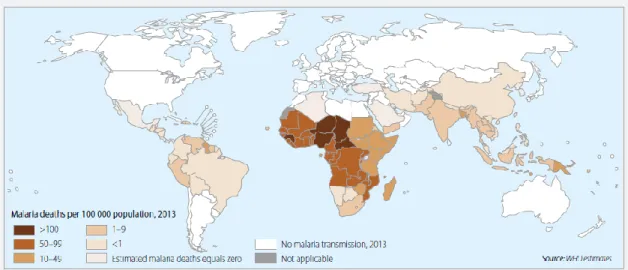
Figure 1.1 – Global status of mortality by malaria per 100 000 population in 2013 ...5 Figure 1.2 - Plasmodium falciparum merozoite in an electron micrograph and as schematic
images ...6
Figure 1.3 - Plasmodium falciparum life cycle...7 Figure 1.4 - Diagram of a Plasmodium falciparum trophozoite residing in an erythrocyte,
highlighting the targets of current antimalarials and of new targets that are under investigation ... 20
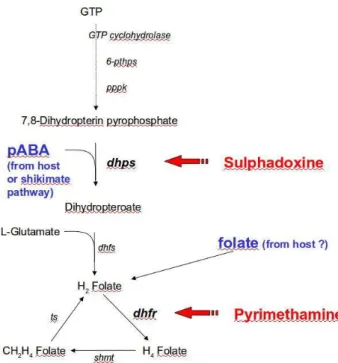
Figure 1.5 - Sketch of Cinchona tree ... 21 Figure 1.6 – Structural representation of quinine, quinidine and methylene blue. ... 22 Figure 1.7 – Structural representation of pamaquine and mepacrine ... 22 Figure 1.8 – Structural representation of chloroquine and hydroxychloroquine ... 23 Figure 1.9 – Structural representation of the antimalarial drugs with historical and/or current
importance... 24
Figure 1.10 - Folate pathway in Plasmodium parasites ... 25 Figure 1.11 – Structural representation of the established folate antagonists ... 26 Figure 1.12 – Structural representation of the antibiotics with antimalarial activity ... 27 Figure 1.13 – Structural representation of artemisinin and its derivatives (artemisinins) ... 28 Figure 1.14 – Structural representation of OZ277 and OZ439 (1,2,4-trioxolanes) and RKA182
(1,2,4,5-tetraoxane) ... 29
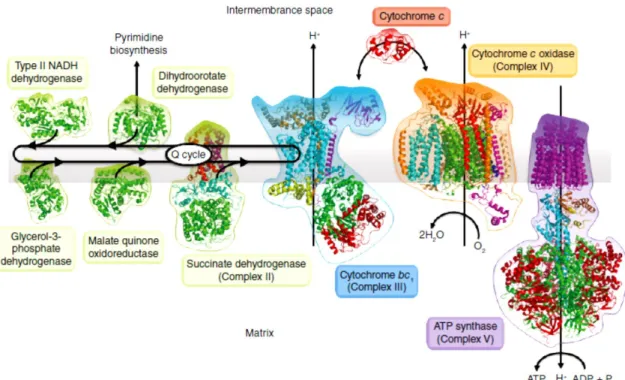
Figure 1.15 – Structural representation of glyphosate and fosmidomycin ... 32 Figure 1.16 – Representative diagram of Plasmodium mitochondrial electron transport chain . 34 Figure 1.17 – Representative diagram of the reactions held in complex III (Protonmotive Q-cycle)
... 36
Figure 1.18 – Representation of structural changes from ubiquinone to ubiquinol (at Qi site) and
from ubiquinol to ubiquinone (at Qo site) ... 37
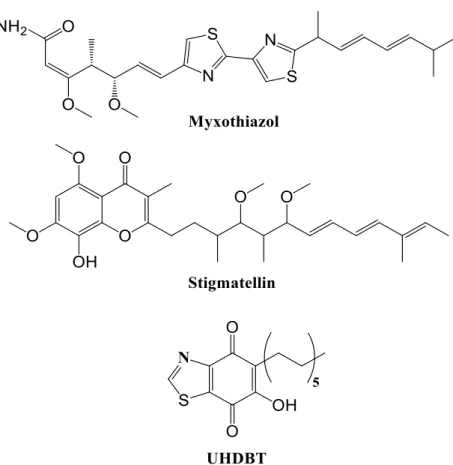
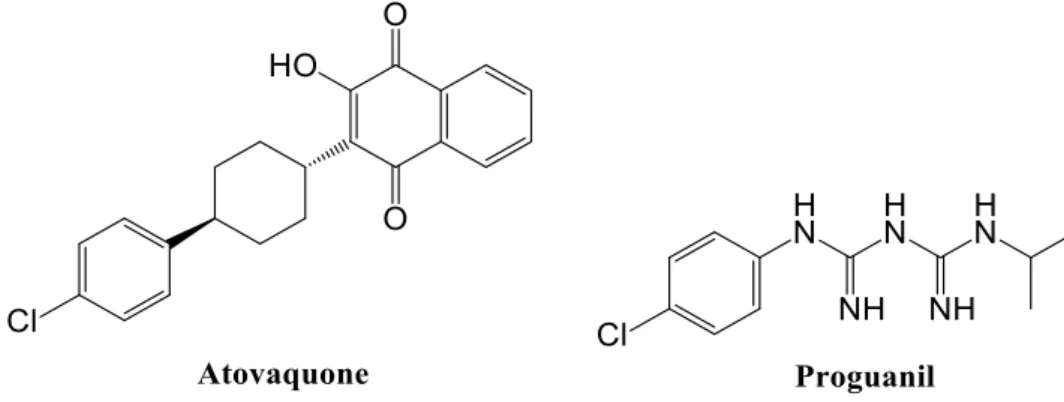
Figure 1.19 – Structural representation of myxothiazol, stigmatellin and UHDBT... 38 Figure 1.20 – Structural representation of antimycin A ... 38 Figure 1.21 – Structural representation of the active compounds of the Malarone® (atovaquone
and proguanil) ... 40
Figure 1.22 - In silico docking results for atovaquone binding in the ubiquinol oxidation pocket
at center P of the yeast bc1 complex ... 41
Figure 1.23 – Representation of the core structure of 1,4-naphthoquinone class; structures of
naphthoquinones studied as antimalarials ... 44
Figure 1.24 – Structural representation of clopidol and other pyridone-based compounds with
antimalarial properties ... 45
Figure 1.25 – Structural representation of the acridinedione ring system, of floxacrine and of WR249685 ... 46 Figure 1.26 – Structural representation of the acridone ring system and of antimalarially active
3-ether derivatives ... 47
Figure 1.27 – Structural representation of the quinolone scaffold ... 47 Figure 1.28 – Structural representation of classic examples of the quinolone group ... 49 Figure 1.29 – Structural representation of quinolones used as antibacterial agents ... 50 Figure 1.30 - Structural representation of endochin and quinolone 3-esters ... 52
Figure 1.31 – Structural representation of endochin and of ELQs ... 53 Figure 1.32 – Structural representation of 300 (a preclinical candidate), its precursor ELQ-271 and the analogue P4Q-391 ... 54 Figure 1.33 – Structural representation of decoquinate and RCQ ... 55 Figure 1.34 – Structural representation of HDQ and of some quinolones substituted at positions
2 and/or 3 ... 55
Figure 1.35 – General structure for 4-oxo-quinoline 3-esters investigated ... 61 Figure 2.1 - 1H NMR spectra showing the chemical shifts of aromatic protons (8.6-6.7 ppm), for
the isomeric mixtures of 33a/33b, 79a/79b, 80a/80b and 81a/81b in D6-DMSO ... 89
Figure 3.1 - Optimized geometries for the lower energy conformers of 56 ... 130 Figure 3.2 - Simulated IR spectra for the most stable conformer (sa) and for the expected
conformational equilibrium; observed IR spectrum of 56, isolated in solid argon (15 K), from the vapor at room temperature (rt). ... 132
Figure 3.3 - IR spectra of 56 obtained along the warming/cooling cycle ... 133 Figure 3.4 - Intermolecular hydrogen-bond interactions between molecules of 56 in the same
plane ... 134
Figure 3.5 - Crystal structure of ethyl 4-hydroxy-5-methyl quinolinium chloride 3-carboxylate
(82b.HCl) ... 138
Figure 3.6 - ATR-IR spectrum of crystalline 82b.HCl and 82a, at room temperature. ... 140
Figure 3.7 – Structural representation of the tautomers of ethyl
4-hydroxy-5-methylquinoline-3-carboxylate (82b). ... 141
Figure 3.8 – Representation of the conformers obtained for the 4-hydroxy-quinoline form of 82b ... 142 Figure 3.9 – Calculated relaxed potential energy profile for interconversion between conformers I and II of 82b ... 144 Figure 3.10 – Representation of selected (lowest energy) conformers calculated for tautomer 82c... 144 Figure 3.11 – Representation of selected (lowest energy) conformers obtained for tautomer 82d ... 145 Figure 3.12 – IR spectrum of the as-deposited argon matrix of 82b and calculated spectrum for
conformer 82bI. ... 147
Figure 3.13 – Fragment of the IR spectra showing photolysis (λ > 220 nm; 130 min) of 82b in
argon matrix ... 148
Figure 3.14 – Structural representation of the possible tautomers of 4-oxo-quinoline (92a)
considered in the theoretical investigation... 149
Figure 3.15 – Structural representation of the two conformational minima, 92b180 and 92b0,
calculated from the scanning for conformational evaluation of
92b……… ... 149 Figure 4.1 – Representation of the chemical structures of 4(1H)-pyridones GW844520 and GSK932121 ... 167 Figure 4.2 – Representation of protein sequence alignments of bovine (B. taurus), human (H.
sapiens), S. cerevisiae, P. falciparum and T. gondii ... 168
Figure 4.3 – Representation of interactions between the Qi binding site and compounds
Figure 4.4 - Image of the Qi site showing the highest scoring docking pose for each of the 3-aryl
substituted compounds studied ... 177
Figure 4.5 – Image representing the Qi site interactions with the quinolone core of compound
110. ... 178 Figure 4.6 - Image representing the Qi site interactions with the quinolone core of compound
102 ... 180 Figure 5.1 – Structural representation of quinolone derivative (130) ... 193 Figure 5.2 – Results of the MGIT assay for quinolones 128 and 130. ... 194 Figure 5.3 – Pharmacokinetic profiles of quinolone 128 (parent quinolone) and of its acetate
prodrug 129. ... 195
Figure 5.4 – CYP3A4 inhibition assay for quinolone 128 at 0.1 μM, 1 μM and 10 μM ... 196 Figure 5.5 – CYP3A4 inhibition assay for quinolone 130 at 0.1 μM, 1 μM and 10 μM ... 196 Figure 5.6 – CYP2C9 inhibition assay for quinolone 128 at 0.1 μM, 1 μM and 10 μM ... 197 Figure 5.7 – CYP2C9 inhibition assay for quinolone 130 at 0.1 μM, 1 μM and 10 μM ... 197 Figure 5.8 – CYP2C8 inhibition assay for quinolone 128 at 1 μM, 10 μM and 100 μM, and for
atovaquone (10 μM) ... 198
Figure 5.9 – CYP2C8 inhibition assay for quinolone 130 at 1 μM, 10 μM and 100 μM, and for
List of Tables
Table 3.1 – Calculated relative electronic energies (∆E) for minima of 56 and expected room
temperature gas phase populations ... 131
Table 3.2 - Relative energies (∆E) of the relevant conformers for tautomeric forms 82b, 82c and 82d ... 143 Table 3.3 – Calculated aromaticity indexes (HOMA and Bird) for tautomers 82b, 82c and 82d
... 146
Table 4.1 - CLogP values for ethyl 4-oxo-quinoline-3-carboxylates, substituted at positions 5 or
7, and for the corresponding tautomers ... 158
Table 4.2 – Final step yield, drug-likeness properties and in vitro antimalarial activity for chloroquine and mefloquine and for synthesized quinolines ... 161 Table 4.3 – Structural representations of 2-aryl substituted quinolones selected for docking and
corresponding in vitro activities against the P. falciparum strains 3D7 and C2B. ... 170
Table 4.4 - Structural representations of 3-aryl substituted quinolones selected for docking and
corresponding in vitro activities against the P. falciparum strains W2 and C2B. ... 171
Table 4.5 – GoldScore results obtained from the docking of 2-aryl substituted quinolones to the
Qi site of P. falciparum bc1 complex. ... 174
Table 4.6 – GoldScore results obtained from the docking of 3-aryl substituted quinolones to the
Qi site of P. falciparum bc1 complex. ... 174
Table 4.7 – Results for docking of 110 in the Qi site, expressed as GoldScore. ... 177
Table 4.8 – Results for docking of 102 in the Qi site, expressed as GoldScore. ... 179
Table 5.1 - In vitro antimalarial activities for quinolone 128 (parent quinolone) and for its acetate
List of Schemes
Scheme 1.1 – Approaches to the preparation of the 4-oxo-quinoline scaffold. ... 57 Scheme 1.2 – Schematic representation of the synthetic approach to 2,3-unsubstituted
4-oxo-quinolines, proposed by Koshinen ... 57
Scheme 1.3 – Schematic representation of the synthetic approach to 3-ethoxycarbonyl
4-oxo-quinolines, proposed by Igglessi-Markopoulou group ... 58
Scheme 1.4 – Schematic representation of the Camps cyclisation methodology ... 58 Scheme 1.5 – Schematic representation of the Niementowski methodology for quinoline
synthesis ... 59
Scheme 1.6 – Schematic representation of the synthetic approach to 3-aroyl 4-oxo-quinolines,
proposed by Hénichart group ... 59
Scheme 1.7 – Schematic representation of the Conrad-Limpach strategy for quinolone
synthesis ... 60
Scheme 1.8 – Schematic representation of the synthetic approach to quinolones involving
cyclisation by formation of bond E, including multistage reactions ... 60
Scheme 2.1 - Schematic representation of the general synthetic approach to prepare
4-oxo-quinoline 3-esters derivatives. ... 65
Scheme 2.2 – Schematic representation of reduction pathway for conversion of nitro arenes to
the corresponding anilines, via nitroso and hydroxylamine intermediates ... 66
Scheme 2.3 – Schematic representation of the mechanism proposed for the Gould-Jacobs
synthesis of 4-oxo-quinoline 3-esters ... 67
Scheme 2.4 – General synthetic approach followed to prepare 7-ester and 7-ether substituted
4-oxo-quinoline 3-esters ... 68
Scheme 2.5 – Esterification of 3-nitrophenol to afford 3-nitrophenyl benzoate 6 ... 69 Scheme 2.6 – Etherification of 3-nitrophenol to afford 3-nitrophenyl benzyl ether 7 ... 69 Scheme 2.7 – Attempted etherification of 3-nitrophenol to afford compound 8 ... 69 Scheme 2.8 – Schematic representation of a mechanistic proposal for the triethylamine-catalysed
esterification to afford 3-nitrophenyl benzoate 6 ... 70
Scheme 2.9 – Representation of an alternative mechanistic proposal for the TEA-catalysed
esterification to afford compound 3-nitrophenyl benzoate 6 ... 70
Scheme 2.10 – Schematic representation of the mechanism proposed for the synthesis of
compound 7 ... 71
Scheme 2.11 – Schematic representation of the mechanism of elimination proposed as one
possible reason for the failure of the synthesis of compound 8 ... 71
Scheme 2.12 – Schematic representation of the general synthetic approach followed to prepare
4-oxo-quinoline 3-esters with 7-substituents susceptible to the reduction conditions ... 73
Scheme 2.13 – Derivatization of the hydroxyl group in 16 to afford compound 23 ... 74 Scheme 2.14 – Derivatization of the hydroxyl group in 16 to afford compound 24 ... 74 Scheme 2.15 – Derivatization of the hydroxyl group in 16 to afford compound 25 ... 74 Scheme 2.16 – Derivatization of the hydroxyl group in 16 to afford compound 26 ... 74 Scheme 2.17 – Derivatization of the hydroxyl group in 16 to afford compound 27 ... 74 Scheme 2.18 – Schematic representation of the mechanism proposed for the t-ButOK-catalysed
Scheme 2.19 – Schematic representation of the mechanism proposed for the synthesis of
pseudo-saccharyl chloride (21) ... 76
Scheme 2.20 – Representation of the general synthetic approach followed to afford 7-substituted
4-oxo-quinoline 3-esters, using ethyl 4-chloroquinoline as intermediate compound ... 78
Scheme 2.21 – Attempted reduction of 34 to 35 ... 80 Scheme 2.22 – General synthetic approach followed to prepare 4-oxo-quinoline 3-esters with
halide substituents at positions 6 and/or 7 ... 80
Scheme 2.23 – General synthetic approach followed to the attempted preparation of
4-oxo-quinoline 3-esters linked to tetrazole residues at position 7 (49 and 50) from 43 ... 81
Scheme 2.24 – General synthetic approach followed for the attempted preparation of
4-oxo-quinoline 3-esters linked to a 2-methyl tetrazole residue at position 7 (54) ... 82
Scheme 2.25 – Representation of the synthetic approach followed for methylation of
aminotetrazole 51 to afford 52 and 53 ... 82
Scheme 2.26 – Schematic representation of the mechanism proposed for the mono-methylation
of 51 to afford 1- and 2-methyl-5-aminotetrazoles 52 and 53 ... 83
Scheme 2.27 – Schematic representation of the mechanism proposed for the Buchwald-Hartwig
coupling ... 84
Scheme 2.28 – Schematic representation of the mechanism proposed for the chlorination of
4-oxo-quinolines at position 4 ... 85
Scheme 2.29 – Schematic representation of the mechanism proposed for the Suzuki-Miyaura
coupling reaction ... 86
Scheme 2.30 – Representation of the synthetic approach to
7-(4-(4-morpholinomethyl)-phenyl)-4-oxo-quinoline 3-ester (60) from 7-iodo-4-chloroquinoline 3-ester (56) ... 87
Scheme 2.31 – Summary of the synthetic approach followed and results obtained for the
preparation of a library of 4-oxo-quinoline 3-esters bearing substituents at positions 6 and/or 7; in some examples, a 5-substituted structural isomer was obtained upon Gould-Jacobs cyclisation ... 88
Scheme 2.32 – Schematic representation of the mechanism proposed for the phosphorus
oxychloride mediated cyclisation to afford 4-chloroquinoline-3-esters ... 91
Scheme 2.33 – Representation of the synthetic approach followed to the unsubstituted
4-oxo-quinoline (92a) ... 93
Scheme 5.1 – Retrosynthetic analysis of quinolone derivative 128 ... 188 Scheme 5.2 – Preparation of synthetic block 1. Representation of the synthetic approach followed
to afford ketone 122 ... 189
Scheme 5.3 – Preparation of synthetic block 2. Representation of the synthetic approach followed
to afford oxazoline 127. ... 189
Scheme 5.4 – Representation of the synthetic approach to the preparation of quinolone 128 and
of its prodrug 129. ... 189
Scheme 5.5 – Schematic representation of the mechanism proposed for the coupling reaction,
following the Ullmann methodology ... 190
Scheme 5.6 – Schematic representation of the mechanism proposed for the synthesis of ketone 122, from the bromide derivative 120 ... 191 Scheme 5.7 – Schematic representation of the mechanism proposed for the synthesis of isatoic
anhydride 125 and for its conversion into the oxazoline derivative 127 ... 191
Scheme 5.8 – Schematic representation of the mechanism proposed for the synthesis of quinolone
derivative 128 ... 192
List of Charts
Chart 4.1 - Correlation between the GoldScore average and log(1/IC50), for 3-aryl substituted
ligands selected, considering their antimalarial activities against the 3D7 strain... 175
Chart 4.2 - Correlation between the GoldScore average and log(1/IC50), for 2-aryl substituted
Abbreviations
ACT Artemisinin combination therapy
ADME Absorption, distribution, metabolism and excretion ADP Adenosine diphosphate
API Active pharmaceutical ingredient
Ar Aromatic group
ATP Adenosine triphosphate ATR Attenuated total reflectance
bs Broad singlet
CD4+ T helper cells
CD8+ Cytotoxic T lymphocytes
CDK Cyclin-dependent protein kinases
CHN Most common form of elemental analysis
CI Chemical ionisation
CIQC 4-Chloro-7-iodo-quinoline (56)
CoQ Ubiquinone
CoQH2 Ubiquinol or dihydroubiquinone CTL Cytotoxic T lymphocytes
d Doublet
dd Doublet of doublets
DDT Dichloro-diphenyl-trichloroethane DEEMM Diethyl (ethoxymethylene)malonate DEET N,N-diethyl-meta-toluamide
DFT Density functional theory DHFR Dihydrofolate reductase DHPS Dihydropteroate synthase
DMF N,N-dimethylformamide
DMS Dimethyl sulfate DMSO Dimethyl sulfoxide DNA Deoxyribose nucleic acid
dt Doublet of triplets
DTGS Deuterated triglycine sulfate
EI Electron impact ionisation
ELISA Enzyme-linked immunosorbent assay ELQ Endochin like quinolones
ES Electrospray ionisation
FAD Flavin adenine dinucleotide (oxidized form) FADH2 Flavin adenine dinucleotide (reduced form) FAS-I Type I fatty acid synthase
FAS-II Type II fatty acid synthase
FeSp Iron-sulphur subunit (Complex II) Fp Flavoprotein subunit (Complex II) FTIR Fourier-transform infrared
G6PD Glucose-6-phosphate dehydrogenase
GA Genetic algorithm
GCT Gas chromatography time of flight
GOLD Genetic Optimization for Ligand Docking GPDH Glycerol 3-phosphate dehydrogenase
GSK GlaxoSmithKline
HDQ Hydroxy-2-dodecyl-4-(1H)-quinolone HOMA Harmonic oscillator measure of aromaticity HRP-2 Histidine-rich protein 2
HsLDH Homo sapiens lactate dehydrogenase HSP Heat-shock proteins
IC50 Half maximal inhibitory concentration
IFA Indirect immunofluorescence
IgG Immunoglobulin G
IR Infrared
ISP Iron-sulphur protein (Rieske iron-sulphur protein) LCT Liquid chromatography time of flight
LDH Lactate dehydrogenase
m Multiplet
MALDI Matrix-assisted laser desorption/ionisation MDR Multi drug-resistant strain
MGIT Mycobacteria growth indicator tube assay MQO Malate quinone oxidoreductase
MS Mass spectrometry
mtETC Mitochondrial electron transport chain
NAD+ Nicotinamide adenine dinucleotide (oxidized form) NADH Nicotinamide adenine dinucleotide (reduced form)
NK Natural killer cells
NMR Nuclear magnetic resonance
P Partition coefficient
pABA Para-amino benzoic acid PCR Polymerase chain reaction
PfCRT P. falciparum chloroquine resistance transporter PfDHFR P. falciparum dihydrofolate reductase
PfDHODH P. falciparum dihydroorotate dehydrogenase PfDHPS P. falciparum dihydropteroate synthase PfEMP1 P. falciparum erythrocyte membrane protein PfMDR1 P. falciparum multidrug resistance protein 1 PfMRK P. falciparum MO15-related protein kinase
PfNDH2 P. falciparum Type II NADH:ubiquinone oxidoreductase PfPK5 P. falciparum protein kinase 5
PfSUB1 P. falciparum subtilisin-like serine protease 1 PfSUB2 P. falciparum subtilisin-like serine protease 2 PFT Protein farnesyl transferase
PLDH Plasmodium lactate dehydrogenase PLP Piecewise linear potential
q Quartet
QTOF Quadrupole time of flight RDT Rapid diagnosis test
Rf Retention factor
RNA Ribonucleic acid
rt Room temperature
s Singlet
SAR Structure-activity relationship
SDH Succinate ubiquinone oxidoreductase or Complex II
t Triplet
TB Tuberculosis
TCA Tricarboxylic acid cycle
TEA Triethylamine
TFSA Trifluoromethanesulfonic acid
THF Tetrahydrofuran
TLC Thin layer chromatography TMEDA Tetramethylethylenediamine TMS Tetramethylsilane standard TNF Tumor necrosis factor
UHDBT 5-n-undecyl-6-hydroxy-4,7-dioxobenzothiazole WHO World Health Organization
XDR Extensive drug-resistant strain XRD X-ray diffraction
Scope of this thesis
Millions of cases of malaria occur annually and around 600 000 deaths are estimated annually. Great efforts have been undertaken to circumvent this problem, but the growing spread of resistance by P. falciparum to currently used antimalarial drugs, in most of the more than 100 countries where malaria is endemic, has compromised the common goal of malaria eradication or, at least, of its control.
In this scenario, the design and development of new, effective and safe chemotherapeutic agents for fighting malaria remains a major priority.
The aim of the research described within this is the design, synthesis and study the structure and properties of a chemically diverse library of new 4-oxo-quinoline 3-esters, in view of facilitating the selection of leads with improved pharmacological profile for drug development.
This PhD thesis includes five chapters:
Chapter one provides an introduction about malaria (history, epidemiology, symptomatology, diagnosis), Plasmodium (characteristics, life cycle) and antimalarial drugs or other strategies employed in the therapy, prevention and control of malaria . The role of the plasmodial bc1 protein complex and the effects of its inhibition are also reviewed in this section, as well as some important aspects concerning the synthesis and uses of quinolone derivatives in medicinal chemistry.
Chapter two presents the synthetic approaches and reaction conditions followed during the preparation of our library of selected quinolones.
Chapter three provides results of a detailed structural investigation of representative compounds, aimed at a better understanding of their chemical reactivity and properties, including biological activity. The possibility of tautomerism was specifically addressed.
Chapter four presents results of in vitro activity tests of the synthesized compounds, against sensitive and multidrug resistant strains of P. falciparum. In paralel, studies for lipophilicity/solubility evaluation and docking simulations are described and explored in this section.
Chapter five comprises the design and synthesis of selected 2- and 3-substituted quinolones with potential activity against Mycobacterium tuberculosis.
1. CHAPTER 1
CHAPTER ONE
1.1. Malaria
Malaria, a parasitic disease affecting mankind, remains one of the most deadly infectious diseases in the world. It is transmitted by the bitten of an infected mosquito (Anopheles female) and, in the human, it is caused by parasites belonging to the genus Plasmodium (from the species P. falciparum, P. vivax, P. malariae, P. ovale or P. knowlesi).1
Considering the growing emergence of resistance, the development of adequate solutions to tackle the disease is a priority. Among the relevant approaches to this goal is the development of new, effective and safe antiplasmodial drugs.
1.1.1. History
Malaria has been for long a great social, economic and health problem, specifically in the tropical areas. It was (and is) responsible for the decline of nations, forced the migration of populations, prevented the economic development and, sometimes, caused more deaths than the wars. History of malaria and its effects is as ancient as the history of civilization.
The first evidence of malaria parasites was found in mosquitoes from the Paleogene period preserved in amber, that are approximately 30-60 million years old. 2 These parasites have evolved and adapted to different conditions and hosts (jumped onto humans from the great apes) and, presumably, a major impact in the mankind coincided with the start of agriculture during the Neolithic revolution (about 10 thousand years ago).3
However, the first reports about malaria were found in the Chinese Canon of Medicine (malaria symptoms: “periodic fevers” and “enlarged spleens”), from 2700 BC. Sumerian clay tablets, Egyptian papyri and Hindu scriptures from 2000 BC to 700 BC also refer deadly “epidemic fevers” and splenomegaly, suggestive of malaria.4,5
The recognition of this infectious disease in Greece dates from 850-400 BC, being Hippocratic corpus the first document that correlated this “intermittent fevers” or splenic change with marshy places.5
From the first century BC, a number of Roman writers mentioned that swamps could be the cause for this disease. Considering this idea, the term “malaria” was introduced from the Italian “aria cattiva” or “mal aria” that means “bad air”.4,5
With the improvement of knowledge about microbiology the search around malaria was intensified, but in 1879 it took a wrong turn with the isolation of a microbe
from the damp soil in malarious regions, named Bacillus malariae speculated as the cause of malaria, by Edwin Klebs and Corrado Tommasi-Crudeli. One year after, Charles Louis Alphonse Laveran (a student of Pasteur; awarded the Nobel Prize in 1907) identified the right malaria parasite, designating it by Oscillaria malariae (currently Plasmodium malariae). In 1884 appeared the denomination for the genus Plasmodium, by Marchiafava and Celli. Plasmodium vivax and Plasmodium falciparum, firstly named Haemamoeba vivax and Haematozoon falciparum, were identified in 1890 (by Grassi and Feletti) and in 1897 (by William Welch), respectively. The recognition of the last malaria parasite, Plasmodium ovale, occurred in 1922 by John. W. Stephens.4–6
Since the ancient Hindus, the swamp theory had been questioned and, gradually, it started to crumble. Many ancient texts mentioned the possible link between malaria and mosquitoes. However, just in 1897, Ronald Ross (Nobel Prize for Medicine in 1902) found the malaria parasite while dissecting the stomach tissue of an Anopheles mosquito and he proved the role of this insect as vector in the transmission of malaria parasites in humans.4,6
In 1899, Bignami and Bastianelli observed the complete cycle of P. vivax and Grassi joined these efforts and, all together, the same feat was accomplished with P. falciparum.6
The genome sequences of Anopheles gambiae7 and Plasmodium falciparum8 were published in 2002, and those of P. vivax9 in 2008.
1.1.2. Epidemiology
Malaria and poverty are correlated, since the main focus of this disease coincides with the tropical and sub-tropical regions, affecting some of the poorest populations in the world. Besides Sub-Saharan Africa, some countries of Asia (Saudi Arabia, India, Sri Lanka, Thailand and Indonesia), Western Pacific and Latin America suffer from prevalence of malaria. Turkey, Armenia and Azerbaijan are Asian–European boundary countries where it is still possible to find malaria. Normally is not found in North America, Europe and Australia, unless the illness was contracted abroad.1,10
Figure 1.1– Global status of mortality by malaria per 100 000 population in 2013.1
Globally, World Health Organization (WHO) and current estimates place 3.2 billion people (more than 40% of the global population) at risk of malarial infection and developing disease, with 1.2 billion at high risk. In 2013 occurred 198 million cases of malaria, leading to 584 thousand of deaths, 90% of them in the African region (see Figure 1.1) and 78% in children aged under 5 years. Despite these dramatic estimates, the increase of malaria control efforts has saved more than 3 million lives, between 2000 and 2013, and the global malaria mortality rates have been reduced by 47%.
There are other infections (for example tuberculosis and human immunodeficiency virus) that demonstrate similar global distributions to malaria, exacerbating the economic problems and interfering with the fight against malaria.1
1.1.3. Transmission
Malaria is a vector-borne illness and can be transmitted by the bite of female Anopheles mosquitoes. These insects are found worldwide, in except Antarctica, and of the approximately 430 Anopheles species known, around 40 transmit malaria, depending on the region and the environment. In Africa, Anopheles gambiae is the most important as malaria vector while in Latin America is A. darling. Environmental changes, including deforestation, migration, new agricultural practices and climate change, may influence vector behavior.4
Others rare routes of transmission may be considered, as the exposure to infected blood or blood products, organ transplantation, use of shared infected needles and vertical transmission across the placenta (congenital infection).11
1.1.4. Apicomplexa, Sporozoa, Plasmodium
Malaria parasites are protozoa members of the Phylum Apicomplexa, characterized by the presence of an unique organelle called apical complex (see Figure 1.2).11–13 Plasmodium (genus) parasites, responsible for malaria, do not have organelles of locomotion (class Sporozoa) and because of this are obligatory endoparasitic protozoa.14
Five species of Plasmodium are able to cause human malaria: P. falciparum, P. vivax, P. ovale, P. malariae and P. knowlesi. P. falciparum is the most lethal species (“malignant malaria”) and, at the same time, the most prevalent in the African continent and the one that develops most episodes of resistance to drugs, leading to important therapeutic
problems.1
P. vivax, P. ovale and P. malariae cause “benign malaria” cases that rarely are fatal. P. vivax is the most widely disseminated and the most prevalent parasite causing malaria in the world. However in Africa the risk of infection by P. vivax is quite low, essentially, because this species needs a protein to invade red blood cells that is codified by Duffy gene, and this gene is absence in many African populations. In many areas outside Africa, P. vivax infections are more common because P. vivax can survive at lower temperatures.1,14
P. ovale (infection least common and severe) is found in West Africa and Asia, while P. malariae (leads to mild or benign disease and may also affect some primates) is found in most endemic areas.11
A fifth species, P. knowlesi, a monkey form of malaria in macaques, is emerging as an important parasite able to cross from animals to humans (zoonosis) and infections in humans have been found in the forests of south-east Asia (especially Malaysian Borneo). Its morphology is similar to P. malariae, but it produces very high parasitaemias leading to severe or fatal pulmonary and hepatorenal symptoms.14
Figure 1.2 - Plasmodium falciparum
merozoite in an electron micrograph (a) and schematic (b) images; ap - apical prominence, d - dense granule, n - nucleus, r - rhoptry.13
1.1.5. Parasite life cycle
Plasmodium, as most genera from the class Sporozoa, has a life cycle with both sexual (gametocyte production and sporogony) and asexual (schizogony) phases of reproduction (Figure 1.3).14
Figure 1.3 - Plasmodium falciparum life cycle; female Anopheles mosquito-Human transmission.
Adapted from Pasvol et al..15
Apart from the different distributions, each Plasmodium species may be distinguished by their morphological characteristics and their specific life cycle, responsible for the different clinical courses of the disease (incubation period, pathophysiology, morbidity and mortality associated).12
The complex life cycle of malaria parasites includes eight separate parasitic forms (or nine, if we consider hypnozoites in P. vivax and P. ovale) with different structures and metabolic processes. Then, an effective treatment, especially if acting against more than one parasite form, is difficult.6
A. Asexual cycle – schizogony
The asexual cycle begins with the bite of an infected female Anopheles mosquito (definitive host), when inoculation of infective 20-30 sporozoites and salivary anticoagulants (helping the inoculation of the parasites) from the mosquito to the human host takes place.14,15
Primary exo-erythrocytic cycle: through the bloodstream this parasitic forms rapidly (within half an hour) reach the liver and invade hepatocytes. Each sporozoite can invade up to five hepatocytes, before setting one in which the maturation will occur. In this stage, the parasites reproduce intracellularly by asexual division and mature into schizonts (with many merozoites inside).
This asymptomatic stage is completed with the rupture of the hepatic schizonts, releasing tens of thousands of merozoites able to invade other hepatocyte and restart the cycle.
The time to complete this liver stage and the number of parasitic forms released depends on the Plasmodium species. P. falciparum species release about 40 000 parasites in 7 days, P. vivax release 10 000 merozoites in 6-8 days, P. malariae release 2000 merozoites in around 12-16 days and P. ovale release 15 000 merozoites in 9 days.
In P. vivax and P. ovale, a dormant parasitic form (hypnozoite) can persist in the liver, causing relapses by invading the bloodstream after weeks, months or even years later. In infections by P. falciparum and P. malariae, after the schizonts burst no parasites remain in the liver, and the liver infection ceases spontaneously in less than 4 weeks.11,14
Erythrocytic cycle: from the rupture of the infected hepatocytes, other merozoites are released to the liver blood vessels. Once in the erythrocytic cycle, Plasmodium species do not reinvade the liver cells. Through the apical complex of the protozoa, the action of some proteases (e.g. P. falciparum subtilisin-like serine protease 1 and 2 – PfSUB1 and PfSUB2)16 and by invagination with the red blood cell membrane, the merozoites invade erythrocytes.
While merozoites of P. falciparum are capable of infecting erythrocytes of all ages (exponential parasitaemia), those of P. vivax and P. ovale infect only reticulocytes and those of P. malariae just invade older red blood cells.
The binding of merozoites of P. vivax to erythrocyte membranes requires the presence of the Duffy blood group antigens (absent in many West African populations, thus protected from P. vivax infection).
In red blood cells, merozoites develop asexually forming trophozoites, which initially assume a characteristic “ring form” and then enlarge to become mature trophozoites or schizonts.11,14,15
This stage is the feeding stage of the parasite and is highly metabolically active, consuming glucose and haemoglobin from the red blood cell. With the proteolysis of haemoglobin by proteases (e.g. cysteine protease falcipain-2 and aspartic protease