INSTITUTO SUPERIOR DE CIÊNCIAS DA SAÚDE
EGAS MONIZ
MESTRADO INTEGRADO EM MEDICINA DENTÁRIA
REMOVABLE PARTIAL DENTURES IN LYBIA: PATIENT
EXPECTATIONS, SATISFACTION AND MAINTENANCE
Trabalho submetido por
Iman Saad Bugaighis
para a obtenção do grau de Mestre em Medicina Dentária
INSTITUTO SUPERIOR DE CIÊNCIAS DA SAÚDE
EGAS MONIZ
MESTRADO INTEGRADO EM MEDICINA DENTÁRIA
REMOVABLE PARTIAL DENTURES IN LYBIA: PATIENT
EXPECTATIONS, SATISFACTION AND MAINTENANCE
Trabalho submetido por
Iman Saad Bugaighis
para a obtenção do grau de Mestre em Medicina Dentária
Trabalho orientado por
Prof. Doutor José João Mendes
I would like to express my gratitude to Prof. Doutor José João Mendes for accepting to be my supervisor.
I am grateful to Prof Doctor Paulo Maurice for accepting my request to undertake my equivalency requirements at the faculty.
I am grateful to Cooprativa de Insino Superior,de Ciências da Saúde, Egas Moniz for accepting me to enroll in the integrated master programme
I am extremely thankful to my colleague and friend Dr Nada Kashbur, a teaching staff at the Dental Faculty, University of Benghazi-Libya for her great help, and for her support throughout conducting the study. Without her determination and hard work I wouldn’t be able to conduct this research work.
I express my gratitude to Portugal for being a safe haven for me and my daughter and for the hospitality and kindness of Portuguese people.
I would like to thank my beloved daughter Nada for keeping me company throughout the study. Her liveliness and continuous enthusiasm has inspired me throughout my work. Many thanks for your support and love.
1
ABTRACT
Objective: This study aimed to assess the level of Libyan patient’ expectation of and during use satisfaction with a Removable Partial Denture (RPD). A further aim was to explore the level of patient’ awareness and application of oral hygiene care pertaining to the RPD.
Materials and methods: This was a cross-sectional retrospective survey. Self-reported
questionnaires were administered to 160 patients wearing removable prosthesis and living in Benghazi, Libya. The questions explored expectation of a RPD as well as subjective satisfaction with the treatment outcome with respect to esthetics, phonation and masticatory function, pain and food impaction. Moreover, the questionnaire included a section to evaluate the attitude of patients’ towards their use of oral hygiene measures. Descriptive statistics were employed to reveal the frequency and percentages of the examined factors. Spearman’s correlation coefficient was undertaken to calculate the correlation between the varies parameters and patient’ satisfaction with the prosthesis.
Results: The sample comprised 30.6% males and 69.4% females; mean age=52.17,
SD±13.75. The majority (86.9%) had an acrylic RPD; only 13.1% used cobalt chromium prosthesis. The RPD met the expectations of 63.1% and met the partial expectations of 16.9% of the participants. Overall satisfaction was experienced by 68.1% of the sample, while 31.9% had one concern or more; 22% had difficulty with mastication, 8.58% complained of poor fitting, 7.78% had impaired phonation, 2.87% suffered from pain and 1.98% reported food impaction. The majority of patients (91.3%) cared about and paid attention to their oral hygiene; 64.4% used just a tooth brush, 9.4% used dental floss as well as brushing and 5.6% preferred using tooth picks with brushing. Only, 3.1% did not use any oral hygiene or cleaning aids
Spearman’s correlation coefficient showed a weak but significant correlation between the level of patient expectation and patient satisfaction (r=0.369, P<0001) and between the type of denture base and the level of satisfaction (r=0.211, P=0.007). However, there was
2
There was a weak but significant correlation between oral health care and sex (r=0.178, P=0.024) where females surpassed males in their oral hygiene care. However, there was no significant correlation between the level of education and patient oral health care (r=0.116, P=0.145), nor between patients age and maintaining their oral hygiene (r=0.023, P=0.771).
Conclusions: A high percentage of patients were satisfied with their RPDs and most took
good care of their oral hygiene after using RPD. Significant correlation was only observed between expectation and satisfaction and between the type of denture base used and the level of satisfaction.
Key words: Patient satisfaction, Libyan, Patient expectations, Care and maintenance,
3
1 Introduction ... 9
1.1 Tooth loss ... 10
1.1.1 Causes and incidence of tooth loss ... 10
1.1.2 Impact of tooth loss on mandibular and maxillary ridges and oral mucosa 11 1.1.3 Impact of tooth loss on the position of the remaining teeth ... 12
1.1.4 Effects of tooth loss on aesthetics ... 12
1.1.5 Impact of tooth loss on function ... 13
1.1.6 Impact of tooth loss on phonation ... 14
1.2 Impact of tooth loss on the quality of life ... 14
1.3 RPDs... 15
1.3.1 Requirements of an RPD ... 15
1.3.2 Types of RPDs ... 16
1.4 Patient expectations ... 18
1.5 Patient satisfaction ... 19
1.6 Oral hygiene and QOL ... 20
1.7 Oral hygiene maintenance ... 21
Aims of the Study ... 23
2 Materials and Methods ... 24
2.1 Type of study ... 24
2.2 Ethical consideration of the study ... 24
2.3 Place of study ... 24
2.4 Inclusion criteria ... 24
4
3 Results ... 27 4 Discussion ... 35 5 Conclusions ... 43
5
Figure 1: Intra oral photograph of elderly partially edentulous female patient with resorbed bridge, supra-erupted lower anterior teeth and upper right canine and poor oral hygiene ... 11 Figure 2; Intra-oral photograph of partially edentulous lower dental arch with missing lower right canine, lower left first and second molars and lower right second molar. Both lower third molars are drifted mesiallyand, rotated and lingually inclined due to loss of adjacent teeth ... 12 Figure 3: Intra-oral photograph of a partially edentulous patient with missing upper left lateral incisor, missing lower left premolars and first molar, poor fillings, over-eruption of upper left canine due to loss of opposing tooth ... 13 Figure 4: A photograph displaying upper and lower acrylic resin removable partial dentures ... 18 Figure 5: Lower cobalt chrome partial denture on a lower cast and in the patient mouth 18 Figure 6: A pie chart displaying the distribution of males (69%) and females (30.6%) in the sample ... 27
Figure 7: Pie chart illustrating the percentage of patients who were using acrylic resin
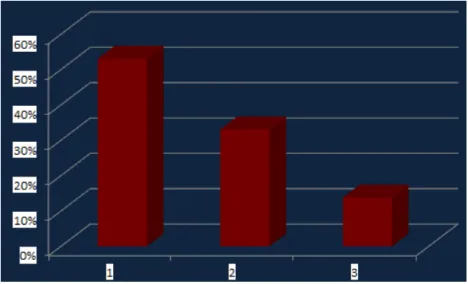
partial denture (86.9%) and who were wearing cobalt chromium partial denture ... 29 Figure 8: Bar graph illustrating the distribution of use of the prosthesis according to the dental arch; both maxillary and mandibular (1), maxillary (2) or mandibular (3) ... 29 Figure 9: Pie chart demonstrating the percentage of individuals whose their removable partial dentures, met their expectations (63.1%), partially met their expectations (16.9%) and whose dentures did not meet their expectations (20%) ... 31 Figure 10: Bar chart displaying the percentage of satisfied patients’ with their removable partial denture and the percentage of each of the concerns of the unsatisfied patients .... 31
Figure 11: Bar graph displaying the percentage of patients practicing oral hygiene
7
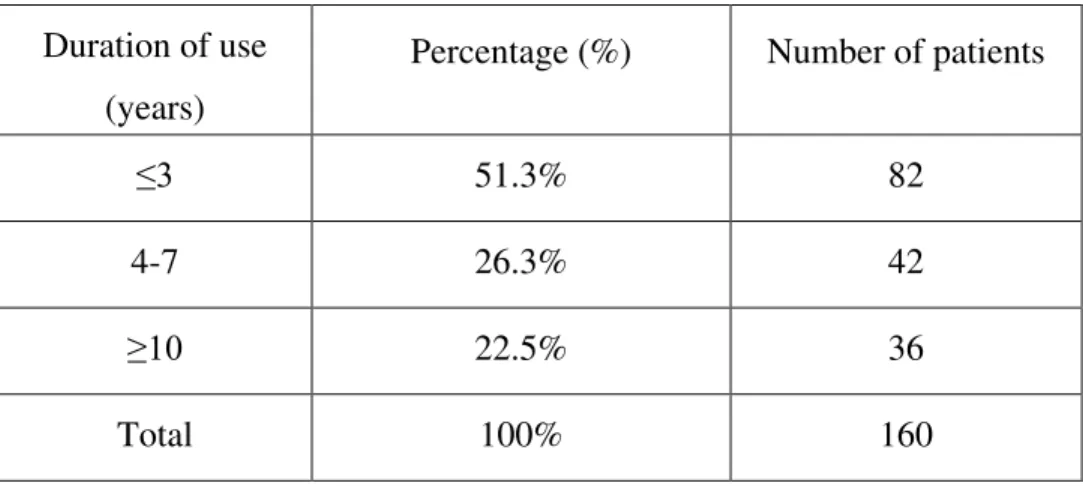
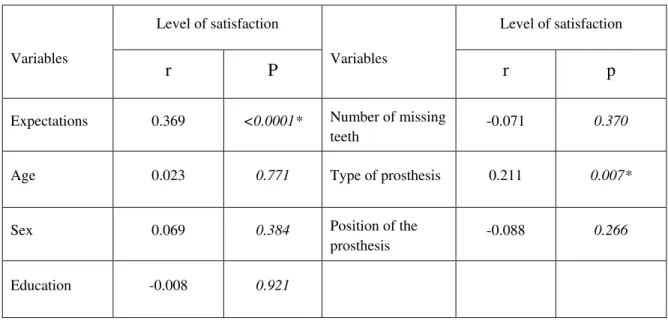
Table 1: Sex distribution (number and percentage) of the participants according to age group (below and above 50 years of age) ... 27 Table 2: The distribution of the participants (numbers and percentage) according to their level of education ... 28 Table 3: The duration of use of removable denture by the participants in numbers and percentage ... 30 Table 4: Correlation coefficient (r ) between the level of patient satisfaction and the analyzed factors . The significant correlation p values are marked with * (Satisfaction with expectations and with Type of the prosthesis ... 32 Table 5: Correlation coefficient (r ) between applying oral hygiene measures and
8 CD-Compete Denture
OHRQoL- Oral Hygiene related Quality of Life QOL-Quality of Life
RPD-Removable Partial Denture
SPSS-Social Package of Statistical Software WHO-World Health Organization
9
1
Introduction
Incomplete dentition is a situation found in a high percentage of individuals in various countries. Such individuals continue their lives without seeking prosthetic replacement for different motives (Meeuwissen et al., 1995; Tyson, W., Yemm, Scott, & J., 2007; Witter, Elteren, Kayser, & Rossum, 1989). But, partially edentulous patients pursue prosthodontic management to restore aesthetic, speech and oral function as well as to enhance self-esteem. This is especially true in patients who have lost multiple teeth, since the effectiveness of mastication is related to the number of remaining natural teeth (Siqueira et al., 2013; Tyson et al., 2007; Zlataric & Celebic, 2001).
There are numerous prosthetic options for tooth replacement in edentulous and partially edentulous cases including; Complete Dentures (CDs), Removable Partial Dentures (RPDs), dental implants, tooth-supported fixed partial prosthesis. These prostheses have been used for decades to restore tooth loss (Burns, Unger, Elswick, & Beck, 1995; Geiballa, Abubakr, & Ibrahim, 2016; Tyson et al., 2007; Watson, Reeve, Barnes, Lane, & Bates, 1986) and facial form (Tyson et al., 2007).
Prosthodontics is the field of dentistry related to the maintenance and restoration of oral function, aesthetics and oral and general wellbeing of individuals by replacing their missing natural teeth and/or impaired maxillofacial structures by using biocompatible materials (Driscoll, Freilich, Guckes, Knoernschild, & Mcgarry, 2017). The oldest form of the prosthesis in current use is RPD. An RPD is a prosthesis used to replace lost teeth in partially dentate patients. The RPD can be easily worn and taken out from the mouth by the individual (Driscoll et al., 2017). RPDs continue to be in high demand especially in low income, underdeveloped and developing countries despite the increasing demand for dental implants in partially edentulous cases (Carlsson, 2008; Zlataric, Celebic, Valentic-Peruzovic, Jerolimov, & Panduric, 2003). Indeed, general or oral limitations might impede implant placement even where financial resources and clinician’s skills allow this (Carlsson, 2008). The benefits of an RPD compared to fixed prosthesis include reduced cost and ease of cleaning (Cosme et al., 2006).
10
1.1 Tooth loss
Tooth loss is common, especially among aged individuals (AlZarea, 2016; Carr, Brown, & McCracken, 2011; Tyson et al., 2007). Thus, the Global Oral Data Bank reported that the occurrence of edentulism in subjects over 65 years was detected as; 41% in Finland, 46% in the United Kingdom and 58% in Canada (Petersen & Yamamoto, 2005). In spite of the consistent improvement in oral health measures worldwide, which has resulted in a decline in the number of subjects with tooth loss, the number of partially edentulous individuals demanding care has actually increased (Allen & McMillan, 2003; Leles, Morandint, da Silva, de F. Nunes, & Freire, 2008).
Tooth loss unfavorably affects aesthetics and oral function. The extra-oral and intra-oral changes which result from tooth loss vary between individuals and depend on whether all or some of the teeth are lost. However, in both conditions, the majority of these changes occur during the first year of tooth loss and continue throughout life (Allen & McMillan, 2003).
1.1.1 Causes and incidence of tooth loss
Permanent teeth can be lost at any age following their eruption. The most common causes of premature permanent tooth loss are caries and periodontal disease (Al-Shammari, Al-Khabbaz, Al-Ansari, Neiva, & Wang, 2005). There is an explicit correlation of tooth loss with increasing age although; some teeth are retained longer than others (Figure 1). Thus, mandibular teeth are retained longer than their maxillary counterparts and anterior teeth are retained longer than posterior ones. The most frequently lost teeth being the first and second molars (Carr et al., 2011; Ong, Yeo, & Bhole, 1996). A common observation among partially edentulous individuals is retention of mandibular anterior teeth, in particular canines, with loss of most of the remaining teeth (Carr et al., 2011).
11
1.1.2 Impact of tooth loss on mandibular and maxillary ridges and oral mucosa
When a tooth is lost, absorption of alveolar bone takes place due to the lack of functional stimulus (Figure 1). This leads to three-dimensional resorption of ridge volume. However, alveolar bone resorption does not follow tooth loss in a standard pattern, but varies with tooth position and between individuals (Nishimura & Atwood, 1994). Generally, bone loss is more pronounced in the mandible than the maxilla and more noticeable in the posterior region of the mouth than in the anterior which leads to the mandibular arch being wider than its maxillary counterpart (Carr et al., 2011; Schropp, Wenzel, Kostopoulos, & Karring, 2003). These evolving variations can cause difficulties with the correct fitting of dentures and insertion of implants. Furthermore, the attached gingiva is gradually replaced by keratinized oral mucosa. This makes the mucosa more vulnerable to trauma and pain, especially in old age, and might affect the patient’s tolerance to a prosthesis (Carr et al., 2011; Narhi et al., 1992).
Figure 1: Intra oral photograph of elderly partially edentulous female patient with resorbed bridge, supra-erupted lower anterior teeth and upper right canine and poor oral hygiene
12
1.1.3 Impact of tooth loss on the position of the remaining teeth
When a tooth is lost, the adjacent teeth usually start to tilt and drift towards the edentulous space. This encourages the opening of spaces between the remaining teeth which increases the chance of food impaction, plaque formation, decalcification and caries development in the interproximal tooth surface. Overeruption of a tooth in either dental arch towards the space of a lost opposing tooth is a common finding leading to oral health problems (Figure 3 and Figure 3). In addition, overeruption may complicate the prosthetic replacement of the missing opposing tooth (Basker, Davenport, & Thomason, 2011; Carr et al., 2011; Hara, Miura, Yamasaki, Morisaki, & Osaka, 2015).
Figure 2; Intra-oral photograph of partially edentulous lower dental arch with missing lower right canine, lower left first and second molars and lower right second molar. Both lower third molars
are drifted mesiallyand, rotated and lingually inclined due to loss of adjacent teeth
1.1.4 Effects of tooth loss on aesthetics
Tooth loss usually compromises facial aesthetics (Carr et al., 2011). Anterior tooth loss affects lip posture and position; dark gaps are shown between the other present teeth which restrain the patient from talking and smiling. Such patients seek to avoid the associated embarrassment, loss of self-esteem or the feeling of being stigmatized by society, and therefore aesthetics is often their main reason for obtaining prostheses. Individuals who lose their anterior teeth can be negatively perceived by the society as
13
being more introverted and not as accomplishment as others in society (Newton, Prabhu, & Robinson, 2003). Posterior tooth loss leads to altered facial contours, reduction of lower facial height, loss of support of facial musculature causing sagging cheeks and chin, and an older facial appearance (Mohindra & Bulman, 2002; Saintrain & de Souza, 2012). Thus restoring facial aesthetics is one of the main requirements of fabricated dentures.
Figure 3: Intra-oral photograph of a partially edentulous patient with missing upper left lateral incisor, missing lower left premolars and first molar, poor fillings, over-eruption of upper left canine due to loss of opposing tooth
1.1.5 Impact of tooth loss on function
When teeth are lost, mastication can be compromised. The number, position and relevance of the remaining teeth are of paramount significance for the ability to chew, given that occluding pairs of teeth are the major functional component (Elias & Sheiham, 1998; Hildebrandt, Dominguez, Schork, & Loesche, 1997).
Mastication comprises two separate but well-coordinated processes: the teeth break down the food, while the cheeks and tongue have a sensory function important in food handling. For example, large pieces of food tend to be processed faster than smaller ones. Clearly, the mastication process involves highly controlled neurosensory
14
mechanisms. It has been observed that there is a significant positive correlation between the number of occluding teeth and mastication competence. Thus, the performance impact of the loss of a molar tooth is likely to be greater than that of the loss of an incisor as the molar occlusal parameter is greater than the corresponding incisal area. Depending on the position and number of lost teeth, a patient might find it difficult to chew properly and this might affect the choice of nutritional intake, with the patient leaning towards softer and easy-to-digest (Carr et al., 2011; Elias & Sheiham, 1998; Meeuwissen et al., 1995; Ross & Hoye, 2012; Savoca et al., 2010).
1.1.6 Impact of tooth loss on phonation
Anterior tooth loss significantly affects speech intelligibility and causes embarrassment during verbal communications (NKenke et al., 2014). Specific sounds that are performed by the contact of the lower lip with the maxillary incisal edge (e.g: the letters F and V) become altered when upper incisors are lost (Hara et al., 2015; NKenke et al., 2014; Shay, 2000) .
Where an upper RPD has been fitted, such that the base plate covers the palate or part of it, this can significantly affects phonetics and the patient can take some time to get adapted. However, some patients find it difficult to adapt, become unsatisfied and can stop using their dentures as a result (Carr et al., 2011).
1.2 Impact of tooth loss on the quality of life
The World Health Organization (WHO) defines the quality of life (QOL) as “individuals’ perception of their position in life in the context of the culture and value system in which they live and in relation to their goals, expectations and standards and concerns” (Inglehart & Bagramian, 2002). Clearly, therefore, we can expect oral health to have a marked impact on individual’s QOL.
Good oral health would encompass adequate masticatory function, absence of oral pain, a healthy periodontium, caries-free teeth, clear pronunciation that is not impaired by
15
tooth loss and the ability to smile and show teeth. All of these factors enhance confidence and self-esteem and contribute to the enhancement of an individual’s QOL (Pereira et al., 1990; Saintrain & de Souza, 2012) .
1.3 RPDs
1.3.1 Requirements of an RPD
Dentures should be fabricated from biocompatible materials that fit snugly in the oral cavity. Their bio-adaptability relies upon dental tissue tolerance during function and the ability of the patient to handle the denture comfortably and to reduce plaque accumulation (Basker et al., 2011; Carr et al., 2011; Tyson et al., 2007). In addition, denture design must restore facial aesthetics and lower facial height as well as perform the functions of the missing teeth adequately. Thus, RPDs are required to; restore function and aesthetics; restore mastication and speech, be comfortable and biocompatible with the oral environment and be well tolerated and avoid jeopardizing oral hygiene (Carr et al., 2011; Tyson et al., 2007).
There is a controversy about the impact of the quality of an RPD in the achievement of patient satisfaction. In a cross sectional retrospective study on 82 patients wearing RPDs, Frank, Brudvik, Leroux, Milgrom, & Hawkins ( 2000) clinically evaluated eight criteria of RPD fabrication, general clinical adequacy and periodontal status. The same patients filled questionnaires to evaluate their satisfaction level. The researchers reported limited support for the rationality of the RPD design and fabrication criteria for RPDs. The authors concluded that these criteria were not associated with patients’ satisfaction. This outcome agrees with the findings of Shams, Tavanafar, Dastjerdi, & Chaijan ( 2015). However, Bilhan et al. ( 2012) reported that an inaccurate vertical dimension of the dentures they examined lowered patient satisfaction level. Furthermore, AL-AlSheikh (2011) observed a significant association between patient satisfaction and the quality of their RPDs as evaluated by a clinician. From the studies reviewed, it can be seen that different investigations reached diverse conclusions. This might be because of the
16
multidimensional nature of patient satisfaction. However, more studies with refined methodology are required to clarify this aspect.
1.3.2 Types of RPDs
Classical RPD design includes fabrication of stone cast, three dimensional replicate of teeth and mucosa associated with the path of insertion and the various RPD components (base framework, connecters, occlusal rests and clasps) (Benso, Kovalik, Jorge, & Campanha, 2013; Tyson et al., 2007). Recent digital modalities allowed designing RPD apparatus on three dimensional replications of the required fields as a replacement to stone casts. The established virtual model can then be employed to print wax to form casting metal frameworks (Campbell et al., 2017).
Historically, a number of different materials have been used to fabricate RPD framework. Currently, the most commonly used materials are either acrylic resin (polymethyl methacrylate) (Figure 4) or metal (cobalt chromium alloys) (Figure 5). 1.3.2.1 Acrylic resin RPD
The main advantages of acrylic resin RPDs are their relatively low cost and ease of modification, if any more natural teeth need to be extracted (Stipho, 1998). Therefore, they are commonly fabricated for less privileged partially edentulous patients. Acrylic resin RPDs are also used as immediate dentures after tooth extraction and prior to alveolar bone resorption or as a temporary RPD when more teeth are expected to be lost soon. Acrylic resin RPDs are also indicated for young patients when the jaw growth and full permanent dentition eruption are incomplete. However, when an acrylic resin RPD is fabricated as a permanent prosthesis care should be taken that its potential to cause trauma to the oral mucosa is minimized. This is especially important in the lower jaw where mucosal coverage to provide support and retention is less than in the upper jaw (Basker et al., 2011; Stipho, 1998). Furthermore, reduced rigidity and strength of acrylic resin dentures compared to metal alloys making it more vulnerable to bending and fracture during use. Thus the denture base must be thick enough to avoid breakage (Budtz-Jörgensen, 1996).
17 1.3.2.2 Cobalt chromium RPD
There are significant advantages of cobalt chromium prosthesis compared to acrylic resin RPD. Cobalt chrome framework is stronger, stiffer and compact; thus, a stable and well fitted denture base can be achieved with reduced extension on the gingival margins. This adds to its functional characteristics of cobalt chrome dentures compared to acrylic resin RPDs. Cobalt chromium alloy is biocompatible which, resists corrosion and transmits cold and heat sensations in a similar way to natural experience (Campbell et al., 2017; Ohkubo, Hanatani, & HOSOI, 2008; Tyson et al., 2007).
In addition to the higher cost of cobalt chrome RPDs compared to acrylic resin dentures, the disadvantages of cobalt chrome RPD includes; aesthetic concerns with showing metal when patients smile or talk; hypersensitivity, allergic oral tissue reactions and development of caries on abutment teeth. In cases of poor oral hygiene, a protein biofilm colonized with microorganisms can be formed on the metal framework. This biofilm can be a source of infection and can be removed only by mechanical removal or by disinfecting the prosthesis (Campbell et al., 2017; Tyson et al., 2007).
Accurate patient-customized preparation of the RPD is a main factor of its success. Tooth position, occlusal relationship, alveolar ridge morphology and patient requirements for aesthetics and wellbeing must mandate the RPD fabrication to fulfil patient expectations (McGarry et al., 1999). Although an RPD is considered a non-invasive prosthesis in relation to the remaining natural teeth, the consequences of prolonged wear of might cause harmful reactions such as ; caries, plaque accumulation around the RPD, trauma caused by any of the components of the RPD, excessive occlusal forces on a poorly designed RPD leading to discomfort, aggravation of periodontal disease, stomatitis, alveolar bone resorption and tooth mobility (Basker et al., 2011; Yap & Ong, 1995; Zlataric, Celebić, & Valentić-Peruzović, 2002 de Baat, Witter, & Creugers, 2011).
19
Cunha, & Marchini, 2010; Miranda, dos Santos, & Marchini, 2014). Numerous factors that might have an effect on treatment efficacy probably contribute to a patients’ attitude towards their future prosthesis. Thus, it is of paramount importance to have a good clinician-dentist communication to attain a deeper understanding of those factors (Yamalik, 2005; Zou & Zhan, 2015).
Expectations that are too high or are unrealistic might adversely affect the level of post-treatment satisfaction and treatment failure might occur as a result. In a retrospective interview-based survey of patients using complete dentures, Suresh & Sharma ( 2010) concluded that their patients’ pretreatment expectations influenced post-treatment satisfaction. Furthermore, they indicated that when patient expectations are not compatible with the outcome, treatment might fail. A number of researchers have found that most cases of patient dissatisfaction are related to the misconception that speech, mastication and aesthetics would be restored to the same level as with natural teeth (Schonwetter, Reynold, Eaton, & De Vries, 2010). According to Marachlioglou et al. (2010), it is important that clinicians ensure patients understand the likely outcomes of their treatment during early consultations so that they develop realistic, achievable expectations. It has been reported that when patients are involved in diagnosis and treatment planning, they accept the need to compromise and become more realistic about their future prosthesis (Marachlioglou et al., 2010; Moreira et al., 2011).
1.5 Patient satisfaction
As stated by De Van, the foremost aim of RPD should always be the maintenance of the what remained, not the careful substitution of what has been missing (Phoenix & Antonio, 2008). Satisfaction with an RPD usually relates to comfort and ease of occlusion, aesthetics, retention and articulation (Carr et al., 2011; Phoenix & Antonio, 2008; Tyson et al., 2007). Therefore, the dentist’s skill in achieving a good quality denture is of great importance. However, patient satisfaction appears to be a complex and multidimensional phenomenon. Patients might remain unsatisfied in spite of the good quality of RPD fabrication (Frank et al., 2000). Moreover, a patients’ complaint might begin as soon as the denture is fitted and as a result they stop wearing their prosthesis
20
(Geramiuanah & Asadi, 2007). Hummel, Wilson, Marker, & Nunn ( 2002) noticed that almost two-thirds of their American patients wearing RPDs had a minimum of one complaint, mainly about poor retention. In a Turkish study, patient discontent was usually linked to poor retention, ulcers, trauma and inaccurate vertical occlusal height (Bilhan et al., 2012). Koyama, Sasaki, Yokoyama, Sasaki, & Hanawa (2010) undertook a retrospective study on 67 Japanese patients who had worn RPD for five years or more. The researchers observed a significant correlation between whether a patient continued to wear their RPD and each one of the following factors: age, pain, discomfort, artificial tooth shade, size and set up. Akeel (2010) undertook phone interviews with 74 male Saudi patients who had worn an RPD for one year. He concluded that pain and discomfort were the most significant reasons for patients to stop wearing RPDs.
Although in most published investigations the majority of patients were satisfied with their RPDs, various complaints were recorded (AL-AlSheikh, 2011; Bilhan et al., 2012; Cosme et al., 2006; Elias & Sheiham, 1998; Miranda et al., 2014; Shams et al., 2015; Siqueira et al., 2013; Zlataric et al., 2003). The most frequent areas of discontent were poor fitting, difficulty in mastication, natural tooth problems, food impaction and oral and denture hygiene and odor, speech difficulties, and esthetic concerns such as mismatch in colour, shape or size of the prosthetic teeth. Furthermore, tolerance to an RPD varies; according to patient expectations, emotional and general health status, as well as the state of the oral cavity (AL-AlSheikh, 2011; Bilhan et al., 2012; Cosme et al., 2006; Elias & Sheiham, 1998; Miranda et al., 2014; Shams et al., 2015; Siqueira et al., 2013; Zlataric et al., 2003).
1.6 Oral hygiene and QOL
John, Slade, Szentpétery, & Setz (2004) conducted a German national survey on 2050 subjects to explore the association between denture status, demographic factors (age, sex, education and the residential area) and Oral Hygiene Related Quality of Life (OHRQoL). They found a strong association between the dentition status and OHRQoL; participants with CD or an RPD had lower OHRQoL compared to subjects with full dentition or fixed prosthesis. Their survey outcome supported similar studies that also
21
found a significant association between OHRQoL and dentition status (Locker & Miller, 1994; McGrath & Bedi, 2001). In another investigation John, Slade, Szentpétery, & Setz (2004) compared the OHRQoL of 107 patients prior to and after one, six and twelve months of follow-up of treatment with RPD, fixed and CDs, They noticed that OHRQoL improved considerably in 96% of the participants at the end of the study regardless of the type of prosthesis used.
1.7 Oral hygiene maintenance
Evidence-based research affirmed that maintaining good oral hygiene in patients using RPDs is of the utmost importance in avoiding oral and systematic infections (Iinuma et al., 2015; Sumi, Miura, Michiwaki, Nagaosa, & Nagaya, 2007). Laboratory investigations revealed an increase in oral streptococci mutans levels after patients began to wear RPDs. Furthermore, extra and intra oral bacteria, candida and microbial organisms that could potentially cause respiratory problems were found to easily colonize the acrylic resin denture base (Gendreau & Loewy, 2011; Pereira-Cenci, Del Bel Cury, Crielaard, & Ten Cate, 2008; Radford, Challacombe, & Walter, 1999). These organisms could lead to the development of stomatitis, pneumonia and other oral and systematic infections (Yarborough et al., 2016) (Emami, Kabawat, Rompre, & Feine, 2014). Previous research confirmed that using an RPD encourages plaque accumulation, especially around the abutment teeth and might facilitate the development of gingivitis (Mine, Fueki, & Igarashi, 2009). However, there is no clear evidence on the impact of wearing RPDs on the risk of developing periodontitis; this is mainly due to lack of research in this area. Nevertheless, minimal gingival coverage by RPDs is recommended to minimize such complications. Furthermore, there seems to be a greater risk of caries among RPD users, especially in the roots. Thus applying oral hygiene measures, fluoride application and regular recalls for RPD users are essential (Jepson, Moynihan, Kelly, Watson, & Thomason, 2001; Preshaw et al., 2011).
It is of paramount importance to take into consideration hygiene concerns when designing RPDs (Basker et al., 2011; Jepson et al., 2001; Preshaw et al., 2011). Regular oral and denture hygiene care by RPD users affects their level of satisfaction and
22
wellbeing (Frenkel, Harvey, & Newcombe, 2001; Wu, Yang, Wang, Lee, & Du, 2012). Papadiochou & Polyzois (2017) concluded in their systematic review that the best which is also the most used oral hygiene practice is achieved by combining brushing as a simple, low cost and effective mechanical approach and chemical cleansing agents.
The guidelines that patients must follow to ensure a satisfactory outcome from RPD use include; taking appropriate care in handling the denture to avoid distortion or breakage, protecting teeth from caries and periodontal disease by following proper oral hygiene procedures and maintaining appropriate diet. Periodical visits to the dentist for examination and follow-up are also recommended (Petersen & Yamamoto, 2005).
From all of the above, it can be concluded that it would be valuable to both patients and prosthodontics to identify factors relating to patient satisfaction with RPDs and thereby to improve treatment outcome. Accordingly, patient expectations and satisfaction with RPD treatment have been explored in various populations comprising; Americans (Hummel et al., 2002), Turkish (Bilhan et al., 2012), Japanese (Koyama et al., 2010), Taiwanese (Wu et al., 2012), Iranians (Shams et al., 2015), Pakistanis (Khan, Khan, Abdullah, & Usman-ul-Hag, 2015) and Saudi Arabians (Akeel, 2010; AL-AlSheikh, 2011; Aljabri, Ibrahim, & Sharka, 2017) individuals. All such studies concluded that patient satisfaction with RPDs was high. However, research dealing with patient expectations and satisfaction in the Middle Eastern populations and in the Arabic countries remains sparse and in Libya, these issues have yet to be explored. Consequently, this study was undertaken to evaluate patient expectations of and satisfaction with RPD in a cohort of subjects living in Benghazi, the second largest city in Libya.
23
Aims of the Study
The aims of this study were to assess Libyan patient expectation of and satisfaction with removable partial dentures (RPD) and to explore the level of patient awareness and application of oral hygiene care.
24
2
Materials and Methods
2.1 Type of study
This was a cross-sectional descriptive retrospective survey
2.2 Ethical consideration of the study
Approval for this study was obtained from the Dean’s office of the Dental Faculty and the Benghazi Syndicate of Dentistry.
2.3 Place of study
The present study was carried out at the prosthodontics department, Faculty of Dentistry, University of Benghazi, Libya and in multiple private dental clinics. Benghazi is a city of almost one million inhabitants. However, this study was conducted at a time when civil war was going on in the city forcing almost a quarter of the citizens to move out.
2.4 Inclusion criteria
All partially dentate Libyan patients who were wearing RPDs; upper, lower, or upper and lower who were attending the reported clinics were invited to participate in this study. The total number of eligible subjects invited to participate in this study were 400 subjects. A total of 160 male and female patients agreed to take part and to fill in the questionnaire, a response rate of 40%. Verbal informed consent was obtained from the participants. All patients were using either acrylic polymers or metal (cobalt chrome alloys custom-made) RPDs.
25
2.5 Development of the questionnaire
The used questionnaire was adapted from published examples written in English language (Siqueira et al., 2013; Geiballa, et al., 2016; Zlataric and Cˇelebic 2001). The translation from English to Arabic; both authors are native Arabic speakers who completed their university studies and teach in the English language). This Arabic version of the questionnaire was then reviewed by staff at the department of prosthodontics. The reviewers considered the questions appropriate and relevant to the research question and their comments were recorded and discussed by the authors. Alterations to the questionnaires were introduced as needed.
The first section of the questionnaire consisted of socio-demographic items including sex, age, and the level of education. The second section comprised questions relating to patient satisfaction and patient perception of subjective clinical outcome measures, including esthetics, speech and masticatory function, in addition to patient expectations of the prosthesis. The third section dealt with patient oral health care and measure patients use, including the simplicity and frequency of use of these measures. In total, there were 20 closed-ended questions and a single open-ended question, which asked patients whether they would recommend RPDs to their family members and friends.
2.6 Statistical analysis
Social Package of Statistical Science software (SPSS, version 17, Chicago, III) was used to conduct validity test employing Intra-class Correlation Coefficient test (ICC). Descriptive statistical tests including frequencies Spearman’s rank correlation coefficient tests were used to explore the correlation between sociodemographic factors, patients’ expectation of with their satisfaction from RPD and with oral hygiene care. The level of significance was set at P<0.05.
2.7 Validity test
A pilot study was conducted on 15 patients to pre-test the data collection method and the questionnaire. The participants were invited to complete a questionnaire and
26
reveal their opinion about the wording of the used version. The questionnaire appeared to be easily understood and was finalized with no changes. Two weeks later, the questionnaire was redistributed to the same 15 patients. The collected data were coded and transferred to an Excel sheet. Subsequently, the data was analyzed. ICC tests showed a high degree of agreement between the two tests (0.90), indicating an excellent level of internal consistency.
A pilot study was conducted on 15 patients to pre-test the data collection method and the questionnaire. The participants were invited to complete a questionnaire and reveal their opinion about the wording of the used version. The questionnaire appeared to be easily understood and was finalized with no changes. Two weeks later, the questionnaire was redistributed to the same 15 patients. The collected data were coded and transferred to an Excel sheet. Subsequently, the data was analyzed. ICC tests showed a high degree of agreement between the two tests (0.90), indicating an excellent level of internal consistency.
27
3
Results
'There were 160 patients in this study, of whom 30.6% were males and 69.4% were females (Figure 6). The mean age of the participants was 52.17 years (SD =13.75), with a maximum age of 75 years and minimum age of 25 years. Almost two-thirds of the participants (60.6%) were ≥50 years old and 39.4% were <50 years of age (Table 1).
Figure 6: A pie chart displaying the distribution of males (69%) and females (30.6%) in the sample Age group (years) Sex Total Male Female N % N % N % <50 14 28.6% 49 44.1% 63 39.4% ≥50 35 71.4% 62 55.9% 97 60.6% Total 49 100% 111 100% 160 100%
Table 1:Sex distribution (number and percentage) of the participants according to age group (below and above 50 years of age)
Males 30.6% Females
28 Age group (years)
Sex Total Male Female N % N % N % Primary school 2 4.1% 17 15.3% 19 11.9% Secondary school 20 40.8% 48 43.2% 68 42.5% University or higher 22 44.9% 40 36.1% 62 38.8%% Vocational training 5 10.2% 6 5.4% 11 6.8% Total 49 100% 111 100% 160 100%
Table 2: The distribution of the participants (numbers and percentage) according to their level of education
The RPDs used were made from acrylic in 86.9% of the cases with the remainder (13.1%) fabricated from cobalt chromium (Figure 7). Just over half of the participants (51.3%) had worn their prosthesis for ≤3 years, while, 26.3% of the patients had used their RPDs for periods ranging between 4 and 7 years. Only 22.5% had worn their RPDs for ≥10 years. Roughly one third of the participants (33.1%) were using upper RPD and 13.8 only % were wearing just lower RPD. Furthermore, approximately half the participants (53.1%) had upper and lower RPD (Figure 8). The RPD met the expectations of almost two thirds (63.1%) and met the partial expectations of 16.9% of the participants. Only 20% revealed that the RPD did not meet their expectations (Figure 9)
29
Figure 7: Pie chart illustrating the percentage of patients who were using acrylic resin
partial denture (86.9%) and who were wearing cobalt chromium partial denture
Figure 8: Bar graph illustrating the distribution of the use of the prosthesis according to the dentalarch; both maxillary and mandibular (1), maxillary (2) or mandibular (3)
86.9%
30 Duration of use
(years)
Percentage (%) Number of patients
≤3 51.3% 82
4-7 26.3% 42
≥10 22.5% 36
Total 100% 160
Table 3: The duration of use of removable denture by the participants in numbers and percentage
Overall satisfaction with the RPD was reported by 68.1% of the participants (Figure 10). But, nearly one third (31.9%) had one concern or more; 22% of the whole sample complained of impaired masticatory function, 8.58% suffered from a poorly fitting prosthesis, 7.78% had compromised phonation, 2.87% found the RPD caused pain during eating and 1.98% observed food impaction. Only, 11.9% found their RPD esthetically unpleasant due to; mismatch in colour with the natural teeth (3.1%), mismatch of shape and size (5%) or improper artificial tooth position in the RPD (1.3%). Table 4 showed that there was a medium but significant correlation between the level of patient expectation of their RPDs and the level of their satisfaction (r=0.369,
P<0001). Furthermore, there was a weak but significant correlation between the level of
satisfaction with the type of the denture base (r=0.211, P=0.007). However, there was no significant correlation between patient satisfaction with their RPD and; the patient’s age (r=0.023, P=0.771), sex (-0.069, P= 0.384), level of patient education (r=-0.008,
P=0.921), number of missing teeth (-0.071, P= 0.370), whether the prosthesis was for the
maxillary, mandibular or both arches (r=-0.062, P=0.439) or with the how long the patient had had the RPD (r=-0.088, P=0.266).
32
Table 4: Correlation coefficient (r ) between the level of patient satisfaction and the analyzed factors . The significant correlation p values are marked with * (Satisfaction with expectations and with type of the prosthesis)
The majority of the participants revealed that they were aware of and practiced oral hygiene measures (91.3%). Only, 8.7% of participants acknowledged that they did not take proper care of their oral hygiene (Figure 11). The reasons given for not using dental aids were as follows: 6.9% laziness, difficulty in obtaining oral cleaning aids (0.6%), had not been informed by their dentist (0.6%) and not knowing when and how to use cleaning aids (0.6%). Of the large majority following oral hygiene practice (91.3%); 64.4% used only a tooth brush for cleaning. While, 9.4% used dental floss in addition to a tooth brush and 5.6% preferred tooth picks combined with a tooth brush. Other participants (8.8%) acknowledged that they used either a tooth brush or one of the oral hygiene aids but these were not combined in the cleaning process. Only, 3.1% of patients reported that they used all the described oral hygiene aids (Figure 12).
Spearman correlation coefficient (Table 5) revealed that there was a weak but significant correlation between sex and taking care of oral hygiene (r=0.178, P=0.024) where females surpassed males in their oral hygiene care. But, there was no significant
Variables
Level of satisfaction
Variables
Level of satisfaction
r P r p
Expectations 0.369 <0.0001* Number of missing
teeth -0.071 0.370 Age 0.023 0.771 Type of prosthesis 0.211 0.007*
Sex 0.069 0.384 Position of the
prosthesis -0.088 0.266 Education -0.008 0.921
35
4
Discussion
This is the first study to be undertaken in Libya that aimed to exploring the level of expectation and satisfaction with RPD among 160 Libyan subjects wearing RPDs in Benghazi city. A further aim was to evaluate the level of oral health care of the examined cohort.
The response rate in the present study was low (40%). This might be a result of the unstable security and living status in Benghazi City during the data collection phase. People were depressed, unsettled and suffering from the psychological and physical consequences of civil war. This negatively affected their attitude towards and desire to participate in such studies. A similarly low response rate of 50.3% was reported by Wagner and Karen (2000) in their German retrospective recall study of patients using RPD. Wagner and Karen (2000) incentive of undertaking a free examination for each patient who agreed to participate in their study succeeded in recruiting just half of the targeted subjects. Aljabri et al. (2017) described a much lower response rate of 11% in their Saudi phone interview survey. For most other similar studies carried out on various populations, no response rate was given making it difficult to arrive to a general conclusion on this factor (Akeel, 2010; AL-AlSheikh, 2011; Bilhan et al., 2012; Khan et al., 2015; Shams et al., 2015; Siqueira et al., 2013; Zlataric & Celebic, 2001; Zlataric et al., 2002).
The percentage of females in this Libyan sample (69.4%) was more than double that of males (30.6%). This male/female discrepancy did not allow a meaningful statistical comparison of the level of their expectation and satisfaction with RPD between both sexes. A number of similar studies reported a comparable sex discrepancy (Geiballa et al., 2016) (Siqueira et al., 2013) (Geiballa et al., 2016; Siqueira et al., 2013; Zlataric et al., 2002, 2003). It has been suggested that in general, females are more concerned about personal aesthetic and they are more likely to seek to restore their missing teeth than males (Geiballa et al., 2016; Siqueira et al., 2013; Xiaoxian Meng, Gilbert, Duncan, & Heft, 2007). However, Leles et al. ( 2008) suggested that elderly females tend to have more missing teeth than males. This issue remains to be explored in the Libyan subjects.
36
Another factor might be that females have a more positive attitude with helping and participation in research studies. Other authors have preferred to conduct their studies on males only (Akeel, 2010) or females only (AL-AlSheikh, 2011). On the other hand, Aljabri et al., (2017) and Shams et al. ( 2015) designed their research to include similar number to allow statistical comparison. In the later two studies, females were more satisfied with their RPDs than males.
The mean age of the present cohort was 52.17 years, SD =13.75 (range 25-75 years). A comparable sample age was reported in other related studies (Akeel, 2010; Aljabri et al., 2017; Bilhan et al., 2012; Shams et al., 2015; Siqueira et al., 2013; Wagner & Kern, 2000; Zlataric & Celebic, 2008). Almost two-thirds of participants (60.6%) were ≥50 years old. Allen & McMillan ( 2003) suggested that elderly patients with previous experience of using dentures are more likely to accept the prosthesis than younger users. However, in the present study there was no correlation between age and the level of expectations or satisfaction of their RPDs. This outcome confirms the findings of comparable previous works (Aljabri et al., 2017; Siqueira et al., 2013) and contradicts with others (Shams et al., 2015).
Surveys undertaken in different countries must be adapted linguistically and culturally prior to their use. The present questionnaire was an Arabic translation of surveys used previously similar investigations (Akeel, 2010; Siqueira et al., 2013; Zlataric & Celebic, 2001). Care was taken to ensure that the Arabic form of the Arabic questionnaire could be understood easily by lay people. Furthermore, prosthodontists were consulted to verify the precision of the questions. The high level of agreement between the test and re-test trials confirmed that the questions were understood by the participants. Unfortunately, similar studies have not always reported validation of their questionnaires (Akeel, 2010; AL-AlSheikh, 2011; Aljabri et al., 2017; Shams et al., 2015; Siqueira et al., 2013; Zlataric & Celebic, 2001).
This study focused only on patients’ satisfaction with their RPDs. A number of other studies evaluated the satisfaction of both, patients and clinicians (AL-AlSheikh, 2011; Bilhan et al., 2012; Frank et al., 2000; Siqueira et al., 2013; Wu et al., 2012; Zlataric &
37
Celebic, 2001). All such studies reported concluded that patient satisfaction level surpassed that of their clinicians. In a retrospective descriptive study, Zlataric & Celebic (2001) compared the level of satisfaction of 165 Croatian patients wearing RPDs with that of a prosthodontist in the same department. They found that 74% of their patients reported the highest level of satisfaction with their RPDs. While, the prosthodontist placed just 30% of the same RPD in that top category. This difference was statistically significant (P<0.0001), but the outcome might have been influenced by the different approaches used for the assessment by the patients and the prosthodontist. It seems that subjective assessment factors such as; psychology, attitude, comfort and esthetics play a major role in patient evaluations. On the other hand, the clinician’s assessment focuses on technical aspects of the prostheses and on clinical requirements of the patients (Zlataric & Celebic, 2001). It is recommended that another study be carried out in Libya where the level of satisfaction of both the clinicians and patients are evaluated and statistically compared.
The fact that patients and clinicians estimate their expectations and satisfaction differently (Marachlioglou et al., 2010) might cause misunderstandings and a worsening of the patient/clinician relationship (Carlsson, 2008). Therefore it is important to understand patient expectations prior to planning and starting treatment. In the present study, the RPD met or nearly met the expectations of the majority of patients. Furthermore, there was a weak but significant correlation between the level of patient expectations of their RPD users and the level of their satisfaction. Siqueira et al. (2013) noted a significant correlation between the expectations of their RPD users and satisfaction related to phonation. Yet, in the same study a significant correlation between patient expectations and satisfaction with comfort or chewing was not observed. In the present work, patient expectations were assessed as one criterion. It is recommended in future studies that patient expectations of their RPD relating to phonation, aesthetics, mastication and retention be evaluated individually.
It is generally accepted that cobalt chromium RPDs are superior to their acrylic resin counterparts. However, most of the Libyan participants were using acrylic resin RPDs (86.9%). A number of studies undertaken in Middle Eastern countries on RPD observed
38
similar findings (Aljabri et al., 2017; Ismail & Hussein, 2009; Radhi, Lynch, & Hannigan, 2007). It should be noted that a high proportion of the present participants were treated in private clinics. Thus economic restraint might have influenced their choice of the acrylic resin RPD. This is especially true at a time of unsettled security and economic status. The present investigation found a significant difference in patient satisfaction level between patients using acrylic resin RPDs and those who wear cobalt chrome versions. A higher satisfaction level was correlated to cobalt chromium compared to acrylic resin RPD. Comparable findings were reported by Aljabri et al. ( 2017) and Yoshida, Fueki, & Igarashi ( 2011).
Patient satisfaction is considered the definitive aim of any oral restoration procedure. Patient use of RPD is strongly influenced by the level of their satisfaction (Siqueira et al., 2013). The present study revealed that most participants were satisfied with their RPDs (68.1%). This finding agrees with the reported high percentage (ranging between 60-85%) of satisfied RPD users in Croatia (Zlataric et al., 2003), Saudi’ Arabia (Akeel, 2010; AL-AlSheikh, 2011; Aljabri et al., 2017), Iran (Shams et al., 2015) Brazil (Siqueira et al., 2013), USA (Frank et al., 2000) and Taiwan (Wu et al., 2012). The outcome of the present survey found no significant correlation between patient satisfaction and various demographic factors (age, sex, level of education), the number of missing teeth, and whether the prosthesis was for the maxillary, mandibular or both arches, nor with the length of time the RPD had been worn. Siqueira et al. ( 2013) obtained a similar outcome in their Brazilian study. Others (Zlataric et al., 2003) have reported that, highly educated Croatian patients wearing RPDs are more satisfied with the appearance of the prosthetics than patients with a lower level of education. In an Iranian investigation, Shams et al. (2015) found that higher levels of satisfaction were significantly associated with older subjects while younger patients reported a moderate level of satisfaction. In contrast, Singh, Dhiman, Bedi, & Girish (2011) noted that younger patients with RPDs were more satisfied than older ones. However, we must bear in mind that not all the reported studies where based on consecutive patients or randomized samples and that the samples were derived from different populations with diverse cultural backgrounds; therefore their reported outcome might only be representative of the specific cohort studied.
39
Some patients seek prosthodontic treatment mainly to restore masticatory function and esthetics (Mazurat & Mazurat, 2003). Therefore, clinicians must pay great attention to these aspects when designing and fabricating RPDs. Generally, patient expectations of and satisfaction from their RPDs vary. The foremost concerns of many patients are associated with restoring masticatory function and comfort, while retention and esthetics might be the primary concern for others (Zlataric & Celebic, 2008). Therefore, clinicians need to identify and understand patients’ expectations during their early consultations and take steps if required to clarify any misunderstanding or unrealistic expectations. This is particularly important because, unfulfilled expectations appear to affect the level of patient satisfaction of their RPDs and this might negatively affect their QOL (Inukai, Baba, John, & Igarashi, 2008).
The populations examined in the published studies revealed a variable hierarchy of problems relating to RPD use (Akeel, 2010; AL-AlSheikh, 2011; Aljabri et al., 2017; Bilhan et al., 2012; Frank et al., 2000; Khan et al., 2015; Shams et al., 2015; Siqueira et al., 2013; Wu et al., 2012; Zlataric & Celebic, 2008). Some complaints were interlinked such that it is difficult to separate one from another. For example; poor retention might cause difficulty in mastication and speech. Also, tender mucosa with traumatic ulcers or sore points might contribute to poor fitting, painful mastication and impaired phonetics (Bilhan et al., 2012; Carr et al., 2011; Tyson et al., 2007). These lead many patients in the present study to select more than one reason for their dissatisfaction.
The main dissatisfying complaint we encountered were impaired masticatory function (in 22% of the Libyan sample). There are varies reasons that might affect the function of mastication with RPDs, for example; altered vertical dimension, overextended or loose denture or improper occlusion between the opposing upper and lower teeth. Therefore, a regular recall visits are essential to such patients to evaluate the quality of RPDs and to avoid further damage to the masticatory function (Yamalik, 2005)
The second most frequent complaint by Libyan patients was poor aesthetics (11.9%). Patient aesthetic complaints concerned mismatch of the colour of the prosthetic teeth with their natural teeth (3.1%), mismatch of shape and size (5%) and improper prosthetic tooth
40
position in the RPD (1.3%). It is important for the clinician to pay a great attention to selecting the proper shade and colour of the prosthetic teeth especially where anterior teeth are involved. Matching to the patient natural tooth and skin colour should be done under natural light. Another major concern is matching the position and angulation of the prosthetic teeth and natural teeth; patients can be discouraged from using their RPDs if such matching is not done with care (Carr et al., 2011; Tyson et al., 2007).
The primary reasons for Saudi patient dissatisfaction were aesthetic problems followed by pain during chewing (Aljabri et al., 2017), and pain and discomfort (Akeel, 2010). A similar Turkish study reported that loss of retention was the most frequent complaint (Bilhan et al., 2012). Similar results were reported in other studies on Pakistani, (Khan et al., 2015), Croatian (Zlataric & Celebic, 2008), and Chinese (Yeung et al., 2002) patients. Loss of retention and impaired masticatory function followed by aesthetic factors respectively were the main complaints of Brazilian RPD wearers (Siqueira et al., 2013). On the other hand, Shams et al. (2015) and AL-AlSheikh ( 2011) observed that food impaction under RPD and loss of retention were the most common complications in their Iranian cohort. The frequency of food impaction problems in the present study were merely 1.98%. Food impaction mostly occurs due to the presence of a space between the oral mucosa and the RPD base or between the denture clasps and the teeth adjacent to the RPD. Poor oral hygiene is another factor that needs to be taken into consideration when evaluating the causes of food impaction (Carr et al., 2011; Tyson et al., 2007).
Altered phonation was described by 7.78% of our sample. This might be caused by loose dentures or as a result of overextension of the maxillary denture on to the soft palate (Bilhan et al., 2012; Carr et al., 2011; Tyson et al., 2007). Furthermore, RPDs replacing the maxillary anterior teeth can affect pronunciation and consequently, speech outcome (Runte et al., 2001). Bilhan et al. ( 2012) reported that pain and sore spots were the second most occurring complains in their samples. In the present study just 2.87% of participants suffered from pain.
41
The vast majority of Libyan participants revealed that they are aware of and practice oral hygiene measures relating to their RPDs (91.3%). This was especially true for female participants using RPDs. These values seem very high especially given that the study was undertaken during a time of war and low financial income for most of the population. This result has to be interpreted with caution as the participants’ oral hygiene was not clinically evaluated and the evaluation relied only on the subjective perception of the patients on the quality of the required oral hygiene. Furthermore, the level of education and age seemed to have no impact on oral hygiene care of the participants. This might be a result of the higher expectations of the educated as well as the younger patients compared to the other patients. These findings are considered a subjective assessment from the patients’ point of view. It will be interesting if clinical examinations were undertaken to this cohort to allow comparison between subjective and objective findings.
Almost two-thirds of the Libyan patients reported that tooth brush was their only cleaning tool. Patients who were using either tooth picks or dental floss with a tooth brush comprised less than one-fifth of the participants. A very small number were motivated enough to employ all the cleaning aids included in the questionnaire. In a comparable Sudanese investigation, Geiballa et al. ( 2016) observed that the majority of their sample did not use dental aids after fitting of a fixed prosthesis. They reported that this was due to the limited information and instructions given by their clinicians. In the present study, only 0.6% of participants revealed that they were not informed about oral health care procedure by their dentists. This outcome showed that the Libyan clinicians who had treated the present participants were aware of the significance of explaining oral hygiene measures to their patients. Clinicians should offer their patients the opportunity to inquire, discuss and demonstrate oral hygiene care to develop and refine patients’ knowledge in this area and therefore improve their OHQOL.
When the present participants were asked (based on their personal experience) whether they would advise relatives and friends to use an RPD for missing teeth replacement, 75% responded positively. It was interesting to note that this value (75%) was higher than the percentage of patients who were satisfied with their RPD (68.1%).
42
This discrepancy was clarified after the authors reviewed the patient comments about their reasons for dissatisfaction. Examples of their comments include: the cost of other fixed replacement treatment options is too high; my dentist told me that an RPD is the optimum treatment for replacing my lost teeth; I had complained of a failed old bridge and I do not want my sound remaining teeth to be trimmed which will end most probably by their extraction; a fixed prosthesis takes too long and I want a faster treatment option. These comments revealed that their discontent was not directly related to their use of RPD, but to the higher expectations set by their clinicians, economic factors and negative previous dental experiences that ended in loss of natural teeth.
43
5
Conclusions
Based on the outcomes of this study, the following conclusions relating to its objectives can be drawn;
The RPD met or nearly met the expectations of the majority of participants. Furthermore, more than two -thirds of the patients expressed their satisfaction. There was a weak but significant correlation between patient expectations and satisfaction; The most frequently reported concern of unsatisfied patients was difficulty in
mastication, followed (in order of frequency) by esthetics, poor retention, impaired phonation, pain during eating and food impaction;
There was a weak but significant correlation between the level of satisfaction and type of the denture base;
There was no significant correlation between patient satisfaction with their RPD sand patient age, sex, level of education, number of missing teeth, whether the prosthesis was for the maxillary, mandibular or both arches or time since the RPD was obtained; The majority of the patients were taking good care of their oral hygiene. A tooth
brush was the most used cleaning aid;
There was a weak but significant correlation between oral hygiene care and sex where females significantly surpassed males in taking care of their oral hygiene. However, there was no significant correlation between the level of education and age with oral hygiene care.
44
Limitations of the study
Prior to identifying the limitation of the present study, it must be taken into account that data collection was carried out during a challenging time for Benghazi City. This forced the researchers to limit the perspectives of the study and accept several shortcomings that might not be approved in normal circumstances. However, this study offers a baseline for comparison with future similar surveys.
The main points that could be considered as limitations are as follow:
The participants were recruited from private and public clinics. It would be appropriate to undertake a separate study of each type pf facility to assess the effect of financial considerations on the patient expectations of and satisfaction with their RPDs and maintenance of oral care;
The discrepancy in male/female ratio as well as the between the significant difference in the number of used acrylic resin/cobalt chromium framework base did not allow a statistical comparison of the level of expectation, satisfaction and oral hygiene maintenance between both groups. It would be useful to explore these aspects in a future study;
The survey included a question about the overall patient expectations and overall patient satisfaction with their RPDs. But, the impact of individual parameters (aesthetics, mastication, phonation and pain) was evaluated only on patient satisfaction with their RPDs;
The present study evaluated the level of expectation and satisfaction from the patient’s point of view (subjective aspect) without taking into consideration the clinician’s evaluation (objective considerations);
The statistical analysis in the present study followed a quantitative approach and a correlation-based investigation which confined the assessment of a cause-effect relationship between to the analyzed variables only;
45
Recommendations
The reported study outcome did not represent the whole community. Multicenter studies on consecutive patients, with larger sample sizes, participation of clinicians and segregation between public and private sectors would provide a valuable evidence;
It would be interesting to undertake a further study to determine the difference in the level of satisfaction of both patients (subjective) and clinicians (objective);
It is recommended for future studies follow a qualitative approach or a mixed qualitative and quantitative approach;
An additional aspect which has not been sufficiently explored in the literature is the impact of psychosomatic characteristics on the treatment outcome. This might offer clinicians deeper insight into effective patient management;
The present cohort was recruited from both public and private sectors. It is recommended to undertake separate investigations for patients treated on each sector to be able to compare between both settings.