2014 Sept.-Oct.;22(5):819-25 DOI: 10.1590/0104-1169.3450.2485
www.eerp.usp.br/rlae
Copyright © 2014 Revista Latino-Americana de Enfermagem
This is an Open Access article distributed under the terms of the Creative Commons Attribution Non-Commercial License (CC BY-NC).
This license lets others distribute, remix, tweak, and build upon your work non-commercially, and although their new works must also acknowledge you and be non-commercial, they don’t have to license their derivative works on the same terms.
Corresponding Author: Claudia Benedita dos Santos
Universidade de São Paulo. Escola de Enfermagem de Ribeirão Preto Departamento Materno-Infantil e Saúde Pública
Av. Bandeirantes, 3900
Bairro: Monte Alegre CEP: 14040-902, Ribeirão Preto, SP, Brasil E-mail: [email protected]
1 Paper extracted from Doctoral Dissertation “Validation of DISABKIDS® - Cystic Fibrosis Module instrument for Brazilian children and
adolescents” presented to Escola de Enfermagem de Ribeirão Preto, Universidade de São Paulo, WHO Collaborating Centre for Nursing Research Development, SP, Brazil. Supported by Coordenação de Aperfeiçoamento de Pessoal de Nível Superior (CAPES), Brazil.
2 PhD, Adjunct Professor, Faculdade de Farmácia, Universidade Federal do Rio de Janeiro, Campus Macaé, Macaé, RJ, Brazil.
3 PhD, Adjunct Professor, Escola Superior de Educação Física, Universidade Federal do Rio Grande do Sul, Porto Alegre, RS, Brazil.
4 PhD, Professor, Institut für Medizinische Psychologie, Universitätsklinikum Hamburg-Eppendorf, Hamburg, Germany.
5 PhD, Associate Professor, Escola de Enfermagem de Ribeirão Preto, Universidade de São Paulo, WHO Collaborating Centre for Nursing Research
Development, Ribeirão Preto, SP, Brazil.
Validity of the DISABKIDS
®- Cystic Fibrosis Module for
Brazilian children and adolescents
1Danielle Maria de Souza Serio dos Santos
2Keila Cristiane Deon
3Monika Bullinger
4Claudia Benedita dos Santos
5Objectives: to validate the health-related quality of life measuring instrument DISABKIDS® -
Cystic Fibrosis Module (self version) for Brazilian children and adolescents. Method: methodological
study in which a sample of 113 participants (54 girls and 59 boys; mean age 11.91 years and
SD=2.79) was considered, from four Brazilian states, São Paulo, Paraná, Minas Gerais and the
Federal District, 51 of whom participated in the pilot study and 62 in the field study. The answers
to the questionnaire were analyzed, considering the frequency distributions with regard to the
floor and ceiling effects, Cronbach’s Alpha statistics, Pearson’s Linear Correlation Coefficient,
Mulitrait-Multimethod analysis and Confirmatory Factor Analysis according to Structural
Equations Modeling. Results: the instrument showed a high internal consistency coefficient
(verified using Cronbach’s Alpha) and construct validity, according to the Multitrait-Multimethod
analysis. The DISABKIDS® - Cystic Fibrosis Module, self version, maintained the same factorial
structure as in the originally proposed model. Conclusion: the instrument validation has been
finished and indicates that the self version is validated for use in Brazil and can be included into
the monitoring routine of this population.
Introduction
Cystic Fibrosis (CF) is a chronic condition and, until
the start of the 20th century, 80% of its patients did not
get past the irst year of life. As a result of advances in medical research, the genetic origin of CF was identiied, with an autosomal recessive pattern, which causes a
defect in chloride channels, present in the sudoriferous
glands, respiratory, digestive and reproductive tract(1).
These indings, together with treatment advances, were associated with the increased life expectancy of its patients
over the decades, allowing them to reach adult age and
exposing the need to reconsider how health professionals
should monitor this population, which is sometimes
stigmatized as a result of singular characteristics like clubbed ingers and a barrel-shaped chest(2).
Thus, health researchers and professionals
become concerned with other aspects of these
patients’ life and health, moving beyond diagnostic
issues, signs or symptoms. In this context, the
Health-Related Quality of Life concept (HRQoL) is included in CF research. HRQoL is deined as a multidimensional concepts that considered physical, emotional, mental
and social aspects related to health(3). Although recent,
the development and validation of speciic HRQoL instruments for CF(3-5) allowed psychosocial responses to
this population’s health problems to be truly considered
as health measures in North American clinical research
based on a publication by the regulatory agency Food
and Drug Administration(6). Some studies already
indicate lower HRQoL scores among hospitalized
children and adolescents with CF in the emotional and
social and body image dimensions(7), and that children
who do not understand their condition and treatment
can present a lower HRQoL score than others in the
same condition(8).
To use these instruments, however, they need to be
available, i.e. adapted and validated for a certain culture
or country. The construction of different instruments
for the same area is advised against, as its process
can be long and expensive and hamper the comparison
between data from different populations. This limitation
can be overcome by the use of existing instruments,
based on the careful analysis of its cultural adaptation
and validation process(9).
The validation proposal of the DISABKIDS® - Cystic
Fibrosis Module (DISABKIDS®-CFM), the sole HRQoL
instrument for CF exclusively for children and adolescents,
is part of a partnership between the Ribeirão Preto College
of Nursing (EERP-USP) and the University of Hamburg
(UKE), Hamburg, Germany, where the coordination of the
European DISABKIDS®(3) group is hosted,which works
on the development of HRQoL measuring instruments
for children and adolescents with chronic conditions. Its
main characteristics are: rapid completion, demanding an
average 15 minutes, and easily calculated and interpreted
scores. The group has two generic modules, called the
DISABKIDS®-Chronic Generic Module (DCGM)
long-form (DCGM®-37) and short-form (DCGM®-12), besides
speciic modules for arthritis, asthma, atopic dermatitis, diabetes, epilepsy, cerebral palsy and the CF module. In
Brazil, the DCGM®-37 and the speciic atopic dermatitis
module are going through the validation process(10-12)
and three new modules are being developed for children
and adolescents with hearing impairment(13), kidney
disease(14) and acquired immunodeiciency
syndrome-AIDS(15).
In view of the importance of working with well-deined and validated constructs for future assessments of the care process of children and adolescents with CF
in Brazil, this study intends to present the validation
data of the DISABKIDS®-CFM, self version, considering
its psychometric properties, reliability, loor and ceiling effect, and to verify its factorial structure in order to
check whether the HRQoL construct, in the elaboration
of the instrument items, remains valid for Brazilian
children and adolescents.
Method
Study design
Quantitative methodological study with
cross-sectional design. Methodological research develops
instruments and involves complex methods(16). For
instrument validation studies, the most important aspect is the veriication of constructs or latent traits represented by observable behaviors, taking into account
reliability and validity aspects of the instrument(17).
Place of study and period
The data was collected in two different periods, one for the pilot phase and another for the ield study, totaling 113 children and adolescents and their
respective parents or caregivers. In 2009(18), the pilot
phase took place, which involved 51 children and
was carried out, involving another 62 participants,
completing 113. The data was collected at outpatient
clinics of referral centers for the treatment of CF patients
from four Brazilian states, two in Curitiba - PR, one in
Ribeirão Preto - SP, two in Brasília - DF and one in Belo
Horizonte – MG. All outpatient clinics participants in the pilot and ield phases.
The 51 children/adolescents and their respective
parents or caregivers who participated in the pilot phase were considered in the inal analysis, as there were no problems in the pilot study and its results were not used
to calculate the sample size(18).
Ethical aspects
The study received approval from an Ethics
Committee for Research Involving Human Beings
(HCRP 6424/2008 and SES/DF 164/2011). All parents
or caregivers who permitted the participation of their
children and adolescents signed two copies of the Informed Consent Form, one of which was iled by the responsible researcher and the other by the parent/
caregiver. It is emphasized that, even with the parents or
caregivers’ consent, only those children and adolescents
who agreed to participate were included.
Population and sample
The population consisted of Brazilian children and
adolescents with CF, between eight and 17 full years of
age. In order to participate, the children and adolescents
could not be hospitalized and should possess cognitive
skills compatible with their age. As regards to cognitive
condition compatible with the age, no measuring
instrument was used for this purpose. Instead, it was veriied through reports from physicians, parents or caregivers.
For the sake of the study, at least 100 children and
adolescents were considered, as this sample size permits the application of Conirmatory Factor Analysis (CFA) to the instrument(19).A convenience sample was used, as
the participants were contacted in order of arrival for
their consultations at the clinics.
All of the children and adolescents answered
the instruments separately and alone. Two children
refused to participate in the study, one out of shyness
and the other because she mentioned feeling unwell.
Two mothers did not allow their children to participate,
considering that they would be unable to answer the
questionnaire.
Instrument used
The DISABKIDS®-CFM has a self version for
children and adolescents between eight and 17 full
years of age, and a proxy version with the same
items for parents or caregivers. Only the formulation
of the items differs between the two instruments,
allowing the parents or caregivers to answer the items
thinking of their child or adolescent (E.g.: Does your
child get exhausted when she practices sports?). This
self-applied instrument consists of ten items that are
easy to calculate. The dimensions assessed are called impact and treatment. The irst includes four items and describes the feeling of fatigue and exhaustion. The
second consists of six items and refers to the emotional
impact of undergoing the treatment. The response alternatives are based on a ive-point Likert scale, graded as follows: never, hardly ever, sometimes, often
and always. For each dimension, a mean standardized
score is obtained. This score ranges from 0% to 100%,
in which 0% is associated with the most negative
impact of the condition on the HRQoL and 100% with
the least negative impact.
To use this instrument and all other modules of the
DISABKIDS® in Brazil, the European group authorizes
and monitors the entire cultural adaptation and
validation process of its instruments(10-15,18).
Data analysis
The scores were calculated according to the syntax
of the DISABKIDS®-CFM, according to which there
is no total score, but the scores of the impact and
treatment dimensions are calculated separately. To be
considered valid, the impact dimension, which includes four items, should be fully answered, while at least ive out of six items should be answered in the treatment
dimension, that is, there should be at least 83% of valid
answers. One impact dimension was lost for one child,
representing 0.9% of the sample.
The participants’ distribution was described
according to the answers, aiming to obtain the median,
minimum, maximum and mean values and standard deviations, as well as to verify the existence of loor and ceiling effects. The latter two were considered
present if more than 15% of the respondents chose
the lowest or highest possible instrument score,
respectively(20).
internal consistency, and the test-retest, which measures
its stability. To measure the internal consistency, Alpha coeficients between 0.70 and 0.95 were considered acceptable(20). The retest was developed during three
months, involving children and adolescents selected during the irst application of the instrument through a draft (YES – will participate in the retest; NO – will
not participate in the retest). To participate in the
second application of the instrument, the following
inclusion criteria were also considered: not having
been hospitalized during this period and/or not having
participated in any non-programmed consultation. The
statistical test applied was the Intraclass Correlation Coeficient (ICC). Coeficients superior to 0.60 are considered acceptable(21). The signiicance level used
was 5% (a=0.05).
The construct validity of the instrument was
measured according to its convergent and discriminant
validity. The multitrait-multimethod (MTMM) analysis
was used, which examines the correlations between
items and dimensions. An appropriate software for this
purpose is the Multitrait Analysis Program (MAP), which
provides information about the allocation of the items in the scale and the scale it for each of the items. The convergent validity is complied with if the correlation
between an item and the dimension it belongs to is higher than 0.30 and, in inal studies, than 0.40(9).
The discriminant validity, using the MAP, checks the
percentage of times the correlation between an item
and a dimension it belongs to is higher or statistically
higher than its correlation with the dimension it does not belong to (itness). Fitness coeficients close to 100% indicate the discriminant validity of the instrument.
The factorial structure of the DISABKIDS®-CFM
was veriied using CFA according to a Structural Equations Model (SEM). The model itness was analyzed considering the Root Mean Square Error of
Approximation (RMSEA) and the Comparative Fit Index
(CFI). For the RMSEA, the approximation is good if its coeficient tends to zero, while values below 0.08 are acceptable, between 0.08 and 0.10 indicate median itness and values superior to 0.10 weak itness. The Comparative Fit Index was considered satisfactory
with indices superior to 0.90(22).
The results were described and analyzed using
the software Statistical Package for Social Sciences
(SPSS), version 19.0. The module Analysis of Moment
Structure (AMOS), version 19.0 (License 10101111255,
09/14/2011), was used for the CFA of the DISABKIDS®–
CFM.
Results
The final sample consisted of 113 children and
adolescents (54 girls and 59 boys), with a mean age
of 11.91 years (SD=2.79), 51 of whom were part of
the pilot study and 62 of the field study. As regards
the parents and caregivers, the mean age was 41.05
years (SD=8.12) and 80.5% of the respondents were
the mothers of the children and adolescents. Twenty
children were interviewed from the referral center
in Ribeirão Preto, 18 from Belo Horizonte, 35 from
the centers in Brasília and 40 from the centers in
Curitiba.
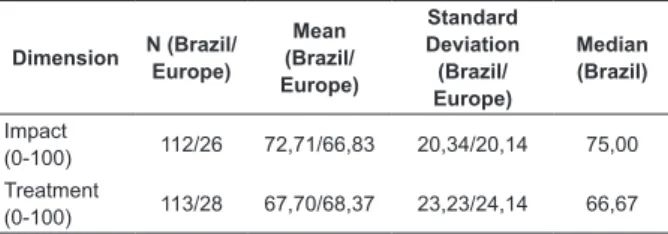
Table 1 presents the descriptive results from the
validation for Brazil in comparison with the data found in
the original validation.
Table 1 –Standardized means, medians and standard
deviations for the DISABKIDS®-CFM for children and
adolescents who participated in the Brazilian study in
comparison with the values found in the European study.
Brazil, 2013.
Dimension N (Brazil/ Europe)
Mean (Brazil/ Europe)
Standard Deviation (Brazil/ Europe)
Median (Brazil)
Impact
(0-100) 112/26 72,71/66,83 20,34/20,14 75,00
Treatment
(0-100) 113/28 67,70/68,37 23,23/24,14 66,67
The presence of a ceiling effect (16.8%) was veriied in the impact dimension of the self version.
As regards the internal consistency, the impact dimension showed an Alpha coeficient of0.71, against 0.76 for the treatment dimension.
The retest of the instrument involved 17 children and adolescents. The ICC coeficients corresponded to 0.505 (p=0.011) for the impact dimension and 0.480
(p=0.020) for the treatment dimension.
Concerning the convergent validity, Table 2 displays the Pearson’s correlation coeficients between the items and each of the dimensions according to the MTMM
analysis.
For the discriminant validity, the self version showed 100% itness, that is, all items displayed higher and signiicantly higher correlations with their respective dimensions than their correlation with the
other dimension.
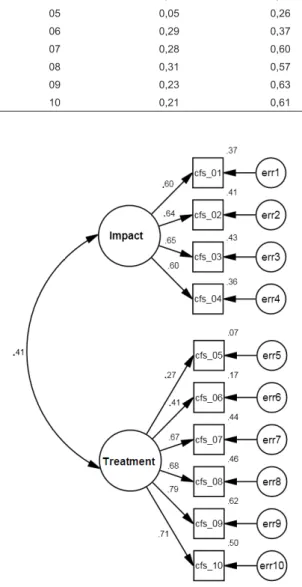
Figure 1 shows the CFA of the self version of the
Table 2 – Pearson’s correlation coeficients between the items and each of the dimensions of the DISABKIDS®
- CFM self version, according to MTMM analysis, Brazil,
2013.
Item Impact Treatment
01 0,48 0,34
02 0,54 0,14
03 0,51 0,22
04 0,48 0,28
05 0,05 0,26
06 0,29 0,37
07 0,28 0,60
08 0,31 0,57
09 0,23 0,63
10 0,21 0,61
Figure 1 – Conirmatory Factor Analysis of the DISABKIDS®- CFM self version. Brazil, 2013.
Discussion
The use of the HRQoL measure adds the patients’
perspective in their treatment and other subjective
health aspects involved in their lives. This is clearly
important for CF, as this knowledge is still developing
with the aging of the population(23-24).
The mean and median values found in the impact
and treatment dimensions of the self version are
superior to the scale averages. As these data are not
standardized in Brazil, these values are but descriptive. The Cronbach’s Alpha coeficients found were substantial and indicate the internal consistency of the
instrument, in that all of its items, in the respective
dimensions, are measuring the same latent trait(9,20).
The presence of a ceiling effect in the impact
dimension of the self version can be related to the
considerations by other researchers who indicate that
patients with CF tend to choose the highest possible
score in a HRQoL instrument(25) and can mention the
ability to adapt to their health reality(25). Once present,
caution is due for the ceiling effect not to limit the
instrument’s responsiveness, as changes over time
may not be attributed to the interventions but to the
presence of this effect(9).
In the test-retest analysis, the ICC coeficients remain below the ideal levels. These results may be
attributed to the long period the retest was applied as,
ideally, the instrument should be reapplied between
one and two weeks(9,20). The decision to assess these
coeficients over this long period is justiied by the data collection dificulty, due to the dynamics of care at the outpatient clinics. Most patients have a scheduled return
appointment every three months (and only more severe
cases return more frequently) and many of them come
from outside the city where the care institution is located.
As an important measure to interpret individual changes
that occur over time, before using the DISABKIDS®
-CFM in intervention studies, this information should be
reassessed, using the ideal retest time.
For the convergent validity, it was observed that
the correlation between each item and its respective
dimension in most cases was superior to 0.40, except
for item 5 (r=0.26). Although inferior to 0.40, item
6 (r=0.37) remains within the range of satisfactory coeficients(9). Thus, with satisfactory convergent and
divergent validity coeficients (100% adjustment), the instrument shows construct validity.
The CFA, applied to check the adjustment of the inal model achieved through the cultural adaptation of the DISABKIDS®-CFM, indicated that the adapted version
for children and adolescents (self) maintained the factor
structure of the original instrument, with RMSEA and CFI coeficients that indicate that the meaning of the items in the study context was maintained, that is, that the
adapted version for children and adolescents measures
Conclusion
The DISABKIDS®-CFM to measure the HRQoL of
Brazilian children and adolescents with CF has been
validated and indicates that the self version is valid for
use in Brazil.
The adaptation and validation of a speciic HRQoL measuring instrument for CF, exclusively developed for
children and adolescents, guarantees to the researchers
that the application of the instrument among the
participants assessed the same construct.
In view of its easy completion, the ten-item self
version of the DISABKIDS®-CFM, now validated for
Brazil, can be included into the routine monitoring of this
population, without compromising care delivery to these
patients and the time available for treatment.
In addition, as part of a development project
of HRQoL instruments for children and adolescents,
based on a standardized theoretical-methodological
framework, when available in Brazil, these instruments
can be used in combination, permitting studies to
assess and compare this population’s HRQoL with others
suffering from some chronic conditions.
Acknowledgements
To the Hospital das Clínicas at the University of São
Paulo at Ribeirão Preto Medical School, Hospital Infantil
João Paulo II of Fundação Hospitalar do Estado de
Minas Gerais, Hospital de Base do Distrito Federal and
Hospital da Universidade Católica de Brasília, in the city
of Brasília, and Hospital Infantil Pequeno Príncipe in the
city of Curitiba, for their cooperation with the research.
To the European DISABKIDS® group for their help in
making the development of this research possible.
References
1. Orenstein DM. Cystic Fibrosis a guide for patient and
family. 2nd. ed. Philadelphia (PA): Lippincott-Raven;
1997. 461 p.
2. Pizzignacco TMP, Mello DF, Lima RAG. Stigma
and Cystic Fibrosis. Rev. Latino-Am. Enfermagem.
2010;18(1):139-42.
3. The DISABKIDS Group Europe. The DISABKIDS
Questionnaries: quality of life questionnaires for children
with chronic conditions: Handbook. Lengerich: Pabst
Science Publisher; 2006.
4. Gee L, Abbott J, Conway SP, Etherington C, Webb AK.
Development of a disease specific health related quality
of life measure for adults and adolescents with cystic
fibrosis. Thorax. 2000;55(11):946-54.
5. Henry B, Grosskopf C, Aussage P, The CFQoL study
group. Construction of disease-specifc quality of life
questionnaire for cystic fibrosis. Pediatr Pulm. 1996;13
Suppl 1:337-8.
6. U.S. Food and Drug Administration. Workshop on
endpoints for CF drugs: issues in the design of clinical
trials of aerosolized antimicrobials for the treatment
of cystic fibrosis. 24/09/2010. . [acesso 7 mar 2013]
Disponível em: http://www.fda.gov/downloads/Drugs/
NewsEvents/UCM231055.pdf + endpoints +CF+transcr
ipts&client=FDAgov&lr=&proxystylesheet=FDAgov&out
put=xml_no_dtd&ie=UTF8&site=FDAgov&access=p&oe
= UTF-8.
7. Hegarty M, MacDonald J, Watter P, Wilson C. Quality
of life in young people with cystic fibrosis: effects
of hospitalization, age and gender, and differences
in parent/child perceptions. Child Care Health Dev.
2009;35(4):462-8.
8. Thomas C, Mitchell P, O’Rourke P, et al. Quality-of-life
in children and adolescents with cystic fibrosis managed
in both regional outreach and cystic fibrosis center
settings in Queensland. J Pediatr. 2006;148(4):508-16.
9. Fayers PM, Machin D. Quality of Life. Assessment,
analysis and interpretation. 2nd. ed New York: John
Wiley; 2007. 393 p.
10. Fegadolli C, Reis RA, Martins STA, Bullinger M,
Santos CB. Adaptação do módulo genérico DISABIKIDS®
para crianças e adolescentes brasileiros com condições
crônicas. Rev Bras Saúde Matern Infant.
2010;10(1):95-105.
11. Deon KC, Santos DMSS, Alvarenga-Reis R, Fegadolli
C, Bullinger M, Santos CB. Translation and cultural
adaptation of the Brazilian version of DISABKIDS®
Atopic Dermatitis Module (ADM). Rev Esc Enferm USP.
2011;45(2):450-7.
12. Deon KC, Santos DMSS, Bullinger M, Santos CB.
Análise psicométrica inicial da versão brasileira do
DISABKIDS® Atopic Dermatitis Module. Rev Saúde
Pública. 2011;45(6):1072-8.
13. Reis RA, Brütt AL, Borozan O, Fegadolli C, Nave
M, Camargo R, et al. Desenvolvimento transcultural
de instrumento de qualidade de vida para crianças e
adolescentes com deficiência auditiva: projeto ViDA.
Rev Soc Bras Fonoaudiol. 2008;Suppl 13:360.
14. Abreu IS, Santos DMSS, Deon KC, Lima RAG,
Kourrouski MFC, Nascimento LC, et al. Dimensions of
quality of life of Brazilian children and adolescents in
15. Kourrouski MFC, Abreu IS, Oliveira ACGM, Santos
DMSS, Deon KC, Cervi MC, et al. Brazilian children
and adolescents infected with HIV: the initial stage of
development an instrument of health-related quality of
life - DISABKIDS Group. Qual Life Res. 2012;21:106-7.
16. Polit D, Beck CT. Fundamentos de Pesquia em
enfermagem: avaliação de evidências para as práticas de
enfermagem. 7. ed. Porto Alegre: Artmed; 2011. 669 p.
17. Pasquali L. Psicometria teoria dos testes na Psicologia
e na Educação. 2. ed. Petrópolis: Vozes; 2004. 397 p.
18. Santos DMSS, Deon KC, Fegadolli C,
Alvarenga-reis R, Bullinger M, Santos C. Adaptação cultural e
propriedades psicométricas iniciais do instrumento
DISABKIDS ® – Cystic Fibrosis Module – versão brasileira.
Rev Esc Enferm USP. 2013;47(6):1311-7.
19. Laros JA. O uso da análise fatorial: Algumas diretrizes
para pesquisadores. In: Pasquali L. Análise fatorial para
pesquisadores. Petrópolis: Vozes; 2004. p. 147-70.
20. Terwee CB, Bot SDM, Boer MR, Windt DAWM, Knol
DL, Dekker J, et al. Quality criteria were proposed for
measurement properties of health status questionnaires.
J Clin Epidemiol. 2007;60(1):34-42.
21. Deyo RADP, Patrick DL. Reproducibility and
responsiveness of health status measures. Statistics and
strategies for evaluation. Control Clin Trials. 1991;12
Suppl 4:142S-58S.
22. Yuan KH, Bentler PM. Structural equation modeling.
In: Rao CR, Sinharay S. Handbook of Statistics 26:
psychometrics. 2 nd ed. Netherlands: Elsevier; 2007. p.
297-348.
23. Lima RAG. Chronic conditions and challenges
for knowledge production in health. Rev. Latino-Am.
Enfermagem. 2013;21(5):1011-2.
24. Ichikawa CR, Bousso RS, Misko MD, Mendes-Castillo
AM, Chiaradia AM, Bianchi ER, et al. Cultural adaptation
of the family management measure among families of
children and adolescents with chronic conditions. Rev
Latino-Am Enfermagem. 2014, 22(1): 115-122.
25. Sawicki GS, Rasouliyan L, McMullen AH, Wagener
GS, McColley S, Pasta D, et al. Longitudinal assessment
of health-related quality of life in an observational
cohort of patients with cystic fibrosis. Pediatr Pulm.
2011; 46(1): 36-44.
26. Oliveira PI, Pereira CAC Belasco AGS, Bettencourt
ARC. Comparisonn of the quality of life among persons
with lung cancer, before and after chemotherapy
treatment. Rev Latino-Am Enfermagem. 2013, 21(3):
787-794.
27. Abbott J, Hart A, Havermans T, Matossian A,
Goldbeck L, Barreto C, et al. Measuring health related
quality of life in clinical trials in cystic ibrosis. J Cyst Fibros. 2011; 10 Suppl 2: S82 – S85.
Received: Aug 23th 2013