Diogo João
Portugal-Nunes
Produção de Bioetanol a partir de SSLs:
S. stipitis Vs S. cerevisiae
Bioethanol production from SSLs:
S. stipitis Vs S. cerevisiae
Universidade de Aveiro
2012 Departamento de Química
Diogo João
Portugal-Nunes
Produção de Bioetanol a partir de SSL:
S. stipitis Vs S. cerevisiae
Bioethanol production from SSLs:
S. stipitis Vs S. cerevisiae
Dissertação apresentada à Universidade de Aveiro para cumprimento dos requisitos necessários à obtenção do grau de Mestre em Biotecnologia – Especialidade Biotecnologia Industrial e Ambiental (2º Ciclo), realizada sob a orientação científica da Doutora Marie Gorwa-Grauslund, Professora na Divisão de Microbiologia Aplicada da Universidade de Lund, Suécia, e da Doutora Ana Maria Rebelo Barreto Xavier, Professora Auxiliar do Departamento de Química da Universidade de Aveiro, Portugal.
Thesis presented to University of Aveiro to fulfill the requirements for the degree of MSc in Biotechnology – Industrial and Environmental Biotechnology, done under scientific orientation of Professor Marie Gorwa-Grauslund, Professor at the division of Applied Microbiology of Lund University, Sweden, and Professor Ana Maria Rebelo Barreto Xavier, Auxiliar Professor at Chemistry Department of Aveiro University, Portugal.
Dedico este trabalho à minha família e amigos por terem sido vitais durante todo o meu percurso académico.
O júri
Professor Doutor Jorge Manuel Alexandre SaraivaInvestigador Auxiliar do Departamento de Química da Universidade de Aveiro
Professora Doutora Marie Gorwa-Grauslund
Professora da Divisão de Microbiologia Aplicada da Universidade de Lund, Suécia
Professora Doutora Ana Maria Rebelo Barreto Xavier
Professora Auxiliar do Departamento de Química da Universidade de Aveiro
Doutor Bruno Sommer Ferreira
Presidente do Conselho de Administração da Biotrend – Inovação e Engenharia em Biotecnologia, SA.
Agradecimentos Agradeço à Professora Doutora Ana Xavier pela proposta do tema de trabalho, por ter sido vital para a colaboração com a Universidade de Lund, pela orientação científica, pela disponibilidade e total apoio durante a realização do projecto de investigação.
Agradeço à Professora Doutora Marie Gorwa-Grauslund por ter aceite a orientação do tema de trabalho e a colaboração com a Universidade de Aveiro, pela orientação científica e pela disponibilidade e total apoio durante a realização do projecto de investigação.
Agradeço ao Professor António Calado e à Doutora Sandra Calado pela orientação científica, pela disponibilização do espaço laboratorial e de todos os materiais e equipamentos necessários e pelo total apoio na etapa de análise das beads de S. stipitis.
Agradeço à Susana Pereira e Violeta Sanchez i Noguè pela supervisão, orientação científica, total apoio e amizade durante o projecto de investigação.
Agradeço aos colegas dos laboratórios TMB (Lund) e 29.1.16 (Aveiro) pelo companheirismo, amizade e auxílio durante o projecto de investigação.
Um agradecimento especial aos meus pais e irmã pela amizade e por todo apoio, carinho, incentivo, coragem e determinação que me transmitiram durante este ano de dissertação.
Agradeço à Carlota Carvalho e Tânia Silva pelo forte e constante apoio e pela enorme amizade que se fortaleceu durante este projecto de investigação.
Agradeço à Ana Pereira, à Diana Pinto, ao André Jorge, ao João Lisboa e a todos os meus amigos pela força, paciência e apoio durante a realização da dissertação.
Palavras-chave Scheffersomyces (Pichia) stipitis, Saccharomyces cerevisiae, Licores de Cozimento ao Sulfito Ácido (SSLs), Imobilização celular, Matriz de alginato-cálcio; Bioetanol de 2ª geração
Resumo O objectivo desta dissertação foi a comparação da produção de
bioetanol de 2ª geração por Scheffersomyces stipitis (em suspensão e imobilizada) e por duas estirpes industriais de Saccharomyces cerevisiae. Os substratos utilizados para a realização das fermentações foram os Licores de Cozimento ao Sulfito Ácido (SSLs) provenientes de madeira de resinosas (HSSL) e de madeiras de folhosas (SSSL – Domsjö hydrolysate). O HSSL e o SSSL são sub-produtos da indústria de pastas de papel, resultando do processo de cozimento ao sulfito com magnésio e sódio, respetivamente. Além de lenhosulfonatos, estes SSLs contêm monossacarídeos, destacando-se a glucose, xilose e manose. O ácido acético, composto inibidor da fermentação alcoólica por leveduras, também está presente em concentrações relativamente elevadas (≥ 5.0 g . L-1
). O HSSL foi pré-tratado físico-quimicamente e submetido a uma remoção biológica de inibidores com P. variotii, enquanto o Domsjö hydrolysate foi utilizado sem qualquer tratamento. S. stipitis e S. cerevisiae são leveduras extensamente estudadas devido à sua capacidade de fermentação de pentoses e hexoses, respetivamente. Num estágio prévio às fermentações dos SSLs, as leveduras foram pré-adaptadas em 60% HSSL ou 40% SSSL. Os máximos de rendimento (0.440 g etanol . g açúcares-1) e produtividade em etanol (0.885 g etanol . L-1 . h-1) foram obtidos nas fermentações com S. cerevisiae TMB 3500 em SSSL, sendo estas as variáveis com maior potencial para aplicação industrial. Embora a cultura suspensa de S. stipitis tenha resultado numa menor produtividade (0.010 g etanol . L-1 . h-1), a optimização do fornecimento de oxigénio ao biorreator deverá conduzir ao aumento da produtividade volumétrica em etanol. A imobilização celular e o controlo do pH em 5.5 nas fermentações com S. stipitis melhoraram a eficiência fermentativa ao aumentarem a produção de etanol em 1.3 e 1.6 vezes, respetivamente. Quando aplicadas simultaneamente, estas duas condições aumentaram o rendimento em etanol 2.2 vezes, sugerindo que (i) a imobilização numa matriz de alginato de cálcio protegeu a levedura dos inibidores químicos e que (ii) o controlo de pH em 5.5 foi determinante para a produção de etanol a partir de HSSL biologicamente pré-tratado.
Os resultados comprovam que ambos os SSLs são potenciais substratos para a produção de bioetanol de 2ª geração usando S. stipitis ou S. cerevisiae, sob o conceito de biorefinaria.
Keywords Scheffersomyces (Pichia) stipitis, Saccharomyces cerevisiae, Spent Sulphite Liquors (SSLs), Cell immobilization, Calcium-alginate matrix, Second-generation bioethanol
Abstract The aim of this work was the comparison of second-generation
bioethanol production by Scheffersomyces stipitis (free-culture and immobilized) and two Saccharomyces cerevisiae industrial strains, using Hardwood Spent Sulphite Liquor (HSSL) or Domsjö hydrolysate (SSSL) as substrate. HSSL and SSSL are side products of pulp and paper industry, from magnesium and sodium-based acidic sulphite pulping, respectively. Besides sulphonated lignin, SSLs contain fermentable sugars, mainly glucose, xylose and mannose. Acetic acid, a known inhibitor of ethanol fermentation by yeasts, is also present in a relatively high content (≥ 5.0 g . L-1). HSSL was previously physico-chemically pretreated and bio-detoxified with P. variotii, whereas SSSL was used without any treatment. S. stipitis and S. cerevisiae are the most widely studied pentose and hexose-fermenting yeasts, respectively.
Before fermentations in SSLs, all yeast strains were pre-adapted by growing them in 60% HSSL or 40% SSSL. The highest maximum ethanol yield (0.440 g ethanol . g sugars-1) and productivity (0.885 g ethanol . L-1 . h-1) were obtained using S. cerevisiae TMB 3500 and SSSL. Suspended S. stipitis achieved a lower ethanol productivity (0.010 g ethanol . L-1 . h-1) but further optimization on the supplied oxygen in the fermentor might lead to higher ethanol productivity. Immobilization and pH control at 5.5 on S. stipitis fermentations improved the fermentation efficiency, increasing up the ethanol production by 1.3-fold and 1.6-fold, respectively. When applied simultaneously, these two conditions increased the ethanol yield 2.2-fold, suggesting that (i) immobilization with a calcium-alginate matrix protected the yeast from the inhibitory compounds and (ii) the controlled pH at 5.5 was essential for ethanol production from bio-detoxified HSSL.
Results showed that both SSLs are potential substrates for the production of 2nd generation bioethanol by S. stipitis or S. cerevisiae, under the biorefinery concept.
Table of contents
Abstract (Portuguese version) ... VI Abstract (English version) ... VII Table of contents ... VIII Figures index ... X Tables index ... XII Abbreviations and symbols index ... XIII
1. Introduction ... 1
1.1. Lignocellulosic biomass ... 1
1.2. Wood... 2
1.1.1. Softwood ... 2
1.1.2. Hardwood ... 3
1.3. Spent Sulphite Liquors ... 3
1.3.1. Domsjö Hydrolysate ... 4 1.3.2. Caima HSSL ... 5 1.3.3. Inhibitors ... 6 - SSLs detoxification ... 8 1.4. Biofuels ... 8 1.4.1. Bioethanol ... 10
- 1.4.1.1. Bioethanol production from lignocellulosic feedstock . 11 - 1.4.1.2. Bioethanol from SSLs ... 16
1.5. Microorganisms ... 16
1.5.1. Scheffersomyces stipitis ... 16
1.5.2. Saccharomyces cerevisiae... 17
1.5.3. S. stipitis Vs S. cerevisiae ... 18
- 1.5.3.1. Bioethanol production from SSLs ... 20
2. Materials and Methods ... 24
2.1. Microorganisms and Maintenance ... 24
2.2. Media and Stock Solution ... 24
2.2.1. Culture Media ... 24
- 2.2.1.1. YPD (Liquid and Plates) ... 24
- 2.2.1.2. YM (Liquid and Plates) ... 24
- 2.2.1.3. Supplemented YNB ... 25
2.2.4. Salts Solutions ... 26 2.2.5. Stock Solutions ... 26 2.3. SSLs ... 26 2.3.1. Bio-detoxified HSSL ... 26 2.3.2. Domsjö Hydrolysate ... 26 2.4. Yeast Cultures ... 26 2.4.1. Inoculum ... 26 2.5. Screening Assays ... 27 2.6. Wet Assays... 27 2.6.1. CFUs/mL ... 28 2.6.2. Wet Weight/mL ... 28
2.7. Fermentations with free-cell cultures ... 29
2.8. Fermentations with immobilized cultures ... 31
2.9. Fermentations with pH control at 5.5 ... 32
2.10. Replica Plating ... 32
2.11. Substrates and by-products analysis by HPLC ... 32
2.12. S. stipitis beads analysis ... 33
2.12.1. Fixation, Dehydration and Embedding ... 33
2.12.2. Microtome cut ... 33
2.12.3. Microscope observation and analysis ... 34
3. Results and Discussion ... 35
3.1 Screening Assays ... 35
3.2 Wet Assays ... 37
3.3 Fermentations ... 38
3.3.1. Free-cell assays with 100% Domsjö hydrolysate... 39
3.3.2. Free-cell assays with 100% bio-detoxified HSSL ... 40
- 3.3.2.1. S. stipitis cell immobilization assays ... 42
- 3.3.2.2. Fermentation assays with pH control ... 43
3.3.3. Domsjö hydrolysate Vs Bio-detoxified HSSL ... 45
3.3.4. S. stipitis beads study/observation ... 49
4. Conclusions ... 51
5. Future Work ... 52
Figures index
Figure 1 - Schematic representation of wood plant cell wall and its macromolecular
components (Fernandes et al., 2012) ... 1
Figure 2 - Acidic sulphite wood cooking process with production of SSL (Fernandes et al.,
2012) ... 4
Figure 3 - World biodiesel and ethanol historical production and projections (Drapcho et
al., 2008) ... 10
Figure 4 - World bioethanol production in 2009, in Million liters (Ml) per year (4-A).
Production of bioethanol in the EU countries and Switzerland in Ml per year (4-B) ... 11
Figure 5 - Block diagram with examples of ethanol production processes from
lignocellulosic biomass. Possibilities for reaction–reaction integration are shown inside the shaded boxes: CF (co-fermentation), SSF (simultaneous saccharification and fermentation), SSCF (simultaneous saccharification and co-fermentation) CBP (consolidated bioprocessing). Main stream components: C - Cellulose; H - Hemicellulose; L - Lignin; Cel - Cellulases; G - Glucose; P - pentoses; I - inhibitors; EtOH – ethanol (Cardona et al., 2007) ... 12
Figure 6 - Schematic view of the experimental protocol used for the Wet Assays... 29 Figure 7 - Scheme of the experimental protocol used for the fermentations. ... 31 Figure 8 - Maximum specific growth rate S. stipitis (A), S. cerevisiae TMB 3720 (B) and
S. cerevisiae TMB 3500 (C) in six different percentages of HSSL (filled rectangles) and Domsjö hydrolysate (striped rectangles). ... 35
Figure 9 - Glucose, xylose, xylitol, glycerol, acetate, ethanol, HMF and furfural
concentration profiles using S. cerevisiae TMB 3500 in 100% Domsjö Hydrolysate. The represented sugars % is a tenth of the real one, meaning that 10.00 correspond to 100%. ... 39
Figure 10 - Glucose, xylose, xylitol, glycerol, acetate, ethanol, HMF and furfural
concentration profiles using S. stipitis (10-A) and S. cerevisiae TMB 3500 (10-B) and in 100% bio-detoxified HSSL.. ... 40
Figure 11 - S. stipitis and S. cerevisiae TMB 3500 CFUs at the beggining (T0) and at the end (TF) of fermentations using 100% bio-detoxified HSSL. ... 41
Figure 12 - Glucose, xylose, xylitol, glycerol, acetate, ethanol, HMF and furfural
concentration profiles using immobilized S. stipitis in 100% bio-detoxified HSSL. ... 42
Figure 13 - Glucose, xylose, xylitol, glycerol, acetate, ethanol, HMF and furfural
concentration profiles using free (13-A) and immobilized (13-B) S. stipitis in 100% bio-detoxified HSSL with pH control at 5.5. ... 44
Figure 14 - CFUs per mL of SSL at the beginning (T0) and at the end (TF) of the different
fermentations. In the case of immobilized cells, CFUs at TF were determined from the suspended cells and by the disruption of the beads. The circles represent the substrate uptake rate of all process for each condition. ... 48
Figure 15 - Transverse section of a calcium-alginate bead with S. stipitis cells distribution
at the beginning of the fermentation (T0). Figure 15-A was taken on a optical microscope with 400x magnification and figure B corresponds to a detailed image of the square present in 15-A ... 50
Figure 16 - Transverse section of a calcium-alginate bead with S. stipitis cells distribution
at the end of the fermentation (TF). Figure 16-A was taken on an optical microscope with 400x magnification and figure 16-B corresponds to a detailed image of the square present in 16-A ... 50
Tables index
Table 1 - Composition of the SSSL from Domsjö Fabriker (Lalander et al., 2003)... 5 Table 2 - Composition of the HSSL from CAIMA, SA (Pereira et al., 2011 and Correia et
al., 2008) ... 6
Table 3 - Classification of biofuels based on their production technologies (Demirbas et
al., 2009) ... 9
Table 4 - Main characteristics, advantages and drawbacks of the most used microrganisms
for bioethanol production from lignocellulosics (Limayem et al., 2012) ... 14
Table 5 - Comparative analysis of the main characteristics of S. stipitis and S. cerevisiae. ... 19 Table 6 - Fermentation parameters of SSLs using different microorganisms ... 22 Table 7 - Composition of the different used percentages of SSSL and HSSL in the
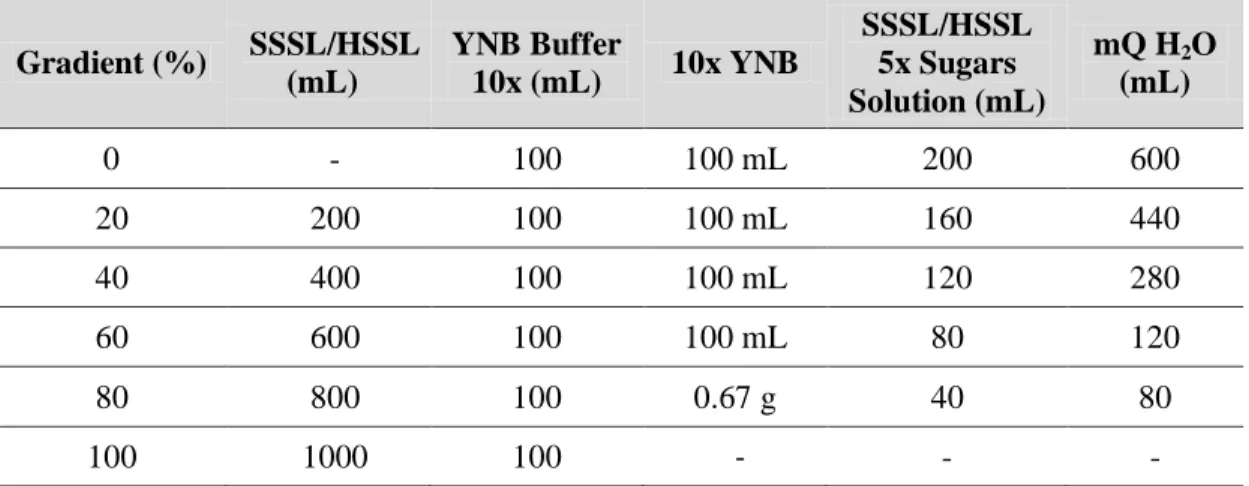
screening assays. ... 27
Table 8 - Ratios between the number of colonies (CFUs . mL-1) and the wet weight (g . mL-1) obtained in 40% Domsjö Hydrolysate and in 60% bio-detoxified HSSL ... 38
Table 9 - Maximum volumetric ethanol yields and productivities obtained with S.
cerevisiae TMB 3500 and S. stipitis in 100% Domsjö Hydrolysate and 100% bio-detoxified HSSL and with or without pH control ... 46
Abbreviations and symbols index
CFUs - Colony-forming unitEffic. - Fermentation efficiency considering the maximum theoretical ethanol yield (0.51 . g
ethanol . (g sugars)-1)
Furfural - 2-furaldehyde
GHG - Greenhouse gas emission
GRFA - Global Renewable Fuels Alliance HMF - 5-hydroxymethyl-2-furaldehyde HSSL - Hardwood Spent Sulphite Liquor LCB - Lignocellulosic biomass
NA - Not applicable
PE 20-25h - Ethanol productivity after 20-25h of fermentation (g ethanol . (L . h) -1
)
PE Ymax - Volumetric ethanol productivity at the maximum yield (maximum g ethanol . (L . h)-1)
PE - Volumetric ethanol productivity (g ethanol . (L . h) -1
)
P0 - Weight (grams) at the beggining of the Wet weight evaluation
Pf - Weight (grams) at the end of the Wet weight evaluation
P.O. - Propylene oxide
PPP - Pentose-phosphate Pathway
rS Ymax - Substrate (glc + xyl + acetate) consumption rate at the maximum ethanol yield (g substrate . (L . h)-1)
SSLs - Spent Sulphite Liquors
SSSL - Softwood Spent Sulphite Liquor
TMB 3500 - Saccharomyces cerevisiae TMB 3500 TMB 3720 - Saccharomyces cerevisiae TMB 3720 XDH - Xylitol dehydrogenase XI - Xylose isomerase XR - Xylose reductase wt - wild-type
YP/S max - Maximum ethanol yield (maximum g ethanol . (g glc + g xyl) -1
)
YNB - Yeast Nitrogen Base YM - Yeast Medium
YPD - Yeast Extract Peptone Dextrose [P] - grams of Wet Weight per mL of SSL
µmax - Maximum specific growth rate
1. Introduction
1.1. Lignocellulosic biomass
Lignocellulosic biomass (LCB) is the most abundant renewable carbohydrate resource on Earth, comprising about 50% of world biomass [1, 2], and it can be classified in four categories according to its origin:
- Wood;
- Non-food agricultural crops and residues; - Municipal solid wastes;
- By-products and/or wastes from pulp and paper industries [3-5].
The composition of LCB depends on the plant species and consists primarily of cellulose, hemicelluloses and lignin, which are the integral part of cell wall in plant tissues and are strongly intermeshed and chemically bonded by non-covalent forces and by covalent cross-linkages [6]. Cellulose and hemicelluloses are hydrolysable structural polymers of cell wall and the main sources of fermentable sugars [3, 7]. Cellulose is the most abundant structural polysaccharide (30-55% abundance in the cell wall), comprised by repeated β-D-glucopyranose units linked by β(1→4)-glycosidic bonds [1]. However, its amorphous-crystalline structures leads to recalcitrance and that makes it poorly accessible and resistant to hydrolysis [8]. Hemicellulose, which contributes to 10-40% of plant material, is composed of heteropolysaccharides chemically linked to lignin in the cell wall. It is constituted by pentoses, mainly D-xylose and L-arabinose, and hexoses, mainly D-mannose, D-galactose and D-glucose [1, 8]. The structure and the composition of hemicelluloses vary significantly among plant species and the most abundant are xylans followed by mannans and galactans [1]. Lignin, which contributes to 15-30% of plant biomass, can be used as an ash-free solid fuel for heat and/or energy production and for the production of advanced materials, polymers and aromatic aldehydes [1, 3, 9-11].
Nowadays, LCB are widely used in unmodified state as e.g. drilling muds, cement and concrete additives, emulsifiers/stabilizers, grinding aids, binders/adhesives, resin ingredients, rubber additives or tanning agents [12]. In addition to these interesting properties and applications, the importance of LCB and its derivatives as feedstock for bioethanol production and for the development of other bio-based products has been growing [1]. This raw material is less expensive than conventional agricultural feedstock and can be produced with lower input of fertilizers, pesticides, and energy; it is outside of the human food chain, allowing biofuel production without using arable land, and its energetic content largely exceeds the world basic energy requirements [3, 9, 13]. However, it is crucial to optimize the conversion of lignocellulose into fermentable sugars and further to ethanol. The heterogeneity of the feedstock and the influence of specific process conditions on microorganisms and enzymes performance must be overcome in order to attract the industrial interest and investment for research and development of second-generation biofuels [11, 13, 14].
1.2. Wood
At a fundamental level, wood is a complex biological structure, itself a composite of many chemistries and cell types acting together to serve the needs of the plant [15]. This renewable resource is mainly composed by three natural polymers: cellulose, hemicelluloses and lignin, existing also residual amounts of extractives and ashes [15, 16]. These polymer substances are not uniformly distributed within the wood cell wall and their concentrations change from one morphological region to another [16]. This fact leads to the existence of different types of wood, which are commonly classified as softwoods (gymnosperms) and hardwoods (angiosperms), and both are widely distributed on earth, from tropical to arctic regions [16].
Wood is recyclable, renewable, and biodegradable and many species are shock resistant and, bendable [15]. Besides that, it can be converted into many useful industrial chemicals and products, such as ethanol, plastics and paper [15].
Because of its unique properties, wood has remained an important material throughout history and has a large economic impact in several countries in the world [15, 16].
1.1.1. Softwood
Softwoods are the dominant source of lignocellulosic materials in the Northern hemisphere and during recent years have been subject of great interest in Sweden, Canada and USA as a renewable source for ethanol production [17-19]. This type of wood contains approximately 43-45% cellulose, 20-23% hemicellulose and 25-35% lignin [11]. Hemicelluloses are mainly
constituted by mannose, which is an hexose that can be fermented by Saccharomyces cerevisiae, and the content of pentoses is only around 6-7% of the total wood [11].
1.1.2. Hardwood
The anatomy of hardwoods is more complex and less studied than softwoods, but during recent years there is an increasing interest in this type of wood. Hardwood cells are mainly composed by fiber, vessel and parenchyma, and the physical and chemical properties are closely related to the presence of fibers [16].
Cellulose comprises between 40-55% of total hardwood, followed by hemicelluloses (20-35%) and lignin (18-25%), which usually is less than in the softwoods [16]. Hemicelluloses are defined as amorphous heterogeneous polymers, being xylans and glucomannans the two predominant types in hardwoods [20, 21]. The percentage of these two components varies with the tree species, but generally it contains a higher amount of xylans (15-30%) and only 2-5% of glucomannans [8].
1.3. Sulphite Spent Liquors
Pulps are the basic and most important material obtained from the wood processing, being used for papermaking, cellulose derivatives, chemical compounds, and plastics [8]. The wood pulping processes to obtain cellulose fibers (pulps) from wood can be done chemical and/or mechanically among others [8, 15, 22]. The dissolution of wood components during pulping varies according to the pulping process employed [23]. Chemical wood pulping is the most common in industries. In addition to the lignin removal, with chemical compounds conjugated with low pH (1.5 - 2.0) and high temperatures (130-170oC), some degradation of the monomeric sugars sources from cellulose and hemicellulose occurs [8, 15]. The cooking process time period has to be chosen according to the balance between the higher delignification and the preservation of cellulose fibers integrity enough to allow satisfactory pulps production yields.
Spent sulphite liquors (SSLs) are the side product from acidic sulphite or bisulphite wood pulping processes and their major components are lignosulphonates, which are usually burned for energy and chemicals regeneration [8, 24]. In this wood cooking process the acid is composed by sulfur dioxide (SO2) and a cation linked to the bisulfite ion (HSO3
-). Magnesium is the dominating cation used in sulphite pulping, generating Mg(HSO3)2, however calcium (Ca
2+
), sodium (Na+) or ammonium (NH4
+
) can also be used [8, 15]. Usually, the cooking process is done during approximately 8 hours at 135oC but these conditions may vary slightly depending on the processing company (Figure 2). The wood cooking results in unbleached pulp, which has to be submitted to a
MgO/Na2O
bleaching process in order to remove lignin residues in the pulp. After that a washing step is needed to further use this pulp for papermaking and chemical feedstock production [1]. The residue of this process is evaporated and burned in a boiler in order to allow the regeneration and re-use of the cooking chemicals. The SSLs can be obtained right before or after evaporation (Figure 2) [1, 25]. The wood cooking process uses relative hard conditions of temperature and pH, which leads to the formation of chemical compounds that are microbial inhibitors.
Figure 2 – Acidic sulphite wood cooking process with production of SSL [1] .
The chemical composition of SSLs depends on the wood species used for the pulping due to the differences in molecular weight, structural features of lignosulphonates and saccharide composition. This information is essential regarding the eventual SSLs utilization for different purposes and commercial applications, such as biofuels, polymers or protein production [8, 23, 26, 27]. The main characteristics of two examples of different SSLs are described in the following sections:
- Softwoods (SSSLs – Softwood Spent Sulphite Liquors): Domsjö Hydrolysate; - Hardwoods (HSSLs - Hardwood Spent Sulphite Liquors): Caima HSSL.
1.3.1. Domsjö Hydrolysate
Domsjö hydrolysate is produced at Domsjö Fabriker AB in Sweden and is an example of a SSSL. This liquor is a disodium-based wood cooking process obtained from a controlled mixture of spruce (Picea abis) and Pine (Pinus sylvestris). Domsjö hydrolysate is collected after some evaporation steps - represented in Figure 2 as thick liquor.
The organic matter of SSLs obtained from acidic sulphite pulping of softwood (SSSLs) consists essentially of water-soluble lignosulphonates (sulphonated lignin) and hexoses arisen from
the hydrolysis of glucomannan [8]. Domsjö SSSL contains a mixture of pentose and hexose sugars which indicates that this liquor constitutes a good feedstock for bioethanol production, since S. cerevisiae and Zymomonas mobilis are able to efficiently ferment hexoses into ethanol [28-31]. This SSSL also contains inhibitory compounds that are generated during the acid sulphite cooking, and notably acetic acid, glucuronic acid, 5-hydroxymethyl-2-furaldehyde (HMF), 2-furaldehyde (furfural) and phenolic compounds (Table 1) that may affect yeast fermentation. This topic is further developed in section 1.3.3.
Table 1 – Composition of the SSSL inhibitors from Domsjö Fabriker [28].
Compound Concentration (g . L-1) Acetic Acid 5.3 Glucuronic Acid 0.2 5-hydroxymethyl-2-furaldehyde (HMF) 0.5 ± 0.1 2-furaldehyde (Furfural) 0.2 ± 0.1 Phenolics 20 mM 1.3.2. CAIMA HSSL
HSSLs as feedstock for the production of ethanol and other value-added compounds are less widely studied than SSSLs. Only scarce knowledge about the chemical structure is available, especially for the lignosulphonates from magnesium-based acidic sulphite pulping of Eucalyptus globulus wood [1, 23, 32].
Caima HSSL is produced at CAIMA, S. A. industry, in Portugal, and it is a result of a magnesium-based Eucalyptus globulus wood cooking collected from the first evaporator - represented in Figure 2 as spent liquor. This specific liquor contains lignosulphonates and hemicellulose hydrolysis products, mainly pentoses from the glucuronoxylan fraction. D-xylose corresponds to more than 50% of total sugars (Table 2), fact that makes this specific HSSL a suitable substrate for highly efficient pentose-fermenting yeasts such as Scheffersomyces stipitis, Candida shehatae and Pachysolen tannophilus [27, 29, 32, 33]. However, there are high amounts of acetic acid (9.6 g . L-1) and traces of furfural, HMF, polyphenols and low molecular weight lignosulphonates like gallic acid, pyrogallol and syringic acid (68.0, 6.3 and 3.6 mg per 100g of HSSL, respectively) that act as inhibitors of the microbial metabolism. This is the main drawback for HSSL bioprocessing [32, 34]. The classification and the effect of these inhibitory compounds are explained in the following section.
Table 2 - Composition of the HSSL from CAIMA, SA [27, 35] . Compound Concentration (g . L-1) Sugars 44.7 ± 0.0 - D-xylose 24.6 ± 0.5 - D-mannose 8.5 ± 0.9 - L-arabinose 7.8 ± 0.3 - D-galactose 4.5 ± 0.1 - D-glucose 2.3 ± 0.1 - L-ramnose 1.6 ± 0.3 - L-fucose 0.4 ± 0.3 Acetic Acid 9.6 ± 0.1 5-hydroxymethyl-2-furaldehyde (HMF) Traces
2-furaldehyde (Furfural) Traces
Lignosulphonates 78.2 ± 0.6
Dry solids 150 ± 0.8
1.3.3. Inhibitors
Microbial inhibitors may drastically affect cell growth, substrate uptake and/or other related metabolic pathways [34, 36, 37]. Mussato et al. (2004) referred that the maximum concentration of inhibitor that can be used without significant effects in the media is dependent on the compound itself, the microorganism used in the process and its physiological state, the fermentative process technology, the dissolved oxygen concentration in the medium and the pH [34].
According to the origin, inhibitors can be classified in four groups: sugar degradation products, lignin degradation products, compounds derived from extractives and heavy metal ions [34, 37].
HMF and furfural are furan derivatives formed by dehydration of hexoses and pentoses, respectively, and their levels depend on the type of raw material and the pretreatment [38]. HMF and furfural decrease the volumetric ethanol yield and productivity. They inhibit cell growth, decreasing the specific growth rate and cell-mass yield and/or extend the lag phase [37, 39, 40]. These effects depend on the furans concentration and yeast strain used, but in most of the studies HMF has a less significant negative impact than furfural on fermentations.
Taherzadeh et al. (2000) reported the existence of a synergistic effect of HMF and furfural, and Mussato et al. (2004) found an increase of these inhibitory effects when furans were combined with other lignin degradation products [34, 41]. S. cerevisiae strains are able to slowly convert HMF and furfural to their respective alcohol forms. Still significant negative effects were found in the specific ethanol productivity rate with 2.0 g . L-1 HMF or 0.8 g . L-1 furfural [39, 42]. Using 2.0
g . L-1 of both furans simultaneously, a growth inhibition of 72% and a delay lag phase of more than 24 hours were detected [43]. Other investigations showed that S. stipitis is not affected by 0.5 g . L-1 furfural [44]. However the presence of 1.5 g . L-1 furan derivative interfered in respiration and cell growth, decreasing 90% the ethanol yield and 85 % the productivity [33].
Acetic, formic and levulinic acids are examples of the weak acids that can be found in SSLs and are formed during hemicellulose hydrolysis [42]. Acetic acid (acetate) is a known microbial inhibitor that is formed by de-acetylation of hemicelluloses and is present in high concentrations (8-9 g . L-1) in SSLs [1, 32, 45]. Oxygen content, pH medium and acetic acid concentration influence the degree of inhibition of this organic acid [45]. In addition, HMF breakdown leads to the formation of formic and levulinic acids. Formic acid can also be generated from furfural under acidic conditions at elevated temperatures [38, 39]. These week acids inhibit microorganisms, affecting negatively the specific growth rate, ethanol yield and productivity. Larsson et. al (1999) concluded that there were not synergistic effects among these three acids [46]. In undissociated form at low pH medium, weak acids can diffuse across the cell membrane leading to the decrease of cytosolic pH [7, 34, 47, 48]. The decrease in intracellular pH is compensated by the activity of the plasma membrane ATPase and less ATP is available for biomass formation, causing cell activity inhibition or cell death [1, 48]. Besides, Bauer et al. (2003) showed that week organic acids also reduce the uptake of aromatic amino acids from the media, inhibiting yeast growth [49]. However, some studies found that low levels of acetic acid, levulinic acid or formic acid, individually, may increase the ethanol yield [42, 50].
During sulphite acid wood cooking process, aromatic, polyaromatic, phenolic, and aldehydic compounds can be generated from lignin degradation [23]. These inhibitory compounds affect the integrity of biological membranes, causing an inefficient sugar uptake and, consequently, a decrease in the maximum specific growth rate [37, 51]. All the referred residues are more inhibitory to yeasts than HMF and furfural, and the phenolic compounds are the most toxic [36, 52, 53]. Gallic acid and pyrogallol are low molecular weight phenolics with antifungal properties [54, 55].
The extractives are less toxic to microbial growth than lignin derivatives [34]. The heavy metals that result from equipment corrosion during basic or acidic pulping processes can also be toxic for microorganisms.
Almeida et al. (2007) found that there is a synergistic effect when the furan derivatives, weak acids (mainly acetic acid) and phenolic compounds are present simultaneously [39].
1.3.3.1. SSLs detoxification
The toxic compounds formed during wood cooking may significantly affect microbial growth and fermentative alcoholic metabolisms [34, 56, 57]. Thus, their presence is the main drawback for bioprocessing SSLs since they affect fermentation efficiency and ethanol productivity [32, 34]. Hence, the removal of inhibitors, yeast strain adaptation and/or genetic/metabolic engineering are crucial steps to achieve economic feasible bioprocesses [37, 58, 59].
In order to detoxify the SSLs and other lignocellulosic by-products, physico-chemical and biological methods have been applied for the specific removal of inhibitors prior to fermentation [37]. Physico-chemical methods involve extraction techniques with specific solvents and chemical detoxification can be achieved by alkali treatment with calcium hydroxide (Ca(OH)2) and sodium hydroxide (NaOH) [37]. One example of a biological approach is the use of peroxidase and laccase from the fungus Trametes versicolor, which increases the maximum ethanol productivity, since the enzymes are responsible for complete removal of phenolic compounds [60]. Palmqvist et. al (2009) showed that Trichoderma reesei is also able to degrade inhibitors in lignocellulosic substrate, leading to better ethanol yields [61]. More recently, Pereira et. al (2011) found that the biological detoxification of eucalyptus HSSL with Paecilomyces variotti is an efficient way to reduce the content of acetic acid and low molecular weight phenolics, allowing a further productive ethanol fermentation with another microorganism [27].
The removal of inhibitors from SSLs is a difficult task because the content varies with the wood type and wood cooking process conditions, and the detoxification step should not degrade sugars. It is also important to refer that inhibition degree vary with the strain in use. Hence, detoxification processes must be chosen according to all these factors, in order to achieve a sustainable and economic feasible process and large-scale production [27, 37, 53].
1.4. Biofuels
During recent years, interest in finding alternative energy sources for fossil fuels has been increasing due to the depletion of oil resources (petroleum, natural gas and charcoal), to the associated negative environmental impact (greenhouse gas emission (GHG) and global warming) and to the progressive grow on world energy requirements [32, 62]. Since world reserves of fossil fuels are limited and close to finish, many countries are actively researching for non-petroleum, renewable and non-polluting fuels – biofuels - to face the needs of energy supply and to response to climate change issues [32, 63]. European Union and other international committees have created new directives to incentive and oblige member-countries to research biotechnological solutions for
energy and chemical demands from renewable resources. The EU directive 2009/28/CE states that 10% of traffic fuels shall be biofuels by 2020 [32].
Biofuels are renewable, simple to use, biodegradable, nontoxic, essentially free of sulfur and aromatics, can be mixed with any proportion of petroleum to create a biofuel blend and, at last, they can be used in conventional heating equipment or diesel engines without major modification [62]. They may be produced from domestic biomass, by-products from industrial processing or from the recovery and reprocessing of products such as cooking, vegetable oil and other residues.
Table 3 – Classification of biofuels based on their production technologies, adapted from Demirbas (2009) [64].
Depending on the origin of the raw-material and the used technology, biofuels can be classified in four sections or generations (Table 3). First generation biofuels are controversial because of the competition with food production for arable lands. Thus, research is now more being focused on investigation and optimization of second-generation biofuels, that do not compete with the food chain and reduce the accumulation of residues by bioprocessing [1, 5, 32]. A large number of research studies have demonstrated the potential of biomass to efficiently replace oil in a long term, by producing second or further generation fuels, power, chemicals and/or materials feedstock [3, 62, 65-69]. However, is still necessary to optimize processes and technologies in order to reduce biofuels production costs and compete with fossil fuel based processes prices.
Biogas, biomethanol, biodimethylether, biohydrogen and pure vegetable oils are all claimed as biofuels, but bioethanol and biodiesel are the most widely recognized sources for the transport sector. These two biofuels, by themselves or as blends, can help to cut substantially oil imports and carbon emissions [62, 70]. Figure 3, from 2008, shows and previews the evolution of bioethanol and biodiesel production worldwide [71].
Generation Feedstock Examples
First Generation Biofuels Sugar, starch, vegetable oils or animal fats
Bioalcohols, vegetable oil, biodiesel, biosyngas, biogas
Second Generation Biofuels
Non-food crops, wheat straw, corn, wood, solid waste, energy crops,
industrial by-products/wastes
Bioalcohols, bio-oil, bio-DMF, biohydrogen,
wood-diesel
Third Generation Biofuels Algae Vegetable oil, biodiesel
Figure 3 - World biodiesel and ethanol historical production and projections [71]. US – United States of America; EU - Europe
Biofuels constitute a viable energy source for the foreseeable future, replacing, at least partially, the fossil fuels. Thus, bio-renewable fuels seem to be promising and to have the potential to become the new base for socioeconomic development and environmental concerns [62].
1.4.1. Bioethanol
Bioethanol, the most common biofuel, is a widely studied alcohol that can be produced by direct fermentation of sugars from several raw materials such as agricultural products or industrial wastes [65, 67]. The high octane number and high heat of vaporization are examples of the advantages of using bioethanol has a transportation fuel [72, 73].
Balat et al. (2008) classified bioethanol feedstocks into three types, that are commonly used [4]:
- lignocellulosic materials (woody biomass, herbaceous perennials, SSLs and various wastes);
- starch-rich crops (maize and grain sorghum); - sucrose-rich crops (sugarcane and sugar beet).
Lignocellulosic biomass and its derivatives are more complex substrates to convert to bioethanol than simple sugars or starch. However, the non-interference with food chain and production, and the possibility of non-using arable lands compensate its complex drawback [1, 3, 9]. Besides, this raw material is less expensive than conventional agricultural feedstock and can be produced with lower input of fertilizers, pesticides, and energy. Ethanol from lignocellulosics generates low net GHG emissions, reducing environmental impact [1, 5, 74].
First-generation bioethanol production technology is well established in some countries but new methodologies have been developed in the last years in order to achieve new and non-cost intensive methods and processes for bioconversion of lignocellulosic renewable resources (e.g. SSLs) [62].
Figure 4 - World bioethanol production in 2009, in Million liters (Ml) per year (4-A) [75]. Production of bioethanol in the EU countries and Switzerland in Ml per year (4-B) [76].
In 2009, global production of bioethanol reached 75 billion liters (Figure 4), which was more than 94% of global biofuel production, and the preliminary 2012 report of Global Renewable Fuels Alliance (GRFA) indicates that the production is now about 85 billion liters per year [75-77]. According to the projections, global production should increase less in the next years and then reach a stable level [74, 78, 79]. Brazil and the US represent the world leaders, together accounting for about 90% of the world bioethanol production [75, 79]. However, these two countries produce only 1st generation bioethanol from their large production of sugarcane (Brazil) and crops, mainly maize, (US), which ends in large amounts of sugars and starch, respectively [80, 81]. In Figure 4, it is possible to conclude that in 2009, the bioethanol production by the European Union countries was very low, representing only 5% of the world production. From 2009 to 2012, the EU production increased almost 2 billion liters. However the percentage of world production remains about 5% [75, 76].
1.4.1.1. Bioethanol production from lignocellulosic feedstock
Ethanol can be produced from lignocellulosic material in several ways, but all processes involve common steps (Figure 5): pretreatment of raw materials; hydrolysis of polysaccharides (cellulose and hemicellulose) into monomer sugars; fermentation of monomer sugars and, finally, product recovery and concentration by distillation [4, 11, 30]. Usually, the main difference between the process alternatives is the hydrolysis step that can be performed by dilute acid, concentrated acid, dilute base or enzymatically [11, 82].
Figure 5 –Block diagram with examples of ethanol production processes from lignocellulosic biomass. Possibilities for reaction–reaction integration are shown inside the shaded boxes: CF (co-fermentation), SSF (simultaneous saccharification and fermentation), SSCF (simultaneous saccharification and co-fermentation) CBP (consolidated
bioprocessing). Main stream components: C - Cellulose; H - Hemicellulose; L - Lignin; Cel - Cellulases; G - Glucose; P - pentoses; I - inhibitors; EtOH – ethanol [83].
Since bioethanol production from lignocellulosic material started being developed, a wide variety of microorganisms has been tested, including fungi, bacteria and yeasts. Bioethanol is mostly produced by fermentation of monomeric sugars by mesophiles, at 25-37ºC. However, some thermophiles have been tested and have some associated advantages [84]. In 2007, Hahn-Hägerdal et al. stated four basic requirements to a microorganism be considered as a potential bioethanol producer: process water economy, inhibitor tolerance, ethanol yield and specific ethanol productivity [53].
Process water economy means that the bioprocess should be planned to consume the minimum water content possible in order to reduce the added costs to the final product [53]. The thermophilic microorganisms represent an advantage in this specific field, since there is no need of cooling processes with fresh water. Besides, with this specific kind of microorganisms, the contamination risk is much lower because only thermophilic organisms are able to grow [84, 85].
An efficient producer should also be tolerant to the chemical inhibitory compounds that are formed during LCB pretreatment, treatment and/or hydrolysis process. There are some detoxification methods that partially remove these inhibitors, but a microorganism should have a
high tolerance level in order to reduce the final cost. S. cerevisiae is a good example of a microorganism that is able to tolerate high amounts of chemical inhibitors, without reducing the fermentation efficiency [38, 59].
In an industrial context, a bioethanol producer must be robust, osmotolerant and inhibitor-tolerant and, specially, be an efficient ethanol producer from sugars present in lignocellulosic feedstocks. Since the raw materials cost contributes in about one third to the final product cost, it is essential to use a microorganism able to efficiently convert all sugars of the lignocellulosic feedstock. Besides, the sugars must be converted to ethanol with minimal by-product formation [38]. Volumetric and specific productivities are also two of the most important parameters to evaluate process efficiency. The ethanol volumetric productivity (g . L-1 . h-1) is proportional to the amount of biomass used in the fermentation step and is related to investment costs. Generally, high cell density fermentation increases this parameter and reduces the investment cost. However, there must be a balance, since biomass production is a function of the added nutrients price. The efficiency of the fermentative microorganism can be measured by the specific ethanol productivity (g ethanol . g biomass-1 . h-1) and this parameter allows the comparison of strains and experimental models. Besides, specific productivity allows the determination of the cell mass required to the fermentation step [53].
Table 4 shows the main characteristics, advantages and drawbacks of the main microorganisms that have been used to produce bioethanol from lignocellulosic biomass and its derivatives [85]. There is a wide variety of microorganisms that are able to produce bioethanol but the choice must be assessed taking into account the origin and composition of the raw material, the pretreatment and/or treatments used and the main purpose of the study [4]. S. cerevisiae, S. stipitis and Z. mobilis are microorganisms that ferment with a high ethanol yield associated [34, 38, 58]. However, S. cerevisiae and Z. mobilis are not capable to naturally ferment pentose sugars and S. stipitis has low tolerance to chemical inhibitors [58]. Currently, S. cerevisiae and S. stipitis are the microorganisms more studied and considered among those with high potential to commercial scale-up [1]. However research with thermophiles has been increasing, genetic and metabolic engineering are being widely developed, so those organisms may play an important role in the future.
Table 4 – Main characteristics, advantages and drawbacks of the most used microorganisms for bioethanol production from lignocellulosics. Adapted from Limayem et al. (2012) [4, 53, 85].
Microrganism Characteristics Advantages Drawbacks
Saccharomyces cerevisiae Facultative anaerobic
yeast
- Naturally adapted to ethanol fermentation; - High ethanol yield;
- High tolerance to ethanol and inhibitors; - Potential to commercial scale-up; - Amenability to genetic modifications.
- Not able to ferment xylose and arabinose sugars;
- Not able to survive high temperature of enzyme hydrolysis.
Scheffersomyces stipitis Facultative anaerobic
yeast
- Best performance on xylose fermentation; - High ethanol yield;
- Potential to commercial scale-up;
- Able to ferment most of cellulosic-material sugars including glucose, galactose and cellobiose.
- Intolerant to ethanol concentrations above 40 g/L; - Does not ferment xylose at low pH;
- Sensitive to chemical inhibitors;
- Requires micro-aerophilic conditions to reach peak performance;
- Re-assimilates formed ethanol.
Candida shehatae Micro-aerophilic yeast - Ferment xylose.
- Low ethanol tolerance and ethanol yield; - Require micro-aerophilic conditions; - Does not ferment xylose at low pH.
Pachysolen tannophilus Aerobic fungus - Ferment xylose.
- Low ethanol yield;
- Require micro-aerophilic conditions; - Does not ferment xylose at low pH.
Kluveromyces marxianus Termophilic yeast
- Able to grow at temperatures above 52ºC; - Reduces cooling cost and contaminations; - Ferments a broad spectrum of sugars; - Amenability to genetic modifications.
- High [sugars] negatively affect the ethanol yield; - Low ethanol tolerance;
- Inefficient xylose fermentation, leading mainly to the production of xylitol.
Zymomonas mobilis Ethanologenic
Gram-negative bacteria
- Ethanol yield surpasses S. cerevisiae (97% of the theoretical); - Very high ethanol tolerance and productivity;
- Potential to commercial scale-up; - Amenability to genetic modification; - Does not require additional oxygen.
- Not able to ferment xylose sugars; - Low tolerance to inhibitors; - Neutral pH range.
Microrganism Characteristics Advantages Drawbacks
Escherichia coli Mesophilic
Gram-negative bacteria
- Ability to ferment both pentose and hexose sugars; - Amenability to genetic modifications.
- Repression catabolism interfere with co-fermentation; - Limited ethanol tolerance;
- Restricted pH and temperature growth range; - Organic acids production;
- Low tolerance to inhibitors and ethanol.
Klebsiella oxytoca Mesophilic
Gram-negative bacteria
- Ability to ferment both pentose and hexose sugars; - Naturally grows in paper and pulp streams; - Amenability to genetic modifications; - Potential to commercial scale-up.
- Low ethanol tolerance.
Thermoanaerobacteri um saccharolyticum Thermoanaerobacter ethanolicus Clostridium thermocellum Extreme anaerobic termophilic bacteria - Resistance to temperatures of 70ºC;
- Ability to ferment a broad spectrum of sugars; - Continuous ethanol removal;
- Amenability to genetic modification.
Since there is no organisms satisfying all the criteria, the objective worldwide is to discover, develop or artificially create a microorganism which satisfies the requirements stated by Balat et al. (2011) [86]:
- Bioethanol yield: ≥ 90% theoretical; - Bioethanol tolerance: ≥ 40 g ethanol . L-1
; - Bioethanol productivity: ≥ 1 g ethanol . L-1
. h-1);
- Robust grower and simple growth requirements: inexpensive medium formulation; - Ability to grow in undiluted hydrolysate: resistance to inhibitors;
- Culture growth conditions retard contaminants: acidic pH or higher temperatures. 1.4.1.2. Bioethanol from SSLs
The investigation of new technologies and optimization of lignocellulosic by-products bioprocessing, such as SSLs, in order to produce second-generation bioethanol and other value-added compounds is one of the main concerns in energy and science field.
SSLs are daily produced in large amounts and have a high concentration of monomeric and oligomeric sugars, resulting from wood chips hydrolysis during pulping process. These factors make them potential substrates for bioprocessing and production of second-generation bioethanol [23, 33, 87]. The reduction of bioethanol production costs depends, essentially, on the purchase price of feedstock and the cost of feedstock processing. Since SSLs are by-products with low cost associated, they are good candidates for low-price fuel, large-scale production and environmental benefits [1].
Bioethanol production from SSLs has been tested in small scale by several research institutions and in some cases relatively high ethanol yields were obtained (≥ 0.30 g ethanol . g substrate-1), constituting good perspectives for increased scale experiments [32, 88]. Second-generation bioethanol is not produced in a large-scale and at a competitive level yet, due to the high cost of processing with the currently available technologies [89]. The main economic challenges are the initial investment, the high amount of feedstock and the production costs [30].
1.5. Microorganisms
1.5.1. Scheffersomyces stipitis
Scheffersomyces stipitis (formerly Pichia stipitis) is a haploid, homothallic or heterothalic, hemiascomycetous and Pseudohyphae yeast [90-93]. Cell division is done by multilateral budding and true hyphae do not develop [93]. The genus Scheffersomyces contains the majority of the yeasts that are able to metabolize D-xylose, and consequently, that are of interest to biotechnology [93]. S.
stipitis forms yeast-like buds during exponential growth, hat-shaped spores and pseudomycelia under carbon-limited conditions in a continuous reactor. It is able to metabolize most of the sugars found in wood (glucose, mannose, galactose and cellobiose along with mannan and xylan oligomers) and to transform low-molecular weight lignin moieties [27, 32, 87, 94, 95]. This is probably due to the fact that this microorganism is closely related to yeast endosymbionts that inhabit and degrade white-rotted hardwood [96].
S. stipitis is able to metabolize several sugars, polyols, and organic acids but nitrate is not utilized [93]. S. stipitis is capable of efficiently use pentoses, having the highest native capacity for D-xylose fermentation of any known microbe, which is essential to reach high productivity in bioethanol production [3, 33, 93, 97-99].
S. stipitis induces fermentative activity in response to oxygen limitation, the optimal activity being reached with microaerophilic conditions (1-15% O2) [100, 101].
Jeffries et al. (2007) sequenced and assembled the complete genome of S. stipitis and the sequence data revealed unusual aspects of genome organization: numerous genes for lignocellulose bioconversion, a preliminary insight into regulation of central metabolic pathways and several examples of co-localized genes with related functions [87]. This study found some aspects that might be involved in the regulation of redox balance while very efficiently fermenting xylose under microaerophilic conditions [87].
All the particular characteristics and unique physiological traits, together with the facts that S. stipitis has the ability to convert xylose almost exclusively into ethanol with no other significant by-products attaining one of the highest ethanol conversion rates, makes this yeast a potent and very useful microorganism for bioprocessing SSLs and other lignocellulosic residues [32, 102-104]. However, S. stipitis produces ethanol only if the oxygen supply is limited and it has low tolerance to ethanol [105]. Besides, pentose-fermenting yeasts generally suffer from hexoses repression, i.e. pentoses consumption rate is negatively affected by the presence of hexoses, mainly glucose and mannose. In addition, it is necessary to improve the fermentative performance in the presence of inhibitors formed during wood cooking and/or hydrolysis processes [106-109]. These drawbacks can be overcome by improving strains through genetic means or adaptation strategies [105, 110].
1.5.2. Saccharomyces cerevisiae
One of the most effective, widely studied and well-known ethanol producing microorganisms from hexose sugars is the yeast S. cerevisiae. It is also known as Baker’s yeast because of the common use on bakery industry and it is closely related with the brewing industry, having a wide public acceptance and a huge importance in several daily products [31].
Fermentative processes by S. cerevisiae are regulated by sensing the presence of glucose [87]. Cellular transport of glucose can be made by different transporters, with higher or lower glucose affinity, and its expression depends on glucose concentration on the media [111]. The robust wild-type (wt) S. cerevisiae is unable to efficiently utilize xylose as a sole carbon source and cannot ferment xylose into ethanol, although it can metabolize its isomer xylulose (xylose isomer). Despite the existence of glucose transporters that can transport xylose and all the subsequent enzymes needed for a full xylose metabolic pathway, S. cerevisiae wt expression level is very low and production rates of ethanol from xylose are significantly lower than the verified for glucose as substrate [53, 58, 59, 112].
The ethanologenic yeast S. cerevisiae displays high inhibitor tolerance and ethanol productivity on SSL and has been suggested as a suitable biocatalyst for SSL fermentation [113].
Several metabolic engineering and genetic modification strategies have been applied in order to enhance the efficiency of xylose fermentation to ethanol [53, 58, 59, 114]. The main objective is to create an adapted or engineered S. cerevisiae strain that may be able to convert glucose and xylose (main sugars in lignocellulosic by-products) with the same efficiency that hexoses are naturally metabolized [53, 59]. This improvement would lead to significant changes in bioprocesses, probably turning them economically sustainable [88].
The extensive and detailed scientific knowledge is one of the most advantages of working with S. cerevisiae. In fact, the possibilities of improve and increase the fermentative activity of this yeast are very wide and researchers are trying to implement the use of S. cerevisiae in large-scale bioprocesses. S. cerevisiae is considered the most promising yeast species in this scientific and industrial field [30, 39].
1.5.3. S. stipitis Vs S. cerevisiae
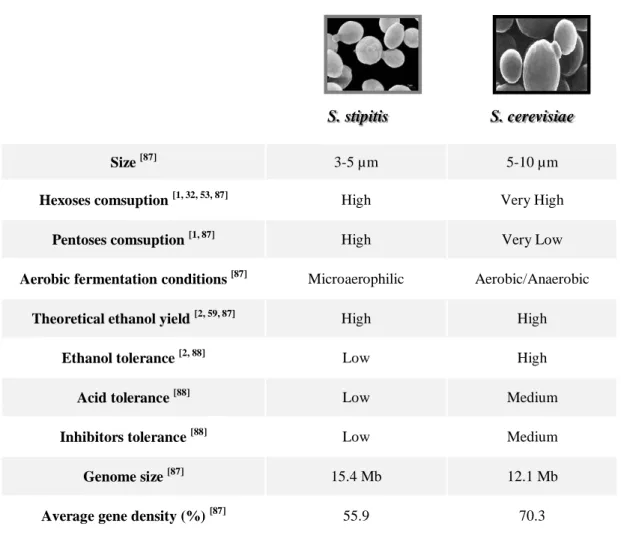
Table 5 summarizes and compares the main characteristics of S. stipitis and S. cerevisiae. The sizes of both species are variable in a small range and S. cerevisiae can be up to two times bigger than S. stipitis [87]. This fact may be important in co-culture studies because it is possible to differentiate both species through observation on optical microscope, which is a simple and, in this case, trustable technique to use.
Hexoses fermentation efficiency is high in both yeasts but conversion rates and yields are generally higher for S. cerevisiae [1, 88]. However, only S. stipitis is able to significantly metabolize pentoses, because the genes responsible for xylose and arabinose conversion are expressed only in residual levels in S. cerevisiae. In S. stipitis, the metabolism of xylose starts with NAD(P)H-dependent xylose reductase (XR), which converts it into xylitol, and NAD-dependent xylitol dehydrogenase (XDH), that converts this alcohol into xylulose. Xylulokinase uses ATP to
form D-xylulose-5-P and the metabolic process takes place through pentose-phosphate pathway (PPP) [30, 115]. In bacteria, xylose conversion may also occur by xylose isomerase (XI) activity [53, 59].
Table 5 – Comparative analysis of the main characteristics of S. stipitis and S. cerevisiae.
During recent years, numerous approaches have been used to modify S. cerevisiae for xylose, xylan or cellulose metabolism, including genetic engineering strategies with genes from S. stipitis (XR and XDH) or XI related genes [53, 59, 104]. However, these transformations are only partly successful. According to Jeffries et al. (2009), genetically improved S. cerevisiae lacks too many levels of the assimilatory genes, sugar transporters and mechanisms for balancing cofactor levels when are tested under oxygen-limiting conditions [104]. More detailed information about genomics, proteomics and metabolism regulation of S. stipitis certainly will allow improvements and achievements on ethanol productivities from by-products [104]. A further knowledge of S. stipitis may also allow target genetic engineering that would improve the fermentation efficiency [115].
S. stipitis S. cerevisiae
Size [87] 3-5 µm 5-10 µm
Hexoses comsuption [1, 32, 53, 87] High Very High
Pentoses comsuption [1, 87] High Very Low
Aerobic fermentation conditions [87] Microaerophilic Aerobic/Anaerobic
Theoretical ethanol yield [2, 59, 87] High High
Ethanol tolerance [2, 88] Low High
Acid tolerance [88] Low Medium
Inhibitors tolerance [88] Low Medium
Genome size [87] 15.4 Mb 12.1 Mb
Adaptation strategies have also been used in order to improve S. cerevisiae fermentative performance. SSL-adapted pentose-fermenting yeasts generally give lower ethanol yields from SSL compared to SSL-adapted S. cerevisiae, even though wild-type S. cerevisiae cannot utilize pentoses [33, 116].
Theoretical ethanol yields vary substantially with fermentation conditions and used yeast strain, even if they are from the same species. Several studies found that S. cerevisiae and S. stipitis maximum ethanol yields, in complex media as lignocellulosic residues, are close to the theoretical maximum (0.51 g ethanol . g sugars-1) [1, 88]. However, conversion rates are generally higher for S. cerevisiae, which leads to higher specific productivities and, consequently, to a more sustainable and economically rentable industrial bioprocesses [87].
Fermentative metabolism in S. stipitis needs very small amounts of oxygen for efficient xylose utilization. Although aeration favors respiration process, ethanol oxidation and re-assimilation occurs even in the presence of appreciable xylose concentrations, which may result in lower ethanol yields [59].
One of the major drawbacks of S. stipitis is the low tolerance to ethanol and inhibitors, that can drastically affect its performance [102]. Skook et al. (1992), stated that S. stipitis fermentation is completely inhibited in the presence of 42-45 g ethanol . L-1, whereas in same conditions S. cerevisiae was not inhibited until 300 g ethanol. L-1 [117]. In microaerophilic conditions, S. stipitis metabolism is not affected with ethanol concentrations below 20-28 g . L-1 [118, 119]. Despite sensitivity to most of referred inhibitors in SSLs, when appropriate substrate purification or detoxification are previously done, S. stipitis showed promising results on ethanol production [33, 99, 120]. Another approach is to adapt S. stipitis to inhibitors and increase its tolerance to acetate, since it may cause total growth inhibition when present in higher amounts than 3 g . L-1 [33, 39, 42].
1.5.3.1. Bioethanol production from SSLs
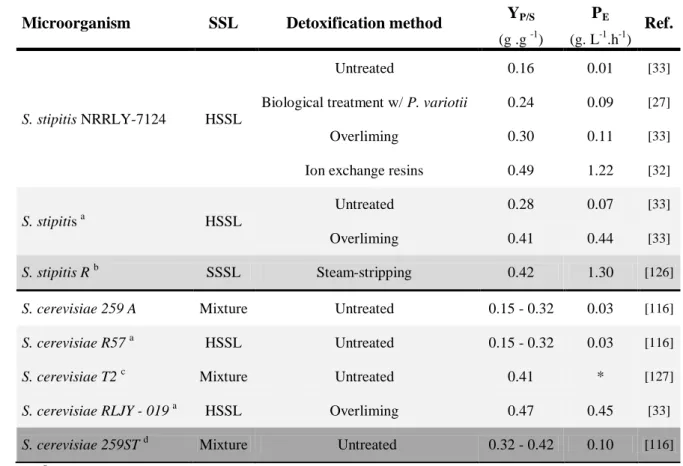
Table 6 shows fermentation results for S. stipitis and S. cerevisiae, the microorganisms that have been the most studied to bioethanol production from SSLs. The performance of the microorganism is a function of the raw-material composition, the detoxification method, the type and geometry of the reactor, aeration, temperature and pressure. The influence of these factors is represented on Table 6, showing the effects in terms of ethanol efficiency production (yield and volumetric productivity).
The fermentation performances of S. stipitis and S. cerevisiae in untreated SSLs are strongly affected, since the ethanol yields obtained correspond only to about one 30-50% of the theoretical maximum [33, 116].
Detoxification has a positive effect on the ethanol production. S. stipitis and S. cerevisiae reach higher ethanol yields when a process is applied in order to remove some of the chemical inhibitors present in SSLs [27, 32, 33, 37].
As stated before (topic 1.3.3.1.), yeast strain adaptation is one of the used strategies to improve the alcoholic fermentation efficiency [73]. Usually, the adaptation consists in submitting the strains to similar stress conditions that are present on the raw material, in this case on the SSLs. This selection shall enhance the growth of a more resistant population. An efficient adaptation and selection can improve by up 2-fold the maximum ethanol yield [121]. S. stipitis is a good example where detoxification is a successful approach, since it led to an increase on the ethanol yield from 0.16 to 0.28 in untreated HSSL and from 0.30 to 0.41 in HSSL pretreated by overliming, respectively [33]. Besides, the effect on volumetric productivity is even stronger, leading to an increase of 7-fold and 4-fold on the untreated and pretreated HSSL, respectively [33].
Metabolic and genetic engineering have been mostly applied to S. cerevisiae in order to enable it to ferment D-xylose and L-arabinose to ethanol. However, S. stipitis has also been target of this engineering approach to improve its native capacity of fermenting lignocellulosic feedstock to ethanol [121]. S. cerevisiae 259ST is a GMO used for bioethanol production, whose genetic engineering resulted in an improvement of ethanol yield (2,5-fold) and productivity (3-fold), comparing to the original strain.
Cell immobilization has been presented as an advantageous approach to ferment lignocellulosic wastes with inhibitors, improving cell stability, cell activity and cell stress tolerance [122]. The immobilization techniques for yeasts can be classified in four categories: attachment or adsorption to solid surfaces (wood chips, DEAE cellulose, porous glass); entrapment within a porous matrix (calcium alginate, k-carrageenan, agar, chitosan, etc); mechanical retention behind a barrier (microporous membrane filters and microcapsules); and self-aggregation of the cells by flocculation [123, 124]. These different immobilization methodologies have been largely discussed in order to understand and evaluate the impact in the microbial growth and physiology, internal and external mass transfer limitations, bioreactor design, bioprocess engineering and economics [123, 125].
![Figure 2 – Acidic sulphite wood cooking process with production of SSL [1] .](https://thumb-eu.123doks.com/thumbv2/123dok_br/15862223.1086993/17.893.212.764.323.621/figure-acidic-sulphite-wood-cooking-process-production-ssl.webp)
![Table 1 – Composition of the SSSL inhibitors from Domsjö Fabriker [28].](https://thumb-eu.123doks.com/thumbv2/123dok_br/15862223.1086993/18.893.153.760.387.567/table-composition-sssl-inhibitors-domsjö-fabriker.webp)
![Table 2 - Composition of the HSSL from CAIMA, SA [27, 35] . Compound Concentration (g](https://thumb-eu.123doks.com/thumbv2/123dok_br/15862223.1086993/19.893.158.755.155.519/table-composition-hssl-caima-sa-compound-concentration-g.webp)
![Figure 3 - World biodiesel and ethanol historical production and projections [71].](https://thumb-eu.123doks.com/thumbv2/123dok_br/15862223.1086993/23.893.272.642.131.356/figure-world-biodiesel-ethanol-historical-production-projections.webp)
![Figure 4 - World bioethanol production in 2009, in Million liters (Ml) per year (4-A) [75]](https://thumb-eu.123doks.com/thumbv2/123dok_br/15862223.1086993/24.893.169.774.140.477/figure-world-bioethanol-production-million-liters-ml-year.webp)