UNIVERSIDADE DA BEIRA INTERIOR
Ciências
Affinity purification and delivery of a
p53-encoding plasmid DNA for gene
mediated cancer therapy
Joana Filipa Abreu Pereira Valente
Thesis for obtaining Doctor Degree in
Biochemistry
(3º cycle of studies)
Supervisor: Prof. Doutora Fani Pereira de Sousa
iii
Dedicatory
v
Acknowledgements
I need to start this part by tell: “Professor, 2018 came too fast! Who will guess this in 2013?”. Having said that, I obviously need to start the acknowledgements by express my deepest gratitude to my supervisor Prof. Fani Sousa. Her guidance, knowledge, support, patience and precious revisions were crucial for the success of this work.
I also want to express my deepest gratitude to Professor João Queiroz for all the knowledge and wise opinions transmitted during the development of the research work.
I also gratefully acknowledge the financial support from the Fundação para a Ciência e Tecnologia (FCT), through the PhD fellowship (Ref SFRH/BD/96809/2013).
I would also like to acknowledge to the Health Sciences Research Centre from the University of Beira Interior for give me the opportunity to develop this study on their facilities. Moreover, I would like to express my gratitude to all the people from the Health Sciences Research Centre and Biopharmaceuticals and Biomaterials group, who in one way or another helped me in the development of my work. A special thanks to my lab colleagues and, in particular to Ângela Sousa for their help and support in my panic/crazy times! The peace that you gave me in that times was priceless!
I want to acknowledge to Professor Ana Cecilia Roque and their research group for so well received me during my stay at UCIBIO. It was an experience that I will always remember with affection.
I am very grateful to my friends! Guys, I know that I’m not a person who shows as much affection as you want but, I really love you all! Thank you for being my rock especially during the times when trust and willpower were leaving me.
Finalmente, não poderia acabar esta seção sem agradecer aos meus pais. Todo o vosso esforço culminou naquilo que sou e naquilo que alcancei até hoje! OBRIGADA! Sisters, you know, you are boring and annoying but I like you too…And never forget: We are unstoppable!
In fact, I will never be able to express in words the deep gratitude towards all of those persons that were with me in this journey! THANK YOU ALL!
vii
List of papers
Papers included in the thesis resulting from this Doctoral work:
I. p53 as the Focus of Gene Therapy: Past, Present and Future
Valente, J. F. A., Queiroz J. A., Sousa F.
Current drug targets (2018), In press. DOI: 10.2174/1389450119666180115165447
II. Dilemma on pDNA purification: binding capacity vs selectivity
Valente, J. F.A., Queiroz J. A., Sousa F. Submitted for publication (2018)
III. Selective purification of supercoiled p53-encoding pDNA with L-methionine– agarose matrix
Valente, J. F. A., Sousa, A., Queiroz, J. A., Sousa, F.
Analytical Biochemistry 459 (2014): 61-69. DOI:10.1016/j.ab.2014.05.011
IV. DoE to improve supercoiled p53-pDNA purification by O-phospho-L-tyrosine affinity chromatography
Valente, J. F. A., Sousa, A., Queiroz, J. A., Sousa, F. Submitted for publication (2018)
V. Macroporosity in affinity chromatography: supercoiled p53 encoding plasmid isolation
Valente, J. F. A., Sousa, A., Queiroz, J. A., Sousa, F. (Submitted for publication 2018)
VI. The biological performance of purified supercoiled p53 plasmid DNA in different cancer cell lines
Valente, J. F. A., Sousa, A., Gaspar V.M., Queiroz, J. A., Sousa, F. Submitted for publication (2018)
VII. Plasmid DNA nano-complexation with Chitosan and Polyethyleneimine
Valente, J. F. A., Sousa, A., Pereira P., Queiroz, J. A., Sousa, F. (In Preparation)
viii
Papers not included in the thesis:
I. Affinity analysis and application of dipeptides derived from l-tyrosine in plasmid purification
Ferreira, S., Carvalho, J., Valente, J. F. A., Corvo, M. C., Cabrita, E. J., Sousa, F., Queiroz, J. A., Cruz, C.
Journal of Chromatography B 1006 (2015): 47-58. DOI: 10.1016/j.jchomb.2012.10.025
II. Microencapsulated Chitosan-Dextran Sulfate Nanoparticles for Controlled Delivery of Bioactive Molecules and Cells in Bone Regeneration
Valente, J. F. A., Gaspar, V. M., Antunes, B. P., Coutinho, P., Correia, I. J. Polymer 54.1 (2013): 5-15. DOI: 10.1016/j.polymer.2012.10.032
III. Poly (ester amide) s based on (L)-lactic acid oligomers and α-amino acids: influence of the α-amino acid side chain in the poly (ester amide) s properties
Fonseca, A. C., Coelho, J. F., Valente, J. F. A., Correia, T. R., Correia, I. J., Gil, M. H., Simões, P. N.
Journal of Biomaterials Science, Polymer Edition 24.12 (2013): 1391-1409. DOI: 10.1080/09205063.2012.762293
IV. Alginate based scaffolds for bone tissue engineering
Valente, J. F. A., Valente, T. A. M., Alves, P., Ferreira, P., Silva, A., Correia, I. J. Materials science and engineering: C 32.8 (2012): 2596-2603. DOI: 10.1016/j.msec.2012.08.001
ix
List of Scientific Communications
Oral scientific communications of this Doctoral work:
I. A library of amino acids to screen adsorbents suitable for sc p53 encoding plasmid isolation
Valente J.F.A., Pinto J.M., Azevedo G.M., Pina A.S., Queiroz J.A., Roque A.C.A., Sousa F.
II International Congress in Health Sciences Research: Towards Innovation and entrepreneurship (2017) Covilhã, Portugal
II. Purification and delivery of the p53 pDNA genome guardian
Valente, J. F. A., Sousa, A., Gaspar V.M., Queiroz, J. A., Sousa, F. XII ANNUAL CICS-UBI SYMPOSIUM (2017) Covilhã, Portugal
III. p53 supercoiled encoding plasmid in different cancer cell lines – Transfection and Expression effects
Valente, J. F. A., Sousa, A., Gaspar V.M., Queiroz, J. A., Sousa, F. Bio.Iberoamerica (2016) Salamanca, Spain
IV. Superporous affinity chromatography for the supercoiled p53 encoding plasmid isolation
Valente, J. F. A., Sousa, A., Cruz C., Queiroz, J. A., Sousa, F. ISPPP (2016) Salzburg, Austria
V. Selective purification of supercoiled p53-encoding pDNA with L-methionine-agarose matrix
Valente, J. F. A., Sousa, A., Queiroz, J. A., Sousa, F IX ANNUAL CICS-UBI SYMPOSIUM (2014) Covilhã, Portugal
x
Poster presentations of this Doctoral work:
I. Could it be possible to quickly determine the best ligands?
Pinto J.M., Valente J.F.A., Pereira P., Pina A.S., Queiroz J.A., Roque A.C.A., Sousa F. II International Congress in Health Sciences Research: Towards Innovation and entrepreneurship (2017) Covilhã, Portugal
II. Recovery of recombinant microRNAs with modified magnetic nanoparticles
Pinto J.M., Figueiró G.A., Valente J.F.A., Pina A.S., Pereira P., Queiroz J.A., Roque A.C.A., Sousa F.
XII ANNUAL CICS-UBI SYMPOSIUM (2017) Covilhã, Portugal
III. Supercoiled p53-encoding plasmid purification by amino acids-based affinity chromatography – A comparison
Valente, J. F. A., Sousa, A., Queiroz, J. A., Sousa, F.
9º ENCONTRO NACIONAL DE CROMATOGRAFIA / XVI COLACRO (2016) Covilhã, Portugal
IV. Novel superporous arginine matrix for supercoiled p53 encoding plasmid isolation
Valente, J. F. A., Sousa, A., Cruz C., Queiroz, J. A., Sousa, F. Microbiotec (2015) Évora, Portugal
V. Purification of the supercoiled p53-encoding plasmid by a L-methionine-agarose matrix
Valente, J. F. A., Sousa, A., Queiroz, J. A., Sousa, F. 10th ESBES-IFIBiop (2014) Lille, France
VI. F. Sousa, p53 Supercoiled plasmid purification by l-methionine agarose matrix
Valente, J. F. A., Correia I.J., Sousa, F
xi
Resumo alargado
Introdução
O cancro é uma das principais causas de morte em todo o mundo fazendo com que exista bastante investigação nesta área na tentativa de melhor compreender a doença e de desenvolver estratégias terapêuticas mais eficazes e seguras. Para o tratamento desta doença, a terapia génica e a vacinação com DNA foram propostas como alternativas às formas mais comuns de tratamento. Entre as várias alterações genéticas que podem ser responsáveis pelo processo oncogénico, estão incluídas as alterações relacionadas com a p53, nomeadamente em relação à sua expressão ou atividade. A p53 foi no passado considerada um oncogene no entanto, mais recentemente, provou-se que esta proteína é na realidade um supressor de tumor, muito poderoso envolvido em processos como a apoptose e a senescência. Esta “guardiã do genoma” atua sempre que as células são expostas a condições de stress, e alterações na estabilidade desta proteína podem resultar em instabilidade genómica. A p53 tem suscitado interesse em muitos grupos de investigação uma vez que está descrito que em 50% dos casos de cancro são identificadas mutações no gene que codifica a p53, enquanto os restantes 50% possuem componentes defeituosos na pós-tradução ou alterações nas vias de sinalização da p53. Diversos estudos demonstraram que a transfeção de células cancerígenas com o plasmídeo que codifica para a p53 pode direcionar as células para a apoptose e/ou para uma paragem no seu crescimento, sugerindo que uma abordagem relacionada com a terapia génica no tratamento do cancro pode promover o restabelecimento da função normal de p53. Portanto, é muito importante restabelecer a expressão e atividade da p53 em células cancerígenas. Neste sentido, a terapia génica tem já usado a possibilidade de induzir a expressão de p53, associando o gene que a codifica a vetores virais ou não-virais, nomeadamente com recurso ao DNA plasmídico (pDNA), como opção terapêutica promissora e alguns exemplos práticos já foram estudados e aplicados com sucesso. A utilização de vetores não-virais apresenta vantagens em relação ao uso de vetores virais, já que o processo de produção é mais simples, economicamente vantajoso, sendo os vetores menos imunogénicos e mais seguros. Recentemente, a isoforma superenrolada (sc) de um plasmídeo que codifica a p53 provou ser mais eficiente na transfeção celular e na expressão proteica do que a conformação circular aberta, e de facto esta isoforma tem-se destacado das outras isoformas por possuir uma estrutura extremamente compacta e funcional. Assim, o pDNA sc é considerado mais eficiente para induzir a expressão do produto alvo, quando comparado a outras variantes conformacionais, como o pDNA circular aberto (oc) e linear.
A biossíntese recombinante de pDNA permite a produção de um extrato enriquecido com pDNA sc. No entanto este extrato é também composto por proteínas hospedeiras, RNA e outras estruturas de DNA, o que torna o processo de isolamento da isoforma sc do pDNA um requisito
xii
imperativo. Para atingir este objetivo, a cromatografia de afinidade usando aminoácidos como ligandos (ex.: arginina, histidina e lisina) tem vindo a ser utilizada com sucesso. No entanto, é essencial desenvolver e estudar novas matrizes com maior especificidade e robustez, permitindo maiores graus de pureza e rendimento do pDNA sc obtido. Desta forma, este trabalho prevê a produção e otimização de novas matrizes de afinidade que permitam promover interações mais específicas entre os ligandos e o pDNA sc de forma a estabelecer processos que nos permitam elevados rendimentos e também amostras com graus de pureza que se enquadrem dentro das especificações emitidas pelas entidades regulamentares tais como a
Food and Drug Administration (FDA) e a European Medicines Agency (EMA).
Após a obtenção de amostras altamente puras do vetor que codifica para a p53 é importante garantir uma entrega eficiente deste plasmídeo. Para tal neste trabalho foram também testadas nanopartículas tendo como finalidade não só a proteção do material genético que se pretende entregar (a isoforma sc do pDNA que codifica para a p53) mas também garantir que a máxima quantidade de pDNA chegava numa primeira fase ao interior da célula e subsequentemente ao interior do seu núcleo.
Sendo assim, e como previamente referido, todos os trabalhos realizados ao longo deste projeto focam-se no estudo e desenvolvimento de metodologias que poderão contribuir para a potencial aplicação de uma estratégia de terapia génica para re-estabelecimento da função da p53 em células tumorias. O estudo envolve assim, as diferentes etapas de um processo biotecnológico, desde o processo de purificação do pDNA que codifica para a p53, até ao seu processo de entrega na célula e avaliação da expressão da proteína e do seu efeito na apoptose das células.
Descrição do trabalho realizado
Para a realização deste trabalho, e no sentido de alcançar a biossíntese de pDNA, foi utilizado como hospedeiro recombinante a bactéria Escherichia coli modificada com o plasmídeo que codifica para a p53 com o objetivo de se obterem extratos ricos neste pDNA. Após lise destas células foram obtidos extratos mais ou menos complexos, de forma a isolar a isoforma sc enrolada do pDNA que codifica para a p53. Estes extratos foram posteriormente purificados usando vários suportes cromatográficos de afinidade que utilizavam diferentes aminoácidos como ligandos, tais como a L-metionina, L-tirosina e arginina, para a recuperação da isoforma sc. Posteriormente, e para compreender biologicamente a atividade e o efeito terapêutico desta isoforma sc, diferentes linhas celulares (HeLa, A549 e Fibroblastos dérmicos humanos) foram transfetadas com pDNA purificado com a metodologia desenvolvida e com kits disponíveis comercialmente, para posterior avaliação in vitro. Nesta vertente, foram realizados testes nos diferentes modelos celulares, para avaliar a citotoxicidade, a expressão do gene p53 e o efeito
xiii
apoptótico resultante. Os resultados proporcionaram informações relevantes sobre a potencial aplicação desta isoforma sc do pDNA que codifica para a p53 em terapia genética aplicada ao tratamento de cancro.
Principais resultados alcançados
Tendo em conta uma perspetiva geral dos principais resultados obtidos durante este trabalho pode dizer-se que três matrizes cromatográficas foram utilizadas com sucesso para o isolamento da isoforma sc do pDNA que codifica para a p53. De entre as matrizes estudadas a L-metionina e a O-Phospho-L-tirosina, ambas comerciais, demonstraram seletividade mesmo quando diferentes ácidos nucleicos faziam parte da amostra aplicada. As amostras de sc recolhidas através da purificação com ambas as matrizes apresentaram uma pureza concordante com todas as especificações das agências reguladoras para este tipo de amostra. Contudo, foi a amostra proveniente da purificação com O-Phospho-L-tirosina aquela que apresentou melhor grau de pureza assim como percentagem de recuperação. Possivelmente estes bons resultados podem estar relacionados com o uso de ferramentas de desenho experimental (DoE) aplicado apenas para a otimização da estratégia de purificação com esta matriz. Neste trabalho, e com o modelo escolhido, pretendeu-se otimizar e maximizar as respostas “grau de pureza” e “percentagem de recuperação”, tendo sido possível estabelecer as melhores condições experimentais para conseguir um melhor desempenho do suporte cromatográfico de O-Phospho-L-tirosina quando comparada com a L-metionina.
Numa abordagem diferente, foi também utilizado um suporte macroporoso onde foi imobilizada arginina tendo, mais uma vez, como objetivo o isolamento da isoforma sc do pDNA que codifica para a p53. Neste trabalho foi aplicada uma amostra menos complexa, contendo apenas pDNA sc+oc, sendo que mais uma vez a isoforma sc foi isolada com sucesso. A utilização de uma matriz macroporosa teve como principal objetivo explorar um possível aumento da capacidade de ligação do suporte, de forma a aumentar a quantidade de amostra purificada por ensaio, aumentando a sustentabilidade/rentabilidade do processo cromatográfico. Neste sentido, comparou-se a capacidade dinâmica de ligação desta matriz com um suporte de agarose e um monólito que apresentavam também a arginina como ligando. Através desta comparação verificou-se que a utilização do suporte macroporoso promove um aumento superior a 50 % na capacidade de ligação do pDNA quando comparada com a sua homóloga comercial, mas em suporte de agarose não macroporoso. Estes resultados podem ser de extrema relevância nomeadamente quando se pensa na industrialização do processo cromatográfico.
Quando uma amostra de pDNA superenrolado que codifica para a p53 foi biologicamente avaliada e comparada com uma amostra de pDNA que contém as duas isoformas predominantes (sc+oc) verificou-se que a amostra purificada demonstrou maior resposta biológica,
xiv
nomeadamente ao nível da eficiência de transfeção, expressão da proteína P53 e indução de apoptose celular. Foi também interessante observar que esta isoforma não atua de igual forma em células tumorais e não tumorais e também, que existem variações na sua atuação quando diferentes células tumorais são estudadas. Neste caso, as células HeLa foram as que demostraram maior sensibilidade à isoforma sc do plasmídeo que codifica para a p53, já que foi nestas células que se observaram maiores níveis de transfeção, expressão de proteína e apoptose.
Finalmente, foram produzidos dois vetores catiónicos, formados através da complexação entre polietilenoimina (PEI) e quitosano (CH) com uma amostra nativa (sc+oc) de diferentes plasmídeos. Através dos resultados obtidos foi possível verificar que as nanopartículas de pDNA/PEI demonstraram algum efeito citotóxico em células não tumorais, o que poderá ser uma enorme desvantagem para a sua aplicação in vivo. Relativamente à entrada das nanopartículas no núcleo, foi demonstrado que poliplexos produzidos através da complexação com o pDNA mais pequeno apresentaram maior facilidade de entrada no núcleo das células estudadas. Por fim, foi avaliada a capacidade dos poliplexos estudados promoverem expressão da proteína P53 em células cancerígenas Hela. A partir dos resultados obtidos, observou-se que os níveis de P53 aumentaram 54,2% quando as células foram transfetadas com as nanopartículas de CH e 32% quando as células foram transfetadas com nanopartículas de PEI.
No geral, o trabalho científico realizado no âmbito desta tese pretende levar a comunidade científica a dar cada vez mais relevância ao uso de vetores não virais e em particular da aplicação da isoforma superenrolada do pDNA em terapia génica, de forma a promover o restabelecimento dos níveis da P53, como forma de ajudar na terapia de cancro. Para isso torna-se crucial desenvolver e compreender cada vez melhor os processos biotecnológicos que podem conduzir à obtenção deste biofármaco, garantindo a sua estabilidade e atividade.
Palavras-chave:
Cromatografia de afinidade, Expressão da proteína P53,Isoforma Superenrolada, Plasmídeo que codifica para a p53, Supressor de tumor, Terapia génica, Vetores não virais
xv
Abstract
Cancer is still one of the leading causes of death worldwide. In order to treat this scourge, gene therapy and DNA vaccination have been proposed as an alternative to the common treatments. Among the several gene abnormalities that could be responsible for the oncogenic process, the ones presented in p53 stands up. p53 is one of the most important tumour suppressor gene being considered the “genome guardian” since when occurs exposure to stressful stimuli it is activated through post-transcriptional modifications increasing its stability and activity. This gene is directly and indirectly implicated in different cellular functions, including DNA damage repair, cell cycle arrest in G1/S and apoptosis. Several studies shown that transfection of cancer cells with wild-type p53-expressing plasmids could directly drive cells into apoptosis and/or growth arrest, suggesting that a gene therapy approach for cancer treatment can be related to the re-establishment of the normal p53 function. Recently, the supercoiled (sc) conformation of a p53-encoding plasmid proved to be more efficient in cell transfection and protein expression than open circular conformation. Aiming to successfully isolate this bioactive isoform, several chromatographic techniques have been used, namely amino acids-based affinity chromatography.
Concerning this chromatographic approach, in this doctoral work different amino acids like, L-methionine, L-tyrosine, and arginine, were used to isolate the sc p53 encoding plasmid. From this work, it was achieved a better recovery yield and purity levels for O-Phospho-L-tyrosine when compared with L-methionine agarose matrix. Regarding the macroporous arginine resin, it was possible to recover the sc p53 encoding pDNA with high purity, and an increase of more than 50% in the dynamic binding capacity was achieved, when comparing with their homologous commercial agarose matrix.
To understand the activity and the therapeutic effect induced by this sc isoform, different cell lines (HeLa, A549 and human dermal fibroblasts) were transfected with the pDNA purified either by the affinity purification strategy or with a commercial kit, for further in vitro evaluation. In particular, the cytotoxicity, the expression of the p53 transgene and the resulting apoptotic effect were evaluated in these in vitro cancer models. The results brought relevant information concerning the potential application of a sc p53 encoding plasmid in cancer gene therapy. To eliminate different cancer types, treatments must be applied systematically and therefore, must be targeted to cancer cells. Concerning this and, to enable an easy and safe systemic therapy, stable and non-viral gene vectors have been developed to encapsulate and deliver foreign genetic materials in specific cell types, such as cancerous cells. The use of non-viral vectors usually promotes low immune response, they are easily prepared, have a low production cost and also, they can be easily produced at large scale. Other important characteristic about these vectors is the ability to transfer different and large transgenes being also able to be
xvi
stored for long periods due to their stability. Regarding this, in this doctoral work, chitosan (CH) and polyethyleneimine (PEI) were complexed with different plasmids in order to search for the suitable non-viral nanocomplex combination to be applied for gene therapy. Through the obtained results it was found that p53-encoding pDNA/PEI polyplexes demonstrate some toxicity in normal cells which could be a handicap for future therapeutic application of this nanocarriers. Also, from the track of the nanocarriers inside the cells, it was achieved a better transfection efficiency for the carriers delivering the smaller pDNA. The ability of the polyplexes to promote P53 protein expression was also evaluated using HeLa cancer cells and an increase of 54.2% and 32% of the P53 levels was achieved when CH and PEI nanocarriers were respectively applied.
Overall, the scientific work performed in this thesis hopes to lead the scientific community to give more and more relevance to the use of the supercoiled pDNA isoform for gene therapy involving the reestablishment and restoration of the levels of p53. Moreover, it has been shown that the use of chromatography using specific amino acid ligands is a crucial factor in the final quality of the recovered sc pDNA sample, being this a predominant parameter for the accomplishment of the desired therapeutic results. Finally, the effort in the search and development of suitable non-viral vectors should stand up since it can guarantee the stability and activity of the sc p53 encoding plasmid during the delivery process.
Keywords:
Affinity chromatography, Gene therapy, Non-viral-vector, p53 encoding plasmid, P53 protein expression, tumour suppressor, Supercoiled DNAxvii
Thesis Overview
The present thesis has his structure dived in 4 main chapters. The Chapter I was created with the purpose of explaining the main goals to be achieved with this doctoral work. Then, the
Chapter II presents a bibliographical review of the main subjects of the work performed, being
divided in two different review articles:
Paper I - p53 as the Focus of Gene Therapy: Past, Present and Future
This review article presents the biochemistry of the p53 protein and also summarizes the different methods used to deliver and/or target the p53 in therapeutic approaches, indicating the main results obtained with the different strategies applied. The article also describes the ongoing approaches focusing on the combinatorial therapeutics, conjugating gene therapy vectors with chemo or radiotherapy.
Paper II- Dilemma on pDNA purification: binding capacity vs selectivity
With this literature review it was created a description of the different approaches used over the time to purify plasmid DNA, focusing not only on the different kind of supports used but also in the different ligands applied for the isolation of this biomolecule. Overall, it was presented a critical discussion relying on the relevance of the binding capacity versus selectivity of the supports applied until now.
The Chapter III presents the results obtained during the PhD course and have the purpose of showing the practical achievements of the goals purposed in Chapter I. This chapter was divided in some original research papers organized as follows:
Paper III - Selective purification of supercoiled p53-encoding pDNA with L-methionine– agarose matrix
In this research work it was described for the first time the use of a new matrix of L-methionine– agarose to efficiently purify the supercoiled p53-encoding plasmid. The binding/elution conditions, such as salt concentration and temperature, were manipulated and combined to reach the best strategy. After accomplishing the purification process, several tests to assess
xviii
the quality of the supercoiled plasmid were performed, revealing that the final sc p53 encoding sample fulfil all the requirements of the regulatory agencies.
Paper IV - DoE to improve supercoiled p53-pDNA purification by O-phospho-L-tyrosine affinity chromatography
The O-Phospho-L-tyrosine chromatographic matrix was explored in this work to purify the supercoiled p53-encoding plasmid. A Composite Central Face (CCF) design was applied in this purification process in order to quickly determine the optimal chromatographic performance reaching the required purity degree and maximizing the recovery yield of the supercoiled plasmid DNA. Thus, the sc p53 encoding plasmid isolation was successfully achieved fulfilling the requirements of the regulatory agencies. This approach enables a faster establishment of the best purification conditions, which allows a reduction of the costs associated to the random experiment approach in the search for the suitable isolation conditions.
Paper V - Macroporosity in affinity chromatography: supercoiled p53 encoding plasmid isolation
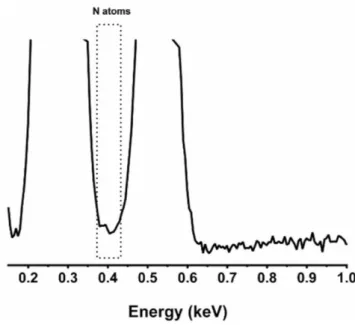
In this paper, arginine was immobilized into macroporous beads and then the support was morphological and chemically characterized (through scanning electron microscopy (SEM), energy dispersive X-ray analysis (EDX) and Fourier transformed infrared spectroscopy (FTIR)). For the specific purification of the sc pDNA, different parameters were evaluated, namely the buffer composition, salt concentration, pH and temperature, in order to achieve the best binding/elution conditions. The dynamic binding capacity (DBC) of the macroporous arginine matrix was also evaluated and the results revealed an improvement in comparison with the arginine-agarose based matrix.
Paper VI - The biological performance of purified supercoiled p53 plasmid DNA in different cancer cell lines
In this study, an affinity chromatography platform based on the L-methionine agarose matrix was used to purify the non-viral supercoiled topoisoform of plasmid DNA biopharmaceutics encoding p53. This purified biopharmaceutical was complexed with liposomes to comprehensively analyse the in vitro performance and therapeutic potential in different cancer and normal cell models, including those of lung, cervix and fibroblasts. The obtained results showed a higher apoptosis of HeLa cells, indicating that p53-based transgene therapy may be
xix
particularly effective in this cancer. Overall, the findings emphasize the potential of sc pDNA non-viral gene therapy and provide important insights into the therapeutic potential of this approach.
Paper VII - Plasmid DNA nano-complexation with Chitosan and Polyethyleneimine
This study explored and compared nanocarriers based on the complexation of plasmid DNA with chitosan or polyethyleneimine polymers in order to search for a suitable vector in terms of encapsulation efficiency, zeta potential and size. Then, the cytotoxic effect of the best ratios was accessed and, for p53 encoding plasmid nanoparticles, the ability to promote protein expression was evaluated.
Finally, the Chapter IV summarizes the concluding remarks obtained during this research work, regarding the application and characterization of some chromatographic supports for p53 encoding pDNA purification by amino acids affinity chromatography. Also, conclusions from the biological performance in cancer/non-cancer cells after transfection with the sc p53 encoding plasmid purified with commercially/non-commercially available methods are included. Then, some future trends were also mentioned as future works to be developed in this research field.
xxi
Index
Chapter I
Global aims ... 3
Chapter II
Paper I – P53 as the Focus of Gene Therapy: Past, Present and Future ... 7 Paper II – Dilemma on pDNA purification: binding capacity vs selectivity ... 27
Chapter III
Paper III – Selective purification of supercoiled p53-encoding pDNA with L-methionine-agarose matrix ... 55 Paper IV – DoE to improve supercoiled p53-pDNA purification by O-phospho-L-tyrosine affinity chromatography ... 67 Paper V- Macroporosity in affinity chromatography: supercoiled p53 encoding plasmid
isolation ... 93 Paper VI- The biological performance of purified supercoiled p53 plasmid DNA in different cancer cell lines ... 113 Paper VII – Plasmid DNA nano-complexation with Chitosan and Polyethyleneimine ... 137
Chapter IV
Concluding remarks ... 169 Future Trends ... 172
1
3
Global Aims
This doctoral project is focused on the use of recent platforms based on amino acids-affinity chromatography to efficiently purify the sc p53 encoding pDNA. After the purification of the plasmids it must be assured their protection and delivery to cancer cells in order to assess the biological activity of this sc isoform and evaluate the real relevance of using the sc p53 encoding gene. To accomplish all these goals, several chromatographic supports were used to find a suitable matrix for the purification of the pDNA and also, non-viral polymeric nano vectors were developed and compared with a commercial system to encapsulate the target pDNA and evaluate the efficacy of these methodologies for sc p53 encoding pDNA delivery.
To achieve the aim purposed, this doctoral research work had been developed in accordance to the following tasks:
1. Screening, production and development of new amino acids affinity-based matrices for the sc p53 encoding pDNA recovery
To accomplish this task, several raw materials were used as chromatographic supports (e.g. agarose and macroporous resin) as well as different amino acids were used as ligands (L-metionine, L-tyrosine and L-arginine), to be evaluated for pDNA purification.
2. Biological assessment of pure (sc) vs a native (sc+oc) p53 encoding plasmid sample
Different cell lines were transfected using a commercial system carrying the sc or sc+oc p53 encoding gene and parameters such as transfection rate, protein expression and apoptotic behaviour were evaluated.
3. Production, optimization and biologically assessment of polymeric p53 pDNA nanocarriers
Nanocarriers made with a natural (chitosan) or a synthetic polymer (polyethyleneimine) were optimized and screened in order to find the suitable nanosystems for the studied pDNA delivery. The screening involved the characterization of several parameters such as zeta potential, dimension, polydisperse index, encapsulation efficiency, transfection rate and protein expression ability, to select the best conditions and delivery systems.
5
7
Paper I
P53 as the Focus of Gene Therapy: Past, Present
and Future
J.F.A. Valente, J.A. Queiroz, F. Sousa
CICS-UBI - Health Sciences Research Centre, Universidade da Beira Interior,
Avenida Infante D. Henrique, 6200-506 Covilhã, Portugal
Send Orders for Reprints to [email protected]
Current Drug Targets, 2018, 19, 000-000 1
REVIEW ARTICLE
1389-4501/18 $58.00+.00 © 2018 Bentham Science Publishers
p53 as the Focus of Gene Therapy: Past, Present and Future
Joana FA Valente, João A Queiroz and Fani Sousa
*CICS-UBI – Health Sciences Research Centre, Universidade da Beira Interior, Av. Infante D. Henrique, 6200-506, Covilhã, Portugal A R T I C L E H I S T O R Y Received: September 18, 2017 Revised: November 16, 2017 Accepted: January 10, 2018 DOI: 10.2174/1389450119666180115165447
Abstract: Background: Several gene deviations can be responsible for triggering oncogenic
proc-esses. However, mutations in tumour suppressor genes are usually more associated to malignant dis-eases, with p53 being one of the most affected and studied element. p53 is implicated in a number of known cellular functions, including DNA damage repair, cell cycle arrest in G1/S and G2/M and apoptosis, being an interesting target for cancer treatment.
Objective: Considering these facts, the development of gene therapy approaches focused on p53
ex-pression and regulation seems to be a promising strategy for cancer therapy.
Results: Several studies have shown that transfection of cancer cells with wild-type p53 expressing
plasmids could directly drive cells into apoptosis and/or growth arrest, suggesting that a gene therapy approach for cancer treatment can be based on the re-establishment of the normal p53 expression lev-els and function. Up until now, several clinical research studies using viral and non-viral vectors de-livering p53 genes, isolated or combined with other therapeutic agents, have been accomplished and there are already in the market, therapies based on the use of this gene.
Conclusion: This review summarizes the different methods used to deliver and/or target the p53 as
well as the main results of therapeutic effect obtained with the different strategies applied. Finally, the ongoing approaches are described, also focusing on the combinatorial therapeutics to show increased therapeutic potential of combining gene therapy vectors with chemo or radiotherapy.
Keywords: p53, apoptosis, non-viral vectors, viral vectors, gene therapy.
1. INTRODUCTION
Cancer results from the accumulation of mutations that can occur during decades and have the ability to inactivate tumour suppressor genes and activate oncogenes. Tumour suppressor genes are responsible for the inhibition of cell growth and/or induction of cellular apoptosis to prevent can-cer formation. Amongst all the tumour suppressor genes, one of the most important is the p53, which acts as a sensor of DNA damage and other cellular and metabolic stresses in-cluding hypoxia, oncogenetic activation and nutrient depri-vation. In response to stress, p53 can induce cell cycle arrest and subsequent DNA repair, senescence or apoptosis, de-pending on the damage and cellular context (Fig. 1) [1].
Also, if the p53 protein is dysfunctional, it could result in genomic instability which is a hallmark of cancer [2]. One of the most important reasons for deep attention that is paid to p53 by the research groups dedicated to cancer investigation is the fact that 50% of the patients with cancer contain vari-ous inactivating mutations in their p53-encoding gene, while
*Address correspondence to this author at the CICS-UBI – Health Sciences Research Centre, Universidade da Beira Interior, Av. Infante D. Henrique, 6200-506, Covilhã, Portugal; Tel/Fax: 00351 275 329 074/00351 275 329 099; E-mail: [email protected]
the other 50% possess defective components in post-translational modification of p53 protein or alterations in p53 signaling pathway [3]. Therefore, it is very important to re-establish the p53 expression and activity in cancerous cells.
To perform this, gene therapy has been considered as a promising therapeutic option and some practical examples were already studied and successfully applied.
Gene therapy comprises the replacement or addition of a correct copy of the abnormal gene, with the purpose of re-storing the genetic information, thus reverting the associated disease. This genetic-based therapeutic approach intends to increase the quality of life and also the life expectancy of the treated individual [4, 5].
In what concerns the delivery of the therapeutic gene, it could be done directly on the patient, however, if nucleic acids are delivered in a free form, they can suffer from rapid extra and intracellular enzymatic degradation, which drasti-cally reduces the gene available and the expression of the target protein. Moreover, due to the high molecular weight and anionic nature, gene-based products are usually difficult to achieve cellular uptake. Finally, even the small amount of gene reaching the cells can suffer degradation in the en-dosomal/lysosomal compartments [6]. Regarding that and, to overcome the barriers associated with the administration of
2 Current Drug Targets, 2018, Vol. 19, No. 5 Valente et al.
genetic material, the main strategy under study is the asso-ciation of the genetic material with suitable delivery systems. In general, these delivery systems should be characterized in terms of safety (biocompatibility and biodegradability), re-sistance to degradation, capability to access the appropriate cellular compartment, specificity towards the target sites and ability to selectively modulate the expression of the target gene or to express the protein for a desired period of time [6, 7].
Up until now, several clinical research studies using viral vectors for the delivery of p53 have been conducted and there are already available in the market some p53-viral vec-tors-based products, such as Advexin and Gendicin. How-ever, the application of viral vectors can induce high nogenicity and, can promote high rate of pre-existing immu-nity which limits their clinical use, increasing the need to create systems with the same efficiency but without these deleterious effects [8, 9]. Regarding that, non-viral vectors can represent a good alternative to the viral systems. Actu-ally, non-viral vectors present many advantages when com-pared with the viral ones, mainly due to the absence of viral components, the lack of immunogenicity, the lower produc-tion costs and easier manufacturing processes.
In general, viral and non-viral strategies proved to be promising in the reestablishment of the p53 levels in cancer cells, being the viral vectors the ones that are used in more clinical studies. However, researchers around the world have started to focus on non-viral vectors and in the specific de-livery to target cells.
2. P53 PROTEIN - AN INTRODUCTION TO P53 BIO-LOGICAL ACTIVITY
p53 was regarded as an oncogene in the past, however, more recently, it has been proved repeatedly that p53 is, in fact, a very powerful tumour suppressor involved in apop-totic and senescent processes [10, 11]. The p53 protein is considered the “genome guardian” since when the cells are exposed to stressful stimuli, p53 is activated through post-transcriptional modifications increasing its stability and ac-tivity [12].
P53 is a protein that contains 393 amino acids and, is structurally and functionally composed of four different do-mains: an acidic amino-terminal domain used in the
tran-scriptional activation, a DNA-binding domain in the central space, a tetramerization domain and finally, a C-terminal regulatory domain rich in basic amino acids which play an important role in the regulation of the core DNA-binding domain (Fig. 2 outlines the structure of p53). Regarding these domains, the N-terminus mainly interacts with tran-scriptional factors, like TFIID (TBP, TAFs) which is ex-tremely important in the regulation of gene expression and working in the transcriptional machinery. Another protein that binds in this terminal is MDM2 (murine double minute 2) which is responsible for the negative regulation of the transcriptional activity of p53 [13]. The tetrameric part is, in fact, a dimer of a dimer bond to four repeats of a DNA se-quence [14]. The C-terminal domain is responsible for the p53 binding to specific DNA sequences in the central do-main. Particular changes in the C-terminal of this domain, like deletion or phosphorylation, have been described as be-ing responsible for the activation of the sequence-specific binding by the central core domain [15]. The DNA-binding region is the central core of p53 and is the place where most of the p53 missense mutations were found [16]. It is made up of immunoglobin like β-sandwich of two anti-parallel β-sheets, providing a scaffold for a flexible DNA-binding surface. This surface is made of two large loops sta-bilized by a zinc atom and a loop-sheet-helix motif. The zinc binding is extremely important for the correct folding and requires the reduction of thiol groups on cysteines [17].
p53 also plays a critical role in DNA repair and, in the control of cell cycle progression, being particularly responsi-ble for the regulation of the cyclin-dependent kinase (CDK) p21 gene expression. The p21 binds to different CDK/cyclin complexes promoting their inhibition, and consequently, blocking the cell cycle progression [18, 19]. In addition, p53 also directly influences the transcription of CDKs, responsi-ble for the phosphorylation of tumour suppressors of the Rb family [20]. Thus, low levels of these CDKs will not allow the activation of pRb, and consequently, induce cell cycle arrest. In G2/M checkpoint the p53 has also an important role since it interferes with the expression of several inter-twined targets, including Cdc25C, 14-3-3δ and GADD45. The Cdc25C is a mitosis-promoting phosphatase that dephosphorylates and activates cyclin B1/cdc2 complex. In case of DNA damage, Cdc25C is inhibited, resulting in the G2/M arrest [21].
Fig. (1). Cellular processes regulated by p53.
p53 as the Focus of Gene Therapy Current Drug Targets, 2018, Vol. 19, No. 5 3
In the absence of stress or damage, the p53 is present in very low concentrations and is highly unstable. This is mainly due to the interaction with other proteins like the MDM2 that is one of the most important regulators of the p53 activity and stability. Usually MDM2 levels are very high in human cancers. MDM2 is an E3 ubiquitin ligase that binds to the N-terminus of p53 through a hydrophobic pocket domain, transferring mono-ubiquitin tags onto lysine resi-dues [22]. Hence, when cells are in a non-stress environ-ment, p53 function is kept in a basal state which is achieved due to the constant action of this MDM2-p53 loop that is responsible for the elimination of the p53 in excess [22]. The degradation of p53 is dependent on MDM2 levels, and a reduced binding of MDM2 to p53 reduces the E3 activity, leading to an inhibition of ubiquitylation function. Regarding this regulatory effect of MDM2 in p53 levels and activity, it could be important to target this interaction as a way to de-velop a therapeutic strategy [2].
MDMX, also known as MDM4, is a protein from MDM2 family that also binds to the N-terminal of p53 and was found to be related to the inhibition of p53 since it contrib-utes to p53 degradation [23]. Similarly, to MDM2, MDMX is an important negative regulator of p53, and this negative regulation is one mechanism by which MDMX acts as an oncogene to transform cells when overexpressed. MDM4 has also another important role, which is the MDM2 stabiliza-tion, and is important to be referred that it is overexpressed in several types of cancers that retained wild-type p53 in-cluding gliomas, a number of pre-B acute lymphoblastic leukemias, tumor cell lines, and some primary tumors in-cluding breast tumors, head and neck squamous cell carci-nomas, and retinoblastomas [24].
3. P53 MUTATIONS
Up until now, more than 2000 different mutants of the p53 have been found, acting in different ways. The muta-tions found are sporadic, germline, gain-of-function, onco-genic, rebel-angel, Yin and Yang, prion-like, metastasis-inducer, mediator of chemoresistance and modifier of stemness [25].
The somatic mutations in p53 have been reported in al-most all the types of human cancers with different preva-lence depending on the cancer type. Concerning that, in can-cers from the aero-digestive tract (like oral, esophageal or bronchial cancers) the p53 is mutated in 75% of these cases, namely in smokers who are exposed to mutagens. In the case of the cancers in the low digestive tract (such as colon can-cer) the p53 mutations are less prevalent being detected in 25% of all the cases. Cancers like cervix, testicular cancers, neuroblastoma and malignant melanomas, present a very low prevalence of p53 mutations (less than 5%). Nevertheless, in these cases, the p53 pathway can be functionally inactivated by viral or cellular oncogenes. An example is cervical cancer where the viral antigen E6 of the oncogenic types of Human Papilloma Virus binds to the wild-type p53 protein and in-duces its rapid degradation, thus effectively bypassing the need of an inactivating mutation to remove p53 function [26].
Usually, the majority of the tumour suppressor genes like RB, APC, or BRCA1 are inactivated by deletions or truncat-ing mutations durtruncat-ing the cancer progression. With regard to p53 mutations in human cancers, they are based on missense mutations in which a single nucleotide is substituted by an-other [27]. These mutations in p53 are very different and can
Fig. (2). p53 based structure is made of 393 amino acids organized in different domains: transactivation domain 1 and 2, a proline-rich
re-gion, DNA binding domain, tetramerization domain and also the regulatory domain. The interactions between this protein and DNA is per-formed through the DNA binding domain.
4 Current Drug Targets, 2018, Vol. 19, No. 5 Valente et al.
be located in different places of its sequence, inducing altera-tions on its thermodynamic stability. The majority of these mutations are responsible for the loss of p53 ability to bind DNA in a sequence-specific manner and activate transcrip-tion of canonical p53 target genes. The higher predominance of mutations in the p53 gene occurs between exons 4-9 that are responsible for encoding the DNA-binding domain of the protein. Among these mutations, 30% fall within 6 “hot-spots” residues like R175, G245, R248, R249, R273, and R282 that are very frequent in almost every kind of cancers [28]. The existence of these hotspots could be explained by the susceptibility of particular codons to carcinogen-induced alterations and by positive selection of mutations that render the cell with growth and survival advantages [29]. Further-more, the loss of function promoted by the mutations in p53 could be responsible for promoting tumour development. In case of a heterozygous situation (where both wildtype and mutant alleles exist) mutant p53 can antagonise wild-type p53 tumour suppressor functions in a dominant negative manner. Also, the inactivation of the wild-type p53 by the mutant p53 in a dominant negative mechanism stems from the fact that the transcriptional activity of wild-type p53 re-lies on the formation of tetramers, whose DNA binding func-tion may be interfered by mutant p53 [29]. It is also impor-tant to consider that during cancer progression p53 mutations are frequently followed by loss of heterozygosity. For exam-ple, this kind of loss in the short arm of the chromosome 17, where p53 is located, implies a selective force driving the inactivation of the remaining wild-type allele, suggesting that the dominant negative activity of mutant p53 is not suf-ficient to completely inactivate wild-type p53 [30]. Moreo-ver, different mutants of p53 isoforms can promote onco-genic activity by a gain-of-function mechanism where there is an acquisition of oncogenic properties by the mutant pro-tein, compared with the mere inactivation of the protein. Regarding all above, dominant negative effect and gain-of-function can promote a selective selection of missense muta-tions in p53 during tumorigenesis [31].
4. P53-BASED THERAPIES
Nowadays, the most commonly used therapies for cancer treatment are based in chemo or radiotherapy. However, these treatments are usually ineffective to eradicate the tu-mour and can be extremely influenced by the presence of the wild-type p53, being extremely important to guarantee the regular behaviour of this tumour suppressor gene [32]. The resistance of cancer cells to drugs is a huge drawback in the cancer treatment, being mainly associated to the problems involving drug uptake or export, the prodrug activation or drug inactivation, changes in molecular targets, as well as alterations in DNA repair or modifications in the pro- and anti-apoptotic balance [33].
The p53 direct or indirect influence in cell resistance is dependent on several parameters including the way of action of the drug, the genetic alteration during carcinogenesis and also the cancer cell type. Furthermore, the mutations in p53 promote changes in the proapoptotic balance which by itself promote cancer cell resistance. In order to target tumours that overexpress the mutant p53, specific drugs such as 1 (Proline-rich membrane anchor) and
PRIMA-1Met have been applied [34]. The mechanism of action of these drugs is not completely understood however is thought that they upregulate p53 target genes such as BAX (Bcl-2-associated X protein), PUMA (p53 upregulated modulator of apoptosis) and NOXA (Phorbol-12-myristate-13-acetate-induced protein 1) rescuing the activity of numerous p53 mutant species [35].
In fact, the influence of p53 in chemotherapy is so impor-tant that there are drugs, such as paclitaxel or vincristine, that are responsible for stabilizing wild-type p53 through the in-hibition of the transcription associated with the mitotic ar-rest, preventing the p53 degradation and also affecting the microtubule-mediated transport of p53 [36]. In addition, the drugs used in chemotherapy have similar signaling cascades to the ones involved in p53 activation by DNA damage, and wild-type p53 is required for cell death in tumours after drug exposure [32].
The behaviour of p53 can also be balanced by the regula-tion of other biomolecules that directly influence its per-formance. An easy and effective example of this is the good results achieved in cell division control and in the adjustment of p53 levels when drugs that regulate p53-MDM2 protein interaction are applied. Three of the most important mole-cules responsible for blocking the interaction between these two proteins are small molecules such as nutlins, benzodi-azepinediones and spiro-oxindoles [37-39]. Basically, the way of action of these drugs consists in mimicking and in-hibit the p53 binding pockets with MDM2 inducing the ac-cumulation of p53 restoring it transcriptional activity fol-lowed by apoptosis in MDM2 overexpressing tumour cells [35].
Studies with the application of ionizing radiation showed that the p53 behaviour affects the radiosensitivity of the cells so, concerning that, several studies have been performed using synergistically radiotherapy with gene therapy. For example, Lowe and colleagues (1994) showed that wild-type p53 mouse embryo fibroblasts transformed with the onco-gene Hras responded to DNA-damage inducing apoptosis when a 7 gray absorbed dose of ionizing radiation was ap-plied [40]. Koom and collaborators (2012) also studied the effect of the delivery of p53 using an adenoviral vector com-bined with radiotherapy in hepatocellular carcinoma cells. They showed, that p53 gene transfer using an adenoviral vector would enhance the cellular response to radiotherapy by inhibiting the p53-MDM2 interaction [41]. In addition, non-viral vectors like liposomes containing p53-encoding gene had been used in combination with radiation enabling complete tumour regression and inhibition of their long-term recurrence [42, 43].
The under development therapies to fight the prolifera-tion of cancer cells and progression of tumours, involving the p53 or the p53 pathway as a leading element, still present a lot of problems that limit the generalized clinical applica-tion. Regarding that, there are a lot of questions concerning the effectiveness of the therapies involving the p53 that re-mained to be answered. Although, across the years, the sci-entists have improved information in this field and have specified and improved therapies trying to make them more personalized, they have studied each cancer particularly in order to find best ways to fight it.
p53 as the Focus of Gene Therapy Current Drug Targets, 2018, Vol. 19, No. 5 5
4.1. p53 Reestablishment
Regarding the extreme importance of the expression, in-tegrity and regulation of p53 in the organism for tumour con-trol and to avoid therapy resistance, different therapeutics have been investigated, expecting the targeting of this bio-molecule. Gene therapy to restore the p53 levels, inhibition of p53-MDM2 interaction, restoration of mutant p53 to wild-type p53, targeting the p53 family proteins, elimination of mutant p53 and also the development of p53 vaccines are some examples of these alternative strategies [44].
There are several problems concerning the nucleic acids delivery into the cell. Regarding that, one of the main con-cerns is related to physiological barriers that can change the cellular biodistribution and the intracellular bioavailability. When naked DNA is delivered, it only has the ability to re-sist degradation during 5 minutes due to its hydrophilic na-ture and high molecular weight. DNA itself presents a low cellular uptake. Moreover, the DNA that can actually enter into the cell is internalized in vesicles (like endosomes) that can digest DNA, limiting the access to cytoplasmic or nu-clear targets. This also represents an important barrier in the gene-based drug efficiency [45].
Gene expression is highly dependent on the access of DNA to the nuclear compartment, which implies successful trafficking to the nucleus and penetration of the nuclear membrane. The nuclear membrane is not highly permeable however, it contains nuclear pore complexes with approxi-mately 25 nm, which are responsible for the export and im-port of specific molecules to the nucleus. Due to these char-acteristics, molecules smaller than 40 kDa or particles with a threshold of 25 nm can be diffused through the nuclear pores, whereas larger molecules cannot access to the nu-cleus.
To overcome these barriers, several delivery systems for p53 gene-based therapeutics have been already successfully developed using different protocols and vectors, including adenovirus, retrovirus, vaccine-derived vectors and different types of nanoparticles modified or non-modified with spe-cific ligands [6].
4.2. Strategies, Advantages and Constraints in the Pro-duction of a Clinical Grade Purity p53 Encoding DNA Plasmid
To accomplish the preparation of the genetic material complying with the quality standards for therapeutic applica-tion, some biotechnological processes have been developed, based on the design and construction of p53-encoding vec-tors that can be produced in large scale using recombinant hosts (Fig. 4). In order to produce the p53 encoding plasmid, a recombinant Escherichia coli (E. coli) host can be used and grown through suitable fermentation conditions. The biosyn-thesis of pDNA in these cells enables the production of ex-tracts rich in supercoiled (sc) pDNA, which is advantageous since this pDNA conformation has proved to be more effi-cient for cells transfection and gene expression than other isoforms, such as the open circular pDNA [46]. However, when alkaline lysis is performed to recover sc pDNA from the recombinant host, high concentrations of other impurities are also released, that must be removed in order to have a
final plasmid product with high purity and activity, fulfilling the quality parameters established by the regulatory agen-cies, such as Food and Drug Administration (FDA), U.S.A.. Concerning that, several specifications are documented, namely regarding the product appearance (clear, colourless solution), the plasmid homogeneity (≈ 97% sc), and impuri-ties levels (RNA and proteins should be undetectable, the amount of genomic DNA must be lower than 2 ng/µg of pDNA and the level of endotoxins should not be higher than 0.1 EU/µg of pDNA) [47, 48]. To guarantee the high level of purity for pDNA, different chromatographic methodologies have been investigated namely, size exclusion, anion ex-change, hydrophobic interaction, reversed phase, thiophilic adsorption and, affinity chromatography [49].
Regarding the methods previously mentioned, the affinity approach has been one of the most exploited in the last years, as it has been demonstrated that these methods can specifi-cally purify the most biologispecifi-cally active plasmid conforma-tion. Actually, different studies already proved that a purified sc isoform of p53-encoding pDNA is the most efficient and effective isoform at inducing transgene expression [50]. As an example, in a previous study, Gaspar and colleagues ob-tained highly pure biopharmaceutical formulations of a p53-encoding vector, by using a strategy where the pcDNA3– FLAG–p53 plasmid was first amplified in a bacterial cell culture of E. coli DH5α. Then the authors used L-arginine as a specific ligand for affinity chromatography, and success-fully isolated the sc isoform of different plasmids namely the pcDNA3-FLAG-p53 [51]. Completed the plasmid produc-tion and purificaproduc-tion, the next concern is related with the delivery of the vector to the cells or tissues.
4.3. Viral vs Non-viral Vectors 4.3.1. Viral Vectors
Since p53 is lost or mutated in a wide number of cancers, it seems reasonable to try the re-establishment of the p53 expression and function through the replacement of the mu-tant form by a functional wild-type copy of the gene. One of the strategies used to deliver the correct genetic information is based on the use of suitable viral vectors, like retrovirus or adenovirus. However, the most used viral vectors at the mo-ment are the adenoviral vectors (Adp53) and oncolytic ade-noviruses (CRAdp) [26, 52]. The procedures already estab-lished attempt to regulate p53 levels in cancer cells. Actu-ally, the activation of p53 can also play an important role in chemosensitizer or in chemoprotective mechanisms, depend-ing on the cellular context. Regarddepend-ing this, several viral vec-tors have been produced in order to promote a gene replace-ment therapy for p53.
In October 2003, the State Food and Drug Administration (SFDA) of China approved type 5 Ad bearing the human wild-type p53 gene (Ad-p53) for the treatment of head and neck cancer [53]. Ad-p53 (Gendicine®, Shenzhen SiBiono GeneTech, Shenzhen, China - now incorporated into Benda Pharmaceutical, Wuhan, China) has been initially developed by Introgen Therapeutics (Advexin®, Austin, TX, USA) for
head, neck, and lung cancer treatment. While Introgen was working to obtain US FDA approval, SiBiono successfully completed clinical studies and launched the product. In No-vember 2005, SFDA also approved type 5 Ad defective of
6 Current Drug Targets, 2018, Vol. 19, No. 5 Valente et al.
Fig. (3). Autoregulatory feedback loop between p53 and MDM2/MDM4.
Fig. (4). Schematic representation of the process steps involved in sc pDNA production and purification using a chromatographic affinity
strategy. (I) E. coli transformed with a p53-encoding plasmid; (II) Bacterial cell growth; (III) Alkalyne lysis; (IV) Chromatographic matrix; (V) sc pDNA.
the E1B-55 kDa molecule for head and neck cancer treat-ment [54]. While ONYX-015 had been investigated for the clinical efficacy, a Chinese Bioventure company, Shanghai Sunway Biotech (Shanghai, China), independently devel-oped E1B-55 kDa-deleted Ad, completed their clinical stud-ies and commercialized the medicine (Oncorine®) in 2006. Sunway Biotech has also acquired the exclusive license of ONYX-015 in the world.
The delivery vectors used in these products are based on adenovirus. Adenovirus is a double-stranded DNA virus characterized by the high transduction efficiency in several cell types, and oppositely to retrovirus, it can deliver the ge-netic material either to proliferating or not proliferating cells. Adenoviruses present low toxicity profile in humans and, since they do not integrate the genome, there is no risk of insertional mutagenesis, that can be seen as an advantage in comparison to other virus-based vectors [55]. The different mechanisms of action of the adenovirus with or without E1B
deletion (this protein is responsible for bind and neutralizes p53 biological activity), in cells with wild-type or mutant p53 are represented in (Fig. 5).
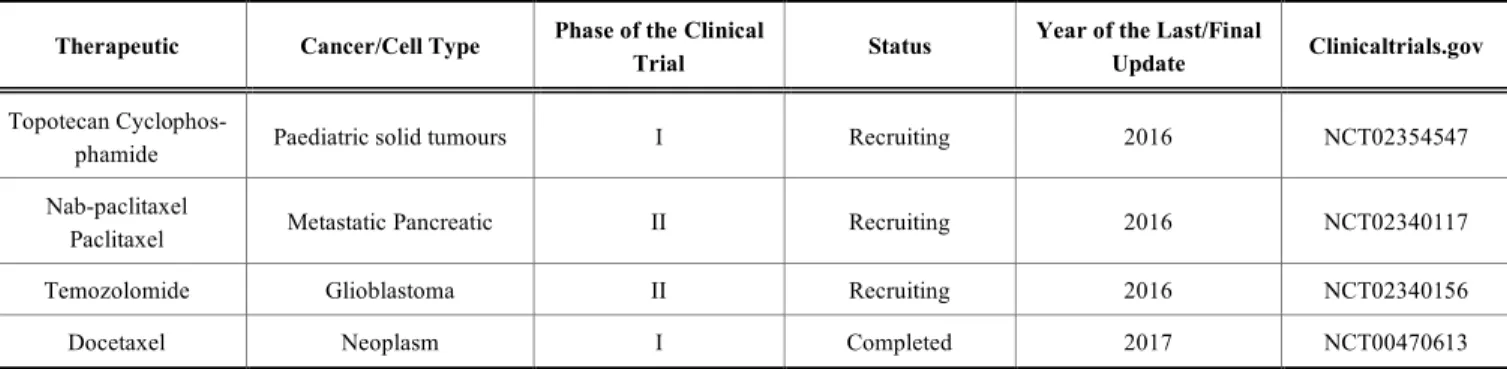
Among the strategies used until now, the Ad-p53 acts as a replacement therapy, aiming to promote the delivery of the p53 gene directly into the cancer cells to suppress the tumour growth. The main goal is promoting the expression of ex-ogenous p53 in order to induce cell death and cell-cycle ar-rest in different tumour cells. Several preclinical and clinical studies proved its efficiency in the regression of different tumours such as head and neck, lung, colorectal, ovarian, bladder, prostate and esophageal (Table 1) [56-62].
4.3.1.1. Retrovirus
While some viruses go through the cell machinery to maintain their life cycle, using exclusively the cytoplasm of the host cell, others have adapted to use the unique features offered by the nucleus. These include viruses from the
p53 as the Focus of Gene Therapy Current Drug Targets, 2018, Vol. 19, No. 5 7
Fig. (5). Specific killing of cells using wild-type adenovirus (a) in normal cells which leads to cell lysis or, using E1B deleted adenovirus
(ONYX-015) (b) in cells with mutant and wild-type p53 [26].
Table 1. Clinical trials approved worldwide using viral vectors to promote the delivery of p53.
Virus Type/ Product Name
Complementary
Therapy Type of Cancer
Phase of the
Clinical Trial Status
Year of the Last/Final Update Clinical-trial.Gov/ref - Hepatocellular Carcinoma I Terminated 2003 NCT00003147 - Squamous cell cancer of the head
and neck
III Unknown 2008 NCT00041613
- Recurrent gliomas I Completed 2009 NCT00004041
Radiation Lung I Completed 2010 NCT00004225
- Oral Premalignancies I
Terminated Sponsor withdrawal prior to
study completion.
2011 NCT00410865
Cisplatin and radiation Mouth or Throat II
This study has been terminated. Terminated
for poor accrual
2012 NCT00017173
- Advanced Bladder I Completed 2013 NCT00003167
Autologous Ex-panded T Lympho-cytes (CD3+, CD4+, and CD8+) Lung II Terminated 2013 NCT00776295 Standard
chemo-therapy Breast Cancer I Completed 2013 NCT00004038
- Oral Cavity or
Pharynx I/II Completed 2013 NCT00064103
- Ovarian I Completed 2013 NCT00003588
Docetaxel
Doxoru-bicin hydrochloride Breast II Completed 2013 NCT00044993
- Head and Neck II Unknown 2013 NCT00003257
Paclitaxel and All-trans-Retinoic Acid
Small Cell Lung
Cancer II
Ongoing, but not
recruiting 2016 NCT00617409
Reload Colorectal I Recruiting 2016 NCT02842125
Ad
5C
M
V
1-methyl-d-tryptophan Metastatic Breast II
Ongoing, but not
recruiting 2016 NCT01042535 (Table 1) contd….
8 Current Drug Targets, 2018, Vol. 19, No. 5 Valente et al. Virus Type/
Product Name
Complementary
Therapy Type of Cancer
Phase of the
Clinical Trial Status
Year of the Last/Final Update Clinical-trial.Gov/ref Gemcitabine Recurrent Ovarian Epithelial Cancer Recurrent Fallopian Tube Carcinoma Recurrent Primary Peritoneal Carci-noma
I Active, not
recruit-ing 2017 NCT02275039
p53M
V
A
Pembrolizumab
Solid Tumors That Have Failed Prior
Therapy
I Recruiting 2017 NCT02432963
Paclitaxel and All-trans-Retinoic Acid
Small Cell Lung
Cancer II
Ongoing, but not
recruiting 2016 NCT00617409
Reload Colorectal I Recruiting 2016 NCT02842125
Ad
-p53
1-methyl-d-tryptophan Metastatic Breast II
Ongoing, but not
recruiting 2016 NCT01042535
- Brain I Completed 2009 NCT00004080
Standard chemo-therapy (not
spec-ify)
Advanced Oral and Maxillofacial
Ma-lignant Tumors
IV Unknown 2012 NCT00902083
Radioactive iodine
pre-surgery Malignant Thyroid IV Unknown 2012 NCT00902122 Standard
chemo-therapy
Advanced Oral and Maxillofacial
Ma-lignant
IV Unknown 2012 NCT00902083
Standard chemo and radiotherapy
Head and Neck
Malignant Tumors IV Unknown 2012 NCT00894153
- Non-small-cell
Carcinoma II Unknown 2012 NCT01574729
Cisplatin Advanced Head and
Neck Cancer II Not yet recruiting 2015 NCT02429037 Cisplatin Malignant Pleural
Effusion II Not yet recruiting 2015 NCT02429726 Transcatheter
em-bolization
Hepatocellular
Carcinoma II Not yet recruiting 2015 NCT02561546 Cisplatin
Radiation
Advanced Head and
Neck Cancer II Not yet recruiting 2015 NCT02429037 TACE Advanced
Hepato-cellular II Recruiting 2015 NCT02418988
rA
d-p53
- Ovarian, Fallopian
Tube, or Peritoneal I Completed 2016 NCT00002960
family Retroviridae, which differ from other animal viruses by requiring integration into host chromosomes as an obli-gate step of their life cycles [63]. Among the most used retrovirus, there are the immunodeficiency virus (HIV) and human T-cell leukaemia virus (HTLV), responsible for ac-quired immunodeficiency syndrome (AIDS) and adult T-cell leukaemia (ATL), respectively. Murine leukaemia viruses (MLVs) are also well-studied since they are used with
ani-mal models for comparison studies of several human dis-eases (leukaemia, immunodeficiency, and neuropathogenic diseases) and also as gene transfer systems [64].
In 1993, it was for the first time proved that a retrovirus-mediated transduction of wild-type p53 was able to induce programmed cell death in multicellular tumour spheroids of human non-small cell lung cancer cell lines. These results suggested that retroviral vectors can penetrate into multiple