Universidade do Minho
Escola de Economia e Gestão
Joana Beatriz Adão de Faria
abril de 2018
Hypocrisy in Socially Responsible Consumption:
testing a model of the intention-behavior gap
Joana Beatriz Adão de F
aria Hypocrisy in Sociall y R esponsible Consump tion: tes ting a model of t he intention-behavior gap UMinho|20 18
Joana Beatriz Adão de Faria
Hypocrisy in Socially Responsible Consumption:
testing a model of the intention-behavior gap
Trabalho efetuado sob a orientação da
Professora Doutora Beatriz da Graça Luz Casais
Dissertação de Mestrado
Mestrado em Marketing e Estratégia
Universidade do Minho
Acknowledgments
My sincerest thank you to Prof. Beatriz Casais, for leaving breadcrumbs of ethics in her teachings of marketing, that resonate long after her classes with those that increasingly become aware of social responsibility, as both marketers and consumers. As my advisor, her support and constant guidance were vital for the development and continual improvement of this dissertation, hence another warm thank you is due.
To my partner João, for his immense support in general, and his teachings in data analysis in particular, that allowed me to complete this chapter of my life, and some chapters of this dissertation.
To my family, for providing me with every tool I ever needed in life, from baby steps to adult steps.
To my friends, for every moment of pure joy that is always at arm’s length.
And finally, to my faithful companions, Bee and Boo. Even though they can’t read this, their ability to master the biggest lessons of all go beyond their canine limitations: to live in the present and love unconditionally.
Abstract
Hypocrisy in Socially Responsible Consumption: testing a model of the intention-behavior gap
Despite good intentions, socially responsible consumers don’t always turn their beliefs into purchases. Intentions predict behaviors, yet intending to purchase ethically doesn’t seem to translate into actually purchasing ethically – something is falling on a gap in this relationship. While some attribute this phenomenon to methodological flaws in research, studies on the intention-behavior gap focus on the obstacles in purchasing ethically, by proposing or adding constructs to be tested in the intention-behavior relationship. Supported on research that propose such constructs, we test a qualitative model of the intention-behavior gap in ethical consumption.
This model proposes that turning intention into ethical purchases is affected by consumer’s formation of plans and habits, their willingness to make commitments and sacrifices for ethical consumption, the manner in which they shop and the priorities they set for their ethical concerns. We thus test these influencing factors, (1) Plans and Habits, (2) Commitment and Sacrifice, (3) Modes of Shopping and (4) Prioritization of Ethical Concerns, in the intention-behavior relationship, by assessing moderation and mediation effects.
An online questionnaire was conducted, and data was obtained from a sample of 346 respondents. As not to limit this research to a single ethical theme, the constructed survey provides results applicable to ethical consumption in general, not just a single context or ethical issue. In this model, Plans and Habits as a merged construct was found to mediate the intention-behavior relationship, and Commitment and Sacrifice was found to moderate the intention-behavior relationship, though it was not a full moderation. Modes of Shopping showed no effects of moderation. Prioritization of ethical concerns was significantly correlated to most variables of the model and the majority of respondents prioritize one or two ethical issues over others that also concern them, they have essential and secondary ethical concerns at the moment of purchase and find it difficult to purchase according to secondary ethical concerns.
This research sheds light on the fact that ethical consumption involves complex decisions and steps which may not be considered in either research or markets. We confirm previous exploratory qualitative findings and model on a larger sample of ethical consumers. We show that these influencing factors indeed have grounds for future and more in depth quantitative studies, and that much of the gap between intention and behavior in ethical consumption could be explained by these untested contributions.
Resumo
Hipocrisia no Consumo Socialmente Responsável: teste de um modelo do gap de intenção-comportamento
Apesar das boas intenções, os consumidores socialmente responsáveis nem sempre transformam crenças em compras. Intenções preveem comportamento, no entanto, ter intenção de comprar de forma ética não parece traduzir-se em comprar de forma ética – algo cai no gap desta relação. Enquanto alguns atribuem este fenómeno a erros metodológicos em pesquisa, os estudos do gap de intenção-comportamento focam-se nos obstáculos à compra ética, propondo ou adicionando construtos a esta relação. Apoiado em pesquisa que propõe esses construtos, este estudo testa um modelo qualitativo do gap de intenção-comportamento em consumo ético.
Este modelo propõe que a tradução de intenções em compra ética é afetada pela formação de planos e hábitos do consumidor, pela sua disponibilidade para se comprometer e fazer sacrifícios pelo consumo ético, pela forma como compra e pela priorização que faz às suas preocupações éticas. Para isso, testamos os seguintes fatores de influência na relação de intenção-comportamento em compra ética, (1) Planos e Hábitos, (2) Compromisso e Sacrifício, (3) Modos de Compra e (4) Priorização de Preocupações Éticas, medindo efeitos de moderação e mediação. Foi administrado um questionário online e obtidos dados de uma amostra de 346 participantes. De forma a não limitar a pesquisa a um único tema ou contexto ético, o questionário foi desenvolvido para ser aplicável ao consumo ético em geral. Neste modelo, Planos e Hábitos, enquanto construto agregado, medeia a relação de intenção-comportamento, Compromisso e Sacrifício modera a relação, embora não seja uma moderação total. Modos de compra não apresentou efeitos de moderação. Priorização de questões éticas está significativamente correlacionada com a maioria das variáveis do modelo e a maioria da amostra prioriza uma ou duas questões éticas sobre outras que também as preocupa no momento da compra, tem preocupações éticas essenciais e secundárias no momento da compra e sente dificuldade em comprar de acordo com preocupações éticas secundárias.
O presente estudo evidencia os complexos passos e decisões envolvidos no consumo ético, que poderão não estar a ser considerados pela literatura ou mercado. Confirmaram-se os resultados e modelo de um estudo qualitativo numa amostra maior de consumidores éticos. Demonstrou-se que estes fatores de influência têm relevância para futura pesquisa quantitativa e aprofundada, e que grande parte deste gap de intenção e comportamento em consumo socialmente responsável pode ser explicado por estas contribuições que permaneciam por testar.
Table of Contents
Acknowledgments ... i Abstract ... iii Resumo ... v List of Figures ... ix List of Tables ... ix List of Abbreviations... x Chapter 1 – Introduction ... 1 1.1. Motivations ... 11.2. Theoretical Framework and Relevance of the Study ... 1
1.3. Objectives and Research Questions ... 5
1.4. Methodological Approach ... 6
1.5. Structure of the Dissertation ... 6
Chapter 2 – Literature Review ... 7
2.1. Corporate Social Responsibility ... 7
2.1.1. Definitions and brief evolution of the concept ... 7
2.1.2. Dimensions of CSR ... 10
2.1.3. Consumer perceptions and responses to CSR ... 12
2.2. Socially Responsible Consumer ... 15
2.2.1. Definitions and conceptualizations ... 16
2.2.2. Socially Responsible Consumer Profile ... 19
2.2.3. Socially Responsible Consumer Behavior ... 21
2.3. Hypocrisy in Social Responsibility ... 25
2.3.1. Consumer perceptions of corporate hypocrisy ... 26
2.3.2. Hypocrisy in Socially Responsible Consumption ... 28
2.4. The Intention-Behavior Gap in Ethical Consumption ... 32
2.4.1. Constructs of the intention-behavior gap ... 37
Chapter 3 – Methodology ... 47
3.1. Objectives and Research Questions ... 47
3.2. Hypothesis and Conceptual Model ... 48
3.3. Research Design ... 50
3.3.1. Construct operationalization ... 51
3.3.2. Questionnaire development ... 54
3.4. Data collection and analysis ... 60
3.5. Profile of the sample ... 62
Chapter 4 – Data Presentation ... 64
4.1. Univariate data analysis ... 64
4.1.1. Ethical concerns ... 64
4.1.2. Intention and behavior ... 65
4.1.3. Plans and Habits ... 66
4.1.4. Commitment and Sacrifice ... 67
4.1.5. Modes of shopping ... 68
4.1.6. Prioritization of ethical concerns ... 69
4.1.7. PEC and the other influencing factors ... 70
4.2. Scale reliability and validity ... 71
4.3. Bivariate data analysis ... 72
4.4. Hypothesis testing ... 74
4.4.1. Regression analysis ... 74
4.4.2. Median difference test ... 75
4.5. Cluster analysis ... 77
Chapter 5 – Discussion of Results ... 80
Chapter 6 – Conclusions ... 85
6.1. Summary ... 85
6.2. Contributions of the present research ... 86
6.3. Limitations and future research ... 87
References ... 90
Appendix ... 112
List of Figures
Figure 1– The pyramid of Corporate Social Responsibility ... 11
Figure 2 - The translation of ethical consumption intentions into behavior ... 37
Figure 3– Conceptual model and hypothesis ... 50
Figure 4 – Dendrogram resultant from the cluster analysis ... 77
List of Tables
Table 1– Definitions of Corporate Social Responsibility ... 9Table 2 – Definitions and conceptualizations of the consumer aspect of social responsibility .... 18
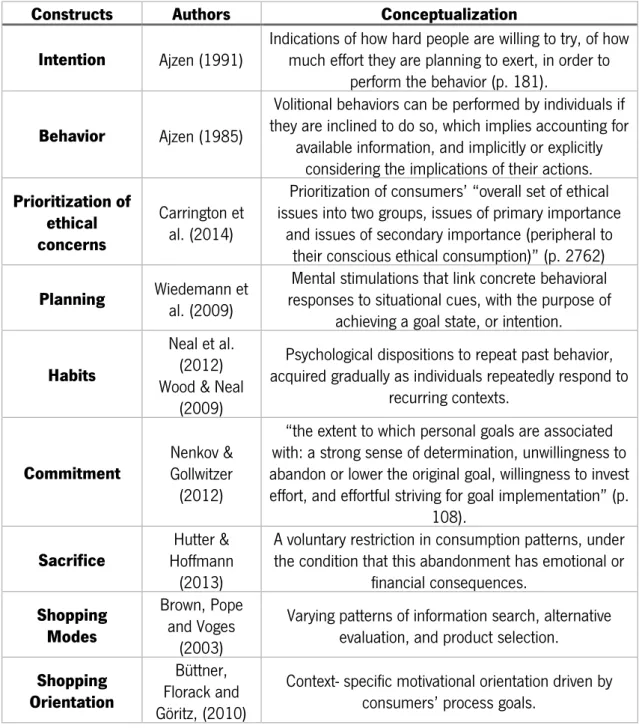
Table 3 – Conceptualization of the constructs in model of the intention-behavior gap ... 45
Table 4– Identified gaps in the literature ... 46
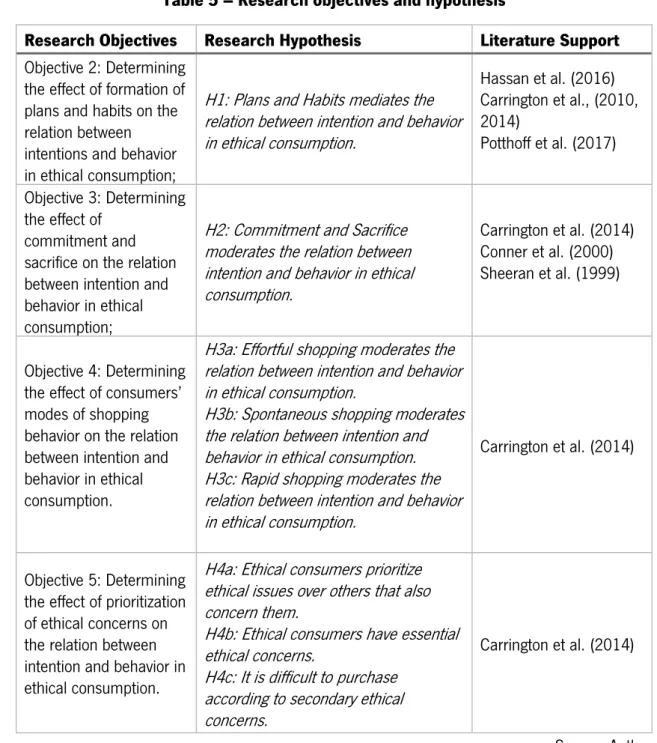
Table 5 – Research objectives and hypothesis ... 49
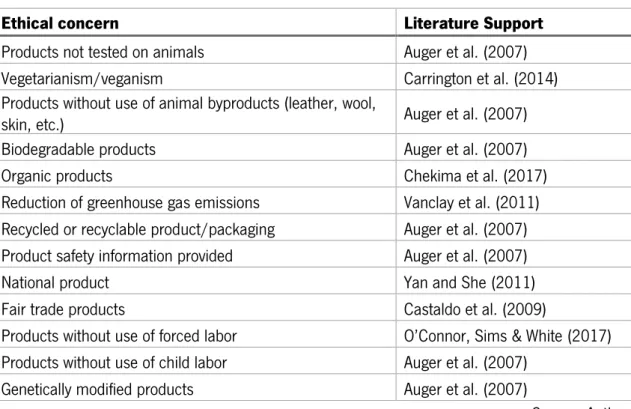
Table 6 – List of ethical concerns identified in the literature ... 55
Table 7 – Questionnaire items, in English and Portuguese ... 57
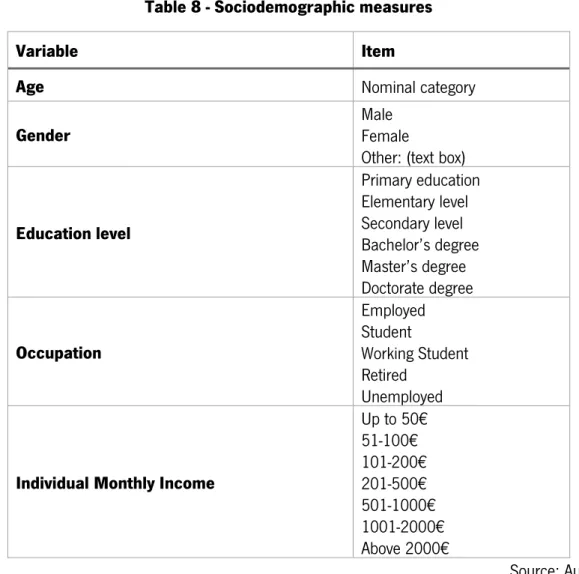
Table 8 - Sociodemographic measures ... 59
Table 9 – Hypothesis testing ... 62
Table 10 – Values of the measure of age ... 63
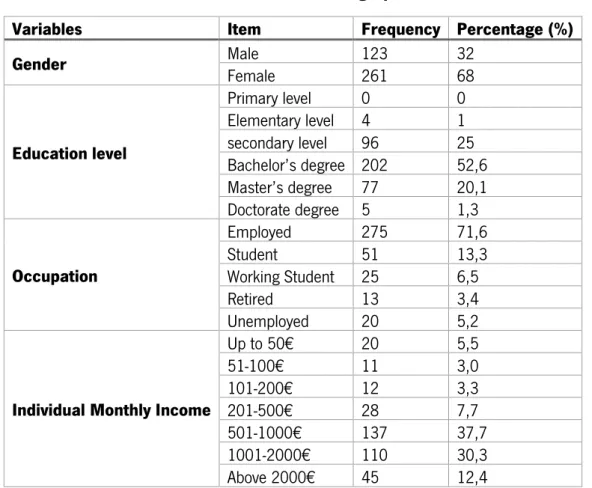
Table 11– Values of the sociodemographic measures ... 63
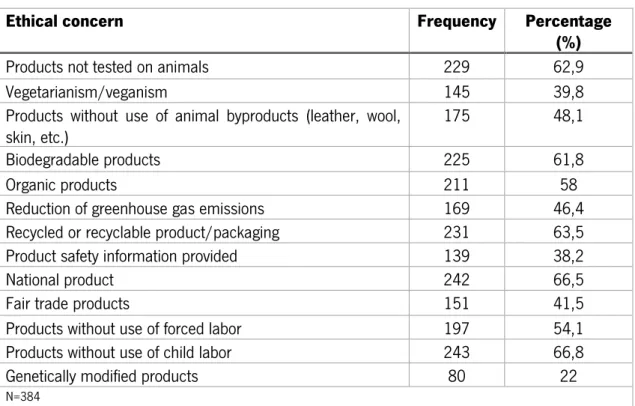
Table 12 – Values of the measure of ethical concerns ... 65
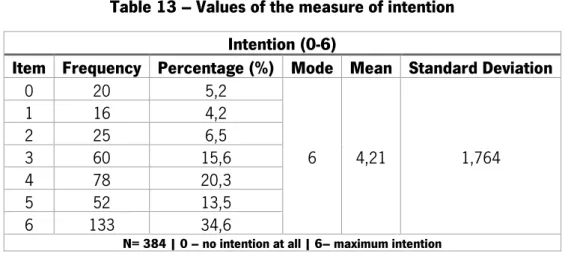
Table 13 – Values of the measure of intention ... 66
Table 14 – Values of the measure of behavior ... 66
Table 15 – Values of the measures of Plans and Habits ... 67
Table 16– Values of the measures of commitment and sacrifice ... 68
Table 17 – Values of the measure of Modes of Shopping ... 68
Table 18 – Values of the measure of prioritization of ethical concerns ... 69
Table 19 – Values of the measure of PEC and the other influencing factors ... 70
Table 20 – Values of the combined measures of Plans and Habits and Commitment and Sacrifice ... 71
Table 21 – Scale reliability and validity ... 72
Table 22 – Correlations between the variables of the model ... 73
Table 23 – Results of the proposed hypothesis ... 76
List of Abbreviations
CnSR – Consumer Social Responsibility CSR – Corporate Social Responsibility I-B gap – intention-behavior gap PEC – Prioritization of Ethical Concerns
SRCB – Socially Responsible Consumer Behavior TPB – Theory of Planned Behavior
Chapter 1 – Introduction
The present chapter introduces the chosen theme of the dissertation, as well as the motivations underlying that choice. The theoretical framework of the dissertation is briefly addressed, summarizing the main points covered in the literature review, followed by the relevance of the study. The main objectives that conduct the present research are then presented, as well as the identified gap in the literature that lead to the research. The methodological approach that will answer the proposed research questions are also address, as well as the overall structure of the dissertation.
1.1. Motivations
The motivation for the present dissertation arose from the researcher’s personal interest on the topic of social responsibility and ethical consumption. Having questioned her own actions and decisions as a consumer and attempting to make respective changes toward relying on more ethical products, the author took interest in deeply understanding ethical consumption and the difficulties in making the most ethical decisions in the day-to-day life.
This personal inclination towards the subject goes side by side with the growing relevance of Corporate Social Responsibility, which is considered an indispensable component in business activity today (Shim, Chung, & Kim, 2017). In recent decades, the focus has shifted from corporate to consumer social responsibility (Öberseder, Schlegelmilch, & Gruber, 2011; Vitell, 2015). Specifically, there is a documented need to better understand socially responsible consumers and to portray ethical consumption as a complex issue beyond the dominant environmental concern (Hassan, Shiu, & Shaw, 2016).
The urgency to advance the literature on the topic and the author’s personal inclination towards the subject constitute the main motivations for the present paper which aims to contribute to the growing knowledge of CSR and its impending development.
1.2. Theoretical Framework and Relevance of the Study
The subject of Corporate Social Responsibility (CSR) has received significant attention throughout the years, by both academics and corporate professionals (Shim & Yang, 2016; Wan,
Poon, & Yu, 2016). Many circumstances have called for greater attention to the issue in recent years, from increased environmental degradation, to corporate fiscal abuse, greater multinational power, and social inequality between countries (Martínez, Fernández, & Fernández, 2016).
Despite this focus on CSR, very few studies emphasize the role of the consumer in social responsibility (Vitell, 2015). The very existence of socially responsible consumers is crucial for CSR. Consumers’ demand for socially responsible products and services may be the best way to influence more socially responsible corporate behavior (Vitell, 2015), and therefore potentiate social responsibility as sustainable and generalized economic pillar.
Fortunately, it is not a matter of ‘if’ when it comes to consumers demanding social responsibility, as individuals have become more aware of corporate action with the proliferation of knowledge and information. Consumers do show an increasing concern with a firm’s socially responsible behavior, which is reflected in their purchase decisions (Wan et al., 2016). Where consumer trust usually resided in the functionality of the product, nowadays it extends to refraining from breaking laws or codes of conduct or from exploiting humans, animals or ecosystems (Caruana & Chatzidakis, 2014). These consumers assume many designations in the literature, as will be further discuss, but can generally be referred to as Socially Responsible Consumers. These are consumers who rely on their personal and moral beliefs to make conscious and deliberate consumption choices (Devinney, Auger, Eckhardt, & Birtchnell, 2006).
Aside from the overall improvements to the environmental or social sustainability, engaging in CSR can show benefits for both corporations and consumers. Consumers tend to have a positive attitude towards companies that engage in CSR activities (Fatma & Rahman, 2015) and are usually more satisfied with socially responsible firms (Lee & Heo, 2009). Becker-Olsen, Cudmore and Hill (2006) identify an increased purchase intention for companies that engage in CSR, while Sen and Bhattacharya (2001) identify increased consumer-company identification as positive outcomes of CSR.
Considering these benefits, it’s tempting for firms to adopt a socially responsible positioning, even those that don’t follow through with their actions, falling into corporate hypocrisy. These may be situations in which what is stated by the corporation and what is practiced is mismatched, when there is a lack of sincerity or when motives are based on self-interest (Shim & Yang, 2016). When this positioning of social involvement is perceived as insincere, consumers react by punishing the firm (Sen & Bhattacharya, 2001), denoting once more the involvement of consumers in social responsibility.
The phenomenon of corporate hypocrisy has been widely studied, specifically regarding consumer reactions to perceived wrong behavior (Arli, Grace, Palmer, & Pham, 2017). But hypocrisy in social responsibility may not be an exclusive phenomenon of corporations. Studies identify a vocal socially responsible consumer in opinion polls, with stated intentions to buy ethically, but that doesn’t translate into high demand or high market share for ethical products (De Pelsmacker, Driesen, & Rayp, 2005).
There is little doubt that the socially responsible consumer exists (Belk, Devinney, & Eckhardt, 2005), but in practice, their actions and behaviors may not be mirroring their stated ethical values (Auger & Devinney, 2007; Carrington, Neville, & Whitwell, 2014). We could be witnessing a phenomenon of consumer hypocrisy, in which attitudes and beliefs communicated by the consumer are not reflected in their purchase behavior. This could be explained by a number of factors, such as unreliability of consumer surveys, with responses being influenced by social desirability (Auger & Devinney, 2007), the identified difficulties in the moment of purchase (Carrington et al., 2014; Szmigin, Carrigan, & McEachern, 2009) or the prioritization of factors such as price and quality (Belk et al., 2005; Szmigin et al., 2009).
This mismatch of consumer beliefs and behavior is referred as the intention-behavior gap or attitude-behavior gap (Auger & Devinney, 2007; Carrigan & Attalla, 2001; Carrington et al., 2014; De Pelsmacker et al., 2005; Roberts, 1996), that is, when consumers intentions to purchase ethically don’t translate into actual buying behavior (Boulstridge & Carrigan, 2000; Castaldo, Perrini, Misani, & Tencati, 2009). Though countless studies identify and suggest the existence of this gap in ethical consumption, a lot of research is still needed, as the influencing factors of the gap, as well as its magnitude have still not been systematically examined (Hassan et al., 2016).
When it comes to further enhancing our knowledge of the influencing factors of the gap, an important contribution in the literature suggests a model of the ethical intention-behavior gap which resulted from an immersive qualitative study on responsible consumers (Carrington et al., 2014). The model considers four interrelated factors that influence the translation of ethical intention into purchase behavior, which can contribute to the identification of the reasons underlying the gap. As far as it is possible to determine, this model has not been tested quantitatively in the literature, remaining a qualitative contribution to this day. Specifically, the proposed constructs of Prioritization of ethical concerns (PEC), the merged construct of Plans and Habits, as well as the proposition that Commitment and Sacrifice and Modes of Shopping affect the ethical consumption
decisions (Carrington et al., 2014), hasn’t been examined as an integrated model that explains ethical consumption or the intention-behavior gap.
These factors considered, it is essential that the literature on Social Responsibility increasingly focuses on the role of the consumer, as stated previously. Consumers are a fundamental pillar of the market, and understanding its behavior is what ultimately connects the goals of the business to society’s needs. More specifically, brands and products with a focus on social responsibility can more easily understand the needs, difficulties or drivers of the socially responsible consumer and adjust their strategy accordingly, in order to meet those needs.
The ethical intention-behavior gap alerts to an urgent incongruency in this market. Socially responsible corporations wish to be acknowledged for their fair behavior and favored in their products and services (Vitell, 2015). On the other side, consumers increasingly wish to buy products and services that correspond to their ethical values (Han & Stoel, 2017). However, this connection often fails to be made, as evidence by the literature on the intention-behavior gap (Hassan et al., 2016), which means both parties aren’t reaping the full potential of CSR benefits.
The relevance of the study is precisely the enhancement of our understanding of the intention-behavior gap. Even when accounts for purchase intention are unbiased and based on full information, most findings don’t consider the contextual difficulties of purchasing ethically oriented products, such as competing alternatives and their prices, opportunity relating to the availability of alternatives, social norms surrounding acceptable brands or the social context in which the purchasing occurs (Devinney et al., 2006). Understanding the factors influencing the ethical intention-behavior gap would allow us to precisely identify the obstacles and difficulties found by the consumer in buying ethically, and the issues that hinder the concretization of ethical purchase (Carrington et al., 2014).
The intention-behavior gap has been proven in countless studies (Hassan et al., 2016), which means brands that have or intend to adopt a socially responsible positioning may not reap the benefits of segmenting their products to the ethical consumer (Boulstridge & Carrigan, 2000). It means that brands cannot simply rely on the existence of socially responsible consumers but must equate their difficulties or hindrances in purchasing ethically as well. This will be of extreme relevance for brands in determining the right steps to take to avoid these gaps and incentivize ethical purchase (Carrington, Neville, & Whitwell, 2010).
1.3. Objectives and Research Questions
The present dissertation seeks to advance the literature in hypocrisy of socially responsible consumption, by testing a previously published model of the influencing factors of the ethical intention-behavior gap.
The model identifies four interrelated factors that affect the intention-behavior gap: (1) the prioritization of ethical concerns, into primary and secondary, (2) the formation of plans and habits, (3) willingness to commit and sacrifice and (4) modes of shopping behavior (Carrington et al., 2014). Each of these factors are composed of actions, attitudes and/or beliefs identified by socially responsible consumers as influencing their ethical purchase behavior. As far as it is possible to determine, this model of intention-behavior gap hasn’t been quantified or tested in a quantitative method. The construct of PEC is severely understudied, Plans and Habits hasn’t been tested quantitatively, as far as it is possible to determine, and recent studies urge the intention-behavior gap to move beyond assessing the antecedents of intention and to explore further effects, such as effort and commitment (Hassan et al., 2016), both of which are contemplated in the constructs of Commitment and Sacrifice and Modes of Shopping of the proposed model.
The main purpose of the present paper is thus to test this model of intention-behavior gap on a larger sample and identify moderating or mediating effects of the proposed influencing factors of the model. This approach allows for a more detailed picture of which factors are affecting ethical purchase, either positively or negatively, and thus pinpointing the aspects that are widening or narrowing the gap.
The present study also encompasses objectives that are more specific to the model in question, which make up the study’s research questions.
• Determining if socially responsible consumers prioritize some ethical issues over others that also concern them;
• Understanding the influence of Plans and Habits on ethical purchase; • Testing the influence of Commitment and Sacrifice in purchasing ethically; • Analyzing consumers’ modes of shopping and its influence on ethical purchase.
In sum, the purpose of this research is to test the validity of the factors proposed in the model, that is, if these four factors are confirmed or denied as influencing ethical purchase behavior. The present study thus intends to analyze, in a quantitative approach, the socially responsible consumer’s behavior and detect possible incompatibilities between their ethical intention and their buying behavior.
1.4. Methodological Approach
The urgency for quantitative studies on the ethical consumer has been referenced in the literature for several years (Carrington et al., 2014; Mohr, Webb, & Harris, 2001; Szmigin et al., 2009). A recent literature review on the ethical intention-behavior gap shows that there is limited empirical evidence that quantifies this gap in ethical consumption (Hassan et al., 2016).
The present paper thus empirically tests a previously published model of the intention-behavior gap, which identifies four interrelated factors that affect the translation of intentions into behavior (Carrington et al., 2014).
The online questionnaire was the selected survey method. An online questionnaire was built based on the four interrelated influencing factors, and its measures were analyzed to uncover mediating or moderating effects between the different variables and intention and behavior. As this study attempts to portray ethical consumption in general, the survey is applicable to several issues, from environmental concerns to human and animal rights, consumer safety, among others. The quantitative analysis of the data show the presence of these moderating and mediating effects.
1.5. Structure of the Dissertation
The present dissertation is organized as follows: an introductory chapter, the literature review, the methodology, data presentation and discussion of results, and final discussion.
The introductory chapter presents the main motivations for writing the present study, and a brief theoretical framework and relevance of the study. Objectives and research goals are then presented, followed by the adopted methodological approach and structure of the dissertation.
The second chapter comprises the Literature Review, in which relevant theoretical insights from the literature on the main theme are presented and discussed. Four main topics comprise this review, namely CRS, the socially responsible consumer, hypocrisy in social responsibility and the ethical intention-behavior gap.
The next chapter focuses on the empirical investigation. We address the objectives and research questions in more detail, present the conceptual model and the adopted methods and procedures based on reviewed literature. Data collection is also discussed, as well as the sample and data analysis procedures.
A fourth chapter presents and discuss the obtained results, and the fifth and final chapter addresses final discussions, limitations, managerial implications and future research.
Chapter 2 – Literature Review
The present chapter presents the state of the art on the issues relevant to the present study. Firstly, the definitions and dimensions of Corporate Social Responsibility (CSR) are presented, as well as consumer perceptions and responses to CSR. Secondly, theoretical insights on the socially responsible consumer are analyzed, namely its definitions and conceptualizations, profile and behavior. A following topic focuses on hypocrisy in social responsibility, briefly introducing corporate hypocrisy, and addressing hypocrisy in socially responsible consumption, which leads us to the final topic, the ethical intention-behavior gap.
2.1. Corporate Social Responsibility
The present chapter addresses the main theme in which the present dissertation is supported – Corporate Social Responsibility. By firstly introducing the main definitions of the construct, as well as briefly referencing its evolution, a basic understanding of the topic is offered. The different dimensions of CSR are then presented, to better explain the differing and converging debates and frameworks of CSR. Lastly, we assess the literature for consumer perceptions and responses to CSR, a topic which will aid the integration of the consumer in CSR in later chapters.
2.1.1. Definitions and brief evolution of the concept
Though it would be appropriate to start the present topic by introducing a definition of CSR, despite many decades of research, a single and agreed definition of the construct is not found in the literature (Maignan & Ferrell, 2004; Martínez et al., 2016; Taneja, Taneja, & Gupta, 2011).
The first discussions on CSR date as early as the twentieth century, accompanying the intense increase of production of the time (Martínez et al., 2016). Academics and professionals first efforts toward social responsibility recognized the need to educate businessmen and drew attention to responsible action as a competitive model for business professionals and corporations, for example, fair wages for employees or responsible contracts in supply chains, among others (Martínez et al., 2016). But it was only in 1953 that Bowen (1953, p. 6) first introduced a definition of corporate social responsibility as ‘the obligations of businessmen to pursue those policies, to make those decisions, or to follow those lines of action which are desirable in terms of the objectives and values of our society’. The author, referred commonly as the father of CSR (Carroll,
1999; Martínez et al., 2016), recognized the influence of companies on society and highlighted their duty to improve the lives of citizens and correct social and economic imbalances (Bowen, 1953).
Soon, opinions diverged as to what CSR was or entailed, and two main schools of thought on CSR can be distinguished in the literature (Jamali & Mirshak, 2007; Schwartz & Carroll, 2003). The first perspective sees CSR as the maximization of profit, considering the boundaries of the law and ensuring minimal ethical constrains, and is defended by authors such as Friedman (1970) or Levitt (1958). The second perspective considers a wider range of obligations, duties or responsibilities, where corporations are expected to behave as ‘good citizens’ (Jamali & Mirshak, 2007) defended by Davis and Blomstrom (1975), Carroll (1979) or Epstein (1987). The first perspective, however, can be too narrowing, as maximization of profit while operating within the law closely resembles the traditional way of doing business, and doesn’t account for bigger and wider responsibilities of a moral, ethical or philanthropical nature (Jamali & Mirshak, 2007). Hence, the definitions further presented are more congruent with the second perspective.
As early as 1960, Davis puts forward an interesting viewpoint, already accounting for the impact of CSR on stakeholders’ trust, endorsement, support and respect, considered fundamental for business consolidation and success (Davis, 1960). In 1973, Davis further contributes to the definition of CSR, by stating that firms need to consider and respond to issues bigger than economic, technical or legal requirements, and proceeds to separate social responsibility from mere compliance to the law (Davis, 1973). Jones (1980) distanced CSR even further from abidance by the law, defending that the corporation’s obligations must be voluntarily adapted, and emphasizing that coercive forces obliging one to obey the law or union contract is not voluntariness.
The decades following the 1980s registered an increase in measuring, research and proposals of alternative themes for CSR, such as public policy, business ethics or stakeholder and management theories (Carroll, 1999), which reflects the broadness of the concept of CSR to this day.
Further conceptualizations of CSR started to consider stakeholders, with authors agreeing that corporations were not responsible for society in general, but only for those that affect or are affected directly or indirectly by their actions (Maignan & Ferrell, 2004). Epstein (1987) contributed significantly to the definition of CSR through stakeholder theory by defending that CSR consists of achieving outcomes from the organizational decisions for issues or problems which favor stakeholders, as opposed to adversely affecting them. By also considering obligations towards other
groups beyond shareholders, such as customers, employees, suppliers or neighboring communities, Jones (1980) was also one of the first to put forward this notion of obligation towards stakeholders.
Recognizing the company’s dual impact on society or stakeholders, Petkus and Woodruff (1992) extend the concept of CSR as doing good, while also avoiding doing harm. During this decade, Elkington (1997) greatly contributes to the literature by presenting three issues of CSR as part of its definition: people, as social responsibility; planet, as environmental responsibility; and profit, as economic responsibility.
More recent conceptualizations of CSR include the Commission of the European Communities (2002), which considers CSR as the company’s voluntary integration of social and environmental concerns in their action, as well as in its interaction with stakeholders; or a more recent and concise definition presented in 2011, as ‘the responsibility of enterprises for their impacts on society’ (European Commission, 2011, p. 6). This new definition encompasses respecting legislation and agreements and integrating concerns of social nature, as well as environmental, ethical, human rights and consumers. But it also considers the notions of doing good while avoiding doing harm, by proposing that enterprises aim to create shared value for stakeholders, while also preventing and extenuating possible adverse effects (European Commission, 2011). A summary of these definitions is presented in Table 1.
Table 1– Definitions of Corporate Social Responsibility Author Definition
Bowen (1953) CSR as an obligation of corporations to act in a manner favorable to society’s values and objectives.
Davis (1973) CSR as the consideration and response to issues beyond economic, technical or legal requirements.
Jones (1980) CSR as voluntary obligations towards shareholders and other societal groups, distinct from simply obeying the law.
Epstein (1987) CSR as achieving outcomes from the organizational decisions for issues or problems, with favorable rather than adverse effects on stakeholders.
Elkington (1997) CSR as social responsibility, environmental responsibility and economic responsibility.
Commission of the European Communities (2002)
CSR as the company’s integration of social and environmental concerns in their action, as well as in its voluntary interaction with stakeholders.
European Commission
(2011) CSR as the responsibility of enterprises for their impact on society, by aiming to create shared value for stakeholders and extenuating adverse effects.
CSR may have begun as a marginalized concept, discarded or deemed irrelevant, but it steadily transitioned to a mainstream, widely accepted subject (Lee, 2008), and a popular one (Taneja et al., 2011). Notions of CSR have gradually shifted from a choice to be moral that could create additional expenditures and hinder profits, to a strategic resource that can improve performance (McWilliams, Siegel, & Wright, 2006). Still, even after decades of research and practice, there is still not a single and agreed definition of CSR by the community of researchers and businesses (Martínez et al., 2016; Taneja et al., 2011). CSR is a complex, multifaceted subject (Cochran, 2007) and this very plethora of definitions is characteristic of the its multidisciplinary nature (Martínez et al., 2016).
The absence of a single definition and theoretical framework of CSR is one of the main limitations of the construct (Martínez et al., 2016; Taneja et al., 2011), impeding a rapid growth of the literature and even causing wrong interpretation of results (Taneja et al., 2011). To further contribute to this impending issue, CSR is expected to evolve further, adapting to modern issues of globalization and mass communication and encompassing local situations, global trends and international law (Taneja et al., 2011). This calls for a greater synergy between the contributions of the past while also considering the advances of the future.
2.1.2. Dimensions of CSR
When it comes to the dimensions of CSR, most studies are supported by Carroll’s contributions (e.g. Alvarado & Shlesinger, 2008; Arli et al., 2017; Kim, 2017; Maignan, 2001; Maignan & Ferrell, 2003; Ramasamy & Yeung, 2009; Shim et al., 2017). These refer to Carroll’s four-part definition of CSR (1979), which later translated into the pyramid of CSR (1991). Having recognized the diverging nature of past conceptualizations, and a time gap on the focus of CSR – firstly on the economical and legal dimensions, and secondly on the ethical and discretionary aspects – Carroll (1979) proposes a definition of CSR which combines all four of these dimensions. Hence, in this conceptualization, CSR operates simultaneously in economic, legal, ethical and discretionary categories, and these dimensions comprehend the different responsibilities that corporations are expected to assume (Carroll, 1979).
In 1991, this concept was revisited in a pyramid model, to better incorporate the hierarchy of the different dimensions, which can be seen in Figure 1.
Figure 1– The pyramid of Corporate Social Responsibility
Source: Carroll (1991) Other perspectives are also referenced in the literature, though not as universally as Carroll’s. Preston and Post (1975) are often cited (e.g. Garriga & Melé, 2004; Windsor, 2006; Wood & Jones, 1995) for their contribution of the CSR framework within public policy. Their perspective of public responsibility considered that businesses had a responsibility for outcomes concerning the primary and secondary areas in which they are involved (Wood, 1991), which made way for the later conceptualization of corporate social responsiveness (Wood & Jones, 1995). Wood (1991) is also cited frequently (e.g. Garriga & Melé, 2004; Jamali & Mirshak, 2007; Windsor, 2006), for her conceptualization of Corporate Social Performance, a perspective that greatly contributed to the CSR literature. This model includes principles of CSR at the institutional, organizational and individual levels; processes of social responsiveness and outcomes of the company’s responsible behavior as social impacts, programs and policies.
More recent attempts to converge the literature on CSR are disperse. Garriga and Melé (2004) propose four dimensions of CSR as instrumental, political, integrative and ethical theories; Maignan and Ferrell (2004) propose an integrative framework composed of four dimensions of CSR based on social obligations, stakeholder obligations, as ethics driven and as managerial
processes. Succeeding Carroll’s first conceptualizations (1979, 1991), a more interconnected model was later proposed by Schwartz and Carroll (2003), known as the Three-Domain Model of CSR, which considered the economic, legal and ethical domains as overlapping, which would ideally be balanced, but are likely to assume different proportions within corporations.
According to Shim et al. (2017), studies are supported in different categories to present the construct of CSR, namely strategic motivations, political motivations, altruistic motivations and self-interest of management. Another recent study found, through content analysis, six key CSR activities inherent to various firms, (1) products and services, (2) production processes, (3) environmental impact, (4) employees, (5) suppliers, and (6) geographical location (de Jong & van der Meer, 2017).
Though a variety of dimensions and perspectives can be attributed to CSR, according to Caruana and Chatzidakis (2014) there is growing consensus on a few key dimensions that underline the construct. These are essentially five dimensions which seem to be present throughout all definitions: environmental, social, economic, stakeholder and voluntariness dimensions (Dahlsrud, 2008). This variety of dimensions and motivations is characteristic of CSR, which seems to encompass more issues than addressed by the literature so far, and a growing need to adapt to future issues of an increasingly globalized world.
2.1.3. Consumer perceptions and responses to CSR
The literature on CSR soon showed interest in assessing consumers’ perceptions and responses to CSR initiatives. Consumers are, after all, a fundamental stakeholder of corporations, and their reactions to CSR activities may weigh on the corporations’ decision to engage in such activities. Consumer perceptions of CSR are not to be confused with socially responsible consumption. While the later may refer to consumer actions or inactions in the context of social responsibility, consumer perceptions of CSR relates to the importance consumers place on companies that are socially responsible (Ramasamy & Yeung, 2009).
Many authors draw attention to the prevalence in the literature of a positive relationship between CSR initiatives and consumer perceptions and responses (Alvarado-Herrera, Bigne, Aldas-Manzano, & Curras-Perez, 2017; Y. Kim, 2017; Yoon, Gürhan-Canli, & Schwarz, 2006). This seems to be the case for different relationships between consumers and corporations. For example, consumers react positively towards the company and its products when CSR engagement is shown (Brown & Dacin, 1997; David, Kline, & Dai, 2005; Dutta & Singh, 2013; Ellen, Mohr, & Webb,
2000; Foreh & Grier, 2003; Palihawadana, Oghazi, & Liu, 2016; Peloza, White, & Shang, 2013; Swaen & Chumpitaz, 2008). Reputation also plays a role in consumer perceptions of CSR. CSR has been positively associated with enhanced brand reputation (Brammer & Millington, 2005) and a positive reputation through CSR can determine consumers’ perceived quality of products and services (Swaen & Chumpitaz, 2008).
Consumer may also respond positively to CSR in the choice of products over competitors. When assessing otherwise undifferentiated products, a company’s CSR efforts may be the deciding factor in product choice over competitors (Bhattacharya & Sen, 2004). Similarly, Hasford and Farmer (2016) find that although socially responsible attributes of a product don’t affect its evaluation, it will lead to contrasting evaluations of competing products.
Consumer responses to CSR are also translated into purchase intention, and indeed, a positive link is shown between the two (Bhattacharya & Sen, 2004; Dutta & Singh, 2013; Klein & Dawar, 2004; Sen & Bhattacharya, 2001; Sen, Bhattacharya, & Korschun, 2006; Tian, Wang, & Yang, 2011). Positive CSR perceptions have been shown to positively impact purchase intention and attitudes towards the firm (Brown & Dacin, 1997; Du, Bhattacharya, & Sen, 2011; Sen & Bhattacharya, 2001; Trudel & Cotte, 2009). Though CSR is not seen as a purchasing criterion in developing countries, consumers in this context still favor the socially responsible company when price and quality are the same (Arli & Lasmono, 2010).
However, for positive perceptions and responses to emerge, several studies mention some necessary conditions. According to Bhattacharya and Sen (2004), CSR has positive impacts when consumers support the main issue of the company’s CSR actions, when a perceived high fit between the company and the cause exists, when the product is of high quality and when a premium price is not asked for social responsibility. Other studies also document the importance of these factors, for example, that a desirable consumer-company identification, as eco-friendly or socially responsible, leads to positive company evaluations (Marin & Ruiz, 2007; Sen & Bhattacharya, 2001), as well as a desire to associate with the company and a sense of belonging (Kim, 2017). CSR also shows a positive impact when consumers’ goals match the nature of the CSR (Bhattacharya & Sen, 2004; Sen & Bhattacharya, 2001; White & Simpson, 2013).
As varied as CSR issues or concerns can be, Auger, Devinney, & Louviere (2007) propose a number of issues broad enough to cover the range of ethical concerns that relate to this consumer-company identification. These issues can be summed up into (1) Environmental concerns, which entail product biodegradability, recyclable materials and packages and product
disposability; (2) Animal rights and animal by-products used; (3) Worker rights, minimum wage and living conditions, safe working conditions, and no child labor; (4) Individual rights, which entail human, sexual, gender-religious-racial rights; (5) Consumer protection, concerning safety information provided and genetically modified material usage; and (6) Labor rights.
For this positive relationship between consumers and socially responsible companies to occur, some studies show that another important precedent must be present – consumer awareness of CSR activities. Higher levels of awareness and trust of CSR are likely to increase positive corporate evaluation, associations and purchase intention (Dutta & Singh, 2013; Tian et al., 2011). Studies show that this awareness is what enables consumers to respond positively to CSR (Auger, Burke, Devinney, & Louviere, 2003; Dutta & Singh, 2013; Pomering & Dolnicar, 2009; Sen & Bhattacharya, 2001; Tian et al., 2011) or to show purchase intention (Lee & Shin, 2010; Tian et al., 2011; Wigley, 2008) and that in the absence of awareness, positive reactions are not shown (Auger et al., 2003; Pomering & Dolnicar, 2009; Tian et al., 2011). However, according to Lee et al. (2017), consumer awareness of a company’s CSR programs doesn’t necessarily translate into intention to participate in CSR activities. Public engagement is seen as essential to the implementation of CSR programs and to leverage consumer behavior (Lee et al., 2017).
Despite the majority of studies finding a positive relationship between CSR and consumer perceptions, negative perceptions or effects of CSR have also been documented. For example, if a company with a negative reputation communicates CSR, it can result in consumer skepticism (Bögel, 2016). Yoon et al. (2006) suggest that when suspicions are high, CSR campaigns can have even more negative results in the company’s image, than if no CSR activity were undertaken. But a more recent study seemed to arrive at different conclusions. By exposing consumers to continuous CSR activities, Bögel (2016) shows that even corporations with a damaged image have a better chance at regaining consumer trust after communicating CSR than in the absence of these communications.
Similarly, when CSR associations are negative, there is a detrimental effect on product evaluations, whereas positive CSR associations can favor product evaluations (Brown & Dacin, 1997). However, when strength-related attributes are emphasized in a given product category, these CSR activities can have a negative impact on attitudes and the likelihood of choice (Luchs, Naylor, Irwin, & Raghunathan, 2010).
Consumers also show more sensitivity to negative CSR than positive CSR information about a company (Sen & Bhattacharya, 2001). Consumers react negatively to negative corporate actions,
but only some consumers react positively to positive CSR information, which may contradict the generalized findings of positive responses (Sen & Bhattacharya, 2001).
Another challenge that Morsing, Schultz and Nielsen (2008) evidence is that consumers expect companies to engage in CSR, but don’t appreciate ‘loud’ communications about this engagement (e.g. Yoon et al., 2006). Also, the fact that a low level of awareness of CSR initiatives is corroborated in some studies (Ingenhoff & Sommer, 2011), or that CSR communication may not be reaching stakeholders or consumers (Morsing et al., 2008) is worrying for the success of CSR. The fact that simplified indicators of CSR and limited dimensions of the construct were used when examining consumer’s responses to CSR (Maignan & Ferrell, 2004) may have contributed to a limited understanding of the subject.
Despite some of these challenges, overall, there seems to be consensus in the literature that consumers respond favorably toward companies and their products when CSR is present (Arli & Lasmono, 2010; Beckmann, 2007; Bhattacharya & Sen, 2004; Fatma & Rahman, 2015; Kim, 2017). In fact, the majority of consumers demonstrate an interest in CSR issues (Beckmann, 2007). But it’s important to consider that some consumers are more sensitive to CSR brands than others (Wan et al., 2016) and show more awareness and knowledge of CSR activities than others (Beckmann, 2007). Given the importance of consumers in the role of CSR, the next topic will cover the main findings in the literature on the socially responsible consumer, namely its definitions, profile and behavior.
2.2. Socially Responsible Consumer
The literature on CSR is abundant (Beckmann, 2007), and the consumer aspect of social responsibility soon witnessed a growing interest (Maignan & Ferrell, 2004; Peloza & Shang, 2011; Schlaile, Klein, & Böck, 2016; Vaaland, Heide, & Grønhaug, 2008). A number of studies state an increasing concern over the environmental impacts of purchase decisions and consumption (de Barcellos, Krystallis, de Melo Saab, Kügler, & Grunert, 2011; Ma & Lee, 2012; Pedregal & Ozcaglar-Toulouse, 2011). Still, the attention given to the topic is low compared to CSR (Schlaile et al., 2016) and fairly recent, with a review of the literature, revealing the majority of studies emerging after 2009 (Fatma & Rahman, 2015). Many studies mention weak definitions and conceptualizations, or insufficient links to CSR (Caruana & Chatzidakis, 2014; Schlaile et al., 2016;
Vitell, 2015), which denotes an urgent need to advance the literature on socially responsible consumers.
In this topic, we will discuss the main definitions and conceptualizations of the socially responsible consumer found in the literature as well as its evolution in time, followed by an assessment of the socially responsible consumer profile and behavior.
2.2.1. Definitions and conceptualizations
Just a glance at the literature and the array of terminologies used to describe the type of consumer susceptible to CSR is evident. With a lot of work still required in the development of the construct, some focus should be given to its definition, which is still not widely established (Caruana & Chatzidakis, 2014; Vitell, 2015). In the present topic, we will address the multiple definitions associated with the consumer susceptible to social responsibility.
One of the first terminologies to arise in the literature was the socially conscious consumer (e.g. Anderson & Cunningham, 1972; Webster, 1975), which Webster (1975) first defined as those consumers ‘who takes into account the public consequences of his or her private consumption or who attempts to use his or her purchasing power to bring about social change’ (p. 188). Though the term socially responsible consumer wasn’t frequent, Webster already distinguished the two through empirical research, stating that it was the socially responsible consumer, and not the conscious consumer, who had internalized and was influenced by accepted social values.
Antil (1984) was one of the first works to refer to socially responsible consumer and consumption, although his definition constricts the concepts to ‘environmental-resource problems’. Building on this definition and Webster’s (1975), Roberts (1995) later defines socially responsible consumption as a practice of consumers who express social and environmental concerns through the purchase of products, which they perceive to have a positive (or less negative) impact. This definition is consistent with the concept of CSR, since it accounts for the consumer’s consideration of how their purchasing affects the well-being of other stakeholders (Villa Castaño, Perdomo-Ortiz, Dueñas Ocampo, & Durán León, 2016).
Simultaneously, the field of consumer ethics was developing, dating back to the 1980s, with studies focusing on shoplifting (Kallis, Krentler, & Vanier, 1986) or ecological consumption (Antil, 1984; Haldeman, Peters, & Tripple, 1987). Ethical consumers were best defined by Harrison, Newholm and Shaw (2005) as those who chose one product over another based on political, spiritual, religious, environmental or social motives, among others. In that sense, ethical
consumerism can be seen as ‘the conscious and deliberate decision to make certain consumption choices due to personal moral beliefs and values’ (Crane & Matten, 2004, p. 290).
Subsequent studies continued to employ the different terminologies: ethical consumer/consumption (e.g. Carrigan & Attalla, 2001; Shaw, Shiu, & Clarke, 2000; Vitell, 2003), socially responsible consumers/consumption (e.g. Antil, 1984; Janssen & Vanhamme, 2015; Roberts, 1996; Vitell, 2015), among other less frequent terminologies, such as socially conscious consumer (e.g. Castaldo et al., 2009; Szmigin et al., 2009). This demonstrates little consensus, decades later, on the designations used. In fact, early in the literature, Antil (1984) already evidenced this variety of semantics that seemed to refer to the same concept, pointing to an inconsistency in terminologies and definitions of the socially responsible consumption. Although distinctions can be made between social responsibility and ethics (see Fisher, 2004), the present study will include findings based on both terminologies, as not to exclude relevant insights, and use these terms interchangeably (e.g. Han & Stoel, 2017; Villa Castaño et al., 2016; Vitell, 2015). Since the present paper’s theoretical background is rooted in social responsibility, the dominant terminology adopted will be the socially responsible consumer and consumption.
But the disagreement of terminologies isn’t the only issue faced by this field of studies. The inconsistent scope of definitions is also referred as a problem. Some definitions are more constricted in nature, and consider only a limited range of social issues (Han & Stoel, 2017), particularly earlier ones, which seemed focused on the environment, ecological sustainability and policy implications (Schlaile et al., 2016). Other definitions, however, have a broader spectrum and account for a wider range of social and economic issues (Han & Stoel, 2017; Schlaile et al., 2016), such as environmental issues, human rights or community support (e.g. Mohr & Webb, 2005; Roberts, 1995).
One important concept that draws more directly from CSR is Consumer Social Responsibility. Devinney et al. (2006) present CnSR as “the conscious and deliberate choice to make certain consumption choices based on personal and moral beliefs” (p. 32). Based on Muncy and Vitell (1992), Vitell (2015) proposes a definition of Consumer Social Responsibility (CnSR) as the moral principles and standards that drive individual behaviors regarding the obtainment, use and disposal of goods and services.
When it comes to conceptualizations of the construct, these seem scarce. Devinney et al. (2006) mention the duality of the construct, as entailing both an ethical component and a consumerism component – the first one consists of the importance of the social components of a
company’s products and services, and the second implies the preferences and desires of consumers, which in turn increase the influence of ethical and social factors. Vitell (2015) not only proposes a valuable conceptualization, but also contributes to the distinction between consumer ethics and CnSR. The author states consumers have two major responsibilities: firstly, they have a responsibility toward other stakeholders to act ethically when purchasing, using or disposing of goods/services, which the author presents as consumer ethics; secondly, toward society as a whole, consumers have a responsibility to avoid societal harm and to act proactively for social benefit, which equally entails the purchase/use/disposal of goods/services – the author termed this CnSR (Vitell, 2015).
Because the concept of CnSR is largely unexplored, most of its scope has remained in the context of a single agent, that is, personal responsibility choices made by consumers or citizens (Caruana & Chatzidakis, 2014). Acknowledging the potential for CnSR to go beyond the ethical or socially responsible consumer and include other agents or actors, Caruana and Chatzidakis (2014) propose a multi-agent conceptualization of CnSR. This important contribution defines CnSR as “the application of instrumental, relational, and moral logics by individual, group, corporate and institutional agents seeking to influence a broad range of consumer-oriented responsibilities” (p. 578). This conceptualization defends a broader scope of CnSR beyond ethical product purchases and draws from the concept of CSR itself by entailing multiple stakeholders. Through this conceptualization, CnSR better translates and integrates the interests of the system, and can potentiate consumer society to take part in responsibility issues through their commercial relationship with corporations (Caruana & Chatzidakis, 2014). A more recent study also contributes to the theoretical advancement of CnSR, by re-conceptualizing it as a relational and shared social responsibility (Schlaile et al., 2016), contributing to a transdisciplinary theoretical understanding of the issue.
Table 2 summarizes the various conceptualizations identified and discussed in the present topic.
Table 2 – Definitions and conceptualizations of the consumer aspect of social responsibility
Terminology Definition Author
Socially conscious
consumer Consumers who consider the public consequences of their consumption and employ their purchasing power to incentivize social change.
Webster (1975)
Socially responsible consumer
Consumers who express social and environmental concerns through the purchase of products, which they perceive to have a positive (or less negative) impact.
Roberts (1995)
Ethical consumer Consumers who have “political, religious, spiritual, environmental, social or other motives for choosing one product over another”.
Harrison et al. (2005), p. 2
Consumer Social Responsibility (CnSR)
CnSR as the obtainment, use and disposal of goods and services, which consider responsibility toward other stakeholders and society as a whole.
Vitell (2015) CnSR as “the application of instrumental, relational,
and moral logics by individual, group, corporate and institutional agents seeking to influence a broad range of consumer-oriented responsibilities” (p. 578)
Caruana and Chatzidakis (2014)
Source: Author
2.2.2. Socially Responsible Consumer Profile
When studying the socially responsible consumer, some focus was given early on to its profile, with the first discussions dating back to the 1970s, using Berkowitz’s and Lutterman’s (1968) profiling of the “traditional socially responsible personality” as reference (Beckmann, 2007). Antil (1984), Leigh, Murphy and Enis (1988) and Roberts (1995) are some of the works that best contributed to socially responsible consumer profiling by the development of measurement scales and exploration of related demographics and attitudes. However, the difficulty in profiling these consumers is often referenced (Auger et al., 2003; Hustad & Pessemier, 1973; Mohr et al., 2001; Roberts, 1995, 1996).
Studies account for small percentages of socially responsible consumers, making up around 30% of samples (Roberts, 1996; Vermeir & Verbeke, 2006). Unlike the average consumer, which can be segmented through demographics alone, this doesn’t seem to be effective in identifying the socially responsible consumer (Diamantopoulos, Schlegelmilch, Sinkovics, & Bohlen, 2003; Roberts, 1995; Vermeir & Verbeke, 2006).
When attempting to segment consumers who might respond to responsible marketing efforts, the focus was firstly on demographics, and secondly on sociographic and psychographic aspects (Anderson & Cunningham, 1972; Brooker, 1976; Kinnear & Taylor, 1973; Kinnear, Taylor, & Ahmed, 1974; Mayer, 1976; Scherhorn & Grunert, 1988; Webster, 1975).
Still, some assertions can be made about this type of consumer, with some studies agreeing that they are generally middle-aged, with high income, highly educated and informed
consumers (Carrigan & Attalla, 2001; Roberts, 1996), and that ethical decision-making doesn’t seem to be influenced by gender (MORI, 2000; Sikula & Costa, 1994; Tsalikis & Ortiz-Buonafina, 1990). Auger et al. (2003) found that demographic variables, such as age, gender, lifestyle, ethnicity and others, appear to be useful in segmenting socially responsible consumers, which is inconsistent with most literature. A more recent work, however, showed no influence of gender or age, but still accounts for income, university education and country of origin as possible predictors of social responsibility in consumers (Auger et al., 2007).
Overall, there seems to be consensus that when profiling socially responsible consumers, psychographic variables are better predictors than demographic variables (Dickson, 2001; Roberts, 1996; Robinson & Smith, 2002; Webster, 1975). This means that finding the socially responsible consumer is more effective when assessing attitudes, values, beliefs, personality traits or behaviors (Roberts, 1996; Robinson & Smith, 2002). For example, socially responsible consumers tend to have stronger feelings of obligation and accountability for others, which in turn influences their purchase decisions (Shaw & Clarke, 1998). Roberts (1995) finds socially responsible consumers to be more liberal, more environmentally concerned and with higher perceived consumer effectiveness, that is, the belief that one’s individual choices as consumer influence environmental problems. Other traits that are associated with ethical behavior of consumers are dogmatism, conservatism, cosmopolitanism, status consciousness (Anderson & Cunningham, 1972), altruism (Koschate-Fischer, Stefan, & Hoyer, 2012) and greater social consciousness (Auger, Devinney, Louviere, & Burke, 2008). However, the literature on these value systems and socially responsible consumers seems disperse, and there is a need to systematically relate them (De Pelsmacker et al., 2005).
Öberseder et al. (2011) present personal concerns as a core factor in ethical consumption. These personal concerns are subjective and comprise the attitudes consumers have toward CSR initiatives, such as child labor, fair wages, fair trade, environmentally friendly behavior, organic products, etc. Auger et al. (2007) found that different nationalities can be linked to different ethical concerns, showing heterogeneity of socially responsible consumers across cultures (Auger et al., 2007).
One study assessing consumer purchase of fair trade coffee, identified clusters of consumers based on preferences (De Pelsmacker et al., 2005). Though four clusters were identified, only two, the fair-trade lovers and fair-trade likers, show influence of social responsibility, as the other two groups purchase criteria fell on flavor and brand.
Since most early works found psychographic and sociographic characteristics to be more effective in identifying socially responsible consumers than demographic, the focus from these earlier works shifted from consumer profiling, to evaluations of CSR based on consumers’ cognitive, affective and behavioral responses (Alvarado-Herrera et al., 2017).
2.2.3. Socially Responsible Consumer Behavior
Ethical consumerism, as previously addressed, encompasses both an ethical component, evidenced in the company’s strategy and main values of focus (e.g., environmental protectionism, labor practices, animal rights, etc.) and a consumerism component, shaped by complex desires and preferences (Auger et al., 2008). In the present topic, we focus on the behavior of socially responsible consumers, and the factors that mold the enactment of ethical consumption.
Moral, social and environmental concerns started influencing behaviors in every stage of consumption (Yan & She, 2011). Some studies thus put forward definitions of socially responsible consumer behavior (hereinafter referred as SRCB). Mohr et al. (2001) build on Webster’s (1975) definition of the socially conscious consumer, which the authors consider compatible with the definition of CSR, and present SRCB as the ‘acquisition, usage and disposition of products based on a desire to minimize or eliminate any harmful effects and maximize the long-run beneficial impact on society’ (p. 47). The authors underline that SRCB requires the inclusion of CSR as an influencer of consumers’ consumption patterns.
Ethical consumer behavior, which was defined by Cooper-Martin and Holbrook (1993) refers to the consumer’s decisions-making, purchase or consumption experiences that are affected by their ethical concerns. Yan and She (2011) define it as the ‘recognition of long-term interests for society and the country as a whole in each stage of consumption’ (p. 260), a definition which considers geographic dimensions, such as national values. Heidbrink and Schmidt (2011; cited in Schlaile et al., 2016) define responsible consumer action as the act of consumption which prioritizes social and natural environment concerns as well as of the own well-being. It was also presented by François-Lecompte and Roberts (2006) as those consumer behaviors perceived to have a positive or less negative impact, which use purchasing power to express social concerns.
Definitions are close to that of socially responsible consumers/or consumption, but some authors reveal the link of CSR to consumer behavior is undertheorized, lacking in homogenous conceptualizations or in measurement instruments that can corroborate the reliability and validity of the scales used (Alvarado-Herrera et al., 2017; Green & Peloza, 2011).
When it comes to understanding SRCB, many research directions can be taken. Though one of the dimensions of consumer ethics and behavior is illegality or passive benefit from “wrong” situations, such as not reporting receiving too much change, copying computer software or buying counterfeit goods instead of the original products (Vitell, 2015) such analysis is beyond the scope of the present paper. Since much of the SRCB can be linked to or explained by the stages of decision-making process (Beckmann, 2007; Caruana & Chatzidakis, 2014; Fatma & Rahman, 2015) we will focus on these identified processes to further examine SCRB.
The stage of need recognition encompasses awareness, knowledge and perception of CSR activities (Fatma & Rahman, 2015). In this context, awareness and interest in CSR act as additional product attributes, based on the consumers’ value systems (Beckmann, 2007). However, assessments of this awareness in the literature point to contradictions. Some studies find that consumers are indeed aware and interested in CSR and use it as purchase criteria (Dawkins & Lewis, 2003; Handelman & Arnold, 1999), while others show that there is a lack of awareness, concern or knowledge about CSR (Auger et al., 2003; Beckmann, 2007; Belk et al., 2005). Understanding this phenomenon is important since awareness needs to be present for CSR to produce positive effects (Tian et al., 2011).
The next stage, information search and evaluation of alternatives, is influenced by the consumers’ attitudes and beliefs about the product, brand or company, which in turn are influenced by personal, commercial and non-commercial sources of information (Beckmann, 2007). Unlike the average consumer, who only seeks out information in complex decision environments, the socially responsible consumer seeks out information about products or manufacturers regardless of said complexity (Cherrier, 2007). Overall, consumers have a positive attitude toward brands and companies that engage in CSR (Ellen, Mohr, & Webb, 2006; Fatma & Rahman, 2015; Lichtenstein, Drumwright, & Braig, 2004) but other factors can impact consumer attitudes. These could be company or brand reputation (Albinger & Freeman, 2000; Arli et al., 2017; Brammer & Millington, 2005; Greening & Turban, 2000) distinction between proactive or reactive CSR initiatives (Groza, Pronschinske, & Walker, 2011; Lin, Chen, Chiu, & Lee, 2011), the company-cause fit (Bhattacharya & Sen, 2004), the consumer’s identification with the cause (Lichtenstein et al., 2004; Sen & Bhattacharya, 2001), consumer skepticism or cynicism about communications of CSR (Mohr et al., 2001; Skarmeas & Leonidou, 2013), product quality (Sen & Bhattacharya, 2001) and price (Mohr & Webb, 2005). Similarly, the link between expressed opinions and actual consumer choices is weak (Beckmann, 2007).