Reproductive activity and biochemical composition of
the pullet carpet shell Venerupis senegalensis (Gmelin,
1791) (Mollusca: Bivalvia) from Ria de Aveiro
(northwestern coast of Portugal)
SANDRA JOAQUIM
1, DOMITÍLIA MATIAS
1, ANA MARGARETE MATIAS
1,
PAULA MOURA
1, WILLIAM S. ARNOLD
2, LUÍS CHÍCHARO
3and MIGUEL BAPTISTA GASPAR
11 Instituto Nacional de Recursos Biológicos, L-IPIMAR, Av. 5 de Outubro s/n, 8700 305 Olhão, Portugal.
E-mail: [email protected]
2 NOAA/NMFS Southeast Regional Office, 263 13th Avenue South St. Petersburg, FL 33701, U.S.A. 3 Universidade do Algarve, Centro de Ciências do Mar (CCMAR), Campus de Gambelas, P-8005-139 Faro, Portugal.
SUMMARY: The present study characterizes the reproductive cycle of Venerupis senegalensis (=V. pullastra) from Ria de Aveiro (Portugal) as well as its nutrient storage and exploitation strategy. The reproductive cycle followed a seasonal cycle that correlated negatively with sea surface temperature, and comprised a ripe stage in winter followed by a spawning period that began in late winter and ended in the early summer. This extended spawning may be an advantageous strategy for the species because it ensures a continuous supply of settlers. Gametogenesis began in late summer/early autumn and intensified with the decrease in temperature during autumn. The condition index increased even during the spawning period, which indicates that there is rapid recovery and that reserves are accumulated during late summer and used later in the gametogenic process. Proteins did not contribute significantly to gametogenesis and the glycogen pattern is typical of conservative species, since gametogenesis depends largely on the amount of glycogen stored. The lipid storage and utilization cycle showed that gametogenesis took place in autumn/winter and that energy reserves were accumulated in summer.
Keywords: pullet carpet shell, Venerupis senegalensis, biochemical composition, condition index, reproductive cycle. RESUMEN: Actividad reproductiva y composición bioquímica de la almeja babosa Venerupissenegalensis(Gmelin,
1791) (Mollusca: Bivalvia) de la Ría de Aveiro (costa noroeste de Portugal). – El presente estudio caracteriza el ciclo reproductivo de Venerupis senegalensis (= V. pullastra) en la Ría de Aveiro (Portugal) así como su estrategia de almacenamiento y explotación de los nutrientes. El ciclo reproductivo de esta especie sigue un ciclo estacional que se correlaciona negativamente con la temperatura del agua del mar, que coincide con un estado de madurez en el invierno, seguido de un periodo de desove que se inicia a finales de invierno y termina a principios del verano. Este periodo de puesta prolongado puede ser una estrategia ventajosa para la especie, ya que garantiza un suministro continuo de larvas. La gametogénesis comenzó a finales del verano/inicios de otoño y se intensificó con la disminución de la temperatura durante el otoño. El aumento del índice de condición, todavía durante la puesta, indica una recuperación rápida y una acumulación de reservas a finales del verano, que serán utilizadas en el siguiente proceso de gametogénesis. Las proteínas no contribuyen significativamente a la gametogénesis y el ciclo de glucógeno es típico de las especies conservadoras, una vez que la gametogénesis depende, en gran medida, de la cantidad de glucógeno almacenado. El almacenamiento de lípidos y su utilización indica la gametogénesis en el otoño/invierno, así como el proceso de acumulación de energía en verano.
Palabras clave: almeja babosa, Venerupis senegalensis, composición bioquímica, índice de condición, ciclo reproductivo.
ISSN: 0214-8358
doi: 10.3989/scimar.2011.75n2217
INTRODUCTION
Venerupis senegalensis
(=V. pullastra) is
com-mercially exploited in Portugal, Spain, France and
Italy (FAO, 2006-2010). Presently in mainland
Por-tugal, V. senegalensis is most abundant in the Ria de
Aveiro lagoon on the west coast, although Maia et
al.
(2006) reported that between 2001 and 2006 this
population declined due to overfishing and
recruit-ment failure. This species was also once abundant in
the Ria Formosa lagoon; however, in the early 1980s
these populations declined dramatically for the same
reasons (Massapina and Arrobas, 1991). This not
only threatened the sustainability of the fishery, but
also compromised the productive potential of both
of these important lagoonal ecosystems (Joaquim et
al.
, 2008a). An active intervention may be necessary
not only to restore stocks to reproductive viability in
both Ria de Aveiro and Ria Formosa, but also to
pro-vide alternative or complementary products for the
shellfish aquaculture industry. Intensive hatchery
production of juveniles will therefore be necessary.
However, inherent physiological variability among
bivalve larvae can always be expected in production
situations (Massapina et al., 1999), and
understand-ing the source of this variability is crucial for
reduc-ing it. Broodstock condition is an important factor
that contributes to this variability (Magnesen and
Christophersen, 2008). The relationship between the
reproductive cycle and energy storage and
utiliza-tion cycles has already been reported by several
au-thors for a wide variety of bivalves (e.g. Barber and
Blake, 1981; Fernandez Castro and Vido de Mattio,
1987; Massapina et al., 1999; Pérez-Camacho et
al.
, 2003). In general, reserves accumulate prior to
gametogenesis in the form of glycogen, lipid and
protein substrates, and are used in the production of
gametes when metabolic demand is high (Mathieu
and Lubet, 1993). Previous works have studied the
reproduction of V. senegalensis (Villalba et al., 1993;
Maia et al., 2006; Cerviño-Otero et al., 2007a) and
its biochemical composition (Alvarez-Seoane, 1960;
Gonzalez, 1975; Albentosa et al., 2007).
Neverthe-less, the reproductive cycle is influenced by local
en-vironmental conditions such as food availability and
temperature (e.g. Gabbott, 1976; Pérez-Camacho et
al.
, 2003). Therefore, understanding the natural
re-productive cycle of V. senegalensis is essential for
establishing successful hatchery-based production.
Maia et al. (2006) reported the reproductive cycle of
a Ria de Aveiro population of V. senegalensis;
how-ever, no information on the relationship between the
reproductive cycle and biochemical composition
was provided.
In the present study we characterize the
reproduc-tive cycle of V. senegalensis from the Ria de Aveiro,
including patterns of nutrient storage and utilization.
This information could be useful in the future for
both the aquaculture production of this species and
for implementing programs to enhance and restore
natural stocks to reproductive viability.
MATERIALS AND METHODS
Collection of samples
Adult specimens of Venerupis senegalensis were
collected fortnightly during 2006 and 2007 by
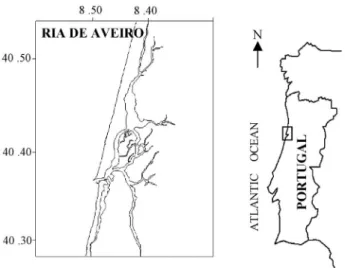
lo-cal dredgers from a site in Ria de Aveiro (40°42
′
N;
08°40
′
W, western Portugal; Fig. 1) at water depths
ranging from 4 to 8 m. Monthly sea surface
tempera-ture (SST) data were measured with a YSI
multipa-rameter probe (Model 556 MPS).
Laboratory analysis
The laboratory analyses were only performed for
standard animals with a shell length ranging from 36
to 38 mm to avoid the influence of growth, and thus
minimize bias from increasing somatic weight and
focus on the accumulation or loss of organic matter
associated with reproduction (Beninger and Lucas,
1984). In the laboratory, clams were placed in 0.45
μm-filtered seawater at 20°C for 24 h to purge their
stomachs before histological, condition index and
biochemical analyses. Following the 24 h purging
period, each clam was dissected and the wet soft
tis-sue weight was determined on a top-loading digital
balance (precision of 0.01 g) after 15 minutes on a
sloped plane covered with absorbent paper.
Histology
Ten males and ten females from each fortnightly
sample were examined histologically to ascertain
go-nadal development. The visceral mass was separated
from siphons and gills and fixed in San Felice
solu-tion for 24 h, then transferred to 70% ethyl alcohol
(ETOH) for storage. For microscopic examination,
tissues from these samples were dehydrated with
se-rial dilutions of alcohol and embedded in paraffin.
Thick sections (6-8 μm) were cut on a microtome
and stained with haematoxylin and eosin. The
his-tologically prepared slides were examined using a
microscope at 40× magnification and each specimen
was assigned to a stage which represented the gonad
condition. Clam reproductive maturity was
catego-rized into six stages using the gametogenic scale
proposed by Gaspar and Monteiro (1998):
Inactive.
Sexes are indistinguishable
micro-scopically due to the total absence of follicles and
gametes.
Early active.
The connective tissue is abundant
and the size of follicles is small. In females the
oocytes are attached to the basal membrane by the
stalk. In males spermatocytes proliferate toward the
lumina.
Late active.
Interfollicular connective tissue
scarce. Follicles become larger. In females most
oocytes are free in the lumina while some are still
at-tached to the basal membrane. Appearance of sperm
in the lumina, which form weak columns with tails
orientated toward the centre.
Ripe.
The connective tissue has been replaced by
follicles that are full of ripe gametes. In females the
oocyte tale is oval or polygonal shape and in males
the lumina are packed with spermatozoa.
Partially spawned.
The gametes are discharged.
Depending on the degree of spawning the follicles
are more or less empty. The follicle walls are
bro-ken. There are many empty spaces between and
within the follicles.
Spent.
Abundant interfollicular connective tissue.
Occasional residual sperm or oocytes present.
When more than one developmental stage
oc-curred simultaneously within a single individual,
the staging criteria was based on the condition of
the majority of the section. For each of the stages a
numerical ranking was assigned as follows: inactive
(0); early active (3); late active (4); ripe (5); partially
spawned (2); spent (1). A mean gonad index (GI)
was then calculated using the method proposed by
Seed (1976):
GI = ∑ ind. each stage × stage ranking
total ind. each month
The GI ranged from 0 (all individuals in the
sam-ple are resting) to 5 (all individuals are ripe).
Condition index
Dry soft tissues and shell weights of 20 clams from
each sample were determined after oven drying at 80°C
for 24 h. Soft tissue samples were then ashed at 450°C
in a muffle furnace, the ash weight was determined and
the organic matter weight calculated as the ash-free dry
soft-tissue weight (AFDW). The condition index (CI)
was calculated according to Walne and Mann (1975):
CI =
ash free dry weight (mg)
× 100
dry shell weight (mg)
Biochemical composition
The soft tissue of five clams of each fortnightly
sample was frozen and stored at −20°C for biochemical
analyses. For each specimen, protein was determined
using the modified Lowry method (Shakir et al., 1994),
glycogen content was determined from dried (80°C for
24 h) homogenate using the anthrone reagent (Viles and
Silverman, 1949) and total lipids were extracted from
fresh homogenized material in chloroform/methanol
(Folch et al., 1957) and estimated spectrophometrically
after charring with concentrated sulphuric acid (Marsh
and Weinstein, 1966). Duplicate determinations were
performed in all cases and values were expressed as a
percentage of AFDW. The caloric content of protein,
lipid and carbohydrates in tissues was calculated using
the factors 17.9 kJ g
−1(Beukema and De Bruin, 1979),
33 kJ g
−1(Beninger and Lucas, 1984) and 17.2 kJ g
−1(Paine, 1971) respectively.
Statistics
Significant differences in the condition index,
biochemical composition and histological parameters
during the study period were tested using one-way
ANOVA. Whenever the assumptions of analysis of
variance were not met, the Kruskal–Wallis ANOVA
on ranks test was performed. Prior to any analyses,
percentage data were arcsine transformed to
normal-ize variance (Sokal and Rohlf, 1981). Multiple
pair-wise comparisons were performed using the post-hoc
parametric Tukey test or the non-parametric Dunn’s
test in order to detect significant differences between
fortnightly consecutive samples. The Spearman
cor-relation coefficient was used to determine the degree
of association between parameters. The statistical
analyses were undertaken using the SIGMASTAT 3.11
statistical package.
RESULTS
Temperature
The evolution of the monthly SST during the
exper-imental period in Ria de Aveiro is presented in Figure
2. A seasonal cycle in SST was observed, and ranged
between 11.7 in February 06 and 20.7ºC in May 07.
Gametogenic cycle
The sexes were clearly separated and no
hermaph-rodites were found. Both sexes generally showed
syn-chronism in gonadal development. The reproductive
cycle of V. senegalensis was characterized by a
sea-sonal pattern (Fig. 3). The GI was negatively correlated
with SST (Spearman’s r=−0.65, P<0.001) (Table 1).
The onset of the gametogenic cycle occurred in
Octo-ber 06 and August 07; however, there was a short
inac-tive period (the maximum sexual inactivity, 70%, was
observed in August 07). The development of gametes
intensified during the autumn, which coincided with the
decrease in SST. Spawning began in winter, intensified
during spring as SST increased, and continued until
August. However, in summer most of the population
had already spawned and was inactive. Nevertheless,
in spite of the seasonal pattern, V. senegalensis did not
show continuous gonad development, in which stages
would occur sequentially, especially during the
spawn-Fig. 2. – Monthly values of sea surface temperature (SST) in Ria de Aveiro from February 2006 to November 2007.
Table 1. – Results of Spearman correlation between studied parameters (r, correlation coefficient, P, P value, n.c., no correlation was found) Gonad index Condition index Proteins Total lipids Glycogen Total energy Temperature r= –0.65 P<0.001 r=0.55 P=0.01 r= –0.65 P<0.001 n.c. n.c. r= –0.65 P<0.001 Gonad index r= –0.65 P<0.001 n.c. n.c. r= –0.65 P<0.001 n.c. Condition index r= –0.74 P<0.001 n.c. r=0.71 P<0.001 n.c. Proteins n.c. n.c. r=0.57 P<0.01 Total lipids r=0.54 P=0.01 r=0.53 P=0.01 Glycogen n.c.
ing period. For example, in late March 06, about 60%
of males were in the “ripe” stage whereas the
remain-ing males were “partially spawned”. In the followremain-ing
sample, 60% of the population restarted gametogenesis
with the development of new gametes, whereas 40%
of the population remained in the “ripe” stage. This
phenomenon occurred in both study years and for both
males and females, and can be observed in the series
of alternating increases and decreases in the GI (Fig.
4) during the spawning period. Indeed, in microscopic
examinations of the gonadal tissues it was common to
observe different stages of gonadal development in the
same individual (Fig. 5), which indicates simultaneous
spawning and recovery of the gonad. The gonad
in-dex followed the same pattern as gonad development;
no significant differences in GI were found between
sexes (ANOVA, P=0.877) or between years (ANOVA,
P=0.073).
Condition index
The condition index showed statistically significant
differences among samples (K-W., H=689.0, d.f.=33,
P<0.001) but not between years (K-W., H=2.7, d.f.=1,
P=0.102). SST was positively correlated with CI
(Spearman’s r=0.55, P=0.01). Between early
Febru-ary and late March, CI decreased with the beginning
of spawning. After early May 06 and in May 07, this
index generally trended upward until late September
06 and early October 07 respectively, which
corre-sponded to the maximum SST. Exceptions were found
between late May and early July 06 and in late August
07, when the CI decreased slightly (Fig. 6). After late
September 06, the CI generally decreased until late
January 07 (with the exceptions of early November 06)
following the temperature trend and the increase in the
mean gonad index. The highest CI value (18.09±3.37)
was registered in late September 06. In that month, the
majority of clams (both males and females) were in
the “spent” or “inactive” stage. The CI was negatively
correlated with the GI (Spearman’s r=−0.65, P<0.001)
(Table 1).
Biochemical composition
Proteins were the predominant dry tissue
constitu-ent of the clams followed by total lipids and glycogen
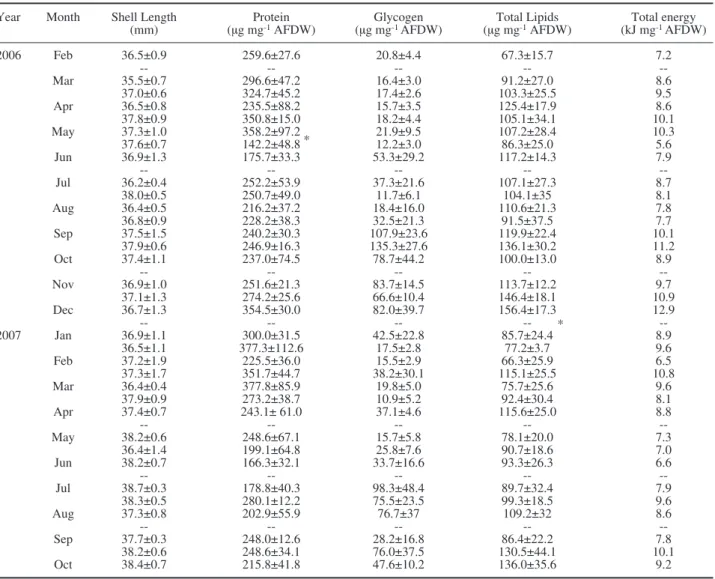
(Table 2). The highest protein content value was
re-corded in early March 07 (377.8±85.9 μg mg
−1AFDW)
and the lowest in late May 06 (142.2±48.8 μg mg
−1AFDW). Protein content was inversely correlated
with SST (Spearman’s r=−0.65, P<0.001) and with CI
(Spearman’s r=−0.74, P<0.001) (Table 1). Glycogen
was generally low and stable between February and
May of both years (Table 2), and increased until early
July in 2007 but between late July and late September
in 2006. The lowest glycogen value (10.9±5.2 μg mg
−1AFDW) was observed in late March 07 and the
high-est in late September 06 (135.3±27.6 μg mg
−1AFDW).
After that, the glycogen content decreased until the
end of the year. Glycogen was positively correlated
(Spearman’s r=0.71, P<0.001) with CI and total lipids
(Spearman’s r=0.54, P=0.01) and negatively correlated
(Spearman’s r=-0.65, P<0.001) with the GI (Table 1).
The lowest (66.3±25.9 μg mg
−1AFDW) and the
high-est (156.4±17.3 μg mg
−1AFDW) total lipid values
were reached in early February 07 and early
Decem-Fig. 4. – Gonad index (GI) of V. senegalensis during the experi-mental period.
Fig. 5. – Detail of different stages of gonadal development coexist-Detail of different stages of gonadal development coexist-ing in the same V. senegalensis individual. A, early/late active; B,
spent.
Fig. 6. – Mean condition index (± S.D.) in V. senegalensis dur-ing the experimental period (* statistically significant differences,
ber 06 respectively (Table 2). Proteins and total lipids
contributed most to the total energy content (proteins:
Spearman’s r=0.57, P<0.01; total lipids: Spearman’s
r=0.53, P=0.01) (Table 1). Statistically significant
dif-ferences among sampling periods were observed for all
the biochemical constituents (proteins: K-W., H=160.2,
d.f
.=33, P<0.001; glycogen: K-W., H=223.7, d.f.=33,
P<0.001; total lipids: K-W., H=133.6, d.f.=33, P<0.001;
total energy: K-W., H=147.2, d.f.=33, P<0.001). No
significant differences were observed between years
for proteins (K-W., H=1.0 d.f.=1, P=0.306) and
gly-cogen (K-W, H=0.04, d.f.=1, P=0.843); however,
to-tal lipids (ANOVA P<0.001) and toto-tal energy (K-W,
H=4.9, d.f.=1, P<0.05) showed significant differences
between 2006 and 2007.
DISCUSSION
The reproductive cycle of bivalves is controlled
by the interaction between environmental and
endog-enous factors (Normand et al., 2008). In this study,
gametogenesis of V. senegalensis was significantly
influenced by water temperature, as has been
previ-ously reported for several other bivalve species (e.g.
Gabbott, 1976; Xie and Burnell 1994; Albentosa et al.,
2007). The seasonal SST pattern in Ria de Aveiro was
characterized by relatively low temperatures during the
winter that increased during early spring, stabilized in
summer, and decreased in late autumn. The
reproduc-tive cycle of this species followed a seasonal cycle that
correlated negatively with SST. It comprised a ripe
stage in winter followed by an extended spawning
pe-riod that began in late winter, was triggered by the rise
of SST in spring and continued throughout the summer.
A similar prolonged reproductive cycle was described
by Villalba et al. (1993) for a population of V.
senega-lensis
from Galicia (Spain) and for the Ria de Aveiro
population by Maia et al. (2006). Moreover,
Cerviño-Otero et al. (2007a) observed ripe and spawning stages
throughout the year for a population from the O Grove
(SW of Galicia). Extended spawning seems to be an
advantageous reproductive strategy for the species
be-Table 2. – Mean values (±sd) of shell length (mm), proteins, glycogen, total lipids (μg mg-1 AFDW) and total energy (kJ g-1 AFDW) of V.
senegalensis during the experimental period (* statistically significant differences, P<0.05 found between consecutive months). Year Month Shell Length Protein Glycogen Total Lipids Total energy (mm) (μg mg-1 AFDW) (μg mg-1 AFDW) (μg mg-1 AFDW) (kJ mg-1 AFDW)
2006 Feb 36.5±0.9 259.6±27.6 20.8±4.4 67.3±15.7 7.2 -- -- -- -- Mar 35.5±0.7 296.6±47.2 16.4±3.0 91.2±27.0 8.6 37.0±0.6 324.7±45.2 17.4±2.6 103.3±25.5 9.5 Apr 36.5±0.8 235.5±88.2 15.7±3.5 125.4±17.9 8.6 37.8±0.9 350.8±15.0 18.2±4.4 105.1±34.1 10.1 May 37.3±1.0 358.2±97.2 21.9±9.5 107.2±28.4 10.3 37.6±0.7 142.2±48.8 * 12.2±3.0 86.3±25.0 5.6 Jun 36.9±1.3 175.7±33.3 53.3±29.2 117.2±14.3 7.9 -- -- -- -- Jul 36.2±0.4 252.2±53.9 37.3±21.6 107.1±27.3 8.7 38.0±0.5 250.7±49.0 11.7±6.1 104.1±35 8.1 Aug 36.4±0.5 216.2±37.2 18.4±16.0 110.6±21.3 7.8 36.8±0.9 228.2±38.3 32.5±21.3 91.5±37.5 7.7 Sep 37.5±1.5 240.2±30.3 107.9±23.6 119.9±22.4 10.1 37.9±0.6 246.9±16.3 135.3±27.6 136.1±30.2 11.2 Oct 37.4±1.1 237.0±74.5 78.7±44.2 100.0±13.0 8.9 -- -- -- -- Nov 36.9±1.0 251.6±21.3 83.7±14.5 113.7±12.2 9.7 37.1±1.3 274.2±25.6 66.6±10.4 146.4±18.1 10.9 Dec 36.7±1.3 354.5±30.0 82.0±39.7 156.4±17.3 12.9 -- -- -- -- * --2007 Jan 36.9±1.1 300.0±31.5 42.5±22.8 85.7±24.4 8.9 36.5±1.1 377.3±112.6 17.5±2.8 77.2±3.7 9.6 Feb 37.2±1.9 225.5±36.0 15.5±2.9 66.3±25.9 6.5 37.3±1.7 351.7±44.7 38.2±30.1 115.1±25.5 10.8 Mar 36.4±0.4 377.8±85.9 19.8±5.0 75.7±25.6 9.6 37.9±0.9 273.2±38.7 10.9±5.2 92.4±30.4 8.1 Apr 37.4±0.7 243.1± 61.0 37.1±4.6 115.6±25.0 8.8 -- -- -- -- May 38.2±0.6 248.6±67.1 15.7±5.8 78.1±20.0 7.3 36.4±1.4 199.1±64.8 25.8±7.6 90.7±18.6 7.0 Jun 38.2±0.7 166.3±32.1 33.7±16.6 93.3±26.3 6.6 -- -- -- -- Jul 38.7±0.3 178.8±40.3 98.3±48.4 89.7±32.4 7.9 38.3±0.5 280.1±12.2 75.5±23.5 99.3±18.5 9.6 Aug 37.3±0.8 202.9±55.9 76.7±37 109.2±32 8.6 -- -- -- -- Sep 37.7±0.3 248.0±12.6 28.2±16.8 86.4±22.2 7.8 38.2±0.6 248.6±34.1 76.0±37.5 130.5±44.1 10.1 Oct 38.4±0.7 215.8±41.8 47.6±10.2 136.0±35.6 9.2
cause it ensures a continuous supply of settling larvae.
Indeed, histological analyses showed gonias, maturing
gametocytes and variable proportions of fully matured
gametes simultaneously in the same individual. There
was high intra-individual variation in gonadal
matura-tion both in females and males. This phenomenon was
reflected in the sequential development of gonadal
stages, especially during the spawning period, when
most of the population was “partially spawned” on a
given sample date but had reinitiated gametogenesis on
the following sample date (e.g. between late March and
early April 06). Delgado and Pérez-Camacho (2007)
also observed this great capacity for gonadal
regenera-tion and the long reproductive period in Ruditapes
phil-ippinarum
. Nevertheless, despite the intra-individual
asynchrony, the synchronized gonadal development
observed between males and females during this
pe-riod is fundamental to the reproductive success of the
species because sperm and oocytes are expelled into
the water column simultaneously during the spawning
period, which increases the probability of fertilization
(O’Connor and Heasman, 1995). This synchronism
was reported by Maia et al. (2006) in Ria de Aveiro
but not by Villalba et al. (1993) in Galicia. The
rest-ing phases occurred durrest-ing the summer, although total
inactivity of the population was rare. The proliferation
of gonias (early active stage) began during late
sum-mer/early autumn and gametogenesis intensified as the
SST decreased in autumn. These results were
gener-ally consistent with the previous findings by Maia et
al.
(2006), although these authors reported the onset of
gametogenesis in December. The results of the gonad
index analyses of the present study reflect the relative
variations in the gonads based on qualitative staging. A
similar correlation was found for the white clam
Spi-sula solida
(Joaquim et al., 2008b).
The condition index was positively correlated
with the SST and inversely correlated with
repro-ductive activity. The CI showed a seasonal cycle:
it decreased during gametogenesis but increased
again even during the spawning period. This pattern
indicates that there is rapid recovery followed by an
accumulation of reserves in summer during the
rest-ing phase. These reserves are then used in the next
gametogenic cycle. The CI reached its maximum
value in September 06 and October 07 at the
begin-ning of gametogenesis. The relationship between CI
and the reproductive cycle has been observed in
sev-eral other bivalve species from the Portuguese coast
(Gaspar and Monteiro, 1998; Moura et al., 2008).
However, in the present work, the negative
relation-ship between the CI and GI may not be a direct
con-sequence of the reproductive cycle of the species,
but rather a consequence of the energy storage and
exploitation strategy. Joaquim et al. (2008b) found
that the CI for Spisula solida is highly influenced by
the energy storage pattern. Similarly, Delgado and
Pérez-Camacho (2005) reported that the evolution of
the dry soft-tissue weight in R. decussatus indicates
the energy status of the organism and the volume of
gonad produced. Several studies on bivalves have
shown that gametogenesis is associated with an
an-nual cycle of the accumulation and use of energy
reserves, which is influenced by environmental
pa-rameters such as food availability and temperature
(Fernandez Castro and Vido de Mattio, 1987;
Mas-sapina et al., 1999; Pérez-Camacho et al., 2003).
Generally, energy is accumulated when food is
abundant, and this energy is then used to synthesize
gametes, which are liberated during the spawning
process. This cycle translates into a seasonal pattern
of biochemical composition that can vary among
populations and species (Albentosa et al., 2007).
The relative amounts of protein (142 to 378 μg mg
−1AFDW), glycogen (11 to 146 μg mg
−1AFDW) and
total lipids (66 to 156 μg mg
−1AFDW) measured
in V. senegalensis were similar to those previously
described in the literature for this species
(Alvarez-Seoane, 1960; Cerviño-Otero et al., 2007b).
Many authors have suggested that somatic
pro-tein is used as an energy reserve during
gametogen-esis in bivalves (Gabbott and Bayne, 1973; Liu et
al.
, 2008), including in V. senegalensis (Albentosa
et al.
, 2007; Cerviño-Otero et al., 2007b). In this
study, although protein was negatively correlated
with SST and CI, the relationship between protein
and GI was not significant. Similar results were
ob-served for the Pacific oyster Crassostrea gigas (Li
et al.
, 2009). Moreover, the lack of a significant
cor-relation between proteins and glycogen suggests that
proteins are not generally used as an energy source
for maintenance when carbohydrate reserves have
been depleted; this is contrary to what González
(1975) found for this species previously as well as
the findings for other bivalves (Barber and Blake,
1981; Pérez-Camacho et al., 2003; Joaquim et al.,
2008b). Nevertheless, the protein concentration
fol-lowed the sudden decrease in the GI in May 06 and
February 07, which suggests that in a stressful
situa-tion of energy imbalance provoked by the extended
breeding period of the species, which includes
simultaneous spawning effort and development of
new gonias and maturing gametocytes, this species
can use proteins as an energy reserve. Mao et al.
(2006) reported excessive use of protein during and
after the spawning period in C. gigas. According to
Albentosa et al. (2007), in response to a starvation
situation, females of V. senegalensis obtained most
of their energy to maintain vital functions from the
catabolism of proteins and in males this energy was
obtained from the catabolism of proteins and lipids
in equal proportions.
Glycogen is the main energy reserve in adult
bi-valves. It can be an energy source for growth and at
the same time stored in specific cells as an energy
reserve during the vitellogenic process (Marin et al.,
2003). V. senegalensis accumulates glycogen in
sum-mer, before the intensification of the gametogenesis
process that will take place in autumn/early winter,
and uses it during spawning in late winter, spring
and early summer, when this energy reserve will
be totally depleted. This glycogen pattern was also
observed for this species by Pérez-Camacho (1980)
and for other typical conservative species such as A.
irradians concentratus
(Barber and Blake, 1981),
Argopecten purpuratus
(Martinez, 1991) and
Ru-ditapes decussatus
(Ojea et al., 2004), since
game-togenesis depends largely on the amount of
glyco-gen stored. Indeed, this biochemical compound was
correlated positively with CI and negatively with GI.
Several authors (e.g. Beninger and Lucas, 1984;
Ojea et al., 2004; Mouneyrac et al., 2008) have
reported a negative relationship between glycogen
and lipids, probably due to the conversion of
gly-cogen to lipids biosynthesized during the formation
of gametes (Gabbott, 1975). In the present study,
although there was a significant increase in lipids
during autumn when an intensification of the
game-togenesis process with glycogen losses occurs, there
was generally positive synchronism between these
two parameters. Therefore, contrary to the pattern
usually reported for the majority of bivalves, in this
study a positive relationship was observed between
total lipids and glycogen. These results suggest that,
more than a consequence of gametogenesis in
au-tumn/winter, total lipid behaviour reflects the energy
accumulation process. V. senegalensis accumulates
both total lipids and carbohydrates during the early
stages of gametogenesis. Lipids are depleted
follow-ing spawnfollow-ing due to the gametes befollow-ing expelled. The
rapid decline in lipid content observed in January 07
during the gametogenesic process, may be explained
by nutritional stress and energy imbalances during
this period of low SST. The scarcity of food may also
explain these results. In fact, Albentosa et al. (2007)
reported that in V. senegalensis lipids contribute
more than carbohydrates to the energy demands for
sustaining vital functions during starvation periods.
Although we have no data on the food availability
in Ria de Aveiro for this year, some studies reported
minimum values of chlorophyll a in January (Lopes
and Silva, 2006; Lopes et al., 2007). This behaviour
of total lipids may explain why there is no correlation
between this parameter and the GI. Fernandez
Cas-tro and Vido de Mattio (1987) observed similar lipid
and glycogen response cycles in Ostrea puelchana.
This study shows that in V. senegalensis,
pro-teins and total lipids contribute significantly to the
total energy supply, since they were all positively
correlated. During the spawning period the energy
balance was stabilized mainly by proteins, whereas
during the gametogenesis process, the total lipids
re-inforced the total energy reserves. In summer, when
food is abundant, a surplus of energy is available to
be used for gonad and somatic development, as has
previously been suggested by Ojea et al. (2004) for
R. decussatus
.
In conclusion, the results of this study show
that V. senegalensis is a conservative species, since
gametogenesis takes place in autumn/early winter at
the expense of reserves accumulated previously in
late summer during a short period of time. Moreover,
this species has a prolonged spawning period that
starts in winter and ends in the middle of summer.
Besides the genetic plasticity and genetic
simi-larity of the two populations reported by Joaquim
et al.
(2010), and which make the Ria de Aveiro V.
senegalensis
population a genetically viable
brood-stock for intensive hatchery production of juveniles,
the extended spawning period of this V.
senega-lensis
population has interesting implications for
the implementation of profitable aquaculture. This
extended natural spawning period implies that
ma-nipulation of broodstock in terms of conditioning,
which should be initiated in late summer, would be
relatively easy. Moreover, this species’ great
capac-ity for gonadal regeneration, coupled with its high
gonadal development rate would provide larvae over
much of the year without extensive and expensive
broodstock conditioning. Information on the
game-togenic and spawning periods and consequent
ener-gy storage can also provide the optimal reproductive
time for artificial spawning induction in aquaculture.
The results of this study can be used to adjust
fish-ing effort by modifyfish-ing management regulations,
and also in aquaculture production to restore the Ria
de Aveiro population and rebuild the depleted Ria
Formosa population.
ACKNOWLEDGEMENTS
The authors would like to acknowledge the staff
of Molluscan Aquaculture Experimental Station in
Tavira, and Vitor Bettencourt of IPIMAR Aveiro for
collecting the samples. Special thanks are also due to
Dr. Alexandra Leitão whose suggestions greatly
im-proved this manuscript. The authors are also grateful
to Dr.
Montserrat Ramón
(Editor of Scientia Marina)
and two anonymous referees, whose valuable
com-ments and suggestions greatly improved the revised
version of the manuscript.
This study was partially
funded by the PROMAR Project (Interreg IIIA).
REFERENCES
Albentosa, M., M.J. Fernández-Reiriz, U. Labarta, and A. Pérez-Camacho. – 2007. Response of two species of clams, Ruditapes
decussatus and Venerupis pullastra, to starvation: Physiologi-cal and biochemiPhysiologi-cal parameters. Comp. Biochem. Phys., 146: 241-249.
Alvarez-Seoane, G. – 1960. Variación estacional de la composición química de la almeja babosa (Tapes pullastra, Mont.). Inv.
Pesq., 17: 2-32.
Barber, B.J. and N.J. Blake. – 1981. Energy storage and utilization in relation to gametogenesis in Argopecten irradians
concentri-cus (Say). J. Exp. Mar. Biol. Ecol., 52: 121-134.
Beninger, P.G. and A. Lucas. – 1984. Seasonal variation in condi-tion, reproductive activity and gross biochemical composition of two species of adult clam reared in a common habitat: Tapes
decussatus L. (Jeffreys) and Tapes philippinarum (Adams and Reeve). J. Exp. Mar. Biol. Ecol., 79: 19-37.
Beukema, J.J. and W. De Bruin. – 1979. Calorific values of the soft parts of the tellinid bivalve Macoma balthica (L.) as determined by two methods. J. Exp. Mar. Biol. Ecol., 37: 19-30.
Cerviño-Otero, A., J. Ojea, S. Nóvoa and D. Martínez. – 2007a. Comparativa de la evolución del Ciclo Gametogénico entre una población submareal y otra intermareal de almeja babosa
Venerupis pullastra (Montagu, 1803) de O Grove (SO de Gali-cia). Act. XI Congr. Nac. Acuic., 427-430.
Cerviño-Otero, A., S. Nóvoa, J. Ojea and D. Martínez. – 2007b. Composición bioquímica de dos poblaciones naturales de alme-ja babosa Venerupis pullastra (Montagu, 1803) de O Grove (SO de Galicia). Diferencias entre el intermareal y submareal. Act.
XI Congr. Nac. Acuic., 431-434.
Delgado, M. and A. Pérez-Camacho. – 2005. Histological study of the gonadal development of Ruditapes decussatus (L.) (Mol-lusca: Bivalvia) and its relationship with available food. Sci.
Mar., 69: 87-97.
Delgado, M. and A. Pérez-Camacho. – 2007. Comparative study of gonadal development of Ruditaes philippinarum (Adams and Reeve) and Ruditapes decussatus (L.) (Mollusca: Bivalvia): Influence of temperature. Sci. Mar., 71(3): 471-484.
FAO. – 2006-2010. Cultured Aquatic Species Information Pro-gramme. Venerupis pullastra. Text by Figueras, A. In: FAO Fisheries and Aquaculture Department [online]. Rome. Updated 26 October 2006. http://www.fao.org/fishery/culturedspecies/ Venerupis_pullastra/en
Fernandez Castro, N. and N. Vido de Mattio. – 1987. Biochemi-cal composition, condition index, and energy value of Ostrea
puelchana (d’Orbigny): relationships with reproductive cycle.
J. Exp. Mar. Biol. Ecol., 108: 113-126.
Folch, J., M. Lees and G.H. Sloane Stanley. – 1957. A simple meth-od for the isolation and purification of total lipids from animal tissue. J. Biol. Chem., 226: 497-509.
Gabbott, P.A. – 1975. Storage cycles in marine bivalve molluscs: a hypothesis concerning the relationship between glycogen metabolism and gametogenesis. In: H. Barnes (eds.), Proc. 9th
Eur. Mar. Biol. Symp. Aberdeen University Press, Aberdeen: 191-211.
Gabbott, P.A. – 1976. Energy metabolism. In: B.L. Bayne (eds.),
Marine Mussels:Their Ecology and Physiology. Cambridge University Press: 293-357.
Gabbott, P.A. and B.L. Bayne. – 1973. Biochemical effects of tem-perature and nutritive stress on Mytilus edulis L. J. Mar. Biol.
Assoc. U.K., 53: 269-286.
Gaspar, M.B. and C.C. Monteiro. – 1998. Reproductive cycles of the razor clam Ensis siliqua and the clam Venus striatula off Vilamoura, southern Portugal. J. Mar. Biol. Assoc. U.K., 78: 1247-1258.
González, N. – 1975. Composición bioquímica y medio ambiente de
Venerupis decussata y Venerupis pullastra en la ría de Pasaje, La Coruña. Bol Inst. Esp. Oceanogr., 194: 3-44.
Joaquim, S., M.B. Gaspar, D. Matias, R. Ben-Hamadou and W.S. Arnold. – 2008a. Rebuilding viable spawner patches of the overfished Spisula solida (Mollusca: Bivalvia): a preliminary contribution to fishery sustainability. ICES J. Mar. Sci., 65: 60-64.
Joaquim, S., D. Matias, B. Lopes, W.S. Arnold and M.B. Gaspar. – 2008b. The reproductive cycle of white clam Spisula solida (L.) (Mollusca: Bivalvia): Implications for aquaculture and wild stock management. Aquaculture, 281: 43-48.
Joaquim, S., J. Pereira, A. Leitão, D. Matias, R. Chaves, H. Guedes-Pinto, L. Chícharo and M.B. Gaspar. – 2010. Genetic diver-Genetic diver-sity of two Portuguese populations of the pullet carpet shell
Venerupis senegalensis, based on RAPD markers: Contribution to a sustainable restocking program. Helgol. Mar. Res., DOI 10.1007/s10152-009-0182-7.
Li, Y., J.G. Qin, X. Li and K. Benkendorff. – 2009. Monthly varia-tion of condivaria-tion index, energy reserves and antibacterial activ-ity in Pacific oysters, Crassostrea gigas, in Stansbury (South Australia). Aquaculture, 286: 64-71.
Liu, W., Q. Li, Y. Yuan and S. Zhang. – 2008. Seasonal variations on reproductive activity and biochemical composition of the cockle Fulvia mutica (Reeve) from the eastern coast of China.
J. Shellfish Res., 27 (2): 405-411.
Lopes, J.F. and C. Silva. – 2006. Temporal and spatial distribution
of dissolved oxygen in the Ria de Aveiro lagoon. Ecol. Model., 197: 67-88.
Lopes, C.B., A.I. Lillebø, J.M. Dias, E. Pereira, C. Vale and A.C. Duarte. – 2007. Nutrient dynamics and seasonal succession of phytoplankton assemblages in a Southern European Estuary: Ria de Aveiro, Portugal. Est. Coast. Shelf Sci., 71: 480-490. Magnesen, T. and G. Christophersen.- 2008. Reproduction cycle
and conditioning of translocated scallops (Pecten maximus) from five broodstock populations in Norway. Aquaculture, 285: 109-116.
Maia, F., M.P. Sobral and M.B. Gaspar. – 2006. Ciclo reprodutivo e primeira maturação de Solen marginatus e Venerupis pullastra na Ria de Aveiro. Bases científicas para a gestão destes recur-sos. Relat. Cient. Téc. IPIMAR, 30: 1-35.
Mao, Y., Y. Zhou, H. Yang and R.Wang. – 2006. Seasonal variation in metabolism of cultured Pacific oyster, Crassostrea gigas, in Sanggou Bay, China. Aquaculture, 253: 322-333.
Marin, M.G., V. Moschino, M. Deppieri and L. Lucchetta. – 2003. Variations in gross biochemical composition, energy value and condition index of T. philippinarum from the lagoon of Venice.
Aquaculture, 219: 859-871.
Marsh, J.B. and D.B. Weinstein. – 1966. Simple charring method for determination of lipids. J. Lipid Res., 7: 574-576.
Martinez, G. – 1991. Seasonal variation in biochemical composition of three size classes of Chilean scallop Argopecten purpuratus Lamarck, 1819. Veliger, 34: 335-343.
Massapina, C. and I. Arrobas. – 1991. A cultura de moluscos bival-ves na Ria Formosa: estado actual e perspectivas.1º Simpósio
NOPROT, 4-6 Abril, Abstract book: 22-23.
Massapina, C., S. Joaquim, D. Matias and N. Devauchelle. – 1999. Oocyte and embryo quality in Crassostrea gigas (Portuguese strain) during a spawning period in Algarve, South Portugal.
Aquat. Living Resour., 12: 327-333.
Mathieu, M., and P. Lubet. – 1993. Storage tissue metabolism and reproduction in marine bivalves - a brief review. Invertebr.
Re-prod. Dev., 23: 123-129.
Mouneyrac, C., S. Linot, J.-C. Amiard, C. Amiard-Triquet, I. Métais, C. Durou, C. Minier, and J. Pellerin. – 2008. Biological indices, energy reserves, steroid hormones and sexual maturity in the infaunal bivalve Scrobicularia plana from three sites differing by their level of contamination. Gen., Comp.
Endocri-nol., 157: 133-141.
Moura, P., M.B. Gaspar and C.C. Monteiro. – 2008. Gametogenic cycle of the smooth clam Callista chione on the southwestern coast of Portugal. J. Mar. Biol. Assoc. U.K., 88: 161-167. Normand, J., M. Le Pennec and P. Boudry. – 2008. Comparative
histological study of gametogenesis in diploid and triploid Pa-cific oysters (Crassostrea gigas) reared in an estuarine farming site in France during the 2003 heatwave. Aquaculture, 282: 124-129.
O’Connor, W.A. and M.P. Heasman. – 1995. Spawning induction and fertilisation in the doughboy scallop Chlamys
(Mimach-lamys) asperrima. Aquaculture, 136: 117-129.
Ojea, J., A.J. Pazos, D. Martinez, S. Novoa, J.L. Sanchez and M. Abad. – 2004. Seasonal variation in weight and biochemical composition of the tissues of Ruditapes decussatus in relation to the gametogenic cycle. Aquaculture, 238: 451-468.
Paine, R.T. – 1971. The measurement and application of the calorie to ecological problems. Ann. Rev. Ecolog. Syst., 2: 145-164. Pérez-Camacho, A. – 1980. Biología de Venerupis pullasta
(Mon-tagu, 1983) y Venerupis decussata (Linne, 1767), con especial referencia a los factores determinantes de la producción. Bol.
Inst. Esp. Oceanogr., 5(4): 43-76.
Pérez-Camacho, A., M. Delgado, M.J. Fernández-Reiriz and U. Labarta. – 2003. Energy balance, gonad development and bio-chemical composition in the clam Ruditapes decussatus. Mar.
Ecol. Prog. Ser., 258: 133-145.
Shakir, F.K., D. Audilet, A.J. Drake III and M.M. Shakir. – 1994. A rapid protein determination by modification of the Lowry Procedure. Anal. Biochem., 216: 232-233.
Seed, R. – 1976. Ecology. In B.L, Bayne (eds.), Marine mussels:
Their ecology and Physiology, Cambridge University Press: 13-65.
Sokal, R.R. and F.J. Rohlf. – 1981. Biometry. W.H. Freeman Co. (eds.), San Francisco.
Viles, F.J. and Silverman. – 1949. Determination of starch and cel-lulose with anthrone. J. Anal. Chem., 21: 950-953.
Villalba, A., M.J. Carballal and M. C. López. – 1993. Estudio del ciclo gonadal de tres especies de almeja, Ruditapes decussatus,
Venerupis pullastra y Venerupis romboides de la rías gallegas.
Act. IV Congr. Nac. Acuic..: 341-346.
Walne, P.R. and R. Mann. – 1975. Growth and biochemical com-position of Ostrea edulis and Crassostrea gigas. In: H. Barnes (eds.), Proc. 9th Eur. Mar. Biol. Symp. Oban. Scotlland. 587-607.
Xie, Q. and G.M. Burnell. – 1994. A comparative study of the gametogenic cycles of the clams Tapes philippinarum (Adams and Reeve 1850) and Tapes decussatus (Linnaeus) on the south coast of Ireland. J. Shellfish Res., 13 (2): 467-472.
Scient. ed.: M. Ramón.
Received September 1, 2009. Accepted July 30, 2010. Published online March 8, 2011.