U
NIVERSIDADE DE
L
ISBOA
F
ACULDADE DE
M
OTRICIDADE
H
UMANA
DEVELOPMENT OF A GLOBAL GAIT SYMMETRY SCORE USING
BIOMECHANICAL PARAMETERS
Tese elaborada com vista à obtenção do Grau de Doutor em Motricidade Humana na Especialidade
de Biomecânica
Orientador: Professor Doutor António Prieto Veloso
Coorientador: Doutor W. Scott Selbie
Júri:
Presidente
Reitor da Universidade de Lisboa
Vogais:
Doutor Kevin Deluzio
Professor Catedrático, Faculty of Engineering and Applied Sciences, Department of Mechanical and Materials Engineering, Queen’s University (Kingston, ON, Canadá)
Doutor António Prieto Veloso
Professor Catedrático, Faculdade de Motricidade Humana, Universidade de Lisboa
Doutor Alberto Leardini
Investigador Principal, Laboratory of Movement Analysis and Functional Clinical Evaluation of Prothesis, Institute Ortopedico Rizzoli (Bolonha, Itália)
Doutor Miguel Tavares da Silva
Professor Associado, Instituto Superior Técnico, Universidade de Lisboa
Sílvia Arsénio Rodrigues Cabral
2016
U
NIVERSIDADE DE
L
ISBOA
F
ACULDADE DE
M
OTRICIDADE
H
UMANA
DEVELOPMENT OF A GLOBAL GAIT SYMMETRY SCORE USING
BIOMECHANICAL PARAMETERS
Tese elaborada com vista à obtenção do Grau de Doutor em Motricidade Humana na Especialidade
de Biomecânica
Tese por compilação de artigos, realizada ao abrigo da alínea a) do nº2 do art.º 31º do Decreto-Lei
nº 230/2009
Orientador: Professor Doutor António Prieto Veloso
Coorientador: Doutor W. Scott Selbie
Júri:
Presidente
Reitor da Universidade de Lisboa
Vogais:
Doutor Kevin Deluzio
Professor Catedrático, Faculty of Engineering and Applied Sciences, Department of Mechanical and Materials Engineering, Queen’s University (Kingston, ON, Canadá)
Doutor António Prieto Veloso
Professor Catedrático, Faculdade de Motricidade Humana, Universidade de Lisboa
Doutor Alberto Leardini
Investigador Principal, Laboratory of Movement Analysis and Functional Clinical Evaluation of Prothesis, Institute Ortopedico Rizzoli (Bolonha, Itália)
Doutor Miguel Tavares da Silva
Professor Associado, Instituto Superior Técnico, Universidade de Lisboa
Sílvia Arsénio Rodrigues Cabral
2016
Declaração de Reprodução da Tese
Nome: Sílvia Arsénio Rodrigues Cabral Endereço eletrónico: [email protected] Número do Cartão de Cidadão: 12637955
Título:
Development of a global gait symmetry score using biomechanical parameters
Orientadores:
Professor Doutor António Prieto Veloso Doutor W. Scott Selbie
Ano de conclusão: 2016
Designação do ramo de conhecimento do Doutoramento: Motricidade Humana na Especialidade de Biomecânica
______________________________________________________
É AUTORIZADA A REPRODUÇÃO INTEGRAL DESTA TESE/TRABALHO APENAS PARA EFEITOS DE INVESTIGAÇÃO, MEDIANTE DECLARAÇÃO ESCRITA DO
INTERESSADO, QUE A TAL SE COMPROMETE.
______________________________________________________
Faculdade de Motricidade Humana – Universidade de Lisboa, 25/08/2016
“The important thing is not to stop questioning.”
Dedication
To my cherished Father, who I will always remember, my beloved Mother and my dear Husband
Acknowledgements
First and foremost, I would like to thank my supervisor, Professor António Veloso, for welcoming me into his laboratory and research group, and for believing in me and making me feel as a valuable part of the team since 2009. Throughout this journey, he has continuously supported my decisions, provided me with endless learning opportunities and introduced me to great colleagues and to highly recognized scientists in the biomechanics community, and for that I am ever grateful. He also presented me with various challenges that were essential to the development of new skills and enhancement of existing ones, therefore making me a more independent and confident researcher. I am truly grateful for his continuous support and encouragement throughout this journey. I am also especially grateful to my co-supervisor, Dr W. Scott Selbie, for all his contribution, tremendous support and time devoted to helping me with this work. Despite his busy schedule, and the different time zones, he always found the time and resources to answer all my questions promptly and to sit down with me in person. I am truly grateful for his genuine interest in my work and his inspiring ideas, which made this thesis possible, and for providing me with the opportunity to visit him in Canada on various occasions to enrich my learning process. In this sense, I would like to extend my thanks to his lovely family for welcoming me into their home. During these visits, Scott introduced me to other researchers who, in addition to listening to me and providing me with feedback, also kindly shared their knowledge and ideas which further inspired me. In this regard, I am particularly thankful to Dr Niko Troje and Dr Stephen Scott, as well as their students, Séamas Weech and Tyler Cluff, and more importantly, to Dr. Kevin Deluzio and everyone in the Human Mobility Research Laboratory, at Queen’s University. Kevin welcomed me into his laboratory, allowing me to collect data for the present thesis, and was essentially a source of good advice, learning and collaboration. I would like to thank all his present and past team members and students, in particular Amy Mourton, Renan Resende and Adam Clansey, for their collaboration, fruitful discussions, and above all their friendship. During my visits to Canada, I had the pleasure to work from Scott’s offices and to meet part of his wonderful team (C-Motion), who made me feel welcome and who complemented my learning experience. I am particularly thankful to Shawn Leclaire and Marcus Brown for all their help and teaching moments, and to Thierry Chevalier for always being available to listen and teach me and for being a friend. In addition to the Canadian team, I am also particularly thankful to Tom Kepple for his collaboration and for being an extremely patient teacher throughout this journey.
I would also like to express my gratitude to all the members from the Neuromechanics Research Group for all their support and encouragement, their friendship, and for being
willing to help and exchange their knowledge. In particular, I am genuinely grateful to Vera Moniz-Pereira, Rita Fernandes and Filomena Carnide. In addition to being great friends beyond my academic life, they are role models and very good colleagues who contributed significantly to my current knowledge and to both my professional and personal growth. Finally, I am forever grateful to Carlos Andrade for his valuable mathematical insights during the initial stages of development of the global indices proposed in this thesis. At last but not least, I am deeply grateful to my closest friends and family, who complete my life, for their love, support and encouragement throughout this long journey. Namely, I would like to thank my beloved mother, Ana Cabral, my sisters, Rita Lopes and Patricia Cabral, their better halves, and my longtime best friends, Ana Marques and Marta Marques, for always being there and for providing me with enjoyable moments. Also I am most deeply grateful to my husband, Pedro Prates, for his everlasting patience, understanding and support throughout another stage in our lives.
Finally, I gratefully acknowledge the funding sources that made this work possible, explicitly the PhD grant supported by the Portuguese Foundation for Science and Technology (PhD Grant reference: SFRH/BD/69424/2010), and the congress travel grants awarded by the rectory of the Technical University of Lisbon and the International Society of Biomechanics.
Resumo
As implicações clínicas de um padrão de marcha assimétrico levaram ao crescente interesse na recuperação da simetria da marcha em populações clínicas. Isto requer uma avaliação precisa e fiável da simetria da marcha na sua globalidade. Dadas as limitações dos índices de simetria pré-existentes, o objectivo desta Tese foi desenvolver e testar um novo índice global de simetria da marcha que abrangesse informação dos membros inferiores, do tronco e da pélvis, ao longo do ciclo completo da marcha. Para alcançar este objectivo, foram realizados quatro estudos. No primeiro, este índice, desenvolvido com base nas diferenças bilaterais de ângulos articulares em 3D, foi testado através da comparação dos resultados obtidos por indivíduos saudáveis em três condições de marcha, nas quais diferentes níveis de assimetria foram induzidos artificialmente. Os segundo e terceiro estudos analisaram a concordância e fiabilidade inter-sessão deste e de outros índices globais, também num grupo saudável. Com base nos resultados obtidos, o primeiro índice foi aperfeiçoado, substituindo os ângulos inter-segmentares pelas posições lineares das articulações. O estudo final testou a capacidade deste novo índice detectar a presença de níveis de assimetria superiores num grupo de indivíduos, cujo padrão de marcha é expectavelmente assimétrico. Estes estudos mostraram que, enquanto os índices baseados em ângulos articulares conseguem detectar alterações agudas na simetria dentro da mesma sessão, a sua baixa repetibilidade entre sessões desaconselha a sua aplicação para avaliar diferenças na simetria ao longo do tempo e entre indivíduos. Por outro lado, o índice proposto nesta Tese apresenta uma boa concordância e fiabilidade inter-sessão, e é sensível ao nível de assimetria tipicamente encontrado em sujeitos com um padrão de marcha assimétrico.
Estas conclusões sugerem que este índice poderá ser uma ferramenta útil para a avaliação da simetria da marcha em contexto clínico.
Palavras-chave
Abstract
The clinical implications of an asymmetric gait pattern led to a growing interest in restoring gait symmetry in clinical populations. This entails the accurate and reliable assessment of overall gait symmetry. Given the limitations of pre-existing symmetry indices, the aim of this thesis was to develop and test a new global index for gait symmetry that comprised information from the lower limbs, trunk and pelvis, throughout the entire gait cycle. To achieve this goal, four studies were conducted. In the first study, a global symmetry index, based on the bilateral differences in 3D joint angles, was developed and tested by comparing the scores obtained by healthy individuals in three walking conditions, in which different levels of asymmetry were induced artificially. The second and third studies analysed the inter-session agreement and reliability of this and other global indices, also in a healthy group. Based on the obtained results, the first index was refined by replacing the joint angles with the joint linear positions. The final study tested the ability of this new index to detect the presence of higher levels of asymmetry in a group of patients with an expected asymmetric gait pattern. These studies showed that while symmetry indices based on joint angles can detect acute changes in symmetry within the same session, their poor inter-session repeatability prevents their application to assess differences in symmetry over time and among individuals. On the other hand, the final index proposed in this thesis has good inter-session agreement and reliability, and is sensitive to the increased level of asymmetry typically found in patients with an asymmetric gait pattern. These findings suggest that this index may be a useful tool to assess gait symmetry in a clinical context.
Keywords
Contents
Acknowledgements ... VII Resumo ... IX Abstract ... XI List of Figures ... XV List of Tables ... XVII List of Abbreviations ... XIX
Chapter 1 | General Introduction ... 1
Background... 3
Current symmetry measures ... 7
Validity and repeatability of symmetry indices ... 12
Aims and outline of the thesis ... 14
Chapter 2 | A Global Gait Asymmetry Index ... 23
Chapter 3 | Inter-session agreement and reliability of the Global Gait Asymmetry index in healthy adults ... 41
Chapter 4 | Comparison of inter-session agreement and reliability among three global gait symmetry indices in healthy adults ... 55
Chapter 5 | Global gait asymmetry of knee osteoarthritis patients in comparison to healthy adults ... 71
Chapter 6 | General Discussion ... 87
Main Findings ... 89
Conclusion ... 96
Methodological considerations ... 97
Recommendations for future research ... 101
Thesis related outcomes ... 107
List of Figures
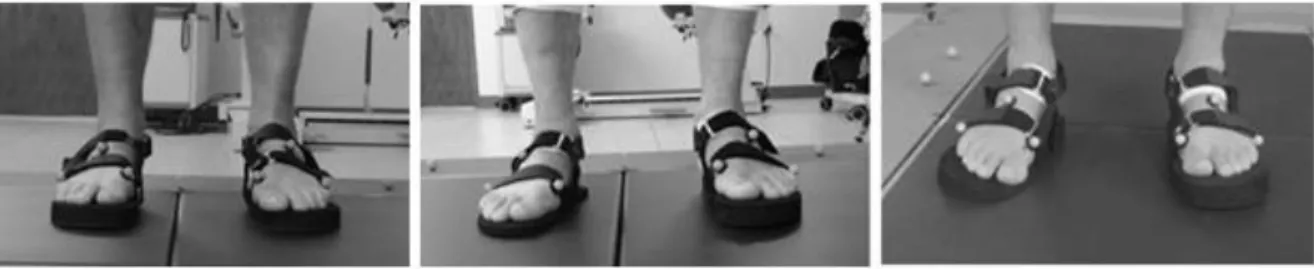
Figure 1 – Sandals worn during the Control, ThinSole and WedgeSole conditions ... 30
Figure 2 – Global gait asymmetry scores in the three conditions ... 32
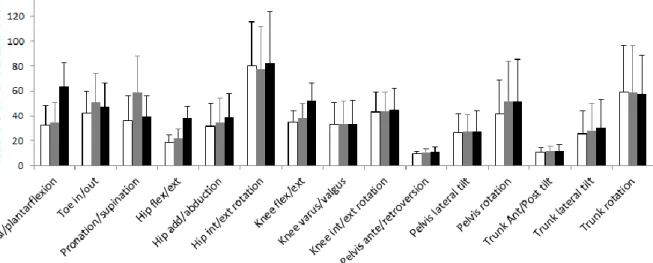
Figure 3 – Asymmetry values for the angular variables that compose the global gait asymmetry score ... 33
Figure 4 – Anterior and posterior views of the marker placement ... 47
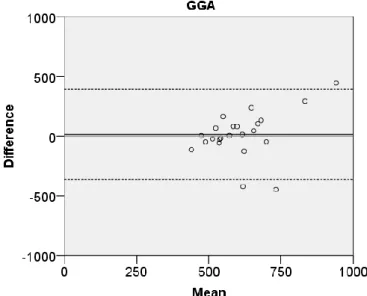
Figure 5 – Bland and Altman plot for the GGA ... 49
Figure 6 – Anterior and posterior views of the marker placement ... 61
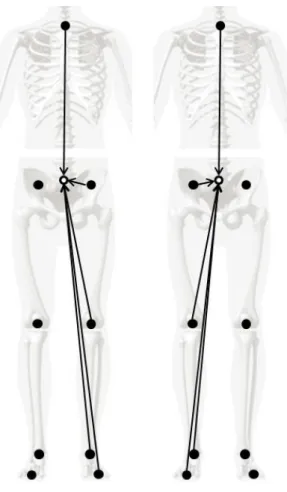
Figure 7 – Vectors for the Euclidean distances computed during the right gait cycle and during the left gait cycle for the LGGA calculation ... 62
Figure 8 – Band and Altman plots for GGA, AsymGPS and LGGA. ... 64
List of Tables
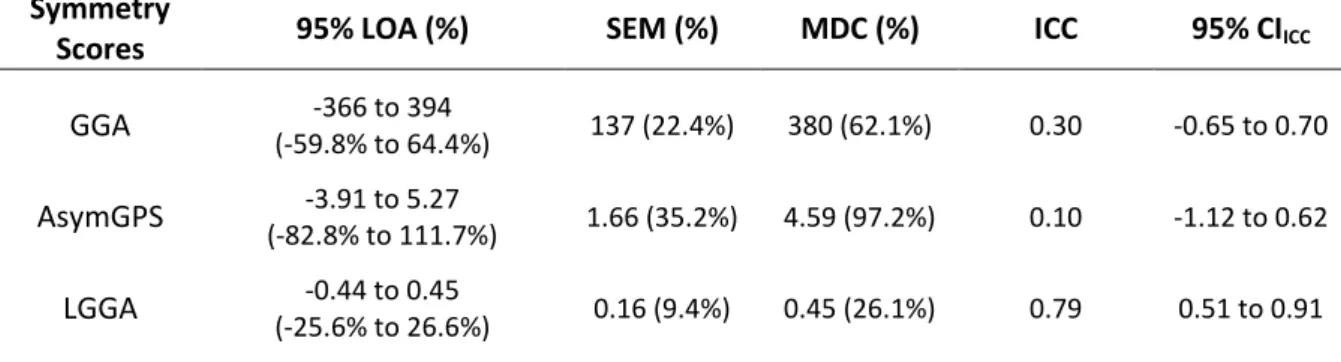
Table 1 – Asymmetry score values obtained during both visits ... 65 Table 2 – Agreement and reliability values ... 65 Table 3 – Number of KOA patients – n (%) – per Kellgren-Lawrence grade of the most painful knee ... 78 Table 4 – Number of bilateral KOA patients – n (%) – whose least painful knee has less, the same, or more radiographic severity than the most painful knee ... 78 Table 5 – Gait and anthropometric parameters for the control and KOA groups ... 79
List of Abbreviations
95% LOA 95% limits of Agreement ACL Anterior cruciate ligament
AsymGPS Symmetry index developed by Lundh et al (2014) BMI Body mass index
CAI Comprehensive Asymmetry Index developed by Hoerzer et al (2015) CAST Calibrated anatomical system technique
CI Confidence interval
GASI Global Asymmetry Index developed by Hoerzer et al (2012)
GGA Global gait asymmetry index developed in the first study of this thesis GPS Gait Profile Score developed by Baker et al (2009)
GRF Ground reaction force GVS Gait variable score
ICC Intraclass correlation coefficient IQR Interquartile range
KOA Knee osteoarthritis
KOPS Knee Osteoarthritis Pre-Screening questionnaire
LGGA Linear global gait asymmetry index developed in the third study of this thesis
LLD Leg length discrepancy MDC Minimal detectable change OA Osteoarthritis
PCA Principal components analysis RMSE Root mean square error
SA Symmetry Angle developed by Zifchock et al (2008) SD Standard deviation of the mean
SEM Standard error of measurement
1
Chapter
1
Background
Gait symmetry, defined as the identical behaviour of both limbs (Sadeghi, Allard, Prince, & Labelle, 2000) during the gait cycle, has been increasingly reported in the literature because of its clinical importance (Patterson, Gage, Brooks, Black, & McIlroy, 2010). Deviations from symmetry are typically thought to be associated with pathology as augmented levels of gait asymmetry have been found in various clinical conditions, such as stroke (Allen, Kautz, & Neptune, 2011), lower limb amputations (Devan, Carman, Hendrick, Hale, & Ribeiro, 2015), osteoarthritis (C. Mills, Pain, & Yeadon, 2008) and arthroplasties (Tsai et al., 2015), as well as anterior cruciate ligament (ACL) injury (Winiarski & Czamara, 2012). Researchers have suggested that these patients develop an asymmetrical gait pattern to either protect and reduce pain on the affected side (i.e. the prosthetic limb (Nolan et al., 2003), the osteoarthritic joint (Christiansen & Stevens-Lapsley, 2010; Turcot, Sagawa, Hoffmeyer, Suvà, & Armand, 2015)) or compensate for an underlying impairment (i.e. impaired or loss of lower limb musculature (Allen et al., 2011; Devan et al., 2015)). Moreover, gait symmetry may be associated with efficiency and balance control (Patterson et al., 2008). Hence, it is one of the most widely used informal measures to assess the recovery of functional gait (Archer, Castillo, MacKenzie, & Bosse, 2006).
While it is often perceived as a consequence of pathology, gait asymmetry is also believed to have future repercussions. For example, the recovery of full symmetrical knee range of motion following ACL reconstructive surgery has been identified as the most important factor for the assurance of the best long-term successful surgery result and patient satisfaction (Shelbourne & Klotz, 2006). Furthermore, the increased reliance on the non-impaired limb has been suggested to predispose unilateral amputees and osteoarthritis patients to the development of musculoskeletal disorders such as low back pain and osteoarthritis on the contralateral limb (Briem & Snyder-Mackler, 2009; Devan et al., 2015; Nolan et al., 2003; White & Lifeso, 2005). Although longitudinal studies have yet to confirm these causal relationships, research has shown that unilateral amputees have greater amounts of joint degeneration and pain in their intact limb and lower back (in comparison to their residual limb and to healthy counterparts) (Nolan et al., 2003), and that osteoarthritis patients who underwent a second total joint replacement surgery (after a single unilateral joint replacement surgery) often replace the joints on the contralateral side (Shakoor, Block, Shott, & Case, 2002). Moreover, gait asymmetry may also be
associated with the loss of bone mass density in the paretic lower limb of stroke survivors (Jorgensen, Crabtree, Reeve, & Jacobsen, 2000).
Considering the potential clinical implications of gait asymmetry, there has been a growing interest in restoring gait symmetry in clinical populations through gait retraining. For example, repeated split-treadmill training has been used to improve step length symmetry in stroke survivors (Reisman, McLean, Keller, Danks, & Bastian, 2013). In this study, seven out of twelve patients showed significant improvements in step length symmetry, not only after the four week training period, but also at one and three months follow up. This improvement exceeded the difference between the two baseline sessions (one week apart) prior to training, and was accompanied with an improvement in perceived exertion, but not in gait speed. Improvements in spatiotemporal symmetry in this population were also observed after a gait retraining program using real-time visual and proprioceptive feedback (Lewek, Feasel, Wentz, Brooks, & Whitton, 2012). In this case series, the improvements in symmetry were accompanied with small improvements in functionality and in comfortable gait speed. However, both participants were prescribed home based therapeutic exercises, which may be a confounding variable, despite the low compliance with these exercises. Furthermore, augmented feedback has also been used to improve spatiotemporal and/or loading symmetry in patients after transtibial amputation (Dingwell, Davis, & Frazier, 1996) and total hip arthroplasty (White & Lifeso, 2005). In the latter, patients who received visual feedback during an eight week program showed significant improvements in impulse symmetry in comparison to the control group and the group who walked without feedback, as well as an improvement in perceived exertion and in the Harris hip score. The previously mentioned studies show that the existing literature in interventions for the improvement of gait symmetry is scarce and presents several limitations. But considering these promising results and the vast use and success of augmented feedback in rehabilitation (Agresta & Brown, 2015; Shull, Jirattigalachote, Hunt, Cutkosky, & Delp, 2014; Stanton, Ada, Dean, & Preston, 2011), further research is needed to evaluate the efficacy and effectiveness of gait retraining with augmented feedback to restore gait symmetry in clinical populations. The predicament is that the current knowledge about gait symmetry and its measurement is still limited. To begin with, there is an ongoing debate as to whether unimpaired individuals walk symmetrically or not (Sadeghi et al., 2000). Historically, healthy gait was assumed to be symmetrical in order to simplify data collection and analysis (Sadeghi et al., 2000). But while some studies supported this assumption, others found bilateral differences in various gait parameters, suggesting that non-impaired individuals walk asymmetrically. For example, Herzog et al (1989) reported asymmetries in ground reaction force (GRF) during gait, contrasting with
Chapter
1
Burnet et al (2011), who found GRF to be symmetrical. Similarly, Teichtahl et al (2009) found joint moments to be symmetric, while Lathrop-Lambach et al (2013) found asymmetries in joint moments. Additionally, Creaby et al (2012) reported symmetry in joint angles, whereas Forczek and Staszkiewiez (2012) found joint angles to be asymmetric (For more citations see Sadeghi et al (2000) and Seeley (2006)). To some extent, the presence of gait asymmetry in healthy individuals is conceivable when taking into account limb dominance (Sadeghi et al., 2000), differences in contralateral limb lengths (Ankaralı et al., 2015; Auerbach & Ruff, 2006) as well as intra-limb variability resulting from the coordination of a large number of degrees of freedom (Błażkiewicz, Wiszomirska, & Wit, 2014). Nonetheless, this asymmetry should not be considered pathological, as it may be related to compensations for subtle imbalances or to control and propulsion strategies (Sadeghi et al., 2000). Further, the level of asymmetry in healthy individuals is expected to be smaller than in clinical populations. However, due to their controversial results, the existing studies do not provide a solid understanding about the existence and role of asymmetry in healthy gait or about when it may become problematic. This knowledge is important and necessary to investigate the potential of gait retraining programs with augmented feedback to restore gait symmetry.
Seeley (2006) proposed that these contradictory results could be explained by three main factors. The first factor is related to variations in the definition used for gait symmetry. Some studies defined symmetry as the identical behaviour of both limbs, and as such most of these found asymmetries. Others defined symmetry as the lack of statistical differences between bilateral parameters, and therefore often found gait to be symmetrical. The second factor was related to the different statistical analyses that were used. Depending on whether correlations, t-tests or analyses of variance were performed, gait could either be considered symmetrical or asymmetrical. Additionally, by using statistical methods to compare bilateral parameters, the results highly depended on sample size and variability. Furthermore, the statistical methods required that mean data was pooled from several subjects, which could contribute to masking individual asymmetries. These two factors apply to studies that use statistical analyses to assess gait symmetry. However, we can speculate that the use of different symmetry indices in the aforementioned studies (Burnett et al., 2011; Creaby et al., 2012; Forczek & Staszkiewicz, 2012; Herzog et al., 1989; Lathrop-Lambach et al., 2013; Teichtahl et al., 2009), may also have contributed to the contradictory results found in the literature. The last factor that was proposed to explain the conflicting results was the variation in the biomechanical parameter used to assess symmetry, as some parameters may be more sensitive to asymmetries than others. This point was also highlighted by Patterson et al
(2010), who found no significant differences in double support time symmetry (in contrast to other spatiotemporal parameters) between stroke patients and healthy individuals. Overall, this shows that our knowledge about gait symmetry is being compromised by the different methodologies that have been used, which suggests that, in order to enhance our understanding of gait symmetry and the effect of interventions, there is a need to standardise the methods used to assess it. It is possible that more than one standardised method is needed depending on its application, as there is no one method that fits all purposes. Methods that provide detailed information on the direction and location of asymmetry as well as when it is present in the gait cycle may be more appropriate to enhance our understanding of the mechanisms and causes of gait asymmetry, and therefore to tailor the rehabilitation to the individual patient deficits (Patterson et al., 2010). Conversely, these methods may be too complex to judge the success of interventions, because a vast amount of data is produced, and it is difficult to draw an overall conclusion (Hoerzer et al., 2012) when some of the data suggests an improvement and some suggests the opposite.
One of the applications for symmetry measures is to provide real time feedback in gait retraining programs. Because the feedback on gait symmetry is being provided to the patients while he/she walks on a treadmill, the chosen symmetry measure must be calculated on an individual basis and presented in real time. The latter not only means that it must be computed using online processing, but also that all the contained information must be captured by the patient in a short period of time. More importantly, as any other outcome measure used for meaningful clinical decision-making and for the evaluation of clinical change over time, the symmetry measure must be valid and repeatable (de Vet, Terwee, Knol, & Bouter, 2006). Validity concerns the extent to which an instrument’s score is able to measure what it is intended to measure (Portney & Watkins, 2009). Repeatability is concerned with the variation between measurements made on the same subject under identical conditions (Bartlett & Frost, 2008). The repeatability of an instrument’s score is quantified in terms of agreement (i.e. how close the repeated scores are) and reliability (i.e. how well subjects can be distinguished) (Bartlett & Frost, 2008; de Vet et al., 2006), which depend highly on the measurement error. In the context of gait retraining with symmetry feedback, it is essential that symmetry measure provides a comprehensive representation of the patient’s bilateral symmetry and that its measurement error is small and well known, so that important information is not concealed and small deviations between sessions are not over-interpreted (Schwartz, Trost, & Wervey, 2004). Assuming that the method used to assess symmetry accurately reflects the difference between bilateral biomechanical parameters,
Chapter
1
one can speculate that its measurement error is affected by that of the underlying biomechanical parameters. For example, the repeatability of a symmetry score that is calculated based on joint kinematics can be affect by marker placement inconsistencies, data processing or measurement equipment errors (McGinley, Baker, Wolfe, & Morris, 2009).
Symmetry measures can be categorized in a simplistic way into statistical analysis and indices, the latter consisting in difference or ratio equations (Sadeghi et al., 2000). Additionally, different biomechanical parameters can be use as inputs, either in isolation or in combination. The following sections will present most of the existing symmetry measures along with their limitations and suitability as augmented feedback, as well as their known psychometric properties.
Current symmetry measures
Some authors have analysed gait symmetry by looking for statistical differences between bilateral parameters. For example, Briem and Snyder-Mackler (2009) reported asymmetries in patients with medial knee osteoarthritis by comparing the knee kinematics and kinetics of both limbs using paired samples t-tests. Mills et al (2013), used a mixed-model analysis of variance to compare the symmetry in kinematic and spatiotemporal variables between healthy individuals and patients with unilateral or bilateral knee osteoarthritis. Sadeghi (2003) investigated the existence of local asymmetries in the face of global symmetry in healthy individuals using Principal Components Analysis (PCA). Rather than quantifying gait symmetry, these methods simply confirm or deny its existence on a group basis. These methods cannot measure symmetry on an individual basis, and are therefore not appropriate metrics for augmented feedback.
Contrastingly, there are several measures of symmetry that can be calculated individually, the most commonly used being the Symmetry Index (SI) (Robinson, Herzog, & Nigg, 1987) and the symmetry ratio. The symmetry ratio is simply the ratio between the variable obtained on the right side and the corresponding variable obtained on the left side. Alternatively, the ratio can be calculated between the dominant and non-dominant side or between the affected and non-affected side (Patterson et al., 2008), depending on the context. The strength of this index is that it is easy to compute and to interpret (Patterson et al., 2010). A ratio of 1 indicates perfect symmetry while ratios above or below 1 indicates, respectively, that the value on the numerator or denominator is higher. More specifically, a ratio of 0.5 or 2 indicates that the value on one side is twice as high as the
corresponding value on the other side. The SI (Robinson et al., 1987) is the percent difference between the variables on each side, in relation to the mean value from both sides. Here 0% indicates perfect symmetry and greater absolute percentages indicate increasing asymmetry (with the sign indicating the direction of asymmetry). For example, a value of 50% indicates that the difference between the two sides is as high as half the mean value obtained from both sides. This mean value, used as reference, can also be replaced by the value on the uninjured side, or the maximum value on either side (Vagenas & Hoshizaki, 1992). However, this choice of a reference value has been identified as a limitation of this score, as it is not always an obvious choice, and using different reference values for the same data yields different results and makes the comparison of results from different studies and samples difficult (Zifchock, Davis, Higginson, & Royer, 2008). Additionally, in the presence of large asymmetries, the mean value of both sides does not reflect the performance of either limb and may mask the asymmetry, by lowering the score (Zifchock et al., 2008). Another limitation of the SI is its potential to artificially inflate the asymmetry level (Herzog et al., 1989). This inflation can occur when the reference value is small (i.e. maximum knee extension angle during stance that nears 0º) in comparison to the bilateral difference, which may not even be clinically relevant. Conversely, differences that are small in comparison to the reference value (i.e. peak vertical ground reaction force which nears 700N) tend to lower the final score, thus falsely reflecting symmetry (Herzog et al., 1989). The symmetry ratio can also artificially inflate the level of asymmetry when the values are small (Lauzière, Betschart, Aissaoui, & Nadeau, 2014). For example, considering the following hypothetical values for the left and right sides: 2º and 4º of maximum knee extension angle during stance, and 63º and 65º of maximum knee flexion during swing. Based on the symmetry ratios of these variables (0.50 and 0.97 respectively), this patient would be considered symmetric during swing but highly asymmetric during stance. To overcome these limitations, the Symmetry Angle (SA) was developed (Zifchock et al., 2008). This index quantifies symmetry by calculating the deviation (in degrees) from a line of perfect symmetry, which is obtained when the left and right side values are equal. However, once again variations in small values produce greater deviations from the line of perfect symmetry than variations in larger values, which means that this index is also limited by its potential for artificial inflation. In addition to these limitations, all the aforementioned indices calculate symmetry based on discrete values, or in other words, single values extracted from the gait curve at one specific point in time (i.e. peak GRF). These indices therefore neglect the information contained in the remainder of the gait cycle. Consequently, asymmetries that occur at a different phase of the gait cycle may be missed, as well as asymmetries due to temporal shifts of peak values with similar magnitudes (Nigg, Vienneau, Maurer, &
Chapter
1
Nigg, 2013). Furthermore, these indices cannot assess symmetry at a global level. Often, spatiotemporal parameters are used, which fail to capture the complex angular displacements of the lower limbs. Additionally, when joint angles are used instead, each joint and each of its components is assessed in isolation (Hsiao-Wecksler, Polk, Rosengren, Sosnoff, & Hong, 2010). These indices are simple enough to be calculated and presented to a single patient in real time. However, the aforementioned limitations may deteriorate the validity of these symmetry indices, which means the patient could be provided with fallacious feedback. To assess gait symmetry accurately, the behaviour of the entire limb should be considered (Sadeghi et al., 2000). Further, this information should be gathered throughout the gait cycle, suggesting the need for more complex methods (Hsiao-Wecksler et al., 2010).
Crenshaw and Richards (2006) developed four distinct measures to capture gait symmetry using the entire gait waveforms: trend symmetry, phase shift, range offset and range amplitude ratio. Trend symmetry provides a general measure of symmetry between a bilateral joint angle by calculating the ratio between the variability about and along their eigenvector. Phase shift represents the temporal shift between the bilateral joint angles and is calculated by shifting one waveform in relation to the other and finding the temporal shift required to achieve the smallest trend symmetry. Finally, the range offset and range amplitude ratio provide information on symmetry based on the magnitude offset between sides. Another interesting method is the Symmetry Regions of Deviation analysis proposed by Shorter et al (2008). This method simply calculates the difference between an individual’s bilateral joint angles, at each point of the gait cycle, and plots it in relation to the same difference obtained from a reference healthy database. Later on, DiBerardino et al (2010) proposed a method that allows the assessment of symmetry based on the phase-portraits of lower limb-segments (plot of each segment’s angular position as a function of its angular velocity). This method yields three scores for each segment: one for complexity, based on the number of harmonics needed to describe the shape of the phase portrait, and two for variability, based on the area and the length of the path generated by the phase-portrait centroid during multiple cycles. The symmetry itself can be assessed by comparing the three scores obtained for a segment on one side to those obtained on the contralateral segment. Similarly, Haddad et al (2010) also assessed symmetry based on the position-velocity phase planes of the lower limb segments. However, in this case symmetry was calculated as the difference between the phase angles (derived from the plots) on one side and those on the contralateral side (Continuous relative phase analysis). Finally, Helwig et al (2010) proposed a method to assess symmetry by using Parallel Factor Analysis to compare the sagittal plane joint
displacement (vertical displacement of a joint centre plotted against its anterior-posterior displacement) on both sides. Although all of these methods provide information about symmetry on various joints throughout the gait cycle (with those developed by Shorter et al (2008), Haddad et al (2010), and Helwig et al (2010) specifying where in the gait cycle it is more pronounced), several metrics (more than one per joint in some cases) are required to describe overall gait symmetry. This characteristic deems these methods inappropriate to use in gait retraining programs using real-time feedback on gait symmetry, because presenting several metrics could be overwhelming for the patient (Wulf & Shea, 2002), and (in the alternative of choosing only one) the improvement of a single metric may not necessarily reflect an improvement in overall gait symmetry.
Conversely, global symmetry indices have been developed recently. Similarly to gait indices, these measures have the ability to summarise information from continuous kinematic and/or kinetic gait waveforms from various joints into a single numerical score. Hoerzer et al (2012) developed a global symmetry index called GASI (Global Asymmetry Index), which quantifies symmetry using PCA. To compute GASI, the three components of the GRF, as well as the three components of the hip, knee and ankle joint angles, angular velocities and joint moments are obtained for each side and normalized in magnitude (to the corresponding peak values) and in time (to the stance phase). These waveforms are appended in series to create two row vectors, one for each side, which are then subtracted creating a single difference vector. The difference vectors from several subjects form the rows of the matrix used to calculate the principal components (PC’s). Finally, the GASI of each subject is the root sum square of the first ten PC’s of that subject. Later on, Hoerzer et al (2015) changed this index to CAI (Comprehensive asymmetry index), the difference being in the normalization and in the number of PC’s used to calculate the index (in CAI the biomechanical variables are normalised to the corresponding average standard deviation, instead of the peak value, and eight PC’s, not ten, are used for the final score). In both indices, a value close to zero would indicate that the level of symmetry of an individual is identical to the mean level of symmetry of that particular group of subjects (supposedly symmetric). Conversely, the GASI increases as the level of symmetry deviates from the mean (allegedly becoming more asymmetric). However, considering that healthy individuals are relatively but not perfectly symmetrical, one individual could be more symmetrical than the mean and still present an elevated GASI, thus falsely representing asymmetry. Furthermore, although the normalisation is needed to combine variables with different physical units, normalising the variables to either the peak values or the standard deviation could become problematic, as it could possibly mask asymmetry in variables with a large amplitude or with a high standard
Chapter
1
deviation, and inflate symmetry in the opposite variables. Besides these limitations, more information is needed as to how the GASI of a single individual could be calculated in a clinical context.
Nigg et al (2013) proposed a simpler method to quantify gait symmetry. This global index is the integral of the absolute differences (between sides) in various biomechanical variables (ankle joint angle and velocity in the sagittal and frontal planes, knee joint angle and velocity in the sagittal plane, hip joint angle and velocity in all three planes, and the vertical and anterior/posterior components of the ground reaction force), throughout the stance phase. Once more, because this index combines variables with different physical units, these differences are normalised to the corresponding average range, which again may mask or artificially inflate the level of symmetry. Furthermore, similarly to GASI, this index does not include the swing phase, therefore neglecting toe clearance and the preparation for heel strike.
Finally, Lundh et al (2014) also proposed a global symmetry index (more specifically, one for the lower limbs and one for the upper limbs). Based on the Gait Profile Score (a gait index developed by Baker et al (2009)), the proposed index computes the level of symmetry as the root mean square difference between the bilateral joint angles throughout the entire gait cycle. In particular, the index developed for the lower limb, which is called AsymGPS, includes all three components of the absolute pelvis angle and the hip joint angle, the sagittal component of the knee and ankle joint angles and the foot progression angle. As such, the AsymGPS, as well as the index developed by Nigg et al (2013), neglect certain kinematics in the frontal and transverse plane that can be valuable in the clinical context.
As summary measures, these global indices seem perfect to provide real-time feedback on gait symmetry. Although no studies have been conducted to test if participants can learn from a global symmetry measure, Michalak et al (2015) showed that subjects can change their gait pattern based on real-time feedback of a single global score, without being conscious of what it measured or which strategies they had to use to change it. This acquisition of skills without explicit knowledge about the performance is known as implicit learning (Maxwell, Masters, & Eves, 2000). Implicit learning processes have several advantages over explicit learning, as they are more resistant to the effects of psychological stress, disorders and dysfunctions, more durable and relatively independent of age and IQ (Maxwell et al., 2000). In addition, previous research has shown that the learning and retention of a complex motor skill is enhanced with external feedback related to the result of an individual’s actions rather than to the specific movements (Wulf & Shea,
2002). Based on these premises, global measures of symmetry seem to be perfect candidates for gait retraining with real-time feedback. However, given their potential to mask or artificially inflate gait asymmetry and to neglect important aspects of motion, the previously mentioned global symmetry indices may provide the wrong feedback to the patient and yield erroneous conclusions with regards to the patient’s progress throughout the gait retraining program. Therefore, the need to develop a new global index that overcomes these limitations is justified.
Validity and repeatability of symmetry indices
Very little is known about these psychometric properties of symmetry indices. To the best of our knowledge only two studies have addressed some aspects of validity in symmetry indices. The first was the one published by Patterson et al (2010), who compared the scores and the discriminative ability of four symmetry indices (the SI, the symmetry ratio, one of its variations (Plotnik, Giladi, & Hausdorff, 2007) and the SA) in a group of healthy individuals and a group of stroke patients. These authors highlighted the importance of the mathematical equation as well as the biomechanical parameter used in the symmetry index, and therefore the various symmetry indices were compared using a variety of spatiotemporal parameters (step length, swing time, stance time, double support time, and the ratio between stance and swing time). This study showed that within each of the spatiotemporal parameters the different symmetry indices were highly correlated, but that within the same index (symmetry ratio) the correlations varied. Specifically, the double support time ratio was not correlated with any other spatiotemporal ratios, and the step length ratio was only poorly correlated. Furthermore, for most spatiotemporal parameters, the different indices had similar distributions and discriminative ability (identifying up to 60% of the patients as asymmetric), and were significantly different between groups. Conversely, when symmetry was calculated based on double support time (independently of the symmetry index used) the discriminative ability was much lower (~9%) and no differences were found between the groups. These results suggest that (excluding double support time) all these indices provide similar interpretations in terms of symmetry, showing that stroke patients are significantly more asymmetric than healthy individuals. Furthermore, this study shows that all indices have a similar, but only moderate discriminative ability for these patients. Finally, this study also supports the notion that the level of symmetry may differ, depending on the biomechanical parameter that is analysed. The second study was conducted by Błażkiewicz et al (2014), who also compared the scores and the discriminative ability of the same symmetry indices using a different
Chapter
1
selection of spatiotemporal parameters, but only in a group of healthy individuals. Although their methodology and results were not very clear, they also concluded that the scores obtained with the four indices were highly correlated and similarly distributed and that the four indices had a similar discriminative ability. Contrarily to the previous findings though, the discriminative ability was much higher (according to a Receiver Operating Characteristic Curve analysis, sensitivity, specificity and diagnostic precision were >0.90). However, these results should be interpreted with caution because, despite recognising that the symmetry ratio has several limitations (i.e. low sensitivity), the authors chose to use it as reference.
Despite their limitations, these studies only provide partial validation of these symmetry scores. Furthermore, as discussed in the previous session, these indices neglect the complex intersegmental motion throughout the gait cycle. Therefore, even if they are valid measures of spatiotemporal symmetry, they do not provide a comprehensive assessment of overall gait symmetry. This is demonstrated by Roerdink et al (2012), who found that the step length asymmetry of amputees (using a variation of the SI) varied inconsistently across participants and that in some of them the score suggested symmetry, even though their overall gait was asymmetric.
In terms of repeatability, only two studies have been done. Lewek and Randall (2011) analysed the repeatability of stance time, swing time and step length symmetry ratios in stroke patients, reporting inter-session intraclass correlation coefficient (ICC) values between 0.925 and 0.976, and minimal detectable change (MDC) percentages between 8% and 18%. These results suggest that the symmetry ratio is a reliable tool to measure spatiotemporal symmetry in stroke survivors. However, caution is advised when considering this interpretation, as the methods used to calculate the standard error of measurement (SEM) and ICC values are questionable. Conversely, Senden et al (2009) found that one of the variations of the SI presented very poor inter-session reliability in healthy individuals, with ICC values between 0.010 and 0.351. In this study, the authors failed to mention the measurement error and the ICC model used, which are essential to interpret the obtained results.
Once again, besides these limitations, these studies focused on indices that fail to capture the global aspect of gait symmetry. Further, to our best knowledge, no studies have been done to assess the validity and repeatability of global symmetry measures.
Aims and outline of the thesis
As discussed throughout this chapter, there are several methods available to assess gait symmetry. The limitations of some of these methods and the lack of standardised methods is limiting our ability to better understand the presence of asymmetry in healthy and pathological gait and the potential of interventions in restoring gait symmetry. In order to assess the efficacy of gait retraining programs using gait symmetry as augmented feedback, the chosen symmetry index must be valid and repeatable, and must be calculated and presented in real time. Considering the limitations of the existing symmetry measures and the lack of knowledge regarding their psychometric properties, the general aims of this thesis were to develop and test a new global index of gait symmetry. The specific aims of this thesis were:
To develop a global gait symmetry index, using kinematic data from the lower limbs and trunk throughout the entire gait cycle
To test the ability of the new index to measure gait symmetry, either by (1) artificially manipulating the level of symmetry in healthy individuals or (2) by comparing the symmetry scores of healthy individuals to those of individuals with knee osteoarthritis (KOA), whose asymmetry is expectedly higher
To assess the inter-session agreement and reliability of the new index in a group of healthy individuals
To achieve these goals four studies were conducted. The first study (Chapter 2) aimed (1) to develop the global index based on the bilateral differences in joint angles (Global gait asymmetry index - GGA) and (2) to test it by artificially inducing gait asymmetry and checking if the index changed accordingly. In this study, participants walked at their comfortable speed on an instrumented treadmill, in three walking conditions: one symmetric and two asymmetric. In all conditions, participants wore custom made sandals, which differed bilaterally in the asymmetric conditions. The 3D trajectories of passive markers placed on the participants’ skin were collected using an opto-electronic motion capture system. The markers were placed based on the calibrated anatomical system technique (CAST) (Cappozzo, Catani, Croce, & Leardini, 1995), and used to build a model with eight segments (trunk, pelvis, thighs, shanks and feet), using segment optimisation pose estimation. The following joint angles were resolved in the joint coordinate system (Grood & Suntay, 1983): ankle, knee and hip joint angles with respect to the proximal segment, trunk with respect to the pelvis, and pelvis absolute angle with respect to the laboratory coordinate system. To calculate the GGA, each component of each of these angles was time normalized to the gait cycle (fifteen signals per side in total). The bilateral
Chapter
1
difference between each of these signals, through the gait cycle, was computed as the magnitude of a difference vector with 101 components (one for each percent of the time normalised gait cycle). Specifically, the squared differences between the bilateral angles computed at each point were summed and the square root was taken. The final GGA score was the sum of the fifteen difference vectors. The final scores obtained in each of the three walking conditions were compared using a One-Way repeated measures ANOVA.
The aim of the second study (Chapter 3) was to assess the repeatability of the GGA using a prospective test-retest design. Participants underwent two three-dimensional gait analyses, spaced approximately by a week. In each session, the participants walked overground at their comfortable speed. Although the marker trajectory data was extracted from a previously published study (Fernandes, Armada-da-Silva, Pool-Goudzwaard, Moniz-Pereira, & Veloso, 2016), the data collection system, marker placement, modelling and data processing were the same. With the GGA scores computed in both sessions, the inter-session repeatability was analysed using the 95% limits of agreement (95% LOA), the SEM, the MDC and the ICC.
Based on the results obtained in Chapter 3, the following study (Chapter 4) was performed to understand how different characteristics of the global index could affect its repeatability. Hence, the aim of the third study was to compare the repeatability of three global indices of gait symmetry: (2) the index developed in Chapter 2 (GGA), (2) a modification of the latter, in which joint angles were replaced by the linear positions of the segments’ distal extremities (Linear global gait asymmetry index - LGGA), and (3) a previously published index (AsymGPS) (Lundh et al., 2014), also based in the difference between bilateral joint angles, but that does not include the least reliable components. The processed data from the previous study was used. Additionally, the same repeatability parameters were calculated for each of the three indices and compared.
Again, based on the previous study, the final study was conducted to test the ability of the LGGA (modification of the GGA) to capture differences in gait symmetry. According to the literature, patients with knee osteoarthritis walk asymmetrically. Thus, the aim of the last study (Chapter 5) was to analyse whether the LGGA was higher in patients with knee osteoarthritis in comparison to healthy individuals. Once more, the motion capture data was extracted from previously published studies (Fernandes et al., 2016; Yázigi et al., 2013). Participants walked overground at their comfortable speed. All data was collected and processed as in the repeatability studies. The symmetry scores obtained in the healthy and pathological groups were compared using a Mann-Whitney U test.
Finally, the main findings of each study are summarised and discussed in Chapter 6, along with their inherent methodological considerations. This thesis constitutes only the initial steps required for the application of the global gait asymmetry index in the clinical context. Therefore, recommendations for potential future research are provided.
Chapter
1
References
Agresta, C., & Brown, A. (2015). Gait Retraining for Injured and Healthy Runners Using Augmented Feedback: A Systematic Literature Review. Journal of Orthopaedic & Sports Physical Therapy, 45(8), 1–24. http://doi.org/10.2519/jospt.2015.5823
Allen, J. L., Kautz, S. A., & Neptune, R. R. (2011). Step length asymmetry is representative of compensatory mechanisms used in post-stroke hemiparetic walking. Gait & Posture, 33(4), 538–543. http://doi.org/10.1016/j.gaitpost.2011.01.004
Ankaralı, M. M., Sefati, S., Madhav, M. S., Long, A., Bastian, A. J., & Cowan, N. J. (2015). Walking dynamics are symmetric (enough). Journal of the Royal Society, Interface, 12, 1–18. http://doi.org/10.1098/rsif.2015.0209
Archer, K. R., Castillo, R. C., MacKenzie, E. J., & Bosse, M. J. (2006). Gait Symmetry and Walking Speed Analysis Following Lower-Extremity Trauma. Physical Therapy, 86(12), 1630–1640. http://doi.org/10.2522/ptj.20060035
Auerbach, B. M., & Ruff, C. B. (2006). Limb bone bilateral asymmetry: Variability and commonality among modern humans. Journal of Human Evolution, 50(2), 203–218. http://doi.org/10.1016/j.jhevol.2005.09.004
Baker, R., McGinley, J. L., Schwartz, M. H., Beynon, S., Rozumalski, A., Graham, H. K., & Tirosh, O. (2009). The gait profile score and movement analysis profile. Gait & Posture, 30(3), 265–9. http://doi.org/10.1016/j.gaitpost.2009.05.020
Bartlett, J. W., & Frost, C. (2008). Reliability, repeatability and reproducibility: analysis of measurement errors in continuous variables. Ultrasound in Obstetrics & Gynecology : The Official Journal of the International Society of Ultrasound in Obstetrics and Gynecology, 31(December 2007), 466–475. http://doi.org/10.1002/uog.5256
Błażkiewicz, M., Wiszomirska, I., & Wit, A. (2014). Comparison of four methods of calculating the symmetry of spatial-temporal parameters of gait. Acta of Bioengineering and Biomechanics, 16(1), 29–35. http://doi.org/10.5277/abb140104 Briem, K., & Snyder-Mackler, L. (2009). Proximal gait adaptations in medial knee OA.
Journal of Orthopaedic Research, 27(1), 78–83. http://doi.org/10.1002/jor.20718 Burnett, D. R., Campbell-Kyureghyan, N. H., Cerrito, P. B., & Quesada, P. M. (2011).
Symmetry of ground reaction forces and muscle activity in asymptomatic subjects during walking, sit-to-stand, and stand-to-sit tasks. Journal of Electromyography and Kinesiology, 21(4), 610–615. http://doi.org/10.1016/j.jelekin.2011.03.006
Cappozzo, A., Catani, F., Croce, U. Della, & Leardini, A. (1995). Position and orientation in space of bones during movement: anatomical frame definition and determination. Clinical Biomechanics, 10(4), 171–178.
Christiansen, C. L., & Stevens-Lapsley, J. E. (2010). Weight-bearing asymmetry in relation to measures of impairment and functional mobility for people with knee osteoarthritis. Archives of Physical Medicine and Rehabilitation, 91(10), 1524–8. http://doi.org/10.1016/j.apmr.2010.07.009
Creaby, M. W., Bennell, K. L., & Hunt, M. A. (2012). Gait differs between unilateral and bilateral knee osteoarthritis. Archives of Physical Medicine and Rehabilitation, 93(5), 822–7. http://doi.org/10.1016/j.apmr.2011.11.029
Crenshaw, S. J., & Richards, J. G. (2006). A method for analyzing joint symmetry and normalcy, with an application to analyzing gait. Gait & Posture, 24(4), 515–21. http://doi.org/10.1016/j.gaitpost.2005.12.002
de Vet, H. C., Terwee, C. B., Knol, D. L., & Bouter, L. M. (2006). When to use agreement versus reliability measures. Journal of Clinical Epidemiology, 59, 1033–1039. http://doi.org/10.1016/j.jclinepi.2005.10.015
Devan, H., Carman, A., Hendrick, P., Hale, L., & Ribeiro, D. C. (2015). Spinal, pelvic, and hip movement asymmetries in people with lower-limb amputation: Systematic review. Journal of Rehabilitation Research and Development, 52(1), 1–20. http://doi.org/10.1682/JRRD.2014.05.0135
DiBerardino, L. A., Polk, J. D., Rosengren, K. S., Spencer-Smith, J. B., & Hsiao-Wecksler, E. T. (2010). Quantifying complexity and variability in phase portraits of gait. Clinical Biomechanics, 25(6), 552–556. http://doi.org/10.1016/j.clinbiomech.2010.03.007 Dingwell, J. B., Davis, B. L., & Frazier, D. M. (1996). Use of an instrumented treadmill for
real-time gait symmetry evaluation and feedback in normal and trans-tibial amputee subjects. Prosthetics and Orthotics International, 20(2), 101–10. http://doi.org/10.3109/03093649609164426
Fernandes, R., Armada-da-Silva, P., Pool-Goudzwaard, A., Moniz-Pereira, V., & Veloso, A. P. (2016). Three dimensional multi-segmental trunk kinematics and kinetics during gait: Test-retest reliability and minimal detectable change. Gait & Posture, 46, 18–25. http://doi.org/10.1016/j.gaitpost.2016.02.007
Forczek, W., & Staszkiewicz, R. (2012). An evaluation of symmetry in the lower limb joints during the able-bodied gait of women and men. Journal of Human Kinetics, 35(December), 47–57. http://doi.org/10.2478/v10078-012-0078-5
Grood, E. S., & Suntay, W. J. (1983). A joint coordinate system for the clinical description of three-dimensional motions: Application to the knee. Journal of Biomec, 105(2), 136–144.
Haddad, J. M., van Emmerik, R. E. A., Wheat, J. S., Hamill, J., & Snapp-Childs, W. (2010). Relative phase coordination analysis in the assessment of dynamic gait symmetry. Journal of Applied Biomechanics, 26(1), 109–13.
Helwig, N. E., Hong, S., Polk, J. D., & Lague, M. R. (2010). Analysis of gait cycle shapes using parallel factor analysis. In Annual Meeting of American Society of Biomechanics (Vol. 1542). http://doi.org/10.1017/CBO9781107415324.004
Herzog, W., Nigg, B. M., Read, L. J., & Olsson, E. (1989). Asymmetries in ground reaction force patterns in normal human gait. Medicine and Science in Sports and Exercise, 21(1), 110–4.
Hoerzer, S., Federolf, P. A., Maurer, C., Baltich, J., & Nigg, B. M. (2015). Footwear Decreases Gait Asymmetry during Running. Plos One, 10(10), e0138631. http://doi.org/10.1371/journal.pone.0138631
Hoerzer, S., Maurer, C., Federolf, P., Tscharner, V. Von, Baltich, J., & Nigg, B. M. (2012). A novel methodology using principal component analysis to quantify global bilateral asymmetry of human gait. In American Society of Biomechanics 36th Annual Meeting (pp. 2–3).
Hsiao-Wecksler, E. T., Polk, J. D., Rosengren, K. S., Sosnoff, J. J., & Hong, S. (2010). A Review of New Analytic Techniques for Quantifying Symmetry in Locomotion. Symmetry, 2(2), 1135–1155. http://doi.org/10.3390/sym2021135
Jorgensen, L., Crabtree, N. J., Reeve, J., & Jacobsen, B. K. (2000). Ambulatory level and asymmetrical weight bearing after stroke affects bone loss in the upper and lower part of the femoral neck differently: Bone adaptation after decreased mechanical loading. Bone, 27(5), 701–707. http://doi.org/10.1016/S8756-3282(00)00374-4
Lathrop-Lambach, R. L., Asay, J. L., Jamison, S. T., Pan, X., Schmitt, L. C., Blazek, K., … Chaudhari, A. M. W. (2013). Evidence for joint moment asymmetry in healthy populations during gait. Gait and Posture, 40(4), 526–531. http://doi.org/10.1016/j.gaitpost.2014.06.010
Lauzière, S., Betschart, M., Aissaoui, R., & Nadeau, S. (2014). Understanding Spatial and Temporal Gait Asymmetries in Individuals Post Stroke. International Journal of Physical Medicine & Rehabilitation, 2, 201. http://doi.org/10.4172/2329-9096.1000201 Lewek, M. D., Feasel, J., Wentz, E., Brooks, F. P., & Whitton, M. C. (2012). Use of visual and proprioceptive feedback to improve gait speed and spatiotemporal symmetry following chronic stroke - a case series. Physical Therapy, 92(5), 748–56. http://doi.org/10.2522/ptj.20110206
Lewek, M. D., & Randall, E. P. (2011). Reliability of spatiotemporal asymmetry during overground walking for individuals following chronic stroke. Journal of Neurologic Physical Therapy : JNPT, 35(3), 116–121. http://doi.org/10.1097/NPT.0b013e318227fe70
Chapter
1
Lundh, D., Coleman, S., & Riad, J. (2014). Movement deviation and asymmetry assessment with three dimensional gait analysis of both upper- and lower extremity results in four different clinical relevant subgroups in unilateral cerebral palsy. Clinical Biomechanics, 6–11. http://doi.org/10.1016/j.clinbiomech.2014.02.006
Maxwell, J. P., Masters, R. S., & Eves, F. F. (2000). From novice to no know-how - a longitudinal study of implicit motor learning. Journal of Sports Sciences, 18(2), 111– 20. http://doi.org/10.1080/026404100365180
McGinley, J. L., Baker, R., Wolfe, R., & Morris, M. E. (2009). The reliability of three-dimensional kinematic gait measurements: A systematic review. Gait & Posture, 29(3), 360–369. http://doi.org/10.1016/j.gaitpost.2008.09.003
Michalak, J., Rohde, K., & Troje, N. F. (2015). How we walk affects what we remember: Gait modifications through biofeedback change negative affective memory bias. Journal of Behavior Therapy and Experimental Psychiatry, 46, 121–125. http://doi.org/10.1016/j.jbtep.2014.09.004
Mills, C., Pain, M. T. G., & Yeadon, M. R. (2008). The influence of simulation model complexity on the estimation of internal loading in gymnastics landings. Journal of Biomechanics, 41(3), 620–8. http://doi.org/10.1016/j.jbiomech.2007.10.001
Mills, K., Hettinga, B. A., Pohl, M. B., & Ferber, R. (2013). Between-limb kinematic asymmetry during gait in unilateral and bilateral mild to moderate knee osteoarthritis. Archives of Physical Medicine and Rehabilitation, 94(11), 2241–2247. http://doi.org/10.1016/j.apmr.2013.05.010
Nigg, S., Vienneau, J., Maurer, C., & Nigg, B. M. (2013). Development of a symmetry index using discrete variables. Gait & Posture, 38(1), 115–119. http://doi.org/10.1016/j.gaitpost.2012.10.024
Nolan, L., Wit, A., Dudziñski, K., Lees, A., Lake, M., & Wychowañski, M. (2003). Adjustments in gait symmetry with walking speed in trans-femoral and trans-tibial amputees. Gait and Posture, 17(2), 142–151. http://doi.org/10.1016/S0966-6362(02)00066-8
Patterson, K. K., Gage, W. H., Brooks, D., Black, S. E., & McIlroy, W. E. (2010). Evaluation of gait symmetry after stroke: a comparison of current methods and recommendations for standardization. Gait & Posture, 31(2), 241–6. http://doi.org/10.1016/j.gaitpost.2009.10.014
Patterson, K. K., Parafianowicz, I., Danells, C. J., Closson, V., Verrier, M. C., Staines, W. R., … McIlroy, W. E. (2008). Gait Asymmetry in Community-Ambulating Stroke Survivors. Archives of Physical Medicine and Rehabilitation, 89(2), 304–310. http://doi.org/10.1016/j.apmr.2007.08.142
Plotnik, M., Giladi, N., & Hausdorff, J. M. (2007). A new measure for quantifying the bilateral coordination of human gait: Effects of aging and Parkinson’s disease. Experimental Brain Research, 181(4), 561–570. http://doi.org/10.1007/s00221-007-0955-7
Portney, L. G., & Watkins, M. P. (2009). Foundations of clinical research: applications to practice (3rd Editio). New Jersey: Pearson Education, Inc.
Reisman, D., McLean, H., Keller, J., Danks, K., & Bastian, A. (2013). Repeated split-belt treadmill training improves poststroke step length asymmetry. Neurorehabilitation and Neural Repair, 27(5), 460–468. http://doi.org/10.1177/1545968312474118
Robinson, R., Herzog, W., & Nigg, B. (1987). Use of force platform variables to quantify the effects of chiropractic manipulation on gait symmetry. Journal of Manipulative and Physiological Therapeutics, 10(4), 172–176.
Roerdink, M., Roeles, S., van der Pas, S. C. H., Bosboom, O., & Beek, P. J. (2012). Evaluating asymmetry in prosthetic gait with step-length asymmetry alone is flawed. Gait and Posture, 35(3), 446–451. http://doi.org/10.1016/j.gaitpost.2011.11.005 Sadeghi, H. (2003). Local or global asymmetry in gait of people without impairments. Gait