D
Amino acids as novel
nutraceutics to
modulate immune
mechanisms and
increase disease
resistance in fish
Maria Rita Motta de Sottomayor Azeredo Leme
Doutoramento em Biologia
Biologia 2017
Orientador
Prof. Doutor Aires Oliva-Teles, Professor Catedrático, Faculdade de Ciências, Universidade do Porto
Coorientador
Doutor Benjamín Costas, Investigador Auxiliar,
Centro Interdisciplinar de Investigação Marinha e Ambiental
Prof. Doutor Lluis Tort, Professor Catedrático, Facultat de Biociències, Universitat Autònoma de Barcelona
List of Papers
This thesis also includes three scientific papers published in international peer-review journals originating from part of the results obtained in the experimental work, referenced to as:
Azeredo, R., Perez-Sanchez, J., Sitja-Bobadilla, A., Fouz, B., Tort, L., Aragao, C.,
Oliva-Teles, A. and Costas, B. 2015. European sea bass (Dicentrarchus labrax) immune status and disease resistance are impaired by arginine dietary supplementation. Plos One. 10, e0139967 DOI: 10.1371/journal.pone.0139967.
Azeredo R., MachadoM., Afonso A., Fierro-Castro C., Reyes-López F. E., Tort L., Gesto M., Conde-SieiraM., MíguezJ.M., Soengas J.L., Kreuz E., Wuertz S., PeresH., Oliva-Teles A. and Costas B. 2017. Neuroendocrine and immune responses undertake different fates following tryptophan or methionine dietary treatment: tales from a teleost model. Front Immunol. 8, DOI: 10.3389/fimmu.2017.01226.
Azeredo, R., Machado, M., Guardiola, F.A., Cerezuela, R., Afonso, A., Peres, H.,
Oliva-Teles, A., Esteban, M.A. and Costas, B. 2017. Local immune response of two mucosal surfaces of the European seabass, Dicentrarchus labrax, fed tryptophan- or
methionine-supplemented diets. Fish Shellfish Immun. 70, 76-86 DOI:
https://doi.org/10.1016/j.fsi.2017.09.016.
Manuscripts Submitted
Article submitted to peer-reviewed scientific journals, resulting from the present work:
Azeredo R., SerraC. R., Oliva-Teles A., Costas B. 2017. Amino acids as modulators of the European seabass, Dicentrarchus labrax, innate immune response: an in vitro approach. Submitted to Scientific Reports.
Acknowledgements
This work was partially supported by Projects ALISSA (reference ALG-01-0247-FEDER-3520), the Strategic Funding UID/Multi/04423/2013, PEst-C/MAR/LA0015/2013 and the Structured Program of R&D&I INNOVMAR - Innovation and Sustainability in the Management and Exploitation of Marine Resources, reference NORTE-01-0145-FEDER-000035, namely within the Research Line INSEAFOOD Innovation and valorization of seafood products: meeting local challenges and opportunities, through national funds provided by FCT - Foundation for Science and Technology, COMPETE— Operational Competitiveness Programme and European Regional Development Fund (ERDF), supported by the Northern Regional Operational Programme (NORTE2020) and CRESC Algarve 2020, through the European Regional Development Fund (ERDF), and in the framework of the programme Portugal 2020. The transnational project FCT/DAAD (references 441.00 DAAD and 57051461) is also acknowledged for funding Rita Azeredo’s research stays at the IGB (Berlin, Germany). Rita Azeredo was also supported by FCT through grant SFRH/BD/89457/2012.
In spite of being written and presented by the PhD candidate, a 4-years thesis could never be performed on one’s own. I definitely have much to thank and give credit to so many people.
Benjamín,
I am, and will ever be, so proud for having you as my supervisor. Although I was just a PhD student and you were far ahead of me, I had the privilege of watching you grow and so determinedly carve your own path in Science. I am also particularly and truly honoured for being your first PhD student! You were, from the day of my Skype interview until now, the gentlest, reassuring and helpful guide I could ever hope for. Above all, you were a great friend who had an incredible ability to calm me down and “show me the light”, whenever there was so much to do and so little time. To be your student is to be your partner and that allowed me to observe, repeat and learn. Thank you for both challenging me and giving me space to grow. It was definitely the best way to do it and I will always be so grateful to you.
I would also like to extend my deepest gratitude to my supervisor Professor Aires Oliva-Teles, whose constructive advises and counselling would always improve my work. I will never forget the first thing you said when we met: that I was the first student you accepted without knowing (me) beforehand. I am truly grateful for this opportunity.
A special thanks goes to my supervisor in the Universitat Autònoma de Barcelona, Professor Lluis Tort that so kindly received me in his department and quickly provided all the necessary resources for me to swiftly carry out the laboratory analysis. Thank you for your precious counselling and help in writing our manuscript.
I am also grateful to Professor António Afonso, whom I know to have “crossed fingers” at the time of my PhD student application. Your immense knowledge and valuable experience have always enriched mine and others’ in our lab. Thank you so much.
To Marininha, my real partner in crime! I always felt we were doing it together, despite you were one year behind. The truth is we learned and grew together and dealt with work and obstacles as a team. Thank you for staying late helping me, for patiently listening to my complaints (I do a lot of talking) but most of all, for enjoying each step as much as I, with the same passion and dedication, with or without a big, wide whiteboard! I would also like to thank my good lab mates and friends Lourenço, Fran, Sérgio, Filipa and Bruno. You, too, have listened to me and made difficult days easier to handle. Altogether, our good talks, scientific discussions and companionship, make my working routine a real pleasure.
I take the opportunity to thank everyone at CIIMAR that at some point, “saved my day”! To everyone in our NUTRIMU group, for sharing their experience and giving support whenever I needed. A very special thanks to Cláudia, for her incredible effort in helping me with LPS extraction and manuscript corrections. To Alex and Inês, for being good friends, for our talks over good meals!
To Pedro Reis and our talks, to Ivone, Catarina, Alice, Ana André and Ana Capitão, for always being there when material ran out. To everyone in BOGA, Hugo, Olga, Ricardo and Samuel, for taking good care of my fish and giving a hand whenever it was needed. To Emília, who would never say no to any request. A very special thanks goes to Mónica Marques, who always had the time to kindly explain computer procedures and to advise on my infinite doubts with molecular biology. Thank you all!
I would like to extend my gratitude to those abroad, who contributed and helped with sample analysis and data treatment. I would like to thank Felipe Reyes-López and his wife, Eva, who so kindly accommodated me at their home in Sabadell for almost 3 months, and who gave me all the scientific support I needed to successfully perform my analysis. I will always be so grateful to you.
My deepest appreciation goes a little further South to Torre de la Sal, Castellón, where Jaume and Ariadna guided me through my stay at the IATS-CSIC, during my quest for arginine.
To Manuel Gesto, Marta Conde-Sieira, Jesus Manuel Míguez and José Luis Soengas from the University of Vigo, Spain, for helping in brain monoamine content analysis and data interpretation. Your final comments on the manuscript were very helpful.
A special thanks to Maria Ángeles Esteban and Rebeca Cerezuela, from the University of Murcia, Spain. Thank you for performing our skin and mucus analysis and being so helpful and fast with your input on our manuscript.
Finally, to Sven and Eva in Berlin, Germany, thank you for your precious time and patience during my two stays at IGB.
I could not possibly make it without my friends and family support.
To my dear girlfriends: Inês, Tiz, Sofs, Cat and Kaka. You heard me and lift me up! Thank you for our coffee meetings and delicious dinners. At more difficult times, it surely reminded me of what would come afterwards and I really treasured it
A special thanks goes to Oslo, Norway, to Mário and Sérgio. Even though far away, you two are always close to me. And as we were all struggling with a PhD Thesis, we understood each other and that was enough! To Miguel, my counsellor and brother, who was always by my side, listening and cheering me up as he always does.
To my family, but especially to my mother and sisters, to whom I am so grateful just for being close, for the emotional support and patience, particularly at this final stage. Letting me know you were there was enough to give me strength.
Finally, I am deeply grateful to Tiago, who could also legitimately sign this PhD Thesis. It is very difficult to picture it without having you and your infinite love and easy smile. You witnessed it from the very beginning and were an active player throughout the years. Thank you for unconditionally believing in me and constantly reminding me that I can do whatever is requested for me to do. You were the one making everything simpler, making everything so much easier and I admire you for that. I value each and every time you sacrificed to be with me while I had to work, as well as all the relaxing moments you provided for us to recharge. This Thesis is also yours.
Summary
Fish farming might take many different forms of husbandry that vary how fish are held, feeding routines and cleaning practices. Regardless of specific fish husbandry practices, there are inherent features to this activity that are inevitable and that may compromise fish health and welfare. Stocking density in rearing tanks, social dynamics among individuals and environmental factors such as water temperature and oxygenation, availability of hiding places, etc., might create stressful environments for fish, thereby compromising other physiological responses such as that of the immune system. Indeed, different and apparently unrelated physiological events are orchestrated by the same mediators, sharing resources and interacting to regulate the same response to an allostatic state scenario.
The use of functional diets to improve fish health is a passive strategy that can be applied alone or in combination with other prophylactic actions to promote their efficiency. In fish, several compounds have already been shown to exert immune-enhancing effects while amino acids have only recently started to be considered as fish functional ingredients in fish diets. Amino acids are well known for their versatility, as they are conspicuously involved in distinct regulatory mechanisms, signaling pathways and metabolic reactions.
The present study intends to evaluate amino acids immunomodulatory effects in a teleost species, the European seabass. Specifically, different amino acids (glutamine, arginine, citrulline, methionine and tryptophan) are tested regarding their ability to modulate innate immune mechanisms and consequently modulate fish immune status, inflammatory response and, ultimately, disease resistance. Thereby, this Thesis aims at building knowledge on the potential use of amino acids as a dietary strategy to promote health in farmed fish.
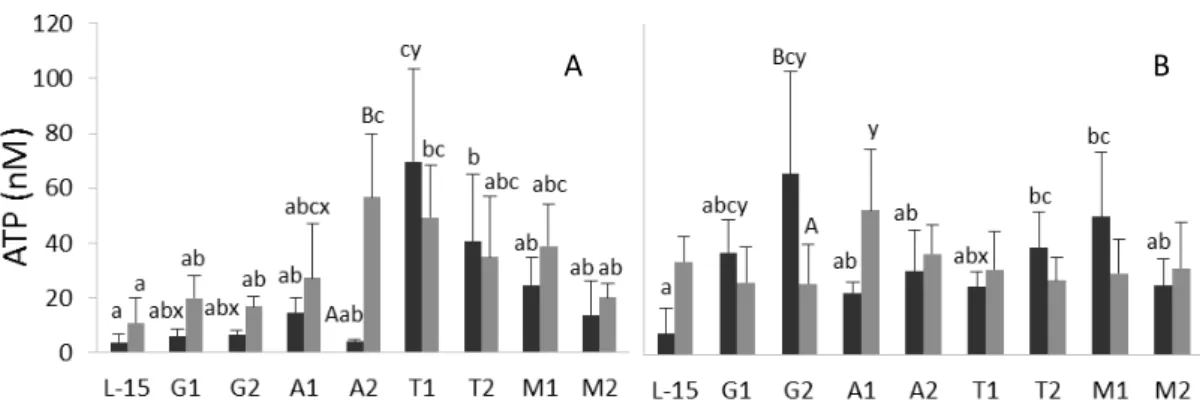
Considered one of the most versatile amino acids, arginine is involved in several immune mechanisms which makes this an interesting amino acid to be considered in immunomodulation strategies. Arginine immunomodulatory effects were evaluated in vitro in Chapter 2 and in vivo in Chapters 5 and 6. While arginine supplementation to seabass head-kidney leucocyte (HKL) culture increased extracellular ATP levels, it did not induced nitric oxide (NO) production (Chapter 2). Moreover, fish fed arginine-supplemented diets had lower plasma NO level than those fed the control, non-supplemented diet (Chapter 5). Immune- and polyamine biosynthesis-related gene expression was generally down-regulated by arginine (Chapters 2 and 5), which suggests an impairment of both immune response and cell proliferation and
differentiation, as confirmed by lower cell counts in fish fed arginine-supplemented diets both before (immune status) and after bacterial challenge (inflammatory response,
Chapter 6). In conclusion, arginine dietary administration for 2 and 4 weeks seems to
compromise fish immune condition and response. Since fish immune status is already depressed before any immune stimulation, it is suggested that arginine-mediated suppressive effects might be related to toxicity of arginine metabolites such as NO. Further research is required to ascertain this hypothesis, which should include shorter administration periods and a time-course sampling.
As precursor of S-adenosylmethionine, methionine is directly involved in methylation pathways, polyamines and cysteine biosynthesis. In addition, because cysteine is one of glutathione compounds, increased methionine availability may also modulate the redox potential. Upon immune stimulation, seabass HKL cultured in methionine-supplemented media (M1 and M2) showed enhanced NO production and respiratory burst compared to cells incubated in non-supplemented medium (L-15, Chapter 2). In Chapter 3, fish fed methionine-supplemented diet (MET) and intra-peritoneally (i.p.) injected with UV-killed Photobacterium damselae subsp. piscicida (Phdp) showed a non-significant increasing trend regarding peripheral leucocytes respiratory burst compared to fish fed a control diet (CTRL). Compared to fish fed CTRL, the number of circulating and peritoneal leucocytes was higher in MET-fed fish, both before and after the immune challenge, suggesting that the involvement of methionine in immune mechanisms is that of promoting cell proliferation. Dietary methionine surplus also significantly modulated immune-related genes expression levels (Chapters 2 and 3), an effect that might be associated to altered methylation patterns. Furthermore, as no relevant immunomodulation was observed in peripheral lymphoid tissues (skin and posterior gut) of i.p. Phdp-injected, MET-fed fish (Chapter 4), the role methionine plays in immune mechanisms seems to be limited to the inflammatory focus and the associated systemic response.
Tryptophan is precursor of serotonin (5-HT), a monoamine and neurotransmitter involved in activating and inhibitory mechanisms related to the hypothalamus-pituitary-interrenal (HPI) axis, ultimately modulating cortisol production. On the other hand, tryptophan is catabolized by 2, 3-indoleamine dioxygenase (IDO) leading to the formation of metabolites that mediate immunosuppressive effects. Immune-related effects of tryptophan supplementation were tested under the same conditions used for methionine. The majority of tryptophan-mediated immunomodulatory effects that were observed were related to immunosuppression, as denoted by down-regulation of immune-related
gene expression and cellular-mediated immune defences (Chapters 2 and 3). Moreover, fish fed tryptophan-supplemented diet (TRP) also showed decreased abundance of neutrophils (Chapter 3). Since brain monoamine content and plasma cortisol levels increased in TRP-fed fish, the aforementioned immunosuppressive effects could be associated to an enhanced neuroendocrine response. Still, since similar impairing effects were observed in vitro (Chapter 2) in tryptophan-treated HKL cultures where no cortisol is produced, IDO-mediated tryptophan metabolism should also be accounted for the observed immune response impairment. On the contrary, several immune-related genes were up-regulated in the posterior gut of i.p. Phdp-injected, TRP-fed fish (Chapter 4). Altogether, the present results show clear and mainly inhibitory effects of tryptophan supplementation on the innate immune response of seabass. Nonetheless, further research is needed, especially that focused on IDO-mediated tryptophan metabolism in different lymphoid tissues.
Despite considered non-essential amino acids, glutamine and citrulline may become conditionally essential in certain situations. The immune response, especially leucocyte function, rely on high availability of both glutamine and citrulline given their importance for energy production and de novo synthesis of arginine, respectively. To test the effects of increased glutamine concentration on the immune response, primary cultures of European seabass HKL were incubated in glutamine-supplemented media at two doses (G1 and G2) and were subjected to immune stimulation (Chapter 2). In unstimulated, G1- and G2-treated HKL, extracellular ATP levels were higher than in L-15 cell cultures, which denotes the importance of this amino acid as an energy source for cells of the immune system. Concomitantly, compared to control cells (L-15), G1- and G2-treated cells presented a generally enhanced immune response, as observed by increased NO and immune-related gene expression.
To evaluate the involvement of citrulline on the immune status and inflammatory response, European seabass were fed a citrulline-supplemented diet (CIT) for 2 and 4 weeks and were then subjected to a bacterial challenge (Chapter 6). Results point at immunosuppressive effects, with lower leucocyte numbers and lysozyme activity in fish fed CIT compared to fish fed a basal diet. The similarity between citrulline- and arginine-mediated effects suggests that citrulline is indeed used by immune cells for de novo synthesis of arginine. Still, further research on enzymatic activity is needed to confirm the enhanced conversion of citrulline to arginine.
Keywords: innate immunity, inflammation, neuroendocrine response, functional
Resumo
A produção de peixe em aquicultura assume diferentes formas quanto ao volume de produção, método de cultivo e padrões de alimentação. Independentemente da estratégia adotada, qualquer unidade de produção tem associadas determinadas características que podem constituir riscos que podem comprometer a saúde e o bem-estar animal. As altas densidades e a própria dinâmica social, aliadas a condições ambientais tais como a temperatura e oxigenação da água e disponibilidade de abrigos constituem fatores de stress para a maior parte das espécies cultivadas. Deste modo, e eficiência de respostas fisiológicas que de algum modo estão associadas à ativação da resposta neuro-endócrina, tais como a resposta imunitária, poderá ser menor.
A administração de dietas funcionais é frequentemente usada como estratégia para promover a resposta imunitária em humanos e em outros mamíferos. Estudos nutricionais em peixes têm demonstrado o potencial de diversos compostos como promotores da capacidade imunitária. Contudo, a investigação de aminoácidos e do envolvimento dos mesmos em mecanismos de imunidade inata é um tema ainda recente em peixes. Os aminoácidos são considerados, na sua maioria, moléculas particularmente versáteis que, além de serem as unidades estruturais proteicas, estão envolvidas em diversas vias de sinalização, ações reguladoras bem como outras vias metabólicas.
A presente Tese tem como principal objetivo avaliar o papel modulador de aminoácidos na resposta imunitária de uma espécie de peixe teleósteo. Em particular, os efeitos da glutamina, arginina, citrulina, triptofano e metionina são averiguados a nível da condição imunitária, da resposta inflamatória bem como da resistência a doença em robalo Europeu. Deste modo, os estudos aqui apresentados contribuem para a caracterização mais aprofundada do potencial destes aminoácidos como ingredientes funcionais em dietas de aquicultura e assim otimizar estratégias que assegurem o bem-estar e a saúde de peixes em cultivo.
A participação da arginina em diversos mecanismos de defesa, não só em mamíferos mas também em peixes, aponta para a sua importância na resposta imunitária. O efeito da sua suplementação nas defesas imunitárias foi testado in vitro no
Capítulo 2 e in vivo nos Capítulos 5 e 6. No Capítulo 2, a adição de arginina em duas
doses diferentes a meios de cultura primária de leucócitos (meios A1 e A2) do rim anterior de robalo Europeu levou a um aumento da concentração de ATP no meio de cultura de células estimuladas com lipopolissacarídeo (LPS) relativamente a células cultivadas em meio sem suplementação de arginina (L-15). Contudo, não se observou
um aumento na produção de óxido nítrico (NO) em células incubadas em A1 e A2, como seria esperado dada a presença de maior concentração de precursor. A suplementação nutricional de arginina levou à diminuição da produção de NO (Capítulo 5), inibição da expressão de genes associados à resposta imunitária e à síntese de poliaminas (Capítulos 2 e 5) e a uma menor concentração de leucócitos periféricos (Capítulo 6), comparativamente a peixes alimentados com uma dieta basal, não suplementada. Esta supressão geral da condição e resposta imunitária aumentou a suscetibilidade dos peixes à infeção por Photobacterium damselae subsp. piscicida (Phdp), levando a maiores mortalidades em peixes alimentados com dieta suplementada com arginina do que em peixes alimentados com a dieta basal (Capítulo 5). Estas observações apontam para um potencial efeito tóxico de metabolitos da arginina que, quando em níveis superiores aos valores fisiológicos, inibem a resposta imunitária. Assim, níveis de arginina acima do requisito do robalo parecem ser prejudiciais, nas condições testadas, e não benéficos para a sua condição imunitária. Contudo, são necessárias diferentes abordagens e estudos para confirmar a hipótese da toxicidade destes metabolitos, incluindo análises tais como atividade enzimática do metabolismo da arginina e variação no tempo da concentração de NO.
A metionina, além de ser um abundante aminoácido na constituição de proteínas, é também precursora de S-adenosilmetionina, estando assim consequentemente envolvida em vias de metilação, síntese de poliaminas e cisteína. É também precursora da glutationa, um importante antioxidante, e por isso um aumento da sua concentração poderá influenciar o potencial redox. No Capítulo 2, leucócitos mantidos em meio suplementado com duas doses de metionina (M1 ou M2) e estimulados com LPS e/ou Vibrio anguillarum demonstraram produzir mais NO e anião superóxido (O2-) do que células mantidas em L-15. Da mesma forma, no Capítulo 3, peixes alimentados com uma dieta suplementada com metionina (MET) e injetados com Phdp inativada por UV apresentaram maior concentração de O2- comparativamente ao grupo alimentado com uma dieta basal (CTRL), apesar da ausência de significância estatística nestes resultados. O número de leucócitos no sangue bem como no peritoneu foi igualmente superior nos peixes alimentados com MET relativamente àqueles alimentados com CTRL, tanto antes como depois do estímulo imunitário. Este aumento da resposta celular sugere que a relação da metionina com a resposta imunitária poderá ser ao nível da proliferação celular, provavelmente via síntese de poliaminas. Relativamente ao papel deste aminoácido a nível de expressão genética, os resultados dos Capítulos 2 e 3 demonstram o efeito modulador da suplementação da metionina em genes associados à resposta imunitária. Uma vez que a S-adenosilmetionina é um importante
dador de grupos metilo, a suplementação de metionina poderá afetar padrões de metilação e deste modo modular a expressão genética. Em contrapartida, as respostas imunitárias do muco da pele bem como do intestino posterior em peixes alimentados com MET e injetados com Phdp não foi significativamente afetada (Capítulo 4), sugerindo que o papel da metionina em mecanismos de defesa é direcionado para o foco inflamatório e para a resposta sistémica a ele associada.
A degradação de triptofano via enzima triptofano hidroxilase resulta na síntese de serotonina (5-HT) que é uma monoamina envolvida em mecanismos de ativação/inibição do eixo hipotálamo-hipófise-interrenal (HPI) nos peixes. Por outro lado, o triptofano é também metabolizado pela enzima 2, 3 – indolamina dioxigenase (IDO), através da qual se formam metabolitos envolvidos em mecanismos imunossupressores. Os efeitos da suplementação de triptofano nas defesas imunitárias do robalo foram avaliados em condições semelhantes àquelas escolhidas para a metionina, nos
Capítulos 2, 3 e 4. Em geral, as alterações induzidas pelo aumento da concentração de
triptofano, tanto em culturas de leucócitos in vitro (Capítulo 2) como em dietas experimentais in vivo (Capítulo 3), demonstraram padrões de inibição da resposta imunitária em termos de expressão genética e da produção de mediadores da resposta inflamatória. No Capítulo 3, o número de neutrófilos diminui no sangue de peixes alimentados com uma dieta suplementada com triptofano (TRP) comparativamente aos peixes alimentados com CTRL, depois de serem injetados com Phdp. Além da observada supressão da resposta inflamatória, a suplementação de triptofano aumentou a concentração de monoaminas no cérebro dos robalos, incluindo os níveis de 5-HT, bem como a concentração de cortisol no plasma de peixes alimentados com TRP e injetados com Phdp. Tendo em conta que os sistemas imunitário e neuro-endócrino comunicam entre si e regulam-se reciprocamente, a inibição da resposta inflamatória observada em peixes alimentados com TRP poderá estar associada à ativação do eixo HPI, comprovada pelo aumento da produção de cortisol nestes peixes. Contudo, e uma vez que no Capítulo 2 se observaram efeitos semelhantes a nível da resposta imunitária onde não é possível a interação com cortisol, as consequências da suplementação de triptofano poderão estar associadas à atividade da IDO e dos metabolitos por ela formados. No Capítulo 4, a resposta imunitária na superfície da pele de peixes alimentados com TRP demonstrou ser menos intensa do que a observada em peixes alimentados com CTRL, ao mesmo que a expressão de genes associados à defesa imunitária no intestino posterior foi intensificada. Assim, o envolvimento do triptofano no sistema imunitário parece estar dependente das condições fisiológicas do peixe e do tecido em causa. Deste modo, são necessários mais estudos para esclarecer e melhor
caracterizar a via de metabolização do triptofano durante a resposta inflamatória atendendo a cada contexto específico.
Apesar de serem considerados não-essenciais, a glutamina e a citrulina podem tornar-se aminoácidos indispensáveis em determinadas ocasiões. Durante a resposta imunitária os leucócitos utilizam a glutamina como fonte de energia e a citrulina como precursora de arginina para produção de NO. O efeito da glutamina na imunidade inata foi testado em culturas primárias de leucócitos de robalo no Capítulo 2, através da suplementação de glutamina em duas concentrações (G1 e G2). No que diz respeito aos níveis de ATP, estes foram mais altos nos meios de cultura de leucócitos não-estimulados e tratados com G1 e G2 do que em culturas sem suplementação de glutamina. Ao mesmo tempo, a produção de NO e os níveis de expressão de genes associados à resposta imunitária aumentaram em leucócitos de rim tratados com G1 e G2, demonstrando a importância da glutamina para a eficiência da resposta celular e apontando para a capacidade estimulante deste aminoácido durante a inflamação.
No Capítulo 6, os efeitos da suplementação nutricional da citrulina no sistema imunitário do robalo foram testados ao fim de 2 e 4 semanas de alimentação, bem como após a injeção i.p. de Phdp. Em paralelo com a arginina, a maior disponibilidade de citrulina teve efeitos supressores sobre mecanismos de defesa tais como o número de leucócitos no sangue e a atividade da lisozima no plasma, comparativamente a peixes alimentados com uma dieta basal. Esta semelhança entre os resultados obtidos em ensaios com arginina e citrulina sugere que os peixes teleósteos utilizam a citrulina como substrato para a síntese de novo de arginina e assim, indiretamente, a sua resposta imunitária é modulada da mesma forma que perante o suplemento direto de arginina. Contudo, são necessários estudos de atividade enzimática para confirmar esta hipótese, tendo como foco as enzimas argininosuccinato sintetase e argininosuccinato liase.
Palavras-chave: imunidade inata, inflamação, resposta neuro-endócrina, ingredientes
Index
Listo of papers v
Acknowledgments vii
Summary xi
Resumo xv
List of Figures xxiii
Listo of Abbreviations xxv
Chapter 1 - General Introduction
1.1 Functional diets in aquaculture 3
1.2 Innate immune response in teleosts 4
1.3 Neuroendocrine-immune interactions 6
1.4 Amino acids in immune mechanisms 9
1.5 Thesis main objectives 15
1.6 References 16
Chapter 2 - Amino acids as modulators of the European seabass, Dicentrarchus
labrax, innate immune response: an in vitro approach
2.1 Introduction 28
2.2 Material and Methods 29
2.2.1 Vibrio anguillarum cell inactivation 29
2.2.2 Vibrio anguillarum lipopolysaccharides extraction and purification 30
2.2.3 Fish and establishment of HKL primary cell cultures 31
2.2.4 Experimental conditions 31 2.2.5 Nitric oxide 32 2.2.6 Respiratory Burst 32 2.2.7 Arginase activity 33 2.2.8 ATP assay 33 2.2.9 Gene expression 33 2.2.10 Statistical Analysis 35 2.3 Results 35 2.3.1 Nitric oxide 36 2.3.2 Respiratory Burst 37 2.3.3 ATP 38 2.3.4 Arginase Activity 39 2.3.5 Gene expression 40 2.4 Discussion 41
2.5 Acknowledgements 47
2.6 References 48
Chapter 3 - Neuroendocrine and immune responses to inflammation engaged different fates following tryptophan or methionine treatment: tales from a teleost model
3.1 Introduction 58
3.2 Material and Methods 59
3.2.1 Formulation and proximal composition of experimental diets 59
3.2.2 Bacteria inoculum preparation 61
3.2.3 Fish and experimental design 62
3.2.4 Analytical procedures with blood and peritoneal leucocytes 62
3.2.5 Liver total antioxidant capacity 63
3.2.6 Brain monoamine content 64
3.2.7 Plasma cortisol 64
3.2.8 Immune-related gene expression in HK 65
3.2.9 Immune-related gene expression in blood 66
3.2.10 Data and statistical analysis 67
3.3 Results 68 3.3.1 Neuroendocrine response 68 3.3.2 Oxidative stress 71 3.3.3 Immune response 72 3.4 Discussion 75 3.5 Funding 79 3.6 References 80
Chapter 4 - Local immune response of two mucosal surfaces of the European seabass, Dicentrarchus labrax, fed tryptophan- or methionine-supplemented diets
4.1 Introduction 88
4.2 Material and Methods 89
4.2.1 Formulation and proximal composition of experimental diets 89
4.2.2 Bacteria inoculum preparation 91
4.2.3 Fish and experimental design 92
4.2.4 Mucus samples treatment 92
4.2.5 Skin mucus immune defences 93
4.2.6 Gene expression 94
4.2.7 Data and statistical analysis 95
4.3.1 Skin mucus immune defences 96
4.3.2 Gene expression 99
4.4 Discussion 102
4.5 Acknowledgments 106
4.6 References 106
Chapter 5 - European sea bass (Dicentrarchus labrax) immune status and disease resistance are impaired by arginine dietary supplementation
5.1 Introduction 115
5.2 Material and Methods 116
5.2.1 Diet formulation 116
5.2.2 Fish 118
5.2.3 Feeding trial and sampling 118
5.2.4 Bacterial inoculum preparation and challenge dose validation 119
5.2.5 Bacterial challenge 119
5.2.6 Respiratory burst of circulating leucocytes 120
5.2.7 Innate humoral parameters 120
5.2.8 Gene expression analysis 121
5.2.9 Statistical Analysis 123
5.3 Results 124
5.3.1 Fish performance 124
5.3.2 Bacterial challenge 126
5.3.3 Respiratory burst of circulating leucocytes 127
5.3.4 Innate humoral parameters 127
5.3.5 Gene expression 128
5.4 Discussion 130
5.5 Conclusions 134
5.6 Acknowledgments 135
5.7 References 135
Chapter 6 - Dietary arginine and citrulline-mediated impairment of immune condition and inflammatory response of European seabass, Dicentrarchus labrax
6.1 Introduction 144
6.2 Material and Methods 145
6.2.1 Formulation and analytical procedures with experimental diets 145
6.2.2 Bacterial growth and inoculum preparation 148
6.2.3 Fish and experimental design 149
6.2.5 Bacterial challenge 149
6.2.6 Time-course trial 149
6.2.7 Haematological procedures 150
6.2.8 Peripheral leucocytes procedures 150
6.2.9 Innate humoral parameters 151
6.2.10 Statistical analysis 152
6.3 Results 152
6.3.1 Disease resistance 152
6.3.2 Haematology 152
6.3.3 Innate humoral parameters 157
6.4 Discussion 158
6.5 References 161
Chapter 7 - General Discussion and Conclusions
7.1 General discussion 169
7.1.1 Arginine supplementation may compromise immune status and
cellular-mediated immune responses 169
7.1.2 Arginine metabolism in non-inflammatory conditions 169
7.1.3 Arginine metabolism during an inflammatory response and effects
on fish disease resistance 171
7.1.4 Cell recruitment and further leucocyte-mediated immune response
are enhanced by methionine increased availability 173
7.1.5 Tryptophan surplus potentiates HPI axis activation and modulates
immune response 175
7.1.6 Non-essential amino acids 178
7.2 Conclusions 181
7.3 Loose-ends and future approaches 182
7.4 References 183
Appendix
Appendix I 193
Appendix II 203
List of figures
Fig. 1 Hypothalamus-pituitary-interrenal axis of teleosts. Main events following brain
perception of stress. CRH: corticotropin-releasing hormone; ACTH: adrecorticotropin hormone.
Fig. 2 Glutamine metabolic pathways with implications in the immune response.
Glutamate can be incorporated in glutathione and thereby promote the antioxidant capacity; it can also be converted into ornithine and citrulline, hence, indirectly provide substrate for nitric oxide synthesis; glutamate is a preferred source of energy in cells of the immune system, by being channelled through the Krebs cycle. KG: α-ketoglutarate; GSH: glutathione; OAA: oxaloacetate; 1: glutaminase; 2: glutamate-dehydrogenase; 3: glutamate-5-kinase; 4: glutamate-5-semialdehyde glutamate-dehydrogenase;
5: ornithine aminotransferase; 6: ornithine transcarbamylase
Fig. 3 Macrophage activation, phenotype determination and arginine metabolism during
the inflammatory response. M1: classically activated macrophage; M2: alternatively activated macrophage; IFNγ: interferon γ; LPS: lipopolysaccharide; IL-1β: interleukin-1β; TNFα: tumor necrosis factor-α; iNOS: inducible nitric oxide synthase; NO: nitric oxide; IL-10: interleukin-10; IL-4: interleukin-4; IL-13: interleukin-13
Fig. 4 Tryptophan metabolism in mammals and its implication in the immune response. TPH: tryptophan hydroxylase; IDO: 2, 3-indoleamine dioxygenase; TDO: tryptophan 2,
3-dioxygenase; NAD+: nicotinamide adenosine dinucleotide; 1: arylformamidase; 2: kynureninie amino-transferase; 3: kynureninase; 4: kynurenine 3-hydroxylase; 5: kynureninase; 6: 3-hydroxyanthranilic acid oxygenase; 7: picolinate carboxylase. Adapted from Le Floc’h (2011).
Fig. 5 Methylation, aminopropylation and transsulphuration pathways of methionine
metabolism. SAM: S-adenosylmethionine; dSAM: decarboxylated
S-adenosylmethionine; SAH: S-adenosylhomocysteine; Hcy: homocysteine; GSH: glutathione; MTA: methylthioadenosine; 1: methionine adenosyltransferase; 2:
S-adenosylmethionine decarboxylase; 3: DNA methyltransferase; 4:
S-adenosylmethionine methyltransferase; 5: S-adenosylhomocysteine hydrolase; 6: cystathione β-synthase; 7: γ-cystathionase
List of Abbreviations
5-HIAA 5-hydroxyindoleacetic acid
5-HT Serotonin
AA Amino acids
ACTH Adrenocorticotropin hormone
BBB Blood-brain-barrier
BSA Bovine serum albumin
CFU Colony forming units
CRH Corticotropin-releasing hormone
CV Coefficients of variation
DA Dopamine
DOPAC 3, 4-dihydroxyphenylacetic acid
ELISA Enzyme-linked immunosorbent assay
FCR Feed conversion rate
FCS Foetal calf serum
GALT Gut-associated lymphoid tissue
GR Glucocorticoid receptor
HBSS Hank's balanced salt solution
Hg Haemoglobin
HK Head-kidney
HKL Head-kidney leucocyte
HPA Hypothalamus-pituitary-adrenal
HPI Hypothalamus-pituitary-interrenal
HPLC-EC high performance liquid chromatography with electrochemical detection
Ht Haematocrit
i.p. intra-peritoneally
IDO 2, 3-indoleamine dioxygenase
IFNγ interferon γ
IgM Immunoglobulin M
iNOS Inducible nitric oxide synthase
KP Kynurenine pathway
LPS Lipopolyssacharide
M1 Classically activated macrophage
M2 Alternatively activated macrophage
MALT Mucosa-associated lymphoid tissue
MCH Mean corpuscular haemoglobin
MCHC Mean corpuscular haemoglobin concentration
MSC Myeloid suppressor cells
NA Noradrenaline
NAD+ Nicotinamide adenine dinucleotide
NADPH Nicotinamide adenine dinucleotide phosphate
NO Nitric oxide
O2- Superoxide anion
OD Optic density
PAMP pathogen-associated molecular pattern
PBS Phosphate buffer saline
Phdp Photobacterium damselae subsp. piscicida
PMA Phorbol myristate acetate
RBC Red blood cells
RLU Relative light units
ROI Reactive oxygen intermediates
SALT Skin-associated lymphoid tissue
SAM S-adenosylmethionine
SGR Specific growth rate
TAC Total antioxidant capacity
TBS Tris-buffered saline
TCA Trichloroacetic acid
TCBS Thiosulfate citrate bile salts sucrose
TDO Tryptophan 2, 3-dioxygenase
TH1 T-helper 1 cell
TH2 T-helper 2 cell
TMB Tetramethylbenzidine hydrochloride
TNFα Tumour necrosis factorα
TSA Tryptic soy agar
TSA-1 Tryptic soy broth with 1 % NaCl
TSA-2 Tryptic soy broth with 2 % NaCl
TSB Tryptic soy broth
TSB-1 Tryptic soy agar with 1 % NaCl
TSB-2 Tryptic soy agar with 2 % NaCl
UPLC Ultra-high-performance liquid chromatography
vaLPS Vibrio anguillarum lipopolysaccharide
Vang Vibrio anguillarum
VSI Viscerosomatic index
Chapter 1
1.1 Functional diets in aquaculture
Aquaculture now provides half of all fish for human consumption, which has now reached 20 kg per capita 1. To respond to the needs of an increasing world population, aquaculture emerged as a fast growing food sector that involves the inherent dangers of intensive animal farming regarding environment and local communities, farmed fish health and of course, final consumers. Maintenance routines, rearing conditions or even seasonal climatic variations were, and still are on the base of several constraints and challenges in an aquaculture farm. Problems would multiply due to poor regulatory control and lack of standardized strategies. Such was the case of the use of antimicrobial drugs or other chemicals, which in early days of fish farming was poorly legislated and disproportionately used, most of the times adopted as a prophylactic strategy 2. Residues of antibiotic in fish as well as in the surrounding environment and the alarming increase in antibiotic resistance – which is then transferred to the consumer – began to be the focus of many studies 3-5. Fortunately, knowledge on the risks of such conducts now reinforces regulatory changes and the need for alternative solutions that must start with good husbandry practices and immunization programmes, thereby reducing antibiotics use to therapeutic purposes alone.
A correct and adapted nutrition provides the nutrients and energy required for growth, reproduction and general homeostasis and may therefore be regarded as an important tool of health management that potentiates efficiency of immunization. Indeed, healthy individuals are most likely to efficiently manage vaccination. Fish feeds are known to represent the highest production costs. Hence, optimizing fish feeds formulation to meet not only their nutritional requirements but an additional health benefit or improved product quality has been regarded as a promising approach to improve welfare and consequently farm’s profitability. These feeds, generally known as functional diets, are usually supplemented with specific ingredients known to directly or indirectly increase the efficiency of a given biological mechanism 6. They should be both economically attractive and environmentally friendly, and thus animal raw materials should represent a low fraction in the formulated feed 7. Probiotics 8,9, prebiotics 10,11, nucleotides 12-14, pigments 15,16, vitamins 17,18 and amino acids (AA) 19 are some good examples of successful feed additives supplemented to fish diets at different concentrations to achieve different goals.
Functional AA are those involved in other cellular processes beyond protein building 19 which imply that feed formulation must account for these specific requirements. Indeed, drastic decreases in plasma pool of certain AA have been denoted by fish upon disturbance of homeostasis 20-23. AA are versatile molecules, involved in multiple
processes such as metabolic regulation, antioxidant protection, stress response, osmoregulation, reproduction and behaviour among others 6. AA display key features of great relevance when supplemented in aquafeeds: i) AA are innocuous for fish, the environment and its inhabitants at reasonable concentrations; ii) some are already commercialized as feed-grade and iii) periods of administration of an AA-supplemented diet are not necessarily long. Relevant effects have been obtained in many and diversified areas with AA dietary treatments ranging from 1 week 24,25 to 8 weeks 26,27. Furthermore, Pohlenz and co-workers 28 demonstrated synergistic interactions between AA which co-supplementation in one diet increased vaccination efficiency in channel catfish, Ictalurus punctactus.
A great number of studies have been focused on AA supplementation to animal diets but the majority used avian or mammalian models. AA research in fish has been receiving more attention, and though results are still far from being conclusive, recent evidences suggest those are also worthy of further investigation.
1.2 Innate immune response in teleosts
Fish are the first phylogenetic group exhibiting a fully developed adaptive immune system, similar to that of mammals, therefore representing a unique link in the study of the immune system. Although teleosts present a rather limited adaptive immunity in comparison to mammalian specific immune response, innate immune defences are remarkably developed and efficient 29-31. As aquatic animals, fish are in close and constant contact with microorganisms, whether being on their skin/mucus surface or other mucosal organs such as gills and gut. Therefore, in distinguishing commensals from pathogens, as well as in mounting the corresponding tolerance-leading or inflammatory responses, fish highly rely on powerful innate immune mechanisms. Mediating these mechanisms is an array of effector players classically categorized as cellular and humoral components of the innate immune response: natural killer cells, phagocytes and thrombocytes, hormones, cytokines, protease inhibitors, lysins, precipitins and agglutinins. All these mediators communicate and regulate the actions of one another, creating a complex and very effective network of pro- and anti-inflammatory actions 32-36. Such richness and complexity, together with different pathogen recognition receptors, grants fish immune defences that, though unspecific, are able to readily recognize and even discriminate from different types of pathogenic microorganism, e.g. viruses, gram-negative or gram-positive bacteria. Moreover, innate does not necessarily mean constitutive, as different cells and molecules are quite dynamic in terms of
activation state and readiness of response, which consequently guarantees strength in each immune response 29,37.
Fish mucosal surfaces are the interface between pathogens and the host millieu and together they constitute the mucosal-associated lymphoid tissue (MALT) 29,38. Skin (mucus), gills and gut are the first physical barriers, and are provided with diffuse resident cells, enzymes and antimicrobial peptides that readily respond to invading microorganisms, preventing their entrance to the host. A simultaneous systemic response takes place and is characterized by increased blood flow and vessels permeability, migration and accumulation of phagocytes and activation of lytic mediators (e.g. proteases, anti-proteases and lysozyme, among others) 30,39.
Inflammatory processes are orchestrated by pro- and anti-inflammatory mediators that, at different but gradual stages, act to a successful pathogen clearance and resolution of inflammation without or with limited self-damage. In case inflammatory response is not successful at pathogen clearance or in scenarios of a prolonged, unrestrained response, it may developed into a systemic situation typically associated with leucocytosis, activation of complement cascades, decreased plasmatic iron and amino acid mobilization from muscle to liver for intense protein synthesis and secretion 37.
The so-called macrophage polarization is a key feature in determining these timeframes. Macrophage polarization gives respect to type of activation and consequent differentiation of myeloid cells such as macrophages, which determines their nature and activity 40,41. Macrophage polarization has also been studied in teleosts 42,43 and it seems that the acquired phenotypes share similarities with those observed in mammals. Macrophages are often categorized in 3 phenotypes, acquired upon activation by distinct immune stimuli 43: i) innate-activated macrophages respond to a microbial stimulus alone (for instance, bacterial lipopolysaccharide, LPS); ii) classically activated macrophages (M1) are induced by LPS and T helper type 1 cells (TH1)-produced interferon γ (IFNγ); and iii) alternatively activated macrophages (M2), stimulated by TH2-syntethized interleukin 4 and interleukin 13. M2 can still be functionally sub-classified in three types which is also dependent on the trigger 41. M1 macrophages present a generally stronger response than innate-activated macrophages, mainly in terms of respiratory burst activity, immune-related enzymes expression and antigen presentation 41, but both phenotypes denote pro-inflammatory activity. On the other hand, M2 macrophages mostly mediate regulatory functions, refraining those of their M1 counterparts from being self-destructive, and at the same time contributing to the resolution of inflammation and tissue repair. A very interesting review, which authors wisely entitled “The ‘macrophages first’ point of view”, calls attention to the fact of a general assumption that macrophages
polarization is dependent on a specific T-cell-driven environment, hence, in scenarios of on-going specific immune processes 43, despite macrophages themselves being key players of innate immune responses. Authors then address other reviews/studies suggesting that macrophages differentiate simply by sensing microbial/parasite infection and subsequently direct T lymphocytes to produce cytokines that would, respectively, extend M1/M2 polarization and not initiate it 44,45. It is therefore important to state that it is the adaptive immunity which needs and relies on innate immune mechanisms to initiate and direct specific responses and not the inverse situation 45.
1.3 Neuroendocrine-immune interactions
In order to efficiently respond and ultimately survive pathogen invasion and killing, animals (including fish) have developed two physiological responses: the immune response and the stress response. The two share common pathways and effector organs, a fact that necessarily involves a highly-regulated, bi-directional network of signalling molecules 46. Indeed, interrenal and haematopoietic tissues are entwined in the teleosts head-kidney. Thus, chromaffin, interrenal and immune cells are in close contact and communicate between each other. Moreover, lymphoid tissue is innervated with both sympathetic and parasympathetic nerves that are associated both to inhibition and to stimulation of immune functions 47. The head-kidney is therefore a central organ, particularly under stressful conditions, with endocrine, nervous and immune tissues being in close contact and orchestrated by local and shared regulatory mechanisms 46.
Analogous to the hypothalamus-pituitary-adrenal (HPA) axis from mammals, fish neuroendocrine response occurs in a cascade of events referred to as the hypothalamus-pituitary-interrenal (HPI) axis (Fig. 1). Activation of the HPI axis involves production of hormones and neurotransmitters both in the hypothalamus and in the pituitary, which will in turn be sent, across the blood-brain barrier (BBB) and transported to peripheral organs. Adrenocorticotropin hormone (ACTH), synthetized in the pituitary, stimulates interrenal cells to produce cortisol (Fig. 1) 48. Cortisol is the principal corticosteroid in fish and thus is frequently used as stress biomarker 49. Besides its essential role in the stress response, cortisol is also implicated in osmoregulation, growth and reproduction.
Leucocytes are sensitive to a wide repertoire of neuroendocrine responses. For instance, glucocorticoids influence the balanced successive secretion of pro‐ and anti-inflammatory cytokines and, in particular, cortisol can have profound and differential effects on the fish immune system 50. The type of stressor is a crucial determinant on cortisol immunomodulatory effects. Chronic stress is associated to a prolonged demand
of additional energy to sustain the stress response, an allostatic state that deviates energy from other physiological processes. Together with continuous cortisol production, these conditions compromise the immune status, inhibiting defences and consequently, the efficiency of an immune response. On the other hand, an acute-stressor, which typically characterizes a fight-or-flight reaction, may actually stimulate fish immune system. It occurs in a short period of time with high intensity, and there is often no serious effects on immune mechanisms 48, but it may actually prime immune cells which will eventually more rapidly respond to an immune challenge 51.
Fig. 1 Hypothalamus-pituitary-interrenal axis of teleosts. Main events following brain perception of stress. CRH:
corticotropin-releasing hormone; ACTH: adrecorticotropin hormone.
An important evidence of neuroendocrine and immune systems interaction is the presence of glucocorticoid, adrenergic, cholinergic and opioid receptors in leucocytes, making them sensitive to a wide repertoire of neuroendocrine responses. On the other hand, endocrine cells present cytokine and toll-like receptors 50,52.
Most studied fish species demonstrated the presence of nuclear glucocorticoid receptors (GR) in immune cells 53-55, through which cortisol mediates its suppressive effects. Two GR isoforms are present in the majority of these species, as a result of genome duplication, and their cortisol sensitivity is quite different 50. While GR2 appears to be more sensitive to physiological levels of circulating cortisol (present in non-stressed fish), GR1 responds only to higher levels, as observed in stressed animals. Nonetheless, immuno-modulation is mediated by both GR isoforms, which individual expression is solely dependent on cortisol concentration 53,56. GR-mediated inhibitory effects of cortisol
are directly triggered by binding of the glucocorticoid/receptor complex to DNA or transcription modulators (such as nuclear factor - kappa B) 57. Interestingly, in vitro and in vivo evidences of down-regulation of GR binding sites in leucocytes have been reported upon cortisol treatment 58 and different hypothesis were formulated. It has been suggested that immune cells bearing such receptors might have acquired the ability to counteract cortisol effects by down-regulating GR gene expression in a negative feedback mechanism. Such regulatory mechanism would enable the immune system to avoid, or at least reduce, the inhibitory effects of a prolonged stress response. Lower GR numbers can also be attributed to the receptor translocation to the nucleus 53, where it has transactivation activity. Moreover, Freeman et al. 59 addresses the fact that GR gene expression in several cells and tissues of adult humans is regulated around a “set-point” by glucocorticoid itself, which is another possible explanation for down-regulation of GR expression in the presence of higher circulating cortisol levels.
Although cortisol is associated to immunity suppression events, it is important to acknowledge that glucocorticoids (cortisol) are part of an integrated response to stress/immune challenge aiming to achieve homeostasis and balance between pro-inflammatory and anti-pro-inflammatory responses, whilst minimizing damage to the host. Cortisol synthesis as well as GR expression are therefore vital and their presence/activity should not be targeted to be completely supressed.
Just as neuroendocrine mechanisms affect immune responses, peripheral immune signals also modulate central, neuroendocrine events. Besides their classical roles as regulators of the systemic and inflammatory responses, cytokines induce other physiological processes such as fever, loss of appetite and fatigue, among others 50. Fever might not seem to be applicable in fish, which are ectothermic animals, but their temperature has indeed been shown to increase in particular situations. In goldfish, Carassius auratus, for instance, temperature rose upon LPS or interleukin 2 injections 60. Nonetheless, exactly how these peripheral signals are effectively perceived by the central nervous system is a matter of discussion, but some hypothesis have been postulated. Prostaglandins and the enzyme cyclooxygenase-2 are well-known for their role in mammalian fever induction and regulation 61-63. It is possible that these molecules, known to increase in inflammatory conditions 64, mediate communication between peripheral immune signals and the brain, since prostaglandins are able to cross the BBB 50. A second hypothesis is that of pathogen-associated molecular patterns (PAMP’s) triggering macrophages or endothelial cells present in areas of the brain that are BBB-deficient 65. These cells will then produce and release cytokines that, in turn, activate receptors present in these brain regions. Finally, besides leucocytes, astrocytes and glia cells are also immunocompetent cells (i.e. following proper stimulation) and evidences
point at the presence of cytokines gene expression in teleosts brain 66-68. Altogether, these observations demonstrate that inflammatory processes can also modulate central, neuroendocrine responses by directly or indirectly trigging hormone- or neurotransmitter-producing cells. As observed in rainbow trout, cortisol levels increased following HPI axis activation by IL1β injection 69. HPI axis activation implies the synthesis of corticotropin-releasing hormone (CRH) which then induces pituitary-production of ACTH. CRH increased in juvenile tilapia, Oreochromis mossambicus, in response to a 10-days exposure to LPS without elevation of cortisol production 70, suggesting that immunomodulation is performed at the upmost point of the HPI axis.
Data on teleost modulation of the neuroendocrine response by immune signalling pathways is still scarce. However, despite the obvious distance between mammals and lower vertebrates, neuroendocrine and immune processes seem to be evolutionarily conserved among groups, allowing the establishment of parallelisms that are at least useful as starting points.
1.4 Amino acids in immune mechanisms
The assembling of any physiological response requires energy and precursors for anabolic processes which means that requirements of certain nutrients might occasionally increase. Not differently from other nutrients, AA requirements are traditionally evaluated according to growth efficiency and body composition 71. Hence, and especially for the so-called conditionally essential AA, dietary provision might not be sufficient to fulfil the needs of a particularly critical situation. Meeting these higher AA requirements may also be compromised by the currently used fish feeds formulation, since fish meal is often replaced by vegetable ingredients and final AA balance might not be adequate. These higher requirements are easily observed in stressful situations upon which certain AA plasma levels are drastically reduced 20. Such changes are of course dependent on each AA and the needs of each particular situation.
The immune response is an especially demanding process marked by intense gene expression and synthesis of immune-related proteins as well as cellular proliferation, migration and trafficking. It engages tight regulatory mechanisms and tissue repair actions. Naturally, the efficiency as well as the resolution of these processes rely on an adequate input of precursor molecules, and among them are specific AA.
This thesis is focused on four AA: glutamine, arginine, tryptophan and methionine. Therefore, a brief review on each one’s main roles during the innate immune response is presented separately.
Glutamine
Together with glutamate, glutamine represents ≈20 % of protein constitution and its plasma and muscle abundance is one of the highest in teleost fish 6. Glutamine and glutamate are in constant interconversion and are both involved in a wide range of metabolic pathways. Glutamate is a neurotransmitter and may be converted to α-ketoglutarate that is an intervenient of the Krebs cycle (Fig. 2).
Fig. 2 Glutamine metabolic pathways with implications in the immune response. Glutamate can be incorporated in
glutathione and thereby promote the antioxidant capacity; it can also be converted into ornithine and citrulline, hence, indirectly provide substrate for nitric oxide synthesis; glutamate is a preferred source of energy in cells of the immune system, by being converted to α-ketoglutarate that fuels the Krebs cycle. α-KG: α-ketoglutarate; GSH: glutathione; OAA: oxaloacetate; 1: glutaminase; 2: glutamate-dehydrogenase; 3: glutamate-5-kinase; 4: glutamate-5-semialdehyde dehydrogenase; 5: ornithine aminotransferase; 6: ornithine transcarbamylase
Glutamine is considered a non-essential AA. Its availability may be limiting during immune responses, as it is of critical importance to leucocytes as a major energy source, with utilization rates higher than that of glucose 72. It is also a promoter of cell division and of phagocytosis 73. Though there is a vast research on glutamine utilization by mammalian macrophages, studies in teleost are scarce and glutamine involvement in the immune system has only been superficially addressed. Buentello and Gatlin 74 observed a synergistic effect of glutamine and arginine on nitric oxide (NO) production in channel catfish macrophages incubated in culture media supplemented with both AA. It was suggested that glutamine was used as fuel in these cells resulting in improved NO production rates from its precursor, arginine.
Innate immune responses typically involve an expressive increase in cellular oxidative stress, as result of activation of phagocytes killing mechanisms such as respiratory burst and NO production 75. Glutathione is one among many antioxidants which scavenges free radicals to prevent the host from self-damage. Glutathione is composed by glutamate, cysteine and glycine (Fig. 2). Therefore, an adequate provision of glutamine may contribute to the maintenance of the oxidative status.
Arginine and citrulline
Arginine requirements are often high in fish and the almost inexistent endogenous synthesis and its high contribution to protein synthesis makes arginine an essential AA 6. Arginine is a precursor for the synthesis of nitric oxide, polyamines, proline, glutamate, creatine, and agmatine which grants it a metabolic versatility that might be of interest for many applications.
The importance of arginine as immune modulator is related to two important metabolic pathways. Under inflammatory conditions, fish produce NO and ornithine from arginine, via the inducible nitric oxide synthase (iNOS) and arginase, respectively 74,76. The two pathways lead to opposite directions regarding inflammatory process and help determining macrophage polarization (Fig. 3). Triggered by LPS and IFNγ, macrophages express iNOS and present an intense NO production against infectious agents 74. In contrast, arginase activity is observed in macrophages that differentiated in response to anti-inflammatory T-cell produced cytokines. Arginase converts arginine to ornithine, which is the precursor of proline and polyamines 77. Arginase-expressing macrophages, frequently referred to as alternatively activated macrophages, prevail in a later phase of inflammation, suppressing the activity of other immune cells, thereby leading to resolution of the immune response (Fig. 3).
Fig. 3 Macrophage activation, phenotype determination and arginine metabolism during the inflammatory response. M1:
classically activated macrophage; M2: alternatively activated macrophage; IFNγ: interferon γ; LPS: lipopolysaccharide; IL-1β: interleukin-1β; TNFα: tumor necrosis factor-α; iNOS: inducible nitric oxide synthase; NO: nitric oxide; IL-10:
interleukin-10; IL-4: interleukin-4; IL-13: interleukin-13
Adding arginine to fish diets or to cell culture media induced 25,78 and impaired different aspects of the immune response 79. Context seems to be determinant for arginine-mediated effects. Briefly, arginine is metabolized by macrophages throughout the entire inflammatory process and time, together with response progression, dictate
environments chemical composition and cells phenotype, hence, arginine metabolic fate 80-83.
Arginine is gradually becoming an attractive research line given its multitude of possible applications. But particularly in immunology, it is the paradox in resultant effects that mostly entices the will for exploring arginine potential.
Citrulline is both metabolite and precursor of arginine. It is formed via iNOS activity, along with NO, and it has also been shown to influence macrophage NO synthesis upon immune stimulation, which points at its importance as arginine precursor 84. In channel catfish, dietary administration of gabaculine to inhibit ornithine aminotransferase lowered plasma citrulline and arginine concentration 85, indicating that the physiological needs of this fish species for arginine might be met by both dietary and endogenous de novo synthesis sources.
Tryptophan
Similar to mammals, tryptophan is an essential AA for fish, not only for protein synthesis, but also as precursor of relevant functional molecules such as serotonin, melatonin and nicotinic acid 86. Excluding protein synthesis, most of tryptophan is totally degraded along the kynurenine pathway (KP), yielding nicotinamide adenine dinucleotide (NAD+) (Fig. 4). Complete tryptophan degradation mostly occurs in the liver and it starts with an oxidation step mediated by tryptophan 2, 3-dioxygenase (TDO), also known as tryptophan pyrrolase. NAD+ synthesis depends on the organism uptake of dietary niacin. In fish, tryptophan conversion to niacin is limited and, as observed by Ng and co-workers 87, supplementing channel catfish diets devoid of niacin with graded levels of tryptophan did not enhance this vitamin endogenous synthesis.
While most of the KP steps are well-established in mammals, only part of the enzymes have been identified so far in teleost fish 88,89. Therefore, whether the exact sequence of events is present and which regulatory mechanisms determine enzyme activities in lower vertebrates, is a matter of further investigation.
The same degradation pathway is present in macrophages, though in these cells TDO is replaced by indoleamine 2, 3-dioxygenase (IDO) (Fig. 4). This enzyme has higher affinity to tryptophan than TDO does, and its activity suppresses TDO’s 90. IDO is induced by inflammatory stimuli such as LPS or IFN-γ and it has been observed not only in mammals but also in fish 88.
The role that tryptophan plays in IDO-expressing cells is mediated by bioactive compounds produced further down the cascade. Besides IDO-mediated tryptophan depletion from extracellular environment, which prevents microorganisms from utilizing it, tryptophan metabolties such as 3-hydroxyanthranilic acid and quinolinic acid are able
to regulate T cell function and to modulate the oxidative status (Fig. 3) 91. Thus, tryptophan-IDO-mediated effects are mostly regulatory effects, often leading to immune tolerance scenarios.
Fig. 4 Tryptophan metabolism in mammals and its implication in the immune response. TPH: tryptophan hydroxylase; IDO: 2, 3-indoleamine dioxygenase; TDO: tryptophan 2, 3-dioxygenase; NAD+: nicotinamide adenosine dinucleotide; 1:
arylformamidase; 2: kynurenine amino-transferase; 3: kynureninase; 4: kynurenine hydroxylase; 5: kynureninase; 6: 3-hydroxyanthranilic acid oxygenase; 7: picolinate carboxylase. Adapted from Le Floc’h (2011).
Tryptophan might also indirectly modulate the immune response by means of a neuroendocrine pathway. Serotonin (5-HT) is produced from tryptophan in a reaction involving tryptophan hydroxylase (Fig. 4), which is the rate-limiting enzyme in this pathway. 5-HT is commonly associated to animal behaviour, appetite and aggression 92. 5-HT is a monoamine which is simultaneously a neurotransmitter in the central nervous system and a paracrine or endocrine signal in the gut and blood 93. Interestingly, 5-HT might either induce or inhibit ACTH production in the pituitary, and consequently increase or decrease interrenal cortisol synthesis 94. Because tryptophan hydroxylase is not saturated at tryptophan physiological concentrations, 5-HT production can be promoted with tryptophan supplementation, a fact already observed in rainbow trout 94,95. While this negative feedback mechanism seems to be dose-dependent in rainbow trout, the same might not be true for other fish species. Indeed, Senegalese sole, Solea senegalensis,