Biodegradation of fluorinated compounds
widely used in agro-industrial applications
Diogo Alves da Mota Alexandrino
M
2016
DISSERTAÇÃO DE MESTRADO
Diogo Alves da Mota Alexandrino
BIODEGRADATION OF FLUORINATED COMPOUNDS WIDELY
USED IN AGRO-INDUSTRIAL CONTEXTS
Dissertação de Candidatura ao grau de
Mestre em Toxicologia e Contaminação
Ambientais submetida ao Instituto de
Ciências Biomédicas de Abel Salazar da
Universidade do Porto.
Orientadora
– Doutora Maria de Fátima
Carvalho
Categoria – Investigadora Auxiliar
Afiliação
– Centro Interdisciplinar de
Investigação Marinha e Ambiental da
Universidade do Porto
Co-orientadora – Doutora Ana Paula Mucha
Categoria – Investigadora Auxiliar
Afiliação
– Centro Interdisciplinar de
Investigação Marinha e Ambiental da
Universidade do Porto
ACKNOWLEDGEMENTS
Firstly, I would like to thank my supervisor, Dr. Maria F. Carvalho, without whom the work integrated in this thesis would have not been possible. I genuinely thank her incredible dedication and trust, certain that part of my future goals have been established as a result of her mentoring, which became both an incredible honour and a fundamental phase in my personal and professional development.
I would also like to thank my co-supervisor, Dr. Ana Paula Mucha, to whom I thank for the opportunity of integrating her laboratory, where I was always given all the conditions to develop my work to the fullest of its potential.
Secondly, I would like to acknowledge CIIMAR - Interdisciplinary Centre of Marine and Environmental Research and Departamento de Química e Bioquímica of Faculty of Sciences of University of Porto, for the use of all the equipment, installations and facilities.
To my lab mates at Ecobiotec (CIIMAR-UP), I recognise their friendship, as well as all the input in my work and precious help and support, with a special emphasis to Patricia Duarte, Filipa Santos, Joana Fernandes and Inês Ribeiro. I am also grateful for the involvement of Dr. Marisa Almeida, Dr. Filipe Pereira and Prof. Rui Oliveira in my work: to Dr. Marisa Almeida, I thank her support in all HPLC analysis, as well as the input in the scientific revision in one of the submitted scientific manuscripts that are part of this thesis; to Dr. Filipe Pereira for his incredible support and input regarding the molecular biology tools used in this work; to Prof. Rui Oliveira for his mentorship since my Bachelor Degree and for aiding on the revision of part of this thesis.
Finally, I would like to give my deepest regards to my family and close friends, acknowledging their friendship, support and company during this stage of my life. Especially to my parents, I thank them for always enabling and supporting me, shaping the person I am today.
The research contemplated in this thesis was supported by the Strategic Funding UID/Multi/04423/2013 through national funds provided by FCT – Foundation for Science and Technology and European Regional Development Fund (ERDF),
in the framework of the programme PT2020, by the structured Program of R&D&I INNOVMAR - Innovation and Sustainability in the Management and Exploitation of Marine Resources, reference NORTE-01-0145-FEDER-000035, namely within the Research Line ECOSERVICES (Assessing the environmental quality, vulnerability and risks for the sustainable management of the NW coast natural resources and ecosystem services in a changing world) within the R&D Institution CIIMAR (Interdisciplinary Centre of Marine and Environmental Research), supported by the Northern Regional Operational Programme (NORTE2020), through the European Regional Development Fund (ERDF), and by Investigador FCT program supported by FCT, FSE and Programa Operacional Potencial Humano, within the scope of the project IF/00791/2013/CP1197/CT0002.
ABSTRACT
Fluoroorganic compounds are a class of chemicals that are thriving in virtually all economic sectors, essentially due to the unique properties of the fluorine atom. The pharmaceutical and agrochemical industries are two important sectors where these compounds are used, with a wide range of commercial drugs and pesticides belonging to this class of compounds. The aim of this thesis was to investigate the biodegradation of fluoroorganics with distinct chemical structures (aliphatic and aromatic) and applications.
In the first experimental work, the biodegradation of a group of structurally related aliphatic carboxylic fluoroorganics – mono- (MFA), di- (DFA) and trifluoroacetate (TFA) - was investigated, using a variety of environmental samples as a microbial source. Biodegradation experiments were carried out under different modes of substrate supplementation, which included (i) fluoroacetates (FAs) fed as sole carbon source; (ii) FAs (only for DFA and TFA) fed in co-metabolism with sodium acetate and (iii) mixtures of MFA with DFA or TFA. Biodegradation of the target compounds was assessed through fluoride ion release. The results obtained revealed that from the three FAs fed, only MFA was completely defluorinated, while DFA and TFA were recalcitrant in all tested conditions. When present in mixture, DFA was shown to inhibit biodegradation of MFA, whereas TFA had no effect. A total of 15 bacterial isolates were found to degrade as single strains 20 mg L-1 of MFA as sole carbon source. 16S rRNA gene sequencing analysis indicated that from these degrading bacteria, only
Delftia acidovorans had been previously reported to degrade MFA. This work
shows that biodegradation of the three tested FAs is very distinct, despite these compounds being structurally related, and draws the attention to the unknown impacts that the accumulation of DFA and TFA may have in the environment as a result of their high recalcitrance.
In the second experiment, biodegradation of a veterinary antibiotic, enrofloxacin (ENR), was investigated both individually and in mixture with a non-fluorinated antibiotic, ceftiofur (CEF). Biodegradation was investigated for a concentration range between 1-3 mg L-1 and using acetate as a co-substrate. Microbial inocula were obtained from rhizosphere sediments of plants derived from experimental constructed wetlands designed for the treatment of livestock wastewaters
contaminated with trace amounts of these antibiotics. Complete removal of CEF from the inoculated culture medium was always observed, independently of its concentration or the concomitant presence of ENR. Biodegradation of ENR decreased with the increase in its concentration in the culture medium, with defluorination percentages decreasing from ca. 80 to 4 % in the cultures fed with 1 and 3mg L-1, respectively. Ciprofloxacin and norfloxacin were detected as biodegradation intermediates of ENR degradation in the inoculated culture medium supplemented with this antibiotic, indicating that defluorination of at least part of ENR in these cultures is not an immediate catabolic step. Abiotic mechanisms showed to have a high influence in the removal of CEF, affecting less ENR degradation. The enrichment process with the target antibiotics led to significant shifts in the structure and diversity of the microbial communities, predominantly selecting microorganisms belonging to the phyla Proteobacteria (e.g. genera Achromobacter, Variovorax and Stenotrophomonas) and
Bacteroidetes (e.g. genera Dysgonomonas, Flavobacterium and
Chryseobacterium). The results presented in this study indicate that
biodegradation can be an important mechanism for the environmental removal of the tested compounds. In overall, the two developed works indicate that fluorinated compounds are a challenge for microbial degradation yet, due to the high metabolic versatility of microorganisms, biodegradation is still a possible mechanism for their environmental remediation. The results obtained in the present thesis also indicate that the degree of fluorination and compound concentration have a crucial role in the recalcitrance of fluorinated compounds.
RESUMO
Os compostos organofluorados constituem uma classe de compostos químicos cuja utilização se encontra em expansão em praticamente todos os setores económicos, essencialmente devido às propriedades únicas do átomo de flúor. Os setores agroquímico e farmacêutico constituem dois segmentos industriais onde esta classe de compostos tem especial relevância, dado o elevado número de produtos farmacêuticos e pesticidas fluorados atualmente comercializados. O objetivo desta dissertação foi investigar a biodegradação de compostos orgânicos fluorados com distintas estruturas químicas (alifáticos e aromáticos) e aplicações práticas.
No primeiro trabalho experimental investigou-se a biodegradação de três compostos fluorados alifáticos estruturalmente semelhantes – mono- (MFA), di- (DFA) e trifluoroacetato (TFA) – utilizando como inóculos, microrganismos provenientes de diferentes amostras ambientais. Nas experiências de biodegradação realizadas, os fluoroacetatos (FAs) foram suplementados de diferentes modos: (i) FAs como fonte única de carbono; (ii) DFA ou TFA em cometabolismo com acetato e (iii) misturas de MFA com DFA ou TFA. A libertação do ião fluoreto foi utilizada como indicador da biodegradação dos FAs. Os resultados obtidos revelaram que dos três FAs alimentados apenas o MFA foi completamente defluorinado, enquanto o DFA e TFA foram recalcitrantes em todas as condições testadas. Quando em mistura, a presença de DFA inibiu a biodegradação de MFA, enquanto o TFA não teve qualquer efeito inibitório. Um total de 15 isolados bacterianos mostraram ser capazes de degradar individualmente 20 mg L-1 de MFA como fonte única de carbono. A sequenciação do gene 16S rRNA
desses isolados revelou que apenas a espécie Delftia acidovorans foi anteriormente reportada como degradadora de MFA. Estes resultados mostram que a biodegradação destes três FAs é bastante distinta, apesar das suas similaridades estruturais, e chamam a atenção para a importância de conhecer os impactos decorrentes da persistência e acumulação de DFA e TFA no ambiente, como resultado da elevada recalcitrância destes compostos.
Na segunda experiência, estudou-se a biodegradação de um antibiótico veterinário, enrofloxacina (ENR), suplementado individualmente e em mistura com um antibiótico não fluorado, ceftiofur (CEF). A biodegradação foi investigada para uma gama de concentrações entre 1-3 mg L-1, utilizando acetato como co-substrato.
Utilizou-se como inóculo, rizosedimento de plantas provenientes de uma fito-etar experimental desenhada para o tratamento de efluentes de pecuária contaminados
com concentrações vestigiais dos antibióticos estudados. A completa remoção de CEF foi sempre observada, independentemente da sua concentração nas culturas microbianas ou da concomitante presença de ENR. A biodegradação de ENR diminuiu com o aumento da sua concentração no meio de cultura, com percentagens de defluorinação oscilando entre os 80 e os 4 % nas culturas suplementadas com 1 e 3 mg L-1, respetivamente. Os intermediários metabólicos ciprofloxacina e
norfloxacina foram detetados nas culturas suplementadas com ENR, indicando que pelos menos parte da molécula de ENR não é imediatamente sujeita a uma reação de defluorinação. Os mecanismos abióticos mostraram ter uma grande influência na remoção de CEF, não afetando de forma tão acentuada a degradação de ENR. O processo de enriquecimento com os antibióticos estudados levou a alterações significativas ao nível da estrutura e diversidade das comunidades microbianas, selecionando predominantemente microrganismos pertencentes aos filos Proteobacteria (p. ex. géneros Achromobacter, Variovorax e Stenotrophomonas) e Bacteroidetes (p. ex. géneros Dysgonomonas, Flavobacterium e Chryseobacterium). Os resultados deste estudo mostraram que a biodegradação pode ser um importante mecanismo na remoção destes antibióticos do ambiente.
De uma forma geral, ambos os trabalhos realizados mostram que os compostos orgânicos fluorados constituem um desafio para a degradação microbiana, no entanto, atendendo à elevada versatilidade metabólica dos microrganismos, a biodegradação destes compostos revela-se um mecanismo viável para a sua remediação ambiental. Os resultados obtidos indicam também que tanto o grau de fluorinação como a concentração do composto têm um papel fundamental na recalcitrância dos compostos fluorados.
TABLE OF CONTENTS
Abbreviations and Syncronims I
List of Figures II
List of Tables III
CHAPTER 1-
Introduction1. Xenobiotics in the environment 1
2. Fluoroorganic compounds
2.1. Elemental fluorine 3
2.2. The C-F bond 3
2.3. Biological significance of fluoroorganics 5 2.4. Industrial significance of fluoroorganics 6 3. Biodegradation and Bioremediation
3.1. Factors influencing biodegradation and
bioremediation 8
4. Microbial transformation and degradation of fluoroorganic
compounds 11
5. Genomic and metagenomic approaches in biodegradation
studies 13
6. Aim and outline of this thesis 14
CHAPTER 2 –
Biodegradation of Mono-, Di- and Trifluoroacetate by Microbial Inocula with Different Origins1. Introduction 17
2. Materials and Methods
2.1. Microbial inocula 19
2.2. Biodegradation experiments 19
2.3. Bacterial characterization of MFA-degrading
cultures 20
2.4. Biodegradation capacity of bacterial isolates
obtained from MFA-degrading cultures 20
2.5. Identification of MFA-degrading isolates 21
2.6. Analytical methods 22
3. Results
3.1. Biodegradation of FAs by the different microbial
inocula 22
3.2. Characterization of MFA-degrading bacterial consortia and biodegradation capacity of the isolated
strains 24
3.3. Identification of the MFA-degrading bacterial
isolates 26
4. Discussion 26
CHAPTER 3 –
Biodegradation of the Veterinary Antibiotics Enrofloxacin and Ceftiofur and Associated Microbial Community Dynamics1. Introduction 34
2. Materials and Methods
2.1. Enrichment of microbial degrading cultures 35 2.2. Biodegradation of different concentrations of ENR
and CEF 36
2.3. Analytical methods 37
2.4. Analysis of the structure of the microbial
communities 38
2.5. Statistical analysis 39
3. Results
3.1. Biodegradation of ENR and CEF 40
3.2. Analysis of microbial communities’ dynamics 43
4. Discussion 44
5. Conclusion 52
CHAPTER 4 –
General Discussion and Conclusions1. General discussion 55
2. Conclusion 57
I
ABBREVIATIONS AND SYNCRONIMS
Å - Ångstrom Bp – Base pair CEF – Ceftiofur C-F – Carbon-fluorine CIP – Ciprofloxacin CP – Cephalosporins DFA - Difluoroacetate ENR – Enrofloxacin
FAdH – Fluoroacetate dehalogenase FAs - Fluoroacetates
FQ – Fluoroquinolones
HCFC - Hydrochlorofluorocarbon HFC – Hydrofluorocarbon
Kj – Kilojoule
LOD – Analytical Limit of Detection LOQ – Analytical Limit of Quantification MFA - Monofluoroacetate
MM – Minimal medium NOR – Norfloxacin OD – Optical Density
OTU – Operational Taxonomic Unit PCA – Plate-Count Agar
PCR – Polymerase Chain Reaction Pm - Picometer
QIIME – Quantitative Insights into Microbial Ecology rRNA – Ribosomal RNA
STE – Sodium Chloride-Tris-EDTA TFA - Trifluoroacetate
TISAB III – Total Ionic Strength Adjusting Buffer WWTP – Wastewater Treatment Plant
II
LIST OF FIGURES
Figure 1 Main anthropogenic sources of organofluorine contaminants
and their corresponding environmental dynamics. 2
Figure 2 Chemical structure of the four top-selling fluorinated
pharmaceuticals in 2015. 5
Figure 3 Biodegradation performances, based on fluoride release, of
MFA supplemented as a sole carbon source during a two
months period. 23
Figure 4 Defluorination performance of the tested microbial consortia
when supplemented with mixtures of FAs after two feeding
periods. 25
Figure 5 Biodegradation based on fluoride release of FAs supplemented as sole carbon sources and in co-metabolism with MFA, by a
mix of the 13 MFA-degrading microbial isolates. 28
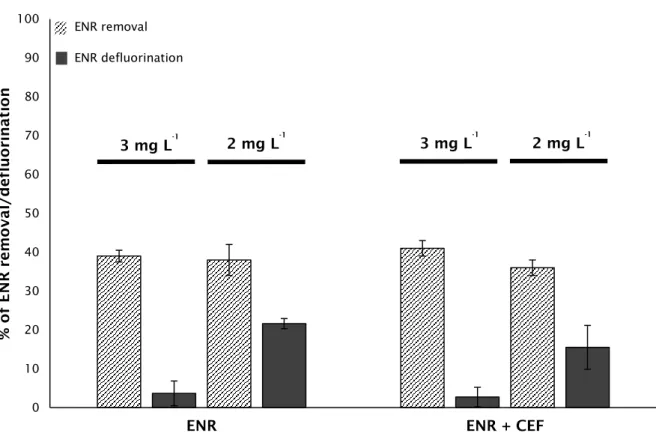
Figure 6 Biodegradation of ENR, supplied individually and in a mixture
with CEF for the concentrations of 3 and 2 mg L-1.
42
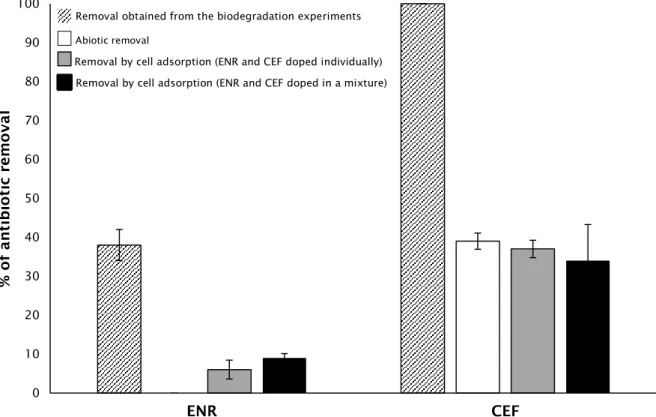
Figure 7 Removals of ENR and CEF obtained in different experimental
conditions, for the concentration of 2 mg L-1.
43
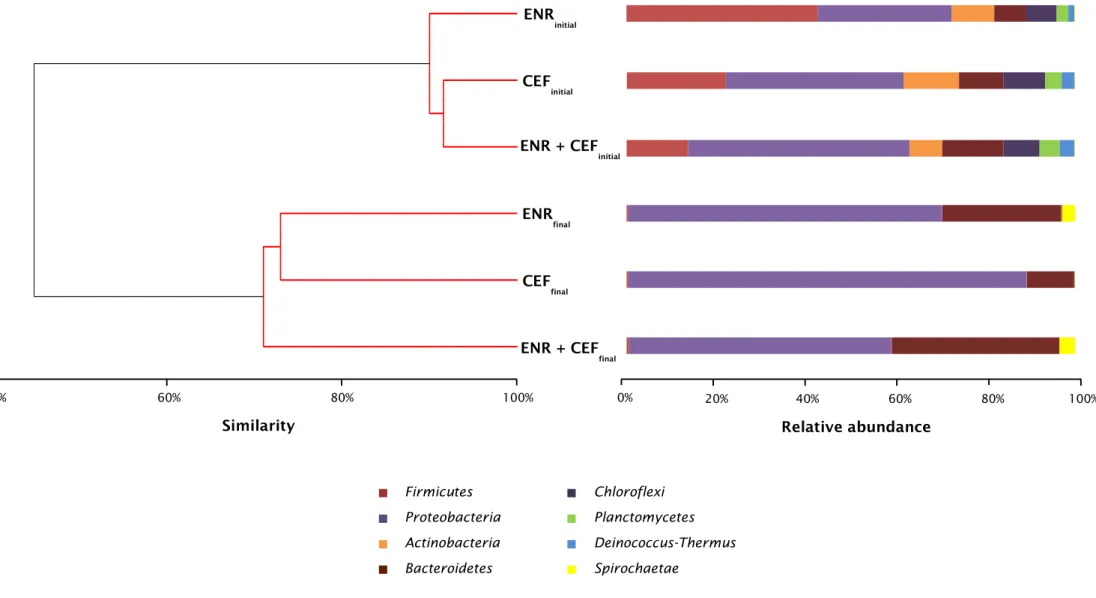
Figure 8 Cluster analysis based on Bray-Curtis similarity of
metagenomics profiles of microbial communities and relative abundance of the different bacterial phyla at the beginning and
III
LIST OF TABLES
Table 1 Physicochemical properties of the different halogens 4
Table 2 Microbial strains isolated from the different MFA-degrading consortia and taxonomic identification of the microbial
isolates capable of degrading MFA as a sole carbon source 27
Table 3 Defluorination performance along a feeding period of 21 days, obtained nine weeks after the beginning of the enrichment phase, for ENR supplied individually and in mixture with CEF, at the concentration of 1 mg L-1
41
Table 4 Diversity and abundance indexes of the initial inocula and
microbial communities enriched with the target antibiotics 45
Table 5 Metagenomics profiles of the initial inocula and enriched consortia, showing the relative abundance of each taxonomic
1
CHAPTER
1
1. Xenobiotics in the environment
The advances in chemical synthesis have led to the introduction of countless new compounds in all segments of contemporary societies and to the generation of novel products and materials. Today, more than ever, the creation, production, marketing and overall use of novel synthetic and semi-synthetic products happens in an unequalled rate.
While industrialization has been the main drive towards the high standards of living that exist nowadays, this phenomenon is also the main responsible for the environmentally-threatened Earth that we live today. As a result of the rapid industrial development that occurred after the first Industrial Revolution, which was accompanied by a hasty urbanization and an increase on world population, a significant anthropogenic pressure in every component of the environment has been occurring.
The production, introduction and spreading of xenobiotics in the environment is a direct cause of the increased anthropogenic footprint in the environment. Being compounds foreign to nature, xenobiotics have an increased potential for ecosystem damage, attending to their capability of disrupting the dynamics of nature. Moreover, the recycling and natural removal of such products from environmental matrices is not always possible due to their foreign nature and constant environmental input.
2. Fluoroorganic compounds
The first reported synthesis of a fluoroorganic compound dates back to mid-18th century, but it was only in the 1930s that these products gained an industrial dimension with the production of chlorofluorocarbons and other industrially relevant fluorinated products (Okazoe, 2009; Kirsch, 2013). With the development of new methodologies enabling a more efficient synthesis of the carbon-fluorine (C-F) bond, the overall manufacturing of synthetic organofluorines skyrocketed. In addition to industrial applications, the unique properties of fluoroorganics made these compounds also attractive for other types of applications. For example, the discovery of the first fluorinated pharmaceutical by Heidelberger et al. (1957) (5-fluorouracil, an anticancer drug) drew attention to the role that fluoroorganic compounds could have on the design of pharmaceuticals and agrochemicals.
2
Nowadays, this class of compounds has a widespread use in various applications, ranging from pharmaceuticals, agrochemicals and biocides, industrial reagents, solvents, anti-adherents, plastics, fire retardants, refrigerants, anaesthetics, among others (Key et al., 1997; Kiel and Engesser, 2015). As a result of this growing use in most economical sectors, the environmental presence of organofluorine compounds has witnessed a proportional increase (Fig. 1) (Key et al., 1997; Kiel and Engesser, 2015).
Biological production of fluorinated molecules is very rare in nature. Biogenic halogenation is verified in ca. 3700 organic molecules, but only about 20 of these correspond to fluorinated structures (Gribble, 2003; Kiel and Engesser, 2015). All the known naturally-produced organofluorines are monofluorinated, which contrasts with synthetic fluoroorganic compounds which usually have more than one fluorine atom in their molecules (Key et al., 1997). Thus, the overwhelming majority of organofluorinated compounds are foreign to nature, being xenobiotics, by definition. In addition, the scarce occurrence of natural fluorinated structures indicates that fluorinated compounds do not have a central role in biological processes (Kirsch, 2013).
Figure 1. Main anthropogenic sources of organofluorine contaminants and their corresponding
3
2.1. Elemental fluorine
Fluorine is a chemical element belonging to the halogens group. It was first discovered in 1810 by André-Marie Ampére, but the isolation of this element was only achieved in 1886 by Henry Moissan (Chang, 2010). Despite its early discovery, fluorine only became relevant almost a century later (Okazoe, 2009).
Although all halogens are highly reactive, fluorine exhibits an unprecedented reactivity, as it is highly oxidizing and prone to radical formation (Jaccaud et al., 2000; Kirsch, 2013). Also, this element has an extreme electronegativity (and, consequently, a very high ionization energy), which further contributes to its high reactivity (Chang, 2010; Kirsch, 2013).
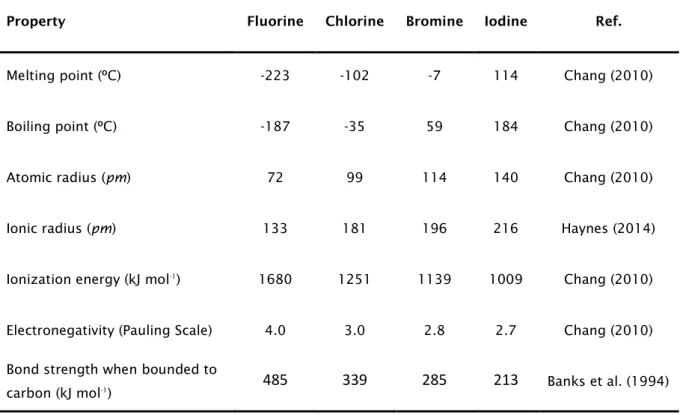
Due to its peculiar properties and widespread uses, fluorine has been acknowledged has the “small atom with a big ego” (Uneyama, 2007). In fact, this element has unique physicochemical properties (Table 1), which justify its current diversified applications. However, these properties also render all fluorinated molecules – either organic or inorganic – a certain outlandishness in terms of structure, reactivity and overall biotic and abiotic behaviour.
The ionic form of fluorine, fluoride, has a very small ionic radius (Table 1), similar to a hydroxyl anion or a hydrogen, meaning that the replacement of a hydrogen atom or a hydroxyl group by fluorine occurs with minimal steric interferences (Jaccaud et al., 2000). Also, fluorine is capable of establishing with carbon one of the strongest chemical bonds known in organic chemistry.
When compared to the other halogens, fluorine is the most abundant, being also one of the most common elements in the planet (Jaccaud et al., 2000). However, this element occurs mainly in inorganic forms, integrating various minerals (fluorspar, fluorite, fluorapatite, cryolith and topaz) (Harnisch and Eisenhauer, 1998). In fact, the natural occurrence of fluorine embedded in organic molecules is a very rare phenomenon.
2.2. The C-F bond
The peculiar properties of organofluorinated compounds can be partially attributed to the special nature of the chemical bond that fluorine establishes with carbon in organic molecules.
4
This bond is thought to be one of the strongest in organic chemistry, partially due to the high electrostatic attraction between fluorine and carbon and to the excellent orbital compatibility between these two elements (Banks et al., 1994; O'Hagan, 2008; Kirsch, 2013). In addition, due to the extreme electronegativity of the fluorine atom, when fluorine is bonded to carbon it always attracts more strongly the shared electrons, creating a highly polarized chemical bond.
Table 1. Physicochemical properties of the different halogens
Property Fluorine Chlorine Bromine Iodine Ref.
Melting point (ºC) -223 -102 -7 114 Chang (2010)
Boiling point (ºC) -187 -35 59 184 Chang (2010)
Atomic radius (pm) 72 99 114 140 Chang (2010)
Ionic radius (pm) 133 181 196 216 Haynes (2014)
Ionization energy (kJ mol-1) 1680 1251 1139 1009 Chang (2010)
Electronegativity (Pauling Scale) 4.0 3.0 2.8 2.7 Chang (2010)
Bond strength when bounded to
carbon (kJ mol-1) 485 339 285 213 Banks et al. (1994)
Besides, the C-F bond also has a small length (1.35 Å), being only compared to carbon-hydrogen (1.09 Å) and carbon-oxygen bonds (1.43 Å). In fact, the C-F bond possibly represents the smallest chemical bond between carbon and a heteroatom in organic molecules.
As a result of the properties of the C-F bond, fluorinated molecules are less likely to interact with neighbouring molecules (Murray-Rust et al., 1983), with this property closely influencing pharmacokinetics and environmental dynamics of these compounds.
5
2.3. Biological significance of fluoroorganics
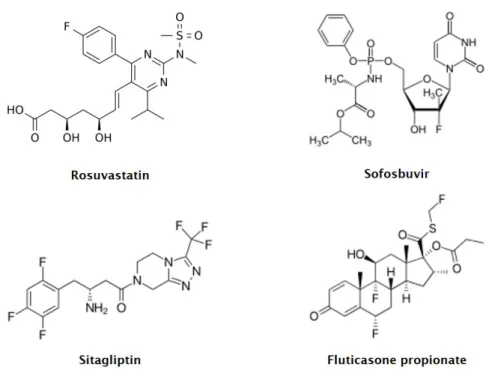
Fluorine-substituted molecules have a high potential as biologically active compounds in areas ranging from medicinal chemistry to agriculture (Ojima, 2013). The applications of organofluorine compounds as therapeutics, diagnostic agents, pesticides, among others, are rapidly expanding, much due to the special properties of these compounds. One clear example of this is demonstrated by the large number of fluorinated pharmaceuticals currently approved for human and veterinary use (Bégué and Bonnet-Delpon, 2006; Isanbor and O’Hagan, 2006; Yamazaki et al., 2009). In fact, ca. 25% of pharmaceuticals currently commercialised correspond to fluorinated compounds and from the ten most sold human pharmaceuticals in the year of 2015, four of them are fluorinated – Crestor® (rosuvastatin), Sovaldi® (sofosbuvir), Advair Diskus® (fluticasone propionate) and Januvia® (sitagliptin), respectively (Fig. 2) (Gilchrist, 2015; Murphy, 2016). Organofluorine pesticides such as fipronil, epoxiconazole and trifluralin, can also be found amongst the top best-selling agrochemicals in Europe and in the United States of America (Loi et al., 2011).
6
The reason why fluorine is becoming one of the most attractive heteroatoms in molecular design, is fully attributed to the atomic properties of this element which are transferred to the molecules it incorporates. In other words, its peculiar characteristics are mirrored in the compounds it incorporates, leading to the emergence of favourable properties.
One of the most significant attributes associated with the molecular incorporation of fluorine, is the increase in the metabolic stability of fluorinated structures (Zhang et al., 2012; Ojima, 2013). Due to their molecular strength and low reactivity, fluoroorganic compounds are likely to remain stable in blood circulation, reducing their susceptibility to detoxification mechanisms and also their potential for systemic toxicity (Ojima, 2013). On the other hand, the low likelihood of intermolecular interactions associated with their increased metabolic stability, promotes the selectivity of organofluorine compounds. By reducing their interaction with secondary targets, fluorinated molecules will exert their bioactivity more directly and efficiently.
Lipophilicity and membrane permeability is significantly promoted with the incorporation of fluorine in aromatic molecules, and thus fluorinated compounds have enhanced pharmacokinetics and pharmacodynamics properties (Zhang et al., 2012; Ojima, 2013). This is a favourable property for both pharmaceuticals and biocides, as it promotes their biological activity in biochemical and physiological targets.
As already referred, fluorine shares a similarity in steric size with hydrogen or a hydroxyl group (Jaccaud et al., 2000). This means that fluorine-substitution can generate congeners of desirable chemical structures with enhanced characteristics, without compromising its intended biological effect. The production of synthetic or semi-synthetic fluorinated compounds is becoming a common trend in medicinal chemistry, with a special focus on the biosynthesis of fluorinated analogues of natural products (Zhang et al., 2012).
2.4. Industrial significance of fluoroorganics
Fluorinated compounds hold several properties that are highly attractive for industrial purposes, where they may act as reagents, solvents, building blocks, polymers, among others. The physical, chemical and thermal stability of the C-F bond is the main reason why fluoroorganics are highly used in industry. The
7
distinctive solubility properties induced by molecular fluorination, make some organofluorine compounds to act as optimal industrial solvents, being compatible with most lipophilic substances or with other fluorinated compounds. These solvents are highly used in purification processes in fine-chemistry industries and in the synthesis of other fluoroorganic products (Spargo, 2005).
Fluorinated compounds may also serve as important building blocks, being frequently used as fluorine donors or precursors in the preparation of more complex organofluorines (Siegemund et al., 2000).
Fluorinated polymers have increased advantages, essentially associated with their high resistance, great isolating properties and non-permeability (Siegemund et al., 2000). As a result of their versatility, various fluoropolymers are currently being used in many applications, ranging from domestic appliances, cookware, textiles, clothing, medical equipment, or even in the formulation of firefighting foams (Siegemund et al., 2000). One good example of a widely used fluoropolymer is polytetrafluoroethylene, a waterproof and light polymer that is part of the famous materials Teflon® and GoreTex®.
3. Biodegradation and Bioremediation
Biodegradation is a biological process carried out by microorganisms that leads to the simplification of the molecular structure of a compound, as a result of the catabolic activity of microbial enzymes. Bioremediation, refers to the strategic employment of microorganisms with the capacity to attenuate a contamination scenario, either by removing or neutralizing the target contaminants (Crawford, 1998). Both these concepts are closely related, as bioremediation strategies rely on the biodegradation potential of microorganisms and make use of their capacities to ensure environmental restoration. During bioremediation, microbial removal or transformation of xenobiotics into less, or even non-hazardous products occurs (Karigar and Rao, 2011).
Since the 1980s, bioremediation processes have been employed for the remediation of oil spills and other hazardous products (Shannon and Unterman, 1993) and, more recently, they have also been applied in different contexts of contamination, mostly targeting micropollutants and emerging pollutants (Das and Dash, 2014).
8
Contaminants may also be removed from the environment through physicochemical processes, such as precipitation, coagulation, adsorption, biosorption or reverse osmosis (US-EPA, 2007; Wang and Chen, 2009; Das and Dash, 2014). However, when compared to these processes, bioremediation presents several advantages: (i) biological remediation of contaminated sites tends to be cheaper than physicochemical remediation techniques (Kumar et al., 2011); (ii) some physicochemical processes of remediation are highly invasive and, as a result, may yield secondary effects in the environment, (iii) bioremediation has the potential to mineralize the contaminants, i.e., to convert the contaminants into their constituent elements, as it is based on natural and recycling processes; (iv) bioremediation technologies are capable of removing environmental contaminants with minimal environmental impacts and, most of the times, without involving the transfer of contaminated waste or soil for ex situ treatment, as in many physicochemical processes (Kumar et al., 2011).
In spite of its several advantages, bioremediation also presents some limitations. Biological remediation strategies rely on the efficiency of metabolically-competent microorganisms, however these may not always be present or active at the bioremediation site. Also, metabolic reactions are always dependent on microbial viability, which in turn is highly influenced by variables that are hard to control in real-life scenarios, such as suitable environmental conditions or appropriate levels of nutrients (Kumar et al., 2011). Moreover, in order to ensure the expression of the key enzymes involved in the bioremediation processes, several conditions should be met, including adequate concentration of the target contaminant in the environment, suitable temperature, pH and redox conditions and suitable bioavailability of the contaminant. In addition, certain bioremediation strategies may affect the normal dynamics of ecosystems. For example, the use of non-autochthonous microbial species/microbial communities for bioremediation purposes may cause disturbances on the ecology and microbial dynamics of the indigenous microbiota of the site, impairing the natural functioning of that ecosystem (Thompson et al., 2005; Kumar et al., 2011).
3.1. Factors influencing biodegradation and bioremediation
Microbial metabolism is a central aspect of biodegradation and bioremediation, as it is determinant for the transformation and environmental removal of contaminants. Microorganisms are able to convert or even mineralize xenobiotics
9
through catabolic reactions, usually associated with energy consumption (Adams et al., 2015). These metabolic processes normally involve redox reactions and may be associated with respiration or other biological functions that are indispensable for cell viability and reproduction (Adams et al., 2015). Such reactions are highly influenced by various factors, either intrinsic to the microorganisms or associated with the environment where they are integrated, and will directly influence the overall effectiveness of biodegradation and, consequently, of the bioremediation strategy.
The capacity of microorganisms to transform, accumulate or mineralize contaminants is a fundamental part of bioremediation (Karigar and Rao, 2011). In a contamination scenario, prior knowledge on this aspect is needed for the outlining of an efficient bioremediation strategy. The capacity of microbial cells to utilize xenobiotic structures as sources of energy is not a common phenotype, since their catabolic enzymes did not have a natural evolution process with these compounds. While microbial metabolism can be extremely versatile, some contaminants remain recalcitrant to biological degradation, especially when having high molecular weights and bearing complex ring structures and halogen substituents (Das and Dash, 2014). Many xenobiotic compounds are biodegraded only through cometabolic processes. Cometabolism can be defined as a metabolic interactive effect between two substrates, where usually one is actively metabolised, being used as a source of carbon and/or energy, and the other one is unable to support microbial growth (Criddle, 1993). Different variations of cometabolic reactions might occur in the environment, contributing to the conversion of various chemical compounds, either by supporting an increase in microbial density or by improving metabolic performances (Dean-Ross et al., 2002). The capacity to degrade a certain contaminant or group of contaminants may be intrinsic to autochthonous microbial species/microbial communities or not. If the native microbiota of a contaminated site includes microorganisms capable of metabolizing a contaminant, then the bioremediation strategy can make use of these microorganisms to remove the pollutants (Das and Dash, 2014). There are cases though, where the introduction of exogenous, non-native, microbial species is needed in order to remove specific contaminants (bioaugmentation). In any of these situations, the microorganisms responsible for the biodegradation processes must be able to reach their optimal activity and metabolic peak in contaminated sites, so that they are able to remove or neutralize the xenobiotics. In order to
10
achieve this, in some cases it is necessary to add nutrients, essentially nitrogen and phosphorous, to the contaminated site (biostimulation).
While knowledge on microbial metabolic potential is a key factor in bioremediation processes, information on other variables, such as environmental factors or contamination dynamics is also very important. Environmental factors include a wide array of physical, chemical and biological conditions that confer additional complexity to the whole bioremediation process, as they influence both microbial activity and the environmental dynamics of the contaminants. Among the broad spectrum of environmental variables the most relevant ones are: geophysical characteristics of the affected site, nutrient availability, presence of oxygen (or other electron acceptors), temperature and pH (Das and Dash, 2014; Adams et al., 2015). Site characteristics should be properly explored prior to the implementation of a bioremediation strategy. Besides influencing the distribution and bioavailability of the contaminants, it will also determine microbial survival rate by modulating oxygen content, nutrient availability, water content, among other factors (Adams et al., 2015). Nutrients are essential elements for the survival, viability and multiplication of microbial cells, with carbon, hydrogen and nitrogen being needed in greater quantities over other elements (Das and Dash, 2014). Temperature, pH or oxygen content, are vital factors for microbial survival and their optimal levels will depend significantly on the type of microorganisms involved in the biodegradation mechanisms.
Regarding the dynamics of contamination, the magnitude, extent, mobility and toxic potential of the involved contaminants are essential aspects (Das and Dash, 2014). Knowledge on this will allow to clarify the hazardous nature of the contamination and to more properly define the bioremediation strategy. The characteristics of the contamination may pose as a limiting factor in bioremediation – the type of contaminants, as well as their formulation, concentration and bioavailability will always determine the likelihood of microbial degradation and, thus, the efficacy of the bioremediation process (Adams et al., 2015). Geological and soil characteristics of the site are also important in the environmental dynamics of contaminants, as they influence their mobility, distribution and bioavailability.
11
4. Microbial transformation and degradation of fluoroorganic compounds The recalcitrant nature of fluoroorganics is widely acknowledged and has been verified for various fluorinated compounds (Key et al., 1997; Neilson and Allard, 2002). Yet, when concerning the biodegradation of these compounds, scientific research has focused more on fluoroaromatic structures, with this topic being less explored for aliphatic organofluorines.
The physicochemical properties of these compounds are an important reason behind their resistance to microbial catabolism and can be almost fully attributed to the significant negative inductive effect associated with fluorine’s high electronegativity. This creates a stereochemical and electronic unbalance on the whole molecular structure, generally preventing the electrophilic attack of molecular oxygen, which constitutes a primary step in most aerobic metabolic pathways (Kiel and Engesser, 2015). Moreover, some fluoroorganics can act as enzymatic inhibitors, being capable of irreversibly inhibiting enzymatic activity (Neilson and Allard, 2002). Thus, their recalcitrance may also be due to their capacity of inactivating their potential biocatalysts, preventing their biotransformation. As a result of these characteristics, the biochemical interaction between organofluorine compounds and microorganisms often results in their incomplete degradation or no degradation at all (Neilson and Allard, 2002). Complete defluorination of a fluoroorganic usually leads to its mineralization, especially if occurring as a primary step on the catabolic pathway, since elimination of fluoride is a critical step in the biodegradation of fluorinated compounds (Kiel and Engesser, 2015). This is particularly relevant when fluorination occurs in core structures of aromatic organofluorines or in short-chained aliphatic compounds, as in both these cases fluorine’s inductive effects are more evident throughout the whole molecular structure (Kiel and Engesser, 2015).
As defluorination capacity is a characteristic not commonly present in most microorganisms, fluoroorganic compounds are more likely to be biodegraded through unspecific reactions, as those observed in cometabolic pathways. Yet, even in these conditions, fluorinated compounds might not be fully metabolized (Kiel and Engesser, 2015). The concomitant presence of a fluorinated compound and a co-substrate, might induce cometabolic reactions due to structure similarity or to growth stimulation of the microbial population (Kiel and Engesser, 2015). The first situation requires two substrates to be structurally related, and occurs when the
12
presence of the growth substrate is capable of inducing enzymes able to catalyse the breakdown of its recalcitrant analogue, while the second situation corresponds to the use of substrates capable of supporting microbial growth, leading to an increase of catabolic enzymes and, consequently improving the chances of degradation of the fluorinated substrate.
Aliphatic and aromatic organofluorines have distinct stereochemical and biochemical demands when concerning their biological transformation, thus exhibiting different pathways through which they may be metabolized. Aliphatic fluoroorganics are generally smaller and chemically simpler than fluorinated aromatics, with the exception of perfluorinated aliphatics that bear additional functional groups or several ring structures that may influence their biodegradability. As a result of their simpler structures, defluorinating reactions are common primary steps in the microbial degradation of aliphatics, and some different enzymes have been reported to catalyse such reactions (Fetzner and Lingens, 1994). Concerning aromatic structures, it has been shown that their biodegradation share some similarities with the degradation of their non-fluorinated analogues, such as in the case of several phenols, benzenes, benzoates and anilines, whose metabolic pathways are well established (Boersma et al., 2001; Carvalho et al., 2006; Iwai et al., 2009). In these compounds, fluoride ion removal is an essential step in their degradation because it facilitates the consequent transformation of the resulting substrate and avoids the generation of unwanted, dead-end metabolites, which may be more persistent or toxic than the parental compound (Kiel and Engesser, 2015). Defluorination may occur before or after fission of the aromatic ring, but may be hindered depending on the position where the fluorine atom is on the aromatic ring or if there is more than one ring structure, as in the case of polycyclic compounds (Neilson and Allard, 2002; Murphy et al., 2009).
Genetic mechanisms are also an important factor in the microbial degradation and transformation of fluoroorganic compounds. Gene transfer can, in some cases, lead to the emergence of novel defluorinating pathways or endow non-metabolically competent microorganisms with suitable catabolic mechanisms to attack fluorinated molecules. The acquisition of such genotypes may be the result of horizontal gene transfer or though the integration of functional replicons, mediated by integrase enzymes (Janssen et al., 2001). Adaptation processes can also be a way through which microorganisms acquire capacities to transform and
13
defluorinate fluoroorganic molecules, and gene transfer has an important influence in such processes. Additionally, environmentally-driven genetic mutations, such as recombinations, are also relevant in microbial enrichment and constitute important adaptation processes to fluorinated xenobiotics (Janssen et al., 2001).
5. Genomic and metagenomic approaches in biodegradation studies
In biodegradation studies it is very important to properly identify the metabolically-competent microorganisms as well as to understand their microbial dynamics. Much of this valuable information is now more easily accessible, thanks to the the development of omics tools. More specifically, genomic and metagenomic approaches have allowed to deepen the investigation of the microbial world, allowing a clearer identification of microbial species, and contributing to the understanding of microbial community dynamics, also visualizing segments of the microbiome (essentially uncultured microorganisms) which were invisible otherwise.
Genomics corresponds to the study of gene function and structure, allowing mapping and elucidating biological systems and reactions. In microbiology, genomics revolutionized the taxonomy and phylogeny of microbial species through the analysis of specific genes with taxonomic value. In bacteria, the 16S ribosomal RNA gene (16S rRNA gene) has been widely used for the phylogenetic identification of bacterial isolates as it is highly conserved within bacterial species, showing only some variable regions (Coenye and Vandamme, 2003). Prior to 16S rRNA gene sequence analysis, bacterial taxonomy was based on morphological, biochemical and physiological characteristics of microbial strains, which was often a subjective procedure (Handelsman, 2004). In biodegradation/bioremediation studies, 16S rRNA gene sequencing allowed to more accurately identify bacterial species with biodegradation capacities. A myriad of microorganisms capable of remediating and neutralizing numerous environmental contaminants have been identified thanks to this genomic-based approach.
Metagenomics is the application of genomic-based principles for the analysis of microbial communities directly derived from environmental samples. One major advantage of this tool, when compared with other genomic approaches, is that it enables the combined analysis of cultured and non-cultured microorganisms,
14
allowing understanding the microbial composition within a whole community. Through this approach, it is possible to obtain high-resolution genetic information of complex microbial systems, such as community shifts and dynamics and microbial composition, diversity and structure (Bell et al., 2013). Therefore, this type of approach allows better understanding how a microbial community responds and adapts to the presence of a target contaminant (Bell et al., 2013). For example, microbial diversity has been regarded as a good indicator of ecosystem function with environmental microbiomes with high levels of microbial diversity being usually more resistant to anthropogenic disturbances (Bissett et al., 2007; Allison and Martiny, 2008). Metagenomic approaches allow understanding how environmental microbiomes are affected by the presence of contaminants, which is very important for the assessment of the environmental impact caused by these compounds.
6. Aim and outline of this thesis
The utilization of fluoroorganic compounds is increasing worldwide, accompanied by a proportional increment on their environmental presence and distribution. Due to the fact that the majority of these compounds are emergent pollutants, a lot is yet to be known regarding their biodegradability and hazardous nature. Consequently, knowledge on the biodegradability of these compounds and on suitable bioremediation technologies capable of mitigating the environmental impact of fluorinated xenobiotics is urgently needed. In this context, the work developed in this master dissertation focused in the investigation of the biodegradation of fluoroorganic compounds with different structures (aliphatics and aromatics) and applications.
The present thesis is structured as follows: in Chapter 1, a general introduction is provided, presenting the state of the art concerning the properties, applications and biodegradation of fluoroorganic compounds and also outlining key concepts and definitions associated with biodegradation and bioremediation of xenobiotics; the experimental approach contemplated in this master thesis is presented in Chapters 2 and 3. In Chapter 2, the biodegradation of structurally related aliphatic carboxylic fluoroorganics with many industrial applications is explored, while in Chapter 3, the biodegradation of an aromatic structure, a widely used veterinary fluoroquinolone, when present individually and in mixture with a second antibiotic,
15
a veterinary cephalosporin, is investigated. In Chapter 4, some final remarks are presented, including a general discussion on both experimental works and main conclusions.
Both experimental works integrated in this thesis were submitted to international peer-reviewed scientific journals, with the following references:
1. Alexandrino DAM, Mucha AP, Almeida CMR, Gao W, Jia Z and Carvalho MF. (2016). Biodegradation of the veterinary antibiotics enrofloxacin and ceftiofur and
associated effects on microbial community dynamics. Submitted to SCIENCE OF THE
TOTAL ENVIRONMENT.
2. Alexandrino DAM, Ribeiro I, Pinto LM, Cambra R, Oliveira RS, Pereira F and Carvalho MF. (2016). Biodegradation of mono-, di- and trifluoroacetate by microbial
16
2
CHAPTER
BIODEGRADATION OF MONO-, DI- AND TRIFLUOROACETATE
BY MICROBIAL INOCULA WITH DIFFERENT ORIGINS
(submitted to NEW BIOTECHNOLOGY)17
1. Introduction
Due to the useful properties that fluorine confers to organic molecules, the use of synthetic organofluorines for industrial, medical and agricultural applications has been significantly increasing in the last decades (Kiel and Engesser, 2015). As a result of their vast applications, fluoroorganic molecules are becoming pollutants of several environmental compartments, where they may persist for long periods of time due to the recalcitrant nature of many of these molecules (Banks et al., 1994; Thayer, 2006). The degradation of organofluorine compounds constitutes a challenge to microorganisms not only because the environmental pollution originated by these compounds is a relatively recent problem, causing microorganisms to be exposed to compounds so far unknown, but also because the C-F bond of organofluorines has one of the highest known energies, making it challenging to cleave (O'Hagan, 2008).
Fluoroacetates (FAs) are a family of carboxylic aliphatic organofluorines composed by mono- (MFA), di- (DFA) and trifluoroacetate (TFA) that are highly soluble in water, non-volatile and, as a result, likely to be mobile in the environment. MFA is a naturally-occurring organofluorine and its synthetic form is used in some countries as a vertebrate pesticide. This compound is highly toxic, especially to mammals, where it acts as a potent inhibitor of the tricarboxylic acid cycle (O'Halloran et al., 2005; Camboim et al., 2012). A number of tropical and sub-tropical plants are capable of producing and accumulating MFA, using it as a defence mechanism against herbivores (Marais, 1944; O'Hagan et al., 1993; Davis et al., 2012), and a few Streptomyces species have also been found to produce it (Sanada et al., 1986; Deng et al., 2014). MFA is also an important building block and an intermediary reagent used in the industrial synthesis of several fluorinated antibiotics and synthetic aminoacids and is a secondary product resultant from the microbial metabolism of several fluorinated pharmaceuticals and industrial reagents (Ihara et al., 1996; Percy, 1997; Goncharov et al., 2006). DFA is used in the chemical synthesis of various fluorinated compounds and is produced during the microbial metabolism of a range of organofluorines (Fox et al., 1990; Visscher et al., 1994; Ihara et al., 1996; Percy, 1997; Morii et al., 2004; Ge et al., 2007). This compound is suggested to result from the thermolysis of several commercial fluorinated polymers (Ellis et al., 2001). TFA is an important derivative of the tropospheric degradation of several HCFCs and HFCs, and is also a resulting product from the abiotic breakdown of fluorinated polymers (Martin et al., 2000; Ellis et al., 2002).
18
In addition, this compound is widely used as a building block for the production of various synthetic fluoroorganic compounds (Tamura et al., 1993; Linderman et al., 1994; Boivin et al., 1995).
FAs have been reported to occur in several environmental compartments, being the aquatic media their major environmental sink (Wang et al., 2004). TFA has been detected in seasonal wetlands, marine environments, rainwater and lotic environments, in concentrations ranging from 30 to 600 ng L-1 (Cahill and Seiber, 2000; Cahill et al., 2001; Römpp et al., 2001; Frank et al., 2002; Scott et al., 2005). Although current environmental concentrations of TFA appear to be non-toxic to microorganisms and animals, presenting only mild toxicity to some plants, its recalcitrance may eventually lead to the accumulation of higher concentrations, thus increasing the potential for ecosystem damage (Berends et al., 1999; Bott and Standley, 1999; Smit et al., 2009). The environmental occurrence of MFA is mainly linked with its use as a pesticide, that is applied aerially or in baits, though releases through discharges of chemical industries may also occur (Ogilvie et al., 2010). The physicochemical properties of MFA (water solubility, lack of volatility and low Kow) suggest considerable mobility in the environment, being likely to reach groundwater streams and even surface waters. The environmental dynamics of DFA remain poorly explored in the literature but its structural similarity to the other FAs, namely regarding its physicochemical properties, suggests a similar environmental behaviour.
MFA was found to be biodegraded by different soil microorganisms (Gentle and Cother, 2014). Kelly (1965) reported for the first time the bacterial degradation of MFA, and other MFA-degrading bacteria have been isolated afterwards (Meyer et al., 1990; Emptage et al., 1997; Davis et al., 2012). Microbial degradation of this compound is usually mediated by the enzyme fluoroacetate dehalogenase, which catalyses the cleavage of the C-F bond in the molecule, yielding glycolate (Goldman, 1965; Kawasaki et al., 1992; Kurihara et al., 2000). Biodegradation of TFA has been reported to occur under anaerobic conditions, though its aerobic conversion to fluoroform has also been described (Visscher et al., 1994; Kim et al., 2000). However, current results on TFA biodegradation lack reproducibility and, thus, more studies are needed. DFA has been identified as a secondary metabolite resultant from the anaerobic biodegradation of TFA, being further converted into MFA and then acetate (Visscher et al., 1994). Though this data suggests degradation of DFA under anaerobic conditions, to the best of our knowledge no
19
studies on the aerobic biodegradation of this compound are available in the literature. Moreover, as these compounds may occur simultaneously in the environment, it is important to understand how the degradation of each compound is affected by the presence of its analogues. In this context, our work aimed to investigate the aerobic biodegradation of MFA, DFA and TFA as sole carbon sources and in mixtures of two FAs. In addition, co-metabolic degradation of DFA and TFA in the presence of their non-fluorinated analogue, acetate, was also studied. Biodegradation was investigated using microbial inocula from different origins.
2. Materials and Methods
2.1. Microbial inocula
Sediment and rhizosphere samples of Phragmites australis (Cav.) Trin. ex Steud. were collected from a site in Estarreja, Portugal with a long history of industrial chemical contamination (Oliveira et al., 2001), and used as an environmental source of microorganisms. An activated sludge consortium originated from a municipal wastewater treatment plant (Gondomar, Porto) was also used as inoculum for this study. This inoculum was obtained by centrifuging 40 mL of activated sludge (5000 rpm for 15 min at 4 ºC), washing twice the resultant pellet with a minimal salts medium (MM) and resuspending it in the same medium to one tenth of its original volume.
2.2. Biodegradation experiments
Biodegradation experiments were performed in batch mode in 250 mL flasks with 70 mL of sterile MM. MM contained (per litre of ultra-pure water): Na2HPO4•2H2O 2.7 g, KH2PO4 1.4 g, (NH4)2SO4 0.5 g, MgSO4•7H2O 0.2 g and 10 mL of a trace elements solution with the following composition, per litre: Na2EDTA•2H2O 12.0 g, NaOH 2.0 g, MnSO4•4H2O 0.4 g, ZnSO4•7H2O 0.4 g, H2SO4 0.5 mL, Na2SO4 10.0 g, Na2MoO4•2H2O 0.1 g, FeSO4•7H2O 2.0 g, CuSO4•5H2O 0.1 g and CaCl2 1.0 g. Flasks were inoculated with 5 g of fresh sediment or rhizosphere samples and for the activated slugge consortium, flasks were inoculated in order to have an initial optical density (OD) at 600 nm of 0.1. Cultures were fed with FAs individually, in mixtures of two FAs and, for DFA and TFA, in cometabolism with acetate. When fed
20
individually, FAs were supplemented at a concentration of 20 mg L-1 (0.20, 0.17 and 0.15 mM for MFA, DFA and TFA, respectively), while in the binary mixtures of FAs, each compound was fed at the concentration of 10 mg L-1 (0.10, 0.085 and 0.074 mM for MFA, DFA and TFA, respectively). Cultures in cometabolism with acetate were supplemented with DFA or TFA at the concentration of 5 mg L-1 (0.042 and 0.037 mM for DFA and TFA, respectively) and fed three times a week with 500 mg L-1 of sodium acetate. In the latter treatment, cultures were weekly transferred to new sterilised flasks in order to ensure sufficient oxygen for the aerobic degradation of the target compounds. Biodegradation of FAs was followed during a three week period, after which half of the cultures were transferred to new flasks containing the same proportion of MM and re-fed with the respective carbon sources. Cultures were incubated under aerobic conditions, in a rotary shaker (130 rpm) at 25 ºC in the dark. Abiotic controls consisting in MM supplemented individually with each of the FAs (5 mg L-1) and incubated under the same conditions were also included. Experiments were conducted in duplicate. FAs biodegradation was followed by periodically measuring bacterial growth and fluoride ion release.
2.3. Bacterial characterization of MFA-degrading cultures
The bacterial composition of MFA degrading cultures was analysed by spreading several tenfold dilutions of culture samples onto minimal salts agar plates supplemented with MFA as sole carbon source and Plate-Count Agar (PCA). The plates were incubated at 25 ºC until growth was detected. Bacterial composition was analysed by visual inspection and morphologically distinct colonies were purified by streaking the different colonies in new agar plates.
2.4. Biodegradation capacity of bacterial isolates obtained from MFA-degrading cultures
The capacity of the different bacterial strains isolated from the MFA-degrading cultures to degrade this compound in axenic cultures was investigated by inoculating single strains into 30 mL sterile flasks, filled to two thirds of their volume with MM and supplemented with MFA at 20 mg L-1. The initial OD (600 nm) of the cultures was 0.1. Flasks were incubated in a rotary shaker (130 rpm at 25 ºC), in the dark. Biodegradation was followed along a three week period by monitoring bacterial growth and fluoride ion release.
21
A bacterial culture consisting of a mixture of all MFA-degrading isolates was also created and used as inoculum for investigating its capacity to degrade DFA and TFA, fed individually as sole carbon source (20 mg L-1) and in cometabolism with MFA (20 mg L-1 of MFA and 5 mg L-1 of DFA or TFA).
2.5. Identification of MFA-degrading isolates
All the isolates capable of degrading MFA as single strains were identified through 16S rRNA gene sequence analysis. DNA was extracted from colonies obtained from minimal salts agar plates supplemented with MFA or PCA plates, following a standard phenol-chloroform extraction method, as described elsewhere (Sambrook et al., 1989). Briefly, bacterial colonies were transferred to 1.5 mL microtubes to which STE buffer (100 mM NaCl, 1 mM EDTA, 10 mM Tris/HCl, pH 8.0), sodium dodecyl sulphate (20%) and proteinase K (20 mg mL-1) were added. The mixture was incubated overnight at 56 ºC with gentle shaking. After the incubation period, samples were transferred to Light Phase Lock Gel tubes to which phenol:chloroform:isoamyl (25:24:1) and chloroform:isoamyl (24:1) alcohols were sequentially added, after intercalated centrifugations (14000 rpm for 3 minutes) to ensure the separation of the aqueous and organic phases. Finally, the obtained DNA was concentrated through ethanol precipitation and the resulting pellets were dried under sterile conditions at room temperature. DNA extracts were then dissolved in 50 µL of sterilised water.
Extracted DNA was amplified by Polymerase Chain Reaction (PCR) using the universal primers 27F and 1492R (Weisburg et al., 1991). PCR reaction mixture contained 2 µM of the universal primers, a Multiplex PCR Master Mix (Qiagen, Valencia, CA) and template DNA sample. Negative controls were included and consisted on the same PCR reaction mixture in which DNA was replaced by DNase, RNase and protease-free water (5 Prime). PCR amplification conditions included initial denaturation at 95 ºC for 15 minutes, followed by 30 cycles at 94 ºC for 30 seconds, 48 ºC for 90 seconds (annealing step) and 72 ºC for 2 minutes, and a final extension at 72 ºC for 10 minutes. Amplification products were separated by electrophoresis in a 1.5% agarose gel containing SYBR® Safe (ThermoFisher Scientific, Massachusetts, USA) at 150 V for 30 minutes. DNA fragments were visualised under UV light in a BioRad Molecular Imager® Gel Doc™ XR+ with Image Lab™ Software and those showing amplification bands with a suitable size
22
(~1500bp) were sent for sequencing at i3S – Instituto de Investigação e Inovação em Saúde (Porto, Portugal).
2.6. Analytical methods
Fluoride release was analysed by potentiometry, through the measurement of the concentration of fluoride ion in the supernatant of culture samples, using a fluoride-selective electrode (Crison 9655 C, Crison Instruments, S.A., Barcelona, Spain). Prior to sample analysis, a calibration curve was constructed using standards of sodium fluoride (0.001 to 1 mM) prepared in MM. A total ionic strength adjustment buffer (TISAB III) was supplemented to the samples and standards in a 1:10 ratio.
Microbial growth was monitored through the measurement in a spectrophotometer (Model V-1200, VWR International, LLC, Pennsylvania, USA) of the optical density (OD) at 600 nm of culture samples.
3. Results
3.1. Biodegradation of FAs by the different microbial inocula
The microbial capacity to degrade three structurally related FAs, MFA, DFA and TFA, as sole carbon sources, in mixtures of two FAs and in cometabolism with acetate, was investigated using microbial inocula with distinct origins. Fluoride release was used as a key biodegradation indicator, since the main obstacle to the microbial degradation of these compounds lies in the presence of this atom in their molecular structures.
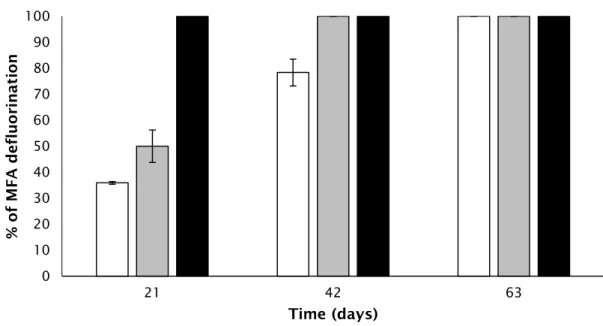
When supplemented as a sole carbon source, only MFA was degraded by the tested microbial inocula. Activated sludge consortium showed complete defluorination of MFA since the beginning of the experiment, whereas the treatments inoculated with sediment or rhizosphere samples revealed a gradual increase in MFA degradation performance (Fig. 3). In these latter cultures, total defluorination was also achieved: for cultures inoculated with sediment samples this was obtained when fed a second time with MFA, while for rhizosphere cultures this was observed in the following feeding period (Fig. 3). Total defluorination of MFA was maintained in further MFA
23
feedings for an additional period of 2 months. None of the tested microbial inocula were capable of defluorinating DFA or TFA, either when supplemented as sole carbon sources or in cometabolism with acetate.
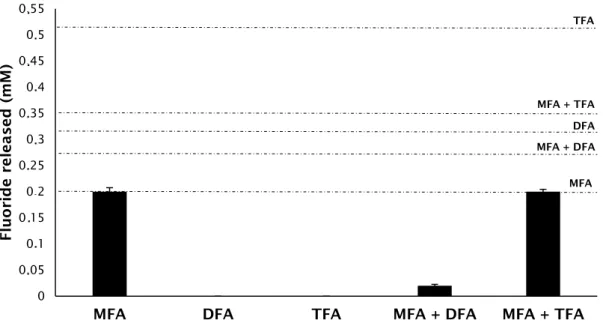
Biodegradation of MFA in mixture with DFA or TFA was also investigated. A mixture of DFA and TFA was not considered since no biodegradation had been obtained when these compounds were supplemented individually. When MFA was supplemented with DFA, only a small fraction of fluoride was detected in the culture medium of the different tested microbial consortia (Fig. 4).
Figure 3. Biodegradation performances, based on fluoride release, of MFA supplemented as a sole
carbon source during a two months period. White bars represent rhizosphere inoculum, grey bars, sediment inoculum and black bars, activated sludge consortia. Days 21, 42 and 63 correspond to the
end of the 1st, 2nd and 3rd MFA feeding periods, respectively. The results represent the mean of
duplicates and error bars show standard deviation.
The low concentration of released fluoride in these cultures indicates that the simultaneous presence of the two FAs not only did not stimulate the biodegradation of DFA, but also produced a negative effect in the biodegradation of MFA, as the obtained fluoride concentration was not proportional to the complete defluorination of this compound (Fig. 4). In the cultures supplemented with a mixture of MFA and TFA, the concentration of fluoride ion analysed in the culture medium was higher than that obtained in the cultures fed with MFA and DFA, and the extent of fluoride released suggests that MFA was fully degraded as
0 10 20 30 40 50 60 70 80 90 100 21 42 63 % o f M FA def lu o ri n a ti o n Time (days)
24
it is in agreement with its stoichiometric defluorination. This result suggests that, unlike DFA, the presence of TFA in the mixture does not interfere with MFA biodegradation and that, similarly to what happened with DFA, the addition of MFA does not stimulate biodegradation of TFA. In the cultures fed with MFA, both as sole carbon source or in mixture with TFA, a slight OD increase was observed (data not shown), though for cultures inoculated with sediment or rhizosphere samples this parameter could not be analysed along the first three feeding periods due to the interference of the inocula in this analysis.
Abiotic controls were also established and followed in parallel with the biodegradation experiments, revealing no fluoride release in any of the flasks under the tested experimental conditions.
3.2. Characterization of MFA-degrading bacterial consortia and biodegradation capacity of the isolated strains
All the cultures degrading MFA (individually or in mixture with TFA) were analysed in terms of their bacterial diversity. A total of 43 bacterial isolates were obtained from the degrading cultures: 12 strains were recovered from activated sludge, 15 strains from cultures inoculated with rhizosphere samples and 16 strains from cultures inoculated with sediment samples (Table 2). All these isolates were tested individually for their capacity to degrade MFA when supplemented as a sole carbon source, revealing that out of the 43 isolates recovered, 15 were capable of completely defluorinating MFA (Table 2). The highest number of MFA-degrading isolates was obtained from activated sludge consortia.
A mixed culture composed by all MFA-degrading isolates was also established and tested for its capacity to degrade DFA and TFA as sole carbon sources and in cometabolism with MFA. Based on fluoride release, no biodegradation of DFA and TFA, fed individually, was observed with this consortium. When MFA was supplemented as a co-metabolite, the results obtained were very similar to the ones previously observed with the mixtures of two FAs, i.e., the concentration of fluoride ion analysed in the culture medium when MFA was fed with TFA correlated with the total defluorination of MFA, suggesting that this defluorination pattern is attributed solely to the degradation of MFA, but when DFA was present in the mixture, biodegradation of MFA was inhibited and only ca. 10% of this compound was defluorinated (Fig. 5).