i
C
YCLING TO THE
U
NIVERSITY
:
Evaluating the potential mobility patterns changing
towards bicycle
I
SABELB
EZERRA DAC
UNHASubmitted to the Faculty of Engineering and Faculty of Architecture of the University of Oporto, in partial fulfilment of the requirements for the degree of
MASTERINSPATIALPLANNINGANDURBANPROJECT
Supervision: Cecília do Carmo Ferreira da Silva
PhD Professor at the Faculty of Engineering of the University of Oporto
i
M
ASTER OFS
CIENCE INS
PATIALP
LANNING ANDU
RBANP
ROJECT2016/2018
ENGINEERING DEPARTMENT Tel. +351-22-508 1903 [email protected]
Edition
FACULTYOFENGINEERINGOFTHEUNIVERSITYOFOPORTO
Rua Dr Roberto Frias 4200-465 PORTO Portugal Tel. +351-22-508 1400 Fax +351-22-508 1440 [email protected] http://www.fe.up.pt
Reproduções parciais deste documento serão autorizadas na condição que seja mencionado o Autor e feita referência a Mestrado em Planeamento e Projeto Urbano - 2016/2018 - Departamento de Engenharia Civil, Faculdade de Engenharia da Universidade do Porto, Porto, Portugal, 2018.
As opiniões e informações incluídas neste documento representam unicamente o ponto de vista do respetivo Autor, não podendo o Editor aceitar qualquer responsabilidade legal ou outra em relação a erros ou omissões que possam existir.
i To my family
Life is like riding a bicycle. In order to keep your balance, you must keep moving
i
ACKNOWLEDGMENTS
Firstly, I would like to thank my supervisor, professor Cecilia Silva, for guiding and supporting me during the year. Throughout her enriching advice, support and expertise, I was able to establish feasible solutions, goals and overcome challenges during the dissertation development process. Such research opportunity was essential to reinforce my theoretical and practical basis within such field of study, which motivate myself to keep further research in the academy.
I am thankful for the U-Bike project at the University of Porto, for giving me the opportunity to learn how such sustainable plan works, throughout meetings with the management and monitoring teams. Furthermore, I would like to express my gratitude to the project manager Miguel Moreira, for his cooperation and for providing all necessary data when I requested.
I would like to thank the University of Porto, for offering a great research environment and for delivering the study survey to the academic segments, when I requested. Furthermore, I am thankful to all university population who have participated and offered data into this research, especially for the ten volunteers who joined in the Action Study phase.
I would like to express my thankfulness to João Cruz, who owns the rental bikes company Velurb, for lending me a bicycle to complete the action study sample. Such attitude is valuable and makes me hope that Oporto soon will become friendlier and planned towards cyclists.
I express my warmest and greatest gratitude to my family, for all support received during the Master’s degree period. My mother Albélia, and father Alexis were my strength and an important source of motivation, throughout this stage of academic and personal life. I am profoundly thankful to my sister Luiza, for her patience, support, and encouragement during the most challenging and hard research process stages.
Last, but not least, I am thankful to all my friends who accompanied me during all the academic journey. Such daily support, inspiration, and positivism were essential to make me stronger and confident. I thank you all with all my heart.
iii
ABSTRACT
Policymakers at many universities are struggling to promote cycling in the local community in a way to recover campuses as a more livable and sustainable area, as well as decrease the current pollution emissions rate from students and staff commuting patterns. Thus, providing and making bicycles accessible are considered promising initiatives to deliver such issues. However, the effectiveness regarding how it can establish a bicycle culture, in a current car-orientated built environment must be explored, highlighting the role of personal factors and physical conditions on the likelihood to uptake cycling as a commuting mode of transport.
This dissertation applies the Transactional Model of Behavior Change to investigate the influence of bicycle provision on attitudes and perceptions related to cycling to the university, taking the U-Bike Portugal Project and the Faculty of Engineering at the University of Oporto as the study case. The present research uses a mixed method approach, both quantitative and qualitative, which were structured based on the Attitudinal Survey and Cycling Experience assessment.
This research found the new cyclists would maintain such mobility choice under the provision of better bicycle facilities and security. The main deterrents to cycling are the lack of safety, inadequate cycling conditions, heavy road traffic and bad weather, especially for those traveling longer distances.
The provision of the bicycle has the potential to increase self-awareness and better attitudes towards cycling. After the experiencing the use of the bicycle for commuting purpose, more than half of the participants moved to a better stage in the Behavior Change model. However, this research revealed the unattended bicycle access scheme is not determinant to create and maintain such new mobility pattern since barriers as the lack of security, heavy traffic and poor road conditions play an important role on the likelihood of potential new cyclists to keep such modal choice for commuting purposes.
Furthermore, the present research indicates the most favorable target population for U-Bike Project is in the Preparation stage, which contains those who have the most positive views and attitudes to maintain such new mode of transport afterwards.
v
RESUMO
Planeadores em muitas universidades estão implementando medidas para promover o ciclismo na comunidade local de forma a tornar o pólo mais habitável e sustentável, bem como diminuir a atual taxa de poluição decorrente dos padrões de deslocação de estudantes e funcionários. Desse modo, fornecer ou facilitar o acesso à bicicleta são consideradas iniciativas promissoras para solucionar tais questões. No entanto, a eficácia em termos de como tais medidas podem estabelecer a cultura do uso da bicicleta, como modo de transporte pendular, em um sistema urbano orientado para o automóvel, deve ser explorada.
Esta dissertação aplica o Modelo Transacional de Mudança de Comportamento para investigar a influência da provisão de bicicletas nas alteração de atitudes e percepções relacionadas ao uso do modal na deslocação para a Universidade, com foco no Projecto U-Bike Portugal e a Faculdade de Engenharia da Universidade do Porto como caso de estudo. A presente pesquisa administra uma abordagem metodolófica mista, qualitativa e quantitativa, estruturadas na avaliação dos resultados do Inquérito e do Estudo Prático.
Condições de infraestrutura e segurança devem ser garantidas para que os novos ciclistas mantenham a frequência do uso da bicicleta. As principais barreiras idenficadas foram a falta de segurança, falta de ciclovias e fracas condições de circulação, tráfego intenso e mau tempo, especialmente para aqueles que viajam longas distâncias.
O fornecimento de bicicletas tem o potencial de aumentar a autoconsciência e melhorar as atitudes com relação ao ciclismo. A avaliação do Estudo Prático revelou que após a experiência do uso da bicicleta, mais da metade dos participantes deslocando-se para um estágio mais positivo no Modelo. Entretanto, esta pesquisa revelou que o esquema de acesso à bicicleta não é determinante para manter esse novo padrão de mobilidade, uma vez que barreiras como a falta de segurança, congestionameento e condições precárias de circulação desempenham um papel importante na probablidade de novos ciclistas uutilizarem esse modal para viagens pendulares.
Assim, presente pesquisa indica que a população alvo mais favorável se encontra no estágio de Preparação, que contém aqueles com visões e atitudes mais positivas para manter o uso do referido modo de transporte posteriormente.
vii INDEX ACKNOWLEDGMENTS ... ……...i ABSTRACT ... iii RESUMO ... v
1. INTRODUCTION ... 1
1.1. SUSTAINABLE MOBILITY ... 11.2. RESEARCH OBJECTIVES AND STRUCTURE ... 4
2. LITERATURE REVIEW ... 7
2.1. CYCLING INCENTIVES IN THE UNIVERSITY CAMPUS ENVIRONMENT ... 7
2.2. MOTIVATIONS AND BARRIERS TO CYCLING TO THE UNIVERSITY ... 11
2.3. BIKE ACCESS SCHEMES ... 13
2.4. UNDERSTANDING THE TARGET GROUP –CYCLIST PROFILES ... 16
3. DATA COLLETION AND ANALYSIS METHODS ... 23
3.1. ATTITUDINAL SURVEY... 25
3.2. TRANSACTIONAL MODEL OF BEHAVIOR CHANGE ... 26
3.3. CYCLING EXPERIENCE ... 27
3.4. STUDY CASE ... 28
3.4.1.Oporto ... 28
3.4.2 Faculty of Engineering of University of Oporto... 30
3.4.3 U-Bike Project ... 34
4. FINDINGS ... 39
4.1. ATTITUDES AND PERCEPTIONS TOWARDS CYCLING ... 39
4.2. EVALUATION OF THE PROJECT’S POTENTIAL ... 45
4.3. EVALUATION OF THE UNIVERSITY COMMUNITY’S POTENTIAL ... 51
4.3.1 Travel Diaries’ Results ... 52
4.3.2 Interviews’ Results ... 55
5. CONCLUSIONS ... 59
5.1. RECOMMENDATIONS FOR THE U-BIKE PROJECT ... 61
viii
7. APPENDIX ... 69
7.1. SURVEY ... 69
7.2. INTERVIEW – CYCLING EXPERIENCE ... 74
7.3. TRAVEL DIARY – CYCLING EXPERIENCE ... 75
7.4. SPATIAL MAPS BY EACH BCS GROUP ... 77
7.4.1.Respondents in maintenances ... 77
7.4.2. Respondents in action ... 78
7.4.3. Respondents in preparation ... 79
7.4.4. Respondents in contemplation ... 80
ix
LIST OF FIGURES
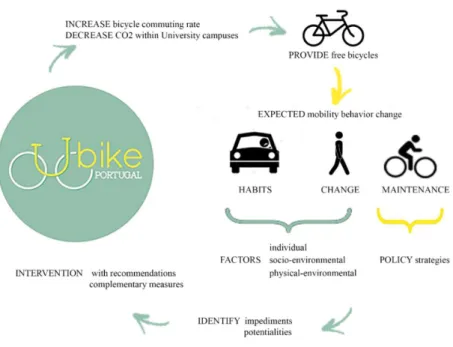
Fig. 1 - Study Case – Flow chart problem ... 4
Fig. 2 – Characterization of the Cooperative Bicycle Programs ... 15
Fig. 3 - Cyclist's categorisation approaches ... 21
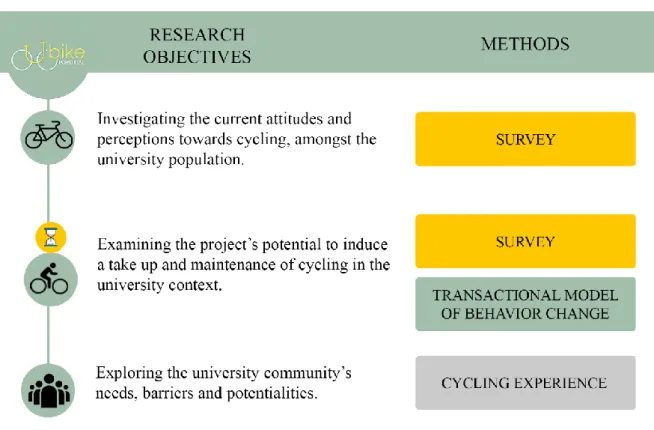
Fig. 4 Research objectives and Methods ... 24
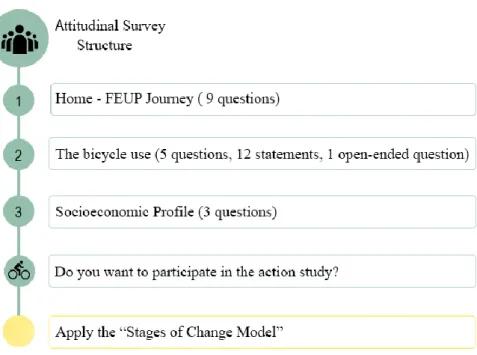
Fig. 5 - Attitudinal Survey Structure ... 26
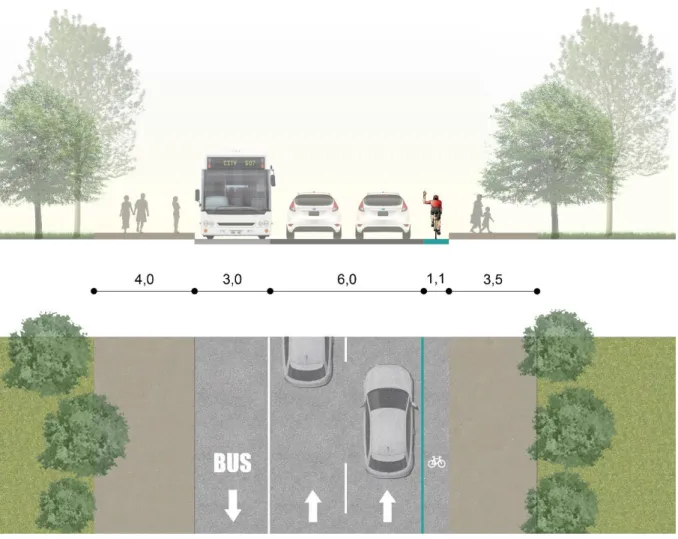
Fig. 6 - Road profile near FEUP ... 32
Fig. 7 - Minimum dimensions for cyclist's circulation, in secondary roads, according to IMT ... 33
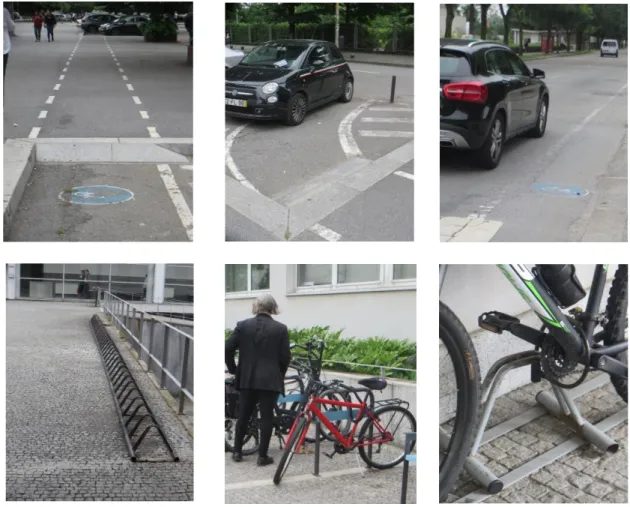
Fig. 8 - Current bicycle facilities (cycle paths and parking spots) in the University campus ... 33
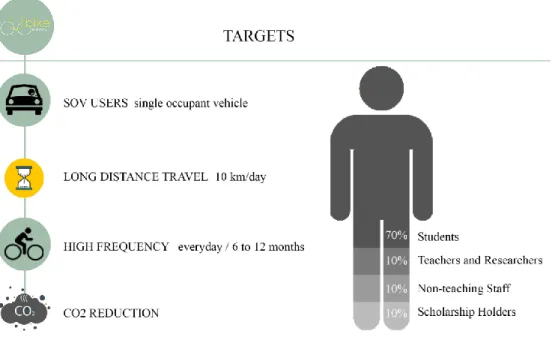
Fig. 9 - U-Bike Project's Targets ... 35
Fig. 10 - Sample Modal Share ... 41
Fig. 11 - Representative perceptions in different transport modes ... 42
Fig. 12 Main findings regarding cycling usage potential (% by each BCS group) ... 51
Fig. 13 Main Incentives towards the bicycle usage ... 55
Fig. 14 - Cycling experience's main results ... 57
xi
LIST OF TABLES
Table 1- Cycling Incentives in Universities ... 8
Table 2- Motivations and barriers to cycling ... 11
Table 3 Cyclists Categorization overview from the literature ... 16
Table 4 - Behavior Change Stages based on Gatersleben and Appleton (2007) ... 26
Table 5 – Volunteers characterisation ... 51
xiii
LIST OF CHARTS
Chart 1 - Distance and chosen transport mode (Journey Home-FEUP) ... 36
Chart 2 – Sample characterisation by university position and transport mode (%) ... 40
Chart 3 – Sample characterisation by age, gender and transport mode (%) ... 40
Chart 4 – Perceptions of the journey in different transport modes (%) ... 42
Chart 5 Perception of the journey – Travel Time (%) ... 43
Chart 6- Intentions towards a sustainable modal switching (%) ... 43
Chart 7 - Bicycle frequency split in the main travel motives ... 44
Chart 8 - BCS representatives (%) ... 45
Chart 9 – Cycling Frequency (% by each BCS group) ... 47
Chart 10 – Background variables (% by each BCS group) ... 48
Chart 11 – Attitudes towards cycling (% by each BCS group) ... 49
Chart 12 – Respondents mentioning circumstances under which they would be willing to cycle to the university more often (% by each BCS group) ... 50
Chart 13 - Unpleasant (left) and pleasant (right) experiences during the action study week-trial (n) .... 53
Chart 14 – Expectations and worries before and after the one-week cycling trial (% by each BCS group) ... 56
xv
LIST OF MAPS
Map 1 - Cycling facilities in Oporto and Matosinhos ... 29
Map 2 - Campus Location ... 30
Map 3 - FEUP accessibility conditions and Cycling Infrastructure ... 31
Map 4 - U-Bike applicants and the accessibility conditions ... 37
Map 5 - BGS profiles location ... 46
Map 6 - Maintenance representatives' location ... 77
Map 7 - Action representatives' location ... 78
Map 8 - Preparation representatives' location ... 79
Map 9 - Contemplation representatives' location ... 80
xvii
SYMBOLS,ACRONYMS AND ABBREVIATIONS
A – Action stage
AMP – Oporto Metropolitan Area BAZ – Bicycle Accessibility Zones BCS – Behaviour Change Stage BSS – Bike Sharing System C – Contemplation stage
CDUP – Centro de Desporto da Universidade do Porto CO2 – Carbon dioxide
COP21 – Paris Climate Conference EC – European Commission
ECF – European Cyclists’ Federation GCI – Green Campuses Initiatives GIS – Geographic Information System
IMT – Instituto da Mobilidade e dos Transportes FEUP – Faculty of Engineering of University of Oporto FIG. - Figure
LBR – Long-term Bike Rental M – Maintenance stage
POSEUR – Programa Operacional Sustentabilidade e Eficiência no Uso de Recursos PPPs - Public Private Partnerships
P – Preparation stage
TDM – Transportation Demand Management TOE – Tons of oil equivalent
TP – Public transport user SOV – Single occupant vehicle
SUMP – Sustainable Urban Mobility Plan PC – Pre-Contemplation stage
1
1
INTRODUCTION
1.1. SUSTAINABLE MOBILITY
In the last decades, environmental and sustainable issues are highlighted in urban agendas by policy makers and authorities worldwide. In fact, as we move into the 21st century, environmental problems
such as land scarcity, high level of motorisation, pollution, greenhouse emissions and the consequent climate change and environmental degradation are a great matter of concern (Poinsatte, 1999). In most of the cases, cities are undergoing a development characterised by the spread of several activities to suburb communities, resulting in a general increase of traveling, and commuting trips by car.
Recently, to deal with such global issues, 195 countries adopted the first-ever universal, legally binding global climate agreement, at the Paris Climate Conference COP21, in December 2015. The central aim of this worldwide cooperation is to strengthen the global response to the threat of climate change by keeping a global temperature rise this century well below 2 degrees Celsius. Such deal brings all nations into a common cause to undertake ambitious efforts to combat climate change and adapt to its effects (European Commission, 2015).
The current EU’s agenda emphasises the programming principals based on the Smart, Sustainable and Inclusive Growth fields, targeting overcome the structural weaknesses in Europe’s economy, improve its competitiveness and productivity and underpin a sustainable social market economy, pursued by Europa 2020 Strategy. Moreover, such plan targets reducing greenhouse gas emissions by 20% by 2020 and 40% by 2030.
To reduce the current motorisation level and the dioxide of carbon emissions, the management of sustainable mobility is getting attention within the transport network discussion to improve environmental quality.
European Commission proposed, from its Action Plan on Urban Mobility, the tool called Sustainable Urban Mobility Plan (SUMP) as a contribution to reach the European climate and energy targets. In contrast to the traditional transport planning approaches, such new concept places emphasis on the involvement of citizens and stakeholders, as well as the coordination of policies between multiple sectors - transport, land use, environment, economic development, social policy, health, safety, energy - within local and national authorities. SUMP is a strategic plan designed to manage the mobility needs of people and businesses in cities and their surroundings for a better quality of life (May, 2016). Moreover, changing the current mobility paradigms by creating both public transport oriented and car-free development, requires efforts to strengthen the links between land use and transport, by reducing
2
the need to travel and its distances, and encouraging greater use of public transport (Banister, 2008; Saelens et al. 2003). In this matter, the application of SUMPs seems to be very promising to solve such issues, since it builds on existing planning practices and takes into consideration principles as integration, participation, and evaluation (May, 2016).
In such context, the active modes of transportation – cycling and walking – have been encouraged as a shift towards more sustainable modes (May, 2016). Principally throughout Travel Demand Management (TDM), investment in public transport and a range of soft measures designed primarily to reduce the use of single occupancy cars (Banister, 2011).
A modal shift to cycling has a clear potential to reduce carbon emission in the transport sector. A study assumed that if the whole EU population would cycle as much as the population of Denmark did in 2000, between 55 and 120 million tons of CO2 could be saved annually by 2020 (Federation, 2017). However, all forms of transportation have an impact on the environment, either directly or indirectly. In fact, cycling is not a zero emissions mode of transport, and recent research has shown that carbon dioxide emissions because of cycling are approximately 11gCO2/PKT - Passenger Kilometers Travelled. These emissions include the cyclist exhalation and the embodied emissions of the manufacture of the bicycle (Mantonm, 2012). Nonetheless, most studies of environmental impact analysis within transportation have no taken into consideration the net increase in CO2 emission due to increase in respiration and the energy required in cycle manufacture.
Concerning peak times, cycling has the lowest direct emissions per passenger kilometer, while transport by private vehicles is the most energy-intensive transport mode. A study has shown that just a fully occupied average sized private car may compete with public transport services at certain off-peak times. An increase in the fuel efficiency of buses could potentially result in an emission factor equivalent to an active cyclist. For other modes, overall emissions are dependent on passenger occupancy. As occupancy increases, the difference in emissions between modes decreases (Walsh, 2008).
Above all, a swift from fuel-based modes of transportation to sustainable options is desirable since cycling emits far less carbon than driving a car and has great potential to reduce carbon emission in the transport sector.
The implementation of sustainable plans focusing on the active modes of transportation is highlighted worldwide in different scales of action. In the European context, there are exemplary cities which are struggling to increase their cycling usage level, since the typical compact mixed-use development and the current mobility policies generate shorter trips distances, which are better covered by walking and cycling (Pucher et al, 2009).
For instance, in Innsbruck, considered the cycling capital of Austria, the bicycle has a great influence on mobility and urban life, with a share of 23% of all daily trips (Pospischil, 2014). In Copenhagen, almost half of the commuting trips are made by bicycle. Such accomplishment is due to the Danish spatial planning focused on improving the cycling network to foster a healthy public life and a “no need for a car” community, what has decreased the level of automobile motorisation significantly, in the last 50 years(Gehl, 2010). Paris had the urban space dedicated to cars narrowed by approximately a third between 2001 and 2012, with the resulting free space redistributed to cleaner transport modes. Also, urban planners reduced the traffic speeds to 30 km/h in many neighborhoods where investments in green areas were realised (Koning, 2014).
Portuguese authorities, aiming at reducing energy consumption, air pollutants emissions, traffic congestion in cities, and developing awareness around sustainability matter, have set several plans along
3 the years, such as: PNAEE1 (2013-2016), CiclAndo2 (2013-2020), Compromisso para o Crescimento Verde3 (2015), U-Bike Portugal (2016-2020), among others (IMT, 2016). However, despite these sustainable projects and policies, the modal split in the country is still largely motorised, with the number of bicycle users below the European average.4
Regarding sustainable actions in local-scale, University campuses are one of the sectors with the great potential to reduce its negative environmental impacts in the urban fabric, by encouraging the increase of the active modes of transportation and reshaping the current mobility patterns of our society. Some researchers showed that creating a green, sustainable and multimodal transportation system in the university campus could make lasting impacts on the travel behavior (Marans, 2012; Poinsatte, 1999; Balsas, 2003). Furthermore, such diverse and plural community makes a significant contribution to the development of our society, and therefore have a special societal responsibility, in particular about the sustainable protection of the environment and the use of resources (Balsas, 2003; Viebahn, 2012). Such institutions are comparable with a city, regarding consumption of energy and materials and its consequent environmental impacts (Alshuwaikha & Abubakar, 2008). The environmental pollution is an unsettling concern, not only in the lecture halls, research laboratories, and in the administrative are but mainly in the outdoors limits (Viebahn, 2002). Studies found a considerable growth in vehicle traffic, as more people travel from ever-increasing distances to get to campus (Poinsatte, 1999), and the active commuting remains low within students (Kaplan, 2015). Consequently, the high level of motorisation affects not only the campus environment but also, directly the transport network and the entire urban fabric, resulting in an increased pollution level and congestion.
Many universities are implementing sustainable transportation policies and actions, on their current plans, focused on encouraging the bicycle usage in a way to reach a more attractive university environment. Such mode of transportation plays an important role in the increase of the active commuting patterns within the university constituents and the general population. Some studies have shown that making youngers experience cycling as a normal daily means of traveling is the first step towards keeping them on their bicycle in their adult lives (Dufour, 2010; Gatersleben, 2010). Furthermore, since trends in motorisation on college campuses equate those experienced by the whole society, campus transportation initiatives and plans have the power to communicate sustainability, as well as reshape society’s transportation patterns (Balsas, 2003).
Following these current sustainable transportation issues and efforts targeting the increase of bicycle modal share and the decrease of CO2 emissions, Portuguese authorities have launched an ambitious national cycling mobility project for the main Portuguese Universities along the country, during fall of
1 Plano Nacional de Ação para a Eficiência Energética: such plan defines transports as the priority are for further sustainable policies interventions.
2 Plano Nacional de Promoção da Bicicleta e Outro Modos Suaves: to promote the regular use of bicycle and the adoption of sustainable mobility solutions, associated with the creation of better and safer conditions for reach a behaviour change and attitudes towards soft modes of transportation. The main goal is to encourage the rationalization of the use of private and motorized transportation modes, in particular through the provision of bicycles for public use.
3 Within Ministry of Environment, Spatial Planning and Energy, which targets measures to promote bicycle usage in the urban mobility.
4 According to census 2011, travels by foot represented a share of 17,7% in Portugal, which is higher than the European average, which was around 12,6%. However, travels by bicycle had an increase from 1% to 1,6% between 2007 and 2010, while the European typical rate in this matter was 7,4%.
4
2016. Such plan, namely U-Bike Project, aims to increase bicycle usage rate within 15 universities, from enabling temporary both conventional and electric bicycles ownerships to students and staff, who are currently relying on motorised modes of transport, with emphasis on car users. The wider purpose of this plan is to promote cycling in the local community, recover campuses as a more livable and sustainable area, as well as decrease the current pollution emissions rate from students and staff commuting patterns. Such sustainable mobility plan is part of the Program Portugal 2020, firmed from a partnership between IMT – Institute of Mobility and Transportation, and POSEUR – Operational Program Sustainability and Efficiency Management of Recourses.
1.2. RESEARCH OBJECTIVES AND STRUCTURE
Although the U-Bike Project is intended to promote regular bike usage in the academic community and spread this pattern into the urban fabric, it is unclear, however, the extent to which this specific bicycle provision can generate such modal shift, in a wider context. There is a need for research to identify the effectiveness of this initiative regarding how it will establish a bicycle culture within university campuses, in a current car-orientated built environment. Researching the influence of bicycles provision in the promotion of sustainable mobility amongst students and staff who have been relied on automobiles, could be a valuable source of information to other universities interested in upgrade the overall quality of life on their campus from planning measures that seek to increase commuting cycling mobility by rethinking their current sustainable plans.The main objectives of this research are: (1) Investigating the current attitudes and perceptions towards cycling amongst the university population;
(2) Examining the potential of the bicycle supply to induce a take up and maintenance of cycling in the university context; and
(3) Exploring the community’s needs and barriers towards cycling to assess the favorable target population for the bike renting scheme U-Bike Portugal.
5 Following this introduction, this document is organized into 5 chapters. The literature review explores in depth concepts associated with the study case issues through four sections.The first chapter (2.1. Cycling incentives in the University Campus Environment) starts with an overview of the sustainable mobility initiatives in university campuses, focusing on the importance of sustainable mobility approaches, such as Green Campuses Initiatives and TDM measures, as well as their roles in reshaping the university mobility patterns. Furthermore, give an insight into the extent to which cycling initiatives at the university can succeed and transform the local environmental community, by exploring nine study cases across Europe and USA.
Since this research aims to evaluate the potential of the U-Bike Project within the mobility behaviour change, it is essential to understand the favorable and unfavorable factors related to cycling. Thus, the following section (2.2 Motivations and Barriers to Cycle to University), focus on the main deterrents and motivators of cycling highlighted in the literature, considering not only the socio-economic, physical-environmental and the individual factors, but also the current planning strategies,
In a way to understand the impact of bicycle provision on amending sustainable mobility behavior, the third section (2.3. Bike Access Schemes) explores the outcomes of two strategies intended to ease the bicycle access, already established in most of the urban networks, namely the Bike- Sharing Scheme and the Long-term Bike Rental.
To investigate the potential of the community to embrace such sustainable mode of transport, the last section (2.4. Understanding the Target Group – Cyclist Categories) explores the different methodologies and results regarding target public categorisation into cyclists’ profiles. Above all, such literature review provides important theoretical and practical basis for the development of the methodologic tools intended to investigate the potential of such university sustainable plan on encouraging bicycle usage in the local community.
The third chapter, of this document, describes the components of the research method - Data Collection and Analysis Methods, which allows for the analysis of attitudes and perceptions amongst students and staff regarding bicycle use intentions and examines in more detail to what extent the U-Bike Project can enhance such sustainable transportation modality. The present research uses a mixed method approach, both quantitative and qualitative, which were structured based on the Attitudinal Survey and Action Study assessment. This dissertation applies the Transactional Model of Behavior Change (Gatersleben and Appleton, 2007) to investigate the influence of bicycle provision on attitudes and perceptions related to cycling to the university, taking U-Bike Portugal Project and the Faculty of Engineering at the University of Oporto as the study case. Since the project under analysis is still in the implementation stage and aims to solve the current mobility issues based on a set of political goals or principles, the analysis methods allow the discussion of the added value of the ex-ante evaluation
The forth chapter presents the application of the methodology and the main findings. Firstly, it explores the survey on the quantitative analysis (4.1. Attitudes and Perceptions towards cycling), assessing the current transport modal share, travel behavior, the cycling attitudes, as well as the socio-economic characteristics and various aspects of the daily commute to and from FEUP, amongst students the university population. The next evaluation analysis is a qualitative approach (4.2. Evaluation of the project’s potential), which is focused on the bicycle provision to induce a take up and maintenance of cycling. The last qualitative analyses (4.3. Evaluation of the university community’s potential), explores the population needs, barriers and potentialities, by each representative of the Model of Behavior Change, in a way to understand in more detail how more people could be persuaded to cycle to the university and asses the favorable target population for the bicycle rental scheme
7
2
LITERATURE REVIEW
2.1. CYCLING INCENTIVES IN THE UNIVERSITY CAMPUS ENVIRONMENT
Portugal is not the first country to invest in a program intended to improve active mobility within higher educational institutions. In fact, throughout Green Campus Initiatives (GCI) and Transport Demand Management measures (TDM), many campuses over the USA and Europe have attempted to promote equity, social justice, and prosperous economy through the management of resource conservation, waste reduction and efficient transportation system (Balsas, 2003).
The main goal of GCI initiatives is to allow universities to develop their structures with the aim of decreasing its negative impacts and develop positively innovative sustainable actions, from the management of six main factors: renewable energy; energy efficiency; hydro efficiency; transport efficiency; waste management and education (Ribeira, 2017). Throughout TDM, which is a packaging term for a variety of planning strategies that promote the more efficient use of transport resources and improve assess for non-motorized commuters (Bond & Steiner, 2006), the use of alternative means of transport are encouraged (Poinsatte, 1999; Rybarczyk & Gallagher, 2014).
Regarding transport efficiency, many campus planners are putting efforts to shift people from single occupant vehicles (SOV) to a more sustainable mode, by promoting cycling and walking throughout TDM measures, (Balsas, 2003; Bond & Steiner, 2006). Such strategies seek to reduce or mitigate the negative aspects of automobile travel including congestion, air quality, and transportation inequity, as well as reduce campus environmental impacts in the urban fabric. Bond and Steiner (2006) have observed that a combination of push and pull measures resulted in a substantial modal shift within university campuses. These policies include parking restriction, parking pricing, unlimited-access transit, and transit service improvements.
The literature shows positively some aspects associated with sustainable plans implementation. Besides reducing environmental impacts (Banister, 2008), universities can save costs (Velazquez, 2005; Bond & Steiner, 2006), and increase its image from joint efforts and educational programs (Balsas, 2003; Poinsatte, 1999).
Above all, implementing the sustainable university model is a process of continual improvement through education (Velazquez, 2005; Balsas, 2003; Poinsatte, 1999), training (Marans, 2012), engagement,
8
organization, assessment, monitoring, policy and planning (Alshuwaikha & Abubakar, 2008), research, design, support and promotion (Pucher, 2010), partnership in incremental steps. Thus, GC initiatives and TDM measures may result in a more attractive university environment and may have strong potential to increase active living for the general population (Rybarczyk & Gallagher, 2014).
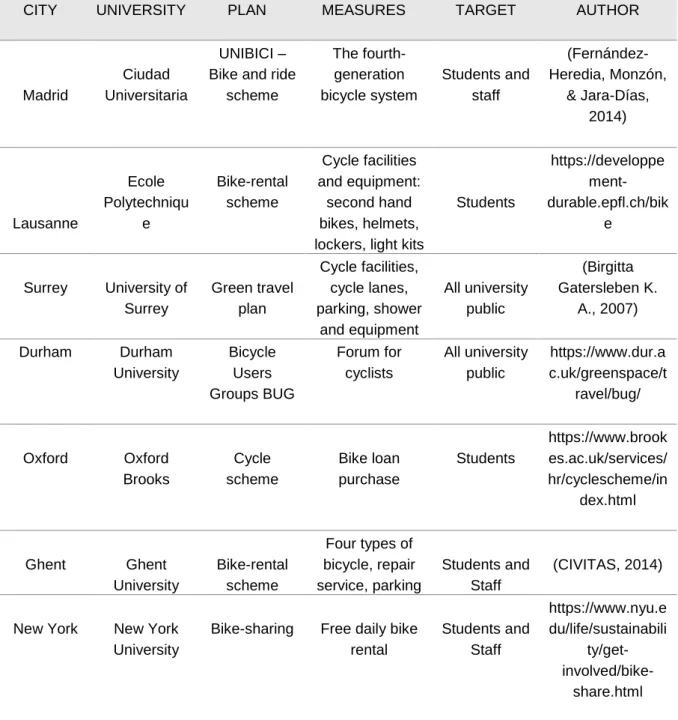
Within promotion of active modes of transportation, there are some efforts to improve access to bicycle at universities worldwide, by facilitating ownership or enabling temporary use. Thus, this research explored some initiatives intended to facilitate and encourage bicycle usage found over American and European university campuses, which is summarised in Table 1 below:
Table 1 - Cycling Incentives in Universities
CITY UNIVERSITY PLAN MEASURES TARGET AUTHOR
Madrid
Ciudad Universitaria
UNIBICI – Bike and ride
scheme The fourth-generation bicycle system Students and staff (Fernández-Heredia, Monzón, & Jara-Días, 2014) Lausanne Ecole Polytechniqu e Bike-rental scheme Cycle facilities and equipment: second hand bikes, helmets, lockers, light kits
Students https://developpe ment-durable.epfl.ch/bik e Surrey University of Surrey Green travel plan Cycle facilities, cycle lanes, parking, shower and equipment All university public (Birgitta Gatersleben K. A., 2007) Durham Durham University Bicycle Users Groups BUG Forum for cyclists All university public https://www.dur.a c.uk/greenspace/t ravel/bug/ Oxford Oxford Brooks Cycle scheme Bike loan purchase Students https://www.brook es.ac.uk/services/ hr/cyclescheme/in dex.html Ghent Ghent University Bike-rental scheme Four types of bicycle, repair service, parking Students and Staff (CIVITAS, 2014)
New York New York
University
Bike-sharing Free daily bike rental Students and Staff https://www.nyu.e du/life/sustainabili ty/get- involved/bike-share.html
9 Davis University of California Bicycle safety and injury prevention program Bike helmet rental, repair and maintenance services, showers and lockers All university public (Françoise Poinsatte, 1999) Florida University of Florida Restrictions on car usage Parking restriction, parking pricing, unlimited-access transit All university public
(Bond & Steiner, 2006)
From a general perspective, most of the university sustainable plans target the entire community, with special attention to the student population needs. In fact, such population is more representative in numbers than the other groups in the institution environment. From the cases presented above, most of the universities set plans focusing on bicycle provision, followed by complementary measures such as support and maintenance services, TDM measures, cycle facilities and equipment, among others.
Madrid has established a bicycle hiring system called UNIBICI project for use within Ciudad universitária, aimed at complementing the transport network by connecting its main nodal points with the final destinations. In fact, promoting bike-and-ride scheme, or the combined use of bicycle and public transport for one trip has grown considerably over the past decade as part of the search for more sustainable transport solutions (Martens, 2007). The UNIBICI project consists of a public bike system to be used inside the campus, either for internal movements or as the last stage of the access trip, particularly for those arriving by public transport, which is the majority. Above all, it extends the accessibility of public transport modes and offers a new and ideal mode of transport for internal mobility, simultaneously rehabilitating communal space. The system proposed is a fourth generation, completely automatic, public bicycle system (Fernández-Heredia et al, 2014).
In Switzerland, there is a bike center at École Polytechnique Fédérale de Lausanne, which offers free self-service bike rental for students. This scheme also offers second-hand bikes with light kit and lock, new bikes, helmets, locks, light kits, reflective vest, armbands and bells. Furthermore, the urban network connects the cycling system with the university campus and the city bike-sharing scheme. Also, the university offers to its students and staff members a new concept of material transportation by bicycle, called cargo bikes. Such instruments, which are part of a pilot project within the EPFL Sustainable Campus, offer an alternative for material transport on the campus and can be rented for up to 48 hours without any cost.
Related to the daily commute, many organisations in Britain have introduced green travel plans, under a bigger National Government Initiative, aimed at getting more people on their bikes to commute. For instance, as part of the green travel plan, the University of Surreyhas increased parking charges and restricted the availability of parking permits to those who live within 2 miles of the University. At the same time, it has provided new cycle facilities such as cycle lanes, cycle parking, showers, as well as new bus routes (Gatersleben., 2007).
10
Durham University, seeking to make environmental conditions better for those who ride to the campus, created the Durham Bicycle Users Group BUG. Such scheme was set up in 2006 as a forum for cyclists working in Durham City colleges and departments. The university policymakers are currently involved in putting together the improvement of cycle network requested, such as more secure cycle parking. Furthermore, this forum organises events, such as lunch hour, bike rides and bike week events. The DBUG represents the cyclists at the University’s Greenspace Advisory Group and in their Green Travel Plan Steering Group.
Another example is Oxford Brookes University, which has created a link with local bike retailers within a partnership called Cyclescheme. The project is a voucher scheme that works as a bicycle purchase loan service, where students can buy a bicycle for a lower price. The arrangement lasts18 months, which is the duration of the loan and therefore the salary sacrifice. Equipment includes bike accessories and safety items. People must be able to use the bicycle for commuting purposes, to be eligible for this program. Although, weekend journeys and leisure cycling also count within this equation.
At Ghent University, the project named studentENmobiliteit gives students and staff members the opportunity to rent different types of bicycle, for 3 to 14 months. The rental price depends on the type of bicycle and the duration of the rental period. Moreover, the university offers a maintenance and repair service, bicycle parking, and a stolen-bike recovery system based on information technology. Regarding parking, the city also installed 27 covered mini-garages, for safe parking in high-density neighborhoods (CIVITAS, 2014).
From a North America perspective, The University of California at Davis - UCD is a good example of being such a bicycle-friendly school. First, cycling commuting to campus represents more than 60% of all trips, mainly due to their extensive network of bike paths and lanes that travel around campus. Second, most of the students live within a three-mile radius of campus (Poinsatte, 1999). However, the most important reason to reach high levels of ridership is due to the 4 “Es”, which is the motto that defines their bicycle mobility program: enforcement, engineering, education, and encouragement. Within this plan, they guarantee to student’s bicycle safety and injury prevention program, bike helmet rental, repair and maintenance services, bike commuter showers and lockers. Furthermore, UCD promotes periodic auction of abandoned and unclaimed bicycle, and recreational and fitness events to promotes bike usage (Poinsatte, 1999).
New York University has its Bike Sharing Scheme (BSS), which offers free daily bike rentals to NYU students, faculty and staff. Its main goal is to make biking a reality for more than 50,000 people. This huge idea was born in 2008, from two undergraduate students who spearheaded an effort to test the viability of a bike sharing program at the University. Such scheme allows student and staff members to check out a bike for same-day use, free of charge. Since its inauguration, in the summer of 2010, the program has grown exponentially. The number of bikes and locations has also expanded from 30 bikes across two locations to 80 bikes across 13 locations.
In 2016, portuguese authorities launched the U-Bike Portugal project, within the promotion of the active modes of transportation, particularly by bicycle. The main objective is to change the current mobility behavior patterns of single occupant vehicles (SOV) towards cycling, as well as, reduce the pollutants emissions in the university setting. This project involves 15 Higher Education Institutions in Portugal, by providing 3234 bicycles: 2096 e-bikes and 1138 conventional bikes for students and staff usage.
11
2.2. MOTIVATIONS AND BARRIERS TO CYCLING TO THE UNIVERSITY
A substantial amount of research in the fields of transportation, health, and psychology has sought to identify factors influencing the uptake of cycling as a mode of transportation (Pitsiava-Latinopoulou, 2013; Marans, 2012). As well as understand student behaviors and attitudes towards active mode (Kaplan, 2015; Manaugh, 2015; Balsas, 2003; Gatersleben, 2007). Understanding the influence of the built environment (Cervero, 2003), and the role of bicycle facilities provision (Molina-García et al, 2015; Barnes, 2005), in a way to identify bicycling barriers and motivators. The Table 2 below summarises the main cycling motivators, and barriers found in the literature review:
Table 2 - Motivations and barriers to cycling
INDICATORS AUTHORS
MOTIVATIONS
Fitness Aslak Fyhri, 2017; Patricia Whannel, 2012; Swiers,
2017; Basford, 2002; Judith Y.T.Wang L.M, 2014
Health Fernández-Heredia et al, 2014; Patricia Whannel,
2012; Judith Y.T.Wang L.M, 2014
Enjoyment Fernández-Heredia et al, 2014; Aslak Fyhri, 2017;
Basford, 2002; Judith Y.T.Wang L.M, 2014; Gatersleben, 2007
Economy Fernández-Heredia et al, 2014; Aslak Fyhri, 2017;
Molina-García, 2013; Patricia Whannell, 2012; Swiers, 2017; Basford, 2002; Susan Handy, 2011;
Efficiency Fernández-Heredia et al, 2014
Environmental awareness Fernández-Heredia et al, 2014; Judith Y.T.Wang L.M, 2014
Convenience Basford, 2002;
Visible bicyclists Rybarczyk & Gakkagner, 2014
Well-connected bicycle routes Rybarczyk & Gakkagner, 2014; Eva Heinen, 2010;
Street lighting Rybarczyk & Gakkagner, 2014; Eva Heinen, 2010;
Educational programs and events Françoise, 1999; Balsas, 2003
BARRIERS
Bad weather Hu, 2015; Fernández-Heredia et al. 2014; Aslak Fyhri,
2017; Patrícia Whannell, 2012; Swiers, 2017; Judith Y.T.Wang L.M, 2014, Rybarcyk & Gakkagher, 2014;
Eva Heinen, 2010;
Lack of security and perceived danger Hu,2015; Fernández-Heredia et al, 2014; Aslak Fyhri, 2017; Molina-García, 2013; Dijkstra, 2000; Patrícia
12
Whannell, 2012; Susan Handy 2011; Dill, 2009; Judith Y.T.Wang L.M, 2014; Kaplan, 2015; Rybarczyk & Gakkagher, 2014; Françoise, 1999; Gatersleben 2007; Eva Heinen, 2010; Ajay Agarwal, 2012; Rietveld, 2004;
Lack of showers Hu,2015; Patrícia Whannell, 2012; Swiers, 2017;
Poor cycling infrastructure (lanes) Fernández-Heredia et al,2014; Aslak Fyhri, 2017; Dijkstra,2000; Car,2003; Basford,2002; Kaplan, 2015;
Rybarczyk & Gakkagner, 2014; Ajay Agarwal, 2012; Lack of storage facilities Patrícia Whannell, 2012; Kaplan 2015; Eva Heinen,
2010;
Lack of comfort Fernández-Heredia et al, 2014; Eva Heinen, 2010;
Ajay Agarwal, 2012;
Travel distance Hu,2015; Fernández-Heredia et al, 2014; Patrícia
Whannell, 2012; Susan Handy, 2011; Françoise, 1999; Eva Heinen, 2010; Ajay Agarwal, 2012
Topography Fernández-Heredia et al, 2014; Aslak Fyhri, 2017;
Cost of purchasing a bike Swiers, 2017; Rybarczyk & Gakkagner, 2014;
Physical effort Eva Heinen, 2010
Negative social environment Susan Handy, 2011; Kaplan, 2015; Gatersleben, 2007; Eva Heinen, 2010;
Schedule and time constraint Hu,2015; Kaplan 2015; Ajay Agarwal, 2012; Rietveld, 2004;
According to the literature reviewed, staff and students would bicycle more under provision of safer and well-connected bicycle routes as well as better lighting, and visible bicyclists, which represents a latent demand for bicycle (Heinen, 2010; Rybarczyk & Gallagher, 2014). The aspect of the bike, which people are most positive towards include fitness and health as the greatest motivators for using the bicycle (Fyhri, 2017; Whannell, 2012; Wang, 2014; Fernández-Heredia et al, 2014), followed by enjoyment and pleasure (Fyhri, 2017; Gatersleben, 2007). People would bicycle more due to income limitations, or to save money (Fernández-Heredia et al, 2014; Molina-García et al, 2015; Handy, 2010; Whannell, 2012; Swiers, 2017). Furthermore, people are more able to bicycle since they find such modality convenient (Basford, 2002) and efficient (Fernández-Heredia et al, 2014). Educational programs and events could also facilitate bicycle usage (Poinsatte, 1999).
Universal bicycling deterrents include inclement weather (Hu, 2015; Fernández-Heredia et al, 2014; Whannell, 2012; Heinen, 2010), reduced bicycle security, crime, and fear about personal safety (Swiers, 2017; Fernández-Heredia et al, 2014; Rybarczyk & Gallagher, 2014; Kaplan, 2015; Whannell, 2012). Increasing trip length represented as a greater trip time has an important and significant negative effect on the attractiveness of cycling (Hunt, 2007), as well as the cost of purchasing a bike (Swiers, 2017). Individual characteristics such as age, gender may play unexpected roles in the length of bicycle commuting travel times. Previous studies have shown that younger students walked more than older students did. Low socioeconomic status students walked more than those in the high group did.
13 However, biking was significantly higher in the high socioeconomic status group than the medium group (Shafizadeh, 1997). Students who lived in university residences had significantly higher energy expenditure in both walking and biking than those living in private homes. Walking and biking energy expenditure means were significantly higher when students lived until 2km from university compared with those who lived more than 5km (Molina-García et al., 2013).
However, some studies have shown that active commuting remains low for students. Only those students, who live on campus, walk as a principal mode of transportation to classes. Kaplan (2015) has investigated the reasons behind the decision not to walk or bicycle among students and found that pressures of time, the discomfort of weather conditions, busy street, safety concerns and lack of places to park their bikes inhibit active commuting (Kaplan, 2015).
Furthermore, the level of bicycle use is dependent upon the availability of various facilities and services such as: bike paths and lanes (Manaugh, 2015), proper signage, bike parking, and level of cooperation between the school and the town or city in which it is located (Kaplan, 2015; Poinsatte, 1999).
While some studies have shown the importance of facilities to support bicycle commuting, such as showers (Hu, 2015; Swiers, 2017) and secure storage for bicycles (Kaplan, 2015; Whannell, 2012; Heinen, 2010), these actions will have a limited effect if the cycling environment is unsafe between the student’s residence and the university.
In the case of campuses transportation management, simply stating a policy goal to increase sustainable commuting may not be sufficient to change travel behavior. Commuters who rely on private automobiles may not fully understand the unsustainable impacts of the car and may not be able to evaluate the actual or perceived barriers and potentialities of public transportation, bicycle, and others sustainable travel modes. Non-motorized traveling can only be maximised by thoroughly integrating bicycling and walking needs and desirable circulation patterns in all transportation, housing, and environmental policies, from a synergetic sustainable plan (Balsas, 2003).
Furthermore, it is common to have a significant conflict between pedestrians and cyclists in the campus environment. Thus, signs and bike paths and lanes are essential for a successful bicycle plan implementation. A student will be more likely to uptake bicycling as a means of transportation if they know the routes and that they will receive guidance if they need it (Poinsatte, 1999). Since transportation is the link between student life and the community, offering greater choices for mobility and accessibility can contribute to a more quality educational experience. When planners consider a package of synergetic measures, cycle emerges as a much more significant mode and has an appreciable impact on car share (Wardman, 2007).
2.3. BIKE ACCESS SCHEMES
The number of initiatives to increase the bicycles access is growing quickly over the past decade as part of the search for more sustainable transport solutions, not only within university campuses but also in many society sectors (DeMaio, 2009). Several different kinds of programs aim to accomplish such goal, either through facilitating ownership or through enabling the temporary bicycle usage. Since this very research aims to understand the benefits associated with the bicycle instruments provision, specifically bike rental schemes within university campuses, this topic will explore two different examples of such supplying. The first one is the Bike Sharing Scheme - BSS, which is short-term bicycle access. The second one is the Long-term Bike Rental Scheme - LBR, which allows people to access a bike for weeks
14
or even months. Both modalities provide an environmentally friendly form of transportation as part of the public transport system (Midgley, 2009).
BSS is a short-term bicycle access scheme, which targets daily mobility and allows users to access public bicycles at unattended bike stations, around the city. Commonly concentrated in urban settings, this program also provides multiple bike station locations that enable users to pick up and return bicycles to different stations (Shaheen, 2010). Such scheme is growing vastly, throughout the world, since bike-sharing systems can foster a cycling culture in cities where cycling was previously a curiosity or leisure activity. In 2011 was estimated 375 bike sharing schemes around the world, operating in 33 countries (Midgley, 2011; CIVITAS, 2014).
The literature stressed the following potential BBS benefits, which include: 1) increased mobility options within transportation network; 2) cost savings from modal shifts; 3) lower congestion; 4) reduced traffic congestion; 5) reduced fuel use; 6) increased use of public transit and alternative modes; 7) increased health benefits; and 8) greater environmental awareness. (Shaheen, 2010; DeMaio, 2009; Midgley, 2009).
For a successful BBS introduction, it is also important to highlight key structural conditions: strong commitment to sustainable urban mobility and promotion of cycling; a minimum standard of bicycle infrastructure for safe and convenient cycling; sufficient resources to achieve a real impact; and sufficient space for racks/parking to guarantee access to bicycles (Midgley, 2009). Thus, BBS has the potential to play an important role in bridging the gap in the existing transportation networks, as well as encouraging individuals to use multiple transportation modes, although such program or policy may have different impacts on bicycling in different contexts (Shaheen, 2010; Pucher, 2010)
From Mobility Management perspective, BSS has had profound effects on creating a larger cycling population, increasing transit use, decreasing greenhouse gases, and improving public health (DeMaio, 2009). Furthermore, some studies suggest that this instrument may be a good strategy for increasing transportation cycling for females (Molina-García et al, 2015).
Since the BBS establishment, various models of provision have been created and placed from different backgrounds, included government, quasi-governmental transport agencies, universities, non-profits, advertising companies, and for-profits (DeMaio, 2009).
The university model, which can be represented by both BBS and LBR schemes, had the educational institution providing the service, most likely in a campus setting. The benefit of this model is the university can expand its intra-campus transit service without relying on the jurisdiction to offer sufficient bike-sharing service on campus (DeMaio, 2009). For instance, there are over 65 college/university schemes operating throughout North America and another ten programs planned in 2010 (Shaheen, 2010).
The LBR model is a long-term bike rental that allows people to have access to a bike for weeks or even months. Such scheme is getting attention within university mobility plans since campuses are ideal locations to implement bicycle-lending programs. Such model provides bicycles for students and staff without any charge or, in most of the cases for a refundable deposit (Balsas, 2003).
15 About the bicycle itself, the classification is according to its functionality and design as the conventional one (human-sourced energy) or e-bike5 and pedelecs6 (electric-sourced energy). Some studies have
shown the e-bike as a very promising tool for modal transitions in countries with low bicycle mode shares, as this instrument could reduce some barrier effects, such as big distances and hilly topography (Fyhri, 2017). Furthermore, e-bikes seem to be a good option for those living too far away from work to walk or cycle with the conventional bike (Berntsen, 2017).
Both schemes BBS and LBR have the potential to provide different tools to promote a greater culture of bicycling, from facilitating access to the bicycle, as well as, access to bike racks and maintenance facilities. However, safe and comfortable infrastructure is also required to broaden its potential, as well as effective political support (DeMaio, 2009; Midgley, 2009).
The Fig. 2 below illustrates the main differences between these two kinds of cooperative bicycle programs provision, according to the literature reviewed:
5 Also known as electric bicycle, power bike and booster bike. It is a bicycle with an integrated electric motor which can be used for propulsion. E-bikes use rechargeable batteries and can travel up to 25 to 32 km/h.
6 A pedelec (from pedal electric cycle) is a bicycle where the rider’s pedalling is assisted by a small electric motor. Unlike some e-bikes, pedelecs are classified as conventional bicycles in many countries by road authorities. Pedelecs can travel up to 25 km/j. Cooperative Bicycle Programs Bike-Sharing BSS Controlled network High adminstrative communications burden Several bike stations along urban network Multiple maintenance services Short-term use
Mandatory payment (small fee) Bike-Rental LBR Single Source Local adminstrative communication
One bike station used as bike rental spot Few maintenance services Long-term use Refundable deposit Free of charge Fig. 2 – Characterization of the Cooperative Bicycle Programs
16
2.4. UNDERSTANDING THE TARGET GROUP –CYCLIST PROFILES
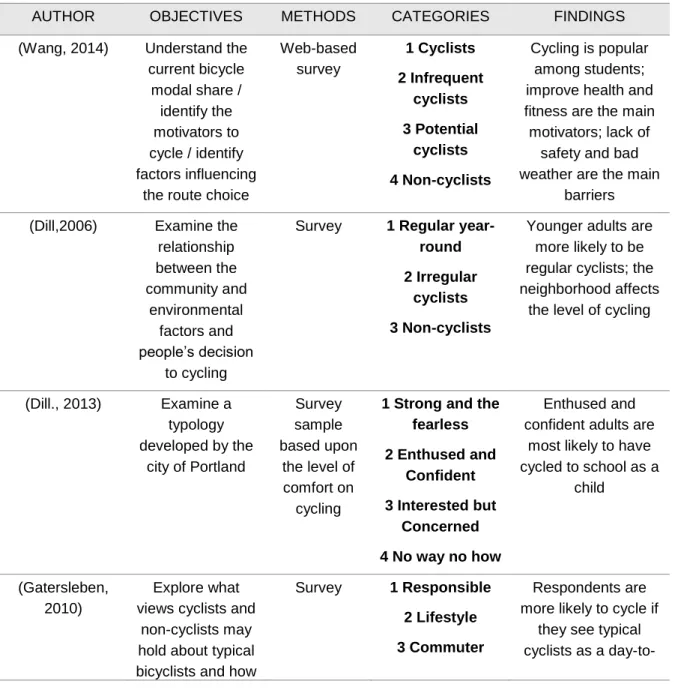
In a way to understand predictors of cycling and develop successful interventions for potential targets groups, some researchers state the hypothesis that there are different types of cyclists, with specific habits and behaviors, regarding different types of facilities, treatments, and environments. From the literature reviewed, categorising cyclists may be useful to understand human perceptions and needs, as a way to increase the efficacy of intervention plans and demonstrate why investment in bicycle facilities are worthwhile. Thus, stakeholders can define target groups for further policies, and understand who would like to cycle, and in which circumstances more people could be persuaded to cycle more. Table 3 below summarises the main objectives, methodologies, and findings regarding cyclists’ categorisation found in the literature reviewed:
Table 3 Cyclists Categorization overview from the literature
AUTHOR OBJECTIVES METHODS CATEGORIES FINDINGS
(Wang, 2014) Understand the
current bicycle modal share / identify the motivators to cycle / identify factors influencing
the route choice
Web-based survey 1 Cyclists 2 Infrequent cyclists 3 Potential cyclists 4 Non-cyclists Cycling is popular among students; improve health and fitness are the main motivators; lack of
safety and bad weather are the main
barriers
(Dill,2006) Examine the
relationship between the community and environmental factors and people’s decision to cycling
Survey 1 Regular
year-round 2 Irregular
cyclists 3 Non-cyclists
Younger adults are more likely to be regular cyclists; the neighborhood affects
the level of cycling
(Dill., 2013) Examine a typology developed by the city of Portland Survey sample based upon the level of comfort on cycling
1 Strong and the fearless 2 Enthused and Confident 3 Interested but Concerned 4 No way no how Enthused and confident adults are
most likely to have cycled to school as a
child
(Gatersleben, 2010)
Explore what views cyclists and
non-cyclists may hold about typical bicyclists and how
Survey 1 Responsible
2 Lifestyle 3 Commuter
Respondents are more likely to cycle if
they see typical cyclists as a
day-to-17 such views are
related to bicycle behavior and
intentions
4 Day-to-day day and commuter
cyclists’ (Gatersleben and Appleton ., 2007) Examine the views of commuters in different stages of change Survey / action study/ diary report/ interviews 1 Maintenance 2 Action 3 Preparation 4 Contemplation 5 Pre-contemplation Cycling is more popular among men than women. Those
who have never commute by bike
were the least positive group (Heinen, 2010) Analyze the
influence of attitudinal factors on bicycle commuting over different distances A web-based survey among a sample of employees 1 Cyclists 2 Non-cyclists 3 Full-time cyclists 4 Part-time cyclists
Time, comfort and flexibility benefits
affect the choice decision. Who commute over longer
distances have a more positive attitude (Winters, 2011) Determine which
elements might be the most likely
to influence cycling Survey sample focusing on cyclists and those contemplatin g 1 Potential cyclists 2 Occasional cyclists 3 Frequent cyclists 4 Regular cyclists Environment awareness, security
and enjoyment are the main motivators. Traffic, ice and snow are the top barriers
(Bergstroom, 2003) Examine the attitudes towards cycling during winter On site interviews, hidden observations 1 Winter cyclists 2 Summer only cyclist 3 Infrequent cyclists 4 Never cyclists Road condition, weather, temperature, were more important to women than men.
(Manaugh, 2015) Understand the physical and psychological barriers associated with the current frequency of cycling The survey, the multimodal logistic regression model 1 Never 2 Rarely 3 Usual 4 Always
potential cyclists are affected by physical barriers. The cycle
paths, safety, and secure parking facilities play a significant role in the
18
Various attributes related to cycling and personal characteristics have been shown to have significant influences on attitudes to non-recreational cycle use, including the type of cycling facility and length of time spent on it, the availability of showers and secure parking at the destination, cyclist age, levels of experience and comfort cycling in mixed traffic and cycle purchase price. Regarding such issues, Wang et al (2014) used a web-based survey approach to investigate cycling preferences and the influences of various factors on cycling behavior. The main objective was assessing the current bicycle modal share level, as well as identify the motivators to cycle and factors influencing the route choice. Four categories classified the respondents: cyclists; infrequent cyclists – who own a bicycle but do not commute by bike; potential cyclists- who do not own a bicycle but are interested in cycling; and non-cyclists. Although cyclists and the other groups have different priorities regarding their wishes, both groups consider that improvement in safety and provision of a cycleway separated from traffic are the greatest motivators to cycle. In particular, both groups prefer routes with less traffic, lower speed limit, away from traffic noise and air pollution (Wang et al, 2014).
Dill (2006) presents a bicyclists categorisation based on a methodologic survey intended to examine the relationship between community environmental factors and people’s decision to bicycle. Addressing issues like the frequency of cycling in different seasons of the year, collecting data regarding origin, destination, types of facilities, trip purpose, and trip length, perceptions of neighborhood environment, and demographic questions. This research presents three groups of cyclists: non-cyclists; irregular cyclists - respondents who rode in the past summer, but not in non-summer months; regular year-round cyclists - respondents who rode year-round, including once a week or more in summer. Such research has found that younger adults and men were more likely to be regular and utilitarian cyclists. Respondents who lived in neighborhoods with higher street connectivity were more likely to ride for utilitarian purposes. Furthermore, people who lived in households with other adults that cycled regularly had co-workers who cycled to work, or who saw adults cycling on their street frequently were more likely to be regular cyclists (Dill, 2006).
The city of Portland developed four categories of cyclists based on personal attitudes towards bicycle, as well as the respondent’s stated level of comfort cycling on a variety of facility types: strong and the fearless, enthused and confident, interested but concerned, no way no how. The first one – strong and the fearless - will ride regardless of roadway conditions and take a strong part of their identity from riding a bicycle. The second one – enthused and confident - are comfortable riding on a road with automobiles but prefer to do so operating in their facilities and appreciate efforts made to in prove bikeway infrastructure. The third group – interested but concerned - is curious about bicycling but are afraid to do so and therefore do not regularly ride. The last group – no way, no how - will not going to ride a bicycle for reasons of topography, inability, or simply a complete and utter lack of interest. The city of Portland targeted the interested but concerned group as the market necessary to achieve ambitious mode shift targets. The first step of the categorisation process using the survey sample considered series of questions about the level of comfort cycling on various types of streets. For each hypothetical scenario, the respondents had to indicate their level of comfort on a scale of one to four. This research found that the enthused and confident adults were most likely to have frequently cycled to school as a child. Furthermore, time constraints and lack of security are important barriers among this group (Dill, 2013).
Gatersleben (2010) explored what views cyclists and non-cyclists in England may hold about the typical bicyclists and how such views are related to bicycle behavior and intention. To reach the typical bicyclist behavior, motivators and its characteristics, four different bicyclists’ stereotypes were distinguished: responsible - who use a bicycle safely and responsibly; lifestyle - keen bicyclist who spend time and money on bicycling; commuter - professionals who use the bike to commute to work; and day-to-day -