DONALDBEN MBAGAG NEBA
INVESTIGATING THE BIODEGRADATION OF THE
EMERGING POLLUTANT PARACETAMOL BY BACTERIA
COMMUNITIES
Erasmus Mundus Masters in
Chemical Innovation and Regulations (ChIR)
Work Supervised
by
Prof. Maria Clara Costa
UNIVERSITY OF ALGARVE
Faculty of Science and Technology
University of Algarve
Faculty of Science and Technology
INVESTIGATING THE BIODEGRADATION OF SOME
EMERGING POLLUTANTS OF PHARMACEUTICAL
ORIGINS BY BACTERIA COMMUNITIES
Donaldben Mbagag NEBA
Master of Science Thesis
Erasmus Mundus Master in
Chemical Innovation and Regulations
Maria Clara Costa, PhD
Work supervised
by
University of Algarve
Faculty of Science and Technology
INVESTIGATING THE BIODEGRADATION OF SOME
EMERGING POLLUTANTS OF PHARMACEUTICAL
ORIGINS BY BACTERIA COMMUNITIES
A Thesis submitted to the Department of Environmental Science and Technology of the University of Algarve in Partial Fulfilment of the Requirements for the Award of the Erasmus Mundus Master in Chemical Innovation and Regulation, supervised by
Pr. Maria Clara Costa and Co-supervised by Jorge Carlier (Laboratory of Environmental Technologies - Centre of Marine Sciences - CCMAR)
Donaldben Mbagag NEBA
i
INVESTIGATING THE BIODEGRADATION OF SOME
EMERGING POLLUTANTS OF PHARMACEUTICAL
ORIGINS BY BACTERIA COMMUNITIES
Declaration of Authorship
I hereby declare that I am the Author of this work which is to the best of my knowledge and belief, original. Except as acknowledged in the text. Authors and work consulted are properly cited in the text and are listed in a well-defined reference format in the Bibliography. In whole or part, this material has not been previously submitted for any degree at this Institution or any other University institution
_____________________
Donaldben M. NEBA
©Copyright: Donaldben Mbagag NEBA
The university of Algarve has the perpetual right with unlimited boundaries, to archive and publicize this work in the form of printed copies, in digital form, or by any other means known or that may be invented, for the release through scientific repositories and to admit its copying and distribution for educational or research purposes only, not commercial, as long as full credit is given to the author and editor.
ii
DEDICATION This piece of work is dedicated to my mother NEBA ESTHER LUM who has been so inspirational in teaching me how to strive for excellence
iii
ACKNOWLEDGEMENT
My heartfelt gratitude goes to the Erasmus Mundus program of the European Commission who for the life time opportunity and international vision it offered to me. Similarly, my immense thanks go to the EMMC-ChIR management team, directors and most specially to the coordinator Isabel Cavaco for their enormous efforts, support and contributions to make this piece of work a success.
I wish to express my profound gratitude to my supervisor, Pr. Maria Clara Costa and Co-supervisor Jorge Carlier for taking the challenge of accepting and integrating me into the investigating team of the Laboratory of Environmental Technologies and Centre of Marine Sciences (CCMAR). I feel honoured and thankful for their confidence, motivation, hard work, encouragement, patience, enthusiasm, friendship, immense
knowhow, creativity, close supervision and follow up.
Special thanks goes to Vera Gomes, Ana Luis and other lab mates for their expertise, constant moral and physical support which served a great deal as well as providing some useful contributions to this work.
I also wish to extend my gratitude to the following friends and classmates Wei Wang, Asnake Gudisa, Miguel Brion, Luis and Bethel Anuchi for their constant moral and psychological support which made me press on and paved my way against all possible challenges faced.
My heart felt gratitude goes to the NEBA PAUL Family of Ntarikon-Bamenda, Cameroon for the good moral ethic they instilled in me. To my fiancé, Ngangwa Loise, I wish to express special thanks for her love, advice, and encouragement she provided daily though thousands of miles away.
Most importantly, I wish to express special thanks to God almighty, the custodian of all knowledge and wisdom for his guidance.
iv
ABSTRACT
Pharmaceutical active compounds are an important group of emerging pollutants that have raised an increasing interest in the scientific community due to their ubiquitous presence in the environment and their difficult degradation. Some of these drugs are extensively used as non-prescription drugs and after their intake, are excreted with urine and faeces either as active substance or metabolites. These substances come into wastewater treatment plants (WWTP) where some compounds are not efficiently removed, being able to reach surface, groundwater and subsequently, drinking water. Microorganisms (single isolates) have the potential to degrade a wide range of xenobiotics and recalcitrant contaminants. The tendency is more reinforced in their communities due to a great synergistic interaction between members of the consortium. In this study, the overall objectives aimed at investigating bacterial biodegrading communities from two different wastewater treatment plants (a passive lagoon system and an activated mud treatment system with aeration) for their abilities in effectively biodegrading and mineralizing paracetamol (APAP) and determining the optimum conditions required to achieve the outcome.
The study examined the aerobic biodegradation of paracetamol by microbial communities from WWTPs in Faro using residual water and minimum salt medium (MSM) as growth media. From an obscure 25 ºC incubated aerobic aerified (110mL/min) bioreactor with paracetamol as the only carbon and energy sources, the biodegradability of paracetamol was evaluated by direct sample analysis after a 24, 48, 72 and 120hrs growth period. An elution gradient HPLC analysis for paracetamol biodegradations and the identification of its associated metabolite respectively showed a 99.9% elimination within 72hrs and a complete degradation after 120hrs for aerified samples with residual water and 97% elimination within 120hrs for aerified samples with MSM. Tentative identified peaks corresponded to the following metabolites: 4-aminophenol, hydroquinone and p-benzoquinone. The Hach-spectrophotometry analysis of the chemical oxygen demand (COD mg/L) showed a progressive decrease in the values within most batch samples hence suggesting a possible usage of the paracetamol during the process. IC50 measurements by UV-vis spectrometer produced concentration values far to
be toxic for the organisms. In a nutshell, the sludge contains aerobic microorganisms capable of totally degrading APAP and the resulting metabolites to obtain energy without any other source of carbon and energy. Degradation is faster with aeration but slower without.
Keywords:
v
TABLE OF CONTENT
DEDICATION...ii
ACKNOWLEDGEMENT...iii
ABSTRACT...iv
TABLE OF CONTENT...v
LIST OF FIGURES...vii
LIST OF EQUATIONS...viii
LIST OF TABLES...ix
LIST OF ACRONYMS AND ABBREVIATIONS...x
OBJECTIVES AND CONTENT...xi
1.
INTRODUCTION ... 1
1.1 Objectives and content ... 1
1.2 Pollutants... 1
1.3 Problematic of pollution ... 3
1.4 Pollutants removal mechanisms ... 4
1.4.1 Biodegradation ... 4
1.4.2 Bioremediation ... 5
1.4.3 Sorption ... 7
1.5 Wastewater ... 7
1.5.1 Definition and characterisation ... 8
1.5.2 Wastewater treatment plant processes ... 8
1.6 Emerging Pollutants. ... 10
1.6.1 Occurrence and fate of EPs ... 10
1.6.2 Source separation sanitary concept ... 12
1.7 Microorganism communities ... 13
1.7.1 Bacteria ... 14
1.8 Pollutants of pharmaceutical origins ... 19
1.8.1 Pharmaceutical in the Environment ... 20
vi
1.8.3 Pharmaceutical polluants, fate, occurrence and effects ... 22
1.8.4 Paracetamol (APAP) ... 23
2.
MATERIAL AND METHOD ... 29
2.1 Sources of bacteria inoculum ... 29
2.2 Enrichment of bacteria Inocula ... 29
2.2.1 Enrichments of bacteria inoculum from sludge using thioglycolate ... 30
2.2.2 Enrichments of bacteria inoculum using mineral salt medium ... 30
2.3 Biodegradation experiments ... 30
2.3.1 Stock of paracetamol solution ... 31
2.3.2 Thioglycolate (THGL) medium ... 31
2.3.3 Mineral Salt Medium (MSM) ... 33
2.4 Residual water (wastewater: AERO 2) ... 34
2.4.1 Aerobic batch experiments with aerification ... 34
2.4.2 Aerobic experiments without aerification ... 34
2.4.3 Instruments ... 35
2.4.4 IC50 determination procedure ... 36
2.5 Analytical methods ... 37
2.5.1 APAP analysis ... 37
2.5.2 Solid phase Extraction ... 38
2.5.3 HPLC mobile phase ... 38
2.5.4 Chemical oxygen demand (COD) analysis ... 38
2.6 Paracetamol metabolites analysis ... 38
3.
RESULTS AND DISCUSSION ... 40
3.1 RESULTS ... 40
3.1.1 Background concentration ... 40
3.1.2 Paracetamol quantification by... 41
3.1.3 Determination of half maximal Inhibitory Concentration (IC50) of APAP ... 44
3.1.4 Batch cultures with thioglycolate as growth medium ... 45
3.1.5 Batch cultures with Mineral Salt Medium as culture medium ... 48
3.1.6 Chromatographic conditions for APAP separation using MSM and THGL ... 49
3.1.7 Chemical Oxygen demand (COD) measurement and significance ... 51
3.1.8 Biodegradation of paracetamol in aerated batch tests... 52
vii
3.2 DISCUSSION ... 56
4.
CONCLUSIONAND FUTURE PERSPECTIVES ... 59
4.1 Conclusion ... 59
4.2 Future perspectives ... 59
BIBLIOGRAPHY...60
TABLE OF FIGURES
Figure 1.1: Wastewater streams produced in households ... 12Figure 1.2: Metabolism and Transportation mechanism in Bacteria cells ... 14
Figure 1.3: Bacteria growth curve and constituent phases of growth. ... 16
Figure 1.4 : The effects of Oxygen on the growth of various types ... 18
Figure 1.5 : Common pathways for pharmaceuticals to reach the environment ... 22
Figure 1.6: Chemical structure of Paracetamol ... 23
Figure 1.7: Main pathways of Paracetamol metabolism in Animals ... 26
Figure 3.2: Background concentration of APAP from mixed wastewater ... 40
Figure 3.3: Biodegradation profile of paracetamol using thioglycolate medium ... 46
Figure 3.4: Biodegradation analysis profile of paracetamol (10mg/l) ... 48
Figure 3.5: APAP (10mg/l) mineralization profile with/without bacteria using MSM). ... 49
Figure 3.6: APAP separation chromatogram with CH3CN/H2O (25:75) as mobile phase .... 50
Figure 3.7: Representative chromatograms of APAP (50mg/l) showing peak appearances .. 50
Figure 3.8: Measured COD (mg O2/L) in residual water & MSM assays ... 52
Figure 3.9: Biodegradation profile of APAP within aerated and non-aerated batch tests. ... 52
Figure 3.10: Chromatograms representing APAP biodegradation and possible metabolites. 55 Figure 4.1: Experimental design for AERO 1, AERO2 and AERO 3 ... 64
Figure 4.2: Standard curves for APAP quantification ... 65
Figure 4.3:Time dependent variations of peak areas per corresponding batch samples ... 65
Figure 4.4: One-day (1) one-week (2) analysis of APAP removal in MSM tests culture ... 66
Figure 4.5: IC50 graphical representation of APAP by UV-vis spectrophotometry.. ... 67
Figure 4.6: Calibration curve for APAP quantification in aerobic batches ... 68
Figure 4.7: Representative chromatograms for standards of HQ, p-BQ & 4-AM ... 69
Figure 4.8: Standards of metabolites that originate from paracetamol biodegradation ... 70
viii
Figure 4.10: Biodegradation of Paracetamol in aerified batch cultures. ... 72
LIST OF EQUATIONS
Equation 1.1: Relationship between degradation rate and Concentration... 5Equation 1.2 ... 14
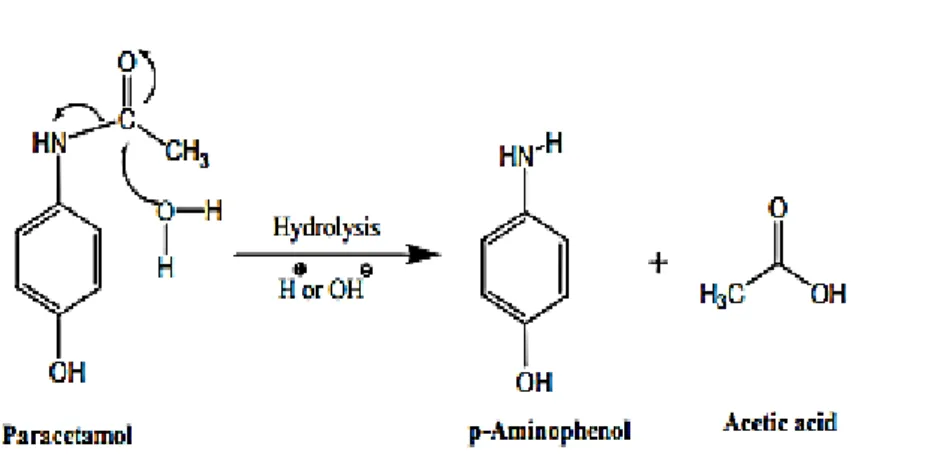
Equation 1.3: Hydrolysis pathway for Paracetamol ... 26
Equation 3.1 ... 51
LIST OF TABLES
Table 1.1: Classes of Emerging Pollutants. A modification of Lapworth et al., 2012 ... 10Table 1.2: Drug classes and users (x1000) in Netherlands ... 20
Table 1.3: Annual consumption of different classes of prescribed drugs. ... 21
Table 1.4: Measured influent and effluent concentration of pharmaceuticals in WWTP ... 22
Table 1.5: Paracetamol occurrence in the environment ... 24
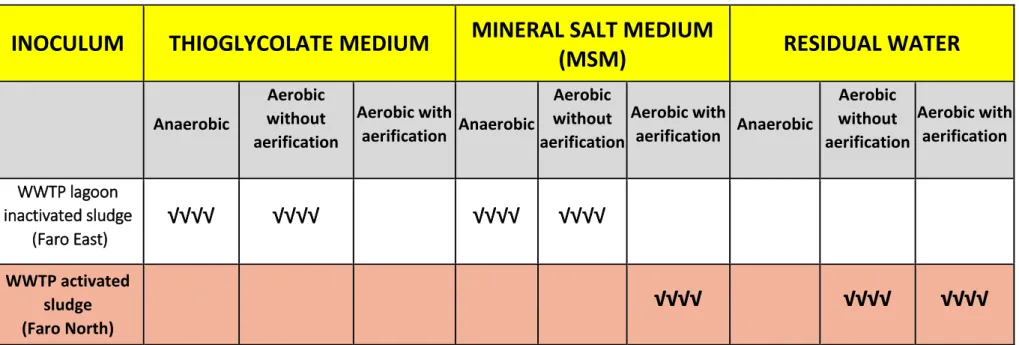
Table 1.6: Summary of overall experimental batch tests performed during entire study ... 28
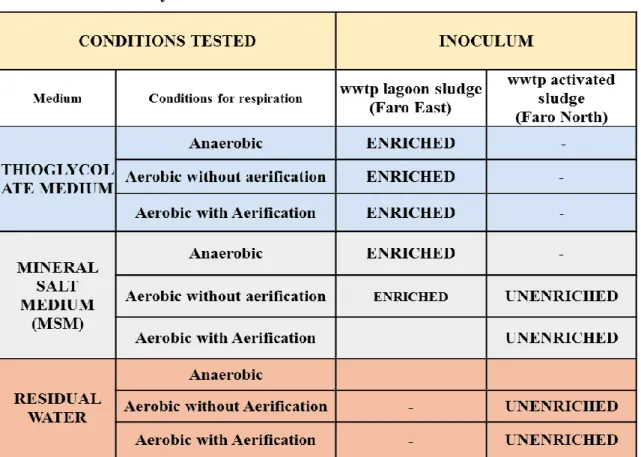
Table 2.1: Summary of enriched and unenriched bacteria inoculum ... 29
Table 2.2: Volume of stock solution required to prepare the concentration of APAP ... 31
Table 2.3: Growth media volume and inoculum mixed per culture batch ... 32
Table 2.4: Volume of media and components added in aerobic batch tests ... 35
Table 2.5: Experimental test for IC50 determination ... 36
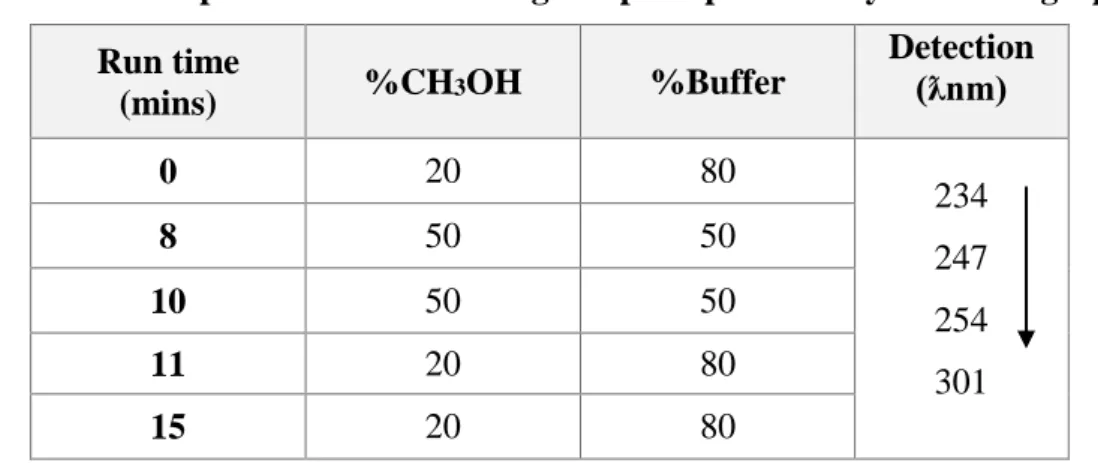
Table 2.6: Mobile phase variation during sample separation by chromatography ... 37
Table 3.1: Summary of the experimental set-ups and removal percentages of APAP ... 42
Table 3.2: Summary of the experimental set-ups and removal percentages of APAP ... 43
Table 3.3: Determination of IC50 values of APAP by UV-vis spectrophotometry ... 44
Table 3.4: Chemical Oxygen Demand (COD) variations with concentration of organics .... 51
Table 3.5: Overall percentage removal of APAP from daily biodegradation analysis ... 53
Table 4.1: Summary of experimentation with conditions ... 64
ix
LISTS OF ABRREVIATIONS AND ACRONYMS
AEOS alkoxylates
AERO aerified aerobic culture
APAP paracetamol
BOD biological oxygen demand
CEC chemicals of emerging concern
CFU colony forming units
COD chemical oxygen demand
CO2 carbon dioxide
EDTA ethylenediaminetetraacetic acid
EP emerging pollutants
EPPs emerging pharmaceutical pollutants
GSH glutathione
HPLC high pressure liquid chromatography
HQ hydroquinone
MC microbial community
MSM mineral salt medium
MWW municipal wastewater
NAPQI N-acetyl-p-benzoquinone imine
NPEO nonylphenol ethoxylates
NSAID non-steroid anti-inflammatory drugs
OPA orthophosphoric acid
p-AM para-aminophenol
p-BQ para-benzoquinone
PCP personal care products
RT retention time
SPE solid phase extraction
SS suspended solids
TDS total dissolved solids
TOC total organic carbon
TSS total suspended solids
WWT wastewater treatment
1
1. INTRODUCTION
1.1 Objectives and content
Paracetamol is ubiquitous in natural environment and has been detected worldwide in surface waters, wastewater, and drinking water at concentrations capable of causing adverse environmental impacts, thus it is a recalcitrant molecule that cannot totally be removed in wastewater treatment plants (WWTPs) by conventional treatment processes due to its high solubility and hydrophilicity. It has been found in concentrations as high as 6 mg/L in European WWTP effluents and at a maximum concentration of 10mg/L in US waters [1].
Its occurrence in treated wastewaters, drinking waters and/or general environment causes recognized negative effects within the receiving water bodies and on human health [2]. Microorganisms, particularly bacteria are reputed in exercising and playing an important role in the biodegradation of organic compounds [3].
Taking into account the unfriendly environmental impacts caused by photolytic degradations and the well know advantages of consortia over pure cultures [4], the present work tries to investigates bacterial biodegrading communities from two different types of WWTPs (a passive lagoon system and an activated sludge treatment system with aeration) for their capacity of effectively eliminating. The work lays claim to the stated objectives
investigating bacteria biodegrading communities capable of effectively eliminating the emerging pollutant paracetamol,
evaluating the most suitable conditions in which the degradation effectively occurs with a relatively limited cost and finally,
The sub goal of the research aimed at determining the possible metabolites generated from the degradation.
1.2 Pollutants
Over the past century, evolution in science has led to major breakthroughs that have expanded and vastly improved human life in the area of exploration and development of pharmaceuticals. In Europe, America, ocean continents, and other continents, lots of regulations and legislations have been promulgated and are being scrupulously respected vis-à-vis chemical pollutants or wastes. Though certain nations or companies within nations do not follow some of the legislations rightly (e.g. Volkswagen (VW) carbon dioxide (CO2) emission level malpractices
of 2015), a large majority of these legislations and regulations are being respected. The principal aim of these legislations and regulations is to improve on the sustainability of the
2
planet Earth upon which human existence largely depends. On the contrary, an inadequate or insufficient implementation of these legislations and regulations would be catastrophic to the planet and its inhabitants. With progressive enforcements of these efforts, not all substances have regulations or legislation limiting their exposure or release into the environment. Chemical pollutants that do not have an established regulation and legislation are commonly classified under the class of pollutants referred to as emergent pollutants.
Pollution is a significant problem facing the environment nowadays. As the world's population continues to grow, the amount of potentially toxic substances that are released into the ecosystem also increases. Environmental pollutants can be derived from a number of sources. Knowing what the different types of pollution and their origins, can help us understand the potential impact these pollutants have on our health and that of the planet as a whole
a) Soil Pollutants
Soil pollution is the pollution of the Earth's land surfaces. According to Green Pack, the most common types of soil pollutants are heavy metals such as cadmium, chromium, copper, zinc mercury, pesticides or herbicides, organic chemicals, oils and tars, explosive or toxic gases, combustible or radioactive materials, biologically active compounds and asbestos [4]. These pollutants enter the soil through poor agricultural practices, industrial runoffs, mining, landfill leakage, littering or the improper or illegal dumping of household or industrial waste materials.
b) Air Pollutants
Air pollution is the pollution of the Earth's atmosphere. The U.S. Environmental Protection Agency identifies six types of common air pollutants. They include ozone, particulate matter, carbon monoxide, nitrogen oxides, sulphur dioxide and lead. These and other air pollutants typically enter the atmosphere through industrial processes related to the generation of heat and power, incineration of solid wastes and transportation. According to the University of the Western Cape, emissions from vehicles are estimated to be responsible for approximately 60% of all air pollution alone and 80% of air pollution in cities [5].
c) Water Pollutants
Water pollution is the pollution of the Earth's oceans and other water sources. According to the Minnesota Center for Environmental Recovery, common types of water pollutants include mercury, nitrates, phosphorous, faecal coliform and bacterial pollution. These and other types of pollutants enter the water supply through industrial waste runoff, sewage treatment plants, feedlots, urban and agricultural runoff, septic systems and the illegal dumping of solid waste.
3 d) Noise Pollutants
Noise pollution is a form of air pollution related specifically to the types of sound present in the atmosphere. The Environmental Protection Agency defines a noise pollutant as any sound that interferes with normal activities or disrupts, or diminishes one's quality of life. Noise pollutants can be present in the home, school, work or the community at large. Different types of noise pollutants may include sounds generated by aircraft, trains, boats, automobile traffic, construction, industrial manufacturing, vehicle alarms or even loud music.
1.3 Problematic of pollution
The five main axis on which pollution exhibits its effects are summarised below. a) Environmental degradation
Primary casualty resulting from pollution increased the amount of CO2 into the atmosphere
leading to the production of smog, which can restrict sunlight passage unto the earth surface, hence preventing photosynthesis. SO2 and NO2 if mixed with rain water can produce acid rains.
Oil spill may lead to death of several aquatic species and wildlife species. b) Human health
A decrease in air quality leads to several respiratory diseases including asthma and lung cancer, chest pain, throat and inflammation cardiovascular diseases [6]. Water pollution on its part may lead to skin irritation and rashes (reference). On a similar note, noise pollution leads to stress, sleep disturbances and hearing loss [7].
c) Global warming
Greenhouse gases (GHG) such as CO2 is the principal cause of global warming [8]. On a daily
basis, new industries are gaining space, new vehicles are produced and used, more and more tress are being felt to build houses due to an increased population density, all these indirectly or directly lead to an increase in CO2 release into the environment. The increased CO2 results
to the melting of ice-caps which increases sea level hence posing danger for inhabitants. d) Ozone layer depletion
Human activities, chemicals e.g. chlorofluorocarbon (CFC) released into the atmosphere have contributed enormously to the depletion of ozone layer.
e) Infertile land
The continuous use of insecticides, pesticides and fungicides on soil render them infertile for plant growth. In case of rainfall over these lands, water may become contaminated with these chemicals, which will evidently affect 60% of the aquatic species living in water.
4
Knowledge on emissions, environmental fate, acute and chronic toxicity of pollutants is widely recognised as a basic need required to assess environmental risks. The environmental fate of most pollutants of chemical origin comprises the portioning between water and suspended solids, partitioning and uptake into biota adsorption to sediments, volatilization from water and breakdown (biotic and abiotic).
1.4 Pollutants removal mechanisms
Pollutants of pharmaceuticals origins can be removed from the aqueous phase in wastewater treatment plants through several processes. The most commonly used examples are:
1.4.1 Biodegradation
Biodegradation term is often applied in relation to ecology, waste management and mostly associated with environmental remediation or bioremediation [9].
"Degradation" means decay, and the "bio-" prefix means that the decay is carried out by a huge assortment of living microbial organisms notably: bacteria, fungi, insects, worms, and other organisms that eat or breakdown dead material or products thus converting them into new forms [9]. In simple terms, Biodegradation is the biological catalysed reduction in complexity of chemical compounds [10]. Biodegradation is nature's way of recycling wastes or breaking down organic matter into nutrients used by other organisms. In nature, there is no waste because everything gets recycled. The waste products from one organism become the food for others, providing nutrients and energy, while breaking down the waste organic matter. Some organic materials will break down much faster than others, but all will eventually decay.
When biodegradation is complete, the substances are converted to inorganic substances and the process is called “Mineralization”. However, in most cases the term biodegradation is more extensive and generally used to describe any biologically mediated change in a substrate. Biodegradation is thus a very important process in the transformation of organic pollutants (pharmaceuticals inclusive) in Wastewater treatment plants (WWTPs). Alongside other co-metabolic breakdown processes of organic compounds, it facilitates a gain in energy to the microorganisms or bacteria carrying out the degradation process. In WWTP setups, biodegradation as earlier mentioned can be partial or complete. It is thus worth determining the outcomes that arise when each case scenario is attained. For complete breakdown, the final products are water (H2O) and carbon dioxide (CO2), whereas partial breakdown results in the
transformation of pharmaceuticals into metabolites. Taking into account that these metabolites can be persistent, it is important to determine their fate within biological systems.
5
Equation 1.1 [11] can describe the rate of breakdown of any particular pharmaceutical with a pseudo first order reaction.
Equation 1.1: Relationship between degradation rate and Concentration
Where: Ci total concentration of pharmaceuticals t time (days)
Kbiol, i specific biological degradation rate constant of pharmaceutical i (L/Gss/d)
SS Suspended solids concentration (g/l)
From Equation 1.1, the degradation rate is proportional to the concentration of the pharmaceutical and SS. Most bacterial exists in suspension in liquid media, the lower the SS value the fewer is there a possibility for these organisms to be in suspension. Based on the Kbiol,I constant obtained from aerobic batch tests, pharmaceutical compounds can be classified
as follows based on their degree of removal from conventional WWTP [11]. K˂ 0.1 L/g SS/day No removal (less than 20%)
0.1˂ k ˂ 10 L/g SS/day Partial removal 20 to 90% K˂ 10 L/g SS/day More than 90% removal.
By harnessing these natural forces of biodegradation, humans can reduce wastes and clean up environmental contaminants with hazardous effects. Using one of the biodegradation methods known as composting (common in most living hoods), organic wastes are easily converted to valuable resources. Applying the same process in wastewater, it is easy to demonstrate the ease to which wastewater accelerates natural forces of biodegradation. In this case, the purpose is to break down chemical substances of pharmaceutical origins in order to limit environmental pollution and contamination. Thus, in biodegradation it is possible to use microorganisms to breakdown persistent pharmaceutical wastes within wastewater treatment plants (WWTP). Most often, the inefficiency of the breakdown in the treatment plant is due to the relatively short period these substances turn to stay within the system.
1.4.2 Bioremediation
Bioremediation is the use of living organisms, primarily microorganisms, to degrade environmental contaminants into less toxic forms. It uses naturally occurring bacteria and fungi or plants to degrade or detoxify substances hazardous to human health and/or the environment.
6
Bioremediation has the potential of complete degradation or transformation of hazardous organic pollutants into harmless products. The use of microorganisms in bioremediation is not limited to detoxification of organic compounds. Some microorganisms can transform cations of heavy metals into less toxic or less soluble forms. The principle is based on biologically degrading and detoxifying of soil, groundwater, wastewater and air from hazardous substances. Examples of these hazardous substances include: organic pollutants (oil products, pesticides, detergents, polymers, organic solvents, personal care products (PCP)), pharmaceutical products fertilizers, heavy metals (e.g. Hg, Cd, Pb), toxic elements and compounds (Ar and HCN) and toxic gases (H2S). Most often, these products are effectively eliminated using
microorganisms. Bioremediation process can be divided into three phases or levels notably: Natural attenuation
This is a process whereby native microorganisms without any human augmentation degrade or reduce contaminants concentration in the environment through biological processes. When the environment is polluted with chemicals, nature can work in four ways to clean it up [12].
i. Tiny bugs or microbes that live in soil and groundwater use some chemicals for food. When they completely digest the chemicals, they change them into water and harmless gases.
ii. Chemicals can stick or sorb to soil, which holds them in place. This does not clean up the chemicals, keeps them from polluting groundwater and leaving the site. iii. As pollutants move through soil and groundwater, they mix-up with clean water
hence rendering them less hazardous.
iv. Chemicals like oil and solvents evaporate and change their physical forms within the soil. They can be destroyed by sunlight if they escape from the surface.
Bio-stimulation
This is the addition of nutrients, trace minerals, electron acceptors/donors or oxygen unto a system in order to enhance the biotransformation of a wide range of contaminants, hence improving its effectiveness and accelerating biodegradation.
Bio-augmentation
Bio-augmentation is a process whereby microorganisms are added unto a system in order to speed up the rate of degradation of a contaminant. The supplemental organisms should be more efficient than the native flora to degrade the target contaminant [13]. Studies have shown that abiotic factors such as temperature, pH, moisture and organic content alongside biotic factors
7
such as antagonistic interactions, exogenous and indigenous carbon source competition turn to influence immensely augmentation [14]. Due to these enormous variabilities, bio-augmentation is considered the last option for remediation. It should be implemented only when natural or bio-attenuation and bio-stimulation have both failed [15]. It is worth noticing that bioremediation has proven to be cost effective and beneficial with respect to chemical and physical methods vis-a-vis managing wastes and environmental pollutants.
1.4.3 Sorption
Defined as a physical and chemical process by which one substance becomes attached to another. In WWTP, sorption to sludge can be an important removal mechanism especially when a pharmaceutical is persistent and has a high sorption potential. Lipophilicity and electrostatic characters are important aspects considered for compounds that are sorbed to the sludge. Two different kinds of sorption mechanisms, adsorption and adsorption can occur.
Absorption
Absorption is related to hydrophobic interactions of aliphatic and aromatic groups of a compound with the lipid fractions of the solids [16]. The hydrophobic character of a compound can be indicated by the Kow value. Kow is the partition coefficient between octanol and water
for a specific compound. The higher the log Kow value, the more hydrophobic the substance is.
Three (3) groups can be distinguished for their sorption behaviour based on the Log Kow values
(Jones 2005).
Log Kow < 2.5 Low sorption potential
Log Kow > 2.5 but < 4.0 Medium sorption potential Log Kow > 4.0 High sorption potential
Adsorption
Adsorption is related to electrostatic interactions with the substance and the surface of microorganisms or adsorption materials. Knowing fully well that sludge is negatively charged, it will obviously attract positively charged molecules. This parameter affects most often pharmaceuticals of acidic nature. The pKa value indicates the acidity of a pharmaceutical. The lower this value, the more acidic a compound is, hence decreased adsorption affinity.
1.5 Wastewater
The manner in which organic compounds and pollutants enter the environment depends on their pattern of usage and mode of applications e.g. disposal of industrial, municipal and agricultural wastes, excretion of pharmaceutical an accidental spill. Once in the environment
8
they can be widely distributed. Because most emerging pollutants are from human use, their emissions are an issue for some wastewater processes. Therefore, the study of these pollutants occurrence and elimination within wastewater system is vital because most WWTP serve as reservoir of these pollutants.
1.5.1 Definition and characterisation
Wastewater is contaminated liquid effluents generated from institutions (residential, industrial and commercial), surface waters, ground waters and discharged into the community environment through various pathways [17]. By composition, it is made up of ninety-nine percent (99%) water by weight and one percent (1%) dissolved organic, inorganic substances and microorganisms. Wastewater from residencies, commercial places, institutions and farms are commonly referred to as domestic wastewaters or sewage. This water is divided into two groups; Blackwater basically made up of wastewaters from toilets (urine, faeces etc.) and Grey water refers to household wastewater originating from bathrooms and laundries [18] Grey water constitutes the largest flow of wastewater whereas industrial wastewater varies in flow and composition depending on the type of industry. A combination of sewage and industrial wastewater is referred to as Municipal wastewater (MWW) [17]. Wastewater is characterized in terms of its physical, chemical and biological compositions [19].
Physical composition is made up of parameters such as total solid content [sub divided into total dissolved solids (TDS) and total suspended solids (TSS)] colour, odour temperature, particle size distribution, density, turbidity transmittance and conductivity. Chemical parameters are mostly associated with the organic content of wastewater and are made up of biochemical oxygen demand (BOD), chemical oxygen demand (COD), total oxygen demand (TOD) and total organic carbon (TOC).
Inorganic parameters include salinity, acidity, pH, hardness, alkalinity as well as the concentration of ionized metals such as Fe and Mn
The bacteriological parameters are faecal coliforms, pathogens and viruses [17]. 1.5.2 Wastewater treatment plant processes
Wastewater treatment processes include chemical, biological and physical units to remove chemical and biological contaminants. Generally, wastewater treatment processes can be broken down into four basic steps with each specific step targeting the removal of contaminants at different levels. These steps include:
Preliminary Primary
9 Secondary and
Tertiary (Advanced)
The primary and secondary unit operations and processes are commonly referred to as conventional wastewater treatment. Immediately after the secondary or conventional treatment comes the tertiary or advanced treatment, which is aimed at improving the quality emanating from the secondary wastewaters. The advanced process on its part produces an effluent that can be used as a substitute of freshwater sources for household and industrial needs [20, 17]. Collectively referred to preliminary treatment, the primary and secondary steps target the removal through screening and gravity of objects, oils, grease, fats, rags and grits [20]. By acting as a precursor to secondary treatment, the primary treatment partially removes suspended solids (SS) and organic matter found in wastewaters by means of physical operations such as screening and sedimentation. The secondary treatment units or process are designed to be capable of removing biodegradable dissolved and colloidal organics and SS that escaped the primary treatment unit. Three types of technologies are used to breakdown organic matter with agitation and aeration activated sludge, Trickling filters and Lagoon system [17].
The activated sludge process uses a variety of mechanism to re-utilize dissolved oxygen to promote the growth of a biological flock that substantially breaks down and removes organic material followed by a forceful settling-out of the solid flocks. Re-circulating bacteria containing “activate sludge” back to the aeration basin increase the rate of organic breakdown or decomposition [17]. After the conventional treatments, many physical-chemical processes have been investigated as tertiary treatment of secondary effluents. Most prominent ones are photocatalytic degradation of recalcitrant compounds using UV/ visible radiation and TiO2 as
photo-catalysis, ozonation [21] and adsorption, mostly with activated carbon [19]. Tertiary treatment is always performed by a sequence of coagulation, flocculation, membrane filtration and disinfection [22]. Despite all these physical-chemical process analysis and investigations within these stages of treatment, a considerable number of research works have reported and are still reporting the occurrences of some contaminants after treatment [23]. The most prominent one reported and which is becoming a real environmental issue now are emerging pollutants with pharmaceuticals having the highest occurrence.
10 1.6 Emerging Pollutants.
1.6.1 Occurrence and fate of EPs
Emerging pollutants are compounds that are not currently covered by existing water quality regulations, have not been studied before, and are thought to be potential threats to environmental ecosystems, human health and safety. They consist of a diverse group of compounds including personal-care products (PCP), surfactants, steroids and hormones, pharmaceuticals, industrial additives, flame retardants just to name a few. See Table 1.1
They are micro pollutants that are increasingly being sent into the environment. They are mostly referred to contaminants of emerging concern (CECs). Some common ones include alkyl-phenols, flame-retardants, hormones, personal care products, pharmaceutical steroids and pesticides. A majority of these CECs goes into the WWTP system via household usage paths like: bathing, laundry, cleaning, human wastes disposal and unused pharmaceuticals. On the other hand, most WWTP are designed to effectively undertake a secondary treatment process (activated sludge) in order to treat biological oxygen demand (BOD) and total suspended solids (TSS). These plants to some extent treat or disinfect the sludge wastes to inactivate or remove pathogens. Others are designed to be used as an advance treatment plant for other pollutants notably nutrients. WWTPs are often not designed to specifically remove CECs though at a certain level, they do eliminate some. Due to such outcomes, it is possible to find some of these CECs in our drinking water [11].
Table 1.1: Classes of Emerging Pollutants. A modification of Lapworth et al., 2012
Compounds Examples
Drugs of abuse Amphetamine, cocaine, tetrahydrocannabinol Flame retardants C10–C13 chloroalkanes, hexabromocyclododecane,
Industrial additives and agents Chelating agents (EDTA), aromatic sulfonates Fragrances, insecticides, soaps,
antimicrobials, sun-screen Polycyclic and macrocyclic musk; triclosan Pharmaceuticals APAP, diclofenac, diazepam,
Analgesics & anti-inflammatory
drugs, human and veterinary Carbamazepine, bezafibrate, iopromide, oopamidol Surfactants and surfactant
metabolites
Alkyl-phenol ethoxylates, (nonylphenols & octylphenols), Alkylphenol carboxylates
New classes Nanomaterials, swimming-pool disinfectants by-products
11 Occurrence of EPs
EPs reach the environment through diverse routes of transportation and distribution. Their different physical and chemical properties notably hydrophobicity, hydrophilicity, water solubility and vapour pressure determine their behaviour within the environment. The major sources of environmental relevant emerging contaminants are primarily WWTP effluents, seconded by terrestrial run-offs (roofs, pavements, roads etc.) and atmospheric deposition. Veterinary drugs used for treatment and prevention of diseases in farming are deliberately introduced into the environment when manure is sprayed on agricultural field. These drugs and their metabolites are prone to contaminate soil and groundwater.
On a similar note, pharmaceuticals enter the aquatic systems after ingestion and subsequent excretion in the form of the non-metabolized parent compounds or as metabolites through WWTP [24]. If there is a possibility of these pharmaceuticals to pass through wastewaters, then there will evidently reach streams and rivers. They can reach groundwater after leaching and as well reach surface waters by run-offs from fields treated with digested sludge.
On another hand PCPs such as fragrances discharged through shower wastes passes through WWTP to reach the environment [25]. Commonly used examples of PCPs are nonylphenols and ethoxylates (AOEs). Nonylphenols are products from the degradation of 4-nonylphenols ethoxylates (NPEOs): Alkoxylatesare ionic surfactants extensively used in cleaning products and in industrial processes. NPEOs are commonly present in detectable amounts within WWTP alongside AEOs due to their massive domestic and industrial uses; AOEs and nonylphenols are common in water, suspended particulate freshwater material, marine, estuarine environments and sediments [26]
Sources, translocation and fate of EPs
Nowadays, many households associated operations and human activities are responsible for the huge production of different wastewater streams. With growing technology and an increasing insufficient space required for expansion, the existing combined sanitary system are designed such that, streams originating from households are collected within the same piping system and send to the conventional WWTP (Figure 1.1). The content of these streams can be separated by taking into account their concentration and composition [27]. Ninety percent (90%) of EPs derive their sources from household usages and each section of these households contributes differently and significantly to their continuous discharge in to the environment.
12
Figure 1.1: Wastewater streams produced in households
The waste referred to as black water originates from toilets and is the most concentrated streams because it consists of faeces, urine and flush water [28]. This waste contains a considerable amount of organic compounds, fractions of the nutrients from domestic wastewater, a vast majority of microorganisms and emerging pollutants.
Grey water on its part is a combination of sub-streams originating from shower, laundry and kitchen though relatively diluted compared to the black water. Be it grey or blackwater, the final destination of these substances are the aquatic environment. It has a high potential of reuse because it is the major fraction (70%) of domestic wastewater and relatively low in pollution.
1.6.2 Source separation sanitary concept
In the conventional sewage systems, not all the pharmaceuticals are removed from the WWTP. In order to limit the release of pharmaceuticals into the environment, additional treatment steps could be introduced for this purpose or the removal of pharmaceuticals could be integrated in the new source separated sanitation concept. The concept is considered as an optional possibility to reuse nutrients and clean water from micro-pollutants like pharmaceuticals. The principle entails collecting wastes from two separated domestic waste streams having different characteristics: for example, a concentrated black water stream of urine, faeces and a low concentrated grey water stream made up of shower, kitchen and laundry water [29]. The latter contains an important part of nutrients, pharmaceuticals, pathogens and a large part of Carbon Oxygen Demand (COD) in a relatively small volume whereas the COD concentration and the nutrient content in the grey water is relatively small. With no-mix toilet systems, faeces could
13
be separated from urine in Blackwater hence enabling a reduction in the release of the 75%Nitrogen and 50% phosphorus content of urine originating from total household’s wastewater into the environment. Thus, this can serve as an alternative for a better water pollution control with respect to nutrient removal and reuse [11].
The advantage of this concept in relation to pharmaceuticals is that a good majority of the pharmaceuticals found in the blackwater are excreted out in high concentrations. In addition to this, seventy percent (70%) of the pharmaceuticals excreted will be present in the urine [11] which originally is a very small waste stream (1.5L/person/day).
1.7 Microorganism communities
Microorganisms do not exist in isolation in the environment but form complex communities among themselves as well as with their hosts. Different forms of interaction established by these organisms do not only shape the composition of these communities but also define how these communities are established and maintained. Microbial communities (MC) are at the heart of all ecosystems and could be defined as the assemblage of multi-microbial species in which organisms live together in a contiguous environment and interact with each other. The idea behind their study aim to analyse how biological assemblages are structured, what are their functional interactions and how the community structure changes in space and time. This has been partially fulfilled thanks to a growing number of discoveries based on their metabolic abilities to accumulate, metabolize and degrade compounds such as cellulose, alkanes and plastics [30]. This MC research has recently been taking hold in the field of synthetic biology and an increasing awareness of their importance to human existence. For example, the composition of the gut community has been shown to have an effect on various pathologies [31] as well as physiological traits such as obesity. A variety of these communities possesses very complex interactions among their members with a vast of them not very understood. These interactions can highly be dynamic hence forcing them to have alternative roles along with proportion within the same population. System biology has immensely facilitated a detailed study of these interaction complexities [32], as well as to identify the composition of a community through a high throughput 16s rRNA gene sequencing technique [33].
Despite these numerous complexities, MCs have been deployed for several industrial uses. For example, the production of biofuels from lignocellulose material, bio-mining and bioremediation. Similarly, they have been found to be beneficial for the production of natural products such as vitamin C precursors [34]. These communities are in ninety-nine percent composed of microorganisms with different forms, shapes and origins. Several microorganisms
14
such as fungi, yeasts, can be used in bioremediation processes. Despite the numerous microorganism, bacteria were the focal choice for this study
1.7.1 Bacteria
Bacteria are the most populous of the microorganisms used in wastewater treatment. These singled celled organisms directly breakdown the polluting matter in wastewater. Bacteria can be sub-divided into two major groups notably Heterotrophs and Autotrophs. Whatever the group, they possess an almost identical mechanism of metabolism. (Figure 1.2)
Heterotrophs are capable of breaking down organic matter such as carbohydrates, proteins and fats. These breakdowns can be characterised by biological oxygen demand (BOD) and chemical oxygen demand (COD) in wastewater. The ease with which these compounds biodegrade facilitates high growth rates for the microorganism. Two main equations can be used to summarise this breakdowns processes.
Equation 1.2
Figure 1.2: Metabolism and Transportation mechanism in Bacteria cells CRS Group 1978 - modified
15
Internal and external enzymes are used to breakdown the substrate (food) into consumable forms that are easily used up for maintenance and propagation of life. These forms or microorganisms can live under variable conditions. Bacteria living in the presence of oxygen are termed aerobes and anaerobes for those living in the absence of oxygen. Facultative microorganisms or bacteria are those that can live under both conditions.
Methodology and classification
Most bacteria are very small in shape and sizes of the order of a few micrometres in length. The most common are the rod-like and spherical shapes corresponding respectively to bacillus and coccus forms. The rod shapes vary from very short rod that are similar to cocci to very long filament. Bacteria also form spiral and corkscrews, oval commas and elaborately branched structures. The cocci often exist as streptococci or tetrads. Another criterion for distinguishing bacteria is based on the cell wall structure. This cell wall gives different coloration when stained with reagents called Gram staining. Thin cell walls stain red corresponding to gram-negative bacteria and thicker cell wall that stain violet are gram-positive bacteria.
An alternative classification identifies and classifies another division under a separate kingdom referred to as Achaea. They include many interesting bacteria with unusual metabolic capabilities such as those that produce methane. Achaea differs in many ways from the bacteria known as Eubacteria commonly used in the classroom.
Bacteria growth and growth curve
With an existent variable morphology, bacteria share one major characteristics known as binary fission: a process whereby a single cell or colony of cells is capable of doubling their original number and genetic content. The process leads to the generation of daughter cells called clones or colonies when a mass of cell is formed. This is known as colony forming units (CFU). The mathematics of bacteria growth stems from a single division into two daughter cells with loss of original parent in a series expressed as follows: 1, 2, 4, 8, 16, 32, 64... or 1, 21, 22, 23, 24...
This common growth pattern is referred as exponential serial growth, which leads to fast population increment. For example, bacteria with a generation time of thirty minutes can result to an almost sixteen-fold population increment in 24hours. The growth becomes limited as the population density increases. For a bacterium newly inoculated into a fresh growth medium, growth overtime can be graphed as cell number against time. This curve typically has four distinct phases, Lag, Exponential (Log), Stationary and Death phases [35]. See Figure 1.3
16
Figure 1.3: Bacteria growth curve and constituent phases of growth.
At the level of the first phase or lag phase, cells are characterised by no increase in cell number but are actively metabolising and preparing for cell division. These phases maybe short if and only if the growth medium supplies are rich in cell requirements and long if the milieu lacks these nutrients. Alternatively, if cells are just diluted from one medium to a relatively freshly tube of the same medium, this phase may be absent because cells won’t need to change their metabolisms. The time it takes the culture to double is called the ‘generation time’. The generation time can be easily obtained from the exponential phase of a growth curve. This is done by plotting the log of the cell number versus time. This plot will yield a straight line when the cells are in exponential growth. The generation time can be read directly from the graph using two points on the straight line that represent a two-fold increase in the cell number. Once cells start active metabolism, DNA replication begins and eventually, cell division give open up the second phase of growth: the log or exponential phase. At this phase, the substrate or medium is highly consumed by cells until it becomes limited because they are growing and doubling at a constant rate.
The stationary phase is characterised by a drop in the metabolic rate of the bacteria due to a drop in cell division. At this point, the substrate left is used to sustain live and not for growth. Environmental factors, nutrients depletion and accumulation of wastes are among the changes that slow the growth and decrease in metabolic rate. If cells at this stage are inoculated within a fresh medium, they regain exponential growth. As the substrate within becomes more and more limited, bacteria die off and others feed on them (cryptic growth or endogenous respiration). Here, bacteria cells do not divide or quickly lose their duplicative abilities even if they are placed in a fresher medium.
17
Death phase is by itself an exponential phase where the cells die quickly. This stage could be slowed in order to maintain maximum cell viability by slowly lowering the temperature. These four phases are the rate-determining step for bacteria growth.
The factors affecting growth
The activities of microorganisms and bacteria in particular are greatly affected by chemical and physical conditions of their environments. Different organisms react to their environment in different ways. Microorganisms show varying sensitivity to different types of factors. A deadly factor to a specific specie may be beneficial to the development of another specie. Factors capable of affecting growth actually affects the generation time of the organisms. These factors include temperature, pH, oxygen, salt concentration and nutrients.
Temperature
Different bacteria species have different temperature requirements for growth Psychrophiles grow best at cooler temperatures ranging from -5 to 20ºC. They can be found growing in refrigerators, snow, Arctic and Antarctic, and deep oceans are slow growing bacteria commonly found at temperature below 20ºC. Examples such as Staphylococcus aureus and listeria species can grow in refrigerated food and cause food-borne illnesses. Mesophiles have as best temperature growth ranges from 20 to 40 ºC with optimum at 25ºC. They are the most disease-causing forms of bacteria. Thermophiles on their part grow in hot spring and thermal vents prefer warmer temperature ranging between 40 to 80ºC. Hyperthermophiles on their part can be found in geysers and volcanoes where they grow at temperature above 80ºC
pH
Each organism has a pH range within which growth is possible and most have well defined optima ph. A majority of natural environments have a pH value range of 5 to 9: a range that harbours numerous microorganism has their optima growth. Based on their optimum pH, bacteria can be placed in one of the following group neutrophils, acidophiles and alkaliphiles. Neutrophils are bacteria that thieve at pH of 6-8 with optima situated at 7. These are common disease causing bacteria in humans because they are capable of living in the human systems that are characterised by an optima pH of 7.4
Acidophiles on their part are made up of Achaea and certain types of bacteria. They thrive in acidic environment such as sulphuric acid pools where pH ranges from 1 to 5. They have the ability to pump H+ out of their system in order to prevent the destruction of essential molecules such as DNA.
18
Alkaliphiles are classes of extremophiles microbes capable of surviving in alkaline (pH 8-11) environments. They are obligate alkaliphiles because they require high pH to survive. Facultative alkaliphiles are those that require high pH but also grow in normal conditions and halo-alkaliphiles corresponding to those that require high salt content to survive [36]
Salts
Many bacteria thrive in high salt environments. These salt-loving bacteria are called halophiles. Many halophiles belong to the bacteria kingdom called Achaea. They have active mechanisms to pump out salt, keeping the inside of the cell at a normal salt concentration. They exist anywhere with a concentration of salt 5 times greater than the concentration of salt in oceans such as the Great Salt Lake, lake Utah and Owens Lake. Halophiles can be classified as slightly moderate, or extreme with respect to their halo-tolerance. Slightly halophiles prefer 0.3 to 0.8M (seawater has as concentration 0.6M), moderate halophiles 0.8 to 3.4M and extreme halophiles 3.4 to 5.1M salt content [37]. Halophiles require sodium chloride for growth, in contrast to halotolerant organism that are capable of growing in the presence or absence of saline conditions.
Oxygen
Microbes and bacteria display a great diversity in their ability to use and tolerate oxygen. This is simply because oxygen (O2) can be essential and toxic to life. Aerobes prefer O2 and
anaerobes do not and facultative swabs between the two conditions.
Aerobic and anaerobic bacteria are identified by growing them in test tubes of THGL broth [38].
Figure 1.4 : The effects of Oxygen on the growth of various types of Bacteria
The following observations arise and correspond to specific condition.
1. Obligate Aerobes need oxygenbecause they cannot ferment or respire anaerobically hence gather at the top of the test tube because oxygen concentration is high.
19
2. Facultative Anaerobes grow with or without oxygen because they can metabolise energy with or without oxygen. They are found to aggregate at the top of the tube
because aerobic respiration generates more energy than fermentation [39].
3. Obligate Anaerobes are poisoned by oxygenand therefore gather at the bottom of the tube where oxygenconcentration is lowest [40]
4. Aero-tolerant organisms do not require oxygen because they can metabolise their energy anaerobically. Unlike obligate aerobes, they are not poisoned by oxygenand can be found evenly spread within the tube.
5. Microaerophiles assemble at the upper part of the test tube but not at the top. These microbes require oxygen, but at concentrations lower than those found in the atmosphere.
Thus, too little or excessive oxygen in an environment influences the biological activities of any microorganisms with bacteria not exclusive.
1.8 Pollutants of pharmaceutical origins
Pharmaceuticals products and their metabolites are subclasses of organic contaminants that have been detected in wastewater and surface waters throughout the world [41, 42]. Continuously, these classes of pollutants are being introduced into the aquatic environment via human, industrial, agricultural and municipal activities. [42]. With the recent advancement in analytical techniques of trace pharmaceutical residues, many studies have demonstrated the widespread occurrence of pharmaceuticals in water environment at minute concentrations. Despite the fact that the concentrations most often detected vary between Nano-grams (ng/l) to Micrograms per litre (µg/l) range, it is worth noting that, these molecules if sensitively active, would eventually affect aquatic organisms [43]. Numerous adverse effects varying from acute and chronic damage, accumulation in tissues, reproductive damage, inhibition of cell proliferation, and behavioural changes, have been documented at low concentration levels of these pharmaceutical products send into the environment [42]. Studies aimed at elucidating a clear cut understanding of pharmaceutical transformation in surface water or water milieu as a whole have focused more on photo-degradation than microbial-mediated degradation as an alternative pathway for their elimination. The outcome of these researches have produced reports capable of elucidating the ease to which photo-degradation can be used to degrade pharmaceuticals like sulfamethoxazole, diclofenac [44] over others like carbamazepine, levofloxacin, cimetidine and Clofibric which are resistant to the process [45]. Summarily speaking, photo degradation of pharmaceuticals varies structurally with dissimilar compounds.
20
1.8.1 Pharmaceutical in the Environment
The increasing consumption of pharmaceuticals and development of analytical tools with very low detection limits to determine these trace compounds in various environmental matrices have led to a gradual increase of these compounds in the environment via WWTP effluents or application of manure in farm fields. Pharmaceutical end up in the aquatic system simply because, WWTPs are not designed to efficiently remove these wastes. With the increasing use of pharmaceuticals worldwide and the shortcomings of photo degradation, it is very important to analyse, develop and optimize environmental friendly approaches for photo degradation.
1.8.2 Use of Human pharmaceuticals
Within the interval of time between 2002 and 2006, the “Farmacotherapeutish kompas” (CVZ) agency reported a considerable increase in the consumption of pharmaceuticals and attributed the increase to the increase in growth and the aging of the population. [46]. Table 1.2 (below) classifies the drugs into various classes depending on their functional users. Anti-infective and cardiovascular seen as the most used within the chosen period. These usages have greatly witnessed an increase as the years go by.
Table 1.2: Drug classes and users (x1000) in Netherlands (CVZ 2006)
2002 2003 2004 2005 2006 Alimentary tract and metabolism 2910 3004 2769 2969 3441
Blood and blood forming organs 1655 1663 1667 1673 1944
Cardiovascular system 2676 2759 2910 2982 3630
Dermatological 3421 3465 3193 3166 3484
Genito urinary system and sex hormones 2774 2703 1419 1412 1594
Systematic hormonal preparations 828 854 890 927 927
Anti-infective for systematic use 3840 3826 3775 3945 4229 Antineoplastic & immunomodulation agents 145 157 169 180 221
Musculo-skeletal system 3403 3423 3322 3136 3369
Nervous system 3584 3598 3345 3345 3345
Anti-parasitic agents, insecticides repellents 144 148 161 162 170
Respiratory system 3149 3064 3033 3099 3481
Sensory organs 1785 1802 1759 1755 2137
21
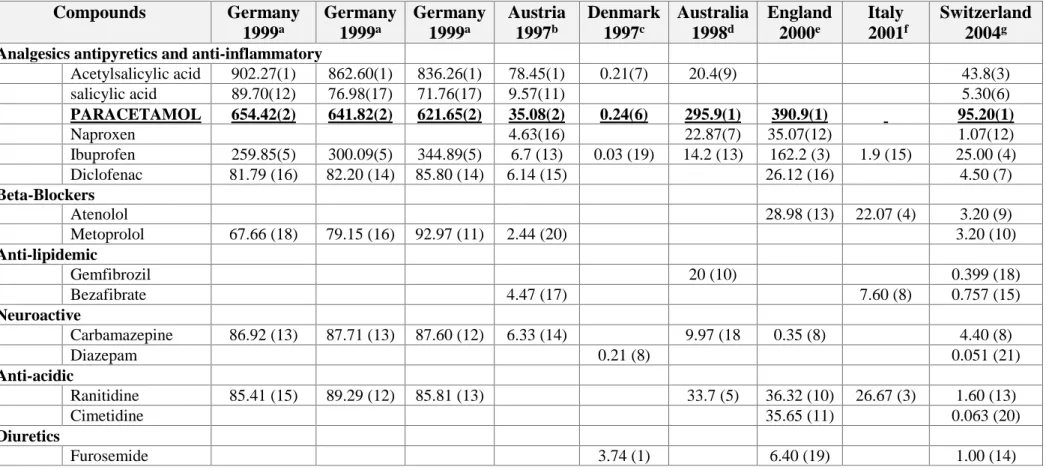
Table 1.3: Annual consumption of different classes of prescribed drugs for different countries.
Data are expressed in Tons/year and represents the most (top 20) sold drugs per nation. Data in bracket indicates nation ranking of the drug, aHuschek et al.2004, b Sattleberger (1999), cStuer-Lauridsen et al.2000, dKhan and Ongerth (2000) eJone et al. (2000), f Calamari et al. (2003) and gIMS Health Incorporated or its
affilates. All rights reserved. MIDAS-02/03/05.
Compounds Germany 1999a Germany 1999a Germany 1999a Austria 1997b Denmark 1997c Australia 1998d England 2000e Italy 2001f Switzerland 2004g Analgesics antipyretics and anti-inflammatory
Acetylsalicylic acid 902.27(1) 862.60(1) 836.26(1) 78.45(1) 0.21(7) 20.4(9) 43.8(3) salicylic acid 89.70(12) 76.98(17) 71.76(17) 9.57(11) 5.30(6) PARACETAMOL 654.42(2) 641.82(2) 621.65(2) 35.08(2) 0.24(6) 295.9(1) 390.9(1) 95.20(1) Naproxen 4.63(16) 22.87(7) 35.07(12) 1.07(12) Ibuprofen 259.85(5) 300.09(5) 344.89(5) 6.7 (13) 0.03 (19) 14.2 (13) 162.2 (3) 1.9 (15) 25.00 (4) Diclofenac 81.79 (16) 82.20 (14) 85.80 (14) 6.14 (15) 26.12 (16) 4.50 (7) Beta-Blockers Atenolol 28.98 (13) 22.07 (4) 3.20 (9) Metoprolol 67.66 (18) 79.15 (16) 92.97 (11) 2.44 (20) 3.20 (10) Anti-lipidemic Gemfibrozil 20 (10) 0.399 (18) Bezafibrate 4.47 (17) 7.60 (8) 0.757 (15) Neuroactive Carbamazepine 86.92 (13) 87.71 (13) 87.60 (12) 6.33 (14) 9.97 (18 0.35 (8) 4.40 (8) Diazepam 0.21 (8) 0.051 (21) Anti-acidic Ranitidine 85.41 (15) 89.29 (12) 85.81 (13) 33.7 (5) 36.32 (10) 26.67 (3) 1.60 (13) Cimetidine 35.65 (11) 0.063 (20) Diuretics Furosemide 3.74 (1) 6.40 (19) 1.00 (14)
22
1.8.3 Pharmaceutical polluants, fate, occurrence and effects
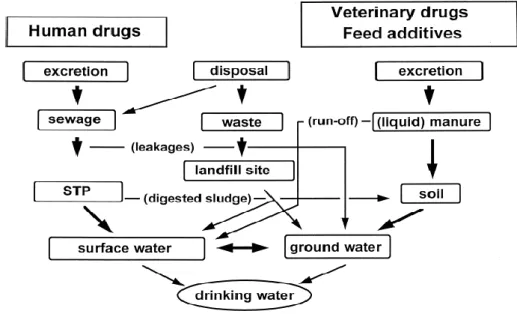
As earlier indicated, the main route of these pharmaceutical to reach the environment is via sewage and wastewater treatment plants effluents. Figure 1.5 (below) shows a schematic summary of the routes that pharmaceutical can take to reach environment.
Figure 1.5 : Common pathways for pharmaceuticals to reach the environment (Reemtsma 2006). This research focuses on the highlighted pathway From Table 1.4 (below), Fent et al., 2006 gives an overview of concentration of pharmaceuticals found in influents and effluents that have been reported by many authors and different researches. The classification took into account several factors, which can be different in many countries
.
It illustrates the detection of pharmaceuticals in the µg/L range in the influent and effluent of WWTPs and their differences.Table 1.4: Measured influent and effluent concentration of pharmaceuticals common in wastewater treatment. (Fent 2006 & Petrovic 2005)
Compounds Influent conc. (µg/l) Effluent conc.(µg/l)
Acetylsalicylic acid 3.2 0.6 Salicylic acid 57 - 330 0.05 - 3.6 Ibuprofen 2 - 38.7 0 - 4 Diclofenac 3.0 2.5 Carbamazepine 0.7 - 1.5 0.7 - 1.5 Metoprolol - 0.08 - 0.73 Clofibric 0.15 - 1 0 - 0.88 Bezafibrate 0.42 - 5 0 - 0.84 Fenofibric 0.44 0.22 - 0.4
23
The environmental effects of pharmaceuticals are not easy to detect. However, effects in minor periods have been determined for aquatic organisms though occurring at several mg/l concentrations. For example, Ibuprofen with an LC50 (96hr) has been determined for a 173mg/l
concentration for the bluegill sunfish [47]. Due to a continuous addition unto the already existing low environmental concentrations of these pharmaceuticals, chronic effects are much more likely to be observed within aquatic life though difficult to predict because of the long time required for their effects to become clearly visible. Exceptions to this are endocrine disruptors that are capable of disturbing organisms’ functions at very low concentrations. Despite the fact that a few of these pharmaceutical effects on aquatic life have been investigated and reported, a large majority are still undetermined. Some of the possible effects suggested so far are:
Mixed or synergic effects occurs when the effect caused by a single can’t be evaluated because it has been merged with several others e.g. the cardiovascular drug verapamil is capable of increasing intercellular concentration of other pharmaceuticals in organisms [48]
Behavioural effects are identified in a change of behaviour due to a change in chemical signalling pattern caused by these pollutants. They can interfere in information sharing or transfer between or within organisms [49].
Effects cause by metabolites are thought to be more frequent. Pharmaceuticals may degrade to metabolites which have bioactive or persistent properties e.g. clofibric acid is a metabolite of clofibrate and is quite persistent and classified as hazardous to aquatic life [50].
1.8.4 Paracetamol (APAP)
The systematic IUPAC nomenclature of APAP is N-(4-hydroxyphenyl) ethanamide.