UNIVERSIDADE DA BEIRA INTERIOR
Ciências Sociais e Humanas
Determinants of physical fitness in prepubescent
children and its training effects
Carlos Jorge Soares de Aquino Cavaleiro Marta
Tese para obtenção do Grau de Doutor em
Ciências do Desporto
(3º ciclo de estudos)
Orientador: Prof. Doutor Mário C. Marques
Co-orientador: Prof. Doutor Daniel A. Marinho
Marta, C. (2013). Determinants of physical fitness in prepubescent children and its training effects. University of Beira Interior, Research Centre in Sport, Health and Human Development.
KEY WORDS: YOUTH, PHYSICAL FITNESS, SOMATOTYPE, MUSCLE POWER, ENDURANCE, CONCURRENT TRAINING, GENDER DIFFERENCES
“Um desistente nunca ganha e um vencedor nunca desiste.”
Napoleon Hill
Academic dissertation submitted with the purpose of obtaining a doctoral degree in Sport Sciences according to the provisions of Portuguese Decree-Law 107/2008 of 25 June.
I would never have been able to finish this study without the guidance of my thesis advisors, help from friends, and support from my family.
A special thanks to Professors Mário Marques and Daniel Marinho, for their excellent guidance, patience, and constant encouragement and counseling.
A very big thank you to all the students who participate in this research. This work wouldn’t be possible without their dedication.
I would also like to thank Professors Mikel Izquierdo, Tiago Barbosa, and Natalina Casanova. This research would not have been possible without their cooperation.
Finally, I would like to thank my son Gui and my wife Mané. They were always there cheering me up and stood by me through the good and bad times.
This Doctoral Thesis was supported with the following papers:
Marta C, Marinho DA, Marques MC. Physical fitness in prepubescent children: an update. Accepted for publication in the Journal of Physical Education and Sport.
Marta C, Marinho DA, Costa AM, Barbosa TM, Marques MC. Somatotype is more interactive with strength than fat mass and physical activity in peripubertal children. Journal of Human Kinetics 2011; Special Issue: 83-91.
Marta C, Marinho DA, Barbosa TM, Izquierdo M, Marques MC. Physical fitness differences between prepubescent boys and girls. Journal of Strength and Conditioning Research [Published Ahead of Print] DOI: 10.1519/JSC.0b013e31825bb4aa
Marta C, Marinho DA, Barbosa TM, Izquierdo M, Marques MC. Effects of body fat and dominant somatotype on explosive strength and aerobic capacity trainability in prepubescent children. Submitted for publication to Pediatric Exercise Science.
Marta C, Marinho DA, Barbosa TM, Izquierdo M, Marques MC. Effects of concurrent training on explosive strength and VO2max in prepubescent children. Submitted for publication to
Index of Figures xi
Index of Tables xiii
Abstract xv
Resumo xvii
Resumen xix
List of Abbreviations xxi
Chapter 1. General Introduction 1
Chapter 2. Review of Literature 5
Study 1. Physical fitness in prepubescent children: an update 5
Chapter 3. Experimental Studies 23
Study 2. Somatotype is more interactive with strength than fat mass and physical activity in peripubertal children
23
Study 3. Physical fitness differences between prepubescent boys and girls 33 Study 4. Effects of body fat and dominant somatotype on explosive
strength and aerobic capacity trainability in prepubescent children
51
Study 5. Effects of concurrent training on explosive strength and VO2max in
prepubescent children
63
Chapter 4. General Discussion 77
Chapter 5. Conclusions 83
Chapter 6. Suggestions for future research 85
Chapter 7. References 87
Study 3
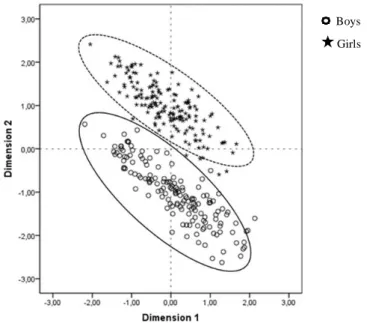
Figure 1. Scatterplot between Dimension 1 and Dimension 2 by sex 46 Figure 2. Scatterplot between Dimension 2 and Dimension 3 by sex 46
Study 4
Figure 1. Effect size of fat mass, endomorphic, mesomorphic and ectomorphic on training-induced explosive strength gains: boys and girls
58
Figure 2. Effect size of fat mass, endomorphic, mesomorphic and ectomorphic on training-induced VO2max gains: boys and girls
59
Study 5
Figure 1. Counter movement jump (cm) by group 71
Figure 2.Standing long jump (cm) by group 71
Figure 3.1kg ball throwing (cm) by group 71
Figure 4.3kg ball throwing (cm) by group 71
Figure 5.Time-at-20m (sec) by group 72
Figure 6.VO2max (ml.kg-1.min-1) by group 72
Figure 7.Counter movement jump (cm) by sex 72
Figure 8.Standing long jump (cm) by sex 72
Figure 9.1kg ball throwing (cm) by sex 72
Figure 10.3kg ball throwing (cm) by sex 72
Figure 11.Time-at-20m (sec) by sex 73
Study 2
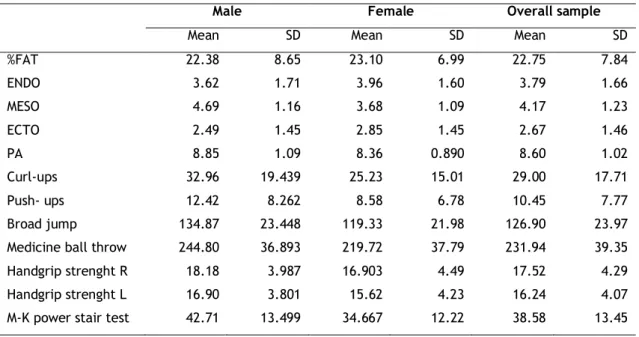
Table 1. Descriptive data of FAT, BMI, ENDO, MESO, ECTO, PA and muscle strength variables
25
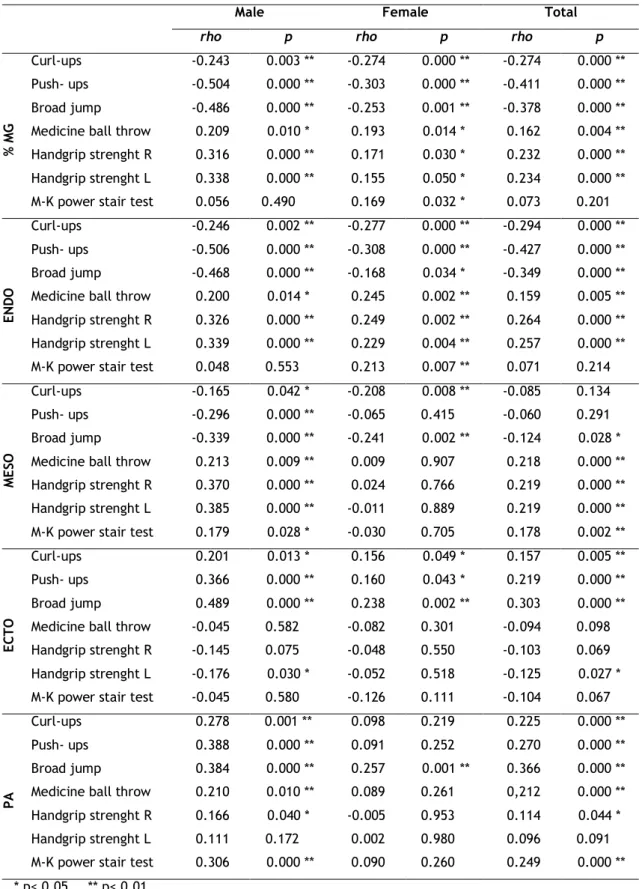
Table 2. Correlations between % of FAT, ENDO, MESO, ECTO, PA and strength variables
27
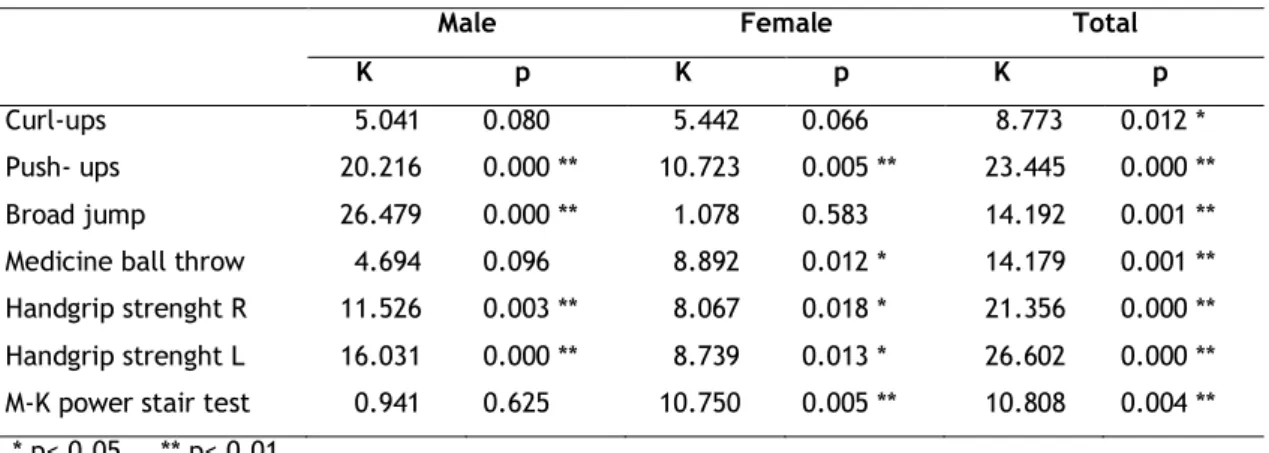
Table 3. Comparison between different BMI groups with respect to muscle strength variables
28
Table 4. Comparison between different TYPE groups with respect to strength variables
28
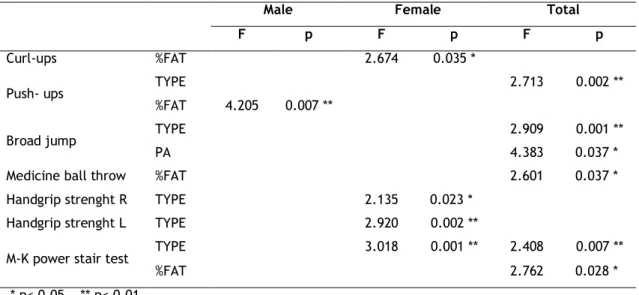
Table 5. Interaction of morphological type (TYPE), body fat (% FAT) and physical activity (PA) with strength variables: GLM‐MANOVA test
29
Study 3
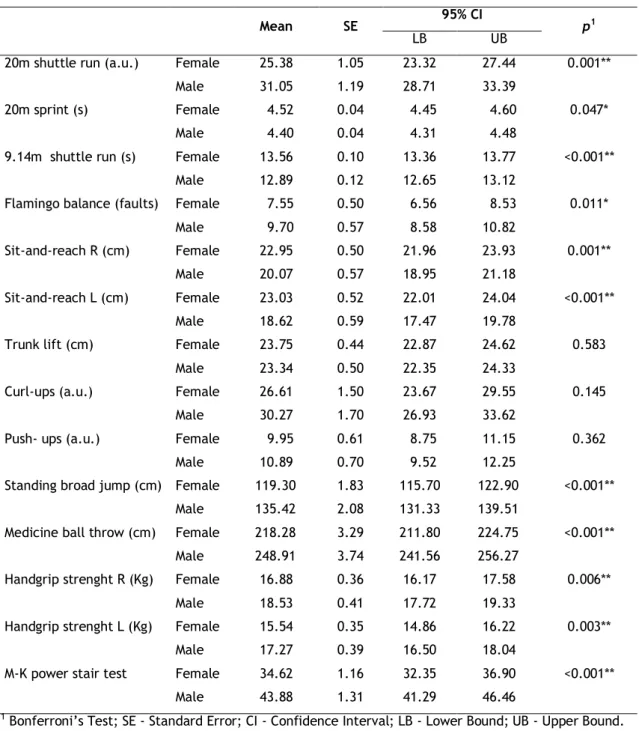
Table 1. Descriptive data of anthropometric and morphological parameters, physical activity indexes and physical performance measures: Overall sample
37
Table 2. Gender`s difference in physical performance: Adjusted means after MANCOVA
43
Table 3. Effect of the somatotype, physical activity and body fat factors on the physical performance of boys and girls: MANCOVA
44
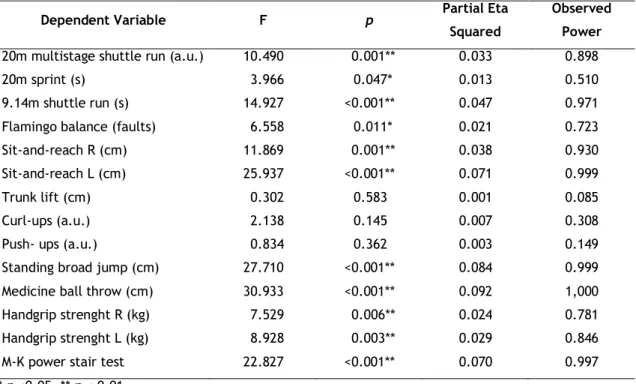
Table 4. Statistical significance and effect size of sex on the physical performance variables: ANCOVA
44
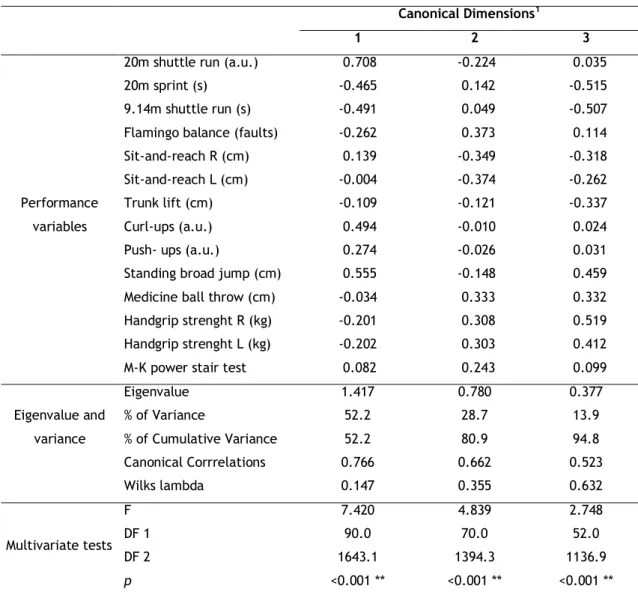
Table 5. Correlations between canonical coefficients and variables 45
Study 4
Table 1. Training program design 54
Table 2. Comparison of explosive strength and endurance tests results mean (±SD) between experimental and control groups in pre- (T0) and post-test (T1) conditions: Boys and girls
57
Table 3. Pearson`s correlation between percentage of fat mass (%BF), endomorphic (END), mesomorphic (MES), ectomorphic (ECT), and explosive strength and VO2max gains: Boys and girls
Table 1. Descriptive data of the control (GC), resistance (GR) and concurrent (GCON) groups in pre-test condition: Boys and girls (Mean ± SD)
66
Table 2. Training program design 69
Table 3. Evolution of the explosive strength and VO2max from pre- to the post-training: ANOVA
The purpose of this investigation was to analyze the effect of somatotype, body fat and physical activity on overall physical fitness, explosive strength and aerobic capacity trainability in prepubescent children. Additionally, it was intended to identify the magnitude of the differences between boys and girls in physical fitness, and the effects of concurrent training on explosive strength and VO2max adaptations. For the accomplishment of these
purposes the following sequence was used: (i) reviewing available literature; (ii) analyzing the interaction between somatotype, body fat, physical activity and physical fitness in prepubescent children; (iii) identifying physical fitness differences between boys and girls; (iv) analyzing the interaction between somatotype, body fat and training-induced explosive strength and VO2max gains; (v) and comparing the effects of 8-weeks training period of
strength training alone, or combined strength and aerobic training on explosive strength and VO2max adaptations. Results suggest that: (i) somatotype is the most important variable
determining overall physical fitness, and training-induced explosive strength and VO2max gains,
in boys and girls; (ii) boys present higher values in muscular strength and endurance, velocity and aerobic capacity, and girls perform better on tests of balance and flexibility. Gender differences in the physical fitness are greater in the explosive strength and smaller in the muscular endurance and flexibility, followed by velocity and balance; (iii) performing strength and aerobic training in the same workout does not impair strength development, and allows similar neuromuscular adaptations in prepubescent boys and girls.
Key words
Youth, Physical Fitness, Somatotype, Muscle Power, Endurance, Concurrent Training, Gender Differences
Este estudo pretendeu analisar o efeito do somatótipo, gordura corporal e atividade física na aptidão física geral, no treino de força explosiva e na capacidade aeróbia, em crianças pré-pubertárias. Adicionalmente pretendeu-se identificar a magnitude das diferenças na aptidão física entre rapazes e raparigas, e os efeitos do treino concorrente na força explosiva e VO2max. Para se alcançar estes objetivos foram adotados os seguintes passos: (i) revisão da
literatura; (ii) análise da interação do somatótipo, gordura corporal, atividade física e aptidão física em crianças pré-púberes; (iii) identificação das diferenças na aptidão física entre rapazes e raparigas; (iv) análise da interação do somatótipo, gordura corporal e ganhos de força explosiva e VO2max induzidos pelo treino; (v) e comparação do efeito de um período de
treino de oito semanas exclusivamente de força, e treino combinado de força e endurance na força explosiva e VO2max. Os resultados sugerem que: (i) o somatótipo é a variável que mais
influencia a aptidão física geral, e os ganhos de força explosiva e VO2max induzidos pelo treino,
quer em rapazes, quer em raparigas; (ii) os rapazes apresentam melhor performance na força e resistência muscular, velocidade e capacidade aeróbica, e as raparigas têm melhor desempenho em testes de equilíbrio e flexibilidade. Diferenças de género na aptidão física são maiores na força explosiva e menores na resistência muscular e flexibilidade, seguidas da velocidade e equilíbrio; (iii) realizar treino combinado de força e endurance na mesma sessão de trabalho não prejudica o desenvolvimento da força, e permite adaptações neuromusculares semelhantes em rapazes e raparigas pré-púberes.
Palavras-chave
Juventude, Aptidão Física, Somatótipo, Potência Muscular, Endurance, Treino Concorrente, Diferenças de Género
Este estudio ha tenido como objetivo analizar el efecto del somatotipo, de la grasa corporal y la actividad física en la condición física general, en el entrenamiento de fuerza explosiva y en la resistencia aeróbica en niños prepúberes. Además se ha pretendido identificar la magnitud de las diferencias en la condición física entre niños y niñas y los efectos del entrenamiento combinado en la fuerza explosiva y VO2max. Para lograr estos objetivos se han dado los
siguientes pasos: (i) revisión de la literatura; (ii) análisis de la interacción del somatotipo, de la grasa corporal, actividad y condición física en niños prepúberes; (iii) identificación de las diferencias en la condición física entre niños y niñas; (iv) análisis de la interacción del somatotipo, de la grasa corporal y del aumento de la fuerza explosiva y VO2max inducidos por
el entrenamiento; (v) y comparación del efecto de un periodo de entrenamiento de ocho semanas sólo de fuerza y entrenamiento combinado de fuerza y resistencia en la fuerza explosiva y VO2max. Los resultados sugieren que: (i) el somatotipo es la variable que más
influye en la condición física general, el aumento de fuerza explosiva y VO2max inducidos por
el entrenamiento, sea en niños o en niñas; (ii) los niños presentan mejor rendimiento en la fuerza y resistencia muscular, velocidad y resistencia aeróbica, ya las niñas son mejores en pruebas de equilibrio y flexibilidad. Las diferencias de género en la condición física son mayores en la fuerza explosiva y menores en la resistencia muscular y flexibilidad, seguidas de la velocidad y del equilibrio; (iii) realizar entrenamiento combinado de fuerza y resistencia en la misma sesión de trabajo no afecta el desarrollo de la fuerza y permite adaptaciones neuromusculares similares en niños y niñas prepúberes.
Palabras clave
Jóvenes, Condición Física, Somatotipo, Potencia Muscular, Resistencia, Entrenamiento Concurrente, Diferencias de género
BF body fat
%BF percent body fat
BMI body mass index
ECTO ectomorphic
ENDO endomorphic
%FAT percentage of fat mass
GC control group
GCON concurrent training group
GE endurance group
GR resistance group
MESO mesomorphic
M‐K Margaria‐Kalamen power stair test
PA physical activity
Chapter 1. General Introduction
Physical fitness has been recognized as a key determinant in healthy lifestyles based increasingly on criteria referenced to general health and not merely to motor performance (Ortega et al., 2007). It is related, among others, with lower prevalence of cardiovascular disease risk factors, reduces total and abdominal adiposity, improves mental and skeletal health and increases academic performance (Kvaavik et al., 2009; Ortega et al., 2007). Furthermore, physical fitness levels track from childhood to adolescence and from adolescence to adulthood (Stratton et al., 2008; Twist et al., 2000).
The recognition that physical fitness is a major marker of health status at any age (Ortega et al., 2007) has produced a wide range of studies on the influence of various factors on physical fitness levels, in particular the influence of body fat and physical activity (Artero et al., 2010; D'Hondt et al., 2009; Dumith et al., 2010; Lennox et al., 2008). However, there are few studies (Jakšić & Cvetkovic, 2009; Shukla et al., 2009; Suchomel, 2002) that link somatotype with fitness in young people. Most studies in this context refer to the influence of body mass index in the motor performance in youth, but somatotype has been found to be inherited to a greater extent than body mass index (Reis et al., 2007). One cannot exceed the limits imposed by what is a manifestation of genetic determinism, observed from the morpho-constitutional point of view, and there is evidence that by pre-puberty there already exists a fairly stable somatotype, pointing to 8 years as the age by which somatotype stability becomes manifest (Malina et al., 2004). Hence it seems relevant to examine, in this age group, the effect of the presence/absence of certain physical traits on the motor performance, and compare it with the effect of body fat and physical activity, often referenced in the literature (Study 2 and Study 3). On the other hand, physical fitness is often erroneously used as a synonym for aerobic fitness rather than as an umbrella term to embrace all health-related fitness components (Hands et al., 2009). The majority of studies on the physical fitness focuses on the aerobic capacity, neglecting the muscular fitness (Cepero et al., 2011), but there exist evidence that the neuromotor aptitude based on the muscular force can be as important as the aerobic capacity in the maintenance of the health (Armstrong & Welsman, 1997). As such, it will be relevant to analyze specifically the interaction of physical activity, body fat, somatotype and strength development in prepubescent children (Study 2).
Unfortunately, there exist evidences suggesting that physical fitness has declined worldwide in the last decades among children and adolescents (Matton et al., 2007; Tomkinson, 2007). Thus, efforts to promote physical fitness levels in youth should be a priority (Cepero et al., 2011). One of the pointed reasons for the decreased levels of physical fitness and physical
activity is that there is an apparent avoidance of children of the physical education classes and regular physical activity (Roetert, 2004). This decrease in the interest of children in physical activity and sport is due, in part, to lack of planning that takes into account the interest, motivation and success of children in the execution of the exercises, respecting the differences between them, including gender differences (Haff, 2003). Physical education classes or extracurricular activities commonly include children of both sexes. This requires teachers, coaches and trainers to establish a match between the goals they want to achieve and the means and resources available, taking into account the various constraints that may arise, such as reduced practice time per session, number of weekly sessions, lack of material resources and facilities, high numbers of students/athletes by class and variety of content to be taught, often involving the same activities for boys and girls alike.
In this respect, beyond the duty of the teacher and coaches to maximize the opportunities for practice, it is necessary to program the exercises in order to make them appealing and motivating for both boys and girls (NIH, 1996). The psychological saturation and physiological enervation that may attend on attempts to match results close to those achieved by opposite-sex colleagues in the same exercise can be alleviated when there is knowledge about which exercises and the respective capabilities they deploy can be best performed concurrently by boys and girls. One of the major reasons why many children drop out of sport and physical activity is that they feel they do not have the necessary skills to be involved. Both girls and boys tend to be reluctant to participate if their perceived level of skill is low. The proof of this is that female students reported more positive and adaptive perceptions in same-sex classes (Lyu & Gill, 2011). The knowledge, not only of the physical capabilities in which boys and girls are higher, but the magnitude of the differences between them, can help teachers, coaches and trainers in the planning and organizing of activities that take into account the success of both boys and girls, and thus, increase levels of physical activity and physical fitness (Study 3).
In children, because of low aerobic capacity is associated with risk factors of cardiovascular disease (Anderssen et al., 2007), a great amount of research has focused on activities that enhance cardiorespiratory fitness (Cepero et al., 2011). However, it is recognized that youth strength training approaches can be a safe and effective method of conditioning and should be an important component of youth fitness programs, health promotion objectives, and injury prevention (American Academy of Pediatrics, 2008; Faigenbaum et al., 2009). Indeed, improvements in muscular fitness and speed/agility, rather than cardiorespiratory fitness, seem to have a positive effect on skeletal health (Ortega et al., 2007). Increasing both aerobic and muscular fitness is essential for promoting health (American College of Sports Medicine, 2007) and should be a desirable goal in a training program (Taanila et al., 2011).
In order to maximize the benefits of training, some studies have reported the influence of several variables in the implementation of training programs in children and adolescents, such as the training program supervision, instruction quality and control learning, gender, age and maturity (Behringer et al., 2011; Faigenbaum et al., 2009). Nevertheless, the influence of body fat and somatotype on the effects of the implementation of training programs in young people still needs to be investigated. Body fat represents an inert load, non-contributive, associated with an increased metabolic cost (Norman et al., 2005) and the somatotype translates the expression of genetic determinism, observed from the morpho-constitutional point of view (Malina & Bouchard, 1991). These factors, therefore, may influence the execution of the planned exercises, training intensity and recovery of the performers, resulting in different effects of applying a particular training program. Additionally, both body fat and somatotype are significantly associated with the level of physical fitness achieved (Dumith et al., 2010; Jakšić & Cvetković, 2009), which appears to influence, in turn, the development of training programs in children and adolescents (Faigenbaum et al., 2009). Thus, the knowledge of the effects of body fat and somatotype on training-induced strength and endurance gains can help in designing and application of training programs for young people, in order to improve its efficiency (Study 4).
What often happens is that strength and endurance training are regularly performed concurrently at school or extracurricular activities (Santos et al, 2012), as well as in most exercise programs in wellness, fitness, and rehabilitative settings in an attempt to obtain gains in more than 1 physiologic system to achieve total conditioning, to meet functional demands, or to improve several health-related components simultaneously (Shaw et al., 2009). During several decades, many studies have reported an interference effect on muscle strength development when strength and endurance were trained concurrently. The majority of these studies found that the magnitude of increase in strength was higher in the group that performed only strength training compared with the concurrent training group, commonly referred to as the “interference phenomenon” (García-Pallarés & Izquierdo 2011). However, there exists a relative paucity of published reports focused on the implementation of concurrent strength and endurance training in school children (Izquierdo-Gabarren et al., 2010, García-Pallarés & Izquierdo 2011). A recent study showed that performing strength and endurance training in the same workout does not impair strength development in adolescent schooled boys (Santos et al., 2012). However, the effects of concurrent strength and endurance training in prepubescent children, according to our best knowledge, have yet to be investigated. On the other hand, physical education classes or extracurricular activities commonly include children of both sexes, as mentioned above. Therefore, it is important to verify the applicability of a concurrent training program in age-school boys and girls (Study
Considering the abovementioned, the aim of this thesis was to analyze the effect of somatotype, body fat and physical activity on overall physical fitness, explosive strength and aerobic capacity trainability in prepubescent children. An additional objective was to identify the magnitude of the differences between boys and girls in physical fitness, and the effects of concurrent training on explosive strength and VO2max adaptations.
Chapter 2 – Review of Literature
Study 1
Physical fitness in prepubescent children: an update
Abstract
This article provides a brief review over the state of art concerning some factors that influence physical fitness levels in children, namely the role of body fat, physical activity and somatotype, and how physical fitness might be improved, particularly in terms of strength and cardiorespiratory fitness. The major research conclusions can be summarized as follows: (i) there are significant and positive associations between physical activity levels and physical fitness; (ii) there is a negative relationship between body fat and performance on both endurance and weight-bearing tasks, whereas flexibility does not seem to differ significantly between overweight or obese children and normal-weight peers. Absolute handgrip strength appears to be better in obese children; (iii) by pre-puberty there already exists a fairly stable somatotype; (iv) Endomorphic is a limiting factor in body propulsion and lifting tasks. Mesomorphic is positively associated with strength and motor performance in general. The associations for ectomorphic were the inverse of those for endomorphic and mesomorphic; (v) the boys are superior in tasks that require strength, speed and endurance, and the girls on tasks with a predominance of balance, coordination and flexibility; (vi) the girls have higher levels of body fat than boys; (vii) the boys have higher and consistent levels of physical activity than girls; (viii) with an intensive training stimulus prepubescent children show improvements in aerobic capacity compared with controls of the same maturation; and (ix) strength training can be an effective and safe way for enhancing muscle strength in prepubescent children.
Introduction
Physical fitness is a major marker of health status at any age (Ortega et al., 2007). The recognition that physical fitness is a key determinant in healthy lifestyles based increasingly on criteria referenced to general health and not merely to motor performance has produced a wide range of studies on the influence of various factors on physical fitness levels, in particular the influence of body fat and physical activity. However, there are few studies that link somatotype with fitness in young people. Most studies in this context refer to the influence of body mass index in the motor performance in youth, but somatotype has been found to be inherited to a greater extent than body mass index (Reis et al., 2007).
Unfortunately, there exist evidences suggesting that physical activity (WHO, 2010) and physical fitness (Matton et al., 2007) has declined worldwide in the last decades among children. One of the pointed reasons for this decreased levels is that there is an apparent avoidance of children of the physical education classes and regular physical activity (Roetert, 2004) due, in part, to lack of planning that takes into account the interest, motivation and success of children in the execution of the exercises, respecting the differences between them, including gender differences (Haff, 2003). Physical education classes or extracurricular activities commonly include boys and girls, and this requires teachers, coaches and trainers to establish a match between the goals they want to achieve and the specificity of each gender (NIH, 1996).
Because of the low aerobic capacity in children is associated with risk factors of cardiovascular disease (Anderssen et al., 2007), the majority of the research has focused on activities that enhance cardiorespiratory fitness disregarding, for instance, neuromotor fitness conditions based on muscular strength (Cepero et al., 2011). However, it is recognized that youth strength training can be a safe and effective method of conditioning and should be an important component of youth fitness programs, health promotion objectives, and injury prevention (Faigenbaum et al., 2009). Increasing both aerobic and muscular fitness is essential for promoting health and should be a desirable goal in a training program (Taanila et al., 2011).
What often happens is that resistance and endurance training are regularly performed concurrently at school or extracurricular activities (Santos et al, 2012), as well as in most exercise programs in wellness, fitness, and rehabilitative settings in an attempt to obtain gains in more than 1 physiologic system to achieve total conditioning, to meet functional demands, or to improve several health-related components simultaneously (Shaw et al., 2009). So it is important to know if performing resistance and endurance training in the same workout does not affect strength development in children, usually referred to as “interference phenomenon” (García-Pallarés & Izquierdo 2011).
Physical fitness
The term physical fitness is often erroneously used as a synonym for aerobic fitness rather than as an umbrella term to embrace all health-related fitness components (Hands et al., 2009). Physical fitness in children has been defined as the aptitude to realize physic tasks without fatigue related to the cardiorespiratory general resistance, muscular specific resistance, and the levels of muscular force, extent of movement, speed and coordination (Deforche et al., 2003). The majority of studies on the physical fitness centered on the aerobic capacity, neglecting the neuromotor aptitude based on the muscular force, flexibility and speed (Cepero et al., 2011). However, the improvements in the muscular capacity, the speed and agility, instead of the aerobic capacity, seem to have a positive effect on the musculoskeletal health. Armstrong and Welsman (1997) reported that the neuromotor system can be as important as the aerobic capacity in the maintenance of the health.
Fitness has been proposed as a major marker of health status at any age (Ortega et al., 2007), and is considered to be important supportive element for the maintenance and enhancement of health and quality of life, and hence for the improvement of the holistic development of a child (Malina, 2001). Physical fitness is associated with lower prevalence of cardiovascular disease risk factors, improves mental and bone health, increases academic performance, improves motor skills, and protects against all-cause mortality (Kvaavik et al., 2009; Van Dusen et al., 2011). It also relates with psychophysical, cognitive, social and affective-emotional factors (Weineck, 2003). In addition, a strong relationship exists between physical fitness, especially cardiorespiratory fitness, and various measures of fatness in children and adolescents (Ruiz et al., 2006).
Physical fitness levels
There is evidence suggesting that physical fitness has declined worldwide in the last decades among children and adolescents (Matton et al., 2007). However, there is a lack of updated data (Luguetti et al., 2010). There are evidences that pointed out a decline in strength and cardiorespiratory fitness about 0.36% per year, since the decade of the 70th, related to social,
behavioral, physical, physiological and psychological factors (Tomkinson & Olds, 2007). In a recent study, Luguetti et al. (2010) rated the performance of 7- to 16-years-old children (normative tables: PROESP-BR) in 9-min running, long jump, medicine-ball throwing and 1-min curl-ups. They observed a poor performance (often exceeding 50%) in all tests, for both boys and girls, particularly in girls. Physical fitness levels in children are influenced by factors such as age, sex, body composition, physical activity levels and biological maturity status (Huang & Malina, 2007). Additionally, children who are competent in the accomplishment of the motor skills took part more in the type of activities that can improve his/her levels of physical fitness (Barnett et al., 2008).
Regarding the differences between boys and girls in the motor performance, several studies have shown a superiority of boys in tasks that require strength, speed and endurance, and the girls on tasks with a predominance of balance, coordination and flexibility (Castro-Piñero et al., 2009; Cepero et al., 2011; Dumith et al., 2010).
Physical activity
Physical activity is widely recognized as an important behavioral characteristic for health promotion and disease prevention. However, a large portion of the population is not active enough to obtain these health benefits (WHO, 2010). In the contemporary society there are many requests for sedentary practices and simultaneously for the consumption of highly energetic food. Silently, the individuals are conducted to increasingly sedentary standards of living (Marshall et al., 2002), with a consequent increase of the risk factors for the development of many chronic hypokinetic diseases. And if the problem used to be centered on adults, the incidence in children has grown substantially. Children who have a physically active life can get a set of health benefits, including: reduction of the risk of cardiovascular disease (Andersen et al., 2006) and hypertension (Sarzynski, et al., 2010), low incidence of diabetes (Gaya et al., 2009), increased bone mineralization (Hind & Burrows, 2007), prophylactic action of disorders of the musculoskeletal system (Prentice et al., 2006); psychological well-being, and higher academic performance (Sallis et al., 2000).
Physical activity levels
It is known that the level of physical activity among young people has been decreasing considerably, and is currently below the commonly recommended (Sallis et al., 2009; WHO, 2010). For many young people the school-based physical education classes are the only way of undertaking physical activity (Coleman et al., 2004), but unfortunately, it has been observed that there is an apparent avoidance of children of the physical education classes and regular physical activity practice at school (Roetert, 2004). Portuguese children have one of the lowest rates of physical activity in European Union (Janssen et al., 2005).
There are a number of factors positively associated with the levels of physical activity in youth, including self-efficacy in one’s ability to overcome barriers to physical activity, perceptions of physical or sport competence, having positive attitudes toward physical education, enjoying physical activity, and parent, sibling, and peer support (Sallis et al., 2000). There are other factors that may influence levels of physical activity, such as the socio economic and cultural environment (Kriska, 2000). Also the availability of outdoors play spaces, such as parks and playgrounds, may be especially important because time spent outdoors is strongly correlated to physical activity (Tudor-Locke et al., 2001).
Regardless of the recommendations transmitted by different international organizations, the need for all children and adolescents perform a minimum of 60 min of moderate-to-vigorous physical activity, in most days of the week, and preferably every day, is unanimously accepted (Pate et al., 2002; WHO, 2010). The National Association for Sport and Physical Education (2004) add the need to accumulate peak intensity of 15 or more minutes per day. According to the British Association of Sport and Exercise Sciences (O`Donovan et al., 2010), children and adolescents aged 5–16 years should accumulate at least 60 min of moderate-to-vigorous intensity activity per day, including moderate-to-vigorous-intensity aerobic activities that improve bone density and muscle strength. Although there are some evidence of a greater participation of boys in sports activity, especially with vigorous intensity, and girls in leisure activities and low intensity, in general males have higher and consistent levels of physical activity than females (Dencker et al. 2010).
Association between physical activity and physical fitness
In children, the strong and positive association between physical activity and physical fitness that occurs in adults is not so evident, and there is some controversy in studies. To this contributes a number of factors that hinder the clarification of the relationship between physical activity and physical fitness, including the difficulty in measuring the daily physical activity from large samples, the lack of longitudinal studies, the lack of consensus about the validity of different assessment methods, the various definitions of physical activity and the difficulty of assessing accurately the intensity of the physical activity (Twist et al., 2000).
Cardiorespiratory fitness has often been considered the best indicator of individual fitness, since it indirectly favors the other capabilities (Costa et al., 2000). This fact has motivated many studies about the relationship between physical activity and aerobic fitness in young people, and cross-sectional epidemiological studies have shown significant associations between these two variables, although the strength of the relationship has been generally weak. Graf et al. (2004) evaluated 668 German children (mean age 7.6 years) in their patterns of physical activity (questionnaire) and 6 min running. They noted that more active children were significantly better in the selected test. Dencker et al. (2006) evaluated the relationship between daily physical activity of 248 Swedish children, from 8 to 11 years old, and VO2max (cycle ergometer). They found significant and positive associations between total
physical activity and VO2max (r = .23, boys and girls). Ara et al. (2007) explored the possible
contribution of physical activity (participation in extra-curricular physical activity) in the results of the EUROFIT test battery, of 7- to 10-years-old Spanish children. The results showed that physical activity was positively related to the performance in the 12-min walking/ running test. In the United States of America, a sample of 230 children between 7 and 12 years old, representative of the Illinois area, was evaluated by the FITNESSGRAM test battery, physical activity (questionnaire, interview and pedometers) and motor skills tests (Castelli &
Valley, 2007). The results showed that daily physical activity was significantly associated with FITNESSGRAM test battery (r = .28 to .46), namely the performance in the 20-m Multistage Fitness test. Dencker et al. (2008) evaluated the associations between objectively measured daily physical activity (accelerometers for 4 days and daily accumulation of moderate-to- vigorous and vigorous activity) and aerobic fitness (indirect calorimetry during a maximal cycle ergometer exercise test), in 225 children (aged 7.9–11.1 years). Significant relationships were found between vigorous activity and aerobic fitness (r= .38), whereas moderate- to-vigorous activity displayed weaker relationships (r= .25). Low daily accumulation of to-vigorous activity was associated with lower aerobic fitness. A similar relation was not found for daily accumulation of moderate to vigorous activity. Tovar et al. (2008) observed a significant and positive correlation (p <0.05) of the self-reported physical activity levels with the performance in the aerobic multistage fitness test, among 655 boys (between 7 and 18 years) attending a private school in Bogotá, Colombia. Sveinsson et al. (2009) examined the interrelationship between aerobic fitness (bicycle ergometer) and physical activity (Actigraph activity monitors using total activity each day), in 270 participants selected from 18 primary and secondary schools in Iceland (9- and 15-year-olds). Physical activity explained a smaller proportion (0%) of the unadjusted variance in fitness for the 9-year-olds than for the 15-year-olds (19%). The authors also found that gender differences in aerobic fitness after puberty can largely be explained by gender differences in physical activity. More recently, Dencker et al. (2010) investigated by direct measurement the cross-sectional relationship between accelerometer-measured physical activity over a 4-day period and peak oxygen uptake (VO2peak: ml.min-1.kg-1, by indirect calorimetry during a maximal treadmill exercise test), in
468 children (246 boys, 222 girls) aged 6.7+0.4 years, recruited from a population-based cohort. Pearson correlation coefficients indicated a weak relationship between daily physical activity variables and VO2peak in boys (r= .15 to .28), with the exception of time in sedentary
and light activity, which was not related to VO2peak. None of the daily physical activity
variables were related to VO2peak in girls, with the exception of a very weak relationship for
moderate activity (r= .14). Multiple regression analyses indicated that the various physical activity variables explained between 2 and 8% of the variance in VO2peak in boys. In this
population-based cohort, most daily activity variables were positively related to aerobic fitness in boys, whereas less clear relationships were observed in girls. The authors' findings that physical activity was only uniformly related to aerobic fitness in boys partly contradict previous studies in older children and adolescents.
Beyond the association with aerobic fitness, physical activity correlates with other components of physical fitness, such as muscle strength and endurance, speed, flexibility, balance, agility and motor coordination. Wrotniak et al. (2006) examined the relationship between motor proficiency (Bruininks-Oseretsky Test of Motor Proficiency) and physical activity (accelerometer) in 8- to 10-year-old children (34 girls and 31 boys). They found that motor proficiency of children ( running speed, agility, balance, standing broad jump, sit ups,
push-ups and bilateral coordination) was positively correlated with total physical activity (r = .32) and percentage of time spent on moderate to vigorous physical activity (r = .30), and inversely correlated with time spent in sedentary activities (r = - .31). In an investigation to explore the possible contribution of physical activity (participation in extra-curricular physical activity) in the results of the EUROFIT test battery, of 7- to 10-years-old Spanish children, Ara et al. (2007) showed that physical activity was positively related to the physical fitness of boys (Balance, sit-and-reach, standing broad jump, handgrip strength, sit ups, plate tapping, and shuttle run). In the United States of America, a sample of 230 children between 7 and 12 years old, representative of the Illinois area, was evaluated by the FITNESSGRAM test battery, and physical activity levels (questionnaire, interview and pedometers) (Castelli & Valley, 2007). The results found by the authors showed that daily physical activity was significantly associated with the FITNESSGRAM test battery performance (r = .28 to .46).
Body fat
Health problems associated with excess body fat are so common that in part replaced other health concerns of the present time, such as malnutrition and infectious diseases. The importance of health problems arising from excess weight and obesity has become more pronounced because of the incidence rates in most socioeconomically developed countries tend to increase, in addition to adults, in children and adolescents (Carmo et al., 2007). Excess body fat in children is alarming because it is closely related to the increased risk of diseases with adverse consequences for health (Daniels, 2006), which in the past were confined to the elderly, because they are typical of the normal degeneration process of aging (Pertroski, 2007).
The consequences of the excess body fat in children are well known: cardiovascular disease, elevated insulin levels, high blood pressure, high cholesterol, dyslipidemia, metabolic syndrome, asthma, sleep apnea, syndrome of hypoventilation, gastrointestinal complications, liver and kidney diseases, and some types of cancer (Daniels, 2006; Stephen, 2006), degenerative joint disease and orthopedic abnormalities (Ball et al., 2003), hormonal, neurological and immunological problems (Denney-Wilson & Baur, 2007), and deficit of self-esteem, depression, eating disorders and school failure (Denney-Wilson & Baur, 2007). Additionally, longitudinal studies of children followed into young adulthood suggested that overweight children may become overweight adults (WHO, 2007), exposed to an increased comorbidity and mortality risk (Katzmarzyk et al, 2003).
Body fat levels
Many countries are losing the battle against obesity, which is even more striking in the case of children (Wang & Lobstein, 2006). Also in Portugal, overweight and obesity have reached
epidemic proportions (Marques-Vidal & Dias, 2005). Portuguese Children have one of the highest prevalence of obesity in European Union (do Carmo et al., 2006).
Although other factors such as genetics and diet (Mota et al., 2006) play an important role in overweight-related genesis, the increased prevalence of overweight/ obesity has been associated with the reduction of physical activity and has been linked to environments that encourage sedentary behaviors (Aires et al., 2010). For many young people the school-based physical education classes are the only way of undertaking physical activity (Coleman et al., 2004). However, the quantity of time in physical educational schools programs and the interventions of the seasons have limited effects (Lobstein et al., 2004). In a longitudinal, randomized study of 5 months, to determine the effects of physical education in health-related fitness among boys and girls (aged 8 to 12 years), Cepero et al. (2011) observed that the physical activity at school is not sufficient to support an ideal level of health-related fitness. Several studies have shown higher values of body fat in girls than in boys (Cepero et al., 2011; Sveinsson et al., 2009).
Association between body fat and physical fitness
Physical fitness of overweight and obese children has extensively been documented. Numerous studies already established a negative relationship between excessive body fat and performances on both endurance and weight-bearing tasks (Dumith et al., 2010; Tovar et al., 2008), whereas flexibility does not seem to differ significantly between overweight or obese children and normal-weight peers (Casajús et al., 2007). Absolute handgrip strength even appears to be better in obese children and adolescents, given their increased fat-free mass (Casajús et al., 2007; Deforche et al., 2003).
Ara et al. (2007) investigated the association of BMI with physical activity (participation in extra-curricular physical activities), of 1068 Spanish children from 7 to 12 years of age. The results showed that the aerobic fitness (VO2max) was negatively correlated with adiposity in
both sexes. In the U.S., a sample of 230 children between 7 and 12 years of age, representative of the area of Illinois, was assessed by the FITNESSGRAM battery and BMI (Castelli & Valley, 2007). The results found by the authors show a low, but significant association, between BMI and the motor tests performed (r= -.24 to -.29). In an analysis of the performance in fundamental motor skills (Movement Assessment Battery for Children (M-ABC) and BMI of 117 Belgian children, from 5 to 10 years of age, D'Hondt et al. (2009) observed a significant and negative association between these two variables (r= -.34). Castro-Piñero et al. (2009) studied the influence of body weight (BMI) on 9 different muscular strength tests in Spanish children (1513 boys and 1265 girls) aged 6 to 17.9 years. Both underweight and normal weight children and adolescents had significantly higher performance than their overweight and obese counterparts in the standing broad jump, vertical jump and push-ups tests in boys, and bent arm hang test in both boys and girls.
Sveinsson et al. (2009) examined the interrelationship between aerobic fitness (bicycle ergometer) and body composition (logarithm of sum of four skinfolds- loge skinfolds, and BMI), in 270 participants selected from 18 primary and secondary schools in Iceland (9- and 15-year-olds). All the body composition variables explained a similar proportion of the fitness variance (35-42%) among the 9-year-olds. The authors also found that gender differences in aerobic fitness after puberty can largely be explained by gender differences in loge skinfolds. Dumith et al. (2010) undertook a study with 519 Brazilian students (age 7 to 15 years). Physical fitness was assessed using 8 tests: sit-and-reach, stationary long jump, 1-minute curl-up, modified pull-curl-up, medicine-ball throw, 9-minute run, 20-m run, and 4-m shuttle-run. The authors found that higher values of body mass index were associated with declines in physical fitness, independent of age. Normal weight students performed better than overweight and obese students (p< 0.01) in all tests, except the sit-and-reach and the medicine-ball throw. Cardiorespiratory fitness had the strongest association with BMI status. Xianwen et al. (2010) investigated the association of weight status with physical fitness (standing broad jump, 50m sprint and 50m x 8 shuttle run) among 6929 Chinese children (aged 6–12 years). An inverse association of obesity with cardiorespiratory fitness, muscle explosive strength, and speed was identified. The likelihood of achieving good performance was much lower among overweight and obese children in comparison with their counterparts with normal weight (Odds ratio= .13 to .54). Recently, in a study to analyze the relationship of body fat with fitness levels (Cardiovascular Endurance Run, curl-ups, trunk lifts, push-ups and shoulder stretches) of 7000 school children in Louisiana, Joshi et al. (2012) observed that the participants with healthy BMIs have the highest levels of physical fitness.
Somatotype
The description and interpretation of human variability is a central nucleus of research in many areas of Anthropology, Medicine and Sport Science. Constitution represents a specific pattern of structural-morphological, physiologically functional and psychological cognitive-conative features of a person, which distinguish this person from all the others (Jakšić & Cvetković, 2009, Shukla et al., 2009). These characteristics are predetermined by the heredity and significantly influenced by various environmental factors (Shukla et al., 2009).
Physique refers to an individual`s body form, and is probably the single aspect of constitution that is most amenable to systematic study, because it can be readily observed (Malina & Bouchard, 1991). In an attempt to classify body types, William Sheldon introduced the concept somatotype (soma = “body”), in the 1940s. Hence, several modifications of Sheldon`s method were developed, and the resulting approach was the Health-Carter method, that uses anthropometric procedures to estimate somatotype, which is defined as representing the individual’s “present morphological conformation” (Carter, 2002). According to Reis et al.
(2007) there exists a tendency for a genetic influence on the three somatotype components (endomorphic, mesomorphic and ectomorphic). In reverse, it seems that the effect of physical activity and biological maturity is very weak in the physique of children (Malina et al., 2004).
Somatotype´s stability
There is evidence that by pre-puberty there already exists a fairly stable somatotype, pointing to 8 years as the age by which somatotype stability becomes manifest (Malina & Bouchard, 1991; Malina et al., 2004). However, an analysis to changes in morphological typology of children during growth shows that in pre-puberty boys tend to show a slight increase of the mesomorphic values, and girls show an increase of the endomorphic and a slight reduction of the ectomorphic values, while the mesomorphic component does not change significantly (Malina et al., 2004). In an investigation that aimed to study the somatotype´s (tri-dimensional structure) stability in children and youngsters from Madeira (Portugal), based on a stratified and proportional sample (from 309 subjects, 157 boys and 152 girls) from a mixed-longitudinal study, Maia et al (2004) found that somatotype was strongly stable over the age range of 10 to 16 years.
Association of somatotype with physical fitness
The associations between biotype and performance on a variety of motor tasks are generally weak and limited in prepubertal age (0 to about .35) (Malina & Bouchard, 1991). The most consistent relationship is a negative association between endomorphic and performance in running, jumping and agility. The excess body fatness associated with endomorphic adversely affects motor performance. On the other hand, mesomorphic and ectomorphic do not appear to be consistently related to motor performance in prepubescent children. Correlations of endomorphic and mesomorphic with muscular strength tend to be low to moderate and positive (.20 to .50), whereas correlations between ectomorphic and strength are of about the same magnitude but negative (-.20 to -.50) (Malina & Bouchard, 1991). The correlations indicate the importance of overall body size in strength tests, especially body weight, and the significant relationship between endomorphic and strength indicates the contribution of muscularity to body weight, which most likely influences endomorphic ratings. On the other hand, the linearity of physique associated with ectomorphic is indicative of less muscle mass, and in turn, lower levels of attained muscular strength (Malina & Bouchard, 1991). According to Ignjatović et al. (2009) it is logical to assume that young people who are stronger and more powerful have an advantage in motor performance. The relationships between size or physique, on the one hand, and strength and motor performance, on the other, are consistent with those for estimates of body composition. In prepubescent children, absolute and relative fat-free mass are moderately and positively related to strength and motor performance, but absolute and relative fatness are negatively related to motor items in which the body must be projected. Throwing is an exception. Absolute fat-free mass is more related to throwing
performance than relative fat-free mass, indicating the role of absolute body size in distance throwing (Malina & Bouchard, 1991)
There are few studies that relate somatotype and motor performance variables in children and adolescents. Suchomel, A. (2002) examined the relationship between the components of anthropometric somatotype and motor performance in boys and girls (8-9 and 12-13 years old) with considerably above-average and considerably below-average total score of the test battery UNIFITTEST. They found a significant positive relation between ectomorphic and the level of motor performance and, on the contrary, significant negative relation between endomorphic, as well as mesomorphic, and the level of motor performance of pubescent boys and girls. They also reported a significantly lower variability of the results of somatotype components in the high motor efficient group than in the low motor efficient one. The samples of boys and girls with a high motor performance corresponded to their somatotypes (mesomorphic-ectomorphic and ectomorphic-mesomorphic, with low level of endomorphic dominated) and on the contrary boys and girls with a low motor performance were difficult to characterize. Shukla et al (2009) conducted a cross sectional study on the morphological typology and motor quality of 900 boys, aged 10-18 years. They found that Mesomorphic component exhibited a significant and negative correlation with standing broad jump (r= -.28) and bend knee sit-ups (r= -.19). The association with the Sit-and-reach test was not significant (r= .08).
Regarding gender differences in the performance of prepubescent children, they reflect, in part, gender differences in size and body composition. The greater relative fatness of girls and the greater absolute and relative leanness of boys exert opposite effects on performance. Excessive fatness, as indicated above, tends to have a negative effect on most motor performance tasks, and greater fat-free mass tends to have a positive effect. As in adolescence, prepubescent boys tend to have greater strength per unit body size, especially in the upper extremities and the trunk, than girls, whereas there are negligible sex differences in lower extremity strength when body size is controlled (Malina & Bouchard, 1991).
Aerobic training
Aerobic fitness is a health-related component of physical fitness that relates to ability of the circulatory and respiratory systems to supply oxygen during sustained physical activity (US Department of Health and Human Services, 1996), and is probably the most important component of any physical fitness program because it reflects the overall capacity of the cardiovascular and respiratory systems and the ability to carry out prolonged strenuous exercise (Astrand et al., 2003). Several studies indicate that a good aerobic capacity is
associated with a lower risk of coronary heart disease, diabetes and other health problems in children (Aires et al., 2010; Kvaavik et al., 2009).
Training-induced adaptations in aerobic fitness have been extensively studied in adults, however, young people appear to respond differently to such exercise stimulus in comparison to adults (Matos & Winsley, 2007). Some exercise scientists have recommended similar training programs for young people. However, the subject of the response to aerobic training of children and adolescents is controversial, and the effects of exercise training on prepubertal children are particularly debatable. This can be partly explained by different training designs, which make comparisons between studies very problematic (Baquet et al., 2003). Several researchers have concluded that pre-pubescent children may be less adaptive to aerobic training than adolescents and adults (Baquet et al., 2003; Matos & Winsley, 2007), which was attributed to either a high inherent level of physical activity or to some unexplained limitations in the biological responsive mechanisms related to maturation (Katch, 1983).
However, some studies have shown that with an intensive training stimulus, pre-pubescent children show improvement in maximum aerobic power compared with controls of the same maturation (Baquet et al., 2004; Santos et al., 2012; Vamvakoudis et al., 2007), with improvements reported at approximately 5% (Matos & Winsley, 2007). Moreover, improvements in other variables like exercise economy or lactate threshold may occur without significant changes in peak VO2 (Matos & Winsley, 2007). Unfortunately, despite the
abundant research on aerobic training, the relationship between exercise training and adaptations in aerobic metabolism are still not well understood in prepubertal and early pubertal children (Tolfrey, 2007). In order to investigate the ability of children to improve aerobic fitness after a 12-week period of aerobic training, Rowland and Boyajian (1995) found that mean VO2max did not change significantly during the control period, but rose from 44.7
(5.8) to 47.6 (6.4) mL kg-1min-1 (6.5%) with training (P < .05). No differences in training
response were observed relative to sex, pre-training VO2max, or sports participation. The
findings of this study support the concept that VO2max can be improved with aerobic training
during the childhood years, but the degree of aerobic trainability is limited in healthy, active children. The meta-analysis of Payne and Morrow (1997) analyzed the data from 69 studies (of which 28 met the inclusion criteria) that were either a cross-sectional comparison between trained and untrained children or a pre-test/ post-test design. Greater differences between trained and untrained participants (Effect Size 0.94 ± 1.00) were seen, but less than a 5% change in peak VO2 (approximately 2mL·kg-1·min-1) were noted in the pre-post studies (Effect
Size 0.35 ± 0.82). Baquet et al. (2003) argued that improvements in peak VO2 of around 5-6%
are observed when the data are analyzed independently by sex or pubertal status. These authors also stated that when only studies that reported significant changes were considered, peak VO2 improvements rose to 8-10%. In a study in order to determine in healthy children (10
girls and 9 boys, l0-11-year-old) the effect of a 13-week well-controlled aerobic training program on cardiac function at maximal exercise and to define whether gender affects the training-induced cardiovascular response, Obert et al. (2003) observed that the training program led to a rise in VO2max, brought about however, only by an increase in maximum
stroke volume in both genders. Moreover, the boys increased their VO2max to a greater extent
than the girls (boys: +15%; girls: +8%) only because of a higher maximum stroke volume improvement (boys: +15%; girls: +11%). An increase in the left ventricular end-diastolic diameter, concomitant with an improvement in diastolic function, was observed after training and constituted an essential element in the rise in VO2max after training in these children.
Moreover, during maximal exercise, a decrease in systemic vascular resistances, probably indicating peripheral cardiovascular adaptive changes, might also play an important role in the increase in VO2max. Rowland (2005) compiled a series of what he considered to be
well-designed investigations in children and stated that the improvements in aerobic power were indeed quite small, with the greatest improvement being 10%, but the average change being 5.8%. Vamvakoudis et al. (2007) analyzed the effects of a prolonged aerobic training on maximal aerobic power of young basketball players (20 players and 18 control boys). All subjects were tested every 6 months (18 months total, 11(1/2), 12, 12(1/2), 13 years old) for VO2max. The authors observed that VO2max was altered in both groups on the final test, when
compared to the initial test. However, the training group had a higher VO2max on each of the
6-month follow-up measurements, compared to the control group (p < 0.001). The major implication suggested by the findings of the study was that, in order to improve the basic physical components, specific training procedures should be incorporated during the basketball training sessions. It was recommended that all children should be involved in some type of cardiovascular and resistance training program.
Regarding sex differences in aerobic trainability, at present, there are few studies which have addressed sex differences in the trainability of aerobic fitness in children, with the majority of studies recruiting boys as participants (Matos & Winsley, 2007). Single sex studies using prepubertal girls however have reported that significant improvements in peak VO2 are
possible (McManus et al., 1997), akin to that seen in boys. The data from those studies that have directly compared the sexes suggest that boys and girls demonstrate similar responses in aerobic trainability (Baquet et al. 2003), even though boys’ peak VO2 appears to be slightly
higher than girls (Obert et al., 2003). Obert et al. (2003) had 10 girls and 9 boys participate in a 13-week aerobic training programme (3 x 1 hour per week) and found that significant improvements in peak VO2 were observed for both groups; boys increased peak VO2 by 15%
and girls by 8%. Similar findings were reported by Baquet et al. (2002); 9.5% increase in peak VO2 for the prepubertal boys being not significantly different from the 7.2% increment
Strength training
In addition to aerobic activities, research increasingly indicates that strength training can offer unique benefits for children when appropriately prescribed and supervised (Behringer et al., 2011; Faigenbaum et al., 2009). Furthermore strength training has been shown to be associated with several health-related benefits such as increased bone mineral density, improved body composition, improved insulin sensitivity, normalization of vascular disorders (Shabi et al., 2006, Benson et al., 2006), and enhanced mental health and well-being (Yu et al., 2008). It also increases the resistance to sports injuries and makes more effective the rehabilitation in young athletes (Kraemer & Fleck , 2005).
Although early studies suggested that strength training did not lead to significant improvements in strength, numerous studies spanning the last 50 years have shown strength training to be an effective and safe way for enhancing muscle strength in children and adolescents, if appropriately prescribed and supervised (Behringer et al., 2011). Strength gains up to 74% have been reported after 8 weeks of progressive resistance training (Faigenbaum, 1993), although gains of roughly 30% are typically observed after short-term (8– 20 weeks) youth resistance training programs (Faigenbaum et al., 2009). According to Dahab and McCambridge (2009) children can improve strength between 30% and 50% after only 8 to 12 weeks of a strength training program at a frequency of at least two training times per week. Isometric and dynamic strength training are effective in increasing strength in pre-pubertal children and adolescents, with both groups showing considerable improvements (Rowland, 2005; Tolfrey, 2007). Reported relative (% change above initial levels) strength gains achieved during preadolescence are equal to if not greater than the relative gains observed during adolescence (Lillegard et al., 1997).
The mechanisms underlying strength improvements and muscle hypertrophy in adults arise through an interaction between neural and hormonal mechanisms. However, in the pre-pubescent population, muscle hypertrophy is not believed to be the primary factor in strength improvement (Tolfrey, 2007). Without corresponding increases in fat-free mass, it appears that neural adaptations (i.e., a trend toward increased motor unit activation and changes in motor unit coordination, recruitment, and firing) (Ozmun et al., 1994; Ramsay et al., 1990) and possibly intrinsic muscle adaptations (as evidenced by increases in twitch torque) (Ramsay et al., 1990) are primarily responsible for training-induced strength gains during preadolescence. Improvements in motor skill performance and the coordination of the involved muscle groups may also play a significant role because measured increases in training-induced strength are typically greater than changes in neuromuscular activation (Ozmun et al., 1994; Ramsay et al., 1990).
A compelling body of scientific evidence indicates that children and adolescents can significantly increase their strength, above and beyond growth and maturation, providing that the resistance training program is of sufficient intensity, volume, and duration. Faigenbaum et al. (2002) analyzed the effects of 1 and 2 days per week of strength training (8 weeks) on upper body strength, lower body strength, and motor performance ability in children (21 girls and 34 boys between the ages of 7.1 and 12.3 years). Only participants who strength trained twice per week made significantly greater gains in 1RM chest press strength, compared to the control group (11.5 and 4.4% respectively, p < .05). In a study conducted by Tsolakis et al. (2004), ten untrained preadolescent males (11-13 years old) were submitted to a 2-month resistance-training program (6 exercises, 3 x 10 repetitions maximum [RM], 3 times per week). The effectiveness of the resistance program was determined by measuring pre- and post-training differences in isometric and isotonic (10RM) strength. The authors observed significant post-training isometric strength gains (17.5%) in the experimental training group. Faigenbaum et al. (2005) compared early muscular fitness adaptations in children (23 girls and 20 boys between the ages of 8.0 and 12.3 years) in response to low repetition maximum and high repetition maximum resistance training. Children performed one set of 6 to 10 RM or one set of 15 to 20 RM on child-size exercise machines twice weekly over 8 weeks. Both experimental groups made significantly greater gains in 1RM strength (21% and 23%, respectively) as compared with the control group (1%). In order to investigate whether a whole-body vibration program results in a better strength and postural control performance than an equivalent exercise program performed without vibration (6 weeks of training at 3 times per week), in 33 Belgian competitive skiers (ages = 9–15 years), Mahieu et al. (2006) observed that both training programs significantly improved knee muscle strength and explosive strength (p ≤ 0.05).
Regarding gender differences, there have been few studies that have looked at differences in training induced strength improvements between boys and girls, but it appears that both sexes respond similarly (Faigenbaum et al., 2003; Matos & Winsley, 2007).
Concurrent strength and aerobic training
Strength training and aerobic training are often performed concurrently in most exercise programs in wellness, fitness, and rehabilitative settings in an attempt to obtain gains in more than 1 physiologic system to achieve total conditioning, to meet functional demands, or to improve several health-related components simultaneously (Shaw et al., 2009). Furthermore, children involved in physical education classes often perform strength and aerobic training concurrently in an effort to achieve specific adaptations to both forms of training (Santos et al., 2012).