NURSING DIAGNOSES OF PATIENTS IN THE PREOPERATIVE PERIOD OF
ESOPHAGEAL SURGERY
Ana Elisa Ricci Lopes1 Daniele Acalá Pompeo2 Silvia Rita Marin da Silva Canini3 Lídia Aparecida Rossi4
Lopes AER, Pompeo DA, Canini SRMS, Rossi LA. Nursing diagnoses of patients in the preoperative period of esophageal surgery. Rev Latino-am Enfermagem 2009 janeiro-fevereiro; 17(1):66-73.
This study aimed to identify and analyze the nursing diagnoses of patients in the preoperative period of esophageal surgeries. Data were collected by means of an instrument, based on Horta’s Conceptual Model. The study group consisted of 20 patients hospitalized at the Ribeirão Preto Medical School Hospital das Clínicas, who would undergo esophageal surgery. The patients were submitted to an interview and a physical examination. The nursing diagnoses identified at frequencies of more than 50% were: impaired swallowing (100%); risk for infection (100%); knowledge deficit about disease and perioperative period (95%), and chronic pain (75%). These diagnoses were analyzed in view of the related factors, defining characteristics or risk factors, according to the type of diagnosis and the responses to the esophageal disease.
DESCRIPTORS: nursing diagnosis; perioperative care; nursing
DIAGNÓSTICOS DE ENFERMERÍA DE PACIENTES EN PERÍODO PRE-OPERATORIO
DE CIRUGÍA ESOFÁGICA
Este estudio tuvo como objetivos identificar y analizar los diagnósticos de enfermería de pacientes en el período pre operatorio de cirugías de esófago. Los datos fueron recolectados por medio de un instrumento fundamentado en el Modelo Conceptual de Horta. El grupo estudiado fue constituido por 20 pacientes internados en el Hospital de las Clínicas de la Facultad de Medicina de Ribeirao Preto, en Brasil, para ser sometidos a cirugía esofágica. Los pacientes fueron sometidos a una entrevista y a un examen físico. Los diagnósticos de enfermería identificados con una frecuencia mayor que 50% fueron: acción de deglutir perjudicada (100%), riesgo de infección (100%), conocimiento deficiente sobre la enfermedad y período peri operatorio (95%) y dolor crónico (75%). Esos diagnósticos fueron analizados considerando los factores relacionados, las características de definición o los factores de riesgo, de acuerdo con el tipo de diagnóstico, y las respuestas a la patología esofágica.
DESCRIPTORES: diagnóstico de enfermería; atención perioperativa; enfermería
DIAGNÓSTICOS DE ENFERMAGEM DE PACIENTES EM PERÍODO PRÉ-OPERATÓRIO
DE CIRURGIA ESOFÁGICA
Este estudo teve como objetivos identificar e analisar os diagnósticos de enfermagem de pacientes no período pré-operatório de cirurgias esofágicas. Os dados foram coletados por meio de instrumento fundamentado no Modelo Conceitual de Horta. O grupo estudado foi constituído por 20 pacientes internados no Hospital das Clínicas da Faculdade de Medicina de Ribeirão Preto – Brasil para serem submetidos a cirurgia esofágica. Os pacientes foram submetidos à entrevista e exame físico. Os diagnósticos de enfermagem identificados com freqüência maior que 50% foram: deglutição prejudicada (100%), risco para infecção (100%), conhecimento deficiente sobre a doença e período perioperatório (95%) e dor crônica (75%). Esses diagnósticos foram analisados considerando-se os fatores relacionados, as características definidoras ou fatores de risco, de acordo com o tipo de diagnóstico, e as respostas à patologia esofágica.
DESCRITORES: diagnóstico de enfermagem; assistência perioperatória; enfermagem
Escola de Enfermagem de Ribeirão Preto, da Universidade de São Paulo, Centro Colaborador da OMS para o Desenvolvimento da Pesquisa em Enfermagem, Brazil: 1Undergraduate student in Nursing, e-mail: [email protected]; 2Master’s student, e-mail: [email protected]; 3Faculty, e-mail: [email protected]; 4Associate Professor, e-mail: [email protected].
INTRODUCTION
P
erioperative nursing is an expression used to describe a variety of nursing functions associatedto surgical experience. The preoperative period
corresponds to the first phase of the perioperative period. It begins when the surgical intervention is
decided on and ends when the patient is on the
operating table. In this phase, the following are performed: guidance regarding the procedures related
to the perioperative period and careful patient
management according to each type of surgery. The purpose is to identify, solve or alleviate the problems
that might possibly interfere in the subsequent periods,
i.e. intra- and postoperative periods, and to reduce the risk for complications(1).
The focus of interest of this study is the
identification of nursing diagnoses of patients in the preoperative period of esophageal surgery.
The gastrointestinal tract (GI) is the pathway
that extends from the mouth, passing through the esophagus, stomach, small and large intestines, to the
anus. The esophagus enters the superior mediastinum,
in the thoracic cavity, where it lies anterior to the vertebral column and posterior to the trachea and
heart. The esophagus’ function is to transport food from the mouth to the stomach, which is facilitated by two
sphincters: the upper esophageal sphincter, which is
located at the junction of the pharynx and the esophagus, and the lower esophageal sphincter, also
called esofagogastric sphincter, which is located at the
level of the junction of the esophagus and the stomach (esofagogastric junction)(2).
The most common types of esophageal
surgeries are: Hiatal herniorrhaphy, Esophagectomy, Cardiomytomy and Serra Dória. Hiatal herniorrhaphy
is indicated for patients who have hiatal hernia. It is
an abnormal protrusion of any abdominal structure into the abdominal cavity through the esophageal hiatus.
The surgery consists in reestablishing the
cardioesophageal junction to its correct anatomic position in the abdomen(2).
Esophagectomy involves the excision of all or
any part of the esophagus of patients with a cancer diagnosis in this organ. The tumor location and size
are determinants of the resection length. It is a major
surgery with high rates of morbidity and mortality (10% to 40%), as the disease is usually diagnosed in late
stages, besides the fact that several patients are
smokers, heavy drinkers and undernourished.
Moreover, esophageal cancer is the third most frequent
cancer among tumors of the digestive system. It
usually appears during the sixth decade of life and hardly ever before the age of 30(2).
Cardiomyotomy consists in the myotomy of
the esofagogastric junction to correct the esophageal obstruction resulting from a cardiospasm. The disease
commonly associated to this surgery is achalasia, also
known as megaesophagus, which results in failure of esophageal body peristalsis and inability of the lower
esophageal sphincter to relax on deglution(2). The main
symptoms of achalasia are dysphagia, regurgitation, retrosternal pain, heartburn, sialorrhea and weight
loss(2).
Serra Dória consists in the performance of a wide esofagogastric anastomosis, managing to facilitate
esophageal emptying through cardioplasty and
Roux-en-Y partial gastrectomy(3).
Nursing diagnoses in specific patient groups
have been the focus of a variety of studies; however,
few have focused on the diagnoses of preoperative patients, regardless of the surgery. Among the studies
found, the most frequent diagnoses were: Risk for
infection (100%), Risk for ineffective breathing pattern (66.6%), Anxiety (66.6%) and Risk for aspiration
(63.3%)(4); Anxiety (86.6%), Impaired physical mobility (3.3%) and Altered Health maintenance (3.3%)(5).
Investigations regarding nursing diagnoses of
patients undergoing specific surgical procedures showed usual diagnoses for the surgical situation, and some
related to specific surgeries like cardiac surgery:
Intolerance to activity, Risk for peripheral neurovascular dysfunction, Risk for infection, Knowledge deficit,
Ineffective breathing pattern, Altered cardiopulmonary
tissue perfusion, Pain, Altered sexual patterns, and Sleep pattern disturbance(6); Fear, Anxiety, for infection,
Knowledge deficit, Intolerance to activity, Risk for deficit
in liquid volume, Impairment in skin integrity, Altered sexuality, Sleep pattern disturbance and Spiritual
anxiety/distress(7); laryngectomies: Anxiety, Fear,
Imbalanced nutrition less than body requirements, Impaired swallowing, Impaired verbal communication,
Ineffective therapeutic regimen management, Risk for
infection, Risk for caregiver role strain, and Behavior to increase health status(8); surgical correction of the
palatal cleft: Knowledge deficit, Disturbed body image,
Sleep pattern disturbance, and Impaired swallowing(9). However, studies focusing on nursing diagnoses of
patients in the preoperative period of esophageal
It is believed that knowledge about health
problems of a patient group with common features
can drive nursing care, support patient care planning, interventions, in-service training/education/training
courses and professional staff training. Nursing
diagnosis identification in a group of patients provides knowledge about altered human answers, thus
contributing to the development of oriented and
individualized nursing interventions.
“Nursing diagnoses common to a group of
individuals outlined this group profile, allowing a global
guidance of nursing interventions”(10).
Therefore, this study aimed to identify and
analyze the nursing diagnoses of patients in the
preoperative period after esophageal surgeries.
METHODS
This study was carried out at the Medical and
Surgical Units of the University of São Paulo at Ribeirão Preto Medical School Hospital das Clínicas
(HCFMRP-USP), which offer 13 beds for gastrointestinal surgery.
The study was approved by the local Research Ethics Committee.
For the sake of convenience, the sample consisted of 20 patients older than 18 years, regardless
of gender, hospitalized in the above-mentioned hospital
facilities to undergo medium or major elective esophageal surgeries and who consented to participate
in the study. Written informed consent was obtained
from all participants or their authorized representatives. Exclusion criteria were to be in the preoperative period
of emergency or urgency esophageal surgeries,
impaired verbal communication, presence of mental disorders, refusal to participate in the study, or to be
in the preoperative period of surgery to correct caustic
stenosis, due to the characteristics presented by this kind of patients.
Data were collected by means of an instrument
based on Horta’s Conceptual Model, consisting of open and closed questions. Data collection used means like
interviews, observation and measurement.
Patients’ complementary data were retrieved from the medical records. The instrument consisted of
four major items: identification, psychobiological,
psychosocial, and psychospiritual needs.
After developing the instrument, face and
content validation was performed by three specialists
in surgical nursing and nursing diagnoses. The
recommendations were accepted, which contributed
to refine the instrument. A pretest was also performed with the patients, in which no changes were noticed.
After each data collection, an analysis and synthesis of the obtained data for each patient was
performed by means of a diagnostic reasoning process,
established in the literature(11). Categorizing the data allowed for the identification of gaps and diverging data.
These, when present, determined the need to return to the data collection phase. The categorized data were
gathered in order to establish clients’ behavior patterns concerning a diagnostic inference(11). These groupings
were compared to concepts, models or theories. Based on this comparison, diagnostic hypotheses were
established regarding the non-satisfied basic health needs(11-12).
Afterwards, nursing diagnoses were established
by the study’s first author, based on the North American Nursing Diagnosis Association-II Taxonomy
(NANDA)(13), except for the nursing diagnosis of Chronic Pain, which was established based on the interpretation
proposed by another author(14), as the diagnosis was more adequate to the patients’ clinical picture. Tables
were used to register these phases. For each diagnostic
inference, corresponding data were registered and a comparison was made with literature and other factors
associated to these diagnoses. Tables with the description of the diagnostic reasoning, along with the
respective formulated diagnoses and the data collection instrument, were handed over to three registered nurses
with extensive experience in nursing diagnosis issues (teaching, care and research), in order to confirm the
diagnoses identified by the author or not, or to include new diagnoses. The unconfirmed or new diagnoses were
reviewed by the student and her tutor.
RESULTS
Twenty patients were screened for eligibility, eight men and 12 women. Patients’ age ranged from
24 to 75 years. Regarding education, three patients were illiterate, 12 did not complete elementary school,
three completed secondary education, and one had a higher education degree.
Of the six patients who presented a medical diagnosis of chagasic megaesophagus, five were born
in endemic areas of Chagas Disease.
In relation to the diagnosis prior to surgery, we have found the following diagnoses: six patients
y r o g e t a C c i t s o n g a i D s t n e i t a
P Total
1 2 3 4 5 6 7 8 9 10 11 12 13 14 15 16 17 18 19 20 n %
g n i w o ll a w s d e r i a p m
I x x x x x x x x x x x x x x x x x x x x 20 100
n o i t c e f n i r o f k s i
R x x x x x x x x x x x x x x x x x x x x 20 100
e h t g n i d r a g e r e g d e l w o n k t n e i c i f e D d o i r e p e v i t a r e p o i r e p d n a e s a e s i
d x x x x x x x x x x x x x - x x x x x x 19 95
n i a p c i n o r h
C x x - x x x - x x - x - x x x x x x x x 16 75
y d o b n a h t s s e L : n o i t i r t u n d e c n a l a b m I s t n e m e r i u q e
r x x - - x - x x x x - - x - - - 8 40
n o i t a p i t s n o
C x x - - - - x x - x - - x - - - - x - - 7 35
a e s u a
N x x - - - x - - - x - - - x - x x 7 35
y d o b n a h t e r o M : n o i t i r t u n d e c n a l a b m I s t n e m e r i u q e
r - - - x - - - - x x - - x x - - x - 6 30
y t e i x n
A - - - x x x - x - x - - - 5 25
y t i r g e t n i n i k s d e r i a p m
I - - x - - - 1 5
n o i t p e c r e p y r o s n e s d e b r u t s i
D - - - - x - - - 1 5
n o i t a r i p s a r o f k s i
R - - - x - - - 1 5
a m u a r t r o f k s i
R - - - x - - - 1 5
g n i k l a w d e r i a p m
I - - - x - - - 1 5
p e e l s d e r e t l
A - - - x - - - 1 5
n i a p e t u c
A - - - x - - - 1 5
neoplasia, seven with gastroesophageal reflux, three
with idiopathic achalasia, and one with esophageal
stenosis and hiatal hernia. The surgeries proposed were as follows: Cardiomyotomy (6), Esophageal (3),
Hiatal hernioplasty (7), Hiatal herniorrhaphy (1),
Serra-Dória (2) and Esophagogastrectomy (1).
Table 1 shows the nursing diagnoses of all patients screened.
Table 1 – Diagnostic Categories identified in adult patients in the preoperative period of esophageal surgeries.
Ribeirão Preto, 2007
x = indicates presence of nursing diagnosis; - = indicates absence of nursing diagnosis.
Sixteen distinct nursing diagnoses were
identified. Of these, 13 were real diagnoses and
three were risk diagnoses. Of these, 13 refer to the
p s y c h o b i o l o g i c a l n e e d s a n d t h r e e t o t h e
psychosocial needs.
The diagnoses of Impaired swallowing and
Risk for infection presented 100% of frequency. The
diagnosis of Deficient knowledge regarding the
disease and perioperative period was observed in
19 of the 20 patients. The diagnosis of Chronic pain
was observed in 16 patients and that of Impaired
nutrition: less the body requirements in eight
patients.
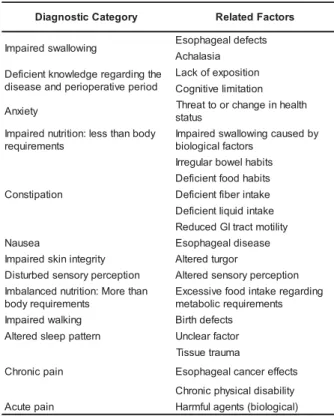
Table 2 presents the real diagnoses with the
related factors identified in the study patients.
Among the 20 patients who presented the
diagnosis of Impaired swallowing, the related factors
were achalasia (9), which was identified in patients
with medical diagnosis of chagasic and idiopathic
megaesophagus, and esophageal defects (11),
identified in 11 patients who presented other
esophageal diseases. y r o g e t a C c i t s o n g a i
D RelatedFactors
g n i w o ll a w s d e r i a p m
I Esophagealdefects
a i s a l a h c A e h t g n i d r a g e r e g d e l w o n k t n e i c i f e D d o i r e p e v i t a r e p o i r e p d n a e s a e s i d n o i t i s o p x e f o k c a L n o i t a t i m il e v i t i n g o C y t e i x n
A Threattoorchangeinheatlh s u t a t s y d o b n a h t s s e l : n o i t i r t u n d e r i a p m I s t n e m e r i u q e r y b d e s u a c g n i w o ll a w s d e r i a p m I s r o t c a f l a c i g o l o i b n o i t a p i t s n o C s t i b a h l e w o b r a l u g e r r I s t i b a h d o o f t n e i c i f e D e k a t n i r e b i f t n e i c i f e D e k a t n i d i u q il t n e i c i f e D y t il i t o m t c a r t I G d e c u d e R a e s u a
N Esophagealdisease
y t i r g e t n i n i k s d e r i a p m
I Atleredturgor
n o i t p e c r e p y r o s n e s d e b r u t s i
D Atleredsensoryperception n a h t e r o M : n o i t i r t u n d e c n a l a b m I s t n e m e r i u q e r y d o b g n i d r a g e r e k a t n i d o o f e v i s s e c x E s t n e m e r i u q e r c il o b a t e m g n i k l a w d e r i a p m
I Birthdefects
n r e t t a p p e e l s d e r e tl
A Unclearfactor
n i a p c i n o r h C a m u a r t e u s s i T s t c e f f e r e c n a c l a e g a h p o s E y t il i b a s i d l a c i s y h p c i n o r h C n i a p e t u c
A Harmfulagents(biological) Table 2 – Related factors of each real diagnosis
identified in adult patients in the preoperative period
Patients with the diagnosis of Deficient
knowledge present as related factors lack of exposition
(19) and cognitive limitation (1).
The factor related to Tissue trauma was
identified in 16 patients who presented diagnosis of
Chronic Pain, although the medical diagnoses
recorded in the medical records were different:
gastroesophageal reflux (6), chagasic and idiopathic
megaesophagus (6), and esophageal stenosis and
hiatal hernia (1). The factor related to the effects of
esophageal cancer was associated to pain in patients
who presented a medical diagnosis of esophageal
cancer (2). One patient presented a diagnosis of pain
associated to chronic physical disability secondary to
fibromyalgia.
Of the seven patients in whom the diagnosis
of Constipation was identified, one presenting a
medical diagnosis of megacolon showed reduced GI
tract motility as the defining characteristic.
The defining characteristics of the real
diagnoses identified in the study patients were
observed in Table 3.
Table 3 – Defining characteristics of the real diagnoses identified in adult patients in the preoperative period of
esophageal surgeries. Ribeirão Preto, 2007
Regarding the most frequent defining
characteristics observed in the 20 patients with the
diagnosis of Impaired Swallowing, the regurgitation
of gastric content was identified in 13 patients and
epigastric pain in 10 patients.
Imbalanced nutrition: less than body
requirements was identified in eight patients and the
most frequent defining characteristics were reports
of inadequate food intake (6) and body weight > 20%
or lower than the ideal (5). Among seven patients
with the diagnosis of Constipation, the most frequent
defining characteristics were reduced frequency (7)
and hard and dry stools (6).
In Table 4, the risk diagnoses identified along
with their related factors are shown. y r o g e t a C c i t s o n g a i
D Característicasdefinidoras DiagnosticCategory Característicasdefinidoras
g n i w o ll a w s d e r i a p m
I Odynophagia Nausea Nauseareport
l a s u f e r d o o
F Foodaversion
a e s u a N n r u b t r a e
H Impairedskinintegrity Destructionofskinlayers
g n i t i m il e m u l o v d o o F " k c u t s g n i h t e m o s " f o s t n i a l p m o
C Disturbedsensoryperception Timeandspatialdisorientation
g n i t i m o
V Alteredcommunicationpattern
n i a p c i r t s a g i p E s i s e m e t a m e
H Imbalancednutrition:Morethan s t n e m e r i u q e r y d o b n o i t u t i t s n o c y d o b r e v o % 0 2 t h g i e W t h g i e h d n a s t n e t n o c c i r t s a g f o n o i t a t i g r u g e
R Sedentaryactivitylevel
e h t g n i d r a g e r e g d e l w o n k t n e i c i f e D e v i t a r e p o e r p e h t d n a e s a e s i d d o i r e p m e l b o r p e h t f o n o i t a z il a b r e
V Impairedwalking Impairedcapacitytocilmbthestairs s e c n a t s i d y r a s s e c e n k l a w o t d n a y t e i x n
A Concern Disturbedsleeppattern Sleepmaintenanceinsomnia
a i n m o s n
I Verbalcomplaintsofnotfeeilngwell
l u f t s e r e k a t n i d o o f e t a u q e d a n i f o t r o p e
R Sleepdissatisfaction(irritation)
n o i s r e v a e k a t n i d o o F n i a p c i n o r h
C Reportofpainforover6months
n a h t s s e L : n o i t i r t u n d e c n a l a b m I s t n e m e r i u q e r y d o b n o i t a p i t s n o C n a h t r e w o l r o % 0 2 > t h g i e w y d o B l a e d i e h t t r o f m o c n i n o i t a r e t l A y c n e u q e r f d e s a e r c e
D Weightloss
s l o o t s y r d d n a d r a
H Insomnia
s t n e m e v o m l e w o b g n i r u d g n i n i a r t S ) n o i t a c e f e d ( s e m u l o v l o o t s d e c u d e
R Acutepain Verbalreport
n i a p l a n i m o d b
Table 4 – Related factors of the risk diagnoses
identified in adult patients in the preoperative period
of esophageal surgeries. Ribeirão Preto, 2007
The most frequently observed risk factors
for the 20 patients with the diagnosis of Risk for
infection were increased environmental exposure to
pathogens (20) and invasive procedures (14).
Malnutrition is a risk factor that was established only
in case of a medical diagnosis of protein malnutrition
or in cases in which the serum albumin test was
available and its outcome was lower than 3.5 g/dL.
DISCUSSION
We have chosen to discuss those diagnoses
with a frequency e” 50%, and also the aspects related
to the defining characteristics and risk factors of these
diagnoses. It is observed that these diagnoses reflect
the responses presented by the surgical patients with
esophageal defects.
The nursing diagnosis of impaired swallowing
was identified in the current study in 100% of the
patients. The abnormalities presented by the patients
in the preoperative period of esophageal surgeries
can compromise swallowing; as an example, we can
relate the symptoms related to gastroesophageal
reflux, which are regurgitation and epigastric pain(15).
In idiopathic megaesophagus, as well as in chagasic
megaesophagus, there is a loss of neurons from the
esophageal myenteric plexus, leading to the opening
of the lower esophageal sphincter, which leads to
dysphagia, regurgitation, heartburn, and retrosternal
pain(2). In addition, it also leads to difficulties in
swallowing, which was presented by the study
patients. Dysphagia is a common symptom in
patients with esophageal neoplasia, which begins
three to four months prior to the diagnosis(2).
Difficulties in swallowing lead to regurgitation(16). The
defining characteristics observed in the patients are
related to the signs and symptoms of the esophageal
abnormalities the patients present.
The diagnosis of risk for infection, identified
in 100% of the cases, entailed length of preoperative
hospital stay as a risk factor in 12 patients, which
favors skin colonization by hospital microbiota.
Extremes of nutritional status detected in 14 patients
are factors that predispose the patient to infection(17).
Another risk factor related to this diagnosis and
observed in 15 patients was the performance of
invasive procedures with the presence of venous
punctures.
Studies surveyed in a literature review
addressing nursing diagnoses concerning patients
admitted to surgeries in general(4,6-8), have identified
the diagnosis of Risk for Infection in more than 50%
of the study patients. Thus, this diagnosis is not
specific for this type of surgery, but for patients with
increased environmental exposure to pathogens.
Another nursing diagnosis observed in 15
(95%) of the patients was deficient knowledge
regarding the disease and perioperative period.
Knowledge aboutthe procedures is compromised by
several factors, such as the patient’s low education
level. Many times, the patients come across unknown
terms and expressions, insufficient information from
the professional involved in care and unprepared
professionals to transmit information. The content
of preoperative teaching should include some
information, such as: surgical preparation according
to the procedure type, sequence of events the patient
will be submitted to throughout the perioperative
period, the expected incision type, surgery time,
possibility of preanesthetic medication, function of
the several hospital staff members (surgeons,
anesthesiologists, nurses, and employees), purpose
and main procedures performed at the anesthetic
recovery room, accessories and devices/equipment
assembled in the intraoperative period, and guidance
for patient’s rehabilitation at the ward and at home,
such as breathing exercises, pain management and
early walking. In the current study, 13 patients
reported they were not aware of all this information
and another six patients say they know only part of
the perioperative period and the anesthetic
y r o g e t a C c i t s o n g a i
D RiskFactors
n o i t c e f n i r o f k s i
R Increasedenvironmentalexposureto s
n e g o h t a p
s e r u d e c o r p e v i s a v n I
e s a e s i d c i n o r h C
s e s n e f e d y r a m i r p d e s i m o r p m o C
s e s n e f e d y r a d n o c e s d e s i m o r p m o C
n o i t i r t u n l a M
n o i t a r i p s a r o f k s i
R Enteralnutrition
g n i w o ll a w s d e r i a p m I
a m u a r t r o f k s i
procedure. These guidances should be provided by
the unit nurse or by the surgery department nurse
by means of a preoperative visit.
The diagnosis of chronic pain is defined as:
“a state in which the individual presents a persistent
or intermittent pattern of pain lasting longer than 6
months”(13). Chronic pain was found in patients with
the following symptoms: epigastric pain (10),
heartburn (7), dysphagia (7) and odynophagia (3).
Patients said they had been presenting these
symptoms for some time before seeking medical
care, and they underwent clinical treatment before
choosing surgery, thus prolonging the painful
symptoms. Moreover, one patient complained of pain
due to fibromyalgia.
In most studies concerning the preoperative
period(4-5,7-8), the diagnosis of anxiety was found in
more than 50% of the patients, which was not
supported by the current study. Probably due to a
long period of intimacy with the disease and the great
discomfort it causes, the news of a surgery can
provoke a sensation of relief in the face of the
problem resolution, thus minimizing the anxiety to
face a surgical intervention. Another hypothesis is
that there would be a relationship between the great
number of patients who presented the diagnosis of
Deficient knowledge and the small number of patients
who presented the diagnosis of Anxiety because,
although lack of knowledge can lead to anxiety, lack
of information can also be a minimizing factor. This
is because the patients who have little information
regarding the perioperative period are not aware of
the risks for undergoing a surgical procedure, or what
the postoperative period will be like, and the
limitation they are going to be imposed to, such as
the time they will have to be fed through a nasogastric
catheter.
CONCLUSION
In the present study, four different nursing
diagnoses were identified in patients in the
preoperative period of esophageal surgeries with a
frequency of more than 50%; three were real
diagnoses and one was a risk diagnosis: Impaired
swallowing (100%), Risk for infection (100%),
Deficient knowledge regarding the disease and the
perioperative period (95%), and Chronic pain (75%).
These diagnoses were analyzed in view of the related
factors, defining characteristics or risk factors
(according to the type of diagnosis), and the factors
associated to the esophageal disease.
Knowing the nursing diagnoses of patients
in the preoperative period of esophageal surgeries
allow nurses to plan care delivery individually for
each client. The identification of the nursing diagnoses
allows nurses to establish specific interventions on a
scientific basis. The results of the present research
can support the implementation of the nursing
process for patients in the preoperative period of
esophageal surgeries.
REFERENCES
1. Carpenito LJ. Planos de cuidados de enfermagem e documentação. 2ª ed. Porto Alegre (RS): Artmed; 1999. 2. Mincis M. Gastroenterologia & Hepatologia: diagnóstico e tratamento. 3ª ed. São Paulo (SP): Lemos Editorial; 2002. 3. Ponciano H, Cecconello I, Alves L, Ferreira BD, Gama-Rodrigues J. Cardioplasty and Roux-en-Y partial gastrectomy (Serra-Dória procedure) for reoperation of achalasia. Arq. Gastroenterol. 2004 July-September; 41(3):155-61. 4. Piccoli M, Galvão CM. Enfermagem perioperatória: identificação dos diagnósticos de enfermagem na visita pré-operatória fundamentada no Modelo Conceitual de Levine. Cascavel (PR): Edunioeste; 2004.
5. Flório MCS, Galvão CM. Cirurgia Ambulatorial: identificação dos diagnósticos de enfermagem no período perioperatório. Rev Latino-am.Enfermagem 2003 setembro-outubro; 11(5):630-7.
6. Galdeano LE, Rossi LA, Santos CB, Dantas RAS.
Diagnósticos de enfermagem de pacientes no período perioperatório de cirurgia cardíaca. Rev Esc Enfermagem USP 2006 março; 40(1):26-33.
7. Suriano MLF, Barros ALBL. Nursing diagnoses and most frequent interventions during the perioperative period in patients having cardiovascular surgeries. In: Rantz MJ, LeMone P, organizadoras. Classification of Nursing Diagnoses. Proceedings of the Fourteenth Conference. 1 ed. Glendale (CA): North American Nursing Diagnoses Association; 2002. p. 211-4.
8. Andrade AFR. O cuidar do paciente laringectomizado do pré-operatório à reabilitação: o enfermeiro com um modelo assistencial de acordo com os diagnósticos de enfermagem.[dissertação]. São Paulo (SP): Universidade Federal de São Paulo/UNIFESP; 2003.
(CA): North American Nursing Diagnoses Association; 2002. p 106-10.
10. Cruz DALM. Os diagnósticos de enfermagem no ensino e na pesquisa. Rev Esc Enferm USP 1992 dezembro; 26(3):427-34.
11. Carvalho EC, Jesus CAC. Raciocínio clínico na formulação do diagnóstico de enfermagem para o indivíduo. In: Antunes MJ, Silva MTN, organizadoras. O uso do diagnóstico na prática de enfermagem. Brasília (DF): Associação Brasileira de Enfermagem; 1997. p. 27-38.
12.Dalri CC, Rossi LA, Dalri MCB. Diagnósticos de enfermagem de pacientes em período pós-operatório imediato de colecistectomia laparoscópica. Rev Latino-am Enfermagem 2006 maio-junho; 14(3):389-96.
13. North American Nursing Diagnosis Association. Diagnósticos de enfermagem: definições e classificações. Porto Alegre (RS): Artmed; 2005.
14. Carpenito LJ. Diagnósticos de enfermagem: Aplicação à prática clinica. 10 ed. Porto Alegre (RS): Artmed; 2005. 15. Oliveira SS , Santos IS, Silva JFP, Machado EC. Gastroesophageal reflux disease: prevalence and associated factors. Arq Gastroenterol 2005 June; 42(2):116-21.
16. Spence RAJ, Johnstons PG. Oncologia. Rio de Janeiro (RJ): Guanabara Koogan; 2003.
17. Rodrigues EAC, Mendonça JS, Amarante JMB, Alves MBF, Grinbaum RS, Ritchtmann R. Infecções Hospitalares: prevenção e controle. São Paulo (SP): Sarvier; 1997.