Universidade Nova de Lisboa
Instituto de Higiene e Medicina Tropical
Pyruvate kinase and glucose-6-phosphate
dehydrogenase deficiencies and their association with
malaria
–
population genetics and proteomic studies
Patrícia Isabel Pires Machado
Licenciada em Biologia pela Universidade de Évora
Dissertação apresentada para cumprimento dos requisitos necessários à obtenção do grau de Doutor no Ramo de Ciências Biomédicas, Especialidade em Parasitologia, realizada sob orientação científica da Inv.a Doutora Ana Paula Arez
Orientador: Inv.ª Doutora Ana Paula Arez
Unidade de Parasitologia Médica Instituto de Higiene e Medicina Tropical
Co-Orientador: Prof. Catedrático Virgílio E. do Rosário
Unidade de Parasitologia Médica Instituto de Higiene e Medicina Tropical
Comissão Tutorial: Inv.ª Doutora Leonor Gusmão
Instituto de Patologia e Imunologia Molecular da Universidade do Porto
O trabalho foi financiado pela Fundação para a Ciência e Tecnologia, através da bolsa de doutoramento ref. SFRH/BD/28236/2006 e dos projectos de investigação ref. POCI/SAU-ESP/55110/2004 e ref. PTDC/SAUMET/110323/2009.
iv
vi
Agradecimentos / Aknowledgments
A concretização deste trabalho só foi possível devido ao apoio de várias pessoas e instituições às quais quero agradecer, nomeadamente:
A Investigadora Doutora Ana Paula Arez, por me aceitar como sua estudante de doutoramento e, com isso, me ter aberto as portas do Mundo. Agradeço pela orientação e pelas discussões, mas especialmente pela confiança e por estimular a independência e sentido de responsabilidade, contribuindo para que crescesse como pessoa e cientista.
O Professor Doutor Virgílio E. do Rosário, pela co-orientação, pela partilha de conhecimento e pelo apoio, em particular durante a estadia em Maputo. Agradeço também pela sua energia e dinamismo que inspiram quem o rodeia.
A Investigadora Doutora Leonor Gusmão, por ter aceitado ser membro da minha Comissão Tutorial e por ser um verdadeiro exemplo de dedicação e rigor em Ciência, que eu tanto admiro. Obrigada por ter sempre tempo, mesmo quando está assoberbada de trabalho e solicitações.
O Doutor Licínio Manco, por me ter recebido no seu grupo “Genes, Populações e Doença” do Centro de Investigação em Antropologia e Saúde (CIAS) da Universidade de Coimbra. Agradeço pelas suas ideias, discussão de resultados e disponibilidade para colaborar activamente no presente trabalho. A sua colaboração foi verdadeiramente valiosa. Agradeço ainda por ter estabelecido o contacto com o Centro Hospitalar de Coimbra.
O Professor Doutor António Amorim, líder do grupo de Genética das Populações do Instituto de Patologia e Imunologia Molecular da Universidade do Porto (IPATIMUP), por me ter aberto as portas do seu grupo, pela partilha de conhecimentos, discussão de resultados e por espicaçar a inteligência dos seus estudantes. Aos restantes elementos deste grupo, agradeço por me terem ajudado em todas as dúvidas de bancada e por me terem proporcionado tão bons momentos no Porto. Um obrigado especial à Verónica Gomes, pelas nossas conversas e e todo o apoio na minha estadia no Porto; ao Rui Pereira, pela grande ajuda na leitura de resultados, por estar sempre presente quando preciso e pelo carinho com que sempre me brinda; à Mafalda Rocha e à Cíntia Alves, pela ajuda fundamental na preparação e corrida das amostras.
vii
enfermarias de Pediatria; e o Dr. Luis Sitoe, pelo apoio técnico no processamento de algumas amostras. A D. Violeta, responsável pelo Laboratório de Hematologia do Departamento de Pediatria, por me permitir acompanhar a rotina do laboratório (colheita de amostras, realização dos hemogramas, preparação de lâminas para diagnóstico de malária) e guardar religiosamente as amostras de sangue e as lâminas para o presente trabalho. O técnico deste mesmo laboratório, Sábado, pela partilha de experiências de vida, sonhos e ambições.
Ainda em Maputo, a Natacha, a Dida, a Antónia e a Juliana, por me terem feito sentir em casa e em família, tão longe que estava da minha casa e da minha família. Proporcionaram-me momentos extraordinários, que não vou esquecer nunca. Não sabia que havia pessoas assim, que abriam a porta de sua casa a uma desconhecida como se ela lá pertencesse e lá tivesse vivido sempre. À Filipa, Mosca, Jonhy e Zeca, duas palavras: Laurentina e 2M. Agradeço pelo companheirismo, pela festa, pela alegria de viver. Obrigada por terem tornado tudo tão fácil e tão bom!
A Doutora Letícia Ribeiro, Directora do Serviço de Hematologia do Centro Hospitalar de Coimbra, por ter disponibilizado a amostra de sangue com deficiência de PK e ter autorizado as minhas visitas ao Laboratório de Hematologia (de referência internacional para o diagnóstico das deficiências de PK e G6PD). Agradeço à Técnica Umbelina Rebelo, à Dra. Celeste Bento e ao Dr. Luís Relvas por partilharem os protocolos e procedimentos utilizados no diagnóstico de deficiências enzimáticas, imprescindíveis para a realização do rastreio em Moçambique.
A Dra. Isabel Albergaria e seus colaboradores, do Instituto Nacional de Saúde Dr. Ricardo Jorge, por também partilharem protocolos e procedimentos utilizados no diagnóstico de deficiências enzimáticas e por cederem bibliografia sobre o assunto, fundamental para o sucesso do trabalho em Moçambique.
Jerry Thomas, Jane Thomas-Oates, David Ashford and Ed Bergstrom, from Centre of Excellence in Mass Spectrometry, University of York, for all the support concerning Mass Spectrometry analyses. Special thanks to Marianne Loong and Ming Yang, for their company, sharing and support during my stay at York (I miss Asian food!).
A Doutora Fátima Nogueira, do Instituto de Higiene e Medicina Tropical (IHMT), por me ter iniciado nas culturas in vitro de Plasmodium e pelo apoio na
preparação dos extractos proteicos. Agradeço particularmente por fazer de advogado do diabo na discussão de protocolos e resultados e me fazer parar e pensar sobre o propósito das coisas. O Doutor João Rodrigues, do IHMT, por estabelecer a ponte com a Universidade de York e pela sua disponibilidade na discussão de resultados e protocolos e ter sempre uma perspectiva positiva e uma palavra de incentivo perante o meu pessimismo.
viii
Estiveram sempre ao meu lado quando precisei. A Cláudia Gomes e a Mónica Guerra, as minhas parceiras “MixInfect”, que tanto me ajudaram no trabalho de bancada. O Bruno Gomes, a Lara Borges, a Cláudia Istrate, a Ana Afonso e o Jorge Varanda, por tornarem os meus dias de laboratório mais felizes e por terem sempre uma palavra de coragem. A Celeste Figueiredo, pela eficiente e fundamental ajuda nos assuntos das papeladas e burocracias.
A Catarina Alves e a Dinora Lopes, pelo companheirismo e boa disposição de todos os dias. À Catarina agradeço também por toda a ajuda e apoio na fase final da escrita de tese, nomeadamente leitura de parte da mesma e ajuda na revisão bibliográfica e resumo. À Patrícia Salgueiro e à Ana Custódio estou muito grata por todo o apoio científico e pessoal. Agradeço especialmente por tão bem compreenderem a dificuldade na gestão dos vários papéis!
A Marta Machado pela grande prova de amizade. Acompanhou-me de dia e de noite na fase mais difícil da preparação da tese e fez directas mesmo quando eu sucumbi ao cansaço. Preparou figuras, tabelas, bibliografia, lista de abreviaturas, formatações. Sem a sua ajuda nunca teria conseguido. O que fez por mim não tem preço. Só posso retribuir na mesma moeda.
A todas as pessoas que colaboraram neste estudo disponibilizando a sua amostra de sangue.
O Instituto de Higiene e Medicina Tropical (IHMT) e o Centro de Malária e outras Doenças Tropicais (CMDT), por facultarem todas as condições necessárias para o desenvolvimento deste trabalho. Ainda a Unidade de Ensino e Investigação (UEI) de Parasitologia Médica, onde foi desenvolvida grande parte do trabalho experimental.
O Centro de Investigação em Antropologia e Saúde (CIAS), da Universidade de Coimbra, pela frutífera colaboração e por me ter permitido desenvolver a parte inicial do trabalho experimental, que incluiu a genotipagem de marcadores genéticos em amostras de DNA.
O Instituto de Patologia e Imunologia Molecular da Universidade do Porto (IPATIMUP), pela excelente colaboração e por me ter possibilitado fazer a maior parte do trabalho de genética populacional.
A Faculdade de Medicina da Universidade Eduardo Mondlane em Maputo, Moçambique, por me ter recebido e ter dado as condições necessárias para processamento das amostras de sangue colhidas no hospital. Também o Departamento de Pediatria e Banco de Sangue do Hospital Central de Maputo, por me terem aberto as portas e dado toda a liberdade para falar com crianças doentes, pais, dadores de sangue, médicos e técnicos de saúde.
ix
A Fundação para a Ciência e Tecnologia, pela concessão da bolsa de doutoramento (ref. SFRH/BD/28236/2006) e fundos concedidos no âmbito dos projectos ref. POCI/SAU-ESP/55110/2004 e ref. PTDC/SAUMET/110323/2009, que tornaram possível a realização deste trabalho.
As minhas amigas de sempre, pelo apoio e amizade durante tantos anos. Por respeitarem e compreenderem as minhas ausências e os meus silêncios dos últimos tempos.
A minha família, que está sempre ao meu lado. Agradeço à minha madrinha pelo apoio extraordinário em todas as situações.
Os meus pais, por hoje, mais do que nunca, reconhecer o seu valor e o seu amor incondicional. Obrigada por tudo. A minha mãe é o meu maior exemplo de força, determinação e perseverança, características que tenho tentado reproduzir perante todos os desafios.
x
Resumo
Deficiência de piruvato cinase e deficiência de glucose-6-fosfato
desidrogenase e a sua associação com a malária
–
estudos de genética
populacional e de proteómica
Patrícia Isabel Pires Machado
PALAVRAS-CHAVE: Malária, polimorfismos genéticos humanos do glóbulo vermelho (GV), deficiência de piruvato cinase (PK), deficiência de glucose-6-fosfato desidrogenase (G6PD), marcas de selecção, proteómica, remodelação do glóbulo vermelho, fendas de Maurer.
A malária é reconhecida como uma das principais forças selectivas a actuar na história recente no genoma humano. Inúmeros polimorfismos genéticos têm sido descritos como protectores contra a gravidade da malária, como o alelo HbS (designado de traço falciforme) e o alelo G6PD A- (associado à deficiência de G6PD). Mais recentemente, também a deficiência de PK foi associada com a protecção contra a malária. Evidências desta associação foram obtidas em estudos com modelos de roedor e estudos in vitro
utilizando GV humanos deficientes em PK. Até à data, não foram obtidos dados em populações humanas que revelem esta associação: ainda não foi identificada uma variante de PK com uma prevalência elevada em regiões endémicas de malária e não foram identificadas marcas de selecção na região do gene que codifica para a PK (gene
PKLR). Além disso, os mecanismos subjacentes à protecção contra a malária por
deficiências enzimáticas dos GV não estão bem esclarecidos.
Assim, os objectivos do presente estudo foram: investigar os polimorfismos genéticos humanos com associação com a malária em Cabo Verde; pesquisar marcas de selecção da malária na região do gene PKLR em populações Africanas; determinar a frequência
da deficiência em PK e identificar uma eventual variante da enzima que possa estar sob selecção positiva em regiões endémicas de malária; avaliar o efeito das duas deficiências enzimáticas (PK e G6PD) na invasão e maturação do parasita em culturas
in vitro de Plasmodium usando GV normais e deficientes; e analisar o perfil proteómico
de GV infectados e não infectados, normais e com deficiência (em PK e G6PD), bem como de parasitas isolados de GV tanto deficientes como normais.
Em Cabo Verde (área epidémica), não foram identificadas marcas de selecção pela malária, através da análise dos vários polimorfismos. No entanto, quando a análise foi realizada em dois países endémicos (Angola e Moçambique), foram detectadas várias marcas de selecção: a genotipagem de microssatélites (STRs) e polimorfismos de base única (SNPs) localizados na vizinhança do gene PKLR revelou uma diferenciação
xi
grave), sugerindo que a malária poderá estar a exercer pressão selectiva sobre a região do genoma humano que envolve o gene PKLR.
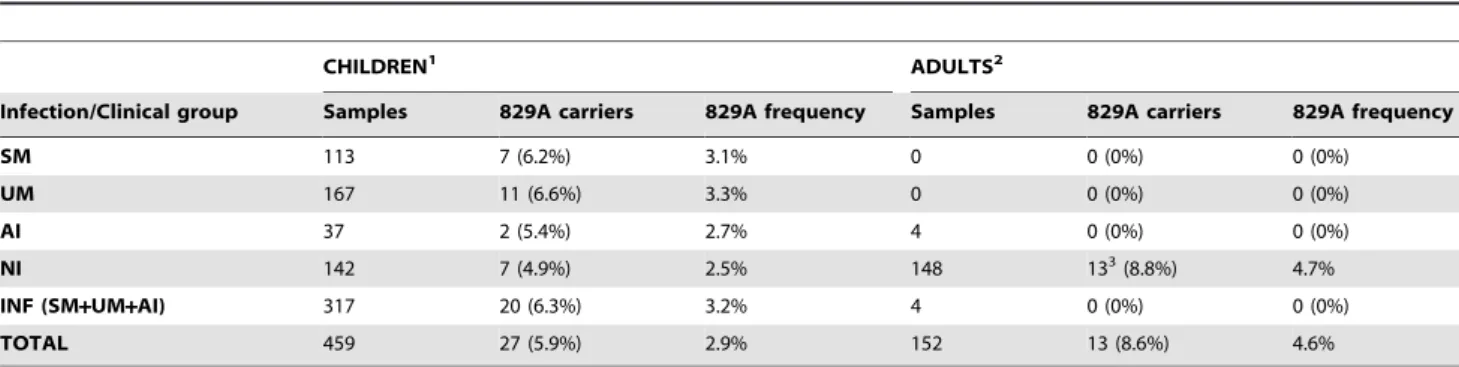
No estudo que incidiu na determinação da prevalência da deficiência de PK no continente Africano (realizado em Moçambique), esta revelou-se elevada - 4,1% - sendo o valor mais elevado descrito até ao momento a nível mundial para esta enzimopatia. Na pesquisa de mutações que pudessem estar na causa deste fenótipo (baixa actividade de PK), foi identificada uma mutação não sinónima 829G>A (277Glu>Lys), significativamente associada à baixa actividade enzimática. Esta mutação foi também identificada em Angola, São Tomé e Príncipe e Guiné Equatorial, onde a frequência de portadores heterozigóticos foi entre 2,6 e 6,7% (valores que se encontram entre os mais elevados descritos globalmente para mutações associadas à deficiência em PK). Não foi possível concluir acerca da associação entre a deficiência de PK e o grau de severidade da malária e da associação entre o alelo 829A e a mesma, devido ao baixo número de amostras.
Os resultados dos ensaios de invasão/maturação do parasita sugeriram que, nos GV com deficiência de PK ou G6PD, a invasão (onde está envolvida a membrana do GV hospedeiro e o complexo apical do parasita) é mais relevante para a eventual protecção contra a malária do que a maturação. Os resultados da análise proteómica revelaram respostas diferentes por parte do parasita nas duas condições de crescimento (GV com deficiência de PK e GV com deficiência de G6PD). Esta resposta parece ser proporcional à gravidade da deficiência enzimática. Nos parasitas que cresceram em GV deficientes em G6PD (provenientes de um indivíduo assintomático), a principal alteração observada (relativamente às condições normais) foi o aumento do número de proteínas de choque térmico e chaperones, mostrando que os parasitas responderam às condições de stress oxidativo, aumentando a expressão de moléculas de protecção. Nos parasitas que cresceram em condições de deficit de PK (GV de indivíduo com crises
xii
Abstract
Pyruvate kinase and glucose-6-phosphate dehydrogenase deficiencies
and their association with malaria
–
population genetics and proteomic
studies
Patrícia Isabel Pires Machado
KEYWORDS:Malaria, human red blood cell (RBC) genetic polymorphisms, pyruvate kinase (PK) deficiency, glucose-6-phosphate dehydrogenase (G6PD) deficiency, selection signatures, proteomics, RBC remodeling, Maurer’s clefts.
Malaria has been recognized as the strongest known force for evolutionary selection in the recent history of the human genome. Several human genetic polymorphisms have been described as protective against malaria severity, as the HbS allele (sickle cell trait) and G6PD A- allele (causing G6PD deficiency). More recently, PK deficiency has also been described as protective against malaria. Evidences were obtained in murine models and in vitro studies using PK-deficient human RBC. Human population data has not
been obtained so far: a high prevalent PK variant has yet to be identified in malaria endemic regions and selection signatures in the genome region around RBC PK-encoding gene (PKLR) have not been detected to date. Also, the mechanisms underlying
malaria protection by RBC enzyme deficiencies are not clear.
So, the objectives of this study were: to investigate malaria associated genetic traits in Cape Verde; to look for selection signatures in the PKLR gene region in African
populations; to determine PK deficiency frequency and identify a prevalent PK variant that could be under selection by malaria in endemic African regions; to assess parasite invasion and maturation of Plasmodium falciparum growing in vitro in PK and
G6PD-deficient and normal RBC; and to analyze the proteomic profile of non-infected and infected PK and G6PD-deficient and normal RBC as well as of parasites isolated from both deficient and normal host cells.
In Cape Verde (epidemic area), no malaria selection signatures were found. However, when the analysis was performed in two malaria endemic countries (Angola and Mozambique), several selection marks were detected: data from Short Tandem Repeat (STR) and Single Nucleotide Polymorphic (SNP) loci spread along the PKLR gene
xiii
(277Glu>Lys) was significantly associated. When we did a research of this mutation in other African countries (Angola, Sao Tome and Principe and Equatorial Guinea), the heterozygous carrier frequency was 2.6-6.7%, which is also among the highest heterozygous frequencies associated to PK deficiency described so far. We could not conclude about the association of PK deficiency and allele 829A with malaria outcome due to low sample number.
xiv
Abbreviations
ACTs Artemisinin-based Combination Therapies
AFR African
AHA Acute Hemolytic Anemia
AI Asymptomatic Infection
AI – INDELs Ancestry Informative Insertion/Deletion
polymorphisms
ANG Angola
ATP Adenosine Triphosphate
BIMCP Bioko Island Malaria Control Project
bp Base pairs
CA Carbonic Anhydrases
cDNA complementary Deoxyribonucleic Acid
CI Confidence Intervals
DDT Dichlorodiphenyltrichloroethane
DNA Deoxyribonucleic Acid
EEA European Economic Area
ESI Electrospray Ionization
EU European Union
FASP Filter-Aided Sample Preparation Method
FST Fixation Index
GMAP Global Malaria Action Plan
GNI Gross National Income
xv
GSH Glutathione
G6P Glucose-6-phosphate
G6PD Glucose-6-phosphate Dehydrogenase
G6PDD G6PD-Deficiency
G6PDN G6PD-Normal
Hb Hemoglobin
HBB Beta Hemoglobin gene
HbS Sickle Hemoglobin allele
HK Hexokinase
HNSHA Hereditary Nonspherocytic Hemolytic Anemia
HPLC High Performance Liquid Chromatography
I Infected
ILL Illness Group
IPT Intermittent Preventive Treatment
IRS Indoor Residual Spraying
ITNs Insecticide-Treated Nets
LC Liquid Chromatography
LD Linkage Disequilibrium
LLINs Long-Lasting Insecticidal Nets
MALDI Matrix-Assisted Laser Desorption/Ionization
mRNA messenger Ribonucleic Acid
MDG United Nations Millenium Development Goal
mtDNA Mitochondrial Deoxyribonucleic Acid
MOZ Mozambique
xvi
NADP Nicotinamide Adenine Dinucleotide Phosphate
NADPH reduced form of Nicotinamide Adenine
Dinucleotide Phosphate
n.d. Not Determined
NI No Infection/Infected
Ni-NTA Nickel- Nitrilotriacetic Acid
OR Odds Ratios
PBS Phosphate-Buffered Saline
PCR Polymerase Chain Reaction
PCR-RFLP Polymerase Chain Reaction - Restriction
Fragment Length Polymorphism
PEP Phosphoenolpyruvate
PfCRT Plasmodium falciparum Chloroquine
Resistance Transporter
PfEMP1 Plasmodium falciparum Erythrocyte
Membrane Protein 1
PfMDR Plasmodium falciparum Multidrug Resistance
Protein
PfP2 Plasmodium falciparum 60S ribosomal acidic
protein P2
PK Pyruvate Kinase
PKD Pyruvate Kinase Deficiency/Deficient
PKN Pyruvate Kinase Normal
PK-L Pyruvate Kinase isoenzyme type L
PK-R Pyruvate Kinase isoenzyme type R
xvii
PKLR Pyruvate kinase, liver and RBC encoding gene
PNLP Programa Nacional de Luta contra o Paludismo
PPP Pentose Phosphate Pathway
PT-C Portuguese healthy/control individuals
PT-PKD Portuguese individuals with PK deficiency
PVM Parasitophorous Vacuole Membrane
R Ring-stage parasites
RBC Red Blood Cell(s)
RBM Roll Back Malaria
rDNA ribosomal Deoxyribonucleic Acid
RDTs Rapid Diagnostic Tests
RNA Ribonucleic Acid
rRNA Ribosomal Ribonucleic Acid
ROS Reactive Oxygen Species
S Schizont-stage parasites
SBE Single-base extension
SDS-PAGE Sodium Dodecyl Sulfate Polyacrylamide
Electrophoresis
SH Sulfhydryl
SISA Simple Interactive Statistical Analysis software
SM Severe Malaria
SNP Single-Nucleotide Polymorphism
STR Short Tandem Repeat
SSCP Single Strand Conformational Polymorphism
xviii
ToF Time-of-Flight
UM Uncomplicated Malaria
WHO World Health Organization
2,3-DPG 2,3-diphosphoglycerate
6PGD 6-phosphoglyconate dehydrogenase
Amino acids
Three letter amino acid code Amino acid
Ala Alanine
Asp Aspartic Acid
Glu Glutamic Acid
Gly Glycine
His Histidine
Ile Isoleucine
xx
Table of Contents
Agradecimentos / Aknowledgments ... vi
Resumo ... x
Abstract ... xii
Abbreviations ... xiv
List of Figures ... xxii
List of Tables ... xxiv
Chapter 1 - General Introduction ... 1
1. Malaria ... 3
1.1. Global epidemiological data overview (from World Malaria Report 2010, WHO 2012)...………3
1.1.1. Vector control………..5
1.1.2. Chemoprevention……….6
1.1.3. Diagnostic testing………6
1.1.4. Treatment……….7
1.1.5. Antimalarial resistance………7
1.1.6. Financing malaria control………8
1.1.7. Malaria control and elimination………...9
1.2. Study areas………10
1.2.1. Africa……….10
1.2.2. Europe………12
2. The human malaria parasite, infection and disease ... 14
2.1. Origin and spread of human malaria………16
3. Malaria and human genetics ... 19
3.1. The imprint of malaria on the human genome……….19
3.2. Red blood cell enzyme deficiencies and malaria………..22
3.2.1. Glucose-6-phosphate dehydrogenase deficiency………...22
3.2.1.1. Geographical distribution and prevalence of G6PD deficiency……23
3.2.1.2. Function and structure of G6PD………23
3.2.1.3. Gene G6PDand genetics………...24
xxi
3.2.1.5. Pathophysiology of G6PD deficiency………27
3.2.1.6. Glucose-6-phosphate dehydrogenase deficiency and malaria……...28
3.2.2. Pyruvate kinase deficiency………30
3.2.2.1. Geographical distribution and prevalence of PK deficiency……….31
3.2.2.2. Function and structure of PK……….32
3.2.2.3. Gene PKLRand genetics………...32 3.2.2.4. Clinical features of PK deficiency……….………33
3.2.2.5. Pathophysiology of PK deficiency………34
3.2.2.6. Pyruvate kinase deficiency and malaria……….35
4. Aims and thesis structure……….37
References………..39
Chapter 2 – Analysis of malaria associated genetic traits in Cabo Verde, a melting pot of European and sub Saharan settlers (research paper)….………...53
Chapter 3 – Malaria: looking for selection signatures in the human PKLR gene region (research paper) ... 63
Chapter 4 – Pyruvate kinase deficiency in sub-Saharan Africa: identification of a highly frequent missense mutation (G829A;Glu277Lys) and association with malaria (research paper) ... 75
Chapter 5 – Quantitative proteomics approach for the analysis of the human malaria parasite Plasmodium falciparum (trophozoite stage) and its red blood cell host – a preliminary study (paper in prep.) ... 85
Chapter 6 – General Discussion ... 151
6.1. Results overview and discussion………153
6.2. Major constraints of the study………161
References……….…163
Chapter 7 – Conclusions... 165
xxii
List of Figures
Chapter 1 – General Introduction
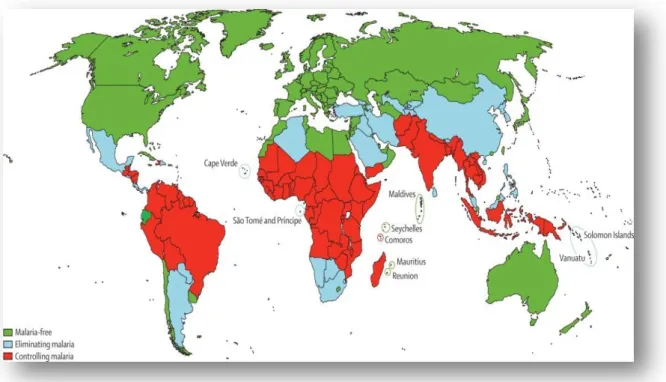
Fig. 1. World malaria distribution: categorization of countries as malaria free, eliminating
malaria and controlling malaria………..4
Fig. 2. World malaria distribution: categorization of countries according to whether human
malaria is predominantly caused by P. falciparum, P. vivax, or both P. falciparum and P. vivax………...4
Fig. 3. Plasmodium life cycle………...14
Chapter 2 - Analysis of malaria associated genetic traits in Cabo Verde, a melting pot of
European and sub Saharan settlers
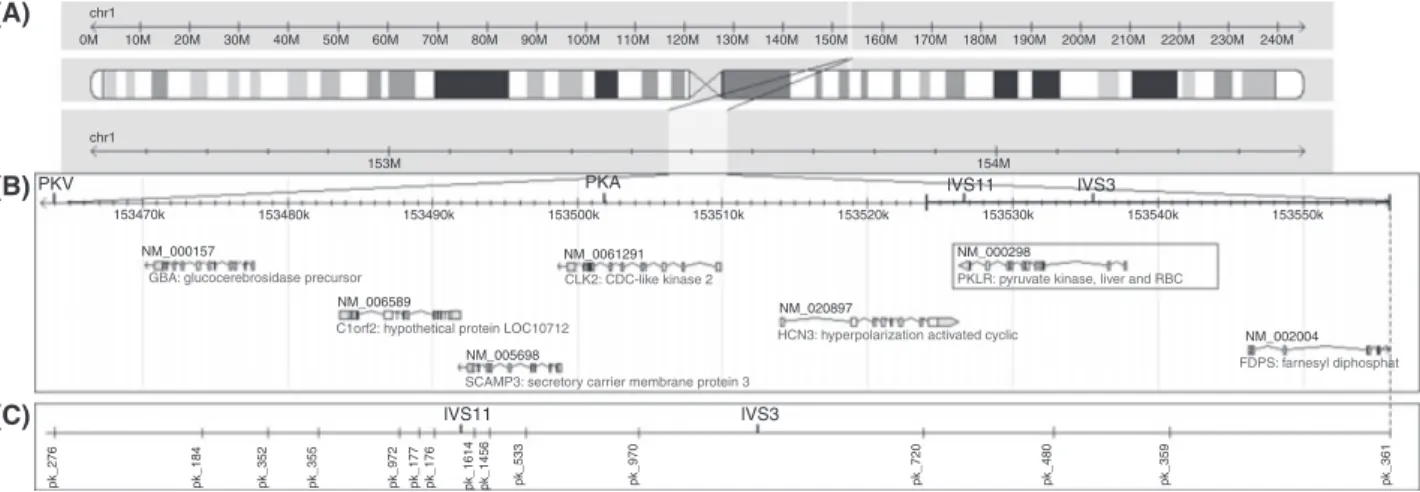
Fig. 1. The 95-kbp fragment analyzed, including PKLR gene and flanking regions…………...64
Chapter 3 - Malaria: looking for selection signatures in the human PKLR gene region
Fig. 1. The 95 kb fragment analysed in this study, including PKLR gene………...73
Fig. 2. Observed (A) and expected (B) heterozygosity of the SNP loci in Portuguese groups and
malaria status groups from both Angola and Mozambique………..76
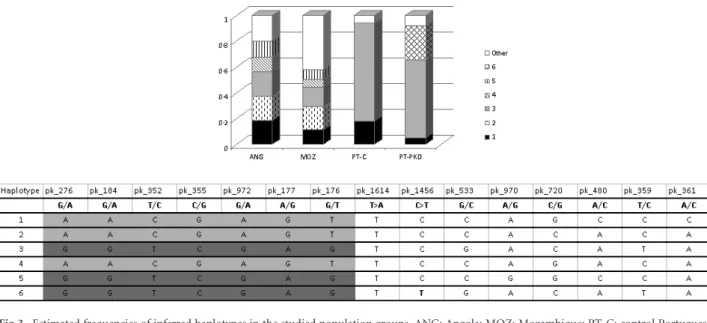
Fig. 3. Estimated frequencies of inferred haplotypes in the studies population groups………...77
Fig. 4. Estimated population structure determined with Structure 2.2……….77
Chapter 4 – Pyruvate Kinase Deficiency in Sub-Saharan Africa: Identification of a Highly
Frequent Missense Mutation (G829A; Glu277Lys) and Association with Malaria
Fig. 1. Geographic location of the countries Mozambique, Angola, Sao Tome and Principe,
xxiii
Fig. 2. SSCP results showing a migration pattern alteration in the exon 7 amplicons caused by
the G829A substitution……….87
Fig. 3. Location of the amino acid 277 in the PK protein and simulation of the 3D wild type
277Glu and mutant 277Lys PK variants structure with the software PyMol………...88
Chapter 5 – Quantitative proteomics approach for the analysis of the human malaria
parasite Plasmodium falciparum (trophozoite stage) and its erythrocyte host – a preliminary study
Fig. 1. The mass spectrometry proteomic strategy followed in the present study……….100
Fig. 2. Pyruvate kinase assay: P. falciparum 3D7 (ring and schizont stages) growing in normal
(PKN) and PK-deficient (PKD) RBC, observed in Giemsa stained smears with an optical
microscope………...107
Fig. 3. Glucose-6-phosphate dehydrogenase assay: P. falciparum 3D7 (ring and schizont stages)
growing in normal (G6PDN) and G6PD-deficient (G6PDD) RBC, observed in Giemsa stained
smears with an optical microscope……….108
Fig. 4. Percentage of ring (24h, 72h and 120h after Plasmodium inoculation) and schizont
parasitemias (48h, 96h and 144h after Plasmodium inoculation) of P. falciparum in three
growing cyles in control (PKN) and PK-deficient (PKD) RBC...109
Fig. 5. Percentage of ring (24h, 72h and 120h after Plasmodium inoculation) and schizont
parasitemias (48h, 96h and 144h after Plasmodium inoculation) of P. falciparum in three
growing cyles in control (G6PDN) and G6PD-deficient (G6PDD) RBC………..109
Fig. 6. Invasion and maturation ratios of P.falciparum in three growing cyles in control (PKN)
and PK-deficient (PKD) RBC………. 110
Fig. 7. Invasion and maturation ratios of P. falciparum in three growing cyles in control
(G6PDN) and G6PD-deficient (G6PDD) RBC………..111
Fig. 8. Functional profile of Plasmodium expressed proteins defined as a) Protein class; b)
Molecular function and c) Biological process; according to PANTHER software………120
Fig. 9. Protein-protein interaction networks obtained with Cytoscape in parasites growing in
xxiv
List of Tables
Chapter 2 – Analysis of malaria associated genetic traits in Cabo Verde, a melting pot of
European and sub Saharan settlers
Table 1. Diversity indices for the studied short tandem repeats in the Cabo Verde
population……….64
Table 2. Diversity indices for the studied short tandem repeats in the Portuguese groups…….64
Chapter 4 – Pyruvate Kinase Deficiency in Sub-Saharan Africa: Identification of a Highly
Frequent Missense Mutation (G829A;Glu277Lys) and Association with Malaria
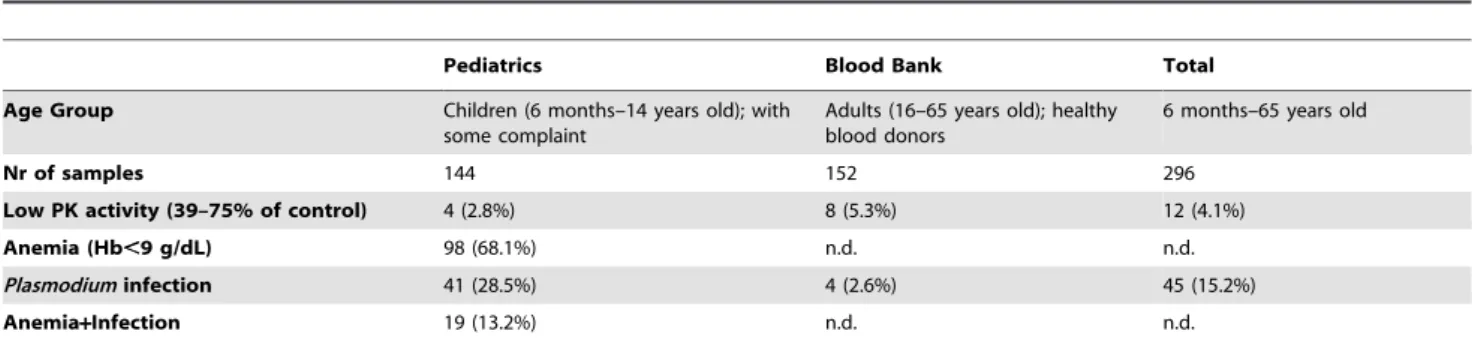
Table 1. PK activity, anemia and Plasmodium infection status in the sample set from Maputo,
Mozambique (2008)………...86
Table 2. Samples with a reduced PK activity (between 39 and 75% of the normal control) and respective infection status and malaria outcome and 829 locus genotype………...87
Table 3. Allele 829A frequencies in infection and malaria outcome groups………..89
Chapter 5 – Quantitative proteomics approach for the analysis of the human malaria
parasite Plasmodium falciparum (trophozoite stage) and its erythrocyte host – a preliminary study
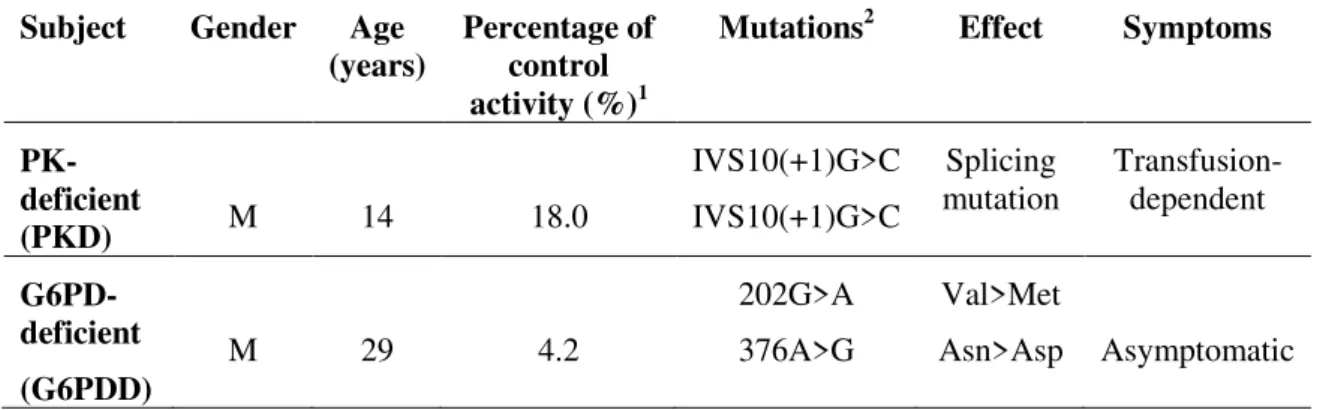
Table 1. Characteristics of case individuals with PKD and G6PDD………...98
Table 2. Functional profiles of proteins with unknown function according to PANTHER…..122
Table 3. MS quantitative results: relative abundance of proteins from P. falciparum 3D7 in
PKD relative to PKN (determined as the median ratio PKD: PKN1+PKN2)………128
Table 4. MS quantitative results: relative abundance of proteins from P. falciparum 3D7 in
G6PDD relative to G6PDN (determined as the median ratio G6PDD: N1+N2)………...130
Table 5. Putative function and cellular localization of parasite proteins with altered expression
(1.45 ≤ median ratio ≤ 0.55) in G6PDD conditions………...137
Table 6. Putative function and cellular localization of parasite proteins with altered expression
Chapter 1 -
3
1.
Malaria
Human malaria is an infectious disease caused by five species of parasites of the genus Plasmodium (Plasmodium falciparum, Plasmodium vivax, Plasmodium ovale,
Plasmodium malariae and Plasmodium knowlesi) and is transmitted by the bite of
infected female mosquitoes of more than 30 species of the genus Anopheles.
Plasmodium falciparum is the most deadly parasite species and predominates in Africa;
P. vivax is less dangerous but more widespread, and the other three species are found
much less frequently. Globally, an estimated 3.3 billion people were at risk of acquiring malaria in 2011 and the last records from 2010 revealed an estimated 219 million cases and 660 000 deaths in that year. The populations living in sub-Saharan Africa have the highest risk of get infected with Plasmodium and approximately 80% of cases and 90%
of deaths are estimated to occur in the WHO African Region, with children less than five years of age and pregnant women most severely affected (WHO, 2012).
1.1.
Global epidemiological data overview (from World
Malaria Report 2012, WHO 2012)
In 2010, there were an estimated 219 million cases of malaria (range 154 - 289 million) and 660 000 deaths (range 610 000 - 971 000). Together, the Democratic Republic of the Congo and Nigeria account for over 40% of the estimated total of malaria deaths globally. In 2012, 104 countries with a worldwide distribution were endemic for malaria: 79 are classified as being in the malaria control phase, ten are in the pre-elimination phase and ten in the elimination phase. Another five countries without ongoing transmission are classified in the prevention of re-introduction phase. Figure 1 shows categorization of countries as malaria free, controlling malaria (in malaria control phase) and eliminating malaria (including countries in pre and elimination phases) and Fig. 2 shows categorization of countries according to whether human malaria is predominantly caused by P. falciparum, P. vivax, or both P.
falciparum and P. vivax (the two most prevalent Plasmodium species worldwide).
4
Fig. 1. World malaria distribution: categorization of countries as malaria free, eliminating
malaria and controlling malaria (adapted from Feachem, et al., 2010 considering data from WHO, 2012).
Fig. 2. World malaria distribution: categorization of countries according to whether human
malaria is predominantly caused by P. falciparum, P. vivax, or both P. falciparum and P. vivax
5
Malaria is a preventable and treatable disease, since the currently recommended interventions are properly employed. These include: a) vector control through the use of insecticide-treated nets (ITNs), indoor residual spraying (IRS) and, in some specific settings, larval control; b) chemoprevention for the most vulnerable populations, particularly pregnant women and infants; c) confirmation of malaria diagnosis through microscopy or rapid diagnostic tests (RDTs) for every suspected case; and d) timely treatment with appropriate antimalarial medicines (according to the parasite species and drug resistance).
1.1.1.
Vector control
By 2011, 32 countries in the African Region and 78 other countries worldwide had adopted the WHO recommendation to provide ITNs to all persons at risk for malaria. ITNs include both long-lasting insecticidal nets (LLINs) and conventional nets that are later treated with an insecticide. A total of 89 countries, including 39 in Africa, distribute ITNs free of charge. Every year, an estimated 150 million ITNs are needed to protect all populations at risk of malaria in sub-Saharan Africa. Between 2004 and 2010, the number of ITNs delivered annually by manufacturers to malaria-endemic countries in sub-Saharan Africa increased from 6 million to 145 million. The percentage of households owning at least one ITN in sub-Saharan Africa is estimated to have risen from 3% in 2000 to 53% in 2011, and remained at 53% in 2012. The proportion of the population sleeping under an ITN, representing the population directly protected, also increased from 2% in 2000 to 33% in 2011, and remained at 33% in 2012.
Indoor residual spraying remains a powerful vector control tool for reducing and interrupting malaria transmission. In 2011, 80 countries, including 38 in the African Region, recommended IRS for malaria control. In that year, 153 million people were protected by IRS worldwide, or 5% of the global population at risk. In the African Region, the proportion of the at-risk population that was protected rose from less than 5% in 2005 to 11% in 2010 and remained at that level in 2011, with 77 million people benefiting from the intervention.
6
in Africa, larviciding interventions are most likely to be appropriate in urban settings, and are unlikely to be cost effective in most rural settings where malaria mosquitoes breed in many small water sources.
Insecticide resistance is a major threat for vector control programmes. It has been detected in 64 countries with ongoing malaria transmission, affecting all major vectors species and all classes of insecticides. Pyrethroid resistance in Africa is one of the major reasons of concern, as this is the only class used on currently recommended LLINs. A substantial intensification of resistance monitoring is needed, using both bioassay susceptibility tests and genetic methods. Using the same insecticide for multiple successive IRS cycles is not recommended and in areas with high LLIN coverage, pyrethroids should not be used for IRS.
1.1.2.
Chemoprevention
Intermittent preventive treatment (IPT) is recommended for population groups in areas of high transmission who are particularly vulnerable to Plasmodium infection and
its consequences, particularly pregnant women and infants. In sub-Saharan Africa, an estimated 32 million pregnant women and a large portion of the estimated 28 million infants born each year would benefit from IPT. A total of 36 of 45 sub-Saharan African countries had adopted IPT for pregnant women as national policy by the end of 2011. In March 2012, WHO issued a recommendation on seasonal malaria chemoprevention for children aged 3–59 months.
1.1.3.
Diagnostic testing
7
suspected malaria cases receiving a diagnostic test in the public sector increased from 20% in 2005 to 47% in 2011 in the African Region and from 68% to 77% globally.
Most of the increase in testing in the African Region is attributable to an increase in the use of RDTs, which accounted for 40% of all cases tested in that region in 2011.
1.1.4.
Treatment
Artemisinin-based combination therapies (ACTs) are recommended as the first-line treatment for malaria caused by P. falciparum: arthemeter plus lumefantrine,
artesunate plus amodiaquine, artesunate plus mefloquine, artesunate plus sulfadoxine-pyrimethamine, or dihydroartemisinin plus piperaquine. The choice of the ACT should be based on the therapeutic efficacy in the country or area of intended use.
By 2011, 79 countries and territories had adopted ACTs as first-line treatment for P. falciparum malaria. P. vivax malaria should be treated with chloroquine where it
is effective, or an appropriate ACT in areas where P. vivax is resistant to chloroquine.
Treatment of P. vivax should be combined with a 14-day course of primaquine to
prevent relapse. Severe malaria should be treated with injectable artesunate and followed by a complete course of an effective ACT as soon as the patient can take oral medications.
The number of ACT treatment courses delivered to the public and private sectors globally increased from 11 million in 2005 to 76 million in 2006, and reached 278 million in 2011. In the African Region in 2011, the total number of tests (both microscopy and RDTs) was less than half the number of ACTs distributed by national malaria control programmes, indicating that ACTs are given to many patients without confirmatory diagnostic testing.
1.1.5.
Antimalarial drug resistance
8
including poor treatment policies, inadequate patient adherence to prescribed antimalarial regimens, and the widespread availability of artemisinin-based monotherapies and standard forms of the drug.
Parasite resistance to artemisinins has now been detected in four countries of the Greater Mekong subregion: Cambodia, Myanmar, Thailand and Viet Nam. Suspected artemisinin resistance is defined as an increase in parasite clearance time, as evidenced by ≥10% of cases with parasites detectable on day 3 after treatment with an ACT, whereas confirmed resistance is defined as treatment failure after treatment with an oral artemisinin-based monotherapy, with adequate antimalarial blood concentration, as evidenced by the persistence of parasites for seven days, or the presence of parasites at day 3 and recreduscence within 28-42 days. To date, neither the mechanism of artemisinin resistance, nor a molecular marker to screen for it, has been identified.
Despite the observed changes in parasite sensitivity to artemisinins, ACTs continue to cure patients provided that the partner drug is still efficacious. In Cambodia’s Pailin province, resistance has been found to both components of multiple ACTs, and special provisions for directly observed therapy using a non-artemisinin- based combination (atovaquone-proguanil) have been put in place.
The World Health Organization recommends that oral artemisinin-based monotherapies should be progressively withdrawn from the market and replaced by ACTs. The number of countries which still allow the marketing of these products has decreased from 55 countries in 2008 to 16 countries in November 2012, of which nine are in the African Region.
1.1.6.
Financing malaria control
9
and to countries with the highest malaria mortality rates. Domestic government funding for malaria control programmes also increased through 2005–2011 and was estimated at
US$ 625 million in 2011. While still falling short of the US$ 5.1 billion required to achieve universal coverage of malaria interventions, the financing provided for malaria control has enabled endemic countries to greatly increase access to malaria preventive interventions as well as diagnostic and treatment services.
Nevertheless, greater numbers of cases and deaths are estimated to have been averted between 2001 and 2010 in countries which had the highest malaria burdens in 2000. If the malaria incidence and mortality rates in 2000 had remained unchanged over the decade, 274 million more cases and 1.1 million more deaths would have occurred between 2001 and 2010. The majority of cases averted (52%) and lives saved (58%) are in the ten countries which had the highest estimated malaria burdens in 2000. Thus, malaria programmes have had their greatest impact where the burden is highest.
1.1.7.
Malaria control and elimination
Malaria control is part of United Nations Millenium Development Goal (MDG) 6 (“Combat HIV/AIDS, malaria and other diseases”), Target 6C: “To have halted by 2015 and begun to reverse the incidence of malaria and other major diseases” (United Nations, 2012). In line with this, the Roll Back Malaria (RBM) partnership, the global coordinating body for fighting malaria, has created the Global Malaria Action Plan (GMAP) that, in 2011, has defined the following objectives: 1) Reduce global malaria deaths to near zero by end 2015; 2) Reduce global malaria cases by 75% by end 2015 (from 2000 levels); 3) Eliminate malaria by end 2015 in ten new countries (since 2008) and in the WHO European region (Roll Back Malaria, 2008).
10
industry and tourism. The fight against this disease needs to be integrated into the overall development agenda in all endemic countries.
1.2.
Study areas
In this thesis, blood and DNA samples from five sub-Saharan African countries (Cape Verde, Mozambique, Angola, Republic of Equatorial Guinea and Democratic Republic of Sao Tome and Principe) and one European country (Portugal) were analyzed. A short description of the localization, geography and malaria epidemiological profile is provided below. A short overview on malaria recent cases in Europe is also presented.
1.2.1.
Africa
Cape Verde (capital Praia, 14º55’15’’N/23º30’30’’W) is comprised of ten islands in the Atlantic Ocean, 500 km west of Senegal. Santiago is the largest island, where approximately half of the population resides. Malaria was almost eradicated between 1954 and 1970 and since 1973 autochthonous cases were only observed in this island (Alves, 1994). In Cape Verde, malaria has epidemic characteristics and is in pre-elimination phase since 2010. The incidence rate of confirmed indigenous malaria cases has decreased by 72% between 2000 and 2011. In 2011, 36 confirmed malaria cases and four deaths were recorded. The estimated percentage of population with IRS and antimalarial medicines coverage is currently 100% (WHO, 2012).
Mozambique (capital Maputo, 25o57’55’’S/32o35’21’’E) is localized in south
11
Angola (capital Luanda, 8o50’8’’S/13o14’4’’E), Equatorial Guinea (capital
Malabo, 3°45’7’’N/8°46’2’’E) and Sao Tome and Principe (capital Sao Tome, 0°20’10’’N/6°40’53’’E) are all in the western coast of Africa, bordered by the Atlantic Ocean.
In Angola, malaria still is a great public health problem with all population at high risk of infection, being the mainly cause of morbility and mortality in the country. Due to the successive wars, malaria vector control activities and operational studies have been interrupted for decades, with a consequent lack of basic information on malaria vectors. This lack of information plus the dearth of skilled malaria entomologists have been potential impediments to the goal of scaling up the use of IRS and ITNs as a major strategy for the control of malaria (Cuamba, et al., 2006). In 2011, only 4% of population was protected with IRS and about 40% with ITNs; 73% of cases were potentially treated with antimalarial medicines (ACTs), resulting in more than 2.5 million malaria cases in all population and 6 909 deaths. Angola reported slight decreases in malaria admissions and deaths since 2007, revealing that greater efforts are still needed to combat malaria in this region (WHO, 2012).
12
cases in all population in 2009 was about 78 983 and in 2011 was near 33 830, but the number of deaths increased from 23 in 2009 to 52 in 2011 (WHO, 2012).
The Democratic Republic of Sao Tome and Principe consists of two islands, located about 140 kilometers apart and about 250 and 225 kilometers respectively, off the north-western coast of Gabon. The climate is tropical and the rainy season runs from October to May. The prevalence of malaria in Sao Tome and Principe before the 1980’s was about 19% (Ceita, 1986), but a remarkable reduction has been achieved in the last decade: the number of confirmed malaria cases fell by 87% between 2000 and 2011 and the number of malaria admissions by 84%. However, recent years have seen a higher number of cases and admissions: the number of cases reported in 2011 (6 504) is the highest since 2005 and the number of malaria admissions is the highest since 2006. A strong association between interventions and their impact on malaria morbidity and mortality is seen in Sao Tome and Principe. Reported coverage with IRS, ITNs and antimalarial is 69%, 87% and 100%, respectively. However, the recent increase in malaria admissions despite maintaining high coverage of the interventions requires further investigation (WHO, 2012).
Cape Verde and Sao Tome and Principe are both on track to achieve ≥75% decrease in case incidence by 2015, reaching the goals defined in Global Malaria Action Plan. Table S2 summarizes the epidemiological profile, intervention strategies and antimalarial policy from these five countries, whereas Table S3 shows the intervention coverage estimation and reported malaria cases and deaths in the same countries in 2011, both as supplemental material.
1.2.2.
Europe
13
Belgium, Greece and Spain reported locally acquired cases of malaria but only ten cases were confirmed as indigenous, eight from Greece and two from Spain (ECDC, 2012). For Spain this marked the first indigenous cases of malaria due to P. vivax since malaria
was officially eradicated (Santa-Ollala, et al., 2010). Greece reported local transmission of malaria for the third year in a row: in the summer of 2009, a cluster of P. vivax
malaria occurred in Lakonia, and in 2010, Greece recorded another eight cases, one of which was reported from Lakonia. In 2011, another malaria outbreak affected five districts, including Lakonia (Danis, et al., 2011). The seasonality and age distribution most likely reflect travel patterns to malaria endemic countries (ECDC, 2012).
In the past, malaria was endemic in Europe, but in the 1970s it was eliminated in most parts of the EU/EEA. However, cases of indigenous transmission of malaria have occasionally been reported over the last ten years (Armengaud, et al., 2008; Zoller, et al., 2009; Santa-Ollala, et al., 2010; Danis, et al., 2011). These reports indicate that local transmission of P. falciparum and P. vivax is still possible in the EU if mosquito vectors
are present. This underlines the need for surveillance, preparedness and prevention in EU/EEA countries, including improved access to healthcare for seasonal workers (ECDC, 2012).
Portugal (capital Lisbon, 39o30’N, 8o00’W) is in south-western Europe. Malaria
was endemic here until 1950’s, when residual dichlorodiphenyltrichloroethane (DDT) spraying was introduced and followed by extensive detection of cases of malaria and their treatment. By 1958, the transmission of the infection (which has always been much below the one recorded in Africa) was interrupted in nearly all areas of the country and eradication was confirmed by WHO in 1973 (Bruce-Chwatt, 1977). The malaria vector
Anopheles atroparvus still exists in Portugal and the current global warming can
14
2.
The human malaria parasite, infection and disease
The human malaria parasite has a complex, multistage life cycle involving two hosts: the human host and a mosquito vector. Parasites develop their sexual life cycle and first asexual phase in the mosquito (sporogonic cycle); in man, they complete their asexual life cycle (schizogonic cycle), which can be divided in hepatic and erythrocytic, the latter being responsible for the malaria symptoms. Plasmodium life cycle is shown
in Fig. 3.
Fig. 3.Plasmodium life cycle (adapted from Tomé, 2013).
When a female Anopheles takes a blood meal in an infected person, gametocytes
15
the mosquito feeds again, sporozoites are injected into the blood, causing malaria infection in the human host. The sporozoites that find a blood vessel, reach the liver, migrate into a few hepatocytes and then grow and divide to produce thousands of invasive merozoites. The infected liver cells burst, releasing merozoites into the blood. In P. vivax some sporozoites become hypnozoites, which lie dormant in liver cells, to
develop months or years later and cause the illness to relapse. The occurrence of relapses indicating a dormant stage is also described in P. ovale but this has recently
been questioned (Richter, et al., 2010). Merozoites invade RBC and become erythrocytic trophozoites. These grow originating schizonts and then divide into 8-16 new merozoites. When mature RBC bursts, merozoites are released and the cycle starts again. As the disease progresses, some merozoites develop into male or female gametocytes. These circulate but only develop further if they are taken up by a mosquito (Knell, et al., 1991).
The signs and symptoms of malaria typically begin 8–25 days following infection, however, symptoms may occur later in those who have taken antimalarial medications as prevention. Symptoms include febrile episodes with their tendency to regular periodic paroxysms (cyclical occurrence of sudden coldness followed by rigor and then fever and sweating), occurring every two days (tertian fever) in P. vivax and P.
ovale infections, and every three days (quartan fever) for P. malariae. Plasmodium
falciparum infection can cause recurrent fever every 36-48 hours or a less pronounced
and almost continuous fever (Knell, et al., 1991; Carter and Mendis, 2002). Plasmodium
knowlesi has an asexual cycle of about 24 hours, with an associated fever that typically
occurs at the same frequency (quotidian fever) (Chin, et al., 1965; Jongwutiwes, et al., 2004; Cox-Singh, et al., 2008). Malaria also has many symptoms in common with other infectious illnesses, including body aches, headache and nausea, general weakness, and prostration. Untreated infections of malaria are characterized by enlargement of the spleen. In P. falciparum malaria, severe and life-threatening conditions commonly arise,
characterized by dysfunction of vital organs, as the lungs, kidneys, liver, and, most notably, the brain during “cerebral malaria.” Severe anemia can also occur. These are the conditions which are associated with most of the mortality of acute malaria. Chronic infection with P. malariae can result in a nephrotic syndrome, and this, too, can
16
described to range from an asymptomatic to a rapidly fatal disease with severe hepato-renal dysfunction and acute respiratory distress syndrome (several references in Antinori, et al., 2013).
Repeated attacks of malaria due to any species of the parasites over several years severely debilitate body and mind. Cachexia, a wasting of body tissues, takes place, and splenic enlargement becomes a constant feature. Lethargic and with sunken and sallow features, spindly limbs, and hard swollen belly is the general description of the condition. In this state, the affected individual succumbs to diseases or other hardships that would scarcely threaten a person in reasonable health. Under the burden of chronic malaria, both the quality and duration of life are greatly reduced. An individual's experience of malaria at a particular time is, however, strongly governed by the type and degree of antimalarial immunity that he or she may have attained. The number of malaria inoculations experienced, and the intervals between them, are all important to the malaria immune status of an individual. Because of the time taken to achieve effective immunity to malaria under conditions of endemic infection, antimalarial immunity is often said to be “age dependent”. In the sense intended, however, it would be more accurate to say that it is “duration of exposure dependent”. There are, nevertheless, truly age-dependent aspects both to the attainment of immunity and to the pathologic responses to malaria infection. Very young children appear to have a poor capacity to acquire effective antimalarial immunity of any sort, while older children and adults may so do more readily. Infants and the very young are more prone to malaria anemia, while cerebral damage due to P. falciparum malaria predominates in slightly
older children. Yet, other severe conditions, including renal, hepatic, and pulmonary failure, are most commonly seen in adults (Baird, et al., 1991; Baird, 1995; Carter and Mendis, 2002).
2.1.
Origin and spread of human malaria parasites
The origin and evolution of Plasmodium parasites remains a highly debated
17
remotely related to each other and their evolutionary divergence predates the origin of the hominids. Multiple switches between mammalian hosts are likely to explain the evolutionary history of human malarias (Ayala, Escalante and Rich, 1999; Joy, et al., 2003; Duval, et al., 2007; Garamszegi, 2009; Prugnolle, et al., 2011).
Early molecular phylogenetic studies showed that P. falciparum clustered with
two avian parasites rather than with those infecting mammals, thus suggesting that P.
falciparum was the result of a transfer from birds to humans (Waters, Higgins, and
McCutchan, 1991; 1993). According to these studies, this transfer took place at the beginning of agricultural development, when the human habitat was settled about 10 000 years ago. However, this result was quickly questioned, due to the small number of ingroup taxa considered for the phylogenetic analyses and the use of 18S rDNA sequences, which have proved their weakness in studies on Haemosporidia phylogeny (Martinsen, Perkins and Schall, 2008). Subsequent analyses demonstrated that the closest sister taxon of P. falciparum was P. reichenowi, a parasite isolated from a
chimpanzee. Escalante and Ayala (1994) suggested that these two parasites diverged at the time of the divergence between humans and chimpanzees. According to their results, P. falciparum did not directly originate from an avian malarial parasite.
Nevertheless, the P. falciparum/P. reichenowi pair still was considered as a sister
lineage of the parasites from birds and lizards.
Several other studies were performed with contradictory results and only recently the origin of P. falciparum seems to have been consistently established: Liu
and collaborators (2010) analyzed the diversity of Plasmodium species in African great
apes based on a very large collection of fecal samples from three subspecies of chimpanzees (Pan troglodytes troglodytes, Pan troglodytes ellioti and Pan troglodytes
schweinfurthii), bonobos, and two subspecies of gorillas (Gorilla gorilla gorilla and
Gorilla gorilla graueri), through the sequencing of mitochondrial, apicoplastic, and
nuclear genes of Plasmodium isolates. This study confirmed the existence of a large
diversity of P. falciparum–related parasites in gorillas but did not find any in natural
populations of chimpanzees or bonobos, which suggested a likely gorilla origin for human P. falciparum, in opposition to all theories previously proposed. Based on these
18
ancestors of modern humans between 112 000 and 1 036 000 years ago (Baron, Higgins and Dzik, 2011).
Plasmodium vivax is morphologically identical to three other parasite species:
Plasmodium cynomolgi, which infects monkeys of southern and southeastern Asia and
West Pacific; Plasmodium simium, a parasite of the New World monkeys; and
Plasmodium schwetzi, a parasite of chimpanzees in West and Central Africa (Carter and
Mendis, 2002). In order to investigate the origin of present-day African P. vivax, a study
was performed comparing the mitochondrial sequence diversity of parasites from Africa with those from other areas of the world. Mitochondrial genome sequencing revealed relatively little polymorphism within the African population compared to parasites from the rest of the world. This, combined with sequence similarity with parasites from India, suggested that the present day African P. vivax population in humans may have been
introduced relatively recently from the Indian subcontinent. However, several evidences point to an African ancestral origin of this parasite (Culleton, et al., 2011).
Plasmodium malariae, in addition to infecting humans, is found in apparently
indistinguishable form as a natural parasite of chimpanzees in West Africa and molecular genetic analysis has failed to distinguish P. malariae from Plasmodium
brasilianum that infects New World monkeys in Central and South America (Carter and
Mendis, 2002). Among the species infecting the great apes, P. schwetzi morphologically
appears to be the closest relative to P. ovale (Duval and Ariey, 2012).
Plasmodium knowlesi shares a close phylogenetic relationship with P. vivax and
morphological features that resemble those of both P. falciparum and P. malariae.
Some Southeast Asian macaques species are the principal natural hosts of this parasite (Cox-Singh, 2012; Antinori, et al., 2013).
19
had two important consequences for the mosquito populations: the numbers and densities of humans began to increase under the new agricultural economy and the new life-style generated numerous small water collections close to the human habitations. Those who adopted agriculture thus transformed themselves into large, stable, and accessible sources of blood in the midst of abundant mosquito-breeding sites. The new situation provided a strong selective advantage to mosquito populations which became adapted to breed close to human habitation and to feed primarily on human blood. This led to the very high anthropophily of the vectors of African malaria and, in large part, their great vectorial efficiency (Livingstone, 1958; Colluzi, 1999). Agricultural village economies had also developed throughout the tropics and subtropics of Asia and the Middle East, however, malaria vectors have never acquired the same extraordinary preference for human blood as in Africa, probably because of the abundance of animal species in Asia whose domestication was achieved during the rise of agriculture (Carter and Mendis, 2002).
In most parts of the world, the anthropophilic index (the probability of a blood meal being on a human) of the vectors of malaria is much less than 50% and often less than 10 to 20%. By contrast, in sub-Saharan Africa, the vectors of human malaria usually have an anthropophilic index of 80 to almost 100%. This is probably the most important single factor responsible for the stability and intensity of malaria transmission in tropical Africa today (Bruce-Chwatt, Garrett-Jones and Weitz, 1966).
3.
Malaria and human genetics
3.1.
The imprint of malaria on the human genome
Such an ancient relationship between Plasmodium and the human species is
20
diversity have been determined by prehistoric diseases. The clearest examples are provided by malaria that, as above mentioned, has probably been a human pathogen for the entire history of the human species and even now affects about 220 million people each year and kills some 700 000 (Jobling, Hurles and Tyler–Smith, 2004). Malaria has actually been recognized as the strongest known force for evolutionary selection in the recent history of the human genome (Kwiatkowski, 2005) and the association between genetics and malaria susceptibility has gained a tremendous interest and relevance through the years, which is reflected by the number of papers published on the subject: since 2001, and considering only review publications, at least 15 papers are available (Craig, et al., 2001; Weatherall and Clegg, 2002; Kwiatkowski, 2005; Min-Oo and Gros, 2005; Williams, 2006a;b; Verra, Mangano and Modiano, 2009; Allison, 2009; Wellems, Hayton and Fairhurst, 2009; López, et al., 2010; Machado, et al., 2010; Hedrick, 2011; Moxon, Grau and Craig, 2011; Hedrick, 2012; Mohandas and An, 2012). Over the last decades, evidence has emerged revealing that genetic variants influence the onset, progression, severity and ultimate outcome of malaria infection in humans. The genetic component of susceptibility to malaria is complex and multigenic with a variety of genetic polymorphisms reported to influence both pathogenesis and host response to malaria. The most common and best characterized protective polymorphisms are those involving the RBC-specific structural proteins and enzymes. These polymorphisms include the variant hemoglobins, the thalassaemias, the Duffy antigen, variants of the RBC membrane and enzyme deficiencies as glucose-6-phosphate dehydrogenase (G6PD) deficiency. The alleles underlying these variants have reached very high frequencies in geographic regions where malaria is or was highly prevalent. More recently, pyruvate kinase (PK) deficiency has also been reported as protective against malaria in murine models and in studies performed in vitro with P.
falciparum growing in PK-deficient RBC (Min-Oo, et al., 2003; Ayi, et al., 2008;
Durand and Coetzer, 2008).
21
called “malaria hypothesis”, suggesting that a mutated allele reaches and maintains a high frequency, not because of an exceptionally high mutation rate, but because it is a consequence of a selective advantage against P. falciparum malaria, whose distribution
overlaps the geographic distribution of thalassemia (Haldane, 1949).
Just a few years later, the "malaria hypothesis" was confirmed by Allison (1954), who found that the geographical distribution of the sickle-cell mutation in the beta hemoglobin gene (HBB) was correlated with malaria endemicity. Allison further noted
that individuals who carried the sickle-cell trait (presenting only one HbS allele, causing the substitution of a glutamic acid for a valine, β6Glu>Val) were less easily parasitized than normal individuals, concluding that heterozygous carriers would have a selective advantage. Sickle-cell disease is a hereditary hemoglobin disorder caused by a mutation in both alleles of the HBB gene (HbSS individuals), that causes severe anemia and
infections and lesions in vital organs reducing the life expectancy. Several evidences suggest the existence of an equilibrium between the elimination of the HbS allele, because of early death of homozygous individuals, and its preservation in heterozygous, due to the selective advantage against malaria. The HbS trait carriers seem, then, to be favored relatively to non-carriers and, as a consequence, HbS allele is positively selected. Globally, in Africa, the HbS allele can be found in a percentage between 5 and 40% (Weatherall and Clegg, 2001; 2002; Min-Oo and Gros, 2005).
Diseases are, by definition, disadvantageous, and genes leading to them will be selected against in the population. In the most extreme case, that of a fully-penetrant dominant disease or condition that prevents reproduction of affected individuals (e.g., because they die in childhood or are infertile), all mutations will produce affected individuals, who will then invariably fail to transmit the mutation. Therefore, all cases of the disease will be due to independent de novo mutations, and the incidence of the
22
expectation remains that the most disadvantageous individual mutations would not spread far, so diseases would be rare, found at similar frequencies in different populations, and originate from many different mutations. However, a few exceptional disorders are more frequent than would be expected. Factors influencing the frequency of diseases in individual populations include: mutation rate, mode of inheritance (dominant or recessive, autosomal or X-linked), selection, migration (including recent population movements), and past demography.
If susceptibility to a disease has some genetic basis, a search for the relevant gene(s) can be undertaken. Linkage analysis, haplotype analysis and association studies can be used to identify susceptible/protective alleles. However, care must be taken to determine whether any association discovered is due to true association with the disease or population structure, also referred to as population stratification (Jobling, Hurles and Tyler–Smith, 2004).
3.2.
Red blood cell enzyme deficiencies and malaria
3.2.1.
Glucose-6-phosphate dehydrogenase deficiency
Glucose-6-phosphate dehydrogenase (G6PD) deficiency was discovered in the 1950’s when a minority of American soldiers developed acute hemolytic anemia upon exposure to antimalarial drugs (Alving, et al., 1956). It is an X-linked, hereditary genetic disorder caused by mutations in the G6PD gene, resulting in protein variants