INTEGRATED MASTER IN ENVIRONMENTAL ENGINEERING
Anaerobic digestion of sludge from marine
recirculation aquaculture systems
Rui Carlos Barata Ferreira
Thesis submitted for the obtainment of the degree:
MASTER IN ENVIRONMENTAL ENGINEERING FROM FACULTY OF ENGINEERING OF UNIVERSITY OF PORTO
___________________________________________________________
President of Jury: Associate Professor Miguel Madeira
(Department of Chemistry Engineering of Faculty of Engineering of University of Porto)
___________________________________________________________
Supervisors: Professor Mark van Loosdrecht, Associate Professor Henri Spanjers, PhD
Candidate Xuedong Zhang (Delft University of Technology)
Edited by:
FACULTY OF ENGINEERING OF UNIVERSITY OF PORTO Rua Dr. Roberto Frias
4200-465 PORTO Portugal Phone: +351-22-508 1400 Fax: +351-22-508 1440 E-mail: [email protected] Website: http://www.fe.up.pt
Partial reproductions of this document will be authorized in the condition of being mentioned the Author and referred the Integrated Master in Environmental Engineering – 2011/2012 – Faculty of Engineering of University of Porto, Porto, Portugal, 2012.
The opinions and information included in this document represent only the point of view of the respective Author, the Editor cannot accept any legal responsibility or other related with mistakes or omissions that might exist.
1
Abstract
Marine recirculation aquaculture systems (marine RAS) are considered as the most economical and sustainable solution to meet the increasing seafood demand. However, a considerable amount of organic-rich and salty sludge is produced and needs to be managed.
The emission minimization of marine aquaculture recirculation systems (EM-MARES) project aims to minimize the emission of marine RAS and also to achieve recuperation of bio-energy (methane) and phosphorus (struvite). This project includes three phases: coagulation of the sludge from marine RAS; anaerobic digestion in continuously stirred tank reactor (CSTR); and struvite recovery from the digested.
This research was part of the second phase of the EM-MARES project – anaerobic digestion of sludge from marine RAS in CSTR. The aim was twofold: first, to investigate the performance of CSTR inoculated with microorganisms already adapted to saline conditions and to compare the results with previous investigations about anaerobic digestion of sludge from marine RAS and typical values from anaerobic digestion of sewage sludge; second, to study the effect of salinity, potassium, compatible solutes and ferric chloride (FeCl3) on specific methanogenic activity (SMA), phosphatase activity (PA), phosphate (PO4
3-) release and extracellular polymeric substances (EPS).
A steady state operation of CSTR inoculated with microorganisms already adapted to saline conditions has been achieved. COD and VS removal efficiencies were 39.7-62.1% and 45.2-70.9%, respectively, and methane percentage in the biogas and production were 46.1-65.6% and 0.142-0.244 l methane/g COD added, respectively. The results of the present study were better than those reported by previous investigations, in terms of the obtainment of a stable operation and higher methane yields. Moreover, the volumetric methane production rate was higher than that typically found for anaerobic digestion of sewage sludge.
Batch studies showed that an increase of salinity decreased SMA, PA and PO4
release and also affected EPS production. The two compatible solutes tested, betaine and trehalose, improved SMA, PA and PO4
release and decreased the amount of bound EPS (bEPS) produced by the cells. Potassium did not show apparent effect on SMA, however, it improved PA and PO4
release and increased the amount of bEPS. FeCl3, already tested as coagulant in the first part of the EM-MARES project, did not present any negative effect on PA and EPS, and increased PO4
release.
This research demonstrates the anaerobic digestion in CSTR as a feasible solution for the management of sludge from marine RAS, increasing the sustainability of these systems which are the major solution to keep satisfying the increasing demand of seafood.
Keywords: marine recirculation aquaculture systems; sludge; salinity; anaerobic digestion;
methane; phosphorus; ferric chloride; potassium; compatible solutes; specific methanogenic activity; phosphatase; phosphate; extracellular polymeric substances.
3
Resumo
Os sistemas de aquacultura marinha com recirculação (marine recirculation aquaculture
systems (marine RAS)) são considerados a solução mais económica e sustentável para
satisfazer o crescente consumo de espécies marinhas. Porém, uma quantidade considerável de lamas salgadas e ricas em matéria orgânica é produzida e deve ser gerida.
O projeto “minimização da emissão dos sistemas de aquacultura marinha com recirculação” (emission minimization of marine aquaculture recirculation systems (EM-MARES)) tem como objetivo minimizar as emissões dos marine RAS mas também recuperar bio-energia (metano) e fósforo (estruvite). Este projeto inclui três fases: coagulação das lamas provenientes dos
marine RAS; digestão anaeróbia num reator perfeitamente agitado (continuously stirred tank reactor (CSTR)); e recuperação de estruvite das lamas digeridas.
Este trabalho insere-se na segunda fase do projeto EM-MARES – digestão anaeróbia das lamas provenientes dos marine RAS num CSTR. Os objetivos foram: primeiro, investigar o desempenho de CSTR inoculado com microrganismos adaptados a elevada salinidade e comparar os resultados com investigações anteriores relacionadas com a digestão anaeróbia de lamas dos marine RAS e valores típicos da digestão anaeróbia de lamas de esgotos municipais; segundo, estudar o efeito da salinidade, do potássio, de solutos compatíveis e do cloreto de ferro (FeCl3), na atividade metanogénica específica (specific methanogenic activity (SMA)), na atividade da fosfatase (phosphatase activity (PA)), na libertação de fosfato (PO4
3-) e nas substâncias poliméricas extracelulares (extracellular polymeric substances (EPS)).
Na digestão anaeróbia das lamas dos marine RAS em dois CSTRs inoculados com microrganismos adaptados a elevada salinidade, uma operação estável foi conseguida. As reduções da carência química de oxigénio (chemical oxygen demand (COD)) e dos sólidos voláteis (volatile solids (VS)) foram 39.7-62.1% e 45.2-70.9%, respetivamente. A percentagem de metano no biogás e a sua produção foram 46.1-65.6% e 0.142-0.244 l metano/g COD introduzido, respetivamente. Os resultados do presente trabalho superaram os de investigações anteriores, principalmente devido à obtenção de uma operação estável e uma maior produção de metano. A taxa de produção volumétrica de metano foi superior à tipicamente observada na digestão anaeróbia de lamas de esgotos municipais.
Estudos “bacth” mostraram que um aumento na salinidade diminuiu a SMA, a PA e a libertação de PO4
3-, e também afetou a produção de EPS. Os dois solutos compatíveis testados (betaína e trealose) aumentaram a SMA, a PA e a libertação de PO4
3-, e diminuíram a quantidade produzida de EPS ligadas às células (bound EPS (bEPS)). A adição de potássio não afetou a SMA, mas aumentou a PA, a libertação de PO4
e a produção de bEPS. O FeCl3, testado como coagulante na primeira fase do projeto EM-MARES, não mostrou nenhum efeito negativo na PA e na produção de EPS, e aumentou a libertação de PO4
3-.
Esta investigação demonstra a digestão anaeróbia usando um CSTR como uma solução viável para a gestão de lamas provenientes dos marine RAS, contribuindo para o aumento da sustentabilidade destes sistemas que são considerados como a melhor solução para satisfazer o crescente consumo de espécies marinhas.
Palavras-chave: Sistemas de aquacultura marinha com recirculação; lamas; salinidade;
digestão anaeróbia; metano; fósforo; cloreto de ferro; potássio; solutos compatíveis; atividade metanogénica especifica; fosfatase; fosfato; substâncias poliméricas extracelulares.
5
Acknowledgments
My biggest “thank you” goes to my colleague Xuedong Zhang. You were a great support not only for my research, where you were essential, but you also were a friend who was always present for all that I needed. It was really a pleasure to meet you and to work with you!
Professor Henri Spanjers, thank you for your always present supervision, for sharing your experience and knowledge, and for all the corrections and suggestions during your supervision.
Thank you, Professor Mark van Loosdrecht, for being responsible for my exchange to the Delft University of Technology, for helping me find this project and for the suggestions.
7
Table of contents
1. Introduction ... 19
1.1. Marine recirculation aquaculture systems (marine RAS) and environmental threats .. 19
1.2. Emission minimization of marine aquaculture recirculation systems (EM-MARES) project ... 21
1.3. Anaerobic digestion ... 22
1.3.1. Reasons for anaerobic digestion ... 22
1.3.2. Chemistry and microbiology ... 24
1.3.3. Affecting parameters ... 26
1.3.4. Types of anaerobic reactors ... 29
1.3.5. Feasibility of anaerobic digestion to treat sludge from marine RAS in CSTR, to recover phosphorus as struvite, and its bigger challenge ... 31
1.4. Adaptation of anaerobic biomass to saline conditions ... 32
1.5. Extracellular polymeric substances (EPS) ... 33
1.6. Phosphatase ... 34
1.7. State of the art ... 35
1.7.1. Anaerobic digestion of sludge from marine RAS in CSTR ... 35
1.7.2. Potassium and compatible solutes in the improvement of anaerobic digestion under saline conditions ... 36
1.7.3. EPS in the anaerobic digestion under saline conditions ... 38
1.7.4. Phosphatase activity (PA) in the anaerobic digestion ... 38
1.8. Incentives ... 39
1.8.1. Use of an inoculum already adapted to saline conditions to overcome the toxicity caused by the high salinity of sludge from marine RAS ... 39
1.8.2. Study on effect of salinity, potassium, compatible solutes and ferric chloride (FeCl3) on the anaerobic digestion of sludge from marine RAS ... 39
1.8.3. SMA, PA, PO4 release and EPS as the key parameters to study the effect of salinity, potassium, compatible solutes and FeCl3 on the anaerobic digestion of sludge from marine RAS, according to the goals of the EM-MARES project ... 40
8
1.9. Objectives ... 41
1.10. Thesis Structure ... 41
2. Materials and Methods ... 43
2.1. Analyses ... 43
2.1.1. PA assay ... 43
2.1.2. Specific methanogenic activity (SMA) assay ... 44
2.1.3. EPS assay ... 47
2.1.4. Other analyses ... 48
2.2. Anaerobic digestion of sludge from marine RAS in CSTR ... 49
2.2.1. Inoculum and substrate sources ... 49
2.2.2. Experimental setup ... 49
2.2.3. Operational conditions ... 52
2.3. Batch studies ... 53
2.3.1. Effect of salinity on SMA, PA, PO4 release and EPS ... 53
2.3.2. Effect of potassium and compatible solutes on SMA, PA, PO4 release and EPS . 53 2.3.3. Effect of FeCl3 on SMA, PA, PO4 release and EPS ... 54
2.4. Processing of data ... 54
3. Results and Discussion ... 55
3.1. Anaerobic digestion of sludge from marine RAS in CSTR ... 55
3.2. Batch Studies ... 58
3.2.1. Effect of salinity on SMA, PA, PO4 release and EPS ... 58
3.2.2. Effect of potassium and compatible solutes on SMA, PA, PO43- release and EPS .. 62
3.2.3. Effect of FeCl3 on SMA, PA, PO4 release and EPS ... 71
4. Conclusions ... 75
4.1. Anaerobic digestion of sludge from marine RAS in CSTR ... 75
4.2. Batch studies ... 75
4.2.1. Effect of salinity on SMA, PA, PO4 release and EPS ... 75
4.2.2. Effect of potassium and compatible solutes on SMA, PA, PO4 release and EPS .. 75
9 4.2.3. Effect of FeCl3 on SMA, PA, PO4
release and EPS ... 76
4.3. Scientific and social relevance ... 76
4.4. Recommendations for further research ... 76
5. References ... 77
Annex A. Calibration curve for PA determination. ... 81
Annex B. Calibrations curves for EPS determination. ... 83
Annex C. Characterization of substrate... 85
Annex D. Characterization of the sludge from the reactors. ... 87
11
List of figures
Figure 1. World fish utilization and supply. ... 19
Figure 2. Scheme of a marine RAS. ... 20
Figure 3. Scheme of marine RAS and proposed treatment method for the backwash water and sludge in the EM-MARES project. ... 21
Figure 4. Stages of anaerobic digestion.. ... 24
Figure 5. General effect of salts on biological reactions. ... 28
Figure 6. Schemes of CSTR with (B) and without (A) settler. ... 29
Figure 7. Scheme of a UASB reactor... 30
Figure 8. Schemes of AnMBR with submerge membrane (A) and with external membrane (B). ... 30
Figure 9. Four steps of a ASBR operation. ... 31
Figure 10. Strategies used for microorganisms to survive under high osmotic pressure. ... 32
Figure 11. Different forms of EPS ... 33
Figure 12. Scheme evidencing the relation between phosphatase and struvite formation. ... 34
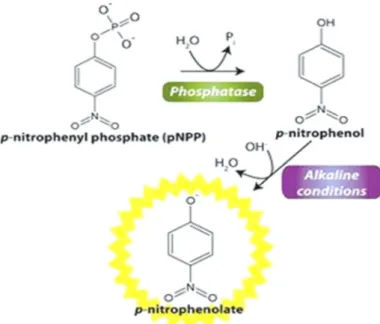
Figure 13. Mechanism of the method used for PA determination ... 43
Figure 14. Scheme of PA assay. ... 44
Figure 15. Instrument setup for the SMA assay. ... 45
Figure 16. Procedure for bEPS and SMP extraction. ... 47
Figure 17. Scheme of the experimental setup of the reactor R1. ... 50
Figure 18. Scheme of the experimental setup of the reactor R2. ... 51
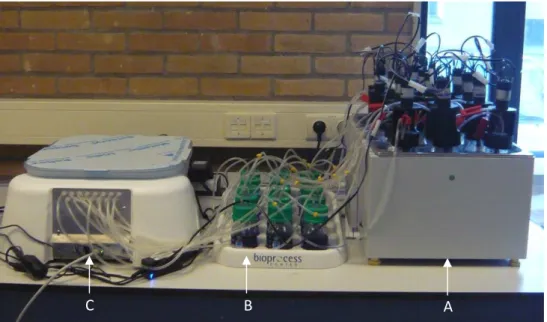
Figure 19. Photo of the experimental setup used in this research. ... 51
Figure 20. Photo of the reactor R1 (left) and reactor R2 (right). ... 52
Figure 21. Chemical structures of the two compatible solutes tested. ... 53
Figure 22. OLR and SRT of the two anaerobic CSTRs used to treat the sludge from marine RAS during the experimental period. ... 55
12 Figure 23. pH of the two anaerobic CSTRs used to treat the sludge from marine RAS during the
experimental period. ... 55
Figure 24. COD removal efficiency of the two anaerobic CSTRs used to treat the sludge from marine RAS during the experimental period. ... 56
Figure 25. Solids removal efficiency of the two anaerobic CSTRs used to treat the sludge from marine RAS during the experimental period. ... 56
Figure 26. Methane percentage in biogas and production of the two anaerobic CSTRs used to treat the sludge from marine RAS during the experimental period. ... 56
Figure 27. Effect of salinity of SMA. ... 58
Figure 28. Effect of salinity on PA. ... 59
Figure 29. Effect of salinity on PO4 release. ... 60
Figure 30. Effect of salinity on SMP... 61
Figure 31. Effect of salinity on bEPS. ... 61
Figure 32. Effect of potassium and betaine on SMA. ... 62
Figure 33. Effect of potassium and betaine on SMA. ... 62
Figure 34. Effect of betaine on PA. ... 64
Figure 35. Effect of trehalose on PA. ... 64
Figure 36. Effect of potassium on PA. ... 65
Figure 37. Effect of betaine on PO4 release. ... 66
Figure 38. Effect of trehalose on PO4 release. ... 66
Figure 39. Effect of potassium on PO4 release. ... 67
Figure 40. Effect of betaine on SMP. ... 68
Figure 41. Effect of trehalose on SMP. ... 68
Figure 42. Effect of potassium on SMP. ... 69
Figure 43. Effect of betaine on bEPS. ... 69
Figure 44. Effect of trehalose on bEPS. ... 70
13
Figure 46. Effect of FeCl3 on SMA. ... 71
Figure 47. Effect of FeCl3 on PA. ... 72
Figure 48. Effect of FeCl3 on PO4 release. ... 73
Figure 49. Effect of FeCl3 on SMP. ... 74
Figure 50. Effect of FeCl3 on bEPS. ... 74
Figure 51. Calibration curve used for PA determination. ... 81
Figure 52. Calibration curve used for proteins determination. ... 83
Figure 53. Calibration curve used for proteins determination. ... 83
Figure 54. Cumulative methane production from the effect of salinity on SMA.. ... 89
Figure 55. Cumulative methane production from the effect of betaine and/or potassium on SMA. ... 89
Figure 56. Cumulative methane production from the effect of trehalose and/or potassium on SMA. ... 90
15
List of tables
Table 1. Energy balance for aerobic and anaerobic processes for the treatment of a wastewater
... 23
Table 2. Advantages and disadvantages of anaerobic digestion compared to aerobic digestion. ... 23
Table 3. Temperature regimes practiced in the anaerobic digestion ... 26
Table 4. Toxic inorganic compounds for the anaerobic digestion ... 28
Table 5. Toxic organic compounds for the anaerobic digestion ... 29
Table 6. Operational conditions of anaerobic digestion systems used to treat sludge from marine RAS in CSTR. ... 35
Table 7. Performance the CSTRs on the anaerobic digestion to treat sludge from marine RAS. 35 Table 8. Characteristics of the anaerobic reactors used for PA study ... 39
Table 9. Dosages and constituents of phosphate buffer, macronutrients and trace elements used on the SMA assay. ... 46
Table 10. Reagent used for proteins and humic susbtances determination. ... 48
Table 11. Characteristics of the substrate used in this research. ... 49
Table 12. Operational conditions of the two lab-scale reactors. ... 52
Table 13. Concentration and combination of the different compounds tested to study the effect of potassium and compatible solutes on SMA, PO4 release, PA and EPS. ... 54
Table 14. Operational conditions and performance of the reactors in the present study together with values from previous studies dealing with anaerobic digestion of sludge from marine RAS in CSTR and typical values for anaerobic digestion of sewage sludge in CSTR. ... 57
Table 15. Characterization of the substrate in each time it was collect at the fish farm, the period when it was utilized and the reactor(s) where it was used. ... 85
Table 16. Results of all the characterization of the sludge from reactor R1. ... 87
17
List of abbreviations
AMPTS II - Automatic Methane Potential Test System II AnMBR - Anaerobic Membrane Bioreactor
ASBR - Anaerobic Sequential Batch Reactor bEPS - bound Extracellular Polymeric Substances BFBR - Buoyant Filter Bio-Reactor
BSA - Bovine Serum Albumin COD - Chemical Oxygen Demand CSTR - Continuous Stirred Tank Reactor DIRB - Dissimilatory Iron-Reducing Bacteria EC - Electrical Conductivity
EM-MARES - Emission Minimization of Marine Aquaculture Systems EPS - Extracellular Polymeric Substances
FBR - Fed Batch Reactor LCFA - Long Chain Fatty Acids MLSS - Mixed Liquor Suspend Solids OLR - Organic Loading Rate
PA - Phosphatase Activity p-NP - p-nitrophenol
p-NPP - p-nitrophenylphosphate
RAS - Recirculation Aquaculture Systems
SAMBR - Submerged Anaerobic Membrane Bioreactor sCOD - soluble Chemical Oxygen Demand
sEPS - soluble Extracellular Polymeric Substances SMA - Specific Methanogenic Activity
18
SMP - Soluble Microbial Products SRB - Sulfate Reducing Bacteria SRT - Solids Retention Time
STP - Standard conditions of Temperature and Pressure tCOD - total Chemical Oxygen Demand
TN - Total Nitrogen TP - Total Phosphorus TS - Total Solids
TSS - Total Suspended Solids
UASB - Upflow Anaerobic Sludge Blanket VFA - Volatile Fatty Acids
VS - Volatile Solids
VSS - Volatile Suspended Solids WSP - Water Stabilization pound WWTP - Wastewater Treatment Plant
19
1.
Introduction
1.1.
Marine recirculation aquaculture systems (marine RAS) and
environmental threats
The demand for fish and seafood has been increasing and will continue to grow with expanding population, increasing income and urban growth in the developing world. Figure 1 shows that not only the world population but also the supply of fish per capita increased between 1950 and 2008, which intensified the raise in the world consumption of fish in this period.
Figure 1. World fish utilization and supply (The state of world fisheries and aquaculture 2010).
Marine resources are finite and full exploration and over-exploration occur in some regions in the world. Furthermore, the regulations on discharge of aquaculture systems are becoming more stringent. Thus, a sustainable and efficient production of seafood needs to be developed. Marine recirculation aquaculture systems (marine RAS) are considered the most economical and environmental friendly aquaculture systems capable to meet the future demand for seafood (Martins et al., 2010). Typically, in a marine RAS (Figure 2), water flows from an aquaculture tank through a series of treatment processes, and then back to the same tank. This kind of system allows to minimize water replacement, to control over most water quality constituents, to compensate for an insufficient water supply and to improve waste management and nutrient recycling (Martins et al., 2010; Mirzoyan et al., 2010).
20
Figure 2. Scheme of a marine RAS (adapted from (Mirzoyan et al., 2010)).
The advantages of marine RAS result at a super-intensive culture, and consequently a considerable quantity of waste is produced and must be managed. One common characteristic of marine RAS is the concentration of solid waste into smaller flows that are easier to handle. The most common solids-removal units used for marine RAS are (Mirzoyan et al., 2010):
• Settling basins that are based on separation by gravity;
• Hydrocyclones or swirl separators in which centrifugal sedimentation allows for more rapid separation of the particles from the liquid;
• Microscreen filters that are based on screening particles that are larger than the screen’s mesh size;
• Granular/porous media filters that are based on the passage of water through a medium on which the solids are deposited/strained.
The solids from marine RAS contain mainly fish excretions and a small amount of uneaten feed, it has a great fraction of volatiles (organics) that ranges from 50 to 92%, and high salinity levels (Mirzoyan et al., 2010).
The sludge from marine RAS has usually the following destinations: receiving water bodies, local sewer system and decentralized treatment unit, being waste-stabilization ponds (WSPs) the more used (Mirzoyan et al., 2010). Problematic is the sludge that is discharged into water-receiving bodies, which directly pollute local environments. Disposal of marine RAS sludge into municipal wastewater-treatment systems is often not allowed because it contains great amounts of organic matter and high salinities that may interfere with the treatment process. In the WSPs a considerable part of the influent organic carbon (17-30%) is transformed into methane (CH4) but collecting this gas from large areas such as those of WSPs is expensive or inefficient (Mirzoyan et al., 2010). This leads into the liberation of this greenhouse gas into the atmosphere which contributes to climate changes. Furthermore, the resulting effluent from WSPs is often used for irrigation which, due to the high salinity of sludge from marine RAS, leads to soil and groundwater salinization.
New approaches to manage the waste of marine RAS need to be investigated. This could not only mitigate the pollution caused by marine RAS but also increase the sustainability of these systems that are the better solution to meet the increasing demand of seafood.
21
1.2.
Emission minimization of marine aquaculture recirculation
systems (EM-MARES) project
The emission minimization of marine aquaculture recirculation systems (EM-MARES) project is a PhD research carried out in the University of Technology of Delft that aims to develop an approach to waste management not only to minimize the emission of marine RAS but also to achieve recuperation of bio-energy (methane) and phosphorus (struvite).
The treatment method for backwash water originated from marine RAS, proposed in the EM-MARES project, is shown in Figure 3.
Figure 3. Scheme of marine RAS and proposed treatment method for the backwash water and sludge in the
EM-MARES project (EM-EM-MARES project).
The contents of EM-MARES project include three parts:
1) Selection of an appropriate coagulant with a good performance in concentration of solids and phosphorus at saline conditions and with a minimal negative effect on biodegradability of material coagulated and settled by the coagulant;
2) Anaerobic digestion of the sludge from marine RAS in a continuous stirred tank reactor (CSTR) inoculated by seeds cultured in saline conditions and;
3) Struvite recovery from the digested.
22
1.3.
Anaerobic digestion
1.3.1. Reasons for anaerobic digestion
The interest on anaerobic digestion can be explained by considering its advantages and disadvantages, and it can be best indicated by comparing this process with aerobic digestion. In the aerobic digestion the waste is mixed with large quantities of microorganisms and air. Microorganisms use the organic matter for substrate, and use the oxygen in the air to oxidize a portion of this substrate to carbon dioxide and water for energy (McCarty, 1964a). In anaerobic digestion, the waste is also mixed with large quantities of microorganisms but without addition of air. Under these conditions, bacteria grow which are capable of converting the organic waste into carbon dioxide (CO2) and methane gases (biogas).
In the aerobic digestion, since the microorganisms obtain more energy from the use of oxygen, their growth is fast and a great portion of the organic waste is converted into new cells. The waste converted into cells is not fully stabilized, but is only changed in form (McCarty, 1964a). These cells can be removed from the waste stream but the biological sludge still presents a significant disposal problem. In fact, anaerobic digestion is one of the most used disposal routes for the biological sludge produced by the aerobic digestion in municipal wastewater treatment plants (WWTPs) (Appels et al., 2008). In anaerobic digestion, conversion to methane gas requires relatively little energy to the microorganisms. Thus their rate of growth is slow and only a small portion of the waste is converted into new cells, being the major portion of the degradable waste converted into methane and, since this gas is insoluble and escapes from the waste, this conversion really represents waste stabilization. As much as 80 to 90% of the degradable organic matter for the waste can be removed in anaerobic digestion in contrast to aerobic digestion, where only about 50% is actually removed (McCarty, 1964a).
Due to the slow growth of the cells in the anaerobic digestion, the sludge produced in the anaerobic digestion is 6 to 8 times less than that produced in the aerobic digestion, which greatly reduces its processing and disposal costs (Metcalf & Eddy, 2003). In addition, since less biomass is produced, less nutrients are needed for the anaerobic digestion (Metcalf & Eddy, 2003). This is especially important in the treatment of industrial wastes which lack sufficient nutrients.
Since anaerobic digestion does not require oxygen, treatment rates are not limited by oxygen transfer. This reduces power requirements for digestion because there is no need for aeration. Besides that, the methane produced can be collected and burned to carbon dioxide and water for heat. This fuel is frequently used for heating buildings, running engines and producing electricity (McCarty, 1964a). The no need of oxygen and methane production outweigh the need of relatively high temperatures (at least 30 °C) for optimum operation in the anaerobic digestion, as indicated in Table 1.
23
Table 1. Energy balance for aerobic and anaerobic processes for the treatment of a wastewater (wastewater flow
rate = 100 m3/d, wastewater strength = 10 kg COD/m3 and temperature = 20 °C) (Metcalf & Eddy, 2003).
Energy (kJ/d)
Anaerobic Aerobic
Aerationa.b -1.9 x 10⁶
Methane producedc.d 12.5 x 10⁶ Increase wastewater temperature to 30 °C -2.1 x 10⁶
Net energy 10.4 x 10⁶ -1.9 x 10⁶
a
Oxygen required = 0.8 kg/kg COD (Chemical oxygen demand) removed b
Aeration efficiency = 1.52 kg O2/kWh and 3600 kJ= 1 kWh c
Methane production = 0.35 m3/kg COD removed d
Energy content of methane = 35 846 kJ/m3 (at 0 °C and 1 atm)
The collection of the biogas produced in the anaerobic digestion, not only allows use methane as fuel, but also prevent the release of this gas plus carbon dioxide to the atmosphere, which are greenhouses gases that can cause climate changes. In contrast, in the aerobic digestion, from the process itself and as result of the high consumption of electricity mainly generated from fossil fuels, large quantities of carbon dioxide are release into the atmosphere.
Anaerobic process generally can have higher volumetric organic loading rates (OLRs) than aerobic process, so smaller reactor volume and less space are required for treatment. OLR of 3.2 to 32 kg COD/m3/d may be used for anaerobic processes, compared to 0.5 to 3.2 kg COD/m3/d for aerobic processes (Metcalf & Eddy, 2003).
Regarding the disadvantages of the anaerobic digestion, the major concern is its longer start-up time (months for anaerobic versus days for aerobic digestion), their sensitivity to possible toxic compounds, possible operational instability, the potential for odors production, and corrosiveness of the digester gas. However, with proper waste characterization and process design these problems can be avoided and/or managed (Metcalf & Eddy, 2003).
The principal advantages and disadvantages of the anaerobic digestion are summarized in the Table 2.
Table 2. Advantages and disadvantages of anaerobic digestion compared to aerobic digestion. Anaerobic digestion
Advantages Disadvantages
• A high degree of waste stabilization is possible
• Longer start-up time to develop necessary biomass inventory
• Low biological sludge production • More sensitive to the effect of lower temperatures and toxic substances
• Low nutrients requirement • Potential for production of odors and corrosive gases
• Methane production, a potential energy source
• Low energy required
• Elimination of off-gas air pollution • Smaller reactor volume required
• Rapid response after long periods without feeding
The advantages of anaerobic digestion are quite significant, while the disadvantages are relatively few and can be successfully managed. The advantages normally overcome even more the disadvantages for industrial waste with high biodegradable chemical oxygen demand (COD) and/or elevated temperatures where anaerobic digestion may be a very economical solution (McCarty, 1964a; Metcalf & Eddy, 2003).
24 1.3.2. Chemistry and microbiology
Anaerobic digestion is a complex process which requires strict anaerobic conditions to proceed, and depends on the coordinated activity of a complex microbial association to transform organic material into methane. The chemical and microbiological aspects of anaerobic digestion are dealt with more deeply with in specialized literature (Gerardi, 2003; Gujer and Zehnder, 1983; Khanal, 2008; McCarty, 1964a).
The anaerobic digestion of organic matter basically has 5 stages: hydrolysis, fermentation, anaerobic oxidation of fatty acids and alcohols, anaerobic oxidation of intermediary products, and methanogenesis, as shown in Figure 4.
Figure 4. Stages of anaerobic digestion. Adapted from (Gujer and Zehnder, 1983). Percentages indicate
stoichiometric flow in form of COD or CH4 equivalents. In red are indicated the stages of the anaerobic digestion.
In general bacteria are unable to take up particulate organic material. In the hydrolysis stage the complex and insoluble organic material and high molecular weight compounds such as proteins, carbohydrates and lipids are converted into soluble organic molecules like amino acids, sugars and fatty acids (Gujer and Zehnder, 1983). The components formed during hydrolysis are further decomposed through fermentation and anaerobic oxidation (Gujer and Zehnder, 1983). Fermentation is a process in which organic compounds serve both as electron donors and electron acceptors (Gujer and Zehnder, 1983). The substrates for fermentation are amino acids and sugars, and the products are biomass, intermediary degradation products (propionate, butyrate and other acids) and the methane precursors: acetate and hydrogen (Gujer and Zehnder, 1983). In the anaerobic oxidation of fatty acids molecular hydrogen is the
25 main sink for electrons. In this process fatty acids are converted into hydrogen and, in contrast to the fermentation, elevated partial pressures of it can inhibit this process. The fourth stage of anaerobic digestion is the anaerobic oxidation of the intermediary products into acetate and hydrogen. No waste stabilization occurs during the firsts four stages of the anaerobic digestion but they are required to convert the organic matter into a form suitable for the last stage of digestion. Because the main products of these first stages are acids, the group of bacteria responsible for these processes are commonly called “acid formers” (McCarty, 1964a). It is in last stage of the anaerobic digestion, methanogenesis, that real waste stabilization occurs, and it is directly related to methane production. Acetate and hydrogen are used by a special group of bacteria termed “methanogens” to produce methane. The methanogenesis from acetate, which is responsible for about 70% of the methane produced, called acetotrophic methanogenesis, and from hydrogen, which is called hydrogenotrophic methanogenesis, follow the reactions, respectively (Gerardi, 2003):
→ + (1) + 4 → + 2 (2)
The most important methanogens, those which use acetate as substrate, grow quite slowly. Their slow growth and low rate of acid utilization normally represents the limiting step of the anaerobic digestion (McCarty, 1964a). The rate at which these methanogens utilize their substrates to produce methane is called specific methanogenic activity (SMA) (Isa et al., 1993). The assessment of SMA can be used to investigate the anaerobic reactors performance and the effect of different variables like stimulants/toxicants and environmental conditions on anaerobic bacteria, and to test the biodegradability and adaptability of particular wastes (Isa et al., 1993).
The quantity of methane produced in the anaerobic digestion can be predicted through two different ways. If the composition of the substrate is known and the entire substrate is converted to gas, the theoretical methane yield can be calculated from the following equation (Gujer and Zehnder, 1983):
+ − 4 − 2 → 2 − 8 − 4 + 2 − 8 − 4 (3) From this formula, it can be shown that the ultimate oxygen demand of the waste being degraded is equal to the ultimate oxygen demand of the methane gas produced. This fact allows prediction of methane production in another way, that is, from an estimate of waste stabilization (COD removal). The ultimate oxygen demand of methane gas is as follows (McCarty, 1964a):
+ 2 → + 2 (4)
This equation shows that one mol of methane is equivalent with two moles of oxygen. Converting to liters of methane per gram of oxygen, the relationship between waste stabilization and methane production, in the standard conditions of temperature and pressure (STP), is:
26 The prediction of the methane production it is very important for the analysis of the feasibility of anaerobic digestion. It can also be used to give a rapid measurement of actual waste stabilization and to permit closely following the efficiency of digestion and the collection of biogas (McCarty, 1964a).
1.3.3. Affecting parameters
The methanogens, which are responsible for the waste stabilization in the anaerobic digestion, grow quite slowly compared to aerobic organisms and so a longer time is required for them to adjust to changes in their environmental. For this reason, there are some environmental requirements for optimum operation of anaerobic digestion in order to obtain a more efficient process. The most important affecting parameters to the anaerobic digestion are discussed below.
1.3.3.1. Temperature
Commonly, the anaerobic digestion is practiced at one of three temperature regimes, shown in Table 3.
Table 3. Temperature regimes practiced in the anaerobic digestion (Mirzoyan et al., 2010). Psychrophilic 10-25 °C
Mesophilic 25-45 °C
Thermophilic 45-65 °C
An increasing temperature has several benefits, including an increasing solubility of the organic compounds, enhanced biological and chemical reaction rates and increasing death rate of pathogens (Appels et al., 2008). However, the application of high temperatures (thermophilic) has also negative effects: more energy is needed to heat the digester and there will be an increase of the fraction of free ammonia, which may inhibit the microorganisms (Appels et al., 2008). The anaerobic digestion can be applied at psychrophilic regime but, at these temperatures, slower reaction rates occur and longer solids retention times (SRTs), larger reactor volumes, and lower organic COD loadings are need (Metcalf & Eddy, 2003). In general, mesophilic digestion temperatures are preferred to support more optimal biological reaction rates and to provide more stable treatment (Metcalf & Eddy, 2003).
1.3.3.2. pH
Anaerobic treatment can proceed quite well with a pH varying from about 6.6 to 7.6, with an optimum range of about 7.0 to 7.2 (McCarty, 1964b). Beyond these limits, digestion can proceed, but with less efficiency. At pH below 6.2 the efficiency drops off rapidly, and the acidic conditions produced can become toxic to the methanogens.
1.3.3.3. Oxygen
Another environmental requirement for anaerobic digestion is that anaerobic conditions be maintained. Small quantities of oxygen can be quite detrimental for the methanogens and other organisms involved. This requirement necessitates a closed digestion tank, which is also desirable so the methane gas can be collected and escape of odors can be prevented (McCarty, 1964b).
27
1.3.3.4. Nutrients
The anaerobic process is dependent upon bacteria, which require nitrogen, phosphorus and other materials in trace quantities for optimum growth. Domestic waste normally contains a variety of these materials, and thus usually provides an ideal environment for the microorganisms. However, some industrial wastes are frequently more specific on composition and biological nutrients may lack, thus nutrients must be added for the optimum operation.
1.3.3.5. Solids retention time (SRT)
The solids retention time (SRT) is the average time the solids spend in the digester. The subsequent stages of the digestion process are directly related to the SRT. A decrease in the SRT decreases the extent of the reactions, and vice versa. Each time the sludge is discharged, a fraction of the bacterial population is removed thus implying that the cell growth must at least compensate the cell removal to ensure steady state and avoid process failure (Appels et al., 2008). In general, SRT range for effective anaerobic digestion is 10 to 60 days, being the higher SRTs required for lower temperatures (Appels et al., 2008).
1.3.3.6. Organic loading rate (OLR)
Organic loading rate (OLR) is defined as the application of soluble and particulate organic matter. It is typically expressed in mass of COD per volume of the reactor and per day. With very high ORLs the methanogens in the digester may not be able to degrade all the acids formed in the previous stages of anaerobic digestion, the acids formed will accumulate and the pH will drop to lower levels which cause a failure of the process. With very low ORLs only a small volume of methane per volume of reactor is produced making the process economically not feasible. OLRs of 3.2 to 32 kg COD/m3.d may be used for anaerobic process (Metcalf & Eddy, 2003).
1.3.3.7. Toxic materials
There are many materials, both organic and inorganic, which may be toxic to the anaerobic digestion. The concentration at which a material becomes toxic may vary from a fraction of mg/l to several thousand mg/l. Some of these materials, as salts, at some very low concentration stimulate the biological activity, but at very high concentrations are toxic for the microorganisms (Figure 5). Tables 4 and 5 present some toxic inorganic and organic compounds of concern for anaerobic digestion, respectively.
28
Figure 5. General effect of salts on biological reactions (McCarty, 1964c).
Table 4. Toxic inorganic compounds for the anaerobic digestion (Appels et al., 2008; McCarty, 1964c; Metcalf &
Eddy, 2003). Compound Stimulating concentration (mg/l) Moderately toxic concentration (mg/l) Strongly toxic concentration (mg/l) Sodium (Na+) 100-200 3500-5500 8000 Potassium (K+) 200-400 2500-4500 12000 Calcium (Ca2+) 100-200 2500-4000 8000 Magnesium (Mg2+) 75-150 1000-1500 3000 Ammonia (NH4 + ) 1500-3000 3000 Sulfide (S2-) 200 200
Copper (Cu2-) 0.5 (soluble)
50-70 (total)
Chromium (Cr6+) 10 3.0 (soluble)
200-250 (total)
Chromium (Cr3+) 10 2.0 (soluble)
180-420 (total)
Nickel (Ni2+) 30 (total)
Zinc (Zn2+) 1.0 (soluble)
Arseniate and arsenite >0.7
Cyanide 1-2
Lead- containing compounds 5
Iron-containing compounds >35
Cupper-containing compounds 1
Potassium chloride (KCl) >10000
29
Table 5. Toxic organic compounds for the anaerobic digestion (Appels et al., 2008).
Compound Concentration resulting in 50 % reduction in activity (mM) 1-Chloropropene 0.1 Nitrobenzene 0.1 Acrolei 0.2 1-Chloroporpane 1.9 Formaldehyde 2.4 Lauric acid 2.6 Ethyl Benzene 3.2 Acrylanitrile 4 3-Chlorol-1,2-propanedial 6 Crotonaldehyde 6.5 2-Chloropropionic acid 8 Vinyl acetate 8 Acetaldehyde 10 Ethyl acetate 11 Acrylic acid 12 Catechol 24 Phenol 26 Aniline 26 Resorcinol 29 Propanol 90
1.3.4. Types of anaerobic reactors
There are mainly four different reactor types used for anaerobic digestion of sludge: the continuous stirred tank reactor (CSTR); the upflow anaerobic sludge blanket reactor (UASB); the anaerobic membrane bioreactor (AnMBR); and the anaerobic sequencing batch reactor (ASBR).
In the CSTR (Figure 6), substrate is introduced into a tank and mixed (with an impeller or biogas recirculation). This reactor has a simple operation and is very efficient in treating different types of organic-rich sludges but operational costs are high (Mirzoyan et al., 2010). The CSTR can be attached to a settler that separates the treated liquid from the solids (biomass), and the latter is returned to the CSTR.
Figure 6. Schemes of CSTR with (B) and without (A) settler.
In the UASB reactor (Figure 7) the influent flows upward through a blanket of granular sludge which is suspended in the tank and is degraded by the anaerobic microorganisms.
30 Advantages for the UASB process are the high loadings and relatively low detention times possible for anaerobic digestion (Metcalf & Eddy, 2003). Limitations of the process are related to those wastes that are high in solids content or where their nature prevents the development of the dense granulated sludge (Metcalf & Eddy, 2003).
Figure 7. Scheme of a UASB reactor.
The AnMBR (Figure 8) combines the anaerobic treatment with membrane filtration. The membrane filters the particulate waste constituents from the mixed liquor solution. The clean permeate (effluent) leaves the system while the concentrate returns to the reactor. The main advantages of the AnMBR are the high effluent quality, small footprint and the applicability for retrofitting and upgrading of old wastewater-treatment plants, while high operational costs and biofouling are the major disadvantages (Mirzoyan et al., 2010).
Figure 8. Schemes of AnMBR with submerge membrane (A) and with external membrane (B).
In an ASBR the influent is not continuously added into the reactor. In this kind of
31 an ASBR consists of four steps (Figure 9): feeding, reaction, settling and discharging. During the reaction period, intermittent mixing for a few minutes each hour is done to provide uniform distribution of substrate (influent) and solids (biomass) (Mirzoyan et al., 2010). The control of batch reactors involves complex control functionality beyond the well-established norms for continuous processes, and it constitutes a challenging area (Berber, 1996). The main advantages are its ability to maintain high performance during periods of shock loads and relatively small footprint compared to digesters with a settler (Wilderer et al., 2000).
Figure 9. Four steps of a ASBR operation.
1.3.5. Feasibility of anaerobic digestion to treat sludge from marine RAS in CSTR, to recover phosphorus as struvite, and its bigger challenge
The sludge from marine RAS is mainly constituted of fish excretions and uneaten food (Mirzoyan et al., 2010) resulting in a high concentration of biodegradable organic material and nutrients. Thus, a high volume of methane per volume of sludge can be produced and no addition of nutrients is needed, making the use of anaerobic digestion a very economical solution. Since the up-concentration of solids is part of marine RAS, the resulting sludge has high solids content which limits the use of UASB and may increase biofouling in the membrane of an AnMBR. Due to the complex operation of an ASBR, CSTR, with its simple operation and high efficiency in treating organic-rich sludges, seems the most feasible option.
Not only the production of bio-energy as methane is feasible, but also recuperation of phosphorus as struvite is very promising. Struvite (magnesium ammonium phosphate (MAP) hexahydrate (MgNH4PO4·6H2O)) is a white inorganic crystalline mineral, density 1.71 g/cm
3 , soluble in acid, not in water, alkali and ethanol, and considered as a slow release fertilizer (Zhang et al., 2012). In sludges from marine RAS, phosphorus content in the dry mass (1.3-3.1%) is much higher than in domestic sludges (0.7%). Meanwhile, there is a considerable amount of magnesium (due to the high salinity of sludge from marine RAS) which could serve as a part of the magnesium source for the production of struvite, reducing the required addition of magnesium salts. Furthermore, ammonia is generated in the anaerobic digestion process (Möller and Müller, 2012).
In marine RAS, brackish and saline waters are used to produce seafood, with salinities of 0.5-30 g/l and 30-50 g/l, respectively. As is shown in Table 4, these levels of salt are generally considered toxic for the anaerobic digestion. There so, the biggest challenge for the anaerobic digestion of sludge from marine RAS is its high salinity level.
32
1.4.
Adaptation of anaerobic biomass to saline conditions
Although the cations of salts in solution must be associated with the anions, the toxicity of salts was found to be predominantly determined by the cation. They are required for microbial growth and, consequently, affect specific growth rate like any other nutrient (Chen et al., 2008). The problem of high salt level is that it causes bacterial cells to dehydrate due to osmotic pressure (Chen et al., 2008). However, there are two fundamental strategies for microorganisms to survive under osmotic stress (Figure 10):
• Cells increase the intracellular ion concentration (mainly potassium (K+)) with the aim to balance the external osmotic pressure. In this case all intracellular enzymes have to adapt to the new conditions. This so called “salt in strategy” is used by anaerobic halophilic microorganisms, whose entire physiology has been adapted to high saline environments (Vyrides et al., 2010; Vyrides and Stuckey, 2009). Haloanaerobacter chitinovorans,
Haloanaerobium congolense, Halanaerobium lacusrosei, Haloanaerobium praevalens and Haloanaerobium alcaliphilum are examples of anaerobic halophilic organisms (Kapdan and
Erten, 2007).
• Accumulation of compatible solutes by the microorganisms. The high external osmotic pressure is balanced within the cytoplasm by high molecular weight organic compatible solutes without the need for special adaptation of the intracellular enzymes. These compounds also serve as protein stabilizers in the presence of high ionic strength inside the cell. Compatible solutes can be synthesized by the cell, or be provided by the medium. For most species uptake from the medium is energetic more favorable than biosynthesis (Vyrides et al., 2010; Vyrides and Stuckey, 2009). Besides allowing cells to live in saline conditions, compatible solutes can provide beneficial effects on membrane integrity, protein folding and stability (Oh et al., 2008). These osmoprotectants are a chemically diverse group of compounds, including amino acids such as proline, quaternary ammonium compounds such as glycine betaine, sugar alcohols and sugars (Oh et al., 2008).
33
1.5.
Extracellular polymeric substances (EPS)
Apart from compatible solutes, it was also reported that cells produce extracellular polymeric substances (EPS) to cope with high salinity (Vyrides et al., 2010). EPS are compounds produced by the microorganisms which protect them against dewatering and extreme conditions. They can be products of cellular lyses and hydrolysis of macromolecules (Sheng et al., 2010). These substances can also be used as a carbon and energy source during starvation (Liu and H.P. Fang, 2002).
Proteins and carbohydrates are usually found to be the major components of EPS (Sheng et al., 2010). Humic substances may also be a key component of the EPS, accounting for approximately 20% of the total amount (Sheng et al., 2010). Lipids, uronic acid and DNA have also been found in EPS (Liu and H.P. Fang, 2002). The EPS can exist in two different forms: bound EPS (bEPS) and soluble EPS (sEPS) (Figure 11) (Sheng et al., 2010). Bound EPS are attached into the cells wall, while soluble EPS are dissolved into the solution. The latter are also referred to as soluble microbial products (SMP) (Ferreira, 2011). The structure of bound EPS is generally depicted by two layer model (Figure 11) (Sheng et al., 2010). The inner layer consists in tightly bound EPS (TB-EPS), which has a certain shape and is bound stably with the cell surface, and the outer layer, which consists of loosely bound EPS (LB-EPS) with dispersible slime layer without an obvious edge.
Figure 11. Different forms of EPS (Sheng et al., 2010).
The study concerning SMP is limited, and normally the EPS mentioned in the literature without being specified are bEPS. The latters have a significant influence on the physicochemical properties of microbial aggregates, including structure, surface charge, flocculation, settling properties, dewatering properties, and adsorption ability (Sheng et al., 2010). However, previous studies showed that SMP also have a crucial effect on the microbial activity and surface characteristics of sludge (Sheng and Yu, 2007). Besides that, it has been shown that in well operated anaerobic systems the majority of the effluent COD originates from SMP produced by the system itself (Aquino et al., 2002). Thus, the in-depth study of both forms of EPS is a matter of great interest not only in terms of improving the comprehension of biological treatment, but also improving the efficiency of such treatment through the optimization of operational parameters, even more when dealing with salty wastes, as in the case of the sludge from marine RAS.
34
1.6.
Phosphatase
Phosphatase is an extracellular and hydrolytic enzyme which catalyzes reactions leading to inorganic PO4
release from organic bound form of phosphorus (Anupama et al., 2008) (Figure 12). There are two main varieties of phosphatase, those with optimum activity under acid conditions and those with their optima under alkaline conditions (Ashley and Hurst, 1981). It can be produced by bacteria, fungi and yeast, and is responsible for phosphorus cycling in environment (Anupama et al., 2008). Phosphatase activity (PA) is related with the population of the acid formers (Ashley and Hurst, 1981; Bull et al., 1984).
Stringent environmental regulations make it mandatory to remove organic phosphorus in wastewater and phosphatase plays a fundamental role in this field. It can be used as a parameter to measure the activity of the acid formers (Bull et al., 1984) and, since it leads to PO4
release in anaerobic reactors, it is also related with struvite formation (Figure 12).
35
1.7.
State of the art
1.7.1. Anaerobic digestion of sludge from marine RAS in CSTR
The results of a literature review on the anaerobic digestion of sludge from marine RAS in CSTR are presented in Table 6.
Table 6. Operational conditions of anaerobic digestion systems used to treat sludge from marine RAS in CSTR. Reference Fish culture Water Salinity (g/l) Temperature
(°C)
SRT (days)
Digester volume (l)
(Gebauer, 2004) Salmon Saline (35) 35 24-65 15
(Gebauer and Eikebrokk, 2006) Salmon smolt Brackish (14) 35 55-60 15
Gebauer (2004) used CSTR-type system for anaerobic digestion of saline sludge from a salmon farm (TS = 8.2-10.2 wt% and COD = 60-74 g/l) under mesophilic conditions. The inoculum of the reactor was a mixture of digested municipal sewage sludge and cow manure. Two scenarios were studied: anaerobic digestion of undiluted and diluted sludge. For the first scenario, because the inoculum was taken from a low salinity environment, the salinity in the digester was increased gradually. However, stabilization of the process was not achieved. The authors explained it by the inhibition of sodium (10.2 g/l). To overcome it the sludge was diluted 2 times in the second scenario and a stable process was achieved. Even in the unstable first scenario, high reduction of organic load (VS and COD) and methane production were achieved (Table 7).
A similar setup was used by Gebauer and Eikebrokk (2006) to treat brackish sludge from salmon smolt hatching (TS = 6.3-12.3 wt% and COD = 160.1-183.4 g/l). The inoculum was taken from the experimental digester used in the second scenario of the previous study. Complete stabilization of the process was also not achieved for all period of the experiment because of the steady decrease of the COD removal and the increasing of volatile fatty acids (VFA) concentrations. It was explained by inhibition of high content of ammonium (NH3) in the sludge and high concentration of long-chain fatty acids (LCFA) originating from the fish feed. The results (for shorter periods between destabilization) were very close to the previous publication (Table 7). The fertilizing value of the treated sludge was estimated to be 3.4-6.8 kg N and 1.2-2.4 kg P per ton. However, because of its high VFA content it would necessitate special means of application. Furthermore, it was calculated that the energy from the methane that was produced would be sufficient to cover about 2-4% of the energy demands of a flow-through hatchery.
Table 7. Performance the CSTRs on the anaerobic digestion to treat sludge from marine RAS. Reference
Stabilization (% removed) Methane production
Inhibition VS COD % of biogas l methane /g COD added (Gebauer, 2004) 47-62 a 37-55a 49-54a 0.114-0.184a Naa 58b 60b 57.6b - -
(Gebauer and Eikebrokk, 2006) 74-79 54-45 59-61 0.140-0.154 NH3 and LCFA a
undiluted sludge b
diluted sludge
The previous results showed that both attempts to treat the sludge from marine RAS using anaerobic digestion in CSTR did not reach a stable process. The first study (Gebauer, 2004) confirmed that the high salinity level of sludge from marine RAS can cause the failure of the anaerobic process. However, for both studies, for periods between destabilization, high
36 reduction of organic load (COD and VS) and methane production were achieved which makes promising the use anaerobic digestion in CSTR to treat sludge from marine RAS, case the toxicity caused by the high salinity of the sludge could be overcome.
1.7.2. Potassium and compatible solutes in the improvement of anaerobic digestion under saline conditions
Compatible solutes were tested by Oh et al. (2008), Vyrides and Stuckey (2009) and Vyrides et al. (2010) to enhance the anaerobic digestion at high salinity, being potassium only addressed in the latter study.
Oh et al. (2008), using batch tests, studied the effect of compatibles solutes (glycine betaine, choline, carnitine and trehalose) on the anaerobic digestion of salt-containing food wastes (17.5 g sodium chloride (NaCl)/l). The anaerobic seed sludge used was taken from an anaerobic digester in a municipal wastewater treatment plant. First, to test the inhibition of anaerobic digestion by NaCl, the sludge was washed with distilled water and the NaCl concentration was adjusted to 10, 35, 60, 75 and 100 g/L. The methane production decreased 50% with 10 g/l NaCl, 80% with 35 g/L NaCl and for higher concentrations no methane was produced. To overcome NaCl inhibition, 1 g/l of compatible solutes was added separately to the washed sludge with 10 and 35 g/L NaCl and to the non-washed sludge with 11.6 g/L NaCl (original salt-containing food waste diluted 80:20 (distilled water:food waste)). For the sludge with 10 g/l NaCl, glycine betaine and choline increased the methane about twofold compared to the control. The same result was achieved for the sludge with 35 g/l NaCl but only with the addition of glycine betaine. For the non-washed sludge, betaine and choline increased methanogenic activity about five to sixfold. For glycine betaine, it was found that the optimal concentration was 1.5 g/l. It was also observed that the addition of betaine in the beginning of the batch tests and only after 7 days increased the methane production in the same proportion. The addition of betaine after only 14 days of incubation did not improve the methane production, which could not be explained. Finally, the accumulation of intracellular glycine betaine in the anaerobic biomass was reported, and it started to occur after 5 days of incubation.
Vyrides and Stuckey (2009) used two batch reactors (5 l) inoculated with anaerobic sludge from a wastewater treatment plant and operated under stable OLR of 2 g COD/l day. The substrate was glucose and nutrients according to (Owen et al., 1979). One of the reactors was operated for 6 months under the conditions above mentioned while the other, after 5 month of operation as above, was subjected for about 1 month to 30 g NaCl/l. Addition of 1 mM of Glycine betaine, α-glutamate and β-glutamate, on batch tests with a medium with 35 g NaCl/l, using the anaerobic biomass not acclimated to sodium, resulted in an increase in cumulative methane production, being the glycine betaine the most effective. Under no salinity, compatible solutes did not result in any excess production of methane. The study showed that the methanogens were severely affected by sodium toxicity and that glycine betaine was found to be more beneficial for the methanogens than for the propionic acid utilisers. When comparing the addition of 1 mM of glycine betaine to non-adapted biomass and biomass previously expose to salinity, both in a medium with 35 g NaCl/l, the authors found that the methane production by the biomass previously exposed to salinity was only slightly higher compared to the biomass that was not exposed to salinity. Different feeding strategies
37 revealed that the no replacement of the medium, instead of removing and adding a new medium with the same concentration of substrate, was more beneficial to the biomass. It was explained by the removal of compatible solutes which are used as a strategy to regulate solute concentrations. According to this, the authors suggested that this is the reason why continuous reactors have better performance than batch reactors, because in the continuous reactors the equilibrium between cells and compatible solutes is not changing as abruptly as in the case of batch reactors.
Batch and continuous studies related to the enhancement of saline waste treatment using anaerobic digestion were made by Vyrides et al. (2010). The inoculum used on both batch and continuous tests was taken from the batch reactor from the previous study. Batch tests showed that trehalose was the dominant solute that accumulated during expose to a salt stress environmental (20 and 40 g NaCl/l) with concentrations in the range of 0.027-0.175 µmol/mg dry weight. 1 mM of compatible solutes (trehalose, glycine betaine and N-acetyl-β-lysine) and potassium were separately added to batch tests under 35 g NaCl/l. Trehalose, N-acetyl-β-lysine and potassium slightly decreased sodium inhibition while betaine dramatically improved the adaptation of the anaerobic biomass. It was found that the methane production with a concentration as low as 0.1 mM was very close to that obtain with 1 mM of glycine betaine, 41.2 ml and 45.6 ml after 360 hours, respectively. The prolonged effect of glycine betaine on anaerobic biomass was also shown. After the first batch containing 0.1 and 1 mM of glycine betaine, the medium was removed and no addition of glycine betaine was done for the following four batch feedings. The results showed that the activity of the biomass continued to increase even when glycine betaine was not added continuously. This was explained by the fact that the cells maintained the betaine in their inside so they can act as osmoprotectants over time. Also no significant shift in the archaeal microbial community with high salinity was also reported. Two submerged anaerobic membrane bioreactors (SAMBRs) (volume of 3 L and HRT of 12 h) were used in order to investigate different strategies of addition of glycine betaine under high fluctuations in salinity (0 and 35 g NaCl/l) during continuous operation. The results showed that the addition of 1 mM glycine betaine slightly alleviates sodium inhibition, and the strategy of adding 0.1 mM glycine betaine for 10 days slightly improved the performance of a continuous SAMBR. On the other hand, the addition of 5 mM glycine betaine and operation in batch mode for 2 days significantly enhanced organic degradation in the SAMBRs. Another strategy that resulted in high performance was the injection of 1 mM glycine betaine for 5 days. Despite the positive effects of adding glycine betaine to anaerobic biomass under batch saline conditions, several betaine addition strategies were not so effective under continuous operation. The authors explained it by the time required for the glycine betaine to be taken up by the anaerobic biomass because some of the glycine betaine may be biodegraded by anaerobic bacteria.
The results of the latter studies showed that potassium and compatible solutes can enhance the anaerobic digestion at high salinity, being compatible solutes more efficient. Between the compatible solutes tested, for all the studies glycine betaine presented the best results. The use of potassium and compatible solutes was mainly focused in the acclimatization of biomass non-adapted to saline conditions to a medium with high salinity. However, no studies were found where these compounds are added into a system where the biomass is already acclimated to a high salinity level in order to test if the process can be improved.
38 1.7.3. EPS in the anaerobic digestion under saline conditions
Vyrides and Stuckey (2009) investigated the production of EPS by anaerobic biomass under high salinity (20 g NaCl/l and 40 g NaCl/l). Through batch tests, it was found that the higher the salinity, the higher the amount of EPS produced. It was also observed that the composition of EPS changed under high salinities and over time. At high levels of salt, the main constituents of the EPS were low molecular weight compounds, while in low levels were high molecular weight compounds. The levels of EPS at 20 g NaCl/l decreased over time (between 24 and 72h of incubation), while at 40 g NaCl/l the levels increased. The increase of the concentration of EPS with high salinity was explained as a response of biomass to counteract the sodium toxicity. The decrease of EPS levels at 20 g NaCl/l over time was justified by the acclimatization of the cells to the initial stress conditions, so after 72h less EPS was produced than in 24h, being part of EPS released into the medium, while part of it was biodegraded. In the biomass exposed to 40 g NaCl/l the cells could not acclimatize and continued to produce EPS. The analysis of particle size distribution at biomass exposed to normal conditions and 40 g NaCl/l showed higher mean flock size at high salinity and it was attributed to the higher production of bound EPS that forms the outer surface of the cell, and as a result cells attached more easily to each other.
Comparing the production of EPS of two SAMBRs operating at high salinity levels with and without addition of glycine betaine, Vyrides et al. (2010) reported that the concentration of EPS in the SAMBR where glycine betaine was added was almost 2 times less than that from the SAMBR without glycine betaine. It was explained that the presence of glycine betaine allowed the rapid adaptation of anaerobic biomass to saline conditions.
These studies showed that EPS have an important role in the adaptation of biomass into environments with high salinity. The research on EPS in the anaerobic digestion at saline conditions is quite limited and more research is needed to better understand its role in the process.
1.7.4. Phosphatase activity (PA) in the anaerobic digestion
The first studies of PA specifically related with anaerobic digestion were on using it as a predictor of digester failure (Ashley and Hurst, 1981; Wang et al., 1990). In both studies, an increase in acid and alkaline PA was found in anaerobic digesters overfed 10 days before higher concentrations of VFAs and lower pH values were detected. Apart from that, Ashley and Hurst (1981) also reported four groups of PA, with optimum pH of 4.2, 6.6, 9.4 and 11.4. Both studies also reported that PA was related to the population of the acid forming bacteria. This was addressed by Bull et al. (1984), which used alkaline PA as a parameter to investigate the activity of the acid formers in an anaerobic reactor.
An overall analysis of PA in four different anaerobic reactors (Table 8) was made by Anupama et al. (2008). PA was higher in continuously fed reactors (880-2632 µM/h), compared to a fed-batch reactor (FBR) (540-1249 µM/h). The higher PA was explained by the higher biomass concentration (MLSS) in the continuous reactors. The PA was found in all the reactors, but exhibited a 10-30% variation even at steady state reactor conditions. Alkaline phosphatase dominated in BFBR and UASB-1 while acid phosphatase showed higher activity in FBR and UASB-2, which indicated that the composition of the substrate seems to determine the kind of phosphatase (either alkaline or acid) in the reactor. The PA could not be related with the