D
Effects of interaction,
availability and
bioaccessibility of
microcystin-LR and
cylindrospermopsin in
terrestrial and aquatic
species
Marisa Alexandra Marques de Freitas
Environmental Sciences and TechnologyDepartment of Geosciences, Environment and Spatial Planning 2014
Supervisor
Vítor Manuel de Oliveira Vasconcelos, Cathedratic Professor, Faculty of Sciences of University of Porto
Co-supervisor
Alexandre Campos, Auxiliary Researcher, Interdisciplinary Centre of Marine and Environmental Research of University of Porto
Acknowledgements
I would like to express my deepest gratitude to my supervisor, Professor Vitor Vasconcelos, for his extraordinary support, pragmatic guidance and encouragement throughout this work. His constant availability, patience and understanding made this thesis possible.
I would like to thank my co-supervisor, Alexandre Campos, for his constant availability, help and valuable suggestions, especially during the development of the experiments with lettuce plants and proteomics analysis.
I am grateful for the assistance given by Professor António Paulo de Carvalho in the in
vitro enzymatic digestions and for his valuable critical suggestions during the writing of
the manuscripts.
I am thankful to Joana Azevedo for her constant cooperation, teachings and friendship.
A special thank to allLEGE team members for all support and essentially for keeping an excellent working environment.
I would like to thank Edgar Pinto for his assistance in the analysis of minerals of the lettuce plants.
I would like to thank Professor Piedade Barros for ceding the culture room, where the lettuce experiments were developed.
My thanks to Joana Neves for her help in the lettuce experiments.
I would also like to extend my thanks to the Dr. Jenny Renaut and Dr. Sébastien Planchon of the Centre de Recherche Public-Gabriel Lippmann, Department of Environment and Agro-biotechnologies, for the analysis of lettuce proteins by MALDI-TOF/TOF MS, and Dr. Vera Mendes and Dr. Bruno Manadas of the Center for Neuroscience and Cell Biology, University of Coimbra, for the collaboration in the LC-MS/MS analysis.
I would like to thank the Fundação para a Ciência e Tecnologia (FCT) for the Ph.D. Grant SFRH/BD/85490/2012 and Escola Superior de Tecnologia da Saúde do Porto,
Polythecnic Institute of Porto (ESTSP-IPP) for the financial support by the Programa de Apoio à Formação Avançada de Docentes 2012.
I would like to thank my colleagues of department of Environmental Health of the Escola Superior de Tecnologia da Saúde do Porto, Polytechnic Institute of Porto (ESTSP-IPP), who have assumed many of my functions during the development of this work. My special thanks to Professor Manuela Vieira da Silva, who transmitted me the passion for research.
I am especially grateful to Miguel, my husband, for his remarkable patience and unconditional support. I dedicate this thesis to him.
Finally, a special thank to my family, particularly to my parents and my sisters, who always encouragedme to go further.
Abstract
The occurrence and proliferation of toxic cyanobacterial blooms are an emergent environmental concern worldwide. Microcystin-LR (MC-LR), mainly produced by
Microcystis aeruginosa, is the most documented and studied cyanotoxin.
Cylindrospermopsin (CYN) has been recognized of increased concern due to the invasive nature of its main producer, Cylindrospermopsis raciborskii. Recent studies support the hypothesis that MC-LR and CYN exert harmful effects on crop plants. Lettuce is an important commercial leafy vegetable that supplies important nutrients for human diet. Thus, it is of particular interest to know its sensitivity to environmentally relevant concentrations of cyanotoxins, including mixtures. Proteomic technologies seem to be suitable for the identification of early stress responses, which are not perceptible by traditional endpoints. Proteomics may also provide the identification of allergenic proteins, which may be of particular interest for human health risk assessment. However, human health problems due to MC-LR and CYN are most likely associated to the chronic exposure by contaminated drinking water and food. Previous studies have shown that edible aquatic organisms, especially bivalves, can accumulate high levels of these cyanotoxins without lethal effects. MC-LR and CYN are water-soluble and stable at a wide range of temperatures and pHs, thus the knowledge of the influence of storage and cooking practices as well as human digestion on MC-LR and CYN concentration in food is required to achieve a more accurate risk assessment. This thesis aimed to: (1) assess biochemical and physiological effects of MC-LR, CYN and MC-LR/CYN mixture in lettuce, using conventional endpoints and a proteomic-based approach; (2) assess the changes on MC-LR and CYN concentration in edible bivalves after applying different storage and cooking practices, and (3) assess the MC-LR and CYN bioaccessibility.
Lettuce plants (Lactuca sativa L.) were exposed to concentrations of 1, 10 and 100 µg/L of MC-LR, CYN and MC-LR/CYN mixture for five and ten days, and the effects were assessed by the parameters fresh weight, activity of antioxidant enzymes and mineral content in edible parts. The lettuce leaves were also studied by a comparative proteomics approach. To assess the changes on MC-LR and CYN concentration in bivalves after common food storage and processing practices, clams (C. fluminea) fed MC-LR-producing M. aeruginosa and mussels (M. galloprovincialis) fed CYN-producing
radiation over different periods of time and then analyzed by LC-MS/MS. Bioaccessibility of MC-LR and CYN were assessed in uncooked clams and in uncooked and steamed mussels, respectively.
Overall, an increase in root growth was obtained, however, leaf-fresh weight was significantly reduced in plants exposed to 100 µg/L. The GST activity was significantly increased in roots, contrary to GPx activity, which decreased in roots and leaves. In general, the mineral content in lettuce leaves decreased with MC-LR and increased with CYN, and apparently these effects are time and concentration-dependent. The effects of the MC-LR/CYN mixture were almost always similar to the single cyanotoxins. Some of these physiological and biochemical effects were further elucidated by the proteomics analysis, and at proteome level, the effects of the mixture were clearly stronger than those of CYN alone. The biological functions of the proteins that were most represented in both experiments were related to photosynthesis and carbon metabolism and stress/defense response. Such variations could have altered the rates of mineral uptake by lettuce plants and also conferred putative tolerance of lettuce plants to CYN.
The recovery of free MC-LR in clams increased with freezing storage and with cooking for short periods of time; specifically with the microwave radiation treatment for 0.5 and 1 min and boiling treatment for 5 and 15 min. The bioaccessibility of MC-LR after proteolytic digestion was reduced to 83%, potentially because of MC-LR degradation by pancreatic enzymes. In mussels stored frozen a significantly higher recovery of CYN was obtained. The cooking treatments did not produce significant differences in CYN concentration in mussel matrices (flesh), however, CYN was found in the cooking water, suggesting that heat processing can be used to reduce the availability of CYN in this food item. The in vitro digestion with salivary and gastrointestinal juices considerably decreased the CYN availability in uncooked and steamed mussels, highlighting the importance in integrating the bioaccessibility in the human health risk assessment.
In conclusion, these findings provide new insights into the biochemical and physiological mechanisms of the lettuce response to MC-LR and CYN (inclusive in mixture) and may contribute to the understanding of potential mechanisms that may confer tolerance to CYN. This study also provides an enhancement of knowledge on the MC-LR and CYN concentration available in food after employing techniques
commonly used for their preservation and processing, which might be of particular interest for the definition of critical control limits, considering the HACCP approach as a promising tool for risk management. Our results also suggest that risk assessment based on MC-LR and CYN concentration in raw products might not be representative of true human exposure.
Keywords: Cylindrospermopsin, bioaccessibility, bivalves, Lactuca sativa, Microcystin-LR, mixture.
Resumo
A ocorrência e a proliferação de florescências de cianobactérias tóxicas são um problema ambiental emergente a nível mundial. Microcistina-LR (MC-LR), produzida principalmente por Microcystis aeruginosa, é a cianotoxina mais estudada e documentada. A cianotoxina cilindrospermopsina (CYN) tem sido alvo de crescente preocupação devido à natureza invasiva da principal cianobatéria que a produz,
Cylindrospermopsis raciborskii. Estudos recentes suportam a hipótese de que a
MC-LR e a CYN podem exercer efeitos tóxicos em plantas agrícolas. A alface é um vegetal de grande importancia a nível comercial, o qual fornece nutrientes essenciais para a dieta humana. É portanto, de particular interesse conhecer a sua sensibilidade a concentrações ambientalmente relevantes de cianotoxinas, inclusive quando em mistura. A abordagem proteómica parece ser adequada para a identificação de respostas ao stress que não são perceptíveis pelos endpoints tradicionais. O estudo do proteoma pode também permitir a identificação de proteínas alergénicas, que podem ter particular interesse em termos de avaliação de risco para a saúde humana. No entanto, as implicações para a saúde humana devido às cianotoxinas, MC-LR e CYN, são mais susceptíveis de ocorrer pela exposição crónica através da ingestão de água e alimentos contaminados. Estudos prévios demonstraram que os organismos aquáticos, especialmente bivalves, podem acumular níveis elevados de cianotoxinas sem que ocorram efeitos letais. Por outro lado, a MC-LR e a CYN são solúveis em água e estáveis a uma ampla gama de temperaturas e pHs. Portanto, a compreensão da influência dos métodos de armazenamento e processamento de alimentos, assim como da digestão humana sobre a concentração de MC-LR e CYN nos alimentos é de grande relevância para alcançar uma avaliação de risco mais precisa. Os objetivos desta tese foram: (1) avaliar os efeitos bioquímicos e fisiológicos provocados pela MC-LR, CYN e pela sua mistura em alface, através de endpoints convencionais e de uma abordagem proteómica; (2) avaliar o efeito de diferentes práticas de armazenamento e de processamento de alimentos sobre a concentração de MC-LR e CYN em bivalves edíveis, e (3) conhecer a biaccessibilidade de MC-LR e CYN.
As plantas de alface (Lactuca sativa L.) foram expostas às concentrações de 1, 10 e 100 µg/L de MC-LR, CYN e da mistura de MC-LR/CYN durante cinco e dez dias e os efeitos foram avaliados pelos parâmetros peso fresco, atividade de enzimas antioxidantes e conteúdo mineral na parte edível das plantas. As folhas de alface
foram também estudadas utilizando uma abordagem proteómica comparativa. Para avaliar os efeitos das práticas de armazenamento e procesamento dos alimentos na concentração de MC-LR e CYN disponível em bivalves, ameijoas (C. fluminea) e mexilhões (M. galloprovincilais) após serem alimentados com as cianobactérias produtoras de MC-LR e CYN, M. aeruginosa e C. raciborskii, respetivamente, foram refrigerados, congelados, cozidos, cozidos a vapor e submetidos a radiação microondas durante diferentes períodos de tempo e de seguida analisados por LC-MS/MS. A bioaccessibilidade da MC-LR e CYN foi estudada em ameijoas cruas e em mexilhões crus e cozidos a vapor, respetivamente.
Na generalidade, obteve-se um aumento do crescimento das raízes, no entanto, o peso fresco das folhas foi significativamente reduzido nas plantas expostas a 100 µg/L. A atividade da GST foi significativamente aumentada nas raízes, ao contrário da atividade da GPx, que diminuiu nas raízes e nas folhas. A concentração de minerais diminuiu nas folhas das plantas de alface expostas a MC-LR, contrariamente às plantas expostas a CYN, onde o teor de minerais foi significativamente aumentado, e aparentemente estes efeitos foram dependentes do tempo e da concentração de exposição. Os efeitos da mistura de MC-LR/CYN foram semelhantes aos da exposição às cianotoxinas individualmente. Alguns destes efeitos fisiológicos e bioquímicos foram elucidados através da análise peoteómica, e a este nível, os efeitos da mistura foram claramente mais potentes do que na exposição isolada a CYN. As funções biológicas das proteínas que foram mais representadas em ambos os ensaios estavam relacionadas com a fotossíntese e o metabolismo de carbono assim como com a resposta ao stress/mecanismos de defesa. Estas variações poderiam ter alterado a taxa de absorção de minerais pelas plantas de alface e também conferido uma potencial tolerância destas plantas à CYN.
A recuperação da MC-LR livre nas ameijoas aumentou devido à armazenagem sob congelação e ao cozimento por curtos períodos de tempo; especificamente, nos tratamentos com radiação microondas durante 0,5 e 1 min e na cozedura durante 5 e 15 min. A biodisponibilidade da MC-LR após a digestão proteolítica foi reduzida para 83%, possivelmente devido à degradação da MC-LR pelas enzimas pancreáticas. O armazenamento dos mexilhões sob congelação permitiu também uma maior recuperação da CYN. Os tratamentos de cozedura não produziram diferenças significativas na concentração da CYN na matriz do mexilhão (tecidos), no entanto, a toxina foi encontrada na água de cozedura, o que sugere que o processamento pode ser utilizado para reduzir a sua disponibilidade neste organismo edível. A digestão in
vitro com os sucos salivares e gastrointestinais diminuiu consideravelmente a
disponibilidade da CYN nos mexilhões crus e cozidos a vapor, o que destaca a importância da integração da bioacessibilidade na avaliação de risco para a saúde humana.
Em conclusão, estes resultados permitem uma compreensão mais abrangente dos mecanismos bioquímicos e fisiológicos de resposta das plantas de alface à MC-LR e à CYN (isoladas e em simultâneo), e podem contribuir para um maior entendimento do mecanismo que parece conferir tolerância à CYN. Este estudo também potencia o conhecimento sobre a concentração da MC-LR e CYN disponível em bivalves após o uso de práticas comumente aplicadas na sua conservação e processamento, podendo estes resultados ser utilizados para definição de limites críticos de controlo, considerando a abordagem HACCP como uma ferramenta promissora para a gestão de riscos para saúde humana. Estes resultados também sugerem que a avaliação de riscos com base na concentração de MC-LR e CYN em produtos crus pode não ser representativa da real exposição humana.
Palavras-chave: Cilindrospermopsina, bioacessibilidade, bivalves, Lactuca sativa, Microcistina-LR, mistura.
Table of contents
Acknowledgements ... I Abstract ... III Resumo ... VI Table of contents ... IX List of tables... XII List of figures ... XIV List of abbreviations ... XX Chapter 1 ... 1 1. Introduction ... 2 1.1. GENERAL INTRODUCTION ... 2 1.2. MICROCYSTIN-LR ... 4 1.3. CYLINDROSPERMOPSIN ... 5
1.4. Effects of MC-LR and CYN on plants ... 7
1.4.1.PROTEOMICS APPLIED TO AGRICULTURAL SECTOR TO ASSESS THE EFFECTS OF CYANOTOXINS ... 13
1.5. Human exposure to MC-LR and CYN ... 14
1.5.1.FACTORS AFFECTING HUMAN EXPOSURE TO MC-LR AND CYN BY THE CONSUMPTION OF CONTAMINATED EDIBLE AQUATIC ORGANISMS ... 17
1.5.1.1.FOOD STORAGE AND PROCESSING ... 17
1.5.1.2.BIOACCESSIBILITY ... 18
1.6. References ... 21
Chapter 2 ... 31
2. Structure of the thesis and objectives...31
2.1. Structure of the thesis ... 32
Chapter 3 ... 35
Effects of LR, cylindrospermopsin and a microcystin-LR/cylindrospermopsin mixture on growth, oxidative stress and mineral content in lettuce plants (Lactuca sativa L.) ... 36
Abstract ... 36
1. Introduction ... 37
2. Materials and methods ... 40
3. Results and discussion ... 46
4. Conclusions ... 54
5. References ... 55
Lettuce (Lactuca sativa L.) leaf-proteome profiles after exposure to cylindrospermopsin and a microcystin-LR/cylindrospermopsin mixture: a concentration-dependent response ... 61
Abstract ... 61
1. Introduction ... 63
2. Materials and methods ... 66
3. Results and discussion ... 72
4. Conclusions ... 90
5. References ... 91
Chapter 4 ... 98
Effects of storage, processing and proteolytic digestion on the microcystin-LR concentration in edible clams ... 99
Abstract ... 99
1. Introduction ... 100
2. Material and methods ... 103
3. Results and discussion ... 107
5. References ... 115
Bioaccessibility and changes in the cylindrospermopsin concentration in edible mussels with storage and processing time ... 119
Abstract ... 119
1. Introduction ... 120
2. Material and methods ... 123
3. Results and discussion ... 130
4. Conclusion ... 138
5. References ... 139
Chapter 5 ... 145
5. General conclusions and future research ... 145
5.1. General discussion and conclusions ... 146
5.2. Future research... 151
Chapter 6 ... 152
6.1. Supporting information ... 152
List of tables
Chapter 1Table 1. General effects of the MC-LR on different species of aquatic and terrestrial plants...8 Table 2. General effects of the CYN on different species of aquatic and terrestrial plants...11 Table 3. General effects of the MC-LR/CYN on different species of aquatic and terrestrial plants...12 Table 4. The TDI of MC-LR and CYN derived from the respective no observed adverse effect level (NOAEL). The LD50 of MC-LR and CYN by intraperitoneal and oral
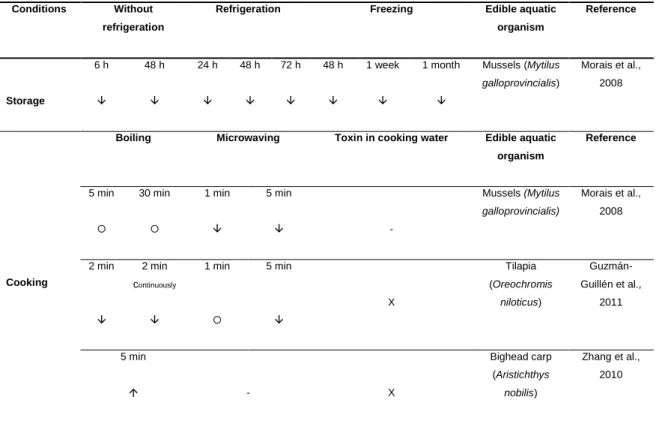
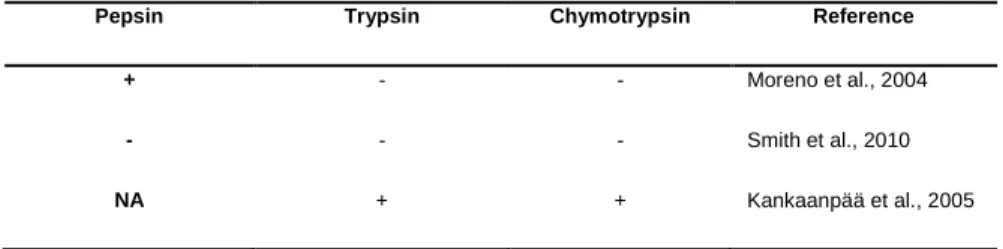
routes………..16 Table 5.Effects of food storage and processing practices on the MC-LR availability in tissues of edible aquatic organisms………...18 Table 6. Digestion of MC-LR (in solution) by proteolytic enzymes of gastric and intestinal juices……….….20
Chapter 3
Effects of microcystin-LR, cylindrospermopsin and a
microcystin-LR/cylindrospermopsin mixture on growth, oxidative stress and mineral content in lettuce plants (Lactuca sativa L.)
Table 1. Composition (constituents and concentration) of the culture medium used to expose lettuce plants to MC-LR, CYN and a MC-LR/CYN mixture in a closed hydroponic system...43 Table 2. Mineral content in the lettuce leaves of the control groups from the three experiments at the end of 5 and 10 days (5D and 10D, respectively). Values are expressed as the mean ± SD (n=3)………...51 Table 3. Ratio of the mineral content in lettuce leaves exposed for 5 and 10 days (5D and 10D, respectively) to MC-LR, CYN and a MC-LR/CYN mixture. Values express the ratio between the mean concentrations obtained in each condition by the mean concentration obtained in the respective control group. Values are expressed as the mean ± SD (n=3). Values in bold represent the concentrations that exceeded the screening value (control group, Table 2)………...52
Lettuce (Lactuca sativa L.) leaf-proteome profiles after exposure to cylindrospermopsin and a microcystin-LR/cylindrospermopsin mixture: a concentration-dependent response.
Table 1. Quantitative description of the differentially abundant protein spots of the lettuce leaf-proteome profile obtained after treatment with ecologically relevant concentrations of CYN and the MC-LR/CYN mixture...76
Chapter 4
Effects of storage, processing and proteolytic digestion on the microcystin-LR concentration in edible clams.
Table 1. Detailed information of the food storage and processing conditions applied in experiment...104
Bioaccessibility and changes in the cylindrospermopsin concentration in edible mussels with storage and processing time
Table 1. Food storage and processing practices applied in the experiment………….125
Table 2. Composition (constituents and concentration) of digestive juices used in the in
vitro digestion, representing fed conditions………....127
Chapter 5
Table 1. The general results obtained regarding to the effects of MC-LR, CYN and the MC-LR/CYN mixture in lettuce plants………...146 Table 2. The general results obtained on the changes of MC-LR and CYN in bivalves after applying different practices of food storage and processing as well as the effects of digestive juices...148
Chapter 6
Supplemental table 1: Full data regarding to the proteins identification of the CYN exposure experiment with lettuce plants...162 Supplemental table 2: Full data regarding to the proteins identification of the MC-LR/CYN exposure experiment with lettuce plants...166
List of figures
Chapter 1Fig. 1. The chemical structure of the heptapeptide MC-LR, where D-Ala is D-alanine (1), L-Leu is L-leucine (2), D-Me-Asp is D-erythro-β-methylaspartic acid (3), L-Arg is
L-arginine (4), Adda is the unusual amino acid
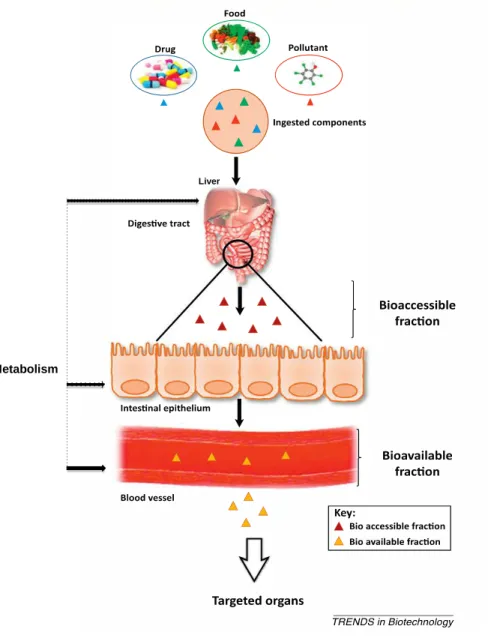
(2s,3s,8s,9s)-3-amino-9-methoxy-2,6,8-trimethyl-10-phenyldeca-4(E),6(E)-dienoicacid (5), D-Glu is D-glutamic acid (6), and Mdha is N-methyl-dehydroalanine (7)………..4 Fig. 2. Global distribution of blooms of cyanobacteria known as CYN-producers. Note: ‗non-CYN‘ denote a fluorescence from which toxin production was not confirmed or studied...5 Fig. 3. The molecular structure of cylindrospermopsin (1) and its analogs 7-deoxy-cylindrospermopsin (2) and 7-epi7-deoxy-cylindrospermopsin (3)...6 Fig. 4. The main factors that influence the expansion of toxic cyanobacterial blooms and the routes of human exposure to cyanotoxins...14 Fig. 5. Schematic representation of the difference between bioaccessibility and bioavailability of the contaminants………..19
Chapter 2
Fig. 1. Scheme of the logical progression of the topics included in this thesis...33
Chapter 3
Effects of microcystin-LR, cylindrospermopsin and a
microcystin-LR/cylindrospermopsin mixture on growth, oxidative stress and mineral content in lettuce plants (Lactuca sativa L.)
Fig. 1. The fresh weight of lettuce plants (roots and leaves) after being exposed 5 and 10 days (5D and 10D, respectively) to MC-LR (A), CYN (B) and MC-LR/CYN (C). Control: white bars; 1 µg/L: dark gray bars; 10 µg/L: black bars; 100 µg/L: light gray bars. Values are expressed as the mean ± SD (n=10). Different letters (a, b and c) indicate significant differences (p < 0.05)……….46 Fig. 2. GST (A, B and C) and GPx (D, E and F) activities in lettuce plants (roots and leaves) after being exposed 5 and 10 days to MC-LR, CYN and MC-LR/CYN, respectively. Control: white bars; 1 µg/L: dark gray bars; 10 µg/L: black bars; 100
µg/L: light gray bars. Values are expressed as the mean ± SD (n=3). Different letters (a, b, c and d) means significant differences (p < 0.05)………..49
Lettuce (Lactuca sativa L.) leaf-proteome profiles after exposure to cylindrospermopsin and a microcystin-LR/cylindrospermopsin mixture: a concentration-dependent response.
Fig. 1. Fr. wt (g) of leaves of lettuce plants exposed to CYN and MC-LR/CYN. The values are expressed as the means ± SD (n=10). The asterisk (*) indicates
significant differences (P<0.05) between the control and exposed
groups...73 Fig. 2. Venn diagram of the protein spots that exhibit differential abundance on leaf-lettuce plants exposed to CYN (A) and MC-LR/CYN (B) compared with the control group. The intersections also show the number of common proteins spots between different groups. C1: 1 µg/l; C10: 10 µg/l; and C100: 100 µg/l...74 Fig. 3. PCA diagrams representing the first and second components and the second and third components of the differential protein abundance (spot intensity) on the 2-DE gel of leaf-lettuce plants exposed to CYN. C1: 1 µg/l; C10: 10 µg/l; and C100: 100 µg/l...74 Fig. 4. PCA diagrams representing the first and second components and the second and third components of the differential protein abundance (spot intensity) on the 2-DE gel of leaf-lettuce plants exposed to MC-LR/CYN. C1: 1 µg/l; C10: 10 µg/l; and C100: 100 µg/l...75 Fig. 5. Heat map of the proteins identified from the differentially abundant protein spots of leaf-lettuce plants exposed to CYN. The values shown were normalized and standardized using the control group as the reference. Two hierarchical clusterings were made to display the similarities of the tested concentrations and the distribution pattern of the differentially abundant proteins. The functional categorization of the identified proteins is shown on the left side of the heat map. Photos. and C met.: photosynthesis and carbon metabolism; Str. resp./Prot. fold.: stress response/protein folding; ATP synth.: ATP synthesis; Def. resp./Allerg.: defense response/allergens; Cytosk. Form.: cytoskeleton formation; Proteol.: proteolysis; Nucleos. assemb.:
nucleosome assembly; Transp. Act.: transport activity; Unk./Miscell.:
Fig. 6. Heat map of the proteins identified from the differentially abundant protein spots of leaf-lettuce plants exposed to MC-LR/CYN. The values shown were normalized and standardized using the control group as the reference. Two hierarchical clusterings were made to display the similarities of the tested concentrations and the distribution pattern of the differentially abundant proteins. The functional categorization of identified proteins is shown on the left side of heat map. Photos. and C met.: photosynthesis and carbon metabolism; Str. resp./Prot. Fold.: stress response/protein folding; ATP synth.: ATP synthesis; Def. resp./Allerg.: defense response/Allergens; Cytosk. Form.: cytoskeleton formation; Proteol.: proteolysis; Cell wall biog./degrad.: Cell wall biogenesis/degradation; Transp. Act.: transport activity; Prot. Synth. & Sig. transd.: protein synthesis and signal transduction; Vit. B1 Bios.: vitamin B1 biosynthesis; Lip. metab.: lipid metabolism; Inos. Bios.: inositol biosynthesis; Pigm. metab.: pigment metabolism; AA. metab.: amino acid metabolism; Asc. bios.: ascorbic acid biosynthesis; Glut metab.: glutathione metabolism; Unk./Miscell.: unknown/miscellaneous...78 Fig. 7. Functional categorization of the proteins identified from the differentially abundant protein spots of leaf-lettuce plants exposed to CYN. C1: 1 µg/l; C10: 10 µg/l; and C100: 100 µg/l...80 Fig. 8. Functional categorization of the proteins identified from the differentially abundant protein spots of leaf-lettuce plants exposed to MC-LR/CYN. C1: 1 µg/l; C10: 10 µg/l; and C100: 100 µg/l...80
Chapter 4
Effects of storage, processing and proteolytic digestion on the microcystin-LR concentration in edible clams.
Fig.1. The chemical structure of the heptapeptide MC-LR, where D-Ala is D-alanine (1), L-Leu is L-leucine (2), D-Me-Asp is D-erythro-β-methylaspartic acid (3), L-Arg is
L-arginine (4), Adda is the unusual amino acid
(2s,3s,8s,9s)-3-amino-9-methoxy-2,6,8-trimethyl-10-phenyldeca-4(E),6(E)-dienoicacid (5), D-Glu is D-glutamic acid (6), and Mdha is N-methyl-dehydroalanine (7)...100 Fig. 2. Schematic representation of in vitro proteolytic digestion experiment...105 Fig. 3. The MC-LR concentration (ng/g) in intoxicated C. fluminea after different thermal storage conditions. Values are expressed as the mean ± SD (n=3). Different letters (a, b, c, d, e, and f) indicate significant differences (P<0.05). Columns that
share the same letter are not significantly different...108
Fig. 4. The MC-LR concentration (ng/g) in intoxicated C. fluminea after different cooking conditions. Values are expressed as the mean ± SD (n=3). Different letters (a, b, c, d, and e) indicate significant differences (P< 0.05). Columns that share the same letter are not significantly different...110 Fig. 5. The MC-LR concentration (ng/g) after in vitro proteolytic gastric (G) and gastrointestinal (GI) digestion. The column filled with black points represents the bioaccessibility. Values are expressed as the mean ± SD (n=3). Different letters (a, b, and c) indicate significant differences (P<0.05). Columns that share the same letter are not significantly different...113
Bioaccessibility and changes in the cylindrospermopsin concentration in edible mussels with storage and processing time
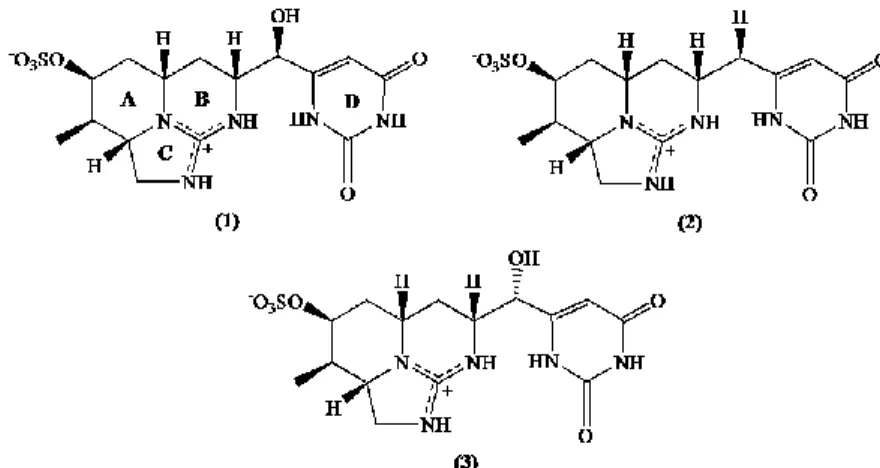
Fig. 1. The molecular structure of cylindrospermopsin (1) and its analogs 7-deoxy-cylindrospermopsin (2) and 7-epi7-deoxy-cylindrospermopsin (3)……….121
Fig. 2. Schematic representation of the in vitro digestion model used in the experiment………..…….126 Fig. 3. The concentration of CYN (ng/g) in the mussel matrix submitted to different storage treatments at different periods of time. Values are expressed as the mean ± SD (n = 3). Different letters (a, b and c) indicate significant differences (p < 0.05). Columns that share the same letter are not significantly different………..131 Fig. 4. The concentration of CYN (ng/g) in the mussel matrix submitted to different processing conditions at different periods of time. Values are expressed as the mean ± SD (n = 3)………..132 Fig. 5. The concentration of CYN (ng/mL) in the water in which the mussels were cooked. Values are expressed as the mean ± SD (n = 3)………133 Fig. 6. The concentration of CYN (ng/g) in uncooked (control), uncooked depurated (1 week) and steamed (10 min) depurated mussels. Values are expressed as the mean ± SD (n = 3)………..134 Fig. 7. Chromatographic peak area of CYN detection from uncooked and steamed mussels before (CYN C) and after digestion (for liquid and solid fractions). Letters represent each digestive step: mouth (M), gastric (G) and gastrointestinal (GI) with proteolytic enzymes (PE). Values are expressed as the mean ± SD (n = 3). A.U., Arbitrary Units………..136
Fig. 8. Chromatographic peak area of CYN detection from uncooked and steamed mussels before (CYN C) and after digestion (for liquid and solid fractions). Letters represent each digestive step: mouth (M), gastric (G) and gastrointestinal (GI) with pancreatic juice (P). Values are expressed as the mean ± SD (n = 3). A.U., Arbitrary Units………..136 Fig. 9. The concentration of CYN (ng/mL) before (CYN C) and after digestion of the free form in solution (purified CYN). Letters represent each digestive step: mouth (M), gastric (G) and gastrointestinal (GI) with proteolytic enzymes (PE). Values are expressed as the mean ± SD (n = 3). Different letters (a, b, c and d) indicate significant differences (p<0.05). Columns that share the same letter are not significantly different………...137 Chapter 6
Supplementary Figure 1: Variable representation of PCA along the first and second dimensions...153 Supplementary Figure 2: Variable representation of PCA along the second and third dimensions...154 Supplementary Figure 3: Percentage of dissimilarity rank obtained with the ANOSIM test (ANOSIM statistic R = 0.3519; Significance = 0.027)...155 Supplementary Figure 4: 2-DE gel of lettuce leaf-protein spots that changed in abundance after CYN exposure. A protein mass of 400 µg was loaded on each Immobiline IEF gel strip (17 cm, pH 4-7) for isoelectric focusing. The SDS-PAGE was performed in 12% (w/v) polyacrylamide gels, which were stained with Colloidal Coomassie G-250. The differentially abundant proteins were identified by MALDI-TOF/TOF MS. The spots surrounded by a green color correspond to group C1, the spots surrounded by a blue color correspond to group C10, and the spots surrounded by a purple color correspond to group C100. The spot numbers labeled red indicate that the same protein exhibited changes in abundance in multiple groups...156 Supplementary Figure 5: Variable representation of PCA along the first and second dimensions...157 Supplementary Figure 6: Variable representation of PCA along the second and third dimensions...158 Supplementary Figure 7: Percentage of dissimilarity rank obtained with the ANOSIM test (ANOSIM statistic R = 0.6636; Significance = 0.002)...159
Supplementary Figure 8: 2-DE gel of lettuce leaf-protein spots that changed in abundance after MC-LR/CYN exposure. A protein mass of 400 µg was loaded on each Immobiline IEF gel strip (17 cm, pH 4-7) for isoelectric focusing. The SDS-PAGE was performed in 12% (w/v) polyacrylamide gels, which were stained with Colloidal Coomassie G-250. The differentially abundant proteins were identified by MALDI-TOF/TOF MS. The spots surrounded by a green color correspond to group C1, the spots surrounded by a blue color correspond to group C10, and the spots surrounded by a purple color correspond to group C100. The spot numbers labeled in red indicate that the same protein exhibited changes in abundance in multiple groups...160
List of Abbreviations
2-DE Two-dimensional electrophoresis AAS Atomic Absorption Spectroscopy
ACN Acetonitrile
APX Ascorbate peroxidase
BSA Bovine serum albumin
BW Body Weight CAT Catalase CHAPS 3-[(3-cholamidopropyl)dimethylamonio]-1-propanesulfonate CYP450 Cytochrome P450 CYN Cylindrosdpermopsin ESI Electrospray
EST Expressed sequence tag
FA Formic acid
FAS Fatty acid synthesis
FAAS Atomic absorption spectrometer
FAO Food and Agriculture Organization of the United Nations GPx Glutathione peroxidase
GR Glutathione reductase
GSH Glutathione
GST Glutathione-S-transferase
HACCP Hazard Analysis Critical Control Points
HCl Hydrochloric acid
HPLC High-performance liquid chromatography
HSP Heat shock protein
IARC International Agency for Research on Cancer IEF Isoelectric focusing
ICP–MS Inductively coupled plasma – mass spectrometry I.P. Intraperitoneal
IPG Immobilized pH gradient
LC-MS/MS Liquid Chromatography Coupled to Tandem Mass Spectrometry LD50 Median Lethal Dose
LEA Embryogenesis abundant protein LOD Limit of detection
MALDI-TOF/TOF-MS
Matrix-assisted laser desorption/ionization time of flight-mass spectrometry
Mdha N-methyl-dehydroalanine
MeOH Methanol
MC-LR Microcystin-LR
MCs Microcystins
MRM Multiple reaction monitoring mode
MW Microwave
NaHCO3 Sodium Bicarbonate
NOAEL No Observed Adverse Effect Levels OATPs Organic Anion Transporting Polypeptides PAL Phenylalanine ammonia lyase
PCA Principal component analysis PDA Photoelectric diode array
PP Protein phosphatases
PPIase Peptidyl-prolyl cis-trans isomerase
PPO Polyphenoloxidase
POD Peroxidase
PR Pathogenesis-related
PRK Phosphoribulokinase
PS Photosystem
ROS Reactive oxygen species
RuBisCO Ribulose bisphosphate carboxylase/oxygenase RuBP Ribulose-1,5-bisphosphate carboxylase/oxygenase SB Solubilization buffer
SBPase Sedoheptulose-1,7-bisphosphatase
SD Standard deviation
SOD Superoxide dismutase
SPE Solid-Phase Extraction TCA Tricarboxylic acid TDI Tolerable daily intake TFA Trifluoroacetic acid
WHO World Health Organization
Chapter 1
1. Introduction
1.1. General introduction
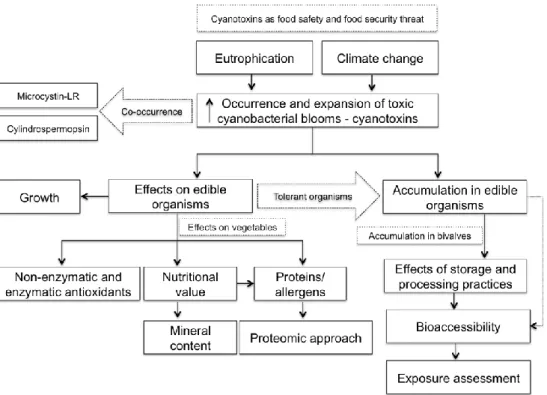
Cyanobacteria, commonly designated as ‗blue-green algae‘, are a group of unicellular and multicellular photosynthetic prokaryotes that occur worldwide in freshwater, brackish and coastal marine ecosystems (Sivonen and Jones, 1999). Blooms of cyanobacteria can be potentiated by a combination of several environmental factors, such as nutrient availability, water temperature, light intensity, salinity and water stagnation (Merel et al., 2013). The frequency and intensity of cyanobacteria blooms, including toxin-producing taxa, have become increasingly in the last decades because of eutrophication of surface waters mainly due to anthropogenic sources (Paerl and Paul, 2012). In addition, warmer temperatures and low river flows associated to global climate change seem to profit the occurrence and distribution of highly toxic cyanobacteria (Elliott, 2012; O‘Neil et al., 2012; Paerl and Paul, 2012). Warming can promote cyanobacterial expansion because as prokaryotes, their growth rates are optimized at relatively high temperatures, supporting a competitive advantage under nutrient-enriched conditions in comparison to eukaryotic phytoplankton (Paerl and Paul, 2012). The blooms of cyanobacteria represent an emerging human and environmental concern because of some species produce toxins (cyanotoxins) that can affect a large number of organisms, such as zooplankton, mollusks, crustaceans, fish, birds, mammals and plants.
Microcystins (MCs) are the highest widespread group of cyanotoxins, being the microcystin-LR (MC-LR) the most common variant. Nevertheless, the increasing occurrence of blooms of cylindrospermopsin-producing cyanobacteria inclusive in temperate areas, suggests that cylindrospermopsin (CYN) may be regarded as an emergent human and ecological threat worldwide.
The effects of MC-LR and CYN in agriculture have been a field of increasing interest, since recent studies have suggested phytotoxic effects of these cyanotoxins on terrestrial plants (Corbel et al., 2014). The use of water for irrigation from sources containing toxic cyanobacterial blooms can present harmful effects on growth and development of plants, and potential risks to human health due to the hypothetical accumulation of cyanotoxins in edible parts (Corbel et al., 2014). Furthermore, in aquatic ecosystems, it is common to find several cyanobacteria species; thus, the
existence of mixtures of cyanotoxins is expected and it was already reported for MC-LR and CYN (Brient et al., 2008). The exposure of crop plants to a mixture of MC-MC-LR and CYN may lead to potential additive, synergistic or antagonistic effects. Nevertheless, only few studies have proven adverse effects of single cyanotoxins on plants at environmentally relevant concentrations (Gehringer et al., 2003; Pflugmacher et al., 2007; Pichardo and Pflugmacher et al., 2011), leading to the hypothesis that plants have appropriate protective mechanisms to tolerate cyanotoxins.
On the other hand, it can be questioned if the traditional endpoints used to assess toxic effects (e.g., growth, photosynthetic rate and the activity of antioxidant enzymes and nonenzymatic substances) exhibit enough sensitivity to evaluate understated biochemical alterations. Proteomics is a field of growing interest in the agricultural sector because it has contributed to a better understanding of the specific biological functions of the proteins involved in plant responses to environmental stresses, and may enable the discovery of proteins underlying stress tolerance (Afroz et al., 2011; Kosová et al., 2011; Abreu et al., 2013). Nevertheless, some secreted proteins with defensive or protective functions on stress factors are recognized to also have allergenic potential (Abreu et al., 2013). From the health risk point of view, proteomics data associated with allergen identification may provide promising insights into the protein composition, quality, and safety of edible plants exposed to environmentally relevant concentrations of cyanotoxins. Moreover, tolerant plants can accumulate high levels of cyanotoxins, which can be considered a great risk to public health.
Organisms in direct contact with toxic cyanobacterial blooms, such as aquatic species, are more prone to accumulate cyanotoxins, and several studies have reported the bioaccumulation of MC-LR and CYN in common aquatic vertebrates and invertebrates, including zooplankton, mollusks, crustaceans and fish (Ibelings and Chorus, 2007). Among them, bivalves (clams and mussels), as sessile species and filter-feeding organisms, can be important vehicles of MC-LR and CYN to both animals and humans. The oral route is by far the most representative of human exposure to cyanotoxins. Thus, the pattern and frequency of exposed populations through contaminated-food consumption is required to a more accurate health risk assessment. Human exposure assessment has been based on the total concentration of MC-LR and CYN in raw edible organisms (Ibelings and Chorus,
2007). Nevertheless, the risks associated to the consumption of contaminated food may change if the consumers use storage and processing practices that alter the concentration of cyanotoxins. Furthermore, to exert toxic effects, the cyanotoxins have to be released from food matrix to be absorbed by intestinal epithelium. Thus, the study of the bioaccessibility of cyanotoxins is of major interest for a more accurate human health risk assessment due to the consumption of contaminated food, once bioaccessibility represents the maximum bioavailability of any contaminant (Versantvoort et al., 2005).
1.2. Microcystin-LR
The most widespread and studied cyanotoxins are the cyclic heptapeptide hepatotoxins MCs (MW 900–1200). Among the several structural variants of MCs, MC-leucine and arginine (MC-LR) (Fig. 1) is highlighted due to its toxicity and dominance in cyanobacterial blooms. Microcystis aeruginosa is the most common bloom former and the main producer of MC-LR. However, this cyanotoxin can be also produced by Anabaena, Oscillatoria, Planktothrix, Nostoc and Anabaenopsis (Sivonen and Jones, 1999).
Fig. 1. The chemical structure of the heptapeptide MC-LR, where Ala is alanine (1), L-Leu is L-leucine (2),
D-Me-Asp is D-erythro-β-methylaspartic acid (3), L-Arg is L-arginine (4), Adda is the unusual amino acid
(2s,3s,8s,9s)-3-amino-9-methoxy-2,6,8-trimethyl-10-phenyldeca-4(E),6(E)-dienoicacid (5), D-Glu is D-glutamic acid (6), and Mdha is N-methyl-dehydroalanine (7).
The main mechanism of MC-LR toxicity in both animals and higher plants is the irreversible inhibition of serine/threonine protein phosphatases (PP) (PP1 and PP2A) (MacKintosh et al., 1990). The mechanism involved in PP inhibition by MC-LR consists in a rapid and reversible binding, followed by a slower covalent binding (occurs over several hours) between the N-methyl-dehydroalanine (Mdha) residue of toxin and cysteine-273 of the catalytic subunit of PP1 (cysteine-266 of PP2A) (Craig et al., 1996; MacKintosh et al., 1995).
1.3. Cylindrospermopsin
The tricyclic alkaloid CYN (MW 415) has been recognized of increased concern due to the progressive widespread distribution of its main producer, Cylindrospermopsis
raciborskii (Ohtani et al., 1992), including into temperate zones (Kinnear, 2010;
Poniedziałek et al., 2012) (Fig. 2).
Fig. 2. Global distribution of blooms of cyanobacteria known as CYN-producers. Note: ‗non-CYN‘ denote a fluorescence from which toxin production was not confirmed or studied (Kinnear, 2010).
Furthermore, other cyanobacterial species such as Umezakia natans (Terao et al., 1994), Aphanizomenon ovalisporum (Banker et al., 1997), Raphidiopsis curvata (Li et al., 2001), Lyngbya wollei (Seifert et al., 2007), Anabaena bergii, Aphanizomenon
flos-aquae (Preussel et al., 2006), and Anabaena lapponica (Spoof et al., 2006) have
been reported as CYN producers (Fig. 3). So far, two structural congeners of CYN, 7-epi-CYN and deoxy-CYN (Norris et al. 1999; Banker et al., 2000; Seifert et al., 2007), have also been identified (Fig. 3).
Fig. 3. The molecular structure of cylindrospermopsin (1) and its analogs deoxy-cylindrospermopsin (2) and
7-epicylindrospermopsin (3).
Although the molecular mechanism of CYN toxicity has not yet been established, it is known that it inhibits eukaryotic protein synthesis with similar intensity in plant and mammalian cell extracts (Terao et al., 1994; Runnegar et al., 2002; Froscio et al., 2008). Moreover, CYN was reported to inhibits the glutathione (GSH) synthesis (Runnegar et al., 1995) and the metabolic activation of CYN by cytochrome P450 (CYP450) seems to contribute to its high toxicity (Runnegar et al., 1995; Froscio et al., 2003).
1.4. Effects of MC-LR and CYN on plants
The majority of MC-LR- and CYN-related research have been focused on mammalian toxicity; however, plants can also be affected by these cyanotoxins through several molecular pathways (Babica et al., 2006; Corbel et al., 2014). Cyanotoxins can be released from toxic cyanobacterial cells into water due to their natural metabolism (e.g., CYN) (Chiswell et al., 1999; Rücker et al., 2007) or following a cellular lyse during cell senescence or through water treatment processes such as algaecide application (e.g., MC-LR) (Babica et al., 2006). The concentration of MCs in surface waters vary from 4-50 µg/L up to 6500 µg/L, however, the higher concentrations would be found in blooms and scums and correspond to intracellular plus dissolved cyanotoxin (Corbel et al., 2014). Although the studies reporting the concentrations of CYN in the environment are scarce, the concentration of total extracellular CYN in water seem to vary from undetectable values up to 126 µg/L (Corbel et al., 2014). The phytotoxic effects of MC-LR and CYN on higher plants were firstly focused on aquatic macrophytes and floating plants that are naturally exposed to cyanotoxins (Pflugmacher et al., 1999; Pflugmacher, 2002; Pietsch et al., 2001; Mitrovic et al., 2005; Saqrane et al., 2007; Kinnear et al., 2008). MCs are very stable and may persist in aquatic systems for weeks after being released from the cells (Sivonen and Jones, 1999). Also, CYN can persist in the water because its photodegradation is very low under natural conditions (Wörmer et al., 2010). Therefore, the use of contaminated surface waters for agricultural irrigation may also allows that these cyanotoxins enter into terrestrial ecosystems, leading to potential risks for crop production and quality. MC-LR, by acting as PP1 and PP2A inhibitors and inducers of ROS production, could be involved in several physiological and molecular processes in higher terrestrial plants (Corbel et al., 2014). Indeed, numerous studies have reported that MC-LR produces several perturbatory effects on plant physiology and metabolism.
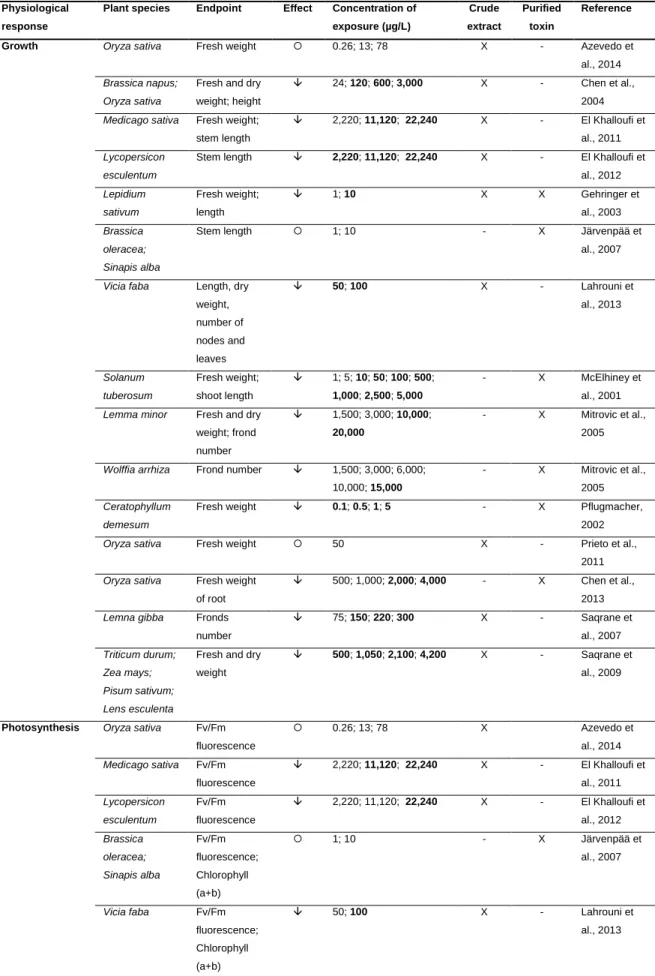
As is shown in Table 1, the growth, photosynthesis, antioxidant system and mineral content of several aquatic and terrestrial plant species can be affected due to MC-LR exposure.
Table 1. General effects of the MC-LR on different species of aquatic and terrestrial plants.
Physiological response
Plant species Endpoint Effect Concentration of exposure (µg/L) Crude extract Purified toxin Reference
Growth Oryza sativa Fresh weight 0.26; 13; 78 X - Azevedo et al., 2014 Brassica napus;
Oryza sativa
Fresh and dry weight; height
24; 120; 600; 3,000 X - Chen et al., 2004 Medicago sativa Fresh weight;
stem length
2,220; 11,120; 22,240 X - El Khalloufi et al., 2011 Lycopersicon
esculentum
Stem length 2,220; 11,120; 22,240 X - El Khalloufi et al., 2012 Lepidium sativum Fresh weight; length 1; 10 X X Gehringer et al., 2003 Brassica oleracea; Sinapis alba
Stem length 1; 10 - X Järvenpää et al., 2007
Vicia faba Length, dry weight, number of nodes and leaves 50; 100 X - Lahrouni et al., 2013 Solanum tuberosum Fresh weight; shoot length 1; 5; 10; 50; 100; 500; 1,000; 2,500; 5,000 - X McElhiney et al., 2001 Lemma minor Fresh and dry
weight; frond number 1,500; 3,000; 10,000; 20,000 - X Mitrovic et al., 2005
Wolffia arrhiza Frond number 1,500; 3,000; 6,000; 10,000; 15,000
- X Mitrovic et al., 2005 Ceratophyllum
demesum
Fresh weight 0.1; 0.5; 1; 5 - X Pflugmacher, 2002 Oryza sativa Fresh weight 50 X - Prieto et al.,
2011 Oryza sativa Fresh weight
of root
500; 1,000; 2,000; 4,000 - X Chen et al., 2013 Lemna gibba Fronds
number 75; 150; 220; 300 X - Saqrane et al., 2007 Triticum durum; Zea mays; Pisum sativum; Lens esculenta
Fresh and dry weight
500; 1,050; 2,100; 4,200 X - Saqrane et al., 2009
Photosynthesis Oryza sativa Fv/Fm fluorescence 0.26; 13; 78 X Azevedo et al., 2014 Medicago sativa Fv/Fm fluorescence 2,220; 11,120; 22,240 X - El Khalloufi et al., 2011 Lycopersicon esculentum Fv/Fm fluorescence 2,220; 11,120; 22,240 X - El Khalloufi et al., 2012 Brassica oleracea; Sinapis alba Fv/Fm fluorescence; Chlorophyll (a+b) 1; 10 - X Järvenpää et al., 2007 Vicia faba Fv/Fm fluorescence; Chlorophyll (a+b) 50; 100 X - Lahrouni et al., 2013
Solanum tuberosum Chlorophyll (a+b) 1; 5; 10; 50; 100; 500; 1,000; 2,500; 5,000 - X McElhiney, et al., 2001 Ceratophyllum demesum Fv/Fm fluorescence 0.1; 0.5; 1; 5 - X Pflugmacher, 2002 Ceratophyllum demesum Oxygen production 0.25 - X Pietsch et al., 2001 Ceratophyllum demesum Fv/Fm fluorescence 0.25 X - Pietsch et al., 2001 Lemna gibba Chlorophyll
(a+b) 75; 150; 220; 300 X - Saqrane et al., 2007 Triticum durum; Pisum sativum Fv/Fm fluorescence/ Chlorophyll (a+b) / 500; 1,050; 2,100; 4,200 X - Saqrane et al., 2009
Zea mays; Lens esculenta Fv/Fm fluorescence/ Chlorophyll (a+b) / 500; 1,050; 2,100; 4,200 X - Saqrane et al., 2009
Oxidative stress Oryza sativa GST; GPx 0.26; 13; 78 X Azevedo et al., 2014 Oryza sativa SOD; POD / 24; 120; 600; 3,000 X - Chen et al.,
2004 Brassica napus SOD/ POD / 24; 120; 600; 3,000 X - Chen et al.,
2004 Medicago sativa POD 2,220; 11,120; 22,240 X - El Khalloufi et
al., 2011 Lycopersicon esculentum POD 2,220; 11,120; 22,240 X - El Khalloufi et al., 2012 Lepidium sativum GST; GPx 1; 10 X X Gehringer et al., 2003 Vicia faba POD; CAT 50 ; 100 X - Lahrouni et
al., 2013 Lemma minor POD 1,500; 3,000; 10,000;
20,000 - X Mitrovic et al., 2005 Ceratophyllum demesum sGST 0.5 - X Pflugmacher et al., 1999 Phragmites australis GST 0.5 - X Pflugmacher et al., 2001 Spinacia oleracea GST; GSH; GR; SOD; POD; CAT 0.5 X - Pflugmacher et al., 2007 Ceratophyllum demesum
sGST/ POD / 0.25 - X Pietsch et al., 2001 Ceratophyllum
demesum
sGST/ POD / 0.25 X - Pietsch et al., 2001 Oryza sativa GST/ GPx / 50 X - Prieto et al.,
2011 Lemna gibba POD 75; 150; 220; 300 X - Saqrane et
al., 2007 Lepidium sativum GST, GPx; GR 0.5 X X Stüven and Pflugmacher, 2007 Mineral content Lycopersicon
esculentum
Na; K and Ca 2,220; 11,120; 22,240 X El Khalloufi et al., 2012 Vicia faba Na/ K; Ca and / 50; 100 X - Lahrouni et
N al., 2013 Triticum durum; Zea mays; Pisum sativum; Lens esculenta Ca; Na; K; P; N 500; 1,050; 2,100; 4,200 X - Saqrane et al., 2009 Non-enzymatic and enzymatic antioxidant content
Medicago sativa Phenols content 2,220; 11,120; 22,240 X - El Khalloufi et al., 2011 Lycopersicon esculentum Phenols content 2,220; 11,120; 22,240 X - El Khalloufi et al., 2012 Vicia faba PPO; PAL;
Phenols content
50; 100 X - Lahrouni et
al., 2013
Medicago sativa α and β Tocopherols 0.05; 0.5; 5 X X Peuthert and Pflugmacher, 2010 Spinacia oleracea Ascorbate; α Tocopherol 0.5 X - Pflugmacher et al., 2007 Lemna gibba Phenols
content 75; 150; 220; 300 X - Saqrane et al., 2007 Lepidium sativum α and β Tocopherols 0.5 X X Stüven and Pflugmacher, 2007 Increased in comparison to control group; Decreased in comparison to control group; There were no effects in comparison to control group; - Not measured; Concentration values highlighted in bold indicate more pronounced effects.
Although the reported biochemical and physiological effects may vary depending on the (1) use of purified toxins or crude extracts, (2) plant species, (3) stage of plant development, (4) time of exposure, and (5) range of concentrations studied, overall, the growth and photosynthesis are inhibited and the antioxidant system, either enzymatic and non-enzymatic, is induced. Nevertheless, an aspect that is important to point out is the ecological relevance of the most of these studies, since the concentrations of MCs that actually produce effects appear to be non-environmentally realistic, being 10 to 1000-fold higher than those usually found in the ecosystems. Furthermore, most of these studies were carried out with plants in early stage of development and it could be hypothesized that mature plants could have more complex defense strategies to tolerate the stress promoted by cyanotoxins, at least if they are exposed to ecologically relevant concentrations.
The toxic effects of CYN on plants are far less studied. However, on the contrary of MC-LR, CYN may often be found at higher levels in dissolved form than within cyanobacterial cells (Chiswell et al., 1999; Rücker et al., 2007). Thus, the transdermal absorption of CYN may be a relevant route of plant exposure. Indeed,
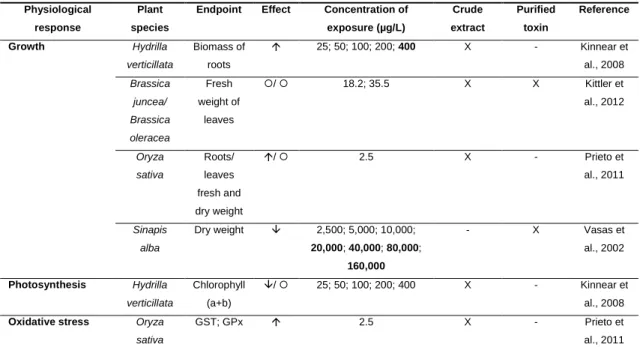
implications of this cyanotoxin were already observed in vegetable cells and the few studies that were performed indicate that, at low concentrations, the exposure to CYN results in an induction of plant growth, inhibition of photosynthesis and increase in oxidative stress (Table 2).
Table 2. General effects of the CYN on different species of aquatic and terrestrial plants.
Physiological response
Plant species
Endpoint Effect Concentration of exposure (µg/L) Crude extract Purified toxin Reference Growth Hydrilla verticillata Biomass of roots 25; 50; 100; 200; 400 X - Kinnear et al., 2008 Brassica juncea/ Brassica oleracea Fresh weight of leaves / 18.2; 35.5 X X Kittler et al., 2012 Oryza sativa Roots/ leaves fresh and dry weight / 2.5 X - Prieto et al., 2011 Sinapis alba Dry weight 2,500; 5,000; 10,000; 20,000; 40,000; 80,000; 160,000 - X Vasas et al., 2002 Photosynthesis Hydrilla verticillata Chlorophyll (a+b) / 25; 50; 100; 200; 400 X - Kinnear et al., 2008 Oxidative stress Oryza
sativa
GST; GPx 2.5 X - Prieto et
al., 2011 Increased in comparison to control group; Decreased in comparison to control group; There were no effects in comparison to control group; - Not measured; Concentration values highlighted in bold indicate more pronounced effects.
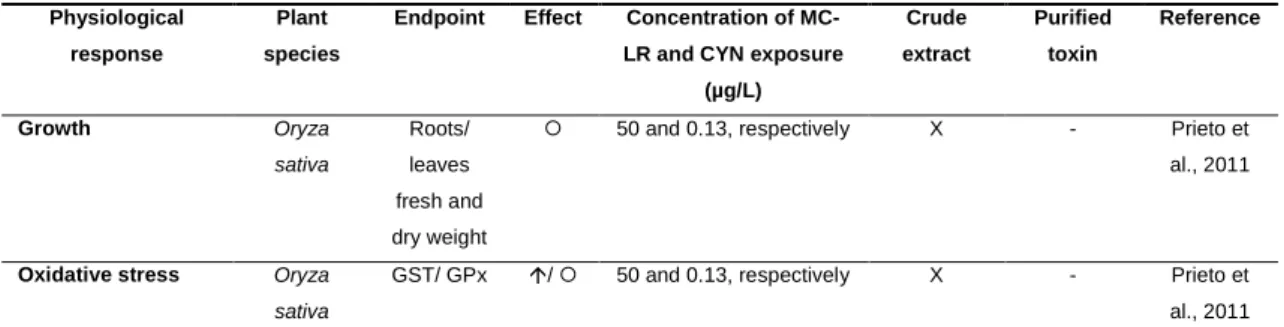
In aquatic ecosystems, the existence of mixtures of cyanotoxins is highly expected, however, the toxicological experiments are predominantly carried out on individual cyanotoxins. The impact of cyanotoxin mixtures, especially the more prevalent, is a matter of high priority. Simultaneous exposure to MC-LR and CYN may lead to changes in the response capability of crop plants, triggering potential synergistic, additive or antagonistic effects. However, the studies regarding to effects of interaction of the MC-LR/CYN mixture are very scarce. According to our knowledge, only Prieto et al. (2011) have studied the interaction effects of MC-LR and CYN in plants. The authors suggested a synergistic effect on the oxidative stress response (GST activity) of rice plants when exposed to cyanobacterial extracts containing ecological relevant concentrations of both CYN (0.13 µg/L) and MC-LR (50 µg/L) (Table 3).
Table 3. General effects of the MC-LR/CYN on different species of aquatic and terrestrial plants.
Physiological response
Plant species
Endpoint Effect Concentration of MC-LR and CYN exposure
(µg/L) Crude extract Purified toxin Reference Growth Oryza sativa Roots/ leaves fresh and dry weight
50 and 0.13, respectively X - Prieto et al., 2011
Oxidative stress Oryza sativa
GST/ GPx / 50 and 0.13, respectively X - Prieto et al., 2011 Increased in comparison to control group; Decreased in comparison to control group; There were no effects in comparison to control group; - Not measured.
Since there is a great lack of studies assessing the effects of MC-LR/CYN mixtures in aquatic and terrestrial species, it is of particular relevance to cover this topic, especially because of its increasing tendency of occurrence (Brient et al., 2008).
On the other hand, the ability of MC-LR and CYN to accumulate in edible tissues of terrestrial plants has been described (Gutiérrez-Praena et al., 2013), leading to potential health hazards for animals and humans (Corbel et al., 2014). Although the knowledge concerning the uptake of cyanotoxins by agricultural crops is particularly scarce, it could be hypothesized that the tolerant plants are more susceptible to accumulate them.
Overall, the exposure of plants to ecologically relevant concentrations of these cyanotoxins, even in mixture, seems to produce no significant effects, leading to the hypothesis that plants have developed appropriate protective or compensatory homeostatic mechanisms to tolerate cyanotoxins. However, it can be questioned if the traditional endpoints used to assess toxicity (e.g., growth, photosynthetic rate, antioxidative enzymes and nonenzymatic substances) exhibit enough sensitivity to evaluate understated biochemical alterations. Recently, Azevedo et al. (2014) reported the lack of sensitivity of the conventional parameters for the analysis of the toxicity of M. aeruginosa extract on rice (Oryza sativa) plants (MC-LR concentrations of 0.26–78 µg/L); however, significant alterations were observed through proteomic analyses. Proteomics is a promising tool in the agricultural sector because it can contributes to a better understanding of the specific functions of the proteins involved in plant responses to environmental stresses (Afroz et al., 2011; Kosová et al., 2011; Abreu et al., 2013).
1.4.1. Proteomics applied to agricultural sector to assess the
effects of cyanotoxins
Proteomics is an emergent research tool that offers several advantages over the standard enzymatic and biochemical assays. By the investigation of protein dynamics and variations in plant metabolism in response to an environmental stimulus, proteomic technologies may enable the potential identification of protein biomarkers of stress response and the discovery of proteins involved in stress tolerance (Afroz et al., 2011; Gutiérrez-Praena et al., 2014; Kosová et al., 2011). Recent advances in accomplishment of genome sequencing of crop plants (e.g., rice) and the development/improvement of analytical methods for protein characterization makes the proteomics analysis appropriate for the agricultural sector. Proteomic studies are extensively applied to genetically modified plants, in which new proteins are incorporated into food crops, for instance to promote resistance to pests, pesticides and other stressors. Proteomic studies investigating the effects of CYN and MC-LR have been performed on bivalves, including mixtures with other environmental pollutants (e.g., herbicides) (Martins et al., 2009; Puerto et al., 2011; Malécot et al., 2013). However, so far only two studies were developed using a proteomic approach to investigate the effects of cyanotoxins (MC-LR) in crop plants. Concisely, Azevedo et al. (2014) studied the biochemical responses of rice (Oryza sativa) seedlings exposed to low concentrations of MC-LR; and Gutiérrez-Praena et al. (2014) studied the effects of MC-LR in the leaf proteome of tomato (Lycopersicon esculentum). In these two studies, the combination of two-dimensional electrophoresis (2DE) and matrix-assisted laser desorption/ionization time of flight- tandem mass spectrometry (MALDI-TOF/TOF MS), allowed the identification of the function of several proteins that complement the current understanding of the mode of action of MC-LR in those plants. Thus, these techniques could be applied for other commercially important species, such as lettuce (Lactuca sativa), a leafy vegetable worldwide used for human consumption.
From the health risk point of view, proteomics may provide also new insights on safety and quality of edible plants exposed to environmentally relevant concentrations of cyanotoxins due to the potential identification of allergenic proteins secreted as a defensive or protective mechanism, such as pathogenesis-related (PR) proteins (Abreu et al., 2013).
1.5. Human exposure to MC-LR and CYN
The human health risks associated to the exposure to cyanotoxins are of growing concern due to the progressive occurrence and expansion of harmful cyanobacterial blooms. Humans are potentially exposed to cyanotoxins by three major routes: (1) ingestion of edible organisms that accumulate cyanotoxins, and cyanobacteria-based dietary supplements; (2) inhalation/ingestion and dermal contact by recreational activities and (3) ingestion of contaminated drinking water (Fig. 4) (Merel et al., 2013).
Fig.4. The main factors that influence the expansion of toxic cyanobacterial blooms and the routes of human
exposure to cyanotoxins (Merel et al., 2013).
Although drinking water is considered to be the major route of chronic human exposure to cyanotoxins, the consumption of edible organisms that directly graze toxic cyanobacteria (e.g., clams, oysters and mussels, among others) should be similarly considered. Several studies have reported the occurrence of MC-LR and
CYN in the tissues of edible aquatic organisms (e.g., fish, bivalves) (Gutiérrez-Praena et al., 2013; Kinnear, 2010; Ibelings and Chorus, 2007), reaching levels at which human consumption should be avoided (Chen and Xie, 2005; Ibelings and Chorus, 2007). Bivalves, as filter-feeding organisms, have shown to accumulate high concentrations of MCs and CYN in both laboratory and field conditions (Gutiérrez-Praena et al., 2013; Kinnear, 2010), making them potential vehicles of these cyanotoxins to higher trophic levels (Saker et al., 2004; Vasconcelos et al., 2007). Considering the human health effects, cyanotoxins can be classified according to their target organs, as follows: (1) neurotoxins (nervous system), (2) hepatotoxins (liver), (3) cytotoxins (several organs: liver, kidneys, adrenal glands, small intestine), and (4) dermatotoxins (causing skin irritation). In mammals, the acute exposure to the hepatotoxin MC-LR produces a cascade of events (cytoskeleton alterations, lipid peroxidation, oxidative stress, apoptosis) leading to cell necrosis, intrahepatic hemorrhage and death (Funari and Testai, 2008). Although human acute intoxication is rare, unfortunately, it already occurred in 1996 at the Brazilian dialysis center of Caruaru, which caused the death of 60 patients due to the use of contaminated water for hemodialysis (Pouria et al., 1998). Nevertheless, human health problems due to MC-LR are most likely associated with chronic exposure, where phosphatases inhibition induces cellular proliferation and hepatic hypertrophy (Funari and Testai, 2008). Epidemiological studies in China support the association of chronic exposure to MCs from contaminated drinking water with primary liver and colorectal cancer (Ueno et al., 1996; Zhou et al., 2002). On the basis of data on tumor promoting mechanisms, the International Agency for Research on Cancer (IARC) classified MC-LR as ‗‗possibly carcinogenic to humans‘‘ (group 2B) (Grosse et al., 2006). Regarding to the cytotoxin CYN, the most famous case of human intoxication occurred in 1979 in Australia, where 149 people supplied with drinking water from a reservoir with CYN-producing C. raciborskii suffered a hepatoenteritis-like illness (Griffiths & Saker, 2003). Although a lack of epidemiological studies regarding to chronic exposure to CYN, it has been suggested that tumors are generated in mice by oral exposure to the toxin (Falconer & Humpage, 2001; Falconer and Humpage, 2006).
Based on the potential for human health risks, the World Health Organization (WHO) proposed a provisional upper limit in drinking water of 1 µg/L for MC-LR and a tolerable daily intake (TDI) of 0.04 µg/kg of body weight (WHO, 1998). Likewise, a guideline for maximum concentration of 1 μg/L was proposed in drinking water for