Doctor–patient Relationship, Leader–member Exchange,
Occupational Commitment, Turnover Intention
– A Study of Public Hospital Doctors in China
ZENG Weilong
Thesis submitted as partial requirement for the conferral of the degree of
Doctor of Management
Supervisor:
Prof. Ma Shaozhuang, Associate Professor, ISCTE University Institute of Lisbon
– Spine–
Doc tor –pa ti ent R elations hip , Le ade r– m ember Ex cha nge , O cc up ati ona l C omm it ment, T urnov er I ntention – A S tudy of P ubli c H ospi tal D oc tors in C hina ZE N G W ei longDoctor–patient Relationship, Leader–member Exchange,
Occupational Commitment, Turnover Intention
– A Study of Public Hospital Doctors in China
ZENG Weilong
Thesis submitted as partial requirement for the conferral of the degree of
Doctor of Management
Jury:
President: Professor Renato Costa, Assistant Professor, ISCTE-IUL Prof. Ma Shaozhuang, Associate Professor, ISCTE-IUL
Prof. Nelson Ramalho, Assistant Professor, ISCTE-IUL
Prof. Paulo Resende da Silva, Assistant Professor, Universidade de Évora Prof. Patrícia Palma, Assistant Professor, University of Lisbon
Abstract
The strained doctor–patient relationship(DPR) negatively affects doctors’ occupational commitment (OC) and turnover intention (TI), which affects the achievement of the goals of Healthy China 2030.Therefore,determining ways of improving DPRand doctors’OCand reducing TIis very important for achieving these goals. In the present study, two rounds of surveys were conducted among doctors at the Fourth Affiliated Hospital of Guangxi Medical University. Three hundred and eighty-one valid questionnaires were collected over a period of three months, to explore the relationship between leader–member exchange (LMX), DPR, OC, and TI,using correlation analysis, variance analysis, exploratory and confirmatory factor analysis, and structural equation modeling (SEM)methods.
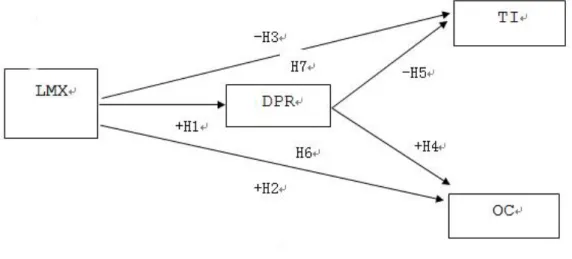
The analysis results show that the China-specific doctor-based DPR scale has two dimensions with good validity and reliability. There is a significantly positive relationship among LMX, DPR and OC; they are all negatively correlated with TI. According to SEM, the impact paths of DPR between LMX and OC include: LMX→DPR (β=0.35),DPR→OC (β=0.73); the overall impact effect is 0.252;the impact paths of DPR between LMX and TI include: LMX→DPR, DPR→TI (β=-0.25), LMX→TI (β=-0.23); the overall impact effect is -0.317 and the mediating effect accounts for 27.76 percent of the overall effect.
Research results reveal LMX positively correlates to DPR; DPR plays a partially mediating role between LMX and TI and a full mediating role between LMX and OC. This thesis offers suggestions for improving DPR and OC and reducing TI on management practice.
Keywords: Chinese DPR; DPR measurement; DPR; LMX; OC; TI JEL: M54; M12
Resumo
A relação entre médico e paciente (RMP) afeta negativamente a implicação ocupacional dos médicos (IO) bem como a intenção de saída (IS), o que afeta a consecução dos objetivos da China Saudável 2030. Assim, é muito importante identificar formas de melhorar a RMP e a IO bem como reduzir a IS para atingir estes objetivos. No estudo presente, foram realizadas duas ondas de inquéritos entre médicos no 4º Hospital Afiliado da Universidade Médica de Guangxi. Foram recolhidos 381 questionários válidos durante um período de três meses, para explorar a relação entre a troca líder-membro (LMX), a RMP, a IO e a IS, utilizando análises correlacionais, análises de variância, análises fatoriais exploratórias e confirmatórias e técnicas de Equações Estruturais (SEM).
Os resultados das análises indicam que a escala de RMP especificamente para a China tem duas dimensões com boa validade e fiabilidade. Há uma relação positiva significativa entre LMX, RMP e IO; todas estas estão negativamente correlacionadas com a IS. De acordo com a SEM, as vias de impacto da RMP entre a LMX e a IO incluem: LMX→DPR (β=0.35), RMP→IO (β=0.73); o efeito total de impacto é de 0.252;as vias de impacto da RMP entre LMX e IS incluem: LMX→RMP, RMP→IS (β=-0.25), LMX→IS (β=-0.23); o efeito total de impacto é de -0.317 e o efeito de mediação explica 27.76% do efeito total.
Os resultados mostram que a LMX está correlacionada positivamente com a RMP; que a RMP é um mediador parcial entre a LMX e a IS mas que é um mediador total entre a LMX e a IO. Com base nestes resultados sugerem-se recomendações para a prática de gestão para melhorar a RMP e a IO e para reduzir a IS.
Palavras-chave: relação entre médico e paciente (RMP); implicação ocupacional;
intenção de saída (IS); relação entre a troca líder-membro (LMX).
摘 要
中国当前紧张的医患关系,影响着医生的职业和工作满意度。而健康中国 2030 目标的实现与医生的职业和工作满意度密切相关。因此,如何提高医生医 患关系和职业承诺水平,降低离职倾向,对于实现健康中国 2030 目标具有重要 意义。本研究以中国广西医科大学第四附属医院的医生为研究对象,以员工证号 来匹配,对同一批医生开展前后间隔三个月的两轮问卷调查,共获得有效问卷 381 份,来研究医生的领导部属交换关系、医患关系、职业承诺、离职倾向的关系。 采用相关性分析、方差分析、探索性因子和验证性因子分析、结构方程模型等方 法进行分析。 分析结果显示:中国情景下医患关系(医生视角)量表包含 “医患信任” 和“以患者为中心的诊疗能力”两个维度。量表具有良好的信度和效度。领导部 属交换关系、医患关系、职业承诺之间存在显著正相关性;领导部属交换关系、 医患关系、职业承诺与离职倾向存在显著负相关性。结构方程模型分析结果显示, 医患关系在领导部属交换关系对职业承诺影响路径中包括:领导部属交换关系→ 医患关系(β=0.35),医患关系→职业承诺(β=0.73),总体影响效果为 0.252; 医患关系在领导部属交换关系对离职倾向影响路径中包括:领导部属交换关系→ 医患关系,医患关系→离职倾向(β=-0.25),领导部属交换关系→离职倾向(β =-0.23),总体影响效果为:-0.317,中介效应占总效应 27.76%。 研究表明,领导部属交换关系与医患关系正向相关,医患关系能部分中介领 导部属交换关系对医生的离职倾向影响,能完全中介领导部属交换关系对医生的 职业承诺影响。医患关系对医生职业承诺的影响要大于离职倾向。基于以上的研 究结果,讨论提高医生医患关系、职业承诺水平,降低离职倾向的管理实践启示 和建议。 关键词:中国医患关系;医患关系测量;医患关系;领导部属交换关系;职 业承诺;离职倾向 JEL: M54; M12Acknowledgments
How time flies! My doctoral life is nearing its end almost before I know it. Looking back on the long journey, whether it is the multiple trips between Liuzhou in Guangxi province, Guangzhou, and Beijing, or the meaningful doctoral life, I feel it would have been impossible for me to complete my study without the great care, sustained support, and generous help from my tutors, friends, leaders, and colleagues. The journey has provided invaluable memories and experiences in my life. Here I want to thank all people who have helped me along the way.
I wish first to express my deep thanks to my supervisor, Prof. Ma Shaozhuang, who offered me meticulous and comprehensive guidance through my whole doctoral study, from topic selection, literature review, questionnaire design, and research methods to model construction, thesis writing, and paper submission, especially his patient guidance and strict control in DPR scale research and design. I am deeply impressed by his rigorous and diligent scholarship, profound academic knowledge and broad international vision. Under his careful guidance and special instructions, I have grasped basic management theories and research methods and made the transformation from a manager to a researcher. Here I want to again show my enormous respect for Prof. Ma’s excelsior work style and erudite professional knowledge and wholeheartedly thank him for his tremendous help.
I also wish to offer my sincere thanks to Prof. Virginia Trigo and Elizabeth Reisand other class lecturers, who taught me professional knowledge and broadened my international vision. My profound gratitude goes to Prof.Wang Dong, Mrs. Eva Xu, and Mrs.VianOu from the School of Humanities at SMU. I have also truly enjoyed the heated discussions with my 2015 doctoral classmates and express my thanks for their generous help.
I want to offer my sincere thanks to Hospital PresidentPresident of the Fourth Affiliated Hospital of Guangxi Medical University Li Bing, Party Secretary Hu Zhuojun and Vice President Huang Haixin for their continued care, encouragement and
help, as well as the opportunities they have provided for me. I am immensely grateful to the leaders and teachers from the Department of Scientific Education of the National Health Planning Commission and the Chinese Medical Doctor Association for their unselfish help and enlightenment. I want to thank Director Wang from the Human Resources Department of the fourth affiliated hospital of guangxi medical university and other colleagues for their great support in my work. Without their support, it would have been impossible for me to establish a balance between my study and work. I am deeply grateful to the office secretariesof various departments for their help in questionnaire distribution and data input. I want to thank all of the doctors involved in my study for their efforts in questionnaire response.
I am particularly indebted to my family, including my wife Zhao Na, my parents and other family members for their continued understanding and sustained support and encouragement during my doctoral study.
致 谢
回首博士学习的充实时光,从中国广西柳州、广东、北京、再到广西柳州, 期间凝聚着老师、亲友、领导和同事们的大量关心、支持和帮助,这些将成为我 人生中重要的回忆及宝贵人生经历。在此一一进行致谢。
首先要感谢的是我的导师马绍壮教授(Prof. Shaozhuang Ma)。马教授在我 的论文指导中倾注了大量的心血,从选题、文献综述、问卷设计、研究方法、模 型构建、论文写作及发表等方面给予我全面系统的指导,尤其在医患关系量表研 发环节进行耐心的指导及严格把关,使我深深感受到马教授科学严谨的治学态度、 渊博的学术知识、广阔的国际视野。在马教授的教导下,我掌握了一些管理学基 本理论及研究方法,完成从管理实践者向研究者的蜕变。在此,再次对马教授的 大力帮助、严谨的治学风格、深厚的学术造诣表示崇高的敬意和衷心的感谢!
在博士学习期间,得到了 Prof. Virginia Trigo、伊丽莎白等诸多授课老 师的帮助,给我传授了专业知识及拓展了国际视野,在此一并表示感谢!同时也 感谢南方医科大学的人文管理学院的王冬教授、许睿敏 (Eva Xu)和欧玮艳 (VianOu)等各位领导、老师给予的帮助!也感谢一起攻读博士的 2015 级同学们 的激烈讨论及帮助! 感谢医院李兵院长、胡灼君书记、黄海欣副院长等院领导给予的机会、关心、 鼓励及提供的帮助,感谢国家卫生计生委科教司和中国医师协会各位领导及老师 提供的无私的帮助及工作上的启发;感谢人力资源部汪主任及同事在工作上的大 力支持,否则我难以在繁忙的工作之余,兼顾学业;感谢各科室秘书在问卷的发 放及录入方面的提供的帮助。也感谢医院相关科室医生积极配合问卷的填写。 感谢我的妻子赵娜、父母及家人对我学业的大力支持,在您们理解、包容和 不断的鼓励下使我按期完成学业。
Contents
Chapter 1: Introduction ... 1 1.1 Research background ... 1 1.2 Research dilemma ... 3 1.3 Research questions ... 6 1.4 Research objectives ... 6 1.4.1 Theoretical significance ... 7 1.4.2 Management practice significance ... 7 1.5 Thesis structure ... 8 Chapter 2: Literature Review ... 9 2.1 Doctor–patient Relationship ... 9 2.1.1 Concept definition of DPR ... 9 2.1.2 China’s strained DPR ... 12 2.1.3 DPR-related stakeholders ... 17 2.1.4 Measurement of DPR ... 22 2.1.5 Research review ... 24 2.2 Leader–member exchange ... 25 2.2.1 LMX ... 25 2.2.2 Development of LMX ... 27 2.2.3 LMX structure and measurement ... 28 2.2.4 Antecedents of LMX ... 31 2.2.5 Effect of outcome variables of LMX and impact mechanism ... 35 2.2.6 LMX research review ... 38 2.3 Occupational commitment ... 39 2.3.1 Concepts ... 40 2.3.2 Theory of OC and measurement... 41 2.3.3 Antecedent and outcome variables of OC ... 47 2.3.4 Research review of OC ... 55 2.4 Turnover intention ... 56 2.4.1 Definition of TI... 56 2.4.2 Models of turnover ... 572.4.3 Antecedents of TI ... 61 2.4.4 Measurement of TI ... 65 2.4.5 Research review of TI ... 66 2.5 Conservation of resource theory ... 67 2.5.1 Definition of resources ... 67 2.5.2 Core ideas of COR theory ... 68 2.5.3 Principles of resources conservation ... 69 2.6 Social exchange theory ... 70 2.6.1 Main contents of modern social exchange theory ... 70 2.6.2 Social exchange theory and LMX ... 71 2.7 Hypotheses ... 72 2.7.1 Hypothesized relationship between LMX and DPR ... 72 2.7.2 Hypothesized relationship between LMX and OC ... 73 2.7.3 Hypothesized relationship between LMX and TI ... 74 2.7.4 Hypothesized relationship between DPR and OC ... 74 2.7.5 Hypothesized relationship between DPR and doctors’ TI ... 76 2.7.6 Hypothesized relationship between LMX and OC, TI, with DPR playing a mediating role ... 76 Chapter 3: Research Methods ... 79 3.1 Questionnaire survey ... 79 3.1.1 DPR questionnaire design and measurement ... 79 3.1.2 LMX measurement ... 82 3.1.3 OC measurement ... 83 3.1.4 TI measurement ... 83 3.1.5 Control variables ... 83 3.2 Basic information of surveyed hospital and data collection ... 84 3.3 Quality control ... 84 3.4 Statistical methods ... 85 3.4.1 Questionnaire reliability analysis ... 86 3.4.2 Validity analysis... 86 3.4.3 Descriptive statistical analysis ... 87 3.4.4 Analysis of correlation between measured variables ... 87 3.4.5 Independent sample T-test and One-way ANOVA ... 87 3.4.6 SEM analysis ... 87
3.5 Questionnaire reliability and validity ... 88 3.5.1 DPR scale reliability and validity analysis ... 88 3.5.2 LMX scale reliability and validity analysis ... 92 3.5.3 OC scale reliability and validity analysis ... 94 3.5.4 TI scale reliability and validity analysis ... 95 3.6 Common method variances analysis ... 96 Chapter 4: Empirical Analysis and Hypothesis Test ... 99 4.1 Data description ... 99 4.1.1 Sample descriptive statistical analysis ... 99 4.1.2 Descriptive analysis of measured variables ... 101 4.2 Correlation analysis ... 101 4.3 Variance analysis of the effect of demographic factors on research variables . 103 4.3.1 Effect of demographic factors on research variables ... 103 4.3.2 Effects of different department classification on research variables ... 107 4.3.3 Effect of other demographic factors on research variables ... 109 4.3.4 Summary of significant difference regarding effect of demographic factors on research variables ... 109 4.4 SEM test and analysis of LMX-DPR-OC and TI ... 110 4.4.1 Partial mediating effect M1 ... 110 4.4.2 Completely mediating effect M2 ... 112 4.5 Summary of research hypotheses ... 115 Chapter 5: Research Results Analysis and Discussions ... 117 5.1 Current situation of doctors’ LMX, DPR, OC, and TI ... 117 5.2 Analysis and discussion based on doctor-specific Chinese DPR scale ... 120 5.3 Discussions of hypotheses test results ... 121 5.3.1 Discussion of result of hypothesized relationship between LMX and DPR ... 121 5.3.2 Discussions of result of hypothesized relationship between LMX and OC ... 122 5.3.3 Discussions of result of hypothesized relationship between LMX and TI ... 122 5.3.4 Discussions of result of hypothesized relationship between DPR and OC ... 123 5.3.5 Discussions of result of hypothesized relationship between DPR and TI 123
5.3.6 Full mediating effect of DPR between LMX and OC ... 123 5.3.7 Partial mediating effect of DPR between LMX and TI ... 124 Chapter 6: Research Conclusions and Prospect ... 127 6.1 Research findings ... 127 6.1.1 Finding 1 ... 127 6.1.2 Finding 2 ... 127 6.1.3 Finding 3 ... 128 6.2 Theoretical contribution ... 128 6.3 Managerial implications ... 129 6.4 Research limitations ... 131 6.5 Research prospect ... 132 Bibliography ... 135 Other References ... 159 Appendix I: Questionaire ... 161 Appendix II: Figures & Tables ... 167
List of Tables
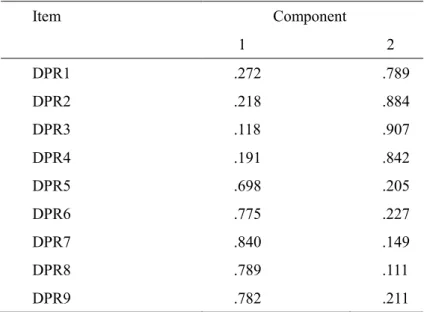
Table 2-1 List of Szasz-Hoender DPR models ... 12 Table 2-2 List of DPR measurement scales ... 23 Table 2-3 Definitions of occupational commitment ... 41 Table 2-4 Main definitions of TI ... 57 Table 3-1 DPR scale ... 82 Table 3-2 Evaluation index for DPR model fitting degree ... 91 Table 3-3 Factor loading of DPR scale (factors rotated) ... 91 Table 3-4 CITC and reliability analysis of formal DPR scale ... 92 Table 3-5 Evaluation index for LMX model fitting degree ... 93 Table 3-6 Evaluation index for OC model fitting degree ... 95 Table 3-7 Evaluation index for TI model fitting degree ... 96 Table 4-1 Sample descriptive statistical analysis ... 100 Table 4-2 Mean of main variables and correlation between variables ... 102 Table 4-3 Variance analysis regarding the effect of demographic factors on research variables
... 106 Table 4-4 Variance analysis concerning the effect of department classification on research variables ... 107 Table 4-5 Pairwise comparison results of LMX and DPR between doctors in different medical departments using LSD method ... 109 Table 4-6 Summary of significant variance analysis regarding effect of demographic factors on research variables ... 110 Table 4-7 Model fitting assessment-model M1 ... 111 Table 4-8 Path coefficient estimation-model M1 ... 112 Table 4-9 Model fitting assessment-model M2 ... 113 Table 4-10 Comparison of fitting degree of M1 and M2 ... 113 Table 4-11 Comparison of path coefficients between M1 and M2 ... 114 Table 4-12 Standardized effect of SEM ... 115 Table 4-13 Summary of validation results of research hypotheses ... 115
List of Figures
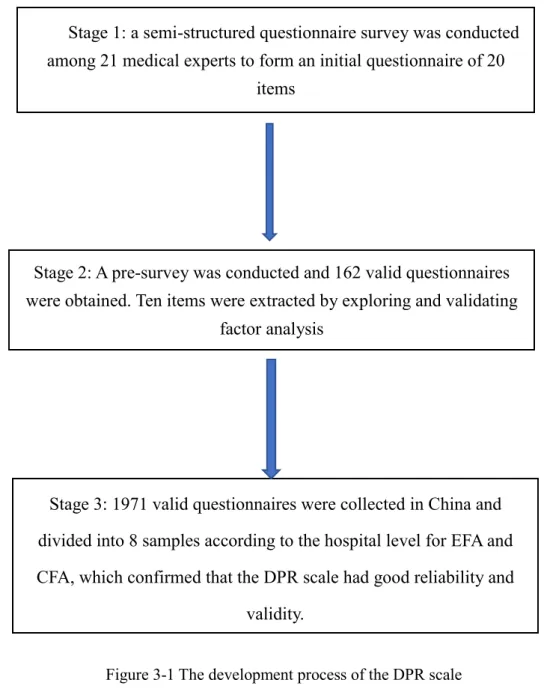
Figure 2-1 Evolution timeline of doctor–patient relationship ... 10 Figure 2-2 Research model ... 78 Figure 3-1 The development process of the DPR scale ... 81 Figure 3-2 Data collection process ... 85 Figure 3-3 DPR constructs based on CFA ... 90 Figure 3-4 DPR constructs based on CFA (modified model) ... 90 Figure 4-1 Partial mediating model M1 ... 111 Figure 4-2 Full mediating model M2 ... 113
List of Abbreviations
DPR Doctor–patient relationshipOC Occupational commitment TI Turnover intention
LMX Leader-member exchange POS Perceived organizational support AC Affective commitment
CC Continuance commitment NC Normative commitment
OCB Organizational citizenship behavior SEM Structural Equation Model
COR Conservation of resource theory EFA Exploratory factor analysis CFA Confirmatory factor analysis KMO Kaiser-Meyer-Olkin
LSD Least-significant difference MI Modification index
X2 Chi-Square
DF Degree of freedom CMIN/DF Chi-square-DOF ratio
RMSEA Root mean square error of approximation RMR Root mean square residual
GFI Goodness of fit index AGFI Adjust goodness of fit index NFI Normal fit index
CFI Comparative fit index IFI Incremental fit index
Chapter 1: Introduction
1.1 Research background
With the doctor–patient relationship (DPR) becoming increasingly intense, China’s DPR has been an area of high concern for the government and society since the new medical reform was introduced in 2009 (Lancet, 2014;Ma, Xu, Trigo, &
Ramalho, 2017) and has also attracted worldwide attention (Pan et al., 2015). Based on
a review of papers on China’s DPR published in key journals, Li and Zhang
(2015)found that the number of such papers surged from around 40 in 1981 to 2000 in
2013. In general terms, there are several problems in China’s DPR, as described below. First, medical disputes have occurred with increased frequency and have had an increasingly negative impact. Since 2002, the incidence of medical disputes in China has risen 22.9 percentevery year; 98.4 percent of hospitals reported medical disputes; 73.5 percent of medical disputed affected the normal operation of hospitals; the compensation for medical disputes occurring in hospitals above the county-level amounted to 4.2 billion yuan, accounting for 5.9 percent of the total medical incomes
(Xu, Wang, & Qi, 2016).
Second, the occurrence rate of violent incidents against doctors shows an upward trend year after year.A survey by the Chinese Hospital Association indicates that the percentage of medical staffers who were seriously injured as a result of body attacks increased from 47.7 percent in 2008 to 63.7 percent in 2012 (Jia et al., 2014).Even
worse, the violent incidents against doctors or even violent attacks leading to deaths of doctors show no declining trend in recent years. According to the statistics of the Chinese Medical Doctor Association, between May 28 and June 7, 2015, nine violent incidents and even killing of doctors were reported in China and many medical staff were severely injured(Wang et al., 2016). This period was pitifully marked as the
Media, some reports on doctor–patient conflicts triggered mass incidents or even caused events undermining political stability(Xu et al., 2016).
Third, mutual mistrust between doctors and patients has intensified. On the one hand, patients are often on guard against doctors because they have lost confidence in their medical ethics and skills. For example, some patients recorded all their conversations with doctors as evidence in case of medical disputes in future. On the other hand, due to mistrust of the information patients provided about their conditions, the doctors tend to take defensive treatment measures, such as excessive medication and unnecessary examinations, to avoid the occurrence of medical disputes. Still, for fear of any miscommunication between doctors and patients, patients are required to sign a large number of informed consent forms (ICF). Medical staff in some hospitals even work wearing helmets or collectively learn martial arts for self-protection(Miao,
2015).
The DPR is formed when health delivery occurs between doctors and patients; this is essentially a continuously adjusted social relation that can reflect the social economic conditions and ideology and also change with them (Camanho, 2013). The currently
tense DPR in China will undermine the efforts of the Chinese government to achieve the strategic goals of establishing harmonious society and Healthy China 2030,while also negatively affecting the patients’ recovery of disease, clinical outcome, and satisfaction (Wang, Zhang, Wu, Zheng, & Lei, 2016). However, the causes of China’s
worrying and nervous DPR are complicated and manifold, including historical legacy, institutional and social problems. Chen and Zheng (2014) maintained that the tense
DPR can be mainly attributed to the information asymmetry between the two parties, high dependence on medical equipments but less humanistic care, an obsolete hospital management system, and market-oriented health services. Other studies have also shown that the government factors, such as a flawed medical insurance system and uneven allocation of medical resources, have the greatest influence on DPR in China
(Han & Zhong, 2015).Hu and Zhang (2015) believed that the strained DPR results
and poor communication. Therefore, it is unrealistic to expect to completely relax the intense DPR overnight.
The tense DPR places immense pressure on medical staff,which affects their job burnout level and confidence in career development and turnover intention(TI) (Baker, Rd, Gray, & Love, 2003; Moreno-Jimenez, Galvez-Herrer, Rodriguez-Carvajal, &
Sanz Vergel, 2012;Tan, Jia, Li, & Jiang, 2016) .The current strained DPR also has an
effect on doctors’ occupational commitment(OC)(Qin et al., 2015; Zhang, 2015).
1.2 Research dilemma
According to the 2016 National Health Statistics Yearbook (Statistical Information
Center of the Ministry of Health, China, 2017),the number of doctors and nurses per
10,000 people in China is 22.2 and 23.7, respectively. By contrast, the corresponding numbers in the United States are 24.5 doctors and an unknown number of nurses,28.1 and 88 in the United Kingdom, and 41 and 61.1 in Portugal(all excluding dentists). Thus, it can be seen that, compared with developed countries, the number of medical staff in China is still woefully inadequate. For example, in the proportion of medical staff in the UK, the current gap between doctors and nurses in China is 961.71 million, among which, 808,300 doctors are urgently needed, accounting for 26.5 percent of the total number of current doctors.When medical practitioners are in serious short supply in China, the Chinese medical staff should theoretically be highly valued and enjoy higher job satisfaction and professional pride. In most countries, doctorsare held in high regard, enjoying higher social status and comfortable income. In many countries, talented people aspire to become a doctor regardless of the money and time it takes (Bai,
2011).
However, the job and occupational satisfaction of Chinese medical staff is low, meaning that China will suffer from a medical human resources crisis (Gu, 2012). There
is inadequate medical talent in the medical market, and the high rate of medical staff turnover, low number of applicants for medical colleges and low OC of medical staff
Qi(2013), the number of applicants for medical colleges or universities is declining and
even the career switch rate of graduating medical students is worryingly high. Over the past 5 years, 600,000 Chinese medical graduates have obtained the practicing certificate for doctors, but only one-sixth of those went on to register as medical practitioners. In the White Paper on Chinese Doctors’ Practicing Situation, Liu
(2015)noted that a 2014 survey indicates the percentage of Chinese doctors who expect
or extremely expect their offspring to become doctors is less than one-sixth of the total; those with opposite wish account for three fifths (64.48 percent).Li et al.(2010) surveyed 933 medical staff in 29 public hospitals and found 49 percent of them have the TI. Huang and Yin (2014) found that the OC of Chinese doctors is at moderate level;
only 22.6 percent show great passion for the profession and 43.8 percent are in a career slump. Given the chance to choose their profession again, 42.8 percent of doctors expressed they would not willing to work as a doctor;48.8 percent of doctors think being a doctor in China is not a good profession.According toLiu (2016), 63
percent of doctors in tertiary hospitals have TI.Mutiple studies suggest the TI of medical staff in China is high (Chang et al., 2016; Li et al., 2010). Thus it is not
surprising that the job satisfaction of doctors is low and their TI is high.
The new round of health reform promoted by the Chinese government explicitly proposes to effectively mobilize the enthusiasm and initiatives of medical staff, which is also indispensable to the further development of health reform (The Central
Committee of the Communist Party of China& State Council, 2009). “Effectively
mobilize the initiatives of health care workers” has been mentioned four times in the document of Opinions of the CPC Central Committee and the State Council on Deepening the Health Care System Reform. The subsequently issued official documents such as Guiding Opinions on Strengthening the Performance Assessment of Health Workers in Public Health Institutions by the National Health and Family Commission, Ministry Of Human Resources Security, and Ministry Of Finance And
Medicine(2015), Guiding Opinions on Comprehensive Reform Pilot in Urban Public
Council (2015b) also require the establishment ofa salary and incentive system suitable
for the characteristics of health careindustry. Efforts to mobilize the incentives of health workers have become political priorities. Hospitals are knowledge-intensive entities with large number of knowledge employees who can freely flow and have the ability of self-management and self-realization (Drucker, 2002). It is increasingly unlikely that
such employees will work in a single organization for long time and will instead achieve their ultimate career goals in multiple organizations or departments(DeFillippi& Arthur,
1994). Strong passion for a profession is seen as one of the important values of
knowledge employees. Therefore, in order to mobilize the initiatives of medical staff, more attention must be paid to their passion for their job as a doctor and their work attitude.
The OC is a psychological bond built up between employee and his or her occupation, reflecting the employee’s strong sense of identification with and intense liking for that occupation(Zhang, 2015).TI represents the thoughts or intention of
medical staff to leave an organization, which reflects their work attitude. In order to accelerate the liberation of the health human resources, efforts have included the implementation of a policy of multiple-site practice of certified practitioners, de-administration of public hospitals, reduction of budgeted posts in public hospitals, encouraging and guiding social capital to sponsor health care undertakings, as well as promotion of the hierarchical medical system. Against this backdrop, the health departments and hospitals should not focus solely on medical staff’s organizational commitment and work attitude, and should instead pay more attention to their passion for the profession in order to work out more effective methods of mobilizing the enthusiasm of health workers. Therefore, against the Chinese culture background, the health workers’ passion for profession, work attitude, and influence mechanism all need close attention.
A survey on the DPR and sublimity of medical profession among 512 patients and 497 medical staff by Chen, Yin, and Wei (2015) found that only 29.2 percent of medical
and 54.9 percent of patients hold the same view. This suggests DPR plays a crucial role in affecting doctors’ work and occupational attitude in China’s context.
Currently, while there are many qualitative studies on the relationship between doctors and patients in China, quantitative studies remain scarce, not to mention those from the perspective of medical staff(Yuan, 2015). Ma et al. (2017)contended that the
DPR is affected by multiple factors and that it is therefore difficult to properly to deal with DPR in an action. The hospital is the place where the DPR occurs and also one of the major shareholders of DPR, which has a significant effect on DPR. The present study attempts to help resolve the DPR problem from the organizational level of hospital. Leader–member exchange(LMX)refers to the social exchange relationship through which leaders treat their subordinates differently, which can affect doctors, DPR, or hospitals to varying degrees.
1.3 Research questions
Based on the above discussion, the researchquestions are listed as below: (1) What are the connotations of DPR in China’s context?
(2) What is the current situation of China’s DPR, OC level, and TI? Are there any differences regarding the demographic characteristics of doctors?
(3) How does the LMX affect the DPR?
(4) What effect does the DPR have on doctors’ OC and TI?
(5) How are the relationships between LMX, DPR, doctors’ OC and TI?
1.4 Research objectives
The study aims to explore the connotation of DPR in the Chinese cultural context from the perspective of doctors and understand the current situation of LMX,DPR,OC, and TI among doctors in China; how LMX affect doctors’ DPR, OC, and TI; how DPR affects Chinese doctors’OC and TI; and how DPR affects LMX,OC, and TI. The
1.4.1 Theoretical significance
The present study will enrich DPR theory.First, the DPR is variously defined by Chinese and foreign scholars and it is difficult to measure, especially as the effective doctor-specific DPR measurement scale is still absent. Second, most previous studies have focused solely on the current situation of DPR, causes, and response actions. For example, the antecedent variables of DPR have been studied by China’s scholars mostly from such microscopic perspectives as system, policies, and law,but rarely from the micro perspective of organization, to say nothing of LMX-based studies on DPR. Third, although studies on outcome variables of DPR can still be found, most of them focus on the patients’ treatment effect rather than medical staff’s work pressure and job burnout. Also, the empirical studies on doctor’s OC and TI are nearly absent. In order to fill in the academic gaps, the study aims to explore the relationship between DPR and OC and TI from the organizational perspective in China’s context and construct effective measurement scale.
1.4.2 Management practice significance
The current tension between doctors and patients has seriously affected the medical staff’s work enthusiasm as well as their physical and mental health. However, the goals of Healthy China 2030 cannot be achieved without the health workers’ active engagement and enthusiasm for work. By studying the effects of DPR on doctors’ work attitudes and behaviors, this study will help hospital managers understand how harmful a tense DPR is and what its main causes are so that they can apply the knowledge of positive psychology from an organizational perspective and take targeted measures to improve the medical staff’s awareness of DPR. Meanwhile, the managers can take effective measures from organizational perspective to improve doctors’ OC and reduceTI. In addition,it can help the government to understand the effect of DPR on doctors’OC and TI, thus taking effective comprehensive measures to improve their awareness of DPR and OC and reduce TI, in a bid to establish harmonious DPR and achieve the goal of Healthy China 2030.
1.5 Thesis structure
This thesis has six parts, including the introduction;as outlined below.
Chapter 1: Introdution. This chapter provides the research background, research difficulties, research objectives, and research problems.
Chapter 2: Literature review and theoretical framework. The chapter reviews DPR, LMX, OC, theories, constructs, and measurement, antecedents, and outcome variables regarding TI. It also describes the conservation of resources theory and social exchange theory in order to lay the theoretical foundation for this study, and proposes the research hypothesis and research model.
Chapter 3: Research methods. The questionnaire design and methods of data collection and statistical analysis are provided in detail. The sample data collected are analyzed using exploratory and confirmatory factor analysis methods in order to test the reliability and validity of the questionnaire. Finally, the questionnaire is finalized and common method variances analysis is conducted.
Chapter 4: Empirical analysis and hypothesis test. First, descriptive analysis is conducted for the collected data; secondly, correlation analysis and variance analysis are carried out; finally, the research hypothesis is verified using structural equation model for the theoretical model and the hypothesis test results are summarized.
Chapter 5: Research results analysis and discussion. The results based on empirical studies and previous research are compared, analyzed, and discussed.
Chapter 6: Research and prospect. First, the previous research is summarized. Second, the theoretical contributions of this study are given and its potential insights into management practice are discussed.Finally, the defects of this study are identified and the prospect of research direction in the future is given.
Chapter 2: Literature Review
2.1 Doctor–patient Relationship
2.1.1 Concept definition of DPR
The DPR is an important concept in health field (Ridd, Shaw, Lewis, & Salisbury,
2009).Kaba and Sooriakumaran (2007)pointed out that the DPR evolves with the
medical conditions and social settings in different periods. Medical conditions include the self-reflections of two parties, communication abilities, and professional skills; the social settings refer to the social politics and scientific atmosphere during a certain period. The social settings and medical practice modes can be classified into five periods: (a) ancient Egypt, (b) Greek Enlightenment, (c) Medieval Europe and the Inquisition, (d) the French Revolution,and (e) DPR from the 18th century to the present. The characteristics of DPR in different periods are depicted in Figure 2-1.
Although the DPR has existed since ancient times, the term itself has not been universally defined (Eveleigh et al.,2012). Hall et al. (2002) argued that trust is the
general rule of managing different types of relationships, which includes satisfaction, communication, abilities, and privacy. The second relevant concept is the therapeutic alliance or working alliance that is often used in psychological therapy; namely, emotional ties connecting a therapist with a client hoping to engage with each other
(Fuertes et al., 2007).Bordin (1979) maintained that the good therapeutic alliance
consists of three components: common goal, cooperation, and emotional bond connecting a therapist with a client, hoping to engage with each other. Third, the transference (or friendly affectionate feeling) is also theorized to be one of the important factors in therapeutic relationships. Based on meta-analysis, the concept of DPR was developed by Ridd et al. (2009), who believed the DPR should consist of four
regard – each of which should be reflected in the interaction between doctors and patients during treatment.
Camanho (2013)argued that DPR is essentially a continuously adjusted social
relationship that can reflect the social economic conditions and ideology and meanwhile change with them. Therefore, with the social progress, the medical modes are evolving. Generally, the concept of DPR can be interpreted in narrow and broad senses. In the broad sense, the two parties refer to the health workers and patients and their family members; in the narrow sense, the two parties include only a patient and his/her therapist (s) (Fu, Xiao, & Tang, 2010). The DPR is essentially a special interpersonal
relationship and the doctors and patients are core stakeholders.Therefore, the DPR in this study is defined as the relationship between doctors and patients and their family members.
According to the severity of disease conditions, Szasz and Hollender
(1956)classified the DPR into three models, as shown in Table 2-1. These models are
explained below.
1. Doctor superiority model. This model resembles the parent–infant relationship. During treatment, the doctor makes a patient’s health decisions without inviting the patient’s input into the decision-making process,so there is no interaction between the two parties. For example, for a critically ill patient in need of emergency treatment, asking for the patient’s consent or including a patient’s decision into treatment would delay the treatment, thus endangering the patient’s health. In such a relationship, the doctor is put in a position of omniscience and omnipotence over the patient(Ridd et al.,
2009).
2. Instruction–cooperation mode. When the health issues are not in need of urgent treatment, the doctor plays a guiding role and the patient is required to cooperate with the treatment and unconditionally follow the doctor’s instructions. During treatment, patients who may be experiencing anxiety and pain are willing to cooperate with the doctors. In this model, the doctors are viewed as superior to the patient.
3. Shared decision making. In this model, the treatment options are left open because the doctors believe the doctor–patient interaction should be based on equality
of rights, mutual independence, and joint satisfaction in order to establish a good therapeutic alliance and foster patients’ ability of self-management. The typical case is the management of chronic diseases. In this mode, the patients have a high sense of responsibility and empathy and are more willing to form a working alliance with doctors. Patients have the right to provide informed consent and choose from among many treatment options according to their own treatment goals and wishes. The satisfaction of doctors comes not from the idea of “the doctor knows the best” or their authoritarian control over the patients, but from their professional services (Hellin,
2002).
Table 2-1 List of Szasz-Hoender DPR models
Model Role of
medical staff Role of patients Clinical conditions Prototype of models
Doctor superiority
Without asking for the patient’s consent before giving treatment Passively accept treatment(no opportunity to disagree or no use in disagreeing) Seriously injured, coma, shock parent–infants Instruction
–cooperation Help guide treatment
Cooperate with treatment
(compliance) Acute infection Parent–child
Shared
decisionmaking Foster patients’ ability of self-management Form therapeutic relationship with doctors Chronic diseases Adult–adult
Source:Szasz and Hollender (1956)
2.1.2 China’s strained DPR
2.1.2.1 Current situation of China’s DPR
The DPR in China is poor and medical staff work in tense and risky conditions(Pan
et al., 2015). The findings of a survey on DPR conducted by Wen et al. (2015)in 2013
across nine provinces in China since the medical reform in 2009 suggests DPR is far from satisfactory. Three-quarters of respondents in that survey felt that China’s DPR is
against doctors and medical disputes continues to increase, indicating that a new round of medical reform has failed to significantly improve DPR in China (Wang, Zhang, &
Xu, 2014;Wang et al., 2016). The tense DPR has become the biggest obstacle
hampering the development of Chinese hospitals (Xu & Zhang, 2017).
Doctor–patient trust is the cornerstone of harmonious DPR(Chen et al., 2015). Medical staff have not received due respect and the trust crisis between doctors and patients has become a prominent problem (Wang & Wang,2016).According toLiu
(2012), the declining trust among Chinese people, poor doctor–patient communication,
and problems of the medical system have caused deep mistrust between doctors and patients.Zuo (2015)argued that, affected by the news reports of poor DPR, patients tend to show low trust in doctors and remain on guard when communicating with doctors. Without sufficient legal and medical knowledge, once the treatment results are not as satisfactory as expected, patients are angered and believe the doctors should be blamed for such medical failures. In extreme cases, medical violence against doctors frequently occurs. In 2013, China conducted its fifth National Health Service survey, which found that the proportion of patients who trusted their doctors had decreased by 22.1 percent compared to the previous survey, five years earlier,while their mistrust rate had increased by 6.8 percent (Wang et al., 2014)
2.1.2.2 Main reasons behind the tense China’s DPR
DPR not only refers narrowly to the relationship between patients and doctors and hospitals, but also broadly reflects the relationship between politics, economy, culture, and the medical system as a whole in a country or region (Chen & Zheng,
2014).Therefore, China’s DPR is closely related to the economic, cultural, and social
background of China,which is still in a transitional period.
The medical reform in China that has occurred from 1980 to the present is closely related to the development of DPR. Zhu (2016)argued that China’s medical system
reform has experienced three stages since the reform and opening up policies were implemented in the 1980s. In the first stage (1985–1999), the medical reform aimed to
ease fiscal pressure and establish effective fund-raising and restraint mechanisms. The main measures included “improve compensation mechanism for health institutions based on more policies but less government investment” and “gradually transform public health care and labor insurance into medical insurance for urban workers”
(Zhu,2016).In the second stage (2000–2008), the purpose of medical reform was mainly
to curb the rising patients’ medical expenses and solve the problems of uneven distribution of medical resources and lack of effective operation mechanism in public hospitals. Although the goals of medical insurance system reform, classification management of “for-profit” and “non-profit” medical institutions and drug distribution system reform had been fully realized, the reform in this stage was thought to be basically unsuccessful, with patients, hospitals, and government all being unsatisfied with the results (Guo, Zhang, Wu, Luo, & Dai, 2008). The SARS event in 2003 fully
exposed the defects of China’s medical system. After extensive preparations, the comprehensive medical reform in 2009 was initiated (Ma et al., 2017).The reform in
the third stage (2009–present) has focused on the efforts to quicken the establishment of a medical insurance system, initially establish the basic drug system, improve the basic medical service system, promote the equalization of basic pubic services, and push forward the pilot reforms in public hospitals. However, the reform in this stage has led to the fragmentation of the medical insurance system, the unpopularity of grass-roots hospitals, and the flooding of patients into public hospitals, which has worsened the situation of “difficult and costly access to health care services” and further intensified tension between doctors and patients.
The causes of the contradiction between doctors and patients in China are mainly divided into the following four aspects.
The first is the marketization of health care and insufficient financial support from government result in the difficult DPR.The inadequatemedical system contributes most to the tense DPR in China (Zuo, 2015). Since the reform and opening up in late 1970s,
with a comprehensive transformation of China’s medical system. The most obvious facts are that the totally free medical services have been gradually phased out and the financial support from government has been sharply reduced. The result is that the public hospitals have to be self-financing in order to cover their operating costs and most public hospitals care solely for profits. Meanwhile, although China’s total health expenditure as a percentage of GDP rose from 4.1 percent to 5.57 percent between 1991 and 2013(Qiu & Sun, 2016), it is still well below the world’s average level (8.7 percent).
Financial support from government accounts for only 12.6 percent of total health expenditure, while the proportion of personal health spending is as high as 44.2 percent(Ye, Zhang, Shi, & Liang, 2016). When total health expenditure jumped from
11.021 billion yuan before the reform and opening up to 2.811 trillion yuan, the per capita medical costs increased remarkably from 11.45 yuan in 1978 to 2076.67 yuan in 2012 (Wen, Du, Li, & Lu, 2016). This shows that government investment is insufficient
and that patients are overburdened with excessively high medical expenses.
The surging total health expenditure, heavy individual economic burden and expensive medical costs are the main causes of the difficult DPR. Therefore, the marketization of health care and insufficient government investment has financially pitted doctors against patients (Zuo, 2015), which is the underlying cause of
deteriorating DPR.
Second, profits-oriented medical practices by hospitals and medical staff have given rise to the tense DPR. China’s hospitals, especially public hospitals, are still subordinate to the health administrative department and the problems such as bureaucracy and ossified system in medical institutions still exist (Fu et al., 2010), while
industry self-regulation and supervision levels are low. Other challenges include low professionalism of hospital presidents, low quality of management personnel, and poor service consciousness of medical staff in public hospitals.Under the market-oriented and commercialized system, the medical charges are not reasonable. The income of medical staff comes mainly from the physical examinations and laboratory tests and the
fees of treatment and surgery are still very low (Lin, Li, & Zhang, 2015). In order to
achieve profit targets and pursue personal gains, some bad medical practices such as drug rebates and kickbacks for unnecessary physical examinations have become widespread in public hospitals. With the traditional concept of “practicing medicine is doing good” taking root in doctors’ minds, hospital managers and health professionals have little empathy for patients seeking medical treatment; the ratio of doctors to patients in China is extremely low, while medical staff have heavy workloads and work under high pressure.Sang (2013) reported that the average diagnosis time of some
doctors is less than three minutes, the short diagnosis time and poor communication skills of some doctors have negatively affected the patients’ medical experience and full doctor–patient communication. When patients lose their lives despite spending large sums of money or the conditions continue to worsen after treatment, their family members blame the treatment failure or deterioration of patients’ health on doctors and mistakenly think they have been cheated. In many cases, the emotionally charged patients and family members attempt to solve the medical disputes by disrupting the medical order of hospitals, or, in extreme cases, even kill doctors, which worsens the
DPR(Hu & Zhang, 2015).
Third, the inadequate legal system also sours the DPR.Yang (2012)claimed that
the public’s legal awareness and consciousness of rights safeguarding has been greatly enhanced. However, China’s inadequate legal system makes it difficult for patients and medical staff to defend their own rights and interests; for example, high costs of medical disputes lawsuits, complex judicial proceedings, lack of authoritative laws on identification and handling of medical accidents, and ambiguous guidelines of identification of medical responsibilities resulting from medical disputes (Liu, 2015),
as well as an inadequate healthcare legal security system(Fu et al., 2010). When medical
disputes occur, most patients are not willing to resort to law and instead attempt to resolve the disputes by disturbing the medical order of hospitals or directly attacking the doctors (this is known as “yinao” in Chinese). Yi nao refers to the organized
disturbance of normal activities of hospitals or assaults on medical staff, usually aiming to obtain compensation for actual or perceived medical malpractice, which undoubtedly adds pressure to an already tense DPR.
Fourth, the Chinese media plays a negative role in affecting DPR. In the information era, the Chinese media certainly plays an important role in harmonizing the DPR. Yang (2012) found that reports on medical incidents by Chinese media are
unprofessional, one-sided, and superficial because most of them focus solely on the superficial phenomenon of tense DPR while failing to analyze its causes. In order to catch attention, the media often exaggerates the facts or falsely reports a story based only on patients’ accounts in order to show sympathy for them. Some reports even intentionally highlight the claim issues regardless of what the facts really are (Fu et al.,
2010). In order to cause a sensation, some reports even describe the patients and doctors
as warring parties. For example, some doctors are reported to have accepted red envelops (a monetary gift in exchange for favorable services), required unnecessary physical examinations, and prescribe dexorbitant prices for medicine. Separately, some reports have improperly played up how to gain high compensation through yinao or offered biased opinions to condemn doctors and hospitals before revealing the truth. The sympathy for patients and biases against doctors has inadvertently fomented the aggressive behaviors of some provocative trouble-making patients, leading to other patients mistakenly believing that the more troubles one makes, the higher the compensation he/she will get in the event of medical disputes. The physical and psychological harm has severely dampened the enthusiasm of health workers and worsened the DPR.
2.1.3 DPR-related stakeholders
DPR represents a complicated relationship involving multiple parties. According to the stakeholder theory, the primary stakeholders in the DPR include patients and their families, medical employees, hospitals, government, suppliers of medical equipments
and drugs, the public, and the media. Huang and Cheng (2015) argued that the
stakeholders in question can be categorized into three types:(1) core stakeholders, including medical employees, patients, and hospitals; (2) closelyknit stakeholders, including government and pharmaceutical enterprises; and (3) latent stakeholders, including the public and media. The three types of stakeholders have different effects on DPR. The present study focuses on the two-way influence between doctors (patients) and DPR.
2.1.3.1 Interaction between patients and DPR
Patients are the starting point of DPR. The feelings and behaviors of patients while visiting doctors can directly affect DPR.The doctors are not always omniscient and omnipotent and their medical knowledge is not sufficient to cure all diseases. Jing and
Jing (2014)argued that because of lack of medical knowledge, patients always place
high expectations on treatment outcomes. Meanwhile, with medical resources being unevenly distributed across China, patients tend to flood into large hospitals despite having bad medical experiences, such as extremely long wait times, low service quality, and poor doctor–patient communication. In addition, the medical insurance system is flawed, government investment is insufficient, and patients are burdened with high medical fees. When atientshave died, He (2014) thinks that because of a lack of trust in
doctors, patients are always on guard against them, which leads to increasing tensions between doctors and patients.
Patients are the also primary beneficiaries of good DPR. The quality of DPR depends largely on the patients’ satisfaction level and treatment outcomes. Di, Harkness,
Ernst, Georgiou, and Kleijnen (2001)showed that the DPR has a great impact on
patients’ physical and mental health. Thom, Bloch, and Segal (1999)argued that goodmutual trust between doctors and patients can improve patients’ treatment compliance and enhance their ability to adapt themselves to the agonizing pains and possible unsatisfactory treatment outcome, thus improving treatment effect and reducing costs.Mohr and Spekman (1994) and Mohseni and Lindstrom (2007)claimed
that good DPR can help patients understand their health conditions and actively improve their physical and mental health. Shen (2010) considers the active patients’
engagement can improve DPR and affect treatment effects. Meanwhile, good DPR can reduce the patients’ likelihood of using violent means to resolve doctor–patient conflicts and improve patient satisfaction (Eveleigh et al., 2012).
2.1.3.2 The interaction between medical staff and DPR
The medical staff’s capability, stress, and motivation can exert influence on DPR. The capability refers to the potential ability of a person to successfully complete a task, which can directly affect work efficiency. Stress refers to a worried or nervous feeling that stops a person from relaxing; it can be caused, for example, by a sudden event or special environment. Motivation refers to the act of giving someone a reason or incentive to achieve goals. In terms of the effect of capability on DPR, Duan, Qiu, Yu,
and Hu (2014) found that the quality of diagnosis and examinations of doctors affects
patients’ satisfaction and trust. Pan et al. (2015)found that 51 percent of violent
incidents against doctors are caused by patients’ dissatisfaction with diagnosis and treatment results. Ma, Sun, and Zhu (2012) discovered that patients’ trust level in
doctors in China is largely determined by the doctors’ capabilities and some medical malpractices and disputes are mainly caused by doctors’ misdiagnosis. Therefore, good DPR depends heavily on doctors’ medical skills(Dong & Tao, 2005).Xie, Wang, and
He(2015)found that the doctor–patient trust level is related to the doctors’
communication capabilities. Wang et al. (2016) pointed out that the doctors’ poor
communication is a significant cause of difficult DPR. Fu et al. (2010)found the poor
doctor–patient communication is one of the main causes of the tense DPR, which shows that China’s DPR is closely linked with doctors’ communication capabilities and medical skills (Hu & Zhang, 2015;Wang et al., 2016).
In terms of the effects of doctors’ stress and motivation on DPR, a survey on work stress, job burnout and health conditions among 2784 medical staff in Changsha in Hunan province by Yao (2014)found that only 20.89 percent of nursing staff feel they
are in good health; over half of medical staff fail to take part in any physical exercise each week; 80.86 percent have to work over eight hours each day; and up to 90 percent of medical staff feel tired or extremely exhausted after work.Xu (2014) drew the similar
conclusion that the doctors are under great pressure in organizational management, career development, and workload. Ma and Zhu (2015)found that, because of high
workload and long-term work pressure, most nursing staff have suffered nervous breakdowns. During doctor–patient communication, if doctors cannot control their emotions properly or explain their patients’ conditions clearly, the patients might get angry at the doctors’ work attitude, thus affecting the DPR.
In terms of the motivation of medical staff,the income structure of medical staff is not reasonable. Most of their incomes come from the physical examinations and laboratory tests. The lower fees of diagnosis and surgery cannot reflect the medical staff’s value (Lin et al., 2015). Meanwhile, the performance assessment system in most
public hospitals has become a mere formality. The salary and welfare treatment are closely linked with professional title and administrative position rather than work quality and amount of work. The distribution system, which lacks an effective incentive mechanism, cannot fully mobilize the initiatives of medical staff (Gao,
2014).Meanwhile, due to the insufficient number of health workers in China, medical
staffers have been long overworked and stressed to the point of exhaustion. The relatively low income relative to their hard work has also lowered the morale of medical staff (Wang et al., 2016),which affects the doctors’ work sentiment and further
deterioriates medical service quality and the lack of humanistic care.Li (2013)
maintained that the tense DPR has led China’s doctors to act over-cautiously and take defensive treatment to avoid medical malpractice. Meanwhile, the hospitals have received very limited financial support from government, meaning that they must generate income to cover operating costs. By putting profit-making first, some hospitals and medical staff impose unnecessary examinations and treatment programs(Huang &
resulting in the tense DPR.
On the other hand, the DPR affects the attitudes and behaviors of medical staff. He
(2014) believed the tense DPR in China leads to overly defensive treatment by doctors
and even a disregard for medical ethics.
In terms of job burnout, Wallace and Lemaire (2007)insisted that the DPR is the
source of pressure and satisfaction in daily work. A tense DPR will bring work pressure to medical staff and affect their work enthusiasm,thus generating job burnout
(Moreno-Jimenez et al., 2012).Empirical study found that DPR is a good predictor of
psychological capital and job burnout, tense DPR can increase doctors’ job burnout, while psychological capital can reduce the positive effect of DPR on OC(Wang, 2015).
In terms of TI, a difficult DPR can significantly and positively affect the medical staff’s TI (Dong, Ariana, & Xiao, 2013). A positive DPR is significantly and positively
correlated with job satisfaction and negatively related to TI, with job satisfaction playing intermediary role between DPR and TI (Mo, Xu, Luo, & Gai, 2015).
In terms of work engagement, tense DPR is negatively correlated with work engagement(Chu, 2013).The work meaning,psychological safety, and psychological
availability are positively correlated with work engagement (Kahn, 1990) because
sound DPR makes medical staff psychologically safe,which makes them more likely to devote themselves to their work. A positive DPR is positively correlated with work engagement(Meng et al., 2014).
Dong and Proochista (2012) argued that the effect of DPR on doctors’ work mood
and attitudes has become a common concern in China and other countries. The job satisfaction of doctors is highly related to the respect and trust of patients (Grembowski
et al., 2005). With a crucial role in the DPR, the work mood and attitude of doctors has
a crucial bearing on the success of China’s new medical reform. The correlation between DPR and medical staff’s work pressure, job burnout, job satisfaction, and TIhas been studied extensively studied. DPR is mostly studied as an outcome variable,and rarely as an antecedent variable.
2.1.4 Measurement of DPR
Apart from questionnaires, various scholars have also constructed 19DPR measurement scales, as reviewed by Eveleigh et al. (2012) and mainly shown in Table
2-2. Eight of these DPR scales are used for mental health, nine for primary care or general health care, and two for specialist care.
The DPR scales measure the DPR from the perspectives of patient, doctor, and observer, respectively, or even from a comprehensive angle of the three parties combined. Among the 19 DPR scales reviewed by Eveleigh, only VTAS and RCOS-O are observer-based and the Difficult Doctor–Patient Relationship Questionnaire (DDPRQ-10) is doctor-based. Most scales are patient-based.
The doctor-based Difficult Doctor–patient Relationship Questionnaire (DDPRQ-30) developed by Hahn, Thompson, Wills, Stern, and Budner (1994) involves five
dimensions:demanding irritating patient (14 items), doctor dysphasia (nine items), compliance communication (four items), self-destructive patient (two items), and seductive patient (one item). Based on Hahn’s DDPRQ-30, the simplified DDPRQ-10 was designed in 1996 and includes three dimensions: Doctorsubjective experience (five items), quasi-objective questions about the patient’s behavior (four items), and symptoms combine elements of the patient’s behavior and of the doctor’s subjective response (one item). It uses a typical six-level Likert scale; the lower the score, the worse the doctor–patient relationship (Hahn et al.,1996). The scale was successively
used by Chinese scholars (Chen, 2012;Chu, 2013;Wang, 2015). A defect of the scale is
that its items are not easy to understand. Based on DDPRQ-10, Yang (2011)designed a
DPR scale that suits China’s conditions. However, the fitting degree of the confirmatory factor analysis model is not satisfactory. The main reason for this is that the items are weakly correlated and the percentage of correlation coefficients greater than 0.2 among 10 items is less than 50 percent.
Table 2-2 List of DPR measurement scales
No. Purpose Types of DPR scales Perspective of research 1 Used as DPR measurement in mental health or psychological therapy
1.Working Alliance Inventory, Simplified
Revised Version (abbreviated as WAI-SR) 2.California Psychotherapy Alliance
Scales(CALPAS)
3.Agnew Relationship Measure (ARM)
4.Vanderbilt Therapeutic Alliance Scale(VTAS)
VTAS is observer-based and the rest are patient-based
2
Primary health care or general care
1.Kim Alliance Scale(KAS)
2.Kim Alliance Scale, Stanford Trust in Doctor scale(STP)
3.Helping Alliance questionnaire-Revised(HAq-R)
4.Patient–doctor relationship questionnaire 5.Patient–Doctor Relationship
Questionnaire)(PDRQ-9)
6.Wake Forest (Doctor) Trust Scale(WFT) 7.Health Care Relationship(HCR)
8.Consultationand Relational Empathy(CARE) 9.DifficultDoctor–Patient Relationship Questionnaire)(DDPRQ-10) DDPRQ-10 is doctor-based, others are patient-based 3 Specialist care
1.Human Connection scale (mainly used for dying cancer patients)
2.Dual-Role Relationships Inventory, revised version(DRI-R)(used in community health centers)
Patient-based
Source: Eveleigh et al. (2012)
Van der Feltz-Cornelis, Van Oppen, Van Marwijk, De Beurs, and Van Dyck
(2004)developed a simple patient-based PDRQ-15 scale, which also has three
dimensions: patients’ satisfaction with doctors (six items), doctors’ amiability (seven items), and patient’s attitude towards his/her disease (two items). A five-point Likert item format is used in this scale. PDRQ-15 has been currently translated into different language versions and widely used. Chinese scholars Yang and Wang
(2011)transformed PDRQ-15 into PDRQ-13 for use in a Chinese context. After
analyzing the reliability and validity of PDRQ-15, the two scholars deleted the 14th and 15th items from the original scale in order to achieve good results when it is applied. By using PDRQ-15 to survey medical staff in Deyangcity in China, Yuan (2015)found that