João Manuel Rainha da Costa
Production of curcumin from ferulic acid by
an engineered Saccharomyces cerevisiae
Dissertação de Mestrado
Mestrado em Biotecnologia
Trabalho efetuado sob a orientação de
Professora Doutora Lígia Raquel Marona Rodrigues
Doutora Joana Lúcia de Lima Correia Rodrigues
João Manuel Rainha da Costa
Production of curcumin from ferulic acid by
an engineered Saccharomyces cerevisiae
Dissertação de Mestrado
Mestrado em Biotecnologia
Trabalho efetuado sob a orientação de
Professora Doutora Lígia Raquel Marona Rodrigues
Doutora Joana Lúcia de Lima Correia Rodrigues
Nome: João Manuel Rainha da Costa
Endereço eletrónico: [email protected] Cartão do Cidadão: 14612482
Título da dissertação: “Production of curcumin from ferulic acid by an engineered Saccharomyces cerevisiae”
Orientadores:
Professora Doutora Lígia Raquel Marona Rodrigues Doutora Joana Lúcia de Lima Correia Rodrigues
Ano de conclusão: 2017 Mestrado em Biotecnologia
É AUTORIZADA A REPRODUÇÃO INTEGRAL DESTA DISSERTAÇÃO APENAS PARA EFEITOS DE INVESTIGAÇÃO, MEDIANTE DECLARAÇÃO ESCRITA DO INTERESSADO, QUE A TAL SE COMPROMETE.
Universidade do Minho, _____/_____/_________
“Man needs his difficulties because they are necessary to enjoy success”
A
GRADECIMENTOS
Deixo aqui expresso os meus sinceros agradecimentos a todos que, direta ou indiretamente, contribuíram para a realização deste trabalho, tal não seria possível sem a vossa intervenção.
Primeiro quero deixar um agradecimento especial às minhas orientadoras: à Professora Lígia Rodrigues por todas as oportunidades que me proporcionou, pela motivação, sabedoria e dedicação; à doutora Joana Rodrigues pelo apoio, partilha de conhecimento e técnicas, partilha de sofrimento, disponibilidade e dedicação revelando ser uma extraordinária mentora.
Agradeço também à Maura, pela prestável ajuda no HPLC. À Cristiana por todos os conselhos e orientação durante todo o trabalho. À Sofia e à Adelaide pelo material emprestado e à Margarida pelas dicas de transformação.
Às companheiras do laboratório Plataforma de Biologia Molecular e Sintética, Débora, Diana e Joana novamente, obrigado!
A todos os meus amigos que tantas vezes ajudaram a espairecer depois de dias menos bons no laboratório e também ao Eduardo pela companhia durante as pausas e almoços, um obrigadão!
Um agradecimento especial à Alice pelo incentivo, carinho, paciência, companheirismo e apreço.
Por fim, não posso deixar de agradecer às pessoas que possibilitaram toda esta caminhada, muito obrigado pai e mãe!
A
BSTRACT
Curcumin is a secondary metabolite produced by Curcuma longa. Studies have confirmed its biological and therapeutic effects in several diseases being the anticancer activity the most documented. Since curcumin is synthetized in low amounts, its heterologous production could represent a rapid and easy method to obtain large amounts of this bioactive compound. Curcumin has already been produced by Escherichia coli. However, the curcumin biosynthetic pathway has never been engineered in Saccharomyces cerevisiae. As a eukaryotic organism, it presents unique advantages over E. coli regarding the expression of plant derived genes. This work aimed to design, construct and validate a biosynthetic pathway composed by genes from different plants to produce curcumin from ferulic acid in an engineered S. cerevisiae. The enzymes involved in the artificial pathway are: 4-coumarate-CoA ligase (4CL) and different type III polyketide synthases (PKSs). In C. longa there are two types of PKSs - diketide-CoA synthase (DCS) and curcumin synthase (CURS) - that catalyse different reactions. Curcuminoid synthase (CUS) from Oryza sativa is also a PKS and catalysis the “one-pot” synthesis of curcuminoids in E. coli. Shuttle vectors with enzymes from different organisms were constructed and transformed into two S. cerevisiae strains. The vectors carried 4CL from Arabidopsis thaliana or Lithospermum erythrorhizon, and CUS or DCS and CURS. Curcumin was visually produced with a pathway composed by 4CL from L. erythrorhizon and CUS from O. sativa. The maximal curcumin production was 233.42 ng/L representing a yield of 1.46 %. Also, three different extraction methods were tested which revealed the importance of cell lysis in curcumin extraction from yeast. In addition, CRISPR-Cas9 method was used to knockout a gene from S. cerevisiae that codifies ferulic acid decarboxylase. As expected, the mutant strain was not able to consume ferulic acid. However, no curcumin production could be detected in the preliminary assays. It is important to mention that this study allowed to produce curcumin for the first time in an engineering yeast. In the future, optimizations at genetic and operational level are needed to improve the curcumin titters.
R
ESUMO
A curcumina é um metabolito secundário produzido pela Curcuma longa. Vários estudos confirmaram o seu efeito biológico e terapêutico em várias doenças sendo a atividade anticancerígena a mais documentada. Devido ao facto da curcumina ser sintetizada em pequenas quantidades, a sua produção heteróloga pode representar um método rápido e fácil para obter grandes quantidades deste composto bioativo. A curcumina já foi produzida em Escherichia coli. No entanto, a sua via biossintética nunca foi introduzida em Saccharomyces cerevisiae. Como organismo eucariótico, este apresenta vantagens únicas em relação a E. coli para expressão de genes derivados de plantas. Este trabalho teve como objetivo projetar, construir e validar uma via biossintética composta por genes de diferentes plantas para produzir curcumina a partir de ácido ferúlico em S. cerevisiae. As enzimas envolvidas na via artificial são: 4-cumárico-CoA ligase (4CL) e as policetídeo sintase tipo III (PKS). Em C. longa existem dois tipos de PKSs - diketide-CoA sintase (DCS) e curcumina sintase (CURS) - que catalisam reações diferentes. A curcuminoide sintase (CUS) da Oryza sativa é também uma PKS. Esta enzima foi capaz a sintetizar curcuminoides em E. coli num só passo. Para esse efeito, vetores “shuttle” com enzimas de diferentes organismos foram construídos e transformados em duas estirpes de S. cerevisiae. Os vetores possuíam 4CL de Arabidopsis thaliana ou de Lithospermum erythrorhizon, e CUS ou DCS e CURS. Foi possível aferir visualmente a produção de curcumina nas leveduras onde foi inserida uma via composta por 4CL de L. erythrorhizon e CUS de O. sativa. A produção máxima de curcumina foi de 233,42 ng/L, o que representa um rendimento mássico de 1,5%. Além disso, três métodos de extração diferentes foram testados, o que demostrou a importância da lise celular para extração de curcumina em levedura. Além disso, o método CRISPR-Cas9 foi usado para silenciar um gene em S. cerevisiae que codifica a ácido ferúlico descarboxilase. Como esperado, o mutante resultante não foi capaz de consumir ácido ferúlico. No entanto, em ensaios preliminares também não foi possível detetar a produção de curcumina. É de realçar que este foi o primeiro trabalho em que a curcumina foi produzida por uma levedura geneticamente modificada. No futuro, são necessárias otimizações a nível genético e operacional por forma a aumentar os rendimentos de produção.
S
CIENTIFIC OUTPUT
International Conference Oral Communication:
Rainha J., Couto MR., Rodrigues JL., Rodrigues LR. Production of curcumin from ferulic acid by an engineered Saccharomyces cerevisiae. II International Congress in Health Sciences Research. 2017. May 17. University of Beira Interior, Covilhã, Portugal.
National Conference Communication:
Rodrigues JL., Couto MR., Rainha J., Rodrigues LR. Synthetic biology: Heterologous production of bioactive agents. Centre of Biological Engineering Annual Meeting. 2017. July 6. University of Minho, Braga, Portugal.
C
ONTENTS1. State-of-the-art ... 1
Curcumin ... 1
1.1.1 Biological activity ... 2
1.1.1.1 Anticancer activity ... 3
1.1.1.2 Other biological activities ... 3
1.1.2 Bioavailability ... 7
Curcuminoid biosynthetic pathway in Curcuma longa ... 8
Heterologous production of curcuminoids ... 11
Engineering Saccharomyces cerevisiae ... 13
Optimization of the curcuminoid biosynthetic pathway ... 15
1.5.1 From amino acids to coenzyme A esters ... 15
1.5.2 4-Coumarate-CoA reaction ... 17
1.5.3 Ferulic acid availability ... 19
1.5.4 Synthetic biology techniques ... 19
1.5.5 Malonyl-CoA availability ... 21
Heterologous production in Saccharomyces cerevisiae ... 22
1.6.1 Culture media ... 22
1.6.2 Vectors and promoters ... 22
Curcumin extraction, quantification and characterization ... 23
2. Objectives ... 25
3. Materials and methods ... 27
Strains, plasmids and genes... 27
Chemicals, culture media and microbial growth conditions ... 28
Pathway and primer design ... 29
Plasmid construction ... 30
Yeast transformation ... 31
3.6.3 Curcumin production ... 32
Curcumin extraction ... 33
3.7.1 HPLC analysis ... 34
Gene deletion ... 35
3.8.1 CRISPR-Cas9 target site selection and sequence design ... 35
3.8.2 Golden Gate Assembly and CRISPR-Cas9 method ... 36
3.8.3 Plasmid curing ... 37
3.8.4 Knockout confirmation ... 37
4. Results and discussion ... 39
Evaluation of ferulic acid toxicity and conversion ... 39
Pathways construction ... 42
4.2.1 CUS pathways ... 42
4.2.2 DCS and CURS pathway ... 46
Batch fermentation – Curcumin production ... 50
4.3.1 Assays with 2 mM ferulic acid ... 50
4.3.2 Decreasing ferulic acid concentration ... 54
FDC knockout ... 59
Curcumin extraction ... 62
5. Conclusions and future perspectives ... 63
Conclusions ... 63 Future perspectives ... 64 Bibliography... 67 Annexes ... 75 Annex A – Strains ... 75 Annex B – Plasmids ... 76
Annex E – PCR conditions ... 80 Annex F – Calibration curves ... 82
L
IST OF FIGURES
Figure 1: Structures of curcumin, demethoxycurcumin and bis-demethoxycurcumin ... 2
Figure 2: Curcuminoid biosynthetic pathway in Curcuma longa ... 10
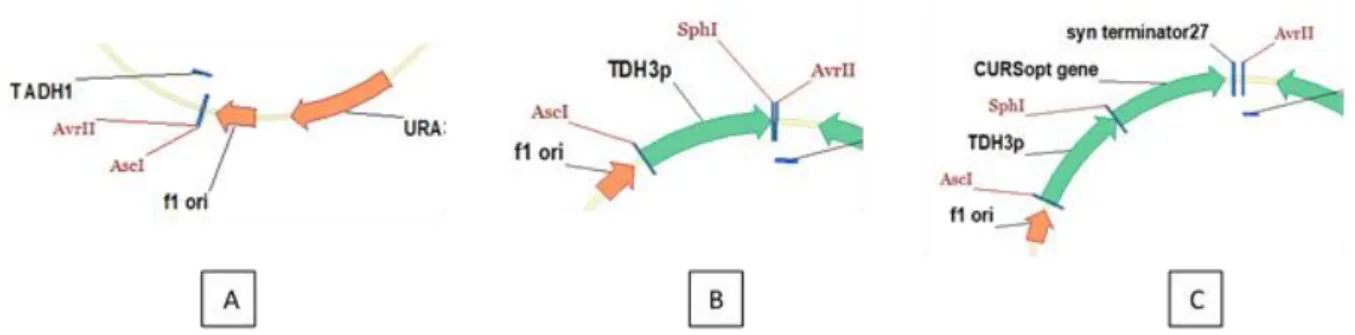
Figure 3: Strategy used to insert the third gene in pSP-GM1_DCS_At4CL_CURS1 ... 29
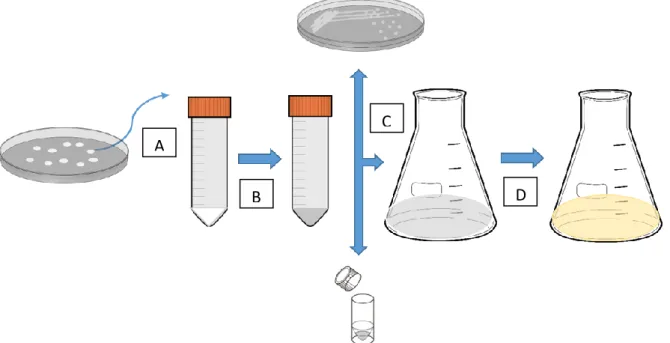
Figure 4: General scheme of the fermentation process ... 33
Figure 5: Synthetized gBlock ... 35
Figure 6: Scheme showing fdc1 after Cas9 cleavage and homologous recombination... 36
Figure 7: Growth curves of S. cerevisiae CEN.PK2-1C strain in YNB media supplemented with different concentrations of ferulic acid ... 40
Figure 8: Colony PCR agarose gel to confirm the insertion of L. erythrorhizon 4CL in pSP-GM1 ... 42
Figure 9: Digestion of pSP-GM1_At4CL to confirm the insertion of A. thaliana 4CL1 in pSP-GM1 ... 43
Figure 10: Colony PCR agarose gel to confirm the insertion of O. sativa CUS in pSP-GM1_Le4CL ... 44
Figure 11: Digestion of GM1_At4CL_CUS to confirm the insertion of O. sativa CUS in pSP-GM1_At4CL ... 45
Figure 12: Plasmids pSP-GM1_At4CL_CUS and pSP-GM1_Le4CL_CUS ... 45
Figure 13: A: Colony PCR agarose gel to confirm the insertion of codon-optimized DCS in pSP-GM1; B: Digestion of pSP-GM1_DCS to confirm the insertion of codon optimized DCS ... 46
Figure 14: A: Colony PCR agarose gel to confirm the insertion of A. thaliana 4CL1 in pSP-GM1_DCS; B: Digestion of pSP-GM1_DCS_4CL to confirm the insertion of A. thaliana 4CL in pSP-GM1_DCS. ... 47
Figure 15: A: Colony PCR agarose gel to confirm the insertion of TDH3 promoter in pSP-GM1_DCS_4CL; B: Digestion of pSP-GM1_DCS_4CL_TDH3 to confirm the insertion of TDH3 promoter in pSP-GM1_DCS_4CL. ... 48
Figure 16 : A: Colony PCR agarose gel to confirm the insertion of codon optimized CURS1 with synthetic terminator in pSP-GM1_DCS_4CL_THD3; B: Digestion of pSP-GM1_DCS_4CL_CURS1 to confirm the insertion of CURS1 with synthetic terminator_27 in pSP-GM1_DCS_4CL_THD3 ... 49
pathways in YNB -URA media supplemented with 2 mM of ferulic acid. ... 51
Figure 19: Growth curves of S. cerevisiae CEN.PK2-1C carrying the curcumin biosynthetic pathways in YPD media supplemented with 2 mM of ferulic acid ... 53
Figure 20: Yellow colour formation in the culture media ... 54
Figure 21: HPLC analyses of curcumin produced by recombinant S. cerevisiae CEN.PK2-1C carrying Le4CL_CUS pathway. ... 55
Figure 22: Growth curves of S. cerevisiae Y02321 carrying the curcumin biosynthetic pathway Le4CL_CUS in YNB -URA media supplemented with 16 mg/L of ferulic acid. ... 56
Figure 23: Colony PCR agarose gel to confirm the insertion of gBlock in pCRCT. ... 59
Figure 24: Alignment of the fdc1 gene sequence against the sequencing results obtained by colony PCR of the fdc1 gene after pCRCT_gblock curing. ... 60
Figure 25: 5’3’ Open Reading Frames after 8 bp deletion in fdc1 gene. ... 61
Figure B1: pSP-GM1 plasmid map with its main features. ... 76
Figure B2: pCRCT plasmid map with its main features. ... 76
Figure F1: Dry weight calibration curve. ... 82
Figure F2: Ferulic acid calibration curve obtained by HPLC. ... 82
Figure F3: 2-Methoxy-4-vinylphenol calibration curve obtained by HPLC. ... 83
L
IST OF TABLES
Table 1: Some curcumin effect in anticancer activity ... 4
Table 2: Some of the therapeutic effects of curcumin. ... 5
Table 3: Identity and kinetic parameters of DCS, CURS1, CURS2 and CURS3 from Curcuma longa ... 9
Table 4: Some works in the heterologous production of some phenolic plant compounds using S. cerevisiae as host system. ... 15
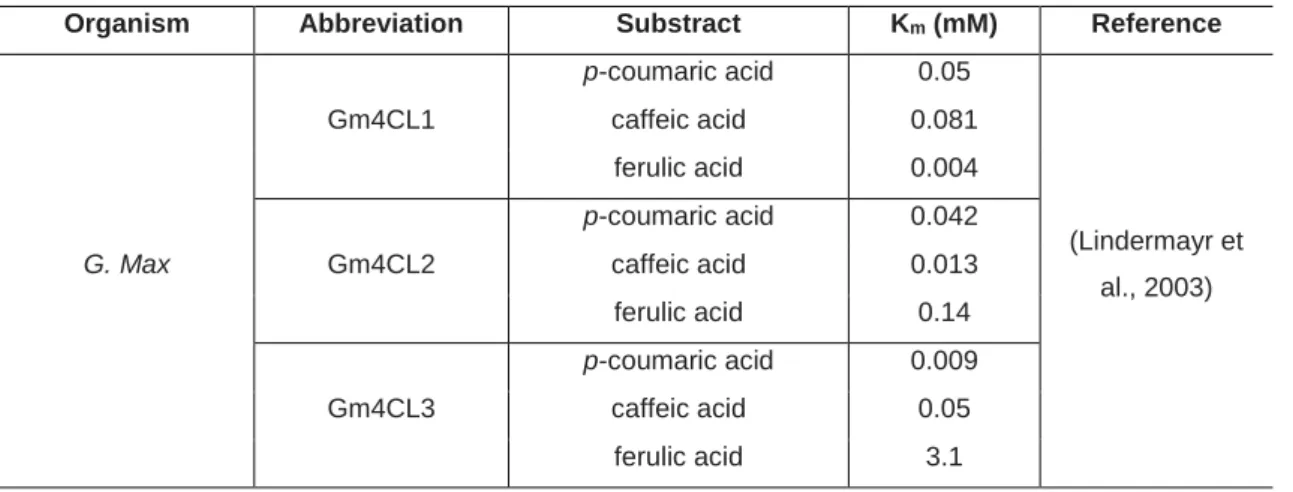
Table 5: Kinetic parameters of the three isoforms of 4CL from Glycine max ... 17
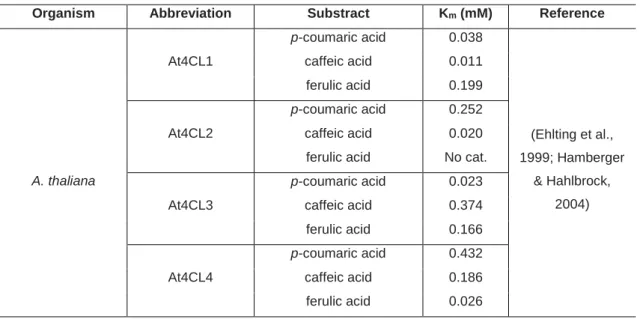
Table 6: Kinetic parameters of the three isoforms of 4CL from Arabidopsis thaliana ... 18
Table 7: PCR conditions used to amplify the genes and TDH3 promoter ... 30
Table 8: Ferulic acid and 2-Methoxy-4-vinylphenol concentrations obtained during fermentation of S. cerevisiae CEN.PK2-1C in YNB media supplemented with different concentrations of ferulic acid. ... 41
Table 9: Ferulic acid and 2-methoxy-4-vinylphenol concentrations obtained by HPLC after fermentation of S. cerevisiae CEN.PK2-1C carrying the curcumin biosynthetic pathways in YNB media supplemented with 2 mM of ferulic acid. ... 52
Table 10: Ferulic acid and 2-methoxy-4-vinylphenol concentrations after fermentation of S. cerevisiae CEN.PK2-1C carrying the curcumin biosynthetic pathways in YPD media supplemented with 2 mM of ferulic acid. ... 53
Table 11: Curcumin produced by three different yeast cultures of S. cerevisiae CEN.PK2-1C carrying Le4CL_CUS pathway obtained from three colonies of the transformation plate ... 57
Table 12: Curcumin production by three different yeast cultures of S. cerevisiae CEN.PK2-1C and of S. cerevisiae Y02321 carrying Le4CL_CUS pathway obtained from six colonies of the transformation plate. ... 58
Table 13: Curcumin extracted with three different methods from the same culture ... 62
Table A1: Escherichia coli and Saccharomyces cerevisiae strains used in this work ... 75
Table B1: Plasmids used in this study. ... 77
Table E1: Colony PCR conditions used to confirm the insertion of the genes in the plasmid. 80 Table E2: Colony PCR conditions used to confirm the insertion of the genetic parts in the plasmid. ... 80
A
BBREVIATIONS
4CL 4-coumarate-CoA ligase
ACC Acetyl-CoA carboxylase AP-1 Activator protein 1
Asn Asparagine C4H Cinnamate-4-hydroxylase
CCoAOMT Caffeoyl-CoA O-methyltransferase CDK Cycling dependent kinase
CHO Chinese hamster ovarian cell
CoA Coenzyme A
COMT Caffeic acid O-methyltransferase COX2 Cycle oxigenase 2
CQT p-Coumaroyl quinate
CST p-Coumaroyl shikimate transferase CURS Curcumin synthases
CUS Curcuminoid synthase Cys Cysteine
DCS Diketide-CoA synthase FDC Ferulic acid decarboxylase FGF Fibroblast growth factor GRAS Generally regarded as safe His Histidine
HIV Human Immunodeficiency Virus
HPLC High-performance liquid chromatography HPTLC High-performance thin-layer chromatography iNOS Inducible nitric oxide synthase
JEFCA Joint FAO/WHO Expert Committee on Food Additives JNK Jun N-terminal kinases
Kcat Turnover rate
Km Michaelis-Menten constant
LTR Long terminal repeat MMP Matrix metalloproteinase
MRP Multidrug resistance related proteins MS Mass spectrometry
NAD(P)H Nicotinamide adenine dinucleotide phosphate NF-ĸb Nuclear factor ĸB
OD600nm Optical density at 600 nm
PAD Phenylacrylic acid decarboxylase PAIN Pan-Assay Interference Compound
PAL Phenylalanine ammonia lyase PCR Polymerase chain reaction
PKS Polyketide synthase PLGA Poly (lactic-co-glycolic acid)
PPAR-ү Peroxisome proliferator activated receptor ү
SDS-PAGE Sodium dodecyl sulfate polyacrylamide gel electrophoresis STS Stilbene synthase
TAL Tyrosine ammonia lyase
TBARS Thiobarbituric acid reactive substances TFA Trifluoroacetic acid
TNF-α Tumor necrosis factor α UV Ultra-violet
VEGF Vascular endothelial growth factor yEP Yeast episomal plasmids
yIP Yeast integrative plasmids YNB Yeast nitrogen base
YNB -URA Yeast nitrogen base with the required nutrients lacking uracil YNB +URA Yeast nitrogen base with the required nutrients including uracil YPD Yeast extract peptone dextrose
S
COPE
Cancer has a major impact on society being responsible for 8.8 million of deaths in 2015 and representing the second leading cause of death worldwide. The number of new cases is expected to rise by about 70 % over the next two decades (World Health Organization, 2017). Great efforts have been made to find therapeutic compounds and ways to produce them to reduce cancer mortality.
Curcumin has been studied extensively due to its anticancer activity. Its effect during the various stages of carcinogenesis have been reported, pointing this compound as a potential natural drug for cancer treatment. Apart from its anticancer activity, curcumin seems to be a very interesting molecule because it presents other biological activities. However, curcumin extraction from plants is time-consuming and inefficient since pure curcumin is not obtained. Moreover, it is hard to chemically synthesize hampering its utilization. The use of microorganisms to produce curcumin presents itself as an innovative and economical solution. The yeast Saccharomyces cerevisiae, besides the extensive toolbox of genetic modifications and fermentative strategies, possesses the GRAS classification which facilitates further applications in the pharmaceutical industries. The current work was developed under this scope, aiming the production of curcumin by an engineered yeast.
1 S
TATE
-
OF
-
THE
-
ART
Curcumin
The secondary metabolism refers to the metabolic pathways that lead to compounds that are not involved in the processes of growth, development and reproduction (Kossel, 1891). Plants produce a wide variety of secondary metabolites and such compounds are characterized by their low abundance and also to be stored in specific organs or cells. They are responsible for plant adaptation to the environment acting as protectors against pathogens and animals, absorbing UV light, among others (Bourgaud et al., 2001). These compounds are classified according to their biosynthetic pathway and are divided in three large families: phenolics, terpenes and steroids, and alkaloids (Harborne and Baxter, 1999). For centuries, the secondary metabolites have been used in traditional medicine due to their biological activity, and nowadays they are also used in pharmaceutics, cosmetics, fine chemistry and others (Bourgaud et al., 2001).
Turmeric (Curcuma longa) is a perennial herb native from India belonging to ginger family and extensively cultivated in southeast tropical Asia. Its rhizome is the most useful part and has been used in culinary as spice, in traditional medicine and as coloring agent in foods and textiles. Curcuminoids are secondary metabolites produced by C. longa and represent the most active compounds of the plant. They have been widely used as yellow food coloring, in drugs and cosmetics (Aggarwal et al., 2007). Chemically, they are classified as polyphenols more specifically diarylheptanoids. There are three major types of curcuminoids in C. longa: curcumin, demethoxycurcumin and bis-demethoxycurcumin (Figure 1). In general, the term curcumin is used to designate all the curcuminoids (Anand et al., 2008). Curcumin [IUPAC name (1E, 6E)-1,7-bis-(4-hydroxy-3-methoxy-phenyl)-1,6-heptadien-3,5-dione; CAS number: 458-37-7] is an orange-yellow crystalline powder water insoluble (but soluble in ethanol and other organic solvents) and was described in 1910 by Lampe and Milobedeska. The molecular formula of curcumin is C21H20O6 and it has a molecular weight of 368.37g/mol. Today there
are more than 120 known species of Curcuma and pure curcumin is obtained from them by solvent extraction and subsequent crystallization. The amount of curcuminoids that can be
extracted varies among different species and it depends heavily on the geographical conditions (Esatbeyoglu et al., 2012).
1.1.1 Biological activity
Curcumin was first isolated in 1815 by Vogel and Pelletier. Later in 1937 the first study of its effect in human disease was published, and in 1949 its antibacterial activity was reported by Schraufstätter and Bernt. In the last five decades, several studies confirmed the biological effects of curcuminoids in humans and its therapeutic effects were widely described making curcumin one of the most studied naturally-derived therapeutic products (Aggarwal et al., 2007; Epstein et al., 2010; Esatbeyoglu et al., 2012; Joe et al., 2004; Maheshwari et al., 2006; Zhang et al., 2013).
1.1.1.1 Anticancer activity
The effect of curcumin has been studied in various human carcinomas, namely liver (Chuang et al., 2000), skin (Huang et al., 1995; Jiang et al., 2015), pancreatic(Li et al., 2005), prostate (Dorai et al., 2001), ovarian (Cai et al., 2013), lung (Yang et al., 2012), head and neck (Azuine and Bhide, 1994; Tanaka et al., 1995) cancers, among others. The anticancer activity of this compound is diverse (Table 1), targeting various levels of regulation during the various stages of carcinogenesis from DNA mutation to the metastasis and apoptosis (Perrone et al., 2015; Wilken et al., 2011).
1.1.1.2 Other biological activities
Several studies confirmed other curcumin biological activities besides anticancer. The antioxidant activity is one of the most documented effects of curcumin and its derivatives. Curcumin showed to act as antioxidant inhibiting lipid peroxidation and other oxidative damages. For example, Unnikrishnan and Rao (1995) concluded that curcumin provided a protection to hemoglobin from oxidation induced by nitrogen dioxide. The antioxidant effect is related to the presence of phenolic and methoxy groups that contribute to the free-radical-scavenging (Ruby et al., 1995; Sharma, 1976; Sugiyama et al., 1996). Curcumin showed the strongest free-radical-scavenging activity relatively to other curcuminoids due to its electrochemical properties (Motterlini et al., 2000). In addition to antioxidant activity, curcuminoids present numerous properties that are beneficial to human health (Table 2).
Table 1: Some curcumin effect in anticancer activity.
Curcumin effect description References
Effect on transcription factors
-Suppresses the expression of gene products involved in carcinogenesis and tumor growth (such as COX2);
(Weir et al. 2007; Park et al., 2005; Tharakan et al. 2010)
Effect on cell cycle regulation
-Upregulates the expression of the Cip/Kip family of CDK inhibitors, thus inhibiting the association of cyclin D1 with CDK4 and CDK6;
-Decreases phosphorylation of Rb and suppresses transcription of E2F-regulated genes;
(Park et al. 2002); Mukhopadhyay et al. 2002)
Effect on apoptosis
-Selectively induces apoptosis in G2 phase tumor cells via upregulation of p53 expression and initiation of mitochondrial apoptotic pathway via increased Bax expression and cytochrome c release;
-Stimulatory effect in extrinsic apoptosis, triggered by the binding of “death activators” such as TNF-α and Fas Ligand to their cell surface receptors;
-Promotes the aggregation of Fas receptors and increases the levels of caspase-8 and -3;
(Bush et al., 2001; Wang et al., 1995; Weir et al., 2007)
Effect in autophagic cell death
-Inhibits the Akt/mTOR/p70S6 kinase pathway and ERK1/2 pathway, involved in the regulation of autophagy induced by nutrient stress leading to G2/M cell cycle arrest and non-apoptotic autophagic death;
(Jia et al., 2009; O’Sullivan-Coyne et al.,, 2009)
Effect on angiogenesis and
metastasis
-Regulates a variety of pro-angiogenic growth factors, enzymes and transcription factors including bFGF, VEGF, angiopoetin-1 and 2, COX-2, MMP-9, AP-1 and NF-κB; -Inhibits the angiogenic response to FGF-2 stimulation; -Decreases the levels of the angiogenic biomarkers COX-2 and VEGF;
-Affects cellular adhesion molecules involved in the processes of tumor growth and metastasis
(Gururaj et al., 2002; Mohan et al., 2000; Ray et al., 2003; Yoysungnoen et al., 2006)
Table 2: Some of the therapeutic effects of curcumin.
Curcumin effect description References
Anti- inflammatory -Inhibits molecules that mediate the inflammatory
response like COX-2, iNOS through suppression of NF-ĸB; (Jobin et al., 1999)
Anti-diabetic
-Inhibits nuclear factor kappa beta; -Inhibits protein carbonyl, lipid peroxidation and lysosomal enzyme activities;
-Decreases the levels of TBARS (Thiobarbituric acid reactive substances) and the activity of SDH (Sorbitol dehydrogenase);
-Induces PPAR-y (peroxisome proliferator activated receptor gamma);
-Can elevate plasma insulin level and increase lipoprotein lipase activity;
-Activates enzymes associated with glycolysis, glycogenic and lipid metabolism in liver;
(El-Moselhy et al, 2011; He et al., 2012; Seo et al., 2008)
Anti-Alzheimer’s
- Decreases the accumulation of amyloid β-peptide, and markers of oxidative stress and inflammation in the cerebral cortex;
- Stimulates neuroplasticity by acting on Nrf2 and promoting the expression of superoxide dismutase, catalase, sulfaredoxin, thioredoxin, peroxiredoxin systems, glutathione peroxidase, glutathione reductase, γ-glutamine cysteine ligase and γ-glutamine cysteine synthase, quinone recycling (NAD(P)H quinone oxidoreducase, and heme oxygenase 1;
(Farooqui, 2016; Yang et al., 2005)
Anti-Parkinson
- Inhibits aggregation of α-synuclein;
- Regulates proteins involved in iron metabolism; - Inhibits JNK (c-Jun N-terminal kinases) phosphorylation;
(Mythri and Bharath, 2012; Wang et al., 2010)
Anti-HIV
-Inhibits HIV-1 LTR gene expression;
-Inhibits p24 antigen production through transcriptional repression of LTR;
-Inhibits HIV-1 and HIV-2 proteases activities; -Inhibits HIV-1 integrases activity;
-Inhibits the acetylation of HIV-Tat protein.
(Abraham et al., 1993; Mazumder et al., 1997)
In addition to the properties reported in Table 2 there are many more documented biological and medical properties of curcumin in arthritis, pancreatitis, muscle regeneration, cystic fibrosis, against cataract formation, in lung and liver injuries, wound healing and scarring and in cholesterol lowering and cardiovascular diseases among others (Aggarwal et al., 2007). However, contradictory information regarding curcumin biological activities had been discussed, mainly in the review article by Nelson et al. (2017). The authors questioned first the use of different types of curcumin in in vivo tests and clinical trials, usually a curcuminoid mixture, while in in vitro tests, generally pure synthetic curcumin is used. Secondly, they mentioned that curcumin appears to be a PAIN (pan-assay interference compound) exhibiting all known PAIN-type behaviour like covalent labelling of proteins, membrane disruption, fluorescent interference and structural decomposition causing false-positive results in in vitro assays. Despite the reported biological activities in the literature, the authors referred its low half life time at physiological conditions, its photoreactivity, solvolysis and oxidative degradation responsible for the misleading results because the biological effect may be caused by a degradation product. Curcumin also displays undesirable physiochemical properties relative to known drugs like forming chemical aggregates and water insolubility. Regarding pharmacokinetic and pharmacodynamic properties the authors concluded that they are poor due to low absorption, distribution in the body, high potential to be metabolized and excreted. Also, curcumin exhibited toxicological effects due its iron chelation activity. The authors also referred that curcumin never shown to be conclusively effective in a randomized, placebo-controlled clinical trial and concluded that curcumin is “reactive, nonbioavailable and therefore a high improbable lead” compound. However, Padmanaban and Nagaraj (2017) state that the conclusions taken by Nelson et al. (2017) cannot be drawn and show several examples, including clinical trials, where significant beneficial effect of curcumin was observed. In conclusion, the authors agree that a cautionary approach is welcome, but that curcumin has an enormous potential.
1.1.2 Bioavailability
Curcumin is considered as a safe and novel drug for the treatment of a wide range of diseases. In numerous phase I studies, adverse effects were not observed in humans taking up to 12 g of curcumin per day orally (Vareed et al., 2008). The Joint FAO/WHO Expert Committee on Food Additives (JECFA) set an acceptable daily intake value of 0-3 mg/kg body weight per day for curcumin in 2004. In 2009, Sabinsa Corporation received a “generally regarded as safe” (GRAS) status for the branded ingredient Curcumin C3 Complex® (Majeed et al., 2002) after a review of safety and toxicology data by Soni & Associates, Inc.
Studies on bioavailability of curcuminoids have been performed in numerous investigations in rodents and also in humans. Despite curcumin presenting a wide range of therapeutic applications, its bioavailability is low due to a relatively low absorption in intestine, rapid metabolism in liver and elimination through the gall bladder if administered orally. It is only significantly detected in plasma or in tissues after administration of high oral doses (Yang et al. 2007). Curcumin is conjugated with glucuronic acid and sulfate in enterocytes, these conjugates are actively transported out of the cells through the multidrug resistance related proteins (MRP) which accounts for its low bioavailability (Wortelboer et al., 2003).
To solve the curcumin low bioavailability, it is necessary to improve its solubility in aqueous solutions. The solubility of curcumin can be increased by the formation of complexes with metal ions. More recently, other methods showed to improve curcumin bioavailability using piperine, nanoparticles, liposomes or phospholipids (Basnet and Basnet, 2011). Piperine works as an adjuvant that blocks the curcuminoids metabolism. However, the use of adjuvants may represent a problem because a lot of xenobiotics are detoxified by the same pathway (Shoba et al., 1998). Therefore, new approaches are being tested to delivery drugs using targeted drug delivery system such as nanoencapsulation. Xie et al. (2011) confirmed that the use of PLGA (poly (lactic-co-glycolic acid)) nanoparticles elevates the oral bioavailability of curcumin. The same results were obtained using lecithin liposomes and cyclodextrin. In addition, the use of analogs of curcumin demonstrated to increase the bioavailability and enhanced the therapeutic effects (Yallapu, et al. 2010; Takahashi, et al. 2009).
Curcuminoid biosynthetic pathway in Curcuma longa
Ramirez-Ahumada et al. (2006) reported the first work that identified the enzymes involved in the synthesis of curcumin confirming the involvement of the phenylpropanoid pathway that channels the carbon flow from primary metabolism to different branch pathways of secondary metabolism which includes the synthesis of curcumin. Curcumin, as also other curcuminoids, consists of two phenylpropanoid units derived from phenylalanine connected by a central carbon derived from malonyl-CoA and this reaction is catalysed by type III PKS (Polyketide synthase) enzymes.
The enzyme phenylalanine ammonia lyase (PAL) is the first enzyme of this pathway and it represents a branch point between primary (amino acids metabolism) and secondary metabolism (phenylpropanoid pathway). It catalyses the formation of cinnamic acid that is converted to p-coumaric acid by cinnamate-4-hydroxylase (C4H). Next, there are two different ways for p-coumaric acid metabolism. First, it may be converted in other hydroxycinnamic analogues namely ferulic acid by 4-coumarate 3-hydroxylase (C3H) and caffeic acid O-methyltransferase (COMT) having caffeic acid as intermediate, or it can be activated by condensation with malonyl-CoA to form the corresponding CoA ester. This reaction is catalysed by 4-coumarate-CoA ligase (4CL). 4CL acts in multiple substrates, activating also the other analogues. After activation, p-coumaroyl-CoA can also be converted to the other activated analogues, caffeoyl-CoA and feruloyl-CoA by a set of enzymes which include p-coumaroyl shikimate transferase (CST) and caffeoyl-CoA O-methyltransferase (CCoAOMT). The CoA esters are converted to curcuminoids by PKS. However, Ramirez-Ahumada et al., (2006) despite detectable curcuminoid synthase activity in in vitro assays, were not able to characterize the enzyme(s) responsible for the reaction. The CoA esters are essential intermediates not only in the biosynthesis of curcumin but also in the biosynthesis of other plant phenolic secondary metabolites exalting the importance of the phenylpropanoid pathway in plant secondary metabolism (Ehlting et al., 1999).
Furthermore, Katsuyama and collaborators (2007) proposed a pathway for the curcuminoids synthesis in C. longa including two type III PKS. One, named diketide-CoA synthase (DCS), catalyses the formation of feruloyl-diketide-CoA from feruloyl-CoA and
curcumin. DCS and CURS1 also accept p-coumaroyl-CoA to form bis-desmethoxycurcumin but with low efficiency. Later, the same authors (Katsuyama et al. 2009) characterized two other type III PKS, CURS2 and CURS3. In vitro analyses confirmed distinct substrates specificities for these enzymes. CURS2 uses preferentially feruloyl-CoA while CURS3 uses feruloyl-CoA and also p-coumaroyl-CoA. The existence of three different CURS could be the reason to explain the distribution of three curcuminoids in C. longa. CURSs and DCS share a conserved Cys-His-Asn catalytic triad and more than 60% identity (Table 3).
Table 3: Identity and kinetic parameters of DCS, CURS1, CURS2 and CURS3 from Curcuma longa.
Curcuminoid biosynthetic pathway in C. longa is represented in Figure 2.
Enzyme Identity w/ DCS Identity w/ CURS1 Identity w/ CURS2 Identity w/ CURS3 Subtract Km (µM) Kcat (s-1) Reference DCS 62% 62% 66% Feruloyl-CoA - 0.020 (Katsuya ma et al. 2009a; Katsuya ma et al. 2009b) Malonyl-CoA 8.4 0.011 CURS1 62% 78% 81% Feruloyl-CoA 18 0.018 Coumaroyl-CoA 189 0.014 CURS2 62% 78% 81% Feruloyl-CoA 4.3 0.007 Coumaroyl-CoA 89 0.016 CURS3 66% 81% 81% Feruloyl-CoA 2.2 0.003 Coumaroyl-CoA 2.4 0.006
Figure 2: Curcuminoid biosynthetic pathway in Curcuma longa. Cinnamic acid is synthesized from phenylalanine by
phenylalanine ammonia lyase (PAL) and converted to p-coumaric acid by cinnamate- hydroxylase (C4H). Then, 4-coumarate-CoA ligase (4CL) converts coumaric acid to coumaroyl-CoA and coumaroyl shikimate transferase (CST), p-coumaroyl 5-O-shikimate 3’-hydroxylase (CS3’H) and caffeoyl-CoA O-methyltransferase (CCoAOMT) converts it to feruloyl-CoA. p-coumaroyl-CoA and feruloyl-CoA are then converted by diketide-CoA synthase (DCS) to diketide-CoAs by condensation with malonyl-CoA. In the end, curcumin synthases (CURSs) catalyze the formation of curcuminoids by condensing the diketide-CoAs with p-coumaroyl-CoA and feruloyl-CoA. Depending on the combination, different curcuminoids are produced, namely bis-demethoxycurcumin, demethoxycurcumin and curcumin. The route indicated by dashed arrows corresponds to a less central phenylpropanoid pathway and may not occur in vivo in C. longa (taken from Rodrigues et al. 2015).
Heterologous production of curcuminoids
Plant secondary metabolites, such as curcuminoids, are accumulated in low quantities, are very difficult to isolate and hard to chemically synthesize. Given all the benefits of curcuminoids it is necessary to produce these compounds in significant amounts and preferentially in an inexpensive way. The heterologous production seems to be the better approach for this purpose once. In addiction, heterologous production has the advantage of producing pure curcumin as opposed to when it is extracted from turmeric where a curcuminoid mixture is obtained.
Heterologous production in plants, on the first hand, has the advantage of requiring the introduction of only one or two genes because the other genes from the phenylpropanoid pathway are already present. Moreover, unlike bacteria, they are capable of eukaryotic post-translational modifications, such as glycosylation. On the other hand, transgenic plants are not well accepted in the public domain and genetically modified crops have high costs (Streatfield, 2007). However, cultures of plant cells have been used to investigate the production of secondary metabolites and plant-cell models carried-out in liquid medium are being developed like hairy roots or cell suspension cultures. These models proved to be adaptable to large scale reactor. For example, various plants have been used for the production of trans-resveratrol constitutively in in vitro conditions (Streatfield, 2007). The concentrations of trans-resveratrol that can be produced with the use of plant cell cultures is at least equal to that reported as naturally occurring in the plant (Donnez et al., 2009). The use of microorganisms has several advantages because they can grow in inexpensive substrates, are easier to manipulate and have fast production cycles allowing a faster and larger production. Also, microbes usually do not have competing pathways to transgenic metabolism making large-scale fermentation and downstream purification easier (Jeandet et al., 2012). In addition, the regulations for genetically modified microorganisms are simpler than those for plants (Key et al. 2008).
Mammalian cells represent another alternative host for the curcuminoid synthesis. The gene expression in mammalian cells needs a suitable cell line being the most widely used the Chinese hamster ovary (CHO). The use of animal cells has the advantage of enabling post-translational modifications, an accurate folding, an efficient assembly of subunits and the secretion of recombinant proteins. Nevertheless, the costs associated with the use of
mammalian cells is high and not suitable to scale-up (Khan, 2013). Zhang et al. (2006) used unnatural fusing proteins and transformed mammalian cells (human HEK293 kidney cells) to produce 0.34 µg/mL (cell volume) of resveratrol. Besides that, no other experiments were conducted using animal cells to produce other polyketides.
Curcuminoids have already been produced in heterologous hosts. Katsuyama et al. (2008) constructed the biosynthetic pathway of curcuminoids in E. coli constituting the first study demonstrating the production of curcuminoids in a heterologous organism. PAL from the yeast Rhodotorula rubra was the first enzyme of this biosynthetic pathway. The carboxylic acids were converted to CoA esters by 4CL from Lithospermum erythorhizon and then in curcuminoids by an enzyme called curcuminoid synthase (CUS) from Oryza sativa. CUS is a type III PKS able of catalyzing the “one-pot” synthesis of bis-demethoxycurcumin from two molecules of p-coumaroyl-CoA and one molecule of malonyl-CoA. It catalyzes both steps catalyzed by DCS and CURS in C. longa. The Cys-His-Asn catalytic triad is conserved in CUS and this enzyme can also accept cinnamoyl-CoA and feruloyl-CoA as substrates to produce dicinnamoylmethane and curcumin, respectively. The architecture of CUS has already been studied by Morita et al. (2010), the authors proposed that CUS has a unique down-ward-expanding active-site architecture allowing the condensation reaction without cyclization. Therefore, the use of CUS is a simpler system than the DCS/CURS system. Besides that, PAL from R. rubra was shown to possess tyrosine ammonia lyase (TAL) activity, thus tyrosine can also be used as precursor. Katsuyama et al. (2008) also overexpressed acetyl-CoA carboxylase (ACC) from Corynebacterium glutamicum to increase the intracellular pool of malonyl-CoA. In another experiment, phenylpropanoid acids were supplied to a system with only 4CL, CUS and ACC genes removing the PAL step to increase the CoA ester concentration. Recombinant E. coli produced 91 ± 23 mg/L of bis-demethoxycurcumin, 84 ± 15 mg/L of dicinnamoylmethane, and 113 ± 22 mg/L of curcumin.
Rodrigues et al. (2015) also produced curcuminoids in recombinant E. coli. The researchers tested three different 4CL enzymes from two different organisms and different PKS for curcuminoids production (CUS, DCS and CURS). Ferulic acid and/or p-coumaric acid were used as precursors. The best results were obtained using 4CL1 from Arabidopsis thaliana and DCS and CURS1 from C. longa producing 70 mg/L of curcumin. This system was also tested
feruloyl-CoA is the preferred substrate which is not in agreement with Katsuyama et al. (2008) results. In this work, the 4CL reaction was identified as the limiting step and the bioavailability of malonyl-CoA may have affected the amount of curcuminoids produced. More recently, Couto et al. (2017) using the same pathway and optimizing the fermentative conditions such as culture media or the inducer concentration, produced 353.4 mg/L which represents an yield of 95.93 %. Rodrigues et al. (2015) also produced curcumin using tyrosine through the production of caffeic acid as an intermediate.
Zhang et al. (2016) identified a new CURS enzyme from Zingiber officinale. This enzyme efficiently accepts 3-(4-hidroxyphenyl) propionyl-CoA to produce tetrahydro bisdemethoxycurcumin and also accepts the CoA esters used by CURS from C. longa to produce other curcuminoids. Moreover, this enzyme shares 81% identity with CURS1 and the highly conserved Cys-His-Asn catalytic triade is also present. In addition, the researchers constructed an unnatural fusion protein DCS::CURS and the transformed E. coli cells to produce curcumin from feruloyl-CoA.
More recently, Kim et al. (2017) designed a biosynthetic pathway for de novo synthesis of curcuminoids in E. coli. Two pathways were constructed; the first containing 4CL and CUS from O. sativa controlled by different promoters and another with the same genes regulated by the same promoter. The TAL gene from Saccharothrix espanaensis was also inserted together with 4CL and CUS. The engineered E. coli strains produced 0.32 mg/L and 0.09 mg/L of bisdemethoxycurcumin, respectively. After that, the curcuminoid productivity was also tested using a genetic modified E. coli strain for tyrosine overproduction. The same enzymes combination was used and the mutants produced a maximum yield of 6.02 mg/L. Besides that, dicinnamoylmethane, other curcuminoid, was produced from phenylalanine cloning PAL from A. thaliana in combination with 4CL and CUS from O. sativa.
Engineering Saccharomyces cerevisiae
The curcuminoids biosynthetic pathway has never been engineered in S. cerevisiae or in another organism apart from E. coli. Hereupon, engineering a new yeast to produce curcuminoids is an attractive approach. S. cerevisiae was the first eukaryotic organism whose genome was fully sequenced (Goffeau et al., 1996) and has been engineered to produce a
wide variety of compounds and proteins. Besides, the knowledge on its physiology, genetics and fermentations techniques is huge. Among all, S. cerevisiae has a food-grade status allowing its use in human nutrition and pharmaceuticals. Secondly, like E. coli, S. cerevisiae is easy to grow, manipulate and scale-up, it is well characterized and has been used to produce other polyketides. On the other hand, as an eukaryotic organism, it presents unique advantages over E. coli that facilitate the functional expression of plant derived genes. S. cerevisiae harbors post-translational machinery with intracellular compartments similar to plants. In addition, it has an endomembrane system and can functionally express cytochrome P450 containing enzymes such as C4H (Koopman et al., 2012). Another advantage is its excellent amenability to be manipulated through molecular and synthetic biology techniques, taking as example the development of new methods for rapid design and construction of large biochemical pathways like the “DNA assembler” (Shao et al. 2009; Yuan and Ching 2015). Glycosylation is the most abundant protein modification across all organisms (Larkin and Imperiali, 2011). On the other hand, S. cerevisiae has an extensive glycosylation level, referred as hyperglycosylation. The hyperglycosylation process may influence the solubility, folding and stability of foreign enzymes leading to its inactivation which could represent a problem for the heterologous production (Yin et al., 2007). In short, despite some possible difficulties, yeast seems to be the ideal host to produce curcuminoids. In the work of Beekwilder et al. (2006), resveratrol was produced with p-coumaric acid as precursor in engineered E. coli (16 mg/L) and in engineered S. cerevisiae (6 mg/L). These results do not imply that the engineered E. coli will produce larger amounts of products than the recombinant yeast as both growth conditions and strains could be further optimized. Flavonoids and stilbenoids have already been produced in engineered S. cerevisiae yielding positive results (Kim et al. 2005; Trantas et al. 2009; Zhang et al. 2006). In Table 4 are presented some works on the heterologous production of plant phenolic compounds using yeast as the host system.
Table 4: Some works on the heterologous production of some phenolic plant compounds using S. cerevisiae as the host
system. The concentrations are displayed in the same units that are present in the referred works.
Genes used Substrate (Concentration)
Production
(Concentration) Reference
Rhodotorula glutinis (PAL), Helianthus tuberosus (C4H, CPR) L-phenylalanine (1 mM) p-coumaric acid (498 µM) (Vannelli et al., 2007) Populus trichocarpa (4CL) Vitis vinifera (RS) p-coumaric acid
(10 mg/L) Resveratrol (1.38 µg/L) (Becker et al., 2003)
Arabidopsis thaliana (4CL1) Arachis. hypogaea (STS)
p-coumaric acid
(16 mg/L) Resveratrol (3.1 mg/L) (Shin et al, 2011)
R. toruloides (PAL) A. thaliana (C4H and 4CL1)
A. hypogaea (STS)
Tyrosine
(2 mM) Resveratrol (5.8 mg/L) (Shin et al., 2012)
Rhodosporidium toruloides (PAL) A. thaliana (4CL) Hypericum androsaemum (CHS)
Tyrosine and phenylalanine (65 mg/L each)
Naringenin (7 mg/L) (Jiang et al., 2005)
Optimization of the curcuminoid biosynthetic pathway
1.5.1 From amino acids to coenzyme A estersS. cerevisiae lacks the CoA esters, i.e. the starter substrates needed to produce curcumin. In addition, phenylalanine and tyrosine, naturally produced amino acids, which are converted into phenylpropanoic acids, and then in CoA-esters, are not produced in sufficient amounts representing a limiting step (Jiang et al., 2005; Kang et al., 2012). The aromatic amino acids biosynthesis is a branched pathway regulated at transcriptional, translational and allosteric levels. At allosteric level, the effector molecules are the end products, for example the reaction catalysed by chorismate mutase (the last common step in tyrosine and phenylalanine biosynthesis) is feedback-inhibited by tyrosine, but curiously no effect of phenylalanine is known (Schmidheini et al., 1990). Despite amino acids or phenylpropanoids can be supplemented to the culture medium, the use of tyrosine/phenylalanine overproduction strains represent the cheapest solution for this problem and has already been used. For instance, Koopman et al. (2012) using a mutated strain of S. cerevisiae with feedback
inhibition-resistance to produce naringenin, obtained larger amounts of the product comparatively with the wild type strain. Supplementing the media with curcumin precursors, ferulic acid or phenylalanine, makes the process expensive for industrial applications, therefore the development of strains capable of converting glucose or other simple carbon sources to curcumin represents also an important strategy for engineering processes. Li et al., (2015) constructed a pathway for de novo biosynthesis of resveratrol from glucose generating 2.73 + 0.05 mg/L of the polyphenol. In another experiment, to improve the flux towards aromatic amino acids, the researchers developed a feedback-inhibition resistant strain overexpressing chorismate mutase and 3-Deoxy-D-arabinoheptulosonate 7-phosphate (DAHP) synthase resulting in 4.85 + 0.31 mg/L resveratrol produced from 30 g/L glucose. Comparing these results with the resveratrol production yields shown in Table 4, the de novo production seems to be a very attractive approach for the polyphenol production in yeast mainly for industrial applications.
PALs from some plants, like Zea mays also have tyrosine ammonia lyase (TAL) activity, converting tyrosine to coumaric acid, the substrate of 4CL. PAL enzymes that allow p-coumaric acid to be produced without requiring the C4H step represent an advantage to prokaryotes because C4H is a membrane bound cytochrome P450-dependent (Rösler et al., 1997). Some authors reported their findings in bacterial TALs. TALs from Rhodobacter spaheroids and Rhodobacter capsulatus showed a clear preference for tyrosine instead of phenylalanine (Berner et al., 2006). In some works, using S. cerevisiae as the host for the production of stilbenoids and flavonoids, PAL and also C4H (this enzyme can be expressed in yeast due to the cytochrome P450 reductase activity) were used. C4H from A. thaliana and Glycine max were successfully cloned and expressed in S. cerevisiae, but its activity remains a rate limiting step since the endogenous cytochrome P450 reductase activity is not enough to support its expression (Trantas et al., 2009; Yan et al., 2005).
1.5.2 4-Coumarate-CoA reaction
The 4CL enzymes family catalyses the conversion of p-coumaric acid, ferulic acid and caffeic acid to the respective CoA esters. 4CL has been shown to occur in the form of multiple isoenzymes with distinct substrate affinities (Ehlting et al., 1999). Much of the work in the heterologous production of flavonoids and stilbenoids in S. cerevisiae used 4CL from G. max or A. thaliana (Table 5 and Table 6). This seems to be the better approach since these organisms are the best characterized in the plant kingdom. For example, A. thaliana possesses four isoforms of 4CL (At4CL1, At4CL2, At4CL3 and At4CL4). From the results of expression patterns and phylogenetic similarity, At4CL3 is suggested to play a role in flavonoid biosynthesis, while At4CL1 and At4CL2 are presumed to be involved in lignin production. At4CL4 exhibits a substrate preference to ferulic acid and sinapic acid over p-coumaric acid (Hamberger and Hahlbrock, 2004; Saito et al., 2013) which may be an advantageous strategy for the heterologous production of curcumin. Li et al. (2015) also tested if the use of different A. thaliana 4CL isoforms (4CL1 and 4CL2) would have an impact on the production of resveratrol by the engineered yeasts. The results confirmed that 4CL1 consistently resulted in slightly higher resveratrol titters than 4CL2 confirming the high activity of 4CL1 when p-coumaric acid is the substrate which agrees with the results obtained by Ehlting et al. (1999).
Table 5: Kinetic parameters of the three isoforms of 4CL from Glycine max
Organism Abbreviation Substract Km (mM) Reference
G. Max Gm4CL1 p-coumaric acid 0.05 (Lindermayr et al., 2003) caffeic acid 0.081 ferulic acid 0.004 Gm4CL2 p-coumaric acid 0.042 caffeic acid 0.013 ferulic acid 0.14 Gm4CL3 p-coumaric acid 0.009 caffeic acid 0.05 ferulic acid 3.1
Table 6: Kinetic parameters of the three isoforms of 4CL from Arabidopsis thaliana
Organism Abbreviation Substract Km (mM) Reference
A. thaliana At4CL1 p-coumaric acid 0.038 (Ehlting et al., 1999; Hamberger & Hahlbrock, 2004) caffeic acid 0.011 ferulic acid 0.199 At4CL2 p-coumaric acid 0.252 caffeic acid 0.020 ferulic acid No cat.
At4CL3 p-coumaric acid 0.023 caffeic acid 0.374 ferulic acid 0.166 At4CL4 p-coumaric acid 0.432 caffeic acid 0.186 ferulic acid 0.026
Jiang et al., (2005) designed an engineered S. cerevisiae for the production of flavonoids. For this purpose, the researchers cloned PAL from Rhodosporidium toruloides (RtPAL) (this PAL also shows TAL activity), 4CL from A. thaliana and chalcone synthase (CHS) from Hypericum androsaemum in a S. cerevisiae pad1 knockout strain. This gene encodes for phenylacrylic acid decarboxylase (PAD), an enzyme responsible for the reduction of cinnamic acid and p-coumaric acid. Using this engineered strain 5.8 mg/L of naringerin (flavonoid derived from tyrosine) and traces of pinocembrin (flavonoid derived from phenylalanine) were produced. Besides, to ensure the activity of each enzymatic step, the authors constructed yeast strains expressing each gene. To analyse the RtPAL activity, the concentrations of cinnamic acid and p-coumaric acid were measured in yeast expressing only RtPAL after induction. In order to analyse the At4CL activity, the crude protein mixture was extracted and the production of coumaroyl-CoA was followed by ultraviolet-visible spectroscopy. p-Coumaroyl-CoA was produced in yeasts transformed with At4CL and RtPAL and in yeasts transformed only with At4CL. Besides naringenin and pinocembrin, other flavonoids by-products were also quantified. The researchers concluded that the At4CL also accepts cinnamic acid but with low efficiency due to the lower level production of pinocembrin. The
enzymes in addition to PAD capable of degrading the p-coumaric acid. Since A. thaliana C4H was previously successfully expressed in S. cerevisiae (Pompon et al., 1996), the researchers hypothesized that the introduction of C4H would compete with PAD and/or the unknown endogenous yeast enzymes that degrade cinnamic acid and redirect the carbon flux to p-coumaric acid, thus enhancing the production of naringenin.
The choice of the right enzymes combinations is a key step to produce heterologous compounds like curcumin in yeast. The utilization of enzymes with multiple substrate affinities like 4CL and CURS, enzymes that reduce the number of reactions required such as TAL, as well as the deletion or overexpression of genes that may hinder the production process represent all strategies of optimization at the genetic level which should be considered.
1.5.3 Ferulic acid availability
Ferulic acid is the precursor of curcumin. In S. cerevisiae, ferulic acid can be decarboxylated and converted in 2-methoxy-4-vinylphenol by ferulic acid decarboxylase (FDC) as a detoxification process (Huang et al., 1993; Mukai et al., 2010). FDC is encoded by fdc1 and the utilization of a strain with fdc1 knockout could represent an optimization method for the production of curcumin in S. cerevisiae. The development of knockout strains has already proved to be useful in the synthesis of polyphenols in S. cerevisiae. Shin et al, (2011) produced resveratrol using a pad1 knockout S. cerevisiae strain. The deletion of PAD1 gene prevented the utilization of p-coumaric acid by yeast. Nevertheless, the development of a fdc1 knockout strain may be an interesting strategy because a possible ferulic acid consumption could be prevented and it can be all used for curcumin synthesis.
1.5.4 Synthetic biology techniques
For metabolic engineering purposes, linking genes together to generate a functional fusion protein offers an attractive strategy for increasing product yields. The use of fusion proteins also reduces the number of vectors in a heterologous expression system, which simplifies the reconstitution of metabolic pathways. In addition, protein-protein interactions
may increase metabolic efficiency either by channelling intermediates between enzymes or by locating two active sites in a close proximity. This hypothesis was tested by Zhang et al., (2006). The authors constructed a translational fusion protein of 4CL from A. thaliana and stilbene synthase (STS) from Vitis vinifera (4CL::STS) for the resveratrol biosynthesis in transformed S. cerevisiae. The fusion protein consisted of the 4CL with its stop codon replaced by a three-amino acid linker, followed by STS. The yeasts transformed with 4CL::STS fusion protein increased resveratrol production by up to 15-fold compared to transformants coexpressing 4CL and STS. More recently, Wang and Yu (2012) used a synthetic scaffolds strategy to produce resveratrol in yeast with the same enzymes and observed a 5.0-fold improvement over the non-scaffold control, and a 2.7-fold increase over the previous reported with fusion protein. This work demonstrated that the synthetic scaffolds can be used for the optimization of engineered metabolic pathways. Zhang et al., (2016) already produced an unnatural DCS and CURS fusion protein for heterologous production of curcuminoids in E. coli. The researchers used DCS from C. longa and the recently identified by CURS from Z. officinale. The yield of curcuminoids produced by DCS::CURS fusion protein was higher relatively to that produced by E. coli transformed with DCS and CURS. This was the first study in which fusion proteins were used to produce curcuminoids.
Codon optimization must be a strategy to consider, due to the existence of rare codons in heterologous genes, the expression of those genes can lead to translational errors, frameshifting events, stalling or premature translational termination, especially when transcripts containing rare codons accumulate in large quantities (McNulty et al., 2003). Codon optimization has been shown to improve activities of pathway enzymes relative to the ones from native genes and it is now a commonly used technique in the construction of heterologous pathways (Redding-Johanson et al., 2011). Wang et al. (2011) showed that codon optimization in S. cerevisiae drastically improved the production of resveratrol in vivo. In this work it was also demonstrated that expression of a non-specific transporter was important to increase the resveratrol productivity. Curcumin and resveratrol, like other polyphenols, accumulate in plant vacuoles (Dixon and Paiva, 1995) and the transportation of these compounds from vacuoles is not fully understood. Wang et al. (2011) also expressed the arabinose-H+ transport protein (AraE) in the engineered yeast. The transporter greatly
through lipid membranes when resveratrol levels are elevated over a threshold. Maybe a similar strategy could be useful to increase the curcuminoids production.
1.5.5 Malonyl-CoA availability
In the curcuminoids production it is necessary one molecule of malonyl-CoA to obtain the final product. However, malonyl-CoA inside the cell is at low concentrations which could represent a limiting step in the heterologous production of curcuminoids. Malonyl-CoA is naturally synthesized by ACC (catalyses the carboxylation of acetyl-CoA to malonyl-CoA) in microorganisms but it is used for the production of fatty acids and phospholipids, leaving only a very limited amount available for the production of secondary metabolites (Takamura and Nomura, 1988). The engineering of the microbial host to achieve metabolic balance between the need for malonyl-CoA for growth and secondary metabolite production is essential. In bacteria and plant cells, malonyl-CoA can be generated through the condensation of malonic acid. Studies on overexpression of a plant malonyl-CoA synthase in S. cerevisiae resulted in a 1.6 fold increase in lipid content, which suggested the increase of the malonyl-CoA pool (Tang et al., 2015). Engineering microorganisms with ACC genes from other organisms or changing the promoter of ACC to a strong constitutive promoter are strategies that have been used to develop engineered strains overproducing ACC (Miyahisa et al., 2005; Wattanachaisaereekul et al., 2008). ACC in yeast is subject to inactivation via phosphorylation by a kinase, called sucrose non-fermenting protein kinase (SFN1). Studies demonstrate that site mutations in ACC could enhance the supply of malonyl-CoA by inhibiting phosphorylation of ACC (Shi et al., 2014). Since ACC belongs to the family of biotin dependent carboxylases, the efficiency of ACC biotinylation controls its activity, and it has been reported that the reduced level of this vitamin affects the synthesis of fatty acids suggesting its role in malonyl-CoA production (Suomalainen and Keränen, 1963). For instance, to increase the pool of malonyl-CoA for resveratrol production in an engineered yeast, Shin et al. (2012) elevated the expression level of ACC1 transcript by replacing the native promoter for GAL promoter. The overexpression of the ACC1 gene resulted in 1.3-fold increase in resveratrol concentration.
Heterologous production in Saccharomyces cerevisiae
1.6.1 Culture mediaThe use of a proper culture medium may be the key point to obtain large quantities of the desired product. The optimization of the fermentation conditions should be an aspect to consider to produce curcumin in yeast. Sydor et al. (2010) studied the resveratrol synthesis from p-coumaric acid in S. cerevisiae expressing the At4CL1 and STS from V. vinifera growing in rich (YPD) or synthetic medium (SD) supplemented with 5 mM of p-coumaric acid. Yeasts grown in SD medium produced 6 mg/L of resveratrol, while in YPD medium 391 mg/L were produced. Therefore, the authors concluded that resveratrol productivity can be increased by fermentation in YPD instead of SD medium because higher amounts of biomass are obtained. Curcuminoids have never been produced in S. cerevisiae so there is no specific information on the culture media that can favour its production. The YPD medium is generally used in the production of other polyketides. However, the use of rich media has the disadvantage of not allowing the selection of transformants when auxotrophic markers are used. Rice bran pitch, an industrial waste obtained from rice bran in the production of rice oil and rich in ferulic acid, was used by Katsuyama et al. (2008) to produce curcumin in E. coli yielding 57± 21 mg/L of curcumin.
1.6.2 Vectors and promoters
In order to increase the productivity many factors must be considered including optimizing the pathway flux, using gene deletion or overexpression, as mentioned, as well as reducing the toxic intermediates and balancing the stress on the cell. Thereupon, the choice of the right expression vector is a key step in pathway engineering. Most expression plasmids allow the expression of only one gene. However, for the expression of an entire metabolic pathway, it is desirable to express more than one gene per plasmid unit. Different expression systems, such as yeast integrative plasmids (YIps) for integration of the desired gene into the
designed and developed. The use of plasmids imposes a metabolic burden on the host that usually reduces the growth rate of the cell. The two-step fermentation is a commonly used strategy to compensate this metabolic burden. The vector copy number is very important because not always a high copy number is desired. High copy plasmids rely the 2µ origin of replication which allows about 30 copies per cell (Mumberg et al., 1995). This kind of plasmid allows a strong gene expression which can cause an excessive burden resulting in instability of the construct. The low copy plasmids have an autonomously replication sequence paired with centromere to allow stable maintenance at very low copy (Parent et al., 1985). Low copy plasmids provide a more stable expression platform, but with lower gene expression. However, when YEps is used a selective pressure is required. YIps provide the most stable platform and does not require continuous selective pressure but the expression levels are lower. Jordan and Nash (2015) studied the plasmid loss rate in S. cerevisiae harbouring YEpd in the absence of selective pressure. The authors concluded that yeast maintain the plasmids much longer than expected suggesting that growth in non-selective medium may be a viable method. Usually, the selective pressure is exerted by an auxotrophic marker which makes impossible the use of rich media. Sydor et al. (2010), mentioned above, used 2µ plasmids with an antibiotic resistance marker making possible the use of rich media.
The choice of the promoter controlling the expression of the pathway genes is also very important. S. cerevisiae has a set of well characterized promoters with different expression levels (Partow et al., 2010). These promoters can be grouped by the type of control, i.e. constitutive and inducible. Inducible promoters have the advantage of being able to control enzyme levels but have the disadvantage that the inducer molecules for these systems have known pleiotropic effects as also the cells may consume the inducers, galactose for instance, decreasing the gene expression (Mumberg et al., 1995).
Curcumin extraction, quantification and characterization
The extraction is an essential step to obtain compounds produced in heterologous organisms, because if the extraction process is not efficient the whole process is compromised. Curcuminoids are purified by solvent extraction in turmeric and this method was also used in the works in which the curcuminoids were produced in E. coli. After the