Faculdade de Ciências da Saúde
Comparative study of the prevalence, clinical features,
sensitisation profiles and risk factors for Bronchial Asthma
between elderly and young adults in Cova da Beira
·
Junho 2010 ·
Dissertação para obtenção do grau de Mestre em Medicina
i
Dissertação para obtenção do grau de Mestre em Medicina
Comparative study of the prevalence, clinical features,
sensitisation profiles and risk factors for Bronchial Asthma
between elderly and young adults in Cova da Beira
2010
ii
Mestre em Medicina
Título: Comparative study of the prevalence, clinical features, sensitisation profiles and
risk factors for Bronchial Asthma between elderly and young adults in Cova da Beira
Orientador: Professor Doutor Luís Taborda Barata, M.D., Ph.D.
iii À minha avó
iv
Índice geral
Dedicatória………..……… ……iii ABSTRACT ... 1 KEYWORDS ... 3 RESUMO ... 4 PALAVRAS-CHAVE ... 6 INTRODUCTION ... 7MATERIALS & METHODS ... 10
1. Study Design and Sample Selection ... 10
2. Patient recruitment ... 10
3. Questionnaire ... 11
4. Definition of bronchial asthma and allergic bronchial asthma ... 11
5. In vivo analysis of atopy (skin-prick tests) ... 12
6. Statistical analysis ... 13
RESULTS ... 14
Patient recruitment ... 14
Comparative prevalence of bronchial asthma in young and elderly patients ... 16
Clinical Features of bronchial asthma in Young Adults and Elderly patients ... 18
Comparative prevalence of atopy in young and elderly asthmatic patients ... 20
v DISCUSSION ... 25 Future Prospects ... 34 ACKNOWLEDGEMENTS ... 35 REFERENCES ... 36 Appendix ... 41
vi
Índice de Figuras
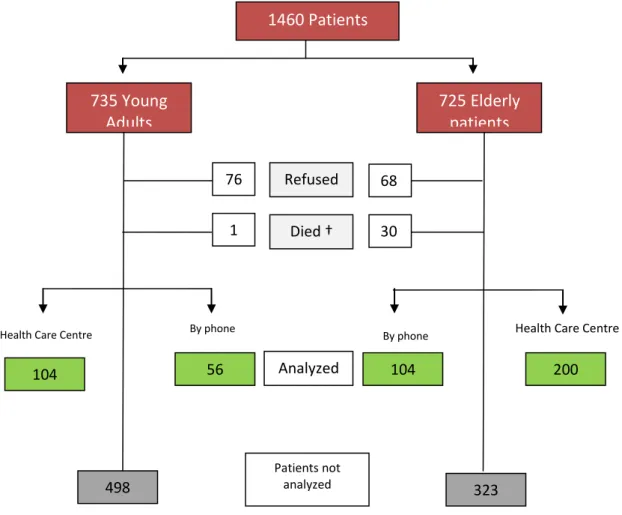
Figure 1 – Flow chart showing patient selection process 14
Índice de tabelas
Table 1-Demographic characterization of elderly and young patients 15 Table 2- Relevant demographic information, tobacco habits and
household characteristics in asthmatic patients Table 3 Comparative clinical features of young adults and elderly
asthmatic patients.
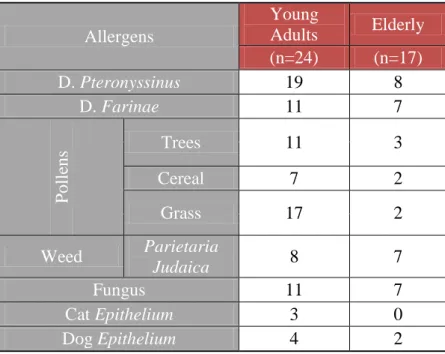
Table 4- Pattern sensitization to different allergens in Young and Elderly asthmatic patients.
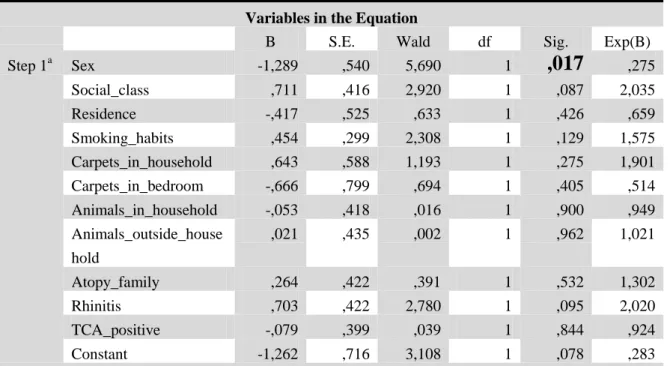
Table 5-Binary logistic regression for elderly patients with asthma as a dependent variable.
Table 6- Binary logistic regression for Young Adult patients with asthma as a dependent variable.
Table 7 Assessment of magnitude of risk factors for asthma in groups under study
17 19 21 23 24 24
and young adults in Cova da Beira
Abstract
1
ABSTRACT
Background: Bronchial asthma is one of the most common allergic diseases
worldwide. Very few studies have analysed whether the prevalence of asthma decreases with age. Therefore, the aim of the present study was to compare the prevalence, pattern of aeroallergen sensitization and clinical features of bronchial asthma between elderly and young adults. In addition, we also wanted to analyse possible risk factors for the development of asthma.
Methods: This study followed a cross-sectional design. A standardised allergy and
asthma questionnaire and skin prick tests (SPT) were carried out in all volunteers. The study population included two groups of individuals: elderly (aged 65 years and older) and young adults (aged between 18-35 years) from Beira Interior. The sample was selected by simple randomization, after calculating a confidence interval of 95% and an estimated error below 5%. Statistical analysis was carried out using Chi-square tests, Mann-Whitney U test, univariate regression analysis, binary logistic regression analysis and Odds Ratio. A p value less than 0.05 was considered statistically significant. All patients signed a written informed consent and the study was approved by the Regional Health Authority Ethics Committee.
Results: A total sample of 1460 volunteers was included. Thus far, we have analyzed a
total of 27.6% of elderly volunteers in the Health Care Centre (median age = 73 years; 41.5% males) and 14.1% of the young group (median age = 28 years; 44.2% males). A short questionnaire was applied by telephone to 11% of the total sample. We found significant differences in the prevalence of bronchial asthma between elderly and young adults (19.7% vs 29.4%, respectively; p=0.02; Chi-square test). In addition, the prevalence of atopic bronchial asthma was also significantly lower in elderly than in
and young adults in Cova da Beira
Abstract
2
young adult patients (32.1% vs 57.1%, respectively; p=0.02, Chi-square test). Both groups were mostly sensitised to Dermatophagoides pteronyssinus and
Dermatophagoides farinae. Significant differences were found in terms of sensitisation
to grass pollens amongst elderly and young patients (11.8% vs 70.8%, respectively; p=0.0006, Chi-square test). The majority of the asthmatic patients were sensitised to more than one allergen. Finally, differences were observed in terms of risk factors for bronchial asthma between both groups, with gender as a significant risk factor in elderly patients and concomitant rhinitis in young patients. The presence of rhinitis augmented the risk of having asthma 3.2 times, in the group of young adults.
Conclusions Our preliminary results suggest that the prevalence of asthma is lower in
elderly people, the sensitisation profile and the risk factors for this disease are different between elderly and young adult patients.
and young adults in Cova da Beira Keywords 3 KEYWORDS Bronchial asthma Atopy Elderly patients
Young adult patients
Skin-prick tests
and young adults in Cova da Beira
Resumo
4
RESUMO
Introdução: A asma brônquica é uma das doenças mais comuns a nível mundial.
Poucos estudos analisaram se a sua prevalência diminui com a idade. Assim sendo, o principal objectivo deste estudo foi comparar a prevalência, perfil de sensibilização, características clínicas e possíveis factores de risco para o desenvolvimento da asma em idosos e adultos jovens.
Métodos: Estudo transversal que implicou a realização de questionário padrão sobre
alergia e asma, bem como realização de testes cutâneos de alergia (TCA) a todos os voluntários. A população do estudo abrangeu dois grupos de indivíduos: idosos (com idade igual ou superior a 65 anos de idade) e adultos jovens (com idades compreendidas entre 18 e 35 anos) da Beira Interior. A amostra foi calculada através de randomização simples. A análise estatística consistiu na aplicação dos testes de Qui-quadrado, Mann-Whitney U, análise de regressão univariável, análise de regressão logística binária e Odds Ratio. Um valor de p abaixo de 0,05 foi considerado estatisticamente significativo. Todos os voluntários que participaram nesta investigação assinaram consentimento informado e o estudo foi aprovado pelo Comité de Ética da Autoridade Regional de Saúde.
Resultados: A população do estudo consistiu em 1460 voluntários. Contudo, até ao
momento, apenas analisámos um total de 27,6% de idosos no centro de saúde (idade média = 73 anos; 41,5% sexo masculino) e 14,1% do grupo de jovens (idade média 28; 44,2% sexo masculino). Foi aplicado um questionário simples por telefone a 11% do total da amostra. Encontrámos diferenças significativas relativas à prevalência da asma entre idosos e adultos jovens (19,7% vs 29,4%, respectivamente; p = 0,02; teste do Qui-quadrado). Para além disto, a prevalência de asma brônquica atópica foi
and young adults in Cova da Beira
Resumo
5
significativamente menor em idosos que em adultos jovens (32,1% vs 57,1%, respectivamente p=0,02). Ambos os grupos de doentes asmáticos demonstraram elevada sensibilização para Dermatophagoides pteronyssinus e Dermatophagoides farinae. Encontrámos diferenças significativas na sensibilização dos idosos e jovens para pólenes de ervas (11,8% vs 70,8%, respectivamente; p=0,0006, teste do Qui-quadrado). A maioria dos doentes asmáticos estava sensibilizada a mais de um alergéneo. Finalmente, foram constatadas diferenças relativamente aos factores de risco para desenvolvimento de asma nos diferentes grupos, sendo o sexo significativo no caso dos idosos e a concomitância de rinite nos jovens. A presença de rinite aumentou em 3,2 vezes a probabilidade de desenvolver asma nos adultos jovens.
Conclusões: Os resultados preliminares sugerem que a prevalência de asma é menor
nos idosos, os perfis de sensibilização aos alergéneos, bem como factores de risco para o seu desenvolvimento são diferentes em idosos e adultos jovens.
and young adults in Cova da Beira Palavras-chave 6
PALAVRAS-CHAVE
Asma brônquica Atopia Idosos Adultos jovensand young adults in Cova da Beira
Introduction
7
INTRODUCTION
Asthma is a chronic inflammatory disorder of the airways in which many cells play an important role, including mast cells, eosinophils and T lymphocytes. This inflammation is associated with hyperresponsiveness of the tracheobronchial tree to a variety of stimuli, such as exposure to allergens, occupational irritants, tobacco smoke, viral respiratory infections, exercise, strong emotions, irritating chemicals and drugs. Clinically, it is characterized by recurrent episodes of wheezing, dyspnoea, chest tightness, and cough, particularly with worsening at night and/or in the early morning. These symptoms are usually associated with widespread but variable airflow limitation that is, at least, partly reversible either spontaneously or with treatment (1,2). Asthma can be classified in terms of severity (3) and, more recently, in terms of control (4), with treatment being adapted to such features.
In the majority of cases there is a clear association between asthma and atopy (5-7), which is a personal and/or familial tendency, usually manifested in childhood or adolescence, to become sensitized and produce IgE antibodies in response to exposure to ordinary environmental substances (aeroallergens) (8). Atopy can be detected by documentation of specific IgE antibodies in serum or by a positive skin prick test to one or more of those aeroallergens (1,2). (acho que este parágrafo deveria passar para o outro parágrafo de cima)
In the most recent GINA report (“Global INitiative for Asthma”) asthma is considered one of the most common chronic diseases in the world and it is estimated that around 300 million people are affected, which results in a high economic and
and young adults in Cova da Beira
Introduction
8
clinical impact (2). The prevalence of asthma is increasing in many parts of the world, although it may have stabilized in other parts, at least in children (9).
In Western Europe, there is an estimated high prevalence of asthma of 5.9% (2). In the European Community Respiratory Health Survey (ECRHS), in 1996, the prevalence of asthma documented in Portugal, in adults aged between 20-44 years old, was around 6.0% in Coimbra and 4.3% in Oporto (10). However, in Portugal, the majority of the studies about the prevalence of asthma are related to children and there is a lack of information about other age groups.
In spite of asthma having been regarded for many years as a childhood or youth disease, in fact, elderly patients may also be affected (11), as shown by an Australian study from 1979, in which 65% of elderly patients had asthma (12). More recently, another study involving patients older than 65 years estimated an incidence rate for each year of around 0.1% (13). In an American study (“The Cardiovascular Health Study"), the prevalence of asthma in the age group above 65 years was 4% (14). In a French study, the prevalence of self-reported asthma symptoms in this age group was much higher, about 61% (15). However, an American analysis of all published literature about this topic since 1988 to 2008, showed an overall prevalence of asthma of 5.3% in elderly patients (16).
In fact, asthma in the elderly is a much more complex phenomenon than one might expect. The aging process is characterized by immunological and inflammatory changes that will determine the individual ability to face external challenges throughout life. There is an established impact of oxidative stress on respiratory and allergic pathology, particularly in elderly patients (17). Furthermore, in this age group, characterized by a high incidence of other co-morbilities, asthma is often confused with
and young adults in Cova da Beira
Introduction
9
chronic obstructive pulmonary disease (COPD), or can occur in the form of atypical symptoms leading to its under-diagnosis and under-treatment (14, 16, 18-20). It can be also due to the false perceptions of symptoms by both patient and physician (21) as explained by its long standing asthma adaptation process and the possibility of its impaired awareness of bronchial constriction. In other cases, there is a situation of concurrent “chronic bronchitis and/or emphysema” (22). In effect, an estimated prevalence of untreated asthma in UK amongst older adults was about 1.7% to 2.2%, which emphasizes even further the dimension of this problem (23,24) The scenario is even worse if one takes into account the impact of asthma on mortality (25). Asthma in the elderly may include individuals who acquired the disease in childhood or adolescence, with disease progression over time or with remissions and relapses (long-term elderly asthmatics) but it may also include patients whose disease began in late adulthood or after 65 years of age (late-onset asthma). These patients who are older than 65 years of age tend to have more frequent irreversible obstruction of the airways, when compared with younger asthmatic patients (26, 27). Nevertheless, although very few studies have addressed this issue, atopy seems to be less common among those with late onset asthma (11). According to all available data in Europe and Portugal there is a need for better characterization of asthma, both in epidemiological and in clinical terms in elderly patients, who constitute an increasing proportion of asthmatic patients. In Portugal, there is a recognized lack of information about the features of asthma in the older population. In order to fill this gap, the aim of the current study was to analyze and compare the prevalence, clinical features, allergen sensitization pattern and risk factors for allergic asthma between young and elderly adult patients.
and young adults in Cova da Beira
Materials & Methods
10
MATERIALS & METHODS
1. Study Design and Sample Selection
This was a cross-sectional study with a target population composed of two groups of patients: elderly (aged 65 years or older) and young adults (aged between 18-35 years) living in the Covilhã area. The sample was random simple, obtained by randomization of 3 General Practitioners’ patient lists at Covilhã Health Care Centre. In order to obtain a 95% confidence interval and an acceptable margin of error of 5%, around a prevalence estimate of 15% and 10%, respectively, 490 young adults and 750 elderly volunteers would have to be recruited. To allow for an expected 60% response rate in young adults and an 80% response rate in the elderly, a total of 1755 volunteers (938 young adults and 817 elderly volunteers would have to be recruited). From these we have, thus far, been able to randomise a 735 young adult and 725 elderly individuals from each group, for a total number of 1460 volunteers. This study was approved by the Ethics Committee of Castelo Branco Sub-Regional Administration.
2. Patient recruitment
Volunteers were invited to participate in the study by phone and by letter. If volunteers refused to participate, no longer lived in Covilhã area, if it was impossible to contact them using all available means or if they had died, a sequential methodology of selection was followed. Based upon the list of the original randomization, we contacted the volunteer placed immediately after on the original recruitment list. All volunteers were studied at Covilhã Health Care Centre, after having signed a written informed consent based on Helsinki Declaration (Appendix 1).
and young adults in Cova da Beira
Materials & Methods
11
3. Questionnaire
All volunteers filled in a standardised questionnaire (Appendix 2) about signs and symptoms of atopic allergic diseases, particularly bronchial asthma, and which also included some demographic information, concurrent illnesses and treatments, as well as exposure to various triggers, residential and occupational history, so that risk factors for asthma and atopy could be studied. Volunteers who could not fill in or read the questionnaire by themselves, were helped by one of the investigators. The questionnaire included several questions regarding the possible presence of asthma. A brief personal history of atopy was also included in the questionnaire, with special emphasis on information about the most important potential risk factors for the development of asthma, such as occupational history, hobbies, the characteristics of the residence (rural or urban or city, existence of fitted carpets, animal pets inside or outside home), smoking habits and family history of allergy/atopy. All clinical symptoms and risk factors taken into consideration are in agreement with the list of risk factors for asthma as accepted by the American Thoracic Society (ATS) and Global Initiative for Asthma (GINA).
Some of the volunteers could not come to the Health Care Centre and were contacted by telephone in order to answer a brief questionnaire of whether they had any atopy-related symptom, including asthma symptoms.
4. Definition of bronchial asthma and a llergic bronchial asthma
For our study, a diagnosis of bronchial asthma was accepted when volunteers self-reported in the questionnaire the repetitive occurrence of the following symptoms: wheezing, shortness of breath, coughing bouts or dyspnoea (after exercise or not),
and young adults in Cova da Beira
Materials & Methods
12
within the previous 12 months. Cold and flu as a source of such symptoms had been excluded in each case. A diagnosis of asthma was also accepted in the case of volunteers who had a previous physician-based diagnosis of asthma or who were on medication for asthma.
Allergic bronchial asthma was accepted when patients had criteria for self-reported asthma, in association with positive skin tests.
5. In vivo analysis of atopy (skin-prick tests)
Cutaneous allergy tests (appendix 3) were carried out using the prick technique. A battery of 14 allergens and allergen mixes was used, which includes the 35 most common aeroallergens in the region of Covilhã: house dust mites (Dermatophagoides
pteronyssinus, Dermatophagoides farinae), tree pollens (olive tree, birch), cereal pollen
mix, grass pollen mix, weed pollens, Parietaria judaica, fungi (Aspergillus species,
Cladosporium species, Mucor, Alternaria alternata), cat epithelium and dog epithelium.
Histamine 10 mg/ml was used as positive control, and allergen extract diluent was used as a negative control. The anterior, volar, surface of the forearms was disinfected with 70% alcohol, and a small drop of each allergen extract and controls was placed upon the skin, at previously marked sites. Allergen drops were placed 3 cm away from each other, to avoid potential merging of adjacent positive reactions. In order to allow penetration of allergen extracts and controls into the dermis, drops were pricked through with a plastic sterile lancet with 1.5 mm tip (Stallerpointes; Stallergenes). Local reactions were read after 15 minutes, using a standardised ruler that measures mean weal diameters. Weal reactions larger than 3mm, with a concurrent negative control of less than 2mm of diameter and a histamine weal of at least 3mm were regarded as
and young adults in Cova da Beira
Materials & Methods
13
positive. In the case of a discrepant or dubious result, skin prick tests were either repeated on the same day or subsequently, or the test was not validated. Volunteers who were on anti-histamines or on tricycle anti-depressants or who were applying topical corticosteroids on the skin were rescheduled after having suspended medication for at least 3 days (7 days, in the case of cetirizine).
6. Statistical analysis
Collected data was analyzed in terms of absolute and relative frequencies of each variable studied (descriptive statistics) using SPSS version 17. Sub-sequential comparison of asthma prevalence between the two population groups (elderly and young adults) was performed using Chi-square test (χ2). Mann-Whitney U test was used for non-parametric inter-group comparison of quantitative data. Associated asthma risk factors were studied by univariate regression analysis, followed by binary logistic regression. A p value of less than 0.05 was regarded as statistically significant.
and young adults in Cova da Beira
Results
14
RESULTS
Patient recruitment
A total sample of 1460 volunteers (735 young adults and 725 elderly) were randomly recruited. Of these, 525 were contacted by post and 986 by telephone. Only 10.5% of those contacted by letter replied and had, therefore, to be contacted by phone. Only 27.6% of the selected elderly volunteers and 14.1% of the young volunteers were studied at the Health Care Centre (Figure 1).
104 200
Died †
Health Care Centre Health Care Centre
498 323 Patients not analyzed 1 30 56 Analyzed 104 By phone By phone Refused 76 68 1460 Patients 735 Young Adults 725 Elderly patients
and young adults in Cova da Beira
Results
15
Table I – Demographic characterization of elderly and young patients.
The demographic data of the volunteers from the two groups under study are shown in Table I.
Young Adults Elderly
Health Care Centre (n=104) Phone Health Care Centre (n=200) Phone Age Maximun 35 34 95 94 Minimum 18 18 65 65 Mean 28.2 27 73.3 79.5 Median 29 27 73 72 Gender Male 46 (44.2) 27 (48.2) 83 (41.5) 52 (50.0) Female 58 (55.8) 29 (51.8) 117 (58.5) 52 (50.0)
Characteristics Health Care Centre n(%)
Residence City 88 (84.6) 161 (80.5) Rural 10 (9.6) 34 (17.0) No answer/Not valid 6 (5.8) 5 (2.5) Graduation Without 0 (0) 31 (15.5) Basic 17 (16.3) 126 (63.0) Highschool 47 (45.2) 32 (16.0) Universitary 38 (36.5) 11 (5.5) No answer/Not valid 2 (1.9) 0 (0) Social Class A 18 (17.3) 16 (8.0) B 16 (15.4) 27 (13.5) C1 22 (21.2) 23 (11.5) C2 10 (9.6) 46 (23.0) D 13 (12.5) 63 (31.5) E 13 (12.5) 18 (9.0) No answer/Not valid 1 (1.0) 7 (3.5)
A-Upper Middle class; B- Middle Class; C1-Lower Middle Class; C2-Skilled Working class; D-working Class and E-Those at the lower level of subsistence
As previously mentioned, in those cases in which volunteers could not come to the Health Care Centre, only a simplified form of the standardised questionnaire was applied by phone. This took place in 14.3% of the elderly volunteers and in 7.6% of
and young adults in Cova da Beira
Results
16
young volunteers. Thus, a total of 41.9% elderly volunteers and 21.8% of the young adults were included in data analysis (Figure 1).
Elderly patients suffered from a wide variety of diseases. According to the Internationl Classification of Diseases (ICD-10) classification, the most important co-morbilities affecting elderly patients were Endocrine, Nutritional and Metabolic diseases (disorders of thyroid gland – 6%; diabetes mellitus – 14.5% and disorders of lipoprotein metabolism – 14%) and diseases of the Circulatory System (arterial hypertension – 37.5%; ischaemic heart disease – 10%). This group of patients was poly-medicated and drugs frequently included Angiotensin Converter enzyme inhibitors (ACEI) (18% of elderly patients).
Comparative prevalence of bronchial asthma in young and elderly patients
We first compared the prevalence of bronchial asthma between both groups under study, using the clinical information obtained from the questionnaire.
Taking into account only the patients that went to the Health Care Centre, we found a prevalence of asthma in the elderly group of around 26.5% and, in the young adult group, of 40.4%, a difference which was statistically significant (p=0.019; Chi-square test). Through the brief questionnaire by telephone we found 7 elderly and 5 young adult volunteers meeting the criteria for having asthma. Thus, taking into account the patients that went to the Health Care Centre and who answered the questions by phone, we estimated an overall prevalence of asthma in the older group of around 19.7% and in the younger group to be around 29.4%, thereby showing that asthma was significantly less prevalent in the elderly group (p=0.02; χ2 test).
and young adults in Cova da Beira
Results
17
We next compared the demographic characteristics of asthmatic groups (gender, social class and residence), tobacco habits and household characteristics (presence of carpets and animals) (Table II). In both groups, asthma was more prevalent in females and in volunteers who live in the city. Curiously, a high proportion of asthmatic young adult were current smokers.
Asthmatic Young Adults (total number=42) (%) Asthmatic Elderly Patients (total number=53) (%) Genre Male 17 (40.5) 18 (34.0) Female 25 (59.5) 35 (66.0) Social Class* High 26 (61.9) 21 (39.6) Low 15 (35.7) 27 (50.9) No answer/not valid 1 (2.4) 5 (9.4) Residence City 34 (81.0) 41 (75.9) Rural 3 (7.1) 12 (22.6) No answer/not valid 5 (11.9) 0 (0) Tabaco Habits Current smokers 18 (42.9) 2 (3.8) Ex-smokers 3 (7.1) 9 (17.0) No smokers 21 (50.0) 42 (79.2) Carpets In household 2 (4.8) 11 (20.8) In bedroom 1 (2.4) 5 (9.4) No answer/not valid 0 (0) 1 (1.9) Animals In household 18 (42.9) 14 (26.4) Outside 11 (26.2) 16 (30.2) No answer/not valid 1 (2.4) 0 (0)
*Social Class: High (A,B,C1); Low (C2,D,E)
Table II - Relevant demographic information, tobacco habits and household characteristics
and young adults in Cova da Beira
Results
18
Clinical Features of bronchial asthma in Young Adults and Elderly patients
We next analysed whether the clinical features of bronchial asthma differed between elderly and young adult patients studied at the Health Care Centre (Table III). Elderly patients had a significantly higher prevalence of reported wheezing than young adult patients (67.9% vs 28.6%, respectively; p= 0.0002, Chi-square test), in response to a wide variety of stimuli namely physical activity. However, elderly patients had a significantly lower prevalence of self-reported exercise-induced wheezing in the past 12 months, when compared with young adult patients (0% vs 23.8%, respectively; p=0.0001, Chi-square test). No significant differences were identified between groups in terms of the prevalence of exercise-induced cough, previous diagnosis of asthma or medication usage for the treatment of this condition.
Furthermore, elderly asthmatic patients also had a significantly higher proportion of frequent (≥12) episodes of wheezing (p=0.018, Chi-square test). The elderly group also referred soap/spray and, dust as triggers for wheezing in a higher percentage than young adults (p=0.03, p=0.006, respectively, Chi-square test). Finally, we also identified significant differences in terms of seasonal distribution of wheezing symptoms, with the elderly group showing more symptoms in winter and spring.
Rhinitis is often associated with bronchial asthma, for which it is a known risk factor. We did find a high prevalence of self-reported rhinitis in asthmatic patients in our sample, but no significant differences were observed between elderly and young adult patients (78.6% vs 71.7%; p=0.48, Chi-square test).
and young adults in Cova da Beira
Results
19
Table III - Comparative clinical features of young adults and elderly asthmatic patients. The
characteristics considered for the diagnosis of asthma are listed bellow in red.
Young Asthmatic Adults n = 42 (%) Elderly Asthmatic Adults n =53 (%) p value* Wheezing 12 (28.6) 36 (67.9) 0.0002 Wheez ing Number of episodes 1 to 3 7 (16.7) 17 (32.1) 0.1007 4 to 12 4 (9.5) 8 (15.1) 0.6164 more than 12 1 (2.4) 11 (20.8) 0.0180 Tri gger s Polens 7 (16.7) 15 (28.3) 0.2250 Tabaco 9 (21.4) 17 (32.1) 0.3543 Other smokes 1 (2.4) 3 (5.7) 0.7825 Emotions 4 (9.5) 14 (26.4) 0.0683 Clothes 3 (7.1) 2 (3.8) 0.7888 Medication 1 (2.4) 1 (2.3) 0.5801 Soap/Sprays 1 (2.4) 10 (18.9) 0.0299 Dust 8 (19.0) 23 (43.4) 0.0154 Foods 0 (0) 2 (3.8) 0.5801 Animals 4 (9.5) 2 (3.8) 0.4717 Work 3 (7.1) 5 (9.4) 0.9748 Exercise 6 (14.3) 15 (28.3) 0.1366 Interference with daily activities 1 to 3 0 (0) 4 (7.5) 0.1920 4 to 12 0 (0) 2 (3.8) 0.5801 more than 12 0 (0) 0 (0) ______ Frequence of symptoms All year 5 (11.9) 14 (26.4) 0.1342 Winter 4 (9.5) 16 (30.2) 0.0278 Spring 9 (21.4) 22 (41.5) 0.0483 Summer 6 (14.3) 1 (1.9) 0.0572 Autumn 2 (4.8) 9 (17.0) 0.1271 After Exercise Wheezing 10 (23.8) 0 (0) 0.0002 Cough 29 (69.0) 27 (50.9) 0.0943 Diagnosed Asthma 8 (19.0) 15 (28.3) 0.3418 Visits to emergency department
with asthma attacks 6 (14.3) 9 (17.0) 0.7834 Present medication for asthma 3 (7.1) 6 (11.3) 0.7356 Regular asthma treatment 3 (7.1) 5 (9.4) 0.9748 Concomitant rhinitis 33 (78.6) 38 (71.7) 0.4440 Family atopy 9 (21.4) 19 (35.8) 0.1258
and young adults in Cova da Beira
Results
20
Comparative prevalence of atopy in young and elderly asthmatic patients
Skin-prick test results were validated in 287 volunteers (188 from elderly volunteers and 99 from young adult volunteers), 16 were inconclusive and 10 volunteers did not undergo skin testing.
The percentage of elderly asthmatic volunteers with positive skin tests (patients with atopic bronchial asthma) was significantly lower than that of young asthmatic volunteers (32.1% versus 57.1%, respectively; p=0.02; χ2, test), suggesting that atopic allergic bronchial asthma is also less prevalent in the elderly population.
Patterns of allergen sensitization in young and elderly asthmatic patients
We next analysed whether elderly and young adult patients with atopic bronchial asthma differed in terms of sensitisation profiles to aeroallergens.
The majority of the atopic asthmatic patients were sensitised to more than one allergen in both groups of patients. The median number of allergens that young adult asthmatic patients were sensitized to was 4 (minimum of 1 and maximum of 12) and 2 for elderly asthmatic patients (minimum of 1 and maximum of 6), showing a trend for significance (p=0.055, Mann-Whitney U test).
We subsequently analysed whether there were any differences in the magnitude of the weals associated with positive responses to aeroallergens in SPTs between elderly and young adult patients with atopic bronchial asthma. Elderly patients had significantly lower median weal diameter values than young adult patients, in terms of responses to
Dermatophagoides pteronyssinus, weed and grass pollens (p=0.019; p=0.025; p=0.042,
and young adults in Cova da Beira
Results
21
The sensitization pattern for elderly asthmatic volunteers was 47.1% for
Dermatophagoides pteronyssinus, 41.2% for Dermatophagoides farina, Parietaria
Judaica and for Fungus. By contrast, the sensitisation pattern in young adults was 79.2% for Dermatophagoides pteronyssinus, 70.8% for grass pollens and 45.8% for
Dermatophagoides farinae and tree pollens. Comparative analysis of the global
sensitization patterns with all the allergens taken into account between both groups of volunteers (Table IV) was not significant (p = 0.85; Chi-square test with Yates’ correction). Nevertheless, we found a significant difference between the groups of elderly and young patients in terms of sensitization to grass pollens (70.8% vs 11.8, respectively; p=0.0006, chi square test).
Table IV - Pattern sensitization to different allergens in Young
and Elderly asthmatic patients.
Allergens Young Adults Elderly (n=24) (n=17) D. Pteronyssinus 19 8 D. Farinae 11 7 P oll ens Trees 11 3 Cereal 7 2 Grass 17 2 Weed Parietaria Judaica 8 7 Fungus 11 7 Cat Epithelium 3 0 Dog Epithelium 4 2
and young adults in Cova da Beira
Results
22
Analysis of risk factors for asthma in young and elderly asthmatics
We next analysed each asthma risk factor through univariate regression, considering the presence of asthma as the dependent variable and each risk factor alone (sex, rural or urban residence, social class, smoking habits, carpets or animals at home, family history of atopy, personal history of rhinitis and positive skin-prick tests) as independent variables. We only found a significant relationship between the presence of asthma and concurrent rhinitis, in both groups of asthmatic patients (p=0.010 for young adults, and p=0.037, for elderly adults).
We then analysed the results using binary logistic regression, for which we used the presence of asthma as a dependent variable and the most relevant risk factors mentioned before as independent variables. Based upon univariate analysis, we regarded the presence of rhinitis as the main independent variable for logistic regression analysis. However, in the elderly group of patients, logistic regression analysis did not confirm rhinitis as a risk factor in this model. By contrast, gender fitted the model, with being a woman significantly associated with for the presence of asthma asthma (p=0.017) (Table V). By contrast, in the group of young adult patients, logistic regression showed a trend for a positive association between having concurrent rhinitis and the presence of asthma (p=0.054), potentially confirming the results from univariate analysis (Table VI).
and young adults in Cova da Beira
Results
23
Variables in the Equation
B S.E. Wald df Sig. Exp(B) Step 1a Sex -1,289 ,540 5,690 1
,017
,275 Social_class ,711 ,416 2,920 1 ,087 2,035 Residence -,417 ,525 ,633 1 ,426 ,659 Smoking_habits ,454 ,299 2,308 1 ,129 1,575 Carpets_in_household ,643 ,588 1,193 1 ,275 1,901 Carpets_in_bedroom -,666 ,799 ,694 1 ,405 ,514 Animals_in_household -,053 ,418 ,016 1 ,900 ,949 Animals_outside_house hold ,021 ,435 ,002 1 ,962 1,021 Atopy_family ,264 ,422 ,391 1 ,532 1,302 Rhinitis ,703 ,422 2,780 1 ,095 2,020 TCA_positive -,079 ,399 ,039 1 ,844 ,924 Constant -1,262 ,716 3,108 1 ,078 ,283 a. Variable(s) entered on step 1: Sex, Social_class, Residence, Smoking_habits, Carpets_in_household, Carpets_in_bedroom, Animals_in_household, Animals_outside_household, Atopy_family, Rhinitis, TCA_positive.Table V – Binary logistic regression for elderly patients with asthma as a dependent
and young adults in Cova da Beira
Results
24
Calculation of odds ratios for the detected risk factors for asthma showed that being a woman didn’t increase the risk of having asthma, in the group of elderly adults, whereas the presence of rhinitis augmented the risk of having asthma 3.2 times, in the group of young adults (Table VII).
Table VII. Assessment of magnitude of risk factors for asthma in groups under study
Risk factor Group for which it applies
Odds ratio 95% confidance interval
Gender (female gender)
Elderly adults 0.649 [0.337; 1.249]
Rhinitis Young adults 3.222 [1.323; 7.847]
Variables in the Equation
B S.E. Wald df Sig. Exp(B) Step 1a Sex -,225 ,494 ,207 1 ,649 ,799 Social_class ,208 ,503 ,170 1 ,680 1,231 Residence -,747 ,966 ,598 1 ,439 ,474 Smoking_habits -,297 ,371 ,641 1 ,423 ,743 Carpets_in_household -1,810 1,189 2,319 1 ,128 ,164 Carpets_in_bedroom ,475 1,622 ,086 1 ,770 1,607 Animals_in_househol d ,210 ,541 ,151 1 ,698 1,234 Animals_outside ,000 ,656 ,000 1 1,000 1,000 Family_atopy ,717 ,637 1,269 1 ,260 2,049 Rhinitis 1,099 ,570 3,718 1
,054
3,001 TCA_positive -,523 ,517 1,024 1 ,312 ,593 Constant -,217 1,091 ,040 1 ,842 ,805a. Variable(s) entered on step 1: Sex, Social_class, Residence, Smoking_habits, Carpets_in_household, Carpets_in_bedroom, Animals_in_household, Animals_outside, Family_atopy, Rhinitis, TCA_positive.
and young adults in Cova da Beira
Discussion
25
DISCUSSION
In this study, we showed that the prevalence of bronchial asthma, both global and atopic, was lower in elderly individuals than in young adults. Furthermore, we identified differences in clinical manifestations of asthma, sensitisation patterns to aeroallergens and risk factors for asthma between these two groups of individuals.
Our survey described a significantly lower overall prevalence of bronchial asthma in the elderly group, in comparison with young adults (19.7% vs 29.4%). Several factors may explain this observation. Firstly, this lower prevalence may be due to the phenomenon of immunosenescence, which is directly related to the ageing process and may underlie a lower reactivity to antigens and other triggers in elderly people (28, 29). Alternatively, elderly individuals may be more susceptible to under-diagnosis and under-treatment of this condition, not only because other possible medical conditions that may be confounding factors, but also because of the patients´ lack of awareness regarding their symptoms, thereby reducing the capacity to fully assess its true prevalence in this age group (14, 16, 18-22).
Curiously, although, overall, bronchial asthma was significantly less prevalent in the elderly, self-reported wheezing and number of its episodes, was significantly more prevalent in elderly asthmatic patients than in the young adult group. However, wheezing may be a symptom with relatively low specificity, as demonstrated in other studies that addressed the issue of the validity of asthma questionnaires (30). In fact, various types of entities other than bronchial asthma may account for a higher prevalence of self-reported wheezing in elderly patients. Such entities may include heart problems, chronic bronchitis and emphysema (14, 16, 18-22), among other, which are
and young adults in Cova da Beira
Discussion
26
more prevalent in elderly people and which may, therefore, have been confounding factors in our study. On the other hand, the increased number of wheezing episodes in the elderly may be explained in terms of a higher degree of asthma severity in older patients in our study, which was not assessed in our questionnaire. In fact, although there were no significant differences in terms of visits to emergency units due to bouts of asthma between the two groups under study, our questionnaire was not designed to assess daily control and severity of asthma symptoms. Furthermore, although there were no significant differences in terms of asthma medication usage between elderly and young adults, our questionnaire did not assess frequency of usage or dosages being used, namely in terms of topical corticosteroids. Therefore, we cannot exclude the possibility that elderly patients had more severe or more persistent asthma than younger patients, as has been demonstrated in other studies in elderly asthmatics (31), although it is most likely that most cases consisted of mild intermittent asthma. By contrast, we found that elderly patients had a lower prevalence of exercise-induced wheezing. However, this was most likely due to the fact that elderly people tend to exercise less than younger people.
The overall figure for the prevalence of asthma we detected in elderly people (19.7%) falls within the broad range seen across different studies carried out in other countries (11-16). Such broad range is most likely due to the different methods used for the detection of bronchial asthma. This fact is even further complicated by the fact that asthma, particularly in advanced ages, does not have enough sensitive and specific diagnostic criteria, which makes its diagnosis even more complex (12, 29). In our study, our questionnaire had validated questions for the detection of bronchial asthma. However, we cannot exclude the possibility that there may have been memory bias with
and young adults in Cova da Beira
Discussion
27
such approach, as happens with questionnaire-based approaches. In this regard, it would have been important to perform lung function tests (peak flow meter recordings twice daily, for 14 days or spirometry) to confirm the presence of bronchial asthma. In addition, it would have been interesting to further characterise asthma in terms of disease severity (in the case of patients on medication for asthma) and disease control (in the case of non-medicated patients). However, that was not the primary aim of our study and, as such, the questionnaire was not designed to address this issue.
Although a relatively high proportion of volunteers (either elderly or young adult) had self-reported asthma symptoms, very few stated that their symptoms interfered with their daily activities, thereby suggesting that most cases possibly consisted of mild asthma. In fact, only a minority of patients with self-reported bronchial asthma had ever been to an emergency department due to an asthma attack. Furthermore, only a minor proportion of patients were on medication for their asthma. This could have been due to under-treatment or under-diagnosis. However, when analysed in conjunction with the fact that very few patients reported interference with their daily activities, this further supports the notion that most cases of bronchial asthma in the samples under study were mild. Nevertheless, it should state that 100% of patients who declared that bronchial symptoms did interfere with their daily lives were elderly.
Rhinitis is often associated with bronchial asthma. In our survey, we did find a high prevalence of self-reported symptoms of rhinitis in both elderly and young adult asthmatic patients, but without significant differences between them. Prior studies also found a concurrence of asthma and rhinitis, with a reported prevalence of up to 100% in those with allergic asthma (7). It has been reported in other surveys that many of the
and young adults in Cova da Beira
Discussion
28
allergic asthmatic patients develop allergic rhinitis early in life and bronchial asthma later in life, which can be considered a disorder of a single airway (33).
In order to analyse the prevalence of allergic asthma within our study groups, we performed skin tests with a validated battery of aeroallergens. We found a prevalence of atopic asthma in elderly patients of about 32.1%, which was significantly lower than that in young adults. In other previous studies it has been acknowledged that atopy amongst elderly patients can vary from 13% to 40% (34, 35), although the cases of atopic allergic asthma (extrinsic asthma) in the elderly tend to be less frequent than the non-allergic ones (intrinsic asthma) (4, 36). Curiously, elderly patients in our study more frequently reported aeroallergens as specific triggers for their wheezing episodes than young adults, although this may have been due to information/memory bias or to the fact that young patients tend to be more dismissive of their symptoms and related triggers.
Although we did not identify different sensitisation patterns between elderly and young adult asthmatic patients, the overall burden of sensitisation to aeroallergens showed a trend for significance, with elderly patients apparently less frequently sensitised to aeroallergens. In addition, the size of weals in response to skin prick testing with aeroallergens was significantly lower in elderly patients. This may be due to a true decrease in reactivity to antigens, due to the phenomenon of immunosenescence (28, 29). Alternatively, it may also be due to the fact that medication may interfere with SPT responses. We do not believe that this may be ascribed to more elderly patients being on anti-histamines or tricyclic anti-depressants since such patients had their SPTs rebooked for a period when they were off such medication. However, we
and young adults in Cova da Beira
Discussion
29
cannot exclude the possibility that underlying concurrent disease states may have contributed to a lower cutaneous reactivity.
We also analysed the patterns of sensitization to aeroallergens in both study groups. The strongest sensitisation, for both groups, was to Dermatophagoides
pteronyssinus. We found significant differences between both groups in terms of grass
pollen sensitisation, with elderly patients being less sensitised. This statement is in agreement that both elderly and young adult patients were predominantly sensitised to indoor allergens such as house dust mites but fewer elderly patients were sensitised to outdoor allergens such as weed, tree or grass pollens. Our results are in agreement with the fact that elderly patients spend more time at home, having less contact than young adults with outdoor allergens. Our results are in partial contradiction with those from another Portuguese study also carried out with elderly (older than 65 years) asthmatic patients, which documented a sensitisation pattern that was very similar to what had been reported in other ages (17). Two main reasons may account for the difference in results between this study and our own. Firstly, cumulative exposure patterns to aeroallergens may be different between elderly people living in coastal areas (as happened in the other study) and those living inland (as in our study). Alternatively, differences in the results between the two studies may simply be due to the fact that the batteries of aeroallergens used for SPT were different.
Studying risk factors for the development of asthma is very important. We therefore decided to analyse whether there were any differences in risk factors for asthma between elderly and young adults. We did identify gender as a significant risk factors for asthma in elderly but not in young adult patients. In this regard, bronchial asthma was more prevalent in females (70% in elderly). However, this effect was no
and young adults in Cova da Beira
Discussion
30
longer observed when we only considered cases of allergic bronchial asthma. In any case, gender differences related to the prevalence of bronchial asthma have been described in other studies, in younger samples of patients, not only with respect to its prevalence but also to its morbidity and severity (37, 38). Nevertheless, the most probable cause for gender having been detected as a risk factor in the group of elderly patients in our study was the fact that such group of patients had a clear predominance of women, which may have biased the results. The odds ratio calculated for female gender was less than 1, so we consider that being female is not a risk for having asthma. Nevertheless, other causes may have been relevant. In fact, at least during childhood, asthma is more prevalent in boys than in girls but this tendency changes during puberty (39, 40). Hormonal status has been invoked as one of the factors most likely to be able to differentially influence the risk of asthma occurrence (40); in addition, sex differences in the rate of lung growth and in the airway size have been suggested as a potential alternative explanation (38, 39). In older age, due to unknown causes, this trend changes again with males being affected in greater proportion (40). However, this does not explain the fact that gender was not detected as a risk factor for young adult asthmatic patients. This may have been due to the smaller size of the sample of young adult asthmatic patients, which may have made the study less sensitive in terms of detecting such a difference. Alternatively, this may be due to a cohort effect, with gender differences being observed as a result of cumulative years of exposure to environmental triggers for asthma. Finally, gender may be a more significant risk factor for allergic than for allergic asthma and elderly patients more frequently had non-allergic asthma than young adult asthmatic patients.
and young adults in Cova da Beira
Discussion
31
Curiously, although, as mentioned before, rhinitis was highly prevalent among both elderly and young adult patients and it was detected as a significant risk factor in the univariate analyses for bronchial asthma in both groups. However, when the interference from other risk factors were analysed together by logistic regression, it became apparent that rhinitis was not significantly associated with asthma in elderly patients. However, it still showed a trend for significance (p=0.054) in young adult asthmatic patients, thereby showing the consistency of the model. Various reasons may account for the presence of rhinitis being a risk factor for asthma only in young individuals. Firstly, allergic rhinitis has been described as a significant risk factor for allergic bronchial asthma, but no such effect has been firmly described in terms of non-allergic rhinitis and bronchial asthma. Since significantly more young adults than elderly patients were atopic, such relationship between allergic rhinitis and allergic bronchial asthma may have been more easily observed in the former than in the latter group. Secondly, although the prevalence of rhinitis was similar between both groups, fewer elderly patients had allergic rhinitis. In fact, the high prevalence of rhinitis seen in the group of elderly patients may have been due to old age-related rhinitis, which has a high prevalence in the elderly (41), which may have been a confounding factor.
Our study has some limitations regarding different steps of the investigation. Firstly, although the sample selection was selected in a random fashion from three medical archives, lack of or non-updated information in the archives (regarding addresses and telephone numbers) forced us to look for frequent sequential replacements. Secondly, overall response to recruitment letters and phone calls was low, which may have produced a selection bias, making it more likely that only people who identified themselves with the problems addressed by the study (bronchial asthma
and young adults in Cova da Beira
Discussion
32
and other allergic diseases) would want to come to the Health Care Centre. This might lead to a potential asthma over-diagnosis. Thirdly, being forced by circumstances to use different recruitment approaches, by letter or by phone, made the recruitment process non uniform. The information obtained by telephone, using a brief questionnaire, found a very low prevalence of asthma amongst both groups of patients. Considering that people who suffer from asthma or allergic diseases were more receptive to participating in this kind of study, these brief questionnaires allowed us to reduce that bias, in spite of the low number of contacted patients. Furthermore, elderly patients tended to more easily accept being recruited to the study than young adults, probably because of more frequent worries concerning their health or due to the fact that young adults tend to be more dismissive of their symptoms and are also more frequently busy and working. We may also have had an information and memory bias, particularly in the case of elderly patients. Another important point is that we only studied self-reported asthma and not spirometry- or peak flow meter-diagnosed asthma. This fact may have been associated with some information bias since some of the symptoms accepted for the diagnosis of self-reported may not be sensitive enough, such as wheezing. Furthermore we did not characterise bronchial asthma in terms of disease severity or control or in terms of early- or late-onset, which might have enriched our results.
Finally, we should also mention that since this study has not been fully completed, it may be currently underpowered to detect some differences between the two groups under study and all generalizations must be extrapolated with caution.
However, we must also stress that our study has many strong points. Firstly, it is a randomised study. Secondly, both groups were initially paired, in terms of gender. Thirdly, our approach also involved skin prick tests and not just a questionnaire, thereby
and young adults in Cova da Beira
Discussion
33
allowing us to draw firmer conclusions regarding the presence of allergic bronchial asthma. Fourthly, although the criteria for the diagnosis of asthma that were questionnaire-based may have had low specificity and sensitivity (such as wheezing), they were not analysed simply on their own but also in terms of the full set of criteria for the diagnosis of this type of pathology. In addition, a proportion of the diagnoses were also based upon a medical diagnosis of asthma. In addition, our study may be used as a reference point for the current situation of bronchial asthma among elderly patients.
In summary, our study showed that elderly patients are less affected by overall (atopic plus non-atopic) bronchial as well as by atopic asthma, when compared with young patients. There were different sensitisation patterns to aeroallergens. In addition, differences in risk factors for asthma were also detected, with gender being a risk factor in elderly patients and concurrent rhinitis in young adult patients.
and young adults in Cova da Beira
Future Prospects
34
FUTURE PROSPECTS
This study is only a preliminary research. In the future we will analyse more volunteers at the Health Care Centre, with the aim of collecting the information necessary to extrapolate our findings with confidance to the population of Cova da Beira. Moreover, we will also confirm SPT results using a validated screening tool for the presence of atopy – Phadiatop, which detects allergen-specific IgE in serum. Finally, detected patients with asthma will be further studied using spirometry, and also classified in terms of severity and control. Their medication will also be thoroughly assessed.
and young adults in Cova da Beira
Acknowledgements
35
ACKNOWLEDGEMENTS
Os meus sinceros agradecimentos a quem tornou possível esta meta:
Professor Taborda Barata, que acompanhou toda esta investigação com determinação e empenho. Por ter lidado pacientemente com as minhas ânsias e fraquezas, fazendo-me amadurecer através delas. Finalmente, por ter me ensinado o significado de ser “investigador”.
Professora Mafalda Fonseca, por me ter ajudado ao longo de todo o processo, através da sua experiência.
Ana Catarina Ribeiro, por me ter ajudado a transformar alguns dias de desalento em dias bem mais animadores. Por termos partilhado ânsias, medos e, às vezes, falta de esperança apoiando-nos mutuamente. Por termos amadurecido intelectualmente e ao nível das relações humanas, partilhando o mesmo trilho. Professora Olga Lourenço, pela ajuda prestada quando andei perdida em ideias e
pensamentos.
Nuno Tavares Lopes, por me ter feito rir quando era vencida pelo desânimo. Obrigada pelo entusiasmo e entrega com que te dedicas a tudo.
Doutor (as) Marli Loureiro, Maria do Carmo e Vítor Santos por terem disponibilizado a base de dados de doentes a que tivemos acesso. Por terem sido o elo de confiança e segurança entre cada voluntário e a equipa de investigação. Ao “grupo”. A minha família na Covilhã, os meus grandes amigos que conseguem transformar tudo o que parece difícil e árduo em tarefas bem mais simples e fáceis.
and young adults in Cova da Beira
References
36
REFERENCES
1. American Thoracic Society. Standards for the diagnosis and care of patients with chronic obstructive pulmonary disease (COPD) and Asthma. Am. Rev. Respir. Dis. 1987; 136: 225-244.
2. GINA – Global Initiative for Asthma. In: Global Strategy for Asthma Management and Prevention. 2009: pp 2.
3. Liard R, Leynaert B, Zureik M, Beguin FX, Neukirch F. Using Global Initiative for Asthma guidelines to assess asthma severity in populations. Eur Respir J. 2000; 16: 615-620.
4. Bousquet J, Clark TJ, Hurd S, et al. GINA guidelines on asthma and beyond. Allergy. 2007; 62: 102-112.
5. Lourenço O, Fonseca AM, Taborda Barata L. Demographic, laboratory and clinical characterization of adult Portuguese asthmatic patients. Allergol. et Immunopathol. 2007; 35:177-83.
6. Humbert M, Menz G, Ying S, Corrigan CJ, Robinson DS, Durham SR, Kay AB The immunopathology of extrinsic (atopic) and intrinsic (non-atopic) asthma: more similarities than differences. Immunol. Today. 1999; 20:528-33.
7. Romanet-Manent S, Charpin D, Magnan A, Lanteaume A, Vervloet D. Allergic vs nonallergic asthma: what makes the difference? Allergy. 2002; 57:607-13. 8. Johansson SG, Bieber T, Dahl R, et al. Revised nomenclature for allergy for
global use: Report of the Nomenclature Review Committee of the World Allergy Organization, October 2003. J Allergy Clin Immunol. 2004; 113: 832-836.
and young adults in Cova da Beira
References
37
9. Anandan C, Nurmatov U, Van Schayck OC, Sheikh A. Is the prevalence of asthma declining? Systematic review of epidemiological studies. Allergy. 2010; 65: 152-167.
10. Variations in the prevalence of respiratory symptoms, self-reported asthma attacks, and use of asthma medication in the European Community Respiratory Health Survey (ECRHS); Eur. Respir. J. 1996; 9: 687-695.
11. Kitch BT, Levy BD, Fanta CH. Late onset asthma: epidemiology, diagnosis and treatment. Drugs and Aging. 2000; 5: 385-397.
12. Burr ML, Charles TJ, Roy K, Seaton A. Asthma in the elderly: an epidemiological survey. British Medical Journal. 1979; 1:1041-1044.
13. Bauer BA, Reed CE, Yunginger JW, Wollan PC, Silverstein MD. Incidence and outcomes of asthma in the elderly. Chest. 1997; 2:303-310.
14. Enright PL, McClelland RL, Newman AB, Gottlieb DJ, Lebowitz MD. Underdiagnosis and undertreatment of asthma in the elderly - Cardiovascular Health Study Research Group. Chest. 1999; 3:603-613.
15. Nejjari C, Tessier JF, Letenneur L, Dartigues JF, Barberger- Gateau P, Salamon R. Prevalence of self-reported asthma symptoms in a French elderly sample. 1996; 90: 401-408.
16. Stupka E, Shazo RD. Asthma in Seniors: Part 1 - Evidence for Underdiagnosis, Undertreatment, and Increasing Morbidity and Mortality. Am Jour of Med. 2009; 122:6-11.
17. Todo-Bom A, Proença T, Oliveira CR, Oliveira LC, Chieira C. O sistema antioxidante na asma brônquica – Condicionalismos do processo de envelhecimento. Rev. Port. Imunoalergol. 2003; 11:17-29.
and young adults in Cova da Beira
References
38
18. Bellia V, Battaglia S, Catalano F, Rengo F, Scichilone N, Incalzi RA, Imperiale C. Aging and disability affect Misdiagnosis of COPD in elderly Asthmatics. Chest. 2003; 4:1066-1072.
19. Enright, PL; The diagnosis and management of asthma is much tougher in older patients. Current Opin in Alle and Clinical Immun. 2002; 2:175-181.
20. Urso DL. Asthma in the Elderly. Current Gerontology and Geriatrics Research. 2009; 1-5.
21. Slavin RG. The elderly asthmatic patient. Allergy and Asthma Procee. 2004; 6:371-373.
22. Dodge RR, Burrows B. The prevalence and incidence of asthma and asthma-like symptoms in a general population sample. Am Rev Respir Dis, 1980; 122: 567-75.
23. Dow L, Fowler L, Phelps L, Waters K, Coggon D, Kinmonth AL, Holgate S.T. Prevalence of untreated asthma in a population sample 6000 older adults in Bristol, Uk. Thorax. 2001; 56: 472-476.
24. Dickinson JA, Meaker M, Searl M, et al. Screening older patients for obstructive airways disease in a semi-rural practice. Thorax. 1999; 54: 501-505.
25. Moorman JE, Mannino DM. Increasing US Asthma Mortality Rates: Who is really dying? Journal of Asthma. 2001; 38: 65-71.
26. Weiner P, Magadle R, Waizman J, Weiner M, Rabner M, Zamir D. Characteristics of asthma in the elderly. Eur Respir J. 1998; 3: 564–568.
27. Reed C. The natural history of asthma in adults: the problem of irreversibility. J. Allergy Clin. Immunol. 1999; 103:539-547.
28. Hakim F, Gress R. Immunosenescence: deficits in adaptative immunity in the elderly. Tissue Antigens. 2007; 70: 179-189.
and young adults in Cova da Beira
References
39
29. Gruver A, Hudson L, Sempowski G. Immunosenescence of ageing. J Pathol. 2007; 211(2): 144-156.
30. Burney P, Chinn S. Developing a new questionnaire for measuring the prevalence and distribution of asthma. Chest. 1987; 91: 79S-83S.
31. Reed C.E. The natural history of asthma in adults: The problem of irreversibility. J Allergy Clin Immunol. 1999; 103:539-547.
32. Dodge RR, Burrows B. The prevalence and incidence of asthma-like symptoms in a general population sample. Am. Rev. Respir. Dis. 1980; 122: 567-575. 33. Schindowski K, Leutner S, Muller W, Eckert A. Age related changes of
apoptotic cell death in human lymphocytes. Neurobiol Aging. 2000; 21:661-670. 34. Costa A, Mendes A, Santos A, Pregal A, Silva S, Ferreira M, Palma CL, Palma
C. Asthma in the elderly - retrospective study. Allergy. 2002; 73S; 57: 330. 35. Burrows B, Barbee A, Cline G, Knudson J, Lebowitz D. Characteristics of
asthma among elderly in a sample of the general population. Chest. 1991; 100:935-942.
36. Reed C. Onset and Outcome of asthma in older adults – a clinician’s perspective. Clinical reviews in Allergy and Immunology. 2002; 22: 53-65. 37. Luyt DK, Burton PR, Simpson H. Epidemiological study of wheeze, doctor
diagnosed asthma, and cough in preschool children in Leicestershire. BMJ. 1993; 306:1386-1390.
38. Anderson SD, Daviskas E. The airway microvasculature and exercise induced asthma. Thorax. 1992; 47:748-752.
39. Venn A, Lewis S, Cooper M, Hill J, Britton J. Questionnaire study of effect of sex and age on the prevalence of wheeze and asthma in adolescence. BMJ. 1998; 316:1945-1946
and young adults in Cova da Beira
References
40
40. Brent A, Reed CE, Yunginger JW, Wollan PC, Silverstein MD. Incidence and Outcomes in asthma in the Elderly – A population-based study in Rochester, Minnesota. Chest. 1997; 111:303-310.
41. Jordan JA, Mabry RL. Geriatric rhinitis: what is it and how to treat it. Geriatics. 1998;56(6):76, 81-84.
and young adults in Cova da Beira
Appendix
41
APPENDIX
Página
1. Informed Consent form………. 42
2. Questionnaire………..44
and young adults in Cova da Beira
Appendix 1 – Informed Consent Form
and young adults in Cova da Beira
Appendix 1 – Informed Consent Form
and young adults in Cova da Beira
Appendix 2– Questionnaire
and young adults in Cova da Beira
Appendix 2– Questionnaire
and young adults in Cova da Beira
Appendix 2– Questionnaire
and young adults in Cova da Beira
Appendix 2– Questionnaire
and young adults in Cova da Beira
Appendix 2– Questionnaire
and young adults in Cova da Beira
Appendix 2– Questionnaire
and young adults in Cova da Beira
Appendix 2– Questionnaire
and young adults in Cova da Beira
Appendix 2– Questionnaire
and young adults in Cova da Beira
Appendix 2– Questionnaire
and young adults in Cova da Beira
Appendix 2– Questionnaire
and young adults in Cova da Beira
Appendix 2– Questionnaire
and young adults in Cova da Beira
Appendix 2– Questionnaire
and young adults in Cova da Beira
Appendix 2– Questionnaire
and young adults in Cova da Beira
Appendix 3– Skin Prick tests – register form