FACULDADE DE MEDICINA DENTÁRIA
COMPARATIVE ANALYSIS OF ROOT
CANAL INSTRUMENTATION USING PROTAPER
GOLD, WAVEONE GOLD AND K-FILES
Ivana Gradiček Frausto Basso
Dissertação orientada pelo Prof. Doutor António Ginjeira
MESTRADO INTEGRADO EM MEDICINA DENTÁRIA
2016
“A mente que se abre a uma nova ideia, jamais volta ao seu tamanho inicial” ALBERT EINSTEIN
Agradecimentos --- I Resumo --- V Palavras-chaves --- XIII Abstract --- XV Keywords --- XV 1. Introduction 1.1 Endodontic definition --- 1 1.2 Endodontic aims --- 1 1.3 Endodontic history --- 2 1.4 Manual instrument --- 3 1.4.1 K-files --- 4 1.4.2 Step-back technique --- 4 1.5 Rotary instruments --- 5 1.5.1 ProTaper Gold --- 5 1.5.2 WaveOne Gold --- 6 2. Aims --- 8
3. Material and methods --- 8
3.1 Teeth preparation --- 8
3.2 Canal instrumentation --- 9
3.2.1 K-files group --- 10
3.3 Tridimensional image with Micro-CT --- 12
3.4 Statistical analysis with SPSS --- 13
3.5 Literature research --- 14
4. Results --- 14
5. Discussion --- 19
6. Conclusions --- 21 References --- XIX Figure Index --- XXXI Table Index --- XXXIII Chart Index --- XXXV Apendix --- XXXVII
Abbreviations --- XXXVII Symbols --- XXXVII Units --- XXXVII
2016
I
AGRADECIMENTOS
Ao meu orientador Professor Doutor António Ginjeira,
Por toda a paciência, apoio, pelos ensinamentos ao longo destes anos académicos e pelas oportunidades oferecidas um obrigada especial por ser mais que um orientador, por ser uma referência, um líder.
A Professora Doutora Manuela Lopes,
Pela motivação e positividade, amizade e confiança em manter as portas abertas para me receber. Por ser amiga!
A Doutora Margarida Franco,
Pela ajuda neste trabalho, pelo tempo dispensado, pela dedicação, pela pontualidade e perfeição. Por ser amiga e uma “uma tábua de salvação” nos tempos de desespero.
CDRsp IP Leiria
Pela colaboração neste trabalho complexo, pela oportunidade única.
A Professora Doutora Sofia Arantes e Oliveira e Doutora Filipa Chasqueira
Pela rapidez e disponibilidade que me foi oferecida sempre que solicitada por mim, para preparação e para o inicio do estudo. Muito obrigada!
2016
III
Aos meus colegas do curso que me acompanharam ao longo dos anos, pela amizade e companheirismo nos tempos maus e bons.
A Raquel, a minha bela adormecida, a minha dupla da clinica que tornou os anos clínicos mais divertidos.
Aos meus amigos de FMDUL que passaram por mesmo ou estão ainda por ali, muito obrigada pelos intermináveis desabafos e pela partilha dos bons (e não tão bons) momentos.
A minha Professora Natércia Basto, a minha mãe portuguesa, a minha amiga, obrigada pelos sábios conhecimentos que me tem transmitido.
E por fim e mais importantes, as minhas famílias ... ... Croata, meus pais (Ivica e Slavica Gradicek) pela vida que me deram e pela pessoa que sou hoje, a minha irmã Katarina pela motivação e positividade. ... Portuguesa, ao meu filho Tomás e ao meu marido Miguel, um enorme obrigada por acreditarem sempre em mim e naquilo que faço, pela ajuda e apoio que me deram, pela paciência e compreensão ao longo destes anos académicos. Enternamente grata
2016 IV
V
Resumo
INTRODUÇÃO: A Sociedade Europeia de Endodontia (2006) define esta área da Medicina Dentária como a ciência que estuda a forma, função, saúde, lesões e doença da polpa dentária e região periradicular, a sua prevenção e tratamento.
Os objectivos da preparação de um canal radicular passam pela remoção de tecido pulpar remanescente, pela eliminação dos microrganismos, remoção de detritos e conformação cónica do canal com constrição apical mantida. A manutenção da anatomia original do canal é um factor de extrema importância para se alcançar os objetivos acima referidos, sabendo-se que existem curvaturas acentuadas que condicionam os resultados.
A história da endodontia inicia-se no século XVII, onde Pierre Fauchard descreveu detalhadamente a polpa dentária e dissipou a lenda “tooth worm”, que tinha sido considerada a causa de lesão de cárie e dores de dentes, desde o tempo dos assírios, e quando descreveu a remoção do tecido pulpar como opção de tratamento.
Em 1836, Edwin Mayanard, foi o primeiro a introduzir um instrumento dentro do canal radicular.
Em 1909, Mayrhofer publicou um trabalho sobre microrganismos como causa das infeções pulpares. No mesmo ano, de 1909, Hunter foi muito crítico acerca da medicina dentária, afirma que as coroas de ouro foram a causa de septicemia e que a culpa é do dente desvitalizado. Portanto, acreditou-se que todas as doenças sistémicas podem ser curadas extraindo o dente. E assim, durante quase 40 anos, os médicos dentistas continuaram a extrair todos os dentes desvitalizados. Felizmente, um pequeno grupo de dentistas não parou por aí, e preferiram melhorar as técnicas; usar material nas condições de assepsia, usar métodos microbiológicos e histológicos, usar Raios-X para os fins de diagnóstico; e assim, houve um avanço neste ramo da medicina dentária. OBJETIVOS: O objetivo deste estudo passou pela avaliação das características morfológicas e capacidade de preparação de canais mesiais de primeiros molares superiores pelo uso de três diferentes tipos das limas: preparação manual com limas K e preparação mecânica com dois sistemas diferentes (WaveOne GoldTM e ProTaper GoldTM)
2016
VII
MATERIAIS E METODOS: Para este estudo foram selecionados trinta e três (33) dentes naturais, primeiros molares superiores. As razões das extrações foram indicações protéticas ou periodontais. A amostra foi imersa em solução de 0,5% de cloramina até ao inicio do estudo, foram efectuadas radiografias, e verificaram-se os factores de exclusão tais como: apex aberto, impossibilidade de permeabilização, raízes com angulações de 90º, presença dos nódulos no canal, canais calcificados, lesões de cárie radiculares, restaurações na zona de raiz, tratamento endodontico prévio, fracturas radiculares. Após essa verificação, efetuou-se desbridamento para remoção dos tecidos duros e moles da cada superfície radicular. E a partir daí, os dentes foram seccionados para, primeiro separar a coroa das raízes e, posteriormente ser efetuada individualização da raiz mesial. Então, a amostra era constituída por 33 raízes mesiais dos primeiros molares superiores, e foram aleatoriamente colocados em micro tubos de Eppendorf ® com 1ml de soro fisiológico, e os tubos foram marcados, também aleatoriamente, com um código a começar com Δ01 (delta zero um) e terminando com Δ33 (delta três três).
A amostra de 33 raízes mesiais dos primeiros molares foi enviada para CDRsp IP Leiria para realização de Micro-tomografia computorizada (micro-CT). Os parâmetros em avaliação foram: 3D - medições tais como o volume, índice de modelo de estrutura (SMI) e a superfície; 2D - medições tais como a área e a media do diâmetro.
A partir destas 33 amostras, foram constituídos 3 grupos de 11 raízes mesiais, cada grupo foi instrumentado por um tipo de limas diferente: Grupo 1 – preparação manual com limas K, técnica step-back; Grupo 2 – preparação mecânica com sistema reciprocante WaveOne GoldTM; Grupo 3 – preparação mecânica com sistema ProTaper GoldTM. Todos os sistemas foram calibrados para ter lima final correspondente a ISO #25.
Após instrumentação, a amostra foi novamente enviada para CDRsp IP Leiria para segunda realização de micro-CT, com os mesmos parâmetros em avaliações.
A analise estatística foi feita com ajuda do programa IBM® SPSS® . A análise descritiva foi realizada pela primeira vez para cada grupo. Foram calculadas as médias das amostras e o desvio padrão, e foram construídos box-plots. Foram ainda utilizados os testes de Shapiro-Wilk e de Levene. Os outliers foram removidos e as médias das amostras e desvio padrão, ajustados. As variáveis com distribuição normal permitiram realização de testes para diferenças entre os grupos com One-Way ANOVA e Boneferrroni post hoc. Nos casos de ausência de homocedasticidade, foi realizado
2016
IX
Welch ANOVA junto com o teste post-hoc Games-Howell. Teste não paramétrico de Kruskall Wallis foi realizado em variáveis que rejeitaram distribuição normal. Os testes estatísticos foram realizados com as medidas registadas antes de preparação do canal, bem como medidas registadas após de preparação do canal. O nível de significância foi fixado em 0.05 durante a análise.
RESULTADOS: Não foram registadas diferenças estatisticamente significativas entre os grupos antes da preparação, o que significa que as amostras encontram-se uniformizadas.
3D: Volume (µm3) – o aumento do volume após preparação com sistema ProTaper Gold TM foi significativamente maior do que o aumento após preparação com as limas K (p= 0.024); não houve diferenças estatisticamente significativas entre WaveOne Gold TM e ProTaper Gold TM, entre WaveOne Gold TM e limas K; SMI – não houve diferenças estatisticamente significativas após instrumentação do canal; Superfície
(µm2) – não houve diferenças estatisticamente significativas após instrumentação do
canal.
2D: Área (µm2) – não houve diferenças estatisticamente significativas após
instrumentação do canal; Média do diâmetro (µm) – o aumento do diâmetro após instrumentação com sistema WaveOne Gold TM e ProTaper Gold TM foi significativamente maior do que o aumento após instrumentação manual com limas K (p=0.014 e p=0.013, respectivamente).
DISCUSSÃO: O objectivo deste estudo in vitro foi avaliar se havia diferenças no uso de três diferentes tipos de limas: limas K manuais e técnicas modernas tais como WaveOne GoldTM e ProTaper GoldTM, na investigação 3D e 2D. Para possibilitar a avaliação desse tipo de dimensão, recorreu-se a um aparelho de micro-CT.
Durante a preparação e instrumentação da amostra ocorreram algumas complicações, tais como: fractura de uma amostra durante determinação visual do comprimento de trabalho; fractura do apéx de 4 amostras durante a instrumentação; uma amostra perdeu permeabilidade e houve duas amostras com limas fracturadas no canal. Assim a amostra diminuiu para 25.
A Micro-CT oferece um potencial empolgante, no entanto, o tempo de imagem atual é de uma hora para cada amostra e cada avaliação. O equipamento tem um custo muito elevado, e a reconstrução 3D requer um profissional com conhecimentos especializados neste ramo; e não é uma técnica adequada para uso clinico.
2016
XI
Neste estudo, in vitro, os dados avaliados que não revelaram diferenças estatisticamente significativas foram: SMI, a superfície e a área. No entanto, existem algumas diferenças no volume e no diâmetro (média). Houve um aumento maior após instrumentação com ProTaper GoldTM em comparação com limas-K (p=0.024), no entanto não houve diferenças estatisticamente significativas entre os WaveOne GoldTM e limas-K, e entre WaveOne Gold TM e ProTaper GoldTM. O que significa que o sistema WaveOne GoldTM se encontra no meio entre estes dois sistemas, que não é estatisticamente significativo, no entanto possível de ser não tão intrusivo e ao mesmo tempo não tão indolente. Ainda houve aumento, significativamente estatístico, do diâmetro após instrumentação com os sistemas WaveOne GoldTM e ProTaper GoldTM comparado com o aumento do diâmetro em limas K (p = 0,014 e p = 0,013, respectivamente), uma vez assim parece que os sistemas WaveOne GoldTM e ProTaper GoldTM têm quase o mesmo diâmetro aumentado após instrumentação. Este aumento significativo do diâmetro, nestes dois sistemas rotatórios, é uma característica indispensável para a irrigação e o sucesso da mesma, tanto como do tratamento endodontico.
CONSLUSÃO: Uma vez que estes dois sistemas Gold são novos no mercado, não havia artigos científicos para comparar estes três sistemas, e as conclusões são limitadas. No entanto, nestas condições experimentais, utilizando as limas K tradicionais e dois sistemas rotatórios modernos (ProTaper GoldTM e WaveOne GoldTM), mostraram resultados semelhantes em relação as medidas como SMI, de superfície e área.
Embora, os resultados de micro CT tenham revelado que houve maior aumento, estatisticamente significativo, no volume após a preparação com o sistema ProTaper GoldTM comparado com as limas K; no entanto, não houve diferença estatisticamente significativa entre WaveOne GoldTM e ProTaper GoldTM ou entre WaveOne GoldTM e as limas K. Possivelmente, significa que WaveOne GoldTM estava entre os dois, não é estatisticamente significativo, no entanto possível não tão intrusivo e não tão indolente, como os outros dois sistemas.
Ainda houve aumento, significativamente estatístico, do diâmetro após a preparação com os sistemas WaveOne GoldTM e ProTaper GoldTM comparado com o aumento do diâmetro após o preparo com limas K (p = 0,014 e p = 0,013, respectivamente), uma vez assim parece que os sistemas Gold têm quase o mesmo diâmetro aumentado após instrumentação. Este aumento significativo do diâmetro,
2016
XIII
nestes dois sistemas rotatórios, é uma característica indispensável para a irrigação e o sucesso da mesma, tanto como o tratamento endodontic
Palavras-chaves: instrumentação manual, limas K, step-back, instrumentação
mecanizada, instrumentos rotatórios, WaveOne Gold, ProTaper Gold, Micro-tomografia computorizada
2016 XIV
XV
Abstract
INTRODUCTION: The major goals of endodontic treatment is to preserve the functinal teeth, by removing from the root canal system; obturate the cleaned and shaped system; and prevent future recontamination of sealed root canals.
AIMS: The purpose of this study is to compare 3D measures between three different systems; manual instrumentation with K-Filesand two rotary files: ProTaper GoldTM and WaveOne GoldTM, in naturale root canals.
MATERIALS AND METHODS: Thirty three extracted first maxillary permanent teeth were selected for this study. Three groups were created, 11 in each one, and it was selected randomly and blind. Then each was prepared by one of selected systems: Group 1=K-files; Group 2=WaveOne Gold TM; Group 3=ProTaper GoldTM. In collaboration with CDRsp IP Leiria, it was used X-ray micro-CT.
RESULTS: The increase in volume after preparation with ProTaper GoldTM file was significantly higher than the increase after preparation with K-files (p = 0.024). There was no statistically significant difference between WaveOne GoldTM and ProTaper GoldTM or between WaveOne GoldTM and K-files. The increase in diameter after preparation with WaveOne GoldTM file, and ProTaper GoldTM also, was significantly higher than the increase in diameter after preparation with K-files (p = 0.014 , p = 0.013, respectively).
DISCUSSION AND CONCLUSION: Possibly that WaveOne GoldTM represents a mid way system, not statistically significant, however possible not so intrusive and not so unobtrusive like other two systems. There was significantly increased diameter after preparation with WaveOne GoldTM and ProTaper GoldTM file compared with the increase in diameter after preparation with K-files, and its seems that two Gold files have almost the same result. This significant increase of diameter, in these two rotatory files, is one of an indisputable characteristic for irrigation mission to success, as well as endodontic treatment.
Keywords: instrumentation, WaveOne Gold, PropTaper Gold, K-files, step-back technique, micro-CT
2016 XVI
Ivana Gradiček Fraústo Basso 1
1. Introduction
1.1 Endodontic definitionThere are two definitions of endodontics, one set by European Society of Endodontology and the other one by American Association of Endodontics, wich basically share the same overall essence.
The Consensus Report of the European Society of Endodontology (2006) defines Endodontology as a discipline concerned to the study of the healty form, function of dental pulp, its diseases, wich may extend up to periradicular region and defines their prevention and treatment strategies; apical periodontitis secondary to infetion has been recognized by this Society as the most frequente disease. The etiology and diagnosis of dental pain and diseases in an essential part of the endodontic practice. And the American Association of Endodontics (2013) define Endodontics as a branch of dentistry concerned to the morphology, physiology and pathology of the human dental pulp and periradicular tissues. It encompass the basic and clinical sciences including the biology of the normal pulp and the etiology, diagnosis, prevention and treatment of diseases and injuries of the pulp and associated periradicular conditions. Despite a few number of European countries have recognized endodontics as a dental specialty, it is foreseen that the a vast proportion of endodontic procedures will still continue to be undertaken by general dental practitioners (De Moor et al., 2013).
1.2 Endodontic aims
Endodontic treatment is necessary upon nonvital pulp or irreversible pulpitis wich sometimes have periradicular tissue involvement. A reinfection of a filled root canal is also an indication for endodontic treatment.
Comparative analysis of root canal instrumentation using ProTaper Gold, WaveOne Gold and K-files 2016 Ivana Gradiček Fraústo Basso 2
The major goals of endodontic treatment is to preserve the functional teeth, by removing irritants from the root canal system; obturate the cleaned and shaped system; and prevent future recontamination of sealed root canals (American Association of Endodontics 2002).
The aim of endodontic treatment is to preserve functional teeth without prejudice to the patient´s health. The objectives of preparation, of the root canal system, are to: remove remaining pulp tissue, eliminate microorganisms, remove debris and shape the root canal/s so that the root canal system can be cleaned and filled (European Society of Endodontics 2006).
1.3 Endodontic history
The history of endodontic begins in the 17th century, where Pierre Fauchard (1678-1761) precisely described the dental pulp and dispelled the legend of the “tooth worm”, which had been considered the cause of caries and toothaches since the time of the Assyrians. Latter when he described the removal of pulp tissue (Cruse et al., 1980). In 1836, Edwin Mayanard of Washington D.C. introduced the first root canal instrument, which he created by filing a watch spring.
In 1909, Mayrhofer published a work linking the nature of pulpal infection with specific microorganisms (Cruse et al., 1980).
In the same year, Hunter who had an agressive treatment approaches to dental diseasses, claimed that gold crowns were “a mausoleum of gold over a mass of sepsis”, and that was widely interpreted as an indictment of the pulpless tooth. That lead to the belief that all systemic diseases could be cured by the tooth extraction. For almost 40 years onward, many American dentists tended to extract any devitalized tooth.
Luckily, a small group of dentists had a bold future vision and preferred to improve their techniques by using aseptic instruments and making use of bacteriológica, histological and imaging knowledge for their diagnostic purposes. The
Ivana Gradiček Fraústo Basso 3
efforts of Coolidge, Johnson, Reihn, Callahan, Grove, Prinz and others, made it possible to establish the principles of preserving the pulpless tooth (Cruse et al., 1980). In 1958, Ingle & Levine were the first to suggest a definite increment in diameter as the size progressed while maintaining a constant taper of all blades regardless of size.
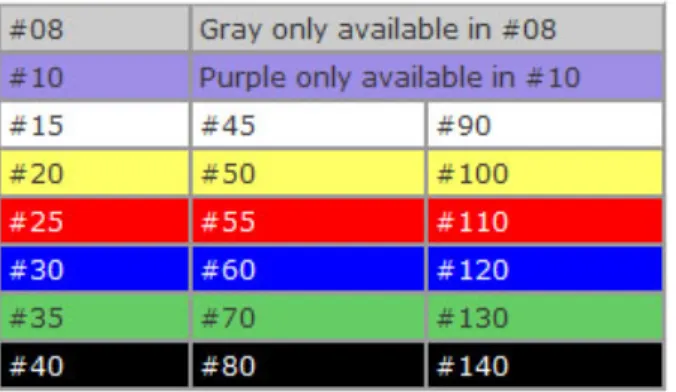
Endodontic instrument had a great variability between manufacturers before standard was set by the International Organization for Standardization (ISO). ISO standardized files have a cutting length of 16mm, have a specified diameter at the tip (termed D1) and a 0.02mm diameter increase for each millimeter along the file, so that at the end of the cutting part (16mm along the file) the diameter (termed D2) is 0.32mm greater than at D1. Files lenght is variable and any extra length is provided by a “blank” portion. The nominal size of the instrument is based on its tip diamter (the diameter at D1) expressed in hundredths of a millimeter.
Figure 1 – ISO Standardization, showing a color vs. number of Files
1.4 Manual instrument
Endodontic hand files are manually operated endodontic instruments used for cleaning and shaping of root canals in root canal therapy.
Comparative analysis of root canal instrumentation using ProTaper Gold, WaveOne Gold and K-files 2016 Ivana Gradiček Fraústo Basso 4 1.4.1 K-files
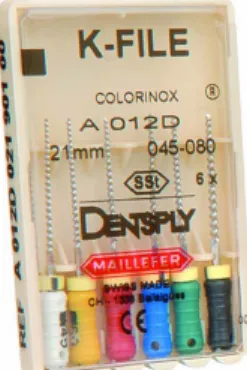
K-Files are stainless steel Endo hand files, that give the operator a smooth tactile sense inside the canal during instrumentation. K-Files is the strongest of the hand files with less separation/fracture potential and easily overcame obstructions.
Figure 2 – K-Files, composed by 6 files (from #15 up to #40)
(Dentsplay Maillefer)
1.4.2 Step-back technique
In the step-back technique, small-sized ISO hand files are initially used to negociate the full length of canal. Larger files are then carried into the apical one-third until the desired master file reaches the chosen working length. The apical one-third of the preparation is deemed complete when the master file is snug at length and each consecutive larger file in the series is observed to uniformly step-back from the most apical extent of the preparation. When the apical one-third of preparation has been completed, then the coronal two-thirds of the canal is flared and the overall length of the preparation smoothly blended. Although this preparation method, incluiding its slight variations, tend to be successful, it has regrettably resulted in countless blocked, ledged, transported, or perforated canals (Ruddle et al., 2006).
Ivana Gradiček Fraústo Basso 5 1.5 Rotary instruments 1.5.1 ProTaper GoldTM
The ProTaper GoldTM instrument system (Dentsply Tulsa Dental Specialties) featured the same simplicity, smoothly tapered shapes and predictable performance like in ProTaper UniversalTM. ProTaper GoldTM technology includes a series of “Shaping” and “Finishing” files featuring the same exact geometries as ProTaper UniversalTM, the manufacture claims that this new rotatory files have more flexibility. That is especially important for the finishing files, when navigating through challenging curves in the apical region.
ProTaper GoldTM have shorter handle (Universal 13mm vs. Gold 11mm) that allows improved accessibility to the tooth.
The set contains three (3) “Shaping” and five (5) “Finishing” instruments, represented in Figure 3. Shaping files are named S1 (0.18/.02v) and S2 (0.20/.04v), with purple and white colors respectively. They are used for shaping the coronal and medial portion of canal system with brushing movements. There is one accessory “shaping” file, or Sx (0.19/.04v) that provide better access to the root canal if needed. Then there are finishing files; F1 (0.20/.07v), F2 (0.25/.08v), F3 (0.30/.09v), F4 (0.40/.09v), F5 (0.50/.05v) with yellow, red, blue, double black and double yellow colors respectively. They provide the trusted deep shapes that promote 3D cleaning an filling root canal system.
Figure 3 – ProTaper Gold TM system, seven (7) rotatory files; from left to the right Sx, S1, S2, F1, F2, F3, F4, F5 (Dentsplay Tulsa Dental Specialties)
Comparative analysis of root canal instrumentation using ProTaper Gold, WaveOne Gold and K-files 2016 Ivana Gradiček Fraústo Basso 6
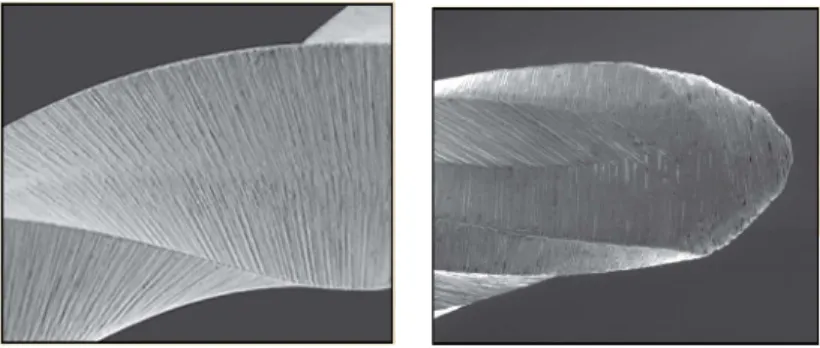
A convex triangular cross-section and progressive taper enhance cutting action while decreasing rotational friction between the blade of the file and dentin. The non-cutting tip design allows each instrument to safely follow the secured portion of the canal while the small flat area on the tip enhance its ability to find its way through soft tissue and debris.
Figure 4 and 5 – Convex triangular cross-section and non-cutting tip, respectively
Another difference between ProTaper UniversalTM and GoldTM, is that the latter is a disposable single-patient instrument with increased costs.
1.5.2 WaveOne GoldTM
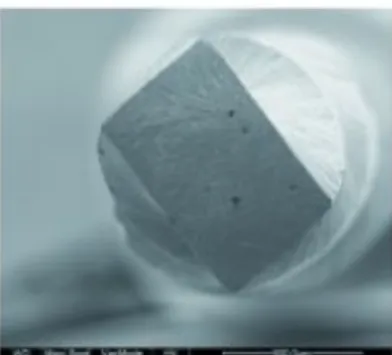
Finally, the WaveOne GoldTM system (Dentsplay Tulsa Dental Specialties) is a single-use, single-file system to shape the root canal completely in one single process. In most cases, the technique only requires one hand file followed by one single WaveOne GoldTM Primary file to shape the canal completely. The specially designed files work in a similar but reverse “balanced force” action using a pre-programmed motor to move the files in a back and forth “reciprocate motion”. The instruments are designed to work with a reverse cutting action. All instruments have a unique parallelogram shaped cross-section at the tip and coronal ends, which gives one or two cutting edges depending on the location along the file. These edges are designed to
Ivana Gradiček Fraústo Basso 7
minimize the screwing effect on the canal walls greatly reducing torque considerably, improving cutting efficiency and allowing better removal of debris
Figure 6 - parallelogram shaped cross-section
Because there is a possibility for cross-contamination due to the inability to completely clean and sterilize endodontic instruments properly and presence of prion in human dental pulp tissue, all instruments used inside root canals should be single use (Webber, J. et al. 2011).
The WaveOne GoldTM system set contains four (4) different files; Small (20/.07), Primary (25/.07), Medium (35/.06) and Large (45/.05) file with yellow, red, green and white colors respectively.
Figure 7 – WaveOne GoldTM system, four (4) rotatory files, from left to right Small, Primary, Medium and Large (Dentsplay Tulsa Dental Specialties)
Comparative analysis of root canal instrumentation using ProTaper Gold, WaveOne Gold and K-files 2016 Ivana Gradiček Fraústo Basso 8
Comparing WaveOneTM and WaveOne GoldTM, the manufacturer claims that WaveOne GoldTM files are 50% more resistant to cyclic fatigue, have reduced screwing effect; increased flexibility and extended size range. A single file per treatment is supposedly time saving for shaping and irrigating the canal, however that is not confirmed by any studies.
2. Aims
The purpose of this study is to compare the morphological characteristics and shaping ability between one manual instrumentation with K-Files and two rotary files: ProTaper GoldTM and WaveOne GoldTM, during the preparation of the mesial canals of first maxillary molars.
3. Materials and Methods
3.1 Theet preparation (sample preparation)
The sample of this study inluded thirty-three (33) maxillary permanent teeth extracted due to prosthetic or periodontal reasons, wich were conserved immersed within 0,5% Chloramines (NH2Cl) solution.
Radiographs were taken in bucolingual and mesiodistal directions, with parallelometer and 30º angle radiation, to verify the number and type of root canals (Kodak 2200 Intraoral X-ray System, distance 10cm and exposure time of 2sec).
Exclusion factors included open apex, impossible teeth permeabilization, roots with dental angulation of 90º or more, pulp nodules, calcified canals, root cavities, root restorations, pre endodontic treatment and root fractures.
Ivana Gradiček Fraústo Basso 9
Each tooth underwent an ultrasonic debridement treatment (Rush scaler Universal – KAVO ®).
The crowns of selected teeth were sectioned with a lap leaving 2mm of the pulp chamber; with an Isomet TM 1000 precision saw (Buehler, Lake Bluff, IL USA) equipped with a 0,3mm diamond disc (Buehler) and water-cooling. The lap was also used to provide access to the each root canal, and establish a fixed and stable coronal reference point for further instrumentation. Then, teeth were sectioned vertically to individualize mesiobuccal root.
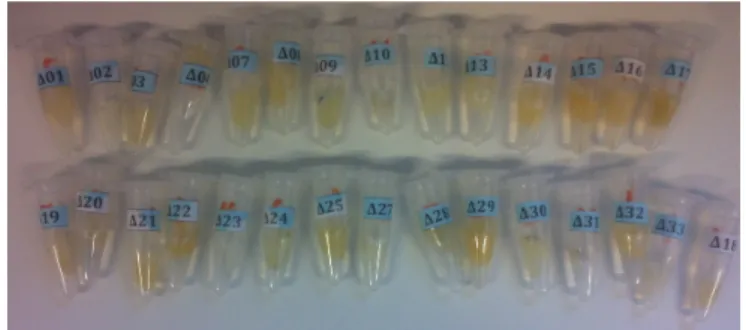
Each mesiobuccal root was laid up in Eppendorf® micro test tube with 1ml of Sodium chloride 0.9% and marked randomly with code starting with Δ01 (delta zero one) and finishing with Δ33 (delta three three), as shown in a Figure 9.
Then the teeth were send to microcomputed tomography (micro-CT) before and after instrumentation.
Figure 8 – Prepared teeth in Eppendorf® micro test tube
3.2 Canal instrumentation
Teeth were randomly selected to create three groups containg 11 roots each. And Each groups were prepared as follows:
Group 1 (Δ5, Δ6, Δ13, Δ14, Δ16, Δ17, Δ19, Δ21, Δ24, Δ26, Δ33) = K-files; Group 2 (Δ1, Δ2, Δ3, Δ4, Δ7, Δ9, Δ10, Δ15, Δ18, Δ20, Δ31) = WaveOne Gold TM;
Comparative analysis of root canal instrumentation using ProTaper Gold, WaveOne Gold and K-files
2016
Ivana Gradiček Fraústo Basso 10
Group 3 (Δ8, Δ11, Δ12, Δ22, Δ23, Δ25, Δ27, Δ28, Δ29, Δ30, Δ32) = ProTaper GoldTM. The actual root canal length was determined on a visual basis by inserting an ISO size 10 hand K-file into the canal until the file tip could be seen at the apical foramen. The working length was calculated by subtracting 1 millimeter from actual root canal length.
3.2.1 K-File group
Group 1 (n=11) = all of the root canals were instrumented manually with K-files up to file ISO size 25, with #10 file de permeabilization, then step-back technique to #30 file up to #40 file.
3.2.2 WaveOne Gold TM group
Group 3 (n=11) = WaveOne GoldTM, advanced rotary technique; single-file reciprocating system. Firstly, a small file was used to enlarge the canal orifices and then with one and final apical preparation set to Primary file. An ISO 25 tip with 7% taper; is designed to get a complete shaping with only one full-lenght instrument.
The WaveOneTM motor (Dentsplay Tulsa Dental Specialties) is a rechargeable battery operated with a 6:1 reducing hand piece. The pre-programmed motor is ajusted for the angles of reciprocation and speed of WaveOneTM instruments. All brands of NiTi files can be used with the WaveOneTM motor, as it has additional functions for continuous rotation. However, as WaveOneTM files have their own unique reverse design, they can only be used with the WaveOneTM motor with its reverse reciprocating function.
Ivana Gradiček Fraústo Basso 11
Figure 9 – The WaveOneTM motor (Dentsplay Tulsa Dental Specialties)
3.2.3 ProTaper Gold TM group
In Group 2 (n=11) = ProTaper GoldTM rotary files used at a constant speed between 150rpm and 350rpm. The shaping files (S1, S2 and SX) were applied with a brushing motion and the finishing files (F1-F2) with a “in and out” motion, in a crown-down technique (not brushing) until they reach the working length. The final apical preparation was set to F2.
Through the entire sequence of operation, recapitulation using ISO #10 K-file and irrigation with 2,5% sodium hypochlorite was done after every instrument using a disposable syringe of 5ml and 26 gauge irrigation needle. Sodium hypochlorite was the main endodontic irrigant used, due to its antibacterial properties and its ability to dissolve organic tissues (Plotino et al., 2016). Glyde (Dentsply, Maillefer) was used as a lubricant during instrumentation.
All the materials and methods such as teeth preparation and canals instrumentation was done by the same operator.
Comparative analysis of root canal instrumentation using ProTaper Gold, WaveOne Gold and K-files
2016
Ivana Gradiček Fraústo Basso 12
3.3 Tridimensional image with Micro CT:
In collaboration with “Center for rapid and sustainable product development -
Instituto Politécnico de Leiria”, a X-ray micro-CT SKYSCAN model 1174 v.2;
Software version 1.1 (SkyScan, Kontich, Belgium) was used. This scanner uses an X-ray source with adjustable voltage and a set of filters according to different object densities. The 1.3 megapixel x-ray camera allows scanning the whole sample in a few minutes. Variable magnification (6-30 µm pixel size) combined with diferente object positions easies the selection of what part of the object be scanned. The scanner can be run from any desktop or portable computer, requiring just one USB (or serial) port and a FireWire (IEEE1394) input. The full range of SkyScan software is supplied, including fast volumetric reconstruction, software for 2D/3D quantitative analysis and for realistic 3D visualization (Bruker micro-CT, 2015).
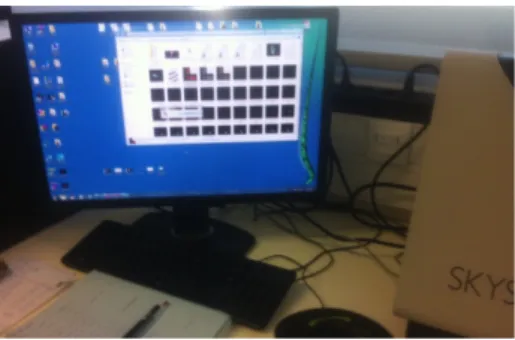
Figure 10 – Computer with NRecon program, version 1.6.8.0 (SkyScan,
Kontich, Belgium).
Figure 11 –Micro-CT SKYSCAN model 1174 v.2; Software version 1.1 (SkyScan, Kontich, Belgium).
Ivana Gradiček Fraústo Basso 13
Micro-CT was set with the appropriate parameters for scanning each root, before and after instrumentation: each image pixel size is 22.70 µm; image rotation is 0.2000; source Voltage 50kV and source Current 800µA; exposure 8500ms; sharpening 40%; rotational step of 1.500º (degrees); rotational angle of 187.50º; average exposure time of 55 minutes.
Image reconstruction was made with in standard reconstruction mode (NRecon program, version 1.6.8.0 SkyScan, Kontich, Belgium). Each image had 752 x 752 pixel; smoothing 0 (scale 0-10); ring artifact correction 6 (scale 0-20); beam hardening correction 45% (scale 0-100); lower grey threshold between 58 and 70; and upper grey threshold always 255.
The 3-D scanning and image reconstruction technician was a computer science professional, with no knowledge of endodontics and therefor could not guess how the teeth were distributed among the diferente three groups.
Analyzed parameters included:
1- morphometric data of the root canal before instrumentation;
2- tri-dimensional (3D) measures such as volume, structure model index (SMI), surface; 3- bi -dimensional (2D) measures such as area and diameter mean.
3.4 Statistics analysis with SPSS
The statistical analysis was carried out using the IBM® SPSS® 23.0 software (Statistical Packeg for the Social Sciences Inc., Chicago, IL, USA). Descriptive analysis was first performed for each group. Sample means and sample standard deviations were calculated and boxplots were constructed. Normality and homoscedasticity were tested using Shapiro-Wilk test and Levene’s test respectively. Clearly defined outlier candidates which altered distribution were removed and sample means and standard deviations adjusted.
Variables with normal distribution allowed testing for diferences among group means with One-Way ANOVA and Bonferroni post hoc-tests. In the cases where
Comparative analysis of root canal instrumentation using ProTaper Gold, WaveOne Gold and K-files
2016
Ivana Gradiček Fraústo Basso 14
homocedasticity was not verified, a Welch ANOVA was carried out along with a Games-Howell post-hoc test.
Non-parametric test Kruskall Wallis was performed on variables which rejected normal distributuion.
The statistical testing was performed on the differences registered after canal preparation, as well as the measurements before canal preparation.
Significance level was set at 0.05 throughout the analysis. Comparison of results using ANOVA.
3.5 Literature research
A literature review was done at the FMDUL library ando n-line free publications from MEDLINE®/PubMed® database the following key words: “endodontic history”, “manual instrumentation”, “K files”, “step back technique”, “rotatory instruments”, “WaveOne Gold”, “ProTaper Gold”, “Three dimensional evaluation”, “micro CT”, “step back technique”. Paid access papers, animal based research and texts written in languages ither than Portuguese or English were exluded, 20 papers were found after applying the upper mentioned filters.
4. Results
The results of the experimental procedure are shown in the following tables, that show the 1. Volume (µm3), 2. SMI, 3. Surface (µm2), 4. Area (µm2), 5. Diameter
Average (µm), before and after canal instrumentation, within the 3 files systems 1.K-files, 2.WaveOne GoldTM (WOG), 3.ProTaper GoldTM (PTG).
Ivana Gradiček Fraústo Basso 15
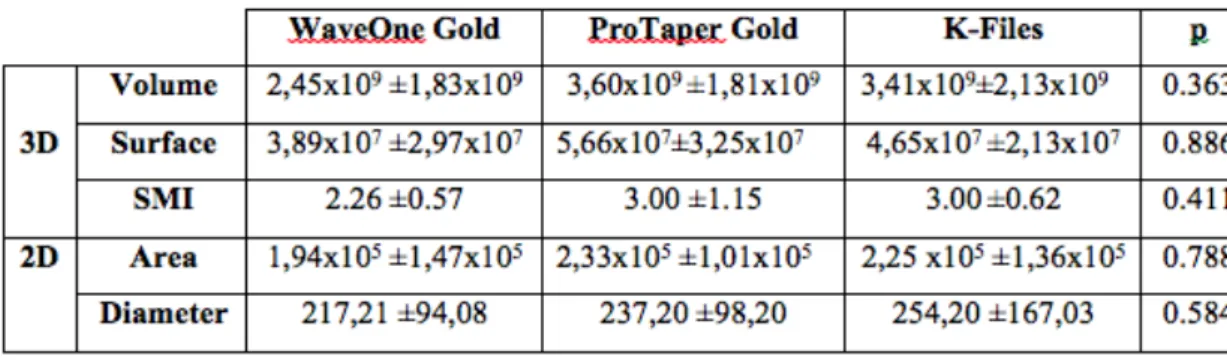
Table 1 - morphometric data of the root canal (mean ± standard deviation) before instrumentation. Statistically significant differences between groups before the
preparation weren’t recorded
4.1 Volume (µm3)
Table 2 - Absolute and percentage change of the root canal volume (mean ± standard
deviation). The increase in volume after preparation with ProTaper GoldTM file was significantly higher than the increase after preparation with K-files (p = 0.024). There
was no statistically significant difference between WaveOne GoldTM and ProTaper GoldTM or between WaveOne GoldTM and K-files.
Comparative analysis of root canal instrumentation using ProTaper Gold, WaveOne Gold and K-files
2016
Ivana Gradiček Fraústo Basso 16
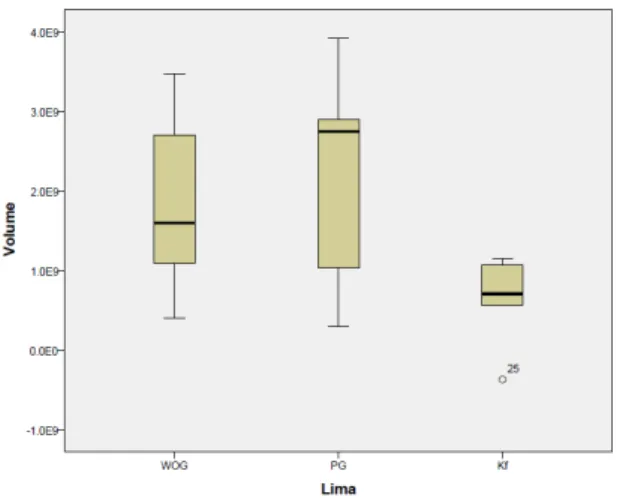
Graph 1 – Volume box-plots
4.2 SMI
Table 3 - Absolute and percentage change of the root canal SMI(mean ± standard deviation). No statistically significant differences between groups in the surface change
after canal preparation.
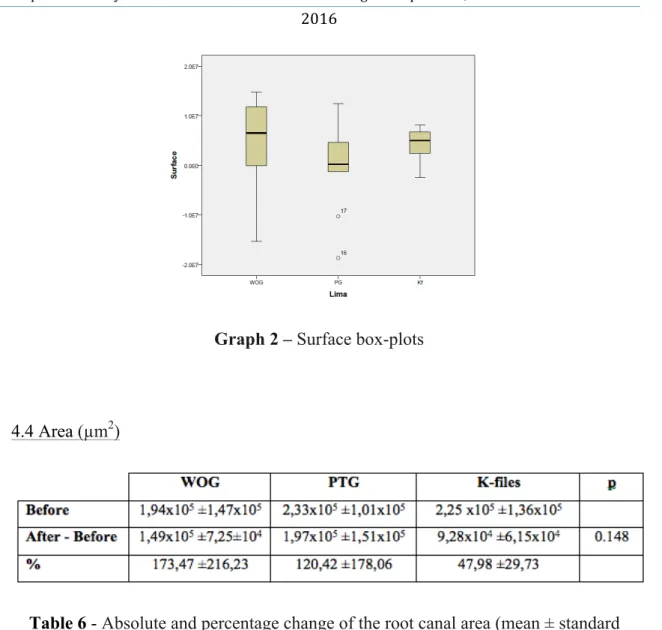
4.3 Surface (µm2)
Table 5 - Absolute and percentage change of the root canal diameter(mean ± standard deviation). No statistically significant differences between groups in the surface change
Ivana Gradiček Fraústo Basso 17
Graph 2 – Surface box-plots
4.4 Area (µm2)
Table 6 - Absolute and percentage change of the root canal area(mean ± standard deviation). No statistically significant differences between groups in the surface change
after canal preparation.
Comparative analysis of root canal instrumentation using ProTaper Gold, WaveOne Gold and K-files 2016 Ivana Gradiček Fraústo Basso 18 4.5 Diameter Mean (µm)
Table 4- Absolute and percentage change of the root canal diameter(mean ± standard deviation). The increase in diameter after preparation with WaveOne GoldTM file was
significantly higher than the increase in diameter after preparation with K-files (p = 0.014); also the increase after ProTaper GoldTM was significantly greater than that after
K-files (p = 0.013).
Ivana Gradiček Fraústo Basso 19
5. Discussion
The specialty of endodontics has milestone improvements over the years. The modern endodontic specialty practice has little resemblance to the historical basis (Madan et al. 2011). The purpose of this study in vitro was to evaluate if there were differences in the use of traditional manual files, K-Files; and modern techniques, rotatory files such as WaveOne GoldTM and ProTaper GoldTM systems, in tridimensional and bidimensional parameters. A shaping comparison in first maxillary permanent teeth was performed with micro-CT measurements.
The use of extracted teeth in endodontics research can reproduce partially the clinical in-vivo conditions (Nagy et al., 2008). However, the morphological variability of the root canal system in the same group of teeth turn standardization very complex (Hülsmann et al., 2008) and drawbacks can happen. Fractures have ocurred during the preparation and instrumentation of samples, precisely during the visually determination of work length, with one fractured tooth (sample Δ5) from the K-files group. During the instrumentation, the apex of four teeth were fractured (sample Δ8, Δ12, Δ15 and Δ26), one from the K-file, one from the WaveOne Gold TM and the two others from ProTaper Gold TM group. One Tooth (sample Δ6) lost permeabilization, from the K-files group. There was an accident, separation/fracture of the file inside of root canal, of two teeth (sample Δ17 and Δ21) both from the K-file group. All of this complications mentioned above, colud be due to operator lack of experience or/and sample quality. Thereby, teeth with complications, were excluded, and the sample number decreased from 33 to 25.
Micro-CT is a powerful tool for research and preclinical education in fundamental procedures of endodontic treatments, as well as for clinicians and researchers who desire to study dental anatomy in greater detail (Plotino et al., 2006). One of the advantages of this method is that the dentist can observe the internal anatomy of teeth from different angles and that can facilitate endodontic instrumentation. Furthermore, with this technique it is possible to tilt and rotate the image and magnify areas of interest (Grande et al., 2012).
Desipe micro-CT potential, image acquisition is time consuming (approximately one hour for each tooth scan), the equipment is expensive, and the 3-D reconstruction
Comparative analysis of root canal instrumentation using ProTaper Gold, WaveOne Gold and K-files
2016
Ivana Gradiček Fraústo Basso 20
requires a high degree of computer expertise turning the technique not yet suitable for clinical use.
Hildebrand and Ruiegsegger firstly introduced by the Structure Model Index (SMI) for the evolution of bone microarchitecture. Structure Model Index (SMI) parameter makes possible to quantify the characteristic form of a tridimensionally described structure in terms of the amount of plates and rod that composes it. The SMI is calculated by means of tridimensional image analysis based on a differential analysis of the triangulated bone surface. For an ideal plate and rod structure the SMI value is 0 and 3, respectively, independent of the physical dimensions. For a structure with both plates and rods of equal thickness the value lies between 0 and 3, depending on the volume ratio of rods and plates. The SMI parameter is evaluated by examining bone biopsies from different skeletal sites. The bone samples were measured tridimensionally with a micro-CT system. Samples with the same volume density, but varying trabecular architecture can uniquely be characterized with the SMI. Furthermore, the SMI values were found to correspond well with the perceived structure type (Hildebrand & Ruegsegger, 1997). Peters et al. were the first to use it for endodontic evaluation, with a value range from 0 to 4. The values 0, 3 and 4 correspond, respectively, to plan, cylinder and a regular ball (Peters et al. 2000); and characterizes a structure as “being ribbon-shaped versus cylindrical and is Expressed in arbitrary units” (Peters et al., 2001). Also with regard to this parameter our data showed no differences with the use of all those systematics.
In this study in vitro, data revealed no differences about measurements such as: SMI (already mentioned), surface and area of shaping between the use of these three systems. However there are some statistically differences in measurements such as volume and diameter mean.
There was significantly increased in volume after preparation with ProTaper GoldTM file only compared to the increase in volume with K-files (p = 0.024); however there was no statistically significant difference between WaveOne GoldTM and ProTaper GoldTM or between WaveOne GoldTM and K-files. That possibly means that WaveOne GoldTM represents a mid way system, not so intrusive and not so unobtrusive like other two ones.
Ivana Gradiček Fraústo Basso 21
There was significantly increased diameter after preparation with WaveOne GoldTM file compared with the increase in diameter after preparation with K-files (p = 0.014); also the increase after ProTaper GoldTM was significantly greater compared to K-files (p = 0.013). Canal diameter is also an important parameter when considering how far into a canal irrigation needles can be safely inserted to allow for back flow (Peters et al., 2003). So significant increase of diameter, in these two rotatory files, is an indisputable characteristic for irrigation mission to success.
6. Conclusions
Since these two modern Gold files were introduced on market, there were no comparison studies between these three systems and data is limited.
In this paper, it was able to show that traditional K-files and two modern Gold rotatory files (ProTaper and WaveOne), have shaping ability regarding measurements such as SMI, surface and area.
However, results from micro-CT revealed that increase in volume after preparation with ProTaper GoldTM files comparing to K-filest here was statistically higher. No statistically significant difference between WaveOne GoldTM and ProTaper GoldTM or between WaveOne GoldTM and K-files. That possibly means that WaveOne GoldTM represents a mid way system between the other ones, not so intrusive and not so unobtrusive like other two systems.
There was significantly increased diameter after preparation with WaveOne GoldTM file and ProTaper GoldTM file compared to the K-files (p = 0.014 and p = 0.013, respectively). Between WaveOne GoldTM file and ProTaper GoldTM file the increased diameter after instrumentation was almost the same. This significant increase of diameter, in these two rotatory files, is an indisputable characteristic for irrigation mission to success, as well as endodontic treatment.
Comparative analysis of root canal instrumentation using ProTaper Gold, WaveOne Gold and K-files
2016
Ivana Gradiček Fraústo Basso 22
Further studies with 3D-techniques and these new Gold systems are required to fully understand the biomechanical aspects of root canal preparation and to evaluate the outcome of root canal treatments.
XIX
Reference:
Alovisi et al., 2016.
Alovisi, M., Cemenasco, A., Mancini, L., Paolino, D., Scotti, N., Bianchi, C.C. and Pasqualini, D. (2016). Micro-CT evaluation of several glide path techniques and ProTaper Next shaping outcomes in maxillary first molar curved canals. International Endodontics Journal. doi: 10.1111/iej.12628. Available at: http://onlinelibrary.wiley.com/doi/10.1111/iej.12628/full
American Association of Endodontics
Avilable at: https://www.aae.org
Beerutti et al., 2009.
Beerutti, E., Cantatore, G., Castellucci, A., Chiandussi, G., Pera, F., Migliaretti, G. And Pasqualini D. (2009). Use of nickel-titanium rotary. PathFile to creat the glinde path: Comparison with manual to create the glide path: comparison with manual pre flaring in simulated toot canals. Journal of Endodontic: 35(3): 408-412. doi: 10.1016/j.joen.2008.11.021. Available at: http://www.jendodon.com/article/S0099-2399(08)01114-X/abstract
Brochure for Bruker: Bruker (2015) Micro CT Academy. Innovation with integrity.
2015 August; 2(8):1-3
Brochures of K-Files. Available at:
https://www.kerrdental.com/kerr-endodontics/k-files-stainless-steel-endo-handfile-shape#docs
Brochures of ProTaper Gold. Available at:
https://www.dentsply.com/content/dam/dentsply/pim/manufacturer/Endodontics/Glide_ Path__Shaping/Rotary__Reciprocating_Files/Shaping/ProTaper_Gold_Rotary_Files/Pr oTaper-Gold-Brochure-p7btcwy-en-1502.pdfhttp://endomatters.dental/protapergold/ http://endomatters.dental/wp-content/uploads/2015/10/PTG-Tech-card-v8-Rev1-WEB_blog.pdf
XXI
http://endomatters.dental/wp-content/uploads/2015/10/DrJohnWest_PTG_DentTodayApril2015_blog.pdf http://endomatters.dental/wp-content/uploads/2015/10/ProTaper-Gold-DFU.pdf http://www.endoruddle.com/Protaperd
Brochures of WaveOne Gold. Available at:
https://www.dentsply.com/content/dam/dentsply/pim/manufacturer/Endodontics/Obtura tion/Paper_Points/WaveOne_Gold_Absorbent_Points/W1G-Brochure-EN-00wopby-en-1508.pdf
http://www.endoexperience.com/documents/WaveOne.pdf http://www.endoruddle.com/WaveOned
Cruse & Bellizzi, 1980.
Cruse, W.P. & Bellizzi, R. (1980). A historic review of endodontics, 1689-1963, part 2. Journal of Endodontics 1980, April, 6(4);532-535. Available at: http://www.jendodon.com/article/S0099-2399(80)80201-9/pdf
De Moore et al., 2013
De Moor, R., Hulsmann, M., Kirkevang, L.L., Tanalp, J. & Whitworth, J. (2013). Eurpean Society of endodontology. Undergraduate Curriculum Guidelines for Endodontology. INternationa Endodontic Journal. 46; 1105-1114. doi:
10.1111/lej.12186. Available at:
http://www.adee.org/userfiles/News/ESE_Undergraduate_curriculum_Guidelines2013.p df
Eurpoean Society of Endontology. 2006.
Eurpoean Society of Endontology. 2006. Quaility guidelines for endodontic treatment consensus report of the European Society of Endontology. International Endodontic
XXIII
Journal, 2006;39:921-930. doi: 10.1111/j.1365-2591.2006.01180.x. Available at: http://onlinelibrary.wiley.com/store/10.1111/j.1365-2591.2006.01180.x/asset/j.1365-2591.2006.01180.x.pdf;jsessionid=5185AB090C393220DAC3FCC680EE0CEC.f04t01 ?v=1&t=ipr4sqxj&s=2c91df9be70f1cc58e57239aabbc107016b7d6c1
Fariniuk et al., 2011.
Fariniuk, L.F., Westphalen, V.P.D., Silva-Neto, U.X., Carneiro, E., Filho, F.B., Fidel, S.R. &Fidel, R.A.S. (2011). Efficacy of fove rotary systems versus manual instrumentation during endodontic retreatment. Brazilian Dental Journal. 22(4). Available at: http://dx.doi.org/10.1590/S0103-64402011000400006
Grande et al., 2012.
Grande, N.M., Plotino, G., Gambarini, G., Testarelli, L., DÁmbrosio, F., Pecci, R. & Bedini, R. (2012). Present and Future in the use of micro-CT scanner 3D analysis for the study of dental and root canal morphology. Annali Dell´Istituto Superiore di Sanita. 48(1):26-34. doi: 10.4415/ANN_12_01_05. Available at: http://www.iss.it/publ/anna/2012/1/48126.pdf
HILDEBRAND, T., & RÜEGSEGGER, P. (1997). Quantification of bone micro architecture with the structure model index. In T. Hildebrand & P. Ruegsegger (Eds), Computer Methods in Biomechanics and Biomedical Engineering (Vol. 1, Chap. 1, pp. 15-23). Zurich: Hildebrand. doi: 10.1080/01495739708936692
HÜLSMANN, M.; PETERS, O. A.; DUMMER, P. M. H. (2005) Mechanical
preparation of root canals: shaping goals, techniques and means. Endodontic Topics, v. 10, n. 1, p. 30-76.
Marceliano-Alves et al. 2015.
Marceliano-Alves, M.F., Sousa-Neto, M.D., Fidel, S.R., Steier, L., Robinson, J.P., Pecora, J.D. & Versiani, M.A. (2015). Shaping ability of single-file reciprocating and
XXV
heat-treated multifile rotary systems: a micro-CT study. International Endodontic Journal. 48:1129-1136. doi: 10.1111/iej.12412. Available at: http://www.ncbi.nlm.nih.gov/pubmed/25400256
Martins et al. 2011.
Martins, S.C., Mello, J., Martins, C.C., Mauricio, A. & Ginjeira, A. (2011). Comparison of endodontic obturation by lateral condensation techniques, hybrid Tagger and Thermafil: a pilot study with Micro-CT. Revista Portuguesa de Estomatologia, Medicina Dentaria e Cirurgia Maxilofacial. April-June; 52(2): 59-69. doi: 10.1016/S1646-2890(11)70013-9. Available at: http://ac.els- cdn.com/S1646289011700139/1-s2.0-S1646289011700139-main.pdf?_tid=42858f44-
2f52-11e6-8c16-00000aab0f6b&acdnat=1465594283_8a3285f55c3aacc9c498ccd486612738
Nagy et al., 1997
Nagy, C. D.; Bartha, K.; Bernath, M.; Verdes, E.; Szabo, J. (1997). The effect of root canal morphology on canal shape following instrumentation using different techniques. International Endodontic Journal, v. 30, n. 2, p. 133-140, 1997.
Paque et al., 2010.
Paque, F., Zehnder, M. & Marending, M. (2010). Apical fit of initial K-files in maxillary molars assessed by micro-computed tomography. International Endodontic Journal. Apr; 43(4):328-35. doi: 10.1111/j.1365-2591.2010.01685.x. Available at:
http://onlinelibrary.wiley.com/doi/10.1111/j.1365-2591.2010.01685.x/abstract;jsessionid=5739624E2919363670F9D3AF99A874BF.f04t0 1
Plotino et al., 2006.
Plotino, G., Grande, N.M., Pecci, R., Bedini, R., Pameijer, C.H. & Somma, F. (2006). Three-dimensional imaging using microcomputed tomography for studying tooth
XXVII
macromorphology. Journal of American Dental Association. November 137(11):1555-61 Available at: http://jada.ada.org/article/S0002-8177(14)64383-X/abstract
Plotino G et al., 2016.
Plotino, G., Cortese, T., Grande, N.M., Leonardi, D.P., Di Giorgio, G., Testarelli, L. & Gambarini, G. (2016). New technologies to improve root canal disinfection. Brazilian Dental Journal. 27(1):3-8. Available at: http://www.scielo.br/pdf/bdj/v27n1/1806-4760-bdj-27-01-00003.pdf
Peters et al., 2000
Peters, O.A., Laib, A., Ruegsegger, P. & Barbakow, F. (2000). Three-dimensional analysis of root canal geometry by high-resolution computed tomography. Journal of Dental Research, 2000, Jun;79(6):1405-9.
Peters et al., 2001
Peters, O.A.,Schonenberger, K. & Laib, A. (2001) Effects of four Ni-Ti preparation techniques on root canal geometry assessed by micro computed tomography. International Endodontic Journal. April; 34(3):221-230. doi:10.1046/j.1365-2591.2001.00373.x Available at: http://onlinelibrary.wiley.com/doi/10.1046/j.1365-2591.2001.00373.x/full
Peters et al., 2003
Peters, O.A., Peters, c.i., Laib, A., Schonenberger, K. & Barbakow, F. (2003). ProTaper rotary root canal preparation: effects of canal anatomy on final shape analysed by micro CT. Internationa Endodontic Journal. 36(2);86-92 doi:
10.1046/j.1365-2591.2003.00626.x Available at:
XXIX
Ruddle, 2006.
Ruddle, C.J. 2006. Shaping for success everything old is new again. Dentistry Today. April. Advanced Endodontics.
Schilder, 1974.
Schilder H 1974. Cleaning and shaping the rooth canal. Dental Clinics of North America 1974 April; 18(2);269-296.
Stavileci M. et al., 2013.
Stavileci, M., Hoxha, V., Gorduysus, O., Tatar, I., Laperre, K., Hostens, J., … Berisha, M. (2013). Effects of preparation techniques on root canal shaping assessed by micro-computed tomography. Medical Science Monitor Basic Research 2013 19:163-168. doi:
10.12659/MSMBR.889350. Available at:
http://www.basic.medscimonit.com/download/index/idArt/889350
XXXI
FIGURE INDEX
Figure 1 – ISO Standardization, showing a color vs. number of Files, page 3
Figure 2 – K-Files, composed by 6 files (from #15 up to #40), (Dentsplay Maillefer),
page 3
Figure 3 – ProTaper Gold TM system, seven (7) rotatory files; from left to the right Sx, S1, S2, F1, F2, F3, F4, F5 (Dentsplay Tulsa Dental Specialties), page 5
Figure 4 and 5 – Convex triangular cross-section and non-cutting tip, page 5 Figure 5 – Non-cutting tip, page 5
Figure 6 - parallelogram shaped cross-section, page 6
Figure 7 – WaveOne GoldTM system, four (4) rotatory files, from left to right Small, Primary, Medium and Large (Dentsplay Tulsa Dental Specialties), page 6
Figure 8 – Prepared sample of teeth in Eppendorf® Micro test tube, page 8
Figure 9 – The WaveOneTM motor (Dentsplay Tulsa Dental Specialties), page 9
Figure 10 – Computer with NRecon program, version 1.6.8.0 (SkyScan, Kontich,
Belgium), page 10
Figure 11 –Micro-CT SKYSCAN model 1174 v.2; Software version 1.1 (SkyScan, Kontich, Belgium), page 11
XXXIII
TABLE INDEX
Table 1 - morphometric data of the root canal (mean ± standard deviation) before instrumentation, page 13
Table 2 - Absolute and percentage change of the root canal volume (mean ± standard
deviation), page 13
Table 3- Absolute and percentage change of the root canal SMI(mean ± standard deviation), page 14
Table 5 - Absolute and percentage change of the root canal diameter(mean ± standard deviation), page 15
Table 6 - Absolute and percentage change of the root canal area(mean ± standard deviation), page 15
Table 4 - Absolute and percentage change of the root canal diameter(mean ± standard deviation), pag 16
XXXV
GRAPH INDEX
Graph 1 – Volume box-plots, page 14 Graph 2 – Surface box-plots page 15 Graph 3 – Area box-plots, page 16
Graph 4 – Diameter mean box-plots, page 17
XXXVII
APPENDIX
Abbreviations
ISO - International Organization for Standardization Vs. – versus
Micro-CT - Micro-computed tomography 2D – Bidismensional
3D – Tridimensional Ie - that is to say
WOG – WaveOne Gold PTG – ProTaper Gold Symbols # - number % - Percentage Δ – delta n - Number of sample p - Significance ® - Registered trademark Units mm – Millimeters cm – Centimeters º - degree sec – seconds ml – milliliter
rpm – rotations per minute µm – micrometres
kV – kilovolts µA – microamps ms - miliseconds