Universidade de Aveiro Ano 2016
Departamento de Biologia
Maria Pavlaki
Contaminação bottom-up em sistemas marinhos –
Níveis tróficos modelo para avaliar o fluxo de
cádmio em organismos marinhos
Bottom-up contamination in marine systems –
Model trophic levels to predict cadmium flow in
marine organisms
Universidade de Aveiro Ano 2016
Departamento de Biologia
Maria Pavlaki
Contaminação bottom-up em sistemas marinhos –
Níveis tróficos modelo para avaliar o fluxo de
cádmio em organismos marinhos
Bottom-up contamination in marine systems –
Model trophic levels to predict cadmium flow in
marine organisms
Tese apresentada à Universidade de Aveiro para cumprimento dos requisitos necessários à obtenção do grau de Doutor em Biologia, realizada sob a orientação científica da Doutora Susana Patrícia Mendes Loureiro, Investigadora Auxiliar do Departamento de Biologia e CESAM-Centro de Estudos do Ambiente e do Mar da Universidade de Aveiro, e co-orientação do Doutor Ricardo Jorge Guerra Calado, Investigador Principal do Departamento de Biologia e CESAM-Centro de Estudos do Ambiente e do Mar da Universidade de Aveiro e Professor Doutor Amadeu M.V.M. Soares, Professor Catedrático do Departamento de Biologia e CESAM-Centro de Estudos do Ambiente e do Mar da Universidade de Aveiro
Apoio financeiro da FCT e do FSE no âmbito do III Quadro Comunitário de Apoio através de uma bolsa de doutoramento atribuída a Maria Pavlaki (SFRH/BD/70906/2010).
o júri
presidente Prof. Doutor Armando da Costa Duarte
Professor Catedrático do Departamento de Química da Universidade de Aveiro
Prof. Doutor Henrique Manuel Roque Nogueira Cabral
Professor Catedrático do Departamento de Biologia Animal e MARE da Faculdade de Ciências da Universidade de Lisboa
Prof. Doutor Cornelis Adrianus Maria van Gestel
Professor Associado do Departamento de Animal Ecology, Faculty of Earth and Life Sciences, Vrije Universiteit of Amsterdam
Doutora Rosa de Fátima Lopes de Freitas
Investigadora Auxiliar do Departamento de Biologia e CESAM da Universidade de Aveiro
Doutora Sara Calçada Novais
Investigadora em Pos-Doutoramento do MARE e do Instituto Politécnico de Leiria
Doutora Susana Patrícia Mendes Loureiro (orientadora)
agradecimentos During the last 4 years of this work, so many have participated, in one way or another, to make it happen that the least I could do is express my eternal gratitude.
First and foremost, my supervisors without whose support none of these would have been possible. Susana, words cannot express how grateful I am to you, not only as my supervisor but as a friend and “promising psychologist” too. Your constant help and motivation, professionally and personally, during not only the 4 years of the PhD but the last 8 years of working with you, keep me moving forward. Thank you for your help, friendship, patience and the occasional (and well deserved) scolding to keep me up to my toes. Ricardo, thank you for accepting me in your lab, for your patience and constant availability in solving my doubts every time I was lost in the “ecology stuff”. Honestly, I don’t think I ever found my way out. Professor Amadeu, almost 10 years ago and after countless emails, you helped me take the decision to study and work at UA. Thank you for had it not been you, I wouldn’t be here right now. A special thank you to all of the people who, one way or another, took part in the completion of this work and a huge thank you to Dr. Kees van Gestel for his constant and tireless help with the toxicokinetic models and for, along with Rudo, making me feel welcome during my stay in Amsterdam.
To Abel, for the continuous help and patience in the lab and those endless conversations about work and everything.
To all the friends and colleagues, here in Portugal that keep making me feel like home ever since I got here. For that pat in the shoulder, for that hug, for all the good words that keep me going every time I miss home or feel sad. Grateful for having so many good people in my life!
A gigantic thank you to Rui and Fabi (you go along with family), for the coffees, wines, finos, petiscos, laughs, cries, late nights, stressful and less stressful moments I keep having with you! Looking forward to more of these! Twin, you know that without you I wouldn’t’ have made it till the end!
To my family who even far away, always close to my heart. For their unconditional love and understanding, constant support and inspiration even through the worst times and for making me who I am today. Thank you!
palavras-chave Cádmio, Acartia tonsa, Palaemon varians, Hediste diversicolor, Solea
senegalensis, bioacumulação, níveis tróficos.
resumo O cádmio é considerado um dos metais mais tóxicos para organismos
aquáticos, podendo ocorrer naturalmente no ambiente em concentrações muito baixas, devido a processos naturais (e.g., erupções vulcânicas, erosão da crosta natural) mas também devido a atividades antropogénicas, como a atividade mineira. Como um subproduto da exploração mineira de zinco, o cádmio pode ser libertado para o ambiente aquático através de lixiviação ou escorrências. O cádmio é um metal não essencial para os organismos mas, mesmo em concentrações relativamente baixas, pode ser tóxico, provocando efeitos adversos devido à sua elevada tendência para bioacumular. Neste contexto, o objetivo deste trabalho foi estudar a transferência de cádmio em diferentes modelos de níveis tróficos marinhos. O estudo foi dividido em quatro etapas: i) avaliar a eco- e genotoxicidade de cádmio em três espécies
marinhas, representando diferentes níveis tróficos marinhos ii) determinar a bioconcentração de cádmio por Acartia tonsa sob diferentes condições ambientais, tais como pH, salinidade e temperatura, iii) a avaliação de toxicocinética de cádmio pelo camarão estuarino Palaemon varians sob três vias de exposição diferentes: água, alimentação e água + alimentação, e iv) avaliar os padrões de bioacumulação de cádmio no linguado Solea
senegalensis como consumidor final, e os possíveis riscos e implicações do
consumo da fração edível de camarões e peixe que pode ter para a saúde humana, após a exposição a cádmio. Foi observado que a toxicidade de cádmio é influenciada pela sua especiação. A maior sensibilidade ao cádmio foi observada em A. tonsa tendo como parâmetro mas sensível o Índice de Desenvolvimento Larvar (LDR). O cádmio induziu danos no ADN de todas as espécies utilizadas. A bioconcentração de cádmio por A. tonsa é fortemente afetada por diferentes condições ambientais devido a processos biológicos. P.
varians foi exposto a cádmio através de diferentes vias de exposição: água ou
alimento ou água e alimento. A exposição simultânea de P. varians a água e alimento contaminado com cádmio mostrou que a concentração interna de cádmio foi maior quando comparada com as outras duas vias de exposição. Finalmente, mesmo uma exposição através de água e alimento contaminado (fornecido como Hediste diversicolor) não foi suficiente para que o peixe S.
senegalensis atingisse um plateau na concentração interna de cádmio, sendo
os 14 dias de depuração insuficientes para que os organismos depurassem totalmente a concentração interna que havia sido acumulada. Adicionalmente, foi encontrada uma maior concentração de cádmio no intestino de S.
senegalensis quando comparada com os outros órgãos, e a constante de
eliminação de cádmio no fígado foi inexistente. Os valores do Coeficiente de Perigo Alvo (THQ) e o Consumo Semanal Estimado (EWI) para o cádmio estavam abaixo dos níveis aceitáveis estabelecidos em regulamentos europeus para a fração edível de S. senegalensis, enquanto que para P.
keywords Cadmium, Acartia tonsa, Palaemon varians, Hediste diversicolor, Solea
senegalensis, bioaccumulation, trophic levels.
abstract Cadmium is considered one of the most toxic metals to aquatic organisms. This naturally occurring metal is found in the environment in low concentrations due to natural processes, such as volcanic eruptions, natural crust erosion and also anthropogenic activities, such as mining and smelting. As a by-product of zinc mining, cadmium can reach aquatic environment through leaching or to rainwater runoff from the mine areas. It is a non-essential metal for organisms that even at relatively low concentrations can be toxic and may cause adverse effects due to its high bioaccumulation tendency. Considering this, the objective of this work was to study the toxicity and bioaccumulation potential of cadmium within different model marine trophic levels. To achieve this goal, this work was divided into four studies: i) assess the eco- and genotoxicity of cadmium to three marine test-species, representing different marine trophic levels, ii) determine the bioconcentration potential of cadmium in the calanoid copepod
Acartia tonsa under different environmental conditions, such as pH, salinity and
temperature, iii) evaluate the uptake and depuration kinetics of cadmium by the estuarine ditch shrimp Palaemon varians considering three different uptake routes: water, diet, water + diet and iv) assess the bioaccumulation patterns of cadmium in the Senegalese sole Solea senegalensis, a final consumer, and the possible risk and implications the consumption of the edible fraction of both shrimps and fish may bear to human health upon Cd exposure. We observed that the toxicity of cadmium is highly influenced by its speciation. Highest sensitivity to cadmium was observed by A. tonsa while the most sensitive endpoint was the Larval Development Ratio (LDR). Cadmium induced DNA damage to all species with increasing concentrations. The bioconcentration of cadmium by A. tonsa is strongly affected by different environmental conditions due to biological processes. The simultaneous exposure of P. varians to cadmium-contaminated water + diet showed that cadmium internal concentration was higher when compared to the individual pathways. Finally, by exposing S. senegalensis for 14 days through contaminated water and diet (supplied as Hediste diversicolor), with another 14 days of depuration phase, it was concluded that the 14 days of exposure were not enough for the fish to reach a steady state on cadmium internal concentration, and neither the 14 days of elimination were sufficient to cause total depuration of the accumulated cadmium in any of the organs. Moreover, a higher concentration of cadmium was found in the intestine of the fish when compared with the rest of the organs, and the elimination rate constant of cadmium in the liver was nule. The Target Hazard Quotient (THQ) and the Estimated Weekly Intake (EWI) values for cadmium for the edible fraction of S. senegalensis were below the acceptable levels set by the European Regulation while for the shrimps both THQ and EWI exceeded the acceptable levels established.
Table of Contents
Table of Contents
Chapter 1 ... 25
General Introduction ... 25
1.1. Metals in marine and brackish ecosystems ... 26
1.2. Cadmium in the marine environment – speciation and bioavailability ... 28
1.3. Ecotoxicity and genotoxicity of cadmium ... 30
1.4. Bioaccumulation studies and Toxicokinetic models ... 31
1.5. Test Organisms ... 36
1.5.1. Invertebrates ... 36
1.5.2. Vertebrates ... 39
1.6. Aim and outline of the thesis ... 40
References ... 42
Chapter 2 ... 55
Ecotoxicity and genotoxicity of cadmium in different marine trophic levels ... 55
2.1. Abstract ... 56
2.2. Introduction ... 57
2.3. Materials and Methods ... 58
2.3.1. Test Organisms ... 58
2.3.2. Test Chemicals ... 60
2.3.3. Acartia tonsa Acute Toxicity Test ... 60
2.3.4. Acartia tonsa Early Life Stage Toxicity Test ... 61
2.3.5. Palaemon varians Acute Toxicity Test ... 62
2.3.6. Solea senegalensis Fish Embryo Toxicity Tests ... 62
2.3.7. Single Cell Gel Electrophoresis Assay (Comet assay) ... 63
2.3.8. Statistical Analysis ... 64
2.4. Results ... 64
2.4.1. Chemical Analysis – Cadmium Speciation ... 64
2.4.2. Acartia tonsa ... 66
2.4.3. Palaemon varians ... 67
2.4.4. Solea senegalensis ... 67
2.4.5. Single Cell Gel Electrophoresis Assay (Comet assay) ... 69
2.5. Discussion ... 70
2.5.1. Chemical Analysis – Cadmium Speciation ... 70
Table of Contents
2.5.3. Palaemon varians ... 73
2.5.4. Solea senegalensis ... 73
2.5.5. Single Cell Gel Electrophoresis Assay (Comet assay) ... 74
2.6. Conclusions ... 75
2.7. References ... 77
2.8. Supplementary Data ... 84
Chapter 3 ... 87
Influence of environmental conditions on the toxicokinetics of cadmium in the marine copepod Acartia tonsa ... 87
3.1. Abstract ... 88
3.2. Introduction ... 89
3.3. Materials and Methods ... 90
3.3.1. Copepod Culture ... 90 3.3.2. Test Chemical ... 91 3.3.3. Bioconcentration Tests ... 92 3.3.4. Chemical Analysis ... 92 3.3.5. Toxicokinetics Model ... 93 3.3.6. Statistical Analysis ... 93 3.4. Results ... 94 3.4.1. Chemical Analysis ... 94 3.4.2. Bioconcentration Tests ... 95 3.5. Discussion ... 103
3.6. Conclusions, implications and future perspectives ... 107
3.7. References ... 108
3.8. Supplementary Data ... 113
Chapter 4 ... 115
Toxicokinetics of cadmium in Palaemon varians postlarvae under waterborne and/or dietary exposure ... 115
4.1. Abstract ... 116
4.2. Introduction ... 117
4.3. Materials and Methods ... 118
4.3.1. Shrimp Culture ... 118 4.3.2. Test Chemical ... 119 4.3.3. Bioconcentration Test ... 119 4.3.4. Bioaccumulation Tests ... 120 4.3.5. Chemical Analysis ... 121 4.3.6. Toxicokinetic Models ... 121
Table of Contents
4.3.7. Statistical Analysis ... 123
4.4. Results ... 123
4.4.1. Chemical Analysis ... 123
4.4.2. Bioconcentration / Bioaccumulation Tests ... 123
4.5. Discussion ... 128
4.5.1. Exposure through contaminated water (ASW) ... 129
4.5.2. Exposure through contaminated diet (A. tonsa) ... 130
4.5.3. Exposure through contaminated water + diet (ASW + A. tonsa) ... 131
4.5.4. Comparison between exposures ... 132
4.6. Conclusions ... 133
4.7. References ... 134
4.8. Supplementary Data ... 140
Chapter 5 ... 143
Cadmium kinetics and distribution in Solea senegalensis tissues under dietary and water exposure and the link to human health ... 143
5.1. Abstract ... 144
5.2. Introduction ... 145
5.3. Materials and Methods ... 147
5.3.1. Sole Stock ... 147
5.3.2. Polychaete Stock ... 147
5.3.3. Test Chemical ... 148
5.3.4. Basic set-up of the recirculated modular system (RMS) ... 148
5.3.5. Experimental Design – Dietary and Water Exposure ... 149
5.3.6. Chemical Analysis ... 150
5.3.7. Toxicokinetic Models ... 151
5.3.8. Statistical Analysis ... 151
5.3.9. Health Risk Assessment ... 152
5.4. Results ... 153
5.4.1. Chemical Analysis ... 153
5.4.2. Toxicokinetics of cadmium in soles ... 153
5.4.3. Health Risk Assessment ... 157
5.5. Discussion ... 158
5.5.1. Health Risk Assessment ... 162
5.6. Conclusions ... 162
5.7. References ... 164
Table of Contents
General Discussion and Conclusions ... 171
6.1. Summary and Final Discussion ... 172
6.2. Implications to human health ... 175
6.3. Final conclusion and future perspectives ... 178
Figures and Tables Captions
Figures and Tables
Figure 1.1 Schematic representation of the bioconcentration process. A marine copepod
is exposed to a metal (Men+) through the medium only. ... 32
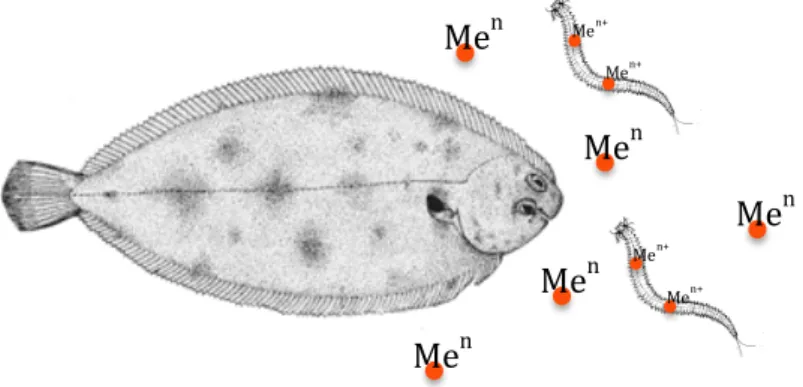
Figure 1.2 Schematic representation of the bioaccumulation process. A marine flatfish is
exposed to a metal (Men+) through the medium and through the diet. ... 33
Figure 1.3 Schematic representation of the biomagnification process. An estuarine shrimp
showing higher leves of metal (Men+) compared to the concentration in its diet
(marine copepods/lower trophic level). ... 33
Figure 1.4 Possible bioaccumulation schematic processes of metals in an organism. Corg
is the internal concentration in the organism at the sampling time t, C0 is the
background concentration in the organism at time 0, k1 is the uptake rate constant
either from the water or from the diet, k2 is the depuration rate constant and Fi is the
metal stored in the organism as an inert fraction (adapted from Ardestani et al., 2014) ... 35
Figure 1.5 Acartia tonsa adults. Female copepods are slightly bigger with longer and
straighter antennae (top), while male copepods show antennae slightly smaller and curved (centre) (source: ISO, 2015). ... 37
Figure 1.6 Palaemon varians adult specimen under culture conditions in laboratory
(source: unknown). ... 38
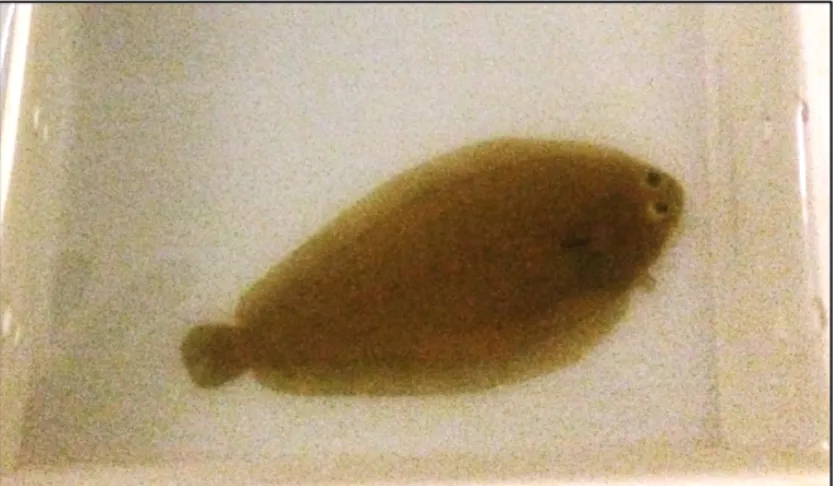
Figure 1.7 Solea senegalensis juveniles used in the present study during acclimation
period. ... 40
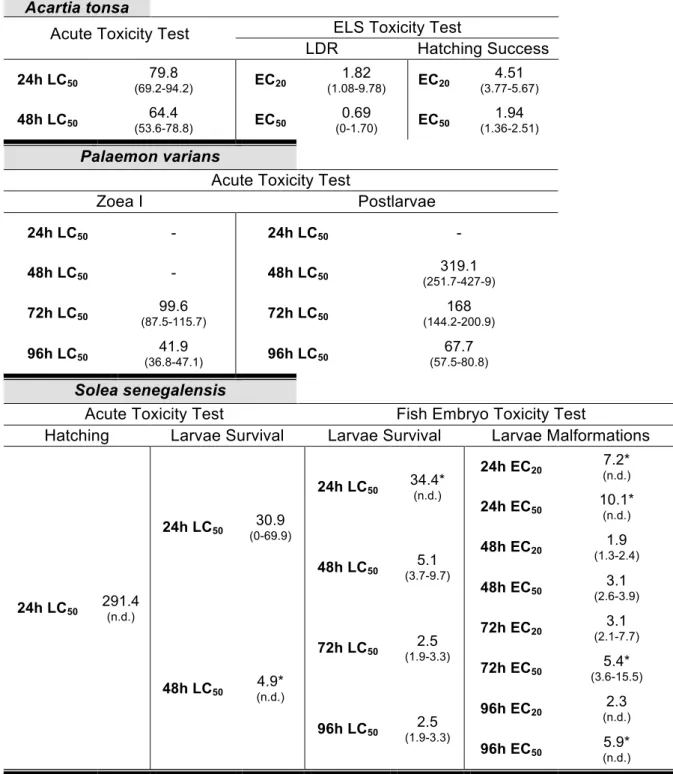
Table 2.1 Values of lethal concentrations of cadmium (expressed as µg Cd2+ L-1) to adult
copepods, larvae and postlarvae of shrimps and hatching and survival of sole larvae, as well as effect on hatching success and inhibition of naupliar stages to molt to copepodite stages of Acartia tonsa and malformations of Solea senegalensis larvae. n.d. – not determined, 95% confidence intervals could not be calculated, * indicates data extrapolated using probit analysis. ... 65
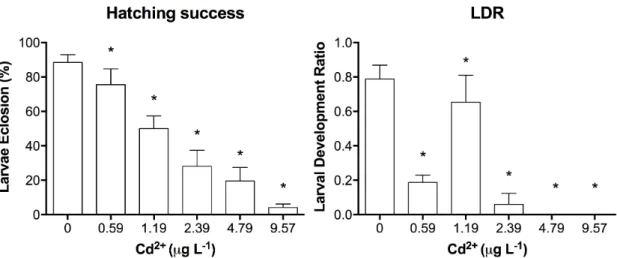
Figure 2.1 Larval Development Ratio of Acartia tonsa nauplii to copepodids and Hatching
Success of Acartia tonsa eggs after exposure to different concentrations of free Cd2+
(µg L-1) (* p<0.05, Dunnett’s multiple comparison against the control). ... 66
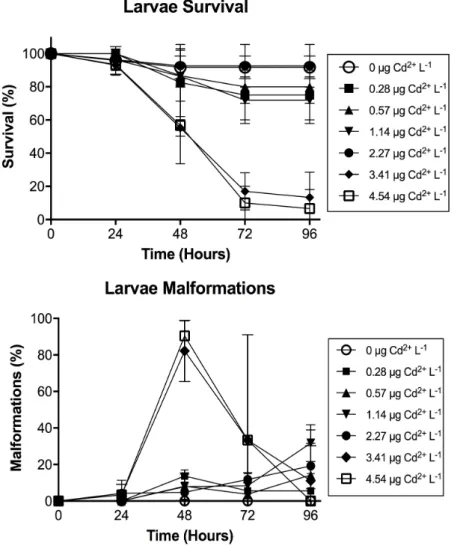
Figure 2.2 Survival of Solea senegalensis larvae and malformations after exposure to
different concentrations of free Cd2+ (µg L-1) over time. ... 68
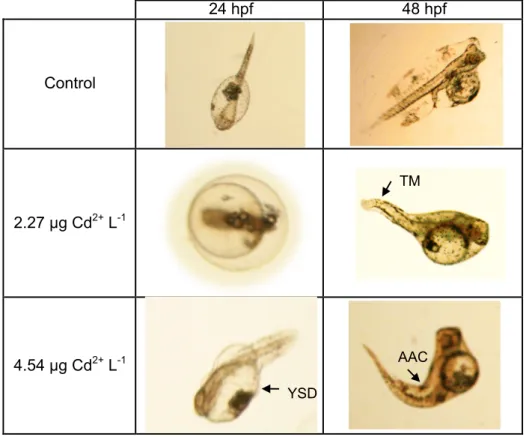
Figure 2.3 Morphological malformations of Solea senegalensis embryos and larvae
Figures and Tables Captions
delay in larvae hatching after an exposure of 24 h, while tail malformations (TM), altered axial curvature (AAC) and yolk salk deformities (YSD) could be recorded after an exposure of 48 h. ... 69
Figure 4. DNA damage of Acartia tonsa, Palaemon varians and Solea senegalensis cells
exposed to different concentrations of free Cd2+ (µg L-1) after an exposure of 48 h (*
p<0.05, Dunnett’s multiple comparison against the control) ... 70
Table 2.2 Values of ionic cadmium (given in percentage) estimated by chemical
equilibrium speciation equations/models in previous studies. ... 71
Table 3.1 Percentage of the total cadmium concentration present as free cadmium ions,
cadmium free ion concentration and cadmium free ion activity at different pH, salinity and temperature levels of exposure used to determine the influence of environmental conditions on cadmium uptake kinetics in Acartia tonsa. Test solutions were spiked with a nominal cadmium concentration of 6.88 µg L-1, and measured concentrations did not differ more than 15% from the nominal ones. Cadmium free ion concentrations and activities were calculated with the equilibrium model Visual Minteq ver. 3.0/3.1 (Gustafsson, 2013), using the nominal cadmium concentration, the ionic composition of the test medium and the test conditions as the starting point. ... 95
Table 3.2 Uptake and elimination kinetic parameters for the bioaccumulation of cadmium
in the copepod Acartia tonsa exposed to Cd-spiked artificial seawater, no food provided. Kinetics parameters were calculated using a one-compartment model (Equations 3.1 and 3.2), with estimated cadmium ion free activity in the test solutions (Table 3.1) as the exposure concentration; 95% confidence intervals are shown in brackets. Different letters indicate significant differences between kinetics parameters estimated for a certain environmental condition (likelihood ratio test; p<0.05). ... 97
Figure 3.1 Uptake and elimination kinetics of cadmium in the marine copepod Acartia
tonsa at different pH levels. Diamonds represent real data, continuous lines the fit of the uptake model (Equation 1) to the data, dotted lines the fit of the depuration model (Equation 2). Modeling used the estimated cadmium free ion activity in the test solutions reported in Table 1 as the measure of exposure during the uptake phase. ... 98
Figure 3.2 Uptake and elimination kinetics of cadmium in the marine copepod Acartia
tonsa at different salinities. Squares represent real data, continuous lines the fit of the uptake model (Equation 1) to the data, dotted lines the fit of the depuration
Figures and Tables Captions
model (Equation 2). Modeling used the estimated cadmium free ion activity in the test solutions reported in Table 1 as the measure of exposure during the uptake phase. ... 100
Figure 3.3 Uptake and elimination kinetics of cadmium in the marine copepod Acartia
tonsa at different temperatures. Circles represent real data, continuous lines the fit of the uptake model (Equation 1) to the data, dotted lines the fit of the depuration model (Equation 2). Modeling used the estimated cadmium free ion activity in the test solutions reported in Table 1 as the measure of exposure during the uptake phase. ... 102
Table 4.1 Uptake and elimination kinetic parameters for cadmium ions activity in the
shrimp Palaemon varians under three different exposure scenarios. C0 is the
background concentration in the organism in µg Cd g-1 dw at time 0, Fi is the inert
fraction in the organism, k1 is the uptake rate constant for the aqueous or dietary
exposure, k2 is the depuration rate constant, kw is the uptake rate constant from the
aqueous pathway and kf is the uptake rate constant from the dietary pathway. 95%
confidence limits are in brackets, n.d. – not defined. ... 125
Figure 4.1 Uptake and depuration kinetics of cadmium ions activity in Palaemon varians
exposed to contaminated ASW (Artificial Sea Water) using two versions of the one-compartment toxicokinetic model, A) classic with no depuration and B) with an inert fraction (Fi). Diamond symbol represents real data, the solid line represents data obtained from the uptake model and the dotted line represents data obtained from the depuration model. ... 126
Figure 4.2 Uptake and depuration kinetics of cadmium ions activity in Palaemon varians
exposed to contaminated diet, Acartia tonsa, using different toxicokinetic models. A) classic with no depuration, B) with an inert fraction (Fi). Diamond symbol represents real data, the solid line represents data obtained from the uptake model and the dotted line represents data obtained from the depuration model. ... 127
Figure 4.3 Uptake and depuration kinetics of cadmium ions activity in Palaemon varians
exposed to both contaminated ASW (Artificial Sea Water) and contaminated diet, Acartia tonsa, using different toxicokinetic models. A) classic with no depuration, B) with an inert fraction (Fi). Diamond symbol represents real data, the solid line represents data obtained from the uptake model and the dotted line represents data obtained from the depuration model. ... 128
Figures and Tables Captions Figure 5.1 Recirculated Modular System (RMS). Each module is divided in 8
compartments. Each compartment is supplied in parallel with filtered ASW through one individual inlet pipe, derived from the main inlet pipe manifold system. ... 149
Table 5.1 Uptake and depuration kinetics parameters of cadmium in the muscle, gills, liver
and intestine of juvenile Solea senegalensis exposed to both cadmium-contaminated water (ASW) and diet (polychaetes H. diversicolor). Co is the initial (background)
concentration in the sole’s tissues; uf is the total uptake flux (um, water uptake flux
and ud, diet uptake flux) into the sole’s tissues; k2 is the depuration rate; DT50 is the
time each tissue required to eliminate half the amount of cadmium; and !"#$%%is the concentration of cadmium at steady state (95% CI in brackets). ... 153
Figure 5.2 Uptake and elimination kinetics of cadmium in the muscle of juvenile Solea
senegalensis exposed to cadmium-contaminated water (ASW) and diet (polychaete Hediste diversicolor). Diamonds represent measured cadmium concentrations in muscle, the continuous line represents the predicted uptake in time and the dotted line represents the predicted depuration, using toxicokinetic models. ... 154
Figure 5.3 Uptake and elimination kinetics of cadmium in the gills of juvenile Solea
senegalensis exposed to cadmium-contaminated water (ASW) and diet (polychaete Hediste diversicolor). Diamonds represent measured cadmium concentrations in gills, the continuous line represents he predicted uptake in time and the dotted line represents the predicted depuration, using toxicokinetic models. ... 155
Figure 5.4 Uptake and elimination kinetics of cadmium in the liver of juvenile Solea
senegalensis exposed to cadmium-contaminated water (ASW) and diet (polychaete Hediste diversicolor). Diamonds represent measured cadmium concentrations in liver, the continuous line represents the predicted uptake in time and the dotted line represents the predicted depuration, using toxicokinetic models. ... 156
Figure 5.5 Uptake and elimination kinetics of cadmium in the intestine of juvenile Solea
senegalensis exposed to cadmium-contaminated water (ASW) and diet (polychaete Hediste diversicolor). Diamonds represent measured cadmium concentrations in the intestine, the continuous line represents the predicted uptake in time and the dotted line represents the predicted depuration, using toxicokinetic models. ... 156
Table 5.2 Risk assessment for non-carcinogenic effects in humans by cadmium
measured in the muscle of juvenile Solea senegalensis using Estimated Weekly Intakes (EWI) (µg kg-1 body weight) and Target Hazard Quotients (THQ) for different
age groups. Provisional Tolerable Weekly Intake (PTWI) of cadmium is set at 2.5 µg kg-1 body weight by EFSA (2012). ... 157
Figures and Tables Captions Table 6.1 Risk assessment for non-carcinogenic effects in humans by cadmium
measured in the muscle of juvenile Solea senegalensis and the whole body of Palaemon varians using Estimated Weekly Intakes (EWI) (µg kg-1 body weight) and
Target Hazard Quotients (THQ) for different age groups. Provisional Tolerable Weekly Intake (PTWI) of cadmium is set at 2.5 µg kg-1 body weight by EFSA (2012).
Chapter 1
General Introduction
Chapter 1 1.1. Metals in marine and brackish ecosystems
Marine pollution has been defined by the Joint Group of Experts on the Scientific Aspects of Marine Pollution (GESAMP) (1991) as “the introduction by man, directly or indirectly, of substances or energy into the marine environment (including estuaries) resulting in such deleterious effects as harm to living resources, hazards to human health, hindrance to marine activities including fishing, impairment of quality for use of sea water and reduction of amenities”. Marine and brackish ecosystems are simultaneously affected by natural changing conditions (e.g. weathering and erosion or increase of phytoplankton) and human impact that introduce contaminants (e.g. metals, fertilizers, pesticides or polycyclic aromatic hydrocarbons) to aquatic systems through point or diffuse discharges from different sources (industrial, agricultural, ballast and bilge water discharges due to ship transportation or domestic waste discharges) (Costa et al., 2008; Fonseca et al., 2011; Goswami et al., 2014; Kirkelund et al., 2010). These ecosystems are characterized by complex environmental processes and are considered of great economic value due to their natural productivity (e.g. ecosystem biodiversity, nursery grounds to many species), as well as for their use to a number of anthropogenic activities (e.g. commercial harbours and aquaculture) (Fonseca et al., 2011; 2015). Such processes may be disrupted by chemical contamination that may prompt in poor water quality with deleterious consequences to the environment and subsequently to humans.
Throughout the years, a great number of research studies have registered the high temporal and spatial variability of metal concentrations in marine/estuarine ecosystems through the monitoring of water quality characteristics and/or the use of biological indicators. The highest concentrations of metals, such as mercury (Hg), cadmium (Cd) and lead (Pb) as potential pollutants, are commonly recorded close to coastal and estuarine environments of highly populated and/or industrialized areas (Fowler, 1990). Even though, metal concentrations in the open sea are considerably low, usually in the order of ng L-1, and may vary between regions: e.g. lead concentration recorded in surface waters of the Pacific Ocean can reach 14 ng L-1, while in the Mediterranean Sea
they can be as high as 30-150 ng L-1 (Fowler, 1990); cadmium concentrations can reach
values up to 250 ng L-1 in French and Norwegian coastal areas (World Health
Organization, 2003), while heavily contaminated coastal and estuarine environments may present concentrations significantly higher, in the order of µg/L or even mg/L (e.g. up to 8.9 µg of Cd L-1 or 17.8 µg of Pb L-1 (Vicente-Martorell et al., 2009)). Marine organisms can uptake metals either from the water or the sediment through direct or indirect contact
General Introduction
and at certain bioaccumulation levels in the organism may bear adverse effects due to their high affinity to biological membranes (Directorate-General for Health and Food Safety and European Commission, 2013). Studies have shown that toxicity occurs when metal concentrations exceed the physiological levels at the organism’s target site (Mai et al., 2012; Morcillo et al., 2016). Some of these metals are considered essential for the organism to maintain homeostasis (e.g. copper, zinc), while others are considered non-essential and when encountered in the environment can cause toxicity and endanger marine ecosystems (Barka et al., 2001; Nugegoda and Rainbow, 1989; Rainbow and White, 1989; Wood et al., 2012). As an example, at concentrations higher than the physiological ones, copper caused embryo- and genotoxicity to larvae of the Pacific oyster, Crassostrea gigas, due to DNA damage and strand excision, possibly as a result of free radicals by oxidative stress (Mai et al., 2012). Methylmercury (MeHg) in marine fish cells causes cytotoxicity by impairing the lysosomes while cell death by apoptosis was observed after exposure to Cd2+, Cr6+, Hg2+, Cu2+, As5+ and Pb2+ (Morcillo et al., 2016).
Metal concentrations in the marine environment are mainly dependent on speciation due to the complex formation with other metals and ions, which in turn end up being deposited in the sediment of the contaminated area. Sediments are considered the final sink of metals after entering the aquatic environment, as metals tend to precipitate and remain associated to the sediment (e.g. adsorbed to particulates) for a long period of time (Jakimska et al., 2011b). Highly metal-impacted estuaries that present increased metal concentrations in their sediment may represent a risk to the ecology and overall life support of the ecosystem, depending on the system dynamics, which will rule sediment particles (re)suspension. Examples of contaminated estuaries, such as Ria de Huelva (Spain) or the Seine estuary (France) are a few among others to mention. Cadmium, lead and arsenic element load in sediments of the Ria de Huelva (Spain) reaches up to 33.2, 1167 and 615 mg Kg-1, respectively, showing total metal accumulation of cadmium and lead in the edible fraction of a benthic and a pelagic species to be within the maximum levels (EC, 2005) however, arsenic concentration in the muscle tissues of both fish was higher compared to levels set by international guidelines (Vicente-Martorell et al., 2009). Another example is the Seine estuary (France), a macrotidal estuary with a single channel that due to anthropogenic and industrial activities (approx. up to 30% of the French population inhabits the area around the estuary and river), receives daily high metal input from the Seine river, e.g cadmium and lead with a sediment load ranging from 0.9 to 7 mg Kg-1 and 80 to 175 g Kg-1, respectively while values measured in benthic fish tissues were
Chapter 1
et al., 2012; Lacoue-Labarthe et al., 2008),, well above the maximum established levels of
0.3 mg Kg-1 for lead but within maximum acceptable limits for cadmium (EC, 2005). An attempt to connect external levels of exposure, in sediment/water column with internal levels of metal accumulation in tissues and possible early adverse effects should always be considered by ecotoxicologists (van der Oost et al., 2003).
1.2. Cadmium in the marine environment – speciation and bioavailability
Cadmium is considered one of the most toxic metals to aquatic organisms (Howard and Hacker, 1990) and is categorized under the Framework Directive 2013/39/EU from REACH as a priority hazardous substance, making this one of the main reasons supporting the selection of this metal as the model contaminant for the present study. It is considered a non-essential metal for the organism that, even at relatively low concentrations, can be toxic and promote adverse effects due to its high bioaccumulation tendency (Chandurvelan et al., 2013a; 2013b; 2012). It is a naturally occurring metal, which may originate from volcanic eruptions and natural erosion of the earth’s crust, but the main sources of cadmium in marine and brackish ecosystems are related to anthropogenic activities, such as industrial (e.g. smelting and mining, electronic waste incineration) and agricultural processes (e.g. phosphorous fertilizers) (World Health Organization, 2003). Cadmium is usually found in association with zinc, as it is a by-product from ore mining, and can leach into aquatic environments through water runoffs (Agency for Toxic Substances and Disease Registry (ATSDR), 2012; Environment Programme, 2008). Reported concentrations of cadmium in the marine environment were 250 ng L-1 in coastal areas, whereas higher concentrations ranging from 8.9 µg L-1
(Vicente-Martorell et al., 2009) up to 16 mg L-1 (Cao et al., 2009) were recorded in estuaries and densely inhabited areas, and have been associated with river input (Elinder, 1985; World Health Organization, 2003). Frazier (1979) reported concentrations of cadmium in marine organisms reaching values up to 54 and 140 µg g-1 in fish and
molluscs, respectively. The release of cadmium into the environment has been regulated by national and international authorities through existing actions and legislation, certainly not being limited to REACH, in order to control the potential contamination of aquatic ecosystems (OSPAR Commission, 2004).
Several studies are available on the effects of cadmium on marine organisms from different trophic levels and are used by regulatory parties to support the creation of laws and regulations concerning metal pollution. Marine and brackish environments have
General Introduction
always been a challenge to researchers addressing this topic due to the complex processes that metals undergo once in these ecosystem, as total or dissolved concentrations are not always indicative of the potential adverse effects they may produce (Campbel, 1995; Janssen et al., 2000). Therefore, it is paramount to consider metal speciation and bioavailability in ecotoxicology and risk assessment studies (Janssen et al., 2000; Paquin et al., 2002). Metal speciation in marine ecosystems depends greatly on water chemistry, being strongly influenced by salinity, temperature, pH, dissolved organic compounds, calcium and zinc concentration, redox potential, ionic strength and inorganic ligands (Amirthalingam et al., 2013; Engel and Fowler, 1979; Environment Programme, 2008; Frazier, 1979; Panda and Panda, 2002; Ray, 1984). Bioavailability is the degree to which a contaminant is available in the surrounding medium for the organism to uptake and subsequently cause a possible effect (Newman, 2014; Plette et al., 1999).
Speciation of cadmium is mainly influenced by the existence of chloride ions in seawater and bioavailability, as free ion concentration, and therefore toxicity, is inversely correlated to salinity due to complexation with chloride ions (Sunda et al., 1978). Zirino and Yamamoto (1972) demonstrated that cadmium remains strongly complexed with chloride ions over a wide pH range and that species distribution is not significantly changed. Cadmium cations will compete with other cations (e.g. Ca2+, Fe2+) for dissolved ligands,
such as anions (e.g. Cl-) or ligands in biological membranes (Di Toro et al., 2001;
Newman, 2014; Paquin et al., 2002). Cadmium species will form either organic or inorganic complexes, with the first ones being organic matter (e.g. carboxyl and phenolate groups) and the second ones being inorganic species (e.g. Cl-, thiol groups) (Newman,
2014). Once it has entered the marine environment, cadmium will mostly precipitate (mainly in the form of sulfides) and deposit in the sediment (Jakimska et al., 2011b). Several studies have demonstrated that the uptake of cadmium by the organism is mainly influenced by the availability of the free metal ions rather than the concentration of the total dissolved cadmium and, as previously mentioned, it is highly dependent on physicochemical conditions (Burke et al., 2003; Engel and Fowler, 1979; Roast et al., 2001; Sunda et al., 1978). Mubiana and Blust (2007) demonstrated that uptake and elimination of cadmium by the marine bivalve Mytilus edulis increased with increasing temperature. Ali and Taylor (2010) presented data showing that cadmium internal concentration in M. edulis decreased with increasing salinity. Bjerregaard and Depledge (1994) reported that a reduced calcium concentration is the main mechanism behind the increase in cadmium internal concentration with decreasing salinity, as Cd2+ competes
Chapter 1
and toxicity of metals depends on the concentration of the free metal ion activity and its interactions with the organism (Morel, 1983). Later on and based on the FIAM and the GISM (Gill Site Interaction Model) model, the Biotic Ligand Model (BLM) was developed under the conceptual framework that mortality of an organism occurs when the concentration of the metal-biotic ligand complex reaches a critical level (Di Toro et al., 2001). The BLM is based on the hypothesis that the total metal concentration does not relate directly to the toxicity but rather the free metal ions competing with cations at the active site and possible transport sites into the body. Free ion concentration and free ion activity can be estimated based on the water composition in terms of elements, by using chemical equilibrium speciation models. Visual MINTEQ (Gustafsson, 2013) is one of those models/tools, available as a freeware programme, that incorporates biotic ligand interactions to allow the quantification and speciation of cadmium in order to better understand and evaluate the toxic effects and accumulation levels in the organism as well as to facilitate comparison between studies.
1.3. Ecotoxicity and genotoxicity of cadmium
As previously referred, there is a great need to better understand the bioavailability and the way metals interact with aquatic organism and marine and brackish environments. The concept of ecotoxicology incorporates the ecological and toxicological methods employed to analyse and assess the effects that pollutants may have in the environment, focusing on individual and subsequently at population level (Luoma, 1996). Those effects are usually reported based on the concentration measured in the surrounding media in relation to a percentage of the effect observed in a population (Ware, 1999). However, marine and brackish ecotoxicology, when compared to freshwater or soil ecotoxicology, is still at its infancy due to the complexity displayed by these ecosystems. Following or adapting existing International Guidelines for testing cadmium, several studies have recorded the ecotoxicity of cadmium to marine/estuarine organisms. Cadmium effects as an environmental contaminant have been assessed in aquatic ecotoxicology for the past 50 years and classic toxicological endpoints, such as mortality, reproduction, feeding behaviour or growth have been the main reference points for risk assessment (Newman, 2014). Once in the marine environment, cadmium as Cd2+, may gain access to biological
membranes using transport pathways for essential metals, either by active or passive transport, such as the Ca2+ and Zn2+ transport channels or the Fe2+/H+ co-transporter
General Introduction
through the induction of metallothioneins (MTs). MTs are low-molecular weight heat-stable high-cysteine content proteins that bind and transport cadmium within and across cells (Nordberg, 2009). In vertebrates, cadmium is transported to the liver where it binds to MTs and it is either redistributed to the rest of the organs, mainly the kidney and the testes (Keating et al., 2007; Migliarini et al., 2005), through the plasma or eliminated in the urine (Thompson and Bannigan, 2008).
Cadmium has been classified as a human carcinogen of category 1 and teratogen with probable mutagen properties (IARC 1993). It provokes genotoxicity to organisms, such as DNA strand breaks, chromosomal aberrations and micronuclei formations (MN) (Sarkar et al., 2015) through the indirect induction of reactive oxygen species (ROS) (Amirthalingam et al., 2013). Cadmium affects genome stability responsible for the cell’s correct function and DNA replication and repair that may result in cell death through apoptosis (Bertin and Averbeck, 2006). It causes genotoxicity at concentrations that may indicate no apparent toxic effect to the organism (Pavlaki et al., 2016), which can eventually build up and generate harmful results to next generations and ultimately promote an impact at population level (Dixon et al., 2002). Taking into consideration these scenarios, relevant endpoints must be selected when performing this type of studies, in order to prevent individuals, and subsequently populations to be negatively impacted from any potential deleterious effects promoted by cadmium. Recent research has pointed out the potential that the single cell gel electrophoresis assay, also known as the comet assay, can have when combined with classic ecotoxicological endpoints (Chang et al., 2009; Coughlan et al., 2002; Depledge, 1998; Mai et al., 2012; Pavlaki et al., 2016; Sarkar et al., 2015). This methodology is simple, sensitive and fast to assess DNA damage and repair, representing therefore a reliable assessment tool in ecotoxicological studies (Frenzilli et al., 2009; Migliarini et al., 2005; Nigro et al., 2002; Sarkar et al., 2015).
1.4. Bioaccumulation studies and Toxicokinetic models
The assessment of a toxic effect initially attempts to cover the process leading from nominal to free metal ions concentrations and from that point to an adverse outcome in the organism. Besides the classic endpoints commonly used in ecotoxicology and mentioned in the previous section, bioaccumulation studies are usually used to describe the level of concentration of a contaminant in relation to the external surrounding concentration and may allow the estimation of possible risks at chemical concentration levels that are somewhat taken as moderate or controlled environmental concentrations.
Chapter 1
When metal concentrations bioaccumulate in the organism and attain a threshold level, adverse effects can be observed in individuals or even at population level (Vijver et al., 2004). Bioaccumulation studies with the use of toxicokinetic models allow researchers to gain an additional insight in the way a contaminant, in the present study cadmium, can be absorbed from the surrounding environment and excreted by the target organism, using free metal ion activities to internal concentrations, and predicting how can those concentrations be associated to the effects it may promote over time (Directorate-General for Health and Food Safety and European Commission, 2013). The most common terms used in bioaccumulation studies are i) bioconcentration, ii) bioaccumulation and iii) biomagnification as given by Arnot and Gobas (2006):
i) Bioconcentration is the term used to describe the process where the organism uptakes the bioavailable form of metal solely through the surrounding water via respiratory and/or dermal pathways and the degree to which bioconcentration takes place is expressed using the bioconcentration factor (BCF) (Figure 1.1). BCFs can be calculated either as the ratio of the metal concentration measured in the organism at steady state (when the organism reaches a plateau, where the metal concentration in the organism does not vary in time and there is an equilibrium between uptake and excretion) by the bioavailable metal concentration in the surrounding media, or in case steady state is not achieved then the ratio of the kinetics parameters is estimated by the toxicokinetic model (TK) (described below) employed (OECD, 2012).
Figure 1.1 Schematic representation of the bioconcentration process. A marine copepod
is exposed to a metal (Men+) through the medium only.
ii) Bioaccumulation is the net concentration of a toxic substance in an organism by every possible pathway in the natural environment, e.g water, air, diet, soil or sediment (Figure
1.2). Just like the BCF, a bioaccumulation factor (BAF) is used to express the degree at
which bioaccumulation occurs. As the BAF is mainly used to assess bioaccumulation
Men+ Me n+ Men+ Men+ Men+ Men+ Men+ Men+ Men+ Men+ Men+
General Introduction
organism at steady state and by the total metal concentration in the environment (Arnot and Gobas, 2006).
Figure 1.2 Schematic representation of the bioaccumulation process. A marine flatfish is
exposed to a metal (Men+) through the medium and through the diet.
iii) Biomagnification is the process to which metal concentration in the organisms is exceeding the metal concentration in the diet supplied along trophic levels (Arnot and Gobas, 2006) (Figure 1.3). Biomagnification factors (BMF) can be calculated either as the ratio of the metal concentration measured in the organism at steady state by the bioavailable metal concentration in the contaminated diet, or if steady state has not been achieved, the ratio of the kinetics parameter estimated by toxicokinetic models (TK) employed, as explained above (OECD, 2012).
Figure 1.3 Schematic representation of the biomagnification process. An estuarine shrimp
showing higher leves of metal (Men+) compared to the concentration in its diet (marine copepods/lower trophic level).
For the prediction of bioaccumulation effects in the organisms, uptake and elimination kinetic studies are useful. Toxicokinetic models (TK) have been developed and employed
Men + Men + Men + Men + Men + Men+ Men+ Men+ Men+
Chapter 1
in the last years, as their outcome provides a better understanding of the internal body
concentration, the uptake and elimination rates in the organism,
bioconcentration/bioaccumulation/biomangification factors and the half-life of the target chemical. This is carried out by simulating short-term exposure conditions that may be extrapolated to assisting risk assessment management and regulatory procedures for the environment and subsequently for humans (Ashauer and Escher, 2010; Directorate-General for Health and Food Safety and European Commission, 2013; Dorne and Renwick, 2005).
In a classic one-compartment toxicokinetic study, the organisms are seen as one compartment where the influx and outflow of a chemical is studied, by assessing exposure to non-toxic concentrations during an uptake phase, followed by a depuration phase in contaminant-free medium. Body concentration of the chemical is measured in the test organisms at several points in time and toxicokinetic models are fit to the data. The kinetics parameters of chemicals, such as uptake and depuration rate constants, can be obtained from these models. In this way, not only can toxicokinetic studies provide valuable information for risk assessment (Ashauer and Escher, 2010) but it can also be very useful for regulatory purposes (Arnot and Gobas, 2006). Generally, a first-order one-compartment toxicokinetic model is considered when one needs to estimate metal uptake and depuration from the organism (Ardestani et al., 2014). Kinetics parameters are estimated with the use of Equation 1.1 and 1.2 as described below:
For the uptake phase: ! ! = !" + !!
!!∗ !!∗ (1 − !
!!!∗! ) (Eq. 1.1), for 0 ≤ t ≤ tc
For the depuration phase: ! ! = !" + !!
!!∗ !! ∗ (!
(!!!∗ !!!!)− ! !!!∗! ) (Eq. 1.2), for t > tc
where Q(t) is the internal concentration in the organism at the sampling time t, C0 is the
background concentration in the organism at time 0, k1 is the uptake rate constant either
from the water or from the diet, k2 is the depuration rate constant, Ce is the exposure
concentration in the water or in the diet, tc is the time when the organisms where
transferred to fresh uncontaminated medium and t is the sampling time.
Several versions of the model can be used according to the variables. The model equations may vary when i) the background concentration C0 is involved (Ardestani et al.,
2014; Janssen et al., 1991):
1. C0=0, where no background concentration is present in the organisms (Figure
General Introduction
The models for uptake (Equation 1.3) and depuration (Equation 1.4) phase then read as: ! ! =!! !!∗ !! ∗ (1 − ! !!!∗! ) (Eq. 1.3), for 0 ≤ t ≤ tc ! ! =!! !!∗ !! ∗ (! (!!!∗ !!!! )− ! !!!∗! ) (Eq. 1.4), for t > t c
2. C0 is a measured concentration at t=0 but cannot be eliminated from the organism,
then the same equations as 1.1 and 1.2 are used and the background concentration in the organism can either be a fixed value or allowed to be estimated along the other kinetics parameters (Figure 1.4(2)).
or ii) when the bioavailable metal is absorbed and stored as an inert fraction in the organism and does not get eliminated in time (Tourinho et al., 2015; Vijver et al., 2006). Kinetics parameters can then be estimated using Equation 1.1 for the uptake phase while for the depuration phase, Equation 1.7 describes the existence of a Fi inert fraction in the organism (Figure 1.4(3)).
! ! = !" + !!
!!∗ !! ∗ (!" + 1 − !" ∗ !
(!!!∗ !!!! )) (Eq. 1.7), for t > tc
Figure 1.4 Possible bioaccumulation schematic processes of metals in an organism. Corg
is the internal concentration in the organism at the sampling time t, C0 is the background
concentration in the organism at time 0, k1 is the uptake rate constant either from the
water or from the diet, k2 is the depuration rate constant and Fi is the metal stored in the
organism as an inert fraction (adapted from Ardestani et al., 2014)
As will be described further, in the work presented in this thesis, the abovementioned versions of the first-order one-compartment toxicokinetic model were used to assess, describe and predict uptake and elimination of cadmium in a time course with the use of three marine model species. The TK models aim at describing the internal fate of
C
org k1 k2C
org C0 k1 k2C
org C0 Fi k1k2 (2) (3) (1)
Chapter 1
cadmium (stored or eliminated) and explain internal accumulated concentrations though uptake and depuration processes.
1.5. Test Organisms
1.5.1. Invertebrates
Acartia tonsa
Zooplankton plays an important role in the trophic chains of marine and brackish ecosystems, as they are a main component of the dietary regimes of several fish and macro-invertebrates and a strong link for trace element reallocation between trophic levels (Fisher et al., 2000; Gissi et al., 2013; Rasdi and Qin, 2016). Copepods are one of the predominant zooplankton groups in marine ecosystems, being widely distributed and often the dominant group in zooplankton blooms (Xu et al., 2001).Their use in aquaculture as a live feed has increased over the last years due to its superior nutritional profile (high contents of highly unsaturated fatty acids) compared to the commonly used Artemia and/or rotifers (Ajiboye et al., 2010; Rasdi and Qin, 2016). They are usually used in ecotoxicological studies as they are considered sensitive indicators of metal pollution (Bao et al., 2013; Barka et al., 2010; Moraïtou-Apostolopoulou et al., 1979; Pedroso et al., 2007; Toudal and Riisgard, 1987; Xu et al., 2001).
Among marine copepods, Acartia tonsa Dana, 1849 (Figure 1.5) has been widely used in ecotoxicological tests and standardized protocols already exist for this micro-crustacean, namely the ISO 14669 (ISO, 1999) guideline for the determination of acute lethal toxicity to marine copepods, and the ISO 16778 (ISO, 2015) guideline for the determination of toxic effects on its early life stages. It is a euryhaline and eurythermic planktonic calanoid copepod with a worldwide distribution and commonly found in European coast waters (Leandro et al., 2006). After hatching, A. tonsa undergo several developmental stages, namely six naupliar and six copepodites, with the last copepodite stage being the adult one. The rationale supporting the use of A. tonsa as model species in the present work was as follows: i) it is simple and easy to maintain under controlled laboratory conditions, ii) it displays a short life-cycle (3 weeks from egg stage to adult) and a suitable reproductive potential (a female A. tonsa may deposit up to 60 eggs per day), iii) it is an important link between primary producers and predators in higher trophic levels and iv) it is sensitive to a variety of contaminants, such as metals or pesticides.
General Introduction
Figure 1.5 Acartia tonsa adults. Female copepods are slightly bigger with longer and
straighter antennae (top), while male copepods show antennae slightly smaller and curved (centre) (source: ISO, 2015).
Palaemon varians
The Atlantic ditch shrimp Palaemon varians Leach, 1813 (formerly known as Palaemonetes varians) (Figure 1.6) is a decapod crustacean within the Infraorder Caridea and a member of the Family Palaemonidae. It is a eurythermic and euryhaline species with a wide geographic distribution in Europe, commonly being recorded in shallow waters, namely in salt marshes and estuaries (Morris et al., 2015). P. varians is a detritivorous organism that also feeds on zooplankton, such as the larval stages of insects, polychaetes, and copepods. Decapod crustaceans, like P. varians, are meroplanctonic organisms, where their life cycle has two distinct phases: their larval stages are planctonic and after settlement their postlarval stages assume the benthic/demersal lifestyle of adult organisms.
Along the years, several studies have pointed out the importance of evaluating the accumulation potential and possible trophic transfer of several metals in estuarine shrimps using different pathways (water or prey) (Boisson et al., 2003; Rainbow et al., 2006a; 2006b; Rainbow and Smith, 2010; Seebaugh et al., 2006; Wallace et al., 2000; 1998). When exposed to different metal concentrations P. varians is either able to regulate essential metals (e.g. zinc) up to a certain level (Nugegoda and Rainbow, 1989) or store and subsequently detoxify non-essential metals (e.g. cadmium) (Rainbow and White, 1989). It is long known that decapod shrimp have the ability of accumulating high levels of metals, mainly in their midgut gland (Berillis et al., 2013; Chiodi-Boudet et al., 2013;
Chapter 1
Gonçalves et al., 1989; Howard and Hacker, 1990), as this is the main organ for storage, detoxification and binding proteins in this group of organisms (e.g. metallothioneins (MTs)) (Chang et al., 2009; Kaoud and Eldahshan, 2010), due to the existence of different types of cells responsible for those processes (Correia et al., 2002). Briefly, the midgut gland is characterized by four cell types: the E- or embryonic from which all cells originate, the R- or resorptive and F- or fibrillar, with both being responsible for assimilation, storage and transportation of nutrients and metals, and the B- or blister cells, responsible for secretion, storage and transport to the intestine (Berillis et al., 2013; Ceccaldi, 1989). Previous authors have suggested decapod crustaceans as bioindicators of water conditions due to its midgut gland acting as a storage compartment for several contaminants and the possible induction of structural changes down to a cellular level by environmental stress, e.g. metal or organic contamination (Collins, 2010; Correia et al., 2002; Keating et al., 2007) and to its high sensitivity to metallic or organic compounds when compared with several estuarine fish (Key et al., 2006).
P. varians is of great economic importance as it is destined for human consumption or used as a live prey in fish aquaculture (Palma et al., 2008). Its use in fisheries and the fact that it is considered an important food resource for ichthyofauna, such as sea bass, eel and cuttlefish (Laffaille et al., 2001; Sykes et al., 2006), makes it an important link in the potential transfer of nutrients and metals to higher trophic levels in marine and brackish ecosystems (e.g., fish, birds and humans) (Seebaugh et al., 2006; 2005), hence holding the potential to promote a bottom-up transfer of hazardous chemicals.
Figure 1.6 Palaemon varians adult specimen under culture conditions in laboratory
General Introduction 1.5.2. Vertebrates
Solea senegalensis
The Senegalese sole (Solea senegalensis, Kaup, 1858) (Figure 1.7) is a marine demersal pleuronectid teleost fish with great economic value, as it is one of the most abundant flatfish species along the Atlantic and Mediterranean coasts (Bejarano-Escobar et al., 2010). This species is found in sandy or muddy substrates and mainly feeds on benthic invertebrates, e.g. small crustacean and polychaetes (Cabral, 2000). Owing to its high commercial value, several field and laboratory studies have been carried out throughout the years for a better understanding and assessment of the effects that possible contaminants may have in soles (Costa et al., 2008; 2013; Fonseca et al., 2011; Kalman et al., 2010; Oliva et al., 2009; Solé et al., 2004; Vázquez et al., 1994), as well as to improve aquaculture techniques (Dinis, 1992; Dinis et al., 2000; 1999; Imsland et al., 2003).
Estuarine ecosystems are commonly colonised by S. senegalensis, which makes soles highly susceptible to metal exposure due to fluctuations in water quality, often a consequence of anthropogenic activities (Creighton and Twining, 2010; Goetze et al., 2014). Fish uptake and accumulate metals directly from surrounding water, through the gills and skin, and/or indirectly from their diet; they tend to accumulate metals uptake from the environment or their prey mainly in the liver or intestine (Jakimska et al., 2011a). Therefore, experiments using estuarine benthic fish, such as S. senegalensis, can be particularly important as along with estuarine shrimp, they are often used as bioindicators in biomonitoring studies for water quality assessment due to a number of biological features (e.g. body size, long life cycle) and their high capacity to accumulate contaminants in their tissues (Barhoumi et al., 2009; Zhou et al., 2008).
Chapter 1
Figure 1.7 Solea senegalensis juveniles used in the present study during acclimation
period.
1.6. Aim and outline of the thesis
This study aimed to investigate the eco- and genotoxicity of cadmium along with its bioaccumulation potential in three model species, representing three different levels of a marine trophic chain. This work addressed questions concerning the eco- and genotoxicity of cadmium in the early life stages of the three model species described in the Model Species Section, as well as bioaccumulation patterns taking into account the fluctuation of abiotic factors or different routes of exposure. The final aim of this work was to determine whether cadmium is being transferred along two different trophic pathways, one between invertebrates and another between invertebrates and vertebrates. The invertebrate trophic pathway consisted of a primary consumer, represented by the calanoid copepod Acartia tonsa, to a secondary consumer, represented by the estuarine shrimp Palaemon varians; the second trophic pathway between invertebrates and vertebrates was investigated using the marine teleost fish Solea senegalensis as a final consumer and top predator by exposing it to both contaminated water + diet (a marine polychaete was used as contaminated diet).
In order to attain the objectives of this study, the research was divided into 4 different tasks, which are reported in this thesis in Chapters 2 to 5.
In the current chapter, Chapter 1, a brief overview is provided addressing cadmium availability and speciation in the marine environment, potential ecotoxic and genotoxic effects, as well as the toxicokinetic models used for describing cadmium accumulation in the model species chosen.
General Introduction
In Chapter 2 the toxic effects of cadmium are addressed in an individual and cellular level on the three model species. The questions aimed to be answered in this chapter where i) is cadmium toxicity life stage and species specific and ii) does cadmium cause genotoxicity to the tested species? In order to answer these questions, three different species and different life stages of each one of them were used in order to assess the lethal and sublethal effects of free ionic cadmium, as well as to evaluate its genotoxicity. In Chapter 3, the bioconcentration potential of cadmium in the marine calanoid, Acartia tonsa, was evaluated under different environmental conditions, namely variable pH, salinity and temperature. Information from Chapter 2 on the toxicity of cadmium was used to expose the copepods for the bioconcentration tests. The main objective of this chapter was to establish a relationship between bioavailability of cadmium and bioconcentration patterns by the copepod. A first-order one-compartment TK model was employed in order to estimate uptake and depuration rates, half-times (DT50) and bioconcentration factors
(BCF) for each condition tested.
In Chapter 4, an approach was made to evaluate the bioaccumulation patterns of cadmium in the estuarine ditch shrimp, Palaemon varians, under different exposure routes; i) waterborne, ii) dietary and iii) simultaneous exposure to both contaminated water and diet. Information on toxicity from Chapter 2 and 3 was used in this chapter to expose A. tonsa to cadmium before supplying it as food to P. varians. The aim of this chapter was to evaluate the uptake and depuration rates of cadmium under different exposure routes and to identify which route would possibly represent a potential worst-case scenario for the bioaccumulation of cadmium in P. varians.
In Chapter 5, the accumulation and pattern distribution of cadmium in the different tissues of a top predator, the Senegalese sole, Solea senegalensis, was assessed after being simultaneously exposed to contaminated diet, the invertebrate ragworm Hediste diversicolor and contaminated water. Finally, an attempt was made to assess the potential risks and implications to human health associated with the consumption of the edible fraction of the sole.
Lastly, in Chapter 6, a summary and an integration and discussion of results from previous chapters is provided, along with future guidelines and suggestions for further research.