Mestrado Integrado em Medicina Artigo de revisão bibliográfica
Determinants of neurologic outcome in
cardiac surgery: a review
Student: Joana Isabel Correia de Carvalho Mestrado Integrado em Medicina E-mail: [email protected] Mestrado Integrado em Medicina Instituto de Ciências Biomédicas Abel Salazar, Universidade do Porto
Supervisor: Humberto S Machado, Md MSc PhD Academic degree: Assistente Graduado sénior de Anestesio
Centro Hospitalar Universitário do Porto, Portugal Professional qualification: Professor Catedrático Convidado
Supervisor's signature: _ __;_~....:__ _ _ _
___::..._Á
_~_'-_4
__
-1-_ · _ _ _ (Humberto S Machado)Student's signature:
(Joana Isabel Correia de Carvalho)
Dedication
To my parents, for their unconditional support, care and love throughout the degree. You have never doubted my abilities and have shown me how to work hard without losing sight of what is truly important. For that, I am eternally grateful. This accomplishment would not have been possible without you. Thank you.
To Francisco, for your unfailing support, continuous encouragement, never-ending patience and insight whenever the task seemed insurmountable. You never let me give up and provided a safe place for these past years. For this I thank you.
To my friends, who shared this long and strenuous journey, for their sustained motivation, help to reinforce my commitment and Rijekian friendship.
Acknowledgements
Firstly I would like to thank my thesis advisor, Dr. Humberto Machado, for his continuing support. I must acknowledge his encouragement and the freedom to pursue alternate pathways. His door was always open for further guidance. I am also very grateful for his scientific advice and editing skills in helping me structure my thesis.
Secondly, I sincerely thank Francisco who listened and discussed ideas about my thesis, edited and proofread along the way. I am gratefully indebted to him for his very valuable insight into this thesis.
Resumo
Objetivos: Acidente vascular cerebral, declínio cognitivo e delirium são as principais causas de morbilidade, mortalidade e incapacidade a longo prazo, e complicações neurológicas comuns em doentes pós-cirurgia cardíaca. Esta revisão tem como principal objetivo examinar os determinantes de outcome, particularmente o delirium, disfunção cognitiva pós-operatória e acidente vascular cerebral, e a sua ocorrência após cirurgia cardíaca. Como objetivo secundário, a associação entre fragilidade e os resultados neurológico supracitados. Ainda investigar acerca de métodos de neuromonitorização e neuroprotecção durante a cirurgia cardíaca.
Metodologia: Foi realizada uma pesquisa na fonte PubMED de 2008 até ao presente, na língua inglesa. Os artigos foram obtidos com base nos seguintes MeSH Terms: ‘Coronary artery bypass’ AND ‘Cognitive dysfunction’ AND ‘Delirium’ AND ‘Stroke’ AND ‘Neuroprotection’ AND ‘Frailty’ AND ‘Frail elderly’.
Desenvolvimento: A qualidade metodológica dos estudos foi variável. A idade, tempo de estadia nas unidade de cuidados intensivos, ventilação mecânica pós-operatória e fragilidade foram descritos como independentemente associados a delirium pós-operatório. A disfunção cognitiva pós-operatória pode ser antecipada através de fatores como idade, níveis de educação baixos e função cognitiva à data de alta hospitalar baixos, assim como scores específicos que incluem avaliações neuro psicológicas comuns. O acidente vascular cerebral está relacionado com aumento de morbilidade, tempo de estadia hospitalar e défice cognitivo. A evidência atual acerca da mais correta monitorização não é totalmente esclarecedora. A administração de fármacos e a combinação de estratégias de suporte cognitivo com a implementação de protocolo podem melhorar o outcome da cirurgia cardíaca.
Conclusão: Esta revisão sistemática permitiu reconhecer alguns fatores preditores major de acidente vascular cerebral, disfunção cognitiva pós-operatória e delirium pós-operatório. Adicionalmente, estabeleceu-se que a fragilidade deve ser tomada em conta na avaliação pré-operatória dos doentes. São necessários mais ensaios clínicos randomizados de modo a validar estes achados e, talvez aplicá-los a protocolos, que tenham como objetivo a prevenção, deteção precoce e tratamento de preditores de resultado negativo na cirurgia cardíaca.
Abstract
Background: Stroke, cognitive decline, and delirium are leading causes of morbidity, mortality, and long-term disability and common neurological complications in patients undergoing cardiac surgery. This review aims to examine the determinants of neurologic outcome, particularly concerning delirium, postoperative cognitive dysfunction, stroke and their occurrence after cardiac surgery. As a secondary goal, the association between frailty and the previously enumerated neurologic outcomes, and neuroprotective and monitoring tools during cardiac surgery.
Methods: An online search of PubMed indexed journals from 2008 was concluded. Retrieved articles were based on the following MeSH Terms: ‘Coronary artery bypass’ AND ‘Cognitive dysfunction’ AND ‘Delirium’ AND ‘Stroke’ AND ‘Neuroprotection’ AND ‘Frailty’ AND ‘Frail elderly’, written in the English language.
Development: The methodological quality of the studies analyzed was variable. Age, length-of-stay in the intensive care unit, postoperative mechanical ventilation and frailty were found to be independently associated with postoperative delirium. Postoperative cognitive dysfunction can be predicted by age, lower levels of education and cognitive function at discharge, as well as specific scores included in common neuropsychological evaluation. Stroke is associated with increased morbidity, mortality, hospital length-of-stay, and cognitive deficit. The current evidence on appropriate monitorization is unclear. Not only the administration of drugs but also the implementation of protocols and cognitive support strategies could improve outcomes.
Conclusions: The present systematic review allows us to recognize some major independent predictors of stroke, postoperative cognitive dysfunction, and postoperative delirium. In addition, it has been established that frailty should be taken into account in the preoperative assessment of patients. Future randomized clinical trials should validate these findings and perhaps apply them to protocols aimed at prevention, early detection, and treatment of predictors of negative outcomes in cardiac surgery.
Abbreviations
ADL - Activities of Daily Living
CAM – Confusion assessment method CPB – Cardiopulmonary Bypass
CABG - Coronary Artery Bypass Grafting DWI - Diffusion Weighted Imaging
EuroSCORE - European system for cardiac operative risk evaluation ICU – Intensive care unit
MAP – Mean Arterial Pressure MCI – Mild Cognitive Impairment MRI - Magnetic Resonance Imaging NIRS – Near-infrared Spectroscopy
POCD – Postoperative Cognitive Dysfunction POD – Postoperative Delirium
Table of contents Abstract ... iii Abbreviations ... iv List of Tables ... vi List of Figures ... vi Introduction ... 1 Objectives ... 3 Methods ... 4 Development ... 5
CONCEPT A- Postoperative determinants of outcome in cardiac surgery ... 5
A.1- POSTOPERATIVE DELIRIUM ... 5
A.2- POSTOPERATIVE COGNITIVE DYSFUNCTION ... 8
A.3- STROKE... 12
CONCEPT B- Intraoperative- Monitoring in cardiac surgery and its impact on neurologic outcome ... 15
CONCEPT C- Preventive measures and brain protection ... 18
Conclusion ... 22
Bibliography ... 24
List of Tables
TABELA I-CHARACTERISTICS OF MULTIVARIABLE STUDIES OF OUTCOMES AND PROGNOSTIC FACTORS FOR DELIRIUM AFTER CORONARY ARTERY BYPASS GRAFTING ... 31
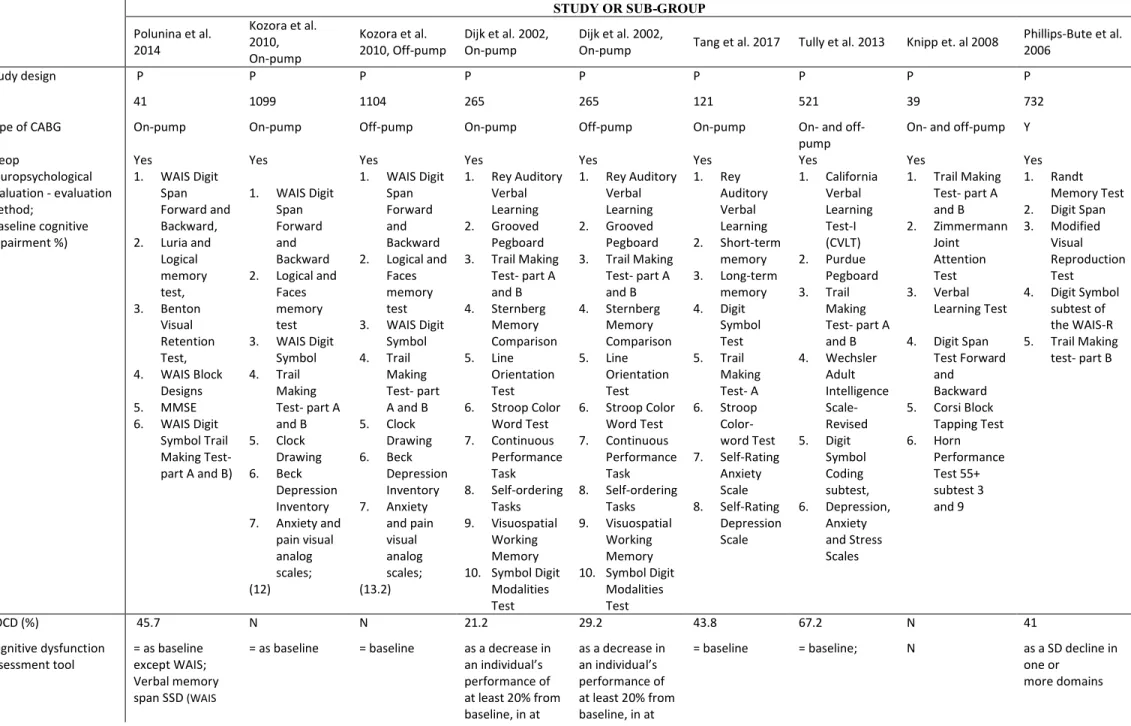
TABELA II-CHARACTERISTICS OF MULTIVARIABLE STUDIES OF OUTCOMES AND PROGNOSTIC FACTORS FOR COGNITIVE DYSFUNCTION AFTER CORONARY ARTERY BYPASS GRAFTING ... 34
List of Figures
Introduction
Surgery is always performed with the ultimate aim of improving patient’s health. Any negative and non-expected post-surgery outcome may remove the purpose of the intervention and ought to be immediately addressed and solved 1.
The frequency of cardiac interventions in elder patients has been increasing specially owed to scientific and technological improvements. This has successfully upgraded the overall morbidity and mortality in this population, with a decrease in in-hospital mortality from 7.1% to 3.2% 2345.
However, as a consequence of the advanced age of patients, combined with an augmented prevalence of co-morbidities (e.g., diabetes, obesity, and hypertension) and the inevitable demand for cardiac surgery, higher risk patients are submitted to CABG surgery (with or without valve surgery). The postsurgical effects in this population have therefore been significantly poorer than those in patients with lesser complex health backgrounds 6.
The American College of Cardiology and the American Heart Association have divided the neurological complications after cardiac surgery, sorting them into two groups: type I and type II 7. Type-I neurological deficits include stroke and transient ischaemic attack, coma, and fatal cerebral injury. These deficits are clearly defined diagnoses and can be detected by clinical neurological examination. On the other hand, type-II neurological deficits are diffuse and incongruous, and include delirium and postoperative cognitive dysfunction (POCD), involving deficiency of memory, concentration and psychomotor speed 85. Therefore I will be focusing mainly on type-II neurological complications after surgery, still not omitting stroke.
At the same time, the increase of surviving patients with added postoperative neurological complications has caused a prolonged intensive care unit (ICU) and hospital stay with increased costs, individual suffering and consumption of medical equipment 9.
The pathophysiology of neurological injury, although highly complex, is related to patient-intricate features such as pre-existent neurological dysfunction and extracardiac vascular disease 10.
Stroke, cognitive decline, and delirium are leading causes of morbidity, mortality, and long-term disability and still common neurological complications in patients undergoing cardiac surgery, thus being associated higher length-of-stay and diminished long-term quality of life 11121310. The inclusion of quality-of-life measurement when assessing the value of medical procedures has observed a growing scientific consensus 11.
While these settings imply obvious stress on already limited healthcare resources, the untouched and imperative goal is preventing the potentially devastating impact that these events can have on the lives of patients and their families 10.
Negative cerebral outcomes in patients after coronary revascularization have been linked with an increased 10% in in-hospital mortality, a twofold increase in length of hospital stay, a fourfold higher rate of discharge to a nursing home, a prolonged process of rehabilitation, later return to normal life, and massively augmented use of health care resources, when comparing with patients with no neurological prejudice 812.
Even when cognitive functioning is not clinically acknowledged as impaired, an insistent, quantifiable decrease in important domains of neurological function may occur 11.
Frailty is an upcoming yet progressively accepted concept in cardiac surgery. It is defined as a state of decreased physiologic reserves due to multisystem decline, which leaves patients in a state of increased vulnerability. It is recognized to be a key predictor of postoperative complications and mortality after elective or emergency surgery 14. It has been shown to be associated with multiple negative outcomes, including cognitive decline, falls, fractures, and progressive disability in activities of daily living (ADL). It is, consequently, a risk factor for postoperative complications of cardiac surgery such as in-hospital mortality, institutional discharge, and reduced mid-term survival 1516. Statistically, the prevalence of frailty is approximately 7% in the general population over 65 years old, rising to 40 %, particularly in patients who are hospitalized with multiple clinical diagnoses 17. Still, frailty assessments have yet to be incorporated into standard preoperative risk prediction protocols, such as in the commonly used European System for Cardiac Operative Risk Evaluation II (EuroSCORE II) 16.
Objectives
This review aims to examine the determinants of neurologic outcome, particularly concerning delirium, POCD, stroke and their occurrence after cardiac surgery. As a secondary goal, the association between frailty and the previously enumerated neurologic outcomes, and neuroprotective and monitoring tools during cardiac surgery.
Methods
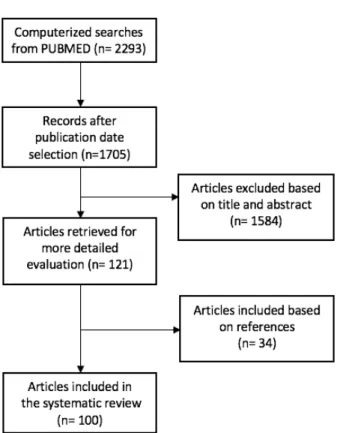
An online search of PubMed indexed journals from 2008 was concluded. The research material was based on the following MeSH terms: ‘Coronary artery bypass’ AND ‘Cognitive dysfunction’ AND ‘Delirium’ AND ‘Stroke’ AND ‘Neuroprotection’ AND ‘Frailty’ AND ‘Frail elderly’, albeit additional terms as outcome assessment and neurologic complications. This topic inquiry will be restricted to studies published in the English language in the last 10 years; studies published before 2009 shall be considered if regards pertinent information. Relevant references from the articles identified from the literature search were also retrieved for further analysis. There was insufficient homogeneity between studies to allow a quantitative, meta-analytic approach of area of interest studies. Therefore, a critical, systematic review was undertaken. Studies were excluded if they involved procedures such as angioplasty, angiography, valvuloplasty, and Transcatheter Aortic Valve Implantation and non-cardiac surgery.
Development
CONCEPT A- Postoperative determinants of outcome in cardiac surgery A.1- POSTOPERATIVE DELIRIUM
Delirium is defined, according to the Diagnostic Statistical Manual of Mental Disorders (DSM), as a disturbance in attention accompanied by changes in awareness and cognition occurring acutely and having a fluctuating course 18. It is usually manifested as an acute, fluctuating disturbance of consciousness with reduced ability to focus, sustain or shift attention, a decline in cognitive function (memory, orientation, speech, thinking), perceptual abnormalities, circadian disruption, and psychomotor disturbances. This condition may be hyperactive, hypoactive or
mixed, based on psychomotor features 9. As the worldwide population ages, an increased number
of cardiac surgeries are performed yearly. Therefore, post-cardiac surgery delirium is a major epidemiologic and clinical problem 19. Delirium has far-reaching short- and long-term consequences of disturbing quality-of-life, social needs, and clinical morbidity and mortality 1.
The aetiology of delirium is generally contemplated to be multifactorial. It is described as a complex interplay of predisposing (cognitive decline, compromised functional status, sensory impairment, pre-existing medical conditions, psychoactive drugs) and precipitating factors (certain drugs, primary neurological disease, intercurrent illnesses, surgery, admission to the ICU, physical restraint and urinary catheterization). The pathogenesis of POD is roughly an ‘ischaemic encephalopathy’, where several events lead to cerebral desaturations, including systemic hypotension, blood loss, cerebral air embolisms and mismatch between cerebral perfusion and metabolism 20. Its core physiological intricacies are not yet fully clarified but have been linked with abnormal neurotransmitter levels (particularly acetylcholine and dopamine), slowing of cortical electrical activity, neuroinflammation with changes in blood-brain barrier permeability 919.
Systemic inflammation with endothelial dysfunction and blood–brain barrier disruption, leading to neuroinflammation and activation of microglial cells, are a consequence of the
employment of cardiopulmonary bypass (CPB) 2119. In CABG, interventions to optimize cerebral
hemodynamics through early identification and resolution of cerebral hypoxia may be able to reduce the chances of POD 20.
The incidence of postoperative delirium (POD) is highly variable and dependable on the criteria used to define it, study design and type of cardiovascular procedure executed. 20 9. The
incidence varies between 3.1 and 46% among medical patients after CABG 20122. In the context of ICUs, these incidents rise to 90% 9191.
The Confusion Assessment Method (CAM) is a diagnostic method which has a specificity of 99%, but a sensitivity of only 82%, as reported by a recent meta-analysis, therefore this instrument accurately diagnose POD 10. Plus, the common hypoactive presentation may also contribute to this underdiagnosed disorder 123. Knowledge of the predictive factors of POD is therefore essential to identify patients who are at increased risk, and most likely to benefit from targeted interventions and intensified post-operative monitoring 19.
Numerous predictors of POD after cardiac surgery have been identified, being age, cognitive impairment, active depression, atrial fibrillation (potentially caused by cerebral emboli and hypoperfusion), severity and duration of cerebral hypoxemia and cardiopulmonary bypass time the most consistently reported 242526. Extended periods of surgery also led to increased CPB and aortic cross-clamp time and was associated with POD. 2719. Age is also recognised as one of the major unmodifiable factors 19. For patients above 65 years, age, low ejection fraction, diabetes and extracardiac arteriopathy were the most frequent independent predictors of POD 19. Above 80 years no significant predictors were determined 19. Atrial fibrillation, postoperative pneumonia, elevated postoperative creatinine, and prolonged hospital length-of-stay are associated with post-cardiac surgery delirium in patients above 65 years 19. Moreover postoperative mechanical ventilation and length-of-stay-ICU stay were only independently associated with POD and in-hospital mortality 2823.
Additionally, not only older age, baseline cognitive dysfunction, prolonged mechanical ventilation, but also lower levels of education, hypertension, higher scores on a geriatric depression screen, preoperative benzodiazepine use and postoperative renal dysfunction 2930 highlights, as risk factors, the role of systemic disease in the development of POD 2610.
The synergy between delirium and frailty has not been extensively and successfully elucidated. Ordinarily, frailty is described as a chronic condition, while delirium is mostly an acute stressor on a susceptible brain. The interplay results in significant health outcomes and shares numerous risk factors 16.
Frailty and delirium have been theorized to be distinctive outcomes of a shared inability to compensate for stress. Patients deemed frail were at substantially increased risk of delirium. The 35-item Frailty Index subdivided into score groups, matched high frailty index scores with an increased risk of POD. Present in 13.4%, with an incidence of 27% of postoperative frailty, POD was
magnitude1627. Findings underline that intervention for prevention or treatment of POD is more important for frail patients 27.
Patients without delirium returned to baseline cognitive function in approximately 1 month, whereas patients with POD had not returned to preoperative cognitive function at the end of follow-up (1 year) 29.
There is no scientific unanimity regarding POD and postoperative mortality rates. While some recognize the independent association between POD and up to 10 years postoperative mortality, others encourage the absence of tie 31119.
A.2- POSTOPERATIVE COGNITIVE DYSFUNCTION
The postoperative cognitive dysfunction, particularly in the elder population, is a serious risk. When occurred after cardiac surgery, the impairment of neurocognitive function can be persistent, diminish quality-of-life, cause early withdrawal from the workforce and increased dependency on society 32335.
POCD has been a subject of intense focus for patients undergoing surgery, particularly those undergoing cardiac surgery with cardiopulmonary bypass (CPB) 32. It is by far the most common cerebral complication after CABG, but also the most difficult to recognize clinically 12. Regrettably, there is no gold standard to determine the diagnosis of POCD. Consequently, published
incidences are dependent on definitions that are mainly based on expert opinion 5. Mini-mental
State Examination is a commonly used tool to assess POCD. However, its limited sensitivity to identify changes from baseline and restricted cognitive domains evaluation may result infallible scores 34. Albeit, a single study of 39 patients concluded that Immediate Recall and Delayed Recognition were predictors of late cognitive deficit outcome 12.
After cardiac surgery, a composite of neuropsychological tests can identify a decrease in performance from baseline, in one or more domains such as memory, attention, language, executive function, and motor speed 35.
Despite the aetiology not being fully comprehended, the use of CPB has been widely associated with POCD 3637. Ordinary procedures of CPB yield cerebral microemboli, for example as a consequence of aortic cannulation, and could result in brain injury and neuropsychological deficits 38. Additionally, CBP produces a systemic inflammatory response which by itself may contribute to brain dysfunction. Furthermore, its non-physiologic perfusion mode could trigger an imbalance
between supply and demand of oxygen in the brain 13. Former investigations have concentrated
their efforts in linking systemic inflammation with microemboli from CPB. Contrastingly, recent evidence including matched controls has provided evidence which implicates patient-specific factors and coexisting disease in the development of POCD 39.
The true incidence of POCD is difficult to estimate due to inconsistencies in diagnostic testing, time interval of follow-up, varying inclusion and exclusion criteria, and frequent lack of
control groups 40, but to a measurable extent is believed to occur in approximately 40-80% at
hospital discharge and 20-40% at 6 months postop 373213124141542. In addition, 36.8% of patients demonstrated a neurocognitive deficit of 1-year post 11.
causes a “tetrad” of circumstances that may originate or enhance cognitive decline. These are: 1) pre-existing cognitive impairment (pre-cognitive impairment, mild cognitive impairment, or dementia) with its associated diminished cognitive reserve up to 46%; 2) pre-existing inflammatory states such as vascular disease or Alzheimer disease; 3) the triggering of widespread systemic inflammation; and 4) alteration in the blood-brain barrier increasing exposure of central nervous system neurons to toxic or inflammatory effects 39. In addition, microembolism, regional or global hypoperfusion, or hypoxia may increase vulnerability 110.
Additionally, advanced age, lower IQ (or educational levels), hypertension, self-rating depression scale and development of delirium in the ICU were associated with POCD 32431, 4445. It was also reported that intraoperative hyperglycaemia (>11 mmol/L) to be linked with POCD in nondiabetic patients 1. POCD is liked to an increase of 1.2 length-of-stay in hospital 1. Diabetes has been shown as a risk factor, even in patients with well-controlled type 2 diabetes mellitus, of newly acquired attentional deficits 46. Cognitive decline in the immediate recall at discharge and cognitive decline in delayed recognition at discharge were found to be predictors of cognitive deficit at 3 years 3212.
Concerning the controversial topic off and on-pump CABG, there is still a lack of scientific consensus. While some authors believe that recovery of cognitive function after surgery is
improved by patients undergoing off-pump CABG 474813, others have found there was no variance
in the incidence of POCD between the two surgical techniques 474943. Well-conducted randomised controlled trials, with blinding of assessors, have shown that the incidence of POCD is similar regardless of whether coronary revascularisation is performed with CPB (‘on-pump’) or on a beating heart (‘off-pump’).
The consequences of POCD after CABG in the quality-of-life of patients should also be a major focus of all healthcare professionals. Cognitive decline is significantly related with fewer capacity to complete daily life activities, fewer functional aptitude, higher depression levels, increased self-reported mental difficulties and self-perception of health 11. It was reported that the quality-of-life was lower 12 months postop in those with POCD 111. Patients with previous cognitive impairment and POCD up until 6 months postop had a higher mortality risk at 11 years 501.
The recovery of POCD after an initial decline at 6 weeks was found in 50% of patients at one-year postop. Four predictors of one-year recovery were established such as higher education level, higher baseline cognitive performance, less cognitive decline between baseline and 6 weeks, and lower Instrumental Activities of Daily Living (ADL) scores at 6 weeks (i. e. better functional performance) 42.
Among many complications, the inability to process speed is one of the major consequences of cognitive dysfunction. Processing speed is a vital component of cognitive tasks,
critical to overcoming the postoperative recovery period, and its deficits have been correlated with impaired functional status, including ADLs such as managing finances, nutrition, and medications 22. Auditory memory span test (digit span) was more effective as a tool for identifying POCD in a cohort after CABG 51.
A current study was able to identify a list of neuropsychological test scores that predict POCD: Self-rating depressor scale post-op, Trail making test part A change between pre- and postop, Digit symbol test postop and both change in short- and long-term memory change between pre- and postop 45.
Preservation of cognitive status in the weeks to months after cardiac surgery is an important patient-centred goal to facilitate prompt return to presurgical functional status, such as living independently with normal social engagement. The recovery timeline of cognitive domains is expected to take up to 1-year postop, except for processing speed. Further studies are needed to clarify longer-term cognitive outcomes and to elucidate mechanisms for these findings in patients undergoing cardiac surgery 22.
Association between POD and POCD
Delirium and cognitive decline are the most prevalent neuropsychiatric complications of cardiac surgery and share similar diagnostic criteria, pathogeneses, and risk factors. The concomitant existence of neurological dysfunction in the 2 conditions is highlighted by studies finding that POD is a risk factor for long-term cognitive impairment and that preoperative cognitive impairment is a risk factor for POD 10. The development of delirium after cardiac surgery has been correlated with the development of long-term cognitive decline 3110. Understanding the mechanism for associations between delirium and cognitive decline is vital, and several possibilities exist. Delirium might be a “stress test” for the brain and has the ability to pinpoint previously vulnerable patients to cognitive decline and who might benefit from rehabilitation strategies. Obtaining preoperative cognitive assessments would help illuminate this question however, this is challenging but crucial information to obtain before surgery. 22.
The prevalence of mild cognitive impairment (MCI) recognized by subtle cognitive changes increases with age. Nearly 16% of patients older than 70 years of age will have MCI and over 17% will progress to dementia every year. In elderly patients presenting for coronary artery surgery, the prevalence is even higher for nonamnestic or mixed MCI (37% and 33%, respectively). This may predispose to postoperative delirium and some forms of cognitive impairment may be exacerbated,
assessments, psychomotor speed and visuoconstruction were the most adversely affected by the presence of POD. Concerning speed processing, patients with POD showed a greater decline 1 year
postop 22. Therefore POD has been associated with nonlinear changes in postoperative cognition,
in particular with “delayed neurocognitive recovery,” a new term used to describe early POCD. Remarkably, these nonlinear changes in POCD have been consistently described over the past years, most notably by Newman et al, whose studies also reported an incidence of cognitive decline of 24% at 6 months and 42% at 5 years after cardiac surgery 3241. A greater cognitive decline at 1 month but not 1 year after cardiac surgery has been proven by a well-rounded neuro-psychological composite in a European cohort when matching to patients without delirium 52. Most relevant, the incidence of delirium was only 12.5% in their study, probably due to the operationalization of the delirium assessment and/or lacked sensitivity. These results were enhanced after using a more sensitive delirium examination and showing similar findings 22. Accordingly, the correlation between delirium and POCD is not limited to the most severe or evident forms, an observation that emphasizes the importance of screening for and preventing even mild cases of POD 22. This demonstrates that the association of delirium and cognitive change is robust to heterogeneous methods of delirium and cognitive assessment 2922.
A.3- STROKE
The Society for Neuroscience in Anesthesiology and Critical Care Consensus Statement defined a perioperative stroke as a brain infarction of ischemic or haemorrhagic aetiology, which occurs during surgery or within 30 days after surgery, including the development of stroke after recovering from anaesthesia. Peak timing of perioperative stroke may vary depending on the type of surgical procedure 53.
Stroke is still one of the most distressing complications of cardiac surgery. Past studies focused mainly on undergoing coronary artery bypass grafting (CABG) provided a great understanding of the mechanisms and risk factors associated with perioperative stroke 54. This complication has a major impact on patients’ short-term and long-term outcomes. The source of this neurological outcome is multifactorial, including mainly the effects of microembolization and global cerebral hypoperfusion next to systemic inflammation 3. Intraoperative hemodynamic abnormalities such as hypotension or low cardiac output, decrease cerebral blood flow during cardiac surgery, which may lead to the accumulation of microembolic material in the cerebral vasculature and contribute toward perioperative ischemic stroke 55 10. Reduction in cerebral microemboli with off-pump compared with surgery using CPB has been consistently found. In the study by Lund, the number of cerebral microemboli was significantly less during off-pump
compared with on-pump surgery 56. In a randomized study of 212 patients, it was reported that a
composite neurocognitive score was superior after off-pump surgery at the time of hospital discharge when compared with scores of patients undergoing on-pump surgery, but the difference did not persist 6 weeks and 6 months after surgery 4813. Additionally, the avoidance of CPB during CABG surgery significantly decreased the number of intraoperative cerebral microemboli but the incidence of cognitive dysfunction was not reduced at either 1 week or 3 months after surgery. Neither CPB nor cerebral microemboli were independently associated with the risk of POCD 13.
Unfortunately, many of the risk factors for stroke following cardiac surgery are not
modifiable 44. The most commonly associated preoperative factors include advanced age, gender,
previous history of stroke or aortic surgery, extensive extracardiac atherosclerosis, unstable angina, and comorbid patient conditions such as hypertension, renal disease, diabetes (5.2% at 5 years), congestive heart failure and peripheral vascular disease 57585939606110. The presence of ascending aortic atherosclerosis was identified as a predictive factor for postoperative stroke, increasing its
emergence of atrial fibrillation pre and postoperatively, particularly in a setting of low cardiac output, is a major cause of embolic stroke after cardiac surgery and has been shown to increase a 2-fold risk of developing stroke5963446410. The influence of mean arterial pressure dispersion during CPB was analysed and it became evident that besides previously stated factors, patients with high arterial pressure fluctuations had the highest incidence of stroke development and it is hypothesised that MAP > 80mmHg intraoperatively may decrease neurologic complications in
cardiac surgery 65 60 66. Moreover, higher intraoperative transfusion requirements and
postoperative haemoglobin levels are independently associated with a 37% increase odds of stroke ensuing 67. Unstable angina, left ventricular ejection fraction ≤50%, and hypotension are risk factors of postoperative recurrent stroke and are assumed to contribute to brain hypoperfusion 58.
The reported incidence of stroke after cardiac surgery seems to be declining, but there is significant inconsistency among studies 10. A large review of the Society of Thoracic Surgeons database from 2002 to 2006 concluded that the incidence of stroke was reported to be 1.4% for isolated CABG, 2.9% for combined CABG and valve procedures, and 3.9% for combined mitral valve
and CABG 10. After on-pump CABG, 1.6–5% of patients experience stroke, and this risk increases
with age 8685969. Approximately one-third of strokes (labelled as early or intraoperative strokes) are detected immediately after surgery 59, whereas the other two-thirds are present in the postoperative period after an initial, uneventful neurological recovery. 10. Small cerebral infarctions on magnetic resonance imaging (MRI) identified before surgery were associated with increased rates of clinical stroke (5.6%) when compared to patients with normal preoperative MRI scans (1.4%) 7010. The rate of postoperative stroke grew to 8.4% in patients found to have multiple strokes on their preoperative imaging 10.
Postoperative stroke places a major burden on patients, their families, and the health care system 44. Strokes were also associated with substantially longer periods of hospitalization 54. Patients with perioperative stroke had in-hospital mortality of 32.8% versus only 4.9% for those without stroke 54. Survival at 30 days, 3 months, and 1 year were also significantly reduced 54. Similar reductions in long-term survival after stroke have been reported at 1-, 5-, and 10-year intervals. An inferior but still substantial in-hospital mortality rate of 12.3% was reported in patients who suffered a stroke after mixed cardiac surgery 71. Mortality for patients suffering intraoperative versus delayed stroke seems to be higher as well (41% vs. 13%) 57.
Association between STROKE and COGNITIVE DEFICIT
Among the postoperative factors of stroke, cerebral ischemia is the most crucial and could be connected to persistent cognitive deficit. The attachment of early or late neurological changes
to the number or volume of new ischemic brain damage confirmed on postoperative diffusion-weighted imaging (DWI) was, however, not found 12.
Numerous preoperative stroke prognosis models are available to cardiac surgical patients. However, intraoperative monitoring of the central nervous system and its application has not reliably presented outcome benefits in detecting and preventing cerebral injury throughout wide populations 10.
CONCEPT B- Intraoperative- Monitoring in cardiac surgery and its impact on neurologic outcome The implementation of neurological monitoring during cardiac surgery is thought to improve the detection of low oxygen conditions associated with neurological injury. Technology may provide clinicians and perfusionists with vital information to assist in reducing insult to the brain 72 73. Routine intra-operative monitoring techniques aim at systemic hemodynamics and
oxygenation but provide little information about cerebral perfusion and brain oxygenation 5. An
important association between negative neurologic outcome and low cerebral oximetry assessment has been shown by several authors 7473. In addition, perioperative interventions that restore cerebral saturations within normal limits are associated with an improved outcome 7520. The maintenance of a higher mean arterial pressure (MAP) is key to a good performance from CPB and it may be linked with an inferior overall rate of neurologic complications in CABG patients 7610.
Besides perfusion pressure and flow rate, the amount of oxygen carrier is also essential to provide the tissue with oxygen. The normal haematocrit value is between 40%–54% for men and 36%–48% for women. During CPB, haemodilution is usually accepted, reducing the amount of transfusion with red blood cells on the one hand and also improving microcirculation, on the other hand 66. However, it may present as a disadvantage in regards to brain oxygen supply being reduced if haematocrit is too low. Several authors had this very same concern and concluded that a haematocrit level of about 25% was not associated with an impaired outcome 776678.
Serum S100B protein has been used as a biochemical marker in the detection of brain injury during cardiac surgery. Elevated levels indicate brain cell damage and adverse neurological outcomes 79 73. Murkin’s protocol was an intraoperative management guideline used for the interventional group to maintain rSO2 values above 75% of the baseline threshold during cardiopulmonary bypass. Cerebral desaturation was defined as a decrease in oxygen saturation values below 70% of baseline for more than 1 minute. Interventions commenced within 15 seconds of decrease below 75% of the baseline value. The implementation of Murkin’s protocol lowered S100B concentration, thus demonstrating the positive effect of optimising cerebral oxygen saturation on brain injury. Cerebral desaturation occurred predominantly during aortic cross-clamping, distal anastomosis of coronary arteries and aortic cross-clamp release. The clinical values of S100B have been demonstrated in stroke, cerebral complications associated with cardiac arrest and in patients with both minor and severe head injury. The findings of the Murkin’s protocol study imply that optimisation of these factors by cardiovascular perfusionists during on-pump CABG would result in increased cerebral oxygen saturation levels and a reduction in brain insult 8073.
Advanced techniques such as magnetic resonance imaging including diffusion-weighted imaging (DWI), offer an important diagnostic benefit over conventional MRI sequences and computed tomography for the detection of early signs of ischemia 12. Therefore, its application has been associated with the incidence of new ischaemic infarcts in relation to CABG (26 to 51 %). 8112. Exposure to microemboli during CABG may trigger the pre-existing cerebrovascular disease. The extent of new ischemic lesions detected by MRI has been associated with POCD diagnosed at 6 weeks by a neuropsychological evaluation. Mild cognitive impairment, a less severe presentation of cognitive dysfunction, has been associated with perioperative ischemia and is more severe with a greater ischemic load. Although the majority of novel diffusion-weighted imaging lesions do not result in focal neurological symptoms and signs, they are not unavoidably clinically silent 2. Indisputably, the majority of patients with novel small ischaemic brain lesions on DWI-MRI seem clinically asymptomatic. However, it does not preclude the possibility of more subtle subclinical cognitive impairment 828384. Additionally, a tie between symptomatic early lesion recurrence on
DWI-MRI and functional status assessed by the modified Rankin Disability Scale was reported 85.
Recently, an investigation has not found a link between new MRI lesions and POCD 8610.
The use of Near-infrared spectroscopy in the standard of care has increased in the health care community. It provides a non-invasive method of assessing cerebral haemoglobin oxygen saturation, thereby indicating the overall balance between oxygen delivery, requirements, and uptake. Therefore, there is no longer a demand to conjecture the rate of oxygen delivery and adequate blood flow and presents with the potential of acquiring direct information about cerebral tissue oxygenation and cerebral tissue perfusion 20. Early efforts also suggest that the technique can be used to assess cerebral autoregulation 8758073. A recent meta-analysis concluded that there is limited support for the use of perioperative active cerebral near-infrared spectroscopy (NIRS) monitoring of brain oxygenation in adults, in order to reduce the occurrence of short-term mild POCD and ICU length of stay 88. Still the premise that a patient-specific NIRS-based algorithm for the management of CPB results in reductions in neurocognitive dysfunction at up to 3 months postop was proven to be false. The use of NIRS did not result in perioperative reductions in serum or urine biomarkers of the brain, kidneys, and myocardial injury, or in resource use 89. There is a doubt as to whether active cerebral NIRS monitoring has an important effect on postoperative stroke, delirium or death.
neurophysiological evaluation and long-term follow-up have to be elaborated to evaluate protective effects on the brain 66.
CONCEPT C- Preventive measures and brain protection
Neuroprotective techniques are still a paramount focus in cardiac surgery, considering cardiopulmonary bypass can cause neurological damage either by thromboembolism, hypoperfusion of watershed regions or inflammatory processes 66.
Countless treatments for delirium have been suggested, including antipsychotic agents, barely any of which have proven to be successful. Therefore, the efforts should be focused on the prevention of delirium rather than its treatment by virtue of a successful multicomponent non-pharmacological intervention for preventing delirium which improved quality of care. Their intervention to prevent delirium included education, orientation, sleep preservation, nutritional support, and early mobilization. Further studies are required to confirm the effectiveness of such early intervention 27. Also, in addition to staff education, geriatric risk assessment and reorientation protocol have been considered effective in preventing delirium 90. Several of the already identified and validated risk factors for delirium are not modifiable. Thus, the main interventional opportunity relies on protective measures for the brain, specially while at the start of neurochemical disruption, such as during anaesthesia, surgery and CPB 1.
Pharmacological
Ketamine is a phencyclidine anesthetic and antihyperalgesic agent with a range of pharmacological effects that are potentially neuroprotective. As an N-methyl-D-aspartate (NMDA) receptor antagonist, ketamine reduces glutamate-induced calcium ion influx, which has been shown to trigger neural injury and cell death. In vivo studies using ketamine protection against glutamate-induced or ischemic neural injury achieved less neuronal damage. Furthermore, ketamine enjoys anti-inflammatory effects, which are reproducible in vitro and lessen human inflammatory responses postop. In subanesthetic doses, ketamine seems to have a role in out-of-hospital emergency medicine to treat hyperactive delirium. Accordingly, ketamine was explored in a preoperative setting and it appeared to reduce the incidence of postoperative delirium when
administered immediately before the surgical procedure 91 and contrastingly, did not show any
neuroprotective properties in another investigation 66. Therefore, a more rigorous analysis of short- and long-term of its neuroprotective effects should be completed in the future 1.
Memantine is the first uncompetitive, low-to-moderate affinity antagonist of the NMDA receptor. Considering its affinity for the receptor, it is supposed to not lead to learning impairment
memantine protects the brain from the toxic effect of glutamate’s high concentration and can be regarded as a safe neuroprotective agent against POCD.
Lignocaine is a neuronal stabilization and has anti-inflammatory effects. A double-blinded randomized controlled trial exposed 241 patients after cardiac surgery during 48-hour and showed no differences in cognitive measures at 6 weeks and 1 year postoperatively. The investigation of lignocaine is difficult in cardiac surgery due to it is frequently administration, either as a component of cardioplegic solutions or in the treatment of dysrhythmias 1.
Other drugs with expected immune modulatory effects have also been tested. The anaesthetic propofol had a positive influence on the immune response after CPB 93. Likewise, it was found that S100β levels were lower in patients receiving propofol when compared to patients under desflurane anaesthesia 9466.
Considering there is a need to modulate inflammatory responses, steroids appear to be an obvious choice. However, there is a lack of quality information regarding this matter. Disruption of the average diurnal variation in cortisol levels was significantly related to POCD at 1 week after cardiac surgery. A meta-analysis of perioperative steroids in cardiac surgery did not assess POCD however, reported no advantage in stroke 1. A large clinical trial (4494) of cardiac surgical patients compared high-dose dexamethasone (1 mg/kg) with placebo and stated that dexamethasone use was associated with decreases in postoperative infection, duration of postoperative mechanical ventilation, duration of ICU and hospital stays. Though it did not report a reduction in the incidence of major adverse events, including stroke at 30 days, compared with placebo 1. Additionally, high-dose methylprednisolone was able to mitigate the systemic inflammatory response of open-heart surgery with cardiopulmonary bypass but did not prevent or attenuate the increase in blood-brain barrier permeability or the neuroinflammatory response 95.
Dexmedetomidine is a highly selective α2-adrenergic agonist that strongly modulates the activity of the sympathetic nervous system by binding to the α2-receptors present in both the central and peripheral nervous systems and inhibits the release of norepinephrine, thus modulating sympathetic activity. A retrospective analysis showed that aged cardiac surgical patients who received dexmedetomidine after CPB surgery had better in-hospital and surgical survival rates. Perioperative use was also associated with a significant decrease in the incidence of postoperative
stroke and delirium 96 97. In the DEXmedetomidine COpared to Morphine, DEXCOM study,
dexmedetomidine diminished the duration but not the incidence of delirium in cardiac surgery patients 60. A prospective, randomized, multicentre study aimed at the use of dexmedetomidine in elderly cardiac surgery patients is required to confirm these findings 97.
The Society of Thoracic Surgeons regards the use of preoperative β-blockers in patients who undertook CABG surgery a standard of care, however recent investigations do not support this
practice. Consequently, Katznelson found an increased incidence of delirium in patients taking β-blockers in a cohort of patients who underwent vascular surgery 98. Similarly, a study that included on-pump and off-pump CABG surgeries, valve surgery, and also patients who underwent transcatheter aortic valve implantation cardiac surgery reported an association between β-blocker use and delirium. Within this cohort, no association between patients taking β-blockers and the incidence of delirium was evident 99.
Cognitive strategies
The brain is an incredibly adaptive organ and strategies to exploit neuroplasticity to shield from cognitive insults and increase cognitive reserve offer the most practical postoperative intervention opportunities at present. In the acute period, avoiding cognitive disruption by improving postoperative sleep patterns has been advocated as part of a multifaceted approach to perioperative care. In the medium- to long-term, cognitive enrichment including improved social engagement is expected to be beneficial and has been demonstrated in human and animal enquiries. Hereupon a retrospective analysis of predictors of recovery from cognitive change after cardiac surgery, identified increased activities of daily living (ADL) results at 6 weeks as a significant predictor of recovery along with baseline education level and baseline cognition score 1.
Protocol
Although recommendations are unclear, a number of studies have stated that the best strategy for neuroprotection is the combination of hypothermia with selective antegrade head
perfusion, whereas the degree of hypothermia (above or below 20 ºC) remains to be discussed 66.
The temperature gradient between the CPB arterial line and the brain may be another factor to take into consideration. One study identified less cognitive impairment with a 2ºC gradient
compared with a 4–6ºC gradient when rewarming patients from 28–32ºC 1. Rewarming
hyperthermia (>37ºC nasopharyngeal temperature) may create a hypermetabolic state and it was linked to a higher incidence of POCD at 6 weeks. Recommendations are to rewarm slowly with avoidance of overshoot hyperthermia intraoperatively or postoperatively because rewarming might be a source of brain injury 60.
Whereas it is known that reducing focal ischemia and stroke arises from minimizing the number of microembolisms, for POCD and microembolism the picture is less clear. Washing cardiotomy blood to remove contaminants before reinfusion was not associated with improved
probably removed much of the impact of CPB-generated microemboli on subtle cognitive impairment. Nonetheless, it seems prudent to avoid exposure of the brain to unnecessary microembolism 1.
The Haga Brain Care Strategy consisted in the conventional screening protocol for delirium plus the addition of preoperative transcranial Doppler examinations, perioperative cerebral oximetry, modified Rankin score, delirium risk score and (if indicated) duplex examination of the carotid arteries. The cerebral blood flow was optionally optimized by angioplasty or the patient was operated on under mild hypothermic conditions, In cases where poor preoperative hemodynamics were found. Perioperative cerebral desaturations >20% outside the normal range resulted in intervention to restore cerebral oxygenation. Cerebral oximetry was discontinued when patients regained consciousness. The implementation of the Haga Brain Care Strategy in 2010 resulted in a reduction of POD’s incidence in patients undergoing elective CABG procedures. In addition, the length of stay in the ICU displayed an overall tendency to decline 20. This protocol as sophisticated as may be seems to be promising in improving assessment cerebral hemodynamics and perioperative monitoring of cerebral oximetry, and consequently, reduce the incidence of the postoperative delirium in CABG surgery. A prospective randomized trial is key to fully evaluate the efficacy of the protocol 20.
The strongest evidence for interventions to prevent delirium in non-cardiac surgery patients are frequently multi-faceted. The Hospital Elderly Life Program or simply the addition of a formal geriatrics consults include interventions towards increased mobility, reduction of inappropriate medications, sleep-promotion, and optimization of hydration and electrolytes. However, its application may be costly to implement and involve additional resources, such as nurse practitioners and therapists, or the use of costly medications, such as dexmedetomidine 96 23. Nonpharmacological strategies have been reported to reduce 30-40% of surgical patients, resulting in less morbidity, shorter length of stay, and reduced medical costs 100 Further investigations are needed to evaluate its validity in cardiac surgery patients.
Conclusion
Bedford’s ground-breaking case series in 1955 has shed light into the previously unknown complication from anaesthesia and surgery. This review highlights current interventions aiming the optimization in preoperative patient selection, prevention, and identification of neurologic complications and improvement of protocol and surgical strategies of cardiac surgery. It also addresses a summary regarding neuromonitoring tools in this field.
The identification of pre-, intra- and post-op risk factors was acceptably consistent throughout the analysis of the literature selected. However, it is important to highlight that the delirium assessment method varies extensively, as well as the timing in which it is applied to patients. Taking into account that several studies use mere staff observation and medical records to diagnose POD, and not validated tools (for example CAM), the diversity of these evaluations may be non-conclusive. The lack of consistent methodology in identifying POD can also underdiagnose hypoactive POD, which sums up to 75% cases of POD. Additionally, frailty was also associated with postoperative delirium in a multivariate modal, which reaffirms the need to incorporate frailty in preoperative evaluation of patients.
Age, lower levels of education and lower cognitive function at discharge are predictors of POCD. It was also possible to identify specific scores included in common neuropsychological evaluation, which predict POCD. However, the lack of the standard use of definitions, diagnostic tools, and follow-up time intervals makes its interpretation challenging.
Postoperative stroke also places a major burden on patients, their families, and the health care system. Among the postoperative factors of stroke, cerebral ischemia is the most crucial and could be connected to the persistent cognitive deficit. Further studies are required to better integrate data from intraoperative monitoring and stroke predicting models that may have a clinical practical impact.
Aged patients lack the resources to counterbalance for neurologic complications, thus a frequent and active screening for delirium is vital. Moreover, the decline of cognitive function causes several unfavourable conditions, such as poor compliance with medication and symptom monitoring; increasing depression symptoms, and decline of social activity and physical function.
Concerning monitorization during cardiac surgery, the existing evidence linking these techniques with improved neurological outcome is unclear. The outcome of surgery still greatly relies on skilled physicians to efficiently use the information provided by the technology at hand,
In line with well-known cognitive support and protocol strategies, the administration of pharmacological neuroprotective therapy could result in future beneficial outcomes. The mission for efficient neuroprotective drugs during cardiac surgery is not at its end but still at the beginning. Nevertheless, demographic- and comorbidities-related risk factors should not be exclusively taken into account. Frailty has been proven to be strongly associated with adverse outcomes, including neurologic. Therefore, this parameter should be taken into account when evaluating a patients surgical risk as routine protocol.
Health care providers are expected to assertively provide information regarding cardiac surgery risk assessment to patients and their relatives, as well as becoming more vigilant to this upcoming issue. Care should include post-discharge recommendations in order to maximise the recovery of patients in the shortest period of time possible, also reducing the economic burden of health care systems.
Several limitations of this review should be taken into account. The body of literature concerning this topic is extensive and developing, which made the accomplishment of this document challenging. There is still a long path ahead when it concerns the understanding of human and specially the neurologic pathophysiology and mechanisms of delirium, cognitive dysfunction, and frailty in cardiac surgery 10. Even if neuropsychological tests are considered, in theory, to provide a highly sensitive mean of quantifying changes in several cognitive domains, there is still a potential for error. Differences in criteria for defining cognitive decline, test composites, timing of evaluation and order in which these tests are applied, create considerable heterogeneity and even fallible data. Thus, limiting the ability to compare results of different studies. Besides the biological and technique-related predisposing factors, environmental cofactors, such as ICU design, noise, lighting and so on, should also be taken into account when studying the phenomenon. Organization and human resources factors including patient-nurse ration, work-stress, excessive workload, and professional burnout are similarly undervalued in most clinical studies.
Bibliography
1. Scott DA, Evered LA, Silbert BS. Cardiac surgery, the brain, and inflammation. J Extra Corpor Technol. 2014 Mar;46(1):15–22.
2. Barber PA, Hach S, Tippett LJ, Ross L, Merry AF, Milsom P. Cerebral ischemic lesions on
diffusion-weighted imaging are associated with neurocognitive decline after cardiac surgery. Stroke. 2008;39(5):1427–33.
3. Jungwirth B, Kellermann K, Qing M, Mackensen GB, Blobner M, Kochs EF. Cerebral tumor
necrosis factor α expression and long-term neurocognitive performance after cardiopulmonary bypass in rats. J Thorac Cardiovasc Surg. 2009;138(4):1002–7.
4. Maganti M, Rao V, Brister S, Ivanov J. Decreasing mortality for coronary artery bypass
surgery in octogenarians. Can J Cardiol. 2009;25(2):32.
5. Van Harten AE, Scheeren TWL, Absalom AR. A review of postoperative cognitive
dysfunction and neuroinflammation associated with cardiac surgery and anaesthesia. Vol. 67, Anaesthesia. John Wiley & Sons, Ltd (10.1111); 2012. p. 280–93.
6. Hausenloy DJ, Mwamure PK, Venugopal V, J. H, M. B, E. G, et al. Effect of remote ischaemic
preconditioning on myocardial injury in patients undergoing coronary artery bypass graft surgery: a randomised controlled trial. Lancet. 2007;370(9587):575–9.
7. Eagle KA, Guyton RA, Davidoff R, Ewy GA, Fonger J, Gardner TJ, et al. ACC/AHA guidelines
for coronary artery bypass graft surgery: Executive summary and recommendations: A report of the American college of cardiology/american heart association task force on practice guidelines (Committee to revise the 1991 guidelines for co. Indian J Thorac Cardiovasc Surg. 2000;16(2):110–28.
8. Roach GW, Kanchuger M, Mangano CM, Newman M, Nussmeier N, Wolman R, et al.
Adverse Cerebral Outcomes after Coronary Bypass Surgery. N Engl J Med. 1996 Dec 19;335(25):1857–64.
9. Ansaloni L, Catena F, Chattat R, Fortuna D, Franceschi C, Mascitti P, et al. Risk factors and incidence of postoperative delirium in elderly patients after elective and emergency surgery. Br J Surg. 2010;97(2):273–80.
10. Harvey RE. Neurological Outcomes and Neuromonitoring in Cardiac Surgery. Int Anesthesiol Clin. 2018;56(4):21–46.
11. Phillips-Bute B, Mathew JP, Blumenthal JA, Grocott HP, Laskowitz DT, Jones RH, et al. Association of neurocognitive function and quality of life 1 year after Coronary Artery Bypass Graft (CABG) surgery. Psychosom Med. 2006;68(3):369–75.
12. Knipp SC, Matatko N, Wilhelm H, Schlamann M, Thielmann M, Lösch C, et al. Cognitive Outcomes Three Years After Coronary Artery Bypass Surgery: Relation to Diffusion-Weighted Magnetic Resonance Imaging. Ann Thorac Surg. 2008;85(3):872–9.
13. Liu YH, Wang DX, Li LH, Wu XM, Shan GJ, Su Y, et al. The effects of cardiopulmonary bypass on the number of cerebral microemboli and the incidence of cognitive dysfunction after coronary artery bypass graft surgery. Anesth Analg. 2009;109(4):1013–22.
14. Lee DH, Buth KJ, Martin B-J, Yip AM, Hirsch GM. Frail Patients Are at Increased Risk for Mortality and Prolonged Institutional Care After Cardiac Surgery. Circulation.
2010;121(8):973–8.
15. Le Maguet P, Roquilly A, Lasocki S, Asehnoune K, Carise E, Saint Martin M, et al. Prevalence and impact of frailty on mortality in elderly ICU patients: A prospective, multicenter, observational study. Intensive Care Med. 2014;40(5):674–82.
16. Jung P, Pereira MA, Hiebert B, Song X, Rockwood K, Tangri N, et al. The impact of frailty on postoperative delirium in cardiac surgery patients. J Thorac Cardiovasc Surg.
Gerontol Ser A Biol Sci Med Sci. 2004 Mar 1;59(3):M255–63.
18. Association AP. Diagnostic and statistical manual of mental disorders (5th ed.). Washington, DC: American Psychiatric Association; 2013.
19. Kotfis K, Szylińska A, Listewnik M, Strzelbicka M, Brykczyński M, Rotter I, et al. Early delirium after cardiac surgery: an analysis of incidence and risk factors in elderly and very elderly patients. Clin Interv Aging. 2018;Volume 13:1061–70.
20. Palmbergen WAC, Van Sonderen A, Keyhan-Falsafi AM, Keunen RWM, Wolterbeek R. Improved perioperative neurological monitoring of coronary artery bypass graft patients reduces the incidence of postoperative delirium: the Haga Brain Care Strategy. Interact Cardiovasc Thorac Surg. 2012;15(4):671–7.
21. Rudolph JL, Ramlawi B, Kuchel GA, McElhaney JE, Xie D, Sellke FW, et al. Chemokines are associated with delirium after cardiac surgery. J Gerontol A Biol Sci Med Sci. 2008 Feb;63(2):184–9.
22. Brown CH, Probert J, Healy R, Parish M, Nomura Y, Yamaguchi A, et al. Cognitive Decline after Delirium in Patients Undergoing Cardiac Surgery. Anesthesiology. 2018 Sep
1;129(3):406–16.
23. Brown CH, Laflam A, Max L, Lymar D, Neufeld KJ, Tian J, et al. The Impact of Delirium after Cardiac Surgical Procedures on Postoperative Resource Use. Ann Thorac Surg. 2016 May;101(5):1663–9.
24. Andrejaitiene J, Sirvinskas E. Early post-cardiac surgery delirium risk factors. Perfusion. 2012 Mar 14;27(2):105–12.
25. Slater JP, Guarino T, Stack J, Vinod K, Bustami RT, Brown JM, et al. Cerebral Oxygen Desaturation Predicts Cognitive Decline and Longer Hospital Stay After Cardiac Surgery. Ann Thorac Surg. 2009 Jan;87(1):36–45.
26. Oliveira ÍM, Calderaro D, Gualandro DM, Oliveira VH, Oliveira FR, Lima JW, et al. Hypertension, mitral valve disease, atrial fibrillation and low education level predict delirium and worst outcome after cardiac surgery in older adults. BMC Anesthesiol. 2018;18(1):15.
27. Ogawa M, Izawa KP, Satomi-Kobayashi S, Tsuboi Y, Komaki K, Gotake Y, et al. Impact of delirium on postoperative frailty and long term cardiovascular events after cardiac surgery. PLoS One. 2017;12(12):1–14.
28. Norkiene I, Ringaitiene D, Kuzminskaite V, Šipylaite J. Incidence and risk factors of early delirium after cardiac surgery. Biomed Res Int. 2013;2013:323491.
29. Saczynski JS, Marcantonio ER, Quach L, Fong TG, Gross A, Inouye SK, et al. Cognitive trajectories after postoperative delirium. N Engl J Med. 2012 Jul 5;367(1):30–9. 30. Rudolph JL, Jones RN, Levkoff SE, Rockett C, Inouye SK, Sellke FW, et al. Derivation and
validation of a preoperative prediction rule for delirium after cardiac surgery. Circulation. 2009 Jan 20;119(2):229–36.
31. Gottesman RF, Grega MA, Bailey MM, Pham LD, Zeger SL, Baumgartner WA, et al. Delirium after coronary artery bypass graft surgery and late mortality. Ann Neurol. 2010
Mar;67(3):338–44.
32. Newman MF, Kirchner JL, Phillips-Bute B, Gaver V, Grocott H, Jones RH, et al. Longitudinal Assessment of Neurocognitive Function after Coronary-Artery Bypass Surgery. N Engl J Med. 2001;344(6):395–402.
33. Steinmetz J, Christensen KB, Lund T, Lohse N, Rasmussen LS. Long-term Consequences of Postoperative Cognitive Dysfunction. Anesthesiology. 2009 Mar;110(3):548–55.
34. Devenney E, Hodges JR. The Mini-Mental State Examination: pitfalls and limitations. Pract Neurol. 2017 Jan 1;17(1):79–80.
35. Rasmussen LS, Larsen K, Houx P, Skovgaard LT, Hanning CD, Moller JT. The assessment of postoperative cognitive function. Acta Anaesthesiol Scand. 2001 Mar 1;45(3):275–89. 36. Newman MF, Mathew JP, Grocott HP, Mackensen GB, Monk T, Welsh-Bohmer KA, et al.
2006 Aug 19;368(9536):694–703.
37. Selnes OA, Goldsborough MA, Borowicz LM, McKhann GM. Neurobehavioural sequelae of cardiopulmonary bypass. Lancet (London, England). 1999 May 8;353(9164):1601–6. 38. Pugsley W, Klinger L, Paschalis C, Treasure T, Harrison M, Newman S. The impact of
microemboli during cardiopulmonary bypass on neuropsychological functioning. Stroke. 1994 Jul;25(7):1393–9.
39. Selnes OA, Gottesman RF, Grega MA, Baumgartner WA, Zeger SL, Mckhann GM. Cognitive and Neurologic Outcomes After Coronary-Artery Bypass Surgery. Surv Anesthesiol. 2012;56(5):212–3.
40. Selnes OA, McKhann GM. Neurocognitive complications after coronary artery bypass surgery. Ann Neurol. 2005;57(5):615–21.
41. Evered L, Scott DA, Silbert B, Maruff P. Postoperative cognitive dysfunction is independent of type of surgery and anesthetic. Anesth Analg. 2011 May;112(5):1179–85.
42. Fontes MT, Swift RC, Phillips-Bute B, Podgoreanu M V., Stafford-Smith M, Newman MF, et al. Predictors of cognitive recovery after cardiac surgery. Anesth Analg. 2013
Feb;116(2):435–42.
43. Kozora E, Kongs S, Collins JF, Hattler B, Baltz J, Hampton M, et al. Cognitive outcomes after on- versus off-pump coronary artery bypass surgery. Ann Thorac Surg. 2010;90(4):1134– 41.
44. Cropsey C, Kennedy J, Han J, Pandharipande P. Cognitive Dysfunction, Delirium, and Stroke in Cardiac Surgery Patients. Semin Cardiothorac Vasc Anesth. 2015 Dec 8;19(4):309–17. 45. Tang N, Jiang R, Wang X, Wen J, Liu L, Wu J, et al. Insulin resistance plays a potential role in
postoperative cognitive dysfunction in patients following cardiac valve surgery. Brain Res. 2017 Feb 15;1657:377–82.
46. Krannich JH, Tobias T, Broscheit J, Leyh R, Müllges W. Diabetes severely affects attentional performance after coronary artery bypass grafting. J Cardiothorac Surg. 2012;7(1):1. 47. van Dijk D, Jansen EWL, Hijman R, Nierich AP, Diephuis JC, Moons KGM, et al. Cognitive
outcome after off-pump and on-pump coronary artery bypass graft surgery: A randomized trial. J Am Med Assoc. 2002 Mar 20;287(11):1405–12.
48. Motallebzadeh R, Bland JM, Markus HS, Kaski JC, Jahangiri M. Neurocognitive Function and Cerebral Emboli: Randomized Study of On-Pump Versus Off-Pump Coronary Artery Bypass Surgery. Ann Thorac Surg. 2007;83(2):475–82.
49. Selnes OA, Grega MA, Bailey MM, Pham LD, Zeger SL, Baumgartner WA, et al. Do
Management Strategies for Coronary Artery Disease Influence 6-Year Cognitive Outcomes? Ann Thorac Surg. 2009;88(2):445-454.e3.
50. Tully PJ, Baune BT, Baker RA. Cognitive impairment before and six months after cardiac surgery increase mortality risk at median 11 year follow-up: A cohort study. Int J Cardiol. 2013;168(3):2796–802.
51. Polunina AG, Golukhova EZ, Guekht AB, Lefterova NP, Bokeria LA. Cognitive Dysfunction after On-Pump Operations: Neuropsychological Characteristics and Optimal Core Battery of Tests. Stroke Res Treat. 2014;2014:1–18.
52. Sauër AC, Veldhuijzen DS, Ottens TH, Slooter AJC, Kalkman CJ, Van Dijk D. Association between delirium and cognitive change after cardiac surgery. Br J Anaesth. 2017 Aug 1;119(2):308–15.
53. Talke PO, Sharma D, Heyer EJ, Bergese SD, Blackham KA, Stevens RD. Society for
Neuroscience in Anesthesiology and Critical Care Expert Consensus Statement. J Neurosurg Anesthesiol. 2014 Apr;26(2):95–108.