MASTER THESIS
2011/2012
“Going viral: how does viral online video content and specific features
influence attitudes toward the brand?”
Mariana Vieira Alvares Martins
Advisor:
ESCP Europe Prof. Andreas Kaplan
Master Thesis submitted in fulfillment of requirements for the Double Degree International MSc in Business Administration from Católica-Lisbon and Diplôme Master in Management Grande École from ESCP Europe
G O I N G V I R A L : H O W D O E S V I R A L O N L I N E
V I D E O C O N T E N T A N D S P E C I F I C
F E A T U R E S I N F L U E N C E A T T I T U D E S
T O W A R D T H E B R A N D ?
Mariana V. A. Martins
Master Thesis submitted to ESCP Europe, 79 Avenue de la République, 75011 Paris, France
ABSTRACT
Watching videos online has become an ordinary activity, which brands and advertising agencies have been progressively incorporating into their strategies through viral marketing campaigns. Furthermore, it has been verified that to induce consumers to pass-along, viral online video advertisings tend to rely on the use of increasingly provocative content. Still, few experimental researches have examined underlying processes and responses evoked by this feature. In order to fill this void, experimental research, progressed online, was conducted, in which the effects of this strong appeal in forward intentions, advertising processing, brand memorability and purchase intentions are examined. Results insinuate that online videos comprising higher levels of perceived provocation appear to stimulate a higher pass-along probability, more complex formulations of ad related emotions and feelings and better brand memorability. Moreover, it appears also to affect attitudes toward the brand. Nevertheless, limits exist to the manner in which provocation can be portrayed. This study discriminates conditions under which managers can envisage to effectively use such powerful appeal while maximizing viral marketing potential gains.
Key words: viral marketing; online videos; provocative content; willingness to pass; ad evoked feelings and emotions; advertising effectiveness;
RESUME
Regarder des vidéos en ligne est devenu une activité ordinaire que les marques et les agences de publicité ont progressivement intégré dans leurs stratégies à travers des campagnes de marketing viral. En outre, il a été vérifié que pour inciter les consommateurs à passer des messages, les campagnes virales en format de vidéo s'appuient sur l'utilisation d'un contenu de plus en plus provocateur. Pourtant, peu de recherches expérimentales ont examiné les processus sous-jacents et les réponses évoquées par ce contenu. Afin de combler ce vide, une recherche expérimentale a été menée en ligne, où les effets de cette forte attractivité dans les intentions de l'envoyer, les procès d'évaluation des messages, la mémorisation de la marque, et les intentions d'achat ont été examinés. Les résultats insinuent que les vidéos comprenant des niveaux plus élevés de provocation stimulent les consommateurs à les partager, ils formulent des émotions et des sentiments plus complexes et améliorent la mémorisation de la marque. De même, ces vidéos semblent influer les attitudes envers la marque. Néanmoins, il existe des limites pour la manière dont la provocation peut être représentée. Cette étude discrimine les conditions dans lesquelles les managers peuvent envisager d'utiliser efficacement un attrait si puissant, tout en maximisant les gains potentiels de commercialisation virales.
Mots clés: marketing viral, vidéos en ligne, contenu provocateur, volonté de passer, sentiments et émotions évoquées par l'ad, efficacité de la publicité
RESUMO
Assistir vídeos online tornou-se uma atividade comum, que diversas marcas e agências de publicidade têm vindo a incorporar nas suas estratégias de marketing em forma de campanhas de marketing viral. Além do mais, foi verificado também que, para induzir os consumidores a disseminar mensagens publicitárias, estas tendem a incluir conteúdos progressivamente mais provocantes. No entanto, poucas pesquisas experimentais têm examinado os processos subjacentes e as respostas evocadas por esta tendência. Assim sendo, para preencher esta lacuna existente na presente literatura, uma experiência on-line foi realizada, na qual foram examinados os efeitos deste forte estímulo em intenções de partilhar o conteúdo, no processamento da mensagem, na memorização da marca e nas intenções de compra. Os resultados obtidos revelam que vídeos com níveis de provocação relativamente elevados tendem a ter uma maior probabilidade de serem partilhados, evocam emoções e sentimentos mais complexos, e ajudam a memorização da marca. Além disso, parecem também afectar atitudes face à marca em questão. No entanto, existem limites na forma como a provocação deve ser representada. Este estudo discrimina condições sob as quais tais estímulos podem ser utilizados eficazmente maximizando assim potenciais ganhos provenientes das campanhas de marketing viral.
Palavras-chave: marketing viral; vídeos on-line; conteúdo provocativo; disseminação da mensagem; sentimentos evocados ad e emoções; a eficácia da publicidade;
TABLE OF CONTENTS
Abstract ... 1
Résumé ... 2
Resumo ... 2
2. Literature Review ... 8
2.1 A “scorched earth” mindset... 8
2.2 Word-of-mouth ... 10
2.3 Electronic Word-of-mouth ... 12
2.4 Viral Marketing... 13
2.5 Triggering the Infection ... 16
2.6 Let’s Talk! ... 19
2.7 Online video ... 19
2.8 Provocative Content ... 20
3. Theoretical Framework and Hypothesis ... 28
4. Methodology ... 29
4.1 Design ... 29
4.2 Pretest ... 29
4.3 Participants and procedures ... 31
4.4 The Online Experiment ... 32
4.5 Measures ... 33
5. Results ... 35
5.1 Demographics ... 35
5.2 Provocation index ... 35
5.3 Willingness to pass along ... 36
5.4 Emotions aroused ... 38 5.5 Recall ... 40 5.6 Behavioral Intention ... 41 6. Discussion ... 43 6.1 Hypothesis Evaluation ... 43 7. Implications ... 49 7.1 Theory implications ... 49 7.2 Managerial Implications ... 50
8. Limitations and Further Research ... 52 9. Conclusion ... 55 Bibliography ... 56 List of Appendix ... 63 Appendix ... 64
LIST OF TABLES
Table 1: Viral Marketing Potential Benefits ... 15Table 2: Viral Marketing Potential Risks ... 16
Table 3: Newsday Pre-Test Provocation Index ... 30
Table 4: Ford SportKa Pre-Test Provocation Index ... 30
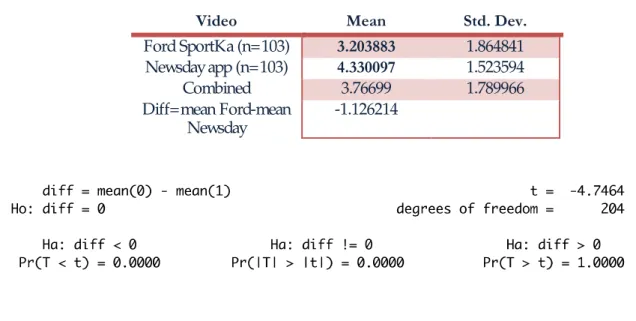
Table 5: Differences in means of Willingness to pass between the two videos ... 36
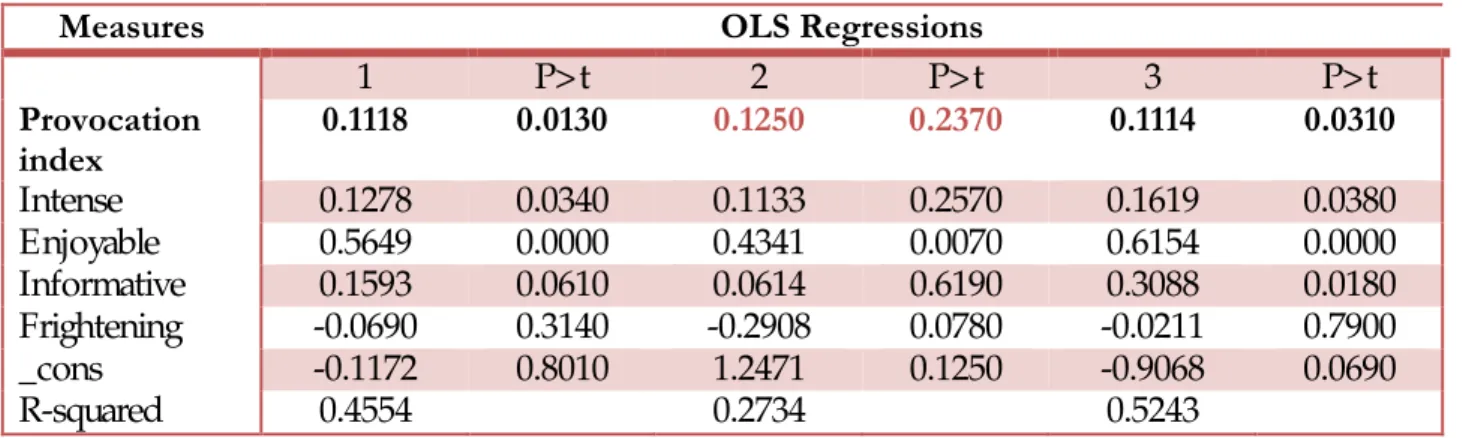
Table 6: OLS regression Provocation on Willingness to Pass ... 37
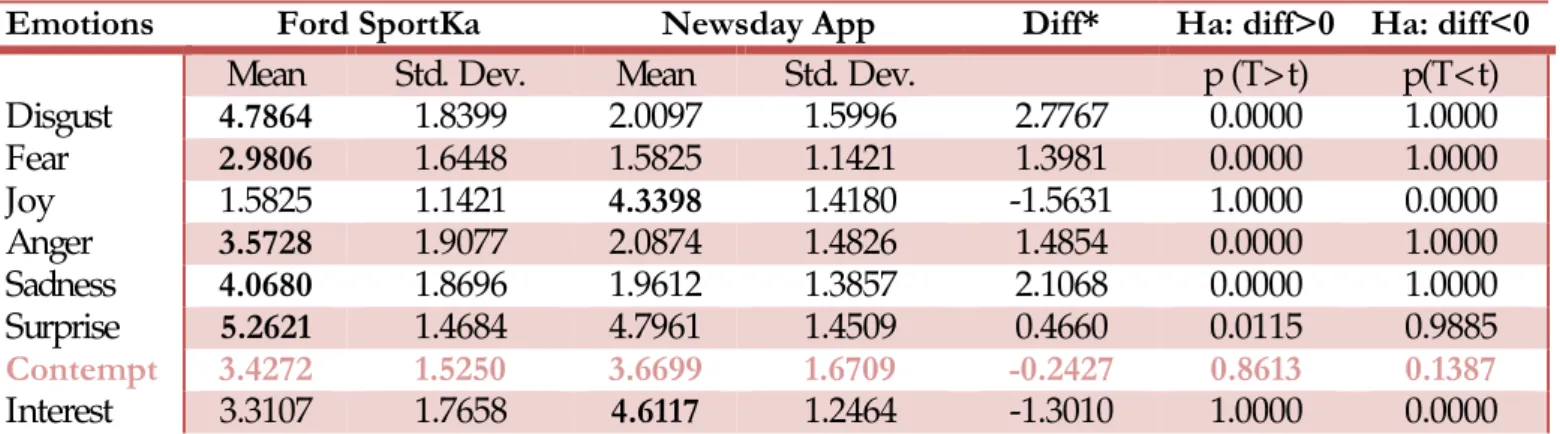
Table 7: Differences in means of emotions aroused between the two videos... 38
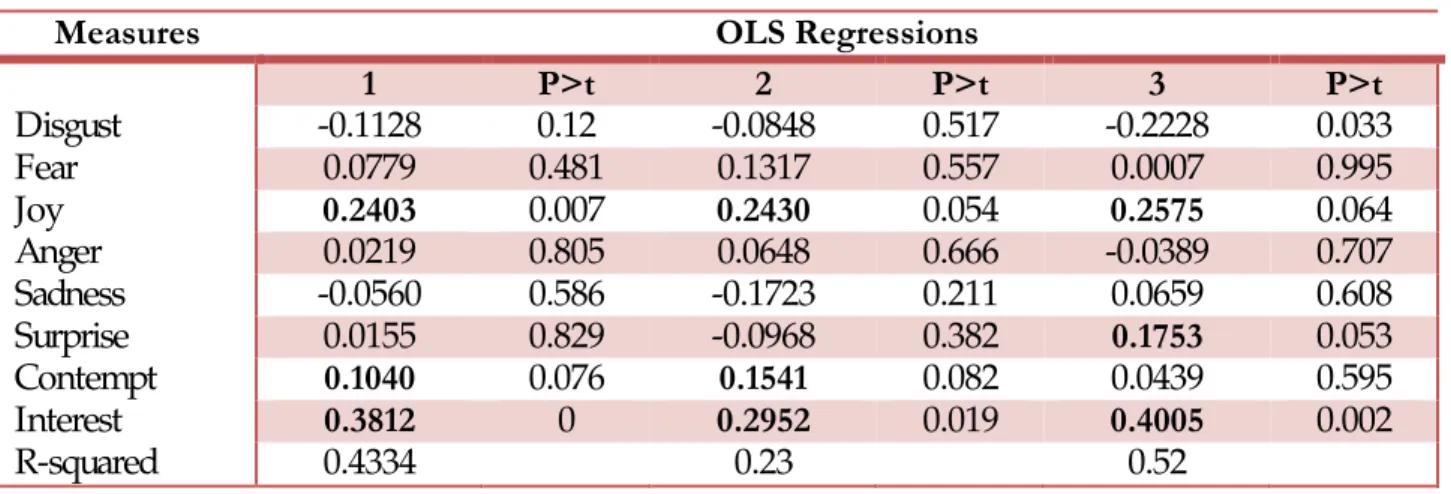
Table 8: Ordinary least squares (OLS) regressions to predict pass along ... 39
Table 9: Differences in means of Willingness to Buy between the two videos ... 41
Table 10: OLS Regression ... 42
LIST OF FIGURES
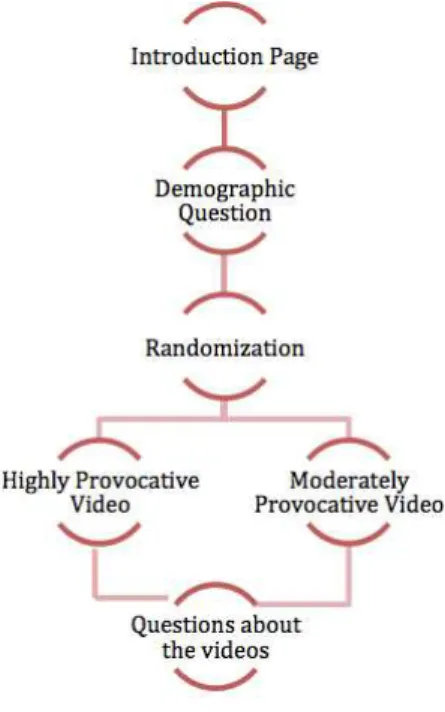
Figure 1: Hypothesis Relationship ... 30Figure 2: Experiment Design ... 33
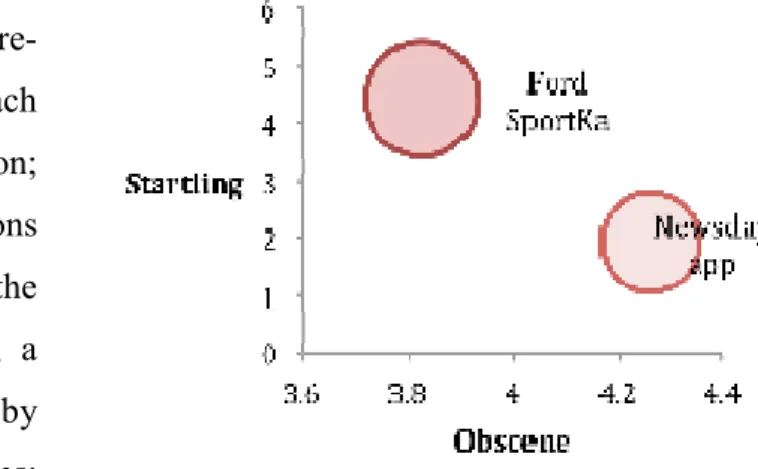
Figure 3: Videos' Provocation Index ... 37
1. INTRODUCTION
The propagation of Internet, social media tools and mobile networks has brought to consumers new vehicles to share information with sizeable amounts of people and at the same time. By the one hand, this interconnectivity portrays several benefits to managers, who can themselves, too, use these new technologies to spread brand communications at a much higher diffusion speed. However, by the other hand, it also conveys several challenges, changing the balance of power in the marketplace giving consumers the opportunity to exert control over traditional marketing techniques and technologies (Kimmel, The Twenty-First Century Consumer Landscape: New Realities 2010).
These new realities have made marketers aware of the importance of digital media and online technologies, which can drive them through competitive advantages. However, the clear understanding of how to efficiently incorporate them into their online business models is still an ever-moving target, which marketing executives are still struggling to achieve (McKinsey&Company 2011).
What is more, marketers’ “scorched earth” approach (Kimmel, The Twenty-First Century Consumer Landscape: New Realities 2010), and the wrong use of social networks (Gil-Or 2010) developed in consumers a tendency to disbelieve in advertising, which theorists have called advertising skepticism (Carl Obermiller 2005). Nevertheless, academics believe that this consumers’ attitude may be beneficial to the marketplace as it encourages marketers to engage in more honest communications with consumers.
Therefore, word-of-mouth, which can be roughly defined as “the sharing of information about a product, promotion, et cetera, between a consumer and a friend, colleague, or other acquaintance.” (Andreas M. Kaplan 2011), has become a very important concept to marketers, who tend to look at it as a viable tool to overcome resistance and influence consumers’ behaviors. Likewise, peer-to-peer communications have become also a very important phenomenon in the online space, which has been calling for attention (Arnaud De Bruyn 2008). Considerable research has been conducted examining this social process making marketers conscious of the customer-leveraging opportunities brought by the Internet (Brodin, Les Communautés Virtuelles: un Potentiel Marketing Encore Peu Exploré 2000). Moreover, these studies have identified several advantages resulting from the use of the online space compared to traditional environments; broader scale and scope of influence and
real-time feedback are some of these benefits, which will be further explored in the current study. Therefore, peer-to-peer online communications have become an important feature to marketers, who have been trying to exploit its potential with viral marketing campaigns. Viral marketing can be defined as “electronic word-of-mouth whereby some form of marketing message related to a company, brand or product is transmitted in an exponentially growing way, often through the use of social media applications” (Andreas M. Kaplan 2011). Its goal is to use consumer-to-consumer communications to spread brands’ communications taking advantage of a faster and more cost efficient acceptance. (Krishnamurthy 2001). However, by nature viral marketing is commonly more controversial and uncertain than traditional practices and, therefore, its impropriate use portrays several risks. Studies and examples of successful viral marketing campaigns are becoming more common, and a number of key factors contributing to its success can be identified among theorists and practitioners’ acknowledges. “Getting the right message” is part of one of these critical requirements that have been gaining importance in the viral marketing discovery travel (e.g. Andreas M. Kaplan 2011 and Angela Dobele 2007). Online videos, which are persuasive in nature (Bolls 2010), have been progressively used and incorporated into many brands and advertising agencies’ marketing strategies (Feed Company 2008). Moreover, it has been noticed, particularly in video-based advertisement, an increasing trend to use provocative content to motivate consumers to engage in sharing behaviors (D. W. Dahl 2003). Nevertheless, tapping viral marketing possibilities is risky and proceeding with caution is compulsory.
Although the use of provocative and high emotional content as advertising appeals has been generally adopted, its application effectiveness has not been empirically probed. Therefore, the aim of this study is to grasp the viral marketing concept, in particular the tendency of using such highly emotive content, in an attempt to bring managers important insights on how to reap its numerous potential benefits.
In this paper, we aim to investigate how viral online video content and specific features influence attitudes toward the brand. In order to do so, the research topic was broken into three research questions: the first, assessing the relationship between provocative content and willingness to pass the content; the second, evaluating advertisements’ processing; and
respective hypothesis was achieved by conducting and reporting on an experiment, progressed online, in which two different permutations of perceived provocation were assessed and compared to test relationships existing between the videos’ content, likelihood of being forwarded, emotions and impressions formed, brand memorability and attitudes towards the ad and brand in respect to its perceived provocation. In this study, perceived provocation was gauged taking into consideration Dahl, Frankenberger and Machanda (2003) definition, which defines it as a combination of norm violation and surprise.
In doing this, this research contributes to existing literature by providing additional support to the debate over the use of provocative features in viral videos, as well as to identify the conditions in which it reveals to be more effective.
The findings of this research define the use of provocative appeals as an effective tool in enhancing advertisings’ emotional intensity, generating passing-along behavior, greater brand memorability and influencing attitudes toward the brand.
2. LITERATURE REVIEW
2 . 1 A “ S C O R C H E D E A R T H ” M I N D S E TBy taking a snapshot of the contemporary marketplace one may realize that the business environment has changed; The growing availability of new technologies and the increasing popularity of digital media and tools has been changing marketers’ ability to reach and serve new customer segments and contributing to the appearance of new business models.
The diffusion of the Internet and new technologies as well as the appearance of several social constructs has dramatically facilitated consumers’ exchange of information. Either by emails, online blogs, newsgroups or customers’ reviews, consumers are now able to share information much easier than ever before. By the one hand, this interconnectivity can convey several advantages for marketers such as an easier spread of consumers’ communications about products and/or services, which in turn can trigger product innovations diffusion and adoption. In addition, it allows marketers to establish bidirectional communications with consumers, allowing them to bring this interconnectivity to their marketing communication mix as well. By the other hand, however, this fragmentation of media usage habits and patterns allows consumers to exert greater control over information (Kimmel, Connecting With Consumers Marketing For New Marketplace Realities 2010), and it does that in such a way that neither marketers nor brand managers can fully control (Venkatesh Shankar 2003). These new realities have been changing the balance of power in the marketplace, shifting the power from marketers to consumers. Consumers are now exerting control over traditional marketing approach and techniques, therefore, making marketers lives more challenging (Kimmel, Connecting With Consumers Marketing For New Marketplace Realities 2010). The Global Digital Revolution has made Marketing executives aware that their online presence is extremely important; they enormously agree that digital media and online technologies represent valuable tools for staying competitive. Still, many have not yet implemented the necessary steps to tap these opportunities and are still struggling to understand and define online business models that can drive them through competitive advantages (McKinsey&Company 2011).
Traditional advertising is becoming less effective (Nail 2005) and marketers, attempting to find new models of doing business, have been forced to implement a “scorched earth” mindset. However, this saturation of the marketplace with advertisement messages inside and outside social networks has shown to be not only costly but also inefficient (Kimmel, Connecting With Consumers Marketing For New Marketplace Realities 2010). Consumers’ attitudes toward marketing are changing; they have lost their ability to differentiate between the innumerous advertising messages they are exposed to, and, as a continuing effect of deceptive advertising, have lost their trust in what companies are saying (Gil-Or 2010). In addition, most companies, attracted by web 2.0 communities and social networks’ business potential, have started using them as part of their marketing mix as platforms to distribute their advertising messages. However, as networkers feel their network space to be vendor-free, using social networks effectively represents quite a challenging mission and the use of traditional push strategies to do so has turned out not being a very successful approach (Gil-Or 2010).
This tendency to disbelieve in advertising claims and tactics has been defined by Obermiller and Spangengerg (1998) as advertising skepticism. Skeptic consumers demonstrate having more confidence on friends and trials while regarding advertising informational appeals as not trustful and thus not worth processing. Trusov, Bucklin and Pauwels (2009), who cited Nail (2005), report that 40% fewer people agree that advertisements represent a good way to gather understanding about new products, 59% fewer people state they buy products based on advertisements, and 49% less people find them entertaining.
Therefore, more and more consumers are avoiding advertising when they can and are promptly using products to screen, block and skip marketing messages. What is more, research about this topic gives evidence to believe that there is a relationship between this negative attitude toward advertising and willingness to buy advertised brands (Carl Obermiller 2005).
These new realities that have been transforming consumers’ attitudes toward marketing and moving the balance of control from marketers to consumers, represent major challenges for marketers these days. Though, it would be misleading to sustain that consumers are completely immune to advertising. Obermiller, Spangenbergs and MacLachlan (2005), in a study investigating the effects of consumer skepticism toward advertising, revealed that even
suggest that skepticism, as “both a cause that encourages advertisers to be honest and an effect of consumer experience of dishonesty”, may be healthy for the marketplace by encouraging advertisers to engage in more honest communication with consumers. Moreover, the degree to which they rely on peer information gives evidence to conclude that advertising can have an indirect impact by persuading their friends.
2 . 2 W O R D - O F -M O U T H
Citing Phelps, Lewis, Mobilio, Perry and Raman, “according to Rosen (2000, p. 6),
purchasing is part of a social process.... It involves not only a one-to-one interaction between the company and the customer but also many exchanges of information and influence among the people who surround the customer."
In order to illustrate how powerful these communications can become and how they are changing the game for marketers, consider the situation of the film industry and the impact negative peer-to-peer communications can have on box office receipts in the weeks after the release weekend of a blockbuster. Ten years ago, film marketers started boosting advertising expenses in the weeks preceding these openings in order to maximize revenues before negative comments about the movie might spread. With the widespread use of SMS technology that allows consumers to send friends movie reviews even while watching the movie, combined with a phenomenon known as “viral marketing”, which will be further explored in the present study, bad news can be out within an even narrower window of time. The result, therefore, is frequent dramatic drop-offs between movie releases and its following days which, in turn, reduces potential payoff window to a couple of hours and increases the risk related to marketing expenditures raised to guarantee products’ trial and adoption. (A. Dobele 2005).
Therefore, peer-to-peer communications have become a very important phenomenon to marketers, which since the early 1950s, have been object of significant research directed to better understand its antecedents and consequences as well as to exploit its potential. Moreover, with traditional forms of communication loosing effectiveness marketers tend to look at it as a viable alternative to traditional marketing communication mechanisms; Misner
The word-of-mouth concept, quoting Kaplan and Haenlein (2011) who cited MarketingPower (2010), can be roughly defined as “the sharing of information about a product, promotion, et cetera, between a consumer and a friend, colleague, or other acquaintance.” These communications, which consumers tend to regard as unbiased sources of information, (John E. Hogan 2004; Ted Smith 2007; Carl Obermiller 2005; Obermiller 1998) can be either positive or negative and, as repeated purchases, are driven by loyalty and satisfaction (A. S. Dick 1994; Matos 2011; E. Anderson 1998). Moreover, researchers have found that consumers tend to weight more heavily negative word-of-mouth that positive word-mouth (Solomon 2004). Therefore, word-of-mouth communications have been seen as potential tools to overcome consumer resistance at lower costs and fast conveyance, which marketers have become especially interested in better understanding (Michael Trusov 2009).
Considerable research has been conducted in order to examine word-of-mouth social process. Marketing practitioners, academics and sociologists broadly agree that w-o-m1 plays an important role not only shaping consumers’ expectations (E. W. Anderson 2003; Zeithaml s.d.; Arnaud De Bruyn 2008), but also conducting consumers’ attitudes and behaviors toward products and advertising (Arndt 1967; HERR 1991; John E. Hogan 2004), effectively driving their decision making and risk, particularly when concerning new products and services (Chiu 2007). Moreover, it has been shown how it can have greater influence than traditional advertising, personal selling and radio announcing (Katz 1995; Engel 1969; Feldman s.d.; Arnaud De Bruyn 2008). Therefore, encouraging consumers to engage in positive word-of-mouth communications has become a strategic tool for marketers, who have started looking at it as an alternative to advertising.
Hogan, Lemon and Libai (2004), through a different approach took research further; rather that focusing on word-of-mouth social process, the authors propose a model to quantify its value to the firm. Their findings reveal that ignoring word-of-mouth ripple effect is, in fact, being misjudging a considerable portion of the economic value of a promotion. In addition, their research demonstrates that word-of-mouth can be used not only as an alternative to advertising, but also to complement and extend the effects of advertising (John E. Hogan 2004).
2 . 3 E LE C T R O N I C W O R D -O F -M O U T H
Although previous studies have designated face-to-face interactions as the most powerful source of transmission of ideas and diffusion of innovations (H.S. Bansal 2000), word-of-mouth marketing has been verified to be a particularly interesting phenomenon on the Internet. The growth and evolution of the Internet and social media constructs, by conveying consumers a number of different venues to share opinions, preferences, and experiences, dramatically facilitate consumers’ interactions. Therefore, word-of-mouth in online space has become an important phenomenon that has been calling for attention of both marketers and academics (Arnaud De Bruyn 2008). According to a commentator avowal, “Instead of
tossing away millions of dollars on Superbowl advertisements, fledgling dot-com companies are trying to catch attention through much cheaper marketing strategies such as blogging and (WOM) campaigns” (Whitman 2006).
Although the fundamental bases of word-of mouth are quite well acknowledged, Internet encourages the development and adoption of new marketing strategies (Bridgewater 2002). Therefore, the increasing use of referral reward programs, affiliate marketing and other internet-based marketing campaigns, confirms the present resurgence of the use of word-of-mouth strategies and stresses the importance of deeply understanding this social phenomenon (Eyal Biyalogorsky 2001; Gallaugher 1999; John E. Hogan 2004).
A large amount of research focused on interpersonal influence in electronic word-of-mouth has been conducted in recent years, showing how it differs from that occurring in conventional environments (Mani R. Subramani 2003). First, being exchanged in computer-mediated settings, electronic word-of-mouth communications are much less limited in terms of both scale and scope of influence as it allows individuals to reach and connect to a much larger number of individuals with minimal efforts (Mani R. Subramani 2003).
Second, it also provides individuals the possibility of connecting to others “around the clock”, either synchronously (via instant messaging) or asynchronously (via email). Third, real-time feedback on the effect of influence enables not only motivated individuals to promptly adapt their influence strategies (B. Wellman 1996) but also allows marketers to
Furthermore, as traditional word-of-mouth, electronic peer-to-peer communications, have proven to influence consumers’ behaviors. For example, Chevalier and Mayzlin (2006), in a study using customers’ online book reviews posted on Amazon and Barnes as a proxy for word-of-mouth, assess the effect of word-of-mouth on sales patterns. The study shows that electronic word-of-mouth affects customers’ purchasing behavior; they verify that the increase in positive reviews about a book leads to an increase in relative sales at the site and, as it would be normal to predict, the increase of negative reviews leads to its sales decrease. Moreover, their study verified that the cut in sales due to negative word-of-mouth was higher comparing to the increase in sales due to positive word-of-mouth, which gives evidence to believe that negative word-of-mouth’s effect is more powerful that positive word-of-mouth’s effect leading consumers’ purchase behaviors.
Nevertheless, marketers are conscious of customer-leveraging opportunities the Internet offers (Brodin, Les Communautés Virtuelles: un Potentiel Marketing Encore Peu Exploré 2000), and thus electronic peer-to-peer referrals have become an important feature that marketers have tried to exploit its potential with viral marketing campaigns (Arnaud De Bruyn 2008).
2 . 4 V I R A L M A R K E T I N G
Kaplan and Haenlein (2011) describe viral marketing as “electronic word-of-mouth whereby some form of marketing message related to a company, brand or product is transmitted in an exponentially growing way, often through the use of social media applications”.
From a practical standpoint, it is a strategy through which people pass along the message to other people on their email list or attach advertisements on their messages. From, a marketing standpoint, it embodies creating a system to encourage individuals to diffuse marketing information they receive in a hypermedia environment; information they recognize as favorable or captivating, either being by design or by accident, (A. Dobele 2005).
Like a virus, with a reproduction rate greater than one, the marketing message is spread to potential customers who then transfer it to other potential customers; this ways rapidly creating a huge network (Andreas M. Kaplan 2011; A. Dobele 2005).
Although this fascinating phenomenon has been, for some marketers, perceived as a mere PR tool to which they did not see themselves in control of (A. Dobele 2005), its potential has become tremendously popular, and numerous brands such as Budweiser, De Beers, eBay, Tequilla, Kellogg’s, Levi’s, Nestlé, Procter & Gamble, Scope Mouthwash and Virgin Cinemas have succumbed to the viral marketing crusade. Yet, there is still much to explain; uncertainty concerning how this phenomenon works and exact mechanisms that make it successful still exists, which is probably the reason why it is currently perceived as more of an art that a science (Diorio 2001).
According to Krishnamurthy (2001), the goal of viral marketing is to use peer-to-peer rather than company-to-consumer communications to spread information about products or services and this way take advantage of a more rapid and cost effective acceptance by the market. Notion which is reinforced by Tolemand and Beverland (2005), who states “successful viral marketing depends on consumers perceiving value in transmission and deeming it worthy of passing on to others without feeling as though they are being used in the process”.
In addition, De Bruyn and Lilien (2008) distinguish two versions of message dissemination: intentional and unintentional. A well-known example of the latter is Hotmail’s line “Get Your Private, Free Email at http://www.hotmail.com” that appears in each email sent by this free web-based service to promote the company. Therefore, users of Hotmail accounts can be seen as not intentional actors in the message diffusion process as they automatically divulgate the service to every contact they send an email to. By contrary, in intentional viral marketing, consumers either propelled by explicit incentives or just desiring to communicate a product’s benefits, voluntarily spread the message to their friends acting as promoters of that product or service. Examples of intentional marketing include ICQ, a free instant-messaging service, that offered users an option to invite friends to join the network, and PayPal, which provided financial rewards to incentive members’ recommendations to each others (Arnaud De Bruyn 2008).
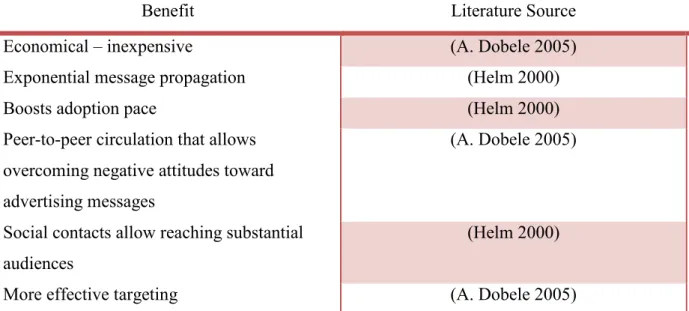
The considerable attention paid to viral marketing in the literature gives evidence to believe that several benefits can be obtained from viral marketing. Dobele, Toleman and Bevrland (2005), denote viral marketing’s main advantages as being three. First, as the consumers who pass along the message to their contact lists carry transmission costs, viral marketing incurs very little expenses. Second, as it makes use of peer-to-peer distribution and thus message
know better which of their friends are more likely to be interested in reading the message, it allows a more effective targeting. In addition, according to Helm (2000), by means of social contacts it allows reaching substantial audience, and given its virus-like propagation rate, it not only hustles message diffusion but also boosts adoption speed.
TABLE 1: VIRAL MARKETING POTENTIAL BENEFITS
Benefit Literature Source
Economical – inexpensive (A. Dobele 2005)
Exponential message propagation (Helm 2000)
Boosts adoption pace (Helm 2000)
Peer-to-peer circulation that allows overcoming negative attitudes toward advertising messages
(A. Dobele 2005)
Social contacts allow reaching substantial audiences
(Helm 2000)
More effective targeting (A. Dobele 2005)
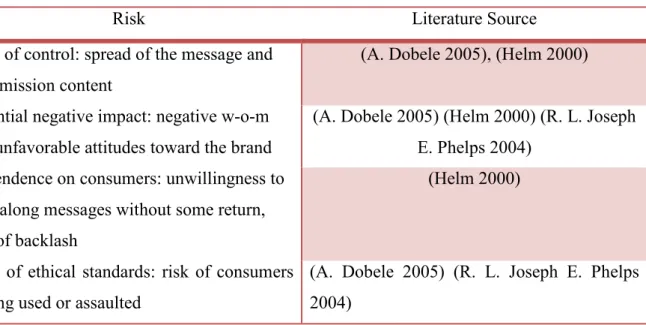
Nevertheless, besides considerable benefits viral marketing campaigns cannot be considered risk free; like all marketing triumphs it can hit or miss. Moreover, viral marketing, by nature, is frequently more controversial and uncertain than traditional techniques and not using it properly can backfire and generate negative buzz (MindComet 2006). Perhaps, the most critical risk is the lack of marketers’ control concerning the spread of the message and also the content of such transmission (A. Dobele 2005; Helm 2000). The inappropriate use of viral marketing can become counterproductive and generate unfavorable word-of-mouth which may result in negative attitudes toward the brand and/or the product (A. Dobele 2005; Helm 2000; R. L. Joseph E. Phelps 2004). Furthermore, the dependence on consumers as message broadcasters, although bringing potential benefits also carries some risks; for instance, consumers may start requiring a return from the company for passing on the message (Helm 2000). Lastly, the inexistence of ethical standards can result in consumers feeling used and cheated (A. Dobele 2005) and seeing viral messages as invasive (R. L. Joseph E. Phelps 2004).
TABLE 2: VIRAL MARKETING POTENTIAL RISKS
Risk Literature Source
Lack of control: spread of the message and transmission content
(A. Dobele 2005), (Helm 2000)
Potential negative impact: negative w-o-m and unfavorable attitudes toward the brand
(A. Dobele 2005) (Helm 2000) (R. L. Joseph E. Phelps 2004)
Dependence on consumers: unwillingness to pass along messages without some return, risk of backlash
(Helm 2000)
Lack of ethical standards: risk of consumers feeling used or assaulted
(A. Dobele 2005) (R. L. Joseph E. Phelps 2004)
2 . 5 T R I G G E R I N G T H E I N F E C T I O N
According to Dobele, Toleman and Beverland (2005), “successful viral marketing depends on consumers perceiving value in transmitting the message to others without feeling used in the process”.
Studies on viral marketing as well as examples attempting to use it are becoming more common (R. L. Joseph E. Phelps 2004); Marketers and academics, either by examining viral marketing strategies implemented by marketers or by probing consumers’ mindsets, have been striving to better understand how to trigger and control this marketing “infection”. Although literature is still scant, a number of critical elements that contribute to the success of viral marketing campaigns can be identified whilst emerging literature acknowledges. Kaplan and Haenlein (2011), consider that three conditions must be fulfilled in order to make a marketing campaign go viral. The first critical requirement involves carefully selecting targets that will spread the message; consistent with classical laws of concentration, they state,“20% of messengers can be expected to carry 80% of the load”. In addition, Kaplan and Haenlein (2011) suggest that three groups of messengers have to be reached; market mavens,
knowledge about products and services (R. L. Joseph E. Phelps 2004), are typically the first to receive the message and to pass it to social hubs. These are, as the name suggests, individuals with an incredible large number of social ties (Jacob Goldenberg 2009) that usually serve as connectors between different subcultures, allowing can considerably assist immediate message diffusion. However, Kaplan and Haenlein (2011) remark that sometimes
market mavens appear not to be particularly convincing spreading the message, suggesting
that salesperson intervention may be needed to make the message more persuasive and relevant for social hubs.
Therefore, it is important to identify those consumers that are interested in what the company has to say and that will spontaneously pass it to others that will find it interesting as well. Moreover, having in mind that w-o-m does not include formal communications between customers and organizations (Tim Mazzarol s.d.), it is important to minimize as much as possible the number of people who receive the message directly from the company while maximizing the number of people that will welcome receiving the message (R. L. Joseph E. Phelps 2004). Providing too many incentives will weaken the credibility of the links marketers are trying to benefit from, thus leading the viral campaign to miscarry. There is some evidence to believe that the probability of infection diminishes with recurrent interaction. (Jure Leskovec, The Dynamics of Viral Marketing 2007).
The second critical element referred by Kaplan and Haenlein (2011) consists on getting the right message. Not every message has the potential to become viral; certain message characteristics make marketing messages more viral than others. Moreover, besides emotional connection, Dobele, Lindgreen, Beverland, Vanhamme and Wijkare (2007) suggest that messages must also foster receivers’ imagination in an unforgettable way. Therefore, marketers should consider designing messages consistent with those specific viral drivers.
The last element conditioning a marketing campaign viral success mentioned is the environment, which includes two additional conditions to be attained. First, taking into account that messengers do not forward information they consider “everybody” knows, marketers should focus on creating messages that lead to high reproduction rates rather than concentrating only in sending them to as many seeds as possible. Second, they add, “some
Woerndl, Papagiannidis, Bourlakis and Li (2008), also identify, based on literature understanding, what they consider to be the five critical factors influencing the success of viral marketing campaigns. The first factor referred is the overall structure of the campaigns. They propose that it has not only to stimulate viral activity but also to address legal and ethical issues in order not avoid jeopardizing the company image. The second critical element regards the characteristics of the product or service being marketed; whether some products/services may be natural candidates for viral marketing campaigns, others may not. Another critical factor is the content of the message. In order to make receivers voluntarily become active message transmitters, overall, the message has to capture their imagination, entertain and even intrigue them. The fourth factor is related to the characteristics of the diffusion; whether the message reaches the right audience, the speed it is transmitted and whether it spreads exponentially among the audience. Finally, the fifth critical element is the peer-to-peer information conduit; type of channels available to message transmitters and the ones used to transmit the message, as well as technologies employed by transmitter to pass along the message and technologies employed by receivers to get it (Maria Woerndl 2008). Even though viral marketing can represent an effective marketing communication strategy, it is still difficult to find substantial evidence supporting how this fascinating phenomenon works. Quoting De Bruyn and Lilien (2004), “it is difficult to…explain why and how (viral marketing) works”. What is known, in fact, is that the essence of viral marketing is the diffusion of peer-to-peer communications. Therefore, controlling this “infection” phenomenon rather than looking at it as a mere PR tool can result in the increase of marketing messages trustworthiness (Angela Dobele 2007).
However, at the same time, spam and email-based virus have frowned upon in electronic communications. Therefore, as consumers do not like to feel used (A. Dobele 2005), viral marketing campaigns have become problematic and difficult to deploy; electronic word-of-mouth messages face today the same “clutter and noise” problems that misfortune traditional advertisers (Angela Dobele 2007).
2 . 6 LE T ’ S T A L K !
Paraphrasing Kaplan and Haenlein (2011), even the most perfect target selection is of limited value when the message itself is not adequate to become viral. Moreover, while producing worth spreading content can often be more expensive than free product offerings, outcomes are often better. Likewise, this fact has given smaller brands the possibility to capitalize on content-based viral advertisements. Although messaging and strategy radically vary from one campaign to another, common approaches can be found among most successful campaigns (MindComet 2006).
Porter and Golan (2006), in a study representing one of the first attempts to examine the content and eventually defining viral marketing, conducted a content analysis of 266 viral advertisements and 235 television advertisements to identify the elements that differentiate these two formats of advertising. Despite having a common ground – to persuade or influence an audience – a number of distinctive characteristics could be found. While traditional advertising is paid non-personal communications, distributed under mass communication forms such as mass media, viral marketing, even though the content is initially seeded, its ultimate intent is for the content to be transmitted through peer-to-peer communications. Citing Kaiki and Kaiki (2004), “by generating w-o-m to create “authentic experiences”, viral marketing attempts to harness the strongest of all consumer triggers – personal recommendation”. In addition, regarding the message content itself, the authors identified another interest particularity; while traditional advertising is defined as common communication, in what concerns viral advertising, provocative content is also part of he equation. Therefore, the authors propose viral marketing to be defined as: “unpaid peer-to-peer communication of provocative content originating from an identified sponsor using the Internet to persuade or influence an audience to pass along the content to others.” (Lance Porter 2006).
2 . 7 O N L I N E V I D E O
Online videos encompass all these elements present on Porter and Golan (2006) definition; they are persuasive in nature, come from an identified source, and their content aims to encourage further circulation by way of peer-to-peer communication (Bolls 2010).
Watching videos online has become an ordinary activity. Statistics report that, from December 2006 to June 2009, the number of adult Internet users who watch online videos almost doubled (Purcell 2010). Likewise, between February 2008 and February 2009, the number of online videos viewed in total, the number of online videos viewed per user and the minutes watched also increased 41%, 27% and 71% respectively (The Nielsen Company 2009).
Aware of the strength and potential of this form of information, brands and advertising agencies are progressively incorporating viral online video into their strategies. In the United States, numerous agencies plan to increase their budgets for this purpose ( Feed Company 2008). Additionally, some international scale estimates (Lindstrom 2009) divulged that 30% of 4100 brands have already tried viral video advertising.
Despite the various forms of information and shared content available online, viral communication examinations have been mainly dedicated to commercial information in the form of oral or written messages. Hence, few experimental researches have focused on viral video content and underlying processes and responses evoked by its features (Bolls 2010). In order to fill this void, this study aims to examine how online videos, as a powerful form of communication with great potential to virally spread to a large audience, and specific features influence attitudes toward the brand.
2 . 8 P R O V O C AT I V E C O N T E N T
Emotive content has always been considered the key to capture audience attention. A British firm specialized in viral advertising affirmed that when the content is provocative enough, the product does not need to deliver exceptional value. Kirby (2004) even states “it avoids the need to have a product with a ‘wow' factor in order to generate buzz. Instead, the viral campaign's communication agent – often video-based advertisement content – is the element that needs a ‘wow' factor...The focus is on campaigns that consumers want to interact with”. Therefore, viral marketers seem to believe that devices of provocative nature are what motivate consumers to share the content online (Golan 2006).
While traditionally, larger brands have demonstrated to be more reserved and risk adverse to the possibility of negative reactions (MindComet 2006) it has been verified that, in order to induce consumers to pass-along, viral online video advertisings tend to rely on the use of increasingly raw content and appeals related to humor, sexuality, nudity and violence (Golan 2006).
RESEARCH QUESTION 1: HOW DOES THIS TENDENCY OF USING PROVOCATIVE
CONTENT AFFECT CONSUMERS’ WILLINGNESS TO PASS-ALONG ONLINE VIDEOS?
While addressing this question, another might be opened to discussion; what motivates
consumers to forward viral messages? Although anecdotal examples of viral marketing
success exist, turning consumers into a marketing force requires a difficult balance to be achieved. Quoting Lewis, Mobilio, Perry and Raman (2004), “Only by understanding these
(consumers’) motivations and behaviors can advertisers hope to tap effectively into this rich vein of communication and advocacy”. Nevertheless, little is known about motivations,
attitudes and behaviors of vital marketing’s agents; people passing along emails (R. L. Joseph E. Phelps 2004).
Lewis, Mobilio, Perry and Raman (2004), took initial steps assessing this void, and in a study using a number of different techniques, such as focus groups, content analysis and telephone interviews, the authors examine motivations, attitudes and behaviors of people receiving and passing emails. Figures of one of their studies assessing which type of messages are more likely to be forward indicate that emails passed the most contain good deeds (100%), nudity (60%), jokes about gender (56%), jokes related to work or computers (55%), crime warnings (54.5%), games (53.8%), chain letters (52.6%). These results demonstrate that effective messages evoke strong emotions such as humor, fear, sadness and inspiration. “Very humorous jokes, touchingly sad stories, and particularly apt inspirational messages are those emails that meet even most Infrequent Senders' thresholds for passing.” Curiously, their study also reveals that emails with helpful tips and about free stuff are forwarded almost half of the time, suggesting that companies are not yet sufficiently exploiting such opportunities to seed buzz key target consumers. Therefore, the authors advocate that advertisers must not underestimate the power of their subject lines and tailor viral advertising messages to consumers’ motivations regarding passing-along emails. However, they warn that tapping viral marketing possibilities is not risk free. Although participants did not indicate that they consider companies responsible for annoying emails, they did indicate that product warnings
have an unfavorable impact on brands’ reputation. Therefore, they recommend advertisers to proceed with caution.
Motivation cannot be fully understood without contemplating message content and specific features as well. Content must be compelling; “From hilarious to raunchy to controversial good content and concepts can often make or break a viral campaign. The general rule of thumb is that the content must be compelling; it must evoke a response on an emotional level from the person viewing it” (MindComet 2006).
Findings of a qualitative research conducted by Dobele, Lindgreen, Beverland, Vanhamme and Wijk (2007) provide further support to this understanding. The authors suggest that, in order to become viral, the ad must provoke both the emotion of surprise and another emotional reaction such as joy. In order to make viral campaigns successful, although encouraging recipients to respond to the message might be a requisite, it may not be enough. To ensure forward behavior, advertisers have to be able to differentiate their messages from all the others recipients are exposed everyday. Therefore, companies must not only link emotions to their messages but also ensure that recipients’ attention is captured “in a unique and unforgettable way”.
Two key factors have been suggested to contribute to the extent a message is considered provocative; the degree to which it surprises the viewer and the perception that it somehow transgresses societal norms (D. W. Dahl 2003). Yet, being sensational and unconventional to achieve viral success portrays some risks. Research in such edgy, highly emotional content documents the threat of interfering with effective communication (James J. Kellaris 2007). Moreover, becoming too unconventional may trigger negative reactions from the viewers. Nevertheless, common industry wisdom advocates that when planning viral video campaigns, in order to influence the audience to pass-along the content to others, message designers should attempt to produce content that combines both surprise and transgression of what tend to be considered as socially accepted (e.g. (D. W. Dahl 2003; Golan 2006)).
Advertisers rationalize this tendency for their ability to “break through the clutter”. Moreover, although there is no academic research covering responses to this content formula, models of information processing, such as the one proposed by McGuire (1978), suggests that shocking stimuli attracts attention and enhance message comprehension and elaboration,
Dahl, Frankenberger and Machanda (2003), in two laboratory experiments comparing the effectiveness of commonly used appeals fear, information and shock, confirmed this intuition. The authors, contrarily to current skepticism regarding potential negative effects of using shocking content, confirmed that shock – as a combinations of norm violation and surprise – not only represents a very good approach to attract attention but it also does so in a more effective way than other types of appeal. In addition their study demonstrated that shock has other positive effects beyond its attention-getting properties; it encourages individuals to remember advertising information as well as to engage in message-relevant behaviors.
Although no study was found examining how the level of provocativeness influence the success of viral advertising, these studies, suggest that messages relying on provocative content are more likely to be passed along. The same phenomenon is, perhaps, to be expected in viral online videos as well. Therefore, this rationale, leads to the formulation of the first hypothesis of this study:
H1: PROVOCATIVE CONTENT HAS A POSITIVE INFLUENCE ON CONSUMERS’ WILLINGNESS TO PASS-ALONG ONLINE VIDEOS
Viral success depends on consumers’ vigorous involvement in forwarding messages. Therefore, viral marketing campaigns are usually more about the emotional impact of the message than the product itself (MindComet 2006).
Viral videos convey much more complex and intense motivations and emotional processes than traditional advertising. Although several advertising researches have been directed to demonstrate the major impact emotions and motivations have on advertising processing (e.g. (Karolien Poels 2006)), these studies did not contain features and emotions with such an emotional intensity as viral videos. Little experimental research has examined underlying processes and reactions to viral video advertisings.
In one of the few researches on this topic, Bardzell, Bardzell and Pace (2008), found that viral video responses are much complex. In their experience, although the majority of participants (56,87%) described emotional responses to viral videos as more positive, the proportion of negative reactions found was surprising (43,14%). In spite of having given an overall positive review, the high number of negative emotional descriptors used suggests
online video emotional responses to be complex and many times even conflicting; positive tagging did not correspond to positive emotions described after viewing the video.
In order to obtain accurate insights into designing viral video content that strikes the balance between highly creative, emotionally arousing content as well as effective brand communications, understanding of how people mentally process and evaluate the ads is required. According to Brown, Homer and Inman (1998), emotional tone represents a critical factor defining how people process advertisings and formulate behaviors toward them, which can be also expected when concerning online viral videos. Thus, when creating edgy and more emotionally engaging and intense content, message designers must primarily completely comprehend the impact this type of content might have not only in motivational but also in emotional processes (Bolls 2010).
RESEARCH QUESTION 2: WHAT TYPE OF EMOTIONS AROUSING FROM PROVOCATIVE
APPEALS PROMPTS ONLINE SHARING?
Recalling the results of Porter and Golan (2006) study previously referred, which compared viral advertising with traditional tv advertising, results demonstrated that viral ads rely more on humor, nudity and violent content than tv ads. Additionally, common industry understanding suggests that this is due to the fact that more emotionally intense content – humor, fear, sadness, or inspiration – is more likely to motivate passing-along the ad (Bolls 2010; R. L. Joseph E. Phelps 2004).
H2.1: THE CONTENT PROVOCATIVENESS POSITIVELY AFFECTS THE EMOTIONAL INTENSITY OF THE AD
Dimensional Theoretical Perspective of Emotion (Bradley e Lang 2007), conceptualize emotion as an effective evaluation arising from the activity of motivational systems, which are organized around two dimensions; appetitive and aversive responding (Barret, et al. 2007). Appetitive motivational system is activated in response to perceived pleasantness and motivates approach-related behaviors while aversive motivational system is activated in response to perceived unpleasantness and motivates avoidance-related behaviors.
Bradley and Lang (2007), also draw a conceptual distinction between emotion, affective feeling and attitude. While emotions reflect momentary primary reactions, and thus they are relatively fleeting, affective feelings result from a specific mental interpretation of emotion,
what this theory proposes is the existence of a human affect system that evaluates the emotional meaning of environmental stimuli developing appetitive and aversive motivational instigation, which finally produces s and attitudes (Barret, et al. 2007).
Therefore, people can perceive stimuli faced in their social environment as pleasant, unpleasant or coactive (a mixture of both), including viral online video advertisings. These categories, then, affect how people process and respond to media messages (Bolls 2010). The overall emotionality of provocative messages is, nevertheless, uncertain. Violent and severe content usually appears in a humorous context, thus making it to be still experienced as pleasant (Bolls 2010). Nevertheless, according to Dimensional Theoretical Perspective of Emotion, one may infer a third hypothesis to be tested:
H2.2: CONSUMERS ARE MORE WILLING TO FORWARD ONLINE VIDEOS THAT EVOKE PLEASANT EMOTIONS
James Kydd, Brand Director for Virgin Mobile, states: “Viral marketing is best used not as a one-off tactical end in itself, but as an integrated strategic part of the overall marketing mix. It is a means to an end whereby it not only generates buzz, but also provides ongoing, quantifiable brand benefits, such as increased awareness, peer-to-peer endorsement and ultimately more sales.” (MindComet 2006).
Viral marketing goal is twofold; it aims not only to encourage message-forwarding behavior, but also, as traditional advertising, to boost brands’ consumption (Angela Dobele 2007).
R E S E A R C H Q U E S T I O N 3 : H O W D O E S T H E U S E O F P R O V O C AT I V E F E AT U R E S I N
V I R A L O N L I N E V I D E O AD V E R T I S I N G C A M P A I G N S A F F E C T T H E U LT I M AT E P E R S U A S I V E G O A L O F A D V E R T I S I N G ?
Commercials’ memorability is of significant importance to advertisers. Therefore, it would be interesting to assess provocative features’ capability to enhance brand recall and purchase intention in order to assure that it does not draw attention to itself and away from the brand. The widespread use of incongruent information in advertisings has proved to be very efficient in increasing not only attention but also the extent to which the ad is processed (James J. Kellaris 2007).
integrating both dimensions of incongruity – expectancy and relevance – explain how consumers process ads. According to the authors, relevancy denotes material affecting directly the meaning of the message while expectancy relates to the extent to which certain information fits the message theme. Therefore, the notion of expectancy derives from previous existing knowledge structures related to the meaning of the message. Results of their study demonstrate that recall is higher for unexpected versus expected incitements; result which is also consistent with Lee and Manson (1999) findings related to this topic. In addition to expectancy main effects, Heckler and Childers 1992 find superior recall for relevant versus irrelevant information.
Although still raising a number of controversial issues among marketers and researchers, the use of humorous content in advertising in order to increase ads’ efficacy is undoubtedly pervasive. Humor advocates claim that it generates attention, increases memorability, helps overcoming sales resistance and enhance message’s persuasiveness but also engage and involve the audience (James J. Kellaris 2007).
The amusing talking Chihuahua of the “Yo quiero Taco Bell”, as one of the most memorable advertising campaigns, represents a classic example that illustrates possible positive outcomes brought by using humorous appeals in advertising campaigns. Nevertheless, its success was not derived only by the use of humor. In fact, it was largely a result of message reinforcement in an unexpected and relevant manner. (James J. Kellaris 2007). Moreover, Kellaris and Cline (2007) have noted that, when humor is expected, especially if it is theoretically related to the message, recall might be damaged.
Brown, Bhadury and Pope (2010), taking into account Dahl, Frankenberger and Machanda (2003) study, which proposes provocative advertising to positively affect brands’ memorability, suggest provocativeness to reverse this negative effect. In their paper, they demonstrate how attention-getting properties of provocative features, which simultaneously surprise viewers in an unexpected manner, combined with humorous appeals can increase memorability in the long term and elicit greater involvement with the ad. Notion that is also consistent the study conducted by Heckler and Childers (1992) previously referred, which disclosed the use of incongruity as an effective strategy to increase attention and advertising processing.
Therefore, although this study was not focused on viral video advertising, the same effect may be expected. Hence:
H3.1: THE USE OF PROVOCATIVE CONTENT HAS AN IMPACT ON CONSUMERS’ BRAND RECALL
In addition, having in mind other positive effects derived from the use of shocking features in advertising, demonstrated by Dahl, Frankenberger and Machanda (2003), such as encouraging individuals to engage in message-relevant behaviors, a last hypothesis can be inferred:
H3.2: THE USE OF PROVOCATIVE CONTENT HAS AN IMPACT ON CONSUMERS’ WILLINGNESS TO BUY (PURCHASE INTENTION).
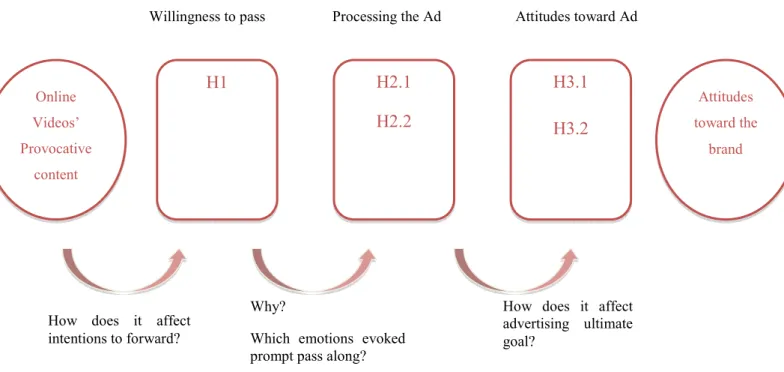
3. THEORETICAL FRAMEWORK AND HYPOTHESIS
H1: PROVOCATIVE CONTENT HAS A POSITIVE INFLUENCE ON CONSUMERS’ WILLINGNESS TO PASS-ALONG ONLINE VIDEOS
H2.1: THE CONTENT PROVOCATIVENESS POSITIVELY AFFECTS THE EMOTIONAL INTENSITY OF THE AD
H2.2: CONSUMERS ARE MORE WILLING TO FORWARD ONLINE VIDEOS THAT EVOKE PLEASANT EMOTIONS
H3.1: THE USE OF PROVOCATIVE CONTENT HAS AN IMPACT ON CONSUMERS’ BRAND RECALL
H3.2: THE USE OF PROVOCATIVE CONTENT HAS AN IMPACT ON CONSUMERS’ WILLINGNESS TO BUY (PURCHASE INTENTION).
FIGURE 1: HYPOTHESIS RELATIONSHIP
Online Videos’ Provocative content Attitudes toward the brand Willingness to pass Processing the Ad Attitudes toward Ad
H1 H2.1
H2.2
H3.1 H3.2
Why?
Which emotions evoked prompt pass along?
How does it affect advertising ultimate goal?
How does it affect intentions to forward?
4. METHODOLOGY
4 . 1 D E S I G NThis study’s aim is to investigate the relationship between online video content, in particular using provocative features, and willingness to forward, emotions evoked and, ultimately, attitudes toward the brand. Likewise, to understand such patterns of relationship, quantitative analysis is required. Therefore, in order to address the proposed research questions, an experiment was conducted.
An online survey, which, according to Creswell (2009), enables to numerically describe the sample characteristics, was the method chosen to collect the necessary data. The proposed method was selected due to its economic viability, easy administration and ability to reach a large number of participants (Wright 2005). Moreover, being an online tool, makes it particular suitable for this study’s participants, who are regular users of the Internet, therefore improving the likelihood of obtaining a higher response rate. The answers of the survey were posteriorly compiled and statistical analyzed, as it will be further explained on the following section.
4 . 2 P R E T E S T
A pre-test to university students (n=14) was conducted before the actual online survey was distributed. The goal of this pre-test was to choose the final videos to be used in the actual experiment.
Therefore, a database of 10 videos was collected from industry publications and reviews from major websites. Although Bardzell, Bardzell and Pace (2008) support that videos’ length does not correlate with dependent variables, precaution was taken to select videos with similar duration, as well as to constraint the overall duration of the experiment. Moreover, being the aim of this pre-test to select two commercial videos to be used in the main experiment, videos were selected on the basis of their perceived provocation. Ten videos with provocation levels raging from highly provocative to not provocative at all were included in the final sample to be used in the pre-test. In addition, to decrease the likelihood of bias, the order of the videos was randomized, i.e. it changed for different participants, this way avoiding that having viewed one video could influence ratings of following ones.
The group of participants, as mentioned before, was composed by university students, who are regular Internet users and watch videos online. Moreover, they were recruited from my own Facebook network. A Facebook message was sent to all of them, including a direct link to start the survey. The survey took approximately 15 minutes. Upon watching each of the ten videos, raters were subsequently asked to indicate, using a 7-point scale (1 = totally agree; 7 = totally disagree), how much they considered the video to be: intense, enjoyable, startling, informative, obscene and frightening, adapted from Dahl, Frankenberger and Machanda (2003).
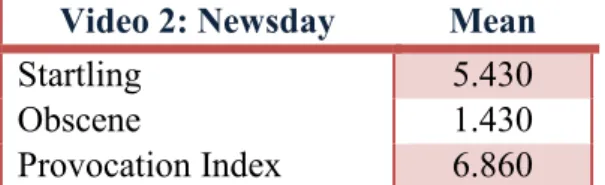
Two factors have been suggested to contribute to the extent a message is considered to be provocative: the degree to which it surprises the audience and the perception that it transgresses societal norms in someway (D. W. Dahl 2003). Therefore, having in mind Dahl, Frankenberger and Machanda (2003) definition, two items were taken into account to measure perceived provocation: startling and obscene. The first measuring surprise, and the second measuring the extent to which it violated civic standards.
A provocation index was computed by summing up means of these two items for each video. It was based on the results of this index that the two final videos, previously described, were selected to be part of the main experiment of this research: Ford SportKa and Newsday I pad app.
TABLE 3: NEWSDAY PRE-TEST PROVOCATION INDEX
Video 2: Newsday Mean
Startling 5.430
Obscene 1.430
Provocation Index 6.860
TABLE 4: FORD SPORTKA PRE-TEST PROVOCATION INDEX
Video 2: Ford SportKa Mean
Startling 5.400
Obscene 3.670
It is interesting to notice at this point that both videos selected were confronted with public criticisms. Ford SportKa ad was banned for being ”outrageous”, “disgusting” while the Newsday I pad application ad, although having been put in circulation and even considered “the funniest, most clever ad for an iPad application”, according to a Journalist from the Business Insider (http://articles.businessinsider.com/2010-09-10/tech/30076287_1_ipad-clever-ad-newspaper#ixzz1sKxmNftT), was ultimately removed from circulation. Nevertheless both commercials went viral.
4 . 3 P AR T I C I P A N T S A N D P R O C E D U R E S
The data analyzed in this study (both pre-test and main experiment), was collected from an online survey conducted using Qualtrics, a provider for survey software website.
As in the pre-test, respondents were Internet users who watch videos online on a regular basis, as well as e-mails and other networking tools, and were recruited from my own social networks through emails and Facebook.
A snowballing-convenience sampling method was used; e-mails and Facebook messages were sent, containing a web link, through which interested participants could have direct access to the survey2. Moreover, message receivers were encouraged to pass along the link of the survey. All participants were 18 years old or older. From the 173 participants who accessed the survey, a total of 103 respondents viewed the videos and completed the survey, resulting in a 60% response rate. Moreover, there was no missing data; being an Internet tool, it allows making responses mandatory which compels participants to complete all items of the questionnaire.
Participants who took the survey were asked to watch the two videos, previously described in this section, and requested to complete a questionnaire about each one. The questions were the same for each video. Moreover, the survey also solicited respondents to type in their age to see whether any relevant difference might be found regarding this demographic variable. The total time span of the survey took no more than 10 minutes.
4 . 4 T H E O N LI N E E X P E R I M E N T
The experiment combined a 2 (levels of provocation) vs. 2 (commercial online videos) within-subjects experimental design. All participants watched 2 commercial online videos, one highly provocative vs. another moderately provocative. The order of the videos was randomized in order to minimize the exposure to disruptive factors by ensuring that having watched one video would not influence the ratings of the following video. Moreover, studies about humor in adverting assert that humor tends to work better for real as opposed to fictional brands (Marc G. e Gulas 1992). The same might be expected from provocation and, therefore, videos used in this experiment included real brands.
The highly provocative video was a 40 seconds long commercial of Ford SportKa, which, although never passed on television, it has been viewed all over the world as an accidentally released advertising. It starts by showing a car – Ford SportKa – parked in a driveway in a suburban area, when a cat walking by the neighborhood comes across. As the cat stares, the automobile’s sunroof enticingly opens and the cat hops onto the rooftop of the car. The cat, then, attempting to explore what is inside the opened sunroof, pokes its head into the car. This is when, suddenly, the sunroof automatically starts to close again, trapping the neck of the curious cat, which in vain furiously struggles to free itself. Finally, the cat’s head falls off and the body of the cat slumps down the side of the car. The advertising does not have any voice, just the motto “Ford SportKa – The Ka’s Evil Twin”.
The moderately provocative video is a 30 seconds advertisement of the Newsday’s application launched for I pad. The video sightsees the benefits and disadvantages of replacing the reading of your daily newspaper in the morning by an I pad; it shows a man, formally dressed to go to work, reading Newsday in an I pad until he eventually smashes his I pad against the kitchen countertop, attempting to kill the fly disturbing him as if it was a traditional newspaper.
The same set of questions was asked to participants after watching each video. With the exception of only one question in which participants were asked to type in the name of the advertised brand, all the remaining questions were quantitative type questions, As responses with pre-defined parameters, Likert scales allow input to be exported to excel and analyzed in an easier and more objective fashion. Moreover, although qualitative questionnaires, by