This work is licensed under the Creative Commons Attribution-NonCommercial-ShareAlike 4.0 International License.
Association of physical activity with sleep health:
a systematic review
Associação da atividade física com o sono: uma revisão sistemática
AUTHOR’S
Andrea Wendt1 Thaynã Ramos Flores1Inacio Crochemore M. da Silva1,2 Fernando C. Wehrmeister1
1 Federal University of Pelotas, Post-graduate Program in Epidemiology, Pelotas, Rio Grande do Sul, Brazil.
2 Federal University of Pelotas, Superior School of Physical Education, Pelotas, Rio Grande do Sul, Brazil.
CORRESPONDING Andrea Wendt
Federal University of Pelotas, Post-graduate Program in Epidemiology. Postal address: Marechal Deodoro, 1160, 3º floor, Pelotas, Rio Grande do Sul, Brazil.
CEP: 96020-220. DOI
10.12820/rbafs.23e0057
ABSTRACT
The aim of this study was to systematically examine the literature on physical activity and sleep in non-clinical and population-based settings. The inclusion criteria were original studies testing the association between physical activity (as exposure) and sleep (as outcome) in representative samples of the general population, workers, or undergraduate students. Sleep health included sleep duration, sleep quality and insomnia. Studies evaluating samples including only individuals with some dis-ease or a health condition were excluded. A search was performed in the PubMed, Scopus, Lilacs, CINAHL, and SPORTdiscus databases in March 2018. Data extraction was performed using the following items: year, author, country, population, age group, sample size, study design, sleep meas-urement/definition, physical activity measmeas-urement/definition, adjustment and main results. A total of 57 studies were selected, which markedly used heterogeneous instruments to measure physical activity and sleep. The majority were conducted in high-income countries and with cross-sectional design. Physical activity was associated with lower odds of insomnia (observed in 10 of 17 studies), poor sleep quality (observed in 12 of 19 studies) and long sleep duration (observed in 7 of 11 studies). The results about short sleep or continuous sleep duration remain unclear. Physical activity seems to be associated with sleep quality and insomnia, especially among adult and elderly populations in which these outcomes are more usually measured. The short- and long-term effects of physical activity intensities and dose-response on sleep should be better evaluated.
Keywords: Epidemiology; Sleep; Motor activity.
RESUMO
Examinar sistematicamente a literatura sobre atividade física e sono em amostras não clínicas e de base populacional. Foram incluídos artigos originais testando a associação entre atividade física (como exposição) e sono (como desfecho) em amostras representativas da população em geral, de trabalhadores ou de univer-sitários. Os desfechos incluídos foram duração do sono, qualidade do sono e insônia. Estudos que avaliaram amostras que incluíram somente indivíduos com alguma doença ou condição de saúde foram excluídos. A busca foi realizada em março de 2018 nas seguintes bases: PubMed, Scopus, Lilacs, CINAHL e SPORTdis-cus. As informações extraídas dos dados foram ano, autor, país, população, faixa etária, tamanho da amostra, delineamento, mensuração e definição das variáveis de desfecho e exposição, variáveis de ajuste e principais resultados. Foram selecionados 57 estudos. A maioria foi conduzida em países de renda alta e com delinea-mento tranversal. Atividade física foi associada a menor odds de insônia (10 de 17 estudos), qualidade ruim do sono (12 de 19 estudos) e longa duração (7 de 11 estudos). Os resultados sobre curta duração ou duração avaliada de forma contínua permanecem inconclusivos. Os estudos selecionados usaram instrumentos hete-rogêneos tanto para atividade física quanto sono. Atividade física parece estar associada com qualidade do sono e insônia especialmente entre adultos e idosos onde estes desfechos foram mais frequentemente avaliados. Os efeitos a curto e longo prazo da atividade física em diferentes intensidades ainda precisam ser melhor explorados em futuros estudos originais.
Palavras-chave: Epidemiologia; Sono; Atividade motora.
Introduction
Sleep influences several physiological processes in
hu-mans, such as hormonal secretion, energetic balance,
and homeostasis
1,2. Healthy sleep is associated with
reduced risk of chronic diseases, work and traffic
ac-cidents, mental disorders, and also with better quality
of life and academic achievements
1,3-6. Therefore, sleep
health should be considered as an import public health
problem due to its association with general health
sta-tus and organism homeostasis
1, and due the
conside-rable proportion of population affected. In the United
States, adults showed a prevalence of 13.5% for short
sleep duration (< 6h)
7, while in Greece, 25.3% of adult
population presented insomnia
8.
Several sociodemographic and behavioural factors
have been shown to influence sleep-related outcomes.
In general, sleep disorders are more frequent among
women, older adults, white-collar workers, smokers,
those with higher alcohol and caffeine consumption,
and obese or overweight individuals
9-13. The
Ameri-can Academy of Sleep Medicine and Sleep Research
Society suggest physical activity as a factor that could
help to improve sleep health parameters
14, but
evi-dence at the population level has not yet been clearly
identified.
The effects of physical activity on sleep seem to be
attributed to body thermoregulation, energy
conserva-tion, tissue restoraconserva-tion, hormonal secreconserva-tion, regulation
of the circadian rhythm, and improvement in physical
fitness
15,16. These mechanisms possibly present short-
and long-term effects on sleep, but such relationships
are difficult to elucidate. A meta-analysis including
only experimental studies showed that some effects of
physical activity on sleep only exist, or are more
pro-nounced, with a regular frequency of weekly physical
activity practice
17.
It is important to highlight the conceptual
differ-ences between physical activity and exercise – a regular
activity planned to reach specific aims such as
main-taining or increasing health or fitness. The research
area of physical activity and sleep began with studies
evaluating only exercise and found positive effects on
sleep outcomes
15,17-19, but these effects remain unclear.
In observational studies, temporality is an issue which
should be considered in the relationship between
phys-ical activity and sleep. Some authors have argued there
is a bidirectional effect: a bad night of sleep also
influ-ences exercise practice on the next day
20, 21.
Most of the literature about the relationship
be-tween physical activity and sleep is limited to small
ex-perimental studies with volunteers or clinical samples.
This limits the generalisation of the results for the
en-tire population, and the pattern of such an association
with population levels remains unclear. The effects of
overall physical activity (not necessarily structured) also
are unknow, since most of literature is based in studies
evaluating exercises only. Therefore, this review aims to
systematically examine the literature on physical
activ-ity and sleep parameters (sleep duration, sleep qualactiv-ity
and insomnia) in non-clinical participants from
sam-ples with representativeness of a target population. Our
hypothesis was that most studies have found a positive
relationship between physical activity and sleep health.
Methods
The search was performed in March 2018 in following
databases: PubMed, Scopus, Lilacs, CINAHL, and
SPORTdiscus. We used keywords related to physical
activity (“physical activity” OR “motor activity” OR
“exercise” OR “physical inactivity”) in combination
with terms for sleep duration sleep quality and
in-somnia (“sleep health” OR “sleep duration” OR “sleep
quality” OR “sleep disorders” OR “Pittsburgh Sleep
Quality Index” OR “insomnia” OR “polysomnography”
OR “actigraphy”). Each database has its specific rules
for combining terms and were adjusted to the search
accordingly. We opted for these three outcomes after
an exploratory search which identified them as the
most frequent outcomes in population-based studies
of sleep. Furthermore, these outcomes are the most
re-lated to general health.
References selection (title and abstract reading) was
performed by two independent reviewers
simultaneous-ly and in cases of no consensus about inclusion, a third
reviewer was required for the final decision. We emailed
the authors’ manuscript when full text was not available.
The inclusion criteria were original studies testing
the association between physical activity (as
expo-sure) and sleep duration, sleep quality or insomnia (as
outcomes) in representative samples of general
pop-ulations, or specifically samples of workers or
under-graduate students representing the target population
they aimed at. We excluded studies evaluating
physi-cal activity and sleep variables as exposures for other
health outcomes, convenience/volunteer-based
sam-ples, groups of individuals with some disease or health
condition (e.g. obesity, insomnia or other sleep
disor-ders, and/or fibromyalgia) or specific populations (e.g.
athletes) and studies where effect measures were not
reported. We also focused the review on studies with
leisure-time physical activity isolated or combined
with other domains. There were no exclusion criteria
regarding population age and language. Reference lists
from selected studies were also checked. The
method-ological procedures carried out in this review follow
the PRISMA guidelines for systematic reviews
22.
Data extraction was performed using the
follow-ing items: year, author, country, population, age group,
sample size, study design, sleep
measurement/defini-tion, physical activity measurement/definimeasurement/defini-tion,
adjust-ment and main results. Selected studies were evaluated
regarding the quality of the report, taking into account
(a) response rate report, (b) sleep variable description
in text, (c) physical activity variable description in text,
(d) adjustment at least for sex/gender, age, and
socioec-onomic/educational status. We establish this criterion
after a discussion about which parameters may capture
the quality of studies, since most of the existing scales
to measure the quality of studies could not properly be
applied in the selected studies.
In order to compare and present the results in a clear
way, selected studies were presented as three groups of
outcomes: (a) sleep duration, (b) insomnia; and (c) sleep
quality. Manuscripts evaluating more than one outcome
were included for each outcome. References evaluating
more than one dimension of sleep duration (e.g. short
and long sleep) were also evaluated separately.
In order to make the results clearer, three categories
regarding the association of physical activity with sleep
were created:
•
Physical activity improves sleep: when physical
ac-tivity decreases the risk of adverse sleep outcomes
(e.g. short sleep, long sleep, insomnia or poor
qual-ity) or increased the risk of “good” sleep outcomes
(e.g. adequate sleep duration, good sleep quality, and
insomnia absence). We also considered as
improve-ment in sleep when physical inactivity or low
physi-cal activity increases the risk of “bad” sleep outcomes
or decreases the risk of “good” sleep outcomes.
•
Physical activity worsens sleep: when physical
ac-tivity increases the risk of adverse outcomes or
decreases the risk of “good” outcomes. Also, it was
defined as worsening when physical inactivity or
low physical activity decreases the risk of adverse
outcomes or increases the risk of “good” outcomes.
Results
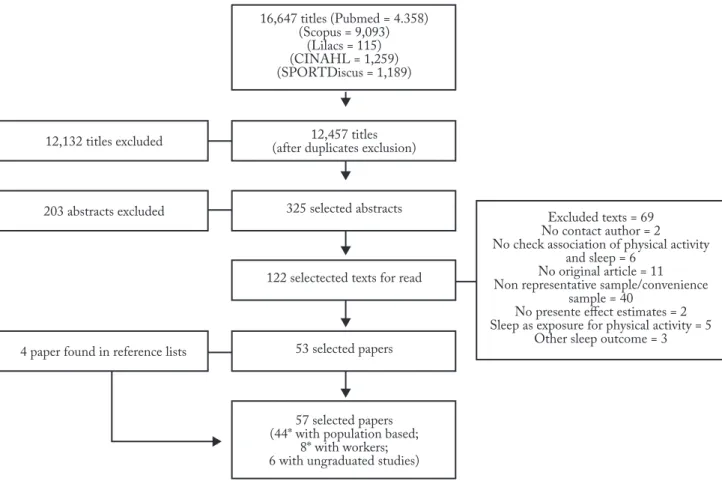
The search identified 16,647 references. Figure 1
pre-sents the number of studies included/excluded in each
phase of this review. After all processes, 57 studies were
included (Figure 1).
Table 1 presents features of the selected studies.
From 57 studies, 28 included population-based
sam-ples of adults and elderly
7,8,10,13,23-46, among them,
sev-en only elderly
23,25,30,32,33,36,37. Sixteen studies included
Figure 1 – Flow chart describing the study selection.
samples of children and adolescents
22,47-61. Eight
stud-ies assessed workers’ samples
7,20,62-67and six included
only undergraduate students
68-73. More than 60% of
studies were published after 2011 and included
sam-ples with at least 1,500 individuals.
The majority of the selected studies came from Asia,
Table 1 – Description of selected studies (n = 57).
Variables Number of studies (%) Reference Outcome
Sleep duration 28 (49.1) 7, 10, 13, 27, 28, 29, 31, 37, 38, 39, 42, 43, 44, 47, 48, 49, 50, 52, 53, 54, 55, 56, 57, 58, 61, 64, 65, 68
Short sleep 22 (38.6) 7, 10, 13, 27, 28, 29, 37, 38, 39, 42, 43, 44, 47, 48, 52, 53, 56, 57, 58, 54, 64, 65 Long sleep 10 (17.5) 7, 10, 13, 27, 28, 29, 37, 38, 42, 58
Continuous/adequate sleep duration 7 (12.3) 31, 43, 49, 50, 55, 61, 68
Insomnia 17 (29.8) 8, 20, 22, 23, 24, 25, 26, 30, 33, 34, 35, 36, 40, 43, 45, 46, 67 Sleep quality 19 (33.3) 31, 32, 41, 43, 44, 45, 51, 55, 58, 59, 60, 62, 63, 66, 69, 70, 71, 72, 73 Sample
Children and adolescents 16 (28.1) 22, 47, 48, 49, 50, 51, 52, 53, 54, 55, 56, 57, 58, 59, 60, 61
Adults and the elderly 28 (49.1) 7, 8, 10, 13, 23, 24, 25, 26, 27, 28, 29, 30, 31, 32, 33, 34, 35, 36, 37, 38, 39, 40, 41, 43, 44, 45, 46 Workers 8 (14.0) 7, 20, 62, 63, 64, 65, 66, 67 Undergraduates 6 (10.5) 68, 69, 70, 71, 72, 73 Study design Cross-sectional 45 (78.9) 7, 8, 10, 13, 22, 24, 25, 26, 27, 28, 29, 31, 33, 34, 35, 38, 39, 41, 42, 43, 44, 46, 47, 48, 50, 51, 58, 59, 60, 52, 53, 54, 55, 56, 57, 59, 61, 63, 67, 68, 69, 70, 71, 72, 73 Cohort 12 (21.1) 20, 23, 30, 32, 36, 37, 40, 45, 62, 64, 65, 66 Continent America 14 (24.6) 7, 10, 24, 31, 33, 38, 39, 44, 45, 51, 56, 58, 60, 63 Asia 25 (43.9) 13, 22, 25, 28, 29, 30, 32, 37, 41, 42, 46, 48, 52, 53, 55, 57, 62, 64, 65, 66, 68, 69, 70, 71, 72 Europe 18 (0.32) 7, 20, 23, 26, 27, 34, 35, 36, 40, 43, 49, 50, 54, 59, 61, 67, 73 Oceania 1 (0.0) 47
Income classification (World Bank)
Middle 17 (29.8) 22, 29, 32, 33, 37, 41, 42, 48, 53, 55, 56, 57, 60, 63, 69, 70, 71
High 40 (70.1) 7, 8, 10, 13, 20, 23, 24, 26, 27, 28, 30, 31, 34, 35, 36, 38, 39, 40, 43, 44, 45, 46, 47, 49, 50, 51, 52, 54, 58, 59, 61, 62, 64, 65, 66, 67, 68, 72, 73
Response rate or losses and refusals
reported or N for calculations 44 (77.2) 7, 8, 10, 20, 22, 23, 25, 26, 27, 28, 29, 30, 32, 34, 35, 36, 37, 38, 40, 42, 43, 45, 46, 47, 48, 49, 50, 51, 54, 55, 57, 58, 59, 62, 63, 64, 65, 66, 67, 69, 70, 71, 72, 73 Description of sleep measure 57 (100.0) 7, 8, 10, 13, 20, 22, 23, 24, 25, 26, 27, 28, 29, 30, 31, 32, 33, 34, 35, 36, 37, 38, 39, 40, 41, 43, 44, 45, 46, 47, 48, 49, 50, 51, 52, 53, 54, 55, 56, 57, 58, 59, 60, 61, 62, 63, 64, 65, 66, 67, 68, 69, 70, 71, 72, 73
Description of physical activity measure 41 (71.9) 7, 8, 10, 13, 20, 23, 24, 26, 27, 28, 30, 31, 32, 33, 36, 39, 40, 43, 44, 45, 47, 49, 50, 52, 54, 55, 58, 59, 60, 61, 62, 64, 65, 66, 67, 69, 70, 71, 72, 73
Adjusted/stratified to sex, age and
socioeconomic status 36 (63.2) 7, 8, 13, 22, 20, 27, 28, 29, 30, 31, 32, 36, 37, 38, 39, 40, 42, 43, 44, 45, 46, 48, 50, 53, 54, 55, 58, 59, 60, 63, 66, 69, 70, 71, 73 Year of publication Up to 2000 5 (8.8) 22, 23, 24, 25, 46 2001 to 2010 11 (19.3) 7, 8, 10, 26, 27, 28, 45, 47, 48, 62, 68 2011 to 2015 22 (38.6) 13, 20, 29, 30, 31, 32, 33, 34, 49, 50, 51, 52, 53, 54, 55, 61, 63, 64, 65, 69, 70, 71 2016+ 19 (33.3) 35, 36, 37, 38, 39, 40, 41, 42, 43, 44, 56, 57, 58, 59, 60, 66, 67, 72, 73 Sample size Up to 600 7 (12.3) 25, 35, 45, 47, 50, 56, 59 601 to 1500 16 (28.1) 8, 22, 23, 24, 31, 32, 33, 36, 58, 60, 61, 62, 67, 68, 70, 72 1500+ 34 (59.6) 7, 10, 13, 20, 26, 27, 28, 29, 30, 34, 37, 38, 39, 40, 41, 42, 43, 44, 46, 48, 49, 51, 52, 53, 54, 55, 57, 63, 64, 65, 66, 69, 71, 73
especially China (n = 14)
22,29,32,37,41,42,48,53,55,57,69-72. Around
one third of the references (17 out of 57) were studies
carried out in middle-income countries according to
the World Bank classification, no studies from
low-in-come countries were found. Regarding the study design,
45 were cross-sectional and 12 were cohort studies. The
most common outcome evaluated was sleep duration
(n = 28; 49.1%). In these studies, 22 (38.6%) evaluated
short sleep duration, 10 (17.5%) evaluated long sleep
duration and seven (12.3%) evaluated adequate sleep
duration or continuous variable. Insomnia was
evaluat-ed in 17 (29.8%) and sleep quality in 19 (33.3%) studies.
Around three-quarters of studies (n = 44) reported
some response rate or made the original sample size
available for such calculation. All studies presented a
clear outcome description. Regarding physical activity,
sixteen did not provide clear information about the
in-strument used to measure it
22,25,29,34,35,37,41,42,46,48,51,53,56,57,63, 68. Regarding adjustment, only 63.2% of studies showed
adjusted analyses for sex, age, and
socioeconomic/edu-cational status (Table 1). Detailed information about
each study may be found in Supplementary Table.
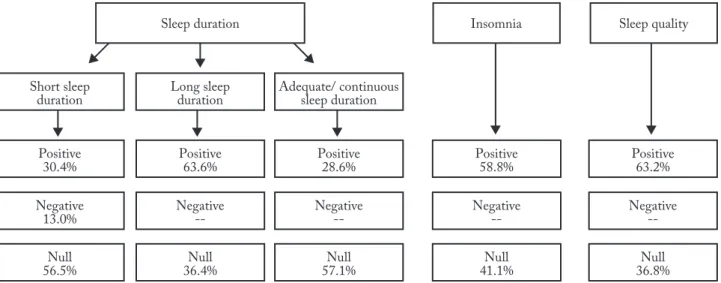
Figure 2 shows the results found in this review.
Physical activity seems to present a positive effect in
long duration of sleep, insomnia and sleep quality,
while the possible effect in short and continuous
dura-tion of sleep remains unclear.
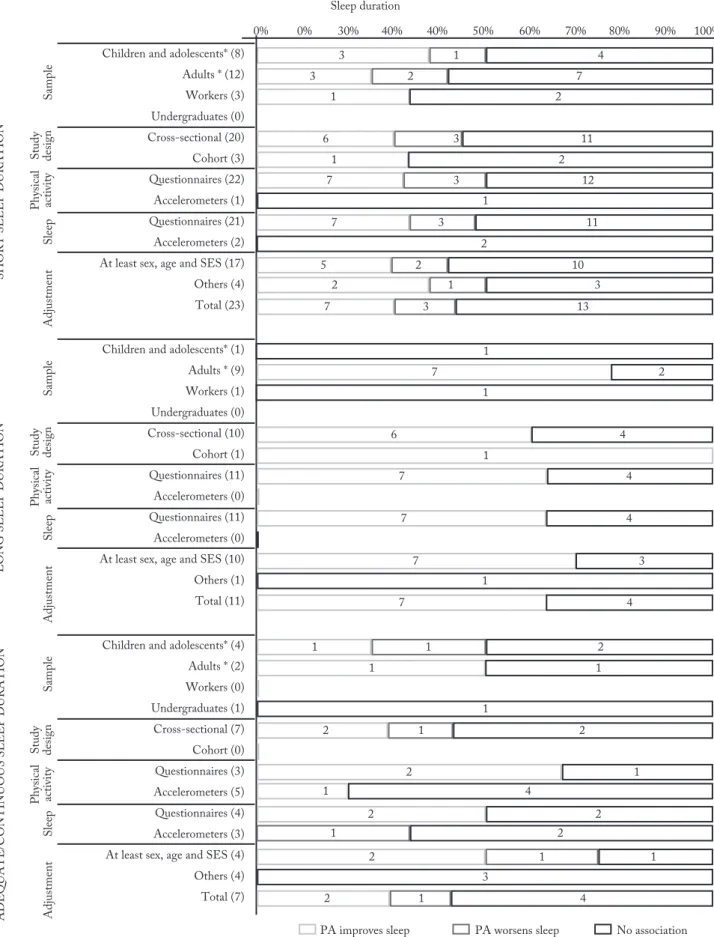
Figure 3 summarizes the results of the association
between physical activity and sleep duration according
to some study characteristics. Short sleep duration was
assessed in 22 studies
7,10,13,27-29,37-39,42-44,47,48,52-54,56-58,64,65.
The majority of the studies (n = 13) did not show any
association
7,10,13,27,37,39,43,44,47,48,56,58,65. Long sleep duration
was assessed in 11 studies. The majority of studies (n =
7) showed that physical activity decreases long sleep
duration
7,10,13,29,37,38,42, and four of them did not find any
association
7,27,28,58. Seven studies evaluated continuous
or adequate sleep duration, from which four did not
find any association
31,49,61,68.
The effects of physical activity on insomnia or
difficulty initiating/maintaining sleep are presented
in Figure 4 (n = 17). All the studies used
question-naires to measure sleep and two used accelerometers
to measure physical activity, one of them in adult
population-based sample
43and another with workers’
sample
67. Regarding the association tested, 10 studies
found that physical activity reduces odds/incidence of
insomnia
8,22-24,26,30,34,35,40,46and seven did not find any
association
20,25,33,36,43,45,67.
All of the 19 studies that evaluated sleep
quali-ty (Figure 4) used questionnaires to measure sleep
quality. The most common was the Pittsburgh Sleep
quality Index (PSQI), which was used in 13
stud-ies
32,41,43,45,51,58,59,62,69-73. Only one study measured
physical activity using accelerometers
43. Twelve
stud-ies showed physical activity improves sleep
quali-ty
31,32,41,51,59,62,63,66,69-71,73and in seven no association was
found
43-45,55,58,60,72.
For all outcomes, the patterns of association among
the studies with and without adequate adjustment for
potential confounders were similar.
Discussion
This review presented a summary of studies assessing
the association between physical activity and sleep
du-ration, sleep quality and insomnia in population-based
Figure 2 – Summarized results of review.
studies and representative samples of workers and
un-dergraduate students. In general, results are
inconsis-tent for short and continuous sleep duration but for
long sleep, insomnia and sleep quality, physical activity
results seem to play an import role for improvements
on these outcomes. The most studies were
cross-sec-tional, were performed in high-income countries, and
showed a large variability of instruments for sleep and
physical activity.
A review published in 2017 showed that physical
activity had an important influence on sleep but some
methodological aspects of this review should be
high-lighted
74. The main differences between the cited review
and the present study were the types of study designs
included, population, key-words and the search period.
Regarding data bases, it is not clear which were used in
Dolezal et. al.
74review. Authors have not clarified
qual-ity aspects of studies such as method used to measure
sleep and physical activity/exercise and adjustment
74.
The present study had no limit on publication years and
included only studies with representative samples of
general populations, workers, and undergraduates. The
other review included any kind of samples, and studies
without comparison groups. Furthermore, the
previ-ously published systematic review included only papers
published from 2013 to 2016. In this period, our review
Figure 4 – Effects of physical activity on insomnia and sleep quality according to study characteristics. *Population-based samples
detected 23 studies, but only one study was included in
both reviews
32. This may lead to important differences
in the inclusion criteria for the studies in each case.
The variety of instruments for physical activity
measurement in the selected studies must be
highlight-ed, ranging from lists of activities and accelerometers
to questions about meeting the guidelines on exercise
frequency during the week. More complete
informa-tion about physical activity including domain,
frequen-cy, intensity, and duration could be important for a
bet-ter understanding of the relationship. The comparison
between studies was difficult due not only to the used
instrument, but also to the operational definition of
physical activity. Furthermore, separating the effects
of physical activity and exercise on sleep was difficult
due to the lack of information in the questionnaires/
questions to conclude if exposure was physical activity
or exercise. The low accuracy or poor information in
questionnaires of physical activity may lead to
impor-tant bias in results and these measurement errors may
reduce the magnitude of the tested association. In
addi-tion, the understanding of questionnaires is dependent
on other individual and environmental characteristics
as socioeconomic status, age and seasonal variation
75.
Studies with poor adjustment or with questionnaires
developed to other population than the one studied
may contribute to biased findings.
Regarding physical activity intensity, few studies
could verify the association of sleep with light,
moder-ate and vigorous physical activity separmoder-ately. Buman et
al.
31found positive effects of all intensities combined on
different sleep outcomes
31. Tsunoda et al.
64found that
light and moderate physical activity decreased,
respec-tively, 14% and 19% the risk for short sleep duration,
while no effect was identified for moderate physical
ac-tivity
64. Energy expenditure of different intensities and
how this is captured by physical activity instruments
may explain the observed differences
15. This fact
rein-forces the need of more studies on this topic.
The dose response relationship is difficult to be
as-sessed in this review as most studies did not provide
enough information for such evaluation. Some
evi-dence was available in three studies. Inoue et al.
30found
an odds ratio of 0.75 to difficulty of initiating sleep
with physical activity performed 1 to 2 days in a week
compared to none
30. The odds ratio for 3-4 days was
0.98 and for 5-7 days was 0.66
30. In the same direction,
Morgan et al.
23in a cohort comprised by elderly
indi-viduals, showed that the magnitude of association was
almost the same in individuals in medium and low
cat-egories of physical activity; they presented an odds of
insomnia almost three times higher compared to those
in higher category of physical activity
23. On the other
hand, Liu et al.
22in a study with adolescents using
phys-ical activity frequency (none/ 1-2 times per week/ 3 or
more times per week) found an odds ratio 2.7 higher to
insomnia in individuals performing 1-2 days of
physi-cal activity comparing to three or more times per week.
The odds ratio to individuals with no activity days was
3.3
22. This evidence is not consistent; thus, more studies
exploring dose-response relationships between physical
activity and sleep outcomes are needed.
In terms of sleep assessment, the most common
outcome was sleep duration evaluated in 28 studies
but with different approaches. Also, in general these
studies did not used complex questionnaires but
calcu-lated sleep duration from simple questions about sleep
onset and sleep end. The recommended sleep duration
in adults is seven hours per day
14without a maximum
limit, although some studies had showed that long
sleep may increase risk to mortality and cognitive
im-pairment
76-78. The sleep duration approach (continuous,
adequate, short or long) and its cut off point varied
greatly across the studies. Questionnaires to measure
insomnia, in general included three questions:
difficul-ty to sleep, difficuldifficul-ty to maintain sleep and too early
wake up. These questions were followed by additional
questions in some studies. Other structured
question-naires with high reliability were used such as Athens
Insomnia Scale (Cronbach’s alpha of 0.90)
79, Jenkins
Sleep Questionnaire
80and Insomnia Severity Index
(Cronbach’s alpha of 0.90)
81. Studies assessing sleep
quality mostly used Pittsburgh Sleep Quality, which
presents sensitivity of 89.6% and specificity of 86.5%
82.
Literature shows short- and long- effects of
exer-cise on sleep outcomes
16,17. Authors discuss that lower
levels of physical activity may result in sleep
architec-ture changes as there is an increase in duration and a
decrease in latency
16,17. Acute effects of physical activity
on sleep are more related to thermoregulation,
ener-gy conservation, increases in growth hormone levels,
and decreases in cortisol levels
15,16. On the other hand,
regular exercise can potentialize physical activity’s
ef-fects on sleep outcomes
17by increase physical fitness,
improve body composition and circadian rhythm
reg-ulation, factors which are positively associated with
healthy sleep patterns
16.
Cross-sec-tional studies cannot capture the essence of short-term
effect of physical activity only with questionnaires. This
is partly due to all questionnaires are related to habitual
physical activity or physical activity in last week, a proxy
of regular physical activity. Acute physical activity can
only be assessed more easily by accelerometer with
anal-yses of a 24 hours period, despite of challenges related
to logistics and resources limitations in use of
acceler-ometers. Recently, some recent studies started to
ana-lyse the time spent in different activities over a day
83and
in the future, studies with large representative samples
and considering effect of daily activities performed over
sleep at the subsequent night will contribute to a better
understanding of the acute effect of physical activity.
Studies evaluating short sleep, in general, did not
find any association and those which found an
asso-ciation, were in the direction of reducing proportion
of short sleep. However, most studies with long sleep
duration found associations showing decreased risk of
this outcome. This suggests that, in a given point in
sleep duration, the effect of physical activity changes
the direction and thus may reduce both short and long
sleep. Results of studies evaluating continuous
dura-tion were divergent, possibly by the lack of a central
reference category (e.g. 7-8 hours). Still, it is possible
that physical activity plays a role only in individuals
with many hours of sleep. If physical activity has a
mechanism of tissue restoration, as previously studies
highlight
15,16, it is possible that active individuals do
not need a long sleep period to restoration in
compar-ison with inactive individuals.
It is important to highlight that although the role
of physical activity in sleep duration is not so clear,
results about sleep quality and insomnia seem to be
more consistent. In general, physical activity seems to
improve sleep quality and reduce the risk of
insom-nia, independently of the study design (longitudinal
or cross-sectional). A more restorative sleep by
ther-moregulation, tissue restoration or physical fitness
improved by physical activity
15,16may lead to better
sleep but not necessarily longer or shorter sleep. A new
approach in sleep studies encompassing more sleep
health aspects than just duration is necessary. Buysse
et al.
84commented that sleep health has different
di-mensions associated to different variables
84. Thus, it is
possible that physical activity has a more important
as-sociation with sleep quality and disorders as insomnia
than architecture data, as sleep duration.
Some reports about quality of studies included
should be highlight. Although the majority of studies
reported data for response rates, in many cases this rate
did not reach 60% of the original sample
8,25,34,58,59,64,66,67.
Moreover, about 20% of studies did not report rates
regarding the original sample of study (sometimes only
the analytic sample regarding the collected data)
13,24,31-33,39,41,44,52,56,60,61,68. In these cases, the possibility of bias
is unclear. Furthermore, some specific studies had
pling processes which were likely influenced by
sam-ple bias. For examsam-ple, Ekstead et al.
61used data from a
population that was previously selected for a school
in-tervention
61. Although the authors comment that the
intervention had no effect on the proposed association,
as a school-based survey it seems inadequate, since this
design did not require the representativeness of a given
population
61. Two studies
31,45used sampling processes
based on Internet and/or telephone surveys; this can be
an important limitation, since not all populations have
access to such services. It is probable that individuals
who take part in these studies had higher educational
levels, socioeconomic status, and access to health
ser-vices than the general population. Better living
condi-tions are also associated with higher levels of physical
activity and lower sleep disorders, but it is probable
that these conditions affect the frequency of exposure
and outcome but not the association between them.
Regarding the adjustment for possible confounding,
most of studies adjusted or stratified for sex and age, but
adjustment for socioeconomic or educational status was
less frequent. Although the pattern of association
com-paring studies adjusted to sex, age and socioeconomic
status and other studies did not change drastically, these
socioeconomic characteristics are important
confound-ing variables for this association. Several authors found
that poor individuals or those with lower education
had more sleep problems
7,8,10,13,27,37. Literature has also
showed that more disadvantaged groups are more
physi-cally inactive
85,86. Therefore, the results of studies that did
not consider socioeconomic or educational status should
be carefully observed, mainly in low-income countries
where socioeconomic inequalities in health are more
pronounced. Few studies present cohort designs and
adequate adjusted analyses but, in general, these works
showed that the association between physical activity
and sleep persist even after the adjustment for possible
confounders. Moreover, it should be noted that in this
review, cohort studies did not find negative effects of
physical activity on all evaluated sleep outcomes.
heteroge-neity of data for physical activity which did not allow
us to draw more specific conclusions about the
magni-tude of the effect studied, intensity of physical activity
and dose-response relationship. Furthermore,
bidirec-tionality in this theme is relevant. However, this issue is
scarce in the literature, due to difficulties in data
acqui-sition, especially. In other hand, this study summarizes
results about association of physical activity on sleep in
many ages and contexts and identifies the remaining
gaps to be addressed in future research on this topic.
In the future, it is relevant to reinforce some topics
that should be included in the research agenda: (a)
uti-lisation of comparable instruments for sleep outcomes
that do not limit the evaluation to sleep duration only;
(b) utilization of clear and comparable operational
definitions of physical activity measuring frequency,
intensity, and duration; (c) attention to important
ad-justed variables; and (d) more longitudinal studies with
representative samples of low- and
lower-middle-in-come countries are necessary.
Physical activity seems to be positively associated
with lower long sleep, and negatively associated with
insomnia and poor sleep quality. The results for short
and continuous sleep duration are not consistent. The
studies included in this review used heterogeneous
measures to evaluate both exposures and outcomes
and standardization of instruments is needed to obtain
combined effect measures.
Conflict of interest
The authors declare no conflict of interest.
Authors’contribution
Wendt A and Flores TR, participate of study conception. Wendt
A, Flores TR and Wehrmeister FC, participated in search, data
selection and extraction. Wendt A, Flores TR, Wehrmeister FC
and Silva ICM, wrote and participate in critical review. All
au-thors approved final version of paper.
Acknowledgments
We acknowledge the National Support Programme for Centres
of Excellence (PRONEX-CAPES) and the Brazilian National
Research Council (CNPq) for their support. AW and TRF has
been funded by CAPES and FCW has been funded by CNPq.
References
1.
Morgan D, Tsai SC. Sleep and the endocrine system. Crit
Care Clin. 2015;31(3):403-18.
2.
Shukla C, Basheer R. Metabolic signals in sleep regulation:
recent insights. Nat Sci Sleep. 2016;8:9-20.
3.
Bougard C, Davenne D, Espie S, Moussay S, Leger D.
Sleepiness, attention and risk of accidents in powered
two-wheelers. Sleep Med Rev. 2016;25:40-51.
4.
Covassin N, Singh P. Sleep duration and cardiovascular
disease risk: epidemiologic and experimental evidence. Sleep
Med Clin. 2016;11(1):81-9.
5.
Schafer AA, Domingues MR, Dahly DL, Meller FO,
Goncalves H, Wehrmeister FC, et al. Sleep duration
trajectories and body composition in adolescents: prospective
birth cohort study. PloS One. 2016;11(3):e0152348.
6.
Wolfson AR, Carskadon MA. Understanding adolescents’
sleep patterns and school performance: a critical appraisal.
Sleep Med Rev. 2003;7(6):491-506.
7.
Stranges S, Dorn JM, Shipley MJ, Kandala N, Trevisan
M, Miller MA, et al. Correlates of short and long sleep
duration: a cross-cultural comparison between the United
Kingdom and the United States: the Whitehall II Study
and the Western New York Health Study. Am J Epidemiol.
2008;168(12):1353-64.
8.
Paparrigopoulos T, Tzavara C, Theleritis C, Psarros C,
Soldatos C, Tountas Y. Insomnia and its correlates in a
representative sample of the Greek population. BMC Public
Health. 2010;10:531.
9.
Garcia AN, Salloum IM. Polysomnographic sleep disturbances
in nicotine, caffeine, alcohol, cocaine, opioid, and cannabis
use: A focused review. Am J Addict. 2015;24(7):590-8.
10.
Krueger PM, Friedman EM. Sleep duration in the United
States: a cross-sectional population-based study. Am J
Epidemiol. 2009;169(9):1052-63.
11.
Phillips B, Ancoli-Israel S. Sleep disorders in the elderly.
Sleep Med. 2001;2(2):99-114.
12.
Schwartz AR, Patil SP, Laffan AM, Polotsky V, Schneider H,
Smith PL. Obesity and obstructive sleep apnea: pathogenic
mechanisms and therapeutic approaches. Proc Am Thorac
Soc. 2008;5(2):185-92.
13.
Yoon HS, Yang JJ, Song M, Lee HW, Han S, Lee SA, et
al. Correlates of self-reported sleep duration in middle-aged
and elderly Koreans: from the Health Examinees Study. PloS
One. 2015;10(5):e0123510.
14.
Watson NF, Badr MS, Belenky G, Bliwise DL, Buxton
OM, Buysse D, et al. Recommended amount of sleep for a
healthy adult: a joint consensus statement of the American
Academy of Sleep Medicine and Sleep Research Society.
Sleep. 2015;38(6):843-4.
15.
Driver HS, Taylor SR. Exercise and sleep. Sleep Med Rev.
2000;4(4):387-402.
16.
Uchida S, Shioda K, Morita Y, Kubota C, Ganeko M,
Takeda N. Exercise effects on sleep physiology. Front Neurol.
2012;3:48.
17.
Kredlow MA, Capozzoli MC, Hearon BA, Calkins AW,
Otto MW. The effects of physical activity on sleep: a
meta-analytic review. J Behav Med. 2015;38(3):427-49.
18.
Montgomery I, Trinder J, Paxton SJ. Energy expenditure
and total sleep time: effect of physical exercise. Sleep.
1982;5(2):159-68.
19.
O’Connor PJ, Youngstedt SD. Influence of exercise on human
sleep. Exer Sport Sci Rev. 1995;23:105-34.
20.
Haario P, Rahkonen O, Laaksonen M, Lahelma E, Lallukka
T. Bidirectional associations between insomnia symptoms
and unhealthy behaviours. J Sleep Res. 2013;22(1):89-95.
21.
Pettee Gabriel K, Sternfeld B, Shiroma EJ, Perez A, Cheung
J, Lee IM. Bidirectional associations of
accelerometer-determined sedentary behavior and physical activity with
reported time in bed: Women’s Health Study. Sleep Health.
2017;3(1):49-55.
22.
Liu X, Uchiyama M, Okawa M, Kurita H. Prevalence and
correlates of self-reported sleep problems among Chinese
adolescents. Sleep. 2000;23(1):27-34.
23.
Morgan K, Clarke D. Risk factors for late-life insomnia in
a representative general practice sample. Br J Gen Pract.
1997;47(416):166-9.
24.
Sherrill DL, Kotchou K, Quan SF. Association of physical
activity and human sleep disorders. Arch Intern Med. 1998;
28;158(17):1864-8.
25.
Ito Y, Tamakoshi A, Yamaki K, Wakai K, Kawamura T,
Takagi K, et al. Sleep disturbance and its correlates among
elderly Japanese. Arch Gerontol Geriatr. 2000;30(2):85-100.
26.
Janson C, Lindberg E, Gislason T, Elmasry A, Boman G.
Insomnia in men-a 10-year prospective population based
study. Sleep. 2001;24(4):425-30.
27.
Kronholm E, Härmä M, Hublin C, Aro AR, Partonen T.
Self-reported sleep duration in Finnish general population. J
Sleep Res. 2006;15(3):276-90.
28.
Park S, Cho MJE, Chang SM, Bae JN, Jeon HJ, Cho SJ, et
al. Relationships of sleep duration with sociodemographic
and health-related factors, psychiatric disorders and sleep
disturbances in a community sample of Korean adults. J Sleep
Res. 2010;19(4):567-77.
29.
Tu X, Cai H, Gao YT, Wu X, Ji BT, Yang G, et al. Sleep
duration and its correlates in middle-aged and elderly
Chinese women: The Shanghai Women’s Health Study. Sleep
Med. 2012;13(9):1138-45.
30.
Inoue S, Yorifuji T, Sugiyama M, Ohta T, Ishikawa-Takata K,
Doi H. Does habitual physical activity prevent insomnia? A
cross-sectional and longitudinal study of elderly japanese. J
Aging Phys Act. 2013;21(2):119-39.
31.
Buman MF, Phillips BA, Youngstedt SD, Kline CE,
Hirshkowitz M. Does nighttime exercise really disturb sleep?
Results from the 2013 National Sleep Foundation Sleep in
America Poll. Sleep Med. 2014;15(7):755-61.
32.
Chen LJ, Fox KR, Sun WJ, Lo MK, Ku PW. Prospective
associations between different categories of physical
activity and insomnia in older adults. Int J Sport Psychol.
2014;45(3):173-86.
33.
Monteiro NT, Neri AL, Ceolim MF. Insomnia symptoms,
daytime naps and physical leisure activities in the
elderly: FIBRA study Campinas. Rev Esc Enferm USP.
2014;48(2):239-46.
34.
Uhlig BL, Sand T, Ødegård SS, Hagen K. Prevalence and
associated factors of DSM-V insomnia in Norway: The
Nord-Trøndelag Health Study (HUNT 3). Sleep Med.
2014;15(6):708-13.
35.
Fusz K, Faludi B, Pusztai D, Sebok N, Olah A. Insomnia
and habits to help to fall asleep among adults. Orv Hetil.
2016;157(49):1955-9.
36.
Hartescu I, Morgan K, Stevinson CD. Sleep Quality and
recommended levels of physical activity in older people. J
Aging Phys Act. 2016;24(2):201-6.
37.
Smagula S, Koh W, Wang R, Yuan JM. Chronic disease and
lifestyle factors associated with change in sleep duration
among older adults in the Singapore Chinese Health Study. J
Sleep Res. 2016;25(1):57-61.
38.
Wu Y, Yang L, Shen X, Zhai L, Fan C, Zhang D. Effect
of leisure-time aerobic exercise and muscle strength activity
on sleep duration: results from the 2012 National Health
Interview Survey. J Public Health. 2016;24(2):117-24.
39.
Murillo R, Lambiase MJ, Rockette-Wagner BJ, Kriska AM,
Haibach JP, Thurston RC. Racial/ethnic differences in the
associations between physical activity and sleep duration: a
population-based study. J Phys Act Health. 2017;14(2):138-44.
40.
Sporndly-Nees S, Asenlof P, Lindberg E. High or increasing
levels of physical activity protect women from future
insomnia. Sleep Med. 2017;32:22-7.
41.
Zhang HS, Li Y, Mo HY, Qiu DX, Zhao J, Luo JL, et al. A
community-based cross-sectional study of sleep quality in
middle-aged and older adults. Qual Life Res. 2017;26(4):923-33.
42.
Wang S, Li B, Wu Y, Ungvari GS, Ng CH, Fu Y, et al.
Relationship of sleep duration with sociodemographic
characteristics, lifestyle, mental health, and chronic diseases
in a large Chinese adult population. J Clin Sleep Med.
2017;13(3):377-84.
43.
Gubelmann C, Heinzer R, Haba-Rubio J, Vollenweider P,
Marques-Vidal P. physical activity is associated with higher
sleep efficiency in the general population: The CoLaus Study.
Sleep. 2018;41(7).
44.
Vézina-Im L, Lebel A, Gagnon P, Nicklas TA, Baranowski T.
Individual correlates of sleep among childbearing age women
in Canada. Behav Sleep Med. 2018:1-12.
45.
LeBlanc M, Merette C, Savard J, Ivers H, Baillargeon L,
Morin CM. Incidence and risk factors of insomnia in a
population-based sample. Sleep. 2009;32(8):1027-37.
46.
Kim K, Uchiyama M, Okawa M, Liu X, Ogihara R. An
epidemiological study of insomnia among the Japanese
general population. Sleep. 2000;23(1):41-7.
47.
Nixon GM, Thompson JM, Han DY, Becroft DM, Clark PM,
Robinson E, et al. Short sleep duration in middle childhood:
risk factors and consequences. Sleep. 2008;31(1):71-8.
48.
Li S, Zhu S, Jin X, Yan C, Wu S, Jiang F, et al. Risk factors
associated with short sleep duration among Chinese
school-aged children. Sleep Med. 2010;11(9):907-16.
49.
Hense S, Barba G, Pohlabeln H, De Henauw S, Marild
S, Molnar D, et al. Factors that influence weekday sleep
duration in European children. Sleep. 2011;34(5):633-9.
50.
Pesonen AK, Sjöstén NM, Matthews KA, Heinonen K,
Martikainen S, Kajantie E, et al. Temporal associations
between daytime physical activity and sleep in children. PloS
One. 2011;6(8):e22958.
51.
Narang I, Manlhiot C, Davies-Shaw J, Gibson D, Chahal N,
Stearne K, et al. Sleep disturbance and cardiovascular risk in
adolescents. CMAJ. 2012;184(17):E913-20.
52.
Al-Hazzaa HM, Musaiger AO, Abahussain NA, Al-Sobayel
HI, Qahwaji DM. Lifestyle correlates of self-reported sleep
duration among Saudi adolescents: a multicentre
school-based cross-sectional study. Child Care Health Devt.
2014;40(4):533-42.
53.
Chen T, Wu Z, Shen Z, Zhang J, Shen X, Li S. Sleep
duration in Chinese adolescents: biological, environmental,
and behavioral predictors. Sleep Med. 2014; 15(11):1345-53.
54.
Stea TH, Knutsen T, Torstveit MK. Association between
short time in bed, health-risk behaviors and poor academic
achievement among Norwegian adolescents. Sleep Med.
2014;15(6):666-71.
55.
Jiang X, Hardy LL, Baur LA, Ding D, Wang L, Shi H.
Sleep duration, schedule and quality among urban Chinese
children and adolescents: associations with routine
after-school activities. PloS One. 2015;10(1):e0115326.
56.
Felden ÉPG, Filipin D, Barbosa DG, Andrade RD, Meyer
C, Louzada FM. Factors associated with short sleep duration
in adolescents. Rev Paul Pediatr. 2016;34(1):64-70.
57.
Gong QH, Li H, Zhang XH, Zhang T, Cui J, Xu GZ.
Associations between sleep duration and physical activity and
dietary behaviors in Chinese adolescents: results from the
Youth Behavioral Risk Factor Surveys of 2015. Sleep Med.
2017;37:168-73.
Quote this article as:
Wendt A, Flores TR, Silva ICM, Wehrmeister FC. Association of physical activity with sleep health: a systematic review. Rev Bras Ati Fis Saúde. 2018;23:0057. DOI: 10.12820/rbafs.23e0057
58.
Kakinami L, O’Loughlin EK, Brunet J, Dugas EN,
Constantin E, Sabiston CM, et al. Associations between
physical activity and sedentary behavior with sleep quality
and quantity in young adults. Sleep Health. 2017;3(1):56-61.
59.
Herring MP, Monroe DC, Kline CE, O’Connor PJ,
MacDonncha C. Sleep quality moderates the association
between physical activity frequency and feelings of energy
and fatigue in adolescents. Eur Child Adolesc Psychiatry.
2018;27(11):1425-32.
60.
Lima TR, Silva DAS. Association of sleep quality with
sociodemographic factors and lifestyle in adolescents from
southern Brazil. World J Pediatr. 2018;14(4):383-391.
61.
Ekstedt M, Nyberg G, Ingre M, Ekblom O, Marcus C. Sleep,
physical activity and BMI in six to ten-year-old children
measured by accelerometry: a cross-sectional study. Int J
Behav Nutr Phys Act. 2013;10:82.
62.
Saeki U, Nasermoaddeli A, Sekine M, Kagamimori S.
Relationships of positive and negative affectivity to sleep
quality in Japanese civil servants: 3-year follow-up study.
Sangyo Eiseigaku Zasshi. 2008;50(6):219-25.
63.
Hoefelmann LP, Lopes Ada S, Silva KS, Silva SG, Cabral
LG, Nahas MV. Lifestyle, self-reported morbidities, and
poor sleep quality among Brazilian workers. Sleep Med.
2012;13(9):1198-201.
64.
Tsunoda K, Kai Y, Kitano N, Uchida K, Kuchiki T, Okura
T, et al. Influence of physical activity on sleep duration and
quality: A prospective cohort study. Bull Phys Fitness Res
Inst. 2014(112):8-17.
65.
Tsunoda K, Kitano N, Kai Y, Uchida K, Kuchiki T, Okura T, et
al. Prospective study of physical activity and sleep in
middle-aged and older adults. Am J Prev Med. 2015;48(6):662-73.
66.
Kitano N, Tsunoda K, Kai Y, Jindo T, Uchida K, Onodera
Y, et al. Impact of leisure-time physical activity pattern on
subjective sleep quality in Japanese workers: A 1-year
follow-up study. Bull Phys Fitness Res Inst. 2017;115:15-22.
67.
Skarpsno ES, Mork PJ, Lund Nilsen TI, Jørgensen MB,
Holtermann A. Objectively measured occupational and
leisure-time physical activity: cross-sectional associations
with sleep problems. Scand J Wor Environ Health.
2018;44(2):202-11.
68.
Ban DJ, Lee TJ. Sleep duration, subjective sleep disturbances
and associated factors among university students in Korea. J
Korean Med Sci. 2001;16(4):475-80.
69.
Yu QC, Ma WJ, Zou YF, Chen GM, Yao YY, Su PY, et al.
Impact of evening exercise on college students’ sleep quality.
Zhonghua Yu Fang Yi Xue Za Zhi. 2013;47(6):542-6.
70.
Feng Q, Zhang QL, Du Y, Ye YL, He QQ. Associations of
physical activity, screen time with depression, anxiety and
sleep quality among Chinese college freshmen. PloS One.
2014;9(6):e100914.
71.
Wu X, Tao S, Zhang Y, Zhang S, Tao F. Low physical activity
and high screen time can increase the risks of mental health
problems and poor sleep quality among Chinese college
students. PloS One. 2015;10(3):e0119607.
72.
Chang SP, Shih KS, Chi CP, Chang CM, Hwang KL, Chen
YH. Association between exercise participation and quality
of sleep and life among university students in Taiwan. Asia
Pac J Public Health. 2016;28(4):356-67.
73.
Štefan L, Krističević T, Sporiš G. The associations of
self-reported physical fitness and physical activity with sleep
quality in young adults: A population-based study. Ment
Health Phys Act 2018;14:131-5.
74.
Dolezal BA, Neufeld EV, Boland DM, Martin JL, Cooper
CB. Interrelationship between sleep and exercise: a systematic
review. Adv Prev Med. 2017;2017:1364387.
75.
Sylvia LG, Bernstein EE, Hubbard JL, Keating L, Anderson
EJ. Practical guide to measuring physical activity. J Acad Nutr
Diet. 2014;114(2):199-208.
76.
Cappuccio FP, D’Elia L, Strazzullo P, Miller MA. Sleep
duration and all-cause mortality: a systematic review and
meta-analysis of prospective studies. Sleep. 2010;33(5):585-92.
77.
Lo JC, Groeger JA, Cheng GH, Dijk DJ, Chee MW.
Self-reported sleep duration and cognitive performance in older
adults: a systematic review and meta-analysis. Sleep Med.
2016;17:87-98.
78.
Shen X, Wu Y, Zhang D. Nighttime sleep duration,
24-hour sleep duration and risk of all-cause mortality among
adults: a meta-analysis of prospective cohort studies. Sci Rep.
2016;6:21480.
79.
Soldatos CR, Dikeos DG, Paparrigopoulos TJ. Athens
Insomnia Scale: validation of an instrument based on
ICD-10 criteria. J Psychosom Res. 2000;48(6):555-60.
80.
Shahid A. , Wilkinson K. , Marcu S. , Shapiro C. M. Springer
NY, NY. Jenkins Sleep Scale. In: . STOP, THAT and One
Hundred Other Sleep Scales. NY: Springer; 2011.
81.
Morin CM, Belleville G, Belanger L, Ivers H. The Insomnia
Severity Index: psychometric indicators to detect insomnia
cases and evaluate treatment response. Sleep. 2011;34(5):601-8.
82.
Buysse DJ, Reynolds CF, 3rd, Monk TH, Berman SR,
Kupfer DJ. The Pittsburgh Sleep Quality Index: a new
instrument for psychiatric practice and research. Psychiatry
Res. 1989;28(2):193-213.
83.
Dumuid D, Stanford TE, Martin-Fernandez JA, Pedisic Z,
Maher CA, Lewis LK, et al. Compositional data analysis
for physical activity, sedentary time and sleep research. Stat
Methods Med Res. 2017:27(12):3726-38
84.
Buysse DJ. Sleep health: can we define it? Does it matter?
Sleep. 2014;37(1):9-17.
85.
Beenackers MA, Kamphuis CB, Giskes K, Brug J, Kunst AE,
Burdorf A, et al. Socioeconomic inequalities in occupational,
leisure-time, and transport related physical activity among
European adults: a systematic review. Int J Behav Nutr Phys
Act. 2012;9:116.
86.
Drenowatz C, Eisenmann JC, Pfeiffer KA, Welk G, Heelan
K, Gentile D, et al. Influence of socio-economic status on
habitual physical activity and sedentary behavior in 8- to
11-year old children. BMC Public Health. 2010;10:214.
Recebido: 15/11/2018 Aprovado: 02/05/2019
Supplementary Table – Detailed information of selected studies (n = 57).
Author, Design Population, country Sleep measures Physical activity measures Main results
Morgan & Clarke23 Longitudinal Elderly (65+ years) N in follow-up = 690 England Questionnaire:
“Do you ever have problems sleeping?”
If participant answer “often” or “all the time”, it was considerate insomnia.
The authors calculated the insomnia incidence.
Questionnaire:
Habitual PA: indoor, outdoor, social and practical activities.
The questionnaire was analyzed with a pca (only the first component was used).
Score continuous of a pca analyze (divided in PA high, intermediate, low). The low category was the reference.
Comparing to high PA, individuals in intermediate PA category, presented odds 2.89 higher to insomnia (CI95%: 1.91-3.62).
Individuals in low PA category presented odds 2.94 higher for insomnia comparing to high PA (CI 95%: 2.14-3.64). Sherrill et al.24 Cross-sectional Adults (40+ years) N = 722 USA Questionnaire:
“Have you ever been troubled by any of the following problems: a. trouble falling asleep b. trouble staying asleep c. not enough sleep
d. waking up too early and not being able to get back to sleep” If participant answer yes at least one of 4 questions was considered insomnia.
Questionnaire:
a. “How many city blocks or equivalent do you regularly walk each day? What is your pace of walking?”
b. “Are you participating in any exercise program specifically designed to improve your physical health?” c. “On a usual weekday/weekend day, how much time do you spend doing vigorous activity (sports, jogging, sustained swimming, brisk walking, or bicycling)?”.
The answers generated the follow variables:
a. Walk >6 blocks per day at a casual pace or at a brisk pace;
b. Participate in exercise program c. Regular activity at least once a week d. Vigorous activity (> 1h/day) in weekdays and weekends.
Walk >6 blocks per day at average pace decreased the odds of insomnia in 0.67 times (CI 95%: 0.46-0.97).
Only for men, walk >6 blocks per day at a brisk pace, decrease the odds of insomnia in 0.50 times (CI 95%: 0.27-0.93).
Participating in exercise program decreased the odds of insomnia in 0.52 times (CI 95%: 0.30-0.92).
Regular activity at least once a week decreased the odds of insomnia in 0.71 times (CI 95%: 0.50-0.99).
Only for women, vigorous activity in weekends and participate in exercise program (interaction) increased the odds of insomnia in 2.16 times (1.02-4.58). Ito et al.25 Cross-sectional Adults (65+ years) N = 518 Japan Questionnaire:
a. “How many hours do you sleep at night on average?”
b. “How long does it take from going to bed to falling asleep? (answer:<10 min,10–30 min, 30–60 min, or >60 min)” c. “How many times do you usually wake up at night? (answer: never, once, twice, or three times or more)”
d. “How do you feel when you wake up in the morning? (answer: good or bad)”
Insomnia was evaluated checking the follow aspects:
a. difficulty in falling asleep (difference between bedtime and time of falling asleep exceeded 30 min)
b. Frequent awakening at night (more than twice)
c. feeling not rested in the morning (answer “bad” to this question).
Questionnaire: no information. The variable generated was “PA more than once a week”.
No association to any variable related to insomnia.
Author, Design Population, country Sleep measures Physical activity measures Main results Kim et al.46 Cross-sectional Adults (20+ years) N = 3,030 Japan Questionnaire:
a. “Do you have difficulty falling asleep at night?”
b. “Do you wake up during the night after you have gone to sleep?”
c. “Do you wake up too early in the morning and have difficulty getting back to sleep?” The difficulty initiating sleep, difficulty in maintaining sleep and wake up too early were evaluated as different components of insomnia.
The outcome insomnia (positive answer to any question) also was evaluated.
Questionnaire: no information. The generated variable was “habitual exercise”.
No association with difficulty initiating sleep and wake up to early.
No habitual exercise increased the odds of maintaining sleep in 1.3 times (CI 95%: 1.0-1.7) (p < 0.05).
No habitual exercise increased the odds of insomnia in 1.3 times (CI 95%: 1.0-1.6) (p < 0.05). Liu et al.22 Cross-sectional Adolescents (12 to 18 years) N = 1,365 China Questionnaire:
a. “How many hours do you sleep at night?”
b. “Do you have difficulty getting to sleep at night? (never/ sometimes/often)”
c. “Do you awaken during the night and have trouble getting back to sleep? (never/sometimes/ often)”
d. “Do you awaken too early in the morning and have trouble getting back to sleep? (never/sometimes/ often)”.
If participant answer “often” at least one of these: difficulty initiating sleep, difficulty in maintaining sleep or wake up too early, was considerate insomnia.
Questionnaire: no information. The generated variable was exercise frequency with categories “no physical exercise”, “physical exercise 1/2 times per week” and “physical exercise 3 times per week or more”.
The reference category was 3+ times per week.
Compared to individuals that did exercise 3 or more times in a week, individuals performing 1-2 times per week presented odds 2.7 times higher to insomnia (CI 95%: 1.23-5.89). Individuals who didn’t exercise, presented odds 3.29 times higher to insomnia (CI 95%: 1.98-5.46).
Ban & Lee68 Cross-sectional Undergraduate students (17 to 41 years). N = 1,414 Korea Questionnaire:
“On the average, how much sleep do you get each night?” Sleep duration was evaluated continuous.
Questionnaire: no information. The generated variable was exercise frequency with categories “never or rarely”, “irregularly”, “regularly”.
No association. Janson et al.26 Cross-sectional Adults (30-69 years) N = 2,668 Sweden Questionnaire:
Questions about difficulty falling asleep and maintaining sleep. Options of answer: 1 (none) to 5 (very severe).
If participant answer “severe” or “very severe” was considerate insomnia.
Questionnaire:
Validated instrument with questions about leisure activities (with different intensities)
Physical inactivity was defined as category 1 (i.e., spending most time in front of the television, reading and other sedentary activities).
Physical inactivity increased the odds of insomnia in 1.43 times (CI 95%: 1.03-1.97).
Continue… … continue
Author, Design Population, country Sleep measures Physical activity measures Main results Kronholm et al.27 Cross-sectional Adults (18+ years) N = 7,551 Finland Questionnaire: a. Duration:
“How many hours do you sleep in 24 hours?”
b. Insomnia:
“Have you had some of the following usual
symptoms and troubles within the last month (30 days) sleeping disorders or insomnia?” Short sleepers: ≤6 hours Mid-range sleepers: 7-8hours Long sleepers: 9+hours Sleep duration continuous also was used (to dose-response). Insomnia: yes/no.
Questionnaire: PA in leisure-time.
The variable generate result in follow categories: “not much”, “>4 h/week”, “exercise >3h/week” and “competition sports”.
No association in the best adjusted model. Nixon et al.47 Cross-sectional Children (7 years) N = 519 New Zeeland Accelerometry: MTI
accelerometer based on sleep log. Continuous variables:
Sleep onset time was defined as the first 3 consecutive minutes of sleep in the scoring interval after the reported bedtime.
Sleep end time was defined as the time of the last 5 consecutive minutes of sleep prior to the reported rise time.
Sleep period time (sleep duration) was the time from sleep onset to sleep end time.
Short sleep: <9h.
Questionnaire:
a. “Compared with other children, does your child run around outside?” Possible responses were “A lot,” “the same,” or “less.”
b. How many times a week does your child engage in vigorous physical activity long enough to make him/her breathe hard?” Possible responses were “Never” or “occasionally,” “once or twice a week,” “three or more times a week.” c. “During a normal week, how many hours a day (24 hours) does your child watch television?” Possible responses were “<1,” “1-3,” or “>3 hours.” Accelerometry: MTI accelerometer
The generate variables were: a. Runs around a lot outside (parent report)
b. Vigorous activity at least once a week (parent report)
c. Total daytime movement counts (change in sleep duration per 105 counts)
d. Mean daytime movement counts/ min (change in sleep duration per 10² counts/min e. sedentary (min) f. moderate (min) g. vigorous (min). No association. Saeki et al.62 Longitudinal Workers (age average: 45.8 (8.1)) N = 827 Japan
Sleep quality: PSQI Poor sleep quality ≥6 points.
Questionnaire: exercise frequency. Weekly frequency was classified as “regular exercise” and monthly frequency or less as “not practicing”.
Regular exercise increases the odds of good sleep quality 3 years after in 1.88 times (CI 95%: 1.29-2.75).
Continue… … continue
Author, Design Population, country Sleep measures Physical activity measures Main results Stranges et al.7 Cross-sectional Workers (45 to 69 years) Adults (35 to 79 years) N workers = 6,472 N adults = 3,027 United Kingdom (workers) and USA (adults) Questionnaire:
United Kingdom: “How many hours of sleep do you have on an average weeknight?’’ Response categories were 5 hours or less, 6 hours, 7 hours, 8 hours, and 9 hours or more.
USA: ‘‘On the average, how many hours did you sleep each night during the last 5 weekday nights (Sunday–Thursday)?’’
All data were categorized into: Short sleep: <6h
Normal sleep: 6-8h Long sleep: >8h.
Questionnaire: United Kingdom:
Number of occasions and hours they had spent engaging in a series of specific activities over the past 4 weeks. Activities classified in different intensities according to metabolic equivalent.
High PA: subjects who reported at least 1.5 hours of vigorous activity per week Low PA: subjects who reported no vigorous activity or less than 1.5 hours of vigorous activity per week. USA:
Seven-Day Physical Activity Recall questionnaire used in the Stan ford Five-City Project. Classification according to equivalent metabolic PA was divided n high and low by median according to equivalent metabolic.
United Kingdom: No association. USA: Low PA was associated to odds of 0.60 lower to short sleep (CI 95%: 0.46-0.78) and to odds of 1.60 higher to long sleep (1.09-2.34). Krueger & Friedman10 Cross-sectional Adults (18+ years) N = 110,441 USA Questionnaire:
“On average, how many hours of sleep do you get in a 24-hour period?’’ The item ranged from 0 to 23.
Sleep duration was categorized in <5hours, 6hours, 7 hours, 8 hours and 9 or more hours.
Reference category: 7 hours.
Questionnaire:
Sum of weekly frequency of 3 items: a. leisure-time activity that caused heavy sweating or large increases in breathing or heart rate
b. leisure-time that caused light sweating or slight-to-moderate increases in breathing or heart rate c. leisure-time to improve strength. PA index was standardized and results interpreted at standard deviation (sd) level.
The increase of 1 sd in PA index, increased the odds of sleep <5hour in 1.05 times compared to 7 hours (CI 95%: 1.02-1.09).
No association to 6 hours.
The increase of 1 sd in PA index, reduced the odds of sleep 8h in 0.96 times compared to 7 hours (CI 95%: 094-0.98). The increase of 1 sd in PA index reduced the odds of sleep 9 or more hours in 0.90 compared to 7 hours (CI 95%: 0.87-0.93). LeBlanc et al.45 Longitudinal Adults (18+ years) N = 464 Canada Questionnaires: Sleep quality: PSQI Poor sleep quality: ≥6 points Insomnia: ISI (Insomnia Severity Index)
Absence of insomnia (0–7) Subthreshold insomnia (8–14) Moderate insomnia (15–21) Severe insomnia (22–28) Also, the answers in two questionnaires (ISI and PSQI) and question about medication use to asleep were combined to create 3 groups: Insomnia syndrome,
Insomnia symptoms and Good sleepers.
Questionnaire:
“How many times per week do you spend more than 20 minutes exercising
in your free time?”. No association.
Li et al.48 Cross-sectional Children (5 to 12 years) N = 20,778 China
Questionnaire: Children’s Sleep Habits Questionnaire.
Bed time and wake time informed by parents
Short sleep: <9h.
Questionnaire: no information. The generate variable was PA frequency with follow categories: “usually/often” and “occasional/no”.
No association.
Continue… … continue