Sara Maria Oliveira Pinto
Comfort in Palliative Care:
Development and Evaluation of a Complex Nursing Intervention
Thesis Application for the Doctor of Philosophy degree in Nursing Sciences, submitted to the Instituto de Ciências Biomédicas Abel Salazar.
Supervisor: Prof. Doutor José Carlos Amado Martins Category: Coordinator Professor
Affiliation: Medical-Surgical Unit,
Escola Superior de Enfermagem de Coimbra
Department of Human Sciences and Health, Faculdade de Medicina da Universidade do Porto
Co-supervisor: Prof. Doutora Sílvia Maria Alves Caldeira Berenguer Category: Assistant Professor and Researcher
Affiliation: Centre for Interdisciplinary Research in Health, Universidade Católica Portuguesa,
AKNOWLEDGMENTS
This dissertation represents the work I have developed in the last four years. On this journey, I have never been alone and many people have, directly or indirectly, contributed to this work.
The first words goes to my supervisors, Professor José Carlos Martins and Professor Sílvia Caldeira. I could not imagine having had better supervisors. If I’m here today, I owe it to you! You’re much more than a mentor. You’ve become good friends and that is, perhaps, the best thing this PhD has brought to me. I really want to acknowledge all your guidance, all your patience and kindness. You’re an example to follow, and I can only be grateful to you. Thank You!
A second word goes to my family, especially to my mother and to my father. Thank you so much for increasing my days, especially when I left the hospital and I still had so many things to do. You were really precious!
Also, a special ‘thank you’ to my brother, António. You are an example to follow. With you I learned what it is to be a nurse, what it is to serve without being subservient. I want to tell you that I really appreciate your ability to practice nursing as both an art and a science. It is not easy! Also, a big hug to my nephew, Simão, and to my sister in law, Susana.Family is, undoubtedly, my greatest stimulus.
To my sister Isabel, to whom I dedicate this work. You left us too early and, unintentionally, you guided the course of our lives. I miss you too much!
Thirdly, a special thanks to my friends. Without you it would have been harder to preserve my mental health. You know it!
I would also like to express my gratitude to Professor Beth Rodgers and Professor Katherine Kolcaba. When I was a young student, I was far from imagining that one day we would still work together. And how much I learned from you! Thank you for your criticisms, your suggestions, your guidance and, above of all, the commitment you have put into this work.
A special ‘thank you’ to all the experts who collaborated in the different stages of this study: Dr. Alessandra Mazzo, Master Catarina Sapage, Professor Eduarda Sousa, Master Fátima Ferreira, Mr. Filipe Almeida, Dr. Francisco Pimentel, Nurse Helena Fernandes, Professor João Apóstolo, Professor José Carlos Araújo, Dr. Laís Fumincelli, Professor Laura Cristina, Master Maria Aparício, Mrs. Maria Couto, Dr. Maria João Teixeira, Professor Miguel Coimbra, Professor Patrícia Pontífice, Master Raquel Martins, Dr.
Sandra Martins Pereira, and Dr. Timothy Lima. Thank you for your commitment, criticisms, and support.
My gratitude to Professor Corália Vicente and Professor Maria do Céu Barbieri for all the support during this PhD. I really appreciate what you have been doing for the PhD in Nursing Sciences. Thank you.
I want also to acknowledge to the different nursing teams, head of nurses, and directors of department, who received me so well.
A special ‘thank you’ to the “Secção Regional do Norte da Ordem dos Enfermeiros” to the nursing grant “Maria Aurora Bessa”.
Last, but not at least: my sincere and profound gratitude to all the patients who collaborated in the study. Many of you are no longer among us. But I hold in my heart your kindness and your words. This study is for all of you! I really hope to add a contribution to a better nursing practice, and for more feasible and effective comfort interventions.
To all of you: Thank you!
AUTHOR’S DECLARATION
Under the terms of the number 5 of article 4, Order 4889/2015, Decree-Law 90, published in Diário da República, II series, March 11th 2015, it is hereby declared that the following studies are original and were prepared and published in the scope of this dissertation. The author declares that she afforded a major contribution to the conceptual design of the study, data acquisition, analysis and interpretation of the results, and also in the elaboration, final approval and submission of the published articles.
SCIENTIFIC PUBLICATIONS
Articles published in peer-reviewed journals
- Pinto, S., Martins, J.C. & Barbieri-Figueiredo, M.C. (2014). Investigacíon en cuidados paliativos y enfermería: Revisíon sistemática sobre el estado del arte en Portugal. Index de Enfermería, 23(3), 178-182. doi: http://dx.doi.org/10.4321/S1132-12962014000200014.
- Pinto, S., Caldeira, S. & Martins, J.C. (2016). A systematic literature review toward the characterization of comfort. Holistic Nursing Practice, 30(1), 14-24. doi:10.1097/HNP.0000000000000126.
- Pinto, S., Caldeira, S. & Martins, J.C. (2016). Is impaired comfort a nursing diagnosis? International Journal of Nursing Knowledge, 27(4), 205-209. doi: 10.1111/2047-3095.12121.
- Pinto, S., Caldeira, S., Martins, J.C. & Kolcaba, K. (2016). Cultural adaptation and validation of the Portuguese End of Life Spiritual Comfort questionnaire in palliative care patients. Porto Biomedical Journal, 1(4), 147-152. doi:http://dx.doi.org/10.1016/j.pbj.2016.08.003.
- Pinto, S., Caldeira, S. & Martins, J.C. (2016). e-Health in palliative care: What do research beginners need to know? International Journal of Palliative Nursing, 2 (12), 577-579. doi: 10.12968/ijpn.2016.22.12.577.
- Pinto, S., Fumincelli, L., Mazzo, A., Caldeira, S. & Martins, J.C. (2016). Comfort, well-being and quality of life: Discussion of the differences and similarities among the
concepts. Porto Biomedical Journal, 7 pages.
doi:http://dx.doi.org/10.1016/j.pbj.2016.11.003 (in press).
- Pinto, S., Caldeira, S., Martins, J. C. & Rodgers, B. (2017). Evolutionary analysis of the concept of comfort. Holistic Nursing Practice (forthcoming in 2017).
Articles under review in peer-reviewed journals
- Pinto, S., Caldeira, S. & Martins, J.C. The use of the Medical Research Council Framework in the study of complex interventions in nursing: A literature review. Article submitted to Nurse Researcher.
- Pinto, S., Almeida, F., Caldeira, S. & Martins, J.C. The Comfort app prototype: Introducing a web-based application for monitoring comfort in palliative care. Article submitted to the International Journal of Palliative Nursing.
Abstracts published in peer-reviewed journals
- Pinto, S., Caldeira, S. & Martins, J.C. (2014). Comfort in palliative care: Development and evaluation of a complex intervention. Palliative Medicine (Abstracts of the 8th World Research Congress of the European Association for Palliative Care), 28(6), 892. doi:10.1177/0269216314532748.
- Pinto, S., Caldeira, S., Martins, J.C. & Rodgers, B. (2016). Defining comfort: A concept analysis research. Palliative Medicine (Abstracts of the 9th World Research Congress of the European Association for Palliative Care), NP334. doi:10.1177/0269216316646056.
- Pinto, S., Caldeira, S. & Martins, J.C. (2016). A qualitative study about comfort perceptions in palliative care patients. Palliative Medicine (Abstracts of the 9th World Research Congress of the European Association for Palliative Care), NP46. doi:10.1177/0269216316646056.
Oral presentations at international meetings
- Pinto, S. & Caldeira, S. (2014). Confortar: Desenvolvimento e avaliação de uma intervenção complexa. In IV Congresso de Investigação em Enfermagem Ibero-Americano e de Países de Língua Oficial Portuguesa, Coimbra, Portugal, 21-23 July. - Caldeira, S., Pinto, S. & Aparício, M. (2014). Perdón y bien-estar en cuidados
paliativos: Revisión integrada de la literatura. In X Congreso Nacional de la Sociedad Espanola de Cuidados Paliativos, Madrid, Spain, 13-15 November.
- Pinto, S., Caldeira, S. & Martins, J.C. (2016). A qualitative study about comfort perceptions in palliative care patients. In 9th World Research Congress of the European
Association for Palliative Care, Dublin, Ireland, June 10.
- Pinto, S., Caldeira, S. & Martins, J.C. (2016). Confortar em cuidados paliativos: Introdução ao desenvolvimento e avaliação de uma intervenção complexa em enfermagem. In 6º Fórum Clínico e Académico de Cuidados Paliativos da Região Norte, Porto, December 10.
Oral presentations at national meetings
- Pinto, S. (2014). O doente em suporte paliativo: Confortar em cuidados paliativos. In 7ª Reunião da Associação Portuguesa de Enfermagem Oncológica, Luso, Portugal, 21-23 May.
- Pinto, S. (2015). Estado actual da investigação em cuidados paliativos: Uma revisão sistemática. In Seminário ‘Interdisciplinaridade em Cuidados Paliativos: Contributo das Ciências de Enfermagem’, Porto, Portugal, May 15.
- Pinto, S., Caldeira, S. & Martins, J.C. (2015). Comfort as a complex intervention – Phase I: Study results. In Encontro Internacional de Doutorandos em Enfermagem da Universidade de Lisboa, Lisboa, Portugal, May 20.
- Pinto, S., Caldeira, S. & Martins, J.C. (2016). Avaliação do conforto na pessoa em fim de vida: Estudo metodológico. In VIII Congresso Nacional de Cuidados Paliativos, Lisboa, Portugal, 7-9 April.
Poster presentations at international meetings
- Pinto, S., Cizmar-Carvalho, C. & Caldeira, S. (2014). Revisão sistemática da literatura sobre o holismo em enfermagem no séc. XXI. In IV Congresso de Investigação em Enfermagem Ibero-Americano e de Países de Língua Oficial Portuguesa, Coimbra, Portugal, 21-23 July.
- Caldeira, S., Pinto, S., Pontífice-Sousa, P. & Martins, J.C. (2014). Comfort and comforting: Comparing ICNP®, ICF and NANDA-I. In International Conference on Nursing Knowledge: NNN - From concepts to translation, Porto, Portugal, 11-13 September.
- Pinto, S., Caldeira, S., Martins, J.C. & Rodgers, B. (2016). Defining comfort: A concept analysis research. In 9th World Research Congress of the European Association for
OTHER WORKS
Organization of conferences
- Seminary ‘Interdisciplinaridade em Cuidados Paliativos: Contributo das Ciências de Enfermagem’, Instituto de Ciências Biomédicas Abel Salazar – Universidade do Porto, Porto, Portugal, May 15, 2016. Member of the organizing committee.
Supervising and co-supervising master theses
- “Espiritualidade no cuidar: Importância do cuidado espiritual na perspetiva dos enfermeiros”. Dissertation for the master degree in palliative care, Faculdade de Medicina da Universidade do Porto. Supervisor (Concluded in 2015).
- “Conforto e Qualidade de Vida: Estudo exploratório numa população de pessoas com diagnóstico de neoplasia maligna”. Dissertation for the master degree in palliative care, Faculdade de Medicina da Universidade do Porto. Co-supervisor (study under development).
- “Cuidados paliativos em cuidados intensivos: Uma revisão sistemática da literatura’”. Dissertation for the master degree in palliative care, Faculdade de Medicina da Universidade do Porto. Co-supervisor (study under development).
Participation in academic juries
- “A comunicação na humanização dos cuidados paliativos”. Dissertation for the master degree in palliative care, Faculdade de Medicina da Universidade do Porto. Arguing member of the academic jury. March 2015.
- “A sobrecarga e o estado de saúde dos cuidadores principais do doente em cuidados paliativos”. Dissertation for the master degree in palliative care, Faculdade de Medicina da Universidade do Porto. Arguing member of the academic jury. May 2015.
- “Perspetivas de morte e bem-estar espiritual em profissionais de saúde que cuidam de doentes terminais”. Dissertation for the master degree in palliative care, Faculdade de Medicina da Universidade do Porto. Arguing member of the academic jury. July 2015.
- “Os aspectos sociais da esclerose lateral amiotrófica e a intervenção do assistente social: Revisão sistemática da literatura”. Dissertation for the master degree in palliative care, Faculdade de Medicina da Universidade do Porto. Arguing member of the academic jury. December 2015.
- “Espiritualidade no cuidar: Importância do cuidado espiritual na perspetiva dos enfermeiros”. Dissertation for the master degree in palliative care, Faculdade de Medicina da Universidade do Porto. Member of the academic jury. December 2015.
AWARDS AND GRANTS
- Research Grant Maria Aurora Bessa. Ordem dos Enfermeiros – Secção Regional do Norte, 2014.
- 3rd Prize, Free Communication Category. Avaliação do conforto na pessoa em fim de vida: Estudo metodológico. In VIII Congresso Nacional de Cuidados Paliativos, Lisboa, Portugal, 7-9 April 2016.
ABSTRACT
Background: Comfort is a central concept in nursing practice and in palliative care. It is relevant to patients, nurses and researchers. Despite its importance, comfort is still difficult to define, implement and assess. There is a need to further clarify the definition and nature of the concept of comfort to provide completeness and adequacy along with indicators of comfort to support outcome measures for quality care and patients’ comfort. Thus, more feasible, efficient and effective nursing interventions are required in this field.
Aim: This study aims to clarify the concept of comfort and to identify the main attributes of the concept, to adapt and validate an instrument to measure comfort in Portuguese palliative care patients, and to design a feasible intervention to monitor comfort in Portuguese palliative care patients.
Methods: This study was based on the method proposed by the Medical Research Council for the development and evaluation of complex interventions. In the first phase (development), two literature reviews were conducted: one on the state of the art in palliative care in Portugal, and another on the characterization of comfort in literature. The theoretical approach was based on the Kolcaba’s Comfort Theory, in the analysis of the concept of comfort, and in a literature review focusing on the differences and similarities among the concepts of well-being and quality of life. The modulation of processes and outcomes included a discussion on the impaired comfort diagnosis of NANDA International, a qualitative study about palliative care patients’ experiences of comfort, and the cultural adaptation and validation of an instrument to measure comfort. Finally, the design and feasibility study of a web-based application (app) to monitor comfort in palliative care patients was performed.
Results: A proposal for a new definition of the concept is provided. Comfort is a pleasant experience, related to the satisfaction of needs and to the search for safety and strength. The antecedents include inward and outward factors, and the attributes illustrate the concept as being complex, holistic, dynamic and subjective. Comforting is a process that has consequences for patients and caregivers. The Portuguese version of the End of Life Spiritual Comfort Questionnaire has been validated, and comprises 20 items, organized in five factors (α=0.84). These findings underline the results from a qualitative study, in which five themes emerged: Me and what I feel; Me and I how I react; Me, a human being in society; Me and the meaning of my life; Me and the world around me. Comfort seems to be a human response that integrates several diagnoses, for which nurses should provide different but also similar and simultaneous interventions, specific to the etiological factor. For this reason, a proposal for changing the nursing diagnosis impaired comfort as a
problem-focused diagnosis to a syndrome diagnosis has been submitted to the NANDA International Diagnosis Development Committee. The intervention design comprises a free and web-based app, which is intended to be completed by patients through a smartphone, tablet or computer. The app evaluates 11 items (pain, tiredness, drowsiness, nausea, lack of appetite, shortness of breath, depression, anxiety, fear of the future, peace, and the will to live) assessed on a Likert scale. The intervention is feasible, friendly used, and approved by patients.
Conclusions: Comfort is an important outcome for patients with life-threatening illness, and the assessment of patient’s needs is crucial in this endeavour. Nevertheless, this could be difficult in some contexts, such as home care. e-Health technologies can bring an opportunity in palliative care, namely in promoting comfort. The Comfort app has shown to be a useful tool in monitoring the comfort of palliative care patients, particularly regarding early and personalized comfort interventions, better communication and organization of care.
Keywords
Comfort; complex interventions; e-health; medical research council framework; nursing; palliative care.
RESUMO
Enquadramento: O conforto é um conceito central na prática de enfermagem e em cuidados paliativos, sendo relevante para doentes, enfermeiros e investigadores. Apesar da sua importância, continua a ser difícil de definir, implementar e avaliar. Subsiste assim a necessidade de clarificar a definição e natureza do conceito, de modo a assegurar a adequação dos atributos do conceito, com vista à obtenção de indicadores de resultado para o conforto do doente e qualidade dos cuidados. Face ao exposto, são necessárias intervenções de enfermagem exequíveis, mais eficientes e eficazes.
Objetivos: Este estudo tem por objetivos clarificar o conceito de conforto e identificar os seus principais atributos, adaptar e validar um instrumento para avaliação do conforto em doentes portugueses em cuidados paliativos e desenhar uma intervenção exequível para monitorização do conforto em doentes portugueses em cuidados paliativos.
Métodos: O estudo baseia-se no método proposto pelo Medical Research Council para o desenvolvimento e avaliação de intervenções complexas. A primeira fase (desenvolvimento) centrou-se em duas revisões de literatura: uma primeira relativa ao estado da arte em cuidados paliativos em Portugal e uma segunda sobre a caracterização do conforto na literatura. A abordagem teórica teve por base a Teoria do Conforto de Kolcaba, complementada pelo estudo de análise do conceito de conforto e por uma revisão de literatura acerca das semelhanças e diferenças com os conceitos de bem-estar e qualidade de vida. A modulação de processos e resultados incluiu a discussão do diagnóstico de conforto comprometido proposto pela NANDA Internacional, um estudo qualitativo sobre as experiências de conforto de doentes em cuidados paliativos e, ainda, a adaptação cultural e validação de um instrumento para avaliação do conceito. Por fim, procedeu-se ao desenho e estudo de exequibilidade de uma aplicação (app) web para monitorização do conforto em doentes em cuidados paliativos.
Resultados: O estudo propõe uma redefinição do conceito. O conforto é uma experiência agradável, relacionada com a satisfação de necessidades e com a procura de segurança e força. Os antecedentes incluem fatores de ordem interna e externa e os atributos ilustram a natureza complexa, holística e dinâmica do conceito. Confortar é um processo com consequências para os doentes e cuidadores. A versão portuguesa da Escala de Conforto Espiritual em Fim de Vida inclui 20 itens, organizados em 5 fatores (α=0.84). Esta organização é sustentada pelos resultados de um estudo qualitativo, no qual emergiram cinco temas: Eu e o que eu sinto; Eu e como reajo; Eu, um ser em sociedade; Eu e o sentido da minha vida; Eu e o mundo que me rodeia. O conforto parece ser uma resposta humana que integra diversos diagnósticos, para os quais os enfermeiros podem
implementar intervenções diferentes, semelhantes e/ou simultâneas, dirigidas ao fator etiológico. Por esta razão, propôs-se à Comissão de Desenvolvimento de Diagnósticos da NANDA Internacional a alteração do diagnóstico de conforto comprometido para um diagnóstico do tipo síndrome. A intervenção consiste numa aplicação web, gratuita, destinada a ser utilizada pelo doente através de um smartphone, tablet ou computador. Esta app avalia 11 itens (dor, cansaço, sonolência, náusea, falta de apetite, falta de ar, depressão, ansiedade, medo do futuro, paz e vontade de viver) avaliados numa escala de Likert. A intervenção é exequível, simples e aprovada pelos doentes.
Conclusões: O conforto é um resultado importante para a pessoa que enfrenta uma doença ameaçadora de vida, sendo fundamental a avaliação de necessidades neste âmbito. Contudo, esta avaliação pode ser difícil nalguns contextos, nomeadamente no domicílio. As tecnologias e-health podem, porém, representar uma oportunidade para os cuidados paliativos, designadamente na promoção do conforto. A Comfort app promete ser uma ferramenta útil na monitorização do conforto do doente em cuidados paliativos, possibilitando a implementação de intervenções de conforto precoces e personalizadas e, ainda, uma melhor comunicação e organização dos cuidados.
Palavras-chave
Conforto; intervenções complexas; e-health; medical research council framework; enfermagem; cuidados paliativos.
LIST OF TABLES AND BOXES
Page
CHAPTER 1: METHODOLOGICAL APPROACH 1.1. Aims, research questions and hypotheses
Table 1: Primary and secondary outcomes to assess the app feasibility and
acceptability. ………. 19
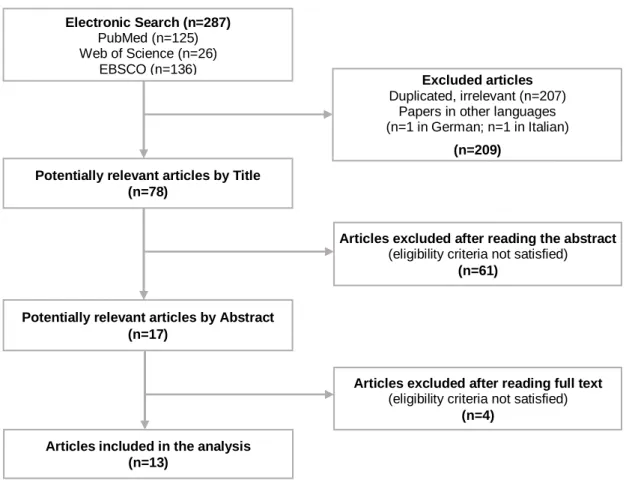
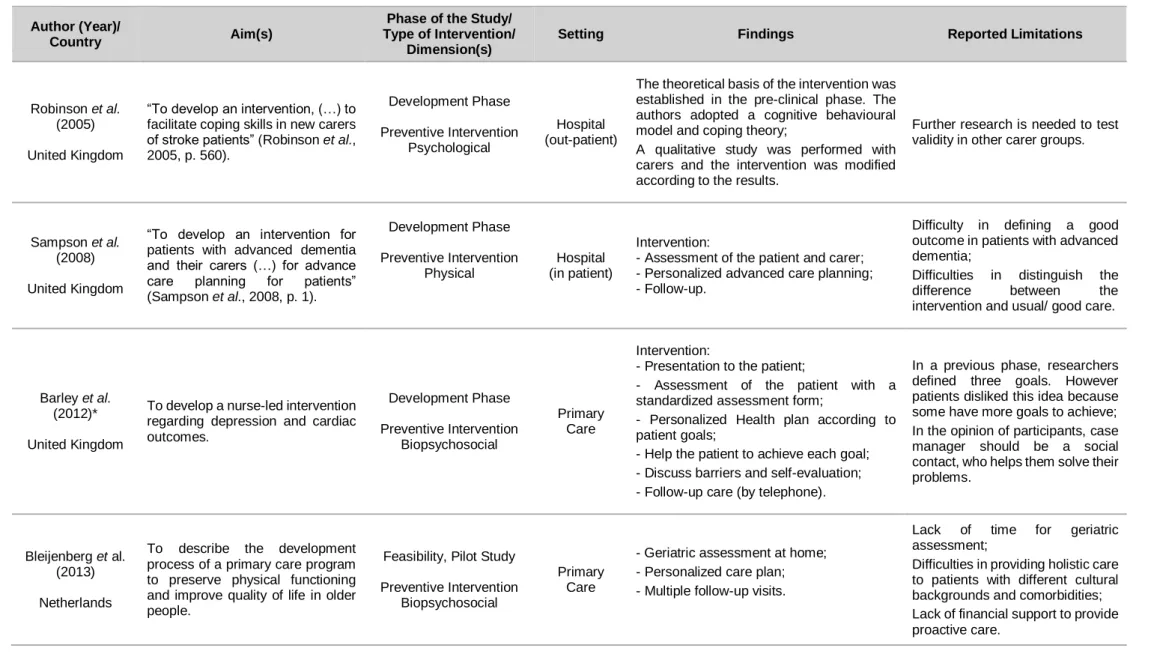
1.2.1. The use of the Medical Research Council framework in the study of complex interventions in nursing: A literature review Table 1: Selected articles (n=13). ……….. 31
Box 1: Limitations in the use of the MRC framework. ……….. 35
1.4. Ethical procedures Table 1: Ethical considerations throughout the study. ……….. 43
CHAPTER 2: DEVELOPING AN INTERVENTION 2.1.1. Investigación en cuidados paliativos y enfermería: Revisión sistemática sobre el estado del arte en Portugal Tabla 1: Artículos seleccionados (n=49). ……… 53
Tabla 2: Temáticas estudiadas (n=49). ………... 54
2.1.2. A systematic literature review toward the characterization of comfort Table 1: The articles selected (n=52). ………... 61
Table 2: Articles’ characterization (n=52). ……… 62
Table 3: Comfort measurement tools. ………... 63
Table 4: Comfort characterizing elements. ……….. 63
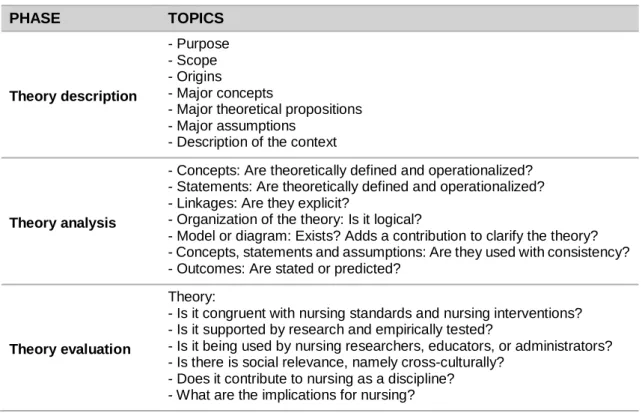
2.2.1. Kolcaba’s Comfort Theory Table 1: Synthesized method for theory evaluation according to McEwen & Wills (2011). ……….. 73
Table 2: Major concepts, propositions and assumptions of the Kolcaba’s Comfort Theory. ………... 76
2.2.2. Evolutionary analysis of the concept of comfort Table 1: Studies included on comfort concept analysis. ………. 84
Table 2: Comfort assessment tools. ……….. 88
Page
2.2.3. Comfort, well-being and quality of life:
Discussion of the differences and similarities among the concepts
Table 1: Attributes and consequents of the concepts of comfort,
well-being and quality of life. ……….. 105
Table 2: Summary of similar and different attributes between the concepts
of comfort, well-being and quality of life (QoL). ………... 106
2.3.1. Is impaired comfort a nursing diagnosis?
Table 1: The comfort tools according to Kolcaba and colleagues. ………... 114 Table 2. Differences between Taxonomy II and Taxonomy III considering general domains, comfort’s domain, classes, and their definitions. ………. 116
2.3.1.1. A qualitative study about palliative care patients’ experiences of comfort: Implications for nursing diagnosis and interventions
Table 1: Participants demographic and health data. ……….. 122
2.3.2. Cultural adaptation and validation of the Portuguese End of Life Spiritual Comfort Questionnaire in palliative care patients
Table 1: The End of Life Comfort Planning Questionnaire-Patient. ………. 137 Table 2: Correlation matrix of items and value of alpha when items were
removed. ……….. 139
Table 3: Principal components analysis with orthogonal rotation (varimax method with Kaiser normalization). ………..
140 Table 4: Items distribution for dimension and Cronbach’s alpha values. … 140
2.3.3. e-Health in palliative care:
What do research beginners need to know?
Table 1: Comparison between native, non-native and hybrid apps. ……… 145
2.3.4. e-Health in palliative care:
Review of the literature, Google Play and App Store
Table 1: Search strategy on PubMed. ……….. 154 Table 2: e-Health technologies used in palliative care. ……… 156 Table 3: Palliative care apps identified at the Google Play and App Store. 161 Table 4: SWOT analysis. ………... 164
2.4.1. Introducing a prototype to monitor comfort remotely in palliative care patients
Table 1: Quality indicators, facilitators and barriers to PC. ……… Table 2: Primary and secondary outcomes. ……… Table 3: Description of the four phases of the longitudinal study design. .. Table 4: Criteria for expert selection and experts’ characterization. ………
176 180 181 185
LIST OF FIGURES
Page
INTRODUCTION
Figure 1: Integrated overview of the thesis organization. ………... 9
CHAPTER 1: METHODOLOGICAL APPROACH
1.2.1. The use of the Medical Research Council framework in the study of complex interventions in nursing: A literature review
Figure 1: Methods for developing and evaluating complex interventions. .. 26 Figure 2: The MRC framework for the development and evaluation of
complex interventions. ……… 27
Figure 3: PRISMA diagram. ………... 29
CHAPTER 2: DEVELOPING AN INTERVENTION 2.1.1. Investigación en cuidados paliativos y enfermería:
Revisión sistemática sobre el estado del arte en Portugal
Figura 1: Estrategia de selección de artículos. ……… 52
2.1.2. A systematic literature review toward the characterization of comfort
Figure: Articles’ selection strategy. ………...……… 60
2.2.1. Kolcaba’s Comfort Theory
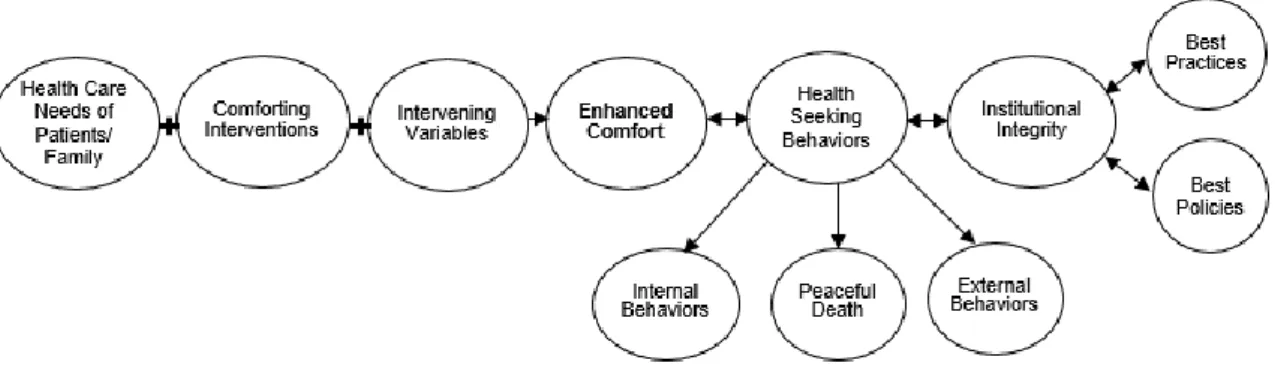
Figure 1: Conceptual framework for the Comfort Theory. ……….. 77
2.2.3 Comfort, well-being and quality of life:
Discussion of the differences and similarities among the concepts
Figure 1: Studies’ selection. ………... 104
2.3. Modelling processes and outcomes:
From the nursing diagnosis to the intervention
Figure 1: Conceptual design of the intervention. ………. 110
2.3.1.1. A qualitative study about palliative care patients’ experiences of comfort: Implications for nursing diagnosis and interventions
Figure 1: Impaired comfort as syndrome diagnosis: Themes, categories
and nursing diagnosis (defining characteristics). ……… 124
2.3.4. e-Health in palliative care:
Review of the literature, Google Play and App Store
Figure 1: Flow diagram of selected articles. ………. 154
2.4.1. Introducing a prototype to monitor comfort remotely in palliative care patients
Figure 1: Methodological approach to the conceptual framework. ………... Figure 2: The Comfort app prototype. ………...
177 187
ABBREVIATIONS AND ACRONYMS LIST
ANACOM Autoridade Nacional de Comunicações de Portugal
app Application
AsyMSp Advanced Symptom Management System in Palliative Care
CHSJ, CES Centro Hospitalar de São João - Comissão de Ética para a Saúde
COREQ Consolidated Criteria for Reporting Qualitative Research
CP Cuidados Paliativos
EANS The European Academy of Nursing Science
E Expert
ed. Edition
eg. Example
ENABLE Educate, Nurture, Advise, Before Life Ends
ESAS Edmontom Symptom Assessment Scale
GOLD Global Initiative for Chronic Obstructive Lung Disease
H Hypothesis
HCP Health Care Providers
HCQ-PT-DC © Escala de Conforto Holístico
HCW Health Care Workers
HTP Home Telecare Program
ICF International Classification of Functioning and Disability
ICN International Council of Nurses
ICNP ® International Classification for Nursing Practice ®
ICTs Information and Communication Technologies
IWS Internet World Stats
ITU International Telecommunication Union
max Maximum
MeSH Medical Subject Heading
min Minimum
MRC Medical Research Council
NANDA-I NANDA International
NHSISE National Health Service Innovations South East
NYHA New York Heart Association
O Objective
p. Page
PC Palliative Care
PhD Doctor of Philosophy
QoL Quality of Life
QR code Quick Response code
RCT(s) Randomized Clinical Trial(s)
RQ Research Question
SD Standard Deviation
SPMS Serviços Partilhados do Ministério da Saúde
STARD Standards for Reporting Diagnostic Accuracy Studies
CONTENTS
Page
AKNOWLEDGMENTS ………. V
AUTHOR’S DECLARATION ……….. VII
SCIENTIFIC PUBLICATIONS ……… VIII
OTHER WORKS ………... XI
AWARDS AND GRANTS ……… XII
ABSTRACT ……… XIII
RESUMO ……… XV
LIST OF TABLES AND BOXES ………. XVII LIST OF FIGURES ……… XIX ABBREVIATIONS AND ACRONYMS LIST ………. XX
INTRODUCTION ………... 3
References ……… 11
1. CHAPTER 1: METHODOLOGICAL APPROACH ………... 15
1.1. Aims, research questions and hypotheses ……….. 17
1.2. Study design ………. 20
1.2.1. The use of the Medical Research Council framework in the study of complex interventions in nursing: A literature review ……… 23
1.3. Population ………. 41
1.4. Ethical procedures ……….. 42
Chapter References ……… 44
2. CHAPTER 2: DEVELOPING AN INTERVENTION ………. 47
2.1. Identifying the evidence base ……….. 49
2.1.1. Investigación en cuidados paliativos y enfermería: Revisión sistemática sobre el estado del arte en Portugal………... 50
2.1.2. A systematic literature review toward the characterization of comfort ... 56
Page
2.2. Theoretical Approach ………. 71
2.2.1. Kolcaba’s Comfort Theory ……… 73 2.2.1.1. Theory description ………. 74
2.2.1.2. Theory analysis ……….. 78
2.2.1.3. Theory evaluation ……….. 78 2.2.2. Evolutionary analysis of the concept of comfort ……… 80 2.2.3. Comfort, well-being and quality of life: Discussion of the differences
and similarities among the concepts ………... 101
2.3. Modelling processes and outcomes:
From the nursing diagnosis to the intervention ……….. 109 2.3.1. Is impaired comfort a nursing diagnosis? ………... 112 2.3.1.1. A qualitative study about palliative care patients’ experiences of
comfort: Implications for nursing diagnosis and interventions …………. 118 2.3.2. Cultural adaptation and validation of the Portuguese End of Life
Spiritual Comfort Questionnaire in palliative care patients ………. 135 2.3.3. e-Health in palliative care: What do research beginners need to know? 142 2.3.4. e-Health in palliative care: Review of the literature, Google Play and
App Store ……… 150
2.4. From the conceptual design to the feasibility study ……… 172 2.4.1. Introducing a prototype to monitor comfort remotely in palliative care
patients ……… 173
Chapter References ……… 200
3. CHAPTER 3: INTEGRATED OVERVIEW OF THE PERFORMED
STUDIES ……… 203
3.1. Discussion ……… 205
3.2. Limitations and strengths of the study ……….. 212 3.3. Implications for clinical practice and directions for further
research ………. 214
APPENDICES
Appendix 1: Permission to use the Escala de Conforto Holístico HCQ - PT-DC©.
Appendix 2: Permission to use the End of Life Comfort Questionnaire.
Appendix 3: Ethics committee authorization (CHSJ, CES 191-14 20 Nov 2014).
Appendix 4: Ethics committee authorization (CHSJ, CES 174-16 29 Ago 2016).
Appendix 5: Ethics committee authorization (Hospital Arcebispo João Crisóstomo, Cantanhede).
Appendix 6: Permission to reproduce the paper Investigación en cuidados paliativos y enfermería: Revisión sistemática sobre el estado del arte en Portugal.
Appendix 7: Permission to reproduce the paper A systematic literature review toward the characterization of comfort.
Appendix 8: Certificate of attendance - Poster presentation in the International Conference on Nursing Knowledge: NNN - From concepts to translation. Appendix 9: Permission to reproduce the conceptual diagram for the Comfort Theory from Kolcaba’s website.
Appendix 10: Evolutionary analysis of the concept of comfort: Confirmation of the publication acceptation.
Appendix 11: Permission to reproduce the paper Is impaired comfort a nursing diagnosis?
Appendix 12: Portuguese version of the Spiritual Comfort Questionnaire. Appendix 13: Permission to reproduce the paper e-Health in palliative care: What do research beginners need to know?
Appendix 14: The Comfort app prototype.
Appendix 15: Impaired comfort in adult and older adult as a syndrome diagnosis: Submission to the NANDA International Diagnosis Development Committee.
This thesis was developed within the Doctoral Program in Nursing Sciences at the Instituto de Ciências Biomédicas Abel Salazar - University of Porto, in partnership with the Escola Superior de Enfermagem do Porto, in order to achieve the degree of Doctor of Philosophy (PhD) in Nursing Sciences.
The theme, “Comfort in palliative care: Development and evaluation of a complex nursing intervention”, had underlying personal, professional and evidence-based reasons.
From a personal perspective, since an early age we were sensitized to questions associated with the end of life, and this work is giving continuity to our previous academic training.
The second reason emerges from our professional practice, where every day questions arise regarding patients’ comfort, the complexity of their needs and, therefore, the complexity of nursing care and interventions. Based on these assumptions, the following preliminary research questions arose:
- What is the meaning of comfort?
- What are the parameters being taken into consideration by the health professional to state that a patient is comfortable or not?
Reporting the evidence-based reasons, this theme embraces several important concepts for nursing, but also for modern societies and for the current health care systems, such as ‘comfort’, ‘palliative care’, ‘complex interventions’, and ‘e-health’.
Comfort as a foundation for nursing
Comfort is a concept deeply and historically associated with the nursing profession. In her ‘Notes on Nursing’, Nightingale (1860) placed the comfort and patients’ needs ahead of nursing care, highlighting the important role of nurses to help patients to achieve physical and environmental comfort.
However, for modern societies, comfort goes beyond the satisfaction of physical needs, the cosiness of blankets or pillows, and comprises a holistic approach. The Kolcaba’s Comfort Theory (2003) defines comfort as the satisfaction of the needs for relief, ease and transcendence in fours contexts: physical, psychospiritual, sociocultural and environmental. Despite this theory, as well many other studies that have been carried out, the concept remains unclear, particularly for clinical nurses, as it is difficult to implement and measure in clinical practice (Oliveira, 2008; Sousa & Costa, 2012; Xavier et al., 2013). The lack of valid and reliable instruments to measure the holistic comfort in Portuguese patients with palliative care (PC) needs is, probably, one of the first difficulties that health care professionals face.
Another difficulty is the lack of guidance and theoretical support provided for the nursing classifications and taxonomies in this field. For instance, the International Classification for Nursing Practice® (ICNP®) (International Council of Nurses [ICN], 2015) defines the concept of comfort as the “sensation of physical ease and bodily well-being” (code 10004655), reducing the concept to the physical dimension. Nevertheless, some inconsistencies were also found in the taxonomy II proposed by NANDA International (NANDA-I) (Herdman & Kamitsuru, 2014), namely in the nursing diagnosis impaired comfort (00214). This diagnosis is defined as the "perceived lack of ease, relief, and transcendence in physical, psychospiritual, environmental, cultural, and/or social dimensions" (Herdman & Kamitsuru, 2014, p. 437). However, when looking at the taxonomy, it can be observed that the diagnoses related to mental or psychological phenomena are listed in domain 9 (‘coping’) and diagnoses related to spirituality and values are listed in domain 10 (‘life principles’). Regarding Kolcaba’s (2003) definition, if comfort is a holistic concept, it seems there is a lack of consistency among theory and the organization of the concepts in the taxonomy II of NANDA-I (Herdman & Kamitsuru, 2014), which can lead to difficulties in clinical practice.
Transitions in palliative care: From de 1960s to the 21st century
The modern movement of PC began in the 1960s, in London, with Dame Cicely Saunders. Firstly a nurse, this iconic name of PC, went on to become a social worker, and then a doctor. In 1967 she founded the St. Christopher’s hospice, the first institution dealing with symptom management, compassionate care, teaching and research, revolutionizing the way that societies care for the terminally ill (Lutz, 2011).
According to the World Health Organization (WHO) (Sepúlveda et al., 2002, p. 94), PC is described as:
“an approach that improves the quality of life of patients and their families facing the problems associated with life-threatening illness, through the prevention and relief of suffering by means of early identification and impeccable assessment and treatment of pain and other problems, physical, psychosocial and spiritual”. Although PC was initially more focused on cancer and terminal patients, it is currently facing new challenges. Scientific and technological developments have contributed positively to important changes in social and health conditions, namely in the course of diseases. According to the WHO (2016a) the health of the global population has evolved
number of persons suffering from non-communicable diseases, such as cancer, cardiovascular diseases or diabetes, has also increased (WHO 2014; WHO 2016a). In Portugal, data are not very different. In 2014, it was estimated that 40.30% of the resident population over the age of 16 years had, at least, one chronic disease. Also, among the 105 219 deaths that occurred in 2014, 75% suffered from an advanced, incurable and progressive disease, while 60.40 % of deaths occurred in hospitals or clinics (Instituto Nacional de Estatística, 2016).
The rise in chronic diseases is the main burden of health care systems worldwide, representing a serious threat to economic sustainability and to an affordable health care system (Kankeu et al., 2013). Although cancer is still one of the principal cause of deaths, other diseases are emerging as important determinants for morbidity. These determinants are leading to a decrease in healthy life expectancy and an increase in the use of health services, as well as costs related with hospitalization (Steiner & Friedman, 2013; Skinner et al., 2016; WHO, 2016a).
Taking these changes into consideration, PC has incorporated conceptual modifications, which are important not only for practitioners but also for researchers. In the 21st century, the patient suffering from a terminal cancer, with a prognosis of weeks or months, gives rise to a patient with a broad spectrum of comorbidities, suffering with an advanced progressive chronic disease with limited life prognosis. Mortality lead to an increase in prevalence and prognosis (the main criteria for PC referral) was supplanted for complexity. For these reasons, the curative/palliative dichotomy gives rise to the need for combined and shared care, with flexible interventions whenever the patient needs. From an organizational perspective, this means that PC is now embracing the need for PC actions in all settings of health, as well as the need for a community approach (Gómez-Batiste et al., 2013).
Complexity is, clearly, emerging as an important topic. But, how complex is complex and how should health care providers manage this complexity (Pask et al., 2016)?
The study of complex interventions
Complex interventions can be defined as a range of interventions involving several interacting components and individuals, such as different professions, organizational levels, contexts or needs, and which can interact either independently or interdependently (Mohler, Köpke & Meyer, 2015).
Nursing has been considered a complex intervention as well, not only because it comprises a large range of activities, but also because nurses interact with several
individuals, in very different contexts, such as acute settings, chronic care facilities, intensive care or community facilities (Richards & Borglin, 2011).
Demographic changes and the growing number of persons with chronic diseases placed more responsibilities in the hands of nurses, and increased the overall need for a solid nursing foundation (Richards & Borglin, 2011). Thus, Corry et al. (2013) proposes that nurses should embrace the work carried out in other fields, as a way to improve the advance of nursing practice.
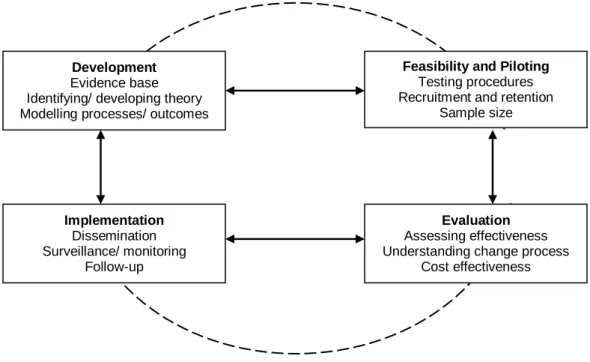
Aware of the difficulty in managing complex interventions in several disciplines, the Medical Research Council (MRC) proposed a framework regarding the development and evaluation of complex interventions (Craig et al., 2008; Craig et al., 2013). This framework aims to make the process more rigorous and clear, in order to achieve more feasible, effective and reproducible interventions (Craig et al., 2008; Craig et al., 2013).
Therefore, the study of complex interventions in nursing is considered a priority in nursing research, both in Portugal and in Europe (Ordem dos Enfermeiros, 2010; The European Academy of Nursing Science [EANS], 2016).
e-Health as a way to manage complexity
e-Health is defined as the use of information and communication technologies in health contexts to treat patients, enhance education, monitor public health or conduct research (WHO, 2016b), and has been highlighted as a valuable contribution to modern societies. Regarding the specific context of PC, new models are emerging, and more integrated approaches, comprising the patient and family enrolment, are desired (Gómez-Batiste et al., 2013). While transitions between hospital and home are frequently stressful either for patients and relatives (Duursma et al., 2011), innovation and close proximity to PC services have been outlined as facilitators (Sommerbakk et al., 2016).
Thus, although the place of death has been defined as an important indicator of the quality of care (Cohen & Leemans, 2014), international surveys reported a significant contrast between patient preferences and the place of death (Gomes et al., 2012). Portugal follows the international trend, where the vast majority of patients (62%) die in a hospital or clinic (Gomes et al., 2013).
Indeed, e-health can bring several benefits such as improving interaction among patients, relatives and healthcare providers, a better continuity of care and, also, a more effective
optimal patient assessment remotely (McCall et al., 2008; Budych, Karle & Helms, 2014; Cooley et al., 2015; Hochstenbach et al., 2016).
The present study aims to clarify the concept of comfort and to identify its main attributes, to adapt and validate an instrument to measure comfort in Portuguese PC patients, and to design a feasible intervention to monitor comfort in PC patients.
The study was developed according to the MRC framework for the development and evaluation of complex interventions (Craig et al., 2008; Craig et al., 2013). Although this framework follows a sequential logic, the process is dynamic, which means the project is not static. Indeed, in some moments, several studies were performed at the same time and the research was developed in a very interactive way.
The thesis is presented in the form of scientific articles developed within the scope of this doctoral program. The studies were published in scientific peer review journals, and the candidate contributed greatly to the design of the study, data collection, interpretation and analysis of the results, and preparation of the final manuscript.
Whenever possible, and within the methodological approach, different study designs were implemented and international partnerships were established. In our perspective, this approach not only enriched the study, but also improved the ability to discuss, share and disseminate knowledge, which are core skills for researchers.
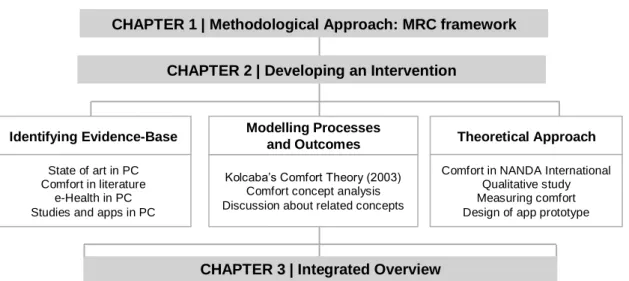
In order to improve clarity and a better understanding about the course of investigation, the thesis is organized in three principal chapters, having in mind the different phases of the MRC framework (Craig et al., 2008; Craig et al., 2013) (Figure 1).
Figure 1: Integrated overview of the thesis organization.
CHAPTER 1 | Methodological Approach: MRC framework
CHAPTER 2 | Developing an Intervention
Identifying Evidence-Base
State of art in PC Comfort in literature
e-Health in PC Studies and apps in PC
Theoretical Approach
Kolcaba’s Comfort Theory (2003) Comfort concept analysis Discussion about related concepts
Modelling Processes and Outcomes
Comfort in NANDA International Qualitative study Measuring comfort Design of app prototype
The first chapter introduces the methodology. It was written at the beginning of the study and was used as a guide during the course of research. The second chapter describes the development of the intervention, which comprises several phases: identifying the evidence-base, identifying a theory, and modelling processes and outcomes. In the third chapter, an integrated overview of the performed studies, indicating the study limitations and proposing suggestions for further research, was realized.
Lastly, the study introduces a prototype application (app) to monitor comfort remotely in PC home patients. Although it was not an initial purpose to develop an e-health technology, the results allowed us to work in this field. This instrument can bring more feasible, personalized and effective interventions, and improve holistic comfort.
References
- Budych, K., Karle, C.A. & Helms, T.M. (2014). Perspectives on Europe’s health care systems: Meeting future challenges through innovative health care strategies. The EPMA Journal, 5(1), A82. doi: 10.1186/1878-5085-5-S1-A82.
- Cohen, J. & Leemans, K. (2014). How can you prove that you are delivering good care? Monitoring the quality of palliative care using quality indicators. European
Journal of Palliative Care, 21(5), 228-231.
doi:https://doi.org/10.1177/1049909116642174.
- Cooley, M.E., Blonquist, T.M., Catalano, P.J., Lobach, D.F., Halpenny, B., McCorkle, R., Johns, E.B., et al. & Abrahm, J.L. (2015). Feasibility of using algorithm-based clinical decision support for symptom assessment and management in lung cancer.
Journal of Pain and Symptom Management, 49(1), 13-26.
doi:10.1016/j.jpainsymman.2014.05.003. doi: 10.1016/j.jpainsymman.2014.05.003. - Corry, M., Clarke, M., While, A.E. & Lalor, J. (2013). Developing complex interventions
for nursing: A critical review of key guidelines. Journal of Clinical Nursing, 22(17-18), 2366-2386. doi: 10.1111/jocn.12173.
- Craig, P., Dieppe, P., Macintyre, S., Michie, S., Nazareth, I. & Petticrew, M. (2008). Developing and evaluating complex interventions: The new Medical Research Council guidance. BMJ, 337, a1655. doi: 10.1136/bmj.a1655.
- Craig, P., Dieppe, P., Macintyre, S., Michie, S., Nazareth, I. & Petticrew, M. (2013). Developing and evaluating complex interventions: The new Medical Research Council guidance. International Journal of Nursing Studies, 50(5), 587-592. doi:10.1016/j.ijnurstu.2012.09.010.
- Dutta, S., Geiger, T. & Lanvin, B. (2015). The global information technology report 2015: ICTS for inclusive growth. Geneva: World Economic Forum.
- Duursma, F., Schers, H.J., Vissers, K.C. & Hasselaar, J. (2011). Study protocol: Optimization of complex palliative care at home via telemedicine. A cluster randomized controlled trial. BMC Palliative Care, 10, 13. doi: 10.1186/1472-684X-10-13.
- Gomes, B., Higginson, I.J., Calanzani, N., Cohen, J., Deliens, L., Daveson, B.A., Bechinger-English, D., et al. & Harding, R. (2012). Preferences for place of death if faced with advanced cancer: A population survey in England, Flanders, Germany, Italy, the Netherlands, Portugal and Spain. Annals of Oncology, 23(8), 2006-2015. doi:10.1093/annonc/mdr602.
- Gomes, B., Sarmento, V.P., Ferreira, P.L. & Higginson, I.J. (2013). Estudo epidemiológico dos locais de morte em Portugal em 2010 e comparação com as preferências da população portuguesa. Acta Médica Portuguesa, 26(4), 327-334. - Gómez-Batiste, X., Martínez-Muñoz, M., Blay, C., Amblàs, J., Vila, L., Costa, X.,
Villanueva, A., et al. & Constante, C. (2013). Identifying patients with chronic conditions in need of palliative care in the general population: Development of the NECPAL tool and preliminary prevalence rates in Catalonia. BMJ Supportive and Palliative Care, 3(3), 300-308. doi: 10.1136/bmjspcare-2012-000211.
- Herdman, T.H. & Kamitsuru, S. (eds.) (2014). NANDA International Nursing Diagnoses: Definitions & Classification, 2015–2017. 10th ed. Oxford: Wiley Blackwell. - Hochstenbach, L.M., Zwakhalen, S.M., Courtens, A.M., van Kleef, M. & de Witte, L.P.
(2016). Feasibility of a mobile and web-based intervention to support self-management in outpatients with cancer pain. European Journal of Oncology Nursing, 23, 97-105. doi:10.1016/j.ejon.2016.03.009.
- Instituto Nacional de Estatística (2016). Estatísticas demográficas 2015. Lisboa: Instituto Nacional de Estatística.
- International Council of Nurses (2015). ICNP Browser [Online]. International Council of Nurses. Available: http://www.icn.ch/ICNP-Browser-NEW.html. [Last accessed November 22 2016].
- Kankeu, H.T., Saksena, P., Xu, K. & Evans, D.B. (2013). The financial burden from non-communicable diseases in low- and middle-income countries: A literature review. Health Research Policy and Systems, 11, 31. doi: 10.1186/1478-4505-11-31.
- Kolcaba, K. (2003). Comfort theory and practice: A vision for holistic health care and research. Ottawa: Springer Publishing Company.
- Lutz, S. (2011). The history of hospice and palliative care. Current Problems in Cancer, 35(6), 304-309. doi: 10.1016/j.currproblcancer.2011.10.004.
- McCall, K., Keen, J., Farrer, K., Maguire, R., McCann, L., Johnston, B., McGill, M., et al. & Kearney, N. (2008). Perceptions of the use of a remote monitoring system in patients receiving palliative care at home. International Journal of Palliative Nursing, 14(9), 426-431. doi: 10.12968/ijpn.2008.14.9.31121.
- Möhler, R., Köpke, S. & Meyer, G. (2015). Criteria for reporting the development and evaluation of complex interventions in healthcare: Revised guideline (CReDECI 2).
- Nightingale, F. (1860). Notes on nursing: What is in, and what it is not. [Online]. Available: http://digital.library.upenn.edu/women/nightingale/nursing/nursing.html [Last accessed January 6 2017].
- Oliveira, C.S. (2008). Experiência de confortar a pessoa hospitalizada: Uma abordagem fenomenológica. Pensar Enfermagem, 12(1), 2-13.
- Ordem dos Enfermeiros (2010). Áreas prioritárias para a investigação em enfermagem e relatório bienal [Online]. Ordem dos Enfermeiros – Comissão de Formação. Available:
https://membros.ordemenfermeiros.pt/Documentos/Documents/AreasProritariasInves tigacao_CFormacao_Final_19_Marco-1.pdf [Last accessed September 13 2013]. - Pask, S., Pinto, C., Nicholson, C., van Vliet, L., Bristowe, K., Bailey, K., Guo, P. et al.
& Murtagh, F. (2016). Mapping complexity of needs in palliative care: A qualitative study of stakeholder perspectives. Abstracts of the 9th World Research Congress of the European Association for Palliative Care (EAPC). Palliative Medicine, NP42. doi:10.1177/0269216316646056.
- Richards, D.A. & Borglin, G. (2011). Complex interventions and nursing: Looking through a new lens at nursing research. International Journal of Nursing Studies, 48(5), 531-533. doi: 10.1016/j.ijnurstu.2011.02.013.
- Sepúlveda, C., Marlin, A., Yoshida, T. & Ulrich, A. (2002). Palliative care: The World Health Organization's global perspective. Journal of Pain and Symptom Management, 24(2), 91-96. doi: http://dx.doi.org/10.1016/S0885-3924(02)00440-2.
- Skinner, H.G., Coffey, R., Jones, J., Heslin, K.C. & Moy, E. (2016). The effects of multiple chronic conditions on hospitalization costs and utilization for ambulatory care sensitive conditions in the United States: A nationally representative cross-sectional study. BMC Health Services Research, 16, 77. doi: 10.1186/s12913-016-1304-y. - Sommerbakk R, Haugen DF, Tjora A, Kaasa S, Hjermstad MJ (2016) Barriers to and
facilitators for implementing quality improvements in palliative care: Results from a qualitative interview study in Norway. BMC Palliative Care, 15(1), 61. doi:10.1186/s12904-016-0132-5.
- Sousa, P.P. & Costa, M.A. (2012). O cuidado confortador ao idoso crónico hospitalizado. International Journal of Developmental and Educational Psychology, 1(3), 347-355.
- Steiner, C.A. & Friedman, B. (2013). Hospital utilization, costs, and mortality for adults with multiple chronic conditions: Nationwide inpatient sample 2009. Preventing Chronic Disease, 10, E62. doi: 10.5888/pcd10.120292.
- The European Academy of Nursing Science (2016). Nursing as a complex intervention [Online]. The European Academy of Nursing Science. Available: http://european-academy-of-nursing-science.com/nursing-as-a-complex-intervention/ [Last accessed November 25 2016].
- World Health Organization (2010). Telemedicine: Opportunities and developments in member states. Report on the second global survey on eHealth. Geneva: World Health Organization.
- World Health Organization (2014). Noncommunicable diseases country profiles 2014. Geneva: World Health Organization.
- World Health Organization (2016a). World Health Statistics 2016: Monitoring health for the SDGs, sustainable development goals. Geneva: World Health Organization. - World Health Organization (2016b). eHealth [Online]. World Health Organization.
Available: http://www.who.int/topics/ehealth/en/ [Last accessed November 13 2016]. - Xavier, S., Pereira, M., Canais, E. & Ferreira, R. (2013). Comfort in patients with no
chance of cure: What does it mean? Journal of Nursing UFPE on line, 7(6), 4479-4487. doi: 10.5205/reuol.4164-33013-1-sm.0706201322.
CHAPTER 1: METHODOLOGICAL APPROACH
This chapter introduces the methodological approach used in this research: the Medical Research Council (MRC) framework for the development and evaluation of complex interventions (Craig et al., 2008; Craig et al., 2013).
The first sub-heading presents a literature review about the study of complex interventions in nursing. In the following sub-headings, the study design, objectives and ethical procedures followed during the research are presented. Specific information about the methodological approach is described in each study, and is presented in the following chapters.
1.1. Aims, research questions and hypotheses
The act of comforting addresses an important but complex nursing intervention that is difficult to define, implement and evaluate (Oliveira, 2008; Lin, 2010; Sousa & Costa, 2012; Xavier et al., 2013). Given the importance of the theme, and the limitation of the knowledge in this topic, it was designed a research project based on the following preliminary research questions:
- What is the meaning of comfort?
- What are the parameters being taken into consideration by the health professional to state that a patient is comfortable or not?
Focusing on these questions, the following general objectives (O) were defined: O1: To clarify the concept of comfort and to identify its main attributes.
O2: To adapt and validate an instrument to measure comfort in Portuguese
palliative care patients.
O3: To design a feasible intervention to monitor comfort in Portuguese palliative
care patients.
Regarding these objectives, the following specific objectives were formulated: - To provide a conceptually adequate definition of comfort.
- To analyse the elements that characterize comfort in scientific literature pertaining to nursing.
- To analyse the experience of PC patients about comfort.
- To perform the cultural adaptation and validation of a Portuguese version of the End of Life Comfort Planning Questionnaire in PC patients.
- To explore needs assessment and the existence of competitive validated apps. - To analyse the use of e-health technologies and mobile apps in PC, in literature, Google Play and App Store (iOS).
Regarding the general objectives, the following research questions (RQ) and hypotheses (H) were addressed:
RQ1: What is the meaning and what are the attributes of the concept of comfort in
the literature? (O1).
RQ2: Is there empirical support for the semantic and cultural validation of the End
of Life Comfort Planning Questionnaire (Novak et al., 2001)? (O2).
RQ3: Will it be possible to monitor holistic comfort remotely in Portuguese palliative
home care patients through a web-based application? (O3).
H1: The Comfort app is a feasible web-based instrument to monitor comfort
remotely in Portuguese palliative home care patients.
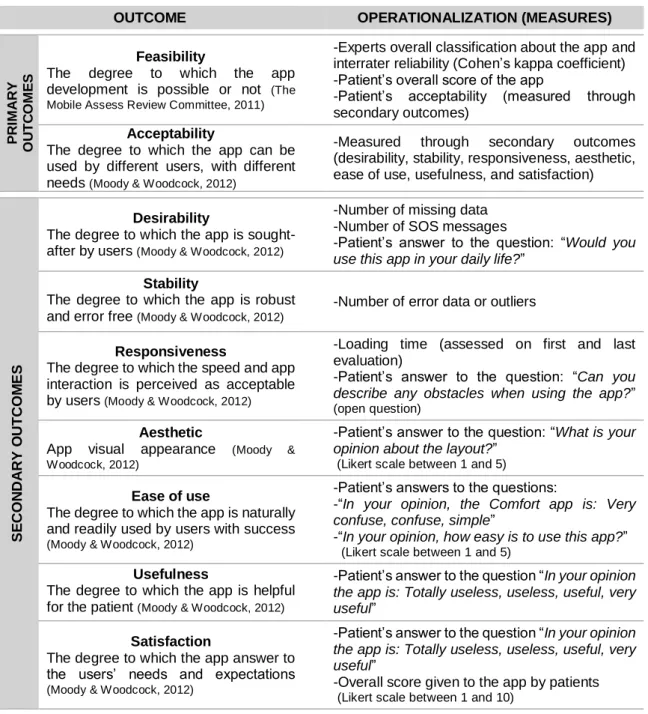
Regarding hypothesis one, the following outcomes were defined, as described on Table 1.
Table 1: Primary and secondary outcomes to assess the app feasibility and acceptability.
OUTCOME OPERATIONALIZATION (MEASURES)
P R IM A R Y O U T C O M E S Feasibility
The degree to which the app
development is possible or not (The
Mobile Assess Review Committee, 2011)
-Experts overall classification about the app and interrater reliability (Cohen’s kappa coefficient) -Patient’s overall score of the app
-Patient’s acceptability (measured through secondary outcomes)
Acceptability
The degree to which the app can be used by different users, with different
needs (Moody & Woodcock, 2012)
-Measured through secondary outcomes
(desirability, stability, responsiveness, aesthetic, ease of use, usefulness, and satisfaction)
S E CON DA RY O UT COM E S Desirability
The degree to which the app is
sought-after by users (Moody & Woodcock, 2012)
-Number of missing data -Number of SOS messages
-Patient’s answer to the question: “Would you
use this app in your daily life?”
Stability
The degree to which the app is robust
and error free (Moody & Woodcock, 2012)
-Number of error data or outliers
Responsiveness
The degree to which the speed and app interaction is perceived as acceptable
by users (Moody & Woodcock, 2012)
-Loading time (assessed on first and last evaluation)
-Patient’s answer to the question: “Can you
describe any obstacles when using the app?”
(open question)
Aesthetic
App visual appearance (Moody &
Woodcock, 2012)
-Patient’s answer to the question: “What is your
opinion about the layout?”
(Likert scale between 1 and 5)
Ease of use
The degree to which the app is naturally and readily used by users with success
(Moody & Woodcock, 2012)
-Patient’s answers to the questions:
-“In your opinion, the Comfort app is: Very
confuse, confuse, simple”
-“In your opinion, how easy is to use this app?”
(Likert scale between 1 and 5)
Usefulness
The degree to which the app is helpful
for the patient (Moody & Woodcock, 2012)
-Patient’s answer to the question “In your opinion
the app is: Totally useless, useless, useful, very
useful”
Satisfaction
The degree to which the app answer to the users’ needs and expectations
(Moody & Woodcock, 2012)
-Patient’s answer to the question “In your opinion
the app is: Totally useless, useless, useful, very
useful”
-Overall score given to the app by patients
(Likert scale between 1 and 10)
Reproduced from Pinto, Caldeira & Martins. The Comfort app prototype: Introducing a web-based application for monitoring comfort in Palliative Care (submitted to the International Journal of Palliative Nursing). In Chapter 2.
Specific information’s regarding each study will be addressed in the correspondent article, in Chapter 2.
1.2. Study design
This study comprises a specific type of research commonly used among nurse researchers entitled Nursing Intervention Research.
Nursing Intervention Research embraces a research approach in which the main focus is not the methodology but the process of planning, developing, evaluating and disseminating a nursing intervention (Polit & Beck, 2014).
An intervention can be defined as any treatment based on knowledge and clinical judgment, performed by nurses, in order to enhance patient outcomes (Bulechek et al., 2013). Interventions can be independent or inter-independent and comprise a set of activities that nurses perform to carry out the intervention and enhance the desired outcomes (Bulechek et al., 2013). Indeed, an activity can be defined as the actions or behaviours carried out by nurses to implement a nursing intervention, and that help the patient to achieve the desired outcome (Bulechek et al., 2013).
Nursing interventions have become increasingly autonomous and less dependent on medical orders. However, and as described in the Bulechek et al. (2013) definition, nursing interventions require knowledge. Thus, some gaps have been identified between theoretical knowledge and nursing practice. In some aspects, it seems that nursing theory has not been translated to nursing practice and, therefore, is not supporting clinical practice as nurse practitioners expected (Risjord, 2010).
These discussions raised the importance of empirical knowledge to support clinical practice (Risjord, 2010), and highlighted the idea of nursing as a complex intervention (EANS, 2016).
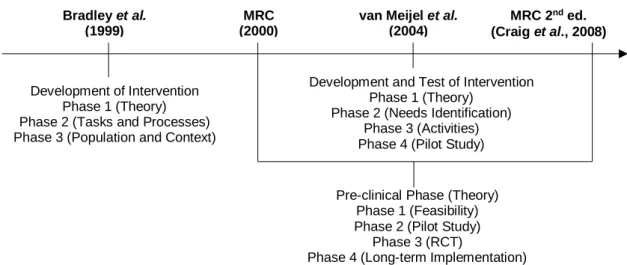
Thus, several methodologies have been used to develop and evaluate complex interventions (Bradley et al., 1999; MRC, 2000; van Meijel et al., 2004; Craig et al., 2008; Craig et al., 2013). These methodological approaches are analysed in more detail in a literature review, in the following topic. Results from this review highlight that the second edition of the MRC framework (Craig et al., 2008) is the most common method, not only in nursing but also in other health-related contexts.