Dissertation written under the supervision of Maria Teresa Oliveira
Dissertation submitted in partial fulfillment of the requirements for the degree of MSc in Management with Specialization in Strategic Marketing at Universidade Católica Portuguesa
June 2017
Relationship between personality and
work engagement: the role of individual
traits and international experience
Danisha Ismail Gulamali
152115053
Title: Relationship between personality and work engagement: the role of individual traits and international experience
Author: Danisha Ismail Gulamali
Abstract
To strive in today’s challenging, fast-paced and constantly changing environment, organizations need to put employees at the core of their business, as people are a fundamental asset and can either boost or damage a company. It is in this line of thought that the concept of Work Engagement has been developing and gaining more attention, since engaged employees exhibit an effective and energetic connection with their work which makes them more resilient, involved and absorbed in their tasks. This empirical study aims at understanding how the individual’s dispositional traits, conceptualized in the Big Five model – Extraversion, Agreeableness, Conscientiousness, Neuroticism and Openness to Experience - impact Work Engagement, in particular within the Portuguese context. Moreover, it also frames the concept of International Experience as a moderator variable between the positive relationship of Openness to Experience and Work Engagement.
Firstly, the results indicate that some of the individual traits of the Big Five model have impact on Work Engagement, namely, Extraversion, Conscientiousness and Openness to Experience have a positive relation while Neuroticism has a negative relation. Secondly, it proves the positive impact of International Experience on Openness to Experience but it does not validate the extension of that relationship with Work Engagement.
Resumo
Para serem bem sucedidas neste mundo repleto de desafios, de ritmo frenético e em constante mudança, as organizações necessitam de colocar os seus colaboradores no epicentro do seu negócio, pois são as pessoas que impulsionam ou prejudicam uma empresa. É nesta linha de pensamento que o conceito de Envolvimento no Trabalho se tem vindo a desenvolver e a ganhar cada vez mais atenção, já que colaboradores envolvidos no seu trabalho possuem uma conexão mais eficiente e energética com as suas funções tornando-se assim mais resilientes, envolvidos e absorvidos nas suas tarefas. Este estudo pretende compreender como é que os traços de personalidade, conceptualizados no Modelo dos Cinco Fatores – Extraversão, Amabilidade, Conscienciosidade, Neuroticismo e Abertura à Experiência – se relacionam com o Envolvimento no Trabalho, em particular no contexto Português. Para além disso, este estudo coloca também o conceito de Experiência Internacional como variável moderadora da relação positiva entre Abertura à Experiência e Envolvimento no Trabalho.
Primeiramente, os resultados indicam que alguns dos traços de personalidade do Modelo dos Cinco Fatores estão relacionados com o Envolvimento no Trabalho, mais precisamente, Extraversão, Conscienciosidade e Abertura à Experiência têm uma relação positiva enquanto Neuroticismo tem uma relação negativa. Em segundo lugar, confirma o impacto positivo da Experiência Internacional na Abertura à Experiência mas não valida que esse impacto na relação com o Envolvimento no Trabalho.
Palavras-chave: Envolvimento no Trabalho, Modelo dos Cinco Fatores, traços de personalidade, Experiência Internacional
.
Acknowledgements
First I would like to thank my supervisor Teresa Oliveira. Without her total support, both in my academic and personal struggles, and total encouragement I would not be able to structure this dissertation.
I am deeply thankful to my family, in particular to my parents Nilam and Navaz who showed unconditional love throughout the Master’s program and the process of this dissertation and who truly helped me to reach my potential and my sister Salima, who is a truly inspiring person and always believed in my capabilities.
I would like to thank my friend Anish, for the daily and constant support and motivation, for the kind words and for pushing me to achieve the best possible results.
Also, I am really grateful to all my close friends. Their friendship and understanding was crucial to overcome the challenges during the process of writing this dissertation.
Table of Contents
List of Figures ... 5
List of Tables ... 5
1. Introduction ... 6
1.1 Academic and Managerial Relevance ... 8
1.2 Thesis Structure ... 9
2. Literature Review... 9
2.1 Work Engagement ... 9
2.1.1 Definition of Work Engagement ... 9
2.1.2 Drivers of Work Engagement: Job Resources and Personal Resources ... 11
2.1.3 Personality as a driver of Work Engagement ... 11
2.2 Personality Traits – The Big Five Taxonomy ... 12
2.2.1 Definition of Personality ... 12
2.2.2 The Big Five model and its performance outcomes ... 13
2.2.3 Personality and Work Engagement ... 15
2.3 International Experience ... 17
2.3.1 International Experience outcomes ... 18
3. Methodology ... 20 3.1 Research Design ... 20 3.2 Questionnaire ... 21 3.3 Procedures ... 23 3.4 Sample ... 23 4. Analysis of Results... 24 4.1 Reliability analysis ... 24 4.2 Descriptive analysis ... 26 4.3 Hypothesis Testing ... 28 4.3.1 Aggregated Data ... 30 4.3.2 Students Data ... 32 4.3.3 Workers Data ... 33
5. Discussion and Conclusions ... 36
6. Implications, Limitations and Further Research ... 38
6.1 Theoretical Implications ... 38
6.2 Practical Implications ... 39
6.3 Limitations and Further Research ... 40
Bibliography ... 43
Appendix ... 50
Appendix 1 - Questionnaire ... 50
Appendix 2 – Descriptive Statistics of Aggregate Sample Variables ... 54
Appendix 3 – Descriptive Statistics of Students Sample Variables ... 54
Appendix 4 – Descriptive Statistics of Workers Sample Variables ... 54
Appendix 5 – Example of verification of Linear Regression Assumptions ... 55
Appendix 6 – Regression Goodness of Fit for Aggregate Data ... 55
Appendix 7 – ANOVA Results for Aggregate Data ... 56
Appendix 8 – Regression Goodness of Fit for Students Data ... 58
Appendix 9 – ANOVA Results for Students Data ... 58
Appendix 10 – Regression Goodness of Fit for Workers Data ... 59
List of Figures
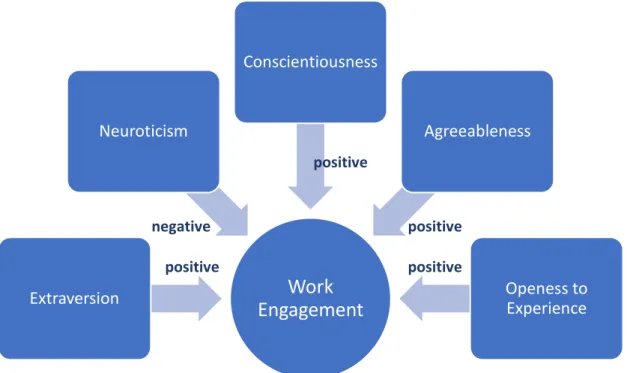
Figure 1 Relationship between Big Five and Work Engagement Model ... 17
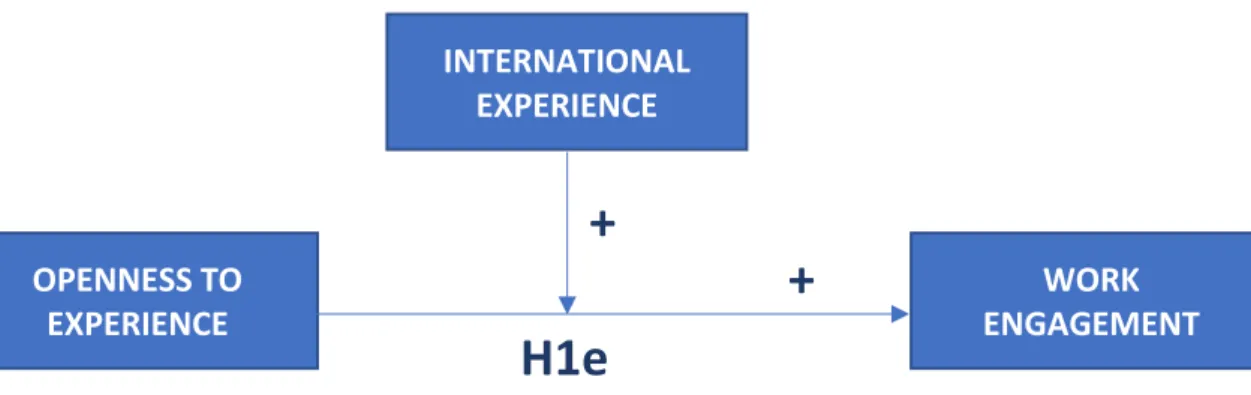
Figure 2 Moderation Effect of International Experience ... 20
List of Tables
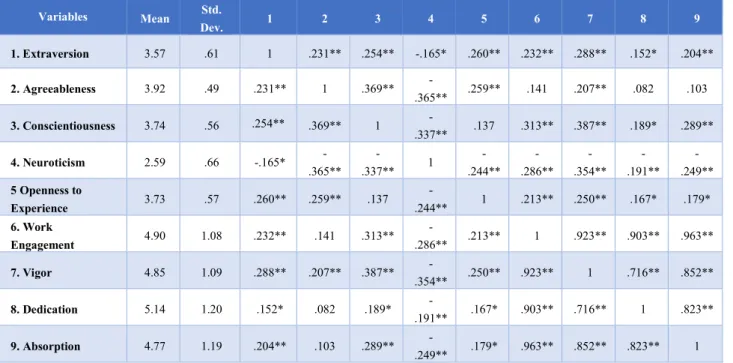
Table 1 Reliability Analysis for all Variables ... 25Table 2 Descriptive statistics and Correlations for the Aggregated Dataset ... 26
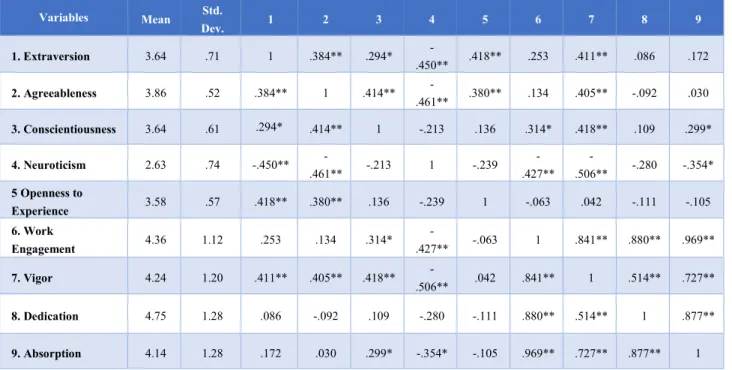
Table 3 Descriptive statistics and Correlations for the Student's dataset ... 27
Table 4 Descriptive statistics and Correlations for Worker's dataset ... 28
Table 5 Regression Analysis for Aggregated Data ... 30
Table 6 Moderator Analysis for Aggregated Data ... 31
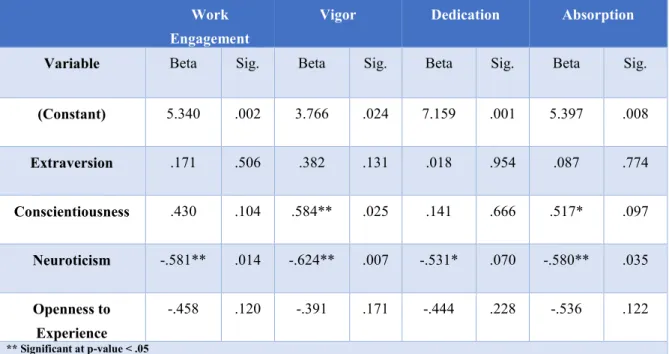
Table 7 Regression Analysis for Students' Data ... 32
Table 8 Regression Analysis for Workers' Data ... 34
Table 9 Moderator Analysis for Workers' Data ... 35
1. Introduction
Enthusiastic employees excel in their work because they maintain the balance between the energy they give and the energy they receive – Prof. Dr. Arnold B. Bakker
This quote symbolizes of the importance Work Engagement has in today’s competitive world, a world in which employees are a critical asset for the organization (Moreira, 2013). Survival and prosperity in this continuously changing environment is not only a function of “healthy” employees but of engaged employees (Schaufeli and Salanova, 2004). Work Engagement refers to “a persistent, positive and satisfying state of mind, an affective-motivational state of work-related well-being, work-related to work that is not directed towards any event, object, or person” (Bakker et al, 2008). It encompasses three components: Vigor, a high level of energy and concentration while working, and the willingness to invest effort in one’s work, Dedication, a feeling of meaning, enthusiasm, pride and challenge towards work and Absorption, a complete involvement in one’s work (Barbier et al, 2013). Work Engagement has been a topic of study for many years and it is gaining more importance, as organizations understand the relevance of the well-being of the employee to reach better outcomes and agree that to have effective players, companies should not only focus on recruiting top talent, but should also inspire and enable employees to apply their full capabilities (Bakker, Albrecht and Leiter, 2011).
Over the years, research has studied the antecedents and consequences of engagement but Macey and Schneider (2008) pointed out that “the relationships among potential antecedents and consequences of engagement (. . .) have not been rigorously conceptualized, much less studied”, resulting in an inadequate understanding of it. Concerning engagement’s antecedents, previous studies have consistently shown that job resources and personal resources facilitate Work Engagement (Bakker & Demerouti, 2008; Bakker & Leiter, 2010). Job resources refer to physical, social, or organizational aspects of the job that may reduce job demands, be functional in achieving work goals, or stimulate personal growth (Bakker & Demerouti, 2007). Examples of job resources are autonomy, social support from colleagues and skill variety. Personal resources are positive self-evaluations that are linked to resiliency and refer to how successfully individuals control and impact their environment (Hobfoll et al., 2003). They refer to concepts such as self-esteem, optimism, and self-efficacy (Bakker, Albrecht and Leiter, 2011). Personal resources influence behaviour through goals and aspirations, outcome expectations, affective
states and the perceptions of impediments and opportunities in the social environment (Salanova et al, 2010).
Less studies have focused on dispositional personality traits as predictors of Work Engagement. While personal resources are related to individual’s psychological state of development (Bakker, Albrecht and Leiter, 2011), traits are described as having a more stable nature, framed like categorical description of human patterns (Wilderdom.com, 2017) but nevertheless are an evolving pattern of characteristic adaptations (e.g., competencies), and personal life narratives (McAdams and Pals, 2006). These traits can be relevant as workers with different personalities may differentially modify their motivational processes (Goldberg, 1992) and employees which have different traits tend to be motivated by different triggers (Bandura, 2001). But how is personality conceptualized?
There are several models of personality, across multiple studies and researches. The most widely accepted model is the Big Five Model of Personality or the Five Factor Model, which states that are five main dimensions of personality: Neuroticism, Extraversion, Openness to Experience, Agreeableness, and Conscientiousness (Digman, 1990). Neuroticism represents the tendency to respond with negative emotions to threatening situations, frustration, and loss (Boyce, Wood and Powdthavee, 2013). Extraverted people experience more positive affect which could be due to greater social participation (Srivastava et al. 2008). Agreeableness is demonstrated by people who are pleasant, warm, likeable and tend to act in accordance with other people’s interests (Graziano and Tobin, 2009). Conscientiousness indicates that individuals are goal orientated and more likely to achieve (Barrick et al., 1993). People scoring high on Openness to Experience tend to be unconventional, willing to question authority and prepared to entertain new ethical, social and political ideas (Rothmann and Coetzer, 2003). Rather than replacing all previous systems, the Big Five taxonomy serves an integrative function (John and Srivastava, 1999).
Research shows that there is a relationship between some of the Big Five traits and Work Engagement. For example, Kim, Shin and Swanger (2009) found that Conscientiousness was a significant predictor with a positive impact. Also, emotional stability (low Neuroticism) and high Extraversion have been considered significant when predicting work engagement (Langelaan et al, 2006). Inceoglu and Warr (2012) showed in their study that personality is a part of engagement that should then be addressed at the same time as job resources, leadership
or other influential aspects and their findings confirm that shorter-term job engagement is a significant function of longer-term attributes of personality: Emotional Stability and Conscientiousness independently accounted for work engagement. For this reason, the present study intents to contribute to the already existing literature by providing more insights on this topic, specifically on the Portuguese context.
Hence, the main research question of this study is:
RQ1: What is the relationship between personality, conceptualized in the Big Five model, and
Work Engagement?
If, within the context studied, the five traits have an impact on engagement, what can be a variable that strengthens or weakens that relationship? Another relevant concept in today’s world is International Experience. When people travel to foreign countries, they learn the behaviours, customs, and norms of those cultures through direct experience or observation of the host nationals’ behaviors (Bandura, 1997). Moreover, individuals with extensive experience in other cultures are also likely to have developed comprehensive cognitive frameworks which are defined as schemata, a set of cognitions about people, roles, or events that govern social behavior (e.g., Fiske & Taylor, 1984). Tesluk et al (2005) considered that further research could be made in this field as non-work experience, such as studying abroad, may be incorporated as another type of experience that may interact with work experience to influence important variables such as work motivation, work skills and work related attitude. So, International Experience can impact the individual in a way that makes him or her change their attitudes towards the world, in sum, change its personality. This is the reason why a second research question was posed:
RQ2: How does International Experience relate with individual traits in such way that it can
change the individual’s Work Engagement?
1.1 Academic and Managerial Relevance
At an academic level, this dissertation aims at exploring further which individual traits from the Big Five model have a significant impact on Work Engagement, dealing with the Portuguese reality. Also, it intends to bring a discussion on the role of International Experience as one that changes the individual and how that transformation can impact motivational dimensions such
as engagement. At a managerial level, this research pinpoints that individual traits are relevant for job performance and satisfaction. This is key for employers who wish to take the full potential of their employees. By understanding some personal characteristics, employers can better communicate with their subordinates, assign them individual tasks based on their strengths and set development programs (e.g. coaching, mentorship) to overcome areas which need development opportunities. Also, recruiters can better analyse personality tests and use this piece of information, alongside with other recruitment techniques, to decide whether a certain individual is sufficiently engaged for a certain job or function. Lastly, this research can help employees in all types of companies and all levels to understand which characteristic of their personality they can elevate to be highly engaged in their tasks.
1.2 Thesis Structure
This dissertation’s structure follows the subsequent path: The first chapter gives an introduction, explaining the problem and its relevance. A review on the existing academic literature on Work Engagement, the Big Five model and International Experience is then presented and two main hypotheses are discussed, which will be further validated with an empirical analysis. Afterwards, the methodology is presented followed by the analysis of the results from the statistic point of view. Discussion and implications are presented based on stated literature and results, concluding with limitations and topics for further research.
2. Literature Review
This chapter will present an academic review on the past research that has been done regarding the topics and relationships proposed in this dissertation: Work Engagement, its relationship with various drivers and outcomes, mainly the Five-Factor model and International Experience.
2.1 Work Engagement
This section will introduce the concept of Work Engagement and some of its drivers, being one of them the individual traits.
2.1.1 Definition of Work Engagement
Employees’ psychological connection with their work has gained a massive importance today. Job satisfaction as illustrative of an individual’s well-being is not enough anymore – a more
energized way is required to fulfil the demands of the twenty-first century (Inceoglu and Warr, 2012). Contemporary organizations need employees who are psychologically connected to what they are doing, who are willing and able to invest themselves fully in their roles and duties, who are proactive and committed to high quality performance standards and who are dedicated and energetic about what they are doing, in sum, who are engaged with their work (Bakker and Leiter, 2010).
Kahn (1990) was the pioneer of the engagement concept, referring to it as “the simultaneous employment and expression of a person ‘preferred self’ in task behaviours that promote connections to work and to others, personal presence (physical, cognitive, and emotional), and active, full role performance”. More recent research refers to Work Engagement as “a persistent, positive and satisfying state of mind, an affective-motivational state of work-related well-being, related to work that is not directed towards any event, object, or person” (Bakker et al 2008). That state of mind is described by a combination of three components. One is Vigor, characterized by high levels of energy and mental resilience while working, a willingness to invest effort in one’s work and persistence also in face of difficulties. Another one is Dedication, characterized by a sense of significance, enthusiasm, inspiration, pride, and challenge. A third one is Absorption, characterized by being fully concentrated and happily immersed in one’s work, whereby time passes quickly and one has difficulties with detaching from work (Schaufeli and Bakker, 2004; Bakker et al, 2008). Engaged employees are expected to physically, emotionally, and cognitively devote themselves to various tasks at work (Kahn, 1990). Different from “workaholics”, engaged employees do not work hard because of a strong and irresistible inner drive, but because for them working is fun (Gorgievski, Bakker, and Schaufeli, 2010).
Employee engagement differs from other constructs in organizational behavior, such as organization citizenship behaviours (OCB) and job involvement, as it is not an attitude but a degree to which an individual is attentive and absorbed in a specific role (Saks, 2006). This concept assumes a higher importance because it is linked to several positive job outcomes, like the ones found in a meta-analysis on engagement conducted by Harter, Schmidt, and Hayes (2002) which discovered significant correlations between engagement and customer satisfaction, productivity, profit margins, employee turnover, and safety records. Despite having several positive outcomes, it also has relevant antecedents or drivers (Bakker and Demerouti, 2008).
2.1.2 Drivers of Work Engagement: Job Resources and Personal Resources
Antecedents of Work Engagement can come from both personal and environmental sources (Macey and Schneider, 2008). Previous studies have consistently shown that job resources and personal resources facilitate Work Engagement (Bakker and Leiter, 2010). Job resources refer to physical, social, or organizational aspects of the job that may reduce job demands, be functional in achieving work goals, or stimulate personal growth. Examples of job resources are social support, skill variety, feedback, autonomy and learning opportunities (Bakker and Demerouti, 2007). Personal resources are positive self-evaluations that are linked to resiliency and refer to individuals’ perception of their ability to control and impact their environment successfully (Hobfoll et al., 2003). They refer to dimensions such as self-esteem, optimism, and self-efficacy and help employees to cope with the daily demands in organizational life (Bakker, Albrecht and Leiter, 2011).
According to Bakker and Demerouti (2008), the more resources an employee has, the more engaged he is because resources play both an intrinsic and extrinsic motivational role. A great body of research has study how job resources, like autonomy, high demands, performance feedback, skill variety, social support and organizational support, positively influence job engagement (e.g. Schaufeli and Bakker, 2004). For example, the Job-Demands resource model (JD-R, Bakker and Demerouti, 2007) shows that job resources become more salient and gain motivation potential when confronted with high job demands, as those are when employees actively learn and develop their skills. There are also several studies which focus on the role of personal resources. One of the studies from Bakker et al (2006), showed that those who have more personal resources exhibit higher Work Engagement, specifically resilience, self-efficacy and optimist translate into higher engagement scores. Another study shows that engaged employees have high self-efficacy, tendency to believe that outcomes will be good (optimism) and that their needs can be fulfilled by being involved in the organization (organizational-based self-esteem) (Xanthopoulou et al, 2007). In sum, both job and personal resources enhance employee’s work engagement and contribute to their career success (Bakker and Demerouti, 2008).
2.1.3 Personality as a driver of Work Engagement
Despite substantial research in the role of personal resources as predictors of Work Engagement, less empirical evidence exists on how personality influences Work Engagement.
These concepts differ from one another – while personal resources refer to the individual’s psychological development state (Bakker, Albrecht and Leiter, 2011), personality refers to enduring characteristics which have recently assumed to change across an individual’s life span (McAdams and Pals, 2006). Based on Langton et al (2010), personality should be considered separate from personal resources as it may influence perceptions of individual’s situated environment, further disabling their ability to manage and influence that environment, thus affecting their work engagement. Past literature suggests that employees possessing different personality traits tend to be motivated by different triggers which can be either a strength or weakness depending on the situation or the resources of the employee (Bandura, 2001; Inceoglu and Warr, 2011). In addition, workers with different personality traits may differentially modify their motivational process (Goldberg, 1992). In the end, employees with different personality traits may appraise a similar situation in a different way (Lian et al, 2013). Therefore, it is important to consider individual personality traits as an antecedent itself. Kahn (1990) argues in his directions for future research that individual differences mattered in engagement, supporting that the “personal side” of engagement may come from various sources such as gender, ethnicity, age or personality. A relevant perspective is looking at the five major traits, identified in the Five-Factor model, as drivers of work engagement (Inceoglu and Warr, 2011).
2.2 Personality Traits – The Big Five Taxonomy
The further sections will describe the concept of personality, discuss the Big Five model in more detail and explore the relationships that have already been found between that model and Work Engagement.
2.2.1 Definition of Personality
Personality has had an irregular path in work motivation research. Most researchers would agree that there are individual differences in motivation, and these differences can be traced to dispositional tendencies (Judge and Illies, 2002). Personality refers to relatively enduring personal characteristics in the sense of generalized and basic conduct tendencies that reflects long- term, pervasive individual differences in emotional style and has a general influence on emotional responses (Warr, 1999). Although enduring, more recent research argues that personality can change, suggesting that change does take place with the same people giving different responses to personality questionnaires on different occasions (Roberts et al. 2008)
and therefore a relatively broad consensus that personality does change has developed (Costa and McCrae, 2006).
For several years, research has been trying to categorize those characteristics, resulting in the emergence of different taxonomies. Throughout several studies, more and more evidence suggests that virtually all personality measures can be reduced or categorized under the umbrella of a Five-Factor model of personality, which has consequently been labelled the "Big Five" (Goldberg, 1990). The Big Five taxonomy of personality represents a comprehensive study which describes human personality (McCrae and Costa, 1996; O’Connor, 2002). It has been recalled through analyses of trait adjectives in multiple languages, factor analytic studies of existing personality inventories and decisions regarding the dimensionality of existing measures made by expert judges (McCrae and John, 1992). There is now reasonable consensus that the Big Five domains of Extraversion, Agreeableness, Openness to Experience, Conscientiousness and Neuroticism represent most of personality (Goldberg, 1993; John and Srivastava, 1999). Furthermore, the structure has been generalized across cultures, sources of ratings, and measures (John and Srivastava, 1999). McCrae and Costa (2010) revisited their previous findings on the Five-Factor model and concluded it was still valid to consider these five dimensions of human personality.
2.2.2 The Big Five model and its performance outcomes
The Big Five model includes the five individual traits of Extraversion, Agreeableness, Conscientiousness, Neuroticism and Openness to Experience.
Extraversion is showed by positive emotions and tendency to seek company of others. It represents a predisposition to be sociable, assertive, active, upbeat, cheerful, optimistic and oriented to the outside world (Barrick and Mount 1991; Goldberg 1992). Those individuals prefer groups, enjoy excitement and stimulation, and experience positive effect such as energy, zeal, and excitement (Costa and McCrae, 1992). Nevertheless, as Watson and Clark (1997) note, "extraverts are more sociable, but are also described as being more active and impulsive, less depressed, and as less introspective and self-preoccupied than introverts" which can lead them to be more ambitious and dominant, occupying leadership positions in organizations and within personal context.
Agreeableness consists of tendencies to be kind, compliant, caring, considerate and gentle, looking to the world with optimism. Agreeable individuals are prosocial and have a communal orientation (Costa and McCrae, 1992; John and Srivastava, 1999). Agreeableness is considered a socially-based trait and people high on this trait are described as friendly, cooperative, altruistic, helping and generous (Costa and McCrae, 1992). Moreover, these individuals are considered flexible, forgiving and trusting (Goldberg, 1990).
Conscientious people are determined and usually do everything with a purpose as they act dutifully and show self-discipline (Costa and McCrae, 1992). This trait is manifested in three related facets: achievement orientation (hardworking and persistent), dependability (responsible and careful), and orderliness (planned and organized) thus reflecting an individual's degree of self-control, as well as need for achievement, order, and persistence (Costa, McCrae and Dye, 1991). Empirical research has shown that this trait has been the one more often related to job performance indicators (Barrick and Mount, 1991; Salgado, 1997).
Neuroticism is a measure of a continuum between itself and emotional stability (Costa and McCrae, 1992). Costa and McCrae's (1992) measure of the Big Five traits breaks neuroticism into six facets: anxiety, hostility, depression, self-consciousness, vulnerability, and impulsiveness. Individuals with high levels of Neuroticism are more likely to experience a diversity of problems, including negative moods (anxiety, fear, depression, irritability) and physical symptoms (McCrae and John, 1992). Showing poor emotional adjustment, these individuals are usually tense and insecure (Goldberg 1992). People with high Neuroticism are vulnerable to situations which demand high social skills (Judge et al., 1997)
Individuals who are open to experience tend to be creative, original in thinking, sensitive to beauty and unconventional (Costa and McCrae, 1992; John and Srivastava, 1999). Highly open people display intellectual curiosity and flexible thinking (Digman, 1990). They love the beautiful things, appreciate artistic items and act and think in its own way (individualistic) and in a less confrontational manner (Yahaya et al, 2012). This group is also more sensitive to their emotions and love to compare themselves with the ones surrounding them more closely (Costa and McCrae, 1985). People scoring high on Openness to Experience are keen to question authority and prepared to think about new ethical, social and political ideas making their lives experientially richer (Rothmann and Coetzer, 2003).
If traits can be considered as job resources, then performance can be enhanced when one has the necessary set of traits to behave accordingly to environmental demands (Judge and Zapata, 2015). The Big Five have been associated with relevant personal and organizational behavior outcomes (Lian et al, 2013). Individual traits have been related to overall job performance: Neuroticism has been negatively correlated, as their characteristics (anxiety, depression, vulnerability among others) inhibit the fulfilment of work tasks; Conscientiousness has been positively correlated, because being reliable, persistent and hard-working are important attributes to accomplish job tasks (Barrick and Mount, 1991). In addition, all five traits were shown to have some relation with career success, for example, high Conscientiousness and high Extraversion were found to be predictors of a higher career success (Judge et al, 1999). Furthermore, Neuroticism was found to be negatively related to job satisfaction while Extraversion, Conscientiousness and Agreeableness were positively connected to this dimension (Lian et al, 2013). Hence, it can be interesting to analyse the link between the Five-Factor model and Work Engagement, considering that it is a relatively recent paradigm and very meaningful in today’s world, which in practical terms can be valuable in the development of functions that focus on the individual when creating tasks and assignment and the setting of targets that build on individuals’ strengths and energies (Inceoglu and Warr, 2011).
2.2.3 Personality and Work Engagement
Past literature has done some research to find a relationship between some of the Big Five traits and work engagement. A study from Kim, Shin and Swanger (2009), using 187 hospitality industry professionals, found that Conscientiousness was a significant predictor of job engagement as “employees high in conscientiousness, characterized by strong responsibility, organizational skills, and steadiness, are more likely to drive their energy into work, complete the job, and ultimately feel a strong sense of professional efficacy”. Kim, Shin and Swanger (2009) also hypothesized that Agreeableness could be a predictor of engagement, which was found not to be significant. Even though Agreeableness was not a predictor of Work Engagement, it had a slightly positive impact on Dedication, while Conscientiousness positively impacted the three engagement dimensions (Vigor, Dedication and Absorption) and Neuroticism had a negative impact on Vigor. In Langelaan et al (2006) research, following a methodology that differentiated engaged from non-engaged workers, their hypotheses were validated: Emotional Stability (low Neuroticism) and high Extraversion have been considered significant when predicting work engagement, meaning that engaged employees displayed high levels of both traits comparatively to non-engaged ones. Nevertheless, Langelaan et al (2006)
study did not test any of the other traits and therefore it was not possible to derive other conclusions. Likewise, Inceoglu and Warr (2012) found through three different online studies that Emotional Stability and Conscientiousness independently accounted for higher levels of job engagement as workers who are engaged in their jobs tended, in dispositional terms, to be emotionally stable, socially proactive, and achievement oriented, all attributes of those traits. Another research using South-African police officers hypothesised that all five traits could be related to job engagement, concluding that only Conscientiousness, low Neuroticism and Extraversion were positively correlated with it (Mostert and Rothmann, 2006). As per the meta-analytic review by Judge and Ilies (2002), Extraversion, Neuroticism, and Conscientiousness are the most relevant traits which relate to motivational processes. Christian, Garza and Slaughter (2011) explored traits that provided ability to control thoughts and emotions to actively interact with one’s environment (Bandura, 2001) considering those as the ones more likely to lead to engagement (Hirschfeld & Thomas, 2008): high Conscientiousness, reflecting the individual’s responsibility and task involvement and high Extraversion, since people are more active, alert and enthusiastic with their work.
There is no empirical evidence that either Openness to Experience or Agreeableness have impact on Work Engagement, although they can be related to other constructs. Agreeableness related positively for example with job satisfaction (Lian et al, 2013), career success (Judge et al, 1999), prosocial work behaviours (Chiaburu, Oh, Berry, Li, & Gardner, 2011), performance on service jobs requiring dyadic relationships (Mount et al, 1998) and jobs that dealt with unpleasant people (Judge and Zapata, 2010). Openness to Experience had a positive influence on occupations that require creativity, innovation and divergent thinking (McCrae, 1987), career success (Judge et al,1999), tasks which require independence (McCrae and Costa, 1997) and general adjustment to new situations (Huaug et al, 2005).
In conclusion, the previous findings clearly point to a positive correlation between Extraversion and Work Engagement and Conscientiousness and Work Engagement and a negative correlation between Neuroticism and Work Engagement. However, there is a chance that both Agreeableness and Openness to Experience relate to Work Engagement, specifically within the Portuguese context. A study from Pedroso-Lima et al (2014), using Portuguese participants to answer the Big Five Inventory (BFI), found out higher levels of agreeableness in general and high levels of openness to experience in the younger age sample. Also, in Hofstede’s model of cultural dimensions, Portugal scores low on a dimension called Masculinity, revealing that for
the Portuguese people it is important to care for the others (Hofstede, 2016) which is in turn a fundamental attribute of Agreeableness. In addition, based on a study from Schmitt et al (2007), which did a comparison between 56 nations using the NEO-PI-R, Portugal scores higher values than the average in the dimension of Openness to Experience. Therefore, as both Agreeableness and Openness to Experience are dispositional traits with high levels in the Portuguese culture, they can be predictors of Work Engagement in the context of this dissertation.
Thus, in the Portuguese context, one can assume that:
H1: The Big Five personality traits will impact work engagement H1a: High levels of Extraversion have a positive impact
H1b: High levels of Agreeableness have a positive impact H1c: High levels of Conscientiousness have a positive impact H1d: High levels of Neuroticism have a negative impact
H1e: High levels of Openness to Experience has a positive impact
2.3 International Experience
Every experience in life, everything with which we have come in contact in life, is a chisel which has been cutting away at our life statue, molding, modifying, shaping it - Orison Swett Marden
Work
Engagement
Extraversion Neuroticism Conscientiousness Agreeableness Openess to Experience positive positive positive positive negativeGlobalization has led to an increase of cross-cultural interactions (Lee and Sukoco, 2010) which in turn gave individual’s more intercultural competencies (Clapp-Smith and Wernsing, 2013). For this reason, International Experience has gained significant importance and became a vital asset for multinational firms (Takeuchi et al, 2005) as well as a competitive advantage, being relevant in all management levels (Spreitzer, McCall, & Ma honey, 1997). For this research, international experiences are considered any living and/or working arrangement outside one’s home country, which broaden a person’s openness and flexibility in interacting with people from different cultures (Shaftel et al., 2007). Both work and non-work experiences are relevant, as even non-work experiences may interact with work experience to influence important variables such as work motivation and related attitudes (Tesluk & Jacobs, 1998). Work experiences comprise specific assignments or long-term contracts and since they are usually in challenging environment, growth and learning become inevitable (Kohonen, 2008). Non-work experiences can be volunteer work, student exchange programmes or other activities done with leisure purposes, all of them encompassing learning abroad (Potts, 2016). For example, studying abroad seems to be an important milestone for the younger generations, affecting not only their academic career but also impacting their personality development and social lives in the long term (Gieser, 2015). At any given time, an experience can be conceptualized as a past event, a present event, or one that will occur in the future (e.g., Goodman et al. 2001). As per this research, past and present experiences will be considered because they are more likely to influence employees’ current attitudes and behaviours (Takeuchi et al. 2005).
Regarding duration of these experiences, a study conducted by Dwyer (2004) showed that there were different consequences depending on the length of the program, with lengthier options (one year) providing more enduring impact but nevertheless, short-term options could also impact important outcomes (e.g. academic achievements, understand own cultural values and biases) due to their intensive nature. As per this dissertation, relevant International Experience was considered as living abroad for a period longer than one month.
2.3.1 International Experience outcomes
International experiences have become a source of competitive advantage in the global talent marketplace of the twenty-first century (Molony et al, 2011). Research suggests that a “transformational” process occurs in which experiences differ in complexity, importance, and intensity. They trigger comparisons to past experiences which generate a questioning of one’s beliefs and assumptions (Osland and Bird, 2008). Because of International Experience, personal
attitudes can move from judgmental to tolerance and openness (Clapp-Smith and Wernsing, 2013). A study from Furnham (2016), based on around 13000 British individuals, concluded that, although mostly stable through time, personality and value system can change in the presence of major traumas or learning experiences while being abroad. Consequently, being exposed to international environments carries transformational learning processes that contribute to adult development and that trigger the individual expression of personality (McAdams and Pals, 2006). During an experiment conducted by Clapp-Smith and Wernsing (2013), participants felt that their International Experience created a deep level of reflection and this emerged as a major source of transformation in frames of reference, building also self-awareness and self-efficacy. Gaining these new perspectives about one-self affect the individuals’ goals and values, and shape the personal identities that evolve over time (McAdams and Pals, 2006).
Regarding personal and organizational outcomes, previous studies suggest that an International Experience may have several positive outcomes, including skill acquisition, personal development, and long-term career advancement (Black et al., 1992). Along with that, executives’ level of International Experience is directly and positively related to firm’s performance (Carpenter et al, 2001). In addition, International Experience seems fundamental for someone to reach a C-level position as well as to achieve higher tenure in its position, whilst providing skills that no other type of experience can provide (Daily, Certo and Dalton, 2000). Nevertheless, expectations when returning may differ from actual reality and that might generate frustration both at personal and professional level (Collings et al., 2011). If international experience is considered as a diverse experience, being a “broad general knowledge in a wide range of domains”, then it is a key individual quality that positively influences creativity (Amabile, 1988). Lastly, Furnham (2016) found that workers who have been abroad were less neurotic and more extraverted, agreeable, conscientious and open to experiences. Moreover, the author also found that one of the strongest effects belonged to Openness to Experience, referring that people who were more open to novelty and curious chose to work abroad as they considered that type of experience more appealing.
In sum, international experiences transform the individual in becoming more tolerant and open as well as builds self-awareness and self-efficacy (Clapp-Smith and Wernshing, 2013), enhancing the personal development (Black et al., 1992). Boyce, Wood and Powdthavee (2013) showed in their research with an Australian sample that personality does change and that the
extent to which personality changes is comparable to other characteristics, such as income, unemployment and marital status. The personality dimension which seems to be more related to this change is Openness to Experience as those subjects tend to dispose higher creativity (Costa and McCrae, 1992), flexible thinking (Digman, 1990) and prepared to have new ethical, social and political ideas and entertain unconventional values (Rothman and Coetzer, 2003)
Therefore, it can be framed that:
H2: International Experience moderates the positive relationship between Openness to Experience and Work Engagement.
Figure 2 Moderation Effect of International Experience
3. Methodology
3.1 Research Design
The main aim of this study was to analyse the relationship between individual traits and Work Engagement, using the Big Five taxonomy to characterize those traits, as well as understanding the moderator effect of International Experience in the relationship of Openness to Experience and Work Engagement. Therefore, it was crucial to understand three main points: the level of Work Engagement, the personality dimensions and its level of expression (high or low) and the International Experience framework.
To achieve the aim of this study, an online questionnaire was developed and distributed. It was spread across social media platforms (Facebook and WhatsApp) and email based on a convenience sample method, meaning, reaching individuals who are relatively easy to find on internet but not only people who are known by the survey author (Taylor, 2016). Given the time
INTERNATIONAL EXPERIENCE OPENNESS TO EXPERIENCE WORK ENGAGEMENT
+
+
H1e
and money constraint, this method was chosen because it does not require any financial investment and offers a different set of techniques and formats to develop a questionnaire which are not easily accessible offline (R. Evans and Mathur, 2005) including, for example, the question type (e.g. multiple choice), the timing option and the different logics that are in accordance with each participants’ answers. Moreover, it allows the researcher to easily track and analyse responses and to reach a higher number of individuals in a short time period (Ilieva, Baron and Healey, 2001). Finally, the survey was conducted in Portuguese, the native language of the population in study, so as to increase respondent’s familiarity with the terms, increase authenticity and decrease the risk of biases in answers due to lack of English knowledge
3.2 Questionnaire
A structured questionnaire was distributed to collect the necessary data for this study (Appendix 1). It was divided into three main sections yet, before the actual question blocks, a question about the individual’s professional situation was presented and if the answer was either retired or unemployed it went directly the last block which was the demographic questions. The questionnaire was conducted mainly at a quantitative level because it is believed that, when using surveys, individual characteristics are best measured with multiple items rather than single open questions, which might reduce respondents’ motivation to answer the questionnaire (Vernekar and Wadhwa, 2001).
The first section was about Work Engagement, measured based on the Utrecht Work Engagement Scale, known as UWES, a 17-item Likert scale developed by Schaufeli and Bakker (2003) which focus on the three dimensions of engagement: Vigor, Dedication and Absorption. Vigor is assessed by six items, which refer to high levels of energy and resilience, the willingness to invest effort and persistence (Schaufeli and Bakker, 2004) like “At my work, I feel bursting with energy” and “At my job, I am very resilient, mentally”. Dedication is assessed by five items related to deriving a sense of significance from one’s work, feeling enthusiastic and proud as well as inspired and challenged (Schaufeli and Bakker, 2004). Examples are “I am enthusiastic about my job” and “To me, my job is challenging”. Absorption is measured by six items which relate to being totally and happily immersed in one’s work and forgetting everything else around (Schaufeli and Bakker, 2004), with questions like “Time flies when I’m working” and “I get carried away when I’m working”. All items were scored on a 7-point Likert scale from 0 (never) to 6 (always).
The 17-item scale is considered highly reliable, with a Cronbach Alpha of 0.93, well above the recommended level of 0.7, meaning a high internal consistency. This scale can be considered as one-dimensional as well as a three-dimensional construct, as the high correlations between the three dimensions and the high internal consistency of the one dimension model validate both constructs (Schaufeli and Bakker, 2004). Therefore, the scale can be seen studied as Work Engagement or investigated as the three individual dimensions of Vigor, Dedication and Absorption. There was a version for workers and a version for students, both validated by Schaufeli and Bakker’s (2004) work. The Portuguese translation applied for workers was retrieved from Capelo, Loureiro and Pocinho (2009) while the student version was a combination between the Schaufeli and Bakker (2004) manual and Simães and Gomes (2012).
The second section of the questionnaire measured the five dimensions of personality of each participant. This was made by using the Big Five Inventory (BFI), a 44 short-phrase item scale, answered in a very short period of time. Developed by John, Donahue and Kentle (1991), it came to address a need of a short instrument, as Burisch (1984) observed, “Short scales not only save testing time, but also avoid subject boredom and fatigue (. . .) there are subjects (. . .) from whom you won’t get any response if the test looks too long”. The initial instrument developed to measure the five traits was called NEO Personality Inventory and it was developed by Costa and McCrae (1985) but it only included the facets of Neuroticism, Extraversion and Openness to Experience. In 1992, the authors published a revised version with 240 items to include the scales of Agreeableness and Conscientiousness, the NEO PI-R. Considering that this was a lengthy instrument, the authors created a shorter measure, a 60-item scale named NEO-FFI, with adequate reliability and substantially correlated with the NEO PI-R scales, suggesting that they inherited a substantial portion of the validity of the longer scales (John and Srivastava, 1999).
Despite the validity of the NEO-FFI, the BFI has some advantages. It does not use single adjectives as items but rather uses short phrases based on trait adjectives known to be prototypical markers of the Big Five (John, 1990). It retains the brevity and simplicity of adjective items while avoiding some of its pitfalls like ambiguous or multiple meanings (John and Srivastava, 1999). For example, to measure Openness to Experience, there are short sentences like “Is original, comes up with new ideas”. In addition, it is more efficient, as it takes only 5 minutes instead of the 15 minutes the NEO-FFI takes (Benet-Martinez & John, 1998). Its overall reliability is high, having a Cronbach Alpha ranging from 0.75 to 0.90. Applied on
the same sample, the BFI had a 0.83 alpha while the NEO-FFI had a 0,79 (John and Srivastava, 1999). The Portuguese version used in this study was retrieved from Soeiro and Ribeiro (2013).
The third section of the survey was related to International Experience. The first question had an eliminatory purpose – if the respondent had not had any International Experience which lasted at least one month, the survey would end. On the other end, if the respondent had that experience, the questionnaire would continue with the purpose of understanding more about the experience. The questions evaluated aspects regarding context of the experience, frequency, duration, location and in which age or ages it happened.
Lastly, the questionnaire measured some demographic characteristics: gender, age, occupation, nationality, function within the company and education. Although there was not a discriminatory purpose or any specific analysis that required the use of demographics, these questions were highly relevant to characterize the participants and to put the conclusions of the study under the correct demographic target, giving a context to it.
3.3 Procedures
A pre-test of the questionnaire was sent to five people to check the clarity of the questions. The data was gathered through the online platform Qualtrics, where the survey was first designed and then distributed. Afterwards, the data collected was imported to SPSS to perform the statistical analysis. The items were labelled consistently, reversed when required and some variables were aggregated. The main tools used were the frequencies and descriptive statistics to contextualize the demographic and the study variables, the Cronbach alpha to perform the reliability analysis, Pearson correlation to understand the relationship between the variables, linear regressions to test the hypotheses and One-Way ANOVA tests to compare the means of the different variables regarding the demographic questions.
3.4 Sample
The survey was accessed by 203 people, with 189 completions, giving a response rate of 93%. The partial responses were eliminated from the dataset. Given that this questionnaire was made online, all fields were marked as mandatory, leaving no space for missing data.
Out of the 189 respondents, 33 were self-employed, 86 were working for others, 18 were working students and 46 were students. This divides the sample in 24.3% (46) of students and 72.5% (137) of workers, as per the division of the UWES part of the survey. There were 6 people who were either retired or unemployed, which were eliminated from the dataset after the sample characterization. The sample was constituted by 58.2% females versus 41.8% males, having a good gender balance. In terms of age, 71 participants were between 18 and 24 years old and 42 between 25 and 31 years old, meaning that about 60% of the respondents were below the age of 31. Nevertheless, 16.5% of the sample had more than 46 years old. Regarding educational level, about 78% of the sample had a higher diploma, either undergraduate, post-graduate or master. Only 37 participants had stopped their studies at high-school, showing that a high proportion of the people who answered the survey had access to university. The whole sample had Portuguese nationality, contextualizing the sample in the country’s culture. Lastly, the “position within the company” variable was well distributed: 28 junior level employees, 35 middle-managers, 32 senior level and 27 directors or owners.
Looking at the participants’ International Experience, 99 people had previous lived abroad for over a month: 48% of the respondents once, 23% twice and 29% three or more times. Answering the question about context, most of respondents have participated in student exchange programs (61) and some in fixed contract jobs (21) and temporary projects (23). 41% of the sample stayed abroad from 1 to 6 months, 19% from 6 to 12 months and 23% stayed over 18 months. When asked about the age these experiences happened, 69 times was between 18 to 24 years old and 22 times between 25 to 31 years old, with very few individuals pursuing international experiences after the age of 31.
4. Analysis of Results
For this report, the dataset extracted from Qualtrics to SPSS was split into three: one dataset remained with the complete respondent sample, a second dataset was made only for workers and a third dataset only for students.
4.1 Reliability analysis
Before going into more detail of analysis, it is important to check if the results are reliable, meaning, to check for internal consistency. One of the widely-accepted reliability measures is the Cronbach Alpha. When using Likert-type scales it is crucial to calculate and report
Cronbach’s Alpha coefficient for internal consistency of any scales or subscales that are being using (Gliem and Gliem, 2003). This coefficient falls between 0 and 1 and it is broadly accepted by researchers that, to be considered reliable, a scale should present an alpha above 0.7 (Pallant, 2005). The Cronbach Alpha was analysed for all the scales and subscales of this study, summarized on Table 1.
Bearing in mind the 0.7 cut-off, almost all the variables were internally consistent and consequently can be used to perform statistical analysis and derive conclusions. The variable Agreeableness was not considered reliable in all three datasets and the Big Five Inventory 44-item was not reliable for the subset of Workers and for the aggregate sample. After doing the re-evaluation and checking if the alpha would increase to at least 0.7, using SPSS’s “Alpha if item deleted”, that would not improve Agreeableness in all datasets to reach the minimum threshold and therefore those variables should be excluded from the analysis.
Subsequently, composed variables were computed to describe all the characteristics required for this study, corresponding to an average value of all the items belonging to it, as described on the second column of Table 1.
1R stands for reverse, meaning that the answer’s scale has been reversed for the analysis
Table 1 Reliability Analysis for all Variables
Characteristics Items Cronbach Alpha
Workers Students Aggregate Work Engagement UWES 17-item 0.945 0.937 0.946 Vigor UWES 1,4,8,12,
15,17 0.841 0.865 0.860
Dedication UWES 2,5,7,10,13 0.900 0.843 0.885 Absorption UWES 3,6,9,11,14,16 0.841 0.885 0.865 Big Five Inventory BFI 44-item 0.678 0.743 0.698 Extraversion BFI 1,6R1,11,16,21R, 26,31R,36 0.700 0.822 0.739 Agreeableness BFI2R,7,12R,17,22,27R, 32,37R,42 0.635 0.671 0.644 Conscientiousness BFI3,8R,13,18R,23R,28, 33,38,43R 0.720 0.737 0.725 Neuroticism BFI 4,9R,14,19,24R, 29,34R,39 0.728 0.808 0.752 Openness to Experience BFI5,10,15,20,25,30,35R,
4.2 Descriptive analysis
Concerning the combined data of both students and workers, showed on Table 2, Work Engagement had an average value of 4.90 out of 7, revealing that in general people were engaged in their work or studies. The dimension with the highest engagement mean value was Dedication, with 5.14 followed by Vigor with 4.85 and Absorption with 4.77 (Appendix 2). The Big Five trait with the highest average was Agreeableness, with 3.92 out of 5, confirming that the Portuguese culture places higher importance on caring for others, being also a collectivist culture, the only one in the western world (Hofstede, 2016).
As per the Pearson correlation values, most correlations were statistically significant, mainly the ones which were relevant for this study: all personality traits, except Agreeableness, were correlated with Work Engagement and its three dimensions. The values were not significantly different, with Conscientiousness and Neuroticism having the highest correlation with Vigor.
Table 2 Descriptive statistics and Correlations for the Aggregated Dataset Variables Mean Std. Dev. 1 2 3 4 5 6 7 8 9 1. Extraversion 3.57 .61 1 .231** .254** -.165* .260** .232** .288** .152* .204** 2. Agreeableness 3.92 .49 .231** 1 .369** -.365** .259** .141 .207** .082 .103 3. Conscientiousness 3.74 .56 .254** .369** 1 -.337** .137 .313** .387** .189* .289** 4. Neuroticism 2.59 .66 -.165* -.365** -.337** 1 -.244** -.286** -.354** -.191** -.249** 5 Openness to Experience 3.73 .57 .260** .259** .137 -.244** 1 .213** .250** .167* .179* 6. Work Engagement 4.90 1.08 .232** .141 .313** -.286** .213** 1 .923** .903** .963** 7. Vigor 4.85 1.09 .288** .207** .387** -.354** .250** .923** 1 .716** .852** 8. Dedication 5.14 1.20 .152* .082 .189* -.191** .167* .903** .716** 1 .823** 9. Absorption 4.77 1.19 .204** .103 .289** -.249** .179* .963** .852** .823** 1
*Correlation significant at p-value < 0.05 **Correlation significant at p-value < 0.01
Regarding the student’s dataset, and observing Table 3, Work Engagement had a mean of 4.36 showing a level slightly lower than the aggregate data. The highest engagement dimension was again Dedication with a mean of 4.75. Looking at the individual traits, Agreeableness scored the highest average, with 3.86, with a tie between Extraversion and Conscientiousness (Appendix 3).
Observing the Pearson correlation numbers, there were few relevant relations which were statistically significant, indicating that the relationship between the Big Five and Work Engagement was not as strong as it was at an aggregate level of analysis, namely, only Conscientiousness and Neuroticism were correlated with Work Engagement, being the former a positive correlation and the later a negative one. Nevertheless, the value of the correlation between the personality variables and Work Engagement was higher for the sample of students.
Table 3 Descriptive statistics and Correlations for the Student's dataset Variables Mean Std. Dev. 1 2 3 4 5 6 7 8 9 1. Extraversion 3.64 .71 1 .384** .294* -.450** .418** .253 .411** .086 .172 2. Agreeableness 3.86 .52 .384** 1 .414** -.461** .380** .134 .405** -.092 .030 3. Conscientiousness 3.64 .61 .294* .414** 1 -.213 .136 .314* .418** .109 .299* 4. Neuroticism 2.63 .74 -.450** -.461** -.213 1 -.239 -.427** -.506** -.280 -.354* 5 Openness to Experience 3.58 .57 .418** .380** .136 -.239 1 -.063 .042 -.111 -.105 6. Work Engagement 4.36 1.12 .253 .134 .314* -.427** -.063 1 .841** .880** .969** 7. Vigor 4.24 1.20 .411** .405** .418** -.506** .042 .841** 1 .514** .727** 8. Dedication 4.75 1.28 .086 -.092 .109 -.280 -.111 .880** .514** 1 .877** 9. Absorption 4.14 1.28 .172 .030 .299* -.354* -.105 .969** .727** .877** 1
*Correlation significant at p-value < 0.05 **Correlation significant at p-value < 0.01
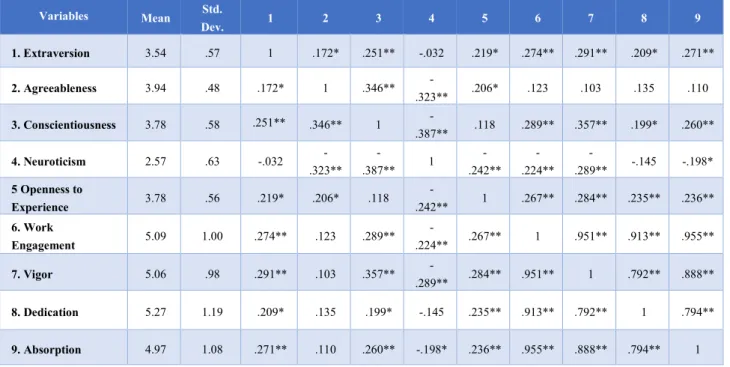
When studying the workers sample, Table 4 reveals that Work Engagement had a mean value of 5.09, being higher than the students’ mean of 4.36. All engagement dimensions’ presented higher average values for workers comparing with students. Looking at personality variables, Neuroticism had the lowest score, with a mean of 2.57, followed by Extraversion with 3.54 and a tie between Conscientiousness and Openness to Experience with 3.78. Similarly to the other two datasets, Agreeableness was the trait with highest mean (Appendix 4)
Although showing small differences, students exhibited higher levels of Extraversion and Neuroticism contrasting with workers, who showed higher levels of Conscientiousness and Openness to Experience.
Table 4 Descriptive statistics and Correlations for Worker's dataset Variables Mean Std. Dev. 1 2 3 4 5 6 7 8 9 1. Extraversion 3.54 .57 1 .172* .251** -.032 .219* .274** .291** .209* .271** 2. Agreeableness 3.94 .48 .172* 1 .346** -.323** .206* .123 .103 .135 .110 3. Conscientiousness 3.78 .58 .251** .346** 1 -.387** .118 .289** .357** .199* .260** 4. Neuroticism 2.57 .63 -.032 -.323** -.387** 1 -.242** -.224** -.289** -.145 -.198* 5 Openness to Experience 3.78 .56 .219* .206* .118 -.242** 1 .267** .284** .235** .236** 6. Work Engagement 5.09 1.00 .274** .123 .289** -.224** .267** 1 .951** .913** .955** 7. Vigor 5.06 .98 .291** .103 .357** -.289** .284** .951** 1 .792** .888** 8. Dedication 5.27 1.19 .209* .135 .199* -.145 .235** .913** .792** 1 .794** 9. Absorption 4.97 1.08 .271** .110 .260** -.198* .236** .955** .888** .794** 1
*Correlation significant at p-value < 0.05 **Correlation significant at p-value < 0.01
4.3 Hypothesis Testing
The main hypothesis was:H1: The Big Five personality traits impact Work Engagement
With the following sub-hypotheses:
H1a: High levels of Extraversion have a positive impact H1b: High levels of Agreeableness have a positive impact H1c: High levels of Conscientiousness have a positive impact H1d: High levels of Neuroticism have a negative impact
H1e: High levels of Openness to Experience has a positive impact
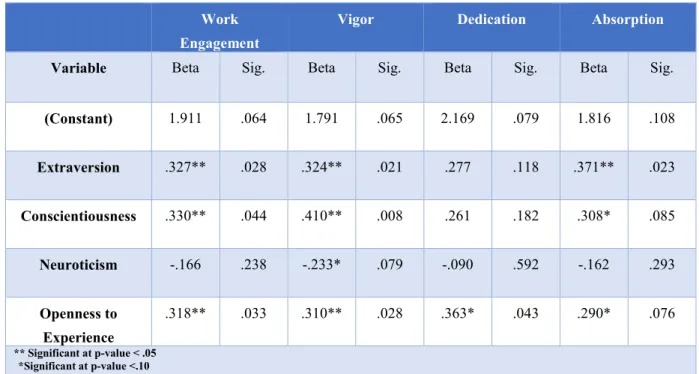
To test the sub-hypotheses H1a to H1e a linear regression was performed, followed by its analysis. The dependent variables were Work Engagement and its three dimensions separately (Vigor, Dedication and Absorption) and the independent variables were the five different traits (Extraversion, Agreeableness, Conscientiousness, Neuroticism and Openness to Experience).
The second hypothesis was:
H2: International Experience moderates the positive relationship between Openness to Experience and Work Engagement.
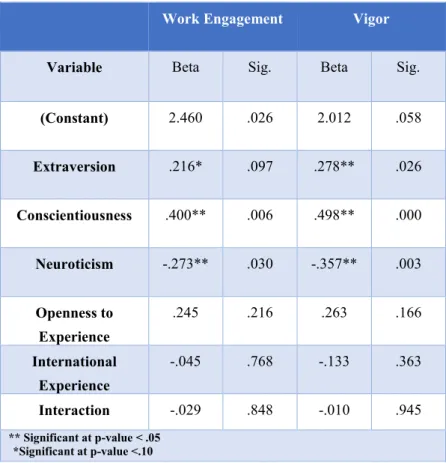
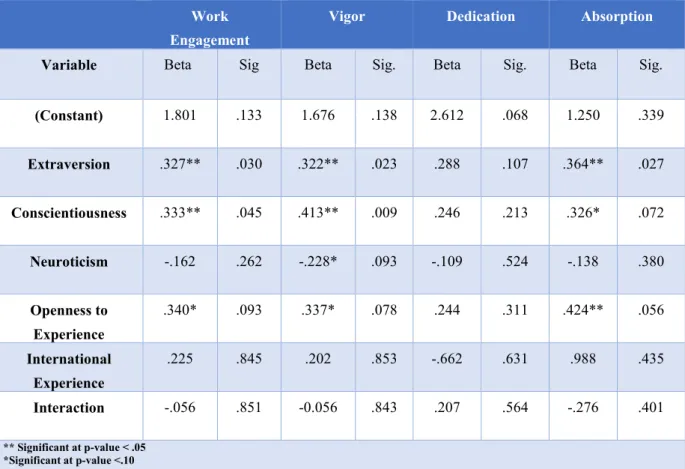
To test H2 a linear regression analysis based on the previous one for H1 was conducted, including two extra independent variables: International Experience (dummy variable) and the Interaction term which was the product of Openness to Experience standardized values and International Experience as a dummy variable.
A moderator is known as “a qualitative (sex, race, class) or quantitative (level of reward) variable that affects the direction and/or strength of the relation between an IV/ Predictor variable and a DV/Criterion variable (the variable being predicted)” and “the causal relation between two variables changes as a function of the moderator variable”. (Baron and Kenny, 1986). Thus, Openness to Experience should be a predictor (causal relationship) of Work Engagement to proceed with moderation test.
As both dependent and independent variables were numerical, the linear regression could be used to identify the relationship among them. First step was to verify for correlations, checking if there were values above 0.8, as those should not be used to derive conclusions. Confirming this, the subsequent step was the verification of the assumptions of the linear regression in SPSS: error is normally distributed, mean of error term is zero, variance of error term is constant, error terms are independent of each other and variables of the independent variable are fixed (Appendix 5). Having these assumptions validated, it was confirmed that the linear regression could be used to predict the model of this research. The next step was to check the model significance by testing the null-hypothesis H0: all betas (predictors) are equal to zero, through the ANOVA method. 2
Previous research on social studies has a consensus on the p-value of 0.05 for testing the significance of the null hypothesis but there are no defined guidelines. Probabilities as high as 0.10 may also be used but rarely have probabilities higher than that been used (Lavrakas, 2008). For this reason, it is important to mention that, in this report, p-values between 0.00 and 0.1 were considered and so, for every statistical test, if the p-value was below 0.1 the data was statistically significant.
4.3.1 Aggregated Data
Since the ANOVA p-value was below the cut-off of 0.05 (p-value= 0.00) H0 could be rejected and so, at least one of the independent variables explained the dependent variable and the model was significant. The R-square of the model was 0,166 meaning that about 16.6% of the variance of the dependent variable was explained by the independent variables (Appendix 6). It could be assumed that this was a low result but it is common in fields such as Organizational Behavior to encounter R-Squares below 50%, as human beings are harder to predict (Frost, 2013).
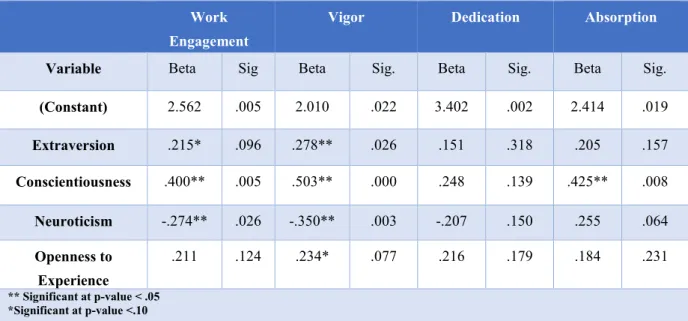
Looking at Table 5, when the regression model was computed with Work Engagement as a dependent variable, Conscientiousness (p-value=0.005) and Neuroticism (p-value=0.026) were significant at a 0.05 level while Extraversion (p-value=0.096) was significant at 0.10 level. Openness to Experience did not impact Work Engagement as whole. Higher levels of Conscientiousness had the largest effect size (B=0.400).
The analysis could also be done having the three different dimensions of Work Engagement separately as dependent variables. Vigor was the dimension which had all independent variables as statistically significant, meaning that all four traits impacted this dimension. The surprise is that Openness to Experience positively impacted Vigor at a significance level of 0.10 (B=0.234; p-value=0.077) because this relationship had never been described in previous literature. Personality did not impact Dedication in this model, and only Conscientiousness and Neuroticism related to Absorption. Again, Conscientiousness was the predictor with the highest Beta (B=0.425; p-value=0.008)
Table 5 Regression Analysis for Aggregated Data
Work Engagement
Vigor Dedication Absorption
Variable Beta Sig Beta Sig. Beta Sig. Beta Sig.
(Constant) 2.562 .005 2.010 .022 3.402 .002 2.414 .019 Extraversion .215* .096 .278** .026 .151 .318 .205 .157 Conscientiousness .400** .005 .503** .000 .248 .139 .425** .008 Neuroticism -.274** .026 -.350** .003 -.207 .150 .255 .064 Openness to Experience .211 .124 .234* .077 .216 .179 .184 .231 ** Significant at p-value < .05 *Significant at p-value <.10
At an aggregate level, H1a, H1b and H1c were confirmed, meaning, high Extraversion and high Conscientiousness positively impacted Work Engagement and high Neuroticism negatively impacted Work Engagement. This is aligned with previous literature, for example, with the meta-analysis from Judge and Illies (2002), which related the three referred traits with motivation. In addition, it was found that Vigor was the engagement dimension which was mostly impacted by individual traits, exhibiting also high levels of Openness to Experience as a significant predictor.
To complement these results, One-way ANOVA tests were performed to check if there were statistically significant differences between professional situation (student or worker), gender and position within the company. The outcome showed that workers presented higher levels of Work Engagement, Vigor, Dedication and Absorption than students, also showing higher Openness to Experience. Moreover, the results found that women had higher average values of Conscientiousness and Neuroticism while men scored higher in Dedication. Concerning position, higher seniority reflected higher levels of Work Engagement and its three separate dimensions as well as higher Openness to Experience (Appendix 7)
Work Engagement Vigor
Variable Beta Sig. Beta Sig.
(Constant) 2.460 .026 2.012 .058 Extraversion .216* .097 .278** .026 Conscientiousness .400** .006 .498** .000 Neuroticism -.273** .030 -.357** .003 Openness to Experience .245 .216 .263 .166 International Experience -.045 .768 -.133 .363 Interaction -.029 .848 -.010 .945 ** Significant at p-value < .05 *Significant at p-value <.10