
Time and space use of key resources by the Eurasian badger (Meles meles) in a Mediterranean cork oak woodland : conservation implications
170
0
0
Texto
(2)
(3) TABLE OF CONTENTS Acknowledgements……………………………………………………………………………….. i Resumo …………………………………………………………………………………………… v Summary……………………………………………………………………………..................... ix PART I. INTRODUCTION……………………………………………………………………………… 1 Chapter 1.. Chapter 2.. General Introduction………………….………………….………………..…… 2 Eurasian badger as a surrogate species of cork oak woodland Biodiversity……………………………………………………………………… 8 Aims and novelty of this study………………………………………………. 10 Thesis structure ………………….………………….………………………… 12 List of Papers………………….………………….………………….………… 13 Study area ………………….………………….………………….…………… 21. PART II. BADGERS’ USE OF KEY RESOURCES OVER TIME AND SPACE…………………………….. 35 Chapter 3. Chapter 4. Chapter 5.. Dietary shifts of the badger, Meles meles, in Mediterranean woodlands: an opportunistic forager with seasonal specialisms…………. 37 Temporal variation in availability of Mediterranean food resources: Do badgers track them? ………………….………………….……………….. 58 The use of multiple den sites by Eurasian badgers, Meles meles, in a Mediterranean habitat………………….………………….…………….…….. 78. PART III. DO KEY RESOURCES DISTRIBUTION FOSTER BADGER’S MOVEMENT PATTERNS? ……… 95 Chapter 6.. Path tortuosity of Eurasian badgers (Meles meles) in a heterogeneous Mediterranean landscape………………….…….…………. 97. PART IV. CONSEQUENCES OF HABITAT DECLINE FOR THE BADGER POPULATION…………….….115 Chapter 7.. Cork oak decline and consequences for biodiversity: an example with the Eurasian badger (Meles meles) ………………….…………….…. 117. PART V. DISCUSSION DISCUSSION…….………………….………………….……………….…...143 Chapter 8.. General discussion………………….………………….………………….…. 144 Conservation management guidelines………………….………………….. 150 Final remarks ………………….………………….……………………….….. 152.
(4)
(5) ACKNOWLEDGEMENTS The list of people to whom I have to acknowledge is extensive and each of any one deserve much more words than I had space to write here. All of them made possible the realization and conclusion of this work, whether because of their scientific knowledge, either because they help me to maintain my mental sanity. Thus, special thanks are due to: •. “Professora” Margarida for accepting to be my advisor and for all the support she. always gave me, especially when the difficulties appeared (and they appeared often). This thesis was a hard task but together we made it. Thanks for believing that it would be finished. Big part of the biologist that I’m today it is due to you. •. Professor David W. Macdonald for accepting to be my advisor and agreeing in. continue this project with badgers in Serra de Grândola, besides of the shyness of our badgers when compared with UK badgers. Thanks for all the advices, critiques and revisions of the manuscripts. •. John Bissonette, for being my safe buoy. When I though things had no way around. you show me that in science that is always a solution, we just have to look well. Thanks so much for give me the opportunity to spend some time in USA and for all the good suggestions you made to my work. •. “Doutor” Miguel Rosalino, it is not yet that you will have an entire page of. aknowledgements just for you. Not that you don’t deserve it. I believe I was very fortune since I can say that I had 4 co-advisors for my PhD thesis, being two of them the best badgers’ specialists (one from UK and other from Portugal). It was a joy to work with you. Since I have no words to thank you, I can only say…Thank you so much?!?! •. Centre of Environmental Biology (CBA) for the logistical support namely the use of the. beautiful field station of Ribeira Abaixo for developing this thesis. •. Professor Artur Serrano, Mário Boieiro and Carlos Aguiar for their endless help in the. identification of some insects. Thanks to you we now have a beautiful insect collection. •. Professor João Maroco, from ISPA, for the excellent and quick help in statistics. analysis.. i.
(6) •. Professor Jorge Palmeirim, José Pedro Granadeiro and Susana Rosa for the big help. in preparation of video surveillance material, whose results were only indirectly used in this thesis. •. SAS Portugal for providing me a license for the use of SAS software.. •. Tatá, Nuno, Hugo (the “Biomenses”) with whom I shared so many hours of work,. problems, projects and most important friendship. Whenever you feel that your thesis won’t have an end…remember me☺. •. The first generations of Ribeira Abaixo among others, special thanks are due to Maria. João Santos and Sónia Domingos. The former for her, always good, scientific advices and her large knowldge; the second for being an excellent person and a good friend. •. All the other “carnivore” staff with whom I shared so many hours of pitfall and scat. analysis, and many moments of fun. Among all, and because most probably I will forget someone, special thanks are due to Carla Baltazar, Catarina Ginja, Clara Grilo, Dália Freitas, Íris Pereira, Isabel Chambel, Joaquim Pedro, Mafalda Basto, Mário Mota, Silvia Rosa. •. All the people who help me through the field work: trainee people, “Fauna de Portugal”. students, volunteers and friends. Without you most of this work could not have been done. Special thanks are due to Ana Margarida Maria, Ana Quaresma, Carla Marques, Catarina Rei, Dulce Ferreira, Filipa Alves, João Rosário, Hélder, Helena Rio Maior, Pedro, Raquel Vasconcelos, Marieta and Stephanie (our foreign students). •. All the ones with whom I shared my staying in Ribeira Abaixo, namely the “people of. mices” (Inês and Sara), and of amphibians (Ana Luisa, Hugo Costa, Pedro, Maria João, Sandra). •. Günter, D. Ana, Sr. Carlos, Sr. Eduardo, the locals with whom I became good friend. and who I miss so much. •. USA people, with whom I lived so many different things, Tammy, Patty, Mary. Bissonette, Sandra Calvacanti, Tanu, Kaya, Nikhil, Page, Andy, Dan Rosenberg, Mary Connor, Michael Jaeger, and many others..
(7) •. The LPN staff, namely to Programa Lince staff. There I got my first JOB and I’ve. learned very much in these past months. •. My bosom friends (the “Febras”)…they know who they are. What can I say…you were. always there. Thanks to you and all the fun we always have when we are together I could keep my mental sanity. Thanks a lot for the big support in this final stage… in the middle… in the beginning...for all your support. You are the best ! Thanks a lot also to the boys. •. Sónia Pereira my oldest friend…for all the support. Many years have passed and our. friendship remains as in the first year. I know that I can count on you always. •. My external Flip, who only appeared more recently but help me to have a life (more. than work) in these last months☺. •. My grandma (avó Conceição) and my aunts (Catarina and Diana) for being always. there for us. •. And because the last are always the first…to my family, my dad, my mum and my. sister for their endless support. These last weeks have not been easy… but soon everything will be o.k. You taught me never to give up and thanks to you I will finish my PhD. Thanks to your motivation, your love, your advices and all your taughts. Thanks for being great parents and a wonderful sister!!! And thanks to all the family pussy cats, which are always a good company for us.. As I said much more should have been said…but time urges and I still have lots to do … to all of you HUGE THANKS!!!!!!!!. This thesis was supported by Fundação para a Ciência e Tecnologia through the PhD grant SFRH/BD/5162/2001.. iii.
(8)
(9) RESUMO Nos últimos anos muitas espécies têm sofrido acentuados decréscimos populacionais, na maioria das vezes devido à falta de requisitos ecológicos fundamentais que colocam em perigo a viabilidade das populações. Na maioria das vezes estes requisitos estão relacionados com a perda de recursos essenciais à sobrevivência dessa espécie. Na natureza, em geral, o alimento, o refúgio e o parceiro reprodutor são considerados os recursos mais importantes sendo que a importância destes varia muito entre espécies e na mesma espécie ao longo da sua área de distribuição. Esta tese pretendeu continuar um estudo que teve início em 1999, acerca da ecologia de uma população de texugo Euroasiático (Meles meles L.) que vive num montado de sobro (Quercus suber) Mediterrânico, na Serra de Grândola. O estudo anterior para além de ter identificado que os recursos chave desta população eram o alimento e os complexos de tocas, forneceu também os primeiros conhecimentos acerca das densidades e organização social desta espécie em Portugal. Contudo era ainda importante compreender os padrões de disponibilidade dos recursos chave do texugo, bem como enteder como estes eram usados, nesta área Mediterrânica onde a sazonalidade de recursos é em geral muito marcada. O objectivo desta tese foi assim o de adquirir um conhecimento mais profundo acerca do modo como o texugo Euroasiático usa os seus recursos chave ao longo do espaço e do tempo e que factores influenciam esse uso. Adicionalmente, foi também discutido como é que o actual declínio dos sobreirais, nomeadamente dos montados, poderia afectar a disponibilidade dos principais recursos do texugo de modo a formular propostas de conservação para esta espécie, incluindo medidas de gestão adequadas para o montado. Demonstrou-se que os recursos alimentares mais importantes desta população são os frutos e os insectos, sendo que estes consituiram quase cerca de 90% da biomassa ingerida por este carnívoro. Os coleópteros (escaravelhos) tanto na fase adulta como ainda em larvas, e os ortópteros (grilos) foram os insectos mais consumidos. Quanto aos frutos, foram as bolotas, as pêras e as azeitonas, aqueles que apresentaram maior ocorrência, sendo que as azeitonas foram intensamente consumidas durante todo o tempo que estiveram disponívies, o que sugeriu um comportamento especialista sazonal para este fruto.. v.
(10) De facto, os principais recursos alimentares do texugo mostraram ter flutuações temporais com picos de disponibilidade que ocorreram anualmente. Durante um período de 4 anos, ocasionalmente ocorreram também picos de abundância superior o que sugere uma dinâmica de “impulsos” na disponibilidade destes recursos. De um modo geral, os texugos tiraram proveito das flutuações temporais da maioria dos seus recursos alimentares, tal como foi evidenciado pela sobreposição quase total entre o consumo e a disponibilidade alimentar das azeitonas, das pêras e dos coleópteros. O mesmo não se passou com as bolotas, que tiveram apenas uma sobreposição parcial, e com os ortópteros, em que a relação foi negativa. Isto sugere que apesar de ser um generalista trófico que tira proveito dos recursos mais disponívies, o texugo parece seleccionar os seus alimentos em função do conteúdo energético e hídrico que estes lhe proporcionam. De facto é o que sucede, por exemplo, com as azeitonas; este recurso encontrase disponível ao mesmo tempo que as bolotas, no entanto o texugo parece “preferir” as azeitonas dado que estas apresentam um maior conteúdo energético. Demonstrou-se que na Serra de Grândola os texugos usam uma grande variedade de refúgios. De um modo geral, os complexos de tocas (buracos escavados pelos próprios texugos no solo) foram o tipo de refúgio mais usado durante todo o ano. No entanto, árvores ocas, arbustos de mato mediterrânico e zonas rochosas, entre outros, ocasionalmente também serviram de refúgio. O uso de outros tipos de refúgios que não tocas ocorreu especialmente durante a primavera e verão, em dias mais quentes, secos e menos ventosos. O uso dos refúgios pelo texugo demonstrou ter uma marcada sazonalidade, aparentemente relacionada com diversos factores, tais como condições climáticas, o estado reprodutor e perturbações humanas ou de outros animais. Contrariamente ao esperado, a proximidade às principais fontes de alimento (hortas e olivais) não teve qualquer influência no uso dos refúgios. Do mesmo modo, também não ficou clara a influência das principais fontes de alimento na tortuosidade dos movimentos dos texugos durante a sua actividade nocturna. O movimento de um animal pode ser linear, aleatório ou tortuoso. De um modo geral, os texugos tiveram movimentos tortuosos o que poderia sugerir uma adaptação à distribuição agrupada dos principais recursos alimentares em olivais e hortas. No entanto, a distância a fontes de alimento não surgiu como variável significativa para a tortuosidade de movimentos. A influência de outras variáveis (condições climáticas, distância a tocas, distância a estradas) no tipo de movimento dos texugos foi investigada, sendo que aparentemente apenas a distância a complexos de tocas.
(11) principais e a latrinas, bem como a densidade de refúgios parece ter tido influência na tortuosidade de movimentos. Os montados de sobro são habitats selecionados positivamente pelos texugos e por isso essenciais para a conservção desta espécie. No entanto, nos últimos anos muitos sobreirais e montados de sobro sofreram um declínio acentuado devido a vários factores. Entre eles, a dissimenação de diversas doenças, as secas prolongadas, os incêndios cada vez mais frequentes, o êxodo rural e a intensificação da produção de cortiça com uso de maquinaria moderna, tem contribuído para a morte de muitos sobreiros. O montado da Serra de Grândola foi um dos mais afectados nos anos 80. Com o declínio do montado a tendência é que toda a configuração desta paisagem típica alentejana se altere. Assim, os mosaicos de matos muito provavelmente irão aumentar havendo um decréscimo acentuado de outros mosaicos, tal como pastagens, hortas, olivais, e mesmo da própria matriz de sobreiros. Como consquência destas alterações da paisagem espera-se que a disponibilidade de alimento para o texugo, i.e., de frutos e insectos, diminua. A população de texugos da Serra de Grândola, que actualmente parece estar apenas limitada pela disponibilidade de locais para escavar tocas, poderá assim ficar também limitada pelo alimento. Sendo que esta população já ocorre em densidades relativamente baixas (0.36-0.48 badgers/km2) se o declínio do montado continuar a viabilidade desta população poderá estar em risco. Por fim foram sugeridas algumas medidas de gestão do montado que poderão auxiliar a conservação não só desta espécie mas também do próprio montado. Foram também propostos outros estudos futuros acerca da ecologia do texugo em Portugal: Entre outros, foi proposto que se realizassem estudos semelhantes noutras áreas de estudo (ex. mais humanizadas) e que se fizesse uma inventariação das populações de texugo a nível nacional.. PALAVRAS-CHAVE: Conservação, Ecologia Trófica, Paisagem Mediterrânica, Texugo Euroasiático, Tortuosidade de Movimentos, Uso de Refúgios. vii.
(12)
(13) SUMMARY Resources are any physical or virtual entity of limited availability which is used for satisfying animal needs. The aim of this thesis was to understand time and space use of key resources by the Eurasian badger (Meles meles) in a Mediterranean cork oak woodland of Serra de Grândola. Badgers’ main food resources were insects (Coleopera and Orthoptera) and fruits (e.g. olives, acorns, pears), and these showed temporal fluctuations in peaks of availability that occurred on an annual basis, having additional peaks of super abundance. The consumption of some food items overlapped with their peaks of availability; exceptions were acorns and Orthoptera. The tracking of primary resources appears to involve trade-offs involving energy and water requirements. Badgers used a large number of dens, different in terms of structure and function. Main setts were the most important dens. Nevertheless, badgers often used other types of refuge especially during spring and summer. There was a marked seasonality in the use of dens related to several factors (e.g. disturbance, climate conditions), but not with proximity to food patches. Badgers generally displayed convoluted movements, which could suggest an adaptation to the clumped distribution of their food. However, the influence of food resources was not clear. Other variables were also investigated (e.g. weather conditions, human infra-structure), but besides dens, only latrine location seemed to have influence on path tortuosity. With cork oak decline is expected an increase of shrubland patches, and a decrease of cork oak woodland and non-matrix habitat fragments (e.g. orchards). Consequently, in the coming decades it is expected that all the dynamic of landscape configuration, typical of the montado, might be altered. Food availability will probably decrease, but refuge will not increase since important dens (main setts), are dependent of the underlying geology. The badger population that nowadays seems to be limited mainly by sett availability, most likely will also be limited by food availability.. KEY-WORDS: Conservation, Den Use, Eurasian Badger, Mediterranean Landscapes, Path Tortuosity, Trophic Ecology. ix.
(14)
(15) PART I. INTRODUCTION ______________________________________________________________________. “To stand by and watch the world's billion-year heritage go down the drain is the folly our descendants will least likely forgive us.” Edward O. Wilson.
(16) ____________________________________________ CHAPTER 1 GENERAL INTRODUCTION Approaches to conservation and natural resources management are maturing rapidly, in response not only to changing perceptions about biodiversity and ecological systems (Poiani et al., 2000), but also to the increasing rate at which species are becoming threatened. In the past years a marked decline in the populations of many species has been documented, namely at a local level. An example is the Iberian lynx (Lynx pardinus), endemic of the Iberian Peninsula. This species, currently classified as Critically Endangered (CR), showed 80% of range loss between 1960 and 1990, due to a decrease in the availability of wild European rabbit (Oryctolagus cuniculus), its main prey, and habitat destruction (Delibes et al., 2000). Likewise, the crocodile like gharial (Gavialis gangeticus) changed from Endangered to Critically Endangered (CR), as a consequence of 58% of population reduction over the last 10 years, due to irreversible loss of riverine habitat and net fishing (IUCN, 2007a). According to the IUCN red list, every year more species acquire a threatened status and just from 2006 to 2007 this was the case for more than 100 vertebrate species (IUCN, 2007b). Many of those species never had the chance to be the target of a study or the studies started too late (Virgós et al., 2005). Others are well studied in certain parts of their distributional range but the information about their basic ecology is almost unknown in more unpredictable and adverse habitats. However, it is usually in these habitats that their densities are lower and the risk of local extinction is higher. Often the decline of a population is directly related with the loss of specific environmental requirements, which are usually related to the resources that a species needs to survive. The knowledge of the biology and ecology of a species throughout its distributional range, namely, of which are its key resources and how they are used, is a basic requirement for its conservation in nature (Virgós et al., 2005). A resource is any physical or virtual entity of limited availability which is used by animals to satisfy their needs. Resources are therefore fundamental factors to the survival of most species, namely main or key resources, without which individuals would die. Important resources are food,.
(17) CHAPTER 1. GENERAL INTRODUCTION. refuge, den sites, nest cavities, mates, water sources or suitable habitat, and these may vary enormously between species, and intra-specifically along the distributional range. In nature, key resources are usually food, dens/refuge and mates, but the one commonly considered the most important is food (Macdonald and Carr, 1989). Besides being a resource that is usually very important throughout the entire year, food abundance generally has a direct influence in several parameters of species ecology and biology. Movement paths and spacing patterns, for example, are largely shaped by food abundance and distribution (Prangue et al., 2004). In fact, the spatial distribution of a species is commonly thought to reflect the distribution of one or several limiting resources on a landscape (Mitchell and Powell, 2004), including food. Dispersal and migrations are also often related to food availability. When food is in short supply, dispersion is usually more pronounced and animals may leave either because they are hungry, or they may be driven out by more dominant individuals (Bekoff and Daniels, 1984). Similarly, migration movements of many mammals (e.g. marine mammals and ungulates) and birds, frequently aim to find places offering the best and most profitable food sources. The extraordinary migration of various species of antelopes across the African grasslands takes them from dryseason retreats close to water supplies, to lush but short term wet season pastures (Macdonald, 1995). Likewise, the pink-footed goose (Anser brachyrhynchus) flies more than 1000 km over sea and migrates from the Belgian, Dutch and Danish wintering areas, to the Norwich nesting areas, in England, where food is more abundant (Fox et al., 2006). Moreover, food resources directly and indirectly regulate or limit animal densities and population dynamics (Prangue et al., 2004), not only by influencing times of dispersion and migration, but also by controlling body condition, breeding success and survival (Krebs and Davies, 1997; Prangue et al., 2004). Brown bear (Ursus arctos) densities, for example, are highest in coastal Alaska where runs of salmon are seasonally superabundant, and lowest in the north of the Artic Circle, where the growing season is short and both plant and animal’s biomasses are low (Nowak, 2005). As for reproductive success, females tend to invest in offspring according to food availability, their reproductive rate and productivity being usually limited by the quantity and quality of food resources (Krebs and Davies, 1997). In fact, wildlife reproductive characteristics and success are closely linked to food (Robbins, 2001). A good adaptive example of this association is delayed. 3.
(18) CHAPTER 1. GENERAL INTRODUCTION. implantation, with birth events coinciding with abundant resources. Delayed implantation is known to occur in about 47 species of six different mammal orders (Carnivora, Pnnipedia, Chiroptera, Insectivora, Artiodactila and Edentata) and consists in suspending the growth of the blastocyst during a certain time, usually the winter when food resources are scarce (Macdonald, 1995). When the time is right (i.e. food abundance is high) the blastocyst implants in the uterine wall and continues its normal development. At last, food is also primarily responsible for intra-specific variation in social organization and social behaviour (Bekoff and Daniels, 1984). Behavioural ecologists have long recognized a relationship between social behaviour and distribution and predictability of resources (Johnson et al., 2002), namely food, and because of this, attention has increasingly been devoted to understanding relationships among prey dispersion, social organization, and predator’s food habits (Patterson and Messier, 2001). But food is not the only key resource. As already mentioned, den sites and/or refuge (e.g. nest cavities, burrows, warrens) and mates are other key resources. Although the importance of these resources might be seasonal, their absence might threaten the survival of a population. Burrows for example, are extremely important for many rodents (e.g. voles, prairie dogs) and lagomorphs; besides providing protection against predators also serve as refuge and breeding sites. The wild European rabbit, for example, builds warrens that function simultaneously as protective structures against predation and climatic extremes (Martins et al., 2002), being essential for its survival. In fact, warrens availability is a matter of concern in the Iberian Peninsula within the strategy to recover rabbit populations (Palomares, 2003). Similarly, birds are also dependent of protective structures often associated with reproduction. In a northern Arizona ponderosa pine forest, breeding densities of three bird species were apparently limited by nest sites (Brawn and Balda, 1988). Suitable nest cavities which are usually present in dead trees can be scarce due to man’s silvicultural activities, or natural processes such as fires, therefore influencing breeding productivity (Brawn and Balda, 1988). Finally, although finding mates is essential to the survival of any species, sometimes in nature, for several reasons, might be a difficult task given the low rate of encounters or due to the intense competition among males. In fact, searching for mates has much in common with searching for food resources (Parker, 1978). Young males of Northern elephant seals (Mirounga angustirostris). 4.
(19) CHAPTER 1. GENERAL INTRODUCTION. in the New World, for example, have no hope of securing an harem in a fair fight with a large adult (Macdonald, 1995). Thus, some of them behave like females, insinuating themselves into a harem and trying to sneak mating (Macdonald, 1995). But an animal environment does not consist solely of places to feed, nest, shelter, hide from predators and mate; there is also a living environment of competitors (Krebs and Davies, 1997), since very often the required resources are short in supply and insufficient to do round (Macdonald, 1995). The result is competition (intra and inter-specific) among animals that search for the same resources. In fact, that is how territoriality emerged in the animal kingdom. Territoriality has been often defined as the behaviour of defending a fixed space from which an individual, or group of mutually tolerant individuals, actively exclude competitors for a specific resource or resources (Maher and Lott, 1995) and has been a common assumption of most hypothesis advanced to explain group formation. Indeed, increasingly empirical evidences has emerged that supports resource-based explanations of social organization and territoriality in a variety of species (e.g. Eurasian badger, Meles meles; fox, Vulpes vulpes, (Johnson et al., 2002). The most common is the Resource Dispersion Hypothesis (RDH - Macdonald, 1983) which has been often used to explain social behaviour not only in mammals but also in birds (Johnson et al., 2001). This hypothesis suggests that groups may develop where resources (usually food, but could be also dens, mates or other) are dispersed in such a way that the smallest defensible territory for a pair can also sustain additional animals (Nowak, 2005). This happens because, where resources’ patches are heterogeneous (in space and/or time), the primary breeding pair will have to defend a relatively larger area to include sufficient resources patches to guarantee enough usable patches over time (Nowak, 2005). Two other hypotheses not so common are the Prey Renewal Hypothesis (PRH - Waser, 1981) and the Constant Territory Size Hypothesis (CTSH - von Schantz, 1984). The former is based on food resources, namely prey, and suggests that when prey renewal rate is high, animals do not need to defend resources, since there will be a surplus, and therefore other animals can be tolerated inside home ranges leading to the establishment of groups (Waser, 1981). Constant Territory Size Hypothesis (CTSH) on the other hand, predicts that in an environment where the resources fluctuate (mainly food but could be other), animals should have a constant territory size. When there is high abundance of resources, the defended territory can contain more animals and group formation emerges (von Schantz, 1984). 5.
(20) CHAPTER 1. GENERAL INTRODUCTION. Competition and territoriality are therefore not necessarily over access to food, they might be over access to any resource. Depending on the species, geographical location and time of the year, resources might differ in importance. Indeed, the same species may be limited by different resources in different places or at different times of the year. On sand dunes for example, rabbits have no difficulty in digging as many burrows as they wish. In these circumstances, as the population increases the rabbits simply dig more burrows, until food grows thinner on the ground and they become directly exposed to food competition (Macdonald, 1995). Nevertheless, for rabbits living on chalk grasslands, burrows are the limiting resource because of hard digging soil (Macdonald, 1995). Among the mammalian order Carnivora there are numerous examples where variations in resources exist at the geographical range level. This order has about 9 families and around 231 species distributed across the world (Macdonald, 2001), some of which with a vast distributional range (e.g. fox, Eurasian badger). The coyote (Canis latrans), for example, demonstrates large regional and seasonal variation in food habits and social organization (Patterson and Messier, 2001). Similarly to the coyote, the same behavioural plasticity occurs in many other species of carnivores. For this reason, carnivores are an excellent model group for illustrating the adaptive patterns of life history traits and geographical adaptations including the way species explore their resources. Moreover, living at the top of the food pyramid (top-down predators), carnivores, by definition never common (Nowak, 2005), often function as keystone and umbrella species (SchonewaldCox et al., 1991) being very important elements of an ecosystem. Nevertheless, for this same reason, carnivores frequently enter in conflict with humans, especially due to the increasing number of urbanized systems and to the gradually disappearance of their natural preys, which is often the cause of their attacks on domestic animals (e.g. red foxes kill chickens, brown bears and wolves kill sheep and stoats and weasels kill game birds). Moreover, in urbanized systems the distribution and abundance of natural food resources are often altered due to occurrence of other abundant and highly concentrated anthropogenic resources (Prangue et al., 2004), consequently increasing the encounters between carnivores and humans. Thus, more than protecting a species, conservation has to focus on protecting the space that that species need to survive, including its key resources. This might help to avoid many conflicts. 6.
(21) CHAPTER 1. GENERAL INTRODUCTION with humans and to better elaborate management and conservation guidelines. For this, it is very important to understand the ecology of the species, namely how it uses resources throughout its geographical range. It is therefore crucial to have the answer to certain questions related to a species basic ecology at different places of its distributional area. 1) Which are the main resources for a certain species? 2) Which resources are limiting a species’ density? 3) How does a species use its resources throughout time and space? 4) What influences the use of main resources? 5) How resources might influence population trends? The answer to these questions is even more relevant in landscapes where anthropogenic effects are common and fluctuations in resources, namely food, tend to be cyclic. In such environments, keeping track of changes in resources may be one of the problems faced by many animals, influencing their basic ecology. Determining patterns of availability and use of resources in time and space might be therefore essential to understand the environmental constrains of a species, especially in habitats such as Mediterranean cork oaks, that nowadays face a severe decline. However, this is only possible with long term studies. This thesis, that uses, as biological model, a population of Eurasian badgers (Meles meles) living in a Mediterranean cork oak (Quercus suber) woodland of south-west Portugal, is the follow-up of an ecological research that began in 1999 (Rosalino, 2004). The previous study provided the first insights about the density and social organization of the above referred population, besides identifying the main resources for the species. But understanding the patterns of availability of these resources, and how these are used over time and space, was considered the next step to be able to predict species response to landscape changes, such as the decline currently faced by cork oak woodlands, and to propose adequate conservation guidelines for both the badgers and their habitat.. 7.
(22) CHAPTER 1. GENERAL INTRODUCTION. Eurasian badger as a surrogate species of cork oak woodland biodiversity The Eurasian badger is a medium sized carnivore which belongs to the Mustelidae family, the same as for weasels, martens, otters, and several other mesocarnivores. Like most carnivores, its rhythmic activity is mainly crepuscular and nocturnal, being one of the few mustelid species that is gregarious and lives in social groups or clans (Neal and Cheeseman, 1996). Social groups are formed mainly by relatives, since generally young badgers never leave their natal group (Macdonald, 2001). With a broad distributional range throughout almost all Eurasia (Neal and Cheeseman, 1996), this carnivore inhabits a large variety of habitats, from boreal forests to semi-arid environments (Kruuk and Parish, 1987; Neal and Cheeseman, 1996) including Mediterranean cork and holm oak forests (Rosalino, 2004; Rosalino et al., 2007) at their southwestern distribution edge in the Iberian Peninsula (Dobson, 1998; Virgós and Casanovas, 1999). As for other carnivores, their densities vary dramatically between habitats and regions in response to climatic variations or other factors such as vegetation characteristics (Virgós, 2001) and food availability, thus making it a good surrogate species to illustrate how in a geographical scale the resources it uses highly influence their ecology and conservation needs. Although at a continental scale badgers are not threatened, currently they are thought to be declining in Mediterranean areas, where their populations are of conservation concern (Griffiths and Thomas, 1997; Revilla et al., 2000; Revilla et al., 2001a). Twenty years ago, the Eurasian badger’s ecology was already well known in Central and Northern Europe, namely in the British Islands. There, badgers are susceptible to be infected by Mycobacterium bovis and transmit bovine tuberculosis (referred hereafter as bTB) to cattle. This disease has serious economic implications both for the farming industry and the public finances, and raises significant animal welfare concerns (Garnett et al., 2003). The strong circumstantial evidence of a link between bTB and badgers promoted many studies on the species. These concerned, spatial organization (e.g. Kruuk, 1978; Kruuk and Parish, 1987), population dynamics (e.g. Cheeseman et al., 1987; Skinner et al., 1991), social structure (e.g.Evans and Macdonald, 1989), trophic ecology (e.g. Kruuk and Parish, 1981; Shepherdson et al., 1990), among others, and were conducted in order to better understand the dynamics of this species and how the. 8.
(23) CHAPTER 1. GENERAL INTRODUCTION disease was transmitted to cattle. At that time the Eurasian badger was known as a food specialist whose main food resource was earthworms (Lumbricus spp.), usually found in more than 90% of the scats (Kruuk et al., 1979; Kruuk and Parish, 1981), and their densities were assumed to be in general high and dependent on the worm availability (Kruuk and Parish, 1987). Dens were seen as the other main resource for these animals, which used them as reproduction and socialization sites. Usually living in high densities, badger territories had only one main sett and a small number of ‘outlier’s setts’ (2-3 on average but occasionally up to about a dozen (Cresswell and Harris, 1989; Ostler and Roper, 1998). In the Mediterranean basin studies on badgers only began in the late 80s early 90s, and were specially related to the trophic ecology (e.g. (Ciampalini and Lovari, 1985; Pigozzi, 1991) in Italy and (Rodriguéz and Delibes, 1992; Fedriani et al., 1998) in Spain. Mediterranean landscapes have very different environmental conditions compared to the British Islands (e.g. hotter temperatures and less rain), and therefore a very low availability of earthworms was expected. As a consequence, some of the generalized conclusions made before about badger’ dynamics and ecology most likely would not applied to Mediterranean populations. In fact, badgers in the Mediterranean basin have shown a much more diverse diet. Whilst in some places fruits and arthropods seemed to be “preferred” (Kruuk and De Kock, 1981; Ciampalini and Lovari, 1985), in other areas rabbits were intensively consumed (Fedriani et al., 1998; Revilla and Palomares, 2002). Thus, the Eurasian badger could no longer be considered an earthworm specialist. Following studies demonstrated that the trophic behaviour of badgers highly depends on the geographic area (Virgós et al., 2004) and availability of resources. Different results were also obtained concerning the density, sociality and denning behaviour of badgers. Mediterranean populations live in much lower densities, form smaller groups, sometimes only pairs (Revilla, 1998), and usually use a higher number of dens (almost 30 shelters per territory - Revilla et al., 2001b). In Portugal, the Eurasian badger is one of the 14 existing species of carnivores, being its distribution generalized throughout the country (Santos-Reis et al., 2005). In spite of the broad distribution and apparent abundance, the species ecology was mostly unknown till the end of the 90s when the first observational study started with the goal of understanding the density and sociality of a population inhabiting a cork oak woodland (Serra de Grândola). The main results of such study (Rosalino 2004) were: 9.
(24) CHAPTER 1. GENERAL INTRODUCTION. •. Badgers density was one of the lowest recorded in Western Europe, with 0.360.48ind/km2, and the population was organised in groups of 3-4 adults plus 3-4 cubs of the year;. •. Food availability was not a limiting factor for badger density, in opposition to the availability of suitable sites for den emplacement, which seems to regulate the number of social groups inhabiting the area.. Besides, Rosalino´s study (2004) also gave information about the species’ basic ecological requirements showing that: •. Badgers’ main foods were insects and fruits, constituting ca. 90% of the biomass ingested, and individuals responded to the pattern of olive availability;. •. Individuals used seasonally stable home-ranges that averaged 4.46 km2, a size similar to that described to southwest Spain, but smaller than those of Central Europe where ranges can reach 25km2; moreover, home-ranges sizes were positively correlated with food patch dispersion;. •. Habitat use was not random, with badgers selectively using olive groves and orchards as food sources and cork woodland and riparian vegetation for shelter and protection;. •. Badgers revealed lower den fidelity than reported for their northern counterparts.. Thus, thirty years later, after the first scientific studies on the species, results obtained at a broader scale showed that the Eurasian badger has a strong geographical variation in their behavioural ecology depending on the environmental determinants of each area and, consequently, of the resources available there. Studies in different places of the distributional range are therefore very important to better understand the adaptability of this species.. Aims and novelty of this study Questions about badgers’ ecology in Serra de Grândola were not fully answered with Rosalino (2004)’s study and new questions emerged. For example, the main food resources consumed by badgers and the characteristics of the Mediterranean climate, suggest a fluctuation in the food’s availability that might have a pulsed nature (Ostfeld and Keesing, 2000). Whether peaks of food. 10.
(25) CHAPTER 1. GENERAL INTRODUCTION availability were tracked by badgers remained unclear. On the other hand, being sett fidelity lower than the observed in northern regions, climate variations and food availability (i.e. seasonality) could be favouring the change of dens throughout the year. Additionally, the inhospitable soil characteristics, which restricted the number of setts in the area, together with the seasonality of food resources might foster random movements through the home-ranges while foraging. The assumption that food and dens are the environmental determinants of the density and sociality of this Mediterranean badger population, and may be important to predict future trends, was therefore the driving purpose of this Ph.D. that aims a deeper understanding of how the Eurasian badger uses its key resources throughout time and space, and which factors influence its use. Additionally, it is also discussed how the present decline of cork oak forests, the most selected habitat in southern Portugal (Rosalino et. al., 2007) might affect the availability of longterm resources and the badger population, in order to formulate guidelines and strategies for badger conservation and the management of this forested system. As a background, I used the findings from the previous study initiated in 1999 in the same study area (Rosalino, 2004), together with new data gathered from 2002 thereafter. From 1999 to 2001 I had an active participation on the previous study, not only in the collection of field data (scat sampling, fruits and insect availability evaluation, badgers’ capture and radio-tracking) and in the laboratorial work (scats and pit-falls analyses), but also partially in data analyses, being co-author in some of the papers emerging from L.M. Rosalino’s thesis (Rosalino et al., 2003; Rosalino et al., 2005). The main goals of this thesis were: •. to determine badgers main food resources and the variation in their availability through time;. •. to investigate the importance of different types of dens for badgers and what influences their use throughout the year;. •. to evaluate how the location of food resources and dens might influence the movement patterns throughout the home-ranges;. •. to investigate how the sustainability of the cork oak montado may influence the future of the badger population at Serra de Grândola. 11.
(26) CHAPTER 1. GENERAL INTRODUCTION. Thesis Structure This thesis is divided in five sections. The first part corresponds to this first chapter, which consists of an introduction where the context, aims and structure of the study are presented, along with a second chapter where the study area is described. In the second, third and fourth parts, which include the chapters 3 to 7, the results obtained are presented as 5 scientific papers published or submitted to peer-review journals (see next section). Throughout these papers we attempted to answer the research questions under analysis and achieve the thesis’ main goals. The fifth part, corresponding to chapter 8, consists of an integration and discussion of the results obtained. To conclude, ideas for future studies, as well as conservation guidelines for badger populations inhabiting cork oak woodlands in Mediterranean habitats, are also presented.. 12.
(27) CHAPTER 1. GENERAL INTRODUCTION List of Papers This thesis comprises the papers listed below, each corresponding to a Chapter, from 3 to 7. Rosalino, L.M.; Loureiro, F.; Macdonald, D.W. & Santos-Reis, M. (2005). Dietary shifts of the badger Meles meles in Mediterranean woodlands: an opportunistic forager with seasonal specialisms. Mammalian Biology, 70(1): 12-23. Loureiro, F.; Bissonette, J.A.; Macdonald, D.W. and Santos-Reis, M. (submitted). Resource variability and temporal tracking by Eurasian badgers. Wildlife Biology. Loureiro, F.; Rosalino, L.M.; Macdonald, D.W. and Santos-Reis, M. (2007). The use of multiple den sites by Eurasian badgers, Meles meles, in a Mediterranean habitat. Zoological Science, 24: 978 – 985. Loureiro, F.; Rosalino, L.M.; Macdonald D.W. and Santos-Reis, M. (2007).Path tortuosity of Eurasian badgers (Meles meles) in a heterogeneous Mediterranean landscape. Ecological Research, 22: 837-844 Loureiro, F. and Santos-Reis, M. (in prep.). Consequences of cork oak decline for biodiversity: an example with Eurasian badgers (Meles meles). Biodiversity and Conservation.. The author of this thesis was responsible for sample collection and processing laboratory procedures, as well as for data analyses and manuscript writing of all the papers herein listed, including the first paper, where it is co-author. This paper was already presented in the PhD thesis of L.M. Rosalino, who accepted its inclusion in this thesis since it was essencial to the theme under discussion.. 13.
(28) CHAPTER 1. GENERAL INTRODUCTION. REFERENCES Bekoff, M. & Daniels, T.J. (1984). Life history patterns and the comparative social ecology of carnivores. Annual review of ecology and systematics, 15: 191-232. Brawn, J.D. & Balda, R.P. (1988). Population biology of cavity nesters in Northern Arizona: do nest sites limit breeding densities? The Condor, 90: 61-71. Cheeseman, C.L.; Wilesmith, J.W.; Ryan, J. & Mallinson, P.J. (1987). Badger population dynamics in a high-density area. Symposium of Zoological Society (Lond.), 58: 279-294. Ciampalini, B. & Lovari, S. (1985). Food habits and trophic niche overlap of the Badger (Meles meles L.) and the Red fox (Vulpes vulpes L.) in a Mediterranean coastal area. Zeitschrift für Säugetierkunde, 50: 226-234. Cresswell, P. & Harris, S. (1989). The badger (Meles meles) in Britain: present status and future population changes. Biological Journal of the Linnean Society, 38: 91-101. Delibes, M.; Rodríguez, A. & Ferreras, P. (2000). Action Plan for the conservation of the Iberian Lynx (Lynx pardinus) in Europe. Report of the Convention on the conservation of Europe wildlife and natural habitats, Council of Europe, Oslo. Dobson, M. (1998). Mammal distributions in the western Mediterranean: the role of human intervention. Mammal Review, 28: 77-88. Evans, P.G.H. & Macdonald, D. W. (1989). Social structure of the eurasian badger (Meles meles): genetic evidence. Journal of Zoology (Lond.), 218: 587-595. Fedriani, J. M.; Ferreras, P. & Delibes, M. (1998). Dietary response of the Eurasian badger, Meles meles, to a decline of its main prey in the Doñana National Park. Journal of Zoology (Lond), 245: 214-218. Fox, A.D.; Francis, I.S. & Bergersen, E. (2006). Diet and habitat use of Svalbard Pink-footed Geese Anser brachyrhynchus during arrival and pre-breeding periods in Adventdalen. Ardea, 94: 691-699.. 14.
(29) CHAPTER 1. GENERAL INTRODUCTION Garnett , B.T.; Roper, T.J. & Delahay, R.J. (2003). Use of cattle troughs by badgers (Meles meles) A potential route for the transmission of bovine tuberculosis (Mycobacterium bovis) to cattle. Applied Animal Behaviour Science, 80: 1-8. Griffiths, H.I. & Thomas, D.H. (1997). The conservation and management of the European Badger (Meles meles). Nature and Environment, nº 90. Council of Europe Publishing, Strasbourg. IUCN (2007a). Gharial (Gavialis gangeticus). IUCN Red List of Threatened Species., Species SurvivalCommission. http://www.iucn.org/themes/ssc/redlist2007/docs/05_gharial_en_low.pdf IUCN (2007b). IUCN Red List of Threatened Species. www.iucnredlist.org/ Johnson, D.D.P.; Baker, S.; Morecroft, M.D. & Macdonald, D.W. (2001). Long-term resource variation and group size: A large-sample field test of the resource dispersion hypothesis. BMC Ecology, 1:2. Johnson, D.D.P.; Kays, R.; Blackwell, P.G. & Macdonald, D.W. (2002). Does the resource hypothesis explain group living? Trends in Ecology & Evolution, 17: 563-570. Krebs, J.R. & Davies, N.B. (1997). The evolution and behavioural ecology. Behaviour Ecology: An Evolutionary Approach, (eds J.R. Krebs & N.B. Davies), pp. pp.3-12. Blackwell Publishing, Oxford. Kruuk, H. (1978). Spatial organization and territorial behaviour of the european badger Meles meles. Journal of Zoology, 184: 1-19. Kruuk, H. & De Kock, L. (1981). Food and habitat of badgers (Meles meles L.) on Monte Baldo, northern Italy. Zeitschrift für Säugetierkunde, 46: 295-301. Kruuk, H. & Parish, T. (1981). Feeding specialization of the european badger Meles meles in Scotland. Journal of Animal Ecology, 50: 773-788. Kruuk, H. & Parish, T. (1987). Changes in the size of groups and ranges of the european badger (Meles meles L.) in an area in Scotland. Journal of Animal Ecology, 56: 351-364. Kruuk, H.; Parish, T.; Brownn, C. A. & Carrera, J. (1979). The use of pasture by the european badger (Meles meles). Journal of Applied Ecology, 16: 453-459. Macdonald, D.W. (1983). The ecology of carnivore social behaviour. Nature, 301: 379-384.. 15.
(30) CHAPTER 1. GENERAL INTRODUCTION. Macdonald, D.W. (1995). Collins European mammals: evolution and behaviour. Harper Collins Publishers Ltd, London. Macdonald, D.W. (2001). The new enciclopedia of mammals. Oxford University Press, Oxford. Macdonald, D.W. & Carr, G.M. (1989). Food security and the rewards of tolerance. Comparative socioecology: the behavioural ecology of humans and animals (eds V. Standen & R. Foley), pp. 75-99. Blackwell Scientific, Oxford. Maher, C.R. & Lott, D.F. (1995). Definitions of territoriality used in the study of variation in vertebrate spacing systems. Animal Behaviour, 49: 1581-1597. Martins, H.; Miller, D.R.; Elston, D.A.; Rego, F. & Milne, J.A. (2002). Factors influencing the location and number of entrances of European wild rabbit (Oryctolagus cuniculus L.) warrens in a Southern Portuguese montado. Journal of Mediterranean Ecology, 3: 31-40. Mitchell, M.S. & Powell, R.A. (2004). A mechanistic home range model for optimal use of spatially distributed resources Ecological Modelling, 177: 209-232 Neal, E. & Cheeseman, C.L. (1996) Badgers. T & A. Poyser Ltd, London. Nowak, R.M. (2005). Walker´s carnivores of the world. The Johns Hopkins University Press, Baltimore. Ostfeld, R.S. & Keesing, F. (2000). Pulsed resources and community dynamics of consumers in terrestrial ecosystems. Trends in Ecology and Evolution 15: 232-237. Ostler, J.R. & Roper, T.J. (1998). Changes in size, status, and distribution of badger Meles meles L. setts during a 20-year period. Zeitschrift für Säugetierkunde, 63: 200-209. Palomares, F. (2003). Warren building by European rabbits (Oryctolagus cuniculus) in relation to cover availability in a sandy area. Journal of Zoology, (Lond.), 259: 63-67. Parker, G.A. (1978). Evolution of competitive mate searching. Annual Review of Entomology, 23: 173-196. Patterson, B.R. & Messier, F. (2001). Social organization and space use of coyotes in Eastern Canada relative to prey distribution and abundance. Journal of Mammalogy, 82: 463-477.. 16.
(31) CHAPTER 1. GENERAL INTRODUCTION Pigozzi, G. (1991). The diet of the European badger in a Mediterranean coastal area. Acta Theriologica, 36: 293-306. Poiani, A.A.; Richter, B.D.; Anderson, M.G. & Richter, H.E. (2000). Biodiversity conservation at multiple scales: functional sites, landscapes, and networks. BioScience, 50: 133-146. Prangue, S.; Gehrt, S. D. & Wiggers, E. P. (2004). Influences of anthropogenic resources on racoon (Procyon lotor) movements and spatial distribution. Journal of Mammalogy, 85: 483490. Revilla, E. (1998). Organización social del tejón en Doñana. PhD thesis, University of León, León. Revilla, E. & Palomares, F. (2002). Does local feeding specialization exist in Eurasian badgers? Canadian Journal of Zoology, 80: 83-93. Revilla, E.; Palomares, F. & Delibes, M. (2000). Defining key habitats for low density populations of eurasian badgers in Mediterranean environements. Biological Conservation, 95: 269-277. Revilla, E.; Palomares, F. & Delibes, M. (2001a). Edge-core effects and the effectiveness of traditional reserves in conservation: Eurasian badgers in Doñana National Park. Conservation Biology, 15: 148-158. Revilla, E.; Palomares, F. & Fernández, N. (2001b). Characteristics, location and selection of diurnal resting dens by Eurasian badgers (Meles meles) in a low density area. Journal of Zoology (Lond), 255: 291-299. Robbins, C.T. (2001). Wildlife Feeding and Nutrition. Academic Press, New York. Rodriguéz, A. & Delibes, M. (1992). Food habits of badgers (Meles meles) in na arid habitat. Journal of Zoology (Lond), 227: 347-350. Rosalino, L.M. (2004). Environmental determinants of badger (Meles meles) density and sociality in Mediterranean woodlands. PhD thesis, University of Lisbon, Lisbon. Rosalino, L. M.; Loureiro, F.; Macdonald, D. W. & Santos-Reis, M. (2003). Food digestibility of an Eurasian badger Meles meles with special reference to the Mediterranean region. ActaTheriologica, 48: 283-288.. 17.
(32) CHAPTER 1. GENERAL INTRODUCTION. Rosalino, L. M.; Loureiro, F.; Macdonald, D. W. & Santos-Reis, M. (2005). Dietary shifts of the badger (Meles meles) in Mediterranean woodlands: an opportunistic forager with seasonal specialisms. Mammalian Biology, 70: 12-23. Rosalino, L. M.; Santos, M.J.; Beier, P. & Santos-Reis, M. (2007) Eurasian badger habitat selection in Mediterranean environments: Does scale really matter? Mammalian Biology. doi:10.1016/j.mambio.2007.02.004 Santos-Reis, M.; Rosalino, L.M.; Loureiro, F. & Santos, M.J. (2005). Los tejones en Portugal: distribuición, estatus y conservación. Ecología y conservación del tejón en ecosistemas mediterráneos (eds E. Virgós, E. Revilla, J. G. Mangas & X. Domingo-Roura), pp. 241-250. SECEM, Málaga. Schonewald-Cox, C.; Azari, R. & Blume, S. (1991). Scale, variable density, and conservation planning for mammalian carnivores. Conservation Biology, 5: 491-495. Shepherdson, D.J.; Roper, T.J. & Lups, P. (1990). Diet, food availability and foraging behaviour of badger (Meles meles, L.) in Southern England. Zeitschrift für Säugetierkunde, 55: 81-93. Skinner, C.; Skinner, P. & Harris, S. (1991). The past history and recent decline of badgers Meles meles in Essex: an analysis of some of the contributory factors. Mammal Review, 21: 67-80. Virgós, E. (2001). Role of isolation and habitat quality in shaping species abundance: a test with badgers (Meles meles L.) in a gradient of forest fragmentation. Journal of Biogeography, 28: 381-389. Virgós, E. & Casanovas, J.G. (1999). Environmental constraints at the edge of a species distribuition, the European badger (Meles meles L.): a biogeographic approach. Journal of Biogeography, 26: 559-564. Virgós, E.; Mangas, J.G.; Blanco-Aguiar, J.A.; Garrote, G.; Almagro, N. & Pérez-Viso, R. (2004). Food habits of the European badger (Meles meles) along an altitudinal gradient of Mediterranean environments: a field test of the earthworms specialization hypothesis. Canadian Journal of Zoology, 82: 41-51. Virgós, E., Revilla, E., Mangas, J. G. & Domingo-Roura, X. (2005) Ecología y conservación del tejón en ecosistemas mediterráneos. SECEM, Málaga.. 18.
(33) CHAPTER 1. GENERAL INTRODUCTION von Schantz, T. (1984). Spacing strategies, kin selection, and population regulation in altricial vertebrates. Oikos, 42: 48-58. Waser, P. M. (1981) Sociality or territorial defense? The influence of resource renewal. Behavioral ecology and sociobiology, 8: 231-237.. 19.
(34)
(35) ____________________________________________ CHAPTER 2 STUDY AREA The Mediterranean basin is considered an important biodiversity hotspot for conservation (Myers et al., 2000), featuring an exceptional concentration of species, including endemisms (Temple and Terry, 2007). The Mediterranean area, alone, harbours ca. 25.000 plant species (50% of which are endemic to the region) whereas in central and northern Europe, a region four times larger, only 6.000 flowering plants and ferns can be found (Scarascia-Mugnozza et al., 2000). Concerning terrestrial mammals, ca. 200 species inhabit the Mediterranean area, of which 25% are endemic (Scarascia-Mugnozza et al., 2000). In fact, if we express this diversity as a ratio between species richness and area, the indices for the two regions would be 11.3 vs. 4.2, respectively (Scarascia-Mugnozza et al., 2000). Nevertheless, nowadays this area is experiencing a high habitat loss. Cork oak (Quercus suber) forests are an important ecosystem throughout the Mediterranean basin, and are highly valued for their conservation and economic attributes (Orgeas et al., 2002). Present in several Mediterranean countries (Portugal, Spain, France, Italy, Morocco, Tunisia and Algeria), including some islands (Corsica, Sardinia and Sicily), its distribution is mostly concentrated in the western part of the Iberian Peninsula (Carrión et al., 2000), covering 2 million hectares worldwide (DGRF, 2001). Associated with a remarkable biodiversity (Myers et al., 2000), these forests constitute unique ecosystems which are recognized since 1993 for their ecological value under the framework of the Natura 2000 Network (European Union Directive no. 92/43/CEE, Appendix I). However, during the twentieth century, for reasons that include rural depopulation, undergrowth clearing and fire, cork oak forests have markedly declined (Orgeas et al., 2002; Loureiro and Santos-Reis, in prep.).. Cork oak montado in Portugal Portugal has the largest extent of cork oak forests (Silva, 2007) in the world; about 730 thousand hectares which represent 32% of the world's cork oak forests. Most of it is located in the Alentejo region, which alone has 527 thousand hectares of cork oak forest, mainly represented by. 21.
(36) CHAPTER 2. STUDY AREA. an agro-silvo-pastoral system: the montado (Costa and Pereira, 2007). Although the Alentejo region has the largest extent of montado, this same system occurs in other parts of the country, but only in smaller areas (Pinto-Correia, 2000). The montado has been implemented in the southern Iberian Peninsula since the VIIth century (Joffre et al., 1999) being one of the last examples of traditional rural agro-silvo-pastoral systems in Europe (Martín et al., 2005). It results from the progressive transformation of the original Mediterranean macquis (Pinto-Correia, 2000) into a savannah-like open tree layer, mainly dominated by evergreen oaks (cork and/or holm oak, Q. rotundifolia - Joffre et al., 1999) and closely resembles the Spanish dehesa. In Portugal, due to its ecological and economical importance, several laws have protected cork oak trees since the year 1259 (McGrath, 2007). In the 70s, for example, a law was approved that stated that without permission from the government, it is illegal to cut down any cork oak, dead or alive (Law decree #221/78). The last law was approved in 2001 (Law decree #169/2001) and improves previous legislation regarding several factors related with cork oak (e.g. cork extraction, pruning, conditions for cutting trees, etc). Besides the cork oak montado, there is also the holm oak montado, more characteristic of areas of warmer and drier climate, such as in the interior of Alentejo (Pinto-Correia, 2000). The distribution range of these two types of montado has therefore a small overlap, which is directly dependent on the Atlantic versus inland climatic influences (Santos, 2003). Cork oak montados are characterised by the combination of an open tree cover of cork oak trees, in varying densities (usually 60 to 100 trees per ha), with a rotation at the soil level, of crop cultures, grazing and fallow (Pinto-Correia, 1993). Crop cultures include cultivated cereals such as barley (Hordeum vulgare) or wheat (Triticum spp.), among others, whilst grazing areas are often constituted by native vegetation, the majority of which annual species. Fallow areas are usually dominated by Mediterranean shrubs such as Cistus spp., Arbutus unedo, Erica spp., Lavandula spp. and Ulex spp. Montado systems represent a good model for the management of renewable natural resources, flexible and adapted to the Mediterranean climate, characterised by low edaphic and climatic potential (Pinto-Correia, 2000). With this system several gains are achieved, not only at the. 22.
(37) CHAPTER 2. STUDY AREA. economical level (cork, fuelwood, charcoal, acorns for animals, pastures, hunting leases, etc.), but also at the ecological (soil protection, biodiversity reserve, hidrological regulation, etc) and social level (recreational, cultural and educational values). Moreover, due to its characteristics, and comparing with other forest ecosystems, the montado supports one of the highest biological diversity not only of plants but also of animals (Carrión et al., 2000) having associated to it several endemic and rare species.. Serra de Grândola’s Montado Geographical context Within the former context, Serra de Grândola (Grandola’s Mountain) was selected as the study area. Located in the Mediterranean basin, in Portugal, more specifically in the Alentejo region (38º 07’N; 8º 36W, Fig. 2.1), Serra de Grândola has one of the most homogeneous and extensive stands of cork oaks in Portugal (Costa and Pereira, 2007).. Fig. 2.1. Location of the study area and of Serra de Grândola within Portugal; Serra de Grândola is in green.. 23.
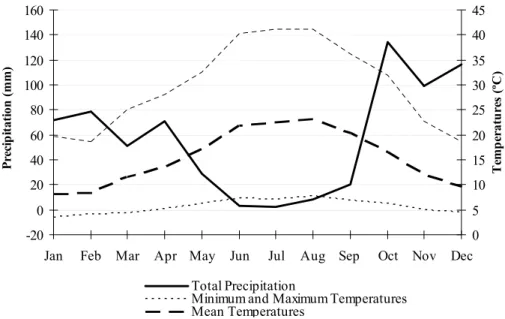
(38) CHAPTER 2. STUDY AREA. Consisting of two counties (Grândola and Santiago do Cacém) and six parishes (Santa Margarida da Serra, São Bartolomeu da Serra, São Francisco da Serra, Melides, Grândola, Santiago do Cacém), it occupies about 300 thousand hectares. In spite of its low altitude (150 to 270m a.s.l., (Santos-Reis and Correia, 1999), it is curious to notice that the 3 parishes which are in the core of this mountain have in their name ‘Serra‘ (i.e. Mountain), which reflects their location and the importance of this mountain to the locals. Our study area is located in the northern slope of Serra de Grândola, mainly in the parish of Santa Margarida da Serra, about 7km of Grândola and 115km of Lisbon, and covers about 66km2.. Climate, vegetation and fauna Climate in Serra de Grândola is Mediterranean and humid due to the Atlantic influence, being clearly seasonal in terms of temperature and precipitation (Fig. 2.2). Winters are temperate, characterized by very cold temperatures and some precipitation, whilst autumn is generally less cold but more rainy. In winter, temperatures can reach -6ºC. Spring and summer are the dry seasons. Summer is the hottest and driest season of the year, with maximum temperature. 160. 45. 140. 40. 120. 35. 100. 30. 80. 25. 60. 20. 40. 15. 20. 10. 0. 5. -20. 0 Dec. Jan. Feb. Mar. Apr May. Jun. Jul. Aug Sep. Oct. Nov. Temperatures (ºC). Precipitation (mm). reaching more than 40ºC, whereas Spring is less humid and hotter. Total Precipitation Minimum and Maximum Temperatures Mean Temperatures. Fig. 2.2. Four-year average of total precipitation and mean, minimum and maximum temperatures by month in the study area; the bold dash line is the mean temperatures; the bold line is total precipitation and the dash lines are the minimal and maximal temperatures (data collected between 2002 to 2005 at a weather station located at 38º 06’N; 8º 34W).. 24.
(39) CHAPTER 2. STUDY AREA. Concerning the vegetation, Serra de Grândola, and particularly our study area, is dominated by the cork oak montado. As a consequence of the management measures applied to this system, cork oak montados incorporates a high diversity of cover and land uses that result in a heterogeneous mosaic (Pinto-Correia, 2000). Thus, within the matrix of the cork oak montado several other patches of different types of vegetation can be found (Fig. 2.3).. Fig. 2.3. Land use at the study area.. Besides orchards, vegetable gardens and olive yards, along temporary and permanent streams there are several corridors of riparian vegetation, sometimes very dense, dominated by blackberry bushes (Rubus spp.). Also present is the poplar (Populus alba) and the ash (Fraxinus angustifolia). Although with a small percentage of cover, there are also patches of pine (Pinus pinea and Pinus pinaster) and eucalyptus (Eucalyptus globosus). In spite of grazing being no. 25.
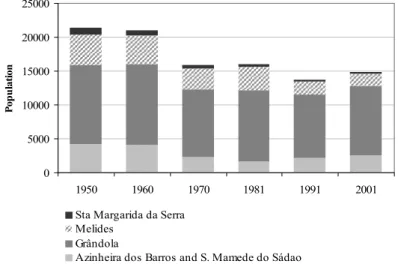
(40) CHAPTER 2. STUDY AREA. longer an important activity in the area, there are still some patches of pastures throughout the montado of Serra de Grândola. Also characteristic of cork oak montados is the high biodiversity of fauna that inhabits at these landscapes. Serra de Grândola´s montado is no exception. Mammals are the group with the richest biodiversity, being present more than 80% of all mammals that inhabit southern Portugal (Santos-Reis and Correia, 1999). Among these, carnivores are very well represented in Grândola forming a diverse community with at least eight of the ten Portuguese carnivore species with a distributional range that includes the study area, including the Eurasian badger, our target species (Santos-Reis et al., 1999). Only the fish and amphibian communities have a low number of species (Rebelo and Crespo, 1999; Magalhães et al., 1999), but this is most certainly a consequence of the small number of streams that cross the study area and which are of intermittent regime.. Land use history Within Serra de Grândola, Santa Margarida da Serra, where our study area is located, is the parish which suffered the most with the rural depopulation that started in the 50s; from 981 inhabitants in 1950 it decreased more than 70%, having nowadays only 243 persons (data from INE 1950, 2001). In general the same trend occurred in the entire county of Grândola (Fig. 2.4). 25000. Population. 20000 15000 10000 5000 0 1950. 1960. 1970. 1981. 1991. 2001. Sta Margarida da Serra Melides Grândola Azinheira dos Barros and S. Mamede do Sádao. Fig. 2.4. Population trend in Grândola’s county in the last 50 years (data from INE 1950, 1960, 1970, 1981, 1991, 2001).. 26.
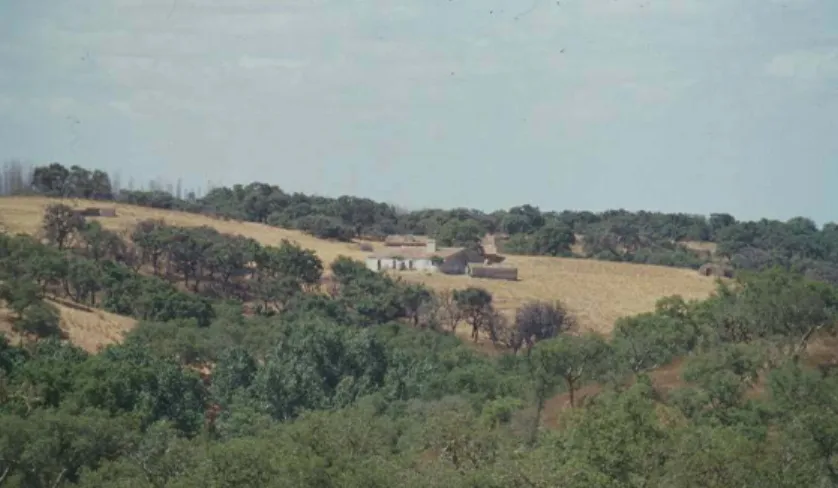
(41) CHAPTER 2. STUDY AREA. Nowadays, most of the population is concentrated in “Santa Margarida da Serra” the only village located within our study area. As a consequence of this low human population, there are only two main roads (tarmac roads) crossing the area and several trails, which together currently carry only very light traffic. Trails are dirt roads that used be utilized to travel between farmers’ houses and that currently are still very important to the management of the cork oak montado. In the past, the majority of the population of Serra de Grândola, and particularly of the parish of Santa Margarida da Serra, worked in activities related with the management and sustainability of montado. Most families used to live in small houses grouped in the top of the hills (denominated in Portuguese by “montes”, Fig. 2.5).. Fig. 2.5. Picture of an abandoned “monte” in the study area.. Each one of these “montes” had orchards and vegetable gardens which produced a high variety of fruits (quinces, Cydonia oblonga; plums, Prunus sp.; apples, Malus sp., loquats, Eriobotrya japonica; and citrons, among others) and vegetables. Nearby, there were also olive yards, and in autumn, farmers gathered olives for olive oil production. Besides cork stripping, that occurs in late spring and summer, other important activities associated to the montado were livestock grazing (sheep, goats or Iberian black pigs), crop production (e.g. barley, wheat) and hunting (e.g. pigeon, Columba palumbus; partridge, Alectoris rufa; rabbit, Oryctolagus cuniculus). Organic honey produced by wild-raised bees, and wild mushrooms and aromatic plants’ gathering, were also important rural activities at that time.. 27.
(42) CHAPTER 2. STUDY AREA. All these activities were made in a traditional field rotational system (usually cereals – fallow – grazing, Fig. 2.6), which created a heterogeneous landscape constituted by different patches (Pinto-Correia and Vos, 2004). Rotations (two- or three-course) were normal, such as of alfalfa (Medicago sativa) and wheat (every fourth year), and also post-harvest stubble-grazing by sheep and goats, combined with mulching and controlled burning (Pinto-Correia and Vos, 2004). In fallow areas, shrubs dominated and, until the next rotation, provided refuge to several hunting species (e.g. rabbit and partridge) as well as many other animals (e.g. stone marten, Martes foina; wild boar, Sus scrofa).. Fig. 2.6. Illustration of the traditional field rotational system, usually: cereals – fallow – grazing (adapted from PintoCorreia, 2000). Nowadays the montado of Serra de Grândola is within an area that faced a severe desertification (Seixas, 2000). Mainly after the 1974 revolution, rural population migrated towards major cities and fewer workers remained to keep the traditional agriculture practices, increasing the need for mechanization (Santos, 2003). Today, Grandola´s county has a low human density, about 18.5 indivuals/km2, and only about 20% of the population works in rural activities (Bizarro and Bizarro, 2005). Most people live in the villages and the majority of “montes” are abandoned. The traditional field rotational system is no further used, and farmers exploit montado almost exclusively for cork production. Due to the high economical value of cork, there has been an intensification of cork harvesting, which is now done in a much more mechanized way, namely in what concerns shrub clearing. This intensification of cork harvesting is often associated with wrong management practices (deep ploughing and excessive canopy pruning), and inadequate cork stripping, which severely affect trees that become more susceptible to decay (Silva and Catry, 2006).. 28.
Imagem

+7



Documentos relacionados