Better Budgeting methods – a comparative effect
analysis on traditional budgeting problems
by Marcus Wienhold [152113123]
Dissertation submitted in partial fulfillment of the requirements for the degree of International MSc in Management at Católica - Lisbon School of Business & Economics
Thesis written under the supervision of Prof. Paulo Modesto Pardal (Católica - Lisbon School of Business & Economics) and Thomas Tapp (h&z Unternehmensberatung AG)
Better Budgeting methods – a comparative effect
analysis on traditional budgeting problems
by Marcus Wienhold
Abstract: In today´s business environment, companies are forced to constantly adapt to ever changing internal and external influences. Yet, the traditional budgeting process with its inherent flaws has remained relatively stable for decades. In order to stay competitive, companies need to improve their budgeting process by implementing Better Budgeting methods. The aim of this research was to develop a framework that helps companies to identify their budgeting problems and address them more efficiently with fitting Better Budgeting methods.
Through a detailed literature review, a comprehensive list of budgeting problems was developed and explained, which can act as a checklist for companies to evaluate which problems they are facing. In addition, a theoretical framework was developed that matches Better Budgeting methods and the respective traditional budgeting problems they are able to solve/decrease. A survey that tested the framework with actual organizations was used to validate the theoretical results.
The results proved a strong correlation between the implementation of certain Better Budgeting methods and the reduction of certain traditional budgeting problems and therefore supported the managerial and academic value of the developed framework; however additional layers, such as company size, industry, or quality of method implementation need to be evaluated in order to increase precision of the framework.
Key words: Traditional budgeting; Better Budgeting; Beyond Budgeting; Activity Based
Budgeting; Rolling Forecast; Budgeting for Outcomes; External Benchmarking; Balanced Scorecard
Métodos Melhoria de Orçamento – uma análise comparativa
sobre efeito problemas orçamentários tradicionais
pelo Marcus Wienhold
Resumo: No ambiente de negócios de hoje, as empresas são forçadas a adaptar-se constantemente para influências internas e externas sempre em mudança. No entanto, o processo orçamentário tradicional, com suas falhas inerentes, manteve-se relativamente estável ao longo de décadas. De forma a se manterem competitivas, as empresas precisam melhorar o seu processo orçamentário, através da aplicação de métodos de Melhoria de Orçamento. O objetivo desta pesquisa foi desenvolver uma estrutura, que auxilia as empresas a identificar os seus problemas de orçamento e resolvê-los de forma mais eficiente, com métodos de Melhoria de Orçamento apropriados.
Através de uma revisão bibliográfica detalhada, uma lista abrangente de problemas de orçamento foi desenvolvida e explicada, que pode atuar como uma lista de verificação para as empresas para avaliar quais os problemas que eles estão enfrentando. Além disso, um quadro teórico de métodos foi desenvolvido, que corresponde os métodos de Melhoria de Orçamento e os problemas orçamentários tradicionais que são capazes de resolver/diminuir. Uma pesquisa que testou o quadro com organizações reais foi usada para validar os resultados teóricos.
Os resultados comprovaram uma forte correlação entre a implementação de certos métodos de Melhoria de Orçamento e redução de certos problemas de orçamento tradicionais e portanto, apoiaram o valor gerencial e acadêmico do quadro desenvolvido; no entanto camadas adicionais, tais como o tamanho da empresa, a indústria, ou a qualidade de implementação do método, precisam ser avaliados, a fim de aumentar a precisão do enquadramento.
Acknowledgements
At this point I want to deeply thank the people that made the completion of this thesis possible:
First and foremost, I have to thank my parents for their continuous support and encouragement throughout all my life, and especially during my academic career – I would not be where I am now without them.
Second, I thank my close friends and my girlfriend for their moral support, their patience and for getting my mind off things when I got stuck in the progress.
I also want to thank my advisor Thomas Tapp at h&z Unternehmensberatung AG, who supported me in the conduction of the survey and assisted me with his honest and helpful feedback. The company h&z Unternehmensberatung AG also supported me in terms of access to resources, which greatly facilitated the setup of this thesis.
Lastly, I want to thank my academic advisor Prof. Paulo Modesto Pardal. With his great enthusiasm, than can sometimes even be heard in adjacent classrooms, he turned a mandatory core course into an exciting academic area and inspired me to focus my thesis on budgeting and management control systems. In addition, he enabled me to write this thesis in an independent process, which gave me the possibility to really shape a topic around my interests. I am very thankful for this opportunity and his support throughout the conduction of the thesis.
TABLE OF CONTENTS
I) List of Tables ... i
II) List of Figures ... ii
III) List of Abbreviations ... iii
1 Introduction ... 1
1.1 Topic Presentation ... 1
1.2 Academic and Managerial Relevance ... 2
1.3 Problem Statement ... 2
1.4 Research Questions... 2
1.5 Thesis Organization ... 3
2 Literature Review ... 4
2.1 Definition and Purpose of Budgets ... 4
2.2 Problems with Traditional Budgeting ... 5
2.2.1 Problems Regarding Competitive Strategy ... 5
2.2.2 Problems Regarding the Business Process ... 7
2.2.3 Problems Regarding Organizational Capability ... 8
2.3 The Evolution of Traditional Budgeting ... 9
2.4 Better Budgeting ... 10
2.5 Beyond Budgeting ... 11
2.6 Methods and Tools to Improve the Traditional Budgeting Process ... 12
2.6.1 Activity Based Budgeting ... 12
2.6.2 Advanced Budgetary Incentive Methods ... 13
2.6.3 Advanced Budgeting Software ... 14
2.6.4 Budget Communication and Training ... 15
2.6.5 Budgeting for Outcomes / Performance Budgeting ... 16
2.6.6 Balanced Scorecard ... 17
2.6.7 External Benchmarking ... 18
2.6.8 Rolling Forecast ... 19
3 Methodology and Data Collection ... 21
3.1 Literature Research Methodology ... 21
3.2 Survey Methodology ... 21
3.2.1 Survey Structure ... 22
3.2.3 Survey Results’ Analysis ... 23
3.3 Limitations ... 23
4 Results´Analysis ... 25
4.1 Analysis of Theoretical Results ... 25
4.2 Summary of Theoretical Results ... 28
4.3 Analysis of Practical Results ... 29
4.3.1 Results Regarding Traditional Budgeting Problems ... 29
4.3.2 Results Regarding the Use of Better Budgeting Methods ... 31
4.3.3 Results Regarding the Effect of Better Budgeting Methods ... 32
4.4 Summary of Practical Results ... 36
5 Conclusions and Future Research ... 39
5.1 Conclusions ... 39
5.2 Future Research ... 40
IV) Appendix ... 41
i
I)
LIST OF TABLES
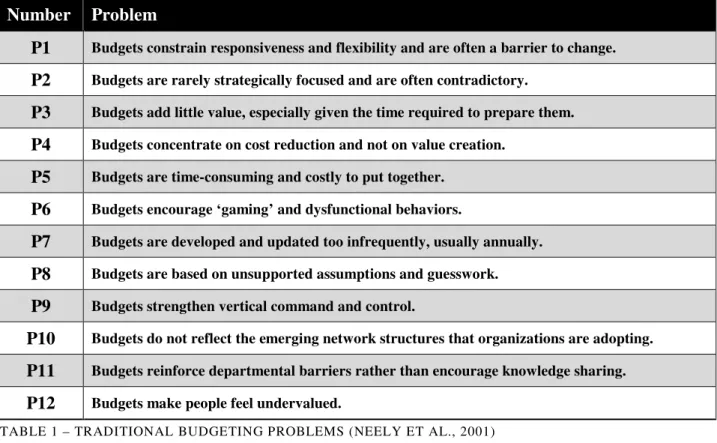
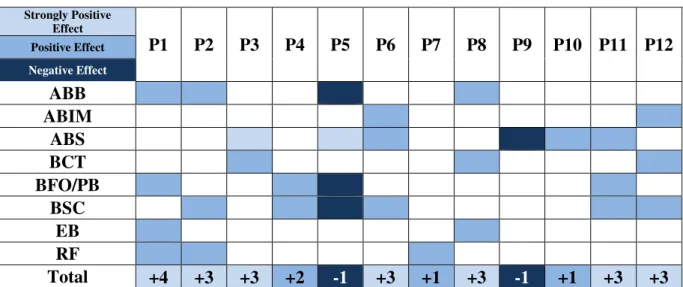
Table 1 – Traditional budgeting problems (Neely et al., 2001) ... 25 Table 2 – Effects of ABB on traditional budgeting problems (based on literature review) .... 26 Table 3 – Effects of ABIM on traditional budgeting problems (based on literature review) .. 26 Table 4 – Effect of ABS on traditional budgeting problems (based on literature review) ... 26 Table 5 – Effect of BSC on traditional budgeting problems (based on literature review) ... 27 Table 6 – Effect of BFO/PB on traditional budgeting problems (based on literature review) 27 Table 7 – Effect of BCT on traditional budgeting problems (based on literature review) ... 27 Table 8 – Effect of EB on traditional budgeting problems (based on literature review) ... 27 Table 9 – Effects of RF on traditional budgeting problems (based on literature review) ... 28 Table 10 – Effect summary of Better Budgeting tools on traditional budgeting problems (based on literature review) ... 28 Table 11 – Survey results: Effect summary of Better Budgeting tools on traditional budgeting problems ... 37
ii
II)
LIST OF FIGURES
Figure 1 – Survey results: Overview of traditional budgeting problem occurence ... 30
Figure 2 – Survey results: Severety score of traditional budgeting problems ... 30
Figure 3 – Survey results: Use of Better Budgeting methods ... 31
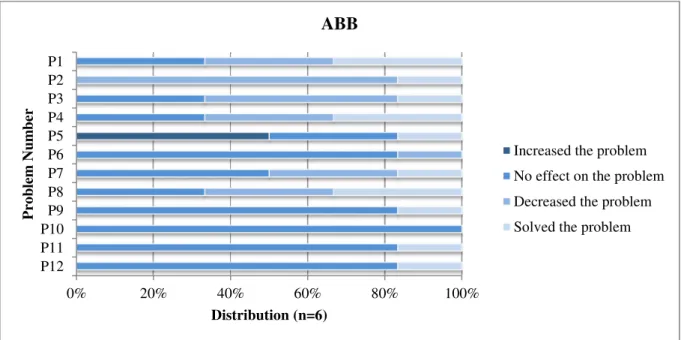
Figure 4 – Survey results: Effect of ABB on traditional budgeting problems ... 32
Figure 5 – Survey results: Effect of ABS on traditional budgeting problems ... 33
Figure 6 – Survey results: Effect of BCT on traditional budgeting problems ... 33
Figure 7 – Survey results: Effect of BFO/PB on traditional budgeting problems ... 34
Figure 8 – Survey results: Effect of BSC on traditional budgeting problems ... 34
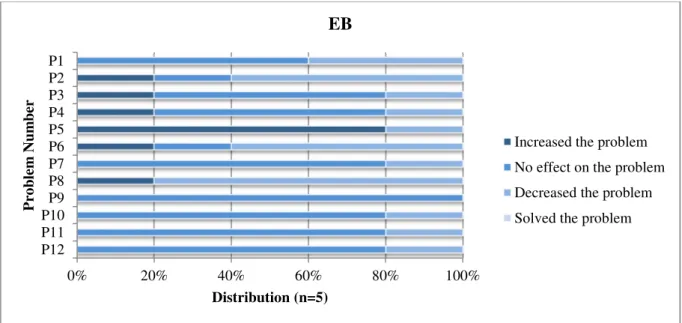
Figure 9 – Survey results: Effect of EB on traditional budgeting problems ... 35
Figure 10 – Survey results: Effect of RF on traditional budgeting problems ... 35
Figure 11 – Survey results: Causal nexus between overall impact and number of implemented Better Budgeting methods ... 36
iii
III)
LIST OF ABBREVIATIONS
ABB Activity Based Budgeting
ABC Activity Based Costing
ABIM Advanced Budgetary Incentive Methods
ABS Advanced Budgeting Software
BB Beyond Budgeting
BBRT Beyond Budgeting Roundtable
BCT Budget communication and training
BSC Balanced Scorecard
CLM Closed Loop Model
EB External Benchmarking
ERP Enterprise Resource Planning
GL General Ledger
1
1
INTRODUCTION
This chapter will briefly present the topic of the thesis and highlight why it is of managerial and academic relevance. Afterwards the problem statement will be defined and, derived from this problem statement, the key research questions will be listed and described. Lastly, a short overview about the overall structure of the thesis will be given.
1.1 TOPIC PRESENTATION
In today´s business environment, companies are forced to constantly adapt to ever changing internal and external influences. Yet, the practice of setting, enforcing and adjusting budgets has remained relatively stable for decades: A budget is set at a certain point in time as a fixed performance contract, its compliance is controlled, and variations are accounted for by an adjustment at the beginning of the next fiscal year (Hope & Fraser, 2003; Radu, 2011). Even though several studies questioned the efficiency of this process, it stays in place in the vast majority of companies across varying industries and company sizes (Centage/IOMA, 2007; Drury, 2011; Gary, 2003; Hope & Fraser, 1999, 2003; Sandison, Hansen, & Torok, 2003). There is no larger tendency to abandon budgets (Centage/IOMA, 2007) but several companies are actively evaluating how to improve their traditional budgeting process (Hansen, 2011; Neely, Sutcloff, & Heyns, 2001).
There is a wide range of methods available to reduce the weaknesses of traditional budgets; these range from Budgeting for Outcomes (also known as Priority Budgeting) (Barnett & Atteberry, 2007; Center for Priority Based Budgeting, 2015) over Activity Based Budgeting and the Closed Loop Model (Hansen & Torok, 2004) to Rolling Forecasts, new technology (CIMA / ICAEW, 2004; Giannetto, 2006; Reiff, 2001) and several more. The initial challenge for improving the traditional budget process is that there is no perfect process and no best practice that can be applied comprehensively to every type of company – each organization needs to design its system to address its most important problems, needs and wants (CIMA / ICAEW, 2004; Hansen, 2011). Not all methods fit to the organization in focus, and not all of them might be applicable either.
This thesis will cover a literature research on the development of traditional budgeting and current methods that are available for decreasing traditional budgeting problems; in addition, it will conduct a survey to research which of these methods are actually used in organizations
2 and which of the traditional budgeting problems have been reduced or solved by them. The aim is to develop a framework that helps companies to identify their traditional budgeting problems and address them more efficiently with fitting Better Budgeting methods.
1.2 ACADEMIC AND MANAGERIAL RELEVANCE
Academic relevance is given by the need to create a comprehensive overview of current Better Budgeting methods as well as to create a clear link between these methods and the traditional budgeting problems they solve. It also needs to be analyzed how frequently these methods are already applied by organizations, and which methods are not used at all. From these findings, conclusions can be drawn as to where academic research needs to focus in order to facilitate the implementation of new budgeting methods, or where these theoretical methods still lack aspects that are necessary to solve existing budgeting problems.
Managerial relevance clearly arises out of the academic relevance described above. The thesis provides a guideline for identifying budgeting problems, suggests which methods might be helpful in solving which particular problems and how these methods work in theory and practice. Credibility will result from both the theoretical research and the practical cross-check of the findings through the survey.
1.3 PROBLEM STATEMENT
Even though organizations want and need to adjust their budgeting approaches, and methods for improvement are available, current research suggest that many of the most common traditional budgeting problems still persist. The problem addressed in this thesis is the lack of develop a framework that helps companies to identify their traditional budgeting problems and address them more efficiently with fitting Better Budgeting methods.
1.4 RESEARCH QUESTIONS
Four main research questions will be addressed during the course of the thesis:
1. Which problems exist with traditional budgeting in today´s economic environment?
To answer the first research question, the thesis will analyze the existing budgeting literature and create a list with the main budgeting problems, as well as give a brief description for each of them.
3 2. Which methods exist to improve traditional budgeting?
This question focuses on generating an exhaustive list of methods exist in academic literature to reduce traditional budgeting problems. The methods will be described and analyzed with regards to their benefits and drawbacks.
3. Which of these methods are currently applied by companies?
The theoretical knowledge from the first two research questions will be transferred into practice by conducting a survey with a number of companies. Participants will be asked to name their budgeting problems, their advanced budgeting methods, and the effect of these methods. The responses will be analyzed in order to answer the research question.
4. Which methods are best suited to address which budgeting problems?
The theoretical findings will be used to generate a framework that allocates methods to budgeting problems. This framework will be tested against practical results by validating or disproving a set of hypotheses.
1.5 THESIS ORGANIZATION
Chapter 2 – Literature Review: Chapter 2 will give a definition of budgets and describe their overall purpose. Afterwards, the most common problems with budgets will be explained, and the development of traditional budgeting will be outlined. Then, it will describe the opposing theories of Better Budgeting and Beyond Budgeting, and will give an explanation why this thesis focuses on Better Budgeting. Lastly, it will summarize a comprehensive literature review over eight different academic approaches to improve the traditional budgeting process. Chapter 3 – Methodology and Data Collection: This chapter will completely focus on how all input for writing this thesis was collected. It will go into detail about the data gathering approach during the literature review in chapter two, as well as precisely outline the survey structure, sample selection, and analysis methods.
Chapter 4 – Results’ Analysis: Chapter 4 will analyze and summarize the theoretical research and develop a set of hypotheses. These hypotheses will then be validated against the survey findings in order to test if theoretical and practical input give conclusive results.
Chapter 5 – Conclusions and Future Research: The last chapter will summarize the main conclusions from this research; in addition, it will give an outlook on future research possibilities based on the limitations and results of this thesis.
4
2
LITERATURE REVIEW
Budgeting is the foundation of management control in almost all firms (Hansen & Torok, 2004). This literature review will evaluate claims that “budgeting is evolving, rather than becoming obsolete” and that traditional budgets are being supplemented by new tools and techniques rather than being abandoned completely (CIMA / ICAEW, 2004). It will also highlight why traditional budgeting is the cause for a wide range of criticism, and why the movement around the Beyond Budgeting Roundtable (BBRT) advocates for abandoning budgets altogether (Hope & Fraser, 2003).
In chronological order, the chapter will first give a definition of budgets and describe their overall purpose. Afterwards, it will list and explain the most common problems with budgets, in order to give detailed insights into the sources of criticism. Based on this list of problems, it will outline the development of traditional budgeting to show why companies still use budgets after all. Then it will describe the opposing theories of Better Budgeting and Beyond Budgeting, and will give an explanation why this thesis focuses on Better Budgeting. The last part of this chapter will focus on giving a comprehensive literature review over eight different academic approaches to improve the traditional budgeting process.
2.1 DEFINITION AND PURPOSE OF BUDGETS
In the academic and corporate world, there is a unison opinion about the core purpose and function of traditional budgets: it is a control system for management (Armstrong, Marginson, Edwards, & Purcell, 1996; Ekholm & Wallin, 2000; Libby & Murray, 2010). This control system includes the “managerial motivation as a standard for performance evaluation” (Libby & Murray, 2010), the delegation of duties and allocation of incurred expenses (Vaznoniene & Stončiuviene, 2012), and the achieving of budget results in exchange for the authority to dispose over scarce resources (Radu, 2011). However, there is one other important function that the budget must serve in modern companies which act in fast-changing environments: It must translate the strategic goals of the business plan into quantifiable, measurable values; these transform strategic ideas into operational initiatives with the aim to fulfill the set of goals of the organization (Hanninen, 2013; Vaznoniene & Stončiuviene, 2012). This function is on its way to become even more important than the function of management control as the business environment has shifted significantly in the last decades from “steady, continuous change” to “unpredictable, discontinuous […] change” (Hope & Fraser, 2003). The
5 organization needs a budget that is able to reflect the non-financial behavior of the organization in financial terms, and therefore supports management to adjust operational processes in accordance with current environmental circumstances (Cokins, 2008). This purpose however might not be fulfilled by only using traditional budgeting, as the problem analysis in the following subsection will show.
2.2 PROBLEMS WITH TRADITIONAL BUDGETING
Organizations still struggle to use the budget for the purposes described above. Instead, the process of creating the annual budget in the first place is such a tiresome exercise for employees that it causes great dissatisfaction, instead of being beneficial; this leads to limited accuracy and low quality results (Radu, 2011). The discussion of budgeting weaknesses has gathered the interest of several academics, including Hope & Fraser (2003), Parmeter (2003), Cokins (2008), and Radu (2011). All of them have identified reasons for budget dissatisfaction, ranging from the “tendency to spend it on anything, to avoid reducing the budget for the next period at the amount actually spent so far” (Radu, 2011), which is more commonly known as budgetary gaming (Jensen, 2003), over the silo-based mentality that prevents cross-departmental improvements (Parmeter, 2003), to the elimination of key strategic projects in order to fulfil budget expectations (Cokins, 2008). A comprehensive list of 12 major issues with budgets has been developed by Cranfield University and Accenture’s Finance and Performance Management Service Line already in 2001 (Neely et al., 2001). The literature research suggests that this list inherits all major budgeting problems that have since been discussed in more detail by other authors. For this reason, the list will be used as a main structural orientation, and the 12 mentioned weaknesses will be cross-examined with more recent findings from other researchers for detailed explanations; no sources pre-dating the Cranfield University study from 2001 will be used to avoid circular referencing. The problems will be structured logically into three parts: “Competitive strategy”, “Business Process”, and “Organizational Capability” (Yakhou & Sulzen, 2010).
2.2.1 PROBLEMS REGARDING COMPETITIVE STRATEGY Budgets constrain responsiveness and flexibility and are often a barrier to change.
Hope and Fraser (2003) see the budget as a fixed performance contract and consequently, organizational focus is set to achieve the budget. In traditional budgeting, possibilities to adjust the budget in the face of changing conditions are limited, and the incentive structure
6 works along outperforming the budget instead of making it as accurately as possible (Libby & Murray, 2010). It can therefore be said that traditional budgeting provides a barrier for improvement and success (Coulmas & Law, 2010).
Budgets are rarely strategically focused and are often contradictory.
This critique aims at the missing link between the company budget and the company strategy. An international survey showed that almost 90% of CFO´s said that “there was often no link between the annual budget and the organizational strategy” (Parmeter, 2003). Hope and Fraser (2003) found in a study that “66% of respondents believed that their planning progress was influenced more by politics than by strategy” and Cokins (2008) states that “accountants administer the budgeting process as a fiscal exercise that´s typically disconnected from the executive team´s strategic intentions”. However, a study from Centage/IOMA in 2007 contradicts these findings; according to the study, 75% of participants link their operating budget to their strategic plans. Still, the problem that budgets are internally driven and not focused enough on the actual added value for the customers is an undisputed problem in the academic world (Hope & Fraser, 2003; Libby & Murray, 2010; Parmeter, 2003; Radu, 2011).
Budgets add little value, especially given the time required to prepare them.
When taking into consideration that a budget takes up to 30% of the working time of an employee who is directly involved in the budgeting process (Neely, Bourne, & Adams, 2003; Hansen, 2011), significant added value should be derived from it. However, several factors that are mentioned in this list, for example the missing link between budgets and strategy, limit the added value of traditional budgeting. Another problem is that the information required by management during the budget process is often too detailed, and does not reflect what is actually used during the information analysis (Player, 2009; Radu, 2011). Also, budgets are often rather seen as “a political decision” about power over scarce resources in the organization (Cassell, 2003).
Budgets concentrate on cost reduction and not on value creation.
There is a wide spread opinion in organizations that “budgets can stifle the entrepreneurial, risk-taking culture that, ultimately, can be responsible for value creation” (CIMA / ICAEW, 2004). In this context, Cokins (2008) mentions the risk of abandoning strategically critical projects because of budgetary limits. Also, incentives linked to budgets motivate employees
7 more towards budgetary gaming instead of promoting change and best practice developments for overall value creation (Jensen, 2003).
2.2.2 PROBLEMS REGARDING THE BUSINESS PROCESS Budgets are time-consuming and costly to put together.
This problem addresses the time and resources an organization needs to invest in creating a budget. A study conducted in 2003 showed that budgeting takes between 20% and 30% of the working time of an employee who is directly involved in the budgeting process (Neely, Bourne, & Adams, 2003; Hansen, 2011). However, there is no unison opinion in the academic world about how long it takes companies to prepare a budget. While Libby and Murray (2010) indicate that it should only take two months, Gary (2003), Jensen (2003), and Player (2009) estimate the time horizon to be approximately half a year. Radu (2011) notes that there seems to be a direct link between revenue increase and the period for budget construction, which is supported by Parmeter (2003), who estimates that 25,000 person days are invested for every US$1 billion of revenue. A budgeting study from 2007 (Centage/IOMA, 2007) also shows a strong relation between company size and needed time (see appendix 1). In all cases, the time and money invested into budgeting is a serious burden for organizations.
Budgets encourage ‘gaming’ and dysfunctional behaviors.
Budgetary gaming is a widely studied problem in the academic world (Collingwood, 2001; Fisher, Maines, Peffer, & Sprinkle, 2002; Locke & Latham, 2002). In 2003, M.C. Jensen published a detailed paper about budgetary gaming – the title “Paying people to lie” gives a fitting impression about his view on traditional budgeting and the linked incentive schemes of employees. The paper gives several examples of how budgetary targets are met by actions that are not value-adding or straightforward harmful to the organization. Employees shifted revenues between quarters by backdating sales, entered secret side agreements with customers or suppliers, or even shipped “fruit baskets that weighted exactly the same amount as their product and booked them as sales” (Jensen, 2003). The author estimates that the removal of budgetary gaming could increase productivity in affected areas by 50-100%.
Budgets are developed and updated too infrequently, usually annually.
One of the harshest critics of academics is that a traditional budget is neither adjusted frequently enough, if at all, to changing economic environments nor takes into consideration what-if scenarios (Hanninen, 2013; Hope & Fraser, 2003; Libby & Murray, 2010; Vaznoniene & Stončiuviene, 2012). A company therefore sets a budget at the beginning of the
8 year and follows through with it until the end of the fiscal year, even though an economic change might have rendered the numbers useless only weeks after the budget has been completed.
Budgets are based on unsupported assumptions and guesswork.
There are multiple reasons for qualitatively low assumptions as base for a company or departmental budget: Employees might not believe in the added value of the budget and are therefore uninterested or they are inadequately trained (Orlando, 2009); in some cases, they are simply not able to translate their operational effort into financial figures - the “cause-and-effect, or action-result, relationship between operational performance and financial results” (Giannetto, 2006) cannot be established. Another problem for misleading assumptions are inaccurate forecasts; S. Player (2009) says about forecasts that “the only certainty about a forecast is that it will be wrong” – however, he also encourages organizations to narrow down the forecast variation through better forecasting processes and a regular quality check of assumptions in order to increase assumption quality.
2.2.3 PROBLEMS REGARDING ORGANIZATIONAL CAPABILITY Budgets strengthen vertical command and control.
Hanninen (2013) describes the traditional budgeting process as a “back-and-forth movement between top and lower management”, where the budget becomes a tool to exercise power over subordinates. It can lead to dysfunctional behavior within the organization as managers pass on the pressure to meet budget targets to their subordinates, and therefore limit an open communication and feedback culture (Goode & Malik, 2011). However, a study from 2007 (Centage/IOMA) showed that the problem might be less severe, as already 40% of surveyed companies use a bottom-up approach for budgeting.
Budgets do not reflect the emerging network structures that organizations are adopting. The problem states that traditional budgeting limits companies to decentralize their activities and make use of partnerships, alliances and customer input to best deliver a product or service (Neely et al., 2001). This again addresses vertical command between top and lower management without using the benefit of the whole organization (Hanninen, 2013).
Budgets reinforce departmental barriers rather than encourage knowledge sharing.
Parmeter (2003) describes this problem as the formation of silos, which compartmentalizes a company into small units instead of encouraging interaction. Budgets can also cause conflicts
9 when departments try to transfer work to other departments in order to meet their budgeting targets; departments work against each other instead of creating value through cooperation (Radu, 2011).
Budgets make people feel undervalued.
Radu (2011) summarizes the findings of various studies that a budget set at a too high performance level is discouraging for employees; even a budget that is set at a level which could be achieved at the cost of great effort has a negative effect on employee morale. On the other side, a too low performance level will still seldom be exceeded as employees adjust their effort to the new target. A feeling of not being valued can also stem from the fact that “general management requires too much information without taking into account the actual usefulness of these tables later” (Radu, 2011), which signals the employee that either his input is of low quality or the management does not value his working time enough to assign purposeful tasks to him.
2.3 THE EVOLUTION OF TRADITIONAL BUDGETING
In the light of the previous subsection, one could assume that budgets are on their way to being banned from organizations; the problems seem too significant, the downside so much heavier than the upside. However, even the study that created the list of the discussed 12 problems highlights that companies which actively take measures to improve their budgeting process tend to outperform competitors (Neely et al., 2001). In addition, there are several recent studies that support this claim for the usefulness of budgets – they are “still alive and kicking” (Dugdale & Lyne, 2006), and the large majority of companies in different countries and regions are still creating and using budgets. In Greece, 94% of surveyed companies use budgets, in Finland this number even comes close to 100%; in Asia, results are similar: 98% of surveyed Indian companies reported to use budgeting, while the percentage of 94% in Turkey is slightly lower (Pietrzak, 2014). Studies in the UK (Dugdale & Lyne, 2006) and in the USA and Canada (Centage/IOMA, 2007; Libby & Murray, 2010) prove that budgets are still widely used by companies for “planning, coordination and evaluation of activities”. Already in 2000, Ekholm and Wallin found that “budgets have undergone some significant changes in the last 20 or so years”. In 2004, a report from CIMA/ICAEW found that companies started to use various tools to complement the traditional budgeting process to make it more flexible and dynamic. They also reported a “shift from the top-down, centralized
10 process to a more participative, bottom-up exercise”, which addresses several of the problems described earlier. This approach of improving traditional budgeting by inheriting new methods was defined as “Better Budgeting” (McNally, 2002). It contradicts the claim of Hope and Fraser (2003) that companies should abandon budgets altogether and move on to “Beyond Budgeting” – an approach that will be discussed in subsection 2.5 in more detail.
2.4 BETTER BUDGETING
So far, the chapter highlighted how budgeting started, which problems it faced on the way, and how companies managed to partially address these problems. Now it will be discussed what an improved form of a traditional budget looks like and which functions it fulfills. The most frequently recurring aspect that is mentioned when describing Better Budgeting in academic literature surprisingly is not a technical one – it is the aspect of participation (Carlson & Palaveev, 2004; CIMA / ICAEW, 2004; Cokins, 2008; Radu, 2011). The authors stress how critical it is to give employees a say in the process and the targets against which they are measured, and to assign clear responsibilities to participants of the budgeting process (Carlson & Palaveev, 2004; Cokins, 2008). Radu (2011) states that a budget must be able to “mobilize members of the organization, must be built to be exciting”. In addition, the author points out that employees perceive the budgeting process more positively when given the opportunity to participate in defining the process. In an ideal process, responsibilities of budgeting should be transferred across the organization to lower-level managers in order to increase acceptance and the quality of inputs; strategy needs to be “executed from the bottom to the top” while building in feedback loops with upper management as a control function (Cokins, 2008).
From a technical point of view, there are also many aspects that are considered crucial for Better Budgeting. First, it has to be noted that control, which has been defined as the key purpose of traditional budgeting in subsection 2.1, also plays a central role in Better Budgeting. However, authors extend the control function to include a degree of flexibility. Carlson and Palaveev (2004) state that there should be a “certain level of discretion” regarding budgetary spending but there also needs to be an upper limit in place, in order to fulfill the control function. Giannetto (2006) supports this claim and states that the budgeting process needs to be an ongoing procedure that can adjust in order to constantly focus on strategically relevant performance issues. A report from 2004 (CIMA / ICAEW, 2004)
11 summarizes the issue of control in budgeting as a combination of “trust, integrity and transparency”.
Still, Better Budgeting needs to do more than control expenses: it should spot inefficiencies, challenge profitability of business units, evaluate the impact of planned hires, and serve as a performance monitoring tool (Carlson & Palaveev, 2004). Other functions of Better Budgeting include the separation of incentives from budgets in order to avoid budgetary gaming, the use of explicit forecasting models in order to increase reaction speed and company flexibility, and integrated IT-systems to enhance data quality (Neely et al., 2001). From a structural point of view, Cokins (2008) recommends separating the operational from the strategic budget (see appendix 2): The strategic budget should be project-driven and is crucial for the strategic positioning of the organization; the operational budget should be demand-driven and therefore needs to take into consideration the activities that are necessary to fulfil customer demand.
A last important remark should be taken into consideration when implementing Better Budgeting: There is no solution by the book – “companies pick and choose according to their individual circumstances” (CIMA / ICAEW, 2004).
2.5 BEYOND BUDGETING
As described in subsection 2.3, the alternative to improving traditional budgets is to abandon them altogether and go Beyond Budgeting (BB) (Hope & Fraser, 1999, 2003). The BB approach is based on the assumption that the majority of companies are still dissatisfied with their budgets, even after transitioning to Better Budgeting. The Beyond Budgeting Roundtable (BBRT) has specified a set of process and leadership principles to describe the approach (Hope & Fraser, 2003), which have been outlined in appendix 3.
Supporters of the theory claim that organizations should decentralize their decision making process and replace the evaluation through fixed performance contracts with evaluation through relative performance contracts (Hansen, Otley, & Van der Stede, Wim A., 2003). According to Hope (2003), the combination of decentralized decision making and relative performance contracts leads to increased motivation, better customer service, and higher productivity.
12 However, while the theoretical approach might seem promising, it has to be kept in mind that the large majority of companies still use budgets (see subsection 2.3). Therefore, it needs to be evaluated which barriers exist to implement BB. Goode and Malik (2011) raise the concern that an organization can lose its strategic focus without detailed plans and future goals that are usually derived from the budgeting process. Still, the biggest concern that authors mention is the radical cultural change that is necessary to implement BB (Banović & Slapničar, 2005; Goode & Malik, 2011). This can overwhelm employees who have spent years or even decades in a centralized decision making structure. In addition, Rickards (2006) points out that the approach is not viable for manufacturing companies as they need the budgetary planning tools in order to avoid material shortage or overstock, and Parmeter (2003) highlights that budgets are a legal requirement in some sectors and might also be required by shareholders and other investors.
To conclude, literature suggests that the approach of BB is able to provide benefits for organizations, but only for larger, non-manufacturing companies that can afford the cost of transition and have a business model that supports decentralized decision making, such as banks or organizations with largely independent group companies (Dugdale & Lyne, 2006; Rickards, 2006). The majority of companies seem to be better off with using new methods to reduce the shortcomings of the traditional budgeting process.
2.6 METHODS AND TOOLS TO IMPROVE THE TRADITIONAL
BUDGETING PROCESS
This subsection will address eight methods to improve the process of traditional budgeting towards Better Budgeting. Each method will be defined, before the main benefits as well as the most significant limitations will be summarized. Where necessary, a detailed process overview of the method will be given in the appendix.
2.6.1 ACTIVITY BASED BUDGETING
Activity Based Budgeting (ABB) is an extension of Activity Based Costing (ABC). ABC aims at the determination of cost of planned activities based on their expected size and the resources they will consume; the equivalent for budgeting has been described in the Closed Loop Model (CLM), a theory on how to best apply ABB (Hansen & Torok, 2004; Sandison et al., 2003). CLM states that budgets should achieve an “operational balance first, and then a financial balance” (Sandison et al., 2003) and therefore consists of two different process parts
13 (see appendix 4). The budget is based on the overall company strategy, the emerging forecasted demands and the resources that are required to fulfil these demands; it is made from scratch each time the strategic focus of the company is adjusted (Cokins, 2008).
Research states that when ABB is correctly introduced into an organization, it makes the operational planning function of a budget more sophisticated (Hansen & Torok, 2004; Klammer, 1999) as revenues and costs can be allocated more effectively to actual needs and outputs instead of last year´s figures (Hanninen, 2013). Other benefits of ABB include increased precision for the planning process and operational adjustments can be conducted more effectively (Hansen, 2011; Pietrzak, 2014); in addition, the efficiency of necessary activities can be improved (Coulmas & Law, 2010). Hanninen (2013) adds that ABB can reduce the bureaucracy and time that is needed to prepare budgets.
However, researchers doubt that the complexity of the process is manageable for smaller enterprises (Hanninen, 2013; Pietrzak, 2014). Even larger companies might struggle with the need for in-depth organizational knowledge regarding business processes and the linkages between activities and outputs (Cokins, 2008; Pietrzak, 2014).
2.6.2 ADVANCED BUDGETARY INCENTIVE METHODS
Advanced Budgetary Incentive Methods (ABIM) tackle the negative effects that are caused by budgetary gaming, either when setting budgets or when realizing them (Giannetto, 2006). Traditional incentive schemes are based on non-linear compensation systems (see appendix 5a) where a person is incentivized to not perform above a certain point and has no penalty for performing below a certain point (Locke & Latham, 2002). According to Collingwood (2001), this leads to gaming of the setting and realization of targets. Coulmas and Law (2010) support this claim by stating “that which gets measured is what becomes important to managers”. A more advanced incentive scheme is based on a strictly linear rewards model (see appendix 5b). This means that the compensation for a manager does not include any kind of hurdle bonus or an upper or lower bonus cap but is just a linear function of bonus and outcome. The system “rewards people for what they actually do, and not what they do relative to what they say they can do” (Jensen, 2003).
As already described in subsection 2.2.2, the cost of budgetary gaming can be significant for an organization. A linear incentive system is able to reduce these costs when correctly implemented, and organizational integrity can be restored (Jensen, 2003). Giannetto (2006)
14 points out that well-thought out incentive systems can motivate employees to increased performance and therefore drive value creation within the organization.
However, it should be taken into consideration that it is a highly complex endeavor to structure and implement linear incentive schemes. First, the organization needs to find the right measure of performance, as well as the intercept and slope of the bonus line. This alone takes great informational effort and has crucial effects on the overall success of the new system (Jensen, 2003). In addition, the change management process needs to address employee concerns such as cash constraints that might be endangered by a payment scheme without a lower limit, or the fact that managers might have to accept that their subordinates receive a higher bonus than they do (Jensen, 2003).
2.6.3 ADVANCED BUDGETING SOFTWARE
The topic of Advanced Budgeting Software (ABS) has been addressed by several authors (Coulmas & Law, 2010; Giannetto, 2006; Player, 2009; Reiff, 2001; Williams, 2008). However, there is no unison definition or budget software solution; instead, there is a common list of criteria what software needs to fulfill in order to truly add value to the budgeting process. The most cited criteria is that the solution cannot be Excel-based (Coulmas & Law, 2010; Giannetto, 2006; Player, 2009; Reiff, 2001; Williams, 2008), which however seems to be largely ignored by organizations as the majority of companies, and 85% of small/medium sized enterprises, still rely on Excel spreadsheets as a main budgeting tool (Centage/IOMA, 2007; Williams, 2008). Appendix 6 shows the strong correlation between company size and software used for budgeting.
The solution should use a central database which stores past and current data and enables an organization to share and update budget information on a relatively real-time basis (Giannetto, 2006). The software should allow for what-if-scenarios (Player, 2009) and for interfaces to the Enterprise Resource Planning (ERP) system and/or the general ledger (GL) application of the organization (Williams, 2008).
If an organization implements ABS that fulfills the criteria described above, several benefits can be derived: Player (2009) states that organizations that rely on spreadsheets “take 30 days longer to complete their budgets, than those who have integrated systems”. Besides this competitive advantage, integrated software allows managers to assess the actual budget situation in real-time and can therefore enable them to spot and counteract discrepancies with
15 shorter reaction time (Giannetto, 2006). This is supported by the possibility of generating what-if-scenarios which enable the organization to prepare for new circumstances and just run the respective “playbook” if need arises (Player, 2009; Williams, 2008).
Giannetto (2006) points out that ABS helps to get a structured budgeting process in place, which is less prone to manipulation and distortion. Other researchers (Coulmas & Law, 2010; Reiff, 2001; Williams, 2008) support this claim and add that an integrated solution also facilitates deep data analysis, the generation of meaningful reports, and faster feedback and response due to reduced cycle time. Reiff (2001) notes the effect of increased enterprise wide participation, which is supported by a study from 2004 (CIMA / ICAEW, 2004), that showed positive effects of new budgeting technologies on the reduction of isolated functional divisions and silo mentalities.
However, this last study also pointed out the negative effects of technological change in budgeting: An integrated system linked with the ERP system can lead to a higher degree of centralization and suggests development towards a vertical hierarchy structure. In addition, too rapid technological change might outrun the necessary change in the company culture and therefore alienate employees (CIMA / ICAEW, 2004). Lastly, budgeting software needs initial capital investment which might be difficult to afford for small or medium sized enterprises (Player, 2009; Williams, 2008) – a claim that is contradicted by Reiff (2001), who refers to the wide range of offers and the significant possibilities for customization in order to meet cost targets.
2.6.4 BUDGET COMMUNICATION AND TRAINING
The concept of budget communication and training (BCT) means that an organization understandably communicates the importance, purpose, and overall procedure of the budgeting process (Coulmas & Law, 2010; Orlando, 2009). It trains involved employees in how to best participate in the budgeting process (Parmeter, 2003). Training can involve a broad spectrum of activities, such as familiarity with the use of budgeting software, efficient budgeting process management, and people management skills (CIMA / ICAEW, 2004; Parmeter, 2003; Radu, 2011). However, the goal of a good communication and training scheme is to create commitment of the employees towards the process (Barnett & Atteberry, 2007). This commitment is a necessary foundation for the change process that is required for most other Better Budgeting methods. It reduces errors and misunderstandings, and therefore streamlines the overall budgeting process (Radu, 2011). Parmeter (2003) strongly
16 recommends in-depth workshops at the beginning of the transition to Better Budgeting in order to prepare the organization and identify possible roadblocks from the beginning.
2.6.5 BUDGETING FOR OUTCOMES / PERFORMANCE BUDGETING
Hope and Fraser (2003) point out the problem that in traditional budgeting “the internal focus to maximize volume collides with the external focus of satisfying customers´ needs”. Budgeting for Outcomes / Performance Budgeting (BFO/PB) addresses exactly this issue by stating that a budget should not only reflect the demand that is derived from company strategy, but it should specifically take into consideration the outcome that customers expect (Jordan & Hackbart, 2005). This method is mainly applied in government organizations, the R&D department of a for-profit organization, or in other departments where a fixed sum is allocated and outcomes that fit the customer best should be delivered (Jordan & Hackbart, 2005; Mokrohisky, 2014; Robinson & Brumby, 2008). The process of conducting BFO/PB can be found in appendix 7.
The biggest advantage of this method is that it shifts the focus from an internal view to a more customer-oriented perspective, where the level of accountability is increased as results can be linked to budgets (Jordan & Hackbart, 2005). It also encourages ways to use a limited budget in order to achieve the best possible outcome (Mokrohisky, 2014). Since the approach works without a base budget (e.g. the budget from last year), existing programs and new ideas compete on the same level (Barnett & Atteberry, 2007). It has been found that BFO/PB also increases cross departmental cooperation as employees strive to find new, more cost efficient ways to accomplish their goals (Sterck & Scheers, 2006).
However, as already mentioned in the first paragraph, this method is only suited for few types of firms and departments. It is made for allocating a fixed input to activities in order to achieve a flexible output, or number of outputs – such as an R&D department with its R&D budget in a for- profit organization or a state service department with allocated tax money in a governmental organization (Robinson & Brumby, 2008), which clearly limits the applicability of the method. Also, it assumes that the organization has a well-maintained and comprehensive database regarding operational, financial, and performance data to generate the necessary transparency for implementing BFO/PB (Barnett & Atteberry, 2007).
17 2.6.6 BALANCED SCORECARD
The Balanced Scorecard (BSC) was developed in 1992 as a coherent set of financial and non-financial performance measures (Kaplan & Norton, 1992). Over time, it has evolved into a strategic management system (Kaplan & Norton, 1996) and finally into a tool meant for communicating, managing and controlling strategy (Kaplan & Norton, 2000). Use of the BSC stresses measuring the strategic performance of organizations in four perspectives: financial, internal business processes, customer satisfaction, and learning and growth (see appendices 8a and 8b). Organizational measures in each of these areas are calculated to determine if the organization is progressing toward its strategic objectives (Snapka & Copikova, 2011).
There is a long list of benefits that research associates with the implementation of the BSC: It improves management effectiveness as it facilitates communicating and implementing strategy; employees also have a clearer picture what the strategic goals of the organization are and how each business unit can support the strategy by fulfilling their main target measures (Hoque & James, 2000). This claim is supported by Juhmani (2007), who sees the main benefit of the BSC in the provision of “a comprehensive framework to translate the company´s strategic objectives into a coherent set of performance measures”. Further studies found that implementing the BSC led to operational improvement (Mcadam & Walker, 2003; Phillips, 2007), and that it helped organizations to find opportunities to reduce costs (Anand, Sahay, & Saha, 2005).
Another positive point is remarked by Cokins (2008), who refers to improved organizational behavior; he states that employees become more involved as the BSC “directly connects the executive team's strategy to individuals, regardless of the departmental or matrix-management arrangements”. This claim is supported by (Mcadam & Walker, 2003), who see “encouraged improvement at all levels”.
Still, the developers of the BSC always stated that implementing the BSC is a “complicated endeavor” for an organization (Kaplan & Norton, 1996, 2000). They classify “process difficulties”, which refer to the problems of implementing the BSC into organizational processes, and “project difficulties”, which address issues that are related to generating an initial BSC for an organization.
The most common process difficulties include poor vertical communication and therefore lack of organizational support and understanding (Beer & Eisenstat, 2004), lack of
18 management level support, especially during the implementation process (Hrebiniak & Joyce, 2006), and lack of ability to translate the strategy into organizational processes (Assiri, Zairi, & Eid, 2006).
There are fewer project than process difficulties, but they can have a more severe impact on the overall success of the BSC: Kocakülâh and Austill (2007) see a significant problem in the timely collection of data, while other researchers remark problems in the basic setup of the BSC, i.e. how to choose the right indicators and what the correct cause-and-effect relationship is between the chosen indicators (Assiri et al., 2006; Kaufmann & Becker, 2006; Malina & Selto, 2001).
2.6.7 EXTERNAL BENCHMARKING
External benchmarking (EB) is the formal and structured performance management process that assists organizations in identifying processes which lead to best practice identification and implementation within the organization to achieve strategic goals and objectives (Hacker & Kleiner, 2000; Meade, 1994). When an organization uses EB for budgeting performance, budget goals are not set based on last year´s numbers with a forecast-influenced adjustment, but are set depending on these benchmarks (Hope & Fraser, 2003). They are ideally derived from the peer group of an organization, so other organizations within an industry that have similar characteristics, such as size or product portfolio, which increases the benchmark quality and relevance compared to general industry benchmarks (Parmeter, 2003). The practice of best-in-class benchmarking goes even further and searches for new approaches outside the industry in which the organization operates – it looks for identifying the criteria that “separate the top performers in any discipline or industry from the rest” (Hope & Fraser, 2003).
Elmuti and Kathawala (1997) identify three main benefits from the successful implementation of EB: It can increase productivity and individual design, as companies can find process improvements when looking outside their own organizational barriers; it can create strategic advantages if it helps to leapfrog competition in certain areas; and it can spark growth as new fields of business or other opportunities can be identified. All three benefits are based on effective company learning that is sparked through external input (Soni & Kodali, 2010). Other benefits that can be found in benchmarking research are the generation of a “binding commitment to continuous improvement and monitoring” (Mohamed, 2013), the identification of trade-offs when implementing new strategies and methods (Brown,
19 Traupman, Broadwell, & Patterson, 2002), and the constant updating of existing internal best practices (McGaughey, Puleo, & Casey, 2005).
However, there are also some limitations to EB: A lack of clarity how benchmarking data has been derived can cause severe resistance from employees who feel that they are benchmarked against the wrong numbers (Elmuti & Kathawala, 1997). When adapting best practices from other firms, cultural issues need to be taken into consideration; Awasthi, Chow, and Wu (2001) state that US firms failed to implement Japanese management practices because of cultural differences. Lastly, Mohamed (2013) suggests that larger firms are more likely to adopt EB as they can spare more resources for experiments and innovation compared to smaller firms, which highlights the cost-intensity of the benchmarking process and the resulting initiatives.
2.6.8 ROLLING FORECAST
Standard forecasts are used to inform decision makers and to reduce the reaction time of an organization to changing events. The problem with forecasting as used in traditional budgeting is that it focuses on achieving the pre-defined annual targets, even if their underlying assumptions are incorrect (Player, 2009). In comparison, a Rolling Forecast (RF) is defined as a forecast that uses a consistent period, for example five financial quarters Q1-Q5 as a forecasting horizon. As the financial year proceeds, the forecasting horizon does not get shorter, but is rather shifted into the future and stays constant, with the actual financial quarter always being set as Q1 (see appendix 9).
There is no unison opinion about how many quarters a RF should cover. The number ranges from four to six in most cases (Golyagina & Valuckas, 2012; Lorain, 2010; Zeller & Metzger, 2013), with five quarters being the most common (Player, 2009). However, Player (2009) finds that “leading organizations match their forecast with their ability to see”, which suggests that each organization needs to decide individually which forecasting horizon to use, depending on available information, market fluctuation, seasonality and so on. Some researchers also define RF as short-term budgets for a medium-term horizon which helps an organization to focus on the future (Golyagina & Valuckas, 2012; Sivabalan, 2011), or as financial estimates of likely future outcomes based on current assumptions (Zeller & Metzger, 2013).
20 There are many advantages linked to the implementation of RF: The constant time horizon allows forecasts to be used as a tool to discuss future risks and opportunities instead of a performance evaluation tool that ends with the financial year and is then reset (Hansen, 2011; Player, 2009). It also speeds up the process of decision making and therefore strengthens value added activities (Lorain, 2010). By anticipating different scenarios for status-quo trends through the use of improved forecasting quality, a company can specify necessary corrective measures in advance (Miller, Michael, Schnittger, & Hackman, 2013). By using these scenarios, the company can then identify and execute measures that correct the status-quo trend towards the targets that have been set (Player, 2009). RF enables an organization to “drive continuous improvement […] to ensure that the organization's financial trajectory aligns with long-term goals” (Miller et al., 2013).
Another important benefit of RF is cross-departmental cooperation in the implementation of the process, which decreases inter-organizational barriers. This is caused by the fact that RF is ideally done on a higher level than budgeting – instead of itemizing individual departments or units, it groups together functional departments that define a service (Miller et al., 2013), and only focuses on key income and balance sheet items (Golyagina & Valuckas, 2012).
The biggest weakness of an RF is that its benefit significantly depends on the quality of information that is used to create the forecast; the lion share of usefulness still depends on knowledge, information gathering, and analysis (Player, 2009). Cokins (2008) even states that “only computer automation […] allows an organization to produce valid, derived rolling financial forecasts”. Other researchers remark that the process might become so complex that accountants and specialists would need to be trained in order to acquire the necessary skills and understanding for the organizational environment (Lorain, 2010; Sivabalan, 2011). Therefore, the prerequisite any organization needs to fulfill before successfully implementing RF is to have a working, high-quality knowledge and information system in place, which can require significant expenditures.
21
3
METHODOLOGY AND DATA COLLECTION
This chapter will describe the methodological approaches that were used to generate the literature review and the survey, as well as the limitations of this thesis due to the chosen methodology. The aim is to create transparency about how this thesis was set up and should therefore enable fellow researchers to validate the results of this thesis by following the same methodological approaches and processes.
3.1 LITERATURE RESEARCH METHODOLOGY
The purpose of the literature research was to gather a comprehensive understanding about the past and recent development of the budgeting process, its shortcomings, and methods of Better Budgeting.
For selecting the methodology of the literature review chapter, a series of methods for qualitative research design were evaluated. The methods “critical analysis”, “generalization of other authors´ views, opinions and conclusions”, and “conclusion formulation” were selected to generate a thorough theoretical foundation for setting up a survey and interpreting the results in later steps (Flick, Kardorff, & Steinke, 2007; Sarafino, 2005). A deductive approach was used to translate the literature research into a results matrix.
Special focus should be put on the methodology of subsection 2.2, where the comprehensive publication of Neely et al. (2001) was used as a main reference for identifying the 12 main budgeting problems; then, each of the identified problems was cross-examined with findings from more current research. No research pre-dating the study from Neely et al. was used in order to validate the current relevance of each problem.
3.2 SURVEY METHODOLOGY
The purpose of gathering practical data in addition to the literature research was to compare current company budgeting problems and Better Budgeting practices to the results that were obtained during the theoretical research.
A survey methodology that uses an online questionnaire which was sent out by email was chosen to gather practical input for the thesis. The tool “Limesurvey” was used for setting up the online questionnaire1.According to Leary (1995), there are distinct advantages in using a
1
22 questionnaire vs. an interview methodology: questionnaires are less expensive and easier to administer than personal interviews; they lend themselves to group administration; and, they allow confidentiality to be assured.
3.2.1 SURVEY STRUCTURE
The survey consisted of a welcome and completion screen, and four content parts (see appendix 10): It started with a list of the in subsection 2.2 identified problems of traditional budgeting. The survey participants were asked to rate the presence of these problems in their organization one by one on a semantic differential scale with polar adjectives from (1) = “Not at all” to (5) = “Very strong”. This kind of scale is used to measure the meaning of things and concepts on a connotative level (Sarafino, 2005). In addition, the participant could select “Unable to rate” which increased the overall quality of the results as fix replies were avoided. This was a closed-ended part of the questionnaire.
The closed-ended part two of the survey consisted of a list of the in subsection 2.6 identified methods to reduce or eliminate problems in traditional budgeting. The survey participant were asked to answer the dichotomous question about the usage of each method in the organization with “Yes”, “No” or “Not familiar with the method”. In order to guarantee a common understanding for the listed theories, a brief definition was given for each theory.
In the closed-ended part three, participants were asked to select which problems were reduced by implementing the methods that have been answered with “Yes” in part two. The answers were given on a semantic differential scale with polar adjectives from (1) = “Caused the problem” to (5) = “Solved the problem” which accounted for the possibility that the implementation of a method actually might worsen an existing problem or cause a new one, as was suggested in the literature review.
The last part of the survey was open-ended and gave participants the chance for comments with regards to other budgeting problems they encountered, what their biggest problem with traditional budgeting was, and which methods they implemented that were not covered in the survey. Through this, additional information was gathered which might prove helpful for further research.
23 3.2.2 SURVEY SAMPLE
This research is based on cross-sectional purposive sampling technique instead of probability sampling due to limited time and resources; the method is also justified by the fact that it stays robust even when tested against random probability sampling (Tongco, 2007). The researcher made contact with potential respondents through use of e-mail. The sent email contained a description of the research objective and the link to the online survey. Participants were selected from personal connections of the researcher and his advisors, on the basis of their knowledge and connection to the area of budgeting and controlling. The study was conducted in the time horizon from the 10th to the 26th of August 2015 and a sample size of n=10 was retrieved during this period.
3.2.3 SURVEY RESULTS’ ANALYSIS
The results of the survey were analyzed with basic statistic approaches such as absolute distribution and result correlation. A deductive approach was used to draw theoretical conclusions from this data and link it to the results derived from the literature research. The analysis of the survey data was mainly processed using Microsoft Excel and partially with the statistical software “analycess”. The statistical analysis focused on absolute distribution, value correlation, and linear regression, as the sample was considered too small for advanced descriptive statistics (Beaujean, 2014; Delucchi, 2004). In addition, all set hypotheses could be validated or disproved with the method. For some analyses, scores were assigned to responses in order to generate comprehensive sample scores to validate or disprove hypotheses.
3.3 LIMITATIONS
Limitations of this research paper are twofold: They affect both, the qualitative/literature research and the quantitative/survey research:
The literature research was mainly limited by the complexity and heterogeneity of budgeting theory; this paper does not claim to deliver detailed information about each topic it covers, but to give a comprehensive overview about budgeting development, problems, and solutions. Focused, in depth research can be found for each individual topic; the respective publications can be looked up in the reference list.
24 In terms of quantitative research, time and resources limit the researcher´s ability to generate a statistically significant sample and to draw conclusions for specific company sizes or industries. The survey focuses on generating a data set that enables a first conclusion to which degree new budgeting methods are being used within organizations and to test for the general soundness of the developed theoretical results.