Successful weight loss maintenance: a systematic review of
weight control registries
XX Curso de Mestrado em Saúde Pública
Catarina da Paixão Luís
Successful weight loss maintenance: a systematic review of
weight control registries
Dissertação apresentada para cumprimento dos requisitos necessários à obtenção do grau de Mestre em Saúde Pública, realizada sob a orientação científica de Professor
Doutor Carlos Matias Dias e Professora Doutora Inês Santos.
AGRADECIMENTOS
Quero começar por expressar a minha sincera gratidão ao meu Orientador Professor Doutor Carlos Matias Dias pela disponibilidade e atenção demonstradas desde o primeiro momento.
À minha Coorientadora Professora Doutora Inês Santos pelos conhecimentos transmitidos, tanto investigacionais quanto pessoais. Por ter sido um pilar tão importante na minha passagem de finalista de licenciatura para o mundo da investigação que as linhas não chegam para expressar o meu agradecimento.
Aos restantes coautores do artigo científico decorrente da presente dissertação (Pedro J. Teixeira, Eliana Carraça, Rui Jorge, James O. Hill, Martina de Zwaan, Mary Yannakoulia, Sirpa Soini) que contribuíram para a minha aprendizagem e aguçaram o meu espírito crítico.
Ao grupo de investigação PANO por todas as gargalhadas, entreajuda, palavras amigas... As minhas horas a fixar um computador são muito mais leves ao vosso lado. Aos meus queridos Pais e Mana por todo o apoio, paciência e compreensão. Devo-vos o que sou hoje. Tenho tanta sorte em ter-vos como a minha família!
Aos meus amigos que estão lá sempre por mais adiamentos de programas. Ao António, por acreditar sempre em mim.
ABSTRACT
Background: Weight loss maintenance is challenging, but crucial to obtain long-term
health benefits. Weight control registries identify psychological and behavioral characteristics of successful weight loss maintainers, potentially improving our understanding of this process.
Objectives: To characterize the existing weight control registries and their participants,
and identify correlates of weight loss maintenance.
Methods: A comprehensive search of peer-reviewed articles published until November
2018 was conducted in 3 electronic databases: PubMed, Web of Science and Scopus. To be selected, studies needed to include samples from weight control registries.
Results: 49 articles, corresponding to five weight control registries (United States, Portugal, Germany, Finland, and Greece), were included. Registries slightly differed on the inclusion criteria and procedures. Of 51 identified strategies, grouped in 14 domains of the Oxford Food and Activity Behaviors Taxonomy, having healthy foods available at home, regular breakfast intake, increasing vegetables’ and decreasing sugary and fatty foods’ consumption, and reducing fat in meals were the most frequently reported for weight loss and maintenance. Physical activity was the most consistent positive correlate of the magnitude of weight loss maintenance.
Conclusions: To the extent of my knowledge, this is the first systematic review
compiling information on weight control registries. Key characteristics were identified, which can be considered for future weight management initiatives.
RESUMO
Introdução: A manutenção do peso perdido a longo prazo é um processo desafiante,
contudo é essencial para sustentar os benefícios para a saúde decorrentes da perda de peso. Os registos nacionais de controlo do peso permitem alargar o conhecimento nesta área, ao identificarem as características comportamentais e psicológicas de indivíduos que tiveram sucesso na manutenção do peso perdido.
Objetivos: Identificar e caracterizar os registos nacionais de controlo do peso e os seus
participantes, bem como identificar correlatos da manutenção do peso perdido.
Métodos: Realizou-se uma pesquisa sistemática de artigos revistos por pares
publicados até novembro de 2018 em três bases de dados eletrónicas: PubMed, Web of Science e Scopus. Foram selecionados para entrar nesta revisão os estudos que incluíam amostras de registos nacionais de controlo do peso.
Resultados: Foram incluídos 49 artigos, que correspondiam a cinco registos nacionais
de controlo do peso (Estados Unidos da América, Portugal, Alemanha, Finlândia e Grécia). Foram reportadas 51 estratégias e posteriormente agrupadas em 14 domínios segundo a Oxford Food and Activity Behaviors Taxonomy. As estratégias mais reportadas foram: ter alimentos saudáveis em casa, tomar regularmente o pequeno-almoço, aumentar o consumo de vegetais, e reduzir o consumo de alimentos com elevado teor de gordura e açúcar. A prática de atividade física destacou-se como sendo o correlato positivo mais consistente com a manutenção do peso perdido.
Conclusões: À extensão do meu conhecimento, esta é a primeira revisão sistemática
a compilar informação relativa aos registos nacionais de controlo do peso. Foram identificadas características-chave, as quais poderão ser consideradas em iniciativas futuras de saúde pública no âmbito da gestão de peso.
TABLE OF CONTENTS
Introduction ... 1
Research questions ... 2
Objectives of the study ... 2
Outline of the dissertation ... 2
Literature review ... 5
Overweight and obesity: underlying causes and consequences ... 5
Obesity prevention: the first step to deal with this public health concern ... 7
Obesity treatment: achieving weight loss and maintenance ... 10
Methods ... 15
Eligibility Criteria ... 15
Search strategy and study selection ... 15
Quality Assessment ... 15
Data extraction ... 16
Data synthesis ... 16
Results ... 19
Methodological appraisal ... 19
Weight control registries’ and participants’ characteristics ... 25
Cognitive and behavioral weight management strategies ... 37
Correlates of the magnitude of weight loss maintenance ... 42
Discussion ... 47
Main findings ... 47
Strengths and limitations ... 58
Implications and recommendations ... 60
Conclusions ... 63
References ... 65
Appendices ... i
Appendix A. Protocol registration ... i
Appendix B. Methodological quality assessment of articles (tool) ... iv
LIST OF TABLES
Table 1. Methodological quality assessment of articles. ... 21
Table 2. Weight control registries' and participants' characteristics. ... 26
Table 3. Cognitive and behavioral weight management strategies used by
participants of weight control registries. ... 38
Table 4. Association of sociodemographic, behavioral, and psychological
characteristics with the magnitude of weight loss maintenance. ... 43
LIST OF FIGURES
LIST OF ABBREVIATIONS
BMI
Body Mass Index
WHO
World Health Organization
DALY
Disability-Adjusted Life Years
AMA
American Medical Association
OxFAB
Oxford Food and Activity Behaviors
Introduction
Obesity is a growing public health threat.1,2 According to the World Health Organization, in 2016, more than 1.9 billion adults were overweight; of these over 650 million were obese and the numbers have been increasing over the years.3 Recently considered as a chronic, relapsing, progressive disease that requires intervention (both prevention and treatment),4 and considering all the derived health consequences5,6 and the economic costs associated with it,7 it is imperative to take action.
In fact, a recent systematic review, including 1.184.942 individuals, showed that 42% of adults worldwide try to lose weight annualy.8 Weight loss is relatively attainable, however, preventing weight regain after weight loss remains the biggest challenge in obesity treatment. Behavioral interventions addressing diet and physical activity are moderately effective in slowing regain of weight after initial weight loss only up to 2 years,9 and most individuals experience significant weight regain in the long-term.10-12 However, successful weight loss maintenance is critical to uphold health benefits.13 Therefore, a deeper understanding of the successes and failures is needed, in order to provide (the high number of) individuals actively trying to lose weight8 with more effective solutions/strategies proven for life-long weight management.
The National Weight Control Registry, implemented in the United States of America, pioneered the study of successful weight loss maintenance, detailing the most influential psychological and behavioral characteristics of individuals who achieved success.14,15 Following this initiative, several countries implemented registries on a voluntary basis, with the same goal of studying successful maintenance of weight loss in their own populations.(e.g.,16-19) Yet, each registry has its own specificities.
The process of weight loss maintenance involves complex interactions between behavioral, physiological, environmental and cognitive/psychosocial determinants.20,21 The most recent systematic review on the determinants of weight loss maintenance showed that weight loss maintenance relies on energy intake-reducing behaviors and energy expenditure-increasing behaviors, and not on the individual’s demographic background.22 Additionally, the determinants promoting these behaviors – for instance, self-efficacy for weight management (i.e., monitoring weight and eating behavior),22,23 autonomous motivation and a positive body image24 - also play an important role. Still, evidence in regard to psychological, social, physical and macro-environmental determinants remain scarce and ambiguous.22
Expanding the knowledge on the lifestyle patterns of individuals who succeeded in weight loss maintenance and on the social, psychological and behavioral characteristics that most contribute to their long-term success may provide useful insights for future public health and obesity prevention and treatment initiatives.
Research questions
Considering losing weight and maintaining it the key path to possibly reverse the obesity trends and, consequently, promote public health, it is important to understand the universe of people who succeed in long-term weight loss maintenance. Who are
these individuals and how are they studied? Which cognitive and behavioral strategies have they used in order to successfully lose and maintain weight loss? Which factors can potentially explain their success?
Objectives of the study
The present dissertation sought to provide answers to the previous questions and therefore was primarily designed to:
i) systematically identify and describe the existing weight control registries across the world;
ii) provide a comprehensive description of the sociodemographic, cognitive and behavioral characteristics of their participants (i.e., individuals who successfully achieved long-term weight loss maintenance);
iii) synthesize the sociodemographic, behavioral and psychological correlates of weight loss maintenance magnitude.
Outline of the dissertation
This dissertation contains several novel attributes aiming to contribute to the body of literature in the field of health, obesity and weight management, and it is organized, as follows:
• A general Introduction aiming at presenting an overview of the topic that informs the main research questions and objectives of the present dissertation;
• A review of the pertinent evidence (Literature Review) on the obesity problem and weight loss and maintenance-related processes, as well as on the public health initiatives for counteracting overweight and obesity;
• A comprehensive description of the methodologic aspects of this dissertation (Methods);
• A general description of the main Results, which is presented in both tabular and textual form, as well as an integrated Discussion. Future implications and recommendations derived from these results are drawn and discussed.
• Finally, the Appendices section includes: i) The protocol of the study;
ii) The tool used to assess the methodological quality of the studies included in the systematic review;
iii) The abstracts of poster communications related to this dissertation.
Part of the present dissertation was submitted as a systematic review article in a peer-review journal in the field of obesity with an established ISI Impact Factor of 8.192. This article was revised by the Principal Investigators of the weight control registries – Inês Santos (Portugal), James O. Hill (United States), Martina de Zwaan (Germany), Mary Yannakoulia (Greece) and Sirpa Soini (Finland) as well as by Carlos Matias Dias, Eliana Carraça, Pedro J. Teixeira and Rui Jorge.
Literature review
Overweight and obesity: underlying causes and consequences
Overweight and obesity are defined as “abnormal or excessive fat accumulation that may impair health” and are commonly classified using the Body Mass Index (BMI) (weight in kilograms divided by the square of the height in meters).3 BMI has some limitations, as it does not account for the weight associated with lean or fat mass.25,26 Therefore, is an indicator with high specificity but low sensitivity as it may not identify all the individuals with a high percentage of body fat,27 probably resulting in underestimates of excess adiposity prevalence.26 Despite its limitations, it is considered a universal indicator to classify individuals’ nutritional status3 and it is vastly used in research.(e.g.,1,28) The World Health Organization (WHO) classifies overweight as individuals having a BMI ³ 25 kg/m2 and obesity as individuals having a BMI ³ 30 kg/m2.3
Excess weight results of a sustained energy imbalance over time,29 which depends on two axes: physical activity and energy intake.30 When energy intake exceeds energy expenditure,30 it leads to an accumulation of fat in fat cells. The widening and/or increase in number of fat cells, increase the production of cytokines and other proinflammatory peptides released by them31 and might provoke metabolic consequences, such as insulin resistance, increased vascular volume, greater arterial resistance, release of angiotensinogen and increases on turnover of cholesterol, leading to several health conditions.4 In fact, in 2015, overweight contributed to 4.0 million deaths and 120 million disability-adjusted life years (DALYs) worldwide5 (i.e., the sum of the years of life lost due to premature mortality in the population and the years lost due to disability for people living with the health condition or its consequences).32 Excess weight is, therefore, a major risk factor for morbidity and mortality since it is closely linked to non-communicable diseases such as diabetes mellitus, cardiovascular disease,34 cancer,33,34 musculoskeletal disorders35 and also to psychological impairments, such as depression36 and anxiety.37
Besides the health consequences, excess weight also imposes an economic burden since a higher BMI is associated with a decrease on productivity at work, lost workdays, permanent disability, early mortality and increase of healthcare
consumption.7,38 The global economic burden of obesity is, therefore, estimated to be $2.0 trillion (equivalent to that of smoking and armed violence/war/terrorism).39
According to the WHO, in 2016, 39% of adults (³18 years old) were overweight and 13% were obese.3 In Portugal, the latest National Food, Nutrition and Physical Activity Survey showed that 36.5% of adults (18-64 years old) were pre-obese (BMI 25kg/m2-30kg/m2) and 21.6% were obese.40 Since 1975, the worldwide prevalence of obesity nearly tripled3 and evidence forecasts even more dramatic increases by 2030.41,42
The etiology of overweight is multifactorial since complex interactions between behavioral, physiological, environmental and social factors are involved.43 Maintaining a healthy diet and being physically active (two critical behaviors in order to keep a healthy weight) has become a more and more difficult task, as profound changes in our social and economic environments occurred over time. For example, the improvement of food distribution systems, providing an increasing supply of abundant, inexpensive, energy-dense and often nutrient-poor food, as well as the growth in industrialization, urbanization and mechanization.44 Swinburn et al.44 proposed a framework to categorize obesity determinants, giving special importance to these environmental and social drivers, such as cultural body-size preferences, the food supply and marketing environments which promote high energy intake. Another environmental factor is the built environment. The urban design and the urban physical environment (for instance the security of streets, existence of green spaces and infrastructure supporting active transportation)45,46 can facilitate or constrain physical activity and, consequently, can have an impact on BMI.47 Genetic factors are also suggested to play a role on susceptibility to obesity by, for instance, affecting the function of appetite control centers in the brain due to defects of leptin (the hormone responsible for the satiety)48 or a defective leptin receptor and therefore influencing human eating behavior.49 However, the significance of genes on obesity remains somewhat inconclusive, as these mechanisms need time to be studied in detail.50,51 Although influenced by all these factors, the final decision of choosing one or other behavior is undoubtedly individual.44 For this reason, individuals with excess weight are often stigmatized and accountable for their condition as a result of their lifestyle choices that can be seen as a reflection of ignorance or limited motivation.52,53
Universally regarding obesity as a disease would possibly change this perception52 and could help on obesity intervention,4,53 by two means: i) the legal and political effects related to prevention and treatment of obesity and 2) the psychological
and social effects concerning stigmatization and self-image.54 Portugal was one of the first countries to recognize obesity as a chronic disease in 2004,53 however not many countries adhered to this. In 2013, the American Medical Association (AMA) recognized obesity as a disease55 and, as being the most influential medical association in the United States of America, it was expected their statement to have an impact on health care policies.56 In fact, after that statement, some changes on obesity care coverage were verified. For instance, in 2015, the National Conference of Insurance Legislators stated that legislatures should provide for “coverage of the full range of obesity treatment”.52 AMA decision had, nevertheless, some controversy. Obesity, being regarded as a disease, can reinforce treatment efforts via surgery or medications rather than preventive ones through lifestyle behavior changes.56 In fact, in what it comes to prevention, it seems to have been a “patchy progress” with some “isolated areas of improvement”.57 Experimental data also suggested that viewing obesity as a disease could possibly have a negative effect on self-regulation of dietary behavior (i.e., on a disease-message, individuals gave less importance to their lifestyle choices and were also more satisfied with their body, leading to poorer healthier choices).58
More recently, the World Obesity Federation, in a position paper published in 2017, defined obesity as a chronic, relapsing, progressive disease that requires intervention.4 From their point of view, obesity can be regarded as a disease being caused by a primary agent (energy density food) and followed by other agents such as low physical activity (depending this on the susceptibility of the host). An analogy between the efforts that have been made to control infectious diseases (e.g., improved sanitation) and the efforts needed to control this obesity epidemic was set, proposing that the “agents” must be reduced. Such efforts would ideally include inter-governmental collaborations, health care professionals and health services, environmental authorities, food industry, and others.4
Obesity prevention: the first step to deal with this public health concern
One of the Sustainable Development Goals stated by the United Nations is to ”ensure healthy lives and promote well-being for all at all ages” and one of its targets is “by 2030, reduce by one third premature mortality from non-communicable diseases through prevention and treatment (…)”.59 Therefore, effective actions on the underlying causes of these diseases, including excess weight, are imperative.
The prevention of obesity is considered a key area to reduce its prevalence, considered so, or even more, important than treatment.60 Prevention actions can be translated into health promotion policies, programs, legislative measures, and other initiatives.61 These should consider not only the obesity itself but also its determinants.62 Taking this into account, a proposed framework suggests that public health practices in this area should i) target the food, physical activity and socioeconomic environments (for example, through fiscal food policies, restrictions on marketing of unhealthy foods, implementation of urban planning policies); ii) influence eating and physical activity behaviors (acting, on individual settings like workplace, schools, home, promoting healthy environments) and iii) support health services and clinical interventions (for instance, increasing the number of health professionals and providing professional/organizational support and training).63
This multilevel approach for tackling obesity is supported by several entities,64,65 suggesting that obesity prevention demands the collaborative engagement of multiple sectors both in health and non-health sectors (trade, agriculture, transport, economic, education, etc.), therefore, defending the concept of “health-in-all policies” (i.e., accordingly to WHO, an “approach to public policies across sectors that systematically takes into account the health implications of decisions, seeks synergies, and avoids harmful health impacts in order to improve population health and health equity”).66 Building policies and programs based on evidence67 and evaluate the cost-effectiveness of policies and programs is also necessary to support decisions and to produce results with the minimum costs.68 Another crucial phase of obesity prevention is the monitoring and evaluation that should be enhanced in order to facilitate posterior dissemination.67
When designing and implementing prevention policies, health inequities should be considered. Low socioeconomic groups seem to be more vulnerable to excess weight,69 probably because they have less access to health care services, lower income, and disadvantaged living conditions.69 Therefore, policies should not sharpen inequities and, for the best, should reduce them. WHO recommends the following key policies for this specific group: offering comprehensive health through primary care, maternal/child health services and turning healthy foods to be affordable, accessible and available.69
In fact, in order to encourage the consumption of healthy foods instead of unhealthy foods, the application of taxes and subsidies has been suggested. This results, in practice, in reductions on the price of healthy foods, such as fruits and vegetables, and increases in the price of foods that are shown to be associated with higher energy intake and body weight,70,71 such as fast food or sugar-sweetened
dietary patterns72 and, consequently, can have an impact on weight outcomes.73 Facing the evidence on the potential harmful effect of consuming sugar-sweetened beverages, Portugal implemented taxes on this type of products in 2016. Data from the Associação
Portuguesa das Bebidas Refrescantes Não-Alcoólicas showed a decrease in 4.9% of
the total sales between 2016 and 2017. This measure had effects on the sugar content of the drinks as well, resulting in a reduction of 11.2% on the energetic value of the sugar-sweetened beverages. These changes have resulted in a decrease of 15.2% of the total sugar commercialized in form of these drinks.74
Although deaths from non-communicable diseases occur in adults, the exposure to risk factors begin in childhood. Therefore, several policies and programs to promote healthy habits since early age are encouraged.61 Marketing can influence consuming patterns, especially in children and adolescents.75,76 One study that analyzed the cost-effectiveness of obesity prevention interventions in Australia concluded that the reduction of television advertising of high fat and/or high sugar foods and drinks targeting children is one of the best cost-effective interventions.77 In Portugal, a legislative measure (Lei n.º 30/2019) was recently approved by the Parliament with the main goal of limiting the advertisement of food and drinks high in energy, sodium, sugar and saturated/trans fatty acids in schools, parks and in media channels (30 minutes before and after children’s and adolescents programs). Since health literacy seems to be associated with lower BMI (particularly in children),78 promoting healthy lifestyles through increasing of healthy literacy and empowering of individuals could also be an effective way of addressing obesity. In fact, the Shanghai Declaration on Health Promotion recognizes health literacy as a critical determinant of health and a way of empowering individuals having control of their lives.79
The WHO published an Action Plan – “European Food and Nutrition Action Plan 2015-2020”, which intends to reduce the burden of preventable diet-related noncommunicable diseases, obesity and other forms of malnutrition. One of the objectives of this Action Plan is to support surveillance, monitoring, evaluation and research.80 This goal is also stated on the “Vienna Declaration on Nutrition and Noncommunicable Diseases in the Context of Health 2020”.81 These systems of surveillance and monitoring are particularly implemented to prevent childhood obesity (e.g., Childhood Obesity Surveillance Initiative, an European project, which intends to measure trends in overweight and obesity among primary school aged children through taking standardized weight and height measurements, providing nationally representative data and comparisons between countries).82 In the United States, studies like the Behavioral Risk Factors Surveillance System, the National Health and Nutrition
Examination Survey and the National Health Interview Survey intend to monitor the health of north-American people by collecting and analyzing data on a broad range of health topics (covering diseases, medical conditions, health indicators).83 In Portugal, studies like the National Health Survey and the National Food, Nutrition and Physical Activity Survey84 provide similar data for the Portuguese population.
Obesity treatment: achieving weight loss and maintenance
The high prevalence of overweight and obesity indicates that there are many individuals already requiring treatment. And actually, there seems to be an active investment of a big proportion of the population in trying to change their lifestyle, as 42% of the worldwide population try to lose weight every year and 23% try to maintain it.8
Success in weight loss is defined by losing 5-10% of the initial weight within 6 months.13 There is currently no consensus regarding success on weight loss maintenance.85 Some authors consider weight loss maintenance as achieving an intentional weight loss of at least 10% of initial body weight and maintaining this body weight for at least one year,86 others consider long-term weight loss maintenance as a weight change <3% of the new body weight,85 whereas others consider a weight change of ± 5lb (2.3 kg).87
Success in weight loss is relatively attainable. Lifestyle interventions, for instance results of the Look AHEAD study (the largest and longest randomized trial of an intensive lifestyle intervention on weight reduction), show that participants on the intervention group achieved an average weight loss of 8.6% and a 21% improvement in cardiovascular fitness at 1 year.88 In fact, a weight loss of at least 3% to 5% is already associated with better clinical outcomes (e.g., improvement on blood parameters such as reductions in triglycerides, blood glucose, and reduction in the risk of developing type 2 diabetes). A larger weight loss adds other benefits (e.g., reduction in blood pressure and low-density lipoprotein cholesterol and increases in high-density lipoprotein cholesterol).13 However, this weight change must be maintained over time to sustain the health benefits13 and the great majority of individuals who lose weight cannot sustain the weight lost in the long term.10-12 Results of the Look AHEAD study show, in fact, some weight regain, having participants an average weight loss of 4.4% at 4 years and 4.7% at 8 years.89 This leads to repeated weight control attempts, which in turn is a predictor
of unsuccessful long-term weight loss,90 putting the individual stuck in a cycle of weight loss and regain.
So, what can be done to improve the rates of success in the maintenance of weight loss?
The process of weight loss is likely to include some diet induced energy restriction. Evidence reports that the physiological mechanisms underlying weight regain after weight loss are related with several compensatory adaptations to diet-induced energy-restricted weight loss, which leads to a reduction in energy expenditure and changes in the hormone pathways.91,92 More specifically, decreases in fat oxidation and anorexigenic hormone (e.g., leptin) levels and increases in appetite, craving and orexigenic hormone (e.g., ghrelin) levels.92 The role of gut microbiome is yet to be deeply explored but some studies suggest that it can also pose an association with it.93 Although the physiological adaptations can be crucial for successful weight loss and maintenance, they can be strengthened or countered by other factors.94 A recent systematic review showed that demographic factors (more specifically, age, gender and socioeconomic status) were not predictors of weight loss maintenance, however, cognitive and behavioral determinants seemed to be predictive determinants.22 In fact, one behavioral strategy to compensate the physiological adaptations derived from diet-induced energy restriction is physical activity, which can mitigate the effects of reduced energy expenditure.95
A meta-analysis of randomized controlled trials comparing diet and physical activity interventions versus diet alone concluded that the combination of diet and exercise could help individuals to lose the greatest amount of weight.11 A more recent meta-analysis found that physical activity could not make any significant difference on the amount of initial weight loss but can help maintaining it over 12 months.96 In fact, the evidence supports that dietary intake and physical activity should be addressed simultaneously in order to produce sustainable positive changes in weight.9,97 All these aforementioned findings are in-line with the most recent guidelines for the management of overweight and obesity in adults, which recommends behavioral interventions targeting the consumption of a reduced-calorie diet and high levels of physical activity for its association with sustainment of weight loss over time.13,21,98
Physical activity is undoubtably a key behavior to weight management,99,100 and its benefits for health are well known.101 The American College of Sports Medicine states that physical activity of moderate intensity for 250 to 300 minutes per week with an
energy equivalent of 2000 kcal per week is recommended to prevent weight regain (and that can be translated into ~60 minutes walking per day at a moderate level).100 However, individuals who want to lose more than 5% of body weight or are trying to keep a significant amount of weight loss off may need to do more than 300 minutes per week of moderate-intensity physical activity.102 Aerobic activity (such as brisk walking, running, swimming, bicycling) appears to be more effective on preventing weight gain than muscle-strengthening102 (although this type of physical activity helps on maintenance of lean mass, which has demonstrated to be essential for health).103 Besides individual variability which is a matter of concern,104 the risk for weight regain may vary over time and, consequently, the need for physical activity may vary as well.100
The other axis of the energy balance equation, the caloric-reduced diet, should take into account the health status and preferences of the individuals.13 It should be safe, effective, nutritionally adequate, economically affordable and, preferentially, sustainable over time.105 Although studies on dietary strategies for weight loss are numerous, the same pattern is not found for weight loss maintenance, where randomized controlled trials testing different dietary approaches are lacking.106 A recent systematic review on the determinants of weight loss maintenance found that only high levels of energy and fat intake are associated with poorer weight loss maintenance,22 with other macronutrients not showing a significant impact on determining weight loss maintenance. Supporting this, weight management guidelines show no big difference between dietary approaches with different macronutrient compositions, as long as they promote energy deficit.13 In fact, the level of adherence appears to play a more important role as it is a stronger predictor of weight loss outcomes than the type of diet itself.107
This energy intake relies directly on eating behavior. Therefore, cognitive determinants related to eating behavior seem to have a relationship with maintenance of weight loss.22 These eating behaviors can be classified in cognitive restraint (the ability of an individual to consciously limit food intake to control body weight), general disinhibition (the inability to restrict eating in certain circumstances such as anxiety, social situations, etc., despite not being hungry), which can be splitted into two distinct concepts – internal disinhibition (eating in response to cognitive/emotional cues) and external disinhibition (eating in response to environmental cues); and hunger (the tendency to eat in response to perceived physiological signal).108 Several studies have found that having high levels of disinhibition (and, more specifically, internal disinhibition) is negatively associated with successful weight loss maintenance.22,109 Eating in
response to emotions can increase the amount of energy eaten,110,111 possibly promoting an energy imbalance.
Sustaining weight loss over time implies keeping healthy lifestyles throughout time and to resist to all the factors that led individuals to excess weight, which unveils difficult to many people.112 To achieve successful weight management, it is important to consider the readiness and commitment of the individual13 for long-term adherence to behavior changes.20 Therefore, it is also proposed the use of behavior change techniques to ease the adherence to the recommendations, including self-monitoring.13 Self-monitoring is a self-regulation strategy which implies recording specific behaviors or outcomes on a regular basis and can be translated into practice, for example, in recording dietary intake/physical activity or self-weighing.113 A growing body of evidence within this area shows that the use of mobile health technologies besides allowing self-monitoring, also provides immediate and tailored feedback to the individual.114 Yet, as this is a recent topic on weight management, more research is needed. Self-monitoring techniques seem to help individuals on maintaining weight loss22,115 by providing self-evaluation of progress towards individuals’ goal increasing awareness116 and a feeling of control over one’s life.117 In fact, two randomized trials found daily self-weighing to be associated with weight loss maintenance.118,119 Some authors have pointed out some possible adverse psychological effects such as worsen of body image or mood status by frequently enhance that the individuals’ body size is not suitable.120 However, this association is not consistent between studies and the benefits derived from self-weighing seem to outweigh the possible negative effects.121,122
This strategy seems to interact with goal-setting, which implies the setting of specific behavioral or outcome targets.113 These two strategies predict better results at both short and long term of behavior change interventions,123 and seem to act synergistically, given that when individuals monitor their progression towards their goal, they can adjust their behavioral efforts (if/when needed) and more easily attain their goals.124 However, the setting of these goals should be realistic and reasonable.13,125 Several studies report that having excessively higher weight loss expectations rather than realistic ones are positively associated with drop-out rates in the process of weight management.90 Since this process is not linear, keeping excessively high expectations and not corresponding to them can be frustrating to individuals and, if their desired weight seems to be unattainable, they consider that the efforts are no worthwhile and, consequently, they might give up their weight control attempts.126,127 Although 5-10% weight loss within 6 months is the recommended goal to obtain the best results,13 the
majority of individuals found a weight loss of 5-10% disappointing and therefore report unrealistic weight goals (this seems to be particularly true for individuals with higher BMI).128
These previously mentioned strategies seem to increase self-efficacy, i.e., individual’s confidence in their abilities to make the behavior changes necessary to achieve their goals and to face a variety of obstacles.129 Having high levels of self-efficacy seems to affect weight outcomes by affecting weight control behaviors,129,130 and it was also found to be positively associated with weight loss maintenance.22,24,131
In behavioral interventions, weight losses usually have the standard deviation as large as the mean, and this variability is even more evident during maintenance.20 Understanding this individual variability, by studying individuals who succeeded and who failed in weight loss maintenance, is crucial to distinguish what works for whom and what does not. The National Weight Control Registry pioneered this type of studies with the purpose of expanding the knowledge on this domain. The main goal of this voluntary registry is to study the characteristics and behavioral strategies used by individuals for achieving and maintaining weight loss, which can possibly help others to achieve successful weight loss and maintenance.14,15 Following this initiative, and due to cultural specificities, several countries felt the need of implementing similar registries with a broader goal of tackling overweight and obesity and improve their population outcomes. Portugal was one of these countries.16 Together, these registries provide opportunities for exploring in more depth influential sociodemographic, psychological and behavioral characteristics of successful weight loss maintainers and correlates of successful weight loss maintenance, which is important to inform public health and weight management interventions towards the specific characteristics of the populations and individuals.
Methods
This systematic review is reported in accordance with MOOSE Guidelines (Meta-analysis of Observational Studies in Epidemiology).132 Key methodological features of
this review were specified in advance and documented in a protocol (PROSPERO International Prospective Register of Systematic Reviews: registration number CRD42019129637; see Appendix A).
Eligibility Criteria
Articles published up to November 2018, in English and Portuguese, were retrieved. Studies were selected for this review if they included samples from weight control registries across the world. Review, perspective and commentary articles were not included, nor articles written in other languages.
Search strategy and study selection
A comprehensive search of peer-reviewed articles (published up to November 2018 or ahead of print) was conducted in three electronic databases: PubMed, Web of Science and Scopus. Searches included various combinations of the following terms: “weight loss maintenance”, “weight control registry”, national weight control registry, Portuguese, Greek, Finnish, German. Additionally, manual cross-referencing of retrieved articles and hand-searches of key scientific journals and the registries websites were performed.
Two authors (CP and IS) screened titles and abstracts of potentially eligible studies. Duplicate entries were removed. Relevant articles were then retrieved for a full-text review. The same two researchers independently reviewed the full-full-text manuscripts and discrepancies were resolved by consensus. Endnote X7 for Mac OS X was used for reference managing.
Quality Assessment
The methodological quality of included studies was assessed using an adapted version of the Quality Assessment Tool For Quantitative Studies developed by the Effective Public Health Practice Project133 (Appendix B) and recommended for use by
the Cochrane Public Health Review Group.134 This tool was previously used in other systematic reviews including observational studies.(e.g.,24,135) It addresses seven key domains: 1) study design, 2) selection bias), 3) withdrawals and drop-outs), 4) confounders, 5) data collection, 6) data analysis, and 7) reporting. Each domain was classified as strong, moderate or weak, and a global rating was determined. Two of four researchers (CP, IS, RJ, and EVC) independently rated each of the seven domains and overall quality of each study. Disagreements were resolved by consensus. Inter-rater agreement across categories was moderate (Cohen’s kappa = 0.61).
Data extraction
A data extraction form was developed to compile information about i) the weight control registries – specifically, designation, country of origin, year of implementation, sample size, recruitment procedure, period of recruitment, inclusion and exclusion criteria, assessments and instruments used; ii) the participants – specifically, their sociodemographic characteristics (e.g., sex, age, ethnicity, educational level, employment and marital status), weight history (lifetime maximum weight and BMI, baseline weight and BMI, weight loss and period of weight loss maintenance), and the cognitive and behavioral weight control strategies used; and iii) the sociodemographic, behavioral and psychological correlates of weight loss maintenance. Two of four researchers (CP, IS, RJ and EVC) independently extracted the data.
Data synthesis
Registries’ characteristics and participants’ sociodemographic characteristics, as well as the cognitive and behavioral strategies they used for weight management were qualitatively synthetized and presented in tabular form (Tables 2 and 3, respectively).
Weight management strategies were independently classified within the domains of the Oxford Food and Activity Behaviors (OxFAB) Taxonomy113 by two of four
researchers (CP, IS, RJ, and EVC) and discrepancies were resolved by consensus. This taxonomy was chosen because it is a comprehensive tool to systematically describe the cognitive and behavioral strategies used by individuals attempting to manage their weight.113 Only the domains including at least one strategy were shown. One additional
domain was included – dietary choices – as some of the reported strategies did not fit within any existing domain. Some strategies seemed to fit in more than one domain and
The sociodemographic, behavioral and psychological correlates of the magnitude of weight loss maintenance (expressed in kg or %) were also summarized in tabular form, according to i) the number of studies that assessed each correlate; and ii) the association effect found, namely ‘no association’, ‘positive association’, or ‘negative association’ (Table 4). All associations identified through Pearson and Spearman correlations were considered. In some specific cases, liner and multiple regressions, odds-ratio/relative risk and c2 (with post-hoc tests) were also considered.
Results
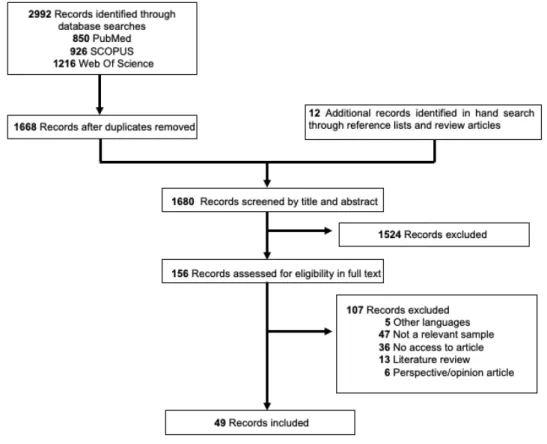
The literature search yielded a total of 2,992 records. Twelve articles identified through manual searches and cross-referencing were added, leading to a total of 3,004 potential articles (Figure 1). After duplicates removal (n=1324), 1680 articles were assessed for eligibility. Of these, 1524 were excluded based on title/abstract screening, leaving 156 eligible for full-text screening. Forty-nine articles (published between 1997 and 2018) met eligibility criteria and were included in the present review.
Figure 1. Flow diagram of studies.
Methodological appraisal
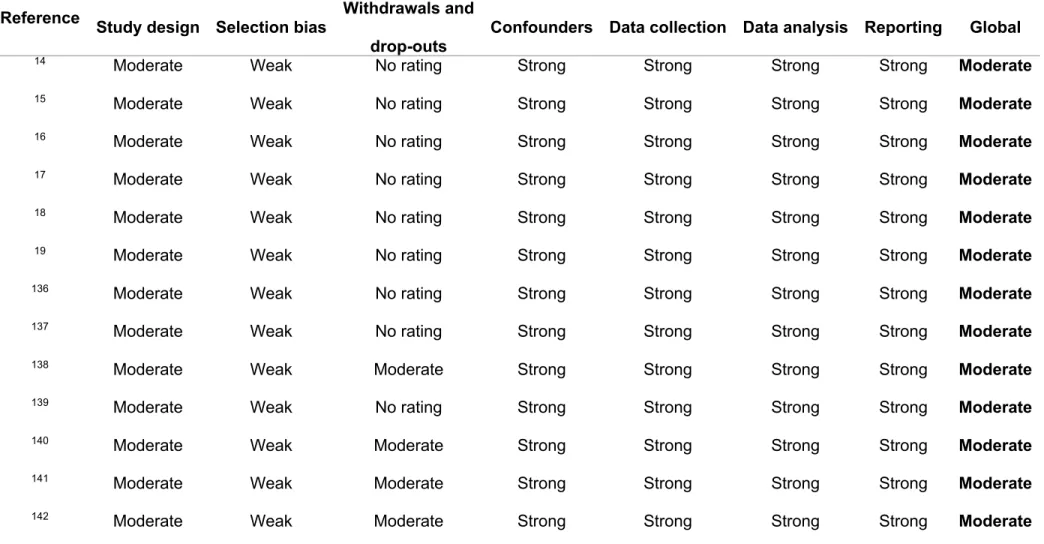
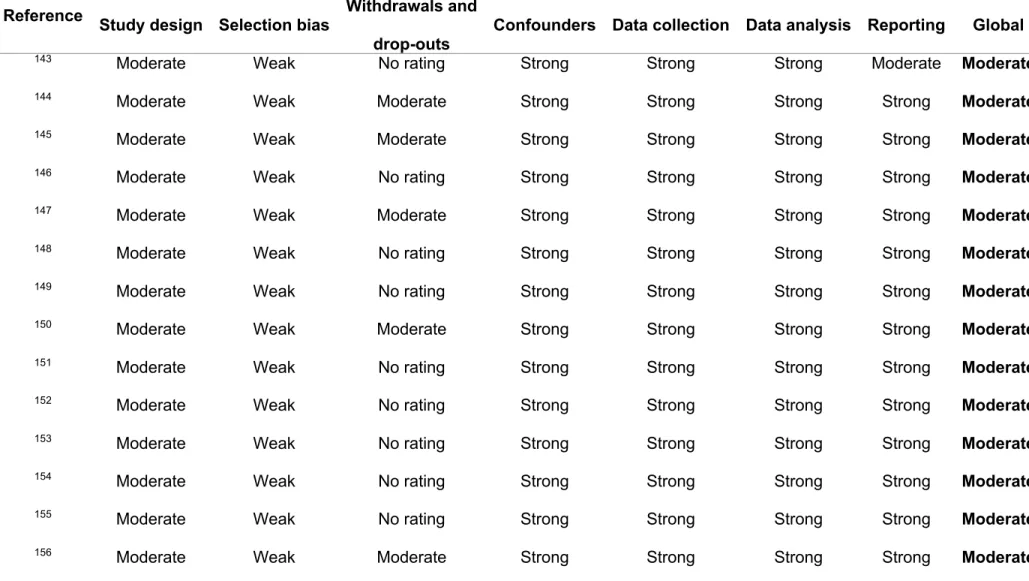
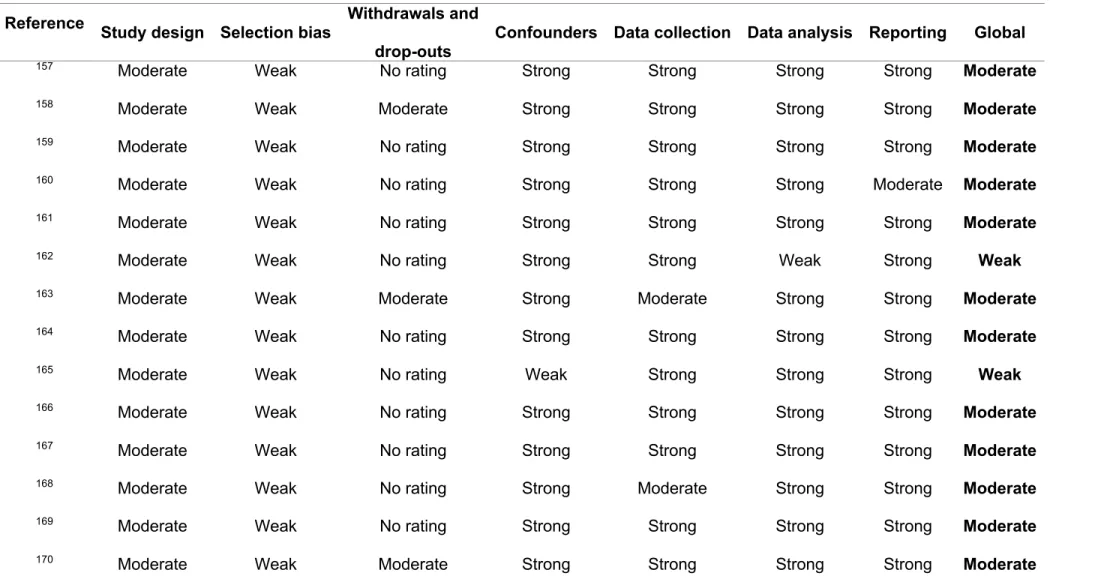
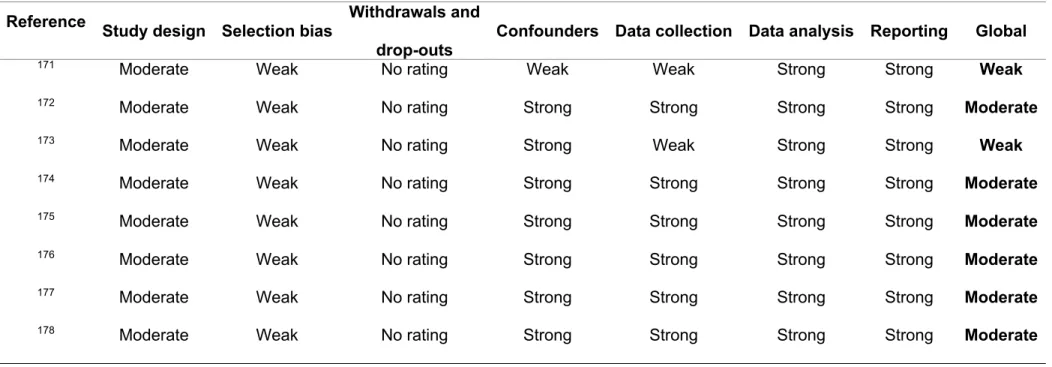
The overall methodological quality of the 49 included studies was rated as ”moderate” and ”weak” in 45 and 4 studies, respectively. All included studies were rated as moderate regarding study design, as they were all observational studies, and weak regarding selection bias, since registry participants are volunteers and therefore not likely to be representative of the target population. Twelve studies scored moderate on withdrawals and drop-outs and the other 37 were not rated as they had a cross-sectional design. Concerning adjustment for confounders, 2 studies were rated as weak and 47
were rated as strong. Two studies scored weak regarding data collection, as they did not provide information on measures validity or reliability, 2 were classified as moderate and 45 as strong. Most studies (k=48) were classified as strong regarding the use of appropriate statistical analyses and one study was rated as weak, because it did not provide information about the statistical analyses used. All studies but two (which scored moderate) were rated as strong on reporting. For a detailed classification of each domain and overall methodological quality of each study, see Table 1.
Table 1. Methodological quality assessment of articles.
Reference Study design Selection bias Withdrawals and drop-outs
Confounders Data collection Data analysis Reporting Global
14 Moderate Weak No rating Strong Strong Strong Strong Moderate
15 Moderate Weak No rating Strong Strong Strong Strong Moderate
16 Moderate Weak No rating Strong Strong Strong Strong Moderate
17 Moderate Weak No rating Strong Strong Strong Strong Moderate
18 Moderate Weak No rating Strong Strong Strong Strong Moderate
19 Moderate Weak No rating Strong Strong Strong Strong Moderate
136 Moderate Weak No rating Strong Strong Strong Strong Moderate
137 Moderate Weak No rating Strong Strong Strong Strong Moderate
138 Moderate Weak Moderate Strong Strong Strong Strong Moderate
139 Moderate Weak No rating Strong Strong Strong Strong Moderate
140 Moderate Weak Moderate Strong Strong Strong Strong Moderate
141 Moderate Weak Moderate Strong Strong Strong Strong Moderate
Table 1. Methodological quality assessment of articles (Continued). Reference Study design Selection bias Withdrawals and
drop-outs
Confounders Data collection Data analysis Reporting Global
143 Moderate Weak No rating Strong Strong Strong Moderate Moderate
144 Moderate Weak Moderate Strong Strong Strong Strong Moderate
145 Moderate Weak Moderate Strong Strong Strong Strong Moderate
146 Moderate Weak No rating Strong Strong Strong Strong Moderate
147 Moderate Weak Moderate Strong Strong Strong Strong Moderate
148 Moderate Weak No rating Strong Strong Strong Strong Moderate
149 Moderate Weak No rating Strong Strong Strong Strong Moderate
150 Moderate Weak Moderate Strong Strong Strong Strong Moderate
151 Moderate Weak No rating Strong Strong Strong Strong Moderate
152 Moderate Weak No rating Strong Strong Strong Strong Moderate
153 Moderate Weak No rating Strong Strong Strong Strong Moderate
154 Moderate Weak No rating Strong Strong Strong Strong Moderate
155 Moderate Weak No rating Strong Strong Strong Strong Moderate
Table 1. Methodological quality assessment of articles (Continued). Reference Study design Selection bias Withdrawals and
drop-outs
Confounders Data collection Data analysis Reporting Global
157 Moderate Weak No rating Strong Strong Strong Strong Moderate
158 Moderate Weak Moderate Strong Strong Strong Strong Moderate
159 Moderate Weak No rating Strong Strong Strong Strong Moderate
160 Moderate Weak No rating Strong Strong Strong Moderate Moderate
161 Moderate Weak No rating Strong Strong Strong Strong Moderate
162 Moderate Weak No rating Strong Strong Weak Strong Weak
163 Moderate Weak Moderate Strong Moderate Strong Strong Moderate
164 Moderate Weak No rating Strong Strong Strong Strong Moderate
165 Moderate Weak No rating Weak Strong Strong Strong Weak
166 Moderate Weak No rating Strong Strong Strong Strong Moderate
167 Moderate Weak No rating Strong Strong Strong Strong Moderate
168 Moderate Weak No rating Strong Moderate Strong Strong Moderate
169 Moderate Weak No rating Strong Strong Strong Strong Moderate
Table 1. Methodological quality assessment of articles (Continued). Reference Study design Selection bias Withdrawals and
drop-outs
Confounders Data collection Data analysis Reporting Global
171 Moderate Weak No rating Weak Weak Strong Strong Weak
172 Moderate Weak No rating Strong Strong Strong Strong Moderate
173 Moderate Weak No rating Strong Weak Strong Strong Weak
174 Moderate Weak No rating Strong Strong Strong Strong Moderate
175 Moderate Weak No rating Strong Strong Strong Strong Moderate
176 Moderate Weak No rating Strong Strong Strong Strong Moderate
177 Moderate Weak No rating Strong Strong Strong Strong Moderate
Weight control registries’ and participants’ characteristics
Characteristics of the five weight control registries found, and the sociodemographic characteristics of their participants are summarized in Table 2. The first one was implemented in the United States of America (US) in 1993, while the other ones were implemented between 2008 and 2012 across 4 European countries. The US registry has the largest known sample size (n>10,000) and participants are mainly middle-aged women.
Regarding participants’ weight history, lifetime maximum BMI ranged between 32.4 and 36.3 kg/m2 across registries and at baseline between 25.0 and 30.1 kg/m2. Average weight loss at study entry varied between 14.5 and 32.4 kg, and was maintained for 28-68 months.
Recruitment procedures, use of incentives, and eligibility criteria slightly differed between registries. Across the 5 registries, age (≥ 18 years old) was a common requisite for entering. The required weight loss, however, differed between them. Germany, Finland and Greece requested an initial weight loss of at least 10%, whereas Portugal and the US established a weight loss of at least 5 kg and 13.6 kg (30 lb), respectively. Some registries (Germany, Finland, Greece) also established as a criterion having excess weight prior to weight loss. All weight control registries required maintaining the weight lost for at least 1 year, except the Finnish registry that required, at least, 2 years of weight loss maintenance.The MedWeight study (Greece) has another particularity: it includes both maintainers and regainers, i.e., people that have lost weight but regained some part of it. Additionally, the frequency and methods of assessments also differed between registries. The Finnish registry has a single assessment moment, while the others have at least two assessment moments, being the US registry the one that assesses participants more often (annually for 10 years). All registries collect information on sociodemographics, lifestyle habits, personal and/or familiar medical history, and psychometrics. They all include some kind of dietary intake and structured physical activity measurement, except the Finnish one. Anthropometric data are generally self-reported, except in the Portuguese registry where individuals are objectively measured (weight, height and waist circumference).
Table 2. Weight control registries' and participants' characteristics. Designation National Weight Control Registry (NWCR) 14,15,136-164 Portuguese Weight Control Registry (PWCR) 16,165-167 German Weight Control Registry (GWCR) 18,168-170
Finnish Weight Control Registry (FWCR)
17,171-173
MedWeight 19,174-178
Weight control registries’ characteristics
Country United States Portugal Germany Finland Greece
Number of published
articles 31 4 4 4 6
Year of implementation 1993 2008 2009 2012 2012
Participants’ sociodemographic characteristics* Maximum sample size
reported 5320156 ¶ 388166À 49418 15817 528174z
Sex
(% female) 75.0 63.4 60.7 63.3 61.0
Age (years) 47.0 ± 12.2 39.0 ± 11.1 47.6 ± 12.7 44.5 ± 11.0 Maintainers: 29 (24-38) Regainers: 37 (29-45)
Ethnicity
(% white) 95.0 - - - -
Education
(% higher) 85.0 (college) 69.1 (university degree) 46.8 (academic degree) (n=492) 22.8 (> 14y of school) 16.0 ± 3.0 y of school (n=411)176 Employment
(% employed) (n=1422)74.0 140 (n=198)78.7 16 (n=489) 76.9 76.6 Regainers: 62 (n=122)Maintainers: 52 (n=289) 176
Marital Status
Table 2. Weight control registries’ and participants’ characteristics (Continued). Designation National Weight Control Registry (NWCR) 14,15,136-164 Portuguese Weight Control Registry (PWCR) 16,165-167 German Weight Control Registry (GWCR) 18,168-170
Finnish Weight Control Registry (FWCR)
17,171-173
MedWeight 19,174-178
Participants’ weight history* Lifetime maximum
weight (kg) 103.8 ± 25.9 (n=3683)136 92.5 ± 20.4 (n=225) - - 90.0 (80.0-105.0) (n=239)178
Lifetime maximum BMI
(kg/m2) (n=3683)36.3 ± 8.1136 33.1 ± 6.4 (n=225) 33.2 ± 6.5 35.9 (range 29.2–64.8) Maintainers: 33.1 ± 6.9 Regainers: 32.4 ± 5.2 (n=411)176 Weight at baseline (kg) (n=3683)71.5 ± 15.9 136 74.1 ± 13.4 (n=225) - - 78.1 ± 16.5 (n=239)178 BMI at baseline (kg/m2) 25.1 ± 4.5 26.6 ± 4.2 (n=225) 25.7 ± 4.2 26.1 (range 17.3 – 41.2) Maintainers: 25.0 (22.8-28.1) Regainers: 30.1 (27.6-34.3)
Weight loss at baseline (kg) 32.3 ± 16.7 (n=3683)136 18.3 ± 12.5 (n=225) - 32.4 (range 9–81) Maintainers: 25.6 ± 15.8 Regainers: 14.5 ± 4.5 (n=226)19 Duration of weight loss
maintenance at baseline 68.3 ± 88.1 months (n=3683)136 28.3 ± 29.6 months(n=225) 5.6 ± 5.8 years (n=381)169 53.2% (2 to 3 years); 20.3% (4 to 5 years); 15.8% (6 to 8 years); 10.7% (³9 years).
4.6 ± 4.3 years (only the group of maintainers)
(n=169)19 Weight Control Registries' Procedures
Table 2. Weight control registries’ and participants’ characteristics (Continued). Designation National Weight Control Registry (NWCR) 14,15,136-164 Portuguese Weight Control Registry (PWCR) 16,165-167 German Weight Control Registry (GWCR) 18,168-170
Finnish Weight Control Registry (FWCR)
17,171-173
MedWeight 19,174-178
Weight Control Registries' Procedures (Continued)
Recruitment procedure Local media
(newspapers, magazines, radio, and
television); physician and dietitian referrals;
mailing lists of commercial weight loss
programs. Website: http://www.nwcr.ws**
Local and social media (newspapers, radio, television, Facebook);
partnership with the General Directorate-General of Health and
with gyms/health clubs/companies.
Website:
http://panosr.fmh.ulisboa .pt/rncp
Local media (press conferences, broad publicity campaign)
Local media (newspapers and magazines); healthcare
centers and hospitals. Website: http://www.sphr.fi**
Local and social media. Website;
http://medweight.hua.gr
Rewards for
participation To improve the 3-year
response rate, individuals who did not
complete the full assessment battery were
sent $5 and asked to report their weight.
No A financial compensation was offered for follow-up
measurements. No
Table 2. Weight control registries’ and participants’ characteristics (Continued). Designation National Weight Control Registry (NWCR) 14,15,136-164 Portuguese Weight Control Registry (PWCR) 16,165-167 German Weight Control Registry (GWCR) 18,168-170
Finnish Weight Control Registry (FWCR)
17,171-173
MedWeight 19,174-178
Weight Control Registries' Procedures (Continued)
Eligibility screening Online/e-mail/telephone
registration; telephone screening questionnaire;
contact of a health professional, family member, or friend who
could confirm participants’ weight loss,
or before-and-after weight loss pictures.
Online/e-mail/telephone registration; telephone screening questionnaire;
contact of a health professional, family member, or friend who
could confirm participants’ weight loss,
or before-and-after weight loss pictures.
Telephone/letter or online screening questionnaire Online screening questionnaire; participants’ weight history could be confirmed (if necessary) through their healthcare
system/network^
Online screening questionnaire
Inclusion criteria
i) ≥18 years;
ii) must have maintained a weight loss of ≥13.6 kg (30 lb) for ≥1 year.w
i) Portuguese nationality; ii) 18-65 years;
iii) maintained ≥5kg intentional weight loss (on the last 15 years of their adult lives) for ≥1 year (independently of their initial body weight).w
i) ≥18 years; ii) lifetime maximum weight corresponding to BMI ≥ 30 kg/m2
(excluding pregnancy); iii) intentionally lost ≥ 10% of their maximum weight at any time of their lives and maintained it for ≥1 year.w
i) 18-60 years;
ii) BMI ≥ 30 kg/m2 before initiating weight loss; iii) weight loss ≥10% lasting ≥2 years.w
i) 18-65 years; ii) maximum BMI ≥ 25 kg/m2;
iii) intentionally lost ≥10% of their starting weight (maintainers = ≥10% for ≥1 year;
regainers = currently at a weight ≥95% of their maximum body weight).w Exclusion criteria
- i) BMI <18,5 Kg/mweight loss) 2 (after - i) Bariatric surgery; ii) Drug treatment for obesity
i) Body weight between 90–95% of their
maximum weight; ii) Pregnancy
Table 2. Weight control registries’ and participants’ characteristics (Continued). Designation National Weight Control Registry (NWCR) 14,15,136-164 Portuguese Weight Control Registry (PWCR) 16,165-167 German Weight Control Registry (GWCR) 18,168-170
Finnish Weight Control Registry (FWCR)
17,171-173
MedWeight 19,174-178
Weight Control Registries' Procedures (Continued)
Informed consent form Yes Yes Yes Yes Yes
Ethical approval Yes. By the Miriam
Hospital Institutional Review Board for the
Protection of Human Subjects in Research.
Yes. By the Ethics Committee of the Faculty
of Human Kinetics, University of Lisbon.
Yes. By the Ethics Committee of the Medical School at the University of
Erlangen-Nuremberg.
Yes. By the Ethics Committee, Department
of Medicine, Helsinki University Hospital.
Yes. By the Harokopio University Ethics
Committee. Assessments and instruments (baseline)***
Assessments
(frequency) Annually (for 5y). Participants may optionally re-consent to
providing another 5y of self-reported weight
change only.
Baseline + 1y follow-up Baseline + 1y + 2y follow-up Baseline Baseline + 1y + 5yfollow-up ^
Assessments
(format) Offsite; Online^ or paper
form
Onsite or offsite (when participants were not able to go to the site);
Paper form
Offsite; Online (secuTrial