Universidade do Algarve
Departamento de Medicina e Ciências Biomédicas
Phosphate uptake and phosphate transporter expression during
immune cell proliferation in in vitro and ex vivo leukemic murine
models
Andreia Catarina Pereira Afonso
Dissertação de Mestrado Mestrado em Ciências Biomédicas
Trabalho efetuado sob a orientação de: Professor Doutor Pedro Guerreiro e Professor Doutor Nuno Santos
2 Universidade do Algarve
Departamento de Medicina e Ciências Biomédicas
Phosphate uptake and phosphate transporter expression during
immune cell proliferation in in vitro and ex vivo leukemic murine
models
Andreia Catarina Pereira Afonso
Dissertação de Mestrado Mestrado em Ciências Biomédicas
Trabalho efetuado sob a orientação de: Professor Doutor Pedro Guerreiro e Professor Doutor Nuno Santos
3
“Phosphate uptake and phosphate transporter expression during immune
cell proliferation in in vitro and ex vivo leukemic murine”
Mestrado em Ciências Biomédicas
Declaração de autoria de trabalho
Declaro ser a autora deste trabalho, que é original e inédito. Autores e trabalhos consultados estão devidamente citados no texto e constam da listagem de referências incluída.
__________________________ Andreia Catarina Pereira Afonso
Copyright:
A Universidade do Algarve tem o direito, perpétuo e sem limites geográficos, de arquivar e publicitar este trabalho através de exemplares impressos e reproduzidos em papel ou de forma digital, ou por qualquer outro meio conhecido ou que venha a ser inventado, de o divulgar através de repositórios científicos e de admitir a sua cópia e distribuição com objetivos educacionais ou de investigação, não comerciais, desde que seja dado crédito ao autor e editor.
4
Acknowledgments
Primeiramente agradeço aos meus pais, pela força, confiança, apoio e incentivo que sempre me deram. Sem eles eu não conseguiria ter aceitado esta oportunidade.
Agradeço também aos meus orientadores, Professor Doutor Pedro Guerreiro e Professor Doutor Nuno Santos, por me terem dado esta oportunidade de desenvolver este trabalho sob a vossa orientação. Agradeço igualmente os vossos ensinamentos a mim transmitidos durante este último ano.
A todas as pessoas do Centro de Ciências do Mar e do Centro de Investigação em Biomedicina pela ajuda, colaboração e amizade, em especial à Sandra Silva por me ter ajudado e acompanhado.
Um especial agradecimento às minhas amigas e colegas Rita Nascimento e Filipa Guerreiro. Sem o vosso apoio, a vossa paciência para me ouvir e o nosso ‘embrace’ este ano teria tido menos piada.
Um último, mas não menos importante, agradecimento à Maltinha, pela vossa presença constante na minha vida de sempre e para sempre, e por tentarem compreender a minha ausência nestes últimos meses.
5
Abstract
Inorganic phosphorus is a mineral found in all human tissues that associated with oxygen, becomes a phosphate anion (PO43-). Phosphate is involved in structural and regulatory
purposes and its distribution covers soft tissues, extracellular fluids and the large majority is located in skeletal tissues.
Phosphate absorption into the human body is realized by NaPi-IIb cotransporter in small intestine, and its excretion and reabsorption is mediated by NaPi-IIa cotransporter in kidney. This movement into the cell is mediated by SLC34 family and SLC20 family of cotransporters. This family comprehends PiT-1 and PiT-2 proteins that have a housekeeping role in cellular Pi homeostasis. Recently associated with a more specific physiological role, it has been showed their function in bone and parathyroid metabolism and mostly in cell proliferation and mitosis activity.
This work aimed to evaluate tissue localization and expression of SLC20 in mouse model, and attempt to establish functional role of extracellular phosphate and cotransporters in normal and abnormal cell development and proliferation. To accomplish this purpose it were performed quantitative real-time PCR analyses, modulated phosphate availability assays in cell culture and uptake of phosphate assays in leukemic thymic cells.
Altogether, it was confirmed the higher number of cells existent in a leukemic thymus comparing with wild-type. These results suggested that all the phosphate conditions above or below 6 mM resulted in a reduced cell proliferation, being also related with the duration time that cells where exposed to those conditions. It was also shown that intracellular phosphate homeostasis depends only on the amount of phosphate in the extracellular medium, higher the Pi higher the uptake. Lastly, gene expression in different phosphate conditions over time showed that PiT-1 and PiT-2 appear to be important for EL-4 cell proliferation, although their specific role was not investigated. Interestingly, XPR1 showed a prospective role as Pi exporter and α-klotho as an aging suppressor.
6
Resumo
O fósforo inorgânico é um mineral essencial encontrado em todos os tecidos e que está normalmente associado com oxigénio sob a forma de anião de fosfato (PO43-). O fosfato
desempenha diversas funções a nível estrutural, estando incorporado por exemplo no ADN, fosfolípidos e fosfoproteínas. Também executa funções a nível regulador estando envolvido em diferentes mecanismos celulares, como vias de sinalização e crescimento. A sua distribuição abrange os tecidos conectivos e fluídos extracelulares, mas na sua maioria está localizado nos tecidos ósseos.
O fosfato entra no organismo a partir do intestino delgado. Esta absorção é realizada pelo cotransportador NaPi-IIb, e ao mesmo tempo a sua excreção através da urina e a reabsorção é realizada no rim, no túbulo proximal, pelo cotransportador NaPi-IIa. Este simultâneo mecanismo de absorção, excreção e reabsorção mantém o organismo num estado de equilíbrio, com trocas entre o meio intracelular e o fosfato armazenado no meio extracelular. Este estado de equilíbrio é também atingido com a ajuda da hormona paratiroide (PTH), do fator de crescimento fibroblástico 23 (FGF23) e da vitamina D, e quando a sua função e/ou produção fica comprometida pode resultar em diversas patologias.
Este movimento do fosfato para o interior das células é mediado pelos cotransportadores dependentes de sódio acima mencionados que pertencem à família transportadora de soluto SLC34 e também pela família transportadora de soluto SLC20. Esta família é composta por PiT-1 e PiT-2, dois cotransportadores com um vasto padrão de expressão que lhes confere a função de gestores da homeostasia de fosfato a nível celular, mantendo a entrada e saída de fosfato das células contante e de acordo com a necessidade do organismo.
Associada a esta conhecida função de transporte, também existe a hipótese dos transportadores da família SLC20 terem a função de sensores de fosfato tendo em conta as semelhanças com o transportador de fosfato da Escherichia coli e da Saccharomyces cerevisiae. Independentemente da função de transporte, também têm vindo ultimamente a ser estudadas novas funções relacionadas com o metabolismo do osso, com a sua função na paratiroide e por fim a mais importante, com a sua função na proliferação celular e propagação da mitose. Estes últimos estudos foram realizados por Beck e colegas usando a retirada de PiT-1 que mostrou a repressão da proliferação celular em células HeLa.
7 Este trabalho tinha como objetivo avaliar os níveis de expressão e consequente localização a nível tecidual, dos genes PiT-1 e PiT-2, da família transportadora de soluto SLC20 no modelo de ratinho. Também outros genes relacionados com transporte de fosfato foram investigados. O XPR1 que é associado como possível transportador de fosfato no lado basolateral da célula, e o α-klotho, recentemente associado com a possível função de anti envelhecimento e supressão tumoral. O trabalho tinha também como objetivo estabelecer a função do fosfato e respetivos cotransportadores no desenvolvimento e proliferação de células normais e tumorigênicas, verificando a diferença nestes dois tipos celulares.
Para realizar estas metas propostas foi efetuada a quantificação por Real-Time PCR dos genes de interesse a partir do ARN extraído de diferentes tecidos previamente recolhidos, avaliando a sua distribuição. De seguida foram realizados ensaios em células em cultura, usando a linha celular EL-4 derivada de linfoma, onde a disponibilidade de fosfato no meio de cultura variava usando as concentrações 0.32 mM, 3 mM, 6 mM, 9 mM e 18 mM. A partir destes ensaios foram estimados o número de células, o uptake de fosfato e a expressão de genes em cada uma das condições de fosfato previamente referidas. Estes ensaios de variabilidade de fosfato também foram realizados em células wild-type e células leucémicas de timo de ratinho. De uma forma geral, foi confirmada a presença de um maior número de células em timos leucémicos quando comparado com timos wild-type. Ensaios de variabilidade de fosfato sugeriram que a proliferação celular mostra ser reduzida nas condições de fosfato abaixo ou acima do controlo positivo (6mM), apesar dos valores normais no organismo rondarem entre 1.5 e 3 mM. Esta debilitada proliferação também relacionada com o tempo a que as células expostas a estas diferentes concentrações de fosfato, porque quanto mais tempo está na presença das diferentes condições, menor é a proliferação celular.
Foi também verificado que o estado de homeostasia presente no interior da célula deve-se apenas à quantidade de fosfato predeve-sente no meio extracelular, porque quanto maior é essa quantidade presente no meio, maior é o seu uptake. Por fim, a expressão de PiT-1 e PiT-2 não mostraram variações significativas com as diferentes condições de fosfato, não indicando o seu envolvimento na proliferação celular. Curiosamente, XPR1 mostrou a possibilidade de estar envolvido no exporte de fosfato, tendo os seus valores de expressão igualado os dos transportadores PiT-1 e PiT-2. α-klotho exibiu uma possível função como agente anti envelhecimento pois apresentou uma expressão mais elevada em células em estado quiescente
8 do que em células em estado proliferativo. As diferenças de expressão destes mesmos genes não mostrou variação em tecidos wild-type e leucémicos.
Palavras-chave: fosfato, cotransportadores SLC20, proliferação celular, timo e
9
Contents page
Acknowledgments ... 4 Abstract ... 5 Resumo ... 6 Image list ... 11 Table list ... 13 List of abbreviations ... 14 1. Introduction ... 161.1 Phosphate in physiological systems ... 16
1.2 Phosphate transporters ... 18
1.3 Phosphate efflux across the basolateral membrane... 22
1.4 Regulation of phosphate absorption and/or reabsorption ... 23
1.5 Role of Pi in cell development and proliferation ... 27
1.6 Objectives ... 31
2. Methodology ... 32
2.1 Cell culture ... 32
2.2 Mouse breeding and sampling ... 35
2.3 Molecular Analyses ... 38
2.4 Statistical analyzes ... 44
3. Results and discussion ... 45
3.1 Gene expression in tissues ... 45
3.2 EL-4 cells in FBS starvation and the recovery after a quiescent state. ... 50
3.3 EL-4 cells proliferation under variable phosphate availability ... 54
3.4 Wild-type and leukemic thymic cells from mice ... 61 3.5 Wild-type and leukemic thymic cells under variable phosphate availability
10
4. Conclusion ... 68
5. Future work ... 69
6. Bibliography ... 70
11
Image list
Figure 1.1 – Phosphate homeostasis in humans. ... 17
Figure 1.2 – Phosphate transport. ... 19
Figure 1.3 – Mechanism and molecular features of SLC32 family. ... 20
Figure 1.4 – Mechanism and molecular features of SLC20 family. ... 22
Figure 1.5 – Phosphate regulation. ... 25
Figure 1.6 – T cell maturation diagram. ... 30
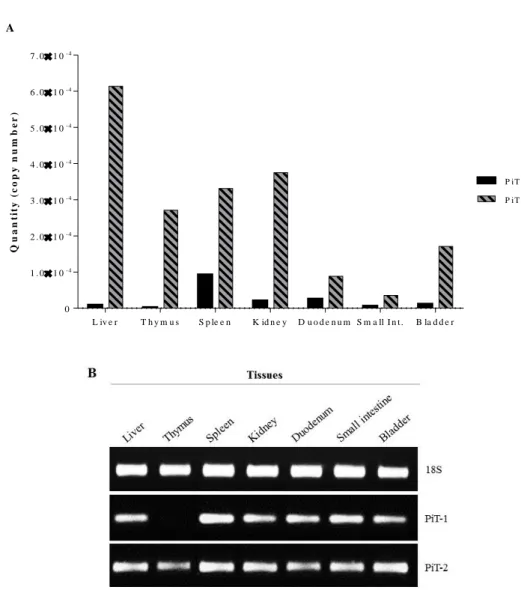
Figure 3.1 – Tissue-specific gene expression/distribution of type III Na+/Pi cotransporters, PiT-1 and PiT-2, in a wild-type strain mouse, C57BL/6. ... 46
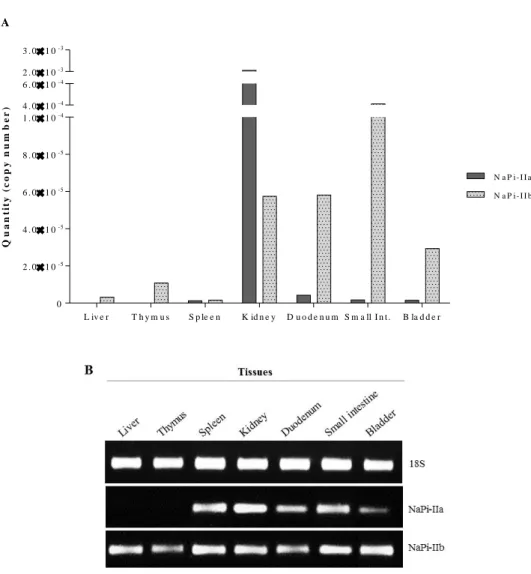
Figure 3.2 – Tissue-specific gene expression/distribution of type II Na+/Pi cotransporters, NaPi-IIa and NaPi-IIb, in a wild-type strain mouse, C57BL/6. . 47
Figure 3.3 – Tissue-specific gene expression/distribution of a XPR1, a protein membrane appointed as a phosphate efflux transporter, in a wild-type strain mouse, C57BL/6. ... 48
Figure 3.4 – Tissue-specific gene expression/distribution of α-Klotho, a FGF co-receptor, in a wild-type strain mouse, C57BL/6... 49
Figure 3.5 – Cell count in EL-4 cells in FBS starvation and the recovery after a quiescent state. ... 51
Figure 3.6 – Phosphate uptake in EL-4 cells in FBS starvation and the recovery after a quiescent state. ... 52
Figure 3.7 – Gene expression in EL-4 cells in FBS starvation and the recovery after a quiescent state. ... 54
Figure 3.8 – Cell count and viability in EL-4 cells under variable phosphate availability.. ... 56
12 Figure 3.9 – Phosphate uptake in EL-4 cells under variable phosphate availability. ... 58 Figure 3.10 – Gene expression in EL-4 cells under variable phosphate availability. .. 61 Figure 3.11 – Cell counts in the WT and leukemic thymus. ... 62 Figure 3.12 – Cell surface fluorescent immunostaining in wild-type and leukemic thymus cells from mice, C57BL/6 strain and TEL-JAK2 transgenic, respectively. ... 63 Figure 3.13 – Gene expression in in wild-type and leukemic thymus cells from mice, C57BL/6 strain and TEL-JAK2 transgenic, respectively. ... 65 Figure 3.14 – Phosphate uptake in the wild-type and leukemic thymic cells from mice, C57BL/6 strain and TEL-JAK2 transgenic, respectively, under variable phosphate availability. ... 67
13
Table list
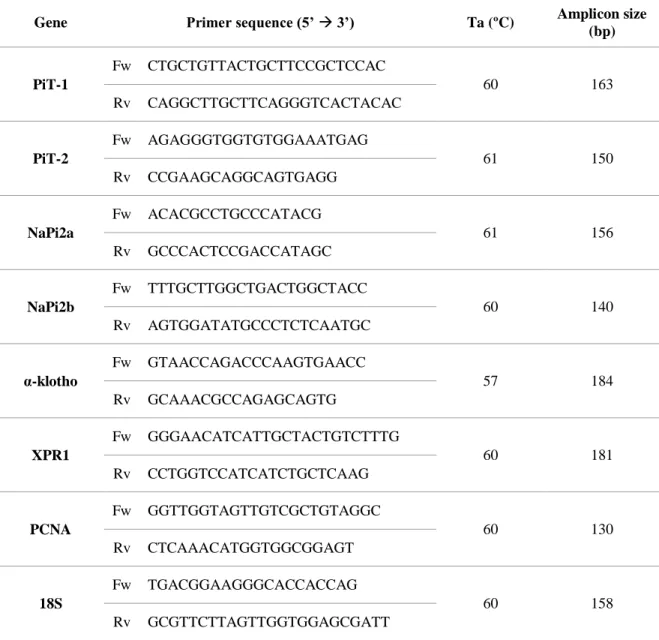
Table 1 – Specific murine antibodies used in FACScalibur flow cytometry with fluorochromes PE (R-phycoerythrin) and Cy5 (cyanine). ... 36 Table 2 - Primer sequences for both PCR and RT-PCR reactions, forward (Fw) and reverse (Rv). The annealing temperature (Ta) at which the pair of primers anneal with complementary cDNA and the amplicon size in base pairs (bp). ... 42
14
List of abbreviations
ABC ATP-binding cassette
AND Ácido desoxirribonucleico
ARN Ácido ribonucleico
BBM Brush border membrane
bp Base pair
CD Cluster of differentiation CDK Cyclin-dependent kinase
Cpm Counts per minute
DEPC Diethylpyrocarbonate
DMSO Dimethyl sulfoxide
DNA Deoxyribonucleic acid
dNTPs Deoxynucleotide-triphosphates
FBS Fetal bovine serum
FGF23 Fibroblast growth factor 23
Fw Primer forward
H2PO4- Monovalent phosphate anion
HPO42 Divalent phosphate anion
K+ Potassium
L-Glut Glutamine
MHC Major histocompatibility complex
15
Na+ Sodium
NaHCO3 Sodium bicarbonate
PBS Phosphate-buffered saline PCNA Proliferating cell nuclear antigen PCR Polymerase chain reaction PenStrep Penicillin/Streptomycin pKa Acid dissociation constant
PO4- Phosphate anion
RNA Ribonucleic acid
RT Room temperature
RTqPCR Real-time quantitative polymerase chain reaction
Rv Primer reverse
SEM Standard error of mean
Ta Annealing temperature
TRK Total RNA kit
16
1. Introduction
Phosphate in physiological systems
Phosphorus is an essential mineral found in all human tissues1,2 which plays important roles in many physiological processes, and because of this is very important to maintain its homeostasis. Inorganic phosphorus is usually associated with oxygen in the form of phosphate anion (PO43-) that exists predominantly in two forms, the monovalent form H2PO4-and the
divalent form HPO42-, being that the last embodies 80% of total at a physiological pH of 7.4.3,4
Phosphate is involved in structural, metabolic and regulatory processes in every cell. Pi provides the high energy bonds in ATP, is part of nucleic acids and proteins, being therefore incorporated in the DNA structure, in cell membrane phospholipids and in phosphoproteins necessary for mitochondrial function. Phosphate is also important for cellular metabolism, cellular growth, signaling pathways, enzymatic activities via kinase and phosphatase mediated processes and maintenance of acid–base balance.4–7
Its distribution is approximately 85% in skeletal tissues complexed with calcium in the form of hydroxyapatite, nearly 15% in soft tissues within cells, and the remainder (less than 1%) spread in the extracellular fluids as inorganic Pi.4,8–10 It is essential that the extracellular concentration of Pi is maintained at a constant narrow range between 0.8 and 1.5 mM (in humans) for proper cellular function.4,11
In humans, phosphate equilibrium is achieved by balancing Pi intake through absorption in the small intestine, exchange with intracellular and body storage pools, Pi excretion in urine, and renal tubular Pi reabsorption in the kidney. The amount of phosphate absorbed across the small intestine is approximately 950 mg/day (Figure 1.1) and represents about 80% of the dietary phosphate. The unbound phosphate existent in the plasma (extracellular pool) is freely filtered by glomeruli and then approximately 90% is reabsorbed in the proximal tubules. In a balanced state, the amount of Pi excreted in urine is almost the same as the Pi absorbed in the small intestine (Figure 1.1).1,2,12,13
The movement of Pi into the cell occurs mainly through a process of regulated active transport across the cell membrane, mediated by two solute carrier families of transporters: SLC20 and SLC34 (section 1.2).4,5,7 These carry both Pi and Na+, and the transport is partially created by the electronegative charge existent in cell interior relative to the exterior as
17 consequence of leak in the potassium cation (K+) channel, which maintains a voltage difference
across the cell membrane.14
Figure 1.1 – Phosphate homeostasis in humans. The small intestine and kidney play the major roles in
phosphate (Pi) homeostasis by regulating absorption and excretion, respectively. In states of neutral Pi balance, most part of Pi absorbed in the small intestine is excreted in urine. The movement of Pi into bone and soft tissues also determines serum Pi concentrations. Exit from extracellular Pi pool into bone formation is roughly equal to entry into the extracellular Pi pool due to bone reabsorption. The same equilibrium process occurs between extracellular and intracellular Pi pool. Adapted from 1,2,12,13
Concentrations of intracellular phosphate are influenced by pH, hormones, vitamins and subcellular compartmentalization, where the levels in compartments such as mitochondria, lysosomes and endoplasmic reticulum are regulated by separate transporters. The most important regulating hormones are parathyroid hormone (PTH) and FGF23 (fibroblast growth factor 23), and other factors, such as the growth hormone (GH), thyroid hormone (TH) and dopamine, play a secondary regulatory role. These hormones are also denominated
18 calciophosphotropic hormones because they are dedicated to the regulation of both phosphate and calcium, since the balanced concentrations of these ions are interdependent. Not only is the active form of vitamin D (1,25-dihydroxyvitamin D3) important for Pi regulation but also
metabolic factors and other circulating proteins, which contribute to Pi homeostasis according to the organisms necessities.1,2,5,7,9,15
Given the importance of Pi homeostasis, its widespread distribution and critical role in cellular processes it is predictable that its defiance results in severe pathologies. Intracellular phosphate levels are elevated in pathological conditions such as ischemia, hypoxia, skeletal muscle fatigue, and some inherited disorders such as mitochondrial myopathies. Hyperphosphatemia is a common and serious complication of chronic renal failure (CRF), contributing to secondary hyperparathyroidism, tissue calcifications and metabolic changes. Gene mutation can be one of hyperphosphatemia causes as it is also tumoral calcinosis. Conversely, decreased intracellular levels of phosphate are observed in clinical disorders with severe hypophosphatemia and may be caused by malnutrition, malabsorption, or inherited disorders affecting renal phosphate reabsorption such as hypophosphatemic rickets and X-linked hypophosphatemia. Prolonged phosphate deficiency is associated with disruption of both the metabolic and mineralization functions of phosphate leading to osteomalacia, risk of nephrolithiasis, hemolysis, neuropathy, respiratory failure from muscle weakness, and reduced myocardial contractility.1,15–17
Phosphate transporters
Phosphate absorption across the plasma membrane occurs against an electrochemical potential difference, which accumulate phosphate at concentrations larger than would be predicted if phosphate were distributed passively across the membrane. This active process involves the transfer of a phosphate anion from the lumen to cytosol against concentration gradient and therefore can be defined as an active transepithelial transport. Pi import is mediated by secondary-active-Na+-dependents cotransporters, which rely on a high extracellular sodium gradient, that is maintained by the membrane associated Na+/K+ ATPase (Figure 1.2).18 This cotransporters are located in the apical membrane of the cell and the identity of proteins responsible for the basolateral Pi efflux is still unknown, although recently studies with a
19 membrane molecule XPR1 may show otherwise.6 There are two families of solute carriers
mainly responsible for the co-transport, which are the SLC34 and SLC20 families (see below).4,5,18,19 These two families are non-related in their phylogeny and the transporters differ in their amino acid sequence, affinity for phosphate and mechanism controlling their activity and tissue expression.7 A third cotransporter family, SLC17, is sometimes referred to as type I Na+-dependent Pi transporter family, but studies using a cloned member of this family in
Xenopus laevis oocyte showed a low specificity for Pi transport and rather more for transport
organic anions, such as glutamate.20
Figure 1.2 – Phosphate transport. Distribution and localization of phosphate transport proteins at the
enterocytes in small intestine (A) and at the proximal tubule cells in kidney (B). Pi transport is mediated by Na+-dependents cotransporters localized in the BBM (apical membrane); (A) NaPi-IIb is responsible for Pi
absorption (divalent form,HPO42−) in enterocytes and (B) NaPi-IIa, NaPi-IIc (divalent form,HPO42−) and
PiT-1/2 (monovalent form,H2PO4−) are responsible for Pi reabsorption in proximal tubule cells. In both cases this
Na+-dependent co-transport is reliant on Na+/k+ ATPase, localized at the basolateral membrane, that conserves
a high extracellular sodium gradient. The basolateral Pi exit pathway remains unknown. Adapted from 4,5,21
1.2.1 SLC34 family
The SLC34 family, referred as a type II Na+/Pi cotransporter family, includes the three proteins SLC34A1 (NaPi-IIa), SLC34A2 (NaPi-IIb) and SLC34A3 (NaPi-IIc). NaPi-IIa and NaPi-IIc are responsible for Pi reabsorption in the brush border membrane (BBM), a epithelial layer covered with microvilli, of the renal proximal tubules, while NaPi-IIb has broader pattern of expression and it highly abundant in the enterocytes of the small intestine.4,5,18,22
20 All the SLC34 proteins preferentially transport divalent Pi (HPO42-) and require Na+
ions to co-transport Pi, although in a few cases Li+ ions can also partly replace Na+ to drive the transport.23 Both NaPi-IIa and NaPi-IIb are electrogenic and transport divalent Pi, with a strict Na+:Pi stoichiometry of 3:1. NaPi-IIc is electroneutral and exhibits a 2:1 stoichiometry.24 The apparent affinity of this transport system for phosphate is 100 µM at 40 mM sodium and pH 7.4.4 This transport capacity is strongly pH dependent because protons directly modulate the transport kinetics and because pH defines the divalent-monovalent Pi ratio in the lumen, where the acid dissociation constant (pKa) is pH 6,8 in which divalent form (HPO42-) turns into
monovalent form (H2PO4-)25 Early in vitro characterization of this transport used brush-border
membrane vesicles (BBMV) from renal and intestinal epithelial tissue26 and further ones used both cloned transporters in Xenopus laevis oocytes to characterize the regulation of the transport.27 These proteinsare the most broadly characterized in terms of function, structure and regulation.22
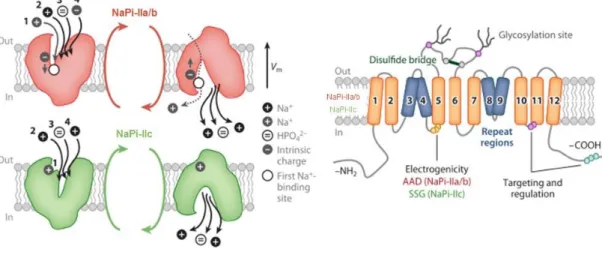
Figure 1.3 – Mechanism and molecular features of SLC32 family. The basic transport cycle is shown in the
left panel and the salient molecular features is shown in the right panel. For the SLC34 proteins, the transmembrane protein is inwardly related with Na+ gradient and comprises an ordered sequence of binding
steps (indicated by the numbers) in which two Na+ ions (1 and 2) bind sequentially, followed by binding of
divalent Pi (3) and of a third Na+ ion (4). Substrate release to the cytosol occurs after reorientation of the fully
loaded carrier. For electrogenic NaPi-IIa/b, an intrinsic negative charge (AAD, aspartic acid) confers voltage dependence to the transport cycle, allowing the binding of the first Na+ ion and subsequent translocation together
with the other substrates, giving the 3:1 Na+:Pi stoichiometry. After all substrates are released to the cytosol,
the intrinsic charge again senses the transmembrane field, leading to a voltage-dependent reorientation of the empty carrier. For electroneutral NaPi-IIc, a conserved glycine (SSG) binds one Na+ ion, like NaPi-IIa/b, but
this ion is not translocated, giving a 2:1 Na+:Pi stoichiometry. Topology model for SLC34 show the predicted
transmembrane domains (numbered 1-12) and repeated regions (dark blue). Disulfide bridge, glycosylation sites and critical residues for targeting, regulation, and electrogenicity are highlighted in the right panel. Image adapted from 4,5.
21 1.2.2 SLC20 family
The SLC20 family, referred as a type III Na+/Pi cotransporter family is the most recently described one and comprises the proteins SLC20A1 (PiT-1) and SLC20A2 (PiT-2), which are responsible for the transport of the monovalent Pi (H2PO4-) with a strict Na+:Pi stoichiometry
of 2:1.4,5
This Na+/Pi cotransporter family was originally identified as retroviral receptors for gibbon ape leukemia virus (Glrv-1)28 and rat amphotropic virus (Ram-1), a function that was not found in humans.29 Later to this discover, both receptors were found to mediate phosphate transport in a Na+-dependent manner after the expression in Xenopus laevis oocytes, although the kinetic characterization was very limited. Giving this newly characteristics of the retroviral receptors, Glvr-1 and Ram-1, were renamed PiT-1 (phosphate transporter 1) and PiT-2 (phosphate transporter 2), respectively.30
Their widespread expression pattern in all tissues gives them the designation of housekeeping role although more specific physiological roles are emerging for these transporters.4,5,18,23,31 For example, PiT-1 might play an important role in bone Pi homeostasis and its abundance is regulated by several factors involved in bone metabolism, including BMP2 and IGF-1.32 Additionally, a number of studies also suggest a role of PiT-1 in
hyperphosphatemia induced calcification of blood vessels33, as well as in parathyroid function.34 Recently a new function of PiT-1, independent of its transport function, has
emerged. Depletion of PiT-1 expression in HeLa cells resulted in reduced cell proliferation and impaired mitosis.35 In vivo studies accentuated these findings by showing that a PiT-1 knockout mouse is embryonically lethal, reflecting its importance in liver development36, anemia and arrested growth.37
22
Figure 1.4 – Mechanism and molecular features of SLC20 family. The basic transport cycle is shown in the
left panel and the salient molecular features is shown in the right panel. For SLC20 proteins, the transport sequence comprises an initial binding of one Na+ ion (1), followed by a random interaction of monovalent Pi
and a second Na+ ion (2 and 3). Reorientation of the loaded carrier then leads to substrate release in the cytosol.
Topology model for SLC20 show the predicted transmembrane domains (numbered 1-12) and repeated regions (dark blue). Glycosylation sites are highlighted in the right panel. Image adapted from 4,5.
Phosphate efflux across the basolateral membrane
As described above, phosphate homeostasis in multicellular eukaryotes is dependent on transcellular Pi transport in different tissues and organs, which includes not only controlled Pi influx, but also efflux out of cells. In metazoans, efflux of Pi is an obligatory step at the basolateral side of the kidney proximal tubule and small intestine epithelial cells for Pi transfer to the blood stream. Despite the importance of Pi efflux to its homeostasis, very little is known about its control and the transporters involved in this process.38
In mammals, XPR1, a membrane protein initially identified as the cell surface receptor for xenotropic and polytropic murine leukemia retroviruses (X- and P-MLV) has been studied as a possible phosphate exporter given the fact that this protein is homologous with PHO1, responsible for Pi efflux in plants, such as Arabidopsis thaliana.6,38 PHO1 was the first protein to be identified as a Pi export mediator in eukaryotes.39
This XPR1 protein reveals a very broad expression pattern in tissues as diverse as kidney, brain, skin, liver, heart and lung,38 and interestingly, phosphate efflux has also been reported in an extensive range of cells such as pancreatic B cells, hepatocytes, jejunal enterocytes and cells of the renal proximal tubules.40,41 There are some studies indicating that both XPR1 depletion and blocking with XRBD (X-MLV Env-derived ligand) induced a decrease in Pi export and that reintroduction of various XPR1 proteins, from fruit fly to human, restored this deficiency.6 Altogether, these data suggest that although alternative pathways for
23 phosphate export may exist, the severity of its inhibition indicate that XPR1 has an important physiological role in controlling phosphate.38
Regulation of phosphate absorption and/or reabsorption
Body phosphate homeostasis is largely dependent by modulation of intestinal absorption of dietary phosphate, renal phosphate reabsorption and excretion, and the exchange of phosphate between extracellular and bone storage pools.2 Serum levels are regulated by a combination of local and humoral factors. The majority of this humoral factors are calciophosphotropic hormones including parathyroid hormone (PTH), fibroblast growth factor 23 (FGF23), active vitamin D (1,25-dihydroxyvitamin D3), among others factors, that are
maintained by several negative feedback loops.42,43
1.4.1 Small intestine
As described previously, the phosphate absorption is executed in the small intestine and its Na+-dependent transport in the brush border membrane of enterocytes is mediated by NaPi-IIb (Figure 1.5) and it provides the rate-limiting step for the transcellular uptake of Pi44,45.
Studies using NaPi-IIb knockout mice have shown that absence of this intestinal brush border membrane transporter triggers compensatory renal mechanisms where, NaPi-2a is upregulated, to maintain phosphate homeostasis46 suggesting that phosphate balance is mediated at a central level.
There has also been interest in the potential role of PiT-1 and PiT-2 in intestinal phosphate transport. A recent study revealed that PiT-1 mRNA is present throughout the small intestine, while the mRNA levels of PiT-2 are low. Both these proteins may contribute only moderate (approximately 5%) to transepithelial Pi transport in small intestine.5,45
Dietary phosphate and vitamin Dare thought to be the most important physiological regulators of intestinal Pi absorption.47 Vitamin D will enhance NaPi-IIb expression as described in Figure 1.5. There are other factors as glucocorticoids,48 estrogens and metabolic acidosis49 that can also affect intestinal absorption.
24 1.4.1 Kidney
Following absorption in the small intestine, Pi reabsorption in the kidney is the next, and most well-known step, to maintain Pi homeostasis. The Na+ -dependent phosphate transport in the brush border membrane of proximal tubule is mediated by NaPi-IIa and NaPi-IIc, which act as the rate-limiting step for phosphate reabsorption of filtered phosphate from urine.
Interestingly, even though double knockout mice for NaPi-IIa and NaPi-IIc presented severe hypophosphatemia and increased phosphaturia, there is still residual renal phosphate reabsorption which indicates that there are others transporters able to maintain some Pi reabsorption. In this situation, PiT-1 and PiT-2 mRNAs were detected in the kidney, but only PiT-2 occurred as protein.16 As in small intestine, PiT-1 and PiT-2 appear to only contribute with 5% to transepithelial transport in kidney in normal conditions.5
Renal Pi reabsorption is regulated by dietary Pi intake and several hormones, such as PTH, vitamin D and FGF23, that can directly or indirectly control Pi balance (Figure 1.5).50 In addition there are other minor hormones that also affect renal Pi handling for example growth hormone, insulin and thyroid hormone can increase phosphate reabsorption, whereas calcitonin and glucocorticoids can decrease it.3 PTH is the most powerful phosphaturic hormone,51 and its
production is enhanced by high circulating phosphate levels42, suppressing Pi reabsorption by
inducing NaPi-IIa internalization and subsequent lysosomal degradation (Figure 1.5).52
FGF23 is a bone derived phosphaturic hormone secreted by osteocytes and osteoblasts53
and its effects are mediated by binding to FGF receptors (namely FGFR-1) and co-receptor α-klotho.54,55 FGF23 is a circulating hormone and its signaling inhibits renal Pi reabsorption by suppressing the expression of NaPi-2a cotransporter and Pi absorption by inhibiting PTH activity and vitamin D synthesis.3,56
α-Klotho is a newly identified membrane protein, characterized as an anti-ageing gene and a tumor suppressor.57,58 Genetic mutation of klotho in mice causes premature aging-like phenotypes such as vascular calcifications and skin atrophy. Its overexpression suppresses aging and extends lifespan and at the same time that it may result in inhibited cancer cell proliferation.57,58 α-Klotho is predominantly expressed in renal distal tubules59 where it plays its main function as a co-receptor of FGFR regulating FGF23 signaling and so contributing to Pi homeostasis. It is also known that α-klotho can regulate Pi excretion independent from FGF23 as paracrine and endocrine mediator, when under the form of soluble klotho.55 Studies
25 in a α-klotho knockout mice and a FGF23 knockout mice indicate increased renal expression of the NaPi‑IIa protein and elevated serum levels of vitamin D, associated with hyperphosphatemia.60
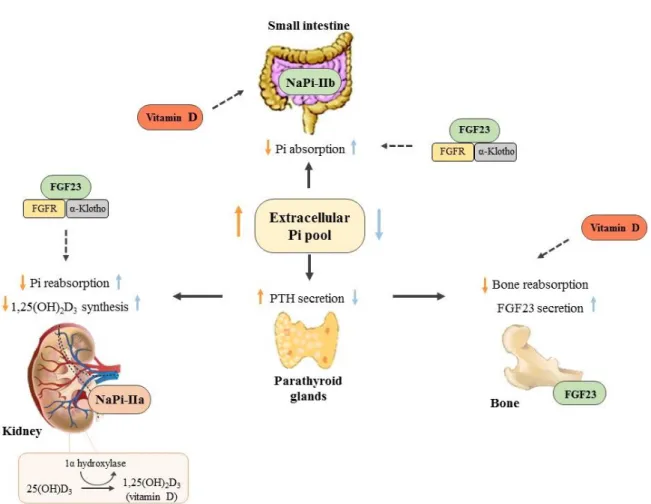
Figure 1.5 – Phosphate regulation. Phosphate is mostly regulated by dietary Pi intake, PTH,
1,25-dihydroxyvitamin D3 (vitamin D active form) and FGF23, that can directly or indirectly control Pi balance.
When Pi uptake is elevated, the extracellular Pi pool is increased, and to try normalize this hyperphosphatemia state, parathyroid glands are enhanced to secrete PTH that will act on the kidney and reduce Pi reabsorption mediated by cotransporter NaPi-IIa, and it will also reduce the synthesis of active vitamin D by inhibiting the enzyme that mediates this synthesis, 1α hydroxylase. As consequence, Pi absorption in the small intestine mediated by the cotransporter NaPi-IIb, is also reduced, given the fact that this is enhanced by vitamin D. In addition, Pi reabsorption in bone will also be inhibited. In cases of hypophosphatemia, the reverse of what was described above will occur. In this state, FGF23 production by osteocytes and osteoblasts in bone and consequent secretion will increase, which is also enhanced by active vitamin D up-regulation. FGF23 acts through one or more FGF receptors, with Klotho as co-receptor, to reduce renal phosphate re-absorption, to decrease circulating vitamin D levels. Adapted from 17,61.
26 1.4.2 Phosphate sensing mechanism
A diversity of mechanisms have evolved to maintain phosphate homeostasis. In cases of phosphate deficiency, acquisition and retention of Pi by the organism should be accelerated, and contrariwise, in cases of Pi excess, acquisition and retention of Pi should be reduced. A necessary first step in Pi regulation is the ability of a cell or organism to sense changes in Pi concentrations in its environment and adjust its metabolic processes to accommodate such variations. Phosphate sensing in bacteria, such as Escherichia coli, and yeast, as Saccharomyces
cerevisiae, appears to involve uptake of extracellular phosphate, activation of an intracellular
sensor which leads to the transcription of phosphate-specific proteins. Based on these considerations it is possible that similar events are conserved in metazoan species including humans, however the exact molecular nature of these mechanisms is still unclear.1,17,23,62
In Escherichia coli, when the phosphate specific transporter “detects” low Pi concentrations in the environment, the Pi retention will increase. This process is achieved by a sequence of phosphorylation reactions of a regulatory system that interacts with a “phosphate regulon”, a collection of genes under regulation by the same regulatory protein, being the predominant Pi uptake system. Bacteria express a second family of phosphate transporters, which are related to eukaryotic type III sodium-phosphate cotransporters (SLC20) but they serve primarily as a cotransporter of divalent metal cations associated with phosphate. Interestingly, PhoU, a protein integrated in the phosphorylation reactions described above, contains a domain similar to eukaryotic type II sodium-phosphate cotransporters (SLC34), but the significance of which is unclear.17
In Saccharomyces cerevisiae, phosphate controls a specialized transcription factor called Pho4, and the reduced Pi concentrations in the external environment results in its inactivation by the complex Pho80-Pho85. The inactivated Pho4 will enter the nucleus and bind to Pho-regulon including genes for high affinity phosphate transporters (Pho84 e Pho89).63 This phosphate transporter Pho84 belongs to a large family, which includes the type I phosphate transporters (SLC17) and Pho89 is related to both member of type III sodium-phosphate transporters family (SLC20).17
Additional studies of phosphate-sensing made by Markovich et al using kidney epithelial cells from opossum showed that they are able to respond to changes in environmental Pi concentrations by altering the efficiency of Na+-dependent Pi absorption in a short time, after 2 h of cell culture.64 In addition it was shown that non-epithelial cells, such as osteoblastic,
27 fibroblastic and marrow stromal cell have a response to changes in environmental Pi concentrations by altering BMP-4 (bone morphogenic protein 4) expression, Runx2/Cbfa1 (transcriptions factor regulators of bone formation) localization, alkaline phosphatase secretion and MAPK signaling pathway Pi activation dependency. Additionally, blocking PiT-1 co-transport receptor showed an inactivation of MAPK signaling pathway that in agreement with the previous data suggest a sensorial detection mechanism.1,17
Phosphate regulation in animals have suggested that immediately following a meal containing Pi, rapid alterations in the renal excretion of phosphate occur that are not associated with changes in calciophosphotropic hormones, such as vitamin D and PTH, and other regulating factors. However, the feeding of animals with high Pi diets over a period of weeks shows changes in the regulatory factors, suggesting that this sensing detection mechanism may be related with the short-term response to alteration of phosphate concentration.62 Segawa et al have demonstrated an increase in NaPi-IIb expression in vitamin D receptor knockout mice65 but in contrast, the amount of PiT-1 mRNA was increased and only decreased after administration of vitamin D34, strengthening the existence of a sensor within or in the surface of cells that is able to detect changes in the concentration of phosphate.
There are only sparse examples in the literature of transporters or channels that have been shown to possess additional functions independently of their transport function. Additionally to the ones showed above, Human PiT2 has been shown to modify its oligomerization independently of Pi uptake in response to changes in the extracellular Pi concentration, suggesting a possible role of PiT2 in Pi sensing. However, it is not known whether PiT-2 (or PiT-1) has any direct signaling activity in response to Pi. A potential role of PiT proteins in Pi sensing maybe important for cellular functions, such as proliferation.66
Role of Pi in cell development and proliferation
The SLC20 family includes two proteins PiT-1 and PiT-2 with a known function in phosphate transport, as described previously. Their broad tissue distribution has led to the proposal that these two cotransporters could perform a housekeeping role for cellular Pi homeostasis.4,31,67 In contrast with the SLC34 family of cotransporters, which have been
28 ubiquitously expressed SLC20 proteins only beginning to emerge.67 Given the combined role
of phosphate in cellular processes and the function of PiT-1 and PiT-2 as ubiquitous suppliers of phosphate to the cell, it was not unexpected to uncover a new role for these transporters may have additional roles in bone metabolism69, parathyroid function34 and most importantly in cell proliferation and mitosis activity35,70 independent from the already known transport function.
Bone is a major organ involved in Pi homeostasis and its storage, so Pi systemic control is indispensable for bone formation and mineralization.61 Yoshiko et al showed that a Na+/Pi cotransporter inhibitor blocked the mineralization of cultured osteoblasts, and the same was true for local mineralization in newborn rats skulls after injection. Gene expression of both
PiT-1 and PiT-2 decreases along osteoblast development, where PiT-PiT-1 expression is higher than PiT-2, but conversely the accumulation of respective proteins increases with development. This
information coupled with the fact that these researchers showed a higher necessity of Pi in mature osteoblast suggests that both PiT-1 and PiT-2 may play a different roles in bone tissue.69
High levels of phosphate are associated with hyperphosphatemia, and are also important in the development of hyperparathyroidism, which is characterized by an increase in parathyroid cells number and consequent PTH production. Currently there is no evidence that the uptake of extracellular Pi is necessary to exercise its effect on PTH. Moreover, Tatsumi et al showed that the Pi action may be mediated by PiT-1, not as a Na+/Pi cotransporter but as a cell surface Pi-sensing protein34 in bacteria and yeast.17
Recent studies have shown that PiT-1 depletion repressed cell proliferation in HeLa cells35 and that PiT-1 knock-out mice did not survive past day 12.5 of development (E12.5)36. In HeLa cells it was observed that 2 overexpression partially recovered the defective PiT-1 transporter function, and Pi uptake reached almost normal levels, but did not rescued the cell proliferation defects. These findings are consistent with the knock-out mice results where E11.5 embryos with PiT-1 mRNA levels below 15%, comparing to the wild-type (WT), showed an up-regulated PiT-2 expression, indicating that compensatory elevated PiT-2 expression is essential for survival of PiT-1-deficient cells. It is also important to highlight that PiT-1 knock-out mice at E11.5 showed a reduced proliferation of developing hepatocytes and subsequent reduced hematopoiesis. Given the fact that Pi uptake was not altered significantly in any of the previous cases and that cell proliferation was not rescued by PiT-2 indicates that the transport function of PiT proteins is independent from this newly hypothesized function as cell proliferation regulators.35 Differences in function/recovery in rescued systems may also be
29 explained by the only 75% homology between this two proteins. PiT-1 has a intracellular loop not shared with PiT-2 and other members of the SLC20 family in plants and bacteria.71
It was also described that over-expression of PiT-1 can increase the proliferation and the culture densities of two cell lines, MC3T3-E1 and NIH3T3. These cell lines exhibit strictly density-inhibited cell proliferation, indicating that PiT-1 not only is involved in cell proliferation but can also regulate cell density and anchorage-independent growth.70
On the steps of this published data showing that SLC20 family proteins, especially PiT-1, are involved in proliferative and development cellular processes, this project will take advantage of the highly proliferative thymus to further try to understand these mechanisms, using tumorigenic cell lines and isolated cells from normal and abnormal tissue, namely from thymic lymphoma cells.
The thymus is a small organ composed by two lobes located in the thoracic cage just behind the sternum. The thymus is an important part of the body’s immune system and is involved in the production and maturation of T lymphocytes. T lymphocytes develop in the thymus (Figure 1.6) and then exit, through the blood circulation, colonizing different tissues including secondary lymphoid organs (e.g. spleen and lymph nodes) and the bone marrow, where they will exert their immune function. There they help the immune system to protect the body from viruses, fungus, other types of infections, and malignantly transformed cells.72,73 As the thymus is composed of different cell types, each can develop into different types of cancer. Epithelial cells originate thymomas and thymic carcinomas, while neuroendocrine cells originate carcinoid tumors and lymphocytes lymphomas.74
Tumorigenic cells are well known for sustaining proliferative signaling, abnormal cell growth, resisting cell death, enabling replicative immortality and enhanced proliferative rate75 which are the ideal characteristics to evaluate the role of phosphate and transporters in cell development and proliferation.
30
Figure 1.6 – T cell maturation diagram. T cells precursors from the bone marrow enter the thymus through
the blood circulation to undergo further maturation. In an early stage, inside the thymus, they are double negative for CD4 and CD8 (membrane glycoproteins that act as cluster of differentiation) until MHC proteins (major histocompatibility complex) enhance a negative or positive selection, and maturation towards either CD4 or CD8 single-positive T cells. T helper cells are single positive for CD4 and T cytotoxic cells are single positive for CD8. Important to notice that leukemic cells in lymphoblastic lymphomas also express CD8 proteins. Upon maturation they then leave the thymus to enter blood circulation and consequently other tissues, such as secondary lymphoid tissues. Adapted from 72,73.
31
Objectives
Phosphorus an essential mineral found in all human tissues and is involved in structural, metabolic and regulatory purposes in every cell such as cellular metabolism, cellular growth and signaling pathways. Pi homeostasis is maintained through transepithelial transport that is secured by SLC34 and SLC20 family in the apical membrane and possibly by XPR1 in basolateral side of the cell. Novel functions have been suggested for the SLC20 family, regarding cell proliferation and Pi-sensing, that may be relevant for the control of pathological conditions. Thus it is important to better understand its function in the organism the relations with associated proteins.
The objective of the present study was to evaluate the role of extracellular phosphate in cell proliferation and the involvement of SLC20 members during this process. Consequently, tissue localization and expression levels of cotransporters PiT-1 and PiT-2, and related genes in mouse model were characterized in an attempt to establish its functional roles and involvement in normal and abnormal cell development and proliferation. To this end were used a lymphoblastic derived cell line (EL4), and wild-type and leukemic thymic cells removed from mice. To accomplish these goals, a methodology involving cell culture, mouse breeding and sampling, molecular biology and 33Pi transport assays was followed.
32
2. Methodology
Cell culture
The EL-4 cell line was used for in vitro experiments. This cell line was established from a mouse thymic lymphoma, and therefore belongs to the T cell lineages.
The EL-4 cell line was culture in suspension in RPMI 1640 (LONZA) cell culture medium supplemented with 10% fetal bovine serum (FBS, Biowest), 1% Penicillin/Streptomycin (LONZA) and 1% Glutamine (Sigma-Aldrich). Subcultures were maintained within a concentration of 2-20x106 cells/ml in T-25 or T-75 flasks, according to the experimental needs, in an incubator (Heracell™ 150, Thermo-Scientific) at 37ºC in a humidified 5% CO2 atmosphere. The cell culture medium was renewed every 2 to 3 days by adding or replacing with fresh medium, depending on the cell culture density and medium saturation.
2.1.1 Proliferation assay in serum starvation
Cells were seeded in 100 mm diameter Petri dishes in triplicate at a concentration of 2,5x10⁵ cells/ml in RPMI 1640 standard growth medium with two different FBS concentrations: 0.1% and 10%. At 24h, 48h and 72h time-points, the cells were resuspended and an aliquot of each condition and replicate was diluted 1:1 in Trypan Blue solution 0.4% (Sigma-Aldrich) and counted using Neubauer counting chamber (MARIENFELD). At the 48h time-point cells from both conditions were centrifuged (Eppendorf) at 500g for 5 minutes and resuspended in RPMI 1640 standard growth medium with 10% FBS to evaluate cell recovery from a quiescent state. In every time-point, an aliquot of 1x10⁶ cells was collected at each experimental replicate that were combined as a single sample, for posterior RNA extraction and molecular analysis. Every sample was stored in RNAlater as described below. All experiments were performed in triplicate.
2.1.2 Proliferation assay in phosphate starvation
Cells were seeded in 24-well plates at a concentration of 2.5x10⁵ cells/ml in RPMI 1640
33 1% Pen Strep, 1% L-Glut and 13,69 mM/L NaHCO3, to match the RPMI 1640 standard growth
medium pH values.
Cells were cultured in different phosphate conditions where a different amount correspondent to these concentrations was added from a phosphate Sorensen buffer 0.5 M stock solution (annex 1): 0.32 mM (residual Pi concentration present in the cell culture medium); 3 mM; 6 mM; 9 mM and 18 mM, for 96h, using as positive control cells cultured in RPMI 1640 standard growth medium (≈ 6 mM PO4). At 24h, 48h, 72h and 96h time-points, the cells were
resuspended and an aliquot of each condition and replicate was diluted 1:1 in Trypan Blue solution 0.4% (Sigma-Aldrich) and counted using Neubauer counting chamber (Marienfeld).In every time-point an aliquot of 1x10⁶ cells was collected for every technical replicate at each experimental replicate that were combined as a single sample, for posterior RNA extraction and molecular analysis. Every sample was stored in RNAlater as described below. All experiments were performed in triplicate.
2.1.3 Cell viability assay for cytotoxicity evaluation
Cells were seeded in 96-well plates at a concentration of 1x10⁴ cells/well in RPMI 1640
without phosphate (described above), and cultured in different phosphate concentrations: 0.32 mM; 3 mM; 6 mM; 9 mM and 18 mM for 48h and 96h, in separate plates, using as positive control cells cultured in RPMI 1640 standard growth medium (≈ 6 mM PO4).
At the end of the assay, at 48h or 96h, 10 µl of MTT solution (5mg/mL in PBS) was added to each well and incubated at 37ºC for 4h. MTT (3-[4,5-dimethylthiazol-2-yl]2,5-diphenyltetrazolium bromide) is a yellow substrate that is cleaved by living cells to produce a dark blue formazan product, a process that requires active mitochondria.76 At the end of the incubation 100 µl of DMSO (Dimethyl sulfoxide, Sigma-Aldrich) was added to dissolve the formazan to give a homogeneous blue solution suitable for absorbance measurement. After 1h of incubation, the absorbance was measured on a spectrophotometer plate reader (Infinite® M200,
34 2.1.4 Phosphorus quantification assay
The phosphorus quantification was determined by means of a phosphorus colorimetric assay (ref. 1001155, Spinreact) modified for microplates. Concentration was measured in samples collected at three time-points of cell culture: 0h, 48h and 96h, using the culture medium with different phosphate levels in the section 2.1.2. At 0h the samples were collected prior to phosphate addition to cells, and at 48h and 96h the samples were collected from the cell culture by centrifugation at 500g during 5 minutes. Briefly, a standard curve was prepared with a range of 0 mM to 7.5 mM from the Na2HPO4*NaH2PO4 (Sodium hydrogen phosphate* Sodium
dihydrogen phosphate) stock solution provided in the assay Kit. Next, 2.5 µl of each standard point and the same volume from each sample were plated in a 96-well plate, with three technical replicates each. Then after incubation for 10 minutes at RT, the absorbance was measured on a spectrophotometer plate reader at a wavelength of 340 nm.
2.1.5 Phosphate uptake assay with 33P
Phosphate measurements were performed for cells that were submitted to the conditions described in section 2.1.1 and 2.1.2. For the serum starvation, 33P was measured in cells
collected at two time-points of culture, 48h and 72h, while in the phosphate starvation 33P was
measured at 96h.
After the cultivation period cells were collected in 4 replicates of 1x10⁶ cells each for
every condition. Cells were then incubated with approximately 0.063 µl of the 33Pi radioisotope (specific activity: 5 µCi/µl) solution, diluted in RPMI 1640 culture medium in a total of 500-1000 µl (standard for 2.1.1 and without phosphate for 2.1.2). A preliminary assay was carried out on both conditions to determine the kinetics of Pi uptake over time. Samples were collected at 0, 5, 15, 30 and 60 minutes after the incubation with the radiotracer. In all situations it was found that close to linear uptake (measured as decays per minute inside the cells as indicated below) occurred between 0 and 30 minutes, with a plateau period following from 15 to at least 6 minutes (Figure 3.6A).
Therefore the subsequent incubations were performed in two time-points, 5 and 30 minutes, at 37ºC. After the incubation, cells were immediately centrifuged at 500g for 5 minutes at 4ºC and washed two times with respective cell culture medium without tracer. The precipitated cells were then resuspended in 300 µl PBS and pipetted to a scintillation vial.
35 Following the addition of liquid scintillation (3.5 ml) the beta radioactive energy emitted from inside the cells was determined as counts per minute (approximation to decays per minute) by counting each sample for 10 minutes in a Microplate Scintillation and Luminescence Counter (MicroBeta TriLux, PerkinElmer). All experiments were performed in triplicate.
Mouse breeding and sampling
The wild-type mice used for tissue expression studies were from the inbred strain C57BL/6. For the remaining studies the TEL-JAK2 transgenic animals77 were also used. The C57BL/6 strain is the most well-known inbred mouse strain with the entire genome published, and has been widely used as a genetic background for congenic and mutant mice. The TEL-JAK2 transgenic mice results from a chromosomal translocation initiated with the fusion of JAK2, a gene on chromosome 9p24 to TEL, a gene localized at 12p13 that will encode a chimeric protein, TEL-JAK2, that contributes to the development of acute lymphoblastic leukemia.77,78
For tissue expression analysis two males and one female wild-types mice were randomly chosen. Mice were euthanized by carbon dioxide inhalation followed by cervical displacement, and then placed on a flat surface, sprayed with ethanol and dissected. Dissection was initiated with a small abdominal incision that was gradually increased until whole abdominal cavity was exposed, followed by the removal of the tissues of study.
2.2.1 RNA expression studies
The dissection and extraction material was cleaned with RNaZAP (Sigma; spray solution that destroys superficial RNases) to prevent RNA degradation, and a sample of each tissue (about 0.5 cm3 each) was stored in RNAlater (Sigma; solution that stabilizes and protects RNA at RT by rapidly penetrating the tissue). Samples were initially stores at 4ºC for 24 hours and then at -20ºC according to the manufacturer’s instructions until further processing. RNA extraction was performed with an E.Z.N.A. ® Total RNA Kit I (VWR) following the protocol described in the kit instructions as indicated in the sections below.
36 2.2.2 Cell collection and culture
For the assays with variation of phosphate availability, a total of 6 animals, 3 wild-type and 3 leukemic, were sacrificed using the same method as previously described. Leukemic animals usually present slower locomotion movements as well as slower reaction to human handling due to general weakness. They also present overweight that are associated with the evident swelling of the thymus, spleen and lymph nodes. Upon dissection, these characteristics were observed and presence of leukemic cells was confirmed using cell surface fluorescent immunostaining for flow cytometry.
The thymus was recovered and maintained in ice-cold PBS 1X until cell extraction. Cell extraction was performed using a cell strainer against which the tissue was disintegrated with a syringe piston. The strainer was washed with RPMI 1640 medium with β-mercaptoethanol in a dilution of 1:1000 (helps to preserve the cell membrane), the cells were recovered in a 50 ml conical tube and after adding Trypan Blue solution 0.4% (Sigma-Aldrich) diluted 1:1, counted in a Neubauer counting chamber (Marienfeld), for following molecular analysis, immunostaining and 33P uptake assay.
2.2.3 Cell surface fluorescent immunostaining for flow cytometry
After thymus recovery from sick mice, and to confirm the presence of leukemic cells, I used a technique of immunostaining where membrane cluster of differentiation proteins are recognized by specific fluorochrome-labeled monoclonal antibodies.
Table 1 – Specific murine antibodies used in FACScalibur flow cytometry with fluorochromes PE
(R-phycoerythrin) and Cy5 (cyanine).
Antigens Specie Primary antibody Fluorochrome Emission spectra
(nm) Dilution Anti-CD4 Murine Rat IgG2b, k PE 578 1/400
Anti-CD8 Murine Rat IgG2a, k PE/Cy5 667 1/800
For cell surface immunostaining assay, I used 1x10⁶ cells for each sample. For the two thymic cell types (WT and leukemic) one tube was prepared without antibodies, one tube with each antibody, to assess overlap of emission spectra in the flow cytometer, and one with the
37 two antibodies (see Table 1). To each tube 1 ml of cold PBS/3%FBS/10 mM NaN3 was added
and then centrifuged at 300g for 5 minutes at 4ºC. After discarding the supernatant, the pellet was resuspended in PBS/3%FBS/10 mM NaN3 with each antibody in a final volume of 50 µl
for 1h on ice in the dark. To stop the incubation, 1 ml of PBS/3%FBS/10 mM NaN3 was added
and centrifuged at 300g for 5 minutes at 4ºC. This step was repeated and the cells finally resuspended in 1 ml of PBS/10 mM NaN3 before analysis in a FACSCalibur (Becton Dickinson) flow cytometer. A total of 10 000 events were acquired and analyzed using the CellQuest software (Becton Dickinson).
2.2.4 Phosphate uptake measurement assay with 33P
Phosphate uptake measurements were performed in T cells right after tissue and cell recovery. Preceding the assay uptake, the cells were maintained at 37ºC for 1h in two conditions: RPMI 1640 medium with or without phosphate. For each condition 4 replicates of 1x10⁶ cells were collected. Cells were then incubated with approximately 0.063 µl of the 33Pi
radioisotope (specific activity: 5 µCi/µl) solution, diluted in the correspondent RPMI 1640 culture medium as described above. This incubation was performed in two time-points, 5 and 30 minutes, at 37ºC. After incubation, cells were immediately centrifuged at 500g for 5 minutes at 4ºC and the culture medium in the supernatant removed. Cells were resuspended and the procedure repeated to wash the cells twice in cell culture medium without radioisotope. As described above, after the last wash cells were resuspended, transferred to scintillation vials and upon the addition of scintillation cocktail (ref. 1200-434; PerkinElmer), the radioactivity of each sample was measured for 10 minutes in a Microplate Scintillation and Luminescence Counter (MicroBeta TriLux, PerkinElmer). Liquid scintillation is a chemical that incorporates the radiolabeled compound allowing a uniform distribution and capable of converting the kinetic energy of nuclear emissions into light energy. All experiments were performed in triplicate.
38
Molecular Analyses
To evaluate expression of the phosphate transporter and associated genes mRNA was isolated and then complementary DNA (cDNA) synthetized and at last a polymerase chain reaction (PCR) or real time polymerase chain reaction (RT-PCR) was performed using specific primers.
2.3.1 RNA extraction and quantification
RNA extraction was performed using the Total RNA Kit I (VWR) for tissues and TRI Reagent for cell pellets.
Extraction of RNA with E.Z.N.A. ® Total RNA Kit I (Omega, VWR) was performed following the provided protocol. First the amount of sample that would be used for the extraction was determined. Then TRK Lysis Buffer with β-mercaptoethanol 14.3 M was added to the sample to disintegrate the cellular membrane. This mixture was homogenized, centrifuged at 13200g for 10 minutes and the obtained supernatant was transferred to a new microtube. Next, 70% ethanol was added to the supernatant and mixed by repeated tube inversion to precipitate the RNA. This solution was transferred to a HiBind RNA column in a collection tube and then centrifuged at 10000g for 1 minutes at RT. The supernatant was discarded and then RNA Wash Buffer I was added to the column and centrifuged at 10000g for 1 minutes at RT, following the same steps with RNA Wash Buffer II (with previously added absolute ethanol). RNA was eluted by adding DEPC (diethylpyrocarbonate) water (see annex 1) in the column and centrifuging at 13200g for 2 minutes. RNA was stored at -20ºC. DEPC treated water is used to inactivate RNase enzymes by the covalent modification of histidine, lysine, cysteine, and tyrosine residues.
Extraction of RNA with TRI Reagent (Sigma-Aldrich) was prepared following the provided protocol. First, 1 mL of TRI Reagent was added to the cell pellet, then gently vortexed and incubated for 5 minutes at RT. Next it 200 µl of chloroform were added to precipitate the RNA, incubated for 5 minutes at RT, mixing occasionally, and then centrifuged at 12000g for 10 minutes at 4ºC. The supernatant was transferred to a new eppendorf tube, 500 µl of isopropanol were added and incubated for 5 minutes at RT. Then centrifuged at 12000g for 10 minutes at 4ºC, and the supernatant was discard. Next 1 ml of 75% ethanol was added, and the
39 solution was vortexed and centrifuged at 7500g for 5 minutes at 4ºC. Finally, the supernatant was discarded, the pellet was air-dried for 10 to 15 minutes and resuspended in DEPC water.
The RNA was quantified using the NanoDrop spectrophotometer (Thermo Scientific NanoDrop™ 1000) and this measurement includes the absorbance of all molecules in the sample that absorb at the wavelength of interest. Since nucleotides absorb at 260 nm, and protein, phenol or other contaminants absorb strongly at or near 280 nm, the resultant 260:280 ratio will assure the purity of the sample. It is generally accepted that ratios of 1.8 for DNA and 2.0 for RNA, and the actual ratio will depend on the composition of the nucleic acid. RNA have a higher 260/280 ratio due to the higher ratio of Uracil compared to that of Thyminutese.79
Finally, RNA integrity was verified by running samples by electrophoresis in a 1% TAE-agarose gel with Ethidium bromide (0.1 %) and analyzing it in under UV light.
2.3.2 Removal of genomic DNA contamination
After RNA extraction, genomic DNA (gDNA) contamination is removed before cDNA synthesis and RT-PCR. To this end, samples were treated with DNase enzyme, from the DNA-free Kit (Ambion).
DNase treatment was performed using 10 µg of RNA to which 5 µl of DNase I 10x buffer, 1 µl of rDNase I (2U/ µl) and nuclease-free water, were added, to obtain 50 µl of reaction solution. The solution was homogenized gently and incubated at 37ºC for 30 minutes. After this, 5 µl of inactivation reagent were added to the mixture, vortexed for 1 minutes and incubated for 2 minutes at RT, mixing occasionally. The mixture was centrifuged for 1.5 minutes at 10000g (room temperature). At the end the supernatant containing the RNA was recovered.
The RNA was again quantified using the NanoDrop spectrophotometer (Thermo Scientific NanoDrop™ 1000).
2.3.3 Complementary DNA (cDNA) synthesis
Complementary DNA (cDNA) is synthetized from mRNA by the transcriptase reverse enzyme. Unlike gDNA it does not contain introns.
40 The synthesis of cDNA was carried out in a Thermal cycler (T100TM, Bio-Rad) using
500 ng of DNase-treated RNA in which 1 µl of 10 µM deoxynucleotide-triphosphates (dNTPs), 1 µl of 100 mM random hexamers (short oligodeoxyribonucleotides of random sequences that anneal to random complementary sites on the target mRNA, to serve as primers for cDNA synthesis), 4 µl of 5x reaction buffer and DEPC water were added in a final volume of 19.3 µl. This mix was heated in the thermocycler to 65ºC for 5 minutes and then cooled at 4ºC for 5 minutes. Lastly 0.2 µl of Ribolock, RNase inhibitor (40 U/µl; Thermo Scientific), and 0.5 µl of RevertAid (200 U/µL; Thermo Scientific), reverse transcriptase, were added in a final volume of 20 µl. The samples were run in a synthesis reaction in the thermal cycler for 10 minutes at 25ºC, 60 minutes at 42ºC and 10 minutes at 70ºC. The cDNA was stored at -20ᵒC and dilutions in nuclease free water were prepared as needed.
2.3.4 Agarose gel DNA band purification
The purification of TAE-agarose gel is a way to recover DNA products for downstream applications including cloning and sequencing. In this study TAE-agarose gel DNA band purification was necessary for sequencing target DNA products amplified by RT-PCR (section 2.3.5.3) and by this way verify the primers specificity (section 2.3.5.1) and further prepare a standard curve (section 2.3.5.4) for every gene of interest.
The band purification was performed with GFX PCR DNA and Gel Band Purification Kit following the provided protocol. After the assembly of the band of interest, a capture buffer was added, mixed and stored at 60ºC for 30 minutes. After this, the obtained solution is putted through a column and centrifuged at 16000g for 30 sec. Then 500 µl of wash buffer was added to the column and centrifuged again at 16000g for 30 sec. At the end, DNA was collected by adding 20 µl of elution buffer in the column and centrifuged at 16000g for 1 minutes. The eluted DNA was -20ºC.
2.3.5 Polymerase chain reaction
PCR is a procedure where DNA is amplified in vitro with a three-step cycling process: denaturation, annealing and extension.