UNIVERSIDADE DE LISBOA
FACULDADE DE CIÊNCIAS
DEPARTAMENTO DE BIOLOGIA VEGETAL
COSM&BUGS COLLECTION
High Throughput Screen for molecules and
metabolites with potential cosmetic application
Vera Junqueira Santos
Mestrado em Microbiologia Aplicada
-‐ 2010 -‐
UNIVERSIDADE DE LISBOA
FACULDADE DE CIÊNCIAS
DEPARTAMENTO DE BIOLOGIA VEGETAL
COSM&BUGS COLLECTION
High Throughput Screen for molecules and
metabolites with potential cosmetic application
Vera Junqueira Santos
Dissertação de mestrado orientada pela Prof. Doutora Helena Vieira, da BIOALVO S.A., e pela Prof. Doutora Ana Tenreiro, da Faculdade de Ciências da Universidade de Lisboa, Portugal.
Mestrado em Microbiologia Aplicada
-‐ 2010 -‐
Acknowledgements
Beforehand, I would like to thank my dear mentor, Prof. Helena Vieira, without who this thesis and project would have never have happened and the valuable opportunity she offered me accepting to be my mentor. It was a real pleasure to be able to develop this attractive project, an honor to share the daily work with a company as BIOALVO S.A. and to cohabit with the successful person Helena Vieira is. My sincere thanks for everything, the professional and personal learning she offered me. I also would like to thank the whole team of BIOALVO who accompanied me, Patrícia Calado, Gonçalo Rebelo de Andrade, Ana Martins, Cátia Rodrigues, Marta Cerejo, Ricardo Pinheiro, who also do contributed to my academic and personal enrichment.
A huge thanks to professors Ana and Rogério Tenreiro, friends always ready to teach and help.
To my mother, my everlasting companion, always present in every moments. Her unconditional support allowed me to travel this long journey. Either with an assertive advice, or a warm dinner, there she was always caring day after day.
To my father, my great leader. Persistent, good listener, he had always the wise word at the right moment.
To my dear brother, always asking “when do you finish this?”, who offered me great relaxing moments in periods of enormous stress.
To my beloved and best friend João Pedro, who was always there for me. An irreplaceable presence.
To Andreia, my always and forever great friend. Even though far, she supported me at all phases with her good mood and such valuable advices.
To my dear friends, Sofia, Mónica, Tânia, Filipa, Daniel and Joana, who have supported me with so much care and patience.
A b c d
e f g h
Abstract
The cosmetic world has a big gap in the range of available natural origin products with long-‐ lasting efficiency for the resolution of skin ageing problems. This gap challenged the cosmetic industry to focus on the research of this kind of products.
This project offered a new line of investigation using BIOALVO’s GPS D2 Platform and know-‐ how to search for natural compounds with future potential application in cosmetics. The research was based on a unique extremophile prokaryotes collection, SEAVENTbugs, coming from 4 hydrothermal vents located nearby Azores islands. The first step was to select 34 bacterial strains, which formed the COSM&BUG collection, derived from the pre-‐existing one. From data obtained in previous research using phylogenetic analysis and assays on enzymatic activities, a new dendrogram was established for COSM&BUG collection. Its analysis concluded that the new data did not alter the previous established phylogenetic relations. An aqueous extracts library of the COSM&BUG collection was produced to develop the high throughput screening (HTS) assays. After an extensive analysis, collagen type I and HA were selected as the cosmetic targets to integrate HTS assays: P4HA1 (type I isoform of Prolyl Hydroxylase α subunit) and MMP-‐1 (Matrix Metalloproteinase 1) for collagen type I, regarding synthesis and degradation pathways respectively; HAS2 (HA Synthase 2) and HYAL2 (Hyaluronidase 2) for HA, regarding synthesis and degradation pathways respectively. Using these targets two types of applications were designed for GPS D2 Platform: SyEn Application allowing to search for P4HA1 and HAS2 enhancers, and DeIn Application for MMP-‐1 and HYAL2 inhibitors. Of these, SyEn Application for P4HA1 was developed and in the established conditions the COSM&BUG aqueous extracts showed no effect on target. In parallel, an assay was developed to test protective capabilities against UV radiation of the COSM&BUG aqueous extracts, of which 9 revealed to have that potential.
Resumo
As fontes hidrotermais são uma ocorrência característica dos meios marinhos, resultantes da infiltração de água do mar em fendas do fundo oceânico por contracção das rochas, provocada pelo arrefecimento brusco do magma ascendente em contacto com a água fria. Por serem organismos com enorme capacidade de adaptação a condições inóspitas, os microrganismos são comummente encontrados nestes locais. As gamas de variação acentuada de temperatura, a salinidade, o pH, a pressão, as concentrações elevadas de metais, os níveis de actividade de água, entre outras, criam uma pressão selectiva para o tipo de sobreviventes que os compõem. Aos microrganismos capazes de resistir a estas condições dá-‐se o nome de extremófilos (Gomes and Steiner, 2004). A variedade de microrganismos existente nestes ecossistemas constitui uma vasta fonte de recursos naturais para exploração comercial diversificada.
A indústria cosmética procura cada vez mais compostos/princípios activos de origem natural para integração nos seus produtos (www.bitop.de), de forma a satisfazer os requisitos preferenciais tanto por parte dos consumidores, como das entidades reguladoras do transporte e comercialização de produtos químicos, que têm demonstrado uma preferência crescente pelos produtos amigos do ambiente. Os produtos de beleza, skin care produtcs, com maior procura no mercados são os relacionados com o tratamento do envelhecimento precoce da pele e os anti-‐rugas, anti-‐ageing. Esta gama de produtos tornou-‐se um negócio de excelência a nível mundial.
Presentemente, muitas empresas da área de drug discovery procuram criar alternativas para combater a baixa especificidade da maioria dos ensaios experimentais utilizados, tentando aliar a sua capacidade de alto débito, high throughput, testes rápidos e de metodologia simples, à especificidade oferecida pelos ensaios in vivo. A BIOALVO S. A., empresa especializada na utilização deste tipo de ensaio, detém a sua própria tecnologia à qual atribuiu o nome de GPS D2 (Global Platform Screening for Drug Discovery), actualmente aplicada em diversos segmentos terapêuticos do mercado farmacêutico, focando-‐se nas doenças neurodegenerativas. No entanto, e apesar das grandes dimensões do mercado farmacêutico, a indústria cosmética é por si só um negócio lucrativo em larga expansão, e a aposta a nível biotecnológico nesta indústria tem vindo a ser uma constante à escala global. Nos produtos anti-‐ageing existe uma grande lacuna, tanto na existência de um composto/princípio activo com verdadeira capacidade duradoura para o retardamento do desenvolvimento das rugas, como nos problemas imunológicos causados pela utilização de produtos de preenchimento, fillers.
Este projecto desenvolveu uma nova linha de investigação através da utilização da plataforma e do knowhow da BIOALVO S.A., na pesquisa de novas moléculas com potencial para futura integração em produtos cosméticos como os anti-‐ageing, contribuindo também com uma via
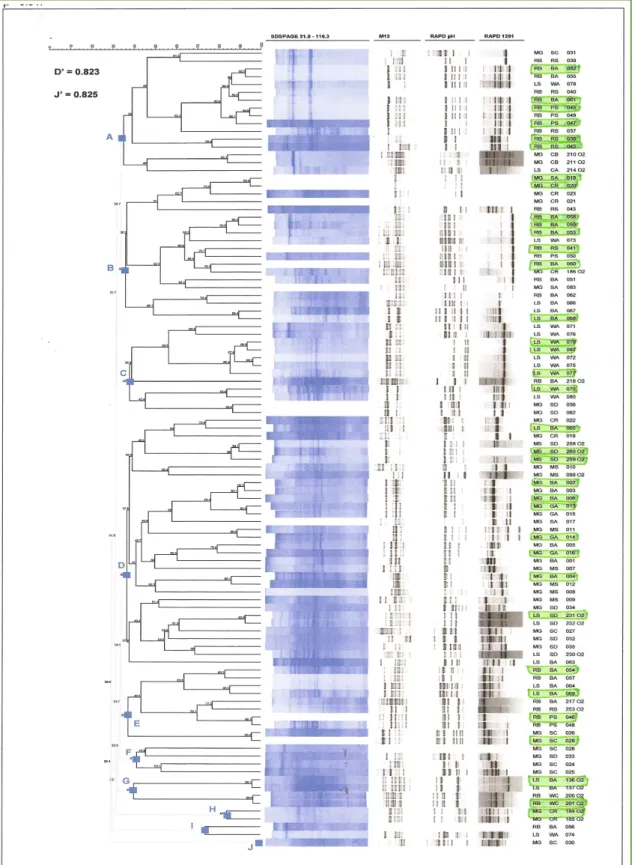
alternativa para a resolução daqueles problemas. Com este objectivo, o trabalho principal consistiu na pesquisa de compostos/princípios activos numa colecção única de procariótas extremófilos, oriundos de quatro fontes hidrotermais localizadas ao longo da Crista Média Atlântica (MAR), ao lado do arquipélago dos Açores, SEAVENTbugs. O seu desenvolvimento iniciou-‐se com a selecção das estirpes bacterianas que integraram a colecção em estudo, à qual foi atribuído o nome de COSM&BUG Collection. Esta derivou da colecção pré-‐existente, a SEAVENTbugs, pertencente ao ICAT, FCUL. Das 243 estirpes que hoje constituem a colecção SEAVENTbugs foram seleccionadas 34 para integrarem a COSM&BUG. Tenreiro T. desenvolveu em 2005 um estudo para avaliar a diversidade procariota da mesma, criando uma base de dados que engloba toda a informação recolhida. Posteriormente, um grupo de investigação do ICAT, FCUL, desenvolveu um estudo enzimático sobre a mesma colecção. Neste projecto, estabeleceu-‐se um novo dendrograma para a colecção COSM&BUG, incluindo toda a informação disponível referente às 34 estirpes, baseado na comparação de perfis densitométricos, utilizando o coeficiente de correlação de Pearson e o método de agrupamento UPGMA. A análise do novo dendrograma permitiu concluir que as relações entre as 34 estirpes COSM&BUG são sensivelmente as mesmas, em comparação com as exibidas no dendrograma inicial de Tenreiro T. Seguidamente produziu-‐se uma biblioteca de extractos aquosos da mesma colecção, armazenada a -‐80ºC, para integrar os ensaios de high throughput screening (HTS). Para estes ensaios, o primeiro passo constituiu na selecção dos alvos cosméticos genéticos a estudar. Depois de uma profunda análise, o colagéneo do tipo I e o ácido hialurónico foram os dois constituintes considerados relevantes no processo de envelhecimento da pele e seleccionados como alvos. Sendo o objectivo específico, pesquisar na colecção COSM&BUG compostos/princípios activos com capacidade para aumentar os níveis de colagéneo do tipo I e o ácido hialurónico, ou manter os níveis existentes numa pele jovem, seguiram-‐se dois caminhos possíveis. Tanto os enhancers das vias de síntese como os inibidores das vias de degradação dos dois alvos podem conduzir ao resultado desejado. Assim, foram determinados quatro alvos específicos: P4HA1 (type I isoform of Prolyl Hydroxylase α subunit) e HAS2 (Hyaluronic Acid Synthase 2) referentes às vias de síntese, e MMP-‐1 (Matrix Metalloproteinase 1) e HYAL2 (Hyaluronidase 2) referentes às vias de degradação, ambos os casos reportando-‐se respectivamente ao colagéneo do tipo I e ao ácido hialurónico. Seguiu-‐se o desenho de duas aplicações diferentes para a plataforma GPS D2. A SyEn Application (Synthesis Enhancer Application) para os alvos das vias de síntese, e a DeIn Application (Degradation Inhibitor Application) para os alvos das vias de degradação. A SyEn Application visou pesquisar o aumento dos níveis de expressão dos alvos correspondentes – enhancers de P4HA1 e HAS2 –, e a DeIn Application a diminuição dos níveis de expressão dos alvos respectivos – inibidores de MMP-‐1 e HYAL2. Para tal, foram utilizadas zonas dos genes dos respectivos alvos implicadas na transcrição dos mesmos e construídos clones que permitiram a detecção das alterações dos seus níveis de activação/inibição.
Neste âmbito a SyEn Application para o alvo P4HA1 foi desenvolvida e concluída com êxito. Após o ensaio concluiu-‐se que, nas condições estabelecidas, nenhum dos extractos aquosos COSM&BUG revelou capacidade para aumentar os níveis de expressão da zona do gene de P4HA1. Paralelamente, foi desenvolvida um outro ensaio para a pesquisa de capacidade protectora contra radiação UV na biblioteca de extractos aquosos da colecção COSM&BUG. Sendo a protecção contra a radiação ultra violeta (UV) um factor de extrema importância quer para a saúde geral, quer para o retardamento do envelhecimento precoce da pele e o desenvolvimento de rugas, optou-‐se por incluir também este ensaio na análise realizada. Este ensaio permitiu concluir que 9 dos 34 extractos aquosos COSM&BUG apresentaram competências protectoras contra a radiação de 254nm de comprimento de onda.
Numa perspectiva de trabalho futuro, novos extractos aquosos da colecção COSM&BUG sob condições totalmente estéreis deverão ser produzidos. Também se deverá produzir uma biblioteca de extractos orgânicos da colecção, por forma a alargar o estudo de possíveis compostos/princípios activos de interesse para a indústria cosmética.
O ensaio da SyEn Application para o alvo P4HA1 deverá ser repetido para confimar os resultados obtidos. As restantes plataformas que foram desenhadas deverão ainda ser implementadas para se obter um painel mais completo de ensaios. Tendo em vista a optimização do ensaio de sensibilidade aos raios UV, os novos extractos aquosos COSM&BUG, produzidos sob condições totalmente estéreis, deverão incorporar uma repetição deste ensaio. Para além do comprimento de onda utilizado, poderão testar-‐se comprimentos de onda superiores, entre os 280 e 400 nm, de maneira a estudar intensidades mais próximas das radiações UVB e UVA.
Este projecto pode ser considerado como a primeira abordagem ao estudo da colecção COSM&BUG relativamente às suas influências sobre a expressão de constituintes primordiais da pele, como o colagéneo e o ácido hialurónico, na prevenção do desenvolvimento de sinais de envelhecimento. As aplicações SyEn Application e DeIn Application, desenhadas para a plataforma GPS D2 da BIOALVO, detêm uma aplicabilidade futura de enorme valor comercial na contribuição para o desenvolvimento da tecnologia cosmética na área dos produtos anti-‐ageing.
Palavras-‐chave: extremófilos; cosmética; “anti-‐ageing”; colagéneo do tipo I; ácido hialurónico;
radiação UV
Table of Contents
Abstract
4
Resumo
5
Abbreviations
13
I. Introduction ……….. 15
1. The added value of the deep oceans to human wellbeing – Extremophiles ……… 15
2. Skin problems -‐ Precocious ageing ..………. 16
3. The cosmetic industry ………... 19
3.1. Current focus and market needs ……….. 19
4. Where pharma industry meets cosmetic industry ………. 21
4.1. HTS technology applied to cosmetic ………. 21
5. Aims of this research .………. 23
II. Scientific rational for the identification of aqueous extracts with cosmetic
application ………...………..………. 24
1. COSM&BUG Collection ………. 24
1.1. Strains selection ……… 24
1.2. Strains classification ……….. 25
2. Cosmetic targets definition ……… 27
2.1. Collagen Type I ……….. 28
2.1.1. P4HA1 ..………. 29
2.1.2. MMP-‐1 ..……… 31
2.2 HA ………... 33
2.2.1. HAS2 ……… 34
2.2.2. HYAL2 ……….... 35
3. Cosmetic screening assays development
(Confidential, it can be found in the confidential
annex)
……….……….……….……….……….……….……….………… 37
3.1. GPS
D2Platform Applications ……….. 37
3.1.1. Synthesis Enhancers Application – SyEn Application .…..……..……… 37
III. Materials and Methods
(Confidential
, it can be found in the confidential annex)
….. 38
1. SyEn and DeIn Applications construction ………. 38
1.1. PCR reactions .……… 38
1.2. Cloning ……… 38
1.2.1. Digestion for cloning ……… 38
1.2.2. Ligation of DNA to plasmid vector ………. 38
1.2.3. Transformation into competent E. coli cells ……… 38
1.2.4. Restriction analysis ……….. 38
1.2.5. Sequencing ………. 38
1.3. Yeast transformation ……… 38
2. Yeast EGFP3 signal confirmation ……… 38
3. Production of yeast spheroplasts – P4HA1 promoter induction by Coenzyme A (CoA) …. 38
4. COSM&BUG aqueous extracts ………. 38
5. HTS assay ….……… 38
6. UV sensitivity assay ………. 38
6.1. Determination of BY4741 inactivation dose to UV light with 254 nm
wavelength …….………. 38
6.2. The assay ……… 38
IV. Results and Discussion
(Confidential
, it can be found in the confidential annex)
…… 39
1. COSM&BUG Collection – Strains classification ………. 39
2
. SyEn and DeIn Applications construction ……… 39
2.1. PCR reactions, Cloning strategies and Bacteria transformation ………. 39
2.2. Control clone for SyEn Application ..……….. 39
2.3. Yeast transformation .………. 39
3. SyEn Application validation -‐ Yeast EGFP3 signal confirmation ……… 39
4. P4HA1 promoter induction by Coenzyme A (CoA) ……… 39
5. COSM&BUG aqueous extracts ……….……… 39
6.1. Primary Screening Assay for P4HA1 promoter ……… 39
7. UV sensitivity assay ………. 39
7.1. Determination of BY4741 inactivation dose to UV light with 254 nm
wavelength …….………. 39
7.2. The assay ……… 39
8. Global conclusions ……….. 39
V. Future prospects
(Confidential
, it can be found in the confidential annex)
………. 40
VI. Bibliographic References ……….
41
VII. Appendixes
(Confidential
, it can be found in the confidential annex)
………..….. 50
Appendix A – COSM&BUG strains list collection ….……….. 50
Appendix B – P4HA1 promoter induction by Coenzyme A (CoA)….……….. 50
Appendix C – COSM&BUG aqueous extracts dry ……… 50
Appendix D – HTS assay: Primary Screening Assay for P4HA1 promoter ………. 50
Appendix E – UV sensitivity assay ….………. 50
Confidential Annex
……….. 51
II. Scientific rational for the identification of aqueous extracts with cosmetic
application ………...……….……….. 51
3. Cosmetic screening assays development ……….……….……….……….……… 51
3.1. GPS
D2Platform Applications ……….. 51
3.1.1. Synthesis Enhancers Application – SyEn Application .…..……..……… 52
3.1.2. Degradation Inhibitors Application – DeIn Application .………. 54
III. Materials and Methods …………
……….. 58
1. SyEn and DeIn Applications construction ………. 58
1.1. PCR reactions ………. 58
1.2. Cloning ……… 59
1.2.2. Ligation of DNA to plasmid vector ………. 59
1.2.3. Transformation into competent E. coli cells ……… 60
1.2.4. Restriction analysis ……….. 60
1.2.5. Sequencing ………. 60
1.3. Yeast transformation ……… 61
2. Yeast EGFP3 signal confirmation ……… 61
3. Production of yeast spheroplasts – P4HA1 promoter induction by Coenzyme A (CoA) …. 62
4. COSM&BUG aqueous extracts ………. 62
5. HTS assay ………. 63
6. UV sensitivity assay ………. 63
6.1. Determination of BY4741 inactivation dose to UV light with 254 nm
wavelength ……….. 63
6.2. The assay ……… 64
IV. Results and Discussion
……….. 65
1. COSM&BUG Collection – Strains classification ……….……… 65
2
. SyEn and DeIn Applications construction ……… 67
2.1. PCR reactions, Cloning strategies and Bacteria transformation ..……….. 67
2.2. Control clone for SyEn Application ………. 70
2.3. Yeast transformation ……… 71
3. SyEn Application Validation -‐ Yeast EGFP3 signal confirmation ……… 72
4. P4HA1 promoter induction by Coenzyme A (CoA) ……… 74
5. COSM&BUG aqueous extracts ………..……….. 76
6. HTS assay ………..………. 76
6.1. Primary Screening Assay for P4HA1 promoter ……… 76
7. UV sensitivity assay .……… 80
7.1. Determination of BY4741 inactivation dose to UV light with 254 nm
wavelength ……….. 80
7.2. The assay ……… 80
8. Global conclusions ……….. 83
V. Future prospects ………. 85
VII. Appendixes ……..……… 86
Appendix A – COSM&BUG strains list collection ….……….. 86
Appendix B – P4HA1 promoter induction by Coenzyme A (CoA)….……….. 89
Appendix C – COSM&BUG aqueous extracts dry ……… 91
Appendix D – HTS assay: Primary Screening Assay for P4HA1 promoter ………. 93
Appendix E – UV sensitivity assay ….………. 111
Abbreviations
aa Amino acids
AP-‐1 Factor Activator Protein-‐1
bp Base pair
CAT Catalase
CoA Coenzyme A
CuZnSOD Copper-‐Zinc Superoxide Dismutase
DeIn Degradation Inhibitors
DMSO Dimethyl Sulfoxide
dNTP Deoxyribonucleotide triphosphate
E. coli Escherichia coli
ECM Extracellular Matrix
EDTA Ethylenediaminetetraacetic acid FCUL Faculdade de Ciências de Lisboa
GAGs Glycosaminoglycans
GFP Green Fluorescence Protein
GLU Glucose
Gly Glycine
GPS D2 Global Platform Screening for Drug Discovery
HA Hyaluronic Acid
HAS Hyaluronic Acid Synthase HTS High Throughput Screening HYAL Hyaluronidase
ICAT Instituto de Ciência Aplicada e Tecnologia LB Luria Bertani broth
MAR Mid Atlantic Ridge
MMP Matrix Metalloproteinase
MnSOD Copper-‐zinc manganese
nt Nucleotide
OD Optical Density
OH Hydroxyl radical
ON Over Night
PDI Disulphide isomerase chaperone
Pro Proline
P4HA1 Type I isoform of prolyl hydroxylase α subunit RAFF Raffinose
R&D Research & Development rpm Revolutions per minute
rt Room temperature
ROS Reactive Oxygen Species S. cerevisiae Saccharomyces cerevisiae SAP Stabilized Ascorbyl Pentapeptide
SEAHMA Seafloor and Sub-‐seafloor Hydrothermal Modelling in the Azores Sea
SyEn Synthesis Enhancers
SN Supernatant
ssDNA Salmon Sterm DNA
TAE buffer Buffer containing Tris, Acetate and EDTA URA3 Orotidine-‐5'-‐phosphate (OMP) decarboxylase
UV Ultraviolet radiation
UVA Ultraviolet radiation A UVB Ultraviolet radiation B
WT Wild type
yEGFP3 Yeast-‐enhanced GFP YNB Yeast Nitrogen Base YPD Yeast Peptone Dextrose
5-‐FOA 5-‐Fluoroorotic Acid Monohydrate 5-‐FU 5-‐Fluorouracil
I. Introduction
1. The added value of the deep oceans to human wellbeing – Extremophiles
Marine ecosystems are very rich and unique, where an endless number of species can be found. Innumerous researches were developed looking for the benefits of such diversity. This diversity represents an increasingly growing number of specimens available for study and, therefore, the number of possible commercial applications becomes exponential.
One of the marine environments characteristic is the occurrence of hydrothermal vents. These are geological phenomenon resulting from the ocean waters infiltration in cracks on the seafloor. These cracks result from the rocks contraction effect caused by the rapid cooling of ascending magma in contact with cold water. The large seamounts where columns of molten magma of mantle ascend to the surface forming new crust are called Mid-‐ocean ridges. Microorganisms are commonly found in these locations since they have an enormous adaptation capability to inhospitable conditions. The particularities of these environments, such as variation ranges of sharp temperature, salinity, pH, pressure, high metals concentrations, levels of water activity, among others, create a selective pressure in the kind of survivors therein found. The microorganisms able to resist to these variations are called extremophiles. (Gomes and Steiner, 2004). As proposed by Mac Elroy in 1974, the extremophile term arises as the definition for any given microorganism that requires extreme environmental conditions in order to survive. The concept of extreme habitat is itself relative, as the condition beyond the limit for a species can be the optimum required for another. Extremophile microorganisms prosper where most others would not survive. This is why they have kept the term extremophile until today. (Madigan and Marrs, 1997; Gomes and Steiner, 2004). This group of microorganisms presents a set of biological characteristics, resulting from adaptations at a molecular level, which grant them protection and, consequently, allowing survival in those circumstances.
Academic research groups and companies Research & Development (R&D) departments focus on this kind of environments to discover compounds or active ingredients differing from those currently known, that can be applied in different areas from pharmaceutical to cosmetics.
In pharma industry, Yondelis is an example of extreme success as it is a marine origin antitumor agent discovered in the colonial tunicate Ecteinascidia turbinata. Yondelis is PharmaMar's most advanced compound. In September 2007, it received marketing authorisation from the
European Commission for the treatment of advanced or metastatic soft tissue sarcoma. In November 2009 it has received its second marketing authorisation for the treatment of relapsed platinum-‐ sensitive ovarian cancer (www.pharmamar.com) In cosmetic industry, an example of a successful product based on marine extremophile microorganisms is the line of products called Photo-‐aging Defense Line containing the active ingredient ectoin, a natural anti-‐stress, low weight molecule, property of Bitop, a German biotechnology company (www.bitop.de).
2. Skin problems -‐ Precocious ageing
As time goes by, the skin suffers degradation and alterations of its components, altering the external appearance. This biological process is named skin ageing. Skin serves as a protective barrier between the body internal organs and environment. Being a complex organ, skin consists of different cell types and structures. It is divided into three main regions, epidermis (cell-‐rich layer mainly composed by differentiating keratinocytes, which are the most numerous cell type of the skin), dermis (separated from the epidermis by the basement membrane composed by extracellular matrix (ECM) proteins produced in fibroblasts) and hypodermis (lobules of adipose, fat tissue, which support the connective tissue framework). (Callaghan and Wilhelm, 2008; Dermatologia – Ficheiro Clínico e Terapêutico, 2010).
Skin ageing is influenced by several factors including genetic background, environmental exposure, hormonal changes and metabolic processes. All together these factors cause the accumulation of changes in the skin structure, function and appearance (Verdier-‐Sevrain et al., 2006; Callaghan and Wilhelm, 2008). That process is caused in part due to the reduction of the ECM constituents as fibronectin, collagen, elastin, hyaluronic acid and laminin, among others. The most affected part of the ageing process are collagen, elastin and glycosaminoglycans which are the major components of the dermis. Wrinkles as ageing apparent signs are the result of the weakening connection between the dermis and epidermis due to the decrease of linking fibers – anchorage fibers. This is also the result of many other vital functions reduction of the skin that diminish in efficiency as it ages, being an important example the decrease of components as the collagens type I and III and VII (Craven et al., 1997; Callaghan and Wilhelm, 2008).
There are two main processes of skin ageing, one intrinsic and one extrinsic. The genetic background of each individual is responsible for the appearance, through time, of all the ageing signs, in skin and in all other organs. Theoretically, this is inevitable. Concerning the first process, the telomeres, specific structures found in every chromosomes end, are referred as having a fundamental role, in the skin ageing process, in a cellular level. Their main function is to keep the
chromosomes functional stability, which looses its effectiveness through time with the shortening of their structure. On an extrinsic level, ageing is caused by external factors as agents like sun exposure, bad eating habits, smoking and alcohol (Tsoureli-‐Nikita et al., 2006; Geserick et al., 2006; Baumann, 2007; Papanagiotou, 2009).
The influence of the environment, mainly the solar ultraviolet radiation (UV), is of utmost importance for the human skin ageing. It causes deleterious effects such as burnings, immune suppression, erythema, desquamation, solar elastosis (the photo-‐ageing most prominent histological feature, characterized by collagen degradation and elastine abnormal accumulation in the dermis surface) cancer and premature skin ageing (Sander et al., 2002; Kennedy et al., 2003). More than one million new cases of skin cancer are diagnosed every single year, representing 40% of all diagnosed types of cancer (Bickers and Athar, 2006; Ming and He, 2009). In the year 2008 alone 1.000.000 new cases were estimated in the United States of America (American Cancer Society, 2008). The loss of tonicity and elasticity of the dermis, as well as the weakness of the skin, are directly related to ageing due to excess sun exposure. The alterations of dermal collagen caused by UV radiation occur primarily through two pathways: (i) by the stimulation of collagen breakdown, resulting in fragmented and disorganized collagen and (ii) by the inhibition of collagen precursor biosynthesis (Quan et al., 2009). 80% of facial ageing is due to this factor alone (Fisher et al., 1997; Uitto et al., 1997; Baumann, 2007). This phenomenon is clinically characterized by dryness and roughness of the skin texture, uneven pigmentation and fine and deep wrinkles (Berneburg et al., 2000; Ichihashi et al., 2009).
Ageing is also associated with the consequences of free radical damages caused by various endogenous reactive oxygen species (ROS). These are short-‐lived species and are continuously generated in low levels during the course of normal aerobic metabolism. ROS can be classified into two categories, free radicals, such as superoxide anion (O2-‐) and hydroxyl radical (OH), and non-‐ radicals, like singlet oxygen (O2) and hydrogen peroxide, being the mitochondria the major local of their production (Xu and Fisher, 2005; Harman, 2006, quoted in Callaghan and Wilhelm, 2008; Bickers and Athar, 2006; Callaghan and Wilhelm, 2008; Papanagiotou, 2009). The oxidative stress is appointed as a key role in the development of the cellular events that happens upon UV radiation exposure. Both UVA and UVB radiation can cause the appearance of human skin damage by oxidation of proteins through the formation of H2O2, among others ROS species (Sander et al., 2002). UVA light, longer wavelengths (320-‐400 nm), enters deeper into the skin reaching the dermis and being absorbed by fibroblasts. This radiation also interacts with epidermal keratinocytes. UVB light, shorter wavelengths (280-‐320 nm), is mostly absorbed in the epidermis affecting mainly keratinocytes and induces DNA damages (Berneburg et al., 2000).
Besides the ROS increasing, as hydrogen peroxide, UV radiation decreases anti-‐oxidant enzymes, such as copper-‐zinc superoxide dismutase (CuZnSOD), manganese SOD (MnSOD) and catalase (CAT) (which interact with ROS or with its by-‐products to eliminate them or to decrease their deleterious effects). This characteristic is also observed in the cellular natural ageing process. In both cases, the increasing of ROS production changes the structure and function of genes and proteins causing skin damages. These events cause variations in the intra and extracellular homeostasis leading to modifications both in cell behavior and cell-‐matrix interaction. Such kind of evidences suggests that UV radiation accelerates many key factors of human natural skin ageing process (Winter et al., 2001; Sander et al., 2002; Martindale and Holbrook, 2002; Matsumura and Ananthawamy, 2002; Bickers and Athar, 2006; Rattan, 2006; Callaghan and Wilhelm, 2008). Even though there are many unexplored consequences from extreme solar exposure it has been proven that skin cancer and photoageing result, in first hand, from damages accumulation caused by repeated solar radiation exposures, particularly UVA between 320 and 400nm (Marrot et al., 2005; Bickers and Athar, 2006; American Cancer Society, 2008). Wrinkles and pigmentation alterations are the most evident skin modifications associated with photo-‐damage.
3. Cosmetic Industry
Nowadays, more than ever, the grey area between cosmetics and medicine is expanding. This difference has become less and less obvious regarding quite a considerable amount of products. This happened because the cosmetic industry has brought to everyday life beauty products responding to pathological levels of care. Most of these items do not even need a prescription, making them easy to commercialize and obtain by all individuals. Pharmas are mirroring this, especially those that sell mostly beauty products. This is so evident that one can witness the growing empire of stores like Boots, for example, as well as their presence in our everyday life. Competing marketing wars among cosmetic giants result on an ever-‐growing market of products with great variety and variable price.
3.1. Current focus and market needs
Investment on personal care, time and money spent on health and beauty products are progressively growing in modern societies. Environmental harmless product consumption is exponentially growing. Beauty and health care is a growing industry, possibly reaching a leading role in world economy. Worldwide, the Cosmetic Industry represents 63.5 billion Euros, being the European market identical to the United States and Japanese combined (Global Insight, 2007). This is worth over 170 billion Euros per year. In Europe it has reached 35 billion Euros per year and regarding natural products it can generate around 3.9 billion Euros per year (euromonitor). From 2006 to 2016, a general growth at a rate of 4,4% is estimated (Global Insight, 2007). However, regarding natural compounds only, the rate is at a much higher level of 9% per year (euromonitor). The skin care market, the leader of the cosmetics industry, is becoming a worldwide power. Until 2006 the sun care and anti-‐ageing products shared the highest percentages of the total skin care segment (Global Insight, 2007).
On a global scale, there is an ever-‐growing tendency for the replacement of chemical compounds in cosmetic lines and an investment on natural instead. Many political actions are being developed with this purpose. In Europe there is the REACH program, dealing with Registration, Evaluation, Authorization and Restriction of Chemicals. Active since June 2007, this program imposes a thorough identification of the intrinsic properties of every single chemical product that circulates in Europe (www.apambiente.pt). Therefore, there is a centralization of all available information on any commercialized substance promoting its safer usage. This leads to a progressive replacement of any dangerous or instable compounds by safer ones available on the market. Measures like this show the growing concern for the environment, focusing in protective alternatives as well as investing on
human health. This way, it also enhances the adaptation of various industries, as the Cosmetic. The substitution of chemical compounds by natural ones (from animal, vegetal and microbial origin) has revealed itself an alternative of general success.
There are innumerous products on the market to diminish all the signs of the precocious skin ageing process and to improve the skin appearance and health in general. CosmDerm and CosmoPlast are the only collagen filler materials available derived from human collagen, from a single cell line of human fibroblast. They were developed due to the hypersensitivity effects the former products caused to the consumers, Zyderm and Zyplast with bovine derived collagen. There are many products available on the market as HA fillers. Hylaform, marketed by Allergan, is derived from avian source. Restylane, marketed by Medicis, Inc. is a non-‐animal stabilized HA, produced from the fermentation of equine streptococci. Based on non-‐animal origin, this product averted the potential immunological problems associated with those based on avian sources. Juvederm, marketed by Allergan, Inc., is also produced from the bacterial fermentation of equine streptococci. HA filler, known as Belotero, is being studied, also a non-‐animal product manufactured by Merz Pharmaceuticals. (Gold, 2007; Beauty and Personal Care in Portugal, Euromonitor, 2010). Most of these products are of topic use even when their main goal is the resurfacing of the epidermis, since it is the only way to decrease those signals. The main active targets for these products are collagen, elastin, and hyaluronic acid. For example, the rejuvenative medicine commonly uses HA as a filler for facial wrinkles. HA is either used alone or with other compounds and its popularity has dramatically increased since 2004. By the following years this had increased almost 10-‐fold. (Prince, et al., 2007; Beauty and Personal Care in Portugal, Euromonitor, 2010). Nivea, one of the leading brands within the cosmetic market, has recently presented one of the most successful products concerning reducing face treatments – Anti-‐Wrinkle Care System – with active co-‐enzyme Q10, responsible for activating the energy metabolism on the most inner layers of the skin, providing energy for cellular renovation. Increases in the natural Q10 level, fights wrinkles from within and visibly smoothes the skin, with increased UVA protection for better prevention results. (www3.nivea.com). L’Oreal is still a market leader due to its sales strategy. It offers a large range of different products within beauty and personal care areas. Its positioning reflects the brands innovation and diversification result, as for example Garnier increase. Another good example in the cosmetic area is Protector & Gamble, owner of brands such as Gillette, Pantene and Boost, among many others (Beauty and Personal Care in Portugal, Euromonitor, 2010).
The Portuguese consumers are more and more aware of the damages caused by UV radiation. In Portugal, in 2006, sun care products had the highest market share of the total skin care
segment. An increased use of anti-‐ageing products was also noticed, showing the consumers care with aesthetic appearance (Global Insight, 2007).
4. Where pharma industry meet cosmetic industry
4.1. HTS technologies applied to cosmetic
High Throughput Screening (HTS) consists of a modern scientific technique using a robotic system. Such methodology enables to quickly conduct innumerous test, such as genetic, biochemical, pharmacological, among others – the highest added value of this kind of scientific intervention. The automated station tests the chosen compounds, analysis the results and selects the hits (positives) for further assays. These research protocols are based on predefined computer programs. Companies and researchers benefits with the reduction of material, human resources and time.
BIOALVO S.A. named GPS D2 (Global Platform Screening for Drug Discovery) to its HTS technology, and is presently applied in several therapeutic segments of the pharmaceutical market, focusing on degenerative diseases. The drugs discovery platform developed by BIOALVO is based on in vivo assays performed in humanized yeasts (yeast strains modified to express the human therapeutic target in analysis and sensible to the presence of the same target, through the incorporation of a DNA sensor functionally connected to a reporter gene). The yeast constitutes a representative and simple life cellular model of the physiological conditions where the therapeutic target is found in human beings, and is easily adaptable to high throughput circumstances. As they are organisms of easy, rapid and economic growth, their usage in BIOALVO’s platforms enables to fight the in vitro assays nonspecificity, enabling to obtain information from the studied molecules, not only regarding the specific result as to the researched characteristic(s) but also regarding their behavior in a cellular environment – precocious cytotoxicity detection. Through the robotics provided by HTS, the high throughput necessities and the low cost of classic drug discovery programs are granted. The overall association of this microorganism utilization with an HTS assay enables a high profitability of resources, as well as result achievement, which otherwise would take much longer. Following a screening platform work out, the performance of a second screening, in human cellular lines expressing the therapeutical targets in analysis, enables the confirmation of hits molecule potency and toxicity levels (BIOALVO’s Annual Report 2009).
In spite of the strong and growing pharmaceutical market, the cosmetic industry is expanding and the biotechnological approach by this industry has been increasing, making it one of the most interesting markets worldwide. To reduce costs and potentiate the researches performed to get new
molecules a continuous growth of screening platforms are being made available lately. This technology and therefore the know-‐how owned by BIOALVO allows it to extend its business relationship with other potential markets. Through the GPS D2 Platform it is possible to research new molecules to be integrated in cosmetic products, offering a good reply to the different areas needs of this industry. For example, there is a big gap in the anti-‐ageing products, regarding an available compound/active principle with real lasting capability in the reduction of wrinkles development. These could be screened using typical biopharmaceutical HTS approaches.
Plants natural extracts, like silymarin, soy isoflavones and green tea polyphenols, among others, have been the most used raw material in cosmetic industry (Papanagiotu, 2009). Nevertheless new approaches are being explored, such as microorganisms and marine macroorganisms. Bearing in mind the compounds diversity produced by these organisms, there is a high probability of getting new compounds or active principles with potential application to the cosmetic industry. Natural extracts libraries (aqueous and/or organic) coming from marine microorganisms represent a huge variability and are potentially interesting for that purpose. Using such kind of libraries and using BIOALVO’s know-‐how and its GPS D2 Platform, the focus in the research of new molecules for cosmetic application is a worthy and promising future possibility.
5. Aims of this research
The main objective of this project was the research, in a unique collection of extremophile prokaryotes, coming from hydrothermal sources, of compounds/active principles with application in the cosmetic area. A first approach intended to define the phylogenetic relations between these strains taking into account new data available. Next, natural bacteria extracts from that collection were obtained. Additionally, four new HTS assays were designed specifically for cosmetic targets and tried to be implemented. On one of such assays, a HTS was performed using the previous described natural extracts. Finally, it was established an assay to study the protective effect, conferred by this natural bacterial extracts, under UV radiation.
The specific targets of this project were:
1) To select the bacterial strains to integrate the collection to be studied, COSM&BUG, and obtain its aqueous extracts library.
2) To establish a new dendrogram for the selected stains including all the data obtained previously by Tenreiro T., 2005 and Tenreiro A., Conduto A.,2008
3) To select the cosmetic genetic targets to be studied
4) To develop high throughput screening platforms to evaluate the potential utilization of the COSM&BUG aqueous extracts in cosmetics.
5) To develop an assay to investigate the protective capability of the COSM&BUG aqueous extracts to UV radiation.