Drivers and Outcomes of Customer Brand
Engagement on Online Social Media Based Tourism
Brands
Ana Leonor Pires Roberto
Master Dissertation in Management
Faculdade de Economia, Universidade do Porto
Supervised by:
Professor Teresa Maria Rocha Fernandes Silva
September 2017
i
Acknowledgements
First, I especially thank my supervisor, Doctor Teresa Fernandes for her support in every step of this process, for the knowledge shared, her suggestions, insightful feedback and prompt availability and patience.
Furthermore, I would also like to thank my brother and parents for their endless support and encouragement needed to accomplish my objectives.
ii
Abstract
The Marketing Science Institute’s 2014-2016 Research Priorities highlights in its first tier the need for further research in the dynamic of customers and its experiences once the world onset of customer’s behaviours is changing regardless the growth of social media and other forces, becoming more prosumers than ever. Customer brand engagement has recently emerged in both academic literature and into business environment discussions as a brand loyalty and brand trust predictor. Despite the increased interest in the field, empirical inquiry on customer engagement regardless online tourism brands is relatively scarce. The goal of this research is to investigate the nature of customer brand engagement with online social media based tourism brands. First, this study intends to adapt and validate the Customer Brand Engagement with Tourism Brands 25-item scale proposed by (So et al., 2016) in a social media tourism based platforms context. Second, this study intends to define and understand customer involvement, brand love and brand experience as potential drivers, and brand trust and brand loyalty as outcomes of customer brand engagement.
Data was collected through a survey of a convenience sample of 211 users of online social media based tourism platforms.
The most significant findings of this study suggest that customer involvement, brand experience and brand love factors can influence the level of customer brand engagement, which in turn will affect the level of trust and behavioural loyalty. Thus, the current research contributes to academic marketing literature by providing a deeper understanding of customer brand engagement. Moreover, this study offers useful managerial insights for brand managers to better assess the nature, drivers and outcomes of customer brand engagement with these platforms.
Keywords: Customer Engagement, Customer Involvement, Brand Love, Brand Experience, Brand Loyalty, Brand Trust.
iii Table of Contents
Acknowledgements ... i
Abstract ... ii
Table of Contents ... iii
List of Tables ... vi
List of Figures ... vii
Introduction ... 8
2 Literature Review... 11
2.1 Conceptualization of Customer Engagement... 11
2.2 Dimensions of Customer Engagement... 12
2.2.1 Enthusiasm ... 17
2.2.2 Attention ... 17
2.2.3 Absorption... 17
2.2.4 Interaction ... 18
2.2.5 Identification ... 18
2.3 Customer Involvement, Brand Love, and Brand Experience as Customer Engagement Drivers... 18
2.3.1 Customer Involvement ... 18
2.3.2 Brand Love... 19
2.3.3 Brand Experience ... 20
2.4 Brand Loyalty, and Brand Trust as Customer Engagement Outcomes ... 21
2.4.1 Brand Loyalty ... 21
2.4.2 Brand Trust ... 22
3. Empirical Study ... 24
3.1 Conceptual Model and Hypotheses ... 24
3.2 Methodology ... 29
iv 3.2.2 Survey Structure... 29 3.2.3 Pilot-Test ... 32 3.2.4 Sample... 32 3.2.5 Data Collection ... 33 3.2.6 Data Analysis ... 33 3.2.6.1 Factor Analysis ... 34
3.2.6.2 Linear Regression Analysis ... 36
4. Results ... 37 4.1 Sample... 37 4.2 Descriptive Analysis ... 42 4.2.1 Identification ... 42 4.2.2 Enthusiasm ... 42 4.2.3 Interaction ... 43 4.2.4 Absorption... 43 4.2.5 Attention ... 44 4.2.2 Customer Involvement ... 45 4.2.3 Brand Love... 46 4.2.4 Brand Experience ... 47 4.2.5 Brand Trust ... 48 4.2.6 Brand Loyalty ... 48 4.3 Factor Analysis ... 49 4.4 Hypotheses Analysis ... 53 4.4.1 H1 Testing results ... 53
4.4.1.2 Hypotheses 1: Customer Brand Engagement can be measured by its Dimension's identification, enthusiasm, interaction and identification. ... 53
4.4.2 H2-H5 Testing Results: Drivers and Outcomes of Customer Brand Engagement ... 54
v
H2a: Brand Experience is positively related to Brand Love. ... 57
H2b: Customer Involvement is positively related to Brand Love. ... 57
4.4.2.2 Hypothesis 3: Brand Love is positively related to Customer Brand Engagement. ... 58
4.4.2.3 Hypotheses 4: ... 58
H4a: Customer Brand Engagement is positively related to Brand Trust. ... 58
H4b: Brand Experience is positively related to Brand Trust. ... 58
4.4.2.4 Hypothesis 5: Brand Trust is positively related to Brand Loyalty. ... 59
4.5 Discussion of results ... 62
5. Conclusions, Limitations and Suggestions for future research ... 66
5.1 Conclusions ... 66
5.2 Limitations and Future Research ... 69
Bibliography ... 71
vi
List of Tables
Table 1 Customer Engagement conceptualisations and dimensionality in the marketing
literature ... 13
Table 2 Survey Items ... 31
Table 3 Cronbach’s Alpha Values ... 35
Table 4 Nationalities ... 38
Table 5 Number of Travels During the Last Year ... 41
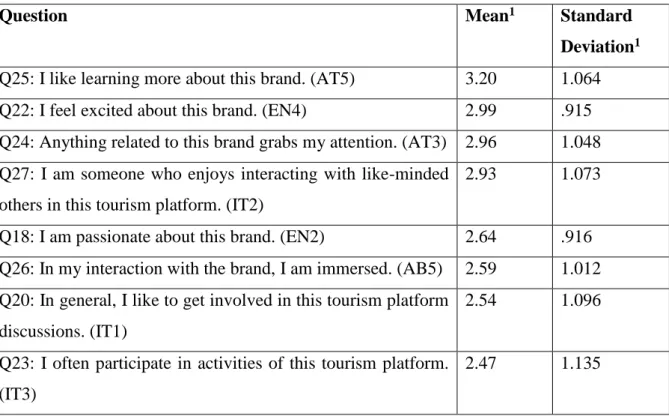
Table 6 Identification Dimension items analysis ... 44
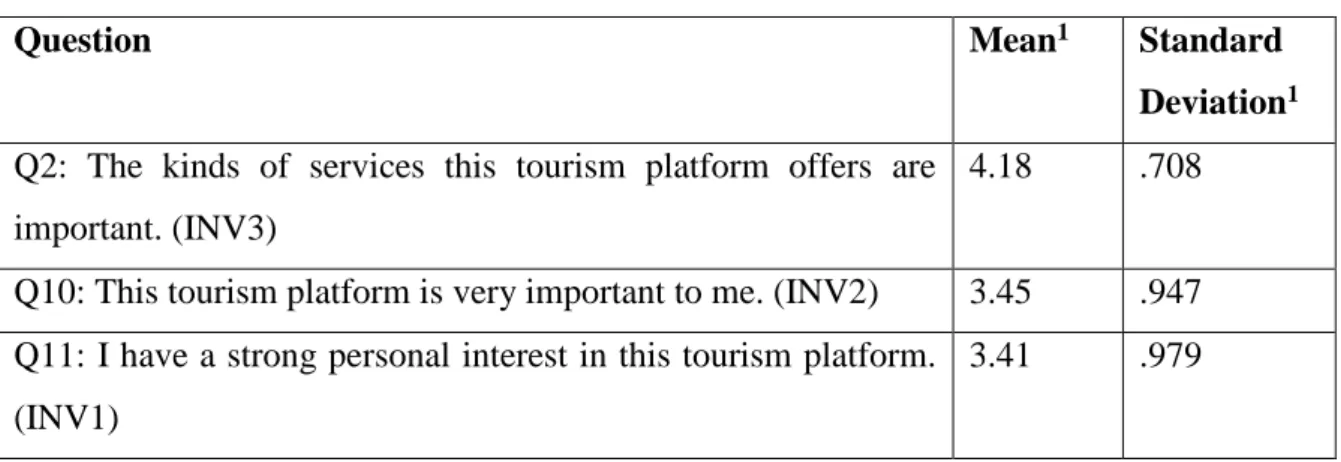
Table 7 Customer Involvement Dimension items analysis... 45
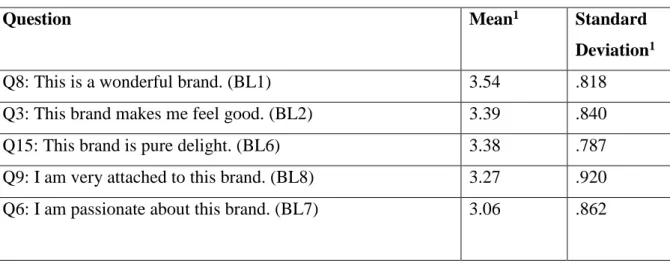
Table 8 Brand Love Dimension items analysis ... 46
Table 9 Brand Experience Dimension - Items analysis ... 47
Table 10 Brand Trust Dimension items analysis ... 48
Table 11 Brand Loyalty Dimension - Items analysis... 49
Table 12 Measurement scales, reliability and dimensionality statistics ... 51
Table 13 Means, reliabilities and correlations ... 52
Table 14 Measurement scales, reliability and dimensionality statistics ... 53
Table 15 Normal Probability Plot ... 55
Table 16 Residual Statistics ... 56
Table 17 Durbin - Watson... 56
Table 18 H1-H5 Testing Results: Linear Regression Analysis ... 60
Table 19 Research Questions Validation ... 62
Table 20 Dimension’s KMO, Bartlett and Alpha Values ... 78
Table 21 Residual Statistics (Customer Involvement, Brand Experience, Brand Love) ... 79
Table 22 Relation between Customer Involvement, Brand Experience and Brand Love ... 80
Table 23 Residual Statistics (Brand Love, Customer Brand Engagement) ... 81
Table 24 Relation between Brand Love and Customer Brand Engagement ... 82
Table 25 Residual Statistics (Customer Brand Engagement, Brand Experience, Brand Trust) ... 83
Table 26 Relation between Customer Brand Engagement, Brand Experience and Brand Trust ... 84
Table 27 Residual Statistics (Brand Trust, Brand Loyalty) ... 85
vii
List of Figures
Figure 1 Conceptual Model ... 24
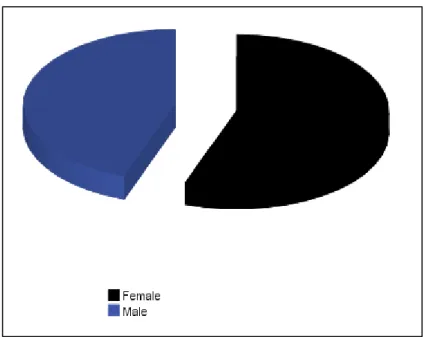
Figure 2 Gender ... 37
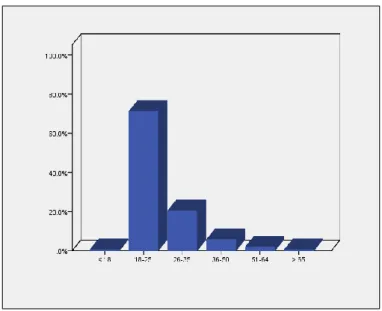
Figure 3 Age Group ... 38
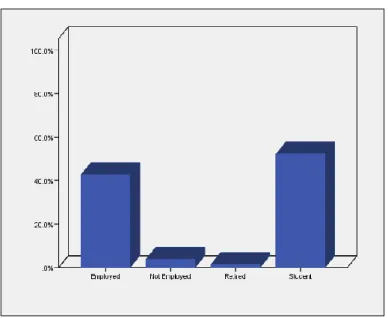
Figure 4 Occupation Status ... 39
Figure 5 Favourite Tourism Platform ... 40
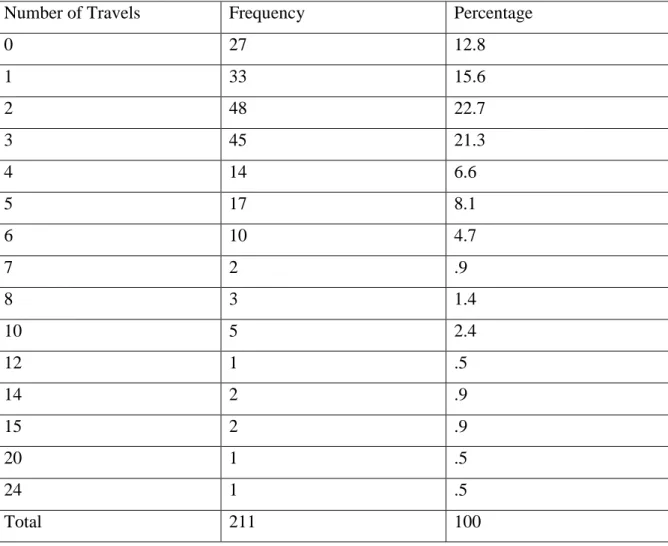
Figure 6 Travel During the Last Year ... 40
Figure 7 Normal Probability Plot of errors between Customer Involvement, Brand Experience and Brand Love ... 55
Figure 8 Normal Probability Plot of errors between Brand Love and Customer Brand Engagement... 55
Figure 9 Normal Probability Plot of errors between Brand Experience, Customer Brand Engagement and Brand Trust... 55
Figure 10 Normal Probability Plot of errors between Brand Trust and Brand Loyalty ... 55
8
Introduction
The Marketing Science Institute’s 2014-2016 Research Priorities highlights in its first tier the need for further research in the dynamic of customers and its experiences once the world onset of customer’s behaviours is changing. Customers are living regardless the growth of social media, defined as the “group of Internet-based applications that build on the ideological and technological foundations of Web 2.0 and that allow the creation and exchange of User-Generated content” (Kaplan and Haenlein, 2010), and other forces, becoming more prosumers than ever. In the last three decades, customer engagement has emerged as an important research stream in the literature, highlighting the dynamic of customers and brands relationships and the importance of engaging with customers on social media is gaining attention. This phenomenon is covering several industries, including the tourism sector, where customers are relying massively on tourism sites for travel information than ever before (So et al., 2014). This could be due to the rise of new media channels (Wang et al., 2016); the increasing usage of smartphones and pervasive mobile technologies (Xiang et al., 2014); the significant rise in the ‘sharing economy’, often also called ‘collaborative consumption’ (Sacks, 2011), combined with an increasing average of customers that identify themselves as prosumers. Prosumers are more informed, self-motivated, and affected by other customers opinions that are turning to become effective brands advocates. Those factors are affecting all the industries and are enabling customer’s interaction with each other outside the actual service consumption. Those factors are also providing to firms’ new opportunities to connect with them customers through interactions (e.g., writing reviews, joining online communities, blogging) other than the service experience (Buzzetto-More, 2013, Malthouse et al., 2013). Previous phenomenon’s are providing tourism and hospitality firms new opportunities to connect with them customers and changing them behaviours regarding the way they travel, which has dramatically changed due to this onset of new online travel services. Those customers interactive behaviours approach the customer engagement concept, which highlights tourism companies to leverage CE since their goal is to attract and retain more customers (So et al., 2014; Wang and Fesenmair, 2004). Recent research reinforced the relevance of engagement in brand management. (So et al., 2016) Cited the MSI (2010) to support the emerging of customer engagement in the marketing literature as priority topic, describing the concept as a “customers’ behavioural manifestation toward a brand or firm beyond purchase. Which results from motivational drivers including word-of-mouth activity, recommendations, customer-to-customer interactions, blogging,
9 writing reviews, and other similar activities” (p.4). However, despite the growing interest in the customer engagement concept, is still a relatively recent topic in the literature having gaps that need to be bridged, in the tourism area, empirical research is quite limited (So et al., 2014; Wang and Fesenmaier, 2004). This dissertation aims to investigate the nature of customer engagement with online social media based tourism brands. This dissertation will extend the research model developed by (So et al., 2016). The previous study analyses the relationship of CE with key constructs underlying brand loyalty development, conducted in the hotel and airline sectors of the tourism industry. This research has three purposes. First, the research model proposed in the previous study will be extended by additionally adding “Customer Involvement”, “Brand Love”, and “Brand Experience” as potential drivers for customer brand engagement. Second, measure what impact does engagement have on “Brand Loyalty” and “Brand Trust” as outcomes related to a brand. Third, adapt the framework from the previous research for an online brand context, measuring the CE of social media based tourism brands, such as Airbnb, TripAdvisor, and Booking.com. As a perspective, this seems to be a promising conceptual starting point, closing the gap between the pre-internet paradigm and the new dynamics in the tourism area. This dissertation will try to give a richer insight into:
i. Which dimensions should be used to measure the customer engagement of Online Social Media Based Tourism Brands?
ii. Are Customer Involvement, Brand Love and Brand Experience drivers for customer engagement?
iii. What impact does customer engagement have on outcomes related to a brand, such as Brand Loyalty and Brand Trust?
This dissertation will contribute to the tourism literature by conceptualising and examining the relationships of CE with the main constructs underlying brand loyalty and brand trust development. The conceptual model developed from (So et al., 2016) will be extended by incorporating “Brand Involvement”, “Brand Experience” and “Brand Love” as additional factors that might represent antecedents of Customer Brand Engagement. The “Brand Loyalty” and “Brand Trust” constructs will incorporate the model as potential outcomes of Customer Brand Engagement. Those five constructs will be tested to determine the relationships with CE. The social media are driving fundamental changes in the business environment and allows customers to create and share content across online networks, creating challenges and opportunities for marketing professionals (Harrigan et al., 2017). This study will test the conceptual model in other tourism settings, relying on the online context (Online social media brands, such as Airbnb, TripAdvisor, and Booking.com, once they rely on
10 contribution, interaction and engagement from and between consumers). This study will be conducted in a dynamic research stream, following current trends (much as possible), by carrying out the survey in an online context, by choosing the actual popular social media tourism brands, that are related to other phenomenon’s, such as the rising of the sharing economy, which is having an impact in the way that people travel (approaching again to the prosumer concept), is creating new channels in the peer-to-peer market. All those previous factors are having an impact on the global economy. The proposed drivers and outcomes among some of the concepts addressed are considered in recent previous conceptualisations and relationship with the CE concept (So et al., 2014) and are also gaining attention in the branding literature (Brakus et al., 2009). This dissertation will conduct an empirical inquiry on customer engagement. Based on a deductive approach, the methodology of this study will be quantitative order. This study will apply the survey method intending to obtain primary data. In a view to achieving the purpose of this research, this essay will follow the following described structure. In the next section (Section 2) will be presented the literature review. First, it will be mentioned the main concepts and definitions inside the field of customer engagement (Section 2.1). Then the dimensions of customer engagement will be approached (Section 2.2). Followed by a brief exposition about the potential customer engagement drivers that this study intends to add (Section 2.3). Successively, a brief introduction and explanation of the outcomes that this study intends to measure will be presented (Section 2.4). Followed by the methodological aspects in (Section 3) and the presentation of the results (Section 4). To conclude (Section 5) summarise the conclusion, limitations and suggestions for future research of this study.
11
2 Literature Review
2.1 Conceptualization of Customer Engagement
The engagement concept goes across several academic disciplines, and it has been previously examined. However, it gives a rise for possible different interpretations of the concept. The concept approaches many organisations which, based on the notion that high levels of engagement may be related to high productivity and profitability levels, intended to measure it to optimise their ‘employee engagement’ levels (Hollebeek, 2011b). (Kahn, 1990) Defines employee engagement as “the simultaneous employment and expression of a person’s preferred self in task behaviours that promote connections to work and others, personal presence, and active, full role performances”. While the phenomenon of the engagement conceptualisation has gained attention in several academic disciplines, it has only emerged in the marketing literature. The engagement concept has been viewed in the field as a variable that could build up customer loyalty outcomes. In the marketing literature, engagement has been applied primarily with a customer’s perspective subject focus (Bowden, 2009a, Hollebeek, 2011b). The customer engagement (CE) concept has emerged in many industries, attracting and increasing the attention in the academic and business environments (Brodie et al., 2011).
(Brodie et al., 2004, p. 5) define customer engagement (CE) as a:
“Psychological state that occurs by virtue of interactive, co-creative customer experiences with a focal agent/object (e.g., a brand) in focal service relationships. It occurs under a specific set of context dependent conditions generating differing CE levels; and exists as a dynamic, iterative process within service relationships that co-create value. CE plays a central role in a nomological network governing service relationships in which other relational concepts (e.g., involvement, loyalty) are antecedents and consequences in iterative CE processes. It is a multidimensional concept subject to a context- and/or stakeholder-specific expression of relevant cognitive, emotional and/or behavioural dimensions”.
12
2.2 Dimensions of Customer Engagement
The previous customer engagement definition highlights a multidimensional construct that covers psychological and behavioural aspects, supporting that a truly engaged customer in addition to behavioural participation needs from the background a psychological connection with the brand (So et al., 2014). However, some researchers considered that customer engagement has a behavioural construct provided from a range of motivational drivers (Bijmolt et al., 2010b). The adoption of a multidimensional approach for customer engagement concept conceptualization to predict traditional loyalty antecedents, suggests that considering only behavioural measures may lack a conceptual basis. This factor is also reported to customer engagement, whereby participation in CE activities is not directly related to a true engagement customer. Several factors can justify customer involvement in a brand discussion forum such as reduction of customer perceived risk about a product, which does not truly mean that this customer is engaged with the brand. The behavioural approach may provide an insight of customer’s participation level in CE activities. While too considered the multidimensional approach, the customer must have a continuing psychological connection with the brand additionally to capture the full complexity of CE (Brodie et al., 2011; So et al., 2014). The fact that CE has been studied in various disciplines conducting to a variety of engagement forms and interpretations of the concept. There are two approaches to the CE dimensionality in the scientific literature, the unidimensional where one dimension, identified as the dominant one and a multidimensional approach where different dimensions of CE are interrelated. The authors also highlight that the definition of dimensions depends on the object of engagement, such as a brand, a brand community, an online social platform, a website, among other possibilities that varies according to the studied context. The authors also stress that when a multidimensional perspective is approached, there is no consensus on which and what dimensions should be applied in the customer engagement construct (Kuvykaitė and Tarutė, 2015).
To provide a better understanding of the engagement concept, Table 1 presents an overview of conceptualisations and dimensions.
13
Table 1 Customer Engagement conceptualisations and dimensionality in the marketing literature
Author(s) Research Type
Concept Definition Dimensions
(Patterson et al., 2006)
Conceptual Customer Engagement
“the level of a customer’s various “presence” in their relationship with a service organisation. The presences include physical presence, emotional presence and cognitive presence.” (p.1)
Multidimensional: • Vigor • Dedication • Absorption • Interaction (Catteeuw, Flynn, & Vonderhorst, 2007) Conceptual Employee Engagement
“is the degree to which employees are satisfied with their jobs, feel valued, and experience collaboration and trust.” (p.152) Multidimensional: • Cognitive • Emotional (Bowden, 2009a) Conceptual Customer Engagement Process
“psychological process that models the underlying mechanisms by which customer loyalty forms for new customers of a service brand as well as the mechanisms by which loyalty may be maintained for repeat purchase customers of a service brand” (p.65)
Multidimensional: • Cognitive • Emotional • Behavioural (Sprott et al., 2009) (Sprott et al., 2009) Empirical Brand engagement in self-concept
“is unrelated to global assessments of concept and well-being captured by general esteem, self-concept clarity, and satisfaction with life.” (p.94)
Unidimensional: • Emotional (Gambetti and Graffigna, 2010) Empirical Consumer Brand Engagement
From a present global market scenario, CBE “plays a key role in a new customer-centric marketing approach designed to cope with the constantly evolving individual and social dynamics of postmodern consumer behaviour” (p.801)
Unidimensional • Behavioural
14 (Hollebeek, 2011a) Conceptual Customer Brand Engagement
“The level of an individual customer’s motivational, brand-related and context-dependent state of mind characterised by specific levels of cognitive, emotional and behavioural activity in direct brand interactions” (p.790) Multidimensional: • Cognitive • Emotional • Behavioral (Hollebeek, 2011b) Empirical: Qualitative Customer Brand Engagement
“The level of a customer’s cognitive, emotional and behavioural investment in specific brand interactions’” (p.555) Multidimensional: • Cognitive • Emotional • Behavioral (Abdul-Ghani et al., 2011) Empirical: Qualitative
Engagement “Refers to a consumer’s ongoing attention to an object of consumption such as website or brand” (p.1060) Multidimensional: • Utilitarian • Hedonic • Social (Brodie et al., 2011) Conceptual Customer Engagement
“Customer engagement (CE) is a psychological state that occurs by virtue of interactive, cocreative customer experiences with a focal agent/object (e.g., a brand) in focal service relationships. It occurs under a specific set of context-dependent conditions generating differing CE levels; and exists as a dynamic, interactive process within service relationships that co-create value” (p.9)
Multidimensional: • Cognitive • Emotional • Behavioral (Vivek et al., 2012) Empirical: Quantitative Consumer Engagement
“The intensity of the consumer’s participation and connection with the organization’s offerings and/or its organized activities.” (p.127) Multidimensional: • Awareness • Enthusiasm • Interaction • Activity • Extraordinary Experience
15 (Brodie et al., 2013) Empirical: Qualitative Consumer Engagement
“A context-dependent, psychological state characterized by fluctuating intensity levels that occur with dynamic, multidimensional concept comprising cognitive, emotional, and/or behavioural dimensions, and plays a central role in the process of relational exchange where other relational concepts in the iterative engagement processes within the brand community” (p.107)
Multidimensional: • Cognitive • Emotional • Behavioural (Vivek et al., 2014a) Empirical Customer Engagement
“The intensity of an individual’s participation in and connection with an organization’s offerings and/or organizational activities, which either the customer or the organization initiate” (Vivek, Beaty, and Morgan (2012, p.133) Multidimensional: • Cognitive Processing • Enthused Participation • Social Connection (Hollebeek et al., 2014) Empirical Consumer Brand Engagement
“A consumer’s positively valenced brand-related cognitive, emotional and behavioral activity during or related to focal consumer/brand interactions” (p.154)
Multidimensional: • Cognitive Processing • Affection • Activation (So et al., 2014) Empirical Customer Brand Engagement
“Customer’s personal connection to a brand as manifested in cognitive, affective, and behavioral actions outside of the purchase situation” (p.310-311)
Multidimensional: • Behavioural: Interaction • Emotional: Identification • Cognitive: Absorption, Enthusiasm, Attention (Dwivedi, 2015) Empirical Consumer Brand Engagement
“Consumer’s positive, fulfilling, brand-use-related state of mind that is characterized by vigor, dedication and absorption” (p.100)
Multidimensional: • Vigor • Dedication • Absorption
16 (Dessart et al., 2016) Empirical: Quantitative Consumer Engagement
“The state that reflects consumers’ individual dispositions toward engagement foci, which are context-specific. Engagement is expressed through varying levels of affective, cognitive, and behavioural manifestations that go beyond exchange situations.” (p.409)
Multidimensional: • Affective: o Enthusiasm o Enjoyment • Cognitive: o Attention o Absorption • Behavioural o Sharing o Learning o Endorsing (Bowden et al., 2017) Empirical Consumer Engagement
“A consumer’s cognitive, emotional, and behavioural investments in interacting with focal objects or agents.” (p.879)
Multidimensional: • Cognitive • Affective • Behavioral
8 The previous table, demonstrate that a multidimensional perspective dominates in the customer engagement conceptualization. (So et al., 2014) Incorporates five dimensions, namely, enthusiasm, attention, absorption, interaction, and identification in his customer engagement conceptualisation. Once this research builds on (So et al., 2016) and is going to approach these five dimensions in CE conceptualisation, the purpose of this research is best served by introducing each dimension.
2.2.1 Enthusiasm
Previous research characterises enthusiasm by a strong feeling of excitement felt by an individuum. It also represents an enduring and effective state regarding the focus of engagement, such as a brand. The sense of enthusiasm is considered as a positive affectivity a central indicator of customer’s engagement with a brand (Vivek, 2009; So et al., 2014).
2.2.2 Attention
Attention represents the customer’s attentiveness and focuses on a brand, considered to be a major dimension of Customer Engagement. Marketing theory also supports attention as customer engagement object. Once attention represents an invisible material resource that an individuum can allocate in multiple ways, being consistent with the construct of conscious participation capturing a customer’s level of attention toward a brand (Vivek, 2009; So et al., 2014). (So et al., 2014), argues that a customer that is engaged with a brand is attracted to information related to the brand. Thus, a highly-engaged customer tends to focus a higher level of attention toward its brand information, such as news, advertising, products and services, reviews.
2.2.3 Absorption
Investigators have considered highlighted attention as a key dimension of customer engagement. (Patterson et al., 2006) Describes absorption as a pleasant state which customer are fully concentrated and deeply engrossed that time passes quickly while playing his or her role, considering attention as a state of optimal experience. For example, an engaged Airbnb customer can easily lose track of time when reading or while writing customer reviews on the platform.
18
2.2.4 Interaction
Interaction is another characteristic that constitutes an essential part of Customer Engagement conceptualisation by representing the behavioural manifestation of customer’s relationships with a brand beyond traditional consumptive behaviour. It refers to customer’s online and off-line participation interactions with a brand inside and outside of purchasing, involving sharing and exchanging information, thoughts/opinions and feelings about experiences with the brand. The relevance of customer interaction at the brand level is supported by brand like the other dimensions, as the intensity of customers engagement increases, participation tends to grow (Vivek, 2009; Bijmolt, et al., 2010; Muniz and O'guinn, 2001; So et al., 2014).
2.2.5 Identification
In addition to the previous four Customer Engagement dimensions, identification can help explaining customer’s relationships with brands. Those relationships are based on customers’ identification with the companies that assist them to satisfy one or more critical self-definitional needs. Customers perspective identification as a “perceived oneness with or belonginess to an organization”(Bhattacharya et al., 1995), while at the brand level, it occurs when the customers perceive them self-image as overlapping the brand’s image (Bagozzi and Dholakia, 2006; So et al., 2014). Identification is considered a proper dimension of Customer Engagement conceptualisation as a cognitive component that justifies customer’s engagement behaviours.
2.3 Customer Involvement, Brand Love, and Brand Experience as Customer
Engagement Drivers
2.3.1 Customer Involvement
In involvement conceptualisation, the individuum characteristics, the characteristic of the stimulus, and the feature of the situation are considered as major drivers. The concept viewed as a motivational construct which partly relies on previous factors of person’s values, needs and interests, allowing an effective component and a cognitive component when the individual’s informational processing activities are approached (Zaichkowsky, 1994). Based on previous research, (Bowden, 2009a) sets the importance that involvement has in the customer engagement process and the variety of reasons supporting this phenomenon. The
19 efforts that marketing departments do to personalise and approach the customer's experience are highly influenced by the state of involvement with a brand, once the psychological commitments to a brand (feelings, thoughts, co-creation) purchase different impacts on those efforts made from marketers. Also, arguing supported by previous research, that there is a positive relation between involved customers with brands and long-lasting customer loyalty with brands. Brand involvement addresses the customer’s level of interest with a specific brand. The customer engagement conceptualisation has a cognitive, emotional and behavioural dimension. The behavioural aspect of customer engagement addresses relevant behavioural expressions at the time of purchase a product and a service, repurchase behaviours and loyalty may be customer’s behavioural outcomes (Hollebeek, 2011a). The CE conceptual foundations can be rooted in customer/brand interactions and the customer's participation in brand related activities. In contrast to customer engagement, customer involvement does not require the existence of physical brand interactions.
2.3.2 Brand Love
Achieve brand loyalty is one of the companies’ goals. The marketing departments seek to increase this indicator once it predicts marketing success of firms and it is applied to all the industries (So et al., 2016) including the tourism industry that is the area that this study will be a focus on. Researchers argue that just considered customer satisfaction is not enough to keep the customers loyal, once satisfaction tends to be sustained for an extended period, but afterwards it gets deeper. The two concepts constructs differ in several key ways (Carroll and Ahuvia, 2006b).
(Carrol and Ahuvia, 2006a, p.81), defines brand love as a “degree of passionate, emotional attachment a satisfied consumer has for a particular trade name”. The concept includes passionate feelings for a brand, such as positive emotions, declarations of love, and positive evaluation. The concept conceptualisation involves a relation of customer’s sense of integration and identity with a brand. Such phenomenon does not occur in simple brand affect. Brand love is conceptualised as a mode of satisfaction. Once brand love conceptualised as a mode of satisfaction, the lower bound of brand love is the absence of an emotional response. The conceptualisation of simple effect includes negatives feelings (e.g., dislike, hate). Unlike to this conceptualisation, Brand love excludes negatives feelings for the brand (Carroll and Ahuvia, 2006b). Brand Love is finding to be related to word-of-mouth and brand loyalty, and less sensibility to brand failures (Brata et al., 2012). This positive delineated relationship between
20 brand love and word-of-mouth, considered to be an expression of customer engagement evokes brand love as an essential driver of customer engagement (Islam and Rahman, 2016, Carroll and Ahuvia, 2006a).
Founier, 1998a) Sets love as a core element of consumer’s relationships through a brand. According to (Brata et al., 2012), previous research in brand love has led to two major problems: consider brand love and interpersonal love as similar concepts and assuming brand love as an emotion instead than a relationship. Founding out that brand love is best reviled in consumer’s perception as a higher-order construct that includes multiple cognitions, emotions, and behaviours. (Batra et al., 2012), also highlights the importance of distinguishing love emotion and love relationship. Arguing that love emotion is a specific feeling and as like other emotions tend to occur in a short-term period. While the love relationship can last for an undefined long-period, involving cognitive, affective, and behavioural experiences. Reinforcing that brand love research focus on one perception, love as an emotion or love as a relationship. However, rarely acknowledges the distinction of both concepts (Fournier, 1998a; Batra et al., 2012).
2.3.3 Brand Experience
There is a lack of an answer to some questions related to brand experience, about how customers experience a brand, how it is measured, and its affection on customer behaviour. (Brakus et al. 2009), shown them research article some authors, that part from others constructs and measurements, including, brand community, brand trust, brand love, a brand attachment that raised on branding literature. However, research has ignored the brand experience in this onset. However, marketing practitioners do not follow the same view and come to realise that such concept is important in the development of marketing strategies for both goods and services by trying to understand how customers experience brands. The brand experience is a brand-related stimulus linked to brand’s internal and external environments, such as design and identity, packaging, marketing communication, and selling points. (Brakus et al., 2009a), conceptualised brand experience as a “subjective, internal consumer responses (sensations, feelings, and cognitions) and behavioral responses evoked by brand-related stimuli that are part of a brand’s design and identity, packaging, communications, and environments.”. Like other concepts, Brand experience has different dimensions once customer brand experiences can have different perceived degrees of strength, intensity, long-lasting and perceived and non-perceived reactions. It is not mandatory that an experience needs to be positive. The adverse
21 effect of an experience cannot be taken apart while considering the affectation of customer satisfaction and loyalty (Brakus et al., 2009).
2.4 Brand Loyalty, and Brand Trust as Customer Engagement Outcomes
2.4.1 Brand Loyalty
(Oliver 1999), defines brand loyalty as “a deeply held commitment to rebuy or repatronize a preferred product/service consistently in the future, thereby causing repetitive same-brand or same brand-set purchasing, despite situational influences and marketing efforts having the potential to cause switching behavior”.More recently, (Carrol and Ahuvia, 2006a, p.81), define brand loyalty as the ‘degree to which the consumer is committed to the repurchase of the brand’. Contemporary marketing highlights the loyalty concept, especially when it is related to services, once it is a fundamental element for longitudinal relationships (Tsiotsou, 2016). Brand loyalty has been regarded as an important indicator for marketers once it has been used to examine key marketing concepts such as quality, perceived value, customer satisfaction, and trust as loyalty antecedents (So et al., 2016). Hence, the previous literature supports the positive benefits of customer brand loyalty, since, it decreases the impact of peers actions into loyal customers and they become less price sensitive (Tsiotsou, 2016). Customers’ perception of brand loyalty is highly influenced by their assessment of the consumption experience with a particular brand (So et al., 2016). Customers might form two different types of relationships with a brand. They can form a connection with a brand itself or form a relationship among themselves based on the brand’s existence, the second type being the one who is related to participation in brand communities (Swaminathan et al., 2007; Tsiotsou, 2016). Previous branding research suggests that when customers perceive the meaning of a brand, it facilitates their association with the brand, increasing their intention of joining other customers that share the same passion for the brand. However, the customer needs to have an affinity for the brand to be able to develop relationships with other brand community members (Tsiotsou, 2016). However, customers can have different degrees of interaction and feel part of the brand community when compared with other community members (Bagozzi and Dholakia, 2006b, Tsiotsou, 2016). The internet empowers firms from all the industries and prosumers to share information, opinions and experiences in the business to customer environment but also from customer-to-customer. Customers join consumption communities to seek solutions that they may have about a service and or product by interacting with other members and observing how
22 others deal with those problems. Therefore, it is expected that at some point, those parasocial problem-solving behaviours with other community members make those customers engaged with the brand community (Tsiotsou, 2016). Those interactions, approached the need for engaging with customers to build loyalty beyond transactions, especially in industries with a high level of competitors, the relevance of non-transactional interaction is increasing by the impact that those behavioural manifestations are having in the purchase decision (So et al., 2014). Customers might be active while they are participating in group activities, might be considered as social behaviour or passive participants in those communities by observing the group’s activities (listen/reading other members interactions), which might be seen as parasocial behaviour. In the services industries, the adoption of social consumption offers several advantages (Tsiotsou, 2016). As well as customer engagement construct, parasocial relationships approach cognitive, affective, and behavioural components (So et al., 2014; Tsiotsou, 2016). Parasocial relationships are long-lasting introspective experiences comprised of cognitive, affective, and behavioural components (Schramm and Hartmann, 2008) and can be defined as the one-sided interpersonal relationships consumers develop with the members of a consumption community (Tsiotsou, 2016). CE with a brand influences important aspects of consumer brand knowledge, brand perceptions, and brand attitudes, and hence brand loyalty (Sprott et al., 2009; So et al., 2014). Previous literature supports the fact that building customer’s relationships in brand communities have a positive influence on brand loyalty. Particularly regards consumer engagement, that has a positive correlation between the activeness in consumptions communities and loyalty to the brand that the community is placed. Such phenomenon applies to both offline and online environments (Brodie et al., 2011; Tsiotsou, 2016).
2.4.2 Brand Trust
The customer engagement literature requires a thorough discussion of customer’s attitudes. Trust, satisfaction, and commitment is agglomerated in these attitudinal concern (Van Doorn et al., 2010). CE requires the establishment of trust and commitment in buyer-seller relationship (Sashi, 2012). (Moorman et al., 1993, p.82) define Trust as “a willingness to rely on an exchange partner in whom one has confidence.”. (Delgado‐Ballester and Munuera‐Alemán, 2001) Based on previous research studies, highlights the importance of trust in the development of positive and favourable attitudes, and the impact that a trust has in successful relationships between the consumer and a brand. Trust is a key factor variable that may support a
long-23 lasting relationship with a brand (Delgado‐Ballester and Munuera‐Alemán, 2001, Morgan and Hunt 1994). Trust plays a major role in the brand domain. Trust is considered as an inherent quality of the relationships between the brand and consumers. It will permit an overview of inherent quality further than just the product consideration. The brand will be viewed as a consumer’s partner in a long-term relationship, once it implies a broader level of abstraction and as a logical extension of the research on impression formation, and the recognition of the brand value. It can be developed through the functional performance of the product and its attributes (Delgado‐Ballester and Munuera‐Alemán, 2001). In the brand domain, trust “is a feeling of security held by the consumer that the brand will meet his/her consumption expectations.”. (Delgado‐Ballester and Munuera‐Alemán, 2001), approaching the brand reliability, once brands want to require the capacity to respond to consumer’s needs and brand interactions, related to affective and emotional roots. Those dimensions are considered towards the individual. It is necessary that one party consider the other part reliable through the exchange process to feel that trust exists (Morgan and Hunt 1994, Sashi, 2012). Also, the absence of trust is necessary to be mention, because it affects the customer-brand relationship, by decreasing the expectations of either of enduring and intimate relationship. Customer needs to feel trusted with brands to become them, advocates. However, trust alone may not be enough to support a long-term relationship (Sashi, 2012). It is at that point that commitment, “as an exchange partner believing that an ongoing relationship with another is so important as to warrant maximum efforts at maintaining it” appears, once it supports those long-term relationships but not necessary intimacy (Morgan and Hunt 1994, Sashi, 2012).
24
3. Empirical Study
3.1 Conceptual Model and Hypotheses
This section presents the research hypotheses developed for this study.
Taking into consideration the aim of this study, we try to give a richer insight into the following questions:
(i)Which dimensions should be used to measure the Customer Brand Engagement of online social media based tourism brands?;
(ii) Are Customer Involvement, Brand Experience and Brand Love drivers for Customer Brand Engagement?;
(iii) What impact does Customer Brand Engagement have on outcomes related to a brand, such as Brand Trust and Brand Loyalty?.
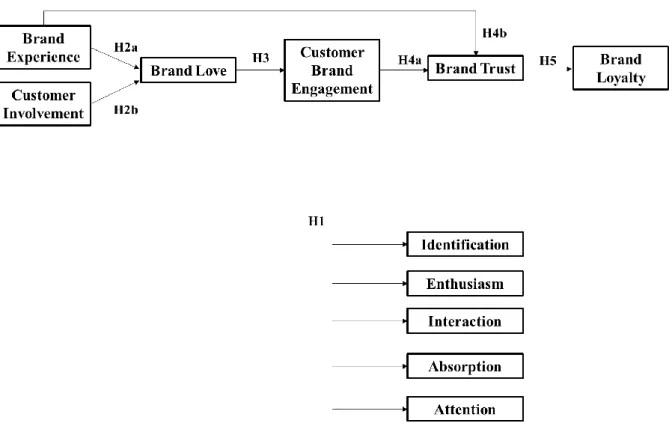
The proposed research model of customer brand engagement and its drivers and ouctomes is presented in Figure1.
Figure 1 Conceptual Model
As explained in the previous chapter and illustrated in Table 1, customer engagement is best reviled by a multiple dimension perspective. Once this research built on (So et al., 2016)
25 conceptualisation of customer engagement which incorporates five dimensions, enthusiasm, attention, absorption), interaction (Behavioral), and identification (Emotional) that allows CE conceptualisation. Those dimensions collectively, constitute a comprehensive understanding of the customer engagement concept. On this basis, we hypothesise that:
Hypothesis 1: Customer Brand Engagement can be measured by its Dimension's identification,
enthusiasm, interaction and identification.
In previous research, (Lee, 1977) set love as an attitude. In brand concept environment, love can be considered as an attitude through a brand. Marketing practitioners highlighted the importance of the brand experience concept for company’s strategies once it permits to acquire knowledge about how customers experience brands. (Brakus et al., 2009a) In its brand experience conceptualisation highlights innate consumer responses, such as sensations, feelings, and cognitions, and the brand-related stimulus linked to brand’s internal and external environments as behavioural responses.
It has been underlined that love relationship, which as previously mentioned in this study, lasts for an extended period, like a friendship. Customers’ experiences with brands play an active role in determining components of brand love (Fournier, 1998, Islam and Rahman, 2016). Previous research suggests that when the level of customer experience strengthens, customer satisfaction tends to convert into customer delight (i.e. pleasure, satisfaction, positive feelings) and to brand love over time. According to (Carroll and Ahuvia, 2006a), it is expected that pleasant brand experiences might lead to love to a brand over a period. Furthermore, some authors in previous research have emphasised that brand experience construct can be considered as a brand love driver (Islam and Rahman, 2016).
On this basis, we hypothesise that:
Hypothesis 2a: Brand Experience is positively related to Brand Love.
It is argued in previous research that how highly involved a customer is with a brand, the more loyal this customer tend to be in a long-term perspective (Oliva et al., 1995, Bowden, 2009b). This highly involved customer also tends to be more permissive to negative impacts with a brand. It is also pointed that does not have to be involved with a brand to perceive satisfaction of a brand product (Mano and Oliver, 1993, Bowden, 2009b). It is pointed that if a customer is uninvolved with a brand in the process of choosing a service provider, he is not likely to be
26 committed to the brand (Bowden, 2009b). New customers will experience an initial level of involvement with a brand, that will have an impact in customers evaluation of the process of repeating purchases. Such phenomenon, justified by the fact that customers will perceive a higher level of familiarity with the brand and consequently more complex cognitive structures while evaluating them possessed categories (Bowden, 2009b). The brand love concept includes passionate feelings for a brand, such as positive emotions, declarations of love, and positive evaluation. Its conceptualisation involves a relation of customer’s sense of integration and identity with a brand. The love relationship can last for an undefined long-period, involving cognitive, affective, and behavioural experiences. Despite the limited empirical evidence directly supporting the association between customer involvement and brand love, both concepts share some dimensions. On this basis, we hypothesise that:
Hypothesis 2b: Customer Involvement is positively related to Brand Love.
Brand Love includes passionate feelings for a brand, such as positive emotions, declarations of love and positive evaluation. The brand love conceptualisation involves a relation of customer’s sense of integration and identity with a brand. The brand love construct also delineates a positive relationship between the construct as an expression of customer brand engagement (Fournier, 1998, Carroll and Ahuvia, 2006a) Sets love as a core element of customer’s relationship through a brand. (Bergkvist and Bech-Larsen, 2010), delineates in previous research brand love as an essential driver of engagement. On this basis, we hypothesise that:
Hypothesis 3: Brand Love is positively related to Customer Brand Engagement.
The CE literature requires a thorough discussion of customer’s attitudes. Trust is agglomerated in these attitudinal concern (Van Doorn et al., 2010). (Delgado‐Ballester and Munuera‐ Alemán, 2001), highlights the importance of trust in the development of positive and favourable attitudes, and the impact that trust has in successful relationships between the customer and a brand. Although the possibility of trust can be considered a potential driver of customer engagement (Brodie et al., 2011), trust is best reviled as customer engagement outcome. Like this, an individuum who is more engaged tends to be in more trusting, high-quality relationships with an organisation (So et al., 2016). Therefore, we hypothesise:
27 Hypotheses 4a: Customer Brand Engagement is positively related to Brand Trust.
(Brakus et al., 2009a) In its brand experience conceptualization highlights innate consumer responses, such as sensations, feelings, and cognitions, and the brand-related stimulus linked to brand’s internal and external environments as behavioural responses. Regarding the development of brand trust, it is suggested in previous research that customers trust levels through a brand grow from customers past experiences(Rempel et al., 1985, Delgado-Ballester and Luis Munuera-Alemán, 2001). Previous experiences with services brand support the establishment and reinforce customer’s perception of benevolence (So et at., 2016). Among these previous contacts that customers have with a brand, customers experience with a brand gains more relevance and importance as a source of trust (Delgado-Ballester and Luis Munuera-Alemán, 2001). Internet purchasing keeps increasing, being the most rapidly growing forms of shopping. Such phenomenon leads to a rapid market entry and new and diversified customers’ experiences with brands. It is mentioned in previous research the vital role that experience has in improving brand trust, once customers’ experiences with a specific brand have a higher impact on customers than products or services features and benefits. Previous experiences tend to produce a deeper and significant meaning for customers’. Positive previous brand experiences might show a positive impact into repurchase through customers’ reaction to pricing. Positive brand experience tends to have a bearing (directly or indirectly) on brand trust. Thus, customer’s levels of brand trust with a brand tend to increase (Ha and Perks, 2005). (Brakus et al., 2009b) Also highlights the importance of brand experience construct as a relevant factor in customers’ perception of a brand regarding purchasing behaviours. The author also supports that brand trust is identified as an outcome of customers’ positive brand experiences.
On this basis, we hypothesise that:
Hypothesis 4b: Brand Experience is positively related to Brand Trust.
Contemporary Marketing highlights the loyalty concept, especially when it is related to services, once, it is a fundamental element for longitudinal relationships. Literature supports positive benefits of customer brand loyalty, since, it decreases the impact of peers’ actions into loyal customers and they become less price sensitive (Tsiotsou, 2016). Also, the role of brand trust has a significant effect on brand loyalty and in the domain of relationship development between customers and brand through trusting past experiences that enhance favourable future
28 exchange once higher levels of brand trust. Higher levels of brand trust also reduce customers perceived risk and enhance positive evaluation of the brand and stimulate brand loyalty as a result (So et al., 2016, Morgan and Hunt, 1994, Delgado-Ballester and Luis Munuera-Alemán, 2001). On this basis, we hypothesise that:
29
3.2 Methodology
3.2.1 Research Type
Different research strategies may be employed, exploratory, descriptive and explanatory. Some of them belong to the deductive approach, while others to the inductive approach (Saunders et al., 2012). The authors also emphasise that there be no inherent superiority between the different research strategies types. Highlighting that the most important step in the decision process is to choose a research strategy that will enable to answer the research questions that the study seeks to answer and meet the pretended objectives. The survey strategy is usually associated with the deductive approach. It is a popular approach in business and management research. The survey strategy allows the collection of quantitative data (Saunders et al., 2012; Malhotra et al., 2012). According to the authors, quantitative is predominantly used as a synonym for any data collection technique, for example through questionnaires or a data analysis procedure, through statistics or graphics, that will generate, or that uses numeral data (Saunders et al., 2012).
Based on a deductive approach, the methodology of this study will be quantitative order. This study will apply the survey method intending to obtain primary data. Supported by previous studies, the survey instrument will be accomplished using measurement items generated from the literature. The use of existing scales will ensure the reliability and validity of the survey instrument. This study will approach the Structure Equation Modelling and will inquiry online tourism platforms users, such as Airbnb, Booking.com and TripAdvisor.
Previous similar studies support the approached the chosen method. Furthermore, this method is considered to be the one suitable to conduct this research and ensuring the reliability of the selected method.
3.2.2 Survey Structure
The survey instrument was compiled using measurements items generated from the literature. The conducted survey was composed of five sections, with closed questions. However, the first question of the first section was an exception. The first question asked respondents to indicate their favourite tourism platform, from a list of three possible answers namely, Airbnb, Booking.com and TripAdvisor or they could write a different platform not included in the suggested list. In section 5, those respondents were asked about the number of travels during
30 the last year. This question is important for this study given the abundance of engagement initiatives performed by these tourism platforms. Thus, this question will enable to understand how respondents are abreast of the current trends.
The second and fourth section of the survey asked respondents to indicate their responses to customer brand engagement dimensions and its drivers and outcomes items on a 5-point Likert Scale (1=strongly disagree, 5=strongly agree).
The second section , 12 items derived from scales from previous studies, namely (Benson-Rea et al., 2013, C. Leventhal et al., 2014, Huang and Hsu, 2009, Neal et al., 1999) were adjusted to the study context to assess the level of customers’ involvement, brand love and brand experience associated with favourite online tourism social media platform.
The third section was composed by 11 items adapted from (Harrigan et al., 2017) with the purpose of analysis the five customer brand engagement (CBE) dimensions constructs, namely, identification (ID), enthusiasm (ED), interaction (IT), absorption (AB) and attention (AT). With the purpose of analysing brand trust (BT) and Brand Loyalty (BLY) constructs, the fourth section was composed of 6 items adapted from scales from (So et al., 2016) measured the extent to which participants reported their trust and loyalty with the brand related activities.
Item wording was slightly modified to reflect the context of this study and the used of the existing scales ensured the reliability and validity of the survey instrument. The questions were presented randomly, in order not to influence inquired people responses (Saunders; et al., 2009). The adapted scales and the items of this survey are summarised in Table 2.
The last section of the survey was composed of demographic questions about respondent’s gender, age, occupation. In this section respondents were also asked if they have travelled during the last year and they answered yes, they were asked about how many times they did it, those two last questions were not mandatory. All the remaining questions, the answer was mandatory.
31
Table 2 Survey Items
Construct Item Source
Customer Involvement (INV)
Q11: I have a strong personal interest in this tourism platforms. (INV1)
Q10: This tourism platform is very important to me. (INV2) Q2: The kinds of services this tourism platform offers are important. (INV3)
(Benson-Rea et al., 2013)
Brand Love (BL)
Q8: This is a wonderful brand. (BL1) Q3: This brand makes me feel good. (BL2) Q15: This brand is pure delight. (BL6) Q6: I am passionate about this brand. (BL7) Q9: I am very attached to this brand. (BL8)
(C. Leventhal et al., 2014)
Brand Experience (BE)
Q13: Your overall evaluation on the past experience of using this tourism platform is positive. (BE1)
Q16: Your overall evaluation on the past experience of using this tourism platform is favourable. (BE2)
Q14: In general, I was pleased with the quality of the travel and tourism services related to this trip. (BE3)
Q5: The travel and tourism services related to this vacation trip were basically problem-free. (BE4)
(Huang and Hsu, 2009, Neal et al., 1999)
Identification (ID)
Q17: When someone criticizes this brand, it feels like a personal insult. (ID1)
Q19: When someone praises this brand, it feels like a personal compliment. (ID2)
(Harrigan et al., 2017)
Enthusiasm (EN)
Q18: I am passionate about this brand. (EN2) Q22: I feel excited about this brand. (EN4)
(Harrigan et al., 2017)
Interaction (IT)
Q20: In general, I like to get involved in this tourism platform discussions. (IT1)
Q27: I am someone who enjoys interacting with like-minded others in this tourism platforms. (IT2)
Q23: I often participate in activities of this tourism platform. (IT3)
(Harrigan et al., 2017)
Absorption (AB)
Q21: When I am interacting with the brand, I forget everything else around me. (AB1)
Q26: In my interaction with the brand, I am immersed. (AB5)
(Harrigan et al., 2017)
Attention (AT)
Q24: Anything related to this brand grabs my attention. (AT3)
Q25: I like learning more about this brand. (AT5)
(Harrigan et al., 2017)
Customer Brand Engagement (CBE)
Customer Brand Engagement Dimensions: Identification Enthusiasm Interaction Absorption Attention Brand Trust (BT)
Q32: I trust this brand. (BT1) Q31: I rely on this brand. (BT2) Q30: This is an honest brand. (BT3) Q28: This brand is safe. (BT4)
(So et al., 2016)
Brand Loyalty (BLY)
Q33: If available, I will stay with this brand the next time I travel. (BLY1)
Q29: I intend to keep using this brand. (BLY2)
32
3.2.3 Pilot-Test
Before using the questionnaire to collect data and to validate the chosen technique a pilot test was performed. The purpose of this pilot test was to refine the survey so that respondents would not have problems in answering the questions and there will be no problem in recording the data (Saunders; et al., 2009).The pilot test enables this research to obtain an assessment of the questions’ validity and the likely reliability of the data that will be collected through the Internet-mediated questionnaire and ensure that the data collected will enable this research questions to be answered. The selected group, composed of fifteen elements to conduct the pilot test were a group as similar as possible to the final population of the sample, with the goal of having a face validity to the questionnaire, its reliability and suitability. The invitation to the survey was sent via email with a small text informing about the topic and the purpose of the study and the link to the survey.
3.2.4 Sample
The selection of a sample it is essential once it would be impracticable to collect data from the entire population, being equally important for different data collection techniques, such as interviews or questionnaires which were the method applied in this study. Sampling goes for help regarding limited research budgets, time constraints and access to certain data (Saunders; et al., 2009, Malhotra et al., 2012). Agreed that the population is a broad set of people who share certain characteristics, it is crucial to select a sample, a subgroup of a population, to participate in a study (Malhotra, 2010). The study was performed through a non-probability convenience sampling technique. This study accomplishes this sampling technique once it enables the selection of respondents randomly. Its process of sample selection continues until the required sample size is reached (Saunders; et al., 2009).
This sampling technique able faster and less expensive results among the other sampling methods. Nevertheless, it allows determining a sample according to the defined criteria and objectives (Malhotra et al., 2012).
33
3.2.5 Data Collection
Data was collected through an Internet-based survey about customer brand engagement with online social media based tourism brands. The survey was conducted through Google Forms, and it was sent via Facebook, using it available tools, such as Facebook Messenger and Brand Communities’ groups, justified by the high level of usage of internet and social media platforms, such as Facebook is. The survey was available for three weeks, resulting in 221 answered surveys. This survey method was chosen once its characteristics were the method that it main attributes better fit the conditions and resources of this study. This survey method enables: The possibility of having a large sample size; a low level of possible contamination once the questionnaires were sent directly to the inquired respondents, it design structure was suitable for the type of questions, and regarding financial resources, it is non-expensive and quick to administer once its data input is automated.
Relatively to the size of the sample, as (Malhotra et al., 2012) considers, that the number of answers should be 4 to 5 times bigger than the number of survey items. This study, composed of 29 questions and six variables, which means, that the minimum of validated answered surveys were 145. With some answered surveys of 211, the sample size was in line with the level recommended in the literature.
3.2.6 Data Analysis
After reaching the needed number of surveys answers, data has been downloaded and extracted to Microsoft Excel. It was necessary to prepare data, by transforming the results of the Likert scale from text format to numerical format. Then, data was uploaded to the program Statistical
Package for the Social Science (SPSS).
In the SPSS, in a first phase, a descriptive analysis was conducted to characterise the sample. The second phase consisted in ten Factor Analysis (FA), for each of the factors, namely, customer involvement, brand love, brand experience, brand trust, brand loyalty, identification, enthusiasm, interaction, absorption and attention. Thus, a second order factor analysis was conducted to validating the creation of CBE variable. In the third phase, two linear regressions and two multiple linear regressions were performed. First, a multiple linear regression between the variables CI, BE and BL. Followed by a linear regression between the variables BL and
34 CBE. Then, a multiple linear regression between the variables CBE, BE and BT. Lastly, linear regression, between the variables BT and BLY.
3.2.6.1 Factor Analysis
According to (Baker and Hart, 2008) before conduct an Exploratory Factor Analysis (EFA), data needs to be checked to ensure that is viable to be conducted. Therefore, the right sample needs to be determined; commonalities need to present results higher than 0.3 and perform a Kaiser-Meyer-Olkin KMO and a Bartlett test.
A factor analysis was conducted once it was necessary to reduce the scale items used in the survey. All the adapted scales utilised in this survey have been tested in previous studies. Once they have been already tested in used, an Exploratory Factor Analysis (EFA) has been conducted, to group the items in factors, through the Principal Component Analysis (PCA) method. According to (Marôco, 2007), PCA is a multivariate exploratory analysis technique that transforms a couple of correlated variables into a smaller set of independent variables, and it is used to determines the values and the own vectors of the matrix. Applying to the Varimax method, that (Hair el al., 2010, p.93) defines as “ The most popular orthogonal factor rotation methods focusing on simplifying the columns in a factor matrix.”.
A first order factor analysis was conducted to the each of the customer brand engagement dimensions, namely, identification, enthusiasm, interaction, absorption and attention variables and to customer involvement, brand love, brand experience, brand trust and brand loyalty variables. Thus, a second order factor analysis was conducted to attest Hypotheses 1, that supports that “Customer Brand Engagement can be measured by its Dimension's identification, enthusiasm, interaction and identification.”
(Hair el al., 2010, p.93) defines factor analysis as “an interdependence technique whose primary purpose is to define the underlying structure among the variables in the analysis”. According to (Marôco, 2007, p.365), factor analysis “is a technique of exploratory data analysis that aims to discover and analyse the structure of a set of interrelated variables in order to construct a measurement scale for (intrinsic) factors that somehow (more or less explicitly) control the original variables.
With the purpose of ascertaining the feasibility of performing the factor analysis, a Kaiser-Meyer-Olkin (KMO) and a Bartlett test were performed. According to (Marôco, 2007), several methods can be used to evaluate the quality of data. However, the KMO is considered to be the most general one. “KMO is a measure of homogeneity of variables, which compares the simple
35 correlations with the partial correlations observed between the variables.” (Marôco, 2007, p.367). KMO takes values between 0 and 1. A value close to 1 indicates that patterns of correlation are relatively compact, indicating that the factor analysis is appropriated to be conducted. On the other hand, a KMO value, close to 0, indicates a diffusion of the patterns correlations, indicating that the factor analysis should not be conducted once it is not appropriated (Hair et al., 2010).
The Bartlett’s test intends to test the overall significance of a correlation matrix (Hair et al., 2010). This test analyses the hypothesis of the correlation matrix being the identity matrix. This test analyses the hypothesis that the correlation matrix is the identity matrix. It is important, once factor analysis cannot be performed if the correlation matrix is the identity matrix. If the test results present a significance of p-value < 0.05, it means that the null hypotheses must be rejected. If the test result is a high value, it means that the null hypothesis must be rejected. If this is not the case, the adequacy of factor analysis should be questioned. If it is, means that are existent relationships between the considered variables that are being analysed (Baker and Hart, 2008).
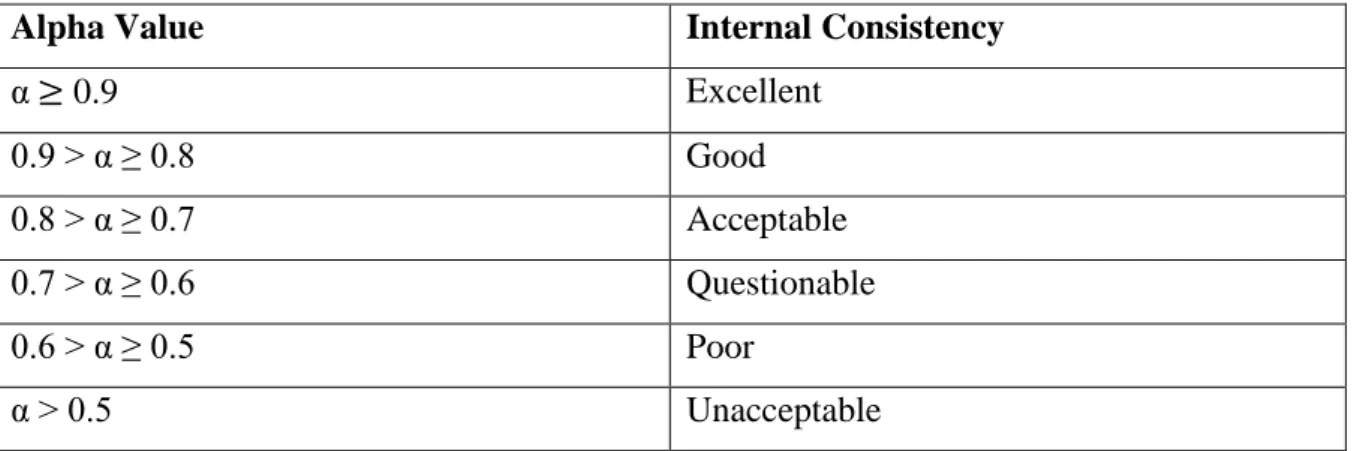
In order to test the scale internal consistency, the Cronbach’s Alpha was performed to measure the reliability. According to (Pestana and Gageiro, 2008), the Cronbach's Alpha, allows the determination of the lower limit of the internal consistency of a group of variables or items, that will correspond to the expected correlation between the used scale and hypothetical scales that have the same number of items to measure the same characteristic.
The Cronbach’s Alpha test results should be positive. With results ranging from 0 to 1 and are evaluated according to the scale presented in Table 3.
Table 3 Cronbach’s Alpha Values
Alpha Value Internal Consistency
α ≥ 0.9 Excellent 0.9 > α ≥ 0.8 Good 0.8 > α ≥ 0.7 Acceptable 0.7 > α ≥ 0.6 Questionable 0.6 > α ≥ 0.5 Poor α > 0.5 Unacceptable