Development of
multiplex PCR
assays for the
detection of
genetically
modified plants
Filipa Isabel Menezes Moreira
Mestrado em Genética Forense
Departamento de Biologia 2015
Orientador
Doutor Filipe Pereira, Investigador,
Todas as correções determinadas pelo júri, e só essas, foram efetuadas. O Presidente do Júri,
Agradecimentos
Ao Filipe, meu orientador, por ter aceitado orientar uma das fases mais importantes do meu percurso académico e por ter sido uma pessoa incansável! Obrigada por toda a preocupação, todo o empenho, todos os ensinamentos, toda a orientação, todo o apoio, toda a paciência, todas as sugestões e principalmente por seres a ótima pessoa que és. Nunca me senti sozinha nesta luta, pois sabia que podia sempre contar contigo. A ciência ganha com pessoas como tu, que ajudam os outros com todo o entusiasmo e altruísmo.
Ao Prof. Doutor António Amorim, diretor do Mestrado em Genética Forense da Faculdade de Ciências da Universidade do Porto, por todo o trabalho realizado em benefício deste mestrado.
Ao corpo docente do Mestrado em Genética Forense por todos os ensinamentos dados que me foram úteis durante a realização desta dissertação, e que o serão certamente para o futuro.
Ao grupo de Genética Populacional do IPATIMUP, por me terem recebido e por estarem sempre prontos a ajudar. Obrigada também a alguns membros de outros grupos que ajudaram sempre que necessário.
Aos meus Pais, Manuel e Cândida, e ao meu irmão Pedro, por todo o apoio, não só ao longo desta etapa, mas ao longo da minha vida. Obrigada por terem ajudado a formar a pessoa que sou hoje e me fazerem sentir segura e feliz.
À restante família, por todo o apoio e ajuda sempre que mais necessitei.
Aos meus amigos, por todos os momentos de amizade, por todas as gargalhadas dadas e pelos momentos de incentivo.
Abstract
The terms genetically modified (GM) or transgenic plant describes an organism that contains a gene or genes that have been introduced artificially in the genome in order to improve product quality, pest resistance and agronomic traits. The number of cultivated GM crops has been growing in recent years despite the intense discussion about the benefits or damage that these organisms may have on humans and ecosystems. For this reason, there is great interest in developing effective methods for the identification of GM plants in different stages of the chain of cultivation, processing and distribution. The detection of a GM plant in a sample is carried out by targeting the most common genetic elements (promotors, protein-coding regions or terminators) used in GM constructs or inserts. The P35S and the T-nos elements are the typical targets of screening approaches, but a variety of new authorized and unauthorized transgenic plants have been developed without such elements. This work describes the development of multiplex PCR assays for detection of seven transgenic elements that cover almost all known GM plants: P35S, T-nos, bar, ctp2-cp4epsps, P35S-pat, Cry1Ab and FMV35S. We started by testing 20 target regions by singleplex PCR defined by 28 PCR primers collected from the literature or designed by us. The regions that were successfully amplified by singleplex PCR were then combined in five multiplex PCRs, two of them including a chloroplast DNA (cpDNA) trnL gene as internal control for plant DNA. The target regions were designed to yield amplicons with different lengths to be easily discriminated by conventional and capillary electrophoresis. Our multiplex PCRs successfully detected the presence of transgenic elements in 17 reference samples from GM plants. Our method has the advantage of targeting different elements simultaneously, avoiding false-negative results and decreasing the cost of the screening assay. The use of target regions of small length allows the analysis of forensic samples with degraded DNA, as the detection of illegal GMO crops or to verify the labelling of food products.
Resumo
Os termos geneticamente modificado (GM) ou planta transgénica referem-se a um organismo que contém um gene ou genes introduzidos artificialmente no genoma, de forma a melhorar a qualidade do produto, conferir resistência a pesticidas e melhorar as características agronómicas.O número de plantas GM tem vindo a crescer nos últimos anos, apesar da intensa discussão acerca dos benefícios oumalefícios que estes organismos possam ter nos humanos e nos ecossistemas. Por esta razão, existe um grande interesse no desenvolvimento de métodos eficazes para a identificação de plantas GM nos diferentes estágios da cadeia de cultivo, processamento e distribuição. A deteção de uma planta transgénica é feita através da identificação dos elementos genéticos mais comuns (promotores, regiões codificadoras de proteínas e terminadores) inseridos no genoma da planta. Os elementos designados por P-35S e o T-Nos são os alvos típicos numa fase de screening, mas uma variedade de novas plantas transgénicas, autorizadas e não-autorizadas, foram desenvolvidas sem esses elementos.Este trabalho descreve o desenvolvimento de um PCR multiplex para a deteção de sete elementos transgénicos incluídos em quase todas as plantas GM: P35S, T-nos, bar, ctp2-cp4epsps, P35S-pat, Cry1Ab e FMV35S. Começamos por testar 20 regiões alvo por PCR singleplex, definidas por 28 primers recolhidos da literatura ou desenhados por nós. As regiões que foram amplificadas com sucesso por PCR singleplex, foram então combinadas em cinco PCR´s multiplex, dois deles incluindo um gene trnL do DNA de cloroplasto (cpDNA) como controlo interno para o DNA da planta.As regiões alvo foram desenhadas para abranger amplicões de diferentes tamanhos para facilmente serem discriminados através de uma eletroforese convencional ou capilar. Os nossos PCR´s multiplex detetaram a presença de elementos transgénicos em 17 amostras de referência de plantas transgénicas. O nosso método tem a vantagem de detectar simultaneamente diferentes regiões alvo, evitando falsos negativos e fazendo baixar o custo do ensaio de screening.O uso de regiões alvo de menor tamanho permite a análise de amostras forenses com DNA degradado, na deteção de cultivos ilegais de plantas GM ou para verificar a rotulagem dos produtos alimentares.
Palavras-chave: organismos geneticamente modificados, elementos transgénicos, PCR multiplex
Índice
Agradecimentos ... 5 Abstract ... 7 Resumo ... 9 Tables ... 13 Figures ... 15 Abbreviations ... 17 Introduction ... 19 Objectives ... 31Materials and Methods ... 33
Selection of genetic elements used in transgenic plants ... 33
Design of PCR primers ... 34
Samples ... 39
Genetic elements present in the GM samples ... 39
Sample preparation and DNA extraction ... 46
Singleplex and multiplex PCR amplifications ... 46
Electrophoretic separation and sequencing ... 47
Results and Discussion ... 49
Conclusion ... 71
Tables
Table 1. Examples of the first GM plants commercialized in the 90s. Adapted from Gachet et al. 1998.
Table 2. List of the most common genetic elements used in genetically modified (GM) plants. Table 3. Reference sequences of the genetic elements used to design the multiplex PCRs. Table 4. List of PCR primers selected for detection of the genetic elements used in GM plants. Only the primers with a code in the third column defining amplicons highlighted in blue were used in the present study.
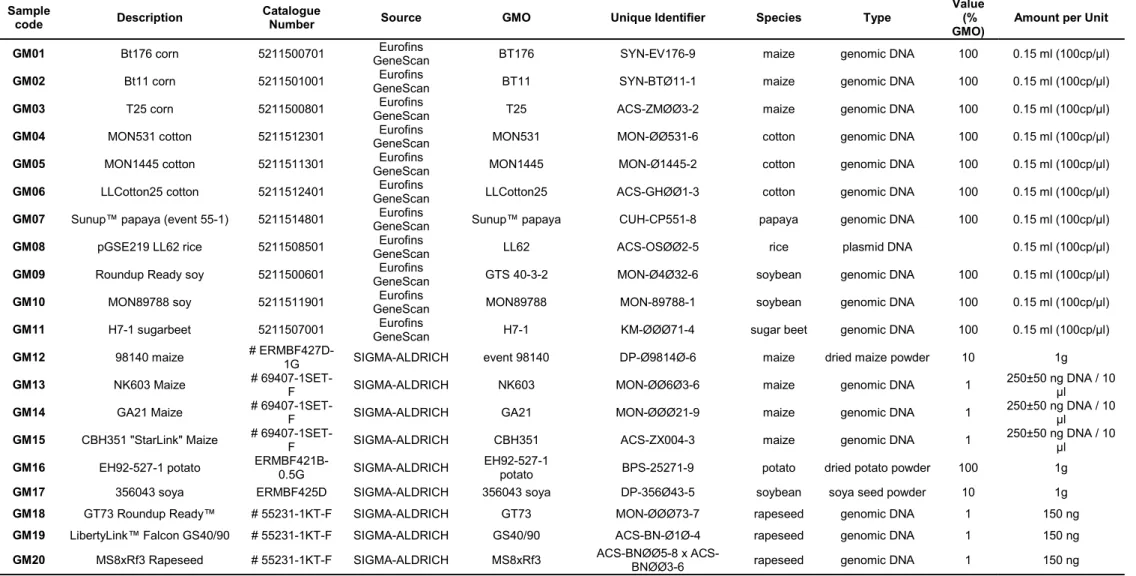
Table 5. List of samples of certified genetically modified plants used in this work.
Table 6. Genetic elements introduced into the 20 GM samples analysed in this work according to the GMOseek matrix.
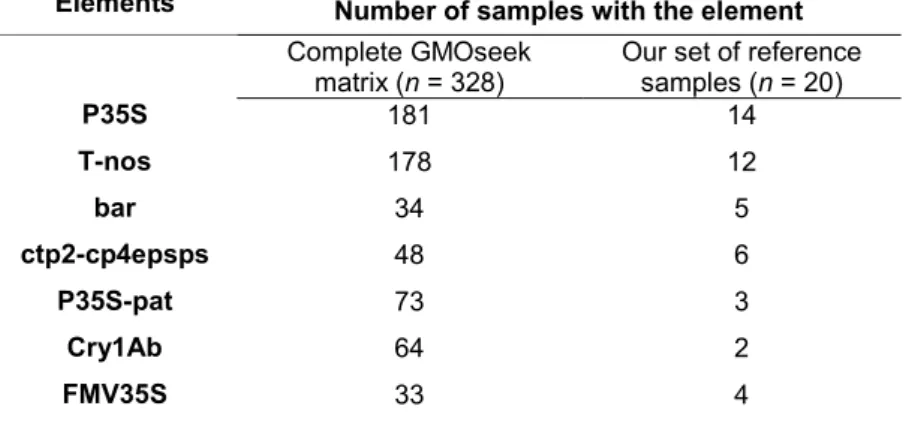
Table 7. Distribution of the seven transgenic elements in the GMOseek matrix (Block et al. 2013) and in our set of 20 reference samples of GM plants.
Figures
Figure 1. Schematic representation of a genetic construct used for plant transformation. The DNA sequence to be delivered to the plant genome usually includes the promoter, the terminator and the gene encoding the trait of interest.
Figure 2. Different approaches for the detection of genetically modified organisms.
Figure 3. Schematic representation of the location of PCR primers selected for the P35S element on the reference genomic sequence. The forward (dark green) and reverse (light green) primers are indicated by arrows. Some of the amplified regions are indicated by red bars identified by their length.
Figure 4. Schematic representation of the location of PCR primers selected for the T-nos element on the reference genomic sequence. The forward (dark green) and reverse (light green) primers are indicated by arrows. Some of the amplified regions are indicated by red bars identified by their length.
Figure 5. Schematic representation of the location of PCR primers selected for the bar element on the reference genomic sequence. The forward (dark green) and reverse (light green) primers are indicated by arrows. Some of the amplified regions are indicated by red bars identified by their length.
Figure 6. Schematic representation of the location of PCR primers selected for the ctp2-cp4epsps element on the reference genomic sequence. The forward (dark green) and reverse (light green) primers are indicated by arrows. Some of the amplified regions are indicated by red bars identified by their length.
Figure 7. Schematic representation of the location of PCR primers selected for the P35S-pat element on the reference genomic sequence. The forward (dark green) and reverse (light green) primers are indicated by arrows. Some of the amplified regions are indicated by red bars identified by their length.
Figure 8. Schematic representation of the location of PCR primers selected for the Cry1Ab element on the reference genomic sequence. The forward (dark green) and reverse (light green) primers are indicated by arrows. Some of the amplified regions are indicated by red bars identified by their length.
Figure 9. Schematic representation of the location of PCR primers selected for the FMV35S element on the reference genomic sequence. The forward (dark green) and reverse (light green) primers are indicated by arrows. Some of the amplified regions are indicated by red bars identified by their length.
Figure 10. List of target regions of the elements used in GM plants, including the primers used for PCR amplification. The reference DNA samples expected to have the GM element according to the GMOseek matrix are also indicated.
Figure 11. Singleplex PCR amplifications using the primers designed for the seven transgenic elements used in GM plants. Two DNA samples were used to test all designed PCR primer pairs. NC - negative control; L -100 bp DNA ladder.
Figure 12. Duplicated region found in sample GM04 (MON531 cotton) for the P35S element. A fragment of the P35S promotor with at least 105 bp is duplicated upstream the complete P35S promotor. The upstream P35S fragment includes the binding region of the forward primer (dark green arrow) used for the target regions with the expected length of 82 and 158 bp (red annotations). The electropherograms depict the sequence resulting from the PCR between the forward primer located in the upstream P35S fragment with the reverse primers located in the complete P35S promotor.
Figure 13. Sequence alignment of the ctp2- cp4epsps element from sample GM05 (MON1445 cotton) and the reference sequence used by us. The sequencing revealed that sample GM05 has several polymorphism in relation to the reference sequence in the cp4epsps element that do not change the amino acid.
Figure 14. Screening of samples GM01 to GM11 with multiplex nº1 including the target regions for ctp2-cp4epsps (88 bp), T-nos (125), P35S (158), bar (176) and P35S-pat (208). The elements believed to be present in these samples according to the GMOseek matrix are indicated in the table. NC - negative control; L - 100 bp DNA ladder.
Figure 15. Screening of samples GM01 to GM11 with multiplex nº2 including the target regions for P35S (82), P35S-pat (102), T-nos (125), bar (176) and ctp2-cp4epsps (200). The elements believed to be present in these samples according to the GMOseek matrix are indicated in the table. NC - negative control; L - 100 bp DNA ladder.
Figure 16. Screening of samples GM01 to GM11 with multiplex nº 3 including the target regions for P35S (82), P35S-pat (102), T-nos (125), cp4epsps (145), bar (176) and ctp2-cp4epsps (200), Cry1Ab (226) and FMV35S (252). The elements believed to be present in these samples according to the GMOseek matrix are indicated in the table. NC - negative control; L - 100 bp DNA ladder.
Figure 17. Chloroplast DNA (cpDNA) trnL [tRNA-Leu (UAA)] intron in maize and cotton. a) Agarose gel electrophoresis with trnL amplified products in three maize and three cotton samples. B) Multiple sequence alignment of trnL intron in three maize and three cotton samples. The grey regions indicate insertion/deletion polymorphic sites.
Figure 18. Screening of samples GM01 to GM07 and GM09 to GM11 with multiplex nº 6 including the target regions for trnL (~78 to 100 bp), P35S (158), T-nos (180), ctp2-cp4epsps (200), bar (230) and P35S-pat (275). The elements believed to be present in these samples according to the GMOseek matrix are indicated in the table. NC - negative control; L - 100 bp DNA ladder.
Figure 19. Screening of samples GM12 to GM20 multiplex nº 6 including the target regions for trnL (~78 to 100 bp), P35S (158), T-nos (180), ctp2-cp4epsps (200), bar (230) and P35S-pat (275). The elements believed to be present in these samples according to the GMOseek matrix are indicated in the table. PC – Positive control; NC - negative control; L - 100 bp DNA ladder. Figure 20. Screening of samples GM01 to GM07 and GM09 to GM11 with multiplex nº 7 including the target regions for trnL (~78 to 100 bp), P35S (158), T-nos (180), ctp2-cp4epsps (200), bar (230), FMV35S (252 bp) and P35S-pat (275). The elements believed to be present in these samples according to the GMOseek matrix are indicated in the table. NC - negative control; L - 100 bp DNA ladder.
Figure 21. Screening of samples GM12 to GM20 with multiplex nº 7 including the target regions for trnL (~78 to 100 bp), P35S (158), T-nos (180), ctp2-cp4epsps (200), bar (230), FMV35S (252 bp) and P35S-pat (275). The elements believed to be present in these samples according to the GMOseek matrix are indicated in the table. PC - Positive Control; NC - negative control; L - 100 bp DNA ladder.
Figure 22. Discrimination of all target regions included in multiplexes 6 and 7 by conventional and automated capillary electrophoresis (QIAxcel system). LMW peak represents the 15-bp internal control on the capillary electrophoresis. A 100-bp DNA ladder was used on the agarose electrophoreses.
Abbreviations
adh1 alcohol dehydrogenase 1 gene
bp Base pair(s)
Bt Bacillus thuringiensis
° C Celsius degree
CaMV Cauliflower mosaic virus cpDNA chloroplast DNA
ctp2 Chloroplast transit peptide DNA Deoxyribonucleic acid
ELISA enzyme-linked immunosorbant assay
epsps 5-enolpyruvulshikimate-3-phosphate synthase
EU European Union
FMV Figwort mosaic virus
gDNA genomic DNA
GM Genetically modified
GMO Genetically modified organism indel Insertion/deletion
mRNA Messenger RNA
μg Microgram
μL Microliter
μM Micromolar
mL Milliliter
ng Nanogram
NGS Next generation sequencing
nt Nucleotide
ORF open-reading frame
P35S 35S promoter
pat Phosphinothricin N-acetyltransferase gene PCR Polymerase chain reaction
rDNA recombinant DNA
RNA Ribonucleic acid
Tm melting temperature
T-nos nos terminator
trnL tRNA-Leu (UAA) intron
Introduction
Genetically modified (GM) or transgenic plants are those that have undergone changes in their genetic structure by means of a biotechnological process of recombination, which allows the introduction of new features in a species (Parekh 2004; Žel et al. 2012). This process is referred to as the transformation event and involves DNA isolation from different organisms, modification of a defined DNA region and transfer of DNA into the genome of the target organism that becomes a GM organism or GMO (Miraglia et al. 2004).
GM plants have been developed in an attempt to improve food quality and solve plant disease and weed management problems associated with commercial agriculture (Table 1). The number of cultivated GM plants has been rising each year and are now widespread in many parts of the world (Peterson et al. 2000; Crawley et al. 2001). The growing area of GM crops have increased from 1.7 million hectares in 1996 to over 181.5 million hectares in 2014, representing a more than 100-fold increase since the commercialization began in 1996 (James 2014). The number of countries growing GM crops also increased from 6 in 1996 to 28 in 2014. More than 18 million farmers grew GM plants around the world, being 94.1% small and resource-poor farmers from developing countries. The country with the largest area of biotech crops in 2014 was the USA with over 73 million hectares of GM maize, soybean, cotton, canola, sugar beet, alfalfa, papaya and squash. The next countries in the rank of GM crop production are Brazil (42.2 million hectares) and Argentina (24.3 million hectares) due to the production of GM soybean, maize and cotton. Only five European Union (EU) countries planted GM crops (Spain, Portugal, Romania, Czech Republic and Slovakia), all of them growing only the Bacillus thuringiensis (Bt) maize. In Portugal, less than 50,000 hectares of Bt maize are produced per year (James 2014), mainly in Alentejo and Ribatejo (Brookes 2008).
The four principal crops grow all over the world are soybean, cotton, maize and canola. When considering the four crops together, nearly half (49%) of the planted area worldwide was occupied with GM plants (James 2014). The biotech crops had a positive impact on farm income by combining an enhanced productivity and efficiency gains (Brookes & Barfoot 2015). For example, an economic gains at the farm level of ~116.9 billion US dollars were generated globally by biotech crops from 1996 to 2012, of which 58% were due to reduced production costs such as less ploughing, fewer pesticide sprays and less labor, and 42% due to substantial yield gains of 377 million tons. GM plants are contributing to sustainability by reducing the use of pesticides and saving on fossil fuels, increasing efficiency of water usage and are a land-saving
technology due to the higher productivity helping to preclude deforestation and protect biodiversity in forests and in other habitats (Brookes & Barfoot 2015). GM crops also contribute to alleviate poverty and hunger in developing countries by increasing the income of small farmers (James 2013).
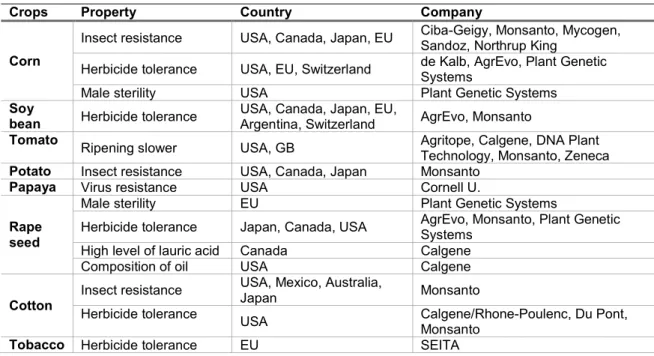
Table 1. Examples of the first GM plants commercialized in the 90s. Adapted from Gachet et al. 1998.
For centuries, plant breeders converted wild plants into domesticated crops by pure breeding or hybridization with the aim of improving the yield and quality of crops and to provide crops with built-in protection against insects and diseases (Purugganan & Fuller 2009). These conventional processes are often inefficient, time consuming and can only be achieved within reproductively compatible species. The tools of modern biotechnology allow plant breeders to introduce new genes in a plant species in a more precise and selective manner. The new traits added by genetic engineering are often similar to those incorporated through conventional breeding methods. Several transformation methods have routinely been used for the introduction of target DNA into plant cells and its subsequent integration into the genome. The introduction of DNA into plant cells can be biological or physical (Parekh 2004). In biological methods, genetic sequences coding for proteins that result in diverse traits are introduced in plants by Agrobacterium-mediated transformation, using the natural ability of Agrobacterium tumefaciens to transfer synthetic DNA sequences containing genes of interest to plant cells (Gelvin 2003). Particle bombardment, microinjection, sonication
Crops Property Country Company
Corn
Insect resistance USA, Canada, Japan, EU Ciba-Geigy, Monsanto, Mycogen, Sandoz, Northrup King Herbicide tolerance USA, EU, Switzerland de Kalb, AgrEvo, Plant Genetic Systems
Male sterility USA Plant Genetic Systems
Soy
bean Herbicide tolerance USA, Canada, Japan, EU, Argentina, Switzerland AgrEvo, Monsanto
Tomato Ripening slower USA, GB Agritope, Calgene, DNA Plant
Technology, Monsanto, Zeneca
Potato Insect resistance USA, Canada, Japan Monsanto
Papaya Virus resistance USA Cornell U.
Rape seed
Male sterility EU Plant Genetic Systems
Herbicide tolerance Japan, Canada, USA AgrEvo, Monsanto, Plant Genetic Systems
High level of lauric acid Canada Calgene
Composition of oil USA Calgene
Cotton Insect resistance
USA, Mexico, Australia,
Japan Monsanto
Herbicide tolerance USA Calgene/Rhone-Poulenc, Du Pont,
Monsanto
and electric current pulse are examples of physical methods of plant transformation (Gupta & Ram 2004).
The introduced transgenic sequence or recombinant DNA (rDNA) differentiates the GM plant from its non-GM counterpart at the DNA level and is used as a target for the DNA-based detection of the GM plants (Žel et al. 2012). The rDNA sequence is introduced in a unique place in the plant genome resulting in a so-called GM event. The genetic modification usually involves insertion of a synthetic combination of several DNA sequences (the insert or construct) into the genome of the organism to be modified. These DNA sequences are usually taken from other naturally occurring organisms. The construct is usually composed of three elements (Figure 1):
1) Gene promoter. The promoter sequences are located in the 5' region adjacent to the transcriptional start site of a gene, defining where transcription by RNA polymerase begins. It functions as an on/off switch for reading of the inserted/altered gene.
2) Coding-gene sequence or open-reading frame. The sequence of a gene coding for a specific selected feature to be expressed in the GM plant. 3) Gene terminator. The terminator elements are usually at the end of a gene
and cause transcription to stop.
However, gene constructs often include other elements that control and stabilize the function of the gene or facilitate the combination of the various elements of the construct (Miraglia et al. 2004).
Figure 1. Schematic representation of a genetic construct used for plant transformation. The DNA sequence to be delivered to the plant genome usually includes the promoter, the
terminator and the gene encoding the trait of interest.
The most successful traits that have been introduced into crop plants by genetic modification are herbicide tolerance and insect resistance. Herbicide tolerance is the dominant trait deployed in many species, such as maize, rice, cotton, canola, chicory, soybean and tobacco. The herbicide tolerant crops tolerate specific herbicides with a broad-spectrum activity killing the surrounding weeds. Plant species (e.g., maize, cotton, tomato and potato) with insect-resistance traits have been successfully developed, reducing the use of insecticides in the field. Other traits that have been
TRANSGENE
PROMOTOR TERMINATOR Plant genome
used include modification of oil content (canola, soybean), delayed ripening (tomato, melon), viral resistance (papaya, squash, potato), among others (Gupta & Ram 2004).
The most common genetic elements used in plant transformation are indicated in Table 2. The Cauliflower mosaic virus (CaMV) 35S promoter (P35S or CaMV35S) is the most widely used constitutive promoter in GM plants. The CaMV infects plants of the cabbage family by inserting a circular genome of about 8,000 bp into the host cells, which is then entirely transcribed to give a 35S RNA molecule or in part to give a 19S RNA molecule (Odell et al. 1985; Benfey & Chua 1990). The CaMV35S promoter is responsible for transcription of the entire viral genome, resulting in high levels of gene expression in dicotyledonous plants. It is less effective in monocotyledonous plants, especially in cereals. The Figwort mosaic virus 34S or 35S promoter (FMV35S) possesses a promotor activity similar to CaMV35S (Sanger et al. 1990) and has been used in several GM crops.
The most frequently used terminator in approved GM plants is the nos terminator derived from Agrobacterium tumefaciens (T-nos), isolated from the nopaline synthase gene. The terminator sequence ensures that the transgene expression is stopped and processed properly.
An example of a gene coding for a specific selected feature to be expressed in GM plants is the glufosinate ammonium tolerance gene (known as bar from bialaphos resistance), derived from the common soil bacterium Streptomyces hygroscopicus (Thompson et al. 1987). S. hygroscopicus and Streptomyces viridochromogenes produce a natural herbicide called bialaphos. The herbicide tolerance bar gene encode for an enzyme (phosphinothricin acetyltransferase or PAT) that convert herbicides containing glufosinate ammonium to a non-toxic compound. The glufosinate used in several herbicides (e.g., Basta®, Rely®, Finale® and Liberty®) inhibit an enzyme called glutamine synthetase, which is involved in the synthesis of glutamine and in ammonia detoxification. The glufosinate blocks the activity of the glutamine synthetase by mimicking the enzyme's substrate glutamate which is used to produce glutamine. The reduction in glutamine levels and the increase in ammonia concentration in plant tissues leads to cell membrane disruption and cessation of photosynthesis resulting in plant withering and death. The PAT enzyme acts by catalysing the acetylation of glufosinate (phosphinothricin) so that it no longer inhibits the enzyme glutamine synthase and, thus, eliminating its herbicidal activity.
The pat gene derived from a gram-positive spore-forming soil bacterium, S. viridochromogenes, also codes for the PAT enzyme and is used in GM constructs to confer tolerance to glufosinate-containing herbicides (Wohlleben et al. 1988; Wehrmann et al. 1996).
The herbicide resistance genes are often fused with a strong promotor in the transgenic constructs. For example, the junction of the CaMV P35S promoter and the synthetic pat gene are used in many GM crops (P35S-pat).
The 5-enolpyruvulshikimate-3-phosphate synthase (epsps) gene from A. tumefaciens strain CP4 (also known as cp4epsps) encodes the EPSPS enzyme responsible for tolerance to glyphosate-containing herbicides (Pollegioni et al. 2011). The process of herbicide resistance of GM plants with the epsps is different from those GMO with bar/pat constructs. Glyphosate inactivates the enzyme EPSPS, which is part of the shikimate pathway involved in the biosynthesis of the aromatic amino acids tyrosine, phenylalanine and tryptophan, as well as other aromatic compounds (Maeda & Dudareva 2012). Plants treated with glyphosate herbicides die by lacking the aromatic amino acids. However, the epsps from A. tumefaciens encodes an EPSPS enzyme that is not affected by glyphosate, which allows GM plants to bypass the action of the herbicide, rather than breaking the herbicide down. GM plants containing the epsps gene allow the use glyphosate-containing herbicides for weed control, which will kill the weeds but not the transgenic plant (Pollegioni et al. 2011).
The coding region of epsps is inserted in GM plants fused with a chloroplast transit peptide (ctp) coding region (ctp2-cp4epsps) in order to target the EPSPS to the chloroplast, the site of aromatic amino acid biosynthesis (Bruce 2000). A pre-protein is imported into the chloroplasts where the ctp is cleaved and degraded, releasing the mature EPSPS protein. The ctp coding region from Petunia hybrida and the chloroplast transit peptide 2 (ctp2) from Arabidopsis thaliana are often used in transgenic constructs.
The cry1Ab gene (cry stands for crystal) codes for a delta-endotoxin known as "Bt-toxin" that confers resistance to larvae of lepidopteran insects, such as moths and butterflies (Evans 2004). The cry1Ab is derived from the widespread gram-positive soil bacterium B. thuringiensis, which produces proteins during sporogenesis that selectively affect particular groups of insects. Different versions of the protein classified into groups (CryI–CryIV) are produced by different strains of the bacterium. The Cry proteins bind to the specific sites of the cells in the insect digestive tract, forming pores that disrupt midgut ion flow, causing gut paralysis and ultimately leading to insect death (Gill et al. 1992). The Cry genes have now been introduced in maize, cotton, sugar beet and other crops, being generally referred to as Bt varieties.
Table 2. List of the most common genetic elements used in genetically modified (GM) plants.
Abbreviation Genetic element Type Species of origin P35S Cauliflower Mosaic Virus (CaMV) 35S promoter Promotor Cauliflower mosaic virus T-nos nos terminator Terminator Agrobacterium tumefaciens
bar Glufosinate ammonium tolerance gene Open-reading frame Streptomyces hygroscopicus
ctp2-cp4epsps Chloroplast transit peptide (ctp2) +
5-enolpyruvulshikimate-3-phosphate synthase gene (epsps) Open-reading frame
Arabidopsis thaliana (ctp2) + A. tumefaciens strain CP4 (epsps)
P35S-pat CaMV P-35S promoter +
synthetic Phosphinothricin N-acetyltransferase gene (pat)
Promotor + open-reading frame
Cauliflower Mosaic Virus + Streptomyces viridochromogenes Cry1Ab delta-endotoxin gene Open-reading frame Bacillus thuringiensis FMV35S Figwort mosaic virus 35S promoter Promotor Figwort mosaic virus
Detection of a GM plant can be achieved by detecting a DNA, RNA or a protein that is related with the genetic modification introduced in the GMO of interest (Žel et al. 2012). It is possible to use the recombinant proteins produced by the GM plant as detection targets by immunological methods or other techniques (Ahmed 2002). The most common protein-based assays are immunoassays where the target proteins are detected by specific antibodies coupled to a colorimetric detection system. For example, western blot and enzyme-linked immunosorbant assay (ELISA) techniques have been used for GM detection (Stave 1999). However, detection methods targeting proteins present some limitations compared to DNA-based detection methods. For example, the recombinant protein may not be expressed in certain plant tissues, most proteins are more unstable than DNA and there is a high cost associated with the development of specific antibodies (Ahmed 2002). Methods based on the detection of RNA are also rarely used for GMO detection. The RNA may not be present in all tissues and has a high propensity to degradation by ribonucleases. In most techniques, the RNA has to be converted to complementary DNA by reverse transcription, which increases the cost of the analysis. Therefore, most methods for GMO detection rely on the analyses of DNA, which has the advantage of being able to be amplified by polymerase chain reaction (PCR), which is more sensitive than conventional protein detection tests. Moreover, detection of amplified PCR products (i.e., amplicons) can be done using conventional molecular genetic techniques. DNA is also a very stable molecule that can be recovered from degraded biological products, such as processed food products. Finally, studying the DNA allows the identification of the precise GM event since the genetic modifications are done at the DNA level (Gachet et al. 1998).
The most commonly used DNA-based methodology for GMO testing is the PCR (Gachet et al. 1998; Holst-Jensen et al. 2003). The PCR has the advantage of allowing the amplification of small amounts of target DNA, and results can be obtained qualitatively or quantitatively. The detection and identification of the PCR amplified targets can be done using conventional gel electrophoresis, capillary gel electrophoresis [e.g., (Nadal et al. 2006; Heide et al. 2008)], array hybridization [e.g., (Morisset et al. 2008a; Hamels et al. 2009)], electrochemical sensors [e.g., (Kumar & Kang 2007; Sun et al. 2008)], among others. Alternatives to PCR have also been proposed, including isothermal amplification, direct detection of genomic DNA by electrochemical sensors, cDNA analysis by microarray and direct hybridization of genomic DNA to microarrays (Morisset et al. 2008b; Holst-Jensen 2009). The quantification of DNA targets is usually done by real-time PCR, where the copy number of the transgenic element detected is correlated to a common plant marker, allowing
the determination of the percentage of the GMO in the sample tested (Cankar et al. 2006; Gašparič et al. 2010).
Both labelling and traceability of GM plants are important issues that are considered in trade and regulation. The EU legislation on GMOs has the main objective to protect health and environment, so the application of GMO technology is strictly regulated in the EU (Lynch & Vogel 2001). Submission and validation of GMO detection methods are an integral part of the EU regulatory approval process for GMOs and only GMOs that have undergone appropriate assessments of the risks to health and the environment can enter the market. Methods based on the PCR are mandatory in the European Union (EU) for GMO testing. Traceability systems document the history of a product and may serve the purpose of both marketing and health protection. Regarding the labelling of food products, the threshold level below which GMO labeling in the EU is not required is currently 0.9%. The control of the labelling of foodstuffs is based on the detection of the foreign DNA sequences and follows a strict regulation. If the content is above the threshold, the product has to be labeled. The mandatory-labeling legislation allow consumers to have a choice in selecting the foods they feel comfortable with. The correct detection of GM materials is of forensic relevance not only due to strict legislation regarding the labelling of food products but also due to the type of materials from which DNA has to be extracted. For example, transgenic constructs have to be identified in DNA extracted from products like corn germ, flour, pasta, corn flakes, cookies, baked products, sugars derived from corn starch, soy cream or milk (liquid or lyophilized), tofu, meat products, lecithin and even oil. It is therefore necessary to develop DNA-based detection kits able to detect low quality and/or quantity DNA samples. Moreover, the sample size of the material to be analyzed must be sufficient to ensure a statistically representative sample (Ahmed 2002). Therefore, the implementation of legal regulations requires appropriate sampling protocols and analytical methodologies that allow for accurate determination of the content of GM material within a food and feed sample.
Testing of GM plants is usually performed in a stepwise manner, including different phases: screening of transgenic elements including or not the use of construct-specific methods, the use of event-specific elements for a definite identification of the GM plant and quantification of the GM to define whether its content is above the labeling threshold set in legislation. The testing usually starts with the screening of a part of the transgenic sequence that is present in many GMOs, such as regulatory sequences of promoters or protein-coding sequences (Žel et al. 2012). The aim of this preliminary screening for the presence or absence of a GMO is to cover as many GMOs as possible, while at the same time reducing the cost of analysis.
Construct-specific methods that usually span over two or more genetic elements, such as a promoter and a protein-coding gene sequences, can also be used. However, methods designed specifically for a certain construct will only allow their detection, limiting the range of the method. If a screening result is negative, the analysis is concluded and no action on the sample tested is required. The identification of the individual GMOs in the sample is performed with event-specific methods that target the nucleotide sequence at the junction between the host genome and the transgenic sequence. However, event-specific methods only allow the detection of well characterized GMOs, and transgenic plants cannot be identified through them, since the transgenic construct is randomly inserted in any part of the genome. An extensive list of event-specific PCR methods can be found in previous works (Holst-Jensen 2009; Žel et al. 2012).
Figure 2. Different approaches for the detection of genetically modified organisms.
The detection of the transgenic elements for the screening step can be performed individually by singleplex PCR, but this process can be time consuming and expensive due to the need of performing several independent reactions. One of the possibilities for improving efficiency of GMO diagnostics is to analyze several targets simultaneously. Multiplex PCR is a variant of singleplex PCR in which more than one target sequence can be amplified by including more than one pair of primers in the same reaction (Edwards & Gibbs 1994). Multiplex PCR has the potential to produce considerable savings of time and effort in the laboratory by simultaneously amplifying multiple sequences in a single reaction, without compromising the results. Multiplex PCR has been successfully applied in many areas of species identification and has been also successfully applied in molecular diagnosis of pathogenic bacteria, fungi and viruses (Henegariu et al. 1997; Elnifro et al. 2000). The use of multiplex for detection of GM plants is usually associated with real-time PCR. For example, a duplex real-time PCR screening method for the detection of P35S, T-nos was validated in an
inter-Screening
TRANSGENE
PROMOTOR TERMINATOR Plant genome
Plant genome
Event-specific
laboratory collaborative study (Waiblinger et al. 2008). A pentaplex real-time PCR screening assays for P35S, T-nos, ctp2-cp4epsps, bar, and pat was also recently developed (Huber et al. 2013). The major limitation of multiplex real-time PCRs is the restricted number of target regions that can be simultaneously analyzed in a single reaction. The maximum number of target regions that can be simultaneously analyzed by real-time PCR in a single reaction is currently six (Bahrdt et al. 2010). In order to overcome this limitation, real-time PCRs methods are run on 96-well plates with different pairs of primers and probes. In recent years, Next Generation Sequencing (NGS) has been developed allowing massive sequencing of DNA fragments. A statistical framework for detection of GM plants by NGS has been recently proposed (Willems et al. 2016). Although NGS has the advantage of not requiring a priori knowledge of the transgene sequence, it still lacks the necessary precision to be applied to forensic casework (Bandelt & Salas 2012). The large size of plant genomes and the need of a bioinformatics support also pose problems for the implementation of NGS methods in GM testing.
Moreover, the detection of almost all GM plants developed to date only requires the screening of a few transgenic elements (P35S, T-nos, etc.), which are already well characterized. The use of expensive and time-consuming real-time PCR approaches can also be avoided when quantification is not required. At this regard, it has been recently shown that the detection of only five DNA target sequences (P35S, T-nos, bar, ctp2-cp4epsps and P35S-pat) can be used as a universal screening approach for at least 81 GM plant events (Waiblinger et al. 2010). The experimental verification of presence or absence of the screening elements was done by singleplex PCR. The work of Waiblinger et al. prove that it is not necessary to introduce new sequencing technologies in the routine detection of GMOs. Furthermore, a ‘GMOseek matrix:’ was recently developed to facilitate the selection of a minimum set of tests that can cover a maximum number of GMOs, reducing the number of event-specific tests to be performed. The GMOseek matrix is a tabulated database in which the rows represent the GMOs and the columns the targeted sequence elements (Block et al. 2013). Each GMO can be described by its specific combination of the respective target sequences.
In this dissertation we further extend the pioneer work of Waiblinger et al. by combining in multiplex PCR the five elements that identify most GMOs developed to date. Moreover, we used the GMOseek matrix to select and include additional genetic elements that are common in many GM plants, increasing the scope of the multiplex PCRs. Some of our multiplex PCRs were also designed to include a chloroplast DNA (cpDNA) target region as internal control for plant DNA. The target regions were
designed to yield amplicons with different lengths to be discriminated by conventional and capillary electrophoresis.
Objectives
Our main objective is to develop multiplex PCR assays to detect genetically modified (GM) plants. The assays will be designed for screening of the most common transgenic sequences used in GM plant events. The multiplex PCR will target multiple regions simultaneously in order to avoid false-negative results and reduce the cost of analyses. The assays will be optimized for both conventional and capillary gel electrophoresis.
In particular, our specific aims are:
1) Identify the genetic elements most used in transgenic plants to be targeted by screening assays.
2) Collect information from the literature and public databases on PCR primers for amplification of the selected transgenic elements used in GM plants. 3) Design new PCR primers in order to obtain amplicons with specific lengths
that could be included in multiplex PCRs.
4) Develop an internal control for the presence of plant DNA to be used in multiplex PCRs.
5) Determine the efficiency of PCR primers by singleplex PCR in reference DNA samples.
6) Sequence the obtained amplicons of target regions to confirm the correct PCR amplification.
7) Combine the selected PCR primers in different multiplex PCR assays, including the internal control for plant DNA to rule out failure of amplification in the absence positive amplification.
8) Test the multiplex PCR assays in reference DNA samples by conventional and capillary gel electrophoresis.
Materials and Methods
Selection of genetic elements used in transgenic plants
We started by selecting the genetic elements most commonly used in genetically modified (GM) plants. Our selection includes five target sequences (Table 2) previously described as being used in at least 81 GM plant events (Waiblinger et al. 2010): Cauliflower mosaic virus (CaMV) 35S promoter (P35S), nos terminator derived from Agrobacterium tumefaciens (T-nos), glufosinate ammonium tolerance gene from Streptomyces hygroscopicus (bar), junction of the chloroplast-transitpeptide (ctp2) from Arabidopsis thaliana and the 5-enolpyruvulshikimate-3-phosphate synthase (epsps) gene from A. tumefaciens strain CP4 (ctp2-cp4epsps) and the junction of the CaMV P-35S promoter and the synthetic phosphinothricin N-acetyltransferase (pat) gene (PP-35S- (P35S-pat). Primers for individual detection of the cp4epsps and pat elements with no junction to other elements were also included in some multiplex PCRs. We also include the gene for a delta-endotoxin from Bacillus thuringiensis (Cry1Ab) and the Figwort mosaic virus 35S promoter (FMV35S) in some of our multiplex PCRs (Table 2).
We then decided to select a reference sequence for each genetic element to facilitate the annotation of PCR primers and the validation of sequenced PCR products. The sequences of the transgenic elements were downloaded from the NCBI Entrez Nucleotide database (http://www.ncbi.nlm.nih.gov/) by searching with the name of the target region and the species (e.g., nos terminator AND Agrobacterium tumefaciens) or using accession numbers retrieved from published works (Table 3). All downloaded sequences from each element were aligned using the default parameters of the Muscle tool (Edgar 2004) implemented in Geneious Pro v5.3 software (Biomatters Ltd., Auckland, New Zealand). The alignments were manually curated to remove sequences with a short length, with nucleotide ambiguities or wrong annotations. The curated alignments were then realigned as previously described. The reference sequence to be used in each element was selected from the multiple sequence alignment taking into account different parameters (Table 3). For example, we used the complete reference genome sequences obtained from the NCBI’s Reference Sequence (RefSeq) database identified with a ‘NC_’ accession prefix for the Cauliflower mosaic virus (for the P35S element) and Figwort mosaic virus (for the FMV35S element). The largest sequence with a clear annotation for the bar gene belonging to S. hygroscopicus was used as reference for the bar element. The Oryza sativa reference sequence for the T-nos element was selected according to Waiblinger et al. 2010. In the case of Cry1Ab, we
selected a sequence from a synthetic construct with a clearly annotated full-length Cry1Ab gene with the accession number AX392802.1. The reference for the P35S-pat junction was also obtained from a synthetic construct used in Waiblinger et al. 2010 and includes a 19 nt polylinker separating the 35S promoter from the pat gene. However, some P35S-pat constructs used in transgenic plants have larger sequences separating the two elements. For example, the Bt11 modified maize line has a 179 nt enhance element derived from alcohol dehydrogenase 1 (adh1) gene separating the two elements. In this case, we used the sequence of a synthetic construct (AX392802.1) as reference. The reference sequence for the ctp2-cp4epsps element was constructed by concatenating the following sequences: Zea mays transgenic partial ctp2 and cp4epsps sequences to define the junction region (FN550387.1) and a 228 nt ctp2 flanking region from the expression vector pMON100407 (JN400385.1) and the Glycine max transgenic cp4epsps gene (AB209952.1) to have larger flanking regions for primer design (Table 3).
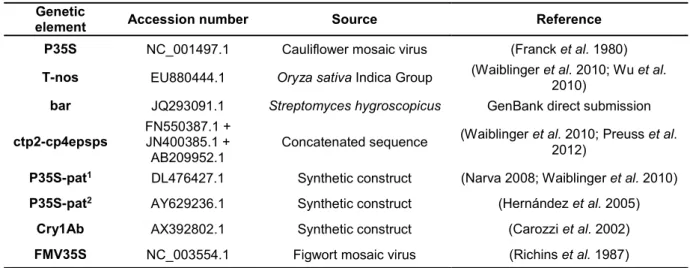
Table 3. Reference sequences of the genetic elements used to design the multiplex PCRs.
Genetic
element Accession number Source Reference
P35S NC_001497.1 Cauliflower mosaic virus (Franck et al. 1980)
T-nos EU880444.1 Oryza sativa Indica Group (Waiblinger et al. 2010; Wu et al. 2010)
bar JQ293091.1 Streptomyces hygroscopicus GenBank direct submission
ctp2-cp4epsps FN550387.1 + JN400385.1 +
AB209952.1 Concatenated sequence
(Waiblinger et al. 2010; Preuss et al. 2012)
P35S-pat1 DL476427.1 Synthetic construct (Narva 2008; Waiblinger et al. 2010)
P35S-pat2 AY629236.1 Synthetic construct (Hernández et al. 2005)
Cry1Ab AX392802.1 Synthetic construct (Carozzi et al. 2002)
FMV35S NC_003554.1 Figwort mosaic virus (Richins et al. 1987)
1 P35S-pat construct with a 19 nt polylinker separating the 35S promoter from the pat gene. 2 P35S-pat construct with a 179 nt enhance element separating the 35S promoter from the pat gene.
Design of PCR primers
We started by collecting information on PCR primers for amplification of transgenic elements used in GM plants. We mainly focused our search on three publications describing methods for detection of transgenic plants, from which several primers were obtained (James et al. 2003; Waiblinger et al. 2010; Guo et al. 2011). In addition, primers were also retrieved from the EU Database of Reference Methods for GMO Analysis (http://gmo-crl.jrc.ec.europa.eu/gmomethods/) by searching for the
genetic element and selecting the most relevant methods according to the website (Table 4). Nevertheless, it was necessary to design new primers in order to obtain amplicons with specific lengths that could be included in multiplex PCRs. Several criteria were taken into account when designing the primers using the reference sequence selected for each element. For instance, primers were designed with predicted melting temperature (Tm) between 59 to 62 °C and avoiding potential self-annealing sites and hairpin formation as determined in the OligoCalc website (Kibbe 2007).
We also designed a pair of PCR primers to be used in some multiplex PCRs as internal control for the presence of plant DNA. The primers amplify a region of about 70 to 100 bp in the chloroplast DNA (cpDNA) trnL [tRNA-Leu (UAA)] intron located at positions 49,415 to 49,492 of the Nicotiana tabacum cpDNA reference sequence (NC_001879.2). We redesigned the primers previously described (Taberlet et al. 2007) and named “g” (three bases at the 3’ end were added) and “h” (one base at the 5’ end was deleted) in order to obtain a more balanced Tm between primers (Table 4).
The following nomenclature was implemented to designate all primers used in this study: ‘GM + abbreviation of the genetic element + 5’ primer position in reference sequence + F (forward primer) or R (reverse primer). For example, ‘GMtnos39F’ indicates a forward primer for amplification of region in the T-nos element starting at position 39 of the reference sequence (Table 4).
The predicted amplicons were selected to allow significant size differences for a clear electrophoretic separation. Potential cross-reactivity between all primer pairs was tested using the AutoDimer program (Vallone & Butler 2004). No interactions were found for the default Score of 7, which is determined by combining the number of Watson-Crick base pairs (+1) with mismatches (-1). We also set the Score to a lower value (4) and only a few weak interactions were found. Therefore, all primers were used in the multiplex PCRs.
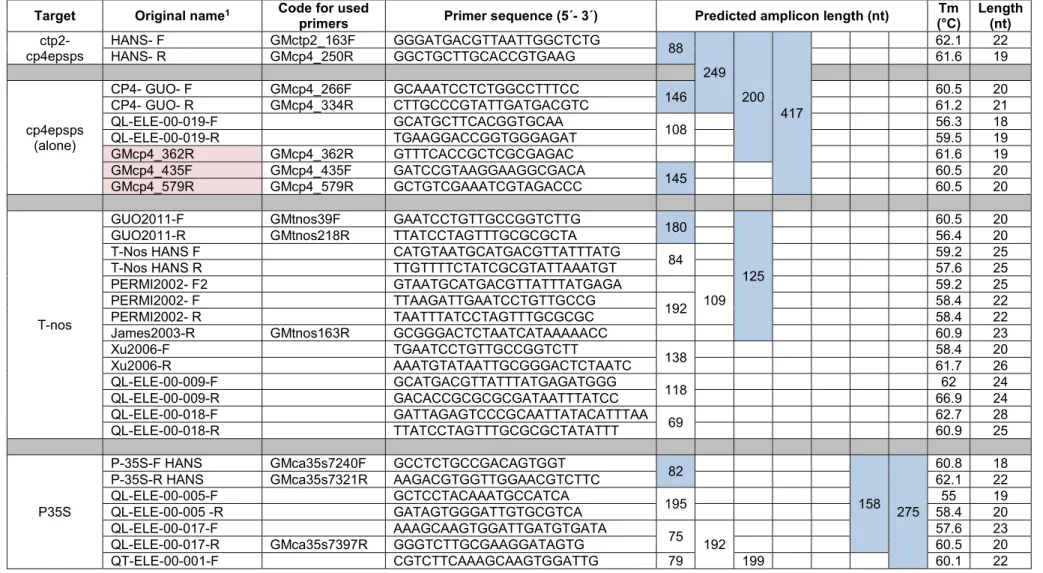
Table 4. List of PCR primers selected for detection of the genetic elements used in GM plants. Only the primers with a code in the third column defining amplicons highlighted in blue were used in the present study.
Target Original name1 Code for used
primers Primer sequence (5´- 3´) Predicted amplicon length (nt) (°C) Tm Length (nt)
ctp2-cp4epsps HANS- F GMctp2_163F GGGATGACGTTAATTGGCTCTG 88
249 200 417 62.1 22 HANS- R GMcp4_250R GGCTGCTTGCACCGTGAAG 61.6 19 cp4epsps (alone) CP4- GUO- F GMcp4_266F GCAAATCCTCTGGCCTTTCC 146 60.5 20 CP4- GUO- R GMcp4_334R CTTGCCCGTATTGATGACGTC 61.2 21 QL-ELE-00-019-F GCATGCTTCACGGTGCAA 108 56.3 18 QL-ELE-00-019-R TGAAGGACCGGTGGGAGAT 59.5 19 GMcp4_362R GMcp4_362R GTTTCACCGCTCGCGAGAC 61.6 19 GMcp4_435F GMcp4_435F GATCCGTAAGGAAGGCGACA 145 60.5 20 GMcp4_579R GMcp4_579R GCTGTCGAAATCGTAGACCC 60.5 20 T-nos
GUO2011-F GMtnos39F GAATCCTGTTGCCGGTCTTG 180
125
60.5 20
GUO2011-R GMtnos218R TTATCCTAGTTTGCGCGCTA 56.4 20
T-Nos HANS F CATGTAATGCATGACGTTATTTATG 84 59.2 25
T-Nos HANS R TTGTTTTCTATCGCGTATTAAATGT 57.6 25
PERMI2002- F2 GTAATGCATGACGTTATTTATGAGA
109 59.2 25
PERMI2002- F TTAAGATTGAATCCTGTTGCCG 192 58.4 22
PERMI2002- R TAATTTATCCTAGTTTGCGCGC 58.4 22
James2003-R GMtnos163R GCGGGACTCTAATCATAAAAACC 60.9 23
Xu2006-F TGAATCCTGTTGCCGGTCTT 138 58.4 20 Xu2006-R AAATGTATAATTGCGGGACTCTAATC 61.7 26 QL-ELE-00-009-F GCATGACGTTATTTATGAGATGGG 118 62 24 QL-ELE-00-009-R GACACCGCGCGCGATAATTTATCC 66.9 24 QL-ELE-00-018-F GATTAGAGTCCCGCAATTATACATTTAA 69 62.7 28 QL-ELE-00-018-R TTATCCTAGTTTGCGCGCTATATTT 60.9 25 P35S
P-35S-F HANS GMca35s7240F GCCTCTGCCGACAGTGGT 82
158 275
60.8 18
P-35S-R HANS GMca35s7321R AAGACGTGGTTGGAACGTCTTC 62.1 22
QL-ELE-00-005-F GCTCCTACAAATGCCATCA 195 55 19
QL-ELE-00-005 -R GATAGTGGGATTGTGCGTCA 58.4 20
QL-ELE-00-017-F AAAGCAAGTGGATTGATGTGATA
75 192 57.6 23
QL-ELE-00-017-R GMca35s7397R GGGTCTTGCGAAGGATAGTG 60.5 20
QT-ELE-00-001-R TCTTGCGAAGGATAGTGGGATT 60.1 22 QL-ELE-00-004-F CCACGTCTTCAAAGCAAGTGG 123 202 61.2 21 QL-ELE-00-004-R TCCTCTCCAAATGAAATGAACTTCC 62.5 25 Xu2006-F AGACTGGCGAACAGTTCATACAGA 187 63.6 24 Xu2006-R CAATGGAATCCGAGGAGGT 57.5 19 P35S-pat
P35S-pat-F HANS (in
35S) GM35s-pat1872F AAGTTCATTTCATTTGGAGAGGACA 102
208
60.9 25
P35S-pat-R HANS (in
pat) GM35s-pat1973R CGGCCATATCAGCTGCTGTAG 63.2 21
pat (alone) HUBER-F CGCGGTTTGTGATATCGTTAAC 108 60.1 23 QL-ELE-00-021F CCGCGGTTTGTGATATCGTT 109 58.4 20
QL-ELE-00-021R/HUBER-R GMpat2079R TCTTGCAACCTCTCTAGATCATCAA 62.5 25
QT-ELE-00-002F (KVM-5) GMpat2106F TTGAGGGTGTTGTGGCTGGTA 68 303 61.2 21 QT-ELE-00-002R (KVM-6) TGTCCAATCGTAAGCGTTCCT 59.5 21 Xu2006-F GACAGAGCCACAAACACCACAA 144 62.1 22 Xu2006-R CAATCGTAAGCGTTCCTAGCCT 62.1 22 PERMI2002- F GAAGGCTAGGAACGCTTACG 263 60.5 20 PERMI2002- R GCCAAAAACCAACATCATGC 56.4 20
GMpat2408R GMpat2408R GCCAAAAACCAACATCATGCC 59.5 21
bar
GMbar308F GMbar308F GCTCCACGCTCTACACCC
181 60.8 18
Bar-F GUO GMbar93F AAGCACGGTCAACTTCCGTAC
396 176
230 300
61.2 21
Bar-R GUO GMbar448R AAACCCACGTCATGCCAGTTC 61.2 21
GMbar268R GMbar268R TCGACTCGGCCGTCCAGT 60.8 18
GMbar322R GMbar322R TGTAGAGCGTGGAGCCCAG 61.6 19
GMbar392R GMbar392R TCGTTGGGCAGCCCGATG 60.8 18
HANS-F ACAAGCACGGTCAACTTCC 60 57.5 19 HANS-R GAGGTCGTCCGTCCACTC 60.8 18 Xu2006-F GCTCCACGCTCTACACCCAC 181 64.6 20 Xu2006-R AAACCCACGTCATGCCAGTT 58.4 20 QL-ELE-00-22F CGTCAACCACTACATCGAGACAA 69 62.9 23 QL-ELE-00-22R GTCCACTCCTGCGGTTCCT 61.6 19
GUO- E-Cry-R GGTGGCACGTTGTTGTTCTGA 61.2 21
JAMES2003F GMcryIAB_3F GGACAACAACCCCAACATCAAC 152
226
62.1 22
JAMES2003R GCACGAACTCGCTCAGCAG 61.6 19
QT-ELE-00-003F CCCATCGACATCAGCCTGAGC 129 65.3 21
QT-ELE-00-003R CAGGAAGGCGTCCCACTGGC 66.6 20
GMcryIAB228R GMcryIAB228R GAAGGCGTCCCACTGGC 59.8 17
FMV35S
GUO-F GMfig35S_6489F TCAGTCCAAAGCCTCAACAAG 252 59.5 21
GUO-R GMfig35S_6740R CCTAACAATTCTGCACCATTCC 60.1 22
QL-ELE-00-015-F CAAAATAACGTGGAAAAGAGCT 78 56.4 22 QL-ELE-00-015-R TCTTTTGTGGTCGTCACTGC 58.4 20 QL-ELE-00-010-F AAGCCTCAACAAGGTCAG 196 53.8 18 QL-ELE-00-010-R CTGCTCGATGTTGACAAG 53.8 18 Xu2006-F CAGCATTCCAGATTGGGTTCA 172 59.5 21 Xu2006-R CTTTTGGCTAATGGTTTGGAGAC 60.9 23
cpDNA trnL trnLG_F trnLH_R trnLG_F trnLH_R GGGCAATCCTGAGCCAAATC CATTGAGTCTCTGCACCTATC 78 60.5 59.5 20 21
1 The original name of the primer includes the first author of the publication where the primer was obtained (Permingeat et al. 2002; James et al. 2003; Xu et al. 2006;
Waiblinger et al. 2010; Guo et al. 2011; Huber et al. 2013). The primers with a numeric code starting in ‘QL’ or ‘ QT’ were retrieved from the EU Database of Reference Methods for GMO Analysis and those highlighted in red were designed by us.
Samples
Certified reference materials for GM plants were purchased from Eurofins GeneScan (Freiburg, Germany) and Sigma-Aldrich (Sintra, Portugal). The samples are described in Table 5. The control samples obtained from Eurofins GeneScan were all of genomic DNA (gDNA) extracted from 100% (w/w) GMO material, with the exception of the rice sample (GM08) that was derived from plasmid DNA.
The samples ordered from Sigma-Aldrich were of DNA or powder. The DNA samples of six GM events were part of two sets of DNA standards, one for maize (NK603, GA21 and CBH-3511 Starlink) and another for rapeseed or canola (GT73 Roundup Ready™, LibertyLink™ Falcon GS40/90 and MS8xRf3 Rapeseed). The DNA has been extracted from plant material as described in the official protocols of the Sigma-Aldrich company and tested in several validation studies. The extracted DNA was quantified and diluted to form a 1% solution.
The powder samples were produced and certified under the responsibility of the Institute for Reference Materials and Measurements of the European Commission’s Joint Research Centre (EC-JRC-IRMM). The dried maize powder (GM12) has been produced from whole seeds of heterozygous 98140 maize of the variety TF0750C and non-modified maize of the variety X1083A, in a mixture representing 10% of GM maize. The dried potato powder (GM16) is composed of milled, dried powder from purely EH92-527-1 potatoes (100% GMO). The soya seed powder (GM17) has been produced from whole kernels of event 356043 soya and non-modified near-isogenic soya in a mixture representing 10% of GM soya (Table 5).
Genetic elements present in the GM samples
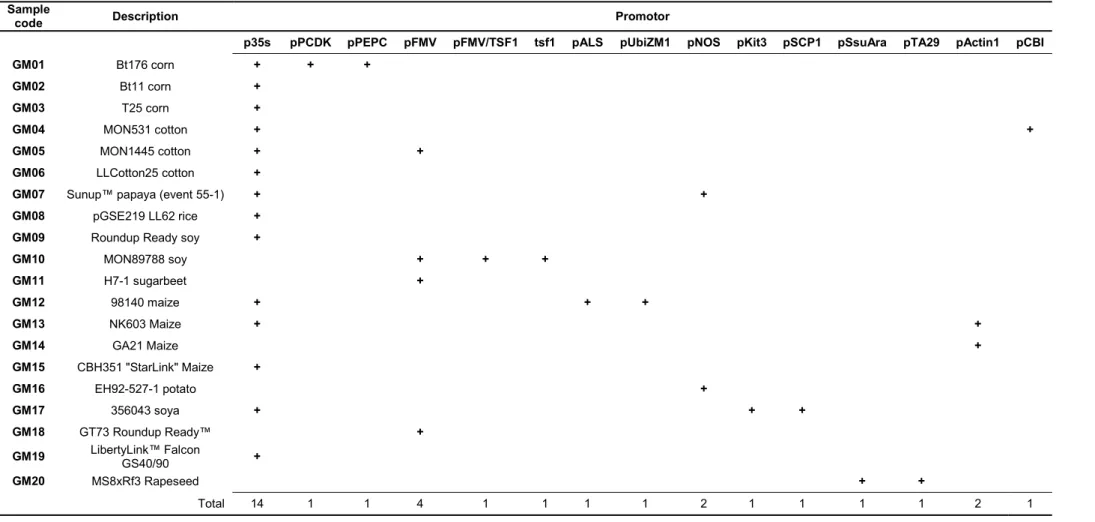
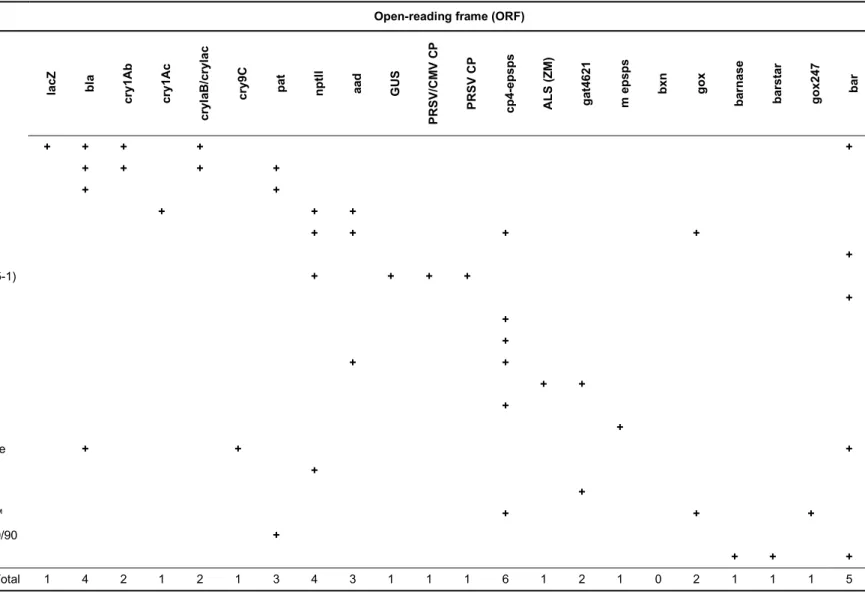
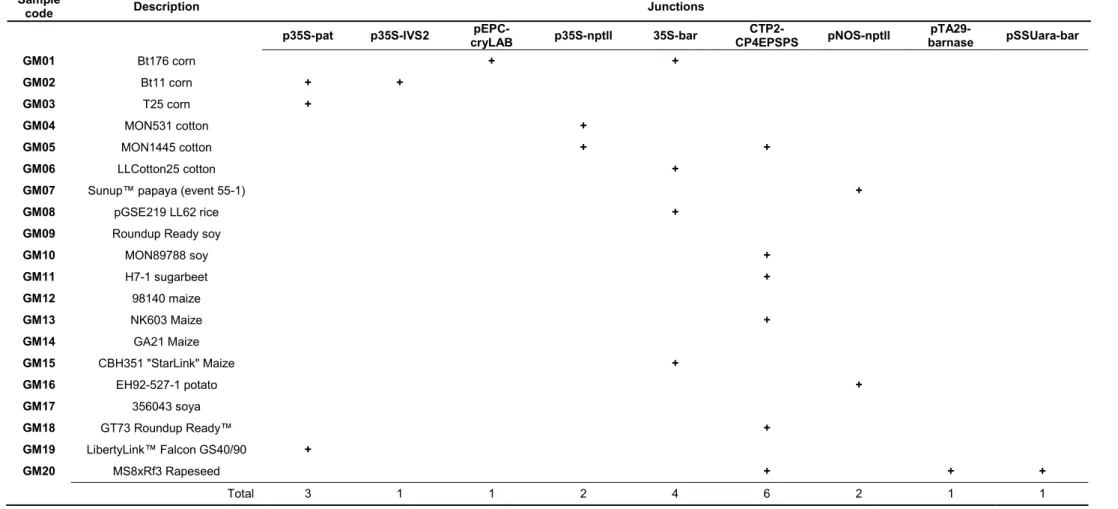
We identified the genetic elements introduced into the 20 GM samples using the GMOseek matrix (Block et al. 2013). The GMOseek database is a comprehensive, open-access tabulated database for the presence or absence of 247 genetic elements within an array of 328 GMO events. We searched the database using the GMO name or unique identifier for different classes of GMO elements, such as promoters, terminators, open-reading frame (ORF) segments, miscellaneous elements (e.g. vector elements, enhancers) and junctions between elements in the transgene constructs (Table 6).
Table 5. List of samples of certified genetically modified plants used in this work.
Sample
code Description Catalogue Number Source GMO Unique Identifier Species Type
Value (%
GMO) Amount per Unit
GM01 Bt176 corn 5211500701 GeneScan Eurofins BT176 SYN-EV176-9 maize genomic DNA 100 0.15 ml (100cp/µl)
GM02 Bt11 corn 5211501001 GeneScan Eurofins BT11 SYN-BTØ11-1 maize genomic DNA 100 0.15 ml (100cp/µl)
GM03 T25 corn 5211500801 GeneScan Eurofins T25 ACS-ZMØØ3-2 maize genomic DNA 100 0.15 ml (100cp/µl)
GM04 MON531 cotton 5211512301 GeneScan Eurofins MON531 MON-ØØ531-6 cotton genomic DNA 100 0.15 ml (100cp/µl)
GM05 MON1445 cotton 5211511301 GeneScan Eurofins MON1445 MON-Ø1445-2 cotton genomic DNA 100 0.15 ml (100cp/µl)
GM06 LLCotton25 cotton 5211512401 GeneScan Eurofins LLCotton25 ACS-GHØØ1-3 cotton genomic DNA 100 0.15 ml (100cp/µl)
GM07 Sunup™ papaya (event 55-1) 5211514801 GeneScan Eurofins Sunup™ papaya CUH-CP551-8 papaya genomic DNA 100 0.15 ml (100cp/µl)
GM08 pGSE219 LL62 rice 5211508501 GeneScan Eurofins LL62 ACS-OSØØ2-5 rice plasmid DNA 0.15 ml (100cp/µl)
GM09 Roundup Ready soy 5211500601 GeneScan Eurofins GTS 40-3-2 MON-Ø4Ø32-6 soybean genomic DNA 100 0.15 ml (100cp/µl)
GM10 MON89788 soy 5211511901 GeneScan Eurofins MON89788 MON-89788-1 soybean genomic DNA 100 0.15 ml (100cp/µl)
GM11 H7-1 sugarbeet 5211507001 GeneScan Eurofins H7-1 KM-ØØØ71-4 sugar beet genomic DNA 100 0.15 ml (100cp/µl)
GM12 98140 maize # ERMBF427D-1G SIGMA-ALDRICH event 98140 DP-Ø9814Ø-6 maize dried maize powder 10 1g
GM13 NK603 Maize # 69407-1SET-F SIGMA-ALDRICH NK603 MON-ØØ6Ø3-6 maize genomic DNA 1 250±50 ng DNA / 10 µl
GM14 GA21 Maize # 69407-1SET-F SIGMA-ALDRICH GA21 MON-ØØØ21-9 maize genomic DNA 1 250±50 ng DNA / 10 µl
GM15 CBH351 "StarLink" Maize # 69407-1SET-F SIGMA-ALDRICH CBH351 ACS-ZX004-3 maize genomic DNA 1 250±50 ng DNA / 10 µl
GM16 EH92-527-1 potato ERMBF421B-0.5G SIGMA-ALDRICH EH92-527-1 potato BPS-25271-9 potato dried potato powder 100 1g
GM17 356043 soya ERMBF425D SIGMA-ALDRICH 356043 soya DP-356Ø43-5 soybean soya seed powder 10 1g
GM18 GT73 Roundup Ready™ # 55231-1KT-F SIGMA-ALDRICH GT73 MON-ØØØ73-7 rapeseed genomic DNA 1 150 ng
GM19 LibertyLink™ Falcon GS40/90 # 55231-1KT-F SIGMA-ALDRICH GS40/90 ACS-BN-Ø1Ø-4 rapeseed genomic DNA 1 150 ng
Table 6. Genetic elements introduced into the 20 GM samples analysed in this work according to the GMOseek matrix.
Sample
code Description Promotor
p35s pPCDK pPEPC pFMV pFMV/TSF1 tsf1 pALS pUbiZM1 pNOS pKit3 pSCP1 pSsuAra pTA29 pActin1 pCBI
GM01 Bt176 corn + + + GM02 Bt11 corn + GM03 T25 corn + GM04 MON531 cotton + + GM05 MON1445 cotton + + GM06 LLCotton25 cotton +
GM07 Sunup™ papaya (event 55-1) + +
GM08 pGSE219 LL62 rice +
GM09 Roundup Ready soy +
GM10 MON89788 soy + + + GM11 H7-1 sugarbeet + GM12 98140 maize + + + GM13 NK603 Maize + + GM14 GA21 Maize + GM15 CBH351 "StarLink" Maize + GM16 EH92-527-1 potato + GM17 356043 soya + + + GM18 GT73 Roundup Ready™ + GM19 LibertyLink™ Falcon GS40/90 + GM20 MS8xRf3 Rapeseed + + Total 14 1 1 4 1 1 1 1 2 1 1 1 1 2 1
Table 6. (cont.)
Sample code Description Terminator
t35S T-nos tE9 tpinll tg7 (Glycin max) tALS t7S
GM01 Bt176 corn + + GM02 Bt11 corn + GM03 T25 corn + GM04 MON531 cotton + + GM05 MON1445 cotton + + GM06 LLCotton25 cotton +
GM07 Sunup™ papaya (event 55-1) + +
GM08 pGSE219 LL62 rice +
GM09 Roundup Ready soy +
GM10 MON89788 soy + GM11 H7-1 sugarbeet + GM12 98140 maize + GM13 NK603 Maize + GM14 GA21 Maize + GM15 CBH351 "StarLink" Maize + + GM16 EH92-527-1 potato + GM17 356043 soya + + GM18 GT73 Roundup Ready™ + GM19 LibertyLink™ Falcon GS40/90 + GM20 MS8xRf3 Rapeseed + + Total 6 12 4 2 1 1 1
Table 6. (cont.)
Sample
code Description Open-reading frame (ORF)
la cZ bla cr y1 Ab cr y1 Ac cr yI aB /c ry la c cr y9 C pa t np tll aa d G US PR SV /C M V CP PR SV C P cp 4-ep sp s AL S (Z M ) ga t4 62 1 m e ps ps bx n go x ba rn as e ba rs ta r go x2 47 ba r GM01 Bt176 corn + + + + + GM02 Bt11 corn + + + + GM03 T25 corn + + GM04 MON531 cotton + + + GM05 MON1445 cotton + + + + GM06 LLCotton25 cotton +
GM07 Sunup™ papaya (event 55-1) + + + +
GM08 pGSE219 LL62 rice +
GM09 Roundup Ready soy +
GM10 MON89788 soy + GM11 H7-1 sugarbeet + + GM12 98140 maize + + GM13 NK603 Maize + GM14 GA21 Maize + GM15 CBH351 "StarLink" Maize + + + GM16 EH92-527-1 potato + GM17 356043 soya + GM18 GT73 Roundup Ready™ + + + GM19 LibertyLink™ Falcon GS40/90 + GM20 MS8xRf3 Rapeseed + + + Total 1 4 2 1 2 1 3 4 3 1 1 1 6 1 2 1 0 2 1 1 1 5
Table 6. (cont.)
Sampl
e code Description Miscellaneous elements
in tro n9 or i-p UC IV S2 IV S6 Ti pl as m id DN A/ /R ig ht Bo re de r Ti pl as m id DN A/ /L ef tB or ed er or i3 22 /ro p or iV CT P1 CT P2 CT P4 hs p7 0 hs p7 0i nt ro n ra ct 1i nt Co lE 1-or i pU C1 9 Ru Bi sC o CT P/ ca b2 2L CT P/ O TP or i3 22 GM01 Bt176 corn + + GM02 Bt11 corn + + + GM03 T25 corn + GM04 MON531 cotton + + + GM05 MON1445 cotton + + + + + GM06 LLCotton25 cotton + +
GM07 Sunup™ papaya (event 55-1) + + + +
GM08 pGSE219 LL62 rice + + +
GM09 Roundup Ready soy + +
GM10 MON89788 soy GM11 H7-1 sugarbeet + + + GM12 98140 maize GM13 NK603 Maize + + + + GM14 GA21 Maize + GM15 CBH351 "StarLink" Maize + + + GM16 EH92-527-1 potato GM17 356043 soya GM18 GT73 Roundup Ready™ + + + + GM19 LibertyLink™ Falcon GS40/90 + + GM20 MS8xRf3 Rapeseed + + Total 1 5 1 1 8 5 1 4 2 4 1 1 1 1 1 2 0 1 1 3
Table 6. (cont.)
Sample
code Description Junctions
p35S-pat p35S-IVS2 cryLAB pEPC- p35S-nptll 35S-bar CP4EPSPS CTP2- pNOS-nptll barnase pTA29- pSSUara-bar
GM01 Bt176 corn + + GM02 Bt11 corn + + GM03 T25 corn + GM04 MON531 cotton + GM05 MON1445 cotton + + GM06 LLCotton25 cotton +
GM07 Sunup™ papaya (event 55-1) +
GM08 pGSE219 LL62 rice +
GM09 Roundup Ready soy
GM10 MON89788 soy + GM11 H7-1 sugarbeet + GM12 98140 maize GM13 NK603 Maize + GM14 GA21 Maize GM15 CBH351 "StarLink" Maize + GM16 EH92-527-1 potato + GM17 356043 soya GM18 GT73 Roundup Ready™ + GM19 LibertyLink™ Falcon GS40/90 + GM20 MS8xRf3 Rapeseed + + + Total 3 1 1 2 4 6 2 1 1
Sample preparation and DNA extraction
Total DNA was extracted from the powder samples by using the protocol described by Doyle (Doyle 1987, 1990) with adaptations suggested by others (John 1992; Lodhi et al. 1994; Porebski et al. 1997). The protocol started with the addition of 500 µL of CTAB (cetyltrimethylammonium bromide) Lysis buffer (AppliChem GmbH, Germany) and 0,2% 2-mercaptoethanol (Sigma-Aldrich) to approximately 0.5 cm3 of
powder, followed by an incubation at 60°C for 1h. We then added 575µL of phenol (AppliChem) to the samples in Light Phase Lock Gel (5 Prime, Germany) tubes, which were then centrifuged for 3 min at 14000g. The aqueous phase was then removed to a new tube with 575µL of chloroform-isoamyl alcohol (24:1) (AppliChem) for a new centrifugation for 3 min at 14000g. The aqueous phase was removed and mixed with 1000µL of ethanol 96% and kept at -20°C for 30 min. The solution was then centrifuged for 15 min at 14000g at 4°C. After disregarding the supernatant, we added 1000µL of ethanol 70% and centrifuged for 5 min at 14000g. The supernatant was disregarded and the tubes were dried to precipitate the DNA. The pellet was ressuspened in 50µL of water and stored at -20°C. The DNA extractions were performed in isolated work areas, separated from PCR amplified products. Negative control extractions were used to screen for contaminants entering the process at any stage.
Singleplex and multiplex PCR amplifications
All PCR primer pairs were initially tested in singleplex PCR in a total volume of 10 μL as follows: 5 μL of Multiplex PCR Master Mix (Qiagen, Valencia, CA), 1 μL of forward primer (2 µM), 1 μL of reverse primer (2 µM), 2 μL of DNase, RNase- and protease-free water (5 Prime) and 1 μL of the template DNA sample. The thermocycling conditions were: initial step at 95 °C for 15 min; 35 cycles at 94 °C for 30 s, 55 °C for 90 s and 72 °C for 1min; with a final extension at 72 °C for 10 min. PCRs were performed in a BioRad ThermoCycler (BioRad Laboratories Inc., Hercules, CA, USA). The selected primers were combined in the same proportion for multiplex PCRs. The PCR setup and thermocycling conditions used for multiplex PCRs were the same as in singleplex reactions, with the exception of the use of 1 μL of the primers mix (each at 2uM) and 3 μL of water (5 Prime) for a final volume of 10 μL. We tested the sensitivity of the multiplex PCRs using gradients of primer annealing temperatures between 46 °C to 66 ° C. Slight alterations to these PCR conditions were used in some cases as indicated in the results and discussion section.