Universidade do Minho
Escola de Engenharia
Dino Mickael Ribeiro da Costa
Effects of music preference and selection
on stress management
Universidade do Minho
Dissertação de Mestrado
Escola de Engenharia
Departamento de Informática
Dino Mickael Ribeiro da Costa
Effects of music preference and selection
on stress management
Mestrado em Engenharia Informática
Trabalho realizado sob orientação de
Paulo Jorge Freitas de Oliveira Novais
Davide Rua Carneiro
Declaração
Nome: Dino Mickael Ribeiro da Costa
Endereço eletrónico: [email protected] Cartão de Cidadão: 13639652
Título da Dissertação: Effects of music preference and selection on stress management
Orientador: Paulo Jorge Freitas de Oliveira Novais Coorientador: Davide Rua Carneiro
Ano de conclusão: 2014
Designação do Mestrado: Mestrado Em Engenharia Informática Área de Especialização: Sistemas Inteligentes
É AUTORIZADA A REPRODUÇÃO INTEGRAL DESTA TESE/TRABALHO APENAS PARA EFEITOS DE INVESTIGAÇÃO, MEDIANTE DECLARAÇÃO ESCRITA DO INTERESSADO, QUE A TAL SE COMPROMETE;.
Universidade do Minho, / /
A C K N O W L E D G E M E N T S
During my academic career until the completion of this project I had many great experiences and also many difficulties and it was only possible due to the support of many people to whom I am grateful.
First and foremost, I would like to express my gratitude to my supervisors, Paulo Novais and Davide Carneiro. Their expertise, understanding, and patience inspired me to work harder and better in this project and have set an example that I hope to match one day.
Furthermore, I am very grateful to the ISLab members, to my research grant colleague and to others colleagues who I have had the pleasure of meeting at Minho’s University, for the ex-changes of knowledge in so diverse areas, the skills and the encouragement they gave me during the deployment of this project, which in the overall helped enrich it.
I would also like to thank my longtime friends, who always accompanied me from high school until now and made me laugh on my happiest moments and supported me on my saddest mo-ments. A big thank you for being part of my life and I hope to preserve them forever. Particular attention to Alexis Oliveira for his great friendship and I do appreciate him for always supporting me during this long journey and also for alerting me when it was necessary. Claudia Silva, Flavia Santos and Laura Dias whom have always supported me and are always present, thank you.
I would also like to thank my friends of the graduation who still supporting me despite the distance and the good jokes when it is necessary and exchanges of knowledge on diverse areas only and also to the fantastic people I met this year who supported me in this last phase of my academic journey, from the companionship in the library to the very pleasant evening and I wish to keep in my life.
Finally, I am very grateful to my parents Maria Jacinta da Costa and Agostinho da Costa and my brother Kevin, who have always supported me and Encouraged me in the advance of this project and they did everything for me to have a good education and civic training. I feel fortunate to belong to this great family, a very special thanks.
This work was developed in the context of the project CAMCoF - Context-aware Mul-timodal Communication Framework funded by ERDF - European Regional Development Fund through the COMPETE Programme (operational programme for competi-tiveness) and by National Funds through the FCT - Fundação para a Ciência e a Tecnologia (Portuguese Foundation for Science and Technology) with in project FCOMP-01-0124-FEDER-028980.
A B S T R A C T
In this busy society of ours, people push their limits to work better and harder/longer in order to remain competitive with their peers. The activities of the working population have increased daily which have, in turn, created more stressful situations and conditioned the welfare as well as the physical and mental abilities of the person. Nonetheless, working longer hours does not necessarily improve productivity nor performance. In order to prevent the negative consequences of this increasing trend, the evolution of performance throughout the workday should be more closely monitored.It is acknowledged that, during the day, the user is subjected to various factors that can affect his performance, such as stress. Stress is an ever-present factor these days and can be considered a major health problem. However, there also positives aspects, and this has made it an increasingly interesting topic of study in the scientific community.
This work focuses on the interaction of stress with music, a broad phenomenon which is present in all societies. More specifically, we study the effects of music on human stress levels and emotions while performing daily activities, through the analysis the performance, try to un-derstand how decreases along the day and how different types of music affect this phenomenon. The hypothesis presented here is analysed through a research study, which enables us to under-stand the effect of music on people and on their lives, more precisely in their performance at work. The results show not only that the type of music matters, but also that it is important to note the individual’s objective in each moment, as well as his personal preferences regarding music. With the results the aim is to create a music recommendation system based on the user’s stress level and the user’s performance, through the user’s interaction with the computer.
R E S U M O
Na sociedade atual as pessoas são cada mais vezes testadas até aos seus limites para poderem trabalhar mais e melhor, a fim de manter a competitividade ao máximo nível. As atividades do dia a dia da população continuam aumentar, o que cria situações de mais stress condicionando o bem-estar, bem como as capacidades físicas e mentais da pessoa. No entanto, trabalhar mais horas não significa necessariamente uma melhora da produtividade ou performance. A fim de evitar as consequências negativas desta tendência crescente, a evolução da performance ao longo de um dia de trabalho deve ser acompanhado mais de perto. É importante perceber que durante o dia as pessoas estão sujeitas a vários factores que podem afetar a sua performance, como o stress. O stress é um factor cada vez mais presente nos dias de hoje e pode ser considerado um problema. No entanto, há também aspectos positivos, tornando-se um tema cada vez mais interessante de estudo na comunidade científica.
Neste trabalho é realizado um estudo, que terá como objectivo perceber a interação do stress com a música, um fenómeno presente em todas as sociedades. Especificamente, estudar os efeitos da música a nível de stress e emoções durante a execução das atividades diárias, através da análise da performance, no qual tentamos entender como está decresce ao longo do dia e como diferentes tipos de musica afeta este fenómeno. Esta hipótese apresentada é analisada através do estudo da performance, no qual nos permite entender os efeitos da musica nas pessoas e na suas vidas, mais precisamente das suas performance durante os seus trabalhos. Os resultados demonstra nos que não é so importante o tipo de musica, mas tambem é importante perceber o objectivo do utilizador bem como as suas preferencias musicais. Com os resultados obtidos o principal objectivo é criar um sistema de recomendação de musica baseado nos níveis de stress e performance do utilizador, através da interação do utilizador com o computador.
C O N T E N T S Abstract . . . vi Resumo . . . vii Glossary . . . 1 1 I N T R O D U C T I O N . . . 1 1.1 Motivation . . . 1
1.2 Scope of the Dissertation . . . 2
1.3 ISLab Project . . . 3
1.4 Objectives . . . 4
1.5 Methodology of work / research . . . 4
1.6 Structure of the document . . . 5
2 A M B I E N T I N T E L L I G E N C E . . . 7
2.1 What is Ambient Intelligence? . . . 7
2.2 Sensing . . . 9 2.3 Recommendation Systems . . . 12 3 S T R E S S A N D M U S I C . . . 14 3.1 Definition of Stress . . . 14 3.2 Stressors . . . 16 3.3 What is Music? . . . 17
3.4 Performance vs Stress and Music . . . 18
3.5 Related Projects . . . 20
3.6 Analysis of the related projects . . . 23
4 D ATA C O L L E C T I O N . . . 25
4.1 Motivation . . . 26
4.2 Study Design . . . 28
4.2.1 Interaction Patterns . . . 28
4.3 Long Duration Study . . . 32
4.3.1 Goals and Objectives . . . 32
4.3.2 Method . . . 32
Contents
4.4 Conclusion and Critical Analysis . . . 41
5 M O N I T O R A N D R E C O M M E N D AT I O N S Y S T E M . . . 43
5.1 Description . . . 44
5.2 Objectives . . . 44
5.3 Architecture . . . 45
5.3.1 Communication . . . 47
5.4 Recommendation and Monitoring System . . . 49
5.4.1 Historic Performance . . . 50
5.4.2 Real Time Performance . . . 51
5.4.3 Recommendation System . . . 53
5.4.4 Web Interface . . . 56
5.4.5 Conclusion . . . 57
6 C O N C L U S I O N S A N D F U T U R E W O R K . . . 59
6.1 Synthesis of the work undertaken . . . 60
6.2 Relevant Work . . . 61
L I S T O F F I G U R E S
Figure 1 SmartHome . . . 8
Figure 2 Sensor:Blood Volume Pulse (BVP) . . . 10
Figure 3 Sensor:Galvanic Skin Response (GSR) . . . 11
Figure 4 Sensor:Temperature . . . 11
Figure 5 Stress vs Performance.. . . 19
Figure 6 Preliminary validation of the approach . . . 27
Figure 7 High-level view of the architecture . . . 28
Figure 8 Final questionnaire . . . 33
Figure 9 Results of how relaxing each Cluster . . . 35
Figure 10 Results of Features with Improved Performance . . . 36
Figure 11 Performances in each cluster . . . 37
Figure 12 Relation Performance vs Metrics . . . 38
Figure 13 Graph metric of clusters - Participant Davide. . . 39
Figure 14 All performances . . . 40
Figure 15 Answers from questionnaires . . . 40
Figure 16 Stress vs Performance . . . 43
Figure 17 Architecture . . . 46
Figure 18 Communication - Architecture . . . 48
Figure 19 Menu . . . 49
Figure 20 Historic Performance . . . 50
Figure 21 Real Time . . . 52
Figure 22 Survey . . . 54
Figure 23 Recommendation System . . . 55
L I S T O F E Q U AT I O N S
4.1 Velocity equation . . . 29
4.2 Average distance of the mouse to the straight line equation . . . 30
4.3 The Signed Sum of Angles equation . . . 31
A C R O N Y M S
Aml - Ambient Inteligent bmp - heart beats per minute BVP - Blood Volume Pulse
CAMCoF - Context-aware Multimodal Communication Framework EEG - electroencephalogram
ISLab - Intelligent Systems Laboratory ISTAG - IST Advisory Group
GSR - Galvanic Skin Response
MIREX - Music Information Retrieval Evaluation eXchange ISMIR - Music Information Retrieval
SSL - Secure Socket Layers VE - Virtual Environment UM - University of Minho Aml - Ambient Inteligent
1
I N T R O D U C T I O NThe human being is currently under an increasing demand to perform, fruit of a competitive so-ciety in which the scarcity of resources drives individuals into harsher conditions. Workplaces are particularly "good" examples of this reality. The lack of jobs, decreasing wages, increas-ing workincreas-ing hours, workincreas-ing in shifts, competitiveness or unrealistic productivity goals result in constant and increasing pressure on the individual. These situations can lead to problems such as stress, which can produce negative or positive results in overall performance. In this chapter we present our motivation to withstand these problems, the forms of combat, such as the use of music, which constitute the objectives and scope of this work.
1.1 M O T I VAT I O N
Stress is considered to be one of the major health problems nowadays, with a tendency to worsen. Thus, special attention to this matter is necessary and important. As mentioned, stress can condi-tion the individual’s physical and mental abilities.
According to the European Agency for Safety and Health at Work in 2005, stress compromises workplace safety and contributes to other work-related health problems, such as musculoskeletal disorders. Nearly one in four workers is affected by stress and between 50% and 60% of missed working days are related to it. The experience of stress can alter the way a person feels, thinks and behaves[13]. The symptoms range from reduced productivity to emotional reactions (sleep problems, depression)[14].
Given the symptoms, described above, it is necessary to understand how stress affects the human body from a physical to psychological state. In this work we will thus consider the possibility of monitoring the pulse rate levels, galvanic response and body temperature. Such parameters are very interesting to consider in other studies, such as finding differences between driving in a normal situation or driving under stress.
1.2. Scope of the Dissertation
Over the years, many scientists have studied ways to combat and influence stress, for example the effects of color or music on people. In this work, one decided to study the influence of music. Why did we decide to study music? Because music is present everywhere, everybody likes music and music has a form of expression that cannot be put into words. Over the years music has always been connected to us, in many areas ranging from entertainment to war or religion, serving a myriad of purposes both socially and individually. Given the major importance of music in all human societies throughout history, and particularly in digital society, music plays a relevant role in world economy[25].
Why do people like music and why does it play with our emotions? Because when people hear music, the brain tries to predict what sound they will hear next. Usually these predictions are met as the “thing” we call music and it has to have some kind of structure or sound pattern. However, sometimes those predictions are violated and we hear something unexpected. These surprises keep our mind interested in the given music[23]. Music distracts people from pain and fatigue, elevates mood, increases endurance, reduces perceived effort and may even promote metabolic efficiency. With so much of our work now being done on computers, music has become an important way to “optimize the boring”. Music has increasingly become apart of the modern-day work session[31].
Furthermore, in the perspective of user performance during daily tasks (e.g. work), which will be evaluated in this work, stress and music can affect performance positively or negatively. In addition, if the user is affected by stress, or some other factor, music could be a way of being able to calm down, as will be demonstrated in this dissertation. Does music actually make you more productive? More focused? More creative? Or is it a form of distraction (loose focus)?. These many questions are raised and will be analyzed in our study, regarding the user’s performance. With the increasing importance of music in our society, and considering a wide range of musical styles and user preferences, one will study how music influences the user’s stress level while he/she performs daily tasks and activities.
1.2 S C O P E O F T H E D I S S E R TAT I O N
Following the facts described in the previous sub-section, and in order to answer the question that was raised “How does music influence the level of stress on the user while performing daily tasks and activities ?”, the main aim and motivation of the study is to create a music recommendation system. The system will monitor the user’s stress level and performance in real time, combined
1.3. ISLab Project
with with the possibility to change the style of the music being played in order to control his/her stress level or to help control performance.
A possible application scenario is the system recognizing that the user is experiencing a high stress level and recommending a pause in the activity being performed, changing the music style to one that generally calms the user down. This kind of tool can contribute to a better quality of life, guiding and helping the user to remain calm, make better decisions and perform better in daily activities such as work tasks.
1.3 I S L A B P R O J E C T
The work presented in this document is integrated in the project CAMCoF - Context-aware Mul-timodal Communication Framework, being developed at the Intelligent Systems Laboratory (IS-Lab) at the University of Minho (UM)[7].
The main objective of this project is to develop a framework to model the users’ context, focusing on stress, and to provide this information for a Virtual Environment (VE) so that richer communication processes can be developed. These communication processes will allow users to communicate in ways that are closer to face-to-face communication. The framework will be non-intrusive in order to facilitate more accurate and frequent monitoring. Thus, the estimation of stress will be based on the transparent analysis of the users’ behavior and interaction patterns.
The proposal of this project is supported by previous work, in which a group of ISLab members successfully measured changes in a non-intrusive way using motion detection and smartphones equipped with basic sensors. From this hardware, they were able to extract features such as touch patterns, touch duration, touch intensity, and touch accuracy, acceleration on the handheld device, the amount of movement and a measure of cognitive performance. During preliminary tests, nearly 20 volunteers (students and teachers from the university) were requested to play a game that required them to perform mental calculations in a calm and then in a stressed state. On average, each participant showed significant differences in half of the parameters studied when comparing calm and stressed measurements.
Sustained by the preliminary results, the group now aims to acquire more appropriate and pre-cise sensors that will allow them to develop a more accurate framework for modeling stress. This approach will provide meaningful context of information to the users of a VE in the form of sim-ple emotional avatars that can comsim-plement what is being said by using non-verbal information. It will result in more efficient communication processes, which will more accurately resemble the context of the richness of face-to-face communication.
1.4. Objectives 1.4 O B J E C T I V E S
The main goal of this study is to create a music recommendation system based on the user’s stress level and performance level acquired, through data collected by the keyboard and mouse, and aimed at managing the user’s stress. In the pursuit for a better system, this system will inform the user of the dangers of being under stress for prolonged periods, and how it may lead to bad choices in very different situations (e.g. driving, taking binding decision in interpersonal relation-ships). This system will allow the user to analyze his/her potentially unhealthy behaviours thus enabling a possible personal reflection. Through that change in behaviours, the aim of improving life quality is achieved. Another objective of the system is to learn the user’s personal musical preferences in order to improve the efficiency of the recommendation mechanism.
The objectives for the dissertation are:
• The analysis of the state of the art concerning the following sensors: Heart Beat, Skin Response and Body Temperature. Specifically, one will study (in a preliminary validation of the approach) the standard values of these sensors in the human body when the user listens to randomly selected music and songs and try to understand if this affects the user (when calm or under stress);
• The definition of a dynamic system to classify a user’s level of stress and performance through the sensors mentioned, keyboard and mouse;
• The presentation of a questionnaire to the participants of the study in order to understand their musical preferences and how they perceive the effects of music in their daily lives; • The development of a study to understand the effects of different types of music on the user
in the workplace, while performing regular tasks, or in a similar simulated environment (this study will be conducted in the Intelligent Systems Lab);
• The use of machine learning tools for the data collected in the study described above in order to build a personalized model for each user;
• The development of develop a recommendation system based on this model;
1.5 M E T H O D O L O G Y O F W O R K / R E S E A R C H
To accomplish the previously mentioned objectives, an Action - Research methodology will be followed. This methodology starts by identifying the problem so that a hypothesis can be
formu-1.6. Structure of the document
lated, and on which the development will be based. Subsequently, the information is recompiled, organized and analysed, continuously building a proposal for solving the identified problem. Fi-nally, one can reach conclusions based on the results obtained during the investigation. For this research model to be followed, six complementary stages were defined to achieve the planned objectives. The stages defined are described ahead:
• The specification of the problem and its characteristics;
• A constant and incremental update and review of the state of the art;
• The idealization, and gradual and interactive development of the proposed model;
• The experimentation and implementation of the solution for the development of a proto-type;
• A result analysis and the formulation of conclusions;
• A constant diffusion of the knowledge and results obtained, as well as of the experiments, to the scientific community;
1.6 S T R U C T U R E O F T H E D O C U M E N T
This document begins with the introductory chapter (Chapter 1). In this chapter the motivation, scope and objectives of the project are presented. The he research methodology followed during the progress of this project is also shown.
Chapter 2 will introduce the concept of Ambient Intelligence. It starts with a brief description of the concept. Next, it presents some other concepts such as that of the recommendation system and a brief explanation of intelligent components and sensor environments.
Chapter 3 presents a detailed description of stress, which starts by emphasising historical de-scriptions of stress. Later, some aspects of stress, such as stress types or the influence of external factors, are presented. Afterwards, there is a brief explanation of music and the relationship be-tween performance, stress and music, as well as the effects of these on the user’s performance. Finally , this section presents and analyses some related projects.
Chapter 4 describes the process of data collection. This chapter begins with an explanation of the preliminary validation of the approach (motivation). This comprises a test, by using sensors, to prove that music affects people in different ways. Afterwards, the study in this dissertation is described, from the methodology and collection of information to the presentation of results.
1.6. Structure of the document
In Chapter 5, the Recommendation and Monitoring System developed is presented. Initially, the objectives, architecture and the communication used is presented for development. It also presents the implementation decisions, as well as the final system developed.
Finally, in Chapter 6, some conclusions about the project are presented. It also presents the relevant work developed during the undertaking of this project, some work that will be carried out in the future and a brief description of the project.
2
A M B I E N T I N T E L L I G E N C EThis section presents the definition of Ambient Intelligence (Aml), it details the main components behind in Aml,which is the main concept on which this work is grounded, so that it is important to explain and understand it.
2.1 W H AT I S A M B I E N T I N T E L L I G E N C E?
Ambient Intelligence (Aml) refers to a seamless and invisible computing environment that is “aware” of our presence and context, and which is sensitive, adaptive and responsive to our needs [21]. The concept was introduced by the IST Advisory Group (ISTAG),and is defined by a new paradigm, this emerged as a result of three new key technologies: Ubiquitous Computing [41], Ubiquitous Communication [28] and Intelligent User Interfaces [29], this is starting to change the way we see computers.
Aml is comparable to a large computer with other tools, where these tools communicate amongst themselves, with the ability to automatically adapt to the users’ daily tasks and ac-tivities. In intelligent environments, computers are tools that learn what we like, what we do, our habits and our preferences, so they can simplify our lives. Moreover, they are shrinking in size and have now been hidden in common devices so that we do not notice them at all. Aml environments can be found in diverse places, such as homes, offices, meeting rooms, schools, hospitals, control centres, transports, tourist attractions, stores, sports facilities, music devices or others. In these environments one finds devices, which are currently commonplace items: mobile phones, air conditioning systems, laptops, media servers, PDAs or others. Similar, these devices are connected through a control network so that they can be controlled or control other devices from any point of the network.
In Aml it is important to mention that components are as hidden as possible (Figure1). The ideal intelligent environment should appear to be a perfectly normal environment, embedding its
2.1. What is Ambient Intelligence?
Figure 1: Example of Ambient Intelligence - SmartHome[33].
components in common devices, noticeable only through its actions. In Aml, each component has its functions and, together, their job is to ensure people’s well-being and safety. For this this to be done (efficiently?), the users’ preferences must be known, which constitutes one of the important characteristics of Aml. It learns preferences by interacting with the user: it studies one’s behaviours, learns what one usually does and when one usually does something. Therefore, if the system learns the user’s habits, that’s mean that environment will be unique, depending on the people who interact with the system. We can thus say that another important characteristic of Aml is that it is personalized [6].
Nowadays, technological devices have more capabilities, especially those which are mobile. Theses devices can obtain data from the environment such as location, temperature, user move-ments and user habits. These devices include the already commonplace smartphones, as well as more innovative alternatives such as Google Glass. These allow for the implementation of Aml systems which have the capacity to adapt to the user’s preferences and are thus personalized and sensitive .
2.2. Sensing 2.2 S E N S I N G
In the previous section Ambient Intelligence was described as a system that learns our behaviors, adapts to us, hides in common devices, is aware of our context and is able to predict our actions. It is important now to describe the components that make it possible for Aml to perform correctly. Aml really depends on the sensors, for correctly reading as much data about the environ-ment or users as possible, as this data is the basic information for any decision from the system. Nowadays, these sensors are more hidden as possible, from common flood detectors, alarms, gas detectors as sensors luminosity to temperature and humidity, making it possible to read the environmental parameters. With this the environment can be monitored in order to maintain the preferences, the needs or the safety of the person. The knowledge about environment and user is very important for the performance of the service provided.
In smart environments, the perfect scenario is one where all components are as invisible as possible, where the user does not perceive anything about the data collection regarding the envi-ronment and himself. These sensors collect data in a non-intrusive way. In this work, information was collected concerning users during activities: the user’s performance in terms of features ex-tracted from the use of the keyboard and the mouse, whether the user was or was not under stress or listening to some music. This information will be described in the study relating to Music interaction for this work.
When information about the user or his environments is necessary and there are no non-intrusive sensors, which collect necessary information such as the number of times the user’s heart beats per minute (bpm), intrusive sensors must be used. For this work and for the scope of work in ISLab described above, one needs to use these types of sensors to monitor the user’s vital signs during the study (preliminary validation of the approach) One can thus better understand how music influences the user’s performance during activities. Over the course of the exercise, the participant is connected to the biofeedback unit. This consists of :
• A blood Volume Pulse (BVP) – The blood volume pulse refers to the amount of blood contained in an area. By indexing rapid changes in blood flow, the BVP meter indicates one’s level of psychophysiological relaxation or arousal. These sensors provide informa-tion in different forms. For this work, one has highlighted the Heart Rate, the numbers of times the heart beats per minute. This value is 75 beats/min for a resting young, adult male. Resting rates slower than 60 beats/minute (bradycardia) and faster than 100 beat-s/min (tachycardia) may indicate cardiovascular disorder. Another element of information
2.2. Sensing
is the Stress Index where, if the values are between 1 and 3, the user is unstressed and, if they range between 4 and 6, the user is very stressed[40].
More light/higher BVP signal = blood volume is increasing and so is relaxation. Less light/lower BVP signal = blood volume is decreasing;
Relaxation is decreasing and arousal is increasing [40].
Figure 2: Sensor for measuring the heartbeat - Blood Volume Pulse (BVP)[40].
• The Galvanic Skin Response (GSR) - Taped to the index and middle fingers,these elec-trodes produce a tiny current across the skin to measure sweat gland activity and, thus, psychophysical relaxation and arousal[40].
High sweat gland activity and high electrical skin conductance = psychophysical arousal, tension, and stress OR possible arousal of the autonomic nervous system by gamma
brainwaves
Low sweat gland activity = low arousal/relaxation [40]
• Skin Temperature - is often measured at the fingertips and is a lagging indicator of arousal or relaxation in that it changes less quickly than other physiological measures. This sen-sor transmits the temperature of the user’s body and it is interesting to see and analyze temperature when the user is under stress and not stressed[40].
This work will attempt to measure stress, through sensors that allow us to observe important values in the human body during an activity. These sensors will activate when touched and
2.2. Sensing
Figure 3: Example of Sensor for measure sweat gland activity - Galvanic Skin Response[40].
Figure 4: Sensor to measuring body temperature - Skin Temperature[40].
will allow one to acquire information about the heartbeat rate (through variations in the finger’s luminosity due to the arrival of blood), as well as the amount of skin moisture (by measuring its electrical conductance) [7]. These two parameters are directly related to stress and are definitely extremely clear. Body temperature will also be considered as it is also directly related to stress.
There are many types of sensors one can use to enrich the information that a system can acquire from the environment. A final example can reside outside weather stations which, when connected to the system, provide information about outdoor environment. This may be important, not only to inform the user, but also to make recommendations regarding what to wear or what to do on this day, according to the weather conditions[6].
2.3. Recommendation Systems 2.3 R E C O M M E N D AT I O N S Y S T E M S
Increasingly, people have access to diverse sources of information, they also provide more in-formation about themselves through the web and other systems. An example is the purchase of a product on a web site, where there are varieties of that product, sometimes the user needs to make choices without much (or any) sufficient personal experience of the alternatives. There is an extensive class of Web applications that involve predicting user responses to the options. Such a facility is called a Recommendation system. The goal of a Recommender System is to generate meaningful recommendations to a collection of users for items or products which might interest them. This recommendation system can prove to be important in a smart environment. For example, the user’s behaviors can be analyzed and it also recommends that the user listen to a song to relax or feel more active.
Recommendation systems can recommend through two techniques[27]:
• Content-based systems: the Recommender System analyzes the characteristics of the item (keywords are used to describe the items) and the user profile . Through other users who possess items with the same characteristics, it suggests these similar items. For example, the system observes the bands that the user hears often on a music website and, through other users, it will recommend bands of the same genre of music which do not appear in the user’s library.
• Collaborative filtering systems: the Recommender System recommends some items through a user profile. This profile is created by user feedback, for example when a user likes a par-ticular song or not, information on the user’s behaviors, activities or preferences. Through that profile, the system recommendeds items with the same characteristics due to their similarity to other users’ items.
However, these technologies alone are insufficient and combining collaborative filtering and content-based filtering could be more effective in some cases. These systems are called Hybrid Recommender Systems. The Recommender System is built depending on the domain of the data characteristics that have to be analyzed and recommended. For example, the Netflix user fre-quently provides ratings on a scale of 1 to 5 (likes). In recent years, the Recommender System has emerged in several areas in our society and has become increasingly important. These sys-tems are applied in various areas ranging from movies, music, news, books, health and financial services, among others[24].
2.3. Recommendation Systems
In our work, the recommendation system developed will be based on the Collaborative filtering technique since, during the learning period of the system, all users will answer short question-naires. These will indicate, for example, if you like the songs/music on/for that day, which will help the system to recommend other songs/styles of music. These recommendations may also be evaluated by the user.
3
S T R E S S A N D M U S I CAfter introducing the concept of Ambient Intelligence as seamless and invisible computing envi-ronments, the tools used to measure and evaluate the user (sensors) and the systems that analyze the data collected and subsequently advise/recommend these to the user (Recommendation Sys-tem), we must more thoroughly understand which environmental factors can affect the user, for example stress.
This section describes Stress and Music, due to the fact that they constitute central topics for this work. Furthermore, one must understand the relation between them, as well as prior work undertaken in this area. Since we are analyzing the the user’s performance at work on a daily basis, it is also important to understand how stress affects the day-to-day work level. We will try to understand the effects of music on stress levels, with a subsequent evaluation of performance.
3.1 D E F I N I T I O N O F S T R E S S
"Everyone knows what stress is, but nobody really knows" Hans Selye
The definition of stress is still not consensual in the scientific community, remaining as an open topic of discussion. In fact, stress involves a multiplicity of factors, many of them sub-jective, leading to multiple interpretations that make it difficult to be objectively defined. Thus, some researchers argue that such a concept is elusive because it is poorly defined (Cox, 1985)[8] while others prefer not to provide an actual definition of the concept until a more accurate and consensual view of the phenomenon is reached.
One of the first definitions of stress was proposed by Selye[32]. According to this author, stress can be seen as a non-specific response of the body to external demands. These demands (the load or stimulus that triggered a response) are denominated stressors while the internal body changes
3.1. Definition of Stress
that they produce constitute the actual stress response. Selye was also the first to document the chemical and hormonal changes which occur in the body due to stress[7].
Stress constitutes a response to various situations and this response can be emotional,physiological or both for example, increased blood pressure, and increased stomach acid. Stress can also affect the mind, with occasional nightmares, negativity and impaired judgment. Behaviours, such as more drinking and smoking are affected too, which is also the case for emotions like the loss of confidence and, ultimately, depression. However, stress can produce positive effects: for ex-ample, when a person is in danger, stress can prepare us to take defensive action, it also fuels creativity and motivates us to achieve.
From a point of view of high levels of stress, two types can be identified: acute and chronic stress. Acute stress results from recent demands, as well as from the anticipation of demands in the near future. Acute stress is thrilling and exciting in small doses, but too much is exhausting. A fast run down a challenging ski slope, for example, is exhilarating early in the day. That same ski run late in the day is taxing and wearing. Acute stress symptoms are perceived by most people. It constitutes a laundry list of what has gone awry in their lives: the auto accident that crumpled the car fender, the loss of an important contract, a deadline they are rushing to meet, their child’s occasional problems at school and so on. Most common symptoms are Emotional distress, Muscular problems, etc[4].
On the other hand, there is long-term chronic stress. This type of stress results, for example, from social and health conditions, dysfunctional families, among many other issues [7]. This is the grinding stress that wears people away day after day, year after year. Chronic stress destroys bodies, minds and lives. It wreaks havoc through long-term attrition. It is the stress generated by poverty, dysfunctional families, being trapped in an unhappy marriage or in a despised job or career. Chronic stress occurs when a person never sees a way out of a miserable situation [4] . This type of stress appears for an undetermined time, and when people reach their limit and then go over the edge, the consequences/solutions are suicide, violence, heart attacks, strokes, and perhaps cancer.
Reducing your stress levels can not only make you feel better immediately, but will also pro-tect your health long-term. Various exit strategies for reducing stress can be used, such as trying to identify the root of stress and attempting to register the causes, thoughts and moods. If one is able to understand these, then a plan to address these issues can be established. One should also set reasonable expectations for oneself and draw up a list of all one’s commitments, assess-ing priorities and then eliminatassess-ing any tasks that are not absolutely essential. Another possible
3.2. Stressors
solution is to get help, if you continue to feel overwhelmed, consulting a psychologist or another licensed mental health professional can help you to learn how to manage stress effectively[3].
3.2 S T R E S S O R S
After describing “what stress is”, it is important to understand which factors cause stress. These causes are called stressors.
”A stressor is a chemical or biological event, environmental condition, external stimulus and event that causes stress to an organism.“[2]
As the previous sentences states, stressors create physical, chemical and mental responses within the body. The internal body changes that they produce constitute the actual stress response. Stressors may be different from person to person. The effects on users can be both physiological and physical. These stressors are present everywhere, it is not easy to work with them since each person will react differently to various situations. One can observe these stressors from one’s point of view and classify them as being positive or negative stressors. Positive stressors are characterized as those which motivate, excite, or improve people’s performance. A list of possible stressors are: starting a new job, marriage, taking a vacation, retiring, learning a new hobby or the birth of a child. On the other hand, the so-called negative stressors cause anxiety, are associated with unpleasant feelings and can lead to mental and physical problems. Examples of negative stressors include the death of a relative, unemployment, sleep problems, legal problems, financial problems [17].
Another way to classify stressors is through events or experiences, such as environmental stressors, crises/catastrophes, major life events, daily troubles/microstressors. Examples of en-vironmental stressors include loud sound levels and over-illumination. Workplace stressors are also common and include deadlines, work competition, schedules or the lack of security. A good example of how stressors affect us daily is provided by the observation of our daily activities, such as when people are late for work and on the way to work, they get caught in traffic, thus feeling stress and this is aggravated by the possible negative consequences of arriving late at work. There are, of course, a number of other sources of stress in our lives, but these and their effects will always be different from person to person[17].
3.3. What is Music? 3.3 W H AT I S M U S I C?
Music constitutes a predominant worldwide art. From the times of Indian tribes to the rise of modern societies, music has had a particularly strong artistic presence in our culture. Several biochemical processes are involved in the process of attributing a feeling or an emotion to each single chord.
Music is used in many activities in our society, from a simple sportsman training for a compe-tition to a doctor performing surgery [36]. It is used in various medical areas to control emotions and reduce anxiety and stress (see Standley, 1986)[36]. Miluk-Kolasa, Matejek and Stupnicki (1996)[36]. Miluk-Kolasa, Matejek and Stupnicki (1996) [36] examined the reduction of pre-surgical anxiety using an individually designed music program (IDMP) [19]. Since patients who heard music showed lower systolic blood pressure, heart rate, cardiac volume, blood glucose and high skin temperature, it was concluded that music had the effect of reducing pre-surgical anxiety [19]. This supports the main idea and motivation of this (Silva) work [36], using music to influence the level of stress level of the human body.
Among many other areas, music is used in many of modern-day workplaces (e.g. shopping malls, individual stores, surgery rooms, collective transportation). Even if music is not playing openly through installed sound systems, workers are often allowed to work while listening to their personal music by using headphones, which happens frequently in software development companies.
Especially in commercial environments, such as shopping stores or malls, the strategies for selecting music are often driven by the objective of activating people, inducing heightened shop-ping behavior. Moreover, [Yalch 1990][42] concludes that specific types of music should be used in particular areas of the store so as to appeal to different types of consumers.
In a 2012 study by C. J. Bacon of Sheffield Hallam University, Karageorghis and their col-leagues, participants who cycled in time to music required 7 percent less oxygen to do the same work as cyclists who did not synchronize their movements with background music[35].
The human body is constantly monitoring itself. After a certain period of exercise and the exact duration varies from person to person—physical fatigue begins to set in. The body recognizes signs of extreme exertion, rising levels of lactate in the muscles, a thrumming heart, increased sweat production and decides it needs a break. Music competes with this physiological feedback for the brain’s conscious attention [31].
Music has many positive aspects, which have already been described above, but one might also acknowledge the negative side of music. Many people prefer to work in their jobs without
3.4. Performance vs Stress and Music
music, or with the normal noise produced by the environment. Researchers have shown that a moderate noise level can really get creative juices flowing, yet, too much noise has the opposite effect[38]. Certain types of music can totally destroy some people’s focus on work.
3.4 P E R F O R M A N C E V S S T R E S S A N D M U S I C
Numerous studies have highlighted the negative effects of this lifestyle. [37] shows positive mean correlations between overall health symptoms, physiological and psychological health symptoms, and hours of work. [10] analyzes the impact of overtime and long work hours on occupational injuries and illnesses, thus concluding that these variables depend more on the amount of time worked rather than on the risk level of the job. In [16],the effects of shift work and extended work hours are analysed at different levels, including family and social life, performance, fatigue, productivity and health, among others.
As addressed in detail in [5], there is currently an overwork culture, which is further encour-aged by greedy management techniques and job insecurity. While the main objective of manage-ment is to increase production, this does not necessarily happen, nor will it increase productivity. There is thus the need to improve performance or productivity by other means that do not gener-ate such negative effects. This dissertation presents such an approach through the use of music. Indeed, musical selection affects many different aspects of one’s life , including one’s physiology, mood or motivation. This performance can be affected due to various reasons, for example pres-sure (life stressors), which causes stress. As already described above, stress can be both positive or negative, and can thus affect performance differently. Figure 5[15] presents a possible rela-tionship of stress with performance (the Yerkes-Dobson principle). According to this principle, stress will in- crease one’s performance and even one’s health and, as it rises, it is referred to as "eustress". When stress reaches a certain point, however, performance and well being suffer, and this is called "distress" [15].
The center zone is the area of best performance and, in order to keep one’s performance at optimal levels, this depends largely on how well you take care of your body, mind and spirit, how far you are able to control your emotions, attitudes and how well you manage all of the demands made by life. During one’s day, it is always difficult to maintain control over oneself because unpredictable situations happen all the time, there are mood changes, and one remains under stress (unconsciously). Many people try to control these mood states or reduce factors like stress, through music. Thus, after having described music and stress, it is important to understand the relation that exists between them. Both music and stress affect the body in many ways. So,
3.4. Performance vs Stress and Music
Figure 5: Stress vs Performance[15].
why not use music as a stress relief tool? In this dissertation, one of the main objectives is to prove that it is possible to relieve stress in many situations through music and thus decrease or increase performance as desired.
Over the years, many studies have found that music encompasses many benefits, this is a key idea for this dissertation. Music lowers blood pressure (which also reduces the risk of stroke) and eases muscle tension, among other positive effects [12]. With all the benefits that music can produce, it is no surprise that music therapy has been growing in popularity. Many hospitals are using music therapists for pain management and other uses.
In order to determine if music relieves stress in certain situations, one must first consider which situations these are. For example, when people need to finish a work-related task that they are not enjoying by the end of the day, listening to appropriate music may make the task more bearable and even increase the quality of the product. Another example occurs when people are eating, music can also be a helper in this situation because the body can respond with relaxation, lowering cortisol levels (stress) and making it easier to digest food.
After explaining how performance can be altered by the stress of everyday life and how music can influence stress, this dissertation will determine the potential effect of music on the natural deterioration of performance that occurs during the workday. Specifically, we want to determine if particular types of music can decrease this natural degradation, contributing to the individual’s higher overall performance.
3.5. Related Projects 3.5 R E L AT E D P R O J E C T S
Several projects in related fields have been analyzed during this research work. Presented below are some of these, showing work developed in this field of research by our peers. A brief anal-ysis of the presented projects follows, comparing these with the project shown here. Particular attention has been given to the first project presented, since we have used its proposed music classification method in our study.
Music Emotion Classification
This study was developed by the University of Pompeu Fabra, in 2007. The purpose of this study is to describe the MIREX Audio Music Mood Classification [22]and the Music Information Re-trieval Evaluation eXchange (MIREX), an annual evaluation campaign for Music Information Retrieval (MIR) algorithms, joined to the International Society (and Conference) for Music In-formation Retrieval (ISMIR).
The same type of music may evoke different emotions in different humans, so it is a challeng-ing task to assign a kind of emotion to a particular song/type of music. One of the main problems in this matter is the lack of a standard and good quality dataset with audio clips and emotional information. Due to this fact, each author has to gather his own data-set and present results based on it, making it impossible to compare the results of different studies. This problem was studied more actively in the 20th century, when several researchers investigated the relationship between emotions and particular musical attributes such as mode, harmony, time, rhythm and dynamics. Mood classification of audio music is one of the tasks included in MIREX, where re- searchers can submit their classification systems to be tested and ranked. In this study they described how a content-based similarity measure can help to classify a collection of music files according to mood.
Most studies in music emotion classification are based on datasets collected by the authors on the Internet. These datasets are usually pre-classified with emotions, through tags, taken for instance from sites. This study helped us during our work, since we used the Mirex Audio Music Classification for the music selected for the study. This classification creates groups of music styles that evoke similar emotions in people. Therefore, our first goal was to create a similar dataset with the same organization described above, because the MIREX dataset is secret and exclusive, and thus not available to everyone. In order to define the music dataset, we
3.5. Related Projects
collected music from ALLMUSIC [1]. This website contains digital music repositories, which are subdivided into moods and classified with tags by users.
Modeling a stress signal
The main objective of this initiative from Australia National University in Canberra is to estimate an objective stress signal for an observer of a real-world environment stimulated by meditation. To achieve this aim, they proposed creating a computational stress signal which was developed from, and based on, a support vector machine, genetic algorithm and an artificial neural network to predict stress signals from a real-world data set [34].
During this work they analyzed the effect of a real life environment using an observer, which is an interesting perspective.. The observer‘s job is to see the real-life setting that the stressor has caused on someone. This means that the observer does not have any influence on the environment, but is likely to engage emotionally and intellectually with the events in which they are present, albeit passively [34].
The other interesting aspect of this work is how it analyzes the physiological signals of re-sponse when the user is under stress The signals used for stress analysis include the electroen-cephalogram (EEG), galvanic skin response (GSR), the electrocardiogram and blood pressure. These sensors are similar to those used in our work (section2.2).
Physiological stress response to video-game playing: the contribution of built-in music
The main objective of this initiative from the University of Montréal in 2004 the study of physio-logical stress response to video-game playing, in order to study the influence of the music present in video games on players’ stress levels [30].
Other studies about the effects of different types of music did not take into account the types of music that are usually present in video games: techno and rock music. This study’s purpose was to examine the effects of built-in techno music on cortisol levels during video-game playing. Their study provided the first empirical support for the informal idea that music is an integral part of the stress generated by video-game playing. Their results proved that the the organism’s physiological response when exposed to music of is different from the one produced when there is silence. In this study it is also shown that participants were unaware that they were under stress. In line with previous statements, and in order to induce stress on participants, hard rock music was used during the study.
3.5. Related Projects
The Effects of Different Types of Music on Perceived and Physiological Measures of Stress
A very interesting study was undertaken in 2002 and studied the effects of different types of music on perceived and physiological measures of stress [20]. This study was developed by the University of South Alabama. For this study, 31 males and 29 females rated their level of relaxation and completed the State-Trait Anxiety Inventory (STAI) after they were told that they would be taking a stressful, mental test. During the study, the contributor then listened to different types of music or was silent, the level of skin temperature, frontalis muscle activity and heart rate was recorded during this period. Participants subsequently rated their relaxation and anxiety levels after listening to music or in silence.
The results of the research suggest that music may have an effect on the cognitive component of stress response. In this study, it was hypothesized that individuals who listened to classical music, or music they believed was relaxing, perceived themselves to be more relaxed and less anxious than those who listened to hard rock music. The final results of this study supported this hypothesis, since participants who listened to hard rock music reported that they were not more relaxed after listening to this genre of music.
Precategorized Stimulative and Sedative Music
In 1973, Dale Taylor studied the Subject Responses to Precategorized Stimulative and Sedative Music [39]. The purpose of this study was to determine the accuracy with which musical selec-tion have been classified as being stimulative or sedative. This report remains pertinent today due to its categorization of some music into stimulative or sedative, which is used as a standard.
The Impact of Listening to Music on Cognitive Performance
This recent work by Arielle S. Dolegui aimed to study the impact of different genres of music, played at different volume levels, on the cognitive abilities of college students while they com-pleted academic tasks. The study focused on two distinct music genres and their influence on performance, anxiety, and concentration. Participants had to indicate their preferred genre of mu-sic and were requested to repeat a set of numbers backwards while listening to either stimulative, sedative, or no music.
This study used five different arithmetic tests to measure cognitive performance. The tests consisted of 20 different operations: 5 multiplication, 5 division, 5 addition, and 5 subtraction
3.6. Analysis of the related projects
problems. The order of operations was randomized throughout the tests. No question involved operations with more than a three-digit number. The five tests were similar in difficulty. Loud music was defined as heavy-rock metal music, and the song used in that condition was “Not Ready to Die”. Soft music was defined as classical piano-only music, and the piece that was used in that condition was “Morning Light”[11].
The results of the research are interesting because we were able to compare them with the re-sults of our study. It indicated that participants performed worse while listening to their preferred type of music (music can serve as a distracting factor) and that the best results were obtained when there was no music condition. The results also showed that participants who listened to sedative music performed better than those who listened to stimulative music (a stronger distrac-tor, which then obstructs cognitive processing). The first group also performed better than than those who listened to no music at all. Interestingly, there was no difference when the scores from soft music played at high volume were compared to scores from loud music at high volume.
3.6 A N A LY S I S O F T H E R E L AT E D P R O J E C T S
Many projects have been developed over the last years, revolving around the main themes de-scribed above, such as Music, Performance and Stress. Some of these have been presented here, showing their objectives, challenges, and some of the results obtained at the end. All these stud-ies proved to be important, providing a greater understanding of the various factors involved and contributing to an optimized/in-depth study through the results observed.
Music Emotion Classification, described by Mirex, is a study that many researchers participate in each year. It essentially allows for a better understanding of the relationship between emotions and particular music attributes, such as mode. This study proved to be of great use to us, due to its method of classification of music into 5 clusters (like a folder with songs of different music styles). Through this, we were able to understand that there are similarities between clusters (how music affects us), which we had to bear in mind in our results.
All the studies referred above were important to understand various factors, which included evaluating the user’s performance when he/she was subjected to factors such as stress and music. There are several ways to evaluate stress and evaluating vital signs is one of these. In Modeling a stress signal study, the values of the vital signals are checked through sensors. This allows us to realize how sensors are used in studies, so that we used similar sensors in our pre-tests.
Still reviewing the last referenced study (The Impact of Listening to Music on Cognitive Per-formance), the results are very interesting, for example, the fact that when the volume of music
3.6. Analysis of the related projects
is lower or higher, this does not change the results. We did not highlight this detail in our study where each user listens to music at the volume he wishes through headphones. Yet, i may be interesting to note this study, because it is similar in many aspects to ours. On a closer analysis, the method of the study uses math exercises, however, the analysis lies in establishing if the mu-sic is effective in short spaces of time (if it takes more time). The repetition of exercises (even changing the exercises), has no reverse effects on results. Compared to our study, the participants perform their work, but listen to music for much longer periods of time (morning or afternoon). A very important conclusion reached after the analysis of some previous work is the possibility of monitoring systems interfering in the behavior of the people being analyzed.
4
D ATA C O L L E C T I O NHuman-computer interaction is an increasingly interesting research field. As our interactions with technology grow, so does the knowledge that can be built about us by common devices such as Smartphones or computers (and their software).
In the last years, we have shown that particularly stressful periods or peaks of fatigue change our interaction with these devices. Specifically, they change the performance of this interaction. While short periods of stress might even improve it, prolonged periods or fatigue may signifi-cantly decrease it. In this context, the aim of this study is to establish if listening to specific types of music may contribute to further improve or worsen the performance of the computer user. With this research, we aim to develop music recommendation strategies that can improve the experience of the user while interacting with a computer, whether for work or leisure.
For the main goal of this dissertation, it is necessary to collect the user’s interaction with a computer. By using mouse, keyboard and intrusive sensors, a software application was devel-oped. In order to analyze the user’s interaction patterns, in both a normal and stressed state, the participants of the study worked normally on their daily computer tasks while listening to music. In this dissertation we focused on the preliminary validation of the approach and study.
In the preliminary validation of the approach, we carried out tests to prove that music affects people in different ways. By using the sensors described in the previous chapter, we were able to prove that this approach makes sense and demonstrated the motivation of our work in this area. The Long Duration Study was implemented, in which we used only non-intrusive sensors, mouse and keyboard, in order to collect the user’s interaction with the computer in normal activities. During this study, the user listened to different types of music to determine if, during the activity, the user felt more or less stressed. In this study, the users had to answer questionnaires. In these, we created user profiles with the purpose of understanding if music produces particular feelings on the user during the activity, like fury, happiness, or others.
4.1. Motivation 4.1 M O T I VAT I O N
As has already been shown, there are several good reasons to study this area,several projects over the years have proven that music generates different effects on people. In the preliminary validation of the approach, we decided to use intrusive sensors, namely Galvanic Skin Response, Blood Volume Pulse and Skin Temperature. These sensors allowed us to measure the user’s vital signs during the study, so as to better understand how music influences the user’s performance during activities. These tests were carried out by people from the Intelligent Systems Lab at the University of Minho. The participants played four mental games, a Memory Game, a Reaction-time Game, a Concentration Game and an Accuracy Game. The purpose of these games was to test the user’s cognitive abilities, such as memory, concentration and reaction[26].
These games were played twice by each participant (in 2 phases). In the first phase, each participant could choose one cluster from five clusters, in the second phase, this was accompanied by the participant’s preferred music (participants played games while listening to the music). In two phases of the test, we measured the participant’s vital signs through the 3 sensors. In Figure6 presents the results of the participant Kevin both graphs reveal that there are differences when going from one phase to another, more or less starting from the seventh minute. In the upper graph, the results of Skin Conductance are presented ( a method of measuring the electrical conductance of the skin), where the values in the first phase are low and showed the participant to be calm and apathetic, in line with the music he heard. In phase 2, the user began to listen to his favorite songs, which produced greater activation, this was demonstrated by the higher values of Skin Conductance, which means more excitement or stress. The lower graph presents the results of Resistance (Skin resistance, the inverse of Skin Conductance), when the values of Resistance are higher, this mean that the participant is calmer. There is a change in the values of Resistance when the second phase begins.
In the Blood Volume Pulse sensor, values were constant, between 60 and 85 beats per minute. The Skin Temperature sensor also consistently recorded normal values for the human body. The values of Skin Conductance and Resistance may indicate that the user has, in fact, become ex-cited, but there might not have been enough time to notice obvious differences in these vital signs (Blood Volume and Skin Temperature). With feedback from the user, we observed that the user had been more excited in phase 2 and that the scores were better. Generally, all participants demonstrated that there were differences between phase1 and phase2 through the sensor values and feedback from each participant.
4.1. Motivation
Figure 6: Results of the preliminary validation of the approach - Skin Conductance and Resistance.
During the study, we were able to perceive the state of the participants in the proposed activities (mood). Most of the participants who chose a random cluster in the first phase, and who did not like the music style at all, showed discomfort, this even caused possible irritation over the course of a longer time period. We were able to observe that the preferred music in phase 2 affected each user differently. For some users, it had a relaxing effect while, for others, it had the opposite effect, arousing the person.
After this preliminary validation of the approach and the results obtained, we were more mo-tivated to carry out the main study, observing the effects of music (music styles) on the user. In the main study the user was subjected to several different styles of music, ranging from quieter to more aggressive. Another important aspect was to maintain the repetition of the games, one of the significant factors, besides the excitement caused by the music, was that the participant could produce better scores by having to repeat the games. We can compare this aspect to that of a person’s routine in a job. One must take into account that the user in the main study will be working and that a good performance over time may not be motivated by music in the same way However, one must also consider that repeating tasks or not having stressors are important aspects, too.
4.2. Study Design 4.2 S T U D Y D E S I G N
Specifically, one studied the influence of different types of music on two variables: the interaction patterns of the users with computers and the behaviors in the environment.
4.2.1 Interaction Patterns
Interaction patterns are described by a number of features, which are extracted from the log of activity of the mouse and the keyboard. This log contains particular events, issued by the Operating System, their timestamp and other important information such as coordinates, when applicable. The following events are considered:
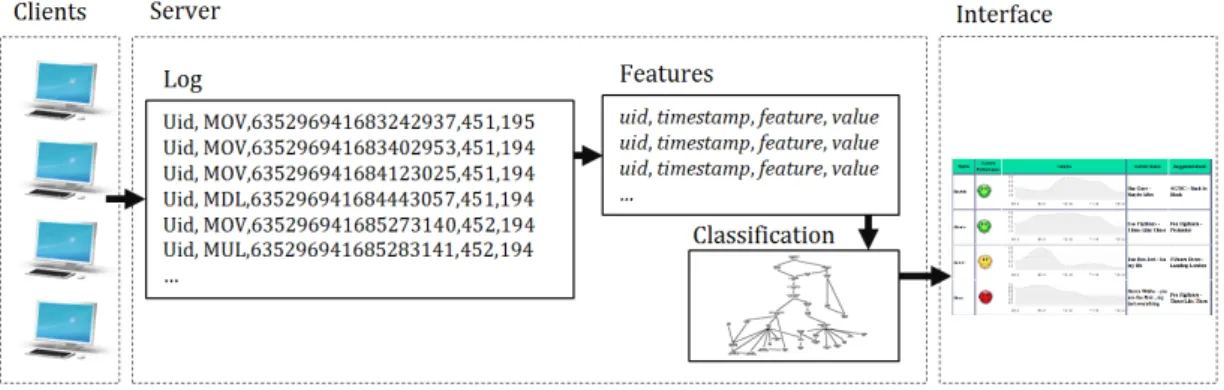
Figure 7: A high-level view of the architecture.
• MOV, timestamp, posX, posY - an event describing the movement of the mouse, at a given time, to coordinates (posX, posY) in the screen;
• MOUSE_DOWN, timestamp, [Left|Right], posX, posY - this event describes the first half of a click (when the mouse button is pressed down), in a given time. It also describes which of the buttons was pressed (left or right) and the position of the mouse in that instant;
• MOUSE_UP, timestamp, [Left|Right], posX, posY - an event similar to the previous one but describing the second part of the click, when the mouse button is released;
• MOUSE_WHEEL, timestamp, dif - this event describes a mouse wheel scroll of amount dif, in a given time;
• KEY_DOWN, timestamp, key - identifies that given key from the keyboard was pressed down, at a given time;
4.2. Study Design
• KEY_UP, timestamp, key - describes the release of at given key from the keyboard, in a given time;
These events were considered in order to build the following features, that describe the inter-action patterns of the user with the computer:
• Velocity - The distance travelled by the mouse (in pixels) over the time (in milliseconds). The velocity is computed for each interval defined by two consecutive MOUSE_UP and MOUSE_DOWN events. Let us assume two consecutive MOUSE_UP and MOUSE-_DOWN events, mup and mdo, respectively in the coordinates (x_1,y_1 ) and (x_2,y_2 ), which occurred respectively at the moments time_1 and time_2. Let us also assume two vectors pos_x and pos_y, of size n,holding the coordinates of the consecutive MOUSE-_MOV events between mup and mdo. The velocity between the two clicks is given by
r_dist
(time_2−time_1), in which r_dist represents the distance travelled by the mouse and is given
by equation 4.1: r_dist= n−1
∑
i=1 q(posxi+1−posxi)2+ (posyi+1−posyi)2 (1)
Equation 4.1: Velocity equation
• Acceleration - The velocity of the mouse (in pixels/milliseconds) over the time (in millisec-onds). A value of acceleration is computed for each interval defined by two consecutive MOUSE_UP and MOUSE_DOWN events, using the intervals and data computed for the Velocity.
• Down Time - the timespan between two consecutive KEY_DOWN and KEY_UP events, i.e., for how long was a given key pressed.
• Time Between Keys - the timespan between two consecutive KEY_UP and KEY_DOWN events, i.e., how long did the individual took to press another key.
• Time Between Clicks - the timespan between two consecutive MOUSE_UP and MOUSE _DOWN events, i.e., how long did it took the individual to perform another click.
• Double Click Duration - the timespan between two consecutive MOUSE_UP events, when-ever this time span is inferior to 200 milliseconds. Wider timespans are not considered
![Figure 1: Example of Ambient Intelligence - SmartHome[33].](https://thumb-eu.123doks.com/thumbv2/123dok_br/17669876.825408/20.892.282.703.181.556/figure-example-of-ambient-intelligence-smarthome.webp)
![Figure 2: Sensor for measuring the heartbeat - Blood Volume Pulse (BVP)[40].](https://thumb-eu.123doks.com/thumbv2/123dok_br/17669876.825408/22.892.304.665.320.592/figure-sensor-measuring-heartbeat-blood-volume-pulse-bvp.webp)
![Figure 3: Example of Sensor for measure sweat gland activity - Galvanic Skin Response[40].](https://thumb-eu.123doks.com/thumbv2/123dok_br/17669876.825408/23.892.304.665.151.427/figure-example-sensor-measure-sweat-activity-galvanic-response.webp)
![Figure 5: Stress vs Performance[15].](https://thumb-eu.123doks.com/thumbv2/123dok_br/17669876.825408/31.892.240.728.144.454/figure-stress-vs-performance.webp)