MOBILE BANKING ACCEPTANCE AMONG
YOUNG CONSUMERS IN GERMANY:
AN EMPIRICAL ANALYSIS
Name of Supervisor:
Debbie Harrison
Name of Student:
Steffen Rilling
Dissertation submitted in partial fulfilment of requirements for the double degree of International MSc in Management at the Universidade Católica Portuguesa and MSc in
Business at the BI Norwegian Business School.
I Mobile Banking Acceptance among young consumers in Germany:
An Empirical Analysis Author: Steffen Rilling
ABSTRACT
Purpose: While Germany leads the adoption of internet banking with only a few nations beforehand, in terms of mobile banking (MB), the country encounters difficulties. Major banks in Germany spend large budgets on refined MB services. Nonetheless, the share of MB customers is only at approximately 10%. It appears crucial for MB service providers to develop a deeper understanding of MB acceptance, especially among young customers that are usually considered as early adopters of technology. In consequence, this dissertation aims at identifying key MB acceptance factors for young customers in Germany.
Design/Methodology/Approach: Founded on the Unified Theory of Acceptance and Use of Technology (UTAUT), this study develops a research model specifically tailored to the context of MB. Following, it examines 433 young consumers in Germany and applies Structural Equation Modelling (SEM) in order to test the network of hypotheses in the proposed model. Subsequently, a multi-group analysis inspects differences between users and non-users of MB. Findings: The results indicate strong evidence for the validity of the proposed research model, which explains 67.7% of variance regarding behavioural intention to adopt MB. The study suggests that Perceived Compatibility has the strongest effect on Behavioural Intention. Perceived Credibility, Performance Expectancy, Effort Expectancy, and Social Influence, ordered by their effect size, significantly influence Attitude towards MB, which in turn influences Behavioural Intention.
Originality/Value: The results have several implications for scholars and practitioners. While scholars receive new empirical support for theory development, practitioners gain a deeper understanding of the key adoption factors to design and implement new MB concepts that yield high consumer acceptance.
Keywords: Mobile Banking, Technology Acceptance, Unified Theory of Acceptance and Use of Technology, Germany, Young Consumer
II TABLE OF CONTENT
ABSTRACT ... I TABLE OF CONTENT ... II LIST OF FIGURES ... III LIST OF TABLES ... III LIST OF ABBREVIATIONS AND ACRONYMS ... IV
1. INTRODUCTION ... 1
1.1 Problem Definition and Relevance ... 1
1.2 Research Question ... 2
1.3 Structure of the Thesis ... 3
2. LITERATURE REVIEW ... 4
2.1 Factors of Innovation and Technology Acceptance ... 4
2.2 Determinants of Consumer Acceptance in Mobile Banking ... 9
2.3 Young Consumers as Early Adopters of Technology ... 17
3. EVOLUTION OF MOBILE BANKING IN GERMANY ... 19
4. RESEARCH MODEL DEVELOPMENT ... 22
5. RESEARCH METHOD ... 26 5.1 Instrument Development ... 26 5.2 Data Collection ... 27 5.3 Procedure ... 29 6. RESULTS ... 31 6.1 Measurement Model ... 31 6.2 Structural Model ... 34
6.3 Multi-Group Analysis and Descriptive Question ... 36
7. DISCUSSION ... 39
7.1 Theoretical Implications ... 39
7.2 Practical Implications ... 42
8. CONCLUSION ... 46
8.1 Summary... 46
8.2 Limitations and Future Research ... 47
9. BIBLIOGRAPHY ... 49
III LIST OF FIGURES
Figure 1: Boundaries of Mobile Banking ... 1
Figure 2: Rogers’ Diffusion Process ... 4
Figure 3: Unified Theory of Acceptance and Use of Technology ... 6
Figure 4: Rogers’ Adopter Categories ... 17
Figure 5: Important Milestones in the Development and Evolution of MB ... 19
Figure 6: Evolution of Banking Channels ... 20
Figure 7: Proposed Research Model for Mobile Banking Acceptance ... 25
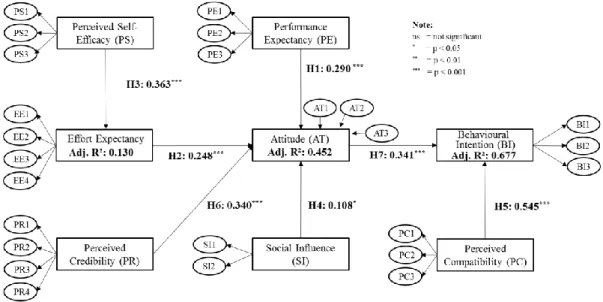
Figure 8: Results of the Structural Equation Model ... 35
Figure 9: Main reasons why people don't adopt MB ... 38
Figure 10: Non-user's answer to whether their bank offers MB ... 38
LIST OF TABLES Table 1: Rogers' Innovation Factors... 5
Table 2: Summary Mobile Banking Literature Review ... 9
Table 3: Sample Characteristics ... 28
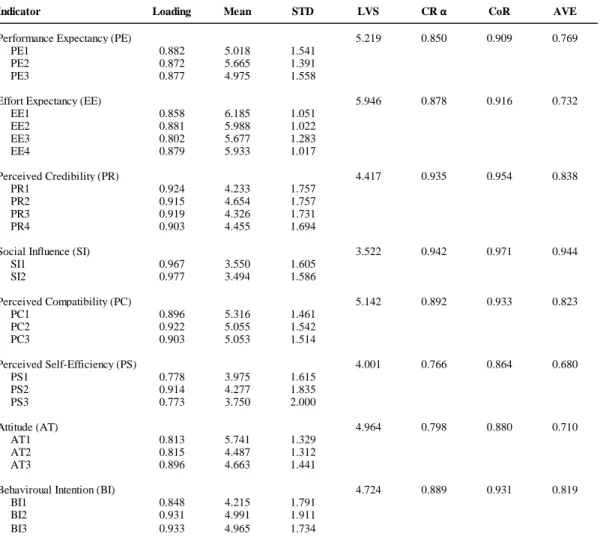
Table 4: Summary Measurement Model ... 31
Table 5: Discriminant Validity - Fornell/Larcker Criterion ... 33
Table 6: Effect Sizes of Latent Variables ... 35
IV LIST OF ABBREVIATIONS AND ACRONYMS
3G = 3rd Generation of Mobile Telecommunication Technology Android = Google’s Mobile Operating System
AT = Attitude
ATM = Automated Teller Machine AVE = Average Variance Extracted BI = Behavioural Intention CoR = Composite Reliability CR α = Cronbach’s Alpha
EE = Effort Expectancy
Fed = Federal Reserve System GPS = Global Positioning System IDT = Innovation Diffusion Theory iOS = iPhone Operating System LVS = Latent Variable Score
MB = Mobile Banking
MM = Motivational Model
MPCU = Model of PC Utilization PC = Perceived Compatibility PE = Performance Expectancy PLS = Partial Least Square PR = Perceived Credibility PS = Perceived Self-Efficacy SCT = Social Cognitive Theory SEM = Structural Equation Model SI = Social Influence
SMS = Short Message Service STD = Standard Deviation
TAM = Technology Acceptance Model
TAM2 = Technology Acceptance Model Version 2 TPB = Theory of Planned Behaviour
TRA = Theory of Reasoned Action
UMTS = Universal Mobile Telecommunication System
UTAUT = Unified Theory of Acceptance and Use of Technology WAP = Wireless Application Protocol
1 1. INTRODUCTION
1.1. Problem Definition and Relevance
In the past, banks have benefited from using different service channels to reach customers. Starting from retail banking, services were provided through telephone, automated teller machines (ATMs) and recently via internet. Internet banking encompasses individuals using the Internet to access their bank account to carry out financial transactions. It is usually accessed either through a stationary computer or a notebook (Sathye 1999). Hand in hand with the rise of smartphones and tablets, mobile banking (MB) represents the next step of financial institutions towards providing new services to customers and seizing technological opportunities in terms of new business models (Riquelme and Rios 2010).
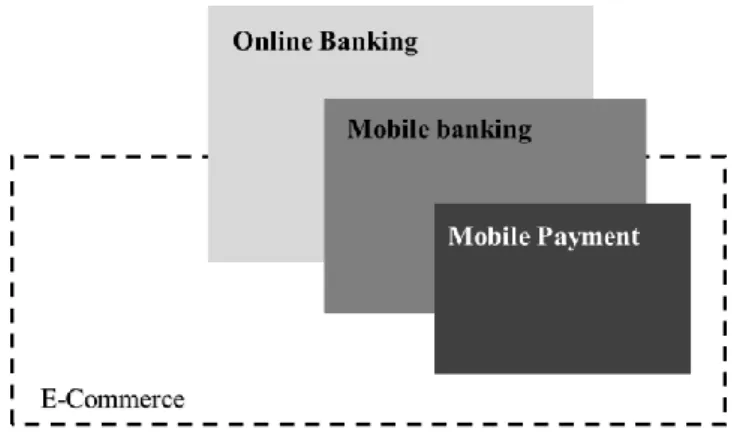
First, MB must be set in a wider context of e-commerce. It is explained by Zwass (1996) as “sharing business information, maintaining business relationships and conducting business transaction by means of telecommunications networks” (p. 3). In the context of e-commerce, electronic transactions and online banking, also called internet banking, partly refer to the same subject (Figure 1).
Compared to online banking, MB represents an extension with its major difference in the devices used to conduct banking tasks. It is accessed with mobile devices (e.g. smartphones or tablets) that are connected to the internet through mobile data transmission or Wi-Fi hotspots (Zhou, Lu and Wang 2010). Georgi and Pinkl (2005) refer to MB as
the provision and utilization of a wide range of financial services, including financial information, accounting, and brokerage via mobile devices. MB can be conducted through apps and mobile websites, where most of the time customers do not bear direct costs (Al-Jabri and Sohail 2012).
Practitioners agree that mobile internet represents a main growth opportunity for banks and financial service providers (Deutsche Bank 2012). Large banks in Germany made substantial investments in mobile applications. Commerzbank, for instance, announced to invest more than 200 million Euro in mobile and internet banking until 2016 (Frühauf 2013). In addition, a whole
2 new industry that focuses on mobile payments emerges. Not only traditional financial institutions are operating in this sector, but also various start-ups and well-known companies such as Apple and Google try to establish themselves in the new market (Ondrus and Lyytinen 2011).
Despite the recent moves, banks do not seem to benefit as much from MB in terms of significant cost savings as from the migration of face-to-face banking to internet banking (Laukkanen et al. 2007). Asserting that at first sight banks might not have strong incentives to advance MB, scholars argue that the future development of MB is highly dependent on the consumer perspective (Mallat, Rossi and Tuunainen 2004; Karjaluoto, Koenig‐Lewis, et al. 2010). Accordingly, many researchers attempt to forecast consumer adoption of MB (e.g. Zhou, Lu and Wang 2010; Lin 2011; Koenig-Lewis, Palmer and Moll 2010). In the US, more than 30% of banking clients already use MB (Fox 2013). Until now, German consumers do not use MB as much. Recent studies suggest that only around 10% of the population or only every fifth smartphone owner in Germany exercises MB (Bitkom 2013; Puls Marktforschung 2013). Moreover, a customer loyalty report from Bain & Company (2013) based on research including 190,200 consumers in 27 countries finds a big discrepancy in Germany. While the country leads the adoption of online banking with only a few countries beforehand, it encounters difficulties in the adoption of MB.
1.2. Research Question
In order to explain the inconsistency between a technologically advanced economy such as Germany and a particularly low MB adoption rate, a comprehensive understanding of facilitators and inhibitors of consumer adoption is key (Karjaluoto, Koenig‐Lewis, et al. 2010). Young consumers have been object of several internet and MB adoption studies, because they are perceived as frontrunners in technology adoption (e.g. Sathye 1999; Amin 2007; Karjaluoto, Koenig‐Lewis, et al. 2010; Akturan and Tezcan 2012). Moreover, they are usually of particular interest for marketers, because of their role as change agents with regards to novelties (Bigne, Ruiz and Sanz 2005; Blackburn 2011; Simons and Gap 2010). A recent study in the US, for instance, shows that 86% of young consumers (age 18-34) own a smartphone, whereas only 71% of the total population possesses one (Nielsen 2014).
Taking into account that Germany occupies one of the last places in the adoption of MB among advanced economies (Bain & Company 2013) as well as that young consumers are typically
3 the first group to adopt a novel technology (Blackburn 2011), the following research question is formulated:
RQ: Which technology acceptance factors have an influence on mobile banking adoption among young consumers in Germany?
1.3. Structure of the Thesis
In order to answer the research question, chapter 2 gives an overview of the MB literature, including more general facilitators and barriers of technology acceptance models as well as specific MB acceptance factors. Moreover, the role of young consumers as early adopters in technology and innovation is discussed. Chapter 3 provides an understanding of the evolution and current state of MB in Germany. Based on the Unified Theory of Acceptance and Use of Technology (UTAUT), a research model adapted to the context of MB is developed in Chapter 4. Subsequently, the quantitative research method is explained in chapter 5, including instrument development, data collection and procedure. In chapter 6, the proposed research model is empirically tested through Structural Equation Modelling (SEM). Following, several theoretical and practical implications resulting from the analysis are presented in chapter 7. Finally, a summary, limitations, and an outlook for future research opportunities are provided in chapter 8.
4 2. LITERATURE REVIEW
2.1. Factors of Innovation and Technology Acceptance
Adoption of innovation has its beginnings in diffusion theory that was spread across many different scientific disciplines such as anthropology, sociology, communication and marketing studies (Rogers 2010; Bass 1969; Rogers and Kincaid 1981; Greenhalgh et al. 2004; Griliches 1957). However, it has merged to a single and integrated theory in which different types of diffusion research such as diffusion networks or adoption of different innovations in social systems are recognized (Wejnert 2002).
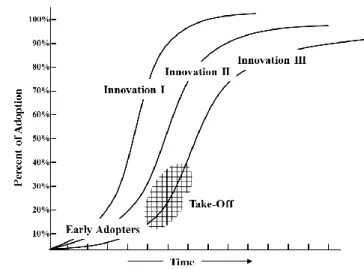
Within diffusion literature, innovations have been widely discussed (e.g. Burns and Stalker 1961; Nelson 1993; Davenport 2013). Rogers’ (2010) definition captures innovation as an idea, practise, or object that is perceived new by individuals or groups of adopters. According to him, diffusion refers to the “process by which an innovation is communicated through
certain channels among the members of a social system over time” (Figure 2) (p. 5). There are various types of innovations, such as technological, social or public sector innovations (e.g. Gilbert, Light and Mosteller 1974; Green and Vergragt 2002; Mulgan and Albury 2003). Most often scholars refer to technological innovations (e.g. Teece 1986; Nelson 1993; Garcia and Calantone 2002). Technology refers to a general concept of knowledge and utilization of tools and techniques including their influence on the human’s ability to adjust to the environment. Hence, technology not only encompasses the usage of physical objects such as hardware or machines, but also refers to intangible goods like software, methods of organization and techniques (Oye, Iahad and Rahim 2014).
Many different theoretical models coexist in the literature about innovation adoption, each with another focus and confirmed in diverse settings. The majority of the theories attempt to construct models that explain how innovation and technology are adopted and forecast the rate of adoption over time (Rao Hill and Troshani 2007). Whereas some of the models focus on the implementation of innovations on an individual or societal level (e.g. Davis, Bagozzi and Warshaw 1989; Compeau and Higgins 1995), others examine implementation success in a work
5 setting (e.g. Leonard-Barton and Deschamps 1988). In the literature, scholars do not distinguish between technology adoption and acceptance and usually apply both terms in the same way (Venkatesh et al. 2003; Yu 2012; Shaikh and Karjaluoto 2014).
The most common theories to explain technology acceptance by individuals include Theory of Reasoned Action (TRA), Technology Acceptance Model (TAM), Theory of Planned Behaviour (TPB), Model of PC Utilization (MPCU), Motivational Model (MM), Innovation Diffusion Theory (IDT), Social Cognitive Theory (SCT), and Unified Theory of Acceptance and Use of Technology (UTAUT) (Fishbein and Ajzen 1975; Bandura 1986; Davis 1989; Thompson, Higgins and Howell 1991; Ajzen 1991; Vallerand 1997; Venkatesh et al. 2003; Rogers 2010).1 In all theories, the key dependent
variable is intention and/or usage of a new system (Oye, Iahad and Rahim 2014). Each technology accep-tance model identifies different, but often overlapping technology adoption attributes that steer the process of inducing new ideas. Moore and Benbasat (1991), for instance, describe IDT factors in the context of IT and define Relative Advantage, Compatibility,
Complexity, Observability, and Trialability as the main drivers for adoption (Table 1). Davis (1989) and later Venkatesh and Davis (1996) focus on technology adoption (the actual usage of the system) as a response of a person’s intention, which in turn is directly influenced by a system’s Perceived Usefulness and Ease of Use (TAM). Later, they extend their model by including Subjective Norm as a supplementary predictor of usage intention (Venkatesh and Davis 2000). Within the advanced TAM2, Subjective Norm is described as a “person’s perception that most people who are important to him think he should or should not perform the behaviour in question” (Venkatesh and Davis 2000, in: Fishbein and Ajzen 1975, p. 302).
1 The Appendix shows a selection of technology acceptance models, including: Theory of Reasoned Action
(Appendix 1), Technology Acceptance Model (Appendix 2), Theory of Planned Behaviour (Appendix 3), Model of PC Utilisation (Appendix 4), Innovation Diffusion Theory (Appendix 5), Social Cognitive Theory (Appendix 6)
Table 1: Rogers' Innovation Factors (Moore and Benbasat 1991) Determinant Definition Main effect
Relative Advantage
The degree to which an innovation is perceived as being better than the idea/product it supersedes.
Positive
Compatibility The degree to which an innovation is perceived as consistent with the existing values, past experiences, life style and needs of potential adopters.
Positive
Complexity The degree to which an innovation is perceived as relatively difficult to understand and use.
Negative
Trialability The degree to which an innovation may be experimented with on a limited basis.
Positive
Observability The degree to which the results of an innovation are visible to others.
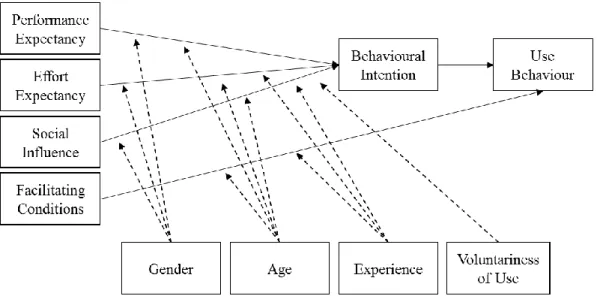
6 Scholars have gathered a diverse number of adoption attributes as a result of different technology acceptance models (e.g. Tornatzky and Klein 1982; Kaur Kapoor, K. Dwivedi and D. Williams 2014). Having to deal with innumerable innovation models and attributes, Venkatesh et al. (2003) reviews much of the user acceptance literature and integrates eight prominent models into their Unified Theory of Acceptance and Use of Technology (UTAUT). They conduct a meta-analysis in order to identify conceptual and empirical analogies across acceptance theories. Consequently, no further search, organization and/or integration would be needed, but instead scholars could use the UTAUT model to increase awareness of consumer adoption issues (Williams, Rana and Dwivedi 2012). Herein, they condense 32 attributes to four main effects and four moderating effects (Figure 3).
Figure 3: Unified Theory of Acceptance and Use of Technology (Venkatesh et al. 2003)
Three main effects, including 1) Performance Expectancy (PE), 2) Effort Expectancy (EE) and 3) Social Influence (SI) directly affect the behavioural intention to adopt a technology, which in turn determines the actual use behaviour. A fourth construct includes 4) Facilitating Conditions, which is the only variable that directly influences the actual usage behaviour (Venkatesh et al. 2003).
Venkatesh et al. (2003) define Performance Expectancy “as the degree to which an individual believes that using the system will help him or her to attain gains in job performance” (p. 447). The new construct combines five core constructs from previous literature, including: Extrinsic Motivation (MM), Perceived Usefulness (TAM/TAM2), Relative Advantage (IDT), Job-fit (MPCU), and Outcome Expectations (SCT) (Davis 1989; Thompson, Higgins and Howell 1991; Moore and Benbasat 1991; Davis, Bagozzi and Warshaw 1992; Compeau and Higgins
7 1995). Many authors acknowledge similarities between these constructs (e.g. Davis 1989; Moore and Benbasat 1991; Plouffe, Hulland and Vandenbosch 2001).
The second construct refers to Effort Expectancy “as the degree of ease associated with the use of the system” (p. 450). Venkatesh et al. (2003) combine three concepts from the adoption literature in order to capture the construct of Effort Expectancy: Ease of Use (IDT), Complexity (MPCU), and Perceived Ease of Use (TAM/TAM2) (Davis 1989; Moore and Benbasat 1991; Thompson, Higgins and Howell 1991). As in the case before, not only Venkatesh et al. (2003) admit strong parallels, but also other scholars note similarities in their research (e.g. Thompson, Higgins and Howell 1991; Plouffe, Hulland and Vandenbosch 2001; Moore and Benbasat 1991).
Social Influence is seen “as the degree to which an individual perceives that important others believe he or she should use the new system” (p. 451). Venkatesh et al. (2003) found SI represented as Subjective Norm in TRA, TPB, and TAM2 (Fishbein and Ajzen 1975; Davis, Bagozzi and Warshaw 1989; Ajzen 1991; Mathieson 1991; Taylor and Todd 1995), as Social Factors in MPCU (Thompson, Higgins and Howell 1991), and as Image in IDT (Moore and Benbasat 1991). While having different labels, each of the constructs contains the idea that the individual’s behaviour is affected based on its belief how others will perceive the individual after having used the technology (Venkatesh et al. 2003).
Venkatesh et al. (2003) defined Facilitating Conditions “as the degree to which an individual believes that an organizational and technical infrastructure exists to support use of the system” (p. 453). This definition conceptualizes an idea that is embodied by three other constructs: Facilitating Conditions in MPCU (Thompson, Higgins and Howell 1991), Perceived Behavioural Control in TPB (Ajzen 1991; Taylor and Todd 1995), and Compatibility in IDT (Moore and Benbasat 1991). Finally, Behavioural Intention (BI) refers to the degree of strength of an individual’s intention to conduct a specified behaviour (Venkatesh et al. 2003). Venkatesh et al. (2003) confirm that around 70% variance in technology acceptance can be explained through four main effects and four moderating factors, namely gender, age, experience with the technology, and voluntariness of use. Moderators affect the strength of the relationship between a dependent and independent variable. UTAUT shows substantial progress compared to previous models, which could predict around 20% – 50% of technology acceptance (Venkatesh et al. 2003).
8 Nonetheless, Van Raaij and Schepers (2008) argue that the superior outcome results from adding four more factors to the core constructs and thus, abandoning the simplicity of prior models. Cheng et al. (2011) oppose this evaluation and reason that moderating factors represent rather a strength of the UTAUT model. Im, Hong and Kang (2011) conclude that the major constraint of the model is that it fails to take account of cultural factors. In addition, several other scholars assert that both, UTAUT and TAM were originally constructed to examine organizational change through technology use (Venkatesh et al. 2003; Kim, Shin and Lee 2009). In other words, the focus lies on the innovation adoption of employees, not consumers. Even so, UTAUT has been used in many studies in non-organizational contexts such as in the MB adoption of emerging markets or the effect of gender on MB adoption (Amin et al. 2008; Koenig-Lewis, Palmer and Moll 2010; Riquelme and Rios 2010; Cruz et al. 2010; Zhou, Lu and Wang 2010).
Despite the criticism, Rao Hill and Troshani (2007) extend the UTAUT in a study about user acceptance of mobiles services by Fishbein and Ajzen’s (1975) construct Attitude (AT). It is defined as “a learned predisposition to respond in a consistently favourable or unfavourable manner with respect to a given object” (p. 6). Attitude is herein an endogenous variable that on the one hand is affected by the four main UTAUT variables and on the other hand influences Behavioural Intention.
In general, technology acceptance models have often been adjusted to the requirements of specific study contexts. Popular applications include medical technology (e.g. Hu et al. 1999), internet services (Lederer et al. 2000), and mobile commerce (Wu and Wang 2005). Thus, in the following section are relevant determinants of consumer acceptance in MB discussed.
9 2.2. Determinants of Consumer Acceptance in Mobile Banking
Knowledge intensive innovations such as MB require extensive learning efforts from consumers who have to change their behaviour to adopt innovations. Hence, initial resistance is the natural response to change (Ram 1987). Previous innovation literature encompasses a significant pro-change bias, as it assumes that all innovations are favourable and should be implemented by every member of a society (Laukkanen and Kiviniemi 2010). Accordingly, an objective view on acceptance factors of innovations have been ignored or not adequately studied in the past. Nevertheless, understanding consumer behaviour is crucial in developing, implementing and commercializing a new technology (Ram 1987).
With the aim of identifying the most prevalent MB acceptance factors, this thesis compares and aggregates two literature reviews from Ha et al. (2012) and Shaikh and Karjaluoto (2014). In total, this leads to a list of MB literature that encompasses 66 articles from 36 different journals (Appendix 7). Shaikh and Karjaluoto (2014), for instance, analyse 55 studies that use different acceptance models to explain consumer adoption of MB. They find that some scholars apply one particular acceptance model or an extension of it, for example, TAM (e.g. Aboelmaged and Gebba 2013; Safeena et al. 2012), IDT (e.g. Kim, Shin and Lee 2009; Lin 2011), or UTAUT (e.g. Luo et al. 2010; Yu 2012). Others, however, combine different theories, such as TAM and IDT (Ramdhony and Munien 2013) or TAM and TPB (Aboelmaged and Gebba 2013). Additionally, some authors develop their own models with different constructs (e.g. Zhou 2011a; Laukkanen and Cruz 2012).
While MB literature is highly fragmented, most studies rely on TAM, IDT and UTAUT (Shaikh and Karjaluoto 2014).
As described in chapter 2.1, several different terms for similar or slightly modified variables are used in order to explain MB adoption (e.g. Venkatesh et al. 2003; Laukkanen and Kiviniemi 2010). Thus, the author aggregates
several constructs that are often seen as similar or as strongly related. Herein, Perceived Usefulness (TAM) is combined with Relative Advantages (IDT), Performance Expectancy
Construct Quantity %
Perceived Usefulness 40 61%
Perceived Ease of Use 34 52%
Perceived Risk 20 30% Trust 18 27% Social Influence 16 24% Perceived Self-Efficacy 15 23% Perceived Compatibility 10 15% Perceived Cost 10 15% Facilitating Conditions 9 14% Perceived Credibility 8 12% Culture 8 12%
Total No. of Studies 66 100%
10 (UTAUT), and Perceived Benefit (SDM). Moreover, Perceived Ease of Use (TAM) and Effort Expectancy (UTAUT) are combined (Venkatesh et al. 2003).
Table 2 shows common constructs to explain MB acceptance. The results show that the vast majority of 66 analysed papers use Perceived Usefulness (61%) and Perceived Ease of Use (52%) to explain MB adoption. Besides, Perceived Risk (30%), Trust (27%), Social Influence (24%), Self-Efficacy (23%), Perceived Compatibility (15%) and Perceived Cost (15%) are used in at least ten studies. Facilitating Conditions (14%), Perceived Credibility (12%) and Culture (12%) are used in fewer studies. Next, a brief explanation of the most frequently recognised determinants including an evaluation of their influence on MB adoption is given.
Perceived Usefulness
Davis (1989) describes Perceived Usefulness as “the degree to which a person believes that using a particular system would enhance his job performance” (p. 320). Venkatesh et al. (2003) state the similarities between Perceived Usefulness and Relative Advantage (IDT) as well as Performance Expectancy (UTAUT). In MB, it refers to the assumed relative advantage compared to substitutes of MB such as branches, telebanking, ATMs or internet banking (Zhou, Lu and Wang 2010). Customers would not want to accept additional costs like learning and switching costs if MB did not offer superior performance (Zhou, Lu and Wang 2010). Perhaps more importantly, only if the belief of MB’s usefulness is confirmed during continuous usage, users will carry on to use MB services in the long run (Lin 2011). Perceived Usefulness is particularly salient amongst the various facilitators that may stimulate the adoption of MB (Laukkanen et al. 2007; Cruz et al. 2010; Karjaluoto, Koenig‐Lewis, et al. 2010; Wessels and Drennan 2010; Lin 2011).
Previous literature examines the main advantages that mobile technologies can offer compared to traditional banking channels. (1) Immediacy, (2) ubiquity, (3) localization, (4) instant connectivity, and (5) proactive functionality are usually specified (Buse 2002; Tiwari and Buse 2007; Kemper and Wolf 2002).
Immediacy and Ubiquity describe that services become available at any time and place and create explicitly opportunities for time critical transactions (e.g. stock market transactions, blocking credit card). Herein, a fast and stable internet connection is an essential precondition for widespread adoption of MB (Tiwari and Buse 2007; Kemper and Wolf 2002).
Localization through GPS technology offers new opportunities to determine the user’s location and subsequently to tailor offers and communication better to customer needs. Accordingly,
11 MB enables banks to offer enhanced services like the localization of the closest ATM (Tiwari and Buse 2007).
Instant connectivity means a constant connection to the internet with no need to boot or connect to a network and thus easier access to banking services. Consequently, MB clients can productively use “dead-time” e.g. by checking the latest transactions while traveling (Tiwari and Buse 2007).
Proactive functionality makes it possible that banks can send immediate and personalized information (push) to the customer’s mobile devices (Tiwari, Buse and Herstatt 2006). For instance, banks can notify their customers when the account falls below a certain threshold. This feature brings the advantage of being up to date at all times without requesting information from a system (pull).
Several drawbacks are also being discussed. Tiwari and Buse (2007) ask 488 users and non-users of MB to find disadvantages of MB. Most often security, high costs and less comfort are named. Security concerns are found to be common among all categories. This includes, for instance, the loss of a person’s mobile device, which often means that other people could gain access to sensitive financial information. However, the opinions about high costs and less comfort are seen contrary. Almost 50% of non-users answer that MB is too costly, yet more than 90% of users decline the question. In terms of comfort, 32% of non-users recognise devices to be complex and uncomfortable, whereas over 80% of the users do not agree to this description (Tiwari and Buse 2007).
Perceived Ease of Use
Perceived Ease of Use was first presented by Davis’ (1989) article introducing the TAM. He defines it as “the degree to which a person believes that using a particular system would be free of effort” (p. 320). Rogers (2010) describes the opposite “complexity” (p. 250) as intellectual effort in learning and employing a new technology. Several authors acknowledge the similarities between Perceived Ease of Use (TAM), Complexity (MPCU), and Effort Expectancy (UTAUT) (Davis, Bagozzi and Warshaw 1989; Plouffe, Hulland and Vandenbosch 2001; Moore and Benbasat 1991; Thompson, Higgins and Howell 1991; Venkatesh et al. 2003). Al-Jabri and Sohail (2012) describe that less users will adopt a new technology if it requires more mental effort and is time consuming or frustrating. A large amount of empirical studies proves the inhibiting influence of complexity on the user’s intention to accept mobile technologies (Ondrus and Pigneur 2006; Mallat 2007; Au and Kauffman 2008). Furthermore,
12 research shows that Perceived Ease of Use is a highly significant factor of MB acceptance (Amin et al. 2008; Lee et al. 2012). Nevertheless, other authors such as Yu (2012) and Zhou, Lu and Wang (2010) could not prove a relation between MB adoption and Effort Expectancy. Instead, Ha et al. (2012) illustrate that Perceived Ease of Use shares similarities with Perceived Usefulness. Despite the ambiguous results from research, Shaik and Karjaluoto’s (2014) literature review indicates a vast majority of adoption studies that apply Perceived Ease of Use (e.g. Hsu, Wang and Lin 2011; Sheng, Wang and Yu 2011; Teo et al. 2012; Chitungo and Munongo 2013; Hanafizadeh et al. 2014).
Perceived Risk, Trust and Credibility
The buyer’s decision to adopt an innovative technology can associate a high level of Perceived Risk. Hence, a deep understanding of a user’s risk sensitivity is utmost important in order to build and preserve his trust in new technologies (Pavlou 2003).
In banking, Perceived Risk was initially rather restricted to fraud or bad product quality, however nowadays it must be defined in relation to physical, psychological, financial or social risks in online transactions (Hanafizadeh et al. 2014; Im, Kim and Han 2008). Herein, it seems potentially difficult for customers to assess the various risks meaningfully, especially if they don’t have much experience in the application of MB (Koenig-Lewis, Palmer and Moll 2010; Harridge-March et al. 2008). Yu (2012) describes three main determinants of Perceived Credibility (PR) in the context of MB, namely technical reliability of a system, privacy protection and security of the banking environment. MB usually takes place in a distant and impersonal environment. Fears of hacking and other malicious attacks that could result in significant economic losses create implicit uncertainty among consumers (Laukkanen et al. 2007; Koenig-Lewis, Palmer and Moll 2010).
Gefen, Karahanna and Straub (2003) find in a study about online shopping that trust is an effective way to resolve fears linked to uncertainty. In accordance, Perceived Credibility is seen “as the belief that a partner is trustworthy and has the required expertise to carry out transactions” (Koenig-Lewis, Palmer and Moll 2010, p. 415).
Perceived Risk, Trust and Credibility are strongly related and have been frequently illustrated as very important barriers to MB adoption (Luo et al. 2010; Laukkanen and Kiviniemi 2010; Koenig-Lewis, Palmer and Moll 2010). Especially in mobile services, Perceived Credibility is considered to have substantial impact as mobile devices (opposed to fixed devices) increase the threat to security. Hence, Coursaris, Hassanein and Head (2003) observe that the high risk
13 associated to MB is caused by the high probability of theft and loss of the device. Yu (2012) identifies a positive relationship between Perceived Credibility and Behavioural Intention to use MB.
Social Influence (SI)
Adoption models usually rely on Fishbein and Ajzen’s (1975) Theory of Reasoned Action where a person’s attitude towards perceived subjective norms determines technology adoption. Singh, Srivastava and Srivastava (2010) assert that the individual’s decision to embrace a new innovation is not detached from family, peers, authority and media. Amin et al. (2008), for instance, study 158 customers from a major bank in Malaysia and find that the intention to use MB is considerably influenced by peers surrounding an individual. Several other scholars find weak empirical evidence for a relationship between SI and MB adoption (e.g. Hsu, Wang and Lin 2011; Yu 2012; Chitungo and Munongo 2013; Aboelmaged and Gebba 2013). In contrast, Yu’s (2012) study about 441 Taiwanese consumers indicates that SI is the most powerful construct influencing people’s intention to use MB. Venkatesh et al. (2003) confirm the significance of SI on Behavioural Intention, however they argue that SI is only significant in work settings and early periods of a person’s experience with the technology, when the individuals’ opinion is relatively ill-informed.
Perceived Self-Efficacy (PS)
PS is originated in the Theory of Planned Behaviour, where Ajzen (1991) points out that perceived behavioural control is in close approximation to Bandura’s (1977) concept of PS. It “is concerned with judgments of how well one can execute courses of action required to deal with prospective situations” (Bandura 1982, p. 122). Earlier studies on computer self-efficacy confirm a positive relationship between experience with computer technology and computer usage (Johnson and Marakas 2000; Agarwal, Sambamurthy and Stair 2000; Hong, Thong and Wai-Man Wong 2002; Chau 2001). Previously, Venkatesh et al. (2003) considered that PS would directly affect technology adoption within the UTAUT framework. However, they conclude that PS does not play a significant role in influencing actual behaviour. The construct would rather be a determinant of Effort Expectancy.
In the MB context, self-efficacy relates to whether individuals believe they have the required knowledge, skill or ability to use MB. Hence, self-efficacy refers to the judgement of the own ability to use MB services (Luarn and Lin 2005). In their extended TAM model, Mathieson, Peacock and Chin (2001) find that perceived knowledge has a substantial positive effect on the intention to use an information system. Moreover, Davis (1989) and Mathieson (1991) argue
14 for a connection between self-efficacy and ease of use, since a person with high proficiency might evaluate a system to be simpler than an individual with low proficiency (Wang, Lin and Luarn 2006). In fact, much empirical evidence supports a causal link between these two constructs (Venkatesh and Davis 2000; Agarwal, Sambamurthy and Stair 2000; Wang et al. 2003; Venkatesh and Davis 1996). Other authors could not find a significant link between PS and actual behaviour (Brown et al. 2003) or PS and intention (Karjaluoto, Püschel, et al. 2010). Perceived Compatibility (PC) and Facilitating Conditions
PC describes the extent to which a new innovation is perceived as coherent with common believes, values, present lifestyles, and past experiences (Chen, Gillenson and Sherrell 2004). In other words, if individuals are not required to carry out substantial changes in their lives, they are more likely to adopt an innovation. Ha et al. (2012) admit that even tough PC is a fairly recent construct for adoption studies, the extensive application has led to widespread awareness in the research community (e.g. Gillenson and Sherrell 2002; Wu and Wang 2005; Chen 2008). Venkatesh et al. (2003) illustrate the similarities between compatibility and Thompson’s et al. (1991) construct of Facilitating Conditions. The latter reflects the effect of a person’s knowledge, ability, and resources (Venkatesh et al. 2003). Consequently, it is associated with the extent to which a person believes that it has the required background to support the usage of MB (Yu 2012). A new service such as MB requires users to have specific skills, including the ability to connect to mobile internet and to operate devices (Zhou, Lu and Wang 2010). The relevance of compatibility is particularly noticed in MB adoption studies by Lin (2011), Lu et al. (2011) and Koenig-Lewis, Palmer and Moll (2010). For example, Lu et al. (2011) claim that on the one hand consumers who normally use digital payment services have higher likelihood to adopt MB, because it is an extension of conventional online banking. On the other hand, transferring money at a branch is different compared to paying an invoice through internet banking. Accordingly, clients who are used to go to their branch are more resistant to the adoption of MB (Lu et al. 2011). In another study about German consumers, Koenig-Lewis, Palmer and Moll (2010) support the findings and notice that consumers are more likely to view MB useful, easy to use and credible if it fits to their believes, values and lifestyles.
Perceived Cost
Luarn and Lin (2005) describe Perceived Cost in the MB context as “the extent to which a person believes that using mobile banking will cost money” (p. 880). They argue that economic motivations and outcomes are most often central to IT adoption studies. Several studies indicate
15 that the Perceived Costs of MB lessens the intention to its acceptance (Luarn and Lin 2005; Cruz et al. 2010; Wessels and Drennan 2010). For instance, Luarn and Lin (2005) interview several consumers in person and find that costs negatively influence Behavioural Intention to use MB. Similarly, Sripalawat, Thongmak and Ngramyarn (2011) collect 195 questionnaires from banking clients in the greater metropolitan area of Bangkok and observe financial costs to be a salient factor in MB adoption.
Ha et al. (2012) extend the definition and include indirect costs such as switching, transaction, and time costs beside the actual monetary cost of using MB services. Hence, a small and impractical smartphone display incurs indirect costs for transactions. Nevertheless, Ha et al. (2012) already acknowledge that they mix Perceived Costs with Perceived Compatibility and Ease of Use since switching and transaction costs directly relate to the efforts required by users to adopt MB.
The vast majority of adoption studies that find perceived cost being a significant factor to explain adoption originates from developing countries (e.g. Yu 2012; Chitungo and Munongo 2013; Hanafizadeh et al. 2014). Although Wessels and Drennan (2010) found a significant relation between costs and intention to use MB in Australia, there are no recent studies in industrialized countries that apply this construct. A reason for that might be that prices for mobile internet have once been higher than prices for fixed-line internet (Wang, Lin and Luarn 2006), however in recent years, mobile internet access has become much cheaper (Brown 2015).
Culture
Alafeef, Singh and Ahmad (2011) claim that culture has a great influence on the adoption of new technologies. Likewise, Srite and Karahanna (2006) assert that cultural differences between countries impact the efficiency of IT deployment. Hence, several authors express concerns that applying similar behavioural models across cultures is not effective (e.g. Hofstede 1984; Straub, Keil and Brenner 1997; Suh et al. 1998). One of the difficulties in measuring the relevance of culture is due to its macro level nature, which lacks precision in explaining behaviour at the individual level (Srite and Karahanna 2006). Weak adoption rates of new technologies due to cultural differences are studied by several authors (e.g. Sukkar and Hasan 2005; Akour et al. 2006). Moreover, empirical evidence from China and the US shows that national culture affects the acceptance of IT (Srite 2006). Most of the MB adoption studies are confined to one country in order to limit bias from cultural and technological differences. In fact, Shaikh and Karjaluoto (2014) illustrate that a majority of MB adoption studies originates
16 in developing countries, whereas only a minority were conducted in developed countries. They confirm that the most frequently examined regions are Southeast Asia, East Asia and Africa with only few studies being from Europe and South Asia.
This chapter shows that there is much to investigate concerning the explanatory power of each MB adoption attribute. The described acceptance factors have been frequently applied in adoption studies, albeit mainly in other regions than Central Europe. Thus, the examined studies offer limited explanation for why MB has not yet reached critical mass in Germany. In order to kick off a novelty, it is argued that change agents in the form of early adopters are usually required (Bigne, Ruiz and Sanz 2005). Among others, Morris and Venkatesh (2000) find that age plays a moderating role in technology usage. Similarly, Blackburn (2011) searches for early adopter of technology and finds that especially young consumers are usually earlier in adoption a new technology. For that reason, they build the foundation for this study and are hereafter discussed in more detail.
17 2.3. Young Consumers as Early Adopters of Technology
Members of a social system are classified in adopter categories based on their innovativeness. Innovativeness describes the degree of some members to be earlier in embracing new ideas than other individuals (Rogers 2010).
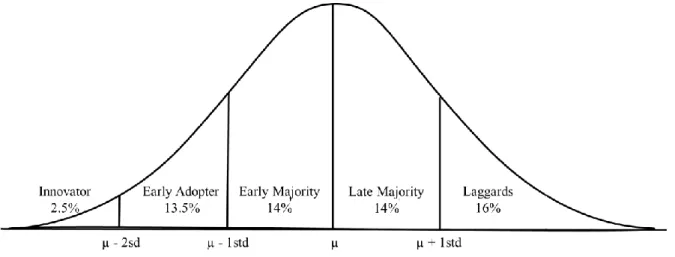
Although scholars define different categories to describe innovativeness, the most common classification can be found in Rogers’ (2010) work about the diffusion of innovations: 1) innovators, 2) early adopters, 3) early majority, 4) late majority, and 5) laggards. The distribution tends to follow a normal distribution (Figure 4). Each category is matched to a certain dominant attribute: Innovators-venturesome; early adopters-respect; early majority-deliberate; late majority-sceptical; and laggards-traditional (Hoffmann 2011). Many scholars adopt this approach in their studies (Rogers and Shoemaker 1971; Pedersen 2005; Chesbrough and Crowther 2006).
Figure 4: Rogers’ Adopter Categories (Hoffmann 2011)
Using time-of-adoption to segment people in groups of adopter, however, is also strongly criticised for both methodological and theoretical reasons (Midgley and Dowling 1978; Hurt, Joseph and Cook 1977; Flynn and Goldsmith 1993). The criticism states that this categorisation is a temporal concept that put innovativeness on a level with time-of-adoption without having any isomorphic relationship (Midgley and Dowling 1978). Consequently, it does not allow for predictions and management interventions and reflects little else than an ex-post descriptor of human behaviour (Flynn and Goldsmith 1993). Instead, Midgley and Dowling (1978) suggest a cross-sectional method that, however, would suffer from many of the same critique points as time-of-adoption and would be problematic to develop and administrate (Goldsmith and Hofacker 1991).
18 Past studies find major differences among Rogers’ (2010) categories of innovation adopters (Pessemier, Burger and Tigert 1967; Taylor 1977; Greco and Fields 1991). They distinguish characteristics based on 1) socioeconomic traits, 2) personality characteristics, and 3) communication behaviour (Rogers 2010; Hoffmann 2011).
Younger people are of particular interest for marketers, as they appear like change agents and are usually early in adopting innovative technologies (e.g. Bigne, Ruiz and Sanz 2005; Blackburn 2011; Simons and Gap 2010). Having grown up with digital technology, young people born after 1980 are seen as “digital natives” with unique characteristics, such as broader attention ranges for diverse inputs, greater critical thinking skills, and preferences to active learning and discovering (Blackburn 2011, p. 2). A much higher share than in the overall population, 20% of them started using computers between the age of five and eight, with the majority checking emails and browsing the Web for fun at least once a day (Jones 2008). Connaway et al. (2008) describe how technology surrounds them and dominates their socialization with over 10,000 hours of talking on mobile phones, over 200,000 e-mails and instant messages sent and received, and everything already happening before they leave college (compare also Gibbons 2007). Young consumers are the first “always-connected” generation with their multifunctional devices being always close to them (Pew Research Center 2010). Due to their frontrunner role in technology adoption, young consumers have been the object of several internet and MB adoption studies (e.g. Sathye 1999; Amin 2007; Karjaluoto, Koenig‐ Lewis, et al. 2010; Akturan and Tezcan 2012). Mattila (2003) asks more than 1,300 bank customers from Finland and finds that MB users are fairly young (majority 25-34 years), white-collar workers and students, and on an average income level. Similar, Laforet and Li (2005) find evidence from China that MB users are young, wealthy and employed. In their MB adoption studies, scholars frequently apply similar acceptance models to young consumers as to the general public (Amin 2007; Karjaluoto, Koenig‐Lewis, et al. 2010). Taking all this into account, young consumers (age 18-35) build the foundation for this study.
In the following, chapter 3 contains a discussion regarding the evolution and current state of MB in Germany in order to better understand the technology of MB and the characteristics of the German market. Based on the theoretical framework of the literature review, a research model is then developed in chapter 4 to explain young consumer acceptance of MB in Germany.
19 3. EVOLUTION OF MOBILE BANKING IN GERMANY
In the past, new innovative service channels have been utmost important for banks in order to offer superior services to new and existing clients (Kimball and Gregor 1995; Thornton and White 2001).
Figure 5: Important Milestones in the Development and Evolution of MB (compare Gall (2013))
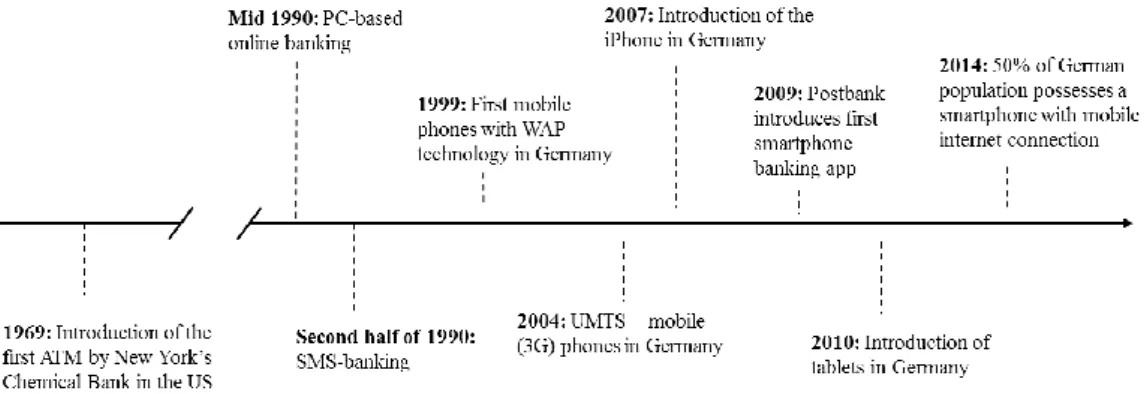
A new era of electronic banking was introduced through the ATM that partly substituted face-to-face interactions between customers and bank employees (Calisir and Gumussoy 2008). The introduction of ATMs represented the beginning of banking that was extremely convenient as it was available at any time (Figure 5). After further development of self-service banking, the trend towards computer-based online banking was apparent by the 1990s (DeYoung 2005). Internet banking revolutionized the banking sector as it allowed clients to access financial services 24 hours a day and simultaneously allowed banks to significantly reduce costs. Several studies show that for many banking services, internet banking is the cheapest distribution channel (e.g. Robinson 2000; Sathye 1999). The main advantages for banking customers include time and cost savings as well as far-reaching independence (Polatoglu and Ekin 2001; Howcroft, Hamilton and Hewer 2002). Especially young customers have significantly adopted online banking as increased digital capabilities made it easier to manage own financial issues online (Calisir and Gumussoy 2008).
After a short time, many banks also launched various MB services (e.g. SMS or WAP), where they offered clients information on accounts, transactions and financial markets. The scope of services, however, was very limited due to the technological boundaries of conventional mobile phones at that time (Dohmen and Moormann 2011). Singer (2009) observed various reasons why MB could not reach customer acceptance in the mass market. First of all, the screen of conventional mobile phones was too small to use online services. Moreover, online access was rather expensive, data transmission much too slow to work productively, and various security concerns among the population existed.
20 The development of an UMTS based 3G network was a milestone for MB services. It offered transfer speeds of about 3.6Mbits compared to only 144kbit/s transfer speed with the previous 2G and 2.5G technology (Ayadi 2005). In addition, scholars emphasize the importance of Apple’s iPhone in the development of MB (e.g. Dohmen and Moormann 2011). The iPhone revolutionized the touch screen technology and offered a significantly larger screen than conventional mobile phones. In combination with faster internet access and the introduction of the App Store (iOS), the iPhone increased the comfort of MB considerably and offered banks a platform to distribute financial services through new electronic channels. Since 2010, tablets such as Samsung’s Galaxy Tab and Apple’s iPad support the widespread diffusion of MB services. Both tablets offer a much bigger screen and more convenient usage of online services (Bain & Company 2009).
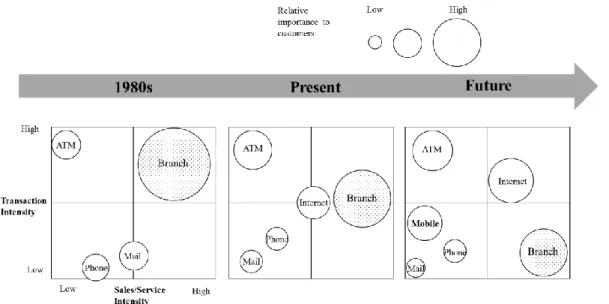
The rise of smartphones and tablets occur at an extraordinary pace and according to a study from the German digital industry union, the number of smartphone users in Germany grew to 50% of the population in 2014 (compared to 40% in 2013). The number of tablet users increased to 20% in 2014 (compared to 15% in 2013) (BVDW 2014). Deloitte (2008) expects radical changes in the banking industry, namely that future banking branches will only serve as sales and service channels. Most transactions, in contrast, will be conducted through electronic banking channels such as internet and mobile banking (Figure 6).
Figure 6: Evolution of Banking Channels (Deloitte, 2008)
Taking place in an international context, these changes are only in part observable in Germany. A recent study among 1135 banking customers in Germany reveals an unpromising result. Only 11% of banking customers in Germany use MB either through a smartphone or tablet. The study shows that many Germans share security concerns resulting from the lack of using cash. This
21 includes, for instance, the risk to fall into a debt trap (especially for young people), or to become a fully transparent citizen (Puls Marktforschung 2013). A study by Bain & Company (2012) surveyed 9.500 customers from 16 banks. Stating that 16% of the respondents use MB applications, it indicates a slightly higher percentage. Interestingly, another study shows a significant development. In 2013, already 35% of respondents appear to use smartphones or tablets in order to access banking services (Bain & Company 2013). Successful examples include the Deutsche Bank application that has been downloaded more than 500.000 times since its introduction three years ago. Likewise, Georg Fahrenschon, president of the Sparkassen Group, claims that the Sparkassen App has been downloaded more than 5 million times with an average interaction of 16 times a month (Frühauf 2013). Finally, the Volks- and Raiffeisenbanken initiated a digitalization program called “Kundenfokus 2015” with investments in the high two-digit million euro amount (Frühauf 2013). Annabel Oelmann, a German consumer adviser, summarizes the development by confirming an attitude of hesitation of consumers towards MB, but also by recognizing the recent upswing in Germany (Weingartner 2014).
It follows that present MB studies give an ambiguous impression about the future of MB in Germany. They do not seem to offer enough information about the expected behaviour of consumers regarding new and innovative MB services. In order to develop a deeper understanding of consumer acceptance factors among scholars and practitioners, academia usually examines drivers for MB adoption in different geographical and cultural regions of the world (Shaikh and Karjaluoto 2014). With regard to little evidence from Germany, a research model based on the UTAUT and adapted to the context of MB is developed in the following chapter 4. Thereafter, individuals from Germany are empirically tested through SEM in order to gain a deeper understanding of MB acceptance among young consumers within the country.
22 4. RESEARCH MODEL DEVELOPMENT
As a result of the MB literature review (chapter 2) and additional insight from the evolution of MB in Germany (chapter 3), the research model will now be developed. Due to its large representation of eight models and its superior performance compared to previous models, UTAUT builds the foundation for this study (Venkatesh et al. 2003). Literature demonstrates that many studies using technology adoption models are adjusted to the special characteristics of MB in order to improve their explanatory power (e.g. Kim, Shin and Lee 2009; Karjaluoto, Koenig‐Lewis, et al. 2010; Safeena et al. 2012; Ha et al. 2012; Aboelmaged and Gebba 2013). In the following, it is discussed which exogenous and endogenous latent variables are included in the research model.
Performance Expectancy (PE)
PE is analogous to the constructs of Relative Advantage (IDT) and Perceived Usefulness (TAM) (Venkatesh et al. 2003). It is used in the vast majority of the MB studies reviewed in literature (61%). Several authors find, that it is causally linked to Attitude and excels the strongest effect on it (Hsu, Wang and Lin 2011; Raleting and Nel 2011; Crabbe et al. 2009). Hence, it is hypothesized that:
H1. Performance Expectancy will have a positive influence on young consumers’ Attitude towards MB.
Effort Expectancy (EE)
EE appears in different technology acceptance theories under the name of Ease of Use (IDT) or Perceived Ease of Use (TAM). A high degree of EE represents a high degree of Ease of Use. It is applied in the majority of MB adoption studies reviewed (52%). Lin (2011) and Karjaluoto, Püschel, et al. (2010) show that EE has a strong significant effect on Attitude. Taking this into account, it is hypothesized that:
H2. Effort Expectancy will have a positive influence on young consumers’ Attitude towards MB.
Perceived Self-Efficacy (PS)
Although PS is not included in the UTAUT model, several researchers incorporate PS in their MB adoption models (e.g. Luo et al. 2010; Amin et al. 2012; Amin 2007). Gu, Lee and Suh (2009) as well as Yu (2012) find evidence that consumers perceive MB easier to use when they have a high self-efficacy. Empirical evidence supports a causal link between PS and EE (Venkatesh and Davis 2000; Agarwal, Sambamurthy and Stair 2000; Wang et al. 2003;
23 Venkatesh and Davis 1996). In the literature review, it is extensively used (23%). Therefore, it is theorised that:
H3. Perceived Self-Efficacy will have a positive influence on young consumers’ Effort Expectancy.
Social Influence (SI)
SI is applied as a construct in a quarter of the reviewed MB studies (24%). Schierz, Schilke and Wirtz (2010) describe that it is important in order to explain Attitude towards MB. Venkatesh and Davis (2000) state that SI is only significant in an individual’s early use of technology. MB is a relatively new technology with low adoption rates in Germany, thus it is hypothesized that:
H4. Social Influence will have a positive influence on young consumers’ Attitude towards MB.
Perceived Compatibility (PC)
PC replaces the original construct of Facilitating Conditions in UTAUT. Although Venkatesh et al. (2003) argue that they included compatibility by Facilitating Conditions in their model, Moore and Benbasat (1991) describe compatibility as “the degree to which an innovation is perceived as being consistent with the existing values, needs and past experience of potential adopters” (p. 195). Hillmer (2009) compares both definitions and opposes the similarity between Facilitating Conditions – a technical and organizational infrastructure (Venkatesh et al. 2003) – and compatibility. Accordingly, there are no distinct similarities with Rogers’ (2010) definition of values, needs and past experiences. Scholars describe that PC has a significant effect on Behavioural Intention to use MB instead of Attitude towards MB (e.g. Wessels and Drennan 2010; Sheng, Wang and Yu 2011; Hanafizadeh et al. 2014). Hence, it is theorised that:
H5. Perceived Compatibility will have a positive influence on young consumers’ Behavioural Intention towards MB
Perceived Credibility (PR)
Whereas a risk-related factor is not included in the UTAUT, many of the investigated MB studies apply either Risk (30%), Trust (27%) or Credibility (12%). Hanafizadeh et al. (2014) include Risk and Credibility in their model and notice that the latter one shows a stronger effect on MB adoption. Amin et al. (2012) observe that Credibility even shows the strongest effect on MB adoption. In fact, Credibility plays an extraordinary role, especially when it comes to
24 financially sensitive transactions (Koenig-Lewis, Palmer and Moll 2010). Thus, it is hypothesized that:
H6. Perceived Credibility will have a positive influence on young consumers’ Attitude towards MB.
Attitude (AT)
The research model is extended by Fishbein and Ajzen’s (1975) construct of Attitude (AT) for a better explanation of Behavioural Intention (Rao Hill and Troshani 2007). It describes “an individual’s positive (or negative) feeling about performing the target behaviour” (Fishbein and Ajzen 1975). Moreover, Shaikh and Karjaluoto (2014) state that most research in MB includes two main dependent variables to explain MB adoption: Attitude and Intention. Hence, it is theorised that:
H7. Attitude will have a positive influence on young consumers’ Behavioural Intention towards MB.
Behavioural Intention (BI)
Psychological theories describe that a person’s behaviour is predictable and subjective to individual intention. UTAUT demonstrates that behavioural intention significantly affects technology usage (Venkatesh et al. 2003; Venkatesh and Zhang 2010; Ha et al. 2012). In addition, Shaikh and Karjaluoto (2014) describe that the majority of MB studies apply BI as the dependent variable in order to forecast actual behaviour, which is (considering time and monetary restrictions) difficult to obtain.
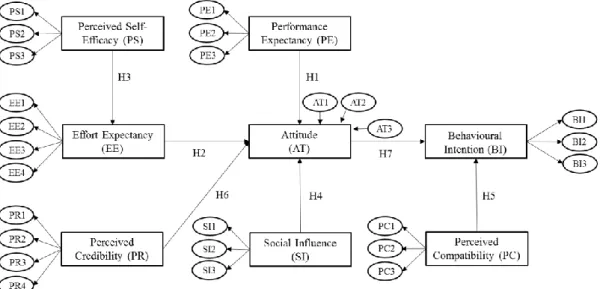
25 This study utilizes the following research model to examine drivers of MB acceptance among young consumers in Germany:
Figure 7: Proposed Research Model for Mobile Banking Acceptance
In summary, the proposed research model claims that Performance Expectancy (PE), Effort Expectancy (EE), Perceived Credibility (PR), and Social Influence (SI) form a certain Attitude (AT) towards MB, which complemented by Perceived Compatibility (PC) determines Behavioural Intention (BI) to adopt MB. The effect of Perceived Self-Efficacy (PS) on AT is mediated through Effort Expectancy.
The UTAUT model is adjusted for this study in order to give consideration to the special characteristics of MB. PE, EE and SI are taken from the UTAUT. Facilitating Conditions are substituted by Perceived Compatibility. In addition, two more constructs PR and PS are incorporated in the model.
Finally, moderating factors, including gender, age, experience with technology and voluntariness of use, which are originally integrated in the UTAUT, are discarded. On the one hand, the data collection inherently controls for age and voluntariness of use because this study is directed to young consumers (age 18-35) in a non-professional environment. On the other hand, it would be difficult to capture the effect of experience in different time periods. This would require a longitudinal study, which severely exceeds the limited time frame of this dissertation.
26 5. RESEARCH METHOD
5.1. Instrument Development
Consistent with prior studies, an online survey was applied to test the reliability, validity and hypotheses of the research model (Venkatesh et al. 2003; Zhou, Lu and Wang 2010; Lin 2011; Yu 2012). Wright (2005) states advantages of conducting online surveys, including wide reach, time and cost savings. Appendix 8 shows the online survey, which is based on the literature review and organized in three parts:
Part 1 incorporated a brief introduction, so each respondent had a basic understanding of MB. Although, Sheng, Nah and Siau (2008) describe a hazard by accidentally influence respondents, they support this methodology for technologies where many consumers do not have much previous experience. Following the introductory note, question 1 to 4 asked for age and usage patterns in order to qualify respondents for the study and to distinguish users from non-users of MB.
Part 2 included the measurement of the SEM and hence reflected the major part of the survey. All items measuring the latent variables were adapted from prior technology research and cautiously rephrased to match the MB context in Germany:
Performance and Effort Expectancy were adapted from Luarn and Lin (2005), Venkatesh and Zhang (2010), Sripalawat, Thongmak and Ngramyarn (2011), and Foon and Fah (2011). The construct of Social Influence was based on Venkatesh’s (2003) and Venkatesh and Zhang’s (2010) work. Perceived Compatibility was based on the survey by Wu and Wang (2005). Moreover, the Perceived Credibility scale was adapted from Luarn and Lin (2005) and Foon and Fah (2011). Indicators for Perceived Self-Efficacy were taken from Venkatesh et al. (2003) and Luarn and Lin (2005). The measurement for Attitude was adapted from Cheng’s (2006) empirical internet banking study in Hong Kong. Lastly, items for Behavioural Intention were adapted from previous studies of Luarn and Lin (2005), Venkatesh and Zhang (2010), and Sripalawat, Thongmak and Ngramyarn (2011). At least three items were used for each construct to measure (Venkatesh et al. 2003).
Users and non-users received statements that were slightly adjusted in their wording in order to give consideration to either adoption or continued usage behaviour. Based on the research methodology analysis of Dawes (2008), a symmetric seven point Likert scale from “strongly disagree” (1) to “strongly agree” (7) was applied.
27 Part 3 focused on demographics such as gender, occupation, and education. In addition, the survey concluded with one open-question asking for reasons against using MB. This exploratory add-on to the structural model was incorporated to gather unexpected information that could not be inferred from literature and was not part of the quantitative survey. As a result, MB providers might be encountered with novel insights from the perspective of young consumers in Germany.
After developing the questionnaire, a pilot run with ten respondents was performed in order to guarantee clarity of wording, completeness and sequence. Subsequently, the survey was slightly modified to improve clarity and completeness based on the obtained feedback. Similar procedures were embraced in other MB adoption studies (e.g. Koenig-Lewis, Palmer and Moll 2010; Yu 2012; Hanafizadeh et al. 2014).
5.2. Data Collection
The target population of this study are young consumers (18-35 years) from Germany. The study is tailored to one country in order to limit the effects of economic, cultural, technological, and legal differences among countries. Moreover, the study is limited to smartphone and/or tablet users. Much of the extant literature appears to be limited on SMS-banking in developing countries. By focusing on smartphone and/or tablet users in Germany, this study aims to contribute with new insights to the MB literature (Shaikh and Karjaluoto 2014).
The survey was translated into German by using back translation, which is most frequently used to verify the correctness of translations in marketing research (Douglas and Craig 2007). Data was collected in June 2015 using the above described online survey. Especially among young people, considerable evidence exists for the effectiveness of online surveys in collecting data (Wilson and Laskey 2003; Luo 2009). Following the approach in previous MB adoption studies, a convenience sample technique (non-probabilistic) was applied (e.g. Wu and Wang 2005; Luarn and Lin 2005; Chen 2008; Amin et al. 2008; Karjaluoto, Koenig‐Lewis, et al. 2010; Al-Jabri and Sohail 2012). The questionnaire was sent to contacts of the researcher and their relations through a social network (snowball sampling). Eurostat (2015) confirms that 85% of young German consumers (age 16-29) are part of social networks. Accordingly, there is evidence that the majority of the target population takes part in social networks and thereby reduces problems of response bias. In addition, the survey was sent to 208 current business
28 students of Corporate State University Baden-Württemberg Villingen-Schwenningen through the electronic platform “WILLI”.2
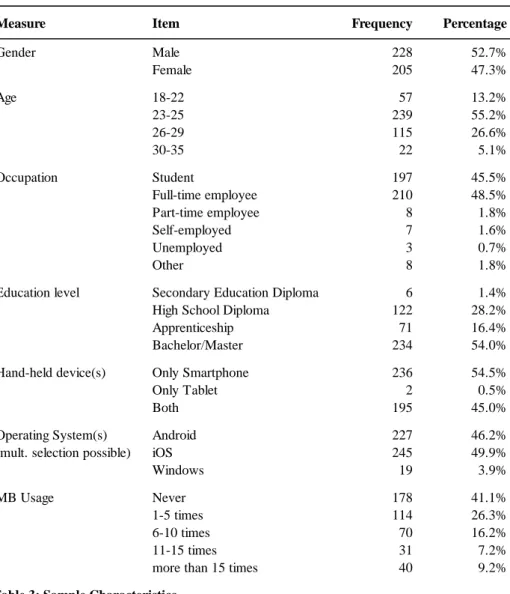
It is estimated that approximately 1,000 – 1,400 individuals received an invitation to fill in the survey. From this, a total of 440 individuals responded. All obtained questionnaires were tested for completeness. Then all forms were reviewed and illegible, inconsistent and ambiguous responses were dismissed. By cleaning the data, better accuracy and precision for a more thorough treatment of responses were achieved. Finally, 433 usable questionnaires were left, of which 255 were from users (58.9%) and 178 were from non-users (41.1%) of MB. This equals a response rate of approximately 30%, which can be considered high (Koenig-Lewis, Palmer and Moll 2010). One explanation might be that recipients are more likely to fill in a survey that is received from a known contact in contrast to an external organisation. Full sample characteristics are summarised in Table 3.
Table 3: Sample Characteristics
2 “WILLI” is the electronic learning platform of the Corporate State University Baden-Württemberg
Villingen-Schwenningen, where students manage their mailbox, courses, grades, etc.
Measure Item Frequency Percentage
Gender Male 228 52.7% Female 205 47.3% Age 18-22 57 13.2% 23-25 239 55.2% 26-29 115 26.6% 30-35 22 5.1% Occupation Student 197 45.5% Full-time employee 210 48.5% Part-time employee 8 1.8% Self-employed 7 1.6% Unemployed 3 0.7% Other 8 1.8%
Education level Secondary Education Diploma 6 1.4%
High School Diploma 122 28.2%
Apprenticeship 71 16.4%
Bachelor/Master 234 54.0%
Hand-held device(s) Only Smartphone 236 54.5%
Only Tablet 2 0.5% Both 195 45.0% Android 227 46.2% iOS 245 49.9% Windows 19 3.9% MB Usage Never 178 41.1% 1-5 times 114 26.3% 6-10 times 70 16.2% 11-15 times 31 7.2%
more than 15 times 40 9.2%
Operating System(s) (mult. selection possible)