THE IMPACT OF TECHNOLOGICAL AMENITIES ON
CUSTOMER EXPERIENCE IN UPSCALE HOTELS
Ana Carina Freire Margarido
Dissertation submitted as partial requirement for the conferral of
Master in Business Administration
Supervisor:
Prof. Ana Oliveira Brochado, Assistant Professor, ISCTE Business School Co – Supervisor:
Prof. Paulo Rita, Full Professor, ISCTE Business School
II
Abstract
Upscale Hotels operate in a highly competitive market and therefore place a strong emphasis on providing quality service and differentiation through the latest technological amenities. Nowadays, hotel companies are trying to follow the customers’ desires in order to offer a unique experience. However, given the multitude of available technologies on the market today, hoteliers have little understanding of their guests’ expectations and of which technological amenities will drive guest satisfaction. The literature review shows that not all the technological amenities implemented in hotels have been appreciated by guests. Since technological items change rapidly over time, the purpose of this study is to analyze the impact of current technologies and to assess the potential of the latest technologies on customer experience.
This study employed a two-step approach. In the qualitative phase an analysis of Portuguese upscale hotel websites was made as well as two interviews with hotel managers. In the quantitative stage a questionnaire was developed for hotel guests, generating a sample of 310 valid responses.
The results revealed that Internet access was the most important technology for both leisure and business travelers. The majority of respondents would like to add new technologies or change some of the existing ones for new technologies in order to improve their experience. The results also demonstrate that installing specific new technology can have a significant effect on enhancing guest experience.
Keywords: technology, upscale hotels, customer experience, technological amenities,
III
Resumo
Os Hotéis de 4 e 5 estrelas operam num mercado bastante competitivo, portanto têm uma grande necessidade de fornecer um serviço de qualidade e com diferenciação através das inovações tecnológicas mais recentes. Hoje em dia, as empresas hoteleiras estão a tentar seguir as necessidades do consumidor com o objetivo de oferecer uma experiência única. Contudo, dada a grande variedade de tecnologias disponíveis atualmente no mercado, os proprietários dos hotéis têm alguma dificuldade em saber quais são as expectativas dos clientes, ou seja, quais as tecnologias que podem levar à sua satisfação. A revisão da literatura mostra que nem todas as tecnologias implementadas pelos hotéis têm sido apreciadas pelos hóspedes. Como os itens tecnológicos mudam com o tempo é importante fazer este estudo que tem como objetivo analisar o impacto das tecnologias atuais bem como avaliar o potencial das mais recentes tecnologias na experiência do consumidor.
A metodologia adotada para este estudo está dividida em duas fases. Na fase qualitativa foi feita uma análise a alguns websites de hotéis em Portugal, bem como duas entrevistas a gestores de hotéis. Na etapa quantitativa foi desenvolvido um questionário para os hóspedes e foi obtida um amostra de 310 respostas.
Os resultados revelaram que o acesso à internet é a tecnologia mais importante tanto para os hóspedes que viajam em lazer como em negócios. A maioria da amostra gostaria de adicionar novas tecnologias ou mudar algumas das que estão disponíveis atualmente por novas para melhorar a sua experiência. Os resultados demonstraram também que a instalação de novas tecnologias específicas pode ter um efeito significativo na melhoria da experiência do cliente.
Palavras-chave: tecnologia; hotéis de 4 e 5 estrelas; experiência do cliente; inovações
IV
Acknowledgments
This master's thesis would not have been accomplished without the support of some people and I will forever be thankful to them for their help.
I would like to express my special appreciation and thanks to my supervisor, Professor Ana Brochado, for guiding and supporting me during the last year. All the suggestions, discussions and feedback were absolutely invaluable. I also want to thank my co-supervisor, Professor Paulo Rita, for all the ideas and feedback that he gave me.
I would like to acknowledge all the people that participated in this study by filling out the questionnaire and to all my friends that gave me words of strength, resources and feedback as I worked on my dissertation, especially my friend João Rodrigues.
Finally, but most importantly, I would like to thank my amazing family, in particular, my sister and my parents, for the unconditional support I have received over the years. I would like to thank my boyfriend for the patience, support and constant encouragement he provided during the last year. I undoubtedly could not have done this without you.
V
Table of contents
Abstract ... II Resumo ... III Acknowledgments ... IV Table of contents ... V Sumário Executivo ... XI Chapter 1 - Introduction ... 1 1.1. Problem Statement ... 1 1.2. Why Is It Relevant? ... 1 1.3. Goals ... 3 1.4. Methodology ... 3 1.5. Structure ... 4Chapter 2 - Literature Review ... 5
2.1. Technology in the Hospitality Industry ... 5
2.2. Upscale Hotels ... 6
2.3. Customer experience vs. Customer satisfaction ... 6
2.4. Perception of Guest Technologies in the Hotel Industry ... 7
2.5. Technological Amenities and Guest Experience/Satisfaction ... 8
2.5.1. Guest Empowerment Technologies ... 8
2.5.2. In-room technologies... 9
2.6. Business and Leisure Hotel Guests ... 12
2.7. Generations and Technology ... 14
2.7.1. A new breed of traveler - A luxury traveler of the future ... 16
2.8. Hotel of the future - technological trends ... 17
2.8.1. Impact of guestroom technologies when a guest is choosing a hotel ... 18
2.8.2. Internet ... 18
VI
2.8.4. Hotel room key of the future - mobile application ... 22
2.8.5. Devices that controls guestroom experience - trends in 2015 ... 23
2.8.6. Guestroom of the future (3120) - Novotel ... 25
2.9. Importance- Performance (Satisfaction) Model... 28
Chapter 3 - Methodology ... 30
3.1. Research context ... 30
3.2. Research questions ... 32
3.3. Data Collection Methods ... 33
3.3.1. Qualitative research ... 33
3.3.2. Quantitative research ... 37
3.4. Statistical Methods ... 39
Chapter 4 –Analysis and discussion of Results ... 40
4.1. Sample Description ... 40
4.1.1. Demographic profile description ... 40
4.1.2. Details of the last stay in a Portuguese upscale hotel ... 41
4.2. Importance - Satisfaction Analysis ... 43
4.2.1. Descriptive statistics - Importance ... 43
4.2.2. Descriptive statistics - Satisfaction ... 44
4.2.3. Importance-satisfaction gap analysis ... 45
4.3. Last stay in a Portuguese upscale hotel ... 48
4.4. Importance of the latest technological amenities ... 50
4.4.1. Preferences of check-in/check-out, room control and ordering room service ... 51
4.5. Guests’ technological preferences across purpose of travel and generation... 53
4.5.1. One way ANOVA - Purpose of travel ... 53
4.5.2. One -way ANOVA - Generations ... 54
VII
4.7. Linear Regression Analysis ... 62
4.7.1. Guests are willing to pay extra for a guestroom with the latest technologies 62 4.7.2. The availability of new guestroom technologies impacts guest decision in choosing a hotel. ... 63
Chapter 5 – Conclusions ... 65
5.1. Summary of results ... 65
5.2. Contribution for academic studies and for hotel managers ... 69
5.3. Study limitations and avenues for future researches ... 69
References... 71
Appendices ... 79
Appendix I - Interview guide for hotel managers ... 79
Appendix II - Hotel guest questionnaire ... 81
Appendix III - Tables ... 87
Table III 1 - List of the twenty-five hotels with technologies analyzed ... 87
Table III 2 - Guests' company & purpose of travel ... 87
VIII
List of Tables
Table 1. Main differences between Business and Leisure segments ... 13
Table 2. Synthesis of technology trends and their features ... 27
Table 3. Number of hotels in Portugal by Type ... 30
Table 4. Total revenues in 2014 by type ... 31
Table 5. Technological amenities in Portuguese upscale hotel websites ... 34
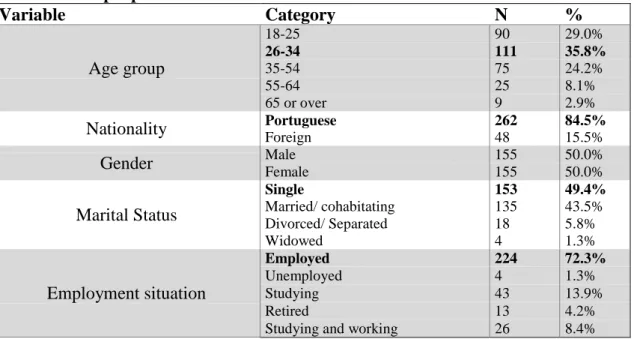
Table 6. Sample profile ... 40
Table 7. Details of the last stay in a Portuguese Upscale Hotel ... 42
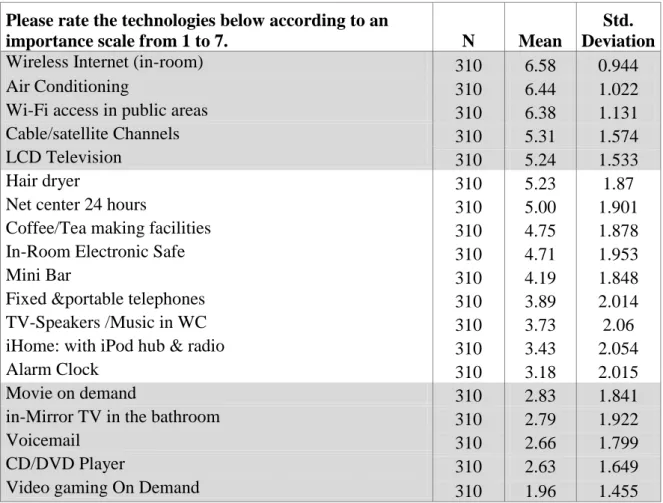
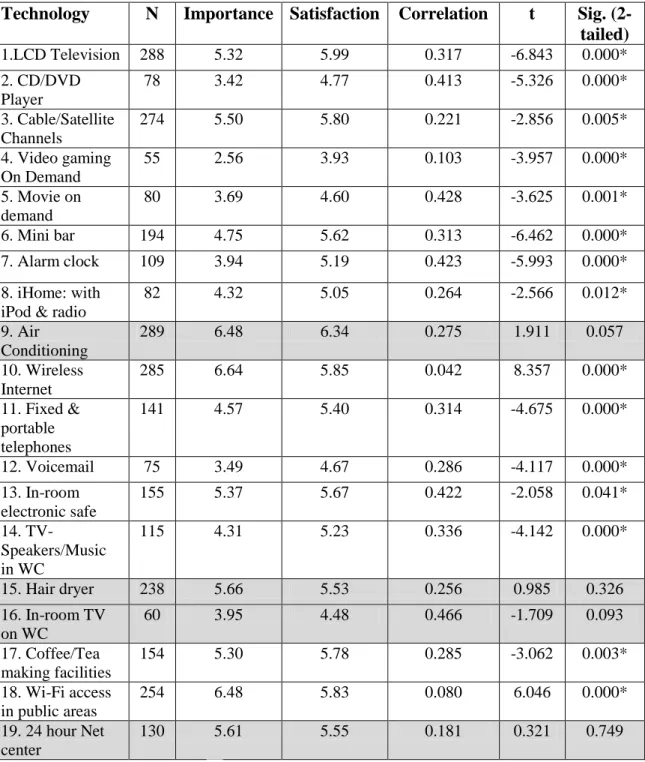
Table 8. Descriptive Statistics - Importance ... 43
Table 9. Descriptive statistics - Satisfaction ... 44
Table 10. Cross-checking - T-test (Importance - Satisfaction) ... 45
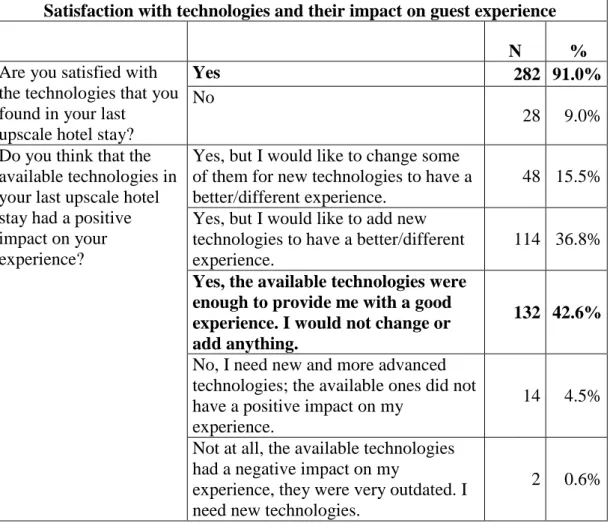
Table 11. Satisfaction with technologies and their impact on guest experience. ... 49
Table 12. Importance of latest technological amenities ... 50
Table 13. Technological preferences to check-in/out, room control and order a service. ... 51
Table 14. New guestroom technologies and hotel selection ... 52
Table 15. Propensity of customers to pay for a room with new technologies and new hotel experience ... 52
Table 16. One-way ANOVA - Purpose of travel ... 54
Table 17. Generations and purpose of travel ... 56
Table 18. One way ANOVA - Generations ... 57
Table 19. Post Hoc Tests - Multiple Comparisons - Dunnett C ... 58
Table 20. Results of Factor Analysis for Technological Amenities ... 61
Table 21. Linear Regression Analysis ... 64
List of Figures
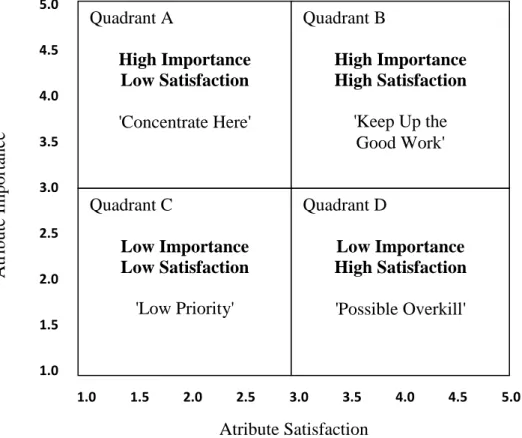
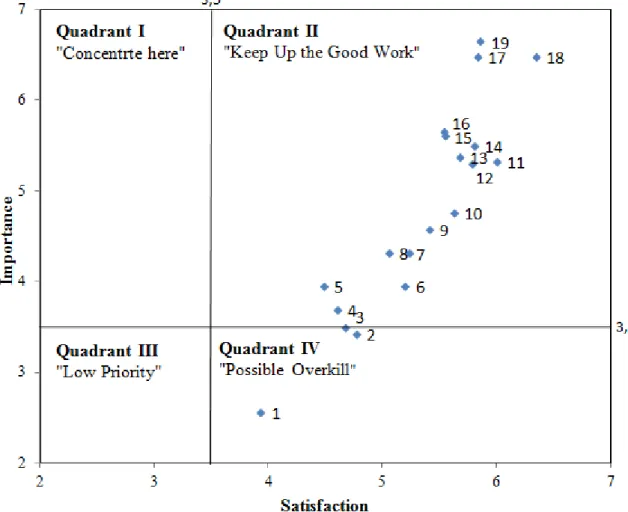
Figure 1. Hotel guestroom technology between 1970 and 2000 ... 9Figure 2. Importance - Satisfaction Matrix ... 29
IX
List of terms definition, acronyms and abbreviations:
ATM - Automatic teller machine
Baby Boomers - People born between 1946 and 1964 (Center for Marketing
Effectiveness, 2005).
CD/DVD - Compact Disc/ Digital Versatile Disc CRM - Customer Relationship Management
Gen X (Generation X) - People born between 1965 and 1976 (Center for Marketing
Effectiveness, 2005).
Gen Y (Generation Y) - People born between 1977 and 1993 (Center for Marketing
Effectiveness, 2005).
GET: Guest Empowerment Technologies - “Electronic systems and tools that allow
hotel guests to have more personal control over their stay in a hotel.” (Erdem, Schrier, & Brewer, 2009, p. 18).
HDTV - High Definition Television
HSIA: High-speed Internet Access - Internet connectivity at speeds of 1 to 100 Megabits per second (Mbps) (Collins, & Cobanoglu, 2008).
ICE - Interactive Customer Experience
In-room safe Electronic - Safe that can be opened by an electronic card or personalized code (Collins & Cobanoglu, 2008).
IPTV: Internet Protocol Television - The convergence of multimedia services (e.g.
television, video, audio, text, graphic, and data) delivered over Internet Protocol networks (Chang & Wang, 2006).
NFC - Near Field Communication PC - Personal Computer
PPV: Pay-Per-View - Digital video, available over a television platform, available on a payment basis (Collins & Cobanoglu, 2008).
X
SPG - Starwood Preferred Guest TV - Television
VoIP: Voice Over Internet Protocol - Use of Internet protocols instead of analog media to transfer voice data (Collins & Cobanoglu, 2008).
XI
Sumário Executivo
Os Hotéis de 4 e 5 estrelas operam num mercado bastante competitivo, portanto têm uma grande necessidade de fornecer um serviço de qualidade e com diferenciação através das inovações tecnológicas mais recentes. Hoje em dia, as empresas hoteleiras estão a tentar seguir as necessidades do consumidor com o objetivo de oferecer uma experiência única. Contudo, dada a grande variedade de tecnologias disponíveis atualmente no mercado, os proprietários dos hotéis têm alguma dificuldade em saber quais são as expectativas dos clientes, ou seja, quais as tecnologias que podem levar à sua satisfação. A revisão da literatura mostra que nem todas as tecnologias implementadas pelos hotéis têm sido apreciadas pelos hóspedes. Como os itens tecnológicos mudam com o tempo é importante analisar com alguma frequência (2 em 2 anos) a importância dos mesmos para os hóspedes com o objetivo de melhorar a sua experiência e consequentemente aumentar a sua satisfação.
Este estudo foi desenvolvido com o objetivo de analisar o impacto das tecnologias atuais bem como avaliar o potencial das tecnologias mais recentes na experiência do consumidor nos hotéis de 4 e 5 estrelas.
Após a revisão da literatura, é apresentada a metodologia utilizada no estudo, onde é feita uma caracterização da indústria hoteleira em Portugal, uma descrição detalhada de todos os métodos usados na recolha de dados e também um resumo dos métodos estatísticos utilizados no desenvolvimento do estudo. Relativamente à recolha de dados, inicialmente foi feita uma análise aos websites dos hotéis de 4 e 5 estrelas em Portugal com o objetivo de identificar quais as tecnologias disponíveis atualmente. De seguida foram realizadas 2 entrevistas a dois gestores de hotéis e por fim, antes de distribuir os questionários aos clientes de hotéis Portugueses de 4 e 5 estrelas, foi feita uma fase de teste com uma pequena amostra de modo a detetar possíveis erros.
No capítulo IV referente à análise e discussão de resultados, foi feita uma descrição da amostra a nível demográfico e uma caracterização detalhada da última estadia do cliente num hotel de 4 e 5 estrelas em Portugal. De seguida foi efetuada uma análise para identificar quais as tecnologias atuais (19 tecnologias analisadas) mais importantes e com níveis mais elevados de satisfação para os clientes. Com base nesses dados foi desenvolvida uma matriz de Importância - Satisfação para obter uma melhor compreensão da relevância de cada tecnologia. Foi também analisado o impacto que as
XII tecnologias tiveram na experiência do cliente na sua última estadia, bem como a necessidade do cliente em ter novas tecnologias disponíveis para melhorar a sua experiência. Relativamente às tecnologias mais recentes (14 tecnologias analisadas) foi também efetuada uma análise com o objetivo de identificar as tecnologias mais importantes para os clientes. Após a identificação das preferências dos clientes para efetuar o check-in/check-out, para controlar o quarto e para fazer uma reserva de um serviço, está presente uma análise referente à disponibilidade dos hóspedes para pagarem mais por um quarto com as tecnologias mais recentes e outra em relação ao impacto que as novas tecnologias têm na decisão do cliente em escolher o hotel.
De seguida foi realizado um teste paramétrico One-way ANOVA para analisar as diferenças existentes nas preferências tecnológicas dos clientes de acordo com o propósito de viagem e com as gerações. O teste Post- Hoc foi também usado para comparar resultados entre pares de gerações. Com o objetivo de criar dimensões tecnológicas entre as 14 tecnologias mais recentes, foi usada uma análise fatorial. Para assegurar a adequabilidade desta análise e aferir a qualidade das correlações existentes entre as variáveis foram realizados os seguintes procedimentos estatísticos: Kaiser- Myer-Olkin e Test de Barlett. As dimensões encontradas foram as seguintes: tecnologias de conforto & conveniência, tecnologias de entretenimento, e acesso à Internet. Por fim, através de análises de regressão linear, foram identificadas as dimensões tecnológicas que têm um impacto positivo na disposição do cliente em pagar mais para ter um quarto com as tecnologias mais recentes e na decisão do cliente em escolher o hotel.
No último capítulo são apresentadas as conclusões, os contributos deste estudo para as pesquisas académicas e para os gestores de hotéis, assim como as principais limitações do estudo e implicações para estudos futuros.
1
Chapter 1 - Introduction
1.1. Problem Statement
Now, more than ever, technology moves the world and companies cannot survive without using it. It has a significant impact on all businesses and the hotel industry is not an exception. Hotels are facing an increasingly competitive market and to differentiate themselves by providing excellent service is not enough. It is vital to offer something different to capture the customers’ attention as hotel guests become more and more selective in their choices (Janes & Wisnom, 2003). In this new technological world it is becoming possible to deliver a truly personalized guest experience in order to exceed the customers’ expectations (Accenture, 2012).
Today, leisure guests and business travelers are looking for a new experience. In fact, the customers’ expectations for the newest technology continue to grow. The increasing up-take by clients combined with the shorter life cycles of this technology creates a big challenge for hotels. In the past, guestrooms provided access to a different experience with technology that people could not get in their homes. Nowadays, this has changed completely whereby in most cases what clients have in their homes is far superior to anything that is available in a hotel room (Horner, 2012). It is essential to provide in-room technology that reflects what is on the market now, what people are currently using (Trauthwein, 2012), if not greater. Travelers are beginning to think of hotel rooms as a home away from home (Parets, 2004). Therefore, there is an opportunity for hotels to embrace the next generation of consumer technology, investing in the technological amenities that guests’ demand to achieve a competitive advantage in order to gain and retain guests.
1.2. Why Is It Relevant?
Technology has had a big impact on society and its ubiquity has grown substantially during the last decades. Therefore, hotels need to follow the evolution of technology to attract clients with a unique experience.
Several studies have shown the need for understanding what guests really want and their satisfaction with the available services and amenities. Therefore it is important to get
2 customer feedback in order to achieve a high level of guest satisfaction (Howell, Moreco & DeMicco, 1993; Skogland & Siguaw 2004).
Answering the call of a previous academic study, it is essential to replicate studies related with technology at least every two years, because of how significantly it changes over time (Bilgihan, Cobanoglu, & Miller, 2011). After bibliographic research of the existing scientific studies, where the correlation between technological amenities and guest experience is tested, it is evident that only a few studies have examined in-room technology at hotels, as it is a relatively recent development. However, in some studies the data showed that some new technology is not appreciated by guests (Bilgihan et al., 2011; Nasoz, 2011).
Taking all of these reasons into account, is critical to do this study to have an updated analysis of this issue. This study is also relevant because it is focused on the perceptions of both parties, managers and customers, as was recommended in previous research to provide a more comprehensive understanding of the study (Barker, Kandampully, & Lee, 2003). For the purpose of this study, an upscale hotel is classified with four to five stars. This study is about upscale hotels because was considered more interesting and useful study the impact of technologies in hotels that have more advanced technologies to their guests and that will invest more in new ones in the future. The upscale hotel guests have usually higher expectation, only reach satisfaction at higher levels, therefore this segment of hotels need to provide services incorporating new technologies to differentiate themselves offering a better guest experience.
The future technological amenities have been studied in a few hotels in the world with pilot rooms (for example the pilot room 3120 at the Novotel Vaugirard Montparnasse, Paris) to get customer feedback about the experience and thus understand the viability and up-take of these technological amenities by guests. If there is a positive impact from latest technological amenities on customer experience demonstrated in this study, the upscale hotels will probably invest more in technology to improve the guest experience, to generate revenue and to attract new customers, which can improve the tourism sector and also the economy of the country.
In summary, this study will be useful, mainly for upscale hotels because they will have access to customers’ feedback, giving them the opportunity to enhance the guest
3 experience with the technological amenities that customers prefer. If hoteliers decide to make changes in the technological amenities using the customers’ opinion, this study will also have a great benefit to customers.
1.3. Goals
As was mentioned before, hotels are facing a competitive market and in order to be successful hotels are trying to meet customer needs with new technology. Therefore, it is important to explore if current technological amenities continue to have a positive impact on guest experience, analyze if upscale hotels are upgrading technology in order to provide better guest experience and find out if the latest technological trends will enhance customer experience in upscale hotels. Given that technological amenities are essential to a hotel stay (Beldona & Cobanoglu, 2007), the main goals of this study are the following:
o Analyze the impact of current technologies on customer experience in upscale hotels.
o Assess the potential impact of the latest technologies on customer experience in upscale hotels.
1.4. Methodology
In order to successfully achieve the main goals above it was necessary to review the existing literature regarding the technological amenities in hotels. The websites of Portuguese upscale hotels were analyzed in order to identify the available technological amenities for guests. Previous studies focus on the type of tools used to analyze the impact of technology on customer experience and satisfaction (Bhangu, 2013; Nasoz, 2011). The questionnaire for this thesis for hotel guests was developed based on the questionnaires in these studies. Additionally, two interviews with managers of Portuguese upscale hotels were conducted mainly to analyze which technology they are planning to implement in the future but also to understand if there is congruence between the managers’ perception regarding the guests’ technological demands and desires, and guest perception. After the interviews, a first version (pre-test) of the questionnaire was tested with a sample of 10 respondents in order to detect some possible needs for improvement. After this phase, the questionnaire was distributed to upscale hotel guests in Portugal.
4
1.5. Structure
The thesis is divided into five chapters:
Chapter 1 - Introduction – Presented here are brief considerations concerning the
problem statement, the scientific and practical implications of the study, the main goals, methodology and finally the global structure of the thesis.
Chapter 2 - Literature Review – The five main topics are focused on: hospitality
industry, technological amenities, customer experience/satisfaction, technological preferences across purpose of travel and age, and the ‘hotel of the future’ - technological trends.
Chapter 3 - Methodology – This chapter describes how this research was conducted,
with careful explanations of the data collection methods and procedures used. The research questions are identified.
Chapter 4 - Results – Statistical analyzes are made to analyze the data collected.
Hypotheses are tested and findings are analyzed and discussed.
Chapter 5 - Conclusions – The results are analyzed and the contribution of this study
for upscale hotels and for academic research is presented. The limitations are considered and hints for future developments and investigation are provided.
5
Chapter 2 - Literature Review
2.1. Technology in the Hospitality Industry
According to ITEEA’s Standards for Technological Literacy, Content for the Study of Technology (STL), technology is defined as "the modification of the natural world to meet human wants and needs (ITEA/ITEEA, 2000/2002/2007)". It is the application of scientific discoveries to the production of goods and services to improve the human environment (Winborne, 2003).
Technology in hotels is often applied at two different levels: operational and managerial level, and for in-room guest service (Barker et al., 2003). According to the American Hotel and Lodging Association survey, hoteliers with more than ten years of industry experience identified increasing guest satisfaction (82.4%), increasing employee efficiency (79.9%) and generating revenues (71.3%) as the primary goals for the use of information technology (Brewer, Kim, Schrier & Farrish, 2008). Therefore, technological amenities are normally introduced in this industry to improve the performance of the hotel staff, allowing them to work with more efficiency and also to enhance customer satisfaction (Collins & Cobanolgu, 2008). Many hotels use technology as a value-added amenity to help create differentiation, enhance guest satisfaction, and build loyalty among customers (Cobanoglu, Ryan, & Beck, 1999). During the last years, information technology has significantly changed the way the hotel industry conducts business. Olsen, Connolly, and Allegro (2000) identified Information Technology (IT) as the single greatest force driving change in the hospitality industry.
Previous studies indicate that hotel technology implementations can improve customer satisfaction, increase productivity and reduce costs, which can result in a competitive advantage. (Camisón, 2000; Cobanoglu, Corbachi & Ryan, 2001; Collins & Cobanoglu, 2008, David et al., 1996; Siguaw & Enz, 1999; Van Hoof, Verteeten, & Combrink 1996). However, not all technologies positively impact guest satisfaction (Cobanoglu et al. 2001) and an incorrect choice of technological amenities may result in customer dissatisfaction (Cobanoglu, 2009). Therefore, it is critical to understand what hotel guests need and want. This knowledge will help hoteliers decide which products or services they should provide or adjust existing offerings in a way that is more appealing
6 to guests, meeting their requirements and expectations (Kotler, Bowen, & Makens, 2003; Lazer, Dallas, & Riegel, 2006).
2.2. Upscale Hotels
The lodging industry sector is generally classified into six categories: luxury hotels, upper-upscale, upscale, upper-midscale, midscale and economy (Miller et al, 2013). "Upscale hotels are sometimes categorized as part of the luxury hotel sector” (Digital Luxury Group, 2013) because "luxury is a very subjective notion and no single criteria could comprehensively define whether a property is luxury or not” (Chu, 2014). For the purpose of this study, an upscale hotel is defined as a hotel that offers luxury amenities and that is classified with four to five stars. This study examines the upscale hotel segment, the hotels with four to five stars in Portugal. The guests of these types of hotels expect to have an elegant environment, a broad number of facilities and services, and the latest technology such as High-speed Internet Access (HSIA), CD/DVD sound systems, High Definition Television (HDTV) and more. Those hotels offer a high level of quality and comfort. They achieve excellence in every facet of hospitality and are known for their beautiful architecture, landscaping, interior design, and exquisite taste. According to a study, upscale/luxury hotels are 18.2 % more likely to implement hotel technological amenities than economy/mid-range hotels in the next three years (Jung, Kim & Farrish, 2014) in order to increase the quality of the service and consequently achieve their guests’ expectations. They must follow the latest technological trends to be competitive in their segment and to enhance the guest experience. On the other hand, economy and midscale hotels are more likely to implement technology to increase their operating efficiency (Siguaw, Enz & Namasivayam, 2000).
2.3. Customer experience vs. Customer satisfaction
According to Meyer & Schwager (2007) customer experience includes all the aspects that a company is offering — the quality of service, advertising, packaging, product and service features, ease of use, and reliability. Customer experience is a complex process of understanding the customers’ conscious and subconscious perceptions of their relationship with the organization from all their interactions. Nowadays, customer experience has become a critical differentiator in this competitive, global marketplace.
7 Good customer experience management can improve customer loyalty, strengthen brand preference, boost revenue, and lower costs (Espana, 2006).
Customer satisfaction is a result of the customers’ experience, often measured as a degree of “happiness”. It can be defined as a customer’ state of mind in which their needs and expectations have been met or exceeded with a product or a service. It is described as the link between perceived quality and post-purchase evaluations. Customer satisfaction can result in a subsequent repurchase and prolong loyalty (Yi, 1991).
2.4. Perception of Guest Technologies in the Hotel Industry
The hotel industry is often criticized for being slow to implement the latest technologies in guestrooms as opposed to overall operations (Siguaw et al., 2000). In order to change this perception, an industry forum of technology started in 2006 the "In-Room Technology Workgroup" aimed at developing the guestroom of the future, GUESTROOM 20X (Barnes et al., 2012).
According to a recent study in Hospitality Technology (2013), hoteliers faced a big challenge: the need to meet customers' higher demands combined with lack of sufficient budgetary resources to implement new technologies. Another challenge for hotel operators is the rapidly changing technology that causes shorter life cycles (Horner, 2013). Based on the novelty theory, hotel guests might initially have a strong interest in using new technology purely out of curiosity (Hirschman, 1980); however, the novelty effect decreases as guests become competent in using the new technology (Beldona & Cobanoglu, 2007).
Nevertheless, to meet the guests’ growing interest in having technology in their rooms, hotel companies started to implement technological amenities faster in order to meet customer needs and also to be competitive (Barnes et al., 2012). Therefore, it is crucial for hoteliers to invest in the proper technology, turning the challenges into opportunities and gain a competitive advantage.
8
2.5. Technological Amenities and Guest Experience/Satisfaction
It has been stated that technology is a critical determinant for hotel guest satisfaction (Singh & Kasavana, 2005) and for hotel selection (Cobanoglu, 2001). According to a related study, technology can enhance guest experience and is a substantial factor impacting guest satisfaction. This study found three significant variables: in-room technologies (Voice over Internet Protocol (VoIP) telephone services, Pay-Per-View (PPV) movies, voicemail, game systems and universal battery charges), business essentials (business center services, express check-in/check-out, in-room telephone, alarm clock, and easily accessible electronic outlets) and Internet access. However the variable comfort technologies (in-room electronic safe, guest control panel, in-room PC, mobile access to hotel website, electronic lock, and flat screen HDTV) is the only category that has no impact on hotel guest satisfaction (Cobanoglu, Berezina, Kasavana, & Erdem, 2011). Hotel companies tend to have more available resources for monitoring the guest experience because of the clear emphasis on experience and satisfaction customers have when selecting a hotel (Whitford, 1998).
2.5.1. Guest Empowerment Technologies
Guest Empowerment Technology (GET) is self-service technology specifically designed to give hotel guests more personal control over their stay without direct intervention from hotel employees. Some examples of GET are in-room check-out systems, check-in and check-out kiosks in the lobby, in-room entertainment systems, mobile applications, online reservations systems and others. (Erdem, et al., 2009).
According to Van Hoof, Verbeeten, & Combrink, 1996, GET aims to enhance the guest experience with more comfort while saving on labor costs and facilitate hotel operations. For example, the installment of check-in kiosks reduced the amount of labor required for reservation activities, so the staff had more available time for additional tasks in order to increase their level of customer service and consequently enhance guest satisfaction (Erdem, et al., 2009). However, a related study shows that one of the five attributes with the lowest overall satisfaction was self-check-in (Usta, Cobanoglu, Berezina, 2011). Nevertheless, a recent study of 106 respondents shows that about 80% of the guests would prefer to use self-check-in methods such as kiosks, online or other rather than go to the front desk. Guests prefer to replace long waiting lines with
9 convenient and less time-consuming technology facilities (Bhangu, 2013). Another related study at the Cornell University Center for Hospitality Research found that one of the guests’ favorite technology applications was the self-check-out service (Verma, Victorino, Karniouchina, & Feickert, 2007).
The result of using the GET is not only a reduction of labor costs but also the increase of customer satisfaction. Therefore, the hotel managers should consider using them to have a competitive advantage and to meet customer expectations as guests will expect to find GET in their rooms (Erdem et al., 2009).
2.5.2. In-room technologies
A study found that hotel operators invested more in in-room technology than any other technology for three consecutive years. The top two in-room technology projects planned to be implemented within 18 months are networking (for example, increasing wireless Internet access) and upgrading TVs (Hospitality Technology, 2013). A recent survey of lodging operators found that 62.5% of them reported "successfully" or “very successfully" enhancing customer experiences using in-room technology over the past three years. Only 6.4% believed that in-room technology did not enhance customer experience. And 25% of the respondents reported that in-room technology installations have generated additional revenues. On the other hand, 31.4% stated that the installed in-room technology did not have a positive effect on revenue (Jung et al., 2014).
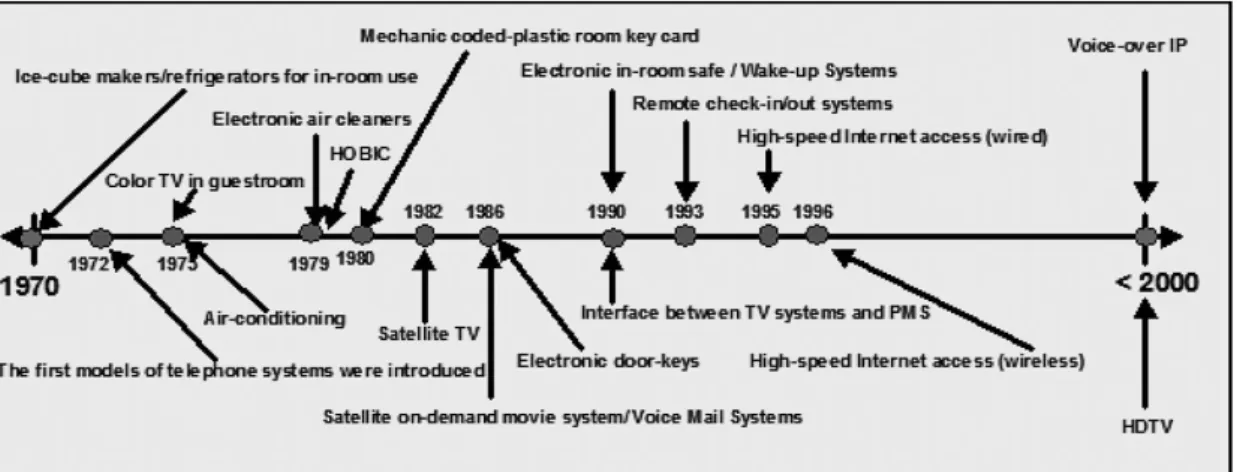
According to DeMicco & Cobanoglu (2009), technology in the hospitality industry started in the early 1970’s and has been quickly evolving. Figure (1) shows the evolution of guestroom technology between 1970 and 2000.
Figure 1. Hotel guestroom technology between 1970 and 2000 Source: DeMicco, F., & Cobanoglu, C., (2009), p. 96
10 The implementation of in-room technology has not only improved the in-room services but also provided new ways of entertainment (Barker et al., 2003). The guestroom experience has changed dramatically over the years. In order to provide service with more comfort and convenience to customers, hotel companies are gradually changing the area of in-room entertainment, introducing modern technology into their rooms (Sieburgh, 2009).
In the past, entertainment options were limited. But today with the rapid growth of technology, consumers have multiple entertainment options at their fingertips. They expect that hotels will offer at least the same level of amenities as they have in their homes, what they currently using (Trauthwein, 2012), or greater. Guests are using technology like high-speed Internet, high-definition TV, digital entertainment devices and VoIP in their daily lives. Many hotel guests think of a hotel as a home away from home (Parets, 2004).
A study of hotel managers found that in-room entertainment systems ranked second behind wireless Internet as the technology that hotel guests care about most. (Brewer et al., 2008). This increasing level of guest expectation leads hotels to offer more rooms with diverse technological devices of entertainment. According to Microsoft, in-room entertainment is one of the fastest growing revenue generating opportunities in hospitality.
Some studies indicate that several in-room technologies are being introduced to provide better guest experience (Erdem et al., 2009; Cobanoglu et al., 2011). For example, in 2010 Marriott International tested its Internet Protocol Television (IPTV) initiative in the guestrooms of a pilot hotel - Courtyard Seattle Downtown/Pioneer Square in Seattle, WA. in order to enhance the level of guest experience. According to Neil Schubert, Vice President of Information and Technology for Marriott, the IPTV initiative will allow hotels to provide an interactive service to guests in order to give them the possibility of having a similar experience to the one they have in their homes because half of guests do not travel with their laptop electronic devices with them while traveling and 67% want to use them with the hotel entertainment system (Hotelmarketing, 2008).
At the present time, hotels, especially the upscale and luxury hotels, are competing to provide service with the latest technology for their customers. However a related study
11 showed that a significant number of customers do not appreciated many of these investments. Some technological entertainment amenities are a low priority for guests, such as, gaming consoles, Internet on TV and in-room fitness amenities. Whereas, other technology such as, Free-To-Guest TV, Guest-Device Connectivity and HSIA are very important to customers and contribute to their high level of satisfaction. However, some amenities need special attention because they were rated as important by guests but with a low satisfaction rating. These included music, universal battery charge and in-room desktop PCs (Bilgihan, et al., 2011).
Peliz Nasoz (2011) did a study through an online survey with a sample of 508 respondents examining 18 in-room technologies and found that the following were perceived by hotel guest as the most important technologies: in-room movies, On Demand services, in-room high-speed wireless Internet service, HDTV content, in-room temperature control, in-room electronic safe, connectivity panels and all-in-one guestroom control units. He also found that they were satisfied with the performance of these technologies and would therefore like to use them during their hotel stay to enhance their experience. Alternatively, these three relatively new technologies were classified by guests as not very important: 3D television, Internet on the TV, and guestroom lock access via mobile phone. Finally, the technology classified as less important but with strong performance were: in-room check-out system through the TV, in-room video viewing of guest profile, and voicemail (Nasoz, 2011). A similar study found that HSIA, express check-in and check-out, and remote control for the TV were ranked as having high importance and as high performance technology by guests, who categorized it as "Keep up the good work". On the other hand, some technology such as videoconferencing capabilities, wireless access to the hotel website, business center and plasma screen TV's were classified as "low priority" for guests, ranked as low performance and low satisfaction (Beldona & Cobanolgu, 2007).
In sum, while hotel operators are investing in technology, not all of it has been appreciated by the guests, as was observed in the gap between the importance and satisfaction level for technological amenities. Therefore, it is important to explore the customers’ opinion to understand: what is the impact of technological amenities on the customer experience in upscale hotels and to learn which technologies are really important for guests. This is one of the purposes of this study.
12
2.6. Business and Leisure Hotel Guests
A business traveler is an individual who travels for business purposes, defined as "all non-discretionary trips which occur either explicitly for the purpose of engaging in work, or incidentally in the course of conducting work-related activities" (Jones, 2002). However, an increasing number of people travel for leisure. (Center for Marketing Effectiveness, 2005). They are called leisure travelers or individuals who travel for pleasure (Jones, 2002).
According to research performed by the American Hotel & Lodging Association (2014), in 2013, 41% of hotel guests traveled for business and 59% traveled for leisure purposes. These two segments of travelers have different wants, needs and travel patterns and thusly are assumed to have different demands (Radder & Wang, 2006). In the past, the differences between business and leisure travelers across technological preferences were more significant. More recently, business travelers are not the only ones who want to be connected; leisure guests are devouring digital content more than ever before causing the lines between business and leisure guests to be more and more blurred (Murray, 2013). According to Hotels.com's 2013 Global Hotel Amenities Survey, both business and leisure travelers identified free Wi-Fi as the most important amenity when they choose a hotel. Wi-Fi is considered to be a must-have in a hotel, much more important than free breakfast, free parking or a swimming pool.
Despite the growing interest of leisure guests in technology, only a few of the studies showed that there was no difference between these two segments regarding technological preferences. One study found that today's leisure travelers give as much importance to in-room technologies as business travelers (Nasoz, 2011). However, the majority of studies continue to find some differences in guests’ technological preferences across the purpose of travel. A study with 616 respondents indicates that the need for Wi-Fi service in a hotel is higher for business travelers than leisure travelers. The study shows that 44.7% of leisure travelers didn’t use the Wi-Fi service during their stay while some used it on their laptops (34.1%), smartphones (10.6%), and other devices (13.6%). Compared to the leisure travelers, most business travelers used the Wi-Fi service (80.9%) with their laptops (63.6%), smartphones (10.9%), and other devices (11.8%) (Lee & Tussyadiah, 2010).
13 Many of today's leisure travelers bring their devices with them when they are traveling and increasingly demand in-room high-speed Internet (Center for Marketing Effectiveness, 2005). However, more business travelers prioritize free in-room Wi-Fi than leisure travelers. Business travelers are much more likely than leisure travelers to use the hotel application to book a room. A study showed that 60% of business travelers who booked their hotels on a Smartphone used a mobile application, as compared with 36% of leisure travelers (Google Traveler Study, 2014). In Table 1 are highlight the main differences between business and leisure guests.
Table 1. Main differences between Business and Leisure segments Leisure traveler Business traveler
- Travel in leisure time - Travel on working time - Travels relatively infrequently - Travels relatively frequently
- Averagely longer trips - Takes trips that are shorter in duration.
- Plans trips generally medium time scale (few weeks to a year).
- The planning period can be very short to very long for conference delegates (months to years).
- Travel with friends and family. - Usually unaccompanied or with
colleagues.
- Generally more price sensitive: They spend more time deciding on the most suitable hotel for their travels and also make a greater effort to find the best possible deal for their stay.
- Location is key: hotel’s location is one of the top priorities, a convenient location that is close to their conference or convention venue that will allow them to go to their meeting point in a short time frame.
- Strong consideration for reviews and
recommendations: they turn to their
family, friends, colleagues and online reviews for recommendations more so than business travelers who rely on company recommendations and also online reviews.
- Make more loyalty guests: Due to the higher frequency of travel and less time spent on the booking process they have a higher tendency to stick with certain hotels that meet their criteria compared to leisure travelers. A lot of them belong to a hotel loyalty program.
Greater attraction to packages and specials: They are always looking for
packages with different activities, events to improve their experience. -
- Emphasize the necessity for
all-inclusive amenities: amenities like
continental breakfast, a coffee maker, ironing board with iron, minibar, functional air conditioner and fully equipped bathroom are essentials.
14
Leisure traveler Business traveler Desires extra on-site hotel facilities
(ex: a pool, fitness area or a restaurant). -
- Business center and meeting space are extremaly important to have all conditions to work. They also need
comfortable lobby and lounge (for
working, relaxing, networking, and socializing).
- More time available to ask the front desk associates for recommendations. -
- Less free time - they want fast service (ex: check-in/check-out using self-service methods such as online or kiosks and efficient breakfast)
- Digital involvement is less important for them: less likely to use hotel applications.
- Strong interest in a digital involvement with hotel : including a
variety of mobile application that make travelling to work easier.
They want to be connected: lower need
for Wi-Fi service.
They need to be constantly connected:
higher need for wi-fi service: constantly using their mobile phone or other devices to remain connected with their clients and colleagues during their business trips.
Source: Davidson & Cope (2002); Lee & Tussyadiah (2010); Magnani Caruso Dutton (2013); Weed (2013); 1and 2.
The results from previous studies suggest that technology is more important for business travelers than for leisure guests. Since the preferences of guests can change over time, it is also significant to discover the importance of technology according to the purpose of travel. The research hypothesis aimed at testing this is as follows:
H1: The latest technologies are more important for business travelers than for leisure guests.
2.7. Generations and Technology
According to a paper by the Center for Marketing Effectiveness produced in collaboration with Hotel Next Generation, every generation uses technology in a different way. The report divided hotel guests in three generations: Baby Boomers (born between 1946 and 1964), Generation X (Gen X - born between 1965 and 1976) and Generation Y (Gen Y - born between 1977 and 1993) (Center for Marketing Effectiveness, 2005). In the past, hotels focused mainly on attracting Baby Boomers but now Gen X and Y have more opportunities to travel than ever before. Therefore hotels
1 http://www.e-marketingassociates.com/understanding-differences-business-vs-leisure-travelers/ 2
15 have to attract and concentrate on the younger travelers (Lussan, 2011). A related study found that the level of importance for some technology is different across generations (Nasoz, 2011). When compared with all other generations, Gen Y assigned significantly high importance to many technologies such as: in-room video On Demand, guestroom lock access via mobile phone, and new technology phones with visual displays. Younger generations(Gen Y and Gen X) gave significantly more importance to connectivity panels. Some technology such room movie On Demand services, in-room wireless HSIA, and electronic in-in-room temperature control units are considered important not only for Gen Y, but also for Gen X and Baby Boomers. It was only the silent generation (born after 1945) that gave less importance to these technologies. Despite the differences across generations, only the connectivity panel showed a significant difference between Gen X and Baby Boomers (Nasoz, 2011). According to AARP & Microsoft, Baby Boomers are open to new technology, because they believe that it can enhance their lives. The technologies most used by Baby Boomers are television and Internet (Center for Marketing Effectiveness, 2005). However, they are less likely to become early adopters because safety and privacy are more important for them than for other generations. Younger travelers have grown up in a world where technological advances were easily integrated into their lives. Therefore, they are more naturally early adopters of technology (AARP & Microsoft, 2009).
Gen X and Gen Y give a lot of importance to technology, although from different perspectives. While Gen X tends to use technology that makes life easier, saves time and are comfortable doing their banking and shopping online, Gen Y prefers to use technology to socialize and entertain. For this generation, technology is a part of their lives (Forrester Research, 2008). Gen Y is the most technology savvy generation. (Forrester Research, 2008;Center for Marketing Effectiveness, 2005) and Gen X is still behind Gen Y in terms of the number of technologies deemed as important (Nasoz, 2011). However, both generations tend to prefer hotels that offer high-speed Internet and iPads (Lussan, 2011). They expect to remain connected wherever they go and continually look for new ways to access and interact with their personal content (Chin, nd).
In order to meet the preferences, needs and desires of their customers across generations hotels should be aware and provide a range of technological amenities (Center for
16 Marketing Effectiveness, 2005). The assumption according to previous studies is that technology is more important for younger generations (X and Y) than for Baby Boomers. Consequently, the research hypothesis is the following:
H2: The latest technologies are more important for younger generations than for Baby Boomers.
2.7.1. A new breed of traveler - A luxury traveler of the future
The hotel experience is changing and hotels need to embrace the demands of modern travelers. According to Jenny Hsieh, Vice President of Strategy and Innovation at Marriott International, they had to create new and innovative ways to differentiate their brand (Doyle, 2014).
Michael Levie, CEO of CitizienM3, said that the hotel industry has completely lost the essence of what the new segment of traveler wants. This industry tends to be the last to respond to change, however hotel companies are beginning to understand and follow the needs of the modern travelers (Waldthausen & Oehmichen, 2013).
The new breed of travelers wants to be in places that understand them; they are no longer looking for the bellboys to carry their luggage up to their room or a concierge. These young travelers (between 18 and 35 years old) want to feel at home with the amenities they use every day, connected to the world and feel that they can become part of the experience. According to Michael Levie, the luxury traveler today is very different: they arrive to the hotel by some form of public transportation, wearing a t-shirt and do not give as much importance to the old status symbols; they do not seem to see money as a way to show-off. The CEO of 25 hours Hotel Hafencity, Christoph Hoffmann, states that modern-day travelers are not looking for a room filled with luxury items; they consider luxury to be having a very good experience (Waldthausen & Oehmiche, 2013).
Young travelers are connected to the web at all times with one or two devices in their pockets. This new generation of millennials cannot imagine their days without technology. They are seeking for unique experiences and they want to find a hotel that
17 can provide them a different experience, new style, design and service. This new breed of traveler is looking for hotels with something distinctive from the others and where guests can stay in a simple, comfortable place that is connected with the world (Waldthausen & Oehmiche, 2013). The concept of hotel lobbies is changing as a result of this new generation. They are becoming social hubs, more comfortable, community-like and homely because, According to Michael Tiedy, the Senior Vice President of Brand Design & Innovation at Starwood Hotels and Resorts, millennials like to be "alone, together". They like to be part of the experience by interacting with people to share their experiences, emotions and learn more about the country's culture. These new areas can also function as meeting spaces. Tim Walton, Vice President of International Development at Marriott Hotels, observed that "people are mixing work and play in this social setting and want to feel immersed in the city life that surrounds them". The service is also changing, becoming more informal, respectful and natural.
This study shows that some hotels are indeed bracing themselves for a new generation of millennials. However, it will take the hotel industry some time to acquire the changes necessary in order to provide a unique experience. The luxury market will soon have to make a revolutionary change to keep up with these modern customers that will dominate the market. Therefore, the first ones to act will certainly have a competitive advantage in capturing this new segment of travelers (Waldthausen & Oehmiche, 2013). In summary, it is important to understand what the technological preferences of each type of guests are and if they have changed with the evolution of technology. Hence, this is another purpose of this study.
2.8. Hotel of the future - technological trends
The hotel of the future will be completely personalized, using customer’s preference data and advanced customization technology (Doyle, 2014). According to a study with 600 respondents, 95% of guests expect that “hotels will increasingly look to new technologies to drastically increase efficiency, reduce costs, personalize the customer experience and improve service” (Talwar, 2012). In order to improve guest experience some technological amenities are being tested and introduced in a few hotels worldwide and others are upgrading to follow the technological evolution and guest expectations.
18 The role of some in-room technological amenities is changing, like TVs. Modern digital travelers want to use the entertainment at hotels in the same way they do at home, through online services with their own devices, tablets or laptops. It is, therefore, increasingly likely that customers will pay less attention to an in-room TV (Horner, 2013).
In 2011, an American study found that 81% of hotel guests were not ordering PPV entertainment. With all the entertainment options that travelers have through online services via their laptops, PPV in hotels became a thing of the past, replaced by a bring-your-own entertainment culture (Horner, 2013).
2.8.1. Impact of guestroom technologies when a guest is choosing a hotel
According to a survey with a sample of 508 respondents, nearly half of them agreed that the availability of new guestroom technology impacted their decision when choosing a hotel. Only 17.5% said that in-room technology has no impact on their decision when choosing a hotel. When asked if they would be willing to pay extra for a guestroom with the latest technologies, 36.1% said yes while 34.8% answered no. The remaining participants in the sample answered "Neither agree nor disagree". Almost a quarter of the respondents (24%) indicated that they would pay $1 to $10 more to stay in such a room; 19.9% were willing to pay $11 to $20; and 10.8% reported that they would pay $21 to $30 more (Nasoz, 2011). Although most guests may not be willing to pay for in-room entertainment technology amenities, one survey with 408 travelers (Bilgihan, 2012) reported that some guests are willing to pay $1 to $5 to have video On Demand (59%), music (15%), game consoles (41%), Internet on the TV (36%), and HSIA (18.4%). Another study with 408 respondents showed that, when deciding on a hotel, the two most important in-room entertainment technology amenities for leisure and business travelers are a free-to-guest TV and high-speed Internet access (Bilgihan, et al., 2011).
2.8.2. Internet
The Internet is one of the most important amenities for guests in a hotel (Karadag & Dumanoglu, 2009). A study of 1.2 million guests concluded that 71% of guests consider the speed of their Internet connection as a key factor in their choice of hotel (iBAHN, 2011). In another survey with 1,800 hotel guests, 89.6% said that in-room Internet is
19 very important and 66.5% stated that in-room Internet affects their decision when choosing a hotel (Hotel Internet Services, 2010). For almost all segments of hotel guests, but particularly for upscale guests, wireless Internet is the most important amenity among items such as complimentary breakfast, bedding and pillow choices, pillow top mattress and free parking (Greif, 2010).
What hotel guests really want is fast Internet like they have at home for free. Although most hotels offer free Wi-Fi for their guests, and it is considered a basic service, an increasing number of hotels are adopting a tiered pricing program. This is a plan hotels use to cover the expensive costs where customers have to pay for access to faster Internet and to connect more than one device (Horner, 2013). However, the 2012 North American Hotel Guest Satisfaction Index Study suggests that charging guests for Internet use can have a negative impact on customer satisfaction (J.D. Power, & Associates, 2012).
In order to enhance their guest experience, the Hyatt Hotels Corporation decided to offer free Wi-Fi to Hyatt guests worldwide. In February 2015, Hyatt guests will have access to free Wi-Fi on an unlimited number of mobile devices and laptops in hotel rooms and social areas. According to Kristine Rose, Vice President of Brands for Hyatt, Internet connectivity has become a crucial part of guests’ daily lives so it is no longer an amenity but a basic service that they already expect. Hyatt employees focus on understanding the real needs of their guests in order to make their experience more personal and seamless (Hospitality Technology, 2014).
One of the ways to meet the high expectations of tech-savvy customers is to upgrade their Wi-Fi networks. Some hotels decide to do it to improve the experience for mobile device users during their stay. One example is the Mandarin Oriental Hotel in New York that has seen an 85% decrease in Internet-related complaints after the upgrade (Yu, 2012).
2.8.3. New trends in check-in and check-out processes
In recent years hotels have trying to enhance the guest experience with modern technology applied in different areas, one example is in the check-in/check-out process.
20
2.8.3.1. Kiosk
Increasingly, hotels around the world are adopting an electronic and Kiosk check-in in order to simplify, personalize and speed up the process, allowing guests to go directly to their rooms (Weed, 2013).
According to Tyler Craig, Vice President and General Manager for the NCR Corporation’s travel business, guests don’t want to wait in line for the front desk anymore because they are using ATMs at the bank, online check-in at airports and now expect to find the same efficiency when they arrive at a hotel. Joseph Lema, Assistant Professor at Goodwin's Hospitality Management School at Drexel University and David Nadelman, General Manager of the Grand Hyatt San Francisco said that different check-in methods are meant to provide options for guests. However, they caution that self-service technology cannot be used as a substitute of service; it has to be used to facilitate service. Each type of guest has their own preferences. While leisure guests have more time available to ask the front desk associates for recommendations, business travelers prefer to check-in using self-service methods such as online or kiosks (Weed, 2013).
Between these two self-service methods, Henry H. Harteveldt, Co-Founder and Head of Airline & Travel Research and the Atmosphere Research Group, advised hotel managers to invest the same money they would have in kiosks with an online application that allows guests to more easily and quickly check-in and check-out (Weed, 2013).
Before its grand opening, Sana Evolution, a new hotel that opened in Saldanha in February 2015, released a statement saying that it would be incorporating technological innovations such as self-service check-in, E- hosts to help guests and more.4
2.8.3.2. Digital check-in and check-out
While check-in kiosks and other methods of avoiding the front desk line have become more commonplace at hotels, integration of mobile check-in has seen a rapid expansion across the hotel industry (Baker, 2014).
4
21 In 2008, Omni Hotelswas the first hotel brand to provide the online check-in process as a mobile website function. This new technology gave guests the opportunity to check-in before they even arrive at the hotel, ensuring that guestroom keys are ready and waiting for them at the front desk (Baker, 2014).
Another example is Marriott Hotels5 who announced a significant expansion of the mobile check-in and check-out process in 2014. By August of 2014 Marriott International had already made the mobile check-in and check-out process available to Marriott Rewards members at 1,200 properties worldwide. Using the Marriott Mobile Application, guests who are members can check-in starting at 4 p.m. on the day before their arrival. When guests arrive at the hotel they only have to pick up the key card that is waiting for them at a specific mobile check-in desk.
By the end of 2014, one of the largest hospitality companies in the world, Hilton Worldwide6, announced that it was the first one to provide to their Hilton HHonors members a digital check-in, where guests can sign-in to their account via mobile device, tablet or computer. This technology also gives them the ability to choose their own room from digital floor plans, and not just the type of the room but the exact location in the hotel as well as the room number. After choosing a room, guests can also make special requests to customize their stay by purchasing specific items to be delivered to their room before arrival. In the end of their stay, guests can also check-out through their own devices and their bill will be automatically sent to their email address rather than stopping at the front desk.
According to Geraldine Calpin, Senior Vice President and Global Head of Digital at Hilton Worldwide, in order to understand what guests really want feedback from more than 40 million HHonors members, as well as the data from guest surveys, social media and review sites was analyzed. The result was clear that guests want greater choice and control of their hotel stay. 84% of business travelers surveyed in a recent Hilton survey7 from the U.S. said they wanted the ability to choose their exact room. A few months after the launch of the room selection feature, Hilton did a follow-up study to get feedback from guests. One-third of eligible guests had already used the function and 5 http://news.marriott.com/2014/08/4000-reasons-why-travelers-will-love-their-mobile-devices-even-more-this-year-marriott-expands-mobil.html 6 http://news.hiltonworldwide.com/index.cfm/newsroom/detail/27951 7 http://news.hiltonworldwide.com/index.cfm/newsroom/detail/27192
22 more than 90% were "satisfied" or "extremely satisfied" with the experience and said they would use it again.
Despite this pioneering innovation, Hilton is currently trying to improve the process because for now, guests still need to waste time stopping in the hotel lobby to pick up the key. In order to simplify the process a hotel key of the future needs to be designed, allowing guests to unlock their hotel room doors using a mobile-enabled room key. Hilton expects to have this new technology available in some U.S. hotels starting in late spring of 2015 with a high adoption from guests given what they have seen with room selection. They are revolutionizing the hotel guest experience with digital tools desired by guests8.
2.8.4. Hotel room key of the future - mobile application
According to Tim Shea, the key to the future hotel guestroom is already in guests’ pockets. Plastic keycards will soon be replaced by Smartphones and other mobile devices. This is a result of advanced wireless communication protocols, namely Near Field Communication (NFC), which will be a game-changer for the in and check-out processes in hotels. NFC is a feature of mobile devices that allows users to send and receive data securely and instantly over short distances through digital access signals (Shea, 2013).
With this operational strategy guests can go straight to their rooms without having to stop in the lobby reducing the waiting lines at the front desk, assuming that guests check-in digitally. Guests just need to have their Internet-enabled Smartphone with the application that activates a signal to unlock the door by simply holding their device near the NFC-compatible signal reader. It is a functional solution but also has some disadvantages. Though it continues to increase, even in Smartphone-friendly countries the penetration is around 50%. Battery life poses another problem. If the phone runs out of battery this solution cannot be utilized causing even those hotels that want to provide non-stop check-in to maintain the traditional check-in or kiosks (Gruen, 2013). Hotel companies assert that mobile check-in is not designed to cut jobs, but rather a technological initiative aimed at innovating and improving the guest experience, avoiding frustrating check-in lines (CBCNews, 2014). Nevertheless, this solution allows
8